
Inca Music and Dance: Echoes of a Bygone Era

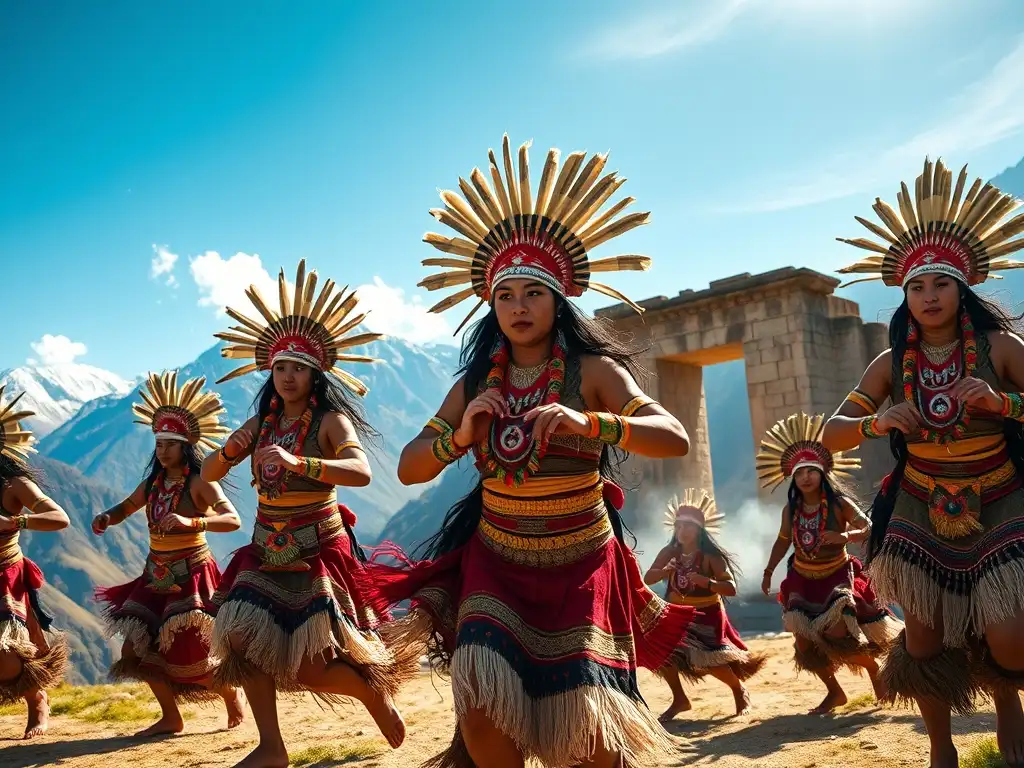
Step into a world lost to time, yet echoing with vibrant life. Discover the captivating legacy of the Andean civilizations, where intricate artistry, breathtaking ingenuity, and powerful empires thrived. But what secrets do the rhythms and movements of Inca music and dance hold? Unravel the mysteries of this ancient culture and prepare to be transported to a bygone era, where the echoes of the past still resonate today. Journey with us through the heart of the Inca Empire and delve into the rich history behind their mesmerizing musical and dance traditions.
The Inca Empire, a civilization that flourished in the Andes Mountains for centuries, left behind a legacy far richer than its impressive architectural feats. Understanding the Inca Empire requires delving into the intricate tapestry of their daily lives, including their vibrant musical traditions and captivating dances. This exploration into Inca music and dance history unveils a fascinating glimpse into their social structures, religious beliefs, and artistic expressions.
Far from mere entertainment, music and dance were integral components of Inca society, reflecting their deep connection to the spiritual world and their complex social hierarchy. This article will examine the profound significance of music and dance within Inca culture, exploring their roles in ceremonies, daily life, and the overall fabric of their society.
We will uncover the instruments they used, the styles of music they created, and the ways in which dance served as a powerful form of communication and social cohesion. Prepare to be transported back in time as we listen to the echoes of a bygone era, and uncover the compelling story of Inca music and dance.
Understanding the Significance of Inca Music and Dance
Inca music and dance were not simply forms of entertainment; they were deeply intertwined with religious practices, agricultural cycles, and social events. Music played a crucial role in Inca religious ceremonies, often accompanying rituals dedicated to the sun god, Inti, and other deities. The rhythmic beats of drums and the melodic sounds of panpipes likely accompanied offerings and prayers, creating a powerful atmosphere of reverence and connection to the supernatural. Furthermore, music served as a vital communication tool, conveying messages across vast distances and uniting communities through shared rhythms and melodies.
Consider the intricate choreography of Inca dances, often involving large groups of performers executing synchronized movements. These dances were not just visually stunning; they told stories, celebrated harvests, and reinforced social bonds. The precise movements, costumes, and accompanying music all contributed to a rich and meaningful experience, reinforcing community identity and social order. Unfortunately, much of the precise details regarding specific melodies and dance forms have been lost to time, with only fragmented accounts and interpretations remaining.
However, archaeological findings, such as the discovery of musical instruments and depictions of dances in pottery and textiles, offer invaluable clues to reconstruct this lost world. These artifacts provide tangible evidence of the rich musical and dance heritage of the Inca civilization. The surviving remnants allow us to piece together a picture of a society where music and dance were not mere pastimes, but essential elements of their cultural identity.
The Role of Music in Inca Society
Music permeated every aspect of Inca life, from religious ceremonies to agricultural activities and celebrations. The Inca utilized a variety of instruments, each with its unique role and symbolic meaning. Among the most prominent were the pututu, a long shell trumpet used for signaling and ceremonial purposes; the antara, a panpipe instrument often played in ensembles; and various types of drums, including the tinku, used in festive occasions and rituals. The sounds produced by these instruments were not simply pleasing to the ear; they were believed to possess spiritual power, capable of influencing the natural world and communicating with the gods. The music itself was often characterized by its repetitive rhythms and simple melodies, reflecting the cyclical nature of Andean life and the importance of community.
Think of the rhythmic pounding of the tinku drum accompanying a harvest celebration, uniting the community in shared joy and gratitude for a bountiful crop. Or imagine the solemn tones of the pututu signaling a significant religious event, conveying a sense of awe and reverence. The social hierarchy within Inca society was also reflected in their musical practices. Certain musical styles and instruments were reserved for the elite, while others were used by commoners.
This distinction highlights the deep integration of music into the social fabric of the Inca Empire, reflecting and reinforcing the existing power structures. Further research is needed to fully understand the nuances of Inca musical styles and their relationship to social status. However, it is clear that music was an essential component of Inca society, playing a vital role in their religious beliefs, social interactions, and daily life. The echoes of their music, though faint, continue to resonate through the Andes today.
Instruments of the Inca Empire: Sounds of the Andes
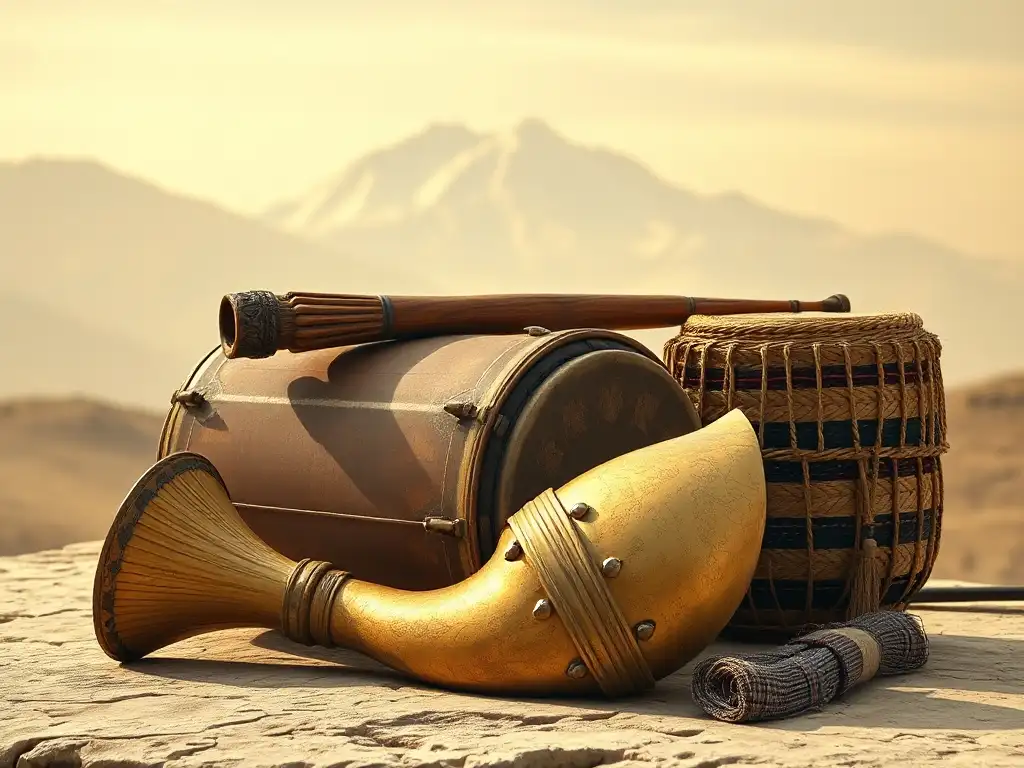
The vibrant tapestry of Inca culture wasn't woven solely from intricate textiles and monumental architecture; it also resonated with the captivating sounds of its unique musical instruments. Understanding Inca music and dance history requires appreciating the instruments that created the sonic landscape of their world.
While much of the music itself has been lost to time, archaeological findings and surviving accounts from Spanish chroniclers offer valuable insights into the instruments used and their significance within Inca society. The instruments weren't merely for entertainment; they played crucial roles in religious ceremonies, agricultural cycles, and daily life, reflecting a deep connection between music, spirituality, and the natural world.
The Inca Empire's musical heritage, though partially obscured by history, continues to inspire and fascinate researchers and music lovers alike, providing a window into the rich cultural fabric of this remarkable civilization. The sounds of the Andes echoed with a diverse range of instruments, primarily categorized into wind, percussion, and stringed instruments.
Wind Instruments: Quenas, Antaras, and More
The Andean highlands were filled with the melodic sounds of wind instruments, primarily the quena and the antara. The quena, a simple, end-blown flute, is perhaps the most iconic Inca instrument. Made from various materials like cane, wood, or bone, its haunting melodies often accompanied religious rituals and celebrations. Archaeological excavations have unearthed numerous quenas in excellent condition, showcasing the craftsmanship and artistry involved in their creation.
These flutes varied in size and pitch, allowing for diverse musical expressions. The antara, a panpipe consisting of several pipes of varying lengths bound together, produced a richer, more complex sound. Antaras were often played in pairs, creating a harmonious blend of tones that mirrored the layered sounds of the Andean landscape. Their use ranged from festive occasions to solemn religious ceremonies, contributing significantly to the sonic richness of Inca life.
Beyond the quena and antara, other wind instruments likely existed, but evidence is less conclusive. Further research and analysis of archaeological finds may reveal more about the diversity of Inca wind instruments and their musical functions. The melodies played on these instruments likely reflected the rhythms of daily life, the cyclical nature of agriculture, and the spiritual beliefs of the Inca people.
Percussion Instruments: The Rhythms of Inca Life
Percussion instruments provided the rhythmic heartbeat of Inca music and dance. While precise details on the types and variety of percussion instruments are limited, surviving accounts and archaeological discoveries point to the use of several instruments. Drums, likely made from animal hides stretched over wooden frames, provided the fundamental rhythm for dances and ceremonies. These drums varied in size, producing different pitches and intensities.
The rhythmic sounds would have been integral to the ceremonies, possibly mimicking the rhythms of nature or the heartbeat of the earth. Smaller percussion instruments, such as rattles made from gourds filled with seeds or stones, added intricate textures to the music. These rattles, often held in the hands of dancers, created a percussive counterpoint to the main rhythmic elements.
The use of these instruments, both large and small, helped to unify the collective participation in communal celebrations and rituals. The rhythmic precision of Inca percussion, evidenced by the surviving instruments and descriptions, highlights the importance of rhythm in their society. Further research into the construction and use of Inca percussion instruments could illuminate the complexity of their rhythmic traditions.
Stringed Instruments: Limited but Present
While wind and percussion instruments dominated the Inca musical landscape, evidence suggests the limited presence of stringed instruments. Unlike the abundance of wind and percussion instruments discovered in archaeological sites, stringed instruments are far less common. This scarcity doesn't necessarily imply their insignificance, but it does suggest a less prominent role compared to their wind and percussion counterparts.
Some scholars suggest that simple stringed instruments, perhaps resembling rudimentary harps or zithers, might have existed. However, the lack of substantial archaeological evidence makes it difficult to definitively confirm their widespread use or design. It's possible that these instruments were less durable, made of perishable materials, or simply less commonly used in contexts preserved through archaeological discovery.
The relative scarcity of stringed instruments in the Inca musical tradition highlights the dominance of wind and percussion instruments in shaping the soundscape of the Inca Empire. Further investigation and analysis are needed to fully understand the role, if any, of stringed instruments in Inca music and dance history. The limited evidence, however, underscores the need for more research to fully unravel the intricacies of Inca musical practices.
Inca Dance Forms and Their Meanings
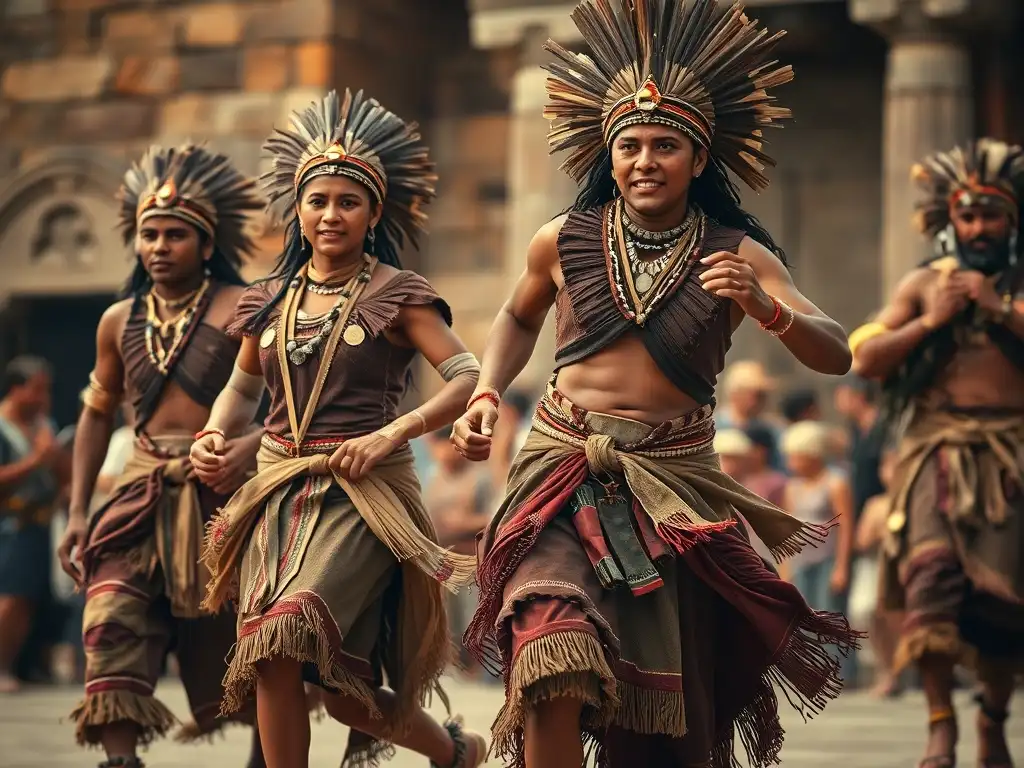
The vibrant tapestry of Inca civilization wasn't woven solely from intricate textiles and monumental architecture; it was also richly embroidered with the threads of music and dance. Inca music and dance history reveals a deeply spiritual and socially significant art form, integral to their daily lives, religious rituals, and celebrations. These performances weren't mere entertainment; they were powerful expressions of their worldview, reflecting their relationship with the gods, the land, and their community.
Understanding Inca dance requires appreciating its multifaceted role within their society. The movements, costumes, and accompanying music all held symbolic meaning, contributing to a holistic experience that connected the performers and audience to the spiritual and social fabric of the Inca Empire. This section will delve into some of the key dance forms, exploring their significance and revealing the echoes of this bygone era.
Ritual Dances: Honoring the Gods
Ritual dances formed a cornerstone of Inca religious life. These weren't casual performances; they were meticulously choreographed ceremonies aimed at appeasing deities, ensuring bountiful harvests, and maintaining cosmic balance. The Capac Apu, or mountain gods, received particular reverence, with dances often performed on mountaintops or in sacred plazas. These dances frequently involved complex steps, symbolic gestures, and the use of sacred objects like tumi (ceremonial knives) and keros (ceremonial vessels). The rhythmic movements, often accompanied by panpipes, drums, and singing, were believed to directly communicate with the spiritual realm.
Specific examples of ritual dances remain elusive due to the limited surviving documentation. However, accounts from Spanish chroniclers, albeit often biased, suggest the existence of dances dedicated to the sun god, Inti, and the creator god, Viracocha. These likely involved elaborate costumes, representing the sun's brilliance or the celestial order, and intricate choreography reflecting the power and majesty of these deities.
Further research is needed to fully reconstruct these rituals and their intricate movements, but existing evidence points to a profound connection between dance and the spiritual life of the Inca people. The intensity and precision of these ritual performances underscore the importance of maintaining harmonious relations with the supernatural world for the Inca.
Agricultural Dances: Celebrating the Harvest
The Inca civilization thrived on its sophisticated agricultural system. The annual agricultural cycle was marked by a series of festivals and celebrations, many of which featured dances expressing gratitude for the harvest and ensuring the fertility of the land. These dances, often performed communally, served both a religious and social function, reinforcing community bonds and celebrating shared success. The movements might mimic agricultural activities like planting, harvesting, or tending to the fields, reflecting a deep connection between the people and their environment.
While precise details are scarce, we can imagine the lively atmosphere of these harvest celebrations. The dances might have incorporated symbolic representations of the earth's bounty, with costumes adorned with fruits, vegetables, and flowers. The music would likely have been upbeat and celebratory, reflecting the joy and abundance of the harvest.
These dances weren't just performances; they were active participation in the cycle of life, reinforcing the Inca's deep respect for the land and their dependence on its bounty. The rhythmic movements and communal participation fostered a sense of unity and shared purpose within the community, highlighting the social significance of agriculture within Inca society.
War Dances: Displays of Strength and Courage
Beyond religious and agricultural contexts, Inca dance played a crucial role in military life. War dances served as both training exercises and powerful displays of strength, courage, and military prowess. These performances weren't intended for entertainment; they were integral to the Inca's military strategy, serving to intimidate enemies and instill confidence within their own ranks. The dances would have involved vigorous movements, mimicking combat maneuvers and showcasing the warriors' skills with weapons.
Descriptions of Inca war dances are limited, but we can infer their nature from the warrior culture of the Inca Empire. These dances likely involved the use of weapons like macanas (clubs) and boleadoras (throwing weapons), with movements designed to showcase their effectiveness. The costumes might have been more austere than those used in ritual dances, focusing on practicality and the display of military strength. The accompanying music would likely have been more martial in nature, reflecting the intensity and seriousness of the context.
In addition to their military significance, these dances served a crucial social function, reinforcing the warrior ethos and strengthening the bonds between soldiers. The rigorous training involved in mastering these dances undoubtedly contributed to the Inca's military success. The Inca music and dance history shows that these dances provided a vital link between ritual, training, and the projection of military power.
The Historical Context of Inca Music and Dance
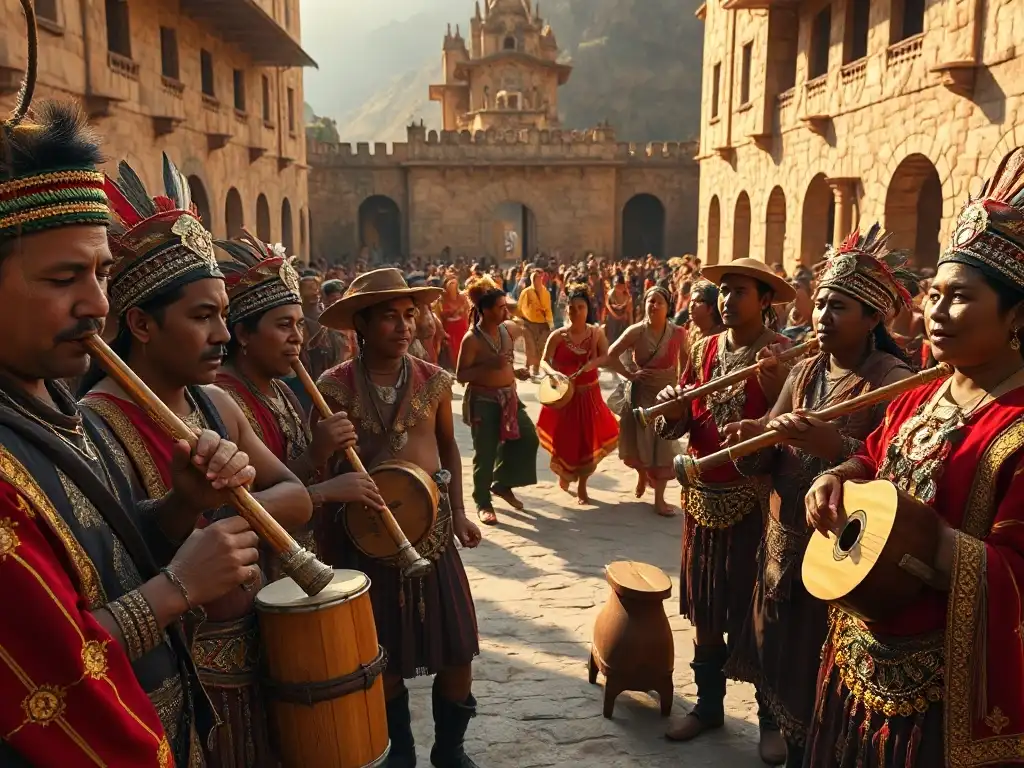
This section delves into the historical backdrop against which Inca music and dance flourished, exploring its evolution and the factors that shaped its unique characteristics. We'll examine pre-Inca influences, the flourishing of musical and dance traditions during the height of the Tawantinsuyu empire, and the devastating impact of Spanish colonization. Understanding this historical context is crucial to appreciating the echoes of this bygone era that still resonate today. The rich tapestry of Inca music and dance history is interwoven with the broader narrative of Andean civilization.
Pre-Inca Influences on Inca Musical Traditions
Before the Inca Empire's rise, diverse Andean cultures possessed vibrant musical traditions. These pre-Inca influences significantly shaped the later Inca musical landscape. Archaeological evidence, such as unearthed musical instruments like clay flutes and ocarinas from various pre-Inca sites, reveals a long history of musical expression.
The styles and techniques varied across different cultures, with regional distinctions that likely contributed to the diversity of Inca music. For instance, the Moche civilization, known for its elaborate pottery depicting musical scenes, demonstrates a sophisticated understanding of musical instruments and performance. The Nazca culture, famous for its geoglyphs, also left behind evidence suggesting a rich musical heritage, although the specifics remain partially obscured by the passage of time.
Analyzing these pre-Inca traditions helps us understand the foundation upon which Inca music was built. The Inca, known for their administrative prowess, likely incorporated and standardized aspects of these pre-existing traditions, creating a unified, yet diverse, musical system across the vast Tawantinsuyu.
Inca Music and Dance During the Tawantinsuyu
During the Inca Empire's zenith (c. 1438-1533 CE), music and dance were integral to daily life, religious ceremonies, and state rituals. Music served numerous purposes, from accompanying agricultural work and celebrations to expressing religious devotion and honoring the Inca royalty. The yaraví, a melancholic song form, often expressed themes of love, loss, and longing, reflecting the human experience within the Inca society.
In contrast, celebratory songs and dances, often featuring panpipes ( antara), drums ( tinku), and shell trumpets ( pututo), marked important events like harvest festivals and religious rites. These performances were often highly choreographed, reflecting the structured nature of Inca society.
The Inca state actively patronized music and dance, employing specialized musicians and dancers who served in royal courts and participated in religious ceremonies. These performers held prestigious positions within the social hierarchy, highlighting the importance of music and dance within the Inca worldview. Detailed accounts from Spanish chroniclers, while sometimes biased, offer glimpses into the grandeur of Inca musical and dance performances, describing elaborate costumes, intricate movements, and the use of large ensembles.
Further research into Inca textiles and iconography continues to reveal new insights into the visual aspects of these performances. Unfortunately, much of the specific musical notation and detailed choreography has been lost to time, leaving us to piece together a fuller picture from fragmented evidence.
| Instrument | Material | Function |
|---|---|---|
| Antara (Panpipes) | Reed, wood, bone | Primarily melodic instrument |
| Tinku (Drum) | Wood, hide | Rhythmic accompaniment, ceremonial use |
| Pututo (Trumpet) | Shell | Ceremonial signaling, religious contexts |
The Impact of Spanish Colonization on Inca Music
The Spanish conquest brought about a dramatic shift in Inca music and dance. The destruction of the Inca state and the suppression of indigenous cultures led to the systematic dismantling of traditional musical practices. The Spanish, aiming to impose their own cultural values, actively discouraged indigenous musical traditions, often destroying instruments and persecuting musicians. The introduction of European instruments and musical styles further altered the Andean musical landscape. However, despite the harsh realities of colonization, Inca musical traditions demonstrated remarkable resilience. Elements of Inca music survived, often integrated into new hybrid forms that blended indigenous and European styles.
The huayno, a popular Andean genre, is a prime example of this cultural fusion. While incorporating European musical elements, the huayno retains certain rhythmic and melodic characteristics rooted in Inca musical traditions, demonstrating the enduring influence of the past. Further research is needed to fully understand the extent to which Inca musical elements were preserved and adapted in various forms of Andean music post-colonization.
The survival of these traditions underscores the deep-seated cultural significance of Inca music and dance, which continued to thrive, albeit in transformed ways, through generations of Andean peoples. The study of Inca music and dance history, therefore, remains crucial for understanding the complexities of cultural continuity and change in the face of colonization. 🎶
Inca Music and Dance Today: Preserving a Legacy
The vibrant sounds and movements of Inca music and dance, though originating centuries ago, continue to resonate in modern Peru and beyond. While the precise sounds of Inca music are lost to time, except for fragmented accounts and interpretations from colonial-era sources, the spirit of their musical and dance traditions persists through dedicated efforts to preserve and reinterpret them.
This preservation isn't simply a nostalgic exercise; it's a vital act of cultural reclamation, ensuring a living connection to the rich heritage of the Inca Empire. Understanding how Inca music and dance history is being kept alive today is key to appreciating its enduring power.
Modern Interpretations of Traditional Inca Music
Modern interpretations of Inca music often rely on painstaking research into surviving instruments, iconography, and sparse written accounts from Spanish chroniclers. Musicians often use reconstructed instruments, such as the antara (panpipes), pututu (shell trumpet), and various types of drums, striving for authenticity while acknowledging the unavoidable gaps in our knowledge. The challenge lies in balancing historical accuracy with artistic expression.
Some groups strictly adhere to what can be reliably reconstructed, creating a historically informed sound. Others take a more liberal approach, incorporating contemporary instrumentation and compositional techniques while retaining the spirit and rhythmic patterns found in surviving examples. This often involves blending traditional Andean instruments with modern ones, creating a unique and evolving sound that reflects both the past and the present.
For instance, some contemporary musicians incorporate electric guitars or charangos alongside traditional panpipes, creating a captivating fusion of soundscapes. The result is a fascinating interplay between tradition and innovation, a testament to the enduring power of Inca musical heritage.
Contemporary Inca Dance Groups and Performances
Numerous contemporary dance groups across Peru dedicate themselves to reviving and performing Inca-inspired dances. These performances are often integral parts of festivals, celebrations, and cultural events, both in Peru and internationally. These groups meticulously study surviving depictions of Inca dances in colonial-era art and chronicles, along with ethnomusicological studies of related Andean traditions. The dances themselves are visually stunning, often involving elaborate costumes, precise formations, and symbolic movements.
While the exact steps and meanings of many Inca dances remain uncertain, contemporary choreographers interpret surviving evidence to create captivating performances. They strive to capture the energy, grace, and spiritual significance that likely characterized Inca dance. These performances are not mere recreations; they are living expressions of cultural continuity, engaging audiences and educating them about the rich history of the Inca Empire. The choreography often incorporates elements of storytelling, reflecting themes of nature, agriculture, and spiritual beliefs prevalent in Inca society.
The Importance of Cultural Preservation
The preservation of Inca music and dance is crucial for several reasons. Firstly, it helps maintain a vital link to the past, ensuring that the cultural legacy of the Inca Empire isn't lost to time. Secondly, it fosters a sense of cultural identity and pride among Andean communities, strengthening their connection to their heritage.
Thirdly, it provides a valuable resource for researchers and scholars studying Inca society and culture, offering insights into their social structures, beliefs, and artistic expressions. Finally, the continued performance and study of Inca music and dance enriches the global cultural landscape, introducing audiences worldwide to the beauty and complexity of this ancient civilization.
The ongoing efforts to preserve and reinterpret these traditions are a vital contribution to the understanding and appreciation of Inca music and dance history, ensuring its continued relevance and vitality for generations to come. The careful documentation, research, and performance of this art form are not only preserving a legacy but also actively shaping its future.
Frequently Asked Questions
What role did music and dance play in Inca society?
Music and dance were integral to Inca life, serving religious, social, and political functions. They were used in ceremonies, celebrations, and even agricultural rituals.
What types of instruments did the Inca use?
The Inca utilized a variety of instruments, including panpipes (antara), drums (tinya), and wind instruments like the pututo. These instruments often played together in ensembles.
How did Inca music differ from that of other Andean cultures?
While sharing some similarities with other Andean cultures, Inca music featured unique rhythmic patterns and melodic structures. It also often incorporated vocal harmonies.
What is known about Inca dance styles and costumes?
Inca dances were highly stylized and often represented stories or myths. Costumes were elaborate, featuring bright colors and symbolic designs that varied depending on the occasion and the performers' social status.
Where can I learn more about Inca music and dance today?
You can find information in archaeological studies, ethnomusicological research, and museums exhibiting Inca artifacts. Many modern interpretations of Inca music and dance also exist.
Final Reflection: The Enduring Legacy of Inca Rhythms
The vibrant tapestry of Inca music and dance, though separated from us by centuries, continues to resonate powerfully in the cultural landscape of modern-day South America and beyond. Its intricate melodies and rhythmic movements are not merely historical artifacts; they are living testaments to a civilization's ingenuity, resilience, and profound connection to the natural world. The echoes of their music and dance serve as a potent reminder of the rich cultural heritage that deserves preservation and celebration.
The enduring influence of Inca musical traditions is undeniable, shaping contemporary Andean music and influencing artistic expressions across the globe. Their sophisticated understanding of musical instruments, their incorporation of nature into their performances, and the deeply spiritual significance woven into their dances continue to inspire artists and researchers alike. Music is the universal language of mankind,
a sentiment that rings particularly true when considering the timeless appeal of Inca musical and dance traditions. Their legacy transcends geographical boundaries and speaks to the shared human experience of expressing joy, sorrow, and spirituality through art.
Consider the legacy of the Inca's musical and dance traditions. How can we, as individuals, contribute to the preservation and understanding of this rich cultural heritage? Seek out opportunities to experience Andean music and dance firsthand, support organizations dedicated to cultural preservation, and engage in respectful dialogue about the importance of protecting these invaluable cultural treasures. Let the rhythms of the past inspire you to celebrate the diversity of human expression and to champion the preservation of cultural heritage for generations to come.
Unveil the Rhythms of the Andes!
Thank you for exploring the vibrant world of Inca music and dance with us! You've discovered how these timeless traditions reflect the rich culture of the Andes. Now, let's put that inspiration into action!
Here are some exciting ways you can deepen your connection with this captivating subject:
- Immerse Yourself: Participate in a local workshop or class to experience the rhythms and movements of Inca dance firsthand. Feel the energy and spirit of the Andes come alive!
- Share the Love: Share your favorite aspects of Inca music and dance on social media. Engage with friends and invite them to join you at a performance or event.
- Explore Further: Delve deeper into the history by visiting a museum or cultural center dedicated to Andean cultures. Discover how music and dance continue to influence modern traditions.
What aspect of Inca music or dance resonated most with you, and how will you incorporate it into your life?