
Inca Clothing and Adornment: More Than Just Fabric and Feathers

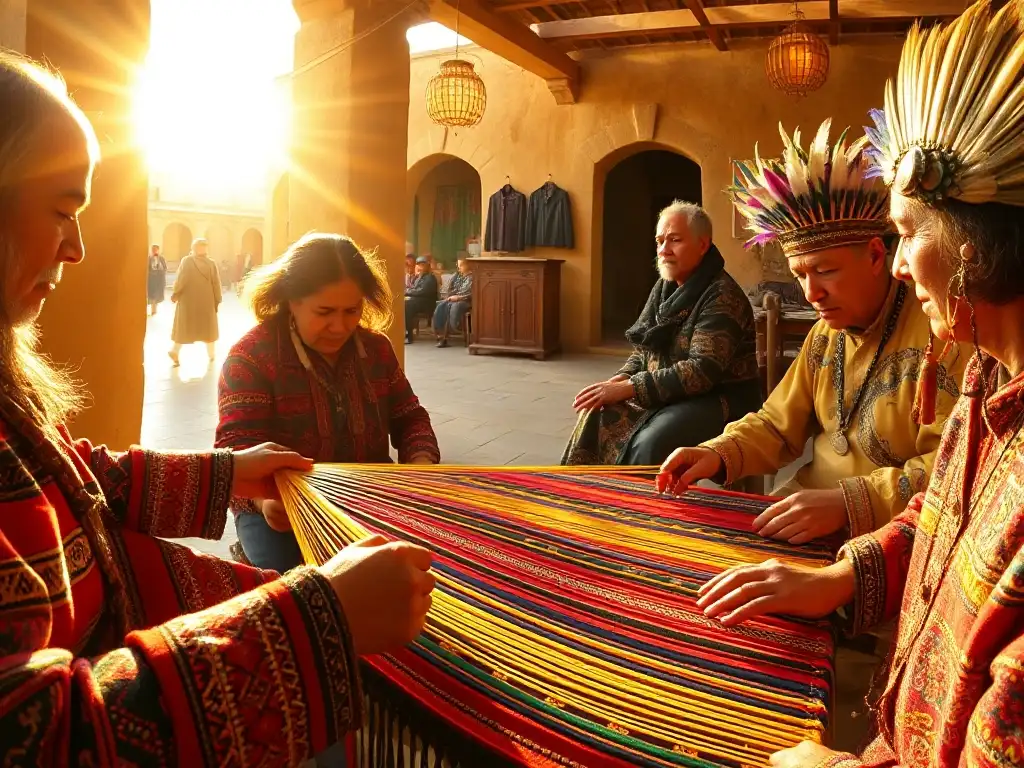
Step into a world woven with vibrant threads and profound symbolism! Forget everything you think you know about ancient clothing. On this journey through Andean Civilizations, we unravel the mysteries behind Inca clothing styles and symbolism, revealing a complex tapestry of social status, religious beliefs, and artistic mastery. Prepare to be amazed by the intricate details and hidden meanings embedded within each garment – a story waiting to be told. Discover the secrets held within the threads…
Inca clothing wasn't merely utilitarian; it was a powerful symbol of social status, identity, and religious beliefs. This article delves into the intricate world of Inca fashion, exploring the diverse materials, techniques, and symbolism woven into their garments and adornments. We will uncover how clothing styles reflected an individual's position within Inca society, from the commoner to the emperor, and how specific colors, patterns, and embellishments communicated complex messages.
Understanding Inca clothing provides a crucial window into their rich cultural tapestry, revealing insights into their social hierarchy, religious practices, and artistic achievements. This exploration of Inca clothing styles and symbolism offers a fascinating glimpse into the daily lives and beliefs of one of the most remarkable civilizations of the Andes. Prepare to be amazed by the ingenuity and artistry reflected in every thread and feather.
The Significance of Textiles in Inca Society
Textiles held immense cultural and religious significance within Inca society. Weaving wasn't simply a craft; it was a revered art form, deeply intertwined with their spiritual worldview. The creation of textiles was often associated with religious rituals, and skilled weavers held a prestigious position within their communities. The quality and intricacy of one's clothing directly reflected their social standing.
Elaborate garments, adorned with precious metals and feathers, were reserved for the elite, while simpler textiles were worn by the common people. Furthermore, specific colors and patterns carried symbolic meanings, often representing deities, celestial bodies, or important events. This intricate system of visual communication allowed for the transmission of complex social and religious messages through clothing. The preservation of intricate textiles from the Inca era provides invaluable evidence of their sophisticated artistic abilities and profound spiritual beliefs.
Materials Used in Inca Garments: A Look at Andean Fibers
The Inca Empire boasted a diverse range of high-quality fibers, each contributing unique characteristics to their textiles. Access to these materials varied depending on geographical location and altitude, leading to regional variations in clothing styles and techniques. The Inca skillfully utilized both animal and plant fibers, demonstrating their mastery over natural resources and their understanding of the properties of different materials.
The selection of fibers often indicated the wearer's social status and the intended purpose of the garment, further highlighting the importance of textiles in Inca society. The careful selection and skillful manipulation of these fibers showcased the high level of craftsmanship and artistry within the Inca civilization.
Alpaca and Vicuña Wool: The Finest Inca Fabrics
Alpaca and vicuña wool were highly prized for their softness, warmth, and luxurious feel. These fine fibers, sourced from the high Andes, were reserved for the elite members of society, including the Inca royalty and high-ranking officials. Garments made from these materials were often richly colored and intricately woven, showcasing the skill of the Inca artisans.
The use of alpaca and vicuña wool in clothing served as a clear visual indicator of social status and wealth. The intricate designs and patterns woven into these textiles also held symbolic meanings, further enriching their cultural importance. Archaeological finds of well-preserved garments made from these materials continue to astonish researchers with their beauty and exquisite craftsmanship.
Cotton and Other Plant Fibers: Regional Variations in Inca Textiles
In addition to alpaca and vicuña, the Inca utilized various plant fibers, most notably cotton. Cotton was a more readily available resource, particularly in the lower-altitude regions, and was used to create a wider range of garments for the general population. Different types of cotton, along with other plant fibers like toquilla straw (used for hats), provided variations in texture, color, and durability.
Regional differences in available resources led to distinct textile traditions across the vast Inca Empire. This diversity in materials and techniques is reflected in the range of surviving textiles, showcasing the adaptability and ingenuity of Inca artisans in different ecological zones. The use of readily available plant fibers demonstrates the Inca's ability to adapt their textile production to the specific resources available in each region.
Inca Clothing Styles: A Reflection of Status and Identity
Inca clothing styles weren't merely functional; they were powerful indicators of social standing, identity, and even religious affiliation. The intricate designs, the quality of materials, and the specific garments worn all spoke volumes about the wearer's place within Inca society. From the commoner to the emperor, clothing served as a visual language, instantly conveying information about an individual's role and status. The system was so sophisticated that even subtle variations in color, weave, or embellishment could distinguish between different social groups or professions.
This complex system of sartorial communication ensured social order and reinforced the Inca worldview. Understanding Inca clothing styles, therefore, provides crucial insights into the hierarchical structure and social dynamics of the empire. The use of specific colors and patterns also played a significant role in religious ceremonies and rituals, further highlighting the multifaceted nature of Inca attire. [Specific examples of color symbolism pending].
Basic Inca Garments: The Unku and the Lliclla
The fundamental garments in the Inca wardrobe were the unku and the lliclla. The unku, a simple tunic, served as the base layer for both men and women. It was typically made from wool or cotton, depending on the region and the wearer's status. The lliclla, a rectangular shawl or cloak, was equally ubiquitous.
Woven from various materials, including alpaca or vicuña wool for the elite, the lliclla served multiple purposes: it provided warmth, offered protection from the elements, and could be used as a carrying device. The simplicity of these garments belied their importance; they formed the foundation upon which more elaborate clothing was built. Variations in the unku's length or the lliclla's weave and color could still subtly indicate social position, demonstrating the pervasiveness of clothing's symbolic function in Inca culture. The quality of the materials used directly reflected the wearer's socioeconomic status.
Inca Noble Attire: Elaborate Textiles and Royal Insignia
In contrast to the basic garments of the commoners, the clothing of Inca nobles showcased extraordinary craftsmanship and lavish materials. Their unku and lliclla were often made from the finest vicuña wool, known for its unparalleled softness and warmth. These garments were frequently adorned with intricate embroidery, featuring symbolic motifs and vibrant colors. Noble attire often included decorative elements such as tassels, fringes, and elaborate belts.
Royal insignia, including specific colors or designs, further distinguished the clothing of the emperor and his immediate family. The use of gold and silver threads in the weaving added to the opulent nature of their garments, demonstrating their high social standing and connection to the divine. [Specific examples of royal insignia and patterns pending].
Military Uniforms and Insignia: Inca Warriors and Their Dress
Inca military uniforms were designed for both practicality and symbolic representation. Warriors wore distinctive clothing that set them apart from civilians. While the basic elements might resemble commoner clothing, military uniforms incorporated specific features like colored bands, unique patterns, or specific types of headwear. These details served to identify the wearer's rank, unit, or even specialized role within the army. The use of specific colors and symbols, such as feathers or metal ornaments, further enhanced the visual impact of the uniform and reinforced military identity. [Specific descriptions of military uniforms and insignia pending].
Regional Variations in Inca Clothing and Dress
Despite the empire's centralized control, regional variations in Inca clothing and dress existed. Different regions utilized locally available materials and developed unique styles influenced by pre-Inca traditions. Coastal communities, for example, might have relied more on cotton, while highland populations favored wool. Variations in weaving techniques and decorative motifs also reflected these regional differences.
While the core elements of Inca clothing remained consistent, these localized variations added layers of complexity to the empire's sartorial landscape. This diversity illustrates the Inca's ability to integrate existing cultural practices while maintaining a unified imperial identity. [Specific examples of regional variations in Inca clothing pending].
Adornment and Decoration: Beyond the Basic Inca Outfit
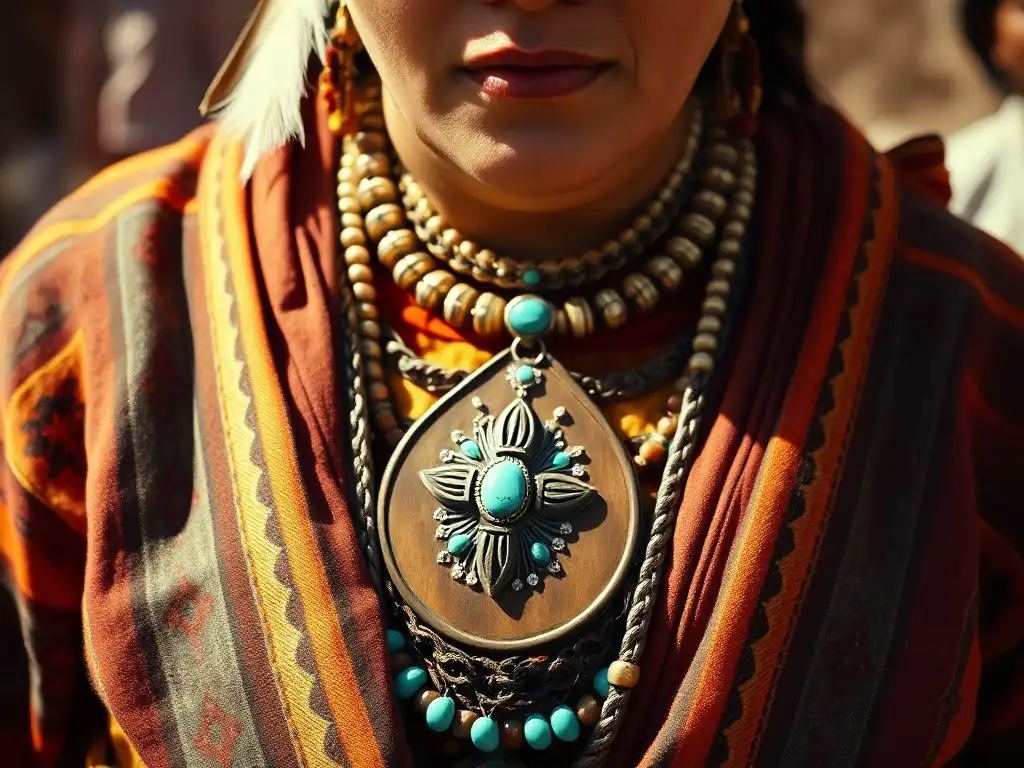
Beyond the basic garments, Inca people utilized a wide range of adornments and decorations to enhance their appearance and express their identity. These additions were not merely aesthetic; they carried significant cultural and social meanings, often reflecting status, profession, or religious affiliation. The careful selection and arrangement of these adornments played a vital role in creating a complete visual presentation.
Headwear: The Importance of Inca Headbands and Feathers
Headwear played a crucial role in Inca adornment. Headbands, often intricately woven or decorated with feathers, were common among both men and women. The type of headband, its materials, and its decoration indicated social status and affiliation. Feathers, particularly those from rare birds, held immense symbolic importance, often representing power, divinity, or specific deities.
The use of feathers in headwear was particularly significant for elite members of society, reinforcing their connection to the spiritual realm. The elaborate headpieces worn by priests and nobility demonstrated the significant role headwear played in religious ceremonies and rituals. [Specific examples of headwear and their symbolic meanings pending].
Jewelry and Body Adornment: Precious Metals and Gemstones in Inca Culture
The Inca valued precious metals and gemstones, using them extensively in jewelry and body adornment. Gold, silver, and copper were crafted into intricate necklaces, earrings, and other ornaments. These items were not only decorative but also served as symbols of wealth, power, and status. Gemstones, such as emeralds and lapis lazuli, further enhanced the beauty and value of these adornments, often featuring in elaborate arrangements. The use of these materials in jewelry and body adornment reflected the Inca’s sophisticated metalworking techniques and their appreciation for the natural world. [Specific examples of Inca jewelry and body adornment pending].
Tattoos and Body Painting: Inca Rituals and Personal Expression
Tattoos and body painting were important forms of personal expression and ritualistic practice in Inca culture. Tattoos, created using needles and pigments derived from natural sources, often depicted symbolic motifs related to clan identity, religious beliefs, or social status. Body painting, utilizing pigments made from plants and minerals, served similar purposes. These decorative practices were not merely aesthetic; they were integral to the Inca worldview, reflecting an individual's connection to their community and the spiritual realm. [Specific examples of Inca tattoos and body painting and their meanings pending].
The Symbolism Behind Inca Clothing and Patterns
Inca clothing wasn't merely a practical necessity; it was a powerful tool for communication, conveying social status, religious beliefs, and individual identity. The intricate designs woven into the textiles served as visual narratives, rich with symbolism that spoke volumes about the wearer. Understanding these symbols is crucial to appreciating the depth and complexity of Inca culture.
The vibrant colors, carefully selected patterns, and the very materials used all contributed to a complex system of visual communication, understood by all members of Inca society. Even seemingly minor details, such as the type of knot used or the placement of a particular motif, held significant meaning.
Scholars continue to unravel the mysteries encoded within these ancient textiles, revealing new insights into Inca worldview and social structures with each discovery. The study of Inca clothing provides a unique window into the minds and lives of the people who created and wore these remarkable garments.
Geometric Patterns and their Meanings in Inca Textiles
Geometric patterns were prevalent in Inca textiles, and their meanings were often related to cosmology and the Inca worldview. For example, stepped patterns, frequently found on tunics and mantles, may have represented mountains or terraces, reflecting the Inca's close relationship with their agricultural landscape. Zigzags, spirals, and other abstract designs likely held symbolic meanings related to the cyclical nature of life, death, and rebirth, mirroring the Inca's understanding of the cosmos.
The precise interpretation of many of these geometric patterns remains a subject of ongoing research, as the Inca did not leave behind written records explaining the symbolism of their textiles. However, by comparing patterns across different artifacts and considering their context of discovery, researchers have made significant progress in deciphering their meaning. The precision and artistry evident in these geometric designs highlight the advanced skills of Inca weavers and their profound connection to the spiritual and physical world.
Colors and their Significance in Inca Dress
Color played a vital role in Inca clothing, with different hues signifying varying social status, religious affiliation, and even specific events or ceremonies. For instance, purple, a rare and difficult dye to produce, was reserved for the elite, including the Inca emperor and members of the royal family. Red, associated with power and strength, was also a significant color, often appearing on garments worn by high-ranking officials and warriors. Other colors, such as yellow, green, and blue, also carried symbolic weight, reflecting the diverse natural environment of the Andes and the Inca's deep connection to the land. The careful selection and combination of colors in Inca textiles demonstrate a sophisticated understanding of color symbolism and its role in social and religious life. Further research is needed to fully understand the nuances of color meaning in Inca culture, but the available evidence suggests a complex and multifaceted system of visual communication.
The Use of Animal and Plant Motifs in Inca Clothing
Beyond geometric patterns, Inca textiles incorporated numerous animal and plant motifs, adding further layers of meaning to their garments. Condor feathers, for example, represented power and royalty, often adorning the clothing of the elite. Other animal motifs, such as jaguars, snakes, and hummingbirds, likely held symbolic significance related to Inca mythology and beliefs. Similarly, plant motifs, including maize, coca leaves, and various flowers, represented fertility, abundance, and the interconnectedness of the natural world.
The specific meaning of these motifs could vary depending on their context and combination with other elements of the design. The skillful representation of these natural forms in Inca textiles highlights the weavers’ keen observation skills and their ability to translate their understanding of the natural world into intricate designs. The use of these motifs reflects the importance of nature in Inca culture and its central role in their worldview.
Weaving Techniques and Textile Production in the Inca Empire
The Inca Empire boasted a highly sophisticated textile industry, renowned for its intricate designs, high-quality materials, and advanced weaving techniques. The production of textiles was a highly organized endeavor, with specialized workshops and skilled artisans contributing to the creation of magnificent garments and other textile products. From the cultivation of cotton and the shearing of alpaca and llama, to the spinning, dyeing, and weaving processes, Inca textile production involved a complex chain of labor and expertise.
Different regions specialized in different aspects of production, creating a network of interconnected communities that contributed to the overall output. The standardization and efficiency of Inca textile production are evident in the consistency of quality and design found across the empire's vast geographical expanse. The organization of this industry reflects the Inca's remarkable administrative capabilities and their commitment to maintaining high standards in all aspects of their society.
The Role of Women in Inca Textile Production
Women played a crucial role in Inca textile production, mastering the intricate techniques of spinning, dyeing, and weaving. From a young age, girls were trained in these skills, passing down knowledge and techniques through generations. The quality of their work was highly valued, and women were responsible for producing textiles for a variety of purposes, ranging from everyday clothing to ceremonial garments and luxury items for the elite.
Their contributions were essential to the functioning of the Inca economy and the maintenance of social order. The significant role of women in textile production challenges common stereotypes about gender roles in pre-Columbian societies and highlights the importance of recognizing their contributions to Inca culture and economy. The skill and artistry demonstrated by Inca women weavers are a testament to their talent and dedication.
Tools and Technology Used in Inca Weaving
Inca weavers utilized remarkably sophisticated tools and techniques for their time. Their looms, often backstrap looms, allowed for intricate designs and high-quality textiles. Spindles were used to spin fibers into yarn, and various dyes derived from plants and minerals were employed to create a wide range of colors. The precision and complexity of Inca textiles suggest a deep understanding of materials science and engineering.
The tools and techniques were passed down through generations, ensuring the continuation of this important craft. The innovation and skill evident in their tools and techniques underscore the advanced technological capabilities of the Inca Empire. Detailed analysis of surviving tools and weaving techniques provides valuable insights into the technological ingenuity of Inca artisans.
The Importance of Acllawasi and Textile Workshops
Acllawasi were state-run textile workshops where women, often selected from across the empire, produced high-quality textiles for the Inca elite and religious purposes. These workshops were centers of excellence, producing exquisite garments and other textile items that were highly valued for their quality and craftsmanship. The Acllawasi played a crucial role in the Inca economy and the maintenance of social order, demonstrating the importance of textile production in Inca society. The existence of these workshops highlights the Inca government's sophisticated organization and control over crucial aspects of the economy and social structure. The products of the Acllawasi showcase the high level of skill and artistry achieved in Inca textile production, serving as a testament to the empire's advanced technological capabilities and its complex social organization. The strategic placement of these workshops across the empire facilitated the distribution of high-quality textiles and contributed to the cohesion and stability of Inca society.
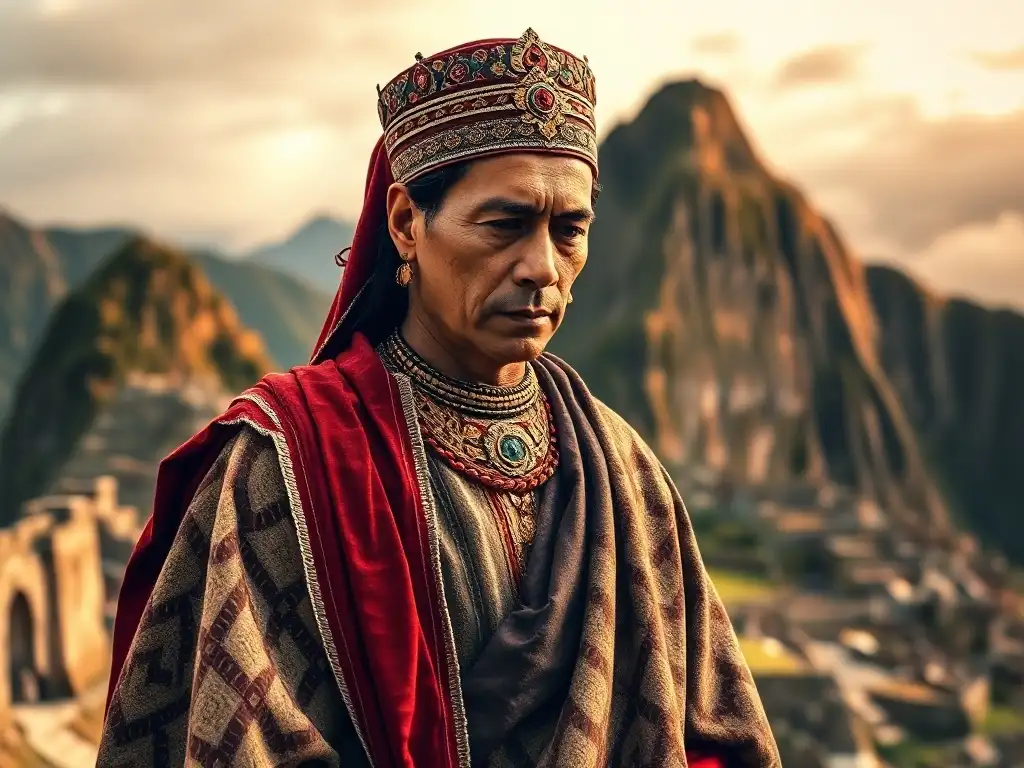
Inca society was rigidly structured, with power and status clearly reflected in clothing. The intricate system of dress served not only as a practical necessity but as a powerful visual language communicating social standing, occupation, and even marital status. Garments weren't simply items of clothing; they were potent symbols that reinforced the Inca worldview and social order.
The quality of materials, the complexity of weaving techniques, and the use of specific colors and adornments all contributed to conveying an individual's place within the hierarchical system. For instance, the use of fine vicuña wool, a luxurious material reserved for the elite, instantly distinguished the nobility from the commoners who wore coarser fabrics like llama or alpaca wool. The intricate designs woven into the textiles further emphasized social distinctions, with elaborate patterns and motifs indicating high status.
This visual hierarchy permeated all aspects of Inca life, from the daily routines of the commoners to the grand ceremonies of the imperial court. The subtle yet significant differences in clothing served as constant reminders of the social order and the emperor's supreme authority.
How Dress Distinguishes Social Classes in the Inca Empire
The Inca Empire employed a sophisticated system of dress codes to visibly differentiate its diverse social strata. The elite, including the emperor, his family, and high-ranking officials, adorned themselves in luxurious textiles crafted from vicuña wool, often dyed in vibrant colors using natural pigments. These garments featured intricate designs and sophisticated weaving techniques, showcasing the skills of master artisans.
In contrast, commoners wore simpler garments made from coarser materials like llama or alpaca wool, with designs that were less elaborate and colors that were more subdued. Furthermore, specific types of garments were restricted to certain social groups. For example, certain headdresses or specific types of cloaks were only permitted for individuals of high rank, reinforcing the rigid social hierarchy.
Archaeological evidence, such as the textiles found in royal tombs and commoner burials, provides compelling visual confirmation of these class distinctions in clothing. The stark contrast between the opulence of elite attire and the simplicity of commoner clothing emphasized the power structure and the emperor's absolute authority. The system was so effective that even subtle variations in color or weave could immediately signify an individual's place in society.
The Inca Emperor's Attire and Its Symbolic Weight
The Inca emperor's clothing was not just an indicator of his supreme authority; it was a powerful symbol of his divine connection and the sacred nature of his rule. His garments were meticulously crafted from the finest vicuña wool, often dyed in rich, symbolic colors like purple or deep red. These colors were associated with royalty, power, and the sun god, Inti, a key figure in Inca cosmology.
The emperor's attire frequently incorporated intricate gold and silver ornaments, further emphasizing his divine status and connection to the realm of the gods. Specific items of clothing, such as the llantu (a type of headdress), were reserved exclusively for the emperor and served as potent symbols of his power and legitimacy.
The emperor's clothing was not merely decorative; it was a carefully constructed visual representation of his role as the intermediary between the human and divine realms, reinforcing his authority and the legitimacy of his rule. The meticulous attention to detail and the use of luxurious materials served to elevate the emperor beyond the realm of mere mortal ruler, solidifying his position as a near-divine figure.
Religious and Ritual Clothing in Inca Ceremonies
Inca religious practices were deeply intertwined with clothing and adornment. Ceremonial garments, often made from fine textiles and adorned with feathers, gold, and silver, played a crucial role in religious festivals and rituals. Specific clothing items were associated with particular deities or ceremonies.
Priests and priestesses wore distinctive garments that set them apart from other members of society, signifying their special connection to the spiritual realm. These garments were not merely functional; they were imbued with religious significance and were believed to enhance the efficacy of the rituals. The colors and designs of the ceremonial clothing held symbolic meaning, often representing the forces of nature or specific deities.
For example, certain colors might have been associated with fertility, while others represented the sun or the underworld. The use of feathers, particularly those of rare and exotic birds, also played a significant role in ceremonial attire, further emphasizing the sacred nature of the rituals and the power of the religious leaders. The intricate relationship between religious practice and clothing underscored the profound importance of textiles in Inca culture and spirituality.
Preserving Inca Textile Heritage: Modern Challenges and Research
The legacy of Inca textile art is a testament to the ingenuity and artistry of the ancient Andean civilizations. However, preserving this heritage presents significant challenges for modern researchers and conservators. The delicate nature of the textiles, coupled with the effects of time and environmental factors, makes their preservation a complex and ongoing endeavor.
Many Inca textiles have suffered from deterioration due to factors such as humidity, light exposure, and insect damage. Furthermore, the use of natural dyes, while beautiful, can be unstable and prone to fading over time. These challenges necessitate careful and specialized conservation techniques to ensure the long-term survival of these invaluable artifacts.
The Legacy of Inca Textile Art
Inca textile art represents a remarkable achievement in pre-Columbian craftsmanship. The intricate designs, vibrant colors, and sophisticated weaving techniques employed by Inca artisans demonstrate a high level of skill and artistry. These textiles served not only as clothing but also as expressions of cultural identity, religious beliefs, and social status.
The intricate patterns often incorporated symbolic motifs related to Inca mythology and cosmology, providing valuable insights into their worldview and belief systems. The legacy of Inca textile art continues to inspire and influence contemporary artists and designers, reflecting the enduring power and beauty of this ancient craft. The complexity and artistry of the textiles are a testament to the advanced knowledge and skills of the Inca people.
Ongoing Efforts to Study and Preserve Inca Clothing
Researchers and conservators are employing a variety of techniques to study and preserve Inca clothing. Advanced imaging technologies, such as X-ray and ultraviolet fluorescence, allow for the non-invasive examination of textile structures and dyes. Careful chemical analysis helps to identify the materials used and to develop appropriate conservation strategies.
Detailed documentation of the textiles, including photographic records and detailed descriptions, is crucial for future research and understanding. Furthermore, collaborations between museums, universities, and research institutions are essential for sharing knowledge and resources, facilitating the preservation and study of Inca textiles. These collaborative efforts are essential for ensuring the long-term preservation of this valuable cultural heritage.
Conservation Challenges and Future Research
Despite ongoing efforts, significant challenges remain in preserving Inca textile heritage. The limited availability of trained conservators and the high cost of specialized conservation materials pose significant obstacles. Furthermore, the ongoing effects of environmental degradation and deterioration continue to threaten the survival of these delicate artifacts.
Future research will likely focus on developing new and improved conservation techniques, as well as on furthering our understanding of the materials and techniques used by Inca artisans. The integration of advanced technologies, such as 3D scanning and digital archiving, will play an increasingly important role in preserving and sharing this invaluable cultural heritage for future generations. Addressing these challenges requires a multidisciplinary approach, involving collaboration between textile conservators, scientists, archaeologists, and cultural heritage institutions worldwide.
Conclusion: The Enduring Legacy of Inca Clothing and Adornment
Inca clothing and adornment weren't merely functional garments; they were powerful symbols of social status, religious beliefs, and individual identity. The intricate weaving techniques, vibrant colors, and symbolic motifs tell a rich story of a sophisticated society with a deep connection to its environment and spiritual world. The careful consideration given to the materials, the construction, and the decoration of each garment highlights the importance placed on clothing within Inca society. Even today, the legacy of Inca textile artistry continues to inspire awe and admiration.
Modern artisans continue to draw inspiration from these ancient techniques, preserving and reinterpreting the rich symbolism embedded within the textiles. The enduring appeal of Inca clothing lies in its ability to transcend time, offering a glimpse into the complexity and beauty of a civilization that continues to fascinate and inspire us. Studying Inca clothing styles and symbolism provides invaluable insight into the social fabric and spiritual beliefs of the Inca Empire, enriching our understanding of this remarkable civilization. The meticulous detail and artistic skill evident in surviving examples are testament to the high value placed on these garments.
Their survival, often in remarkably good condition, allows us to appreciate the craftsmanship and artistry of Inca textile production, a testament to their enduring legacy. The vibrant colors, intricate patterns, and symbolic elements continue to resonate with us today, reminding us of the sophistication and artistry of this ancient Andean culture. From the simplest tunic to the most elaborate headdress, each garment tells a story, showcasing the ingenuity and cultural richness of the Inca Empire. The study of Inca clothing styles and symbolism remains a crucial avenue for understanding the complexities of Inca society and culture.
- The Significance of Textiles in Inca Society
- Materials Used in Inca Garments: A Look at Andean Fibers
- Inca Clothing Styles: A Reflection of Status and Identity
- Adornment and Decoration: Beyond the Basic Inca Outfit
- The Symbolism Behind Inca Clothing and Patterns
- Weaving Techniques and Textile Production in the Inca Empire
- Inca Clothing as a Reflection of Power and Social Hierarchy
- Preserving Inca Textile Heritage: Modern Challenges and Research
- Conclusion: The Enduring Legacy of Inca Clothing and Adornment
Frequently Asked Questions
What materials were commonly used in Inca clothing?
Inca clothing was made from a variety of natural fibers, including alpaca, llama, and cotton. The choice of material often reflected both social status and the climate of the region.
What was the significance of color in Inca clothing?
Color held symbolic meaning in Inca culture. Different colors represented various things, from social rank to religious beliefs. For example, purple was associated with royalty.
Clothing styles and materials clearly indicated social standing. Elaborate textiles and finer materials were reserved for the elite, while simpler garments were worn by commoners.
What role did adornments like jewelry and feathers play in Inca clothing?
Adornments like gold, silver, feathers, and precious stones were used to enhance clothing and signify status and power. These were often incorporated into elaborate headdresses and other garments.
What can Inca clothing tell us about their beliefs and traditions?
Inca clothing reveals much about their religious beliefs and spiritual practices. Specific motifs and designs woven into textiles often depicted deities, animals, and important events.
Final Reflection: Unraveling the Threads of Inca Identity
The vibrant textiles and intricate adornments of the Inca Empire weren't merely decorative; they were powerful symbols of social status, religious belief, and individual identity, a legacy that continues to resonate today. Their sophisticated craftsmanship and symbolic richness offer a compelling window into a complex and fascinating civilization, reminding us of the enduring power of cultural expression to transcend time.
The enduring influence of Inca clothing styles and symbolism is undeniable, shaping our understanding of Andean culture and inspiring contemporary artists and designers alike. Their intricate weaving techniques, the use of vibrant natural dyes, and the profound meaning embedded in each garment continue to captivate and inform. Clothing is a form of self-expression, a way of communicating who we are to the world.
This quote holds true across cultures and centuries, and the Inca exemplify this beautifully through their carefully crafted attire.
Consider the intricate details, the symbolic power woven into each thread. Let the legacy of Inca artistry inspire you to appreciate the depth and meaning behind the clothes you wear, and to recognize the stories they tell. Embrace the opportunity to learn from the past, to understand the rich tapestry of human expression, and to find your own voice within the vibrant threads of your own cultural heritage. The Inca's legacy is a call to explore the power of clothing not just as adornment, but as a powerful form of communication and self-expression.
**Uncover the Rich History of Inca Fashion! **
Thank you for exploring the intricate world of Inca clothing and adornment! You've discovered how these vibrant textiles and accessories represent far more than mere style; they reveal a profound connection to culture and identity. Now, let's delve even deeper into this fascinating subject.
- **Research the traditional uses and symbolism** of a specific Inca textile to gain a deeper understanding of its significance.
- **Immerse yourself in Andean heritage** by visiting local museums or cultural festivals that showcase the beauty of Inca fashion firsthand.
- **Share your insights** with friends or join online communities dedicated to Inca civilization and its artistic expressions to continue the exploration.
Which aspect of Inca clothing or adornment captivated you the most, and how do you see its influence reflected in contemporary fashion?