
Unveiling the Secrets of Inca Social Hierarchy: From Royalty to Commoners

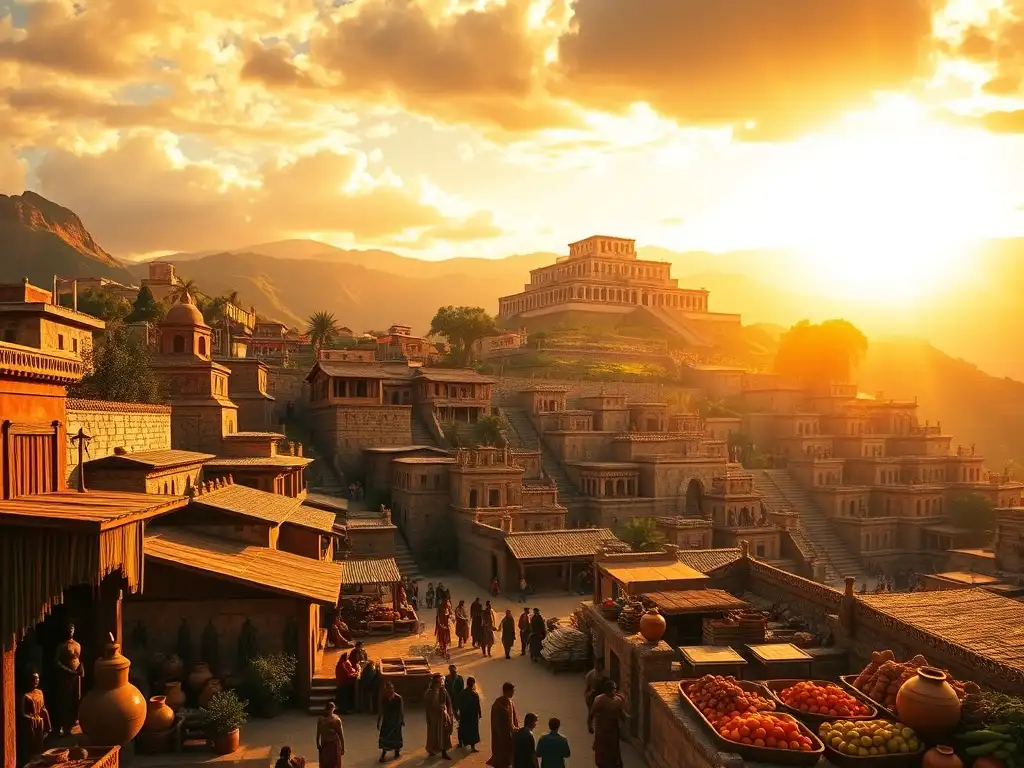
Step into a world lost to time, yet echoing with the grandeur of the Andes. Prepare to be amazed as we delve into the fascinating tapestry of Andean civilizations, from the intricate artistry of the Nazca lines to the awe-inspiring engineering feats of the Incas. But first, let's unravel the mysteries behind the Inca social hierarchy structure, a system that shaped an empire and its legacy. Discover how this intricate network of power and influence defined daily life, from the heights of royalty to the lives of the commoners. Are you ready to uncover the secrets?
The Inca Empire, a civilization that flourished in the Andes Mountains for centuries, was renowned not only for its impressive architectural feats like Machu Picchu, but also for its meticulously structured social hierarchy. This intricate system, deeply rooted in religious beliefs and political power, dictated every aspect of Inca life, from access to resources and privileges to daily tasks and responsibilities.
Understanding the Inca social hierarchy structure is key to comprehending the empire's remarkable organization and longevity. This article will delve into the different levels of Inca society, exploring the roles, privileges, and obligations associated with each, from the divine Sapa Inca at the apex to the commoners who formed the backbone of the empire.
We will unravel the complex web of relationships and responsibilities that maintained the stability and prosperity of this fascinating civilization. Prepare to be transported back in time as we explore the fascinating world of Inca social stratification.
The Inca social structure was a rigid system based on kinship, service to the state, and religious beliefs. The Inca worldview emphasized the importance of ayllu, a community-based system where individuals were bound together by shared ancestry and mutual obligations. This system extended beyond immediate family, encompassing a complex network of reciprocal responsibilities and shared resources. The mita system, a form of mandatory labor service, further reinforced the hierarchical structure, with different groups obligated to perform specific tasks based on their social standing. This intricate system ensured the effective functioning of the empire, enabling the Incas to accomplish monumental construction projects, manage vast agricultural lands, and maintain a strong centralized government. The emperor, the Sapa Inca, was considered a divine figure, representing the link between the human and spiritual realms. This divine authority underpinned the entire social order, ensuring the loyalty and obedience of all subjects. The absence of a written language makes understanding the nuances of this social system a fascinating challenge, relying heavily on archaeological findings, ethnohistorical accounts, and careful interpretation of existing records.
The system wasn't solely based on birth; merit and ability played a role in social mobility, although upward movement was limited. Individuals could gain prestige through exceptional service to the state or through demonstrating skills in specialized crafts or professions. This element of meritocracy, however, was largely constrained by the inherent rigidity of the system.
The Sapa Inca: The Apex of Inca Society
The Sapa Inca, meaning "the only Inca," stood at the pinnacle of Inca society. He was not merely a political leader, but also considered a divine intermediary between the gods and the people. His authority was absolute, and his word was law.
The Divine Authority of the Sapa Inca
The Sapa Inca's divine status was meticulously cultivated through elaborate rituals, ceremonies, and carefully controlled access. He was seen as a descendant of the sun god, Inti, and his legitimacy derived from this sacred lineage. His authority was not just political; it was religious and spiritual, reinforcing his position as the ultimate authority within the empire. This divine connection was essential to maintaining social order and ensuring the loyalty of the population. [Specific details regarding rituals and ceremonies pending]
Roles and Responsibilities of the Inca Emperor
Beyond his divine role, the Sapa Inca was the supreme ruler and administrator of the empire. He controlled all aspects of government, including taxation, justice, and military affairs. He also oversaw the distribution of resources and land, ensuring the smooth functioning of the economy. [Specific details regarding administrative tasks pending] His decisions affected every level of society, highlighting his pervasive influence. The Sapa Inca also held significant religious responsibilities, acting as the supreme priest and officiating in major religious festivals.
The Royal Lineage and Succession
Succession to the Sapa Inca's throne was a complex and often fraught process. While ideally, the eldest son inherited the position, the actual selection involved careful consideration of the candidate's abilities and suitability to rule. [Specific details regarding succession procedures pending] This process often involved intense competition amongst royal family members, occasionally leading to conflicts and power struggles.
The intricate rules surrounding inheritance were crucial in maintaining the stability of the empire, preventing challenges to the ruling dynasty. The system, however, wasn't without its flaws, and instances of contested successions did occur, sometimes resulting in instability and internal conflict within the empire.
The Inca Nobility: Privileged Class and their Roles
The Inca nobility constituted a privileged class enjoying significant power and influence within the vast Inca Empire. Their elevated status granted them access to resources, land, and prestigious positions unavailable to commoners. This privileged class wasn't monolithic, however, encompassing various levels of nobility with distinct roles and responsibilities.
The Inca system of nobility was intricately woven into the fabric of imperial administration, ensuring the smooth functioning of the state and the perpetuation of Inca power. Their influence extended to all aspects of life, from religious ceremonies and military campaigns to the management of agricultural production and the construction of monumental architecture. The Inca nobility wasn't merely a hereditary title; it carried with it a heavy burden of responsibility, demanding loyalty, competence, and unwavering dedication to the Sapa Inca.
This complex structure, with its inherent privileges and responsibilities, played a vital role in maintaining social order and political stability across the empire. The nobility’s influence permeated every facet of Inca life, shaping its social, economic, and political landscape.
The Capac Cuna: The Inca Royal Bloodline
At the apex of the Inca social hierarchy stood the Capac Cuna, the royal bloodline. This exclusive group, descended directly from the Sapa Inca, enjoyed unparalleled privileges and authority. Membership in the Capac Cuna guaranteed access to the highest positions within the government, military, and religious institutions.
They were not merely titled nobles; they were the inheritors of a sacred lineage, their very existence tied to the legitimacy and continuity of Inca rule. Their lives were governed by strict protocols and traditions, ensuring the preservation of their royal status and the perpetuation of the Inca dynasty. The Capac Cuna controlled vast estates and resources, wielding significant power over the lives and livelihoods of their subjects.
Their decisions shaped the course of the empire, influencing policies and directing the activities of the vast administrative apparatus. Their influence was absolute, and their word was law within their spheres of authority. The Capac Cuna were the ultimate embodiment of Inca power and prestige.
The Hahua Inca: Nobility by Privilege
Below the Capac Cuna were the Hahua Inca, a broader category of nobility whose status stemmed from their close relationship to the royal family or through distinguished service to the empire. Unlike the Capac Cuna, their lineage wasn't necessarily directly linked to the Sapa Inca, but they still held significant power and influence. This group included individuals who had proven their loyalty and competence through military prowess, administrative skills, or religious piety.
They held important positions within the imperial administration, often serving as governors, generals, or high priests. Their influence was considerable, extending to the management of regional affairs and the oversight of vast territories. The Hahua Inca played a crucial role in maintaining order and stability within the empire, representing the Sapa Inca's authority in distant provinces.
Their elevated status granted them access to resources and privileges that were denied to commoners, solidifying their position within the Inca social structure. Their roles were essential to the smooth functioning of the Inca state.
The Kurakas: Local Leaders and their Integration
The Kurakas were local leaders who governed smaller communities and regions within the Inca Empire. While not strictly part of the Inca nobility in the same manner as the Capac Cuna or Hahua Inca, they held significant authority within their respective territories. They acted as intermediaries between the Inca central government and the common people, collecting taxes, organizing labor, and maintaining order within their communities. Their integration into the Inca system was crucial for the empire's effective governance.
The Kurakas were often chosen based on their lineage, reputation, and ability to effectively manage their communities. While they wielded considerable power within their localities, their authority was ultimately subordinate to the Sapa Inca and the imperial administration. The Inca system skillfully co-opted existing local power structures, integrating the Kurakas into the empire's administrative framework. This strategy ensured a degree of local autonomy while maintaining centralized control.
The Commoners: The Backbone of the Inca Empire
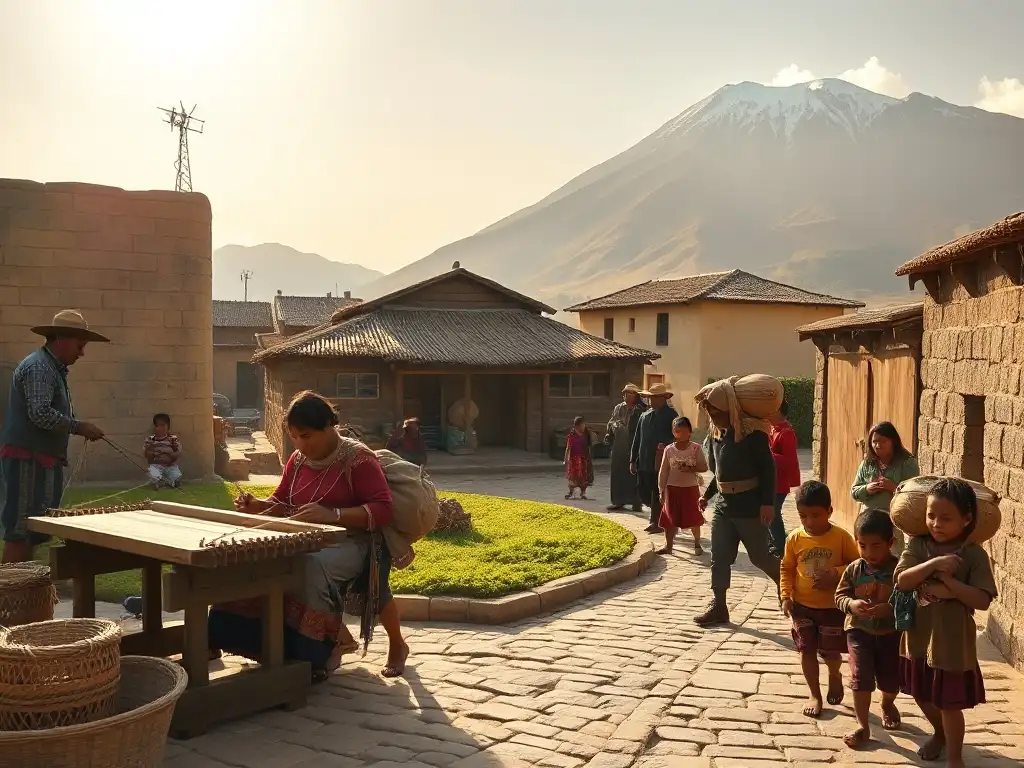
The commoners, known as Hatun Runa, formed the backbone of the Inca Empire. They were the vast majority of the population, responsible for agricultural production, construction projects, and the day-to-day functioning of the empire. Their lives were largely dictated by the mita system, a form of mandatory labor service that required them to contribute their time and skills to various imperial projects. Despite their lack of political power, their contributions were indispensable to the empire's success.
The Hatun Runa were organized into ayllus, kinship-based communities that served as the primary social and economic units of Inca society. These communities played a vital role in providing social support and regulating internal affairs. While lacking the privileges of the nobility, the Hatun Runa were integral to the Inca Empire's functioning and prosperity. Their hard work and dedication were essential to maintaining the empire’s vast infrastructure and supporting its population.
The Hatun Runa: The Working Class of Inca Society
The Hatun Runa were the working class of Inca society. They were farmers, builders, artisans, and laborers, responsible for the production of food, textiles, and other essential goods. Their lives were governed by the mita system, a form of mandatory labor service that often required them to work on imperial projects for a set period each year. This could involve agricultural work on state-owned lands, construction of infrastructure such as roads and irrigation systems, or service in the military.
The mita system, while demanding, also provided a degree of social security and protection. The Inca state ensured that the Hatun Runa were fed and provided with necessary resources while working on imperial projects. Their labor was the cornerstone of the Inca Empire’s economic and infrastructural might.
The Mitmaqkuna: Colonists and their Societal Function
The Mitmaqkuna were a unique group within Inca society. They were colonists, relocated by the Inca government to different parts of the empire to serve various purposes. These relocations aimed at controlling rebellious populations, populating newly conquered territories, or providing labor for specific projects. Their societal function was multifaceted, contributing to both the economic and political stability of the Inca Empire.
The Mitmaqkuna were often strategically placed to maintain control over conquered regions or to bolster the population of sparsely inhabited areas. This system of relocation demonstrated the Inca's sophisticated approach to imperial administration and population management. Their integration into new communities often led to cultural exchange and the spread of Inca traditions and practices.
The Yanaconas: Servants and their Social Status
The Yanaconas were servants and laborers who occupied a somewhat ambiguous position within Inca society. They were not considered slaves in the traditional sense, but their status was lower than that of the Hatun Runa. They were often attached to specific individuals or institutions, providing services such as domestic work, agricultural labor, or craft production. Their social status was fluid, and some Yanaconas were able to improve their position through dedicated service or by gaining favor with their masters.
Their lives were significantly different from that of the free Hatun Runa, and their social mobility was limited. The Yanaconas represented a segment of the population that served the needs of the nobility and other elite members of Inca society, contributing to the smooth functioning of the empire's social and economic systems. Their role, however, remained largely defined by their service to others.
The Ayllu formed the bedrock of Inca social organization, a tightly knit community bound by kinship and shared resources. Understanding the Ayllu is crucial to grasping the Inca social hierarchy structure because it served as the foundational building block upon which the entire system was constructed. It wasn't merely a geographical grouping; it was a complex social and economic unit, responsible for the collective well-being of its members.
The size of an Ayllu varied considerably, depending on factors like geographical location and available resources, ranging from a few dozen to several hundred individuals. This close-knit structure fostered a strong sense of community and mutual support, essential for survival in the challenging Andean environment.
Members of an Ayllu shared not only a common ancestry but also collective responsibilities, ensuring the equitable distribution of resources and the maintenance of social harmony. This communal structure differed significantly from the individualistic societal structures found in many other parts of the world.
The Importance of Kinship and Community
Kinship played a paramount role in Ayllu organization. Lineage and family ties determined social standing and responsibilities within the community. Elders, often the most experienced members, held positions of authority and guided the Ayllu's activities. This system created a hierarchical structure within the Ayllu itself, albeit a much less rigid one than the broader Inca social hierarchy.
The emphasis on kinship fostered a strong sense of loyalty and mutual support, vital for the Ayllu’s survival. Decisions affecting the community were often made collectively, involving extensive discussion and consensus-building among its members. This participatory approach ensured that the needs and concerns of all members were considered, contributing to the Ayllu's stability and cohesion. The close-knit nature of the Ayllu provided social security and a safety net for its members, particularly during times of hardship or scarcity.
Land Ownership and Collective Work
Land ownership within the Ayllu was communal, not individual. The Inca state allocated land to each Ayllu, ensuring that all members had access to the resources necessary for their survival. This communal ownership fostered a sense of shared responsibility and discouraged individual accumulation of wealth. The land was worked collectively, with individuals contributing their labor to the common good.
This system of collective work, known as mita, was crucial to the Inca economy, enabling the construction of large-scale infrastructure projects like roads, irrigation systems, and temples. While individuals had specific tasks and responsibilities within the mita system, the emphasis remained on collective effort and shared benefit. The success of the Ayllu depended on the effective coordination and cooperation of its members, highlighting the importance of communal work in their social structure and economic viability.
The Ayllu's Role in the Inca Social Hierarchy
The Ayllu, while a self-governing unit, was also an integral part of the broader Inca social hierarchy. The Inca state exerted control over the Ayllus through appointed officials, ensuring compliance with imperial directives and the efficient collection of tribute. However, the Ayllu maintained a significant degree of autonomy in managing its internal affairs. The balance between local autonomy and imperial control was a crucial aspect of Inca governance.
The Ayllu's position within the hierarchy was determined by its size, productivity, and location relative to the Inca capital. Ayllus located near important administrative centers or those known for their agricultural output often held a more privileged position than those in more remote areas. This intricate relationship between the Ayllu and the Inca state shaped the distribution of resources and responsibilities throughout the empire.
While the Inca social hierarchy was relatively rigid, opportunities for social mobility did exist, albeit limited. The system wasn't entirely static, allowing for some upward and downward movement based on a combination of factors. This fluidity, however limited, contrasted with the more entrenched class systems of other ancient societies. Understanding the factors influencing social mobility provides a more nuanced picture of Inca society and its dynamics. The Inca state’s interest in maintaining social order and economic productivity influenced how social mobility was managed.
Limited Social Advancement in Inca Society
Social advancement in Inca society was primarily determined by birth. Members of the elite, the panacas (royal lineages), held the highest positions in society and enjoyed significant privileges. Moving from the commoner class to the elite was extremely rare. This inherent limitation in social mobility contrasts with some modern societies where social standing is more easily altered through individual effort and achievement. While the system wasn't completely closed, the obstacles for upward mobility were substantial, favoring those born into privileged positions.
The Impact of Merit and Service
Despite the limitations, merit and service to the Inca state could, in some cases, lead to social advancement. Exceptional military prowess, administrative skills, or contributions to the mita system could result in rewards, including promotions and access to higher social standing. This aspect of the Inca social hierarchy structure provided a degree of flexibility, albeit limited. However, even with exceptional service, social mobility remained constrained, highlighting the inherent limitations within the system. The opportunity for advancement through merit served primarily to reinforce the existing hierarchy rather than fundamentally alter it.
The Role of Conquest and Assimilation
Conquest and assimilation of other groups also played a role in shaping the Inca social hierarchy. The incorporation of conquered peoples into the Inca empire often led to changes in social standing for some individuals. Elite members of conquered groups might be integrated into the Inca administrative system, while others were assigned roles within the mita system.
This process, however, did not necessarily lead to significant upward social mobility for the majority of conquered populations. Instead, it often resulted in the incorporation of existing social hierarchies into the broader Inca system, with varying degrees of influence and privilege for different groups. The assimilation process was not uniform, and the degree of social mobility varied significantly based on factors like the conquered group's status and proximity to the Inca capital.
The Inca Caste System: A Summary
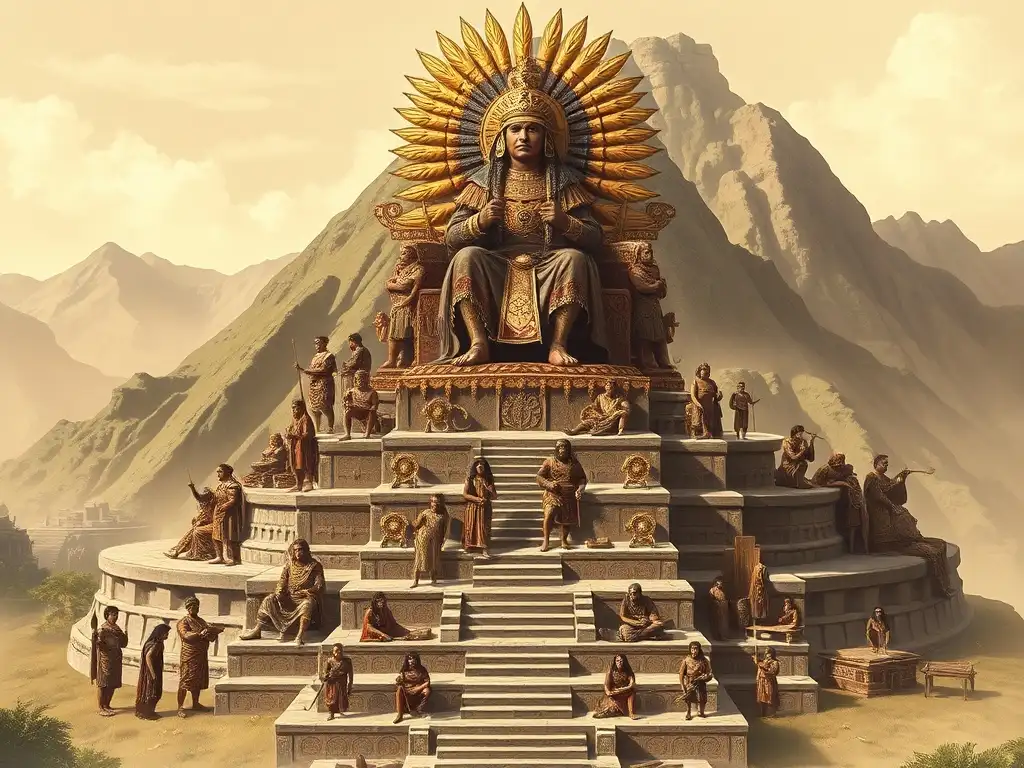
The Inca social hierarchy wasn't a rigid, unchanging system like the caste systems of some other ancient societies. It was, however, highly stratified, with power and privilege concentrated at the top. The emperor, the Sapa Inca, held absolute authority, considered a divine figure, a descendant of the sun god Inti. Below him were the royal family and nobility, who held significant influence and controlled vast resources.
These elites enjoyed a life of luxury and privilege, inaccessible to the commoners. The vast majority of the population belonged to the ayllu, extended family groups that formed the backbone of Inca society. Within the ayllu, there was a degree of social mobility, although it was limited.
Individuals could rise through merit or through exceptional service to the state, but the system generally maintained a clear distinction between the elite and the commoners. This system, while seemingly inflexible, allowed for a degree of social fluidity, albeit within predetermined boundaries. The Inca social structure was deeply intertwined with their religious beliefs and economic system, ensuring its stability and longevity.
Key Elements of the Inca Social Stratification
Several key elements defined Inca social stratification. Firstly, kinship played a crucial role; membership in the royal family or nobility automatically granted high status. Secondly, occupation and skill were also important factors. Highly skilled artisans, priests, and military officials enjoyed elevated positions within their respective communities. Thirdly, geographic location influenced social standing.
Those living in the capital city, Cusco, generally held higher status than those in more remote regions. Finally, land ownership and access to resources were significant indicators of social standing. The elite controlled vast tracts of land and resources, while commoners had access to only what was necessary for their survival. This complex interplay of factors created a hierarchical society with clear distinctions in power, privilege, and access to resources. The system was designed to maintain the Inca's control and ensure the smooth functioning of their vast empire.
The Importance of Reciprocity and Obligation
The Inca social hierarchy wasn't solely based on power; it was also underpinned by a strong system of reciprocity and obligation, known as ayni. This system dictated that all members of society had responsibilities and duties toward both the community and the state. Commoners were obliged to provide labor ( mita) for public works projects, such as building roads and temples, or for agricultural work on state lands.
In return, the state provided food, shelter, and protection. This reciprocal relationship was crucial for maintaining social cohesion and ensuring the stability of the empire. The system wasn't always equitable, with the burden of labor falling disproportionately on the commoners, but it did provide a framework for social interaction and obligation, weaving together the different levels of the Inca social structure.
The Legacy of the Inca Social Hierarchy
The Inca social hierarchy left a lasting impact on the Andean region. While the Inca Empire fell, its social structures influenced subsequent societies. The concepts of ayni and mita, though modified, persisted in various forms.
The legacy of Inca social stratification is evident in the enduring social inequalities and power dynamics observed in the region even today. Studying the Inca social hierarchy provides valuable insights into the complexities of power, social organization, and the lasting impact of ancient civilizations on the modern world. Understanding this system allows us to better appreciate the challenges faced by the Inca and the ways in which their social organization shaped their society and its enduring legacy.
The Inca social order permeated every aspect of daily life, from the food people ate to the clothes they wore. The rigid social structure determined access to resources, opportunities, and even the type of work individuals performed. This intricate system ensured the smooth functioning of the empire, but it also created significant inequalities.
How Social Rank Shaped Daily Activities
Daily activities were heavily influenced by social rank. The elite enjoyed leisure time and access to luxury goods, while commoners spent their days working in agriculture, construction, or other essential tasks. Access to education and religious ceremonies also varied significantly based on social standing. Even seemingly mundane tasks like obtaining food or building a home were dictated by one's place in the social hierarchy. The system effectively channeled labor and resources to benefit the state and the ruling class.
Clothing, Diet, and Social Distinction
Clothing and diet served as potent symbols of social distinction. The Sapa Inca and the elite wore fine textiles, often adorned with gold and precious stones, while commoners wore simpler garments made from readily available materials. Similarly, dietary habits varied significantly across social classes. The elite enjoyed a rich and varied diet, including meat, exotic fruits, and fine beverages, while the commoners consumed a more basic diet, consisting mainly of potatoes, maize, and other staple crops. These differences in clothing and diet served as visible markers of social status, reinforcing the existing hierarchy.
The Inca Social Hierarchy and its Influence on Culture
The Inca social hierarchy profoundly influenced their culture, shaping their art, religion, and worldview. The elaborate rituals and ceremonies reflected the importance placed on the Sapa Inca and the divine authority. Art and architecture served to showcase the power and prestige of the ruling class.
Religious beliefs reinforced the social order, legitimizing the emperor's authority and the privileges enjoyed by the elite. The intricate system of social organization was deeply embedded in the fabric of Inca culture, influencing every aspect of their lives and leaving a lasting legacy on the Andean region. The very fabric of their society was woven with the threads of this complex and stratified system.
The Inca social structure, a rigid hierarchy reflecting the empire's centralized power, was profoundly different from many other ancient civilizations. Unlike the more fluid social mobility sometimes seen in ancient Greece or Rome, Inca society was largely stratified, with limited opportunities for upward movement. This hierarchical system, based on kinship and service to the Sapa Inca, ensured the stability and control necessary for managing a vast and diverse empire.
Each individual occupied a specific place within this intricate system, with their rights, responsibilities, and privileges determined by their social standing. This strict social order facilitated the efficient allocation of resources and labor, crucial for the construction of monumental architecture, extensive road networks, and the effective administration of the empire's vast territories. The system also helped maintain political stability by limiting social unrest stemming from inequality.
However, this rigid structure also stifled individual initiative and innovation, potentially hindering the empire's long-term adaptability and contributing to its eventual vulnerability. The Inca social structure presented a complex interplay between control and cooperation, shaping the empire's trajectory for centuries.
Comparing the Inca Caste System with other Civilizations
While the Inca system shares similarities with other hierarchical societies, it also possesses unique characteristics. Compared to the caste system of ancient India, for example, the Inca system lacked the same degree of hereditary rigidity. Although birth played a significant role, merit and loyalty to the Sapa Inca could, to some extent, influence social standing.
Unlike the feudal system of medieval Europe, where land ownership was paramount, the Inca system emphasized labor and service to the state. The Inca Empire did not rely on a system of individual land ownership in the same way; instead, land was communally held and allocated by the state. This difference significantly impacted social relations and economic organization.
Furthermore, unlike the Roman social hierarchy, which featured a more complex interplay of patrician, plebeian, and slave classes, the Inca system was more clearly defined, with fewer intermediate layers. These comparisons highlight the distinct features of the Inca social structure while revealing common threads of hierarchy and social stratification that characterized many ancient civilizations. The specific ways in which these structures were implemented, however, varied significantly according to the cultural context.
The Unique Aspects of the Inca Social Organization
Several unique aspects distinguished the Inca social organization. The concept of ayllu, the extended family group that formed the basic unit of social organization, was central to Inca society. The ayllu provided mutual support, allocated land, and organized labor. This communal structure contrasted sharply with individualistic societies where competition for resources was more prevalent.
The mit'a system, a form of mandatory labor service for the state, also played a crucial role. While it might appear exploitative, it also functioned as a form of social welfare, providing food and shelter for those who participated. The Inca's highly centralized bureaucracy, managing vast resources and infrastructure projects across a sprawling empire, was another defining feature.
This centralized system, controlled by the Sapa Inca and his appointed officials, ensured the efficient allocation of resources and the maintenance of social order. The intricate system of record-keeping using quipus, knotted strings, further exemplifies the Inca's remarkable organizational abilities and their sophisticated understanding of administration. These unique features contributed to the empire's impressive achievements in infrastructure, agriculture, and social cohesion.
The Enduring Legacy of Inca Social Stratification
The legacy of Inca social stratification continues to resonate in modern-day Andean societies. While the Inca Empire's rigid hierarchical structure has been dismantled, certain aspects of communal organization and social responsibility persist. The enduring presence of ayllu-like communities in some areas demonstrates the lasting impact of this fundamental social unit.
Furthermore, the Inca emphasis on collective well-being and social responsibility continues to influence social values in many Andean communities. The understanding of Inca social hierarchy provides valuable insights into the complexities of pre-Columbian societies and offers a compelling case study for understanding the dynamics of power, social organization, and societal evolution. The study of Inca social structure also offers valuable lessons for contemporary societies grappling with issues of social inequality and resource allocation.
The Inca experience serves as a reminder of the intricate interplay between social structures and societal progress, and the enduring consequences of both equitable and inequitable systems. Understanding this legacy is crucial for comprehending the historical roots of contemporary Andean cultures and societies.
- Understanding the Foundations of Inca Social Structure
- The Sapa Inca: The Apex of Inca Society
- The Inca Nobility: Privileged Class and their Roles
- The Commoners: The Backbone of the Inca Empire
- The Ayllu: The Basic Unit of Inca Social Organization
- Inca Social Mobility: Opportunities and Limitations
- The Inca Caste System: A Summary
- The Impact of Inca Social Order on Daily Life
- Inca Social Structure: A Comparative Overview
- What was the foundation of the Inca social hierarchy?
- How did the Inca system of ayllu impact social structure?
- What role did religion play in the Inca social hierarchy?
- What were the different social classes within the Inca Empire?
- How did the Inca maintain control over their vast empire with such a defined social structure?
Frequently Asked Questions
The Inca social structure was rigidly hierarchical, based on kinship and service to the Inca emperor. The emperor, considered divine, held absolute power, and society was organized around loyalty and tribute to him.
The ayllu, a communal system of extended families, formed the bedrock of Inca society. Membership determined social standing and obligations, including labor and tribute.
Religion heavily influenced the social structure. The Inca emperor was considered a divine intermediary, and priests held significant power and status, reflecting the importance of religious rituals and beliefs.
The Inca social hierarchy consisted of several classes: the royal family and nobility, the kurakas (local leaders), priests, artisans, farmers, and finally, the commoners. Each class had specific roles and responsibilities.
The Inca maintained control through a highly centralized government, a sophisticated bureaucracy, and a system of labor obligations and tribute enforced through the ayllu system and a strong military presence.
The intricate social hierarchy of the Inca Empire, a system built on meticulous organization and deeply ingrained beliefs, continues to resonate in contemporary discussions of power, social mobility, and societal structures. Understanding this ancient system offers invaluable insights into the complexities of human organization and the enduring impact of societal stratification on culture and development. The echoes of their sophisticated, yet rigid, system are surprisingly relevant in our modern, globally interconnected world.
The Inca's carefully constructed hierarchy, with its distinct levels of privilege and responsibility, serves as a powerful case study in the enduring human tendency to create social strata. It highlights the constant tension between centralized control and individual agency, a tension that persists in societies across the globe. The past is never dead. It's not even past.
– William Faulkner. This quote perfectly encapsulates the ongoing relevance of studying the Inca social structure; its lessons remain pertinent in understanding the persistent challenges of inequality and social justice. The legacy of the Inca's system, both positive and negative, continues to shape our understanding of societal organization and its impact on individuals and communities.
Consider the implications of the Inca's system for your own life. How does the concept of social hierarchy, both overt and subtle, influence your daily interactions and opportunities? Reflect on the ways in which power dynamics shape your world and challenge yourself to consider how we might build more equitable and just societies, learning from both the successes and failures of past civilizations like the Inca. Let the intricate tapestry of the Inca social structure inspire you to critically examine the structures that shape our own world and strive for a more inclusive and just future.
**Join the Journey: Explore the Depths of Inca Society! **
Thank you for exploring the fascinating world of Inca social hierarchy! We hope you gained valuable insights into how their societal structure shaped their culture and daily lives. Now, let's continue your exploration of Andean civilizations.
Here are some suggestions for your next steps:
- **Delve deeper into Inca history:** Explore more articles on our site to gain a comprehensive understanding of Inca traditions, beliefs, and accomplishments.
- **Share your knowledge:** Discuss what you've learned with friends and family, or share this article on social media to help spread awareness of the rich Inca heritage.
- **Connect with others:** Join online forums or local groups dedicated to Andean civilizations to connect with fellow history enthusiasts.
What aspect of Inca society finds you most captivated, and how do you believe it informs our understanding of social structures today?