
The Fall of the Inca Empire: The Arrival of the Spanish

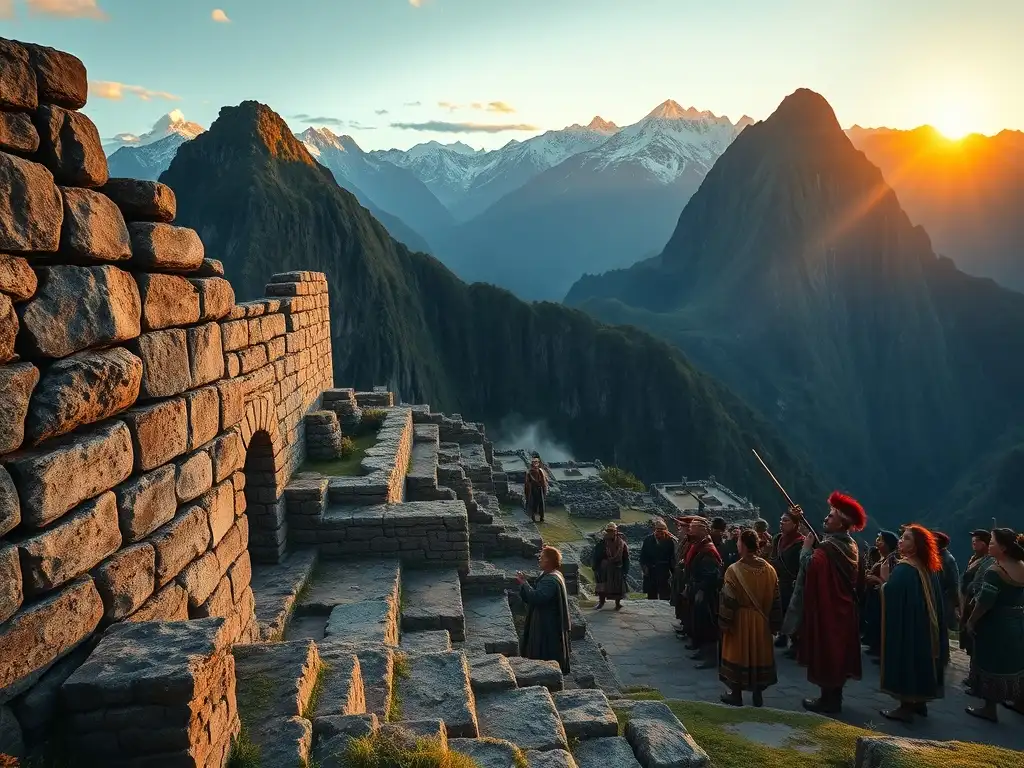
Dive into the captivating world of the Andean civilizations! From the breathtaking artistry of the Nazca lines to the sophisticated engineering of the Inca, their legacy continues to fascinate. But what truly sealed their fate? Uncover the dramatic events surrounding the Spanish conquest of the Inca Empire, a pivotal moment that forever altered the course of history. Prepare to be amazed by the power, ingenuity, and ultimately, the vulnerability of one of the world's most remarkable ancient societies. Explore the untold stories and discover what really happened.
The Spanish conquest of the Inca Empire stands as a pivotal moment in Andean history, irrevocably altering the course of a sophisticated civilization and leaving an enduring legacy that continues to shape the region today. This dramatic period, marked by clashing cultures, military prowess, and devastating disease, resulted in the collapse of a vast and powerful empire.
Understanding the fall of the Inca requires exploring not only the Spanish conquest itself but also the internal dynamics and vulnerabilities of the Inca Empire in the years leading up to the arrival of the conquistadors. This article delves into the crucial factors contributing to the Inca Empire's downfall, focusing on the state of the empire before the Spanish arrival and the initial interactions between these two vastly different worlds.
We will examine the Spanish conquest of the Inca Empire, exploring the key events, figures, and consequences that reshaped the Andean landscape forever. The story is complex, filled with both brutality and resilience, offering a compelling study of cultural collision and the enduring power of indigenous resistance.
Introduction to the Inca Empire Before the Spanish Conquest
Before the arrival of the Spanish, the Inca Empire, also known as the Tawantinsuyu, was a highly organized and expansive civilization. At its zenith, it stretched along the Andes Mountains, encompassing a vast territory encompassing modern-day Peru, Bolivia, Ecuador, parts of Argentina, and Chile. The Inca's success was built upon a sophisticated system of governance, infrastructure, and agriculture. Their mastery of terrace farming allowed them to cultivate diverse crops in challenging mountainous terrain, supporting a large and densely populated empire.
A complex road system, the Qhapaq Ñan, facilitated communication and trade across the empire, connecting distant regions and fostering a sense of unity. The Inca also developed advanced knowledge of astronomy, mathematics, and engineering, evident in their impressive stone architecture, such as Machu Picchu and Sacsayhuamán. However, this seemingly invincible empire was not without its internal weaknesses. The rapid expansion had strained resources and created tensions between conquered peoples and the Inca rulers.
Succession disputes and internal conflicts were also simmering beneath the surface, creating vulnerabilities that the Spanish would later exploit. The Inca social structure, while highly organized, also had inherent inequalities that would contribute to the empire's eventual downfall. The empire’s vast size, while a source of power, also presented logistical challenges and made it difficult to effectively manage and control all its territories.
The Inca Empire at its Zenith: A Glimpse of Power and Organization
The Inca Empire's power was built on a combination of military might, sophisticated administration, and effective resource management. The Sapa Inca, the emperor, held absolute authority, overseeing a hierarchical system that extended to all aspects of life. This centralized system allowed for efficient mobilization of resources and manpower for construction projects, military campaigns, and agricultural production. The Inca implemented a system of mita, a form of mandatory labor service, to build infrastructure and support the empire's needs.
While demanding, this system also ensured widespread participation in the development and maintenance of the empire. The Inca also developed an intricate system of record-keeping using quipus, knotted strings that encoded numerical and potentially other types of information. This allowed for precise tracking of resources, population, and tribute payments. The empire's religious beliefs and practices played a vital role in maintaining social order and consolidating power.
The Inca religion emphasized the importance of the sun god, Inti, and the emperor's divine lineage, further enhancing the emperor's authority. However, this centralized power structure also created vulnerabilities. The empire’s dependence on the Sapa Inca and the centralized administration made it susceptible to disruption when faced with challenges to the emperor's authority or sudden changes in leadership.
The Arrival of the Spanish: First Encounters and Initial Interactions
The arrival of Francisco Pizarro and his small band of conquistadors in 1532 marked a turning point in Inca history. The initial encounters were characterized by a mixture of awe and apprehension on both sides. The Spanish, with their superior weaponry and horses, presented a formidable challenge to the Inca, who had never before encountered such advanced military technology. The Inca, however, initially underestimated the Spanish, viewing them as a relatively small group and potentially susceptible to manipulation.
The Spanish strategically exploited existing internal conflicts within the Inca Empire, particularly the succession crisis following the death of Huayna Capac and the subsequent civil war between Huáscar and Atahualpa. Pizarro skillfully manipulated these rivalries, using deception and alliances to gain a strategic advantage. The capture of Atahualpa at the Battle of Cajamarca in 1532 was a decisive moment, marking the beginning of the systematic dismantling of the Inca Empire.
The events that followed – the execution of Atahualpa, the subsequent conquest of Cusco, and the brutal subjugation of the Inca population – would forever alter the course of Andean history. The initial interactions between the two cultures were marked by a profound power imbalance, with the Spanish exploiting the Inca's vulnerabilities and using both military force and psychological warfare to achieve their objectives. The impact of disease, introduced by the Spanish, further weakened the Inca resistance and facilitated the conquest.
- Introduction to the Inca Empire Before the Spanish Conquest
- The Inca Empire at its Zenith: A Glimpse of Power and Organization
- The Arrival of the Spanish: First Encounters and Initial Interactions
- What role did disease play in the Spanish conquest of the Inca Empire?
- How did the Spanish utilize Inca infrastructure to their advantage?
- What were the key military strategies employed by the Spanish conquistadors?
- What was the impact of the Spanish conquest on Inca culture and religion?
- What were the long-term consequences of the Spanish conquest of the Inca Empire?
The Spanish Conquest of the Inca Empire: Key Events and Turning Points
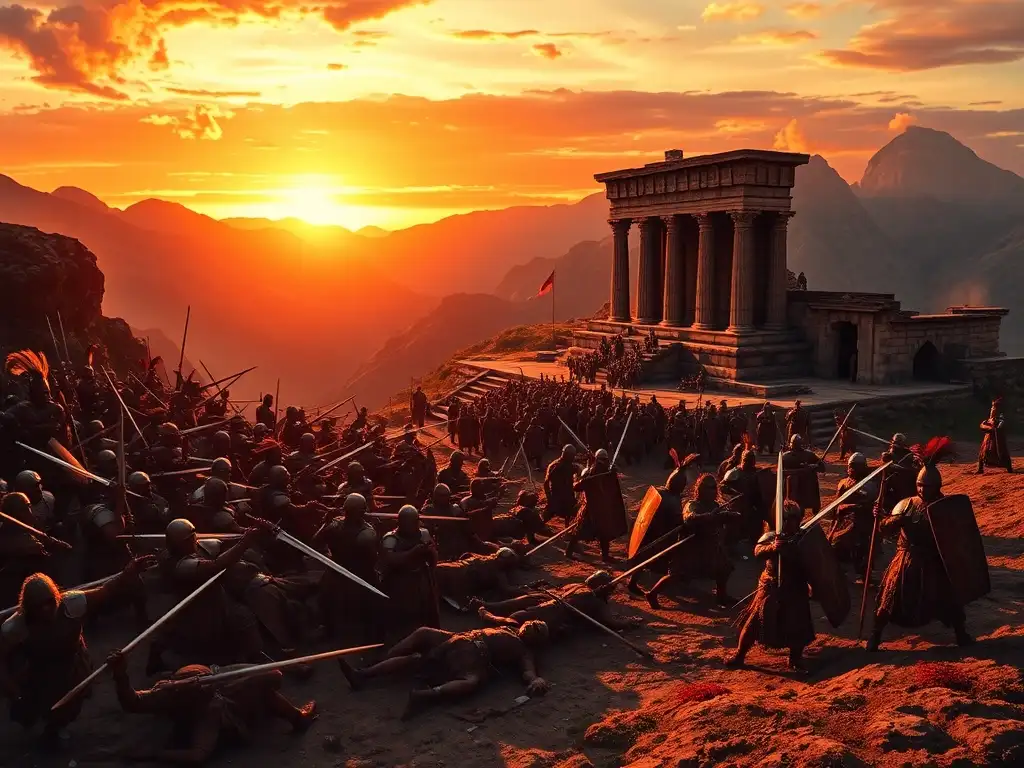
The Spanish conquest of the Inca Empire, a pivotal moment in South American history, wasn't a swift, decisive victory but rather a complex process spanning years, marked by strategic maneuvers, internal Inca conflicts, and the devastating impact of disease. Understanding this conquest requires examining key events and turning points that irrevocably altered the course of Andean civilization. The narrative is often framed around the exploits of Francisco Pizarro and his relatively small band of conquistadors, but the success of the Spanish was also significantly aided by existing tensions within the Inca Empire itself.
The strategic use of superior weaponry, coupled with the devastating effects of introduced diseases like smallpox, played a crucial role in the eventual Spanish triumph. This section delves into some of the most significant events that shaped the Spanish conquest of the Inca Empire.
Francisco Pizarro and the Expedition to the Inca Lands
Francisco Pizarro, a Spanish conquistador with a reputation for ruthlessness and ambition, spearheaded the expedition that ultimately led to the downfall of the Inca Empire. His initial voyages to the Inca lands, starting in the 1520s, were fraught with hardship and near-failure. However, Pizarro possessed a keen understanding of the political landscape and skillfully exploited existing divisions within the Inca Empire.
He meticulously gathered intelligence, learning of the Inca civil war following the death of Huayna Capac and the subsequent conflict between his sons, Huáscar and Atahualpa. This internal strife proved to be a critical factor in the eventual success of the Spanish conquest. Pizarro's meticulous planning and his ability to forge alliances with disgruntled Inca factions played a crucial role in his strategic advantage.
He wasn't simply a brute force conqueror; rather, he was a master manipulator who skillfully used diplomacy and deceit to achieve his objectives. His careful observation of Inca customs and weaknesses allowed him to exploit vulnerabilities in their social structure and military organization, paving the way for his future successes. The initial expeditions served as crucial reconnaissance missions, allowing Pizarro to assess the Inca's strength, vulnerabilities, and the potential for alliances.
The Capture of Atahualpa: A Pivotal Moment in the Conquest
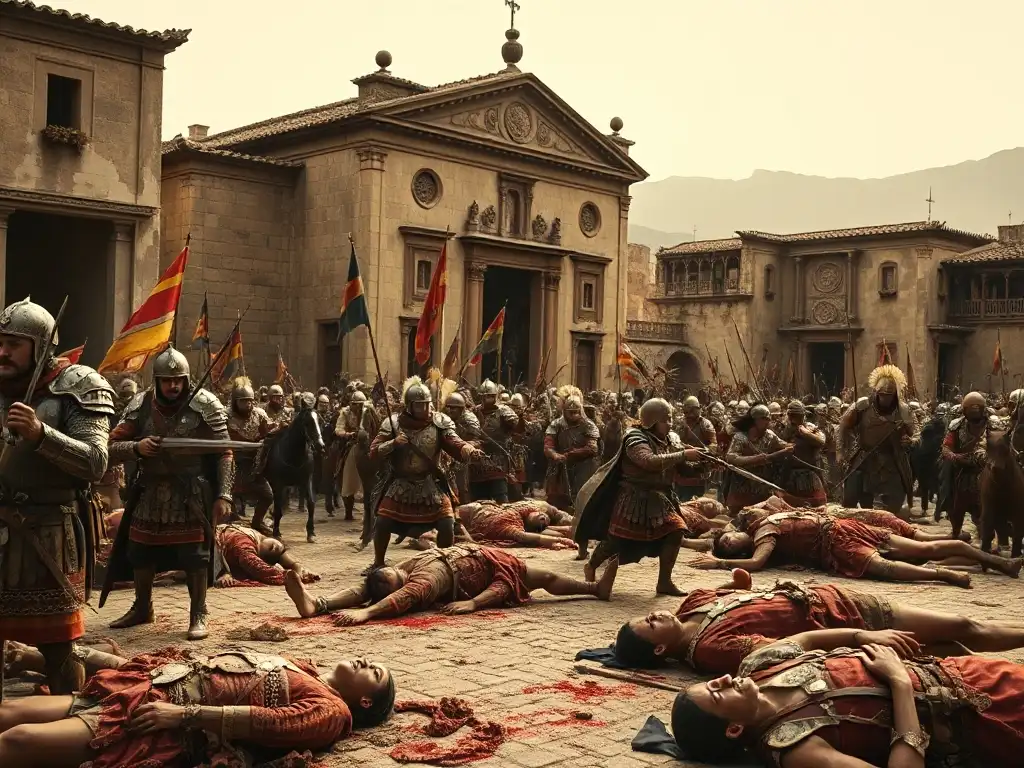
The capture of Atahualpa, the Inca emperor, at the Battle of Cajamarca in 1532, stands as a watershed moment in the Spanish conquest. This wasn't a fair fight; it was a calculated ambush. Pizarro, with a vastly smaller force, lured Atahualpa to a meeting under the pretense of peace negotiations. The Spanish then unleashed a devastating surprise attack, using superior weaponry (cannons, firearms, steel swords) and horses, which the Incas had never encountered before.
The element of surprise, coupled with the psychological shock of the Spanish weaponry, resulted in a swift and decisive victory for Pizarro. The capture of Atahualpa effectively decapitated the Inca leadership, creating chaos and confusion throughout the empire. The subsequent ransom offered by Atahualpa, a mountain of gold and silver, further fueled the Spanish ambitions and provided the resources to consolidate their power.
The event highlights the strategic genius of Pizarro, who understood the importance of capturing the Inca emperor to cripple the empire's ability to resist. The psychological impact of the capture was as significant as the military victory itself, shattering the Incas' belief in their own invincibility. The capture of Atahualpa marked not just a military victory but also a symbolic conquest of the Inca Empire's legitimacy and authority.
The Battle of Cajamarca: The Beginning of the End for the Incas
The Battle of Cajamarca, fought on November 16, 1532, is often cited as the beginning of the end for the Inca Empire. The battle itself was less a clash of armies and more a brutal massacre. Pizarro's troops, numbering around 168 men, ambushed Atahualpa and his retinue, who were unarmed and unsuspecting. The Spanish utilized superior weaponry and tactics to devastating effect.
The Incas, while numerically superior, were disorganized and unprepared for the ferocity and technological advancement of the Spanish forces. The use of horses, cannons, and firearms inflicted heavy casualties on the Incas, who relied primarily on clubs, slings, and spears. The psychological impact of the battle was as significant as the military victory. The Incas' belief in their own invincibility was shattered, leading to widespread demoralization and facilitating the subsequent Spanish conquest.
The battle wasn't just a military victory; it was a symbolic defeat that signaled the beginning of the end for the Inca Empire. The event's significance lies not only in the military outcome but also in its long-term consequences for the Inca civilization and the subsequent colonization of the Andes region. The sheer disparity in casualties during this battle underscores the devastating impact of superior weaponry and tactics in the Spanish conquest of the Inca Empire.
Inca Resistance and the Siege of Cusco
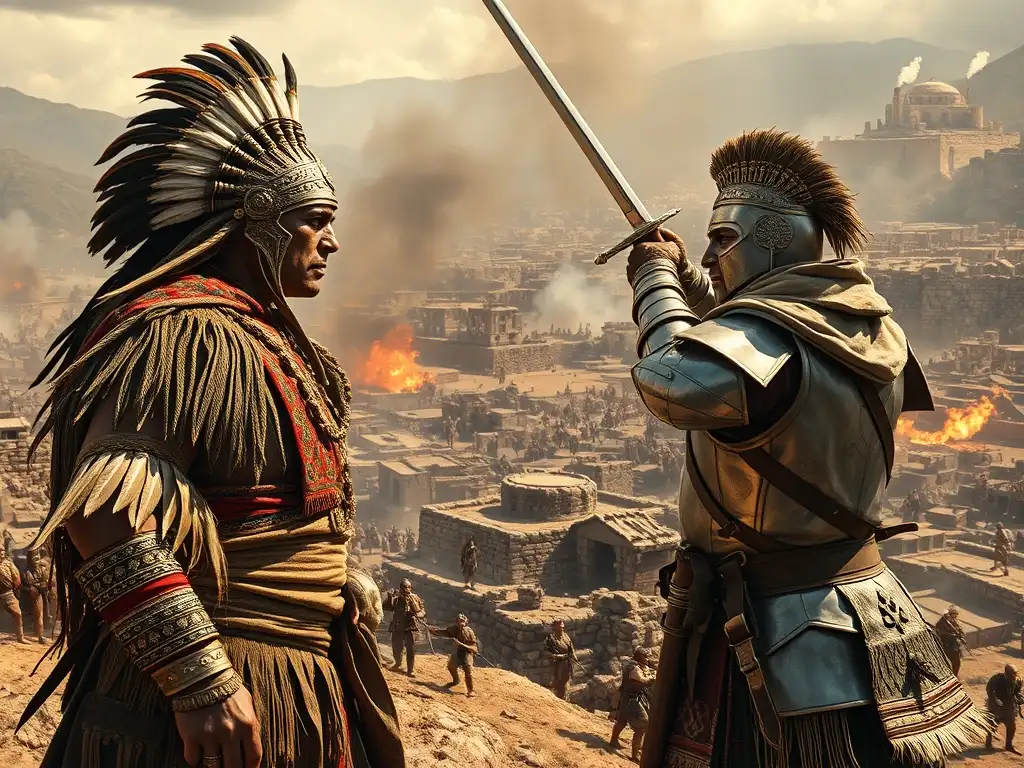
The Spanish conquest of the Inca Empire wasn't a swift, decisive victory. Far from it. Inca resistance, though ultimately unsuccessful, was fierce and prolonged. The initial Spanish advantage stemmed from superior weaponry – steel swords and guns against Inca bronze and stone tools – and the devastating impact of Old World diseases like smallpox, to which the Inca population had no immunity. However, the Incas, despite their losses, exhibited remarkable resilience. Their knowledge of the terrain, guerilla warfare tactics, and their vast network of messengers enabled them to mount effective, albeit localized, resistance movements.
Following the capture of Atahualpa, the Inca Empire was thrown into chaos. While some leaders collaborated with the Spanish, many others chose to fight. Manco Inca Yupanqui, a prominent Inca leader and Atahualpa's half-brother, initially allied with the conquistadors, only to later lead a significant rebellion.
The siege of Cusco, the Inca capital, exemplifies the tenacity of this resistance. The city changed hands several times between the Spanish and the Inca forces, with brutal fighting and significant casualties on both sides. The Spanish, despite their superior weaponry, faced logistical challenges in supplying their troops and maintaining control over a vast and hostile territory.
The siege underscored the Inca's determination to reclaim their homeland and their capacity to organize effective military responses against a seemingly insurmountable foe. The prolonged siege highlights that the Spanish conquest wasn't a simple military occupation but a protracted struggle marked by significant Inca resistance. Even after the fall of Cusco, pockets of resistance continued for decades, demonstrating the enduring spirit of the Inca people in the face of overwhelming odds.
The Role of Huascar-Atahualpa Civil War in the Inca Empire's Downfall
The Spanish conquest of the Inca Empire was significantly facilitated by a pre-existing internal conflict: the devastating civil war between Huáscar and Atahualpa, two brothers vying for the Inca throne. This fratricidal struggle, which lasted for several years, profoundly weakened the empire, leaving it vulnerable to external invasion. The war depleted the Inca army's manpower and resources, leaving them significantly less prepared for the Spanish arrival. Both sides engaged in brutal warfare, resulting in a significant loss of life and the disruption of crucial governmental structures, economic systems, and social order.
The conflict also fractured the Inca’s unity, creating deep divisions within the empire. While some regions remained loyal to Huáscar, others supported Atahualpa, leading to widespread instability and chaos. This internal division proved invaluable to the Spanish, allowing Pizarro and his small army to exploit the existing power vacuum.
By cleverly playing the warring factions against each other, the conquistadors were able to garner support from some Inca leaders, gaining access to resources and manpower. The civil war effectively crippled the Inca Empire's ability to mount a unified and effective defense against the Spanish invaders, ultimately paving the way for the empire's relatively swift collapse.
Without the debilitating effects of the Huáscar-Atahualpa war, the outcome of the Spanish conquest might have been significantly different, potentially resulting in a much more protracted and uncertain outcome for the Spanish. The civil war stands as a critical factor in the "Spanish conquest of the Inca Empire," demonstrating how internal strife can dramatically weaken even the most powerful empires.
Factors Contributing to the Spanish Victory Over the Incas
The Spanish conquest of the Inca Empire, a pivotal moment in South American history, wasn't solely due to superior weaponry. A confluence of factors, including technological advantages, devastating disease, and internal Inca weaknesses, paved the way for the relatively small Spanish force to overthrow a vast and powerful empire. Understanding these contributing elements is crucial to grasping the complexity of this historical event and the lasting impact it had on Andean cultures. The narrative often simplifies the conquest, but a deeper analysis reveals a more nuanced picture of a complex interaction between two vastly different societies.
Superior Spanish Military Technology and Tactics
The Spanish conquistadors possessed significant military advantages over the Inca army. Their steel weaponry – swords, lances, and especially firearms like muskets – proved devastatingly effective against Inca weapons made primarily of bronze, copper, and wood. The Inca lacked effective defenses against firearms, suffering heavy casualties in early encounters. Furthermore, Spanish tactics, honed through years of warfare in Europe, proved superior. The use of cavalry, unknown to the Inca, provided a significant advantage in mobility and shock value. The Spanish also effectively utilized formations and strategies that exploited Inca weaknesses, such as their reliance on close-quarters combat.
The impact of these technological differences can be seen in several key battles. For example, the relatively small number of Spanish soldiers under Pizarro's command were able to defeat much larger Inca armies due to their superior weaponry and tactics. This disparity in military technology wasn't just about the weapons themselves; it also included the organizational structure and strategic thinking underpinning their use.
The Inca, while possessing a highly organized and efficient system for mobilization and resource management in other aspects of their society, lacked the same level of strategic military sophistication as the Spanish. This mismatch in military capabilities was a significant factor contributing to the rapid collapse of the Inca Empire.
The Impact of Smallpox on the Inca Population
The introduction of smallpox, a disease unknown to the Inca population, played a catastrophic role in weakening the empire's ability to resist the Spanish. Smallpox, carried unknowingly by the Spanish, ravaged the Inca population, decimating its ranks, including the leadership. The disease spread rapidly through the densely populated Inca cities and along the extensive road networks, disrupting the empire's administrative structure and military capabilities.
Estimates of the population decline vary, but many historians believe that smallpox alone killed a significant portion of the Inca population, potentially upwards of 50% in some areas, within a short period. This drastic reduction in population severely hampered the Inca's ability to mount an effective defense against the Spanish. The loss of life extended beyond the common people; key administrative personnel and military leaders perished, creating a leadership vacuum and crippling the empire's ability to respond effectively to the Spanish threat.
The devastating impact of the disease significantly undermined the Inca's ability to resist the Spanish conquest. The combination of military disadvantage and the catastrophic effects of smallpox proved to be a devastating one-two punch.
Political Instability and Division within the Inca Empire
The Inca Empire, at the time of the Spanish arrival, was experiencing significant political instability. The death of Huayna Capac, the powerful Inca emperor, and the subsequent succession crisis created a power struggle between his sons, Huáscar and Atahualpa. This civil war weakened the empire significantly, diverting resources and manpower away from defense and leaving it vulnerable to external threats. The conflict severely fractured the Inca's political unity and military strength, making them far less capable of resisting the Spanish invasion.
The internal conflict provided a crucial opportunity for the Spanish to exploit the weaknesses of the empire. By strategically allying with one faction against the other, the Spanish were able to gain a foothold and leverage the existing divisions to their advantage. The ongoing civil war severely depleted the Inca's resources and manpower, leaving them with fewer soldiers and less wealth to defend against the invaders.
The Spanish conquest of the Inca Empire, therefore, wasn't simply a matter of superior weaponry, but also a consequence of the Inca Empire's internal vulnerabilities, creating a fertile ground for the Spanish conquest. The combined effect of these factors – superior military technology, the devastating impact of smallpox, and the debilitating civil war – ultimately led to the fall of the Inca Empire.
The Role of Indigenous Allies like the Cañari in the Spanish Conquest
The Spanish conquest of the Inca Empire wasn't solely a result of superior weaponry or military tactics. A crucial factor in their success was the strategic alliance they forged with various indigenous groups who harbored resentment towards Inca rule. Among the most significant of these allies were the Cañari, a powerful pre-Inca group inhabiting the southern highlands of present-day Ecuador. The Cañari had long resisted Inca domination, enduring brutal subjugation and forced assimilation. This simmering resentment provided fertile ground for the Spanish to cultivate alliances.
The Cañari's intimate knowledge of the Andean terrain proved invaluable to the Spanish. Their expertise in navigating the treacherous mountain passes and dense forests allowed Pizarro's forces to bypass Inca defenses and launch surprise attacks. This local knowledge significantly outweighed any technological advantage the Incas might have possessed. The Cañari warriors also provided crucial manpower, augmenting the relatively small Spanish army with experienced Andean fighters familiar with guerilla warfare tactics. Their understanding of Inca military strategies and weaknesses proved instrumental in many key battles.
Beyond their military contributions, the Cañari's assistance extended to logistics and intelligence gathering. They provided the Spanish with vital information about Inca troop movements, supply lines, and the vulnerabilities of Inca strongholds. Their understanding of Inca social structures and political rivalries helped the Spanish exploit divisions within the empire, further weakening Inca resistance.
This strategic collaboration effectively turned the tide of the conflict, transforming a seemingly insurmountable challenge for the Spanish into a manageable, albeit brutal, campaign. The Cañari's contribution underscores the complex interplay of factors that led to the downfall of the Inca Empire, highlighting the importance of indigenous agency and the limitations of solely focusing on European military superiority in understanding this historical event.
Their participation serves as a stark reminder that the “Spanish conquest” was, in reality, a multifaceted process involving numerous indigenous actors with their own agendas and motivations. The Spanish victory, therefore, wasn't just a military achievement; it was a strategic triumph built upon a complex web of alliances and betrayals.
The Aftermath of the Spanish Conquest: Transformation and Legacy
The Spanish conquest of the Inca Empire, a pivotal moment in world history, irrevocably altered the Andes. The swift and brutal subjugation, fueled by superior weaponry and internal Inca weaknesses, led to a profound transformation of the Andean landscape, its social structures, and its cultural practices. This section explores the immediate aftermath and lasting legacy of this transformative event, examining the establishment of colonial rule, the devastating impact on Inca society and culture, and the surprising resilience of Inca traditions despite the Spanish conquest. The keyword "Spanish conquest of the Inca Empire" is central to understanding this complex period.
The Establishment of the Viceroyalty of Peru
Following the conquest, the Spanish Crown established the Viceroyalty of Peru, a vast colonial administration encompassing much of South America. This marked a complete shift in power dynamics, with the Inca's sophisticated governance system replaced by a hierarchical Spanish bureaucracy. The viceroy, appointed by the Spanish king, held supreme authority, controlling all aspects of colonial life.
The system was designed to extract wealth, primarily silver and gold, from the conquered territories, enriching the Spanish crown and fueling the European economy. This exploitation was achieved through the encomienda system, a form of forced labor that enslaved the indigenous population and decimated their numbers through overwork and disease. The consequences of this system were catastrophic for the Inca population.
Their carefully managed agricultural system, the ayllu communal landholding structure, and their intricate social hierarchy were disrupted and ultimately dismantled. The establishment of the Viceroyalty of Peru fundamentally reshaped the political and economic landscape of the Andes, a legacy that continues to impact the region today. The Spanish conquest of the Inca Empire fundamentally restructured the political and economic order, paving the way for centuries of colonial rule.
The Impact on Inca Society and Culture
The Spanish conquest of the Inca Empire had a devastating impact on Inca society and culture. The imposition of Catholicism led to the suppression of Inca religion and beliefs. Temples were destroyed, and huacas (sacred sites) were desecrated. Inca priests and religious leaders were persecuted, and indigenous religious practices were criminalized.
This cultural cleansing aimed to erase Inca identity and replace it with Spanish Catholicism. However, indigenous populations showed remarkable resilience. They adapted their beliefs and practices, often blending them with elements of Catholicism in a process known as syncretism. This resulted in unique religious expressions that persist to this day.
The destruction of Inca infrastructure, including irrigation systems, roads, and agricultural terraces, further contributed to the decline of Inca society. The Spanish also implemented new agricultural practices, often at the expense of traditional Inca farming methods. Moreover, the introduction of European diseases, such as smallpox and measles, ravaged the Inca population, leading to a dramatic decrease in population size. The impact of the Spanish conquest on Inca society and culture was profound, leading to both destruction and adaptation.
The Enduring Legacy of the Inca Empire despite the Spanish Conquest
Despite the brutality of the Spanish conquest and the subsequent colonial period, significant aspects of Inca culture and legacy endured. Many Inca traditions, practices, and knowledge systems survived, albeit often in modified or syncretic forms. The Quechua language, for example, remains widely spoken in the Andes, a testament to the resilience of Inca linguistic heritage. Similarly, many Inca agricultural techniques continue to be practiced, showcasing the enduring value of Inca knowledge and innovation.
Furthermore, elements of Inca art and architecture can still be observed in contemporary Andean culture. The Spanish conquest of the Inca Empire did not entirely erase Inca identity; rather, it forced a process of adaptation and resilience. Many aspects of Inca culture persevered, integrated into the evolving cultural landscape of the Andes.
This enduring legacy demonstrates the strength and depth of Inca civilization, which continued to influence the region long after the fall of the empire. The impact of the Spanish conquest on the Inca Empire was far-reaching, yet the Inca legacy continues to resonate in the Andes today. This enduring influence underlines the resilience and adaptability of Inca culture in the face of immense upheaval.
The Spanish conquest of the Inca Empire irrevocably altered the social fabric and economic landscape of the Andean region, leaving a legacy that continues to shape the region today. The pre-Columbian social hierarchy, while complex, was fundamentally reshaped. The Inca's sophisticated system of ayllu, communal land ownership and reciprocal labor, was dismantled.
This system, which provided a degree of social security and economic stability for the vast majority of the population, was replaced by a rigid system of encomienda, a form of forced labor imposed by the Spanish Crown. This system essentially enslaved the indigenous population, forcing them to work in mines, on plantations, and in other laborious tasks for Spanish landowners.
The introduction of encomienda led to a drastic shift in social stratification. The Inca nobility and elite were largely displaced or marginalized, while a new class of Spanish colonizers ascended to the top of the social hierarchy. This created a deeply unequal society, with vast disparities in wealth and power.
Indigenous communities, once relatively self-sufficient, became dependent on the Spanish colonial system, often facing exploitation and oppression. The mita, a system of rotational labor utilized by the Inca, was adapted and abused by the Spanish, becoming a tool for extracting maximum labor from the indigenous population, often under brutal conditions. This led to significant population decline due to overwork, disease, and malnutrition.
Economically, the conquest ushered in a period of profound transformation. The Inca's sophisticated agricultural techniques and infrastructure were largely neglected in favor of the extraction of precious metals like silver and gold. This focus on mining fueled the Spanish colonial economy but devastated the environment and diverted resources away from sustainable agricultural practices.
The introduction of new crops and livestock from Europe, while initially beneficial in some ways, also disrupted existing ecological balances and contributed to the displacement of indigenous agricultural practices. The Andean economy, once largely based on a system of reciprocal exchange and communal production, was transformed into an extractive system primarily serving the needs of the Spanish Crown and its colonial subjects.
This long-term shift had a lasting impact on the region's economic development, contributing to persistent inequalities and underdevelopment in the centuries that followed. The legacy of this economic transformation is still visible in the region's economic structure and social inequalities.
Frequently Asked Questions
What role did disease play in the Spanish conquest of the Inca Empire?
The introduction of Old World diseases like smallpox, measles, and influenza devastated the Inca population. This significantly weakened the empire's ability to resist the Spanish, contributing greatly to their military vulnerability. The epidemics preceded and facilitated the conquest.
How did the Spanish utilize Inca infrastructure to their advantage?
The Spanish leveraged existing Inca roads, storehouses (qollqas), and administrative systems. This provided them with crucial logistical support and allowed them to quickly move troops and supplies across the vast empire. Pre-existing infrastructure greatly aided their conquest.
What were the key military strategies employed by the Spanish conquistadors?
The Spanish utilized superior weaponry, including firearms and horses, which the Inca were unfamiliar with. They also employed psychological warfare and alliances with rival groups within the Inca Empire to overwhelm their opponents. Superior tactics and technology were crucial.
What was the impact of the Spanish conquest on Inca culture and religion?
The Spanish conquest led to the destruction of many Inca temples and religious practices. They imposed Christianity and suppressed indigenous beliefs, resulting in a significant cultural and religious transformation. Cultural suppression was a defining characteristic.
What were the long-term consequences of the Spanish conquest of the Inca Empire?
The Spanish conquest resulted in the collapse of the Inca Empire and the exploitation of its resources and people. This led to centuries of colonial rule, impacting the social, economic, and political landscape of the Andes for generations to come. Colonial legacy persists to this day.
Final Reflection: Echoes of Conquest in a Modern World
The Spanish conquest of the Inca Empire wasn't merely a historical event; it remains a stark reminder of the devastating consequences of unchecked power and the enduring legacy of colonialism. The brutality and exploitation inflicted upon the Inca people continue to resonate in the social, political, and economic landscapes of South America today, shaping identities and influencing power structures in profound ways. Understanding this history is crucial to comprehending the complexities of the present.
The fall of the Inca Empire serves as a potent example of how seemingly insurmountable power can crumble in the face of external forces, but also how the cultural impact of such a conquest can endure for centuries. The blending of cultures, while sometimes resulting in beautiful syncretism, also carries the scars of oppression and dispossession. As the historian Felipe Fernández-Armesto eloquently stated, Conquest is not merely a military event; it is a cultural earthquake.
This earthquake continues to shape the narratives and identities of millions, reminding us of the importance of understanding the past to build a more just future.
Consider the echoes of this conquest in your own life. How does the legacy of colonialism influence your understanding of global power dynamics? What responsibilities do we, as inheritors of this history, bear in acknowledging the injustices of the past and working towards a more equitable world? Let the story of the Inca Empire serve not just as a historical lesson, but as a call to action – a call to empathy, understanding, and a commitment to building a future where such devastating conquests are consigned to the past, and their lessons are used to prevent future injustices.
Unveil the Legacy of the Inca: Take Action Now!
Thank you for exploring the fascinating history of the Inca Empire and the profound impact of the Spanish conquest. We hope you gained valuable insights into this pivotal moment that shaped a civilization. Now, let's continue the conversation!
Here are some ways to engage further with this captivating history:
- Dive Deeper: Explore related articles on Andean civilizations to broaden your understanding of indigenous cultures and their rich histories. Consider researching the pre-Inca cultures of the Andes to gain a fuller perspective.
- Share Your Thoughts: Discuss this article with friends, family, or colleagues. What aspects of Inca society, technology, or beliefs particularly captivated you?
- Join the Conversation: Share your thoughts in the comments section below. How does the fall of the Inca Empire inform contemporary discussions about colonization and its lasting effects?
What new perspectives have you gained on the resilience of cultures in the face of profound societal change? How does understanding the Inca experience enhance our comprehension of historical power dynamics?