
Inca Roads and Transportation: Connecting a Vast Empire

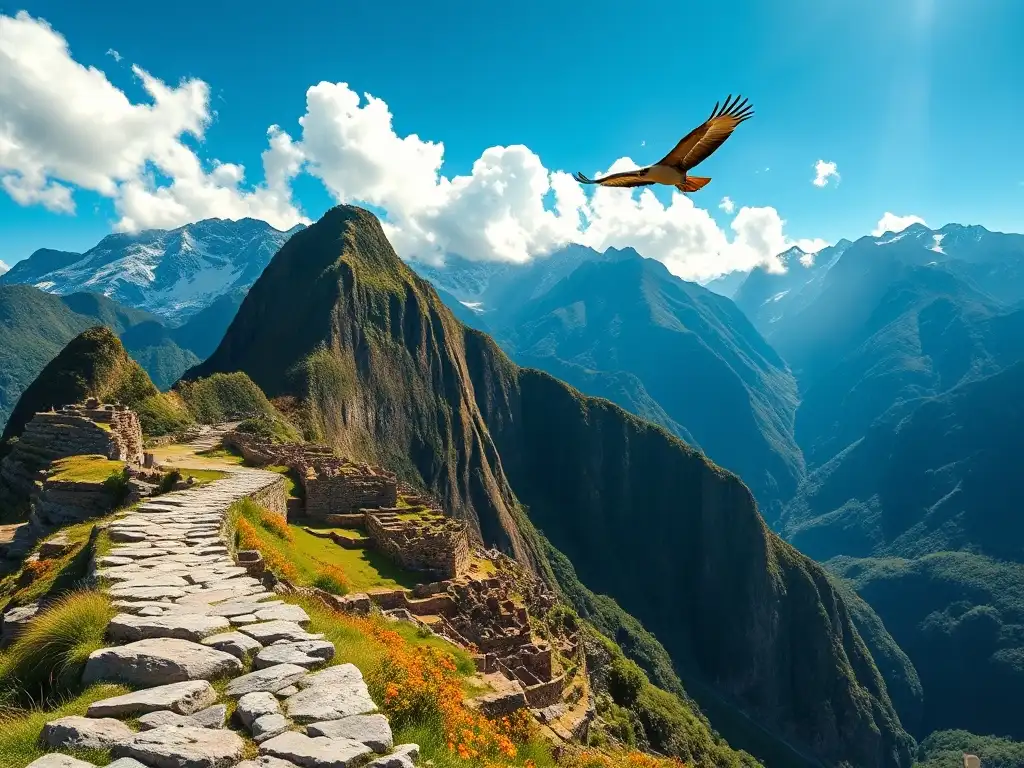
Unravel the mysteries of a lost world! Step into the heart of the Andes and discover the ingenuity of ancient civilizations, from the breathtaking artistry of the Nazca lines to the sophisticated engineering of the Moche. But prepare to be amazed by the Inca road system transportation, a feat of engineering that connected a vast empire and remains a testament to their unparalleled skill. Dive into the intricacies of this remarkable network and uncover the secrets behind its construction and enduring legacy. Explore the Inca Empire and its captivating story—your journey begins now.
- The Inca Road System: Transportation and Connectivity in a Vast Empire
- Engineering Marvels of the Inca Roads
- Function and Purpose of the Inca Road System
- Inca Transportation Methods Along the Road System
- The Legacy of the Inca Roads
- Inca Road System vs. Other Ancient Transportation Networks
- Uniqueness of Inca Road Engineering and Design
- The Inca Road Network: A Testament to Ingenuity
- Frequently Asked Questions
- Final Reflection: The Enduring Legacy of Inca Roads
- Unveil the Legacy of Inca Transportation!
The Inca Road System: Transportation and Connectivity in a Vast Empire
The Inca Empire, renowned for its sophisticated social structures and remarkable engineering feats, controlled a vast territory spanning the Andes Mountains. Efficient transportation was crucial to maintaining this sprawling empire, and the Inca road system, a marvel of ancient engineering, played a vital role in its success. This network of meticulously constructed pathways not only facilitated the movement of people, goods, and armies but also served as a critical communication artery, binding together diverse regions and cultures under a unified rule.
This article delves into the intricacies of the Inca road system, exploring its importance, construction, and lasting legacy, focusing specifically on how this impressive infrastructure supported the empire's transportation needs and contributed to its overall power and stability. We will examine the strategic placement of roads, the diverse methods of transportation utilized, and the significant impact this system had on Inca society and daily life.
Understanding the Inca road system provides invaluable insight into the ingenuity and organizational prowess of this remarkable civilization, solidifying its place as one of history's most impressive achievements in infrastructure and logistics. The keyword "Inca road system transportation" will be explored throughout this article, highlighting its significance within the broader context of Inca civilization.
The Importance of the Inca Road Network: A Lifeline for the Empire
The Inca road network, known as the Qhapaq Ñan, wasn't merely a collection of paths; it was the circulatory system of the empire. Its importance transcended simple travel; it was essential for:
- Military Control: Rapid troop deployment was crucial for maintaining order and suppressing rebellions across the vast empire. The roads allowed Inca armies to swiftly respond to threats and consolidate power in distant regions. The strategic placement of tambos (roadside inns) further facilitated military movements, providing rest stops and supplies for soldiers.
- Economic Prosperity: The efficient transportation of goods, including agricultural products, textiles, and precious metals, fueled the Inca economy. The roads connected diverse regions, allowing for the exchange of resources and the distribution of goods throughout the empire. This intricate system ensured a consistent supply of essential resources to urban centers and supported a thriving internal trade network.
- Religious and Political Unity: The Inca state religion played a significant role in unifying the empire. The roads facilitated the movement of religious officials and pilgrims, reinforcing religious beliefs and practices across the empire. Royal messengers also used the roads to communicate decrees and maintain control, ensuring the emperor's authority reached even the most remote corners of the empire. This ensured a cohesive political structure.
- Communication: The chasquis, a relay system of runners, utilized the roads to swiftly transmit messages across vast distances. This efficient communication network was crucial for maintaining control and coordination throughout the empire, allowing for rapid responses to events and the dissemination of important information. The speed and efficiency of this system were remarkable, showcasing another aspect of Inca ingenuity.
Qhapaq Ñan: The Royal Road of the Incas
The Qhapaq Ñan, meaning "Royal Road" in Quechua, was a masterpiece of engineering. Spanning thousands of kilometers, this network of roads showcased Inca mastery of construction techniques. Its construction involved:
- Careful route planning: Inca engineers skillfully navigated challenging terrain, utilizing mountain passes, valleys, and coastal routes. Their understanding of geography and engineering principles is evident in the routes selected, often minimizing elevation changes and utilizing natural features to their advantage.
- Advanced construction techniques: The roads were built using locally sourced materials like stone, earth, and timber. They were incredibly durable, withstanding the test of time and the harsh Andean climate. Stone paving, retaining walls, and suspension bridges were common features.
- Strategic placement of infrastructure: The roads featured tambos (roadside inns) at regular intervals, providing shelter, food, and supplies for travelers. These structures also served as administrative centers and military outposts, strengthening the empire's control over the road network. Bridges, tunnels, and causeways were also strategically constructed to overcome obstacles and ensure the roads remained passable throughout the year.
The Qhapaq Ñan is a testament to the Inca's advanced understanding of engineering, logistics, and the importance of infrastructure in maintaining a vast and complex empire. Its impact on Inca society and its enduring legacy as a symbol of human ingenuity continue to fascinate and inspire. Further research into specific sections of the Qhapaq Ñan and the different transportation methods utilized will provide a more comprehensive understanding of the Inca road system's crucial role in the empire's success. The impact of the Qhapaq Ñan on the Inca road system transportation is undeniable.
Engineering Marvels of the Inca Roads
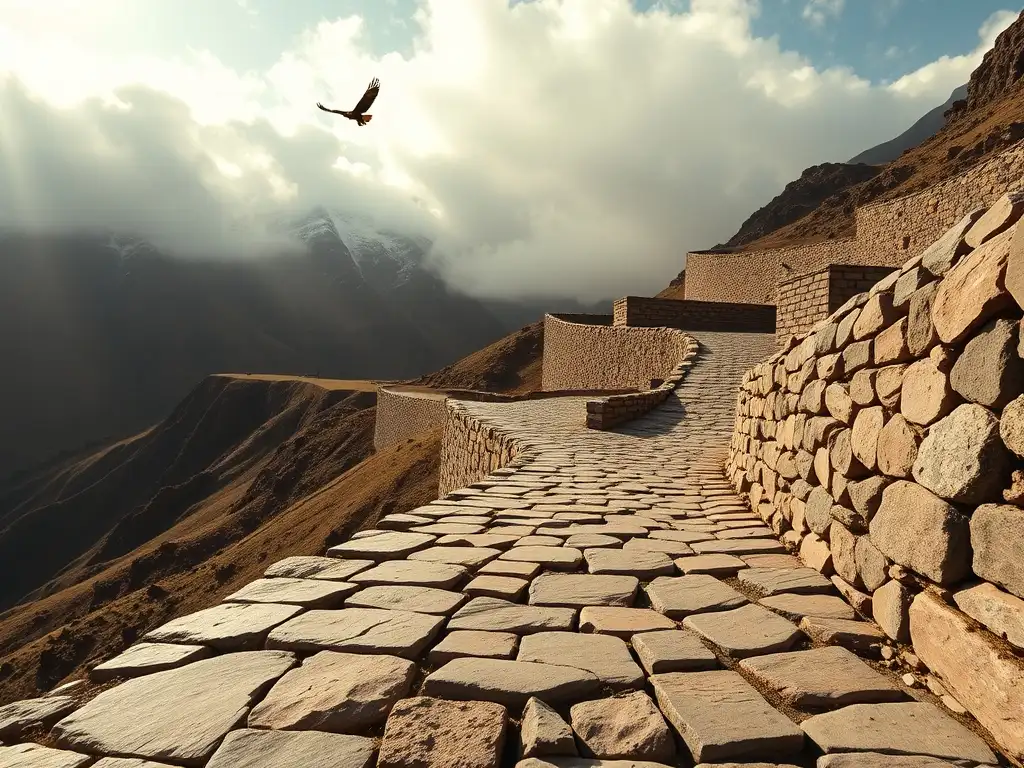
The Inca road system, a feat of engineering unmatched in its time, served as the crucial artery of their vast empire. Spanning thousands of miles across the Andes Mountains, this intricate network facilitated communication, trade, and military movement, showcasing the Inca's remarkable understanding of engineering principles and their ability to adapt to extreme geographical challenges.
The sheer scale of the undertaking, combined with the sophisticated techniques employed, solidifies the Inca road system's position as a testament to human ingenuity and a cornerstone of Inca "Inca road system transportation." The efficiency of this system is a key aspect of understanding Inca societal organization and their ability to maintain control over such a geographically diverse and extensive territory.
Construction Techniques: Building the Inca Highways
Inca road construction was a meticulous process, demanding both skilled labor and innovative techniques. Workers, likely organized through the mita system (a form of mandatory labor), employed a variety of methods depending on the terrain and available resources. They were masters of terracing, meticulously carving slopes to create stable platforms for the roads.
This involved removing loose rock and soil, compacting the remaining earth, and often adding layers of stone to create a firm foundation. In some areas, they utilized retaining walls, often made from precisely fitted stones without mortar, demonstrating an advanced understanding of structural integrity. The precision of their work is evident in the longevity of many sections of the road, some of which remain remarkably intact even today.
They also developed sophisticated drainage systems to prevent erosion and flooding, ensuring the roads remained usable even during periods of heavy rainfall. Evidence suggests the use of sophisticated surveying techniques to ensure the roads were straight and level, utilizing rudimentary tools to achieve an impressive level of accuracy. This meticulous approach highlights the Inca's dedication to creating a durable and efficient transportation network.
Materials Used in Inca Road Construction
The materials used in Inca road construction varied depending on local availability, but the emphasis was always on durability and sustainability. Stone, readily available in the Andes, formed the bedrock of many roads. Large, precisely cut stones were used for paving and retaining walls, while smaller stones and gravel filled in gaps and provided a stable surface.
In areas where stone was scarce, other materials like earth, compacted clay, and even wood were employed. The Incans were adept at using the materials at hand to achieve optimal results. For instance, in higher altitudes, where freezing temperatures were common, they used materials that could withstand the extreme conditions, reflecting their detailed understanding of the environmental challenges presented by the diverse geography.
The selection and placement of these materials weren't random; they were carefully chosen to maximize the road's resilience and longevity, a testament to their practical knowledge and ingenuity. This thoughtful selection process further solidifies their commitment to creating a robust and enduring infrastructure.
Adapting to Diverse Terrains: Inca Road Design
The Inca road system wasn't a monolithic structure; it was a network adapted to the extraordinarily diverse terrain of the Andes. The roads climbed steep mountainsides, traversed deep valleys, and crossed treacherous rivers, demonstrating the Inca's remarkable engineering prowess. In mountainous regions, they used switchbacks and carefully constructed ramps to overcome steep inclines, minimizing the gradient to facilitate the movement of goods and people.
Bridges, some spanning impressive distances, were built using a variety of techniques, from simple log bridges to more complex suspension bridges made from sturdy vines and ropes. These bridges weren't just functional; they were carefully integrated into the landscape, reflecting an awareness of the environment and a commitment to sustainable design. The use of suspension bridges, in particular, reveals an impressive understanding of tensile strength and the properties of natural materials.
The intricate network of roads, each section tailored to its specific environment, showcases the Inca's ability to overcome significant geographical challenges, a testament to their advanced engineering knowledge and adaptive problem-solving skills. The adaptability of the Inca road system is perhaps its most impressive feature, illustrating their mastery of engineering principles and their deep understanding of the environment.
Function and Purpose of the Inca Road System
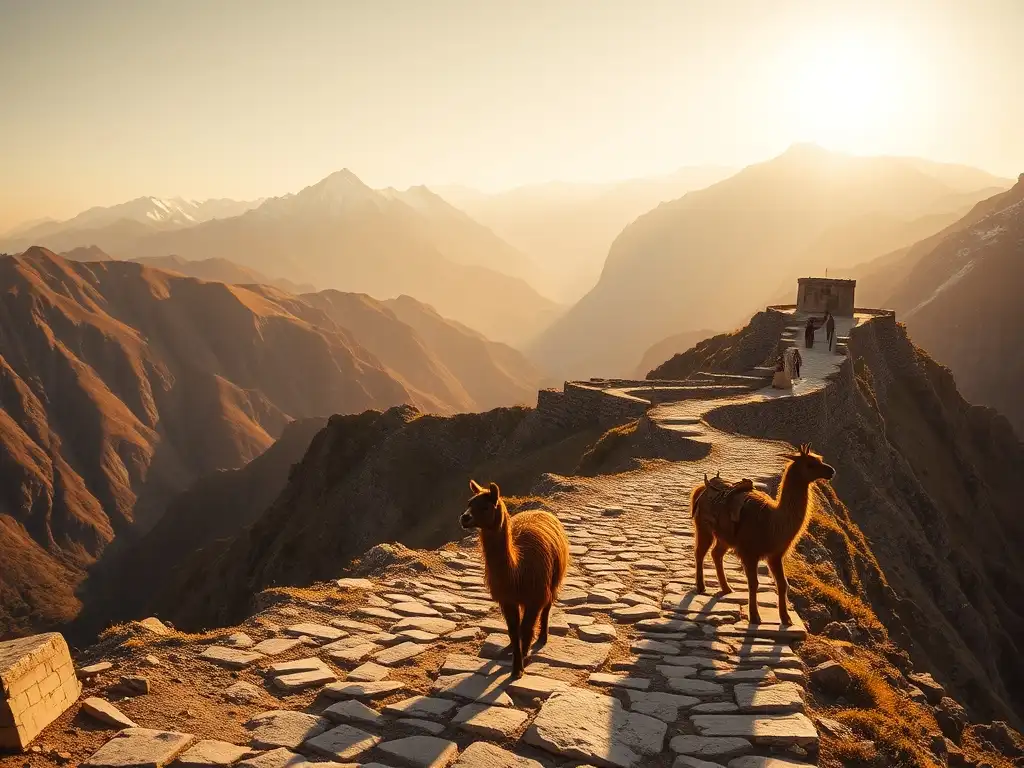
The Inca road system, a marvel of engineering for its time, served as the crucial artery of the vast Inca Empire. Its primary function transcended simple transportation; it was the backbone of imperial control, facilitating communication, military movement, and the efficient distribution of resources across diverse and challenging terrains. This intricate network, spanning thousands of miles across the Andes Mountains, represented a sophisticated understanding of logistics and a testament to Inca ingenuity.
The sheer scale of the undertaking, considering the available technology and the rugged landscape, remains impressive even by modern standards. Understanding the Inca road system is key to understanding the Inca Empire's power and longevity.
The effectiveness of this transportation infrastructure directly correlated with the empire's ability to maintain control, manage its vast population, and ensure its continued prosperity. The system's design, incorporating elements like suspension bridges and carefully engineered pathways, showcased an advanced understanding of both civil and military engineering.
Facilitating Imperial Communication Through the Inca Roads
Effective communication was paramount to the Inca Empire's centralized governance. The Inca road system played a pivotal role in this process, enabling rapid transmission of information across vast distances. While lacking a written language in the conventional sense, the Inca relied on a sophisticated system of chasquis, relay runners, who traversed the road network at strategic intervals.
These runners, positioned at carefully planned tambos (roadside inns), could transmit messages with remarkable speed, covering hundreds of miles in a matter of days. The organization of the chasquis system required meticulous planning and precise coordination, reflecting the Inca's advanced organizational capabilities. Messages, often delivered using a system of knotted strings called quipus, relayed crucial information regarding harvests, rebellions, religious ceremonies, and imperial decrees.
The speed and efficiency of this communication network were critical factors in maintaining order and stability throughout the sprawling empire. The system's efficiency contributed significantly to the empire’s ability to respond effectively to crises and maintain centralized control, even in remote regions. The Inca road system, therefore, wasn't simply a transportation network; it was a vital communication artery that underpinned the empire's political and social structure.
Military Movement and Control via the Inca Road Network
The Inca road system served as a critical component of the empire's military strategy, enabling rapid troop deployment and efficient control over conquered territories. The strategically placed tambos along the roads not only served as resting places for chasquis, but also acted as military outposts and supply depots. This infrastructure facilitated the swift movement of armies to quell rebellions, respond to threats, and enforce imperial authority.
The roads' construction, often featuring strategically placed vantage points and defensive structures, further enhanced their military utility. The Inca army's ability to swiftly move large numbers of troops across diverse terrains was a significant factor in their military successes and the expansion of the empire. The efficient transportation of supplies and reinforcements was equally crucial, ensuring the army's sustained operational capability.
Analysis of the road network's layout reveals a deliberate strategy to maximize military effectiveness, with routes designed to provide access to strategically important locations and facilitate rapid response to potential threats. The Inca road system was thus not just a means of transportation, but an integral part of the empire's military might.
Trade and Resource Distribution on the Inca Trails
Beyond its roles in communication and military operations, the Inca road system facilitated the efficient distribution of resources and goods throughout the empire. The Inca practiced a sophisticated form of redistribution, collecting agricultural surpluses, textiles, and other goods from different regions and then redistributing them based on the needs of the population. The road network played a crucial role in this process, enabling the transport of goods over long distances, ensuring that resources reached even the most remote communities.
This system minimized regional disparities and contributed to the empire's overall stability. The well-maintained roads ensured the reliable transportation of essential goods, such as food, textiles, and building materials, across diverse climates and challenging terrain. The Inca's mastery of logistics, coupled with their extensive road network, allowed for the efficient management of resources, fostering economic stability and social cohesion within the empire.
The system’s effectiveness is evident in the empire’s ability to sustain a large and diverse population across a vast and geographically challenging region. The Inca road system, therefore, represented not just a transportation network, but a vital component of the empire's economic and social organization. The system's design reflects a deep understanding of logistics and resource management, essential features of a successful and enduring empire.
Inca Transportation Methods Along the Road System
The Inca road system, a marvel of engineering for its time, facilitated not only the movement of people but also the efficient transportation of goods across the vast Inca Empire. Understanding the Inca road system transportation requires examining the various methods employed to navigate this intricate network. While the roads themselves were crucial, the methods of transportation were equally vital to the empire's success.
The system wasn't solely reliant on human power; it cleverly integrated animal labor and a sophisticated communication network to achieve remarkable logistical feats. This section delves into the key transportation methods employed along the Inca road system, highlighting their significance in maintaining control and facilitating trade across diverse terrains. The effective integration of these different methods showcases the Inca's advanced understanding of logistics and resource management within their expansive empire.
The efficiency of their transportation network was a key factor in the Inca's ability to govern such a large and geographically diverse area. The keyword "Inca road system transportation" is central to understanding this complex and fascinating aspect of Inca civilization.
The Role of Llamas in Inca Transportation
Llamas played a crucial role in Inca transportation, particularly for the movement of goods along the extensive road network. These camelids, domesticated for centuries, were ideally suited to the Andean terrain. Their surefootedness allowed them to traverse mountainous paths inaccessible to other beasts of burden. A single llama could carry up to 25-30 kg (55-66 lbs) of goods, making them invaluable for transporting essential supplies like food, textiles, and building materials.
Evidence suggests that llamas were organized into large caravans, carefully managed by experienced herders who guided them along designated trails. This system allowed for the efficient transport of significant quantities of goods over long distances, significantly impacting the economic and administrative functions of the Inca empire. The use of llamas reduced the reliance on solely human porters, increasing the speed and efficiency of transport along the Inca road system.
Furthermore, llama dung provided a valuable source of fuel along the route, further highlighting the animal's multifaceted importance to Inca transportation. The logistical planning involved in utilizing llama caravans demonstrates the sophisticated understanding of resource management within the Inca empire. Their integration into the transportation system exemplifies the Inca's ability to adapt their infrastructure to the unique environmental challenges of the Andes.
Inca Runners: The Chaski Messengers
Beyond the transport of goods, the Inca road system facilitated rapid communication through a network of runners known as chasquis. These messengers formed a relay system, passing messages along the network at incredible speed. The chasquis were strategically stationed at tambos (roadside inns) located at regular intervals along the routes. When a message needed to be sent, a chasqui would sprint to the next tambo, handing the message off to another runner who would continue the relay.
This system allowed for messages to travel hundreds of kilometers in a remarkably short time. While the exact speed varied depending on terrain and distance, historical accounts suggest that urgent messages could traverse considerable distances within a single day. The chasquis were highly trained athletes, capable of running long distances at speed.
Their role was crucial for maintaining control and stability across the vast Inca empire, allowing for swift responses to events and facilitating the efficient flow of information between different regions. The chasquis system represents a remarkable feat of logistical organization and human endurance, showcasing the Inca’s innovative approach to communication within the context of their extensive road network. The efficiency of this communication system was instrumental in the Inca Empire's administrative success.
Inca Road Travel: Methods and Challenges
Travel along the Inca road system presented unique challenges, demanding adaptation and ingenuity from its users. While llamas and chasquis played key roles, human porters remained essential, particularly for transporting goods over difficult terrain or short distances. These porters, often organized into groups, carried heavy loads using specialized carrying devices like chumpi (carrying straps). The construction of the roads itself, with its carefully engineered bridges and pathways, mitigated some of the difficulties, but the rugged Andean landscape still presented significant obstacles.
High altitudes, steep inclines, and unpredictable weather conditions tested the endurance and resilience of travelers. Additionally, maintaining the roads required considerable effort. The Inca state invested significant resources in maintaining the road network, employing a large workforce for repairs and improvements. The challenges of Inca road travel highlight the ingenuity and resilience of the Inca people, who adapted their transportation methods to overcome the harsh environmental conditions of the Andes.
The effective functioning of the Inca road system demonstrates their ability to overcome natural obstacles and build a transportation network that served the needs of their vast empire. Further research is needed to fully understand the specific challenges faced by travelers at different points along the road network. [Specific information pending on the types of goods most commonly transported and the average travel times for different distances].
The Legacy of the Inca Roads
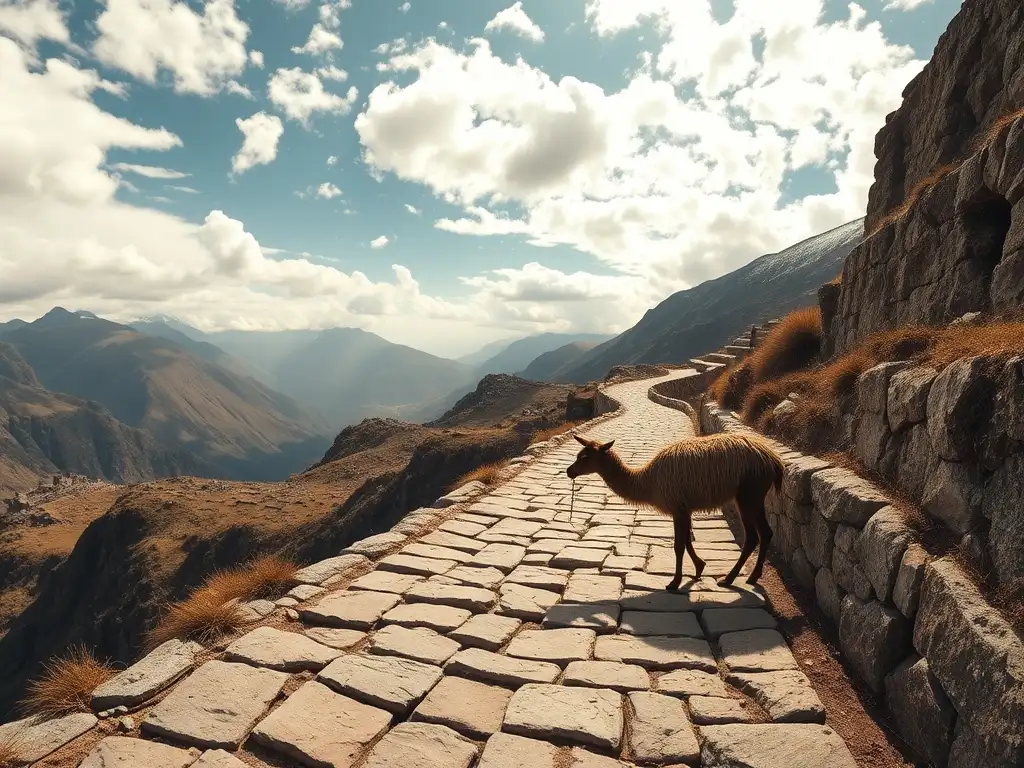
The Inca road system, or Qhapaq Ñan, remains a testament to the ingenuity and organizational prowess of the Inca Empire. Stretching over 40,000 kilometers across the challenging Andean terrain, this network of roads, bridges, and pathways facilitated communication, trade, and military movement across a vast and diverse empire. The Qhapaq Ñan's impact extended far beyond mere logistics; it profoundly shaped Andean culture and continues to influence the region today.
Understanding its legacy requires appreciating its construction, maintenance, and enduring influence on the landscape and the people who inhabit it. The sheer scale of the undertaking, considering the available technology and the rugged geography, is truly remarkable and speaks volumes about the Inca's advanced societal organization and engineering capabilities.
This intricate network wasn't just a collection of paths; it was a carefully planned and meticulously maintained infrastructure vital to the empire's survival and expansion. The Inca road system transportation network facilitated the efficient movement of goods, people, and information, contributing significantly to the Inca Empire's political and economic stability.
Preserving the Qhapaq Ñan: A UNESCO World Heritage Site
Recognizing the historical and cultural significance of the Qhapaq Ñan, UNESCO inscribed it as a World Heritage Site in 2014. This designation underscores the global importance of preserving this remarkable achievement of Inca engineering and its enduring legacy. Preservation efforts involve a multifaceted approach, encompassing archaeological research, restoration projects, and community engagement.
The challenge lies not only in maintaining the physical structures but also in safeguarding the intangible cultural heritage associated with the roads. This includes oral traditions, local knowledge, and the ongoing use of certain road sections by Andean communities. The preservation work is often collaborative, involving archaeologists, historians, local communities, and governmental organizations working together to ensure the long-term survival of the Qhapaq Ñan.
Successful preservation strategies often incorporate sustainable tourism initiatives, creating economic opportunities for local communities while simultaneously protecting the site. The ongoing efforts highlight the global commitment to preserving this invaluable piece of Andean history for future generations. The success of these projects hinges on a delicate balance between conservation and community development.
Impact of the Inca Road System on Andean Culture
The Qhapaq Ñan transcended its function as a transportation network; it deeply influenced Andean culture in numerous ways. The construction of the roads themselves required a massive mobilization of labor, reflecting the Inca's sophisticated social organization and ability to coordinate large-scale projects. This coordinated effort fostered a sense of collective identity and purpose among the diverse populations of the empire.
Furthermore, the roads facilitated the exchange of ideas, beliefs, and artistic styles, leading to a greater cultural homogeneity across the vast Andean region. The movement of people along these routes also played a crucial role in spreading Inca language (Quechua) and customs, contributing to the standardization of certain aspects of Andean culture.
The impact extended beyond the realm of material culture, influencing religious practices, social structures, and even artistic expression. The Inca road system transportation facilitated the spread of religious beliefs and practices, with specific sites along the routes holding significant religious importance.
Modern Day Uses of Inca Road Sections
Remarkably, sections of the Inca road system remain in use today. In many areas, the original Inca pathways have been integrated into modern road networks, serving as a testament to their enduring practicality. This continued use highlights the remarkable engineering skills of the Inca, whose construction techniques resulted in roads capable of withstanding the test of time.
Some sections are still used as footpaths by local communities, maintaining their importance in daily life. Other sections have been adapted for vehicular traffic, often requiring careful restoration and maintenance to ensure their continued use. The integration of these ancient pathways into modern infrastructure underscores the enduring value and adaptability of Inca engineering.
The ongoing use of Inca road sections exemplifies the harmonious blend of ancient traditions and modern necessities in the Andean region. Data on the precise extent of modern usage is [specific information pending], but anecdotal evidence and local reports consistently point to the ongoing relevance of this ancient infrastructure. The continued use of these roads showcases their resilience and underscores the lasting impact of the Inca Empire's legacy on the Andean landscape and its inhabitants.
Inca Road System vs. Other Ancient Transportation Networks
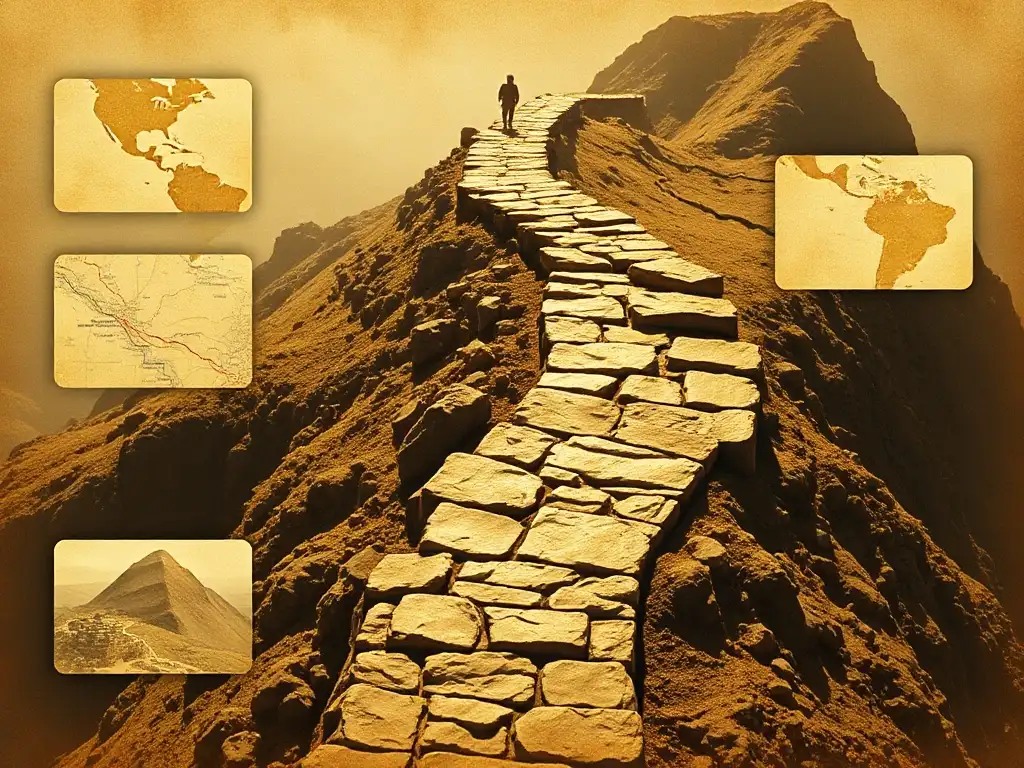
The Inca road system, a marvel of engineering for its time, stands as a testament to the Inca's organizational prowess and sophisticated understanding of infrastructure. While other ancient civilizations, notably the Romans, also developed extensive road networks, the Inca system possessed unique characteristics that distinguished it from its contemporaries. Comparing the Inca and Roman road systems reveals fascinating differences in construction techniques, purpose, and overall impact.
Inca Roads Compared to Roman Roads
The Roman road system, renowned for its durability and straight lines, prioritized military movement and trade across a vast empire. Roman roads were typically constructed using layers of carefully placed stones, gravel, and concrete, resulting in incredibly strong, long-lasting structures. In contrast, the Inca road system, while also extensive, prioritized adaptability to the challenging Andean terrain. Inca engineers skillfully utilized the natural landscape, employing switchbacks, terraces, and suspension bridges to navigate mountains, valleys, and rivers. The materials used varied depending on local availability, often including stone, earth, and wood.
| Feature | Roman Roads | Inca Roads |
|---|---|---|
| Construction | Stone, gravel, concrete; layered approach | Varied materials; adapted to terrain |
| Purpose | Primarily military and trade | Military, trade, religious pilgrimage, communication |
| Terrain | Relatively flat terrain preferred | Adapted to mountainous, diverse terrain |
| Durability | High; many sections still exist today | Variable; depended on materials and maintenance |
| Maintenance | Extensive, organized system | Evidence suggests a well-organized system, but details are scarce |
While the Roman roads focused on straight lines for efficient travel, the Inca roads were often winding and followed the contours of the land, demonstrating a different approach to engineering and a greater sensitivity to the environment. This flexibility allowed the Inca to connect remote communities and manage their vast empire more effectively, even across extremely challenging geography. The Roman system focused on speed and efficiency for large-scale movement of legions and goods. The Inca system, while also facilitating trade and military movement, served a broader purpose, connecting communities and facilitating religious and cultural exchange.
Uniqueness of Inca Road Engineering and Design
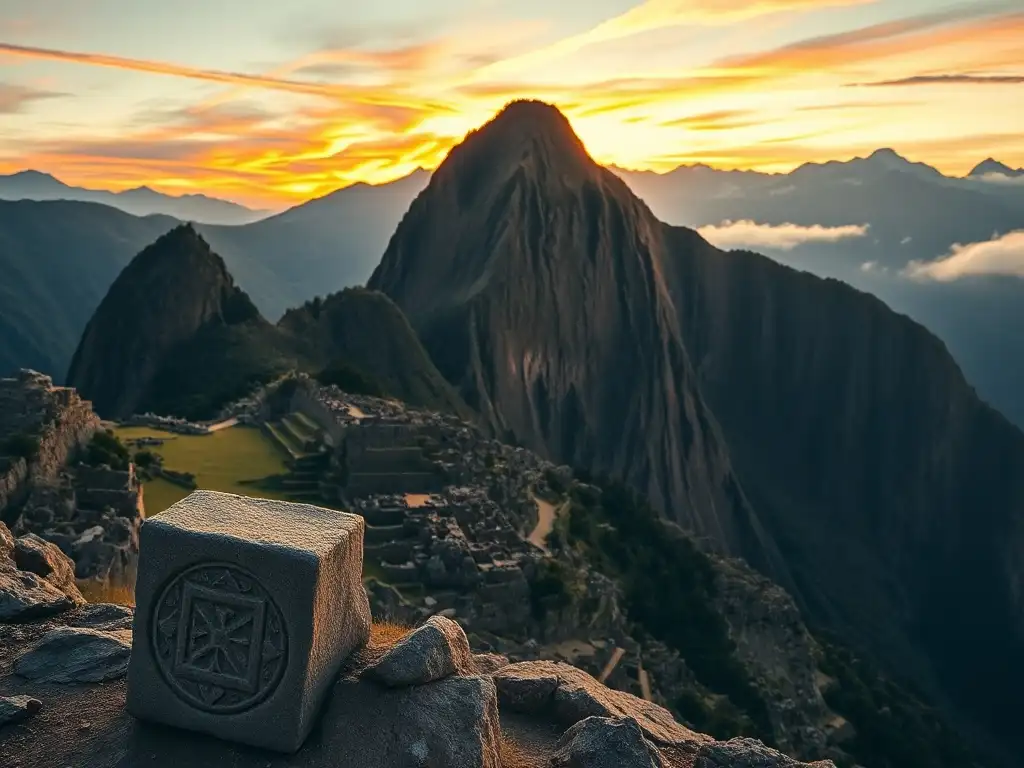
The Inca road system's uniqueness stems from its ingenious adaptation to the incredibly diverse and challenging Andean landscape. Unlike the relatively uniform construction of Roman roads, Inca road engineering showcased a remarkable flexibility and resourcefulness. Their mastery of techniques like suspension bridges, carved into cliffsides and utilizing local materials like vines and wood, are particularly noteworthy.
Suspension Bridges: A Feat of Inca Engineering
The Inca's construction of suspension bridges across deep ravines and rivers showcased their advanced understanding of engineering principles and their ability to harness natural resources. These bridges weren't simply rudimentary crossings; they were often quite substantial structures capable of supporting significant weight and traffic. The use of strong, locally sourced materials, combined with intricate knotting and weaving techniques, enabled the creation of bridges that were both functional and remarkably durable, considering the limited tools available.
While specific details about the construction methods remain a subject of ongoing research, the sheer scale and ingenuity of these bridges stand as a testament to Inca ingenuity. Archaeological evidence reveals the use of various materials, such as strong fibers from plants (like ichu grass) and wood, skillfully combined to create robust suspension systems.
Adapting to Terrain: A Hallmark of Inca Road Design
The Inca road system's adaptability to the terrain is another key element of its uniqueness. Instead of imposing straight lines regardless of the landscape, Inca engineers skillfully utilized existing pathways and natural features to create a network that was both efficient and sustainable. This approach minimized environmental impact and reduced the effort required for construction.
The use of terraces, switchbacks, and carefully graded paths allowed the Inca to navigate steep inclines and challenging terrain, connecting even the most remote settlements. This approach contrasts sharply with the Roman emphasis on straight lines, demonstrating a distinct philosophical and practical approach to road construction. The Inca prioritized integration with the environment, prioritizing functionality and sustainability over strict adherence to geometric principles.
The Inca Road Network: A Testament to Ingenuity
The Inca road network, spanning thousands of kilometers across the Andes Mountains, wasn't simply a collection of unconnected paths; it was a meticulously planned and strategically executed system that played a vital role in the empire's administration, communication, and economic stability. This extensive network facilitated the movement of troops, goods, and messages across vast distances, contributing significantly to the Inca's ability to control and govern such a large and geographically diverse empire.
Maintaining the Inca Road System: A Logistical Masterpiece
Maintaining such an extensive network across diverse and often treacherous terrain required a sophisticated logistical system. Evidence suggests the Inca employed a dedicated workforce responsible for regular inspections, repairs, and upkeep of the roads. This system likely involved a hierarchical structure, with local communities responsible for maintaining sections of the roads within their territories.
The precise organization and methods remain a subject of ongoing research, but the sheer scale of the network and its long-term functionality indicate a highly effective maintenance strategy. The enduring legacy of the Inca road system underscores the importance of effective planning and maintenance in ensuring the long-term success of any large-scale infrastructure project.
The Inca road system was not merely a transportation network; it was a cornerstone of Inca society, shaping its social, economic, and cultural landscape.
The Inca road system, a marvel of engineering and logistical prowess, continues to resonate centuries after the fall of the empire. Its impact transcends mere historical significance; it offers valuable lessons in infrastructure development, resource management, and societal organization. The sheer scale of the network, stretching thousands of miles across diverse and challenging terrain, remains a testament to the Inca's ability to mobilize vast resources and manpower. This wasn't simply a system of paths; it was a vital artery, facilitating the movement of goods, people, and information, thereby unifying a vast and geographically dispersed empire.
The strategic placement of tambos (roadside inns) provided crucial resting points for travelers and messengers, ensuring the efficient operation of the network. Even today, sections of the Inca road system remain visible, serving as a powerful reminder of the empire's ingenuity and the lasting legacy of its infrastructure. The system’s design, incorporating features such as drainage systems and strategically placed bridges, showcases an advanced understanding of engineering principles, far surpassing the capabilities of many contemporary societies.
The enduring significance of the Inca road system lies not only in its impressive scale but also in the lessons it offers about sustainable and efficient infrastructure development, even in challenging environments. The Inca's approach to road building, characterized by adaptability and resilience, serves as a valuable model for modern infrastructure projects, highlighting the importance of considering environmental factors and the needs of diverse communities. 🗺️
The impact of the Inca road system extends beyond the realm of engineering. It played a crucial role in the cultural and political integration of the empire. The ease of communication and transportation facilitated the exchange of ideas, customs, and religious practices, fostering a sense of shared identity among the diverse populations under Inca rule.
This interconnectedness, facilitated by the road network, was essential for maintaining social stability and political control across such a vast territory. The system also allowed for the efficient distribution of resources, ensuring that even remote communities benefited from the empire's wealth and prosperity. The Inca road system, therefore, stands as a powerful symbol of the empire's sophisticated organizational capabilities and its enduring impact on the Andean region.
The system's enduring legacy serves as a potent reminder of the importance of well-planned and sustainable infrastructure in fostering social cohesion, economic growth, and cultural exchange. Its sophisticated design and strategic placement continue to inspire awe and admiration, underscoring the remarkable achievements of the Inca civilization.
Frequently Asked Questions
How extensive was the Inca road system?
The Inca road system was incredibly extensive, spanning over 25,000 miles across the Andes Mountains. It connected the vast Inca Empire, facilitating trade, communication, and military movement.
What materials were used to build the Inca roads?
Inca roads were built using a variety of materials, including stone, earth, and wood. The construction techniques varied depending on the terrain, but durability and functionality were paramount.
How did the Inca road system impact transportation?
The Inca road system revolutionized transportation in the Andes. It allowed for the efficient movement of goods, people, and messages, strengthening the empire's control and unity.
What role did the chasquis play in Inca transportation?
Chasquis were relay runners who used the Inca road system to deliver messages quickly across vast distances. Their speed and efficiency were crucial for communication and governance.
Were there any other forms of transportation besides the roads?
While the road system was central, the Inca also utilized llamas and alpacas for carrying goods, and boats for transport along the coast and some rivers. This multimodal approach maximized efficiency.
Final Reflection: The Enduring Legacy of Inca Roads
The Inca road system, a marvel of engineering and logistical prowess, remains a potent symbol of human ingenuity and the power of interconnectedness, a testament to a civilization that understood the vital role of efficient transportation in building and maintaining a vast empire. Its impact resonates far beyond its physical remains, offering valuable lessons for modern infrastructure development and societal cohesion.
The ingenuity of the Inca road system continues to inspire awe, a testament to the sophisticated understanding of geography, engineering, and social organization possessed by the Inca civilization. Its influence extends beyond the realm of transportation, shaping cultural exchange, economic growth, and the very fabric of Inca society. The roads were not merely pathways; they were the arteries of the empire, pulsating with life and connecting its diverse parts.
This quote encapsulates the profound significance of the road system, highlighting its role in facilitating communication, trade, and the movement of people and resources across the vast Andean landscape. The enduring legacy of this system serves as a powerful reminder of the importance of strategic infrastructure in fostering unity and progress.
Consider the challenges faced by modern societies in creating efficient and sustainable transportation networks. The Inca's dedication to practicality, adaptability, and community involvement in their road-building offers a valuable blueprint. You, the reader, are now equipped with a deeper understanding of the Inca road system and its lasting impact.
Reflect on how this knowledge can inform your own perspectives on infrastructure development, community building, and the enduring power of human ingenuity to overcome seemingly insurmountable obstacles. Let the legacy of the Inca roads inspire you to build bridges – both literally and figuratively – in your own life and community.
Unveil the Legacy of Inca Transportation!
Thank you for exploring the intricate world of Inca roads and transportation. You've learned how these remarkable feats of engineering connected a vast empire, fostering trade, cultural exchange, and communication. Now, let's delve deeper into the ingenuity of the Inca civilization.
Here's how you can continue your exploration:
- Plan a journey inspired by the Inca trails. Embark on a local hike or road trip that connects you with nature and local history.
- Share your discoveries. Discuss the impact of ancient transportation systems on modern society with friends, family, or online communities to spark engaging conversations.
- Connect with fellow enthusiasts. Join a community or forum dedicated to Andean civilizations to share your knowledge and learn from others.
What lessons from ancient transportation methods can we apply to today's travel challenges?