
Inca Basketry: Weaving Practical and Beautiful Objects

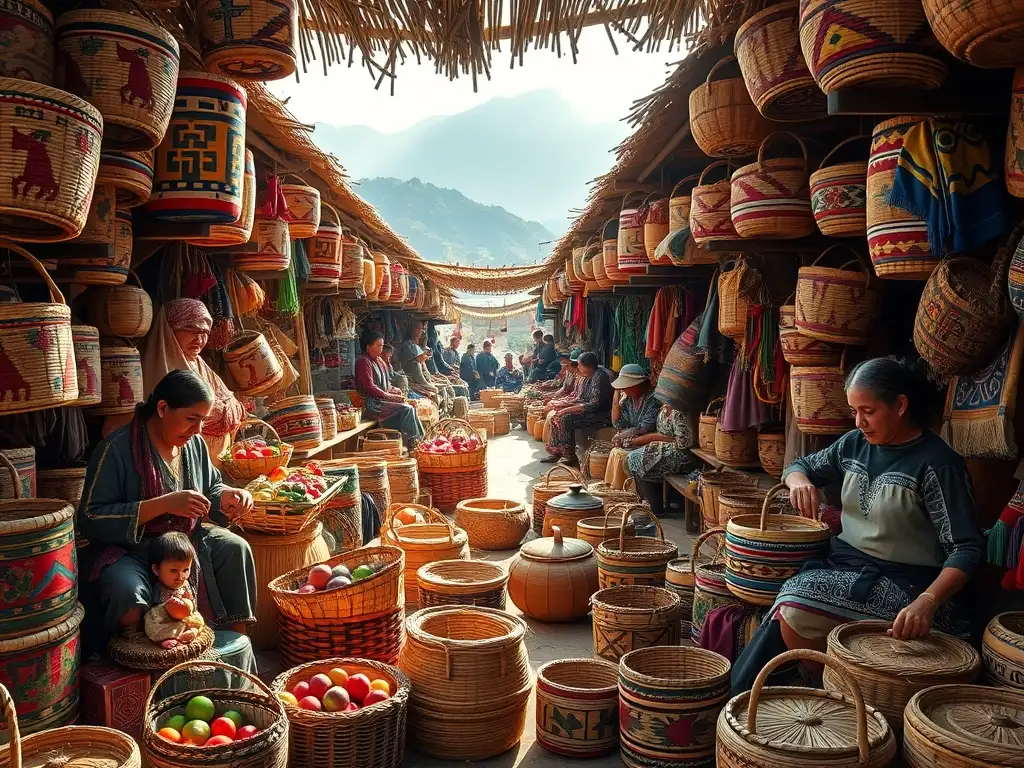
Unravel the mysteries of the Andes! Prepare to be captivated by the ingenuity and artistry of ancient Andean civilizations. From the towering heights of Machu Picchu to the intricate designs of their textiles, their legacy continues to resonate. But have you ever considered the remarkable skill behind their Inca basket weaving techniques? Discover the secrets of their practical and breathtaking creations – a testament to their mastery over materials and design – and journey through a world of vibrant culture and lost knowledge.
The Inca Empire, renowned for its sophisticated engineering and intricate artistry, left behind a legacy that extends far beyond its impressive stone structures. A crucial aspect of daily Inca life, often overlooked in discussions of monumental architecture, was the creation of incredibly diverse and skillfully crafted baskets.
This article delves into the fascinating world of Inca basketry, exploring the techniques employed, the materials used, and the profound significance these woven objects held within Inca society. We will uncover the artistry and practicality inherent in Inca basket weaving, revealing how these seemingly simple objects played a vital role in the empire's complex social and economic fabric, showcasing the ingenuity and skill of Inca artisans and contributing significantly to our understanding of "Inca basket weaving techniques."
From intricate storage containers to ceremonial vessels, Inca baskets represent a testament to the enduring skill and cultural richness of this remarkable civilization. Prepare to be amazed by the depth and complexity of this often-underappreciated aspect of Inca life.
The Significance of Basketry in Inca Daily Life
Inca basketry wasn't merely a craft; it was integral to the daily functioning of Inca society. Baskets served a multitude of purposes, reflecting their ingenuity and resourcefulness. Their uses ranged from the practical to the ceremonial, demonstrating the versatility of this ancient craft.
- Storage and Transportation: Various sizes and shapes of baskets were used to store and transport food, textiles, tools, and other essential items. Their durability and water resistance ensured the safekeeping of goods during long journeys or across challenging terrain. The design often reflected the contents they were intended to hold, with larger, sturdier baskets used for heavier goods and smaller, more intricately woven baskets for delicate items.
- Agriculture and Food Preparation: Baskets played a critical role in agriculture, used for harvesting crops and carrying them to storage facilities. Specialized baskets were used in the processing of food, such as sifting grains or draining liquids. This highlights the connection between basketry and the empire's agricultural success, a cornerstone of Inca life.
- Ceremonial and Ritualistic Use: Beyond their everyday utility, certain baskets held significant ceremonial value. Some were intricately decorated with vibrant dyes and symbolic motifs, suggesting their use in religious rituals or as offerings to deities. The craftsmanship and decorative elements of these ceremonial baskets clearly indicate their importance within Inca spiritual beliefs. Examples of such baskets, when discovered, often provide invaluable insights into Inca religious practices and cosmology.
- Social Status and Identity: The complexity of the weaving techniques and the materials used in creating baskets could also indicate the social standing of the individual or community. More elaborate baskets, using rare materials and intricate designs, might have been associated with elite members of society, reflecting their status and wealth. This suggests that basketry served not only a practical function but also a social one.
Materials Used in Traditional Inca Baskets
The materials used in Inca basketry demonstrate the Inca's deep understanding of their environment and their ability to utilize readily available resources. The choice of material often dictated the basket's purpose and durability.
| Material | Use | Characteristics |
|---|---|---|
| Totora Reed | Common material for various basket types | Lightweight, flexible, water-resistant |
| Ichu Grass | Often used for coarser, utilitarian baskets | Strong, durable, readily available in highlands |
| Alpaca Wool | Used for finer, decorative baskets | Soft, warm, luxurious |
| Llama Hair | Similar to alpaca wool, sometimes combined | Durable, weather-resistant |
| Plant Fibers | Varied types, depending on region | Strength and flexibility varied by plant type |
The skillful manipulation of these materials, combined with intricate weaving techniques, resulted in baskets that were both functional and aesthetically pleasing. The diversity of materials used reflects the Inca Empire's vast geographical expanse and its adaptation to different environments. The careful selection and combination of materials further illustrate the advanced knowledge and craftsmanship of Inca artisans.
Inca Basket Weaving Techniques: A Detailed Look
Inca basket weaving techniques were remarkably diverse and sophisticated, reflecting both the practical needs and the artistic sensibilities of the Inca people. Master weavers employed a range of intricate methods, passed down through generations, to create durable and aesthetically pleasing objects. These techniques, often combined within a single piece, demonstrate a deep understanding of materials and a commitment to both functionality and beauty.
The mastery of these techniques allowed for the creation of baskets ranging from simple utilitarian containers to elaborate ceremonial objects. The Inca's skill in basket weaving is a testament to their ingenuity and artistry, leaving behind a legacy that continues to inspire awe and admiration. The precision and complexity of their work highlight the importance of basketry within Inca society, showcasing its significance in daily life and religious practices.
Understanding these techniques allows us to appreciate the depth of Inca craftsmanship and the cultural significance embedded within each woven piece. The survival of many examples, often in remarkably good condition, provides invaluable insights into their methods and artistry.
Coil Basketry Methods in the Inca Empire
Coil basketry was a prevalent method used by Inca artisans. This technique involves creating a continuous coil of pliable material, such as reeds or grasses, which is then stitched together using a separate weaving element. The coils are meticulously shaped and sewn, allowing for the creation of baskets of varying sizes and forms.
The stitching material itself could vary, sometimes using finer fibers for added strength and visual appeal. The coils could be tightly wound for a dense, durable basket or more loosely woven for lighter, more flexible containers. Different plant materials were selected based on their properties: some were chosen for their strength, others for their flexibility, and still others for their aesthetic qualities.
The choice of materials often reflected regional availability, leading to variations in the appearance and characteristics of coiled baskets across the Inca empire. The incredible precision and consistency found in many examples suggest a high level of skill and training among Inca basket weavers.
Plaiting Techniques for Inca Baskets
Plaiting, also known as braiding, was another fundamental Inca basket weaving technique. This method involves interlacing multiple strands of material over and under each other in a regular pattern. The complexity of plaiting could range from simple three-strand braids to intricate patterns involving many more strands. The choice of materials and the intricacy of the plaiting determined the basket's strength, flexibility, and aesthetic qualities.
Inca artisans often combined plaiting with other techniques, such as coiling, to achieve specific effects. For instance, a coiled base might be topped with a plaited rim, creating a visually striking and structurally sound basket. The variety of plaiting patterns used by Inca weavers is impressive, demonstrating a high level of creativity and artistic skill. Some patterns were likely symbolic, reflecting clan affiliation or religious beliefs.
Twining and Wickerwork in Inca Craftsmanship
Twining and wickerwork represent further sophisticated Inca basket weaving techniques. Twining involves wrapping a single strand or multiple strands of material around a set of warp elements. This technique produces a dense and strong fabric, often used for the bodies of baskets or for reinforcing other weaving methods. Wickerwork, on the other hand, uses pliable materials woven in and out of a framework of stiffer elements, creating a lattice-like structure.
Both twining and wickerwork allowed for the creation of baskets with intricate patterns and textures. Inca artisans skillfully combined these techniques with coiling and plaiting to achieve complex and visually stunning results. The precision and control required for these techniques highlight the advanced skill level of Inca basket makers. Variations in the tightness of the weave, the materials used, and the patterns created resulted in a wide range of basket styles and functionalities.
Specialized Techniques for Specific Inca Basket Uses
Inca basket weaving techniques were not uniform; they were adapted to the specific function of each basket. For example, baskets intended for carrying heavy loads were woven using strong, durable materials and techniques that maximized strength and stability. Baskets used for storing food often employed techniques that created airtight seals to protect the contents from pests and the elements. Ceremonial baskets, on the other hand, might incorporate more elaborate weaving patterns and decorative elements, reflecting their symbolic importance.
The Inca’s understanding of the properties of different plant materials allowed them to select the most appropriate materials and techniques for each purpose. This adaptability showcases their deep knowledge of materials science and their ability to tailor their craftsmanship to meet diverse needs. This specialization underscores the importance of functional design in Inca basketry, reflecting the practical needs of their society.
Types of Inca Baskets and Their Functions
The Inca created a remarkable diversity of baskets, each designed for a specific purpose. These varied significantly in size, shape, material, and weaving technique, reflecting the ingenuity and adaptability of Inca artisans. The careful consideration given to the function of each basket reveals a deep understanding of the needs of Inca society and a commitment to crafting practical and beautiful objects. The sheer variety of basket types underscores the importance of this craft within the Inca Empire. Analyzing these different types provides insights into various aspects of Inca daily life, from agriculture and trade to religious ceremonies.
Storage Baskets for Inca Households
Storage baskets were essential for Inca households, providing containers for food, clothing, and other household items. These baskets were typically woven from durable materials and designed to be sturdy and waterproof. Their size and shape varied depending on the contents they were intended to hold, ranging from small containers for spices to large baskets for storing grain.
The design often incorporated features like lids or tight weaves to protect contents from the elements and pests. The prevalence of these baskets speaks to the importance of organized storage in Inca households. The survival of many examples today allows us to study the variety of sizes and designs used for household storage.
Inca Baskets for Carrying Goods
Baskets designed for carrying goods were crucial for Inca trade and transportation. These were often larger and more robust than household storage baskets, designed to withstand the rigors of travel. The materials used were selected for their strength and durability, ensuring that the baskets could carry heavy loads over long distances.
The shape and design of these baskets often reflected the type of goods being transported, with some baskets having specialized features such as compartments or straps. The efficiency of these carrying baskets played a key role in the Inca Empire’s complex trade networks. Their design demonstrates the Inca's understanding of ergonomics and the practical needs of their transportation systems.
Ceremonial Baskets in Inca Rituals
Ceremonial baskets played a significant role in Inca religious practices. These baskets were often intricately woven, incorporating elaborate designs and decorative elements. The materials used might have included rare or symbolically important plants, reflecting the spiritual significance of the objects. Ceremonial baskets were used to carry offerings, store sacred objects, or serve as containers for ritual purposes.
The craftsmanship and artistry evident in these baskets highlight their importance within Inca religious life. The decorative elements and materials used suggest a deep connection between basket weaving and religious beliefs. The survival of some ceremonial baskets offers valuable insights into Inca religious practices and beliefs.
Baskets for Agricultural Purposes
Agricultural baskets were essential tools for Inca farmers. These baskets were used for harvesting crops, transporting produce, and storing seeds. They were typically made from durable materials and designed to withstand the demands of agricultural work. The design and size of these baskets varied depending on the specific crops being harvested or transported.
Some might have been specifically designed for carrying water, while others were optimized for carrying grains. Their prevalence underscores the vital role of agriculture in Inca society. The design of these baskets reflects the practical needs of Inca farming techniques and the importance of efficient food production.
The Artistic Aspect of Inca Basketry
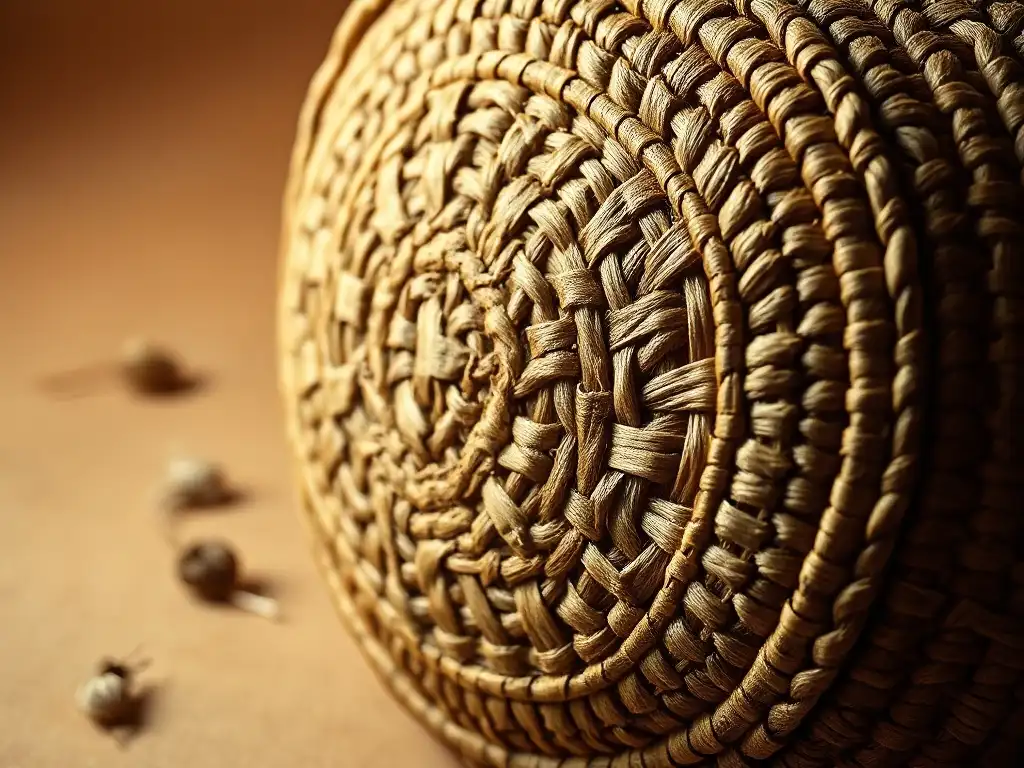
Inca basketry transcended mere functionality; it was a sophisticated art form reflecting the civilization's aesthetic sensibilities and technical prowess. The intricate weaving techniques, combined with the careful selection of materials and the incorporation of vibrant colors, resulted in objects of remarkable beauty and craftsmanship. The artisans weren't simply creating containers; they were crafting works of art destined for both practical and ceremonial use.
The level of detail and precision evident in many surviving examples testifies to the high regard in which this craft was held within Inca society. The artistry wasn't limited to elite circles; evidence suggests that basket weaving was a widespread skill, practiced by individuals across various social strata, each contributing to the rich diversity of styles and techniques.
Decorative Patterns and Motifs
Inca basket weavers employed a wide range of decorative patterns and motifs, often reflecting the natural world around them. Geometric designs, such as zigzags, triangles, and stepped patterns, were frequently used, alongside representations of animals, plants, and celestial bodies. These motifs weren't randomly applied; they were carefully chosen and arranged to create visually stunning and symbolically rich compositions. Specific patterns might have held particular meanings, reflecting clan affiliations, religious beliefs, or social status.
The artisans demonstrated a masterful understanding of color and texture, using variations in weave structure and material to enhance the visual impact of their designs. Analyzing these patterns provides valuable insights into Inca cosmology, social structures, and artistic traditions. Detailed studies of surviving baskets reveal a surprising complexity in the seemingly simple geometric designs.
Use of Natural Dyes in Inca Baskets
The vibrant colors found in many Inca baskets were achieved through the use of natural dyes derived from plants, minerals, and insects. Cochineal insects, for instance, provided a rich crimson hue, while various plants yielded yellows, greens, and browns. The precise recipes for these dyes are largely lost to time, but archaeological evidence, combined with ethnobotanical studies of similar techniques in contemporary Andean communities, allows for some reconstruction.
The process of dyeing would have been labor-intensive, requiring careful preparation and precise application to achieve the desired shades and avoid uneven coloring. The durability of many of the dyes is a testament to the skill and knowledge of the Inca artisans, who understood how to fix the colors and prevent fading. The variation in color intensity and hue across different baskets suggests a degree of artistic license and individual expression within the established traditions.
The Symbolism Behind Inca Basket Designs
The symbolic meaning embedded within Inca basket designs is a subject of ongoing scholarly debate. However, certain recurring motifs suggest a connection to religious beliefs, social structures, and the natural world. For example, representations of animals might have symbolized specific deities or clan totems. Geometric patterns could have represented celestial events or agricultural cycles.
The careful arrangement of colors and motifs likely conveyed deeper meanings, often related to Inca cosmology and worldview. While definitive interpretations remain elusive, the evident intentionality behind these designs indicates a profound cultural significance. Further research, combining archaeological findings with ethnographic studies, is necessary for a more comprehensive understanding of the symbolism inherent in Inca basketry.
The Enduring Legacy of Inca Basketry
The legacy of Inca basketry extends far beyond the empire's demise. The techniques and artistic traditions developed by Inca artisans continue to inspire contemporary weavers in the Andes. The enduring appeal of Inca basketry lies not only in its aesthetic qualities but also in its connection to a rich cultural heritage. The intricate weaves, vibrant colors, and symbolic motifs continue to fascinate and inspire both scholars and artisans alike. The skill and artistry involved in Inca basket making represent a significant contribution to Andean cultural heritage.
Modern Day Basket Weaving Inspired by Inca Traditions
Contemporary Andean weavers continue to practice traditional basket-making techniques, drawing inspiration from Inca designs and methods. Many artisans meticulously recreate traditional patterns and motifs, preserving the aesthetic and symbolic legacy of Inca basketry. Others incorporate modern influences while maintaining the core techniques and materials, creating a unique blend of tradition and innovation.
This ongoing practice ensures that the skill and knowledge of Inca basket weaving remain alive and relevant in the 21st century. The preservation of these traditions contributes significantly to the cultural identity of Andean communities and provides a valuable link to their rich history. Workshops and training programs help to transmit these skills to new generations.
Preserving Inca Basketry Techniques
The preservation of Inca basketry techniques requires a multifaceted approach. Efforts are underway to document existing techniques, collect and conserve surviving artifacts, and support contemporary artisans who continue to practice these traditions. Museums and research institutions play a crucial role in preserving and studying these artifacts, providing valuable insights into Inca culture and technology. The collaboration between scholars, artisans, and community organizations is essential for ensuring the long-term survival of these valuable cultural assets. This preservation work is not only about protecting objects but also about safeguarding the knowledge and skills that have been passed down through generations.
Museum Collections Featuring Inca Basketry
Numerous museums around the world house significant collections of Inca basketry, offering a glimpse into the artistry and craftsmanship of this ancient civilization. These collections serve as valuable resources for researchers and the public alike, allowing for the study and appreciation of Inca weaving techniques and designs. The meticulous cataloging and preservation of these artifacts are crucial for ensuring their long-term survival and accessibility.
Visiting these museums offers a unique opportunity to experience the beauty and complexity of Inca basketry firsthand, connecting with the rich cultural heritage of the Andes. Many museums actively engage in outreach programs to educate the public about Inca culture and the significance of their basketry traditions.
Conclusion: The Art and Practicality of Inca Basket Weaving
Inca basket weaving wasn't merely a craft; it was an integral part of their daily lives and spiritual beliefs. The intricate techniques employed, passed down through generations, resulted in objects that were both exquisitely beautiful and remarkably functional. From the sturdy containers used for transporting goods across the challenging Andean terrain to the finely woven ceremonial pieces used in religious rituals, Inca basketry demonstrates a sophisticated understanding of materials and techniques. The diversity of forms—from simple storage baskets to complex, highly decorated vessels—highlights the ingenuity and artistic skill of Inca artisans.
The enduring legacy of Inca basket weaving is evident in the surviving examples found in museums and archaeological sites worldwide, offering a tangible link to the rich cultural heritage of this remarkable civilization. Studying these techniques provides invaluable insight into Inca society, revealing aspects of their social organization, religious practices, and daily routines. The artistry and practicality intertwined in Inca basket weaving serve as a testament to the ingenuity and resourcefulness of this ancient Andean culture. The mastery of these techniques allowed the Incas to not only meet their practical needs but also to express their creativity and spiritual beliefs through their art.
The legacy of Inca basket weaving continues to inspire and amaze, showcasing the remarkable skills and cultural depth of the Inca Empire. Understanding Inca basket weaving techniques provides a deeper appreciation for the complexity and artistry of this ancient civilization, highlighting the interconnection between art, practicality, and spiritual belief in their society. The meticulous detail and enduring quality of these woven objects stand as a powerful symbol of Inca ingenuity and cultural identity.
- The Significance of Basketry in Inca Daily Life
- Materials Used in Traditional Inca Baskets
- Inca Basket Weaving Techniques: A Detailed Look
- Types of Inca Baskets and Their Functions
- The Artistic Aspect of Inca Basketry
- The Enduring Legacy of Inca Basketry
- Conclusion: The Art and Practicality of Inca Basket Weaving
Frequently Asked Questions
What materials did the Inca use for basket weaving?
The Inca utilized a variety of natural materials, including grasses, reeds, fibers from plants like ichu grass, and even animal hair. The choice of material depended on the intended use and desired aesthetic of the basket.
What were Inca baskets used for?
Inca baskets served a multitude of practical and ceremonial purposes. They were used for storage, carrying goods, and in religious rituals. Some were highly decorative, signifying social status.
How did Inca basket weaving techniques differ from other Andean cultures?
While sharing some similarities with other Andean cultures, Inca basketry is distinguished by its finely intricate designs and the use of specific weaving techniques, often incorporating complex patterns and dyes.
Are Inca basket weaving techniques still practiced today?
Yes, although many traditional techniques have been lost, some communities continue to practice variations of ancient Inca weaving styles, keeping this heritage alive. These techniques are often passed down through families.
Where can I learn more about Inca basket weaving techniques?
You can explore museums with Andean artifact collections and research academic publications on Andean textiles and basketry. Many books and online resources also delve into the details of Inca weaving traditions.
Final Reflection: The Enduring Legacy of Inca Basketry
The intricate artistry of Inca basket weaving continues to resonate today, a testament to the ingenuity and cultural depth of a civilization lost to time. More than just functional objects, these baskets represent a sophisticated understanding of materials, techniques, and design principles that continue to inspire artisans and researchers alike. Their enduring beauty speaks volumes about the enduring power of human creativity and the importance of preserving cultural heritage.
The impact of Inca basketry extends far beyond the realm of simple craftsmanship; it reflects a deep connection to the Andean landscape and a spiritual understanding of the world. These baskets weren't merely containers; they were integral parts of daily life, imbued with meaning and purpose. Their intricate designs, often incorporating symbolic motifs, tell stories of Andean cosmology and beliefs. The basket is not merely a vessel, but a living expression of the weaver's spirit, a bridge between the earthly and the spiritual realms.
This sentiment, though not a direct quote from an Inca source, captures the essence of the profound relationship between the weaver and their creation.
Consider the techniques discussed in this article – the meticulous preparation of materials, the precise weaving patterns, the innovative use of dyes. These are not simply historical curiosities; they are lessons in sustainability, resourcefulness, and artistic excellence. You, the reader, are now equipped with a deeper understanding of this fascinating craft.
I encourage you to explore further, to seek out examples of contemporary Andean basketry, and to appreciate the enduring legacy of a tradition that continues to inspire awe and wonder. Let the intricate beauty of Inca basketry remind you of the power of human creativity and the importance of preserving the rich tapestry of our shared cultural heritage.
Unveil the Art of Inca Basketry Today!
Thank you for exploring the fascinating world of Inca basketry with us! You've discovered not only the exquisite beauty of these artifacts but also their vital role in Andean culture. Now, let's put that newfound appreciation into practice!
Here are some ways you can delve deeper into this ancient art form:
- Create your own masterpiece: Gather natural materials like reeds, grasses, or fibers and try your hand at weaving a basket. Numerous online tutorials and local craft shops offer inspiration and guidance.
- Share your passion: Discuss Inca basketry with friends, family, or colleagues, or share your enthusiasm on social media. You might spark a similar interest in others and help promote awareness of Andean culture.
- Support Andean artisans: Consider purchasing authentic, handcrafted baskets from local markets, craft fairs, or online platforms dedicated to fair trade practices. By supporting these artisans, you help preserve this rich cultural heritage.
What aspect of Inca basketry captivates you most—the intricate designs, the profound cultural significance, or the remarkable skill of the artisans? We'd love to hear your thoughts!