
The Inca Relationship with Nature: Harmony and Respect

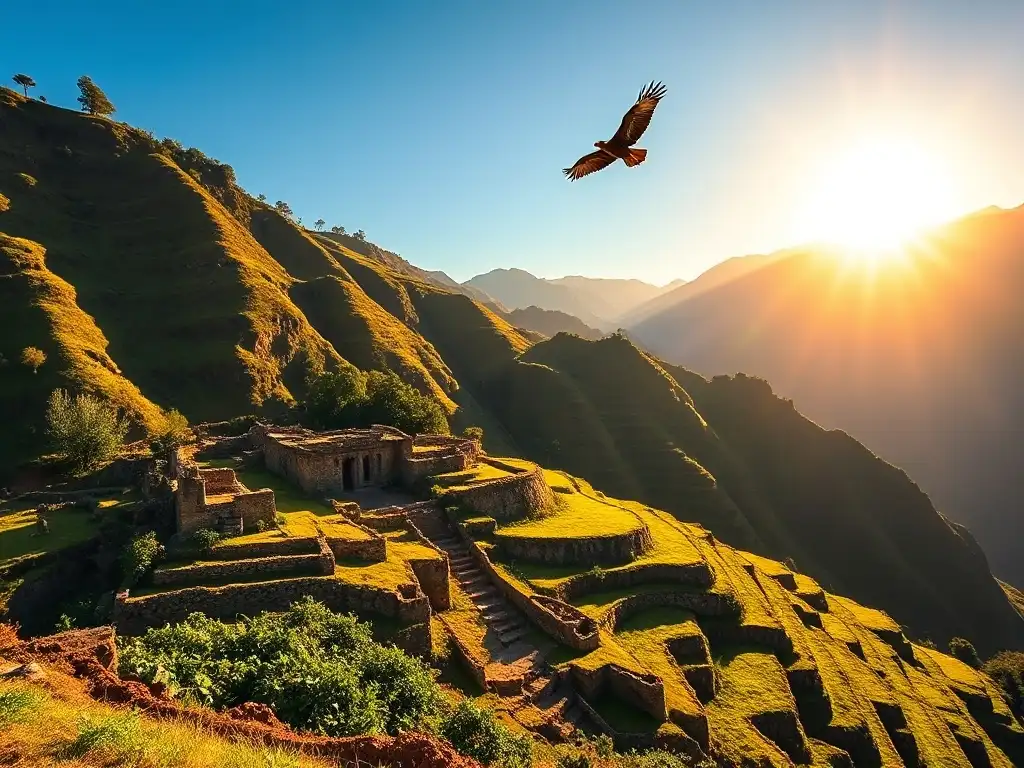
Step into a world lost to time, yet echoing with the whispers of a magnificent empire. Discover the intricate tapestry of Andean civilizations, from the awe-inspiring artistry of the Nazca lines to the advanced engineering of the Tiahuanaco. But today, we delve into the heart of the Inca Empire, uncovering a secret that shaped their very existence: their profound relationship with nature. Were they truly masters of their environment, or something more? Unravel the mystery and explore the harmonious balance that defined Inca life – the answer awaits within.
The Inca Empire, renowned for its sophisticated engineering, intricate social structures, and vast territorial expanse, held a profound and deeply spiritual connection with the natural world. Unlike many other civilizations that sought to conquer and dominate nature, the Inca worldview emphasized a harmonious coexistence, viewing themselves as integral parts of a larger, interconnected cosmic order. This article delves into the intricacies of the Inca relationship with nature, exploring their cosmology, reverence for Pachamama (Mother Earth), and the practical implications of this spiritual bond on their daily lives and societal structures.
Understanding this perspective is crucial to appreciating the ingenuity and sustainability of Inca civilization, offering valuable insights into a sophisticated approach to environmental stewardship that resonates even today. We will examine how this deep-seated respect for nature influenced everything from agricultural practices to urban planning, demonstrating a remarkable synergy between human society and the environment.
Understanding the Inca Worldview and Nature
The Inca worldview was fundamentally animistic; they believed that spirits inhabited all aspects of the natural world – mountains, rivers, animals, and even plants. This pervasive animism fostered a deep sense of respect and responsibility towards the environment. Their understanding of the world wasn't a separation of humanity from nature, but rather a seamless integration, where human actions were intrinsically linked to the well-being of the cosmos.
This wasn't merely a philosophical concept; it was a practical reality that shaped their daily routines and societal structures. The Inca believed that maintaining harmony with nature was essential for their own prosperity and survival. Failure to do so would result in natural disasters, crop failures, and ultimately, societal collapse.
This belief system instilled a profound sense of responsibility and respect for the environment, shaping their agricultural practices, urban planning, and resource management strategies. Evidence suggests that the Inca implemented sophisticated irrigation systems, terraced farming techniques, and carefully managed their resources to minimize environmental impact.
Inca Cosmology and its Connection to the Natural World
Inca cosmology was a complex system of beliefs that intricately linked the celestial and terrestrial realms. The sun (Inti), moon (Killa), and stars were revered as powerful deities, directly influencing the lives of the Inca people. Mountains were considered sacred, often serving as dwelling places for powerful spirits.
Rivers, too, held significant spiritual importance, providing life-giving water and representing the flow of energy throughout the land. This interconnectedness is beautifully illustrated in their agricultural practices, where they meticulously terraced hillsides to maximize crop yields while simultaneously minimizing soil erosion.
The careful integration of their settlements into the landscape, often strategically positioned near water sources and fertile valleys, demonstrates a profound understanding of the environment and a commitment to living in harmony with its rhythms. Their understanding of the natural world extended beyond mere observation; they possessed a detailed knowledge of astronomy, meteorology, and agricultural cycles, allowing them to predict weather patterns and optimize their farming practices.
The Sacredness of Pachamama: Mother Earth in Inca Beliefs
Pachamama, the Earth Mother, held a central position in Inca cosmology and religious life. She was viewed as the provider of all sustenance, the source of fertility, and the lifeblood of the Inca empire. Respecting and honoring Pachamama was paramount, as it was believed that her favor was essential for successful harvests and the overall well-being of the community.
Offerings of food, coca leaves, and other precious goods were regularly made to Pachamama to appease her and ensure her continued benevolence. This reverence for Pachamama extended beyond simple ritualistic practices; it deeply influenced Inca agricultural practices, resource management, and even their urban planning. The Inca’s deep respect for Pachamama is reflected in their sustainable agricultural techniques, which aimed to minimize environmental damage and maintain the fertility of the land for generations to come.
Evidence suggests that they implemented crop rotation, terracing, and irrigation systems, all designed to ensure the long-term health of the land and the well-being of Pachamama. The Inca relationship with nature, therefore, was not merely a matter of practical necessity, but a deeply spiritual and cultural imperative.
Inca Reverence for Mountains: Apu and their Significance
The Inca relationship with nature was profoundly spiritual, deeply rooted in their reverence for the apus, or mountain gods. These towering peaks weren't merely geographical features; they were considered sacred entities, imbued with power and life force. The Inca believed the apus directly influenced their lives, controlling weather patterns, agricultural yields, and even the success of their military campaigns. This belief fostered a profound respect for the mountains, manifested in various rituals and offerings.
Inca communities often built shrines and temples high in the Andes, dedicating them to specific apus. These structures weren't simply places of worship; they served as points of connection between the human and spiritual realms. The Inca also made offerings to the apus, leaving coca leaves, textiles, and other precious items at designated sites. These offerings were not acts of appeasement but rather expressions of gratitude and a recognition of the apus' vital role in their existence.
The Inca's deep connection with the apus illustrates the centrality of nature in their worldview, shaping their social structures, religious practices, and even their political organization. The Inca considered themselves children of the mountains, inheriting their strength and resilience. This kinship extended beyond a mere symbolic relationship; it was a fundamental aspect of their identity and shaped their understanding of the world.
The Importance of Water in Inca Culture and Rituals
Water held immense significance in Inca culture, reflecting its vital role in agriculture and daily life. The Inca recognized the life-giving properties of water and incorporated it into numerous rituals and ceremonies. Their sophisticated irrigation systems, a testament to their engineering prowess, were not simply practical feats but also embodied a deep understanding of water's spiritual significance. The Inca believed that water possessed a sacred quality, connecting the earthly realm with the spiritual world.
Many Inca festivals and ceremonies were centered around water sources, such as springs and rivers. These events involved elaborate rituals, including offerings and prayers, aimed at ensuring a bountiful supply of water for agriculture and sustaining life. The Inca's reverence for water extended beyond mere practicality; it was deeply intertwined with their spiritual beliefs and social practices.
The control and management of water resources were crucial for the Inca's survival and prosperity, underlining the essential role of water in their society. We can see evidence of this in their intricate canal systems, which not only facilitated irrigation but also served as symbols of their mastery over nature and their connection to the divine. The Inca's relationship with water was a complex interplay of practicality, spirituality, and social organization.
Inca Agricultural Practices: Sustainable Farming Techniques
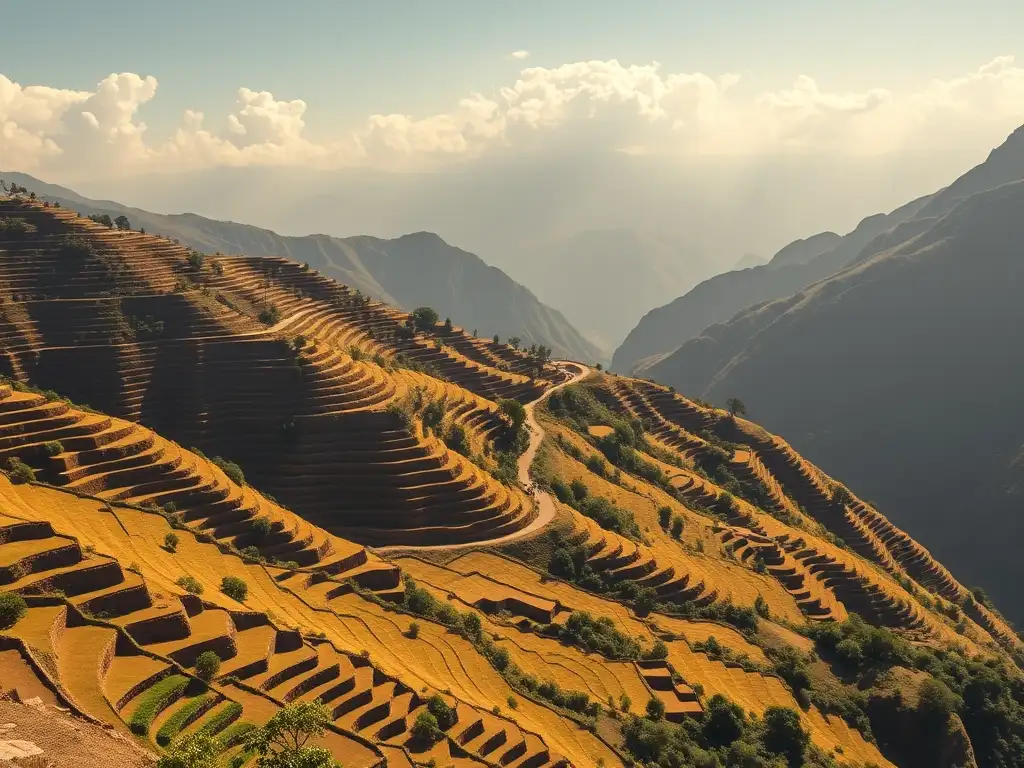
Inca agricultural practices were remarkably sophisticated and sustainable, reflecting their intimate knowledge of the Andean environment and their deep respect for the land. They developed a complex system of terracing, creating level platforms on steep slopes to maximize arable land and prevent soil erosion. This technique, combined with their ingenious irrigation systems, allowed them to cultivate diverse crops at varying altitudes. The Inca also employed crop rotation and other techniques to maintain soil fertility and prevent depletion.
Their understanding of different microclimates allowed them to cultivate a wide range of crops, ensuring food security even in challenging environments. These sustainable farming techniques were not only crucial for their survival but also demonstrate their remarkable ability to adapt to their environment while minimizing its impact. The Inca's agricultural practices weren't merely about producing food; they were a reflection of their worldview, emphasizing harmony between humans and nature.
Their approach to agriculture serves as a compelling example of sustainable land management, offering valuable lessons for modern agricultural practices. The Inca's success in managing their agricultural resources highlights their profound understanding of ecological principles, demonstrating a sophisticated level of environmental stewardship that remains relevant today. The integration of their agricultural practices with their spiritual beliefs further underscores the holistic nature of their relationship with the natural world.
Terrace Farming and the Optimization of Resources
The Inca's mastery of terrace farming is a testament to their deep understanding of and respect for their environment. Facing the challenge of cultivating crops on steep Andean slopes, they developed an ingenious system of agricultural terraces. These weren't simply carved into hillsides; they were meticulously engineered, utilizing retaining walls constructed from stone to create level platforms for planting. This wasn't just about increasing arable land; it was about optimizing resource utilization.
The terraces minimized soil erosion, a significant problem in mountainous regions. By creating level surfaces, water was distributed more evenly, maximizing crop yields. Furthermore, the walls themselves acted as barriers, protecting crops from strong winds prevalent at higher altitudes. The Inca's understanding of microclimates allowed them to strategically place terraces at varying altitudes, optimizing growing conditions for different crops.
The effectiveness of this system is evident in the remarkable agricultural productivity achieved in seemingly inhospitable terrain, a clear demonstration of their sophisticated understanding of ecological principles and their commitment to sustainable agriculture. Archaeological evidence shows a variety of crops cultivated, including potatoes, maize, quinoa, and beans, showcasing a diverse and resilient agricultural system. The Inca's meticulous approach to terrace farming wasn't just about survival; it was a reflection of their profound connection with the land and their ability to work with nature, not against it.
Understanding Inca Irrigation Systems and their Impact
Inca irrigation systems were equally impressive, representing a sophisticated understanding of water management crucial for their agricultural success. These weren't simply canals; they were complex networks of channels, aqueducts, and reservoirs meticulously designed to transport water from sources like rivers and springs to distant fields, even across valleys and mountains. The Inca utilized a variety of techniques, including the construction of intricate stone channels, carefully graded to ensure a consistent water flow. They incorporated ingenious features like siphons and tunnels to overcome topographical challenges, demonstrating advanced engineering skills.
The impact of these systems went beyond simply providing water for crops. They also helped control flooding, preventing damage to agricultural lands and settlements. The careful management of water resources also played a crucial role in shaping the Inca's social and political organization.
Access to water and the maintenance of irrigation systems were often centrally controlled, reflecting the Inca's centralized power structure and their concern for equitable distribution of resources. The scale and sophistication of Inca irrigation networks are a testament to their ability to harness natural resources efficiently and sustainably, highlighting their deep understanding of hydrology and their commitment to agricultural prosperity. The precise engineering and longevity of these systems underscore the Inca's long-term vision and their commitment to building a sustainable society.
Inca Use of Natural Resources: Sustainable Practices
The Inca relationship with nature extended beyond agriculture, encompassing a holistic approach to resource management. Their use of natural resources was characterized by a remarkable degree of sustainability, reflecting a deep respect for the environment and a recognition of its importance for their survival. For instance, the Inca's construction projects, from their impressive cities to their extensive road networks, were often built using locally sourced materials. This minimized environmental impact and reduced reliance on long-distance transport.
They carefully selected building materials, using stone that was readily available and adapted their construction techniques to the local environment. Their use of timber was also remarkably sustainable, with evidence suggesting carefully managed forests and reforestation practices. Furthermore, their understanding of medicinal plants and their integration into healthcare demonstrates a profound knowledge of the natural world and a commitment to utilizing its resources responsibly.
The Inca's approach to resource management wasn't just about extraction; it was about a careful balance between human needs and environmental preservation. This holistic approach to resource management contributed significantly to the stability and longevity of their empire, demonstrating a model of sustainable development that continues to resonate today. Their practices serve as a powerful example of how a civilization can thrive in harmony with its environment, leaving a legacy of sustainable practices for future generations.
Inca Building Techniques with Natural Materials
The Inca mastery of construction is undeniable, evident in the breathtaking architecture that still stands today, a testament to their deep understanding and respect for their environment. Their building techniques weren't simply about functionality; they were a reflection of their harmonious relationship with nature. Instead of relying heavily on metal tools, the Inca skillfully utilized readily available natural materials, shaping the landscape to their needs while minimizing environmental impact. Stone, the most prominent material, was meticulously chosen and fitted together without mortar, showcasing an advanced understanding of engineering and a keen eye for detail.
The precision of their stonework, particularly in sites like Machu Picchu, is astonishing, with stones often fitting together so tightly that a knife blade cannot be inserted between them. This meticulous approach reduced the need for large quantities of binding agents, thereby minimizing environmental disruption. Beyond stone, the Inca incorporated wood, clay, and thatch into their structures, utilizing these resources sustainably to create buildings that blended seamlessly with their surroundings.
The selection of materials was often dictated by local availability, ensuring that construction practices were environmentally responsible and adapted to the specific ecological context. The durability of Inca structures, many of which have withstood centuries of earthquakes and weathering, further highlights the effectiveness and sustainability of their methods. This sophisticated approach to construction underlines the Inca's profound connection to the natural world, demonstrating a respect that went beyond mere resource extraction.
Inca Textile Production and Natural Dyes
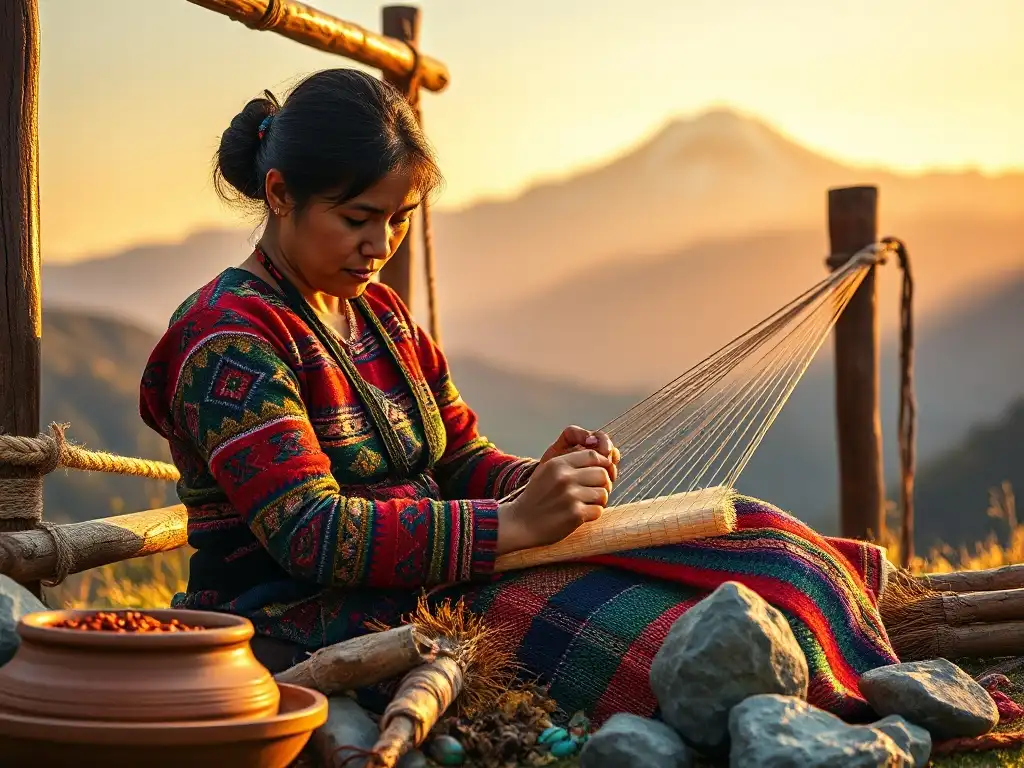
Inca textile production was not just a craft; it was an art form deeply intertwined with their relationship with nature. Their vibrant textiles, renowned for their intricate designs and exceptional quality, were created using natural fibers such as alpaca and llama wool, and cotton. The Inca understood the properties of these fibers, skillfully spinning and weaving them into cloths of remarkable durability and softness.
The rich palette of colors in Inca textiles stemmed entirely from natural dyes, derived from plants, insects, and minerals found throughout their vast empire. Cochineal, a scale insect, provided vibrant reds; various plants yielded yellows, oranges, and browns; while minerals contributed earthy tones. The extraction and use of these natural dyes were carefully managed to minimize environmental impact, reflecting a respect for the delicate balance of the Andean ecosystem.
The intricate designs woven into the textiles often depicted animals, plants, and celestial elements, demonstrating a deep connection to the natural world and a desire to represent its beauty and complexity. From the sourcing of raw materials to the final product, Inca textile production exemplifies a sustainable and harmonious relationship with nature, showcasing both artistic skill and environmental consciousness. The intricate designs and exceptional quality of Inca textiles continue to amaze and inspire, standing as a powerful symbol of their profound connection to the natural world.
The Inca Relationship with Animals: Respect and Use
The Inca worldview embraced a holistic understanding of the natural world, encompassing a profound respect for animals. While animals played a crucial role in their economy, providing food, wool, and transportation, the Inca's relationship with them transcended mere utility. Llamas and alpacas, for instance, were essential for their economy, providing wool for textiles, meat for sustenance, and transportation across the challenging Andean terrain. However, the Inca practiced sustainable herding techniques, ensuring the well-being of their herds and preventing overgrazing.
Evidence suggests that they developed sophisticated systems of animal husbandry, understanding the needs of their livestock and managing their resources responsibly. Furthermore, the Inca's reverence for animals is reflected in their mythology and religious practices, with many animals holding symbolic importance. Condors, for example, were often associated with the sun god, while other animals were linked to specific deities or represented concepts such as strength and fertility.
This spiritual connection to animals fostered a respectful and responsible approach to their use, emphasizing sustainability and a balanced coexistence. While they utilized animals for practical purposes, their deep-seated respect for the animal kingdom is evident in their sustainable practices and cultural representations, demonstrating a harmonious relationship that ensured the continued prosperity of both humans and animals within their ecosystem. The Inca's approach serves as a compelling example of how a society can integrate the responsible use of natural resources, including animal life, within a framework of respect and sustainability.
The Role of Llamas and Alpacas in Inca Society
Llamas and alpacas were not merely livestock to the Inca; they were integral to their social, economic, and spiritual lives, reflecting a deep-seated understanding of their importance within the Andean ecosystem. These camelids provided essential resources, including wool for clothing and textiles, meat for sustenance, and dung for fertilizer. Their role extended beyond mere utility; they were deeply woven into the fabric of Inca society, participating in religious ceremonies and even serving as pack animals, crucial for transporting goods across the challenging Andean terrain.
The Inca developed sophisticated herding techniques, demonstrating an intimate knowledge of llama and alpaca behavior and needs, ensuring the sustainability of their populations. This careful management highlights the Inca's nuanced relationship with nature, valuing the animals not just for their practical uses, but also for their intrinsic worth within the broader ecological balance.
The Inca's respect for these animals is evident in their art and mythology, where llamas and alpacas frequently feature prominently, symbolizing wealth, status, and spiritual significance. The intricate textiles crafted from their wool, often adorned with complex designs, further showcase the Inca's appreciation for these creatures and their contributions to their society.
Inca Understanding of Animal Behavior and Ecology
The Inca possessed a remarkably detailed understanding of animal behavior and ecology, a testament to their close observation of the natural world around them. Their agricultural practices, for instance, were intricately linked to the migratory patterns of birds and the behavior of local fauna. They understood the importance of biodiversity and employed sophisticated techniques to manage their environment sustainably.
For example, their knowledge of animal behavior allowed them to predict potential threats to crops, such as pest infestations, and to implement effective strategies for control. This knowledge wasn't limited to domesticated animals; they also demonstrated a profound understanding of the behavior of wild animals, incorporating their patterns into their own rituals and beliefs. Their intricate system of terraced agriculture, designed to minimize soil erosion and optimize water usage, shows a deep appreciation for the interconnectedness of various species within the ecosystem.
This understanding was not simply a matter of scientific observation, but also a deeply spiritual connection, where animals were viewed as integral parts of a larger, harmonious cosmic order. The Inca’s extensive knowledge of animal behavior and ecology contributed significantly to their remarkable success in adapting to and thriving in the challenging Andean environment.
Inca Environmental Conservation Efforts
The Inca's relationship with nature was not one of exploitation but of careful stewardship. Evidence suggests that they implemented a range of environmental conservation measures to ensure the sustainability of their resources. Their sophisticated agricultural techniques, including terracing, irrigation systems, and crop rotation, were designed to maximize productivity while minimizing environmental impact.
These methods not only increased food production but also helped to prevent soil erosion and maintain the fertility of the land. Furthermore, the Inca implemented regulations to protect forests and wildlife, recognizing the vital role they played in maintaining the ecological balance. These regulations were not simply arbitrary rules but were deeply embedded in their worldview, reflecting a profound respect for the interconnectedness of all living things.
The meticulous management of water resources, through the construction of canals and reservoirs, demonstrates their long-term vision and commitment to sustainable practices. While the exact details of their conservation efforts may remain partially obscured by time, the evidence points to a sophisticated system of environmental management that was both effective and sustainable, highlighting their remarkable understanding of and respect for the natural world. Their approach serves as a valuable lesson for contemporary societies grappling with the challenges of environmental sustainability.
Inca Forest Management Practices and Preservation
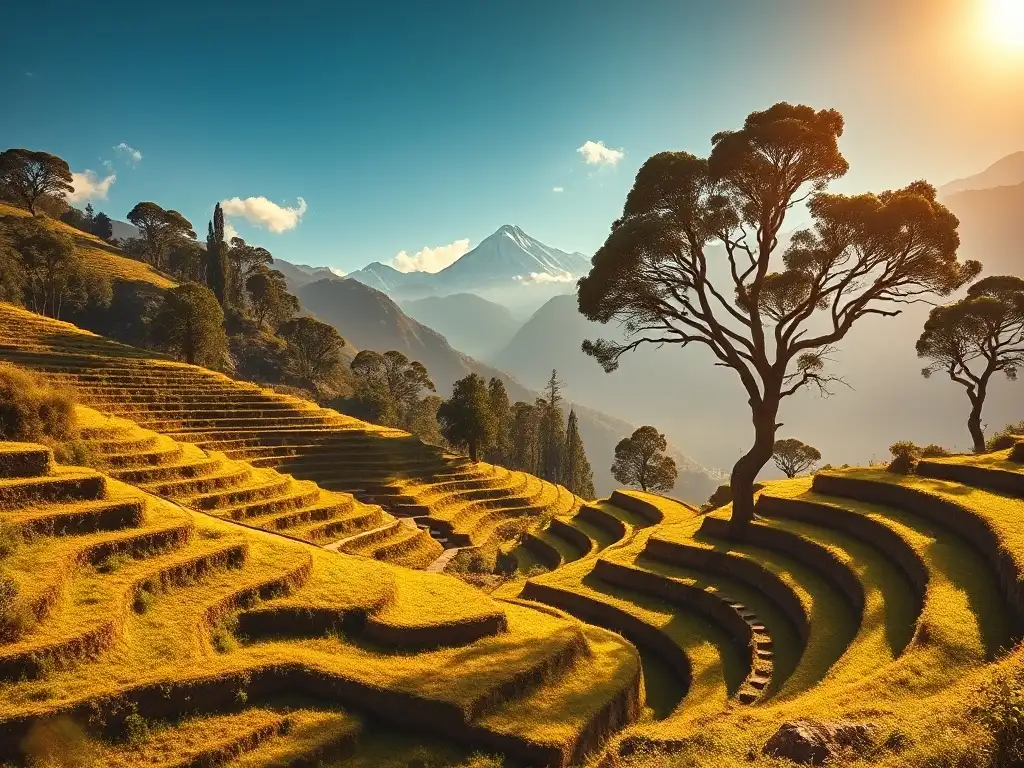
The Inca relationship with nature was far from passive; it was one of active management and preservation, particularly evident in their forest management practices. Unlike many societies that viewed forests primarily as sources of timber or land for agriculture, the Inca recognized the vital role forests played in maintaining ecological balance and supporting their way of life. They implemented sophisticated systems of forest management, including controlled burning techniques to stimulate new growth and prevent devastating wildfires.
This wasn't haphazard burning; rather, it was a carefully planned process, often carried out during specific times of the year to minimize environmental impact and maximize the benefits for the forest ecosystem. Evidence suggests they also practiced selective logging, focusing on mature trees while leaving younger ones to grow, ensuring the long-term sustainability of the forest resources. Furthermore, the Inca established protected areas, effectively creating early forms of national parks, where logging and other extractive activities were strictly prohibited.
These areas served as reservoirs of biodiversity and sources of essential resources for the empire. The preservation of these forests wasn't merely an environmental concern; it was intrinsically linked to their spiritual beliefs and the continuity of their civilization, ensuring a sustainable supply of timber, medicinal plants, and other forest products for generations to come. The Inca understanding of forest ecology was advanced for its time, showcasing a deep respect for the intricate workings of nature.
Inca Respect for Biodiversity and Natural Cycles
The Inca worldview was deeply intertwined with the natural world, demonstrating a profound respect for biodiversity and the cyclical nature of life. Their agricultural practices vividly illustrate this. They didn't rely on monoculture farming; instead, they employed a system of crop diversification, planting a variety of crops together, mimicking the natural diversity of the Andean ecosystems. This approach ensured resilience against crop failure and maximized the use of available resources.
Their understanding of natural cycles, particularly the seasonal variations in rainfall and temperature, was integral to their agricultural practices. They developed sophisticated irrigation systems to manage water resources efficiently and adapted their planting schedules to the specific climatic conditions of different regions. They meticulously observed the movements of the stars and celestial bodies, using this knowledge to predict the timing of planting and harvesting, optimizing agricultural yields and ensuring food security.
This intricate understanding and respect for biodiversity and natural cycles wasn't limited to agriculture; it permeated all aspects of their lives, from their religious ceremonies to their construction techniques. The Inca's reverence for the natural world reflects a holistic understanding of the interconnectedness of life and a commitment to living in harmony with the environment. Their sophisticated practices showcase a level of environmental awareness that is remarkably advanced, even by today's standards.
The Inca Legacy of Environmental Stewardship
The Inca legacy of environmental stewardship continues to inspire awe and admiration. Their sophisticated approaches to resource management, biodiversity conservation, and sustainable agriculture provide valuable lessons for contemporary societies grappling with environmental challenges. Their systems weren't merely practical; they were deeply rooted in their spiritual beliefs and social structures, emphasizing the importance of collective responsibility for the well-being of the environment.
The Inca's understanding of the intricate relationships within ecosystems and their commitment to long-term sustainability offer a powerful counterpoint to modern extractive and exploitative practices. While the Inca Empire ultimately fell, its sophisticated environmental management techniques serve as a testament to the potential for human societies to live in harmony with nature. Studying their methods can provide valuable insights for developing sustainable practices in the 21st century, particularly in regions facing similar environmental pressures.
The Inca's lasting contribution is not just their impressive architectural feats but also their profound understanding and respect for the delicate balance of the natural world, a legacy of environmental stewardship that resonates even today. Their achievements highlight the crucial role of cultural values and beliefs in shaping sustainable practices and offer a compelling example of how a society can thrive while minimizing its environmental impact.
Lessons from the Inca for Modern Sustainability
The Inca's profound respect for nature offers invaluable lessons for achieving modern sustainability. Their intricate understanding of their environment, coupled with their sophisticated agricultural techniques, allowed them to thrive in challenging Andean terrains for centuries. This wasn't merely a matter of survival; it was a deeply ingrained cultural and spiritual value. Their approach to resource management, notably their water management systems, provides a compelling model for contemporary societies grappling with water scarcity. The Inca's terracing techniques, for instance, not only maximized arable land but also minimized soil erosion and runoff, preserving the land's fertility for generations.
This contrasts sharply with modern, often unsustainable agricultural practices that deplete soil nutrients and contribute to environmental degradation. Furthermore, their understanding of ecological balance and biodiversity is evident in their diverse crop cultivation and their integration of agriculture with other aspects of their lives. They understood the interconnectedness of ecosystems and the importance of maintaining this delicate balance, a lesson often overlooked in modern industrial agriculture. By studying and emulating their practices, we can gain crucial insights into developing more sustainable and resilient agricultural systems.
The Inca's emphasis on community-based resource management also provides a powerful example for collaborative approaches to environmental stewardship. Their ayllu system, a communal organization, fostered collective responsibility for resource conservation and equitable distribution. This contrasts with the often individualistic and competitive nature of modern resource management, which can lead to overexploitation and environmental damage. The Inca's approach underscores the importance of integrating social and ecological considerations in sustainable development strategies.
The Enduring Relevance of the Inca Relationship with Nature
The Inca relationship with nature, far from being a relic of the past, holds profound relevance for contemporary societies facing unprecedented environmental challenges. Climate change, biodiversity loss, and resource depletion are just some of the pressing issues that demand innovative and sustainable solutions. The Inca's holistic approach to nature, which integrated spiritual beliefs with practical resource management, offers a powerful framework for addressing these challenges. Their deep understanding of ecological interconnectedness and their emphasis on long-term sustainability provide valuable lessons for navigating the complexities of the modern world.
The Inca's sustainable agricultural practices, such as terracing and crop diversification, can inspire the development of more resilient and environmentally friendly farming methods. Their water management systems, characterized by their ingenuity and efficiency, can serve as models for addressing water scarcity in arid and semi-arid regions. Moreover, the Inca's emphasis on community-based resource management offers a compelling alternative to the often unsustainable and inequitable patterns of resource use prevalent in today's world. The Inca's example highlights the importance of integrating social and ecological considerations in environmental policy and decision-making.
By recognizing the inherent value of nature and fostering a sense of responsibility towards future generations, we can learn from the Inca and strive towards a more sustainable and harmonious relationship with the environment. Their legacy serves as a potent reminder that human well-being is inextricably linked to the health of the planet, a lesson increasingly critical in the face of growing environmental threats. The Inca civilization's remarkable achievements in sustainable living demonstrate that a harmonious relationship with nature is not only possible but also essential for long-term human prosperity.
- Understanding the Inca Worldview and Nature
- Inca Cosmology and its Connection to the Natural World
- The Sacredness of Pachamama: Mother Earth in Inca Beliefs
- Inca Reverence for Mountains: Apu and their Significance
- The Importance of Water in Inca Culture and Rituals
- Inca Agricultural Practices: Sustainable Farming Techniques
- Terrace Farming and the Optimization of Resources
- Understanding Inca Irrigation Systems and their Impact
- Inca Use of Natural Resources: Sustainable Practices
- Inca Building Techniques with Natural Materials
- Inca Textile Production and Natural Dyes
- The Inca Relationship with Animals: Respect and Use
- The Role of Llamas and Alpacas in Inca Society
- Inca Understanding of Animal Behavior and Ecology
- Inca Environmental Conservation Efforts
- Inca Forest Management Practices and Preservation
- Inca Respect for Biodiversity and Natural Cycles
- The Inca Legacy of Environmental Stewardship
- Lessons from the Inca for Modern Sustainability
- The Enduring Relevance of the Inca Relationship with Nature
Frequently Asked Questions
How did the Inca view nature?
The Inca viewed nature with deep reverence and respect, considering it sacred and essential to their existence. They believed in a reciprocal relationship with the natural world, offering sacrifices and performing rituals to maintain balance.
What role did mountains play in Inca culture?
Mountains were sacred entities to the Inca, seen as the abode of powerful deities. They were incorporated into their religious practices and cosmology, influencing their settlement patterns and agricultural techniques. Apus, or mountain spirits, were highly revered.
How did Inca agriculture reflect their relationship with nature?
Inca agriculture demonstrated their understanding and adaptation to diverse environments. They developed sophisticated terracing, irrigation, and crop rotation techniques to maximize yields while minimizing environmental impact, showcasing a sustainable approach.
What evidence shows the Inca's respect for animals?
Evidence suggests that the Inca held respect for certain animals, incorporating them into their mythology and religious practices. Llamas and alpacas, for example, were crucial for their economy and held symbolic importance, while other animals featured in their art and religious iconography.
Did Inca beliefs impact their environmental practices?
Their spiritual beliefs directly influenced their environmental practices. The Inca's deep reverence for nature led to sustainable agricultural methods and resource management, demonstrating a harmonious coexistence rather than exploitation.
Final Reflection: Echoes of the Andes: A Legacy of Harmony
The Inca understanding of nature as a living entity, interwoven with the spiritual fabric of their society, remains a powerful counterpoint to our modern, often exploitative relationship with the environment. This ancient wisdom, far from being a relic of the past, offers crucial lessons for navigating the ecological crises of the 21st century. The Inca's profound respect for Pachamama, Mother Earth, serves as a stark reminder of the interconnectedness of all living things and the urgent need for a paradigm shift in our own interactions with the natural world.
The Inca's sophisticated agricultural techniques, their reverence for the mountains and rivers, and their intricate understanding of ecological balance continue to resonate today. Their approach, a testament to sustainable living, stands in stark contrast to the unsustainable practices that now threaten our planet. As the renowned anthropologist, Clifford Geertz, stated, Man is an animal suspended in webs of significance he himself has spun.
The Inca's webs were intricately woven with the threads of nature, a model we would do well to emulate in our own efforts to create a more sustainable future.
Consider, for a moment, the impact of your own daily choices on the environment. What steps can you take to foster a more harmonious relationship with the natural world, mirroring the Inca's deep respect for Pachamama? Let the legacy of the Inca inspire you to become a conscious steward of our planet, ensuring that the echoes of their wisdom continue to guide us towards a future where humanity and nature thrive in balance.
Embrace the Inca Wisdom: Connect with Nature Today!
Exploring the Inca's profound connection with nature offers valuable insights that can enrich your life and inspire positive change. Let's put this ancient wisdom into practice!
- **Reconnect with nature:** Take a mindful walk in a local park or nature reserve, immersing yourself in the sights and sounds around you.
- **Live sustainably:** Dedicate time each week to reducing your environmental impact, perhaps by minimizing waste or supporting local farmers' markets.
- **Share your passion:** Inspire others to appreciate nature by sharing your experiences and insights on social media or within your community.
How can you integrate the Inca's harmonious approach to nature into your daily routine?