
Inca Agriculture: Mastering the Mountains for Survival


Step into a world lost in time, where ingenuity and resilience sculpted civilizations from the heart of the Andes. Discover the secrets of a vanished empire, a testament to human adaptation and innovation. Prepare to be amazed by the ingenuity of Inca agricultural techniques, a marvel of engineering that allowed them to thrive in the seemingly impossible terrain. Unravel the mysteries of their mastery and understand how they conquered the mountains—their legacy awaits.
The Inca Empire, renowned for its sophisticated political organization and impressive architectural feats, also possessed an incredibly advanced agricultural system. This system, far from being simply a means of food production, was the very bedrock of Inca society, enabling the sustenance of millions across a geographically challenging landscape. This article delves into the ingenious agricultural techniques employed by the Inca, exploring their mastery of the Andes Mountains and the profound impact this had on their civilization's growth, stability, and longevity.
We'll examine the innovative strategies they used to overcome the harsh realities of high altitude, steep slopes, and unpredictable weather patterns, ultimately revealing the ingenuity and resilience that allowed the Inca to thrive in one of the world's most demanding environments. Understanding Inca agricultural techniques provides crucial insight into their societal structure, economic strength, and the enduring legacy of this remarkable civilization.
Terracing: Sculpting the Mountains for Cultivation
Inca agricultural techniques were fundamentally shaped by the mountainous terrain they inhabited. The most visually striking example of their ingenuity is the extensive system of terracing. These carefully constructed, step-like platforms carved into the slopes dramatically increased the amount of arable land available.
Terraces not only provided level surfaces for planting but also served crucial functions in soil conservation, water management, and microclimate control. The meticulous construction involved precise stonework, often using dry-stone techniques, showcasing a deep understanding of engineering and the environment. The size and complexity of these terraces varied depending on the terrain and the specific crops being cultivated.
Some terraces were small, suitable for cultivating individual plots, while others were vast, stretching across entire hillsides. The scale of this undertaking testifies to the organized labor and sophisticated planning capabilities of the Inca state. The construction of terraces required significant manpower, highlighting the importance of mita, the Inca system of mandatory labor, in supporting agricultural production.
Irrigation Systems: Harnessing Water Resources
The Andes are characterized by unpredictable rainfall, making efficient water management crucial for successful agriculture. The Inca developed sophisticated irrigation systems to channel water from rivers and streams to their terraced fields. These systems involved intricate networks of canals, aqueducts, and reservoirs, often built across considerable distances and varying elevations. The Inca demonstrated a remarkable understanding of hydraulics, utilizing gravity and carefully graded channels to ensure an even distribution of water.
The construction of these systems required considerable planning and coordination, reflecting the centralized nature of the Inca state and the importance of agriculture to its survival. Evidence suggests the use of sophisticated techniques to manage water flow, including the construction of check dams and spillways to prevent erosion and flooding. These irrigation systems not only facilitated crop production but also contributed to the overall stability and prosperity of Inca communities.
Crop Diversification and Crop Rotation: Ensuring Food Security
To mitigate the risks associated with unpredictable weather and potential crop failures, the Inca implemented practices of crop diversification and crop rotation. They cultivated a wide variety of crops, including potatoes (in numerous varieties! ), maize, quinoa, beans, and squash. This diversity ensured a reliable food supply, even if one crop failed due to drought, frost, or disease.
Crop rotation further enhanced soil fertility and minimized the depletion of nutrients. By rotating different crops in a planned sequence, the Inca maintained the productivity of their fields over the long term. This sophisticated approach to agriculture reflects a deep understanding of ecological principles and a commitment to sustainable practices. The Inca's knowledge of plant genetics and their ability to adapt crops to different altitudes and microclimates were remarkable achievements.
Waru Waru: A Sustainable Agricultural System
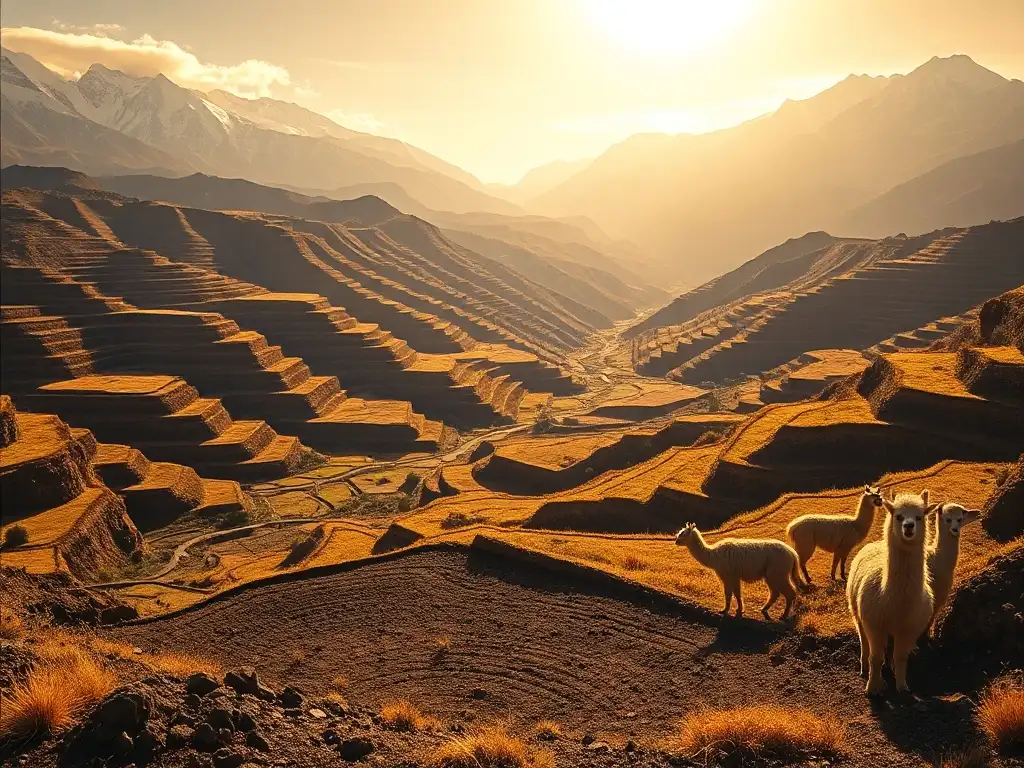
The Waru Waru system, a unique form of raised-field agriculture, is another testament to Inca agricultural ingenuity. This technique involved constructing raised beds separated by canals filled with water. The water in the canals acted as a heat reservoir, moderating temperature fluctuations and protecting crops from frost. The raised beds improved drainage and soil aeration, while the canals provided a source of irrigation and helped maintain soil moisture.
Waru Waru also played a role in enhancing biodiversity, creating a more resilient and productive agricultural ecosystem. This sustainable system demonstrates the Inca's deep understanding of ecological principles and their commitment to long-term agricultural productivity. The effectiveness of Waru Waru is evidenced by its continued use in some Andean communities today.
The Impact of Inca Agricultural Techniques
The success of Inca agriculture had profound implications for the empire's development and stability. The ability to produce surplus food enabled population growth and the expansion of urban centers. The efficient distribution of food through the state-controlled storage system, known as qollqa, ensured social stability and the ability to withstand periods of drought or famine.
The advanced agricultural techniques employed by the Inca were a crucial element in their ability to consolidate power and create one of the most impressive empires in pre-Columbian America. The legacy of Inca agricultural practices continues to influence Andean farming methods and serves as a valuable source of knowledge for modern sustainable agriculture. The Inca's mastery of their environment remains a powerful example of human adaptation and ingenuity.
- Terracing: Sculpting the Mountains for Cultivation
- Irrigation Systems: Harnessing Water Resources
- Crop Diversification and Crop Rotation: Ensuring Food Security
- Waru Waru: A Sustainable Agricultural System
- The Impact of Inca Agricultural Techniques
The Ingenuity of Inca Agricultural Practices

The Inca Empire, renowned for its sophisticated social structure and impressive architectural feats, also possessed remarkably advanced agricultural techniques. These methods, honed over centuries, allowed them to thrive in the challenging Andean environment, transforming seemingly inhospitable terrains into productive farmlands. Mastering the intricacies of Inca agricultural techniques reveals a deep understanding of ecology and a commitment to sustainable practices, far ahead of their time.
This section delves into the specific strategies employed by the Inca, highlighting their ingenuity and resilience in the face of environmental limitations. Understanding these techniques provides crucial insight into the economic and social stability of the Inca Empire and its remarkable ability to sustain a large population in a geographically diverse and demanding landscape. Keywords like Inca farming methods, Andean agriculture, and Inca agricultural innovations are crucial for understanding the scope and sophistication of this ancient civilization's approach to food production.
Understanding the Challenges of Andean Farming
Andean agriculture presented unique and significant obstacles. The steep slopes of the Andes Mountains, coupled with unpredictable weather patterns, including intense sun, freezing temperatures, and sporadic rainfall, made traditional farming methods impractical. Soil erosion was a constant threat, and the high altitude limited growing seasons. The Inca, however, did not succumb to these challenges.
Instead, they developed innovative solutions, adapting their agricultural practices to the specific conditions of each ecological zone – from the altiplano (high plains) to the yungas (tropical valleys). This adaptability, a hallmark of Inca agricultural techniques, is evident in the diversity of their farming methods, which ranged from terracing and irrigation to crop diversification and fertilizer management. Their understanding of microclimates and soil types allowed them to optimize crop yields in diverse and challenging environments, showcasing a remarkable level of agricultural expertise.
The sheer scale of their agricultural projects is breathtaking. Consider, for example, the extensive terrace systems carved into mountain slopes, creating level platforms for farming. These weren't simply haphazard constructions; they were meticulously designed, incorporating sophisticated drainage systems to prevent soil erosion and optimize water distribution.
This level of planning and execution underscores the importance of agriculture within the Inca social structure and the significant investment of labor and resources dedicated to food production. The Inca's meticulous approach to water management, including the construction of canals and aqueducts, further highlights their understanding of hydrological principles and their ability to manipulate the environment to their advantage. The precision and scale of these projects remain impressive even by modern standards.
The Importance of Agriculture in Inca Society
Agriculture was the cornerstone of Inca society, underpinning its economic strength and social stability. The Inca state controlled agricultural production, with a complex system of redistribution ensuring that food reached all members of society. This system, coupled with the advanced agricultural techniques employed, allowed the Inca to maintain a large and densely populated empire.
The mita system, a form of labor tax, played a vital role in the construction and maintenance of agricultural infrastructure, demonstrating the paramount importance placed on food security. The success of Inca agriculture not only ensured food sufficiency but also contributed significantly to the empire's economic prosperity, allowing for the development of specialized crafts, trade, and the construction of impressive public works.
The Inca’s agricultural expertise extended beyond simply producing food. They cultivated a wide variety of crops, including potatoes, maize, quinoa, beans, and coca, demonstrating a deep understanding of crop rotation and diversification to maintain soil fertility and reduce the risk of crop failure. They also developed innovative techniques for storing and preserving food, such as qollqas (granaries), which played a crucial role in ensuring food security during lean times.
These granaries weren't just simple storage facilities; they were strategically located and carefully managed, reflecting a sophisticated understanding of logistics and resource management. The Inca's success in managing their agricultural resources was instrumental in their ability to maintain social order and political control across their vast empire.
The combination of sophisticated techniques, centralized control, and a profound understanding of the Andean environment ensured the empire's agricultural success and, consequently, its overall prosperity. The legacy of Inca agricultural practices continues to inspire modern agricultural techniques, particularly in the Andes region, where many of their methods are still practiced today.
Key Inca Agricultural Techniques
The Inca Empire's remarkable success stemmed partly from its mastery of agriculture, adapting ingenious techniques to cultivate the challenging Andean terrain. Their ingenuity in developing and implementing sophisticated Inca agricultural techniques allowed them to thrive in a region characterized by steep slopes, varied altitudes, and unpredictable weather patterns. This section delves into the key methods that underpinned their agricultural achievements, showcasing the remarkable ingenuity of Inca engineers and farmers. The understanding and application of these Inca agricultural techniques were crucial for their societal stability and longevity.
Terracing: Transforming Mountain Slopes into Farmland
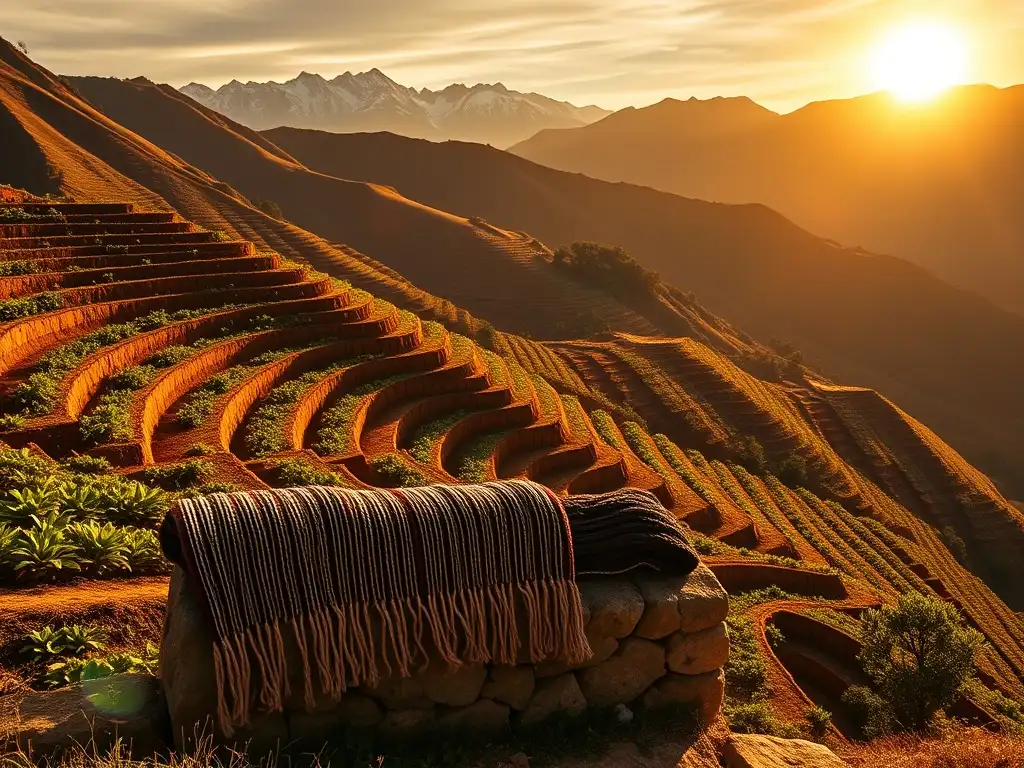
Inca ingenuity is perhaps best exemplified by their extensive use of terracing. This technique transformed steep, unusable mountain slopes into fertile, level platforms ideal for cultivation. By carving these terraces into the hillsides, the Incas significantly increased arable land, maximizing their agricultural output in a geographically challenging environment. The scale of this undertaking is breathtaking, a testament to their organizational prowess and understanding of engineering principles.
How Inca Terraces were Constructed
The construction of Inca terraces was a complex and labor-intensive process. First, the hillside was carefully surveyed and planned. Then, workers, often using simple tools like stone chisels and hammers, painstakingly carved level platforms into the slopes. Retaining walls, meticulously built from stone, were constructed to support the terraces and prevent soil erosion.
These walls were not merely structural; they were carefully designed to channel water and create microclimates within each terrace, optimizing growing conditions. The precision and artistry evident in many surviving Inca terraces are truly remarkable. The stones were often fitted together so tightly that even a knife blade couldn't be inserted between them.
The Benefits of Terracing for Crop Production
The benefits of terracing were multifaceted. Firstly, it created significant increases in arable land. Secondly, it reduced soil erosion by creating level surfaces where water could be retained more effectively. Thirdly, it improved drainage, preventing waterlogging and promoting optimal soil conditions.
Finally, the terraces created microclimates, allowing for the cultivation of a wider variety of crops at different altitudes. This allowed for diversification and reduced the risk of crop failure due to localized weather events. The success of the Inca agricultural system was directly linked to the effectiveness of their terracing methods. Indeed, the ability to cultivate diverse crops at different altitudes is considered a significant factor in the Inca Empire's ability to sustain a large population.
Irrigation Systems: Managing Water Resources
Water scarcity was a constant concern in the Andean highlands. The Incas developed sophisticated irrigation systems to manage water resources effectively, ensuring a reliable supply for their crops. This involved a complex network of canals, aqueducts, and reservoirs, skillfully designed to transport water from sources high in the mountains to fields located at lower altitudes. The scale and complexity of these systems are a testament to the Inca's advanced understanding of hydraulic engineering.
Canals and Aqueducts: Engineering Marvels
Inca canals and aqueducts were marvels of engineering, often traversing challenging terrain. They were constructed using carefully cut and fitted stones, with gradients designed to ensure a steady flow of water. Some aqueducts were built across valleys, utilizing ingenious techniques to transport water across significant distances. The construction of these systems required meticulous planning, precise surveying, and a highly organized workforce. Evidence suggests that the Incas used sophisticated techniques to ensure the durability and longevity of their irrigation infrastructure. For example, they employed techniques to minimize water loss through evaporation and seepage.
Water Management for Different Crops
The Incas understood that different crops had varying water requirements. Their irrigation systems were designed to provide the appropriate amount of water to each crop, optimizing yields. They employed a variety of techniques, including diverting water to different fields as needed, constructing reservoirs to store water during periods of surplus, and using sophisticated drainage systems to prevent waterlogging.
This demonstrates a deep understanding of agricultural principles, highlighting the sophisticated knowledge of the Inca agricultural engineers. The precise methods used to manage water for specific crops are still being studied, but archaeological evidence continues to reveal more about the ingenuity of the Inca irrigation systems. The sophisticated management of water resources was essential for the success of Inca agriculture and, by extension, the stability of their empire.
Crop Rotation and Soil Management Practices
Inca agricultural techniques were remarkably sophisticated, demonstrating a deep understanding of ecological principles. Crop rotation was a cornerstone of their farming practices. They didn't simply plant the same crop in the same field year after year. Instead, they implemented a system of rotating different crops, such as potatoes, maize, beans, and quinoa, across their fields.
This practice prevented soil depletion and reduced the risk of pest and disease infestations. For example, after harvesting maize, which is a heavy feeder, they might plant a nitrogen-fixing crop like beans to replenish the soil's nutrients. This cyclical approach ensured the long-term productivity of their agricultural lands.
Understanding Inca Crop Diversity
The Incas cultivated an astonishing variety of crops, adapted to the diverse Andean ecosystems. Their agricultural success wasn't just about a single crop, like potatoes, although potatoes were indeed a staple. They skillfully cultivated a wide range of crops, each suited to particular altitudes and microclimates. This diversity was crucial for their food security, mitigating the risks associated with crop failures due to weather patterns or disease.
The high-altitude areas yielded hardy crops like quinoa and potatoes, while lower altitudes were more suitable for maize and other heat-loving plants. This sophisticated understanding of crop adaptation and the selection of suitable varieties for specific environments is a testament to their agricultural prowess. They carefully selected and bred crops for specific characteristics, enhancing their yield and resilience.
Techniques for Maintaining Soil Fertility
Maintaining soil fertility was paramount to the Incas' success. They employed several innovative techniques to achieve this. Terracing, a prominent feature of Inca agriculture, not only created level planting surfaces on steep slopes but also helped to prevent soil erosion and retain moisture. The use of fertilizers, such as guano (bird droppings) and composted manure, further enriched the soil.
The careful management of irrigation systems also played a crucial role, ensuring that crops received the necessary water, particularly in drier areas. The Incas understood the intricate relationship between soil health, water management, and crop yields, creating a sustainable agricultural system. Their methods demonstrate a remarkable level of environmental stewardship.
The Use of Andean Tools and Implements
The Incas' success in agriculture wasn't solely due to their sophisticated knowledge of soil management and crop rotation. Their ingenuity in developing and utilizing tools was equally important. These tools, often crafted from readily available materials such as wood, stone, and bone, were adapted to the challenging terrain and the specific needs of their agricultural practices. The effectiveness of these tools speaks to their understanding of ergonomics and engineering principles, enabling them to efficiently cultivate their lands.
The Chaquitaclla: Foot Plow
The chaquitaclla, a foot-operated plow, is arguably the most iconic Inca agricultural tool. This ingenious device allowed farmers to till the soil with remarkable efficiency, especially in the challenging Andean terrain. Its design, combining a wooden frame with a digging point, allowed farmers to effectively loosen the soil without the need for animal power.
The chaquitaclla’s effectiveness is a testament to the Incas' innovative approach to agricultural technology. Its widespread use throughout the empire highlights its importance in their farming practices. The design of the chaquitaclla was optimized for the specific soils and conditions of the Andes, making it an extremely effective tool.
Other Essential Agricultural Tools
Beyond the chaquitaclla, the Incas used a variety of other tools for various agricultural tasks. These included hoes, shovels, and sickles, often made from stone or wood. These tools were designed to perform specific tasks, such as weeding, harvesting, and planting.
The quality of these tools, combined with the Incas' understanding of agricultural practices, allowed them to maximize their yields. The development and refinement of these tools, passed down through generations, showcase the continuous improvement and adaptation of their agricultural technology. The use of these varied tools demonstrates their comprehensive approach to farming, addressing every stage of the agricultural cycle.
Specific Crops Cultivated by the Incas

The Inca Empire's success hinged significantly on its mastery of Inca agricultural techniques, allowing them to thrive in the challenging Andean environment. Their agricultural prowess wasn't merely about survival; it was a sophisticated system that supported a large, complex society. This section details the key crops cultivated by the Inca, highlighting their importance and the innovative methods employed for their cultivation. The Inca’s agricultural practices were incredibly diverse, reflecting the varied altitudes and microclimates across their vast empire. Understanding their agricultural strategies provides crucial insight into their societal organization and technological advancements.
Maize: The Staple Crop of the Inca Empire
Maize, or corn, was undeniably the cornerstone of the Inca diet. It served as a primary source of carbohydrates, providing essential energy for the population. Inca agricultural techniques for maize cultivation were incredibly refined, employing various methods to maximize yields in diverse terrains.
They utilized terracing on steep slopes to create level planting surfaces, optimizing sunlight exposure and water retention. Furthermore, they developed sophisticated irrigation systems, channeling water from rivers and streams to irrigate their fields. This wasn't simply a matter of digging ditches; the Inca understood water management on a complex scale, creating reservoirs and canals to ensure a consistent water supply, even during dry seasons.
The importance of maize is reflected in Inca mythology and religious practices; it held a sacred position in their culture. Archaeological evidence indicates the existence of different maize varieties cultivated by the Inca, adapted to specific altitudes and climatic conditions. This demonstrates a deep understanding of plant genetics and adaptation, further showcasing the sophistication of their Inca agricultural techniques.
Potatoes: A Variety of Andean Tubers
The potato is another iconic Andean crop, and the Inca cultivated a remarkable diversity of potato varieties. Unlike modern agriculture, which often focuses on a few high-yielding varieties, the Inca maintained a wide range of potato types, each adapted to specific ecological niches. This biodiversity proved crucial for resilience against crop failures.
Different potato varieties were grown at different altitudes, taking advantage of variations in temperature and soil conditions. The Inca’s understanding of potato cultivation was not limited to simply planting and harvesting; they developed techniques for storing potatoes to ensure food security throughout the year. They used underground storage facilities, called qollqas, to preserve potatoes and other crops, preventing spoilage and ensuring a stable food supply year-round.
This sophisticated storage system was an integral part of their overall agricultural strategy. Their expertise in potato cultivation significantly contributed to the empire's food security and played a vital role in supporting its large population. The sheer number of potato varieties cultivated by the Inca is a testament to their advanced understanding of plant domestication and agricultural diversification.
Quinoa and Other Grains
Beyond maize and potatoes, the Inca cultivated a variety of other grains, including quinoa, amaranth, and various types of beans. Quinoa, a highly nutritious grain, was particularly important in the Inca diet, providing essential protein and minerals. The cultivation of quinoa and other grains required different techniques adapted to their specific needs.
While terracing and irrigation were still important, the Inca also employed other methods, such as crop rotation and intercropping, to maintain soil fertility and maximize yields. Intercropping, the practice of planting different crops together, helped to improve soil health and reduce the risk of crop failure. The Inca’s knowledge of soil management and plant interactions was highly developed, allowing them to achieve high agricultural productivity despite the challenges of the Andean environment.
The diversity of crops cultivated by the Inca underscores their commitment to agricultural diversification, which proved essential for ensuring food security and supporting the empire's large and complex society. Their sophisticated understanding of Inca agricultural techniques allowed them to thrive in a challenging environment, leaving behind a legacy of agricultural innovation.
Coca Leaves: Its Agricultural and Cultural Significance
Coca leaves ( Erythroxylum coca) held immense agricultural and cultural significance for the Inca Empire. Cultivation wasn't merely for economic gain; it was deeply intertwined with their religious beliefs, social structures, and daily life. The Incas developed sophisticated techniques to cultivate coca, adapting their methods to the varied Andean terrains. Terracing, a hallmark of Inca agricultural ingenuity, played a crucial role in maximizing coca production, especially on steep slopes where flat land was scarce. This allowed for efficient water management and soil conservation, crucial for a plant as sensitive as coca.
The Inca's understanding of coca's growth requirements, including its need for specific altitudes, sunlight exposure, and soil conditions, demonstrates their deep botanical knowledge. They meticulously selected planting locations, often integrating coca cultivation into their overall agricultural systems. This wasn't simply about growing a single crop; it was about creating a balanced ecosystem where different plants complemented each other.
Beyond the agricultural aspects, coca played a pivotal role in Inca religious ceremonies and rituals. Coca leaves were offered as sacred gifts to the gods, used in divination practices, and consumed during important social events. The leaves were believed to possess spiritual properties, connecting the living with the supernatural realm.
Their use wasn't restricted to religious elites; coca played a role in everyday life for the common people as well, providing energy and aiding in altitude adaptation. This widespread use underscores the plant's profound cultural importance within Inca society. The systematic cultivation and controlled distribution of coca by the Inca state further highlights its central role in their economy and social fabric.
The Inca's mastery of coca cultivation wasn't just about agricultural prowess; it was a testament to their deep understanding of the plant's spiritual and practical value. The legacy of Inca coca cultivation continues to resonate in Andean cultures today, showcasing the enduring connection between people and this significant plant.
Inca Storage and Distribution Systems
The success of Inca agriculture wasn't solely dependent on innovative farming techniques; efficient storage and distribution systems were equally crucial for the empire's survival. The sheer scale of Inca agricultural production, coupled with the challenges of a mountainous terrain and unpredictable weather patterns, necessitated a sophisticated logistical network to ensure food security year-round. This network, intricately woven into the fabric of Inca society, involved specialized infrastructure, meticulous record-keeping, and a highly organized system of redistribution.
Understanding these systems is key to appreciating the full extent of Inca agricultural prowess and its contribution to the empire's longevity. The Inca’s mastery of Inca agricultural techniques extended beyond the fields themselves, encompassing a comprehensive approach to food management that ensured the empire's resilience.
Colcas: Inca Storage Warehouses
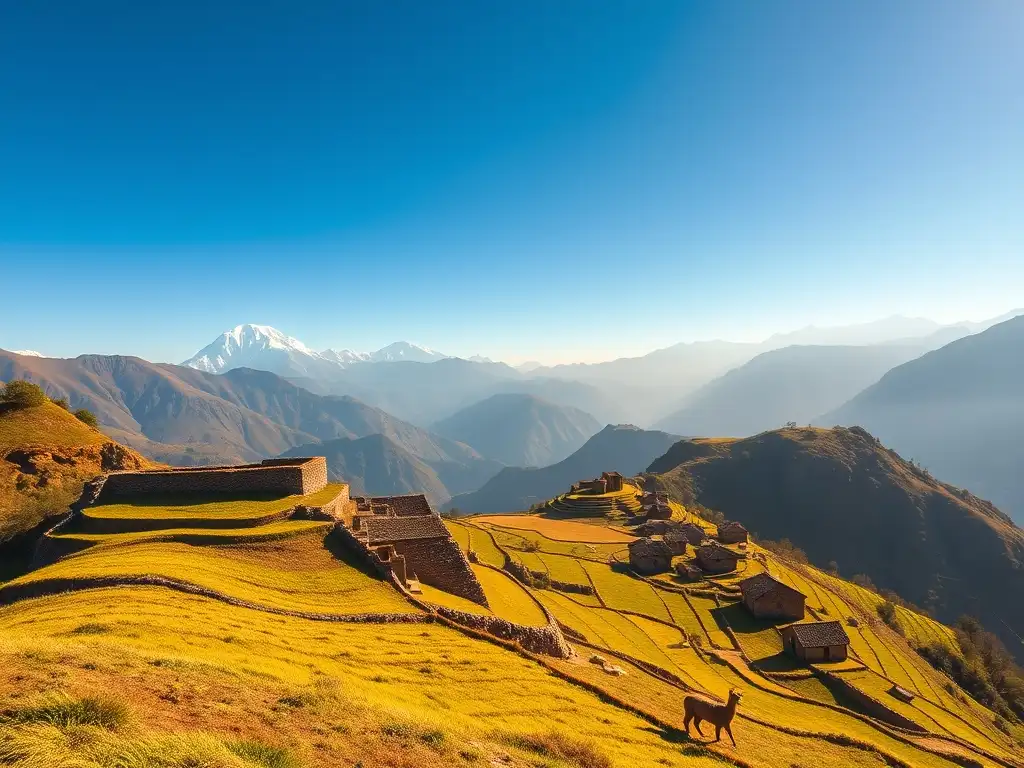
Colcas, the iconic stone structures dotting the Andean landscape, represent the physical manifestation of Inca storage capabilities. These cylindrical or rectangular buildings, often built into hillsides or cliffs, were strategically positioned throughout the empire to minimize transportation distances and maximize accessibility. Their construction, utilizing sophisticated stonework techniques, reflects Inca engineering expertise and their commitment to preservation.
The design itself was crucial for maintaining optimal storage conditions. Thick walls, small windows, and carefully sealed roofs protected stored goods from the elements, humidity, and pests. The interiors were often divided into compartments, allowing for the segregation of different crops and facilitating inventory management.
Evidence suggests that different types of colcas were used for storing varying food products, with some specialized for grains, others for dried meats or potatoes. The precise capacity of a single colca varied significantly depending on its size and location, but collectively, these structures provided an immense capacity for storing surplus agricultural produce. The construction of these Inca agricultural techniques showcases the empire's incredible organizational skills and foresight.
Archaeological excavations of colcas have uncovered a wealth of information regarding Inca agricultural practices. The discovery of various grains, tubers, and other food items within these structures offers insights into the dietary diversity of the Inca population and the scale of their agricultural production. Furthermore, the careful arrangement of stored goods within the colcas speaks to a systematic approach to inventory management, possibly reflecting a complex system of record-keeping and accounting.
Analyzing the distribution of colcas across the empire provides further understanding of the strategic planning involved in food security. They weren't randomly scattered; their placement reflects careful consideration of factors like accessibility, proximity to agricultural zones, and population density.
The Role of the State in Agricultural Distribution
The Inca state played a pivotal role in managing and distributing agricultural surpluses stored in the colcas. This wasn't a simple system of individual farmers storing their own produce; it was a centrally controlled network that ensured equitable distribution of resources throughout the empire. The Inca agricultural techniques involved a sophisticated system of redistribution, crucial for supporting the empire's vast population and its extensive military and administrative apparatus.
The state controlled land allocation, irrigation systems, and labor mobilization, influencing agricultural production at every stage. Surplus food was collected from the various agricultural regions and redistributed to areas experiencing shortages or to support public works projects and the needs of the elite.
The system relied heavily on a complex network of Inca agricultural techniques and administrative officials who monitored agricultural output, managed storage facilities, and oversaw the distribution of goods. Records, likely kept using quipu (a system of knotted strings), tracked agricultural production and facilitated efficient allocation of resources.
This centralized control ensured that even remote communities had access to food during times of hardship, contributing significantly to the empire's social stability and political power. The efficiency of this system highlights the sophisticated organization and planning capabilities of the Inca state, a crucial factor in their ability to sustain such a large and complex empire.
The equitable distribution of resources, facilitated by the state's control over agricultural production and distribution, helped to maintain social cohesion and prevent widespread famine, a testament to the effectiveness of the Inca system. The system's success underscores the importance of integrating agricultural production with a robust administrative structure, a key element of the empire's overall success.
The Legacy of Inca Agricultural Methods
The Inca Empire's remarkable success stemmed, in part, from its mastery of agriculture. Their innovative techniques allowed them to cultivate diverse crops in the challenging Andean terrain, ensuring food security for a vast population. This wasn't simply a matter of planting seeds; it was a sophisticated system involving intricate knowledge of microclimates, water management, and soil conservation.
The legacy of these methods continues to resonate today, influencing modern agricultural practices and shaping our understanding of sustainable farming. The ingenuity of Inca agricultural techniques is evident in their ability to adapt to the varying altitudes and environmental conditions across the empire. From the high-altitude puna grasslands to the warmer coastal valleys, the Inca developed specific methods tailored to each unique ecosystem.
This adaptability is a key element of their lasting impact on agricultural practices. Understanding the Inca's approach to agriculture is crucial to appreciating the complexity of their civilization and their sustainable relationship with the environment. Their success wasn't accidental; it was the result of careful planning, observation, and adaptation.
Modern Applications of Inca Farming Techniques
Many Inca agricultural techniques are surprisingly relevant to modern challenges. For example, the waru waru system, a raised-field technique using interconnected canals, is proving remarkably effective in combating drought and improving soil fertility in contemporary Andean communities. This ancient method enhances water retention, reduces evaporation, and creates a microclimate favorable to crop growth.
Studies have shown that waru waru fields can yield significantly higher harvests than traditional methods, especially in arid regions. Furthermore, the Inca's terracing techniques, which involved creating flat platforms on steep slopes, are still employed today to prevent soil erosion and maximize land usage. These terraces, often built with meticulous stonework, are a testament to the Inca's understanding of engineering and their commitment to sustainable agriculture.
The Inca's understanding of crop rotation and intercropping—planting different crops together to improve soil health and reduce pest infestations—remains a cornerstone of sustainable farming practices. These methods, honed over centuries, offer valuable lessons for modern agriculture, particularly in the face of climate change and increasing pressure on resources. The application of Inca farming techniques provides a powerful example of how traditional knowledge can be combined with modern science to address contemporary challenges in food production and environmental sustainability.
Preserving Inca Agricultural Heritage
Preserving the knowledge and practices of Inca agriculture is vital for both cultural and practical reasons. Efforts to document and disseminate this knowledge are crucial to ensuring its continued relevance. This involves not only archaeological research but also the active participation of Andean communities who still maintain traditional farming practices.
Many communities continue to utilize and adapt Inca techniques, passing down their knowledge through generations. Their expertise is invaluable in understanding the nuances of these methods and ensuring their long-term survival. Supporting these communities through education and resource provision is crucial for preserving this invaluable heritage.
Furthermore, documenting and analyzing the remaining Inca agricultural infrastructure—terraces, irrigation canals, and waru waru fields—offers crucial insights into their techniques and engineering prowess. The preservation of these sites is vital for both historical and educational purposes. Active research and collaboration between archaeologists, agricultural scientists, and Andean communities are essential for the effective preservation and application of Inca agricultural heritage.
The Impact of Inca Agriculture on Andean Landscapes
The Inca's agricultural practices had a profound and lasting impact on the Andean landscape. Their terracing and irrigation systems transformed steep slopes into productive farmland, fundamentally altering the ecology of many regions. While these modifications provided significant benefits in terms of food production, they also had environmental consequences, particularly in areas where deforestation occurred to provide materials for construction.
The long-term effects of Inca agriculture on soil erosion and biodiversity are still being studied. A balanced perspective is needed to fully understand the impact of Inca agriculture – acknowledging both its ingenuity and its potential negative consequences. Careful analysis of archaeological and environmental data is crucial to understanding the long-term effects of Inca agricultural practices on the Andean ecosystem.
This requires a multidisciplinary approach, integrating insights from archaeology, ecology, and environmental science. The lasting impact of Inca agricultural practices serves as a reminder of the complex relationship between human activity and the environment, highlighting the importance of sustainable practices in shaping landscapes and ensuring long-term environmental health. Understanding this relationship is crucial for informed land management and conservation efforts in the Andes today.
Frequently Asked Questions
What innovative agricultural techniques did the Incas employ?
The Incas utilized several ingenious techniques, including terracing to create level farming plots on steep slopes, irrigation systems to channel water efficiently, and waru waru raised bed agriculture to improve drainage and fertility.
How did terracing benefit Inca agriculture?
Terracing dramatically increased farmable land in the mountainous terrain. It also reduced soil erosion and optimized water usage for crops.
What role did irrigation play in Inca agricultural success?
Sophisticated canal systems and water management techniques were crucial. They allowed the Incas to cultivate crops in arid regions and ensure consistent water supply throughout the growing season.
What was waru waru and why was it effective?
Waru waru was a raised-bed farming system where crops were planted on elevated beds surrounded by water-filled channels. This method improved soil drainage, controlled temperature, and increased yields.
How did Inca agricultural practices contribute to their empire's growth?
Successful agriculture provided food surpluses, supporting a large population and powerful army. This reliable food supply was essential for the expansion and stability of the Inca Empire.
Final Reflection: Echoes of the Andes: A Legacy of Ingenuity
The ingenious agricultural techniques of the Inca remain a powerful testament to human adaptability and a crucial lesson for our time. Faced with the daunting challenge of cultivating the steep slopes of the Andes, the Inca developed sophisticated systems that not only ensured their survival but also shaped the very landscape they inhabited. These methods, honed over centuries, offer invaluable insights into sustainable agriculture in the face of environmental pressures, a challenge that resonates deeply in our modern world grappling with climate change and food security.
The enduring impact of Inca agricultural practices extends far beyond the historical record. Their terraced fields, intricate irrigation systems, and innovative crop diversification strategies continue to inspire contemporary agricultural practices, particularly in mountainous regions. Their understanding of ecological balance and resource management serves as a potent reminder of the interconnectedness of human societies and their environment. The earth provides enough to satisfy every man's needs but not every man's greed.
– Mahatma Gandhi. This quote highlights the wisdom embedded within the Inca's sustainable approach, a stark contrast to the often unsustainable practices of modern intensive agriculture.
Consider the ingenuity of the Inca, their deep understanding of their environment, and their commitment to sustainable practices. You too can cultivate a deeper connection with the land and the food you consume. Explore sustainable practices in your own life, whether it's supporting local farmers, reducing food waste, or simply learning more about the origins of your food. Let the legacy of Inca agriculture inspire you to cultivate a more sustainable and responsible relationship with the earth, ensuring a bountiful future for generations to come.
Unleash Your Inner Explorer: Embrace Inca Agricultural Wisdom!
Thank you for exploring the fascinating world of Inca agriculture with us! You've discovered the ingenious methods that allowed this ancient civilization to flourish in the challenging Andes Mountains. Let's put that knowledge to practical use and connect with the innovative spirit of the Inca people.
Here's how you can continue your journey:
- Create a terraced garden: Experiment with building a small terraced garden in your backyard or a community space to optimize your planting area. This will allow you to make the most of even small plots of land.
- Join a local gardening community: Connect with fellow gardening enthusiasts who share a passion for sustainable practices. Share your newly acquired knowledge and learn from their experience.
- Support local farmers and indigenous crops: Visit your local farmer's market and discover native Andean crops like quinoa and potatoes. By supporting these farmers, you'll bring a taste of history and sustainable agriculture to your table.
What Inca techniques will you incorporate into your own gardening practices? Share your ideas in the comments below!