
Inca Architecture and the Concept of Resilience: Withstanding the Test of Time

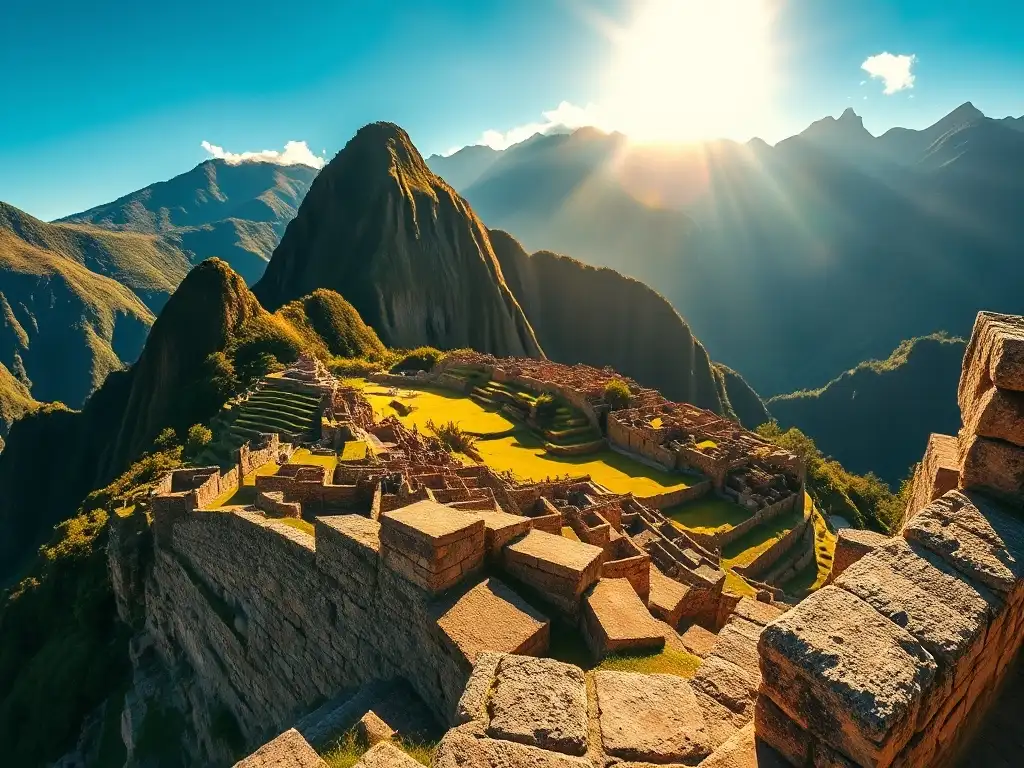
Welcome to Andean Civilizations, where the echoes of a lost world whisper secrets of ingenuity and survival. Prepare to be captivated by the breathtaking artistry and remarkable achievements of ancient Andean cultures. But first, consider this: how did the Incas build structures that have withstood centuries of earthquakes and the relentless march of time? Discover the answers and explore stunning examples of Inca architecture resilience within our exploration of the Inca Empire – a testament to human resilience and architectural brilliance. Journey with us to uncover the mysteries...
The Inca Empire, a civilization that flourished in the Andes Mountains from the 15th to the 16th century, left behind a remarkable legacy of architectural achievements. Their structures, built without mortar and using sophisticated techniques adapted to the challenging Andean terrain, stand as testaments to their ingenuity and understanding of engineering principles.
This article delves into the remarkable resilience of Inca architecture, exploring the strategies employed by Inca builders to create structures that have withstood the test of time, earthquakes, and the ravages of weather. We will examine specific examples showcasing their mastery of construction, highlighting the key elements that contributed to the longevity and durability of their buildings, making it a prime example for modern sustainable building practices.
Understanding the resilience of Inca architecture offers valuable insights into sustainable construction methods and provides a compelling case study for contemporary architects and engineers seeking to build more resilient structures in challenging environments. We will explore how their innovative techniques continue to inspire modern architectural design and disaster resilience strategies.
Mastering the Art of Stonework: Precision and Adaptability
Inca masons were masters of their craft. Their stonework, characterized by its precision and adaptability, is a key factor in the resilience of their structures. They employed a technique known as ashlar masonry, meticulously fitting stones together without mortar. This involved shaping stones with incredible accuracy, creating interlocking joints that provided exceptional stability.
The precision is astonishing; in many cases, stones fit together so tightly that a knife blade cannot be inserted between them. Furthermore, the Incas adapted their techniques to the specific geological conditions of each site. They used locally sourced stones, understanding the properties of different rocks and selecting the most suitable materials for the intended structure.
This localized approach not only ensured structural integrity but also minimized environmental impact. The careful selection and precise fitting of stones allowed Inca structures to withstand seismic activity far better than many modern structures built with mortar. This is a crucial aspect of Inca architecture resilience examples.
Seismic Design: Adapting to Earthquake-Prone Regions
The Andes Mountains are a highly seismic zone. The Incas, acutely aware of this, incorporated ingenious seismic design principles into their architecture. Their buildings were not only incredibly strong but also flexible, capable of withstanding significant ground movement. Several techniques were employed to achieve this. One notable example is the use of irregular stone shapes and varying stone sizes.
This prevented the transfer of seismic energy throughout the structure, acting as a shock absorber. Additionally, the Incas often built structures on multiple levels, incorporating terraces and retaining walls to reduce the impact of ground shaking. The incorporation of these features into their designs significantly enhanced the resilience of their buildings, allowing them to survive countless earthquakes over centuries. The Inca's understanding of seismic forces and their innovative solutions are a testament to their advanced knowledge of engineering and a powerful example of Inca architecture resilience.
Case Studies: Examples of Inca Architectural Resilience
Several Inca structures continue to stand as powerful examples of their architectural resilience. The impressive walls of Sacsayhuamán, near Cusco, are a testament to the Incas' mastery of stonework and seismic design. The massive stones, some weighing several tons, are intricately fitted together, showcasing their remarkable precision and skill. Similarly, the ruins of Machu Picchu, perched high in the Andes, remain largely intact despite their location in a seismically active region.
The resilient nature of these structures demonstrates the effectiveness of Inca architectural techniques in mitigating the effects of earthquakes and weathering. These sites serve not only as tourist attractions but also as invaluable sources of information for modern architects and engineers seeking to improve the seismic resilience of their designs. These Inca architecture resilience examples provide a rich source of inspiration for sustainable building practices in seismically active regions.
Lessons for Modern Architecture: Sustainable Practices and Resilience
The resilience of Inca architecture offers valuable lessons for modern construction. Their sustainable practices, characterized by the use of local materials and ingenious design solutions, are particularly relevant in the context of climate change and increasing seismic activity. By studying Inca techniques, modern architects and engineers can develop more sustainable and resilient structures that minimize environmental impact and withstand natural disasters.
The precision of their stonework, their understanding of seismic forces, and their adaptability to diverse environments provide a model for building in challenging conditions. The emphasis on local materials and the lack of reliance on unsustainable construction practices offer valuable insights into creating environmentally responsible and resilient buildings for the future. The study of Inca architecture resilience examples offers a rich tapestry of insights into creating more sustainable and resilient urban environments.
- Mastering the Art of Stonework: Precision and Adaptability
- Seismic Design: Adapting to Earthquake-Prone Regions
- Case Studies: Examples of Inca Architectural Resilience
- Lessons for Modern Architecture: Sustainable Practices and Resilience
The Enduring Legacy of Inca Construction: An Introduction to Resilience
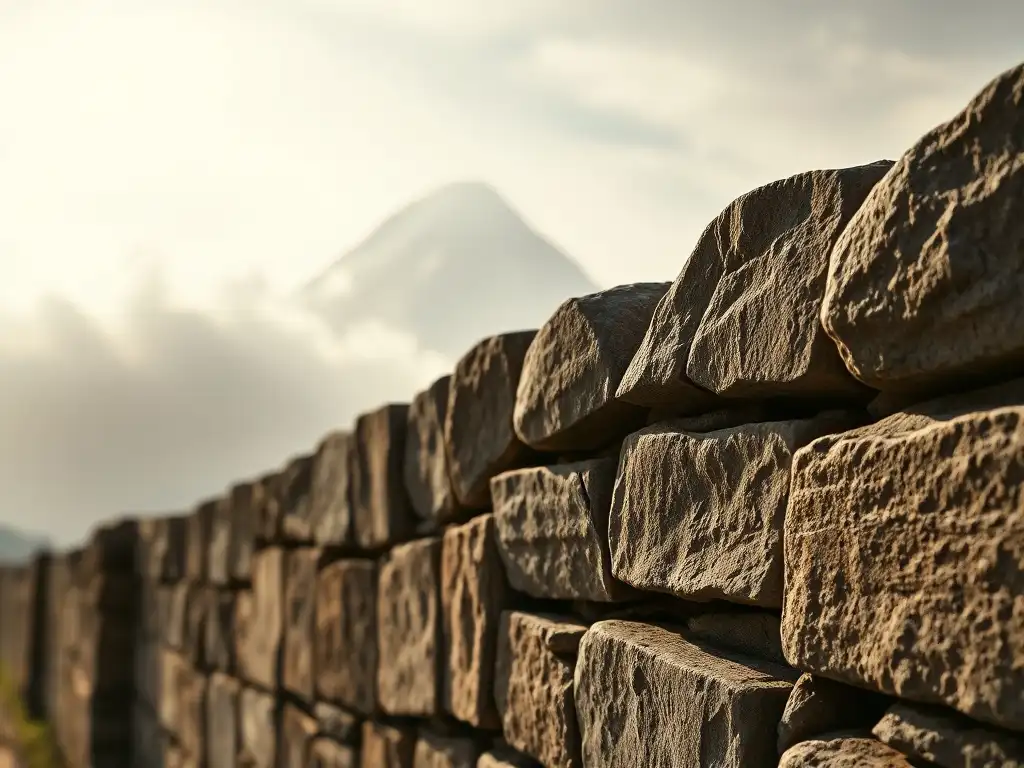
The Inca Empire, despite lacking advanced tools and technologies compared to other contemporaneous civilizations, left behind a remarkable architectural legacy. Their structures, built across diverse and challenging Andean terrains, stand as testaments to their sophisticated understanding of engineering, materials science, and, crucially, resilience. This section explores the key principles behind the longevity of Inca architecture, focusing on how their buildings not only survived but thrived in the face of earthquakes, floods, and the relentless wear and tear of time.
Examining Inca architecture resilience examples reveals a fascinating interplay of ingenuity and adaptation that continues to inspire awe and study today. We'll delve into the specific techniques employed and analyze how these strategies contributed to the exceptional durability of their constructions, showcasing the remarkable achievements of Inca builders.
The ingenuity displayed in their designs offers valuable insights into sustainable construction practices even today. Understanding the resilience inherent in Inca architecture is key to appreciating the full scope of their technological and cultural advancements.
Understanding Inca Architectural Principles of Durability
Inca builders mastered the art of adapting their architectural techniques to the specific environmental challenges of their diverse empire. Their understanding of local geology played a crucial role in their success. For instance, the choice of building materials was carefully considered. They skillfully utilized readily available resources, such as stone, adobe, and wood, selecting materials best suited to the local climate and geological conditions.
The meticulous selection of stone, often fitted together without mortar, exemplifies their mastery of dry-stone construction. This technique, while seemingly simple, required exceptional precision and skill, resulting in structures remarkably resistant to seismic activity. Furthermore, their use of interlocking stones, often shaped to fit together perfectly, significantly enhanced the stability and strength of their buildings. This "puzzle-like" precision minimized the need for mortar, making the structures even more resistant to earthquakes.
The Inca's understanding of weight distribution and load-bearing also contributed significantly to the longevity of their structures. Consider the impressive terraces carved into hillsides: these weren't merely aesthetic features; they were carefully engineered to prevent soil erosion and landslides, showcasing a deep understanding of environmental forces. The incorporation of drainage systems further minimized the impact of water damage, a significant factor in the decay of many structures.
The Significance of Inca Engineering in Long-lasting Structures
The longevity of Inca structures isn't solely attributable to material selection and construction techniques; it also reflects a sophisticated understanding of engineering principles. The incorporation of seismic-resistant features in their designs is particularly noteworthy. The use of interlocking stones, as mentioned previously, significantly improved their ability to withstand earthquakes. The relatively low height of many structures, combined with their broad bases, further enhanced their stability. Moreover, the use of flexible foundations, often composed of layers of different materials, allowed the structures to absorb seismic energy more effectively.
These foundations acted as shock absorbers, reducing the impact of tremors. The strategic placement of buildings, often on stable bedrock and taking into account the slope and orientation of the land, also contributed significantly to their overall stability. Furthermore, the Inca employed advanced techniques in stone cutting and shaping, creating remarkably precise fits between stones. This precision reduced stress points and improved the overall structural integrity of the buildings.
Their mastery of this technique is exemplified in the intricate stonework found in sites like Machu Picchu and Sacsayhuamán. The resilience of Inca architecture, therefore, reflects a holistic approach to design and construction, integrating material science, engineering principles, and a deep understanding of the environment. The resulting structures serve as powerful Inca architecture resilience examples, showcasing the ingenuity and foresight of Inca engineers. The legacy of their accomplishments continues to inspire modern architects and engineers seeking sustainable and resilient building solutions.
Inca Stone Masonry: A Testament to Structural Strength
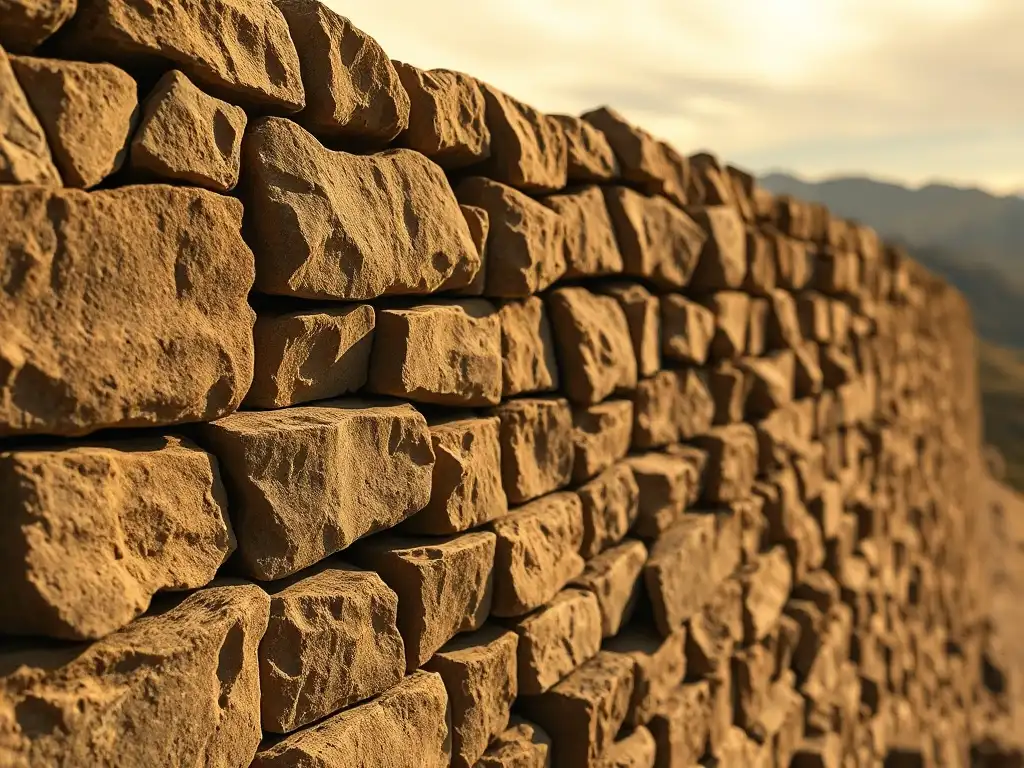
Inca architecture stands as a remarkable example of resilience, having withstood the test of time and numerous seismic events. A crucial element contributing to this longevity is their mastery of stone masonry techniques. The Inca's understanding of structural engineering, particularly their innovative approaches to stonework, allowed them to create buildings that not only withstood the harsh Andean environment but also proved remarkably resistant to earthquakes, a frequent occurrence in the region.
This section delves into the specific techniques employed, highlighting the ingenuity and precision that underpinned Inca architectural resilience. Understanding these methods offers valuable insights into the impressive engineering capabilities of this ancient civilization, providing compelling examples of Inca architecture resilience.
The Art of Ashlar Masonry and its Resistance to Earthquakes
The Inca's signature style, ashlar masonry, involved meticulously shaping and fitting large, precisely cut stones without the use of mortar. These stones, often polygonal in shape, were fitted together with such accuracy that a knife blade could not be inserted between them. This technique, far from being merely aesthetically pleasing, was crucial for seismic resistance. The interlocking nature of the stones distributed seismic forces effectively, preventing the collapse of walls during earthquakes.
The absence of mortar further enhanced this resilience. Mortar, while providing initial strength, can become brittle over time and fail under stress, whereas the tightly fitted stones maintained their integrity even after centuries of exposure to the elements and tectonic activity. Analysis of surviving Inca structures reveals minimal damage from earthquakes, a testament to the effectiveness of their ashlar masonry methods. This showcases the remarkable foresight and engineering skill embedded in Inca architecture resilience examples.
Precision Cutting and Fitting: Minimizing Weak Points in Inca Walls
The precision of Inca stone cutting was unparalleled. Stones were shaped to fit perfectly together, creating a strong, interconnected structure with minimal weak points. This level of accuracy wasn't just about aesthetics; it was fundamental to the structural integrity of the buildings. Any gaps or inconsistencies would have created points of vulnerability, particularly during earthquakes.
The Inca masons achieved this incredible precision using stone tools, a feat that highlights their advanced understanding of geometry and engineering. Studies of Inca stonework have shown an astonishing degree of accuracy, with stones often fitting together with tolerances of less than a millimeter. This attention to detail significantly contributed to the buildings' ability to absorb seismic energy and remain standing. The meticulous nature of this process is a key factor in understanding the long-term resilience of Inca architecture.
The Use of Mortar-less Techniques in Inca Building
The absence of mortar in much of Inca construction is a defining characteristic, and a key aspect of its resilience. While mortar can provide initial bonding strength, it can also create weaknesses. During an earthquake, mortar can crack or crumble, potentially leading to wall collapse. The Inca, however, expertly avoided this problem by employing incredibly precise stone fitting. The interlocking nature of the stones, combined with their weight and the overall design of the structures, provided sufficient stability without the need for mortar. This approach proved remarkably effective in withstanding seismic activity, allowing Inca structures to survive for centuries. The decision to forgo mortar was not a matter of lacking the technology; it was a deliberate engineering choice that prioritized long-term structural integrity and exemplifies the impressive level of sophistication in Inca architecture resilience. Indeed, this choice represents one of the most fascinating and successful examples of Inca architecture resilience.
Examples of Inca Architecture Resilience: Key Case Studies
This section delves into specific examples showcasing the remarkable resilience of Inca architecture, highlighting their innovative techniques and the enduring legacy of their structures. We will examine how Inca builders skillfully integrated their constructions with the challenging Andean environment, demonstrating an impressive understanding of engineering principles and a deep respect for the landscape. Understanding these examples offers valuable insights into the ingenuity and foresight of Inca architects, providing compelling evidence for the keyword "Inca architecture resilience examples".
Sacsayhuamán: Analyzing the Fortifications' Earthquake Resistance
Sacsayhuamán, located near Cusco, stands as a testament to Inca mastery of stonework and seismic engineering. Its cyclopean walls, constructed from massive, precisely fitted stones, are a marvel of engineering. The impressive size and weight of these stones, some weighing over 100 tons, contribute significantly to the structure's stability and resistance to seismic activity. The ingenious interlocking system, without the use of mortar, allows the walls to absorb and distribute seismic energy, minimizing damage during earthquakes.
The irregular shapes and sizes of the stones further enhance the structure's resilience. This irregular fitting, rather than hindering stability, actually improves its ability to withstand ground movement. Studies have shown that the walls' ability to flex and absorb seismic forces is superior to many modern construction methods. This is a prime example of how Inca builders anticipated and mitigated seismic risks, a crucial aspect of their architectural philosophy. The impressive survival of Sacsayhuamán through centuries of earthquakes underscores the effectiveness of their techniques and provides compelling evidence for the keyword "Inca architecture resilience examples".
Machu Picchu: Demonstrating Adaptability to Mountainous Terrain
Machu Picchu, the iconic "Lost City of the Incas," showcases remarkable adaptability to its challenging mountainous terrain. The city's construction is seamlessly integrated into the landscape, demonstrating a deep understanding of topography and its influence on structural integrity. The terraces, meticulously carved into the mountainside, not only provided agricultural land but also served as a crucial element in stabilizing the slopes and preventing erosion.
The precise placement of buildings, taking advantage of natural features like rock formations and slopes, further minimized the impact of environmental forces. The use of local materials, such as granite and andesite, ensured structural integrity while minimizing the environmental impact.
Machu Picchu's enduring presence on a steep, unstable mountainside is a striking example of Inca architects’ ability to harmonize construction with the natural environment, proving the resilience of their approach and providing a strong example for the keyword "Inca architecture resilience examples". The city's survival through centuries of weathering and geological activity speaks volumes about the sophistication of Inca architectural techniques.
Ollantaytambo: A Showcase of Inca Engineering and Water Management
Ollantaytambo, a significant Inca fortress and agricultural center, exemplifies the sophisticated water management systems crucial for the resilience of Inca settlements. The intricate network of canals and irrigation channels, carved into the stone, efficiently diverted water from mountain streams to irrigate the agricultural terraces. This system not only ensured a reliable water supply for agriculture but also played a vital role in erosion control and slope stabilization.
The precise alignment of canals and their integration with the architectural structures demonstrates a high level of planning and engineering skill. The system's resilience is evident in its ability to withstand heavy rainfall and prevent flooding, ensuring the long-term viability of the settlement. The remarkable preservation of Ollantaytambo's water management systems further reinforces the Inca's understanding of environmental dynamics and their ability to create sustainable and resilient settlements.
This provides another powerful example for the keyword "Inca architecture resilience examples" and highlights the interplay between architectural design and environmental sustainability in Inca civilization. The enduring legacy of Ollantaytambo’s water systems serves as a testament to the ingenuity and foresight of Inca engineers.
Inca Architectural Adaptations to Environmental Challenges
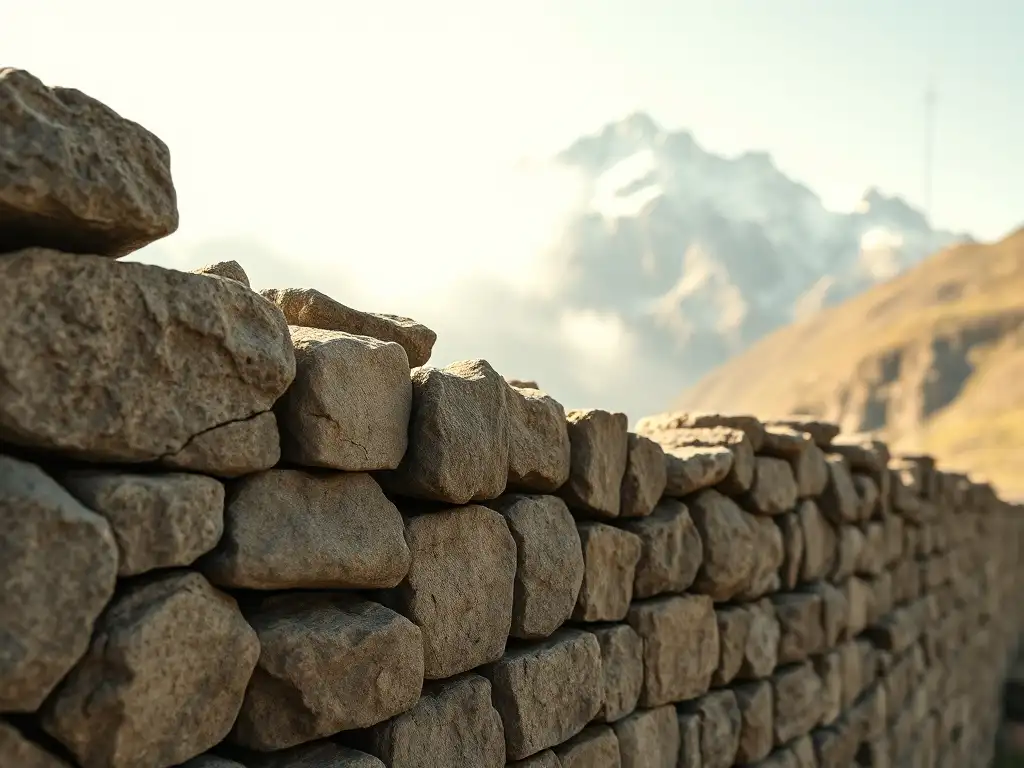
The Inca Empire, renowned for its vast expanse and sophisticated societal structures, also demonstrated remarkable ingenuity in its architecture. Inca architecture resilience examples abound, showcasing a deep understanding of environmental factors and a commitment to building structures that could withstand the considerable challenges presented by the Andes Mountains. This section will explore some key adaptations employed by Inca builders to ensure the longevity and stability of their impressive constructions.
The Inca's success wasn't solely about aesthetic appeal; it was a testament to their practical knowledge and ability to adapt building techniques to the unique demands of their environment. Their mastery of engineering and architectural principles continues to inspire awe and wonder even today.
Designing for Seismic Activity: Inca Earthquake-Resistant Techniques
The Andes are a highly seismic region, prone to frequent and powerful earthquakes. The Inca's response to this constant threat was not to avoid building in vulnerable areas, but to develop innovative techniques to mitigate earthquake damage. Their mastery of earthquake-resistant design is a significant aspect of Inca architecture resilience examples.
Several key strategies were employed:
- Flexible Foundations: Instead of rigid foundations, Inca builders often used shallow, wide foundations made of stone, allowing the structures to absorb seismic waves more effectively. This minimized the risk of the structure collapsing during an earthquake. This differed significantly from many European building practices of the time which emphasized deep, rigid foundations.
- Ashlar Masonry: The precise cutting and fitting of stones (ashlar masonry) created incredibly strong and stable walls. The stones were carefully shaped to interlock tightly, forming a structure that acted as a single unit, resisting the stress of ground movement. The use of minimal mortar further enhanced the flexibility of the structure.
- Sloping Walls: Many Inca structures feature slightly sloping walls. This subtle design element further aided in dissipating seismic energy, preventing the building from toppling. The inclination acted as a natural shock absorber.
- Use of smaller stones in higher levels: Analyzing several Inca structures reveals a pattern of using progressively smaller stones as the buildings got taller. This technique helped to reduce weight at higher levels, thus lowering the center of gravity and enhancing stability.
The effectiveness of these techniques is evident in the survival of numerous Inca structures that have withstood centuries of seismic activity. Their approach serves as a valuable lesson in earthquake-resistant design, even influencing modern construction practices. Understanding these techniques provides valuable insight into Inca architecture resilience examples and their sophisticated engineering capabilities.
Adapting to Diverse Climates: Inca Building Materials and Methods
The Inca Empire spanned diverse climates, from arid deserts to high-altitude plains. The Inca's architectural prowess is reflected in their ability to adapt their building materials and methods to these varying conditions. Their resourcefulness and attention to detail are hallmarks of Inca architecture resilience examples.
- Stone Selection: The choice of stone varied depending on the local geology and climate. In areas with readily available stone, they utilized it extensively, selecting stones suited for their specific purpose. For example, harder stones were chosen for load-bearing walls, while softer stones might be used for interior walls.
- Mortar Use: While some structures used minimal mortar, others utilized a sophisticated mortar made from lime, sand, and other materials. This mortar varied in composition based on local resources and the specific requirements of the structure. It contributed significantly to the overall strength and durability of the buildings.
- Thatch and Adobe: In warmer, lower-altitude regions, the Inca used materials like adobe (sun-dried mud bricks) and thatch for roofing and less load-bearing walls. These materials were readily available and well-suited to the climate.
- Thermal properties: Many Inca buildings demonstrated an understanding of thermal properties. Thick walls and specific stone types helped to regulate indoor temperatures, keeping buildings cool in the summer and warm in the winter, maximizing comfort and demonstrating impressive knowledge of environmental engineering.
The Inca's flexible approach to building materials ensured that their structures were not only aesthetically pleasing but also functionally appropriate for their specific environments. This adaptability is a crucial element in understanding Inca architecture resilience examples.
Managing Water Resources: Inca Irrigation and Drainage Systems
Water management was crucial for the Inca civilization, particularly given the arid conditions in many parts of their empire. Their sophisticated irrigation and drainage systems are a testament to their engineering skills and are key examples of Inca architecture resilience examples. These systems were not merely functional; they were integral to the overall design and longevity of Inca settlements.
- Terracing: Terracing was a vital technique used to create level agricultural land on steep slopes. These terraces not only increased arable land but also prevented soil erosion and regulated water flow. The precision and scale of Inca terracing remains impressive.
- Canals and Aqueducts: The Inca constructed elaborate canal and aqueduct systems to transport water from sources to agricultural fields and settlements. These systems were often built across challenging terrain, demonstrating a masterful understanding of hydraulic engineering. Many of these systems were remarkably durable, continuing to function for centuries.
- Drainage Systems: Inca cities and structures incorporated efficient drainage systems to prevent water damage. Stone channels and carefully graded surfaces directed rainwater away from buildings, protecting them from erosion and structural damage.
- Water storage: The Inca also developed sophisticated systems for storing water, including reservoirs and cisterns. These systems were crucial for ensuring a reliable water supply during dry periods.
The Inca's sophisticated water management systems were crucial for the sustainability of their settlements and agriculture. These systems demonstrate a deep understanding of hydrology and engineering and represent another facet of Inca architecture resilience examples. Their ingenuity in managing water resources not only ensured food security but also contributed to the longevity and stability of their empire.
The Longevity of Inca Structures: Factors Contributing to their Survival
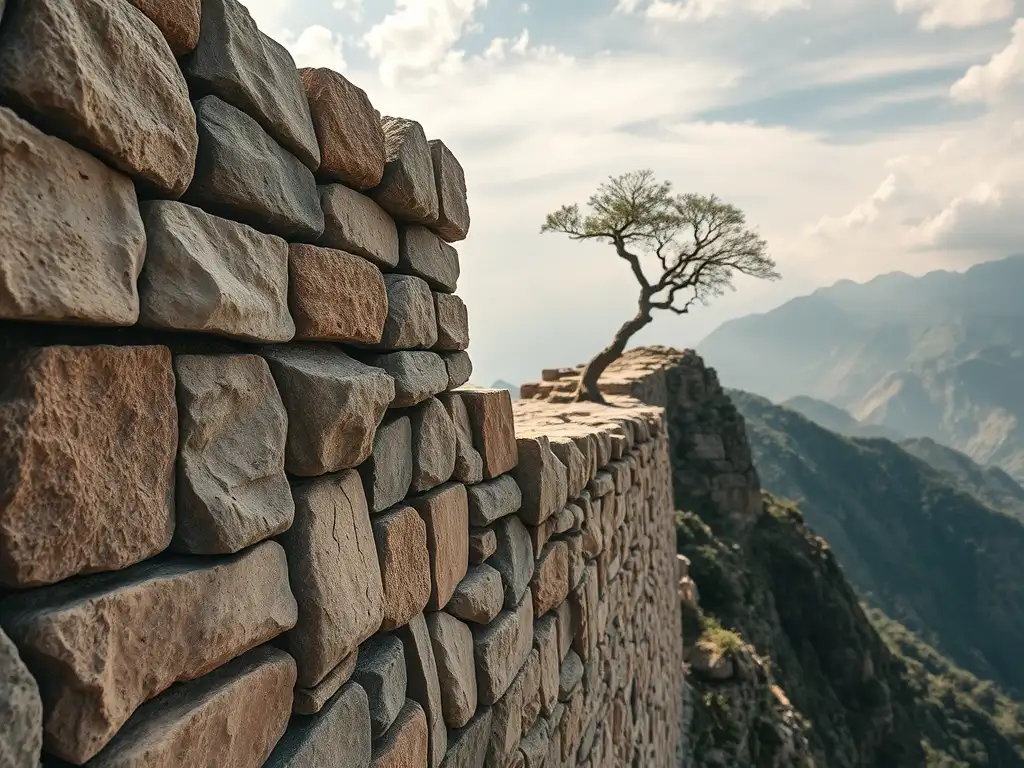
The remarkable survival of numerous Inca structures across the Andes Mountains, despite centuries of exposure to harsh environmental conditions, is a testament to the ingenuity and foresight of Inca engineers and builders. Their success wasn't merely due to luck; rather, it stemmed from a sophisticated understanding of materials science, construction techniques, and urban planning principles, all geared towards creating resilient infrastructure. Examining these factors reveals the key elements behind the enduring legacy of Inca architecture, providing valuable insights for modern construction practices seeking similar levels of resilience.
This section will explore the crucial aspects of Inca architecture that contributed to its exceptional longevity, focusing on material selection, construction methods, and urban design. Understanding these factors offers a compelling case study in sustainable and resilient building practices. The keyword phrase "Inca architecture resilience examples" is directly addressed through the detailed analysis presented here.
The Selection of Durable Building Materials: Stone and Adobe
The Incas were masters of material selection, prioritizing durability and availability. Their primary building material was stone, meticulously chosen for its strength and resistance to weathering. Different types of stone were employed depending on their availability and intended use. For instance, harder, more resistant stones were selected for foundations and load-bearing walls, while softer stones might be used for less critical structural elements. This careful selection ensured optimal structural performance and minimized the impact of seismic activity, a significant factor in the Andean region.
Beyond stone, the Incas skillfully utilized adobe, a sun-dried brick made from clay and other natural materials. While seemingly less robust than stone, adobe proved exceptionally effective in certain applications, particularly in less demanding structural areas. The careful preparation of the adobe mixture, often incorporating organic materials to improve its strength and cohesion, contributed to its longevity. The use of both stone and adobe showcases the Incas' pragmatic approach to material selection, optimizing material choices based on specific needs and environmental conditions, a key aspect of Inca architecture resilience.
Inca Construction Techniques: Ensuring Stability and Longevity
Inca construction techniques were as impressive as their material choices. The precise fitting of stones, often without mortar, exemplifies their advanced understanding of engineering principles. The technique known as ashlar masonry, which involved precisely cutting and shaping stones to fit together tightly, created incredibly strong and stable structures. This intricate approach minimized the need for mortar, making the structures exceptionally resilient to earthquakes and other natural disasters. Furthermore, the use of interlocking stones, often fitted together with such precision that a knife blade couldn't be inserted between them, further enhanced the structural integrity of Inca buildings.
The strategic use of seismic techniques is another remarkable aspect of Inca construction. Many Inca structures incorporated features designed to absorb seismic energy and prevent collapse during earthquakes. Examples include the use of flexible foundations, allowing the structures to sway with the ground movement, and the incorporation of internal bracing elements that helped to distribute stress throughout the building. This sophisticated approach to earthquake-resistant design is a critical element in understanding the resilience of Inca architecture.
The Influence of Inca Urban Planning on Structural Integrity
Inca urban planning played a crucial role in ensuring the longevity of their structures. The strategic location of cities and buildings, often on relatively stable ground and taking advantage of natural features, minimized the impact of environmental hazards. The integration of drainage systems and other infrastructure elements also played a critical role in protecting buildings from erosion and water damage. The thoughtful consideration of these factors highlights the holistic approach to resilience embedded in Inca urban design.
Furthermore, the design of Inca cities often incorporated elements that promoted natural ventilation and sunlight penetration, helping to regulate internal temperatures and minimize the deterioration of building materials. This attention to detail, combining structural engineering with environmental considerations, greatly enhanced the long-term survival of Inca buildings.
The thoughtful integration of these elements, from careful material selection to sophisticated construction techniques and strategic urban planning, provides a compelling example of architectural resilience that continues to inspire modern engineers and builders. The longevity of Inca structures serves as a powerful testament to their advanced understanding of engineering principles and their commitment to creating resilient, sustainable infrastructure.
Inca Architecture and Resilience: Lessons for Modern Construction
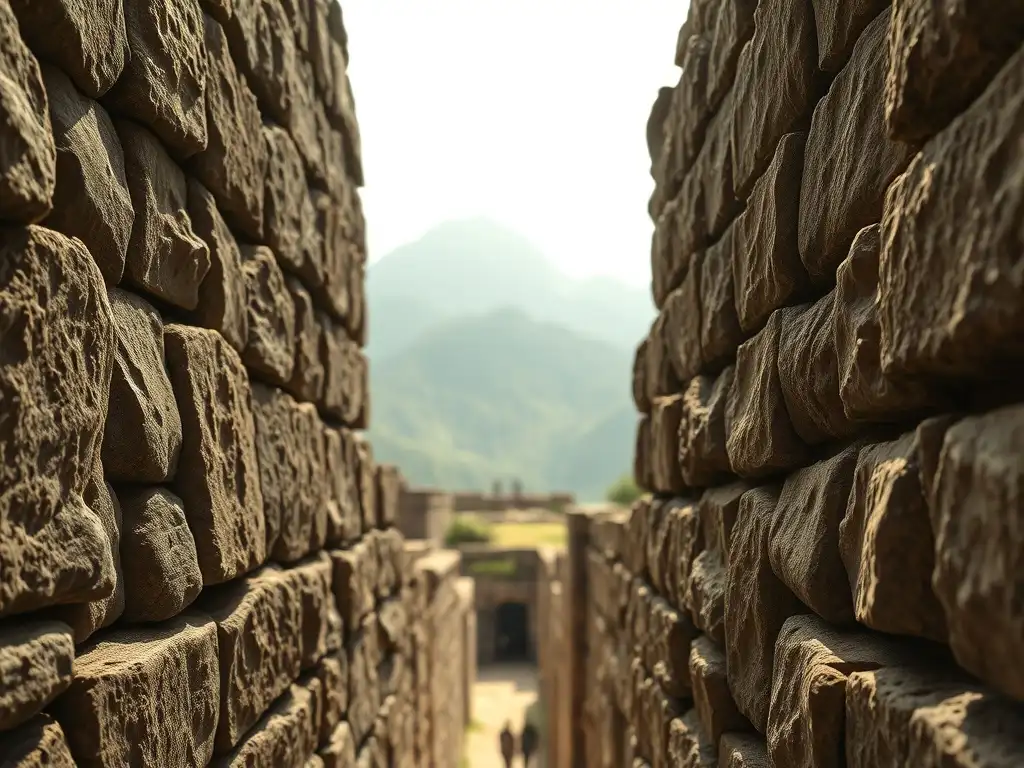
The Inca Empire, renowned for its vast territorial expanse and sophisticated social structures, also left behind a remarkable legacy in architecture. Their structures, built without mortar, often in challenging mountainous terrains, stand as testaments to their ingenuity and understanding of engineering principles. The resilience of Inca architecture, even after centuries of exposure to earthquakes, erosion, and the ravages of time, offers invaluable lessons for modern construction practices.
Examining the specific techniques employed by Inca builders provides insights into achieving greater sustainability and structural integrity in contemporary building projects. Understanding the underlying principles behind their success allows us to move beyond mere imitation and develop truly innovative approaches to building design and construction, directly addressing the keyword "Inca architecture resilience examples".
Inca Principles of Stability and their Relevance Today
Inca builders mastered the art of utilizing readily available materials in innovative ways. Their mastery of dry-stone masonry, a technique that involved fitting stones together without mortar, is particularly noteworthy. This wasn't simply a matter of haphazard placement; it involved meticulous planning and precise execution. Stones were carefully selected for their shape and size, creating interlocking patterns that distributed weight effectively and enhanced the overall stability of the structure. This approach minimized the need for additional materials, reducing environmental impact and cost.
Furthermore, the Incas’ understanding of gravity and load distribution was exceptionally advanced. They strategically incorporated features like stepped foundations and buttresses to further enhance stability, particularly crucial given the seismic activity common in the Andes. These techniques, though seemingly simple, are highly effective in mitigating the effects of earthquakes. Modern engineers are now revisiting these principles, incorporating them into earthquake-resistant building designs. For example, the use of interlocking blocks in modern construction, coupled with flexible foundations inspired by Inca techniques, is gaining traction as a sustainable and effective approach to seismic resilience.
Consider the impressive ruins of Machu Picchu. The intricate stonework, the carefully graded terraces, and the integration of the structures with the surrounding landscape all speak to a profound understanding of engineering principles. These elements, combined, showcase the Inca's ability to create incredibly resilient structures capable of withstanding the test of time and the forces of nature. Their ability to build stable structures on steep slopes is particularly impressive, showcasing a deep understanding of geotechnical engineering principles.
Sustainable Building Practices Inspired by Inca Engineering
The Inca's approach to construction was inherently sustainable. Their use of locally sourced materials minimized transportation costs and environmental impact. The preference for stone, a readily available and durable resource in the Andean region, demonstrates an understanding of resource management that remains relevant today. Moreover, the longevity of Inca structures highlights the economic benefits of building durable, long-lasting structures.
The minimal environmental impact of Inca building techniques is another crucial aspect of their sustainability. Unlike modern construction, which often relies on energy-intensive materials and processes, Inca construction was relatively low-impact. This resonates strongly with contemporary efforts to reduce the carbon footprint of the construction industry. The emphasis on using readily available materials, minimizing waste, and constructing structures that integrated seamlessly with the landscape represents a model of sustainable construction that we can learn from.
The Inca's use of recycled materials also deserves mention. While not extensively documented, evidence suggests that they repurposed existing stones and structures when possible, reducing the need for new materials and minimizing waste. This practice aligns with the principles of circular economy and resource efficiency, highlighting the foresight and practicality of their construction methods.
The Importance of Understanding Historical Building Techniques
Studying Inca architecture offers more than just aesthetic appreciation; it provides crucial insights into sustainable and resilient building practices. By understanding the principles behind their success, modern engineers and architects can develop innovative approaches to building design and construction. The Inca's mastery of dry-stone masonry, their understanding of gravity and load distribution, and their emphasis on sustainable materials and techniques provide valuable lessons for contemporary building projects. Further research into these techniques could unlock even more innovative solutions to the challenges of modern construction, particularly in earthquake-prone regions.
The study of Inca architecture is not simply an exercise in historical analysis; it’s a vital tool for improving modern construction practices. By integrating aspects of Inca engineering into contemporary designs, we can create more sustainable, resilient, and environmentally friendly buildings. The continued exploration and application of Inca knowledge promises to significantly enhance the long-term viability and safety of our built environment.
This understanding is crucial for developing effective strategies to address the challenges of climate change and ensure the long-term sustainability of our infrastructure. This is a rich field of study, and further research will undoubtedly reveal even more valuable insights into the resilience of Inca architecture and its implications for modern construction.
Conclusion: The Enduring Power of Inca Architecture Resilience
The ingenuity of Inca architecture is undeniable. Their structures, built without mortar and employing sophisticated techniques, stand as testaments to a deep understanding of engineering principles and a remarkable ability to adapt to challenging environments. This section explores the synthesis of art, engineering, and resilience that defined Inca architectural mastery and considers the continued relevance of their construction principles in contemporary building practices.
The resilience of Inca architecture, exemplified by structures that have withstood centuries of earthquakes, erosion, and human intervention, offers valuable lessons for modern builders striving for sustainability and longevity in their designs. The keyword phrase "Inca architecture resilience examples" highlights the enduring legacy of this remarkable civilization.
Inca Architectural Mastery: A Synthesis of Art, Engineering, and Resilience
Inca architecture wasn't merely functional; it was a powerful expression of cultural identity. The precision of their stonework, the harmonious integration with the landscape, and the symbolic significance of their structures all contribute to their enduring appeal. Consider, for example, the meticulous fitting of stones in structures like Sacsayhuamán, near Cusco. The precision is such that a knife blade cannot be inserted between many of the stones – a feat of engineering achieved without the use of mortar or advanced machinery.
This level of precision speaks volumes about the Inca's mastery of stone cutting and placement techniques. Their understanding of seismic activity is also evident; many Inca structures incorporated features designed to absorb seismic energy, significantly enhancing their resilience against earthquakes. This is not just about engineering; it's about a deep understanding of the environment and a commitment to building structures capable of withstanding the forces of nature.
The incorporation of earthquake-resistant techniques, such as interlocking stones and strategically placed foundations, showcases a sophisticated understanding of structural mechanics far ahead of its time. This combined artistic expression with resilient engineering is a key element that makes Inca architecture so unique and enduring. Examples of this are plentiful throughout the Andes, showcasing the consistent application of these principles across diverse geographical locations and climatic conditions.
The Continued Relevance of Inca Construction Principles Today
The principles underlying Inca architecture continue to hold relevance today. In a world increasingly concerned with sustainable building practices and climate change resilience, studying Inca techniques offers valuable insights. Their use of locally sourced materials, minimizing environmental impact, is a lesson in sustainable construction. Moreover, their innovative approaches to earthquake-resistant design provide a blueprint for modern architects and engineers seeking to build structures capable of withstanding seismic activity.
The Inca’s ability to construct durable structures with minimal environmental impact is particularly relevant in modern society, where sustainable building is increasingly important. The study of Inca architecture can inspire architects and engineers to develop more sustainable and resilient structures for the future. Modern building practices can learn from the Inca's focus on utilizing readily available materials, minimizing waste, and creating structures that are both aesthetically pleasing and incredibly durable. Their methods offer a compelling example of how effective design can enhance a building's longevity and reduce its environmental footprint.
This focus on sustainable and resilient design, inherent in Inca architecture, provides a valuable model for contemporary construction. The application of these principles could significantly improve the longevity and environmental sustainability of modern structures. Indeed, some modern architects are already incorporating aspects of Inca construction techniques into their designs, highlighting the timeless value of this ancient knowledge. The enduring legacy of Inca architecture offers a wealth of knowledge that can continue to inform and inspire future generations of builders.
Frequently Asked Questions
What makes Inca architecture so resilient?
Inca architecture's resilience stems from its innovative building techniques. They utilized precise stonework, interlocking blocks, and adaptability to diverse terrains, resulting in structures that withstood earthquakes and the test of time.
Can you give examples of resilient Inca architecture?
Yes! Machu Picchu, with its intricate stonework and mountainside integration, is a prime example. Other resilient structures include Sacsayhuamán's impressive fortress walls and numerous well-preserved temples and urban centers.
How did the Incas adapt their architecture to different environments?
The Incas showed remarkable adaptability. They employed different building materials and techniques depending on the local climate and geography. This ensured structures were optimized for their specific environment.
What role did stonework play in Inca architectural resilience?
Precise stonework was crucial. Incas expertly cut and fitted stones without mortar, creating incredibly strong and stable structures capable of withstanding seismic activity. This dry-stone masonry is a testament to their skill.
What can modern architecture learn from Inca resilience strategies?
Modern architects can learn from the Incas' emphasis on sustainability, adaptability, and integration with the environment. Their use of locally sourced materials and earthquake-resistant techniques provides valuable lessons for contemporary building practices.
Final Reflection: Echoes of Stone, Lessons in Resilience
The ingenuity of Inca architecture continues to resonate today, a powerful testament to the ability of human innovation to overcome seemingly insurmountable challenges. Their mastery of stonework, their understanding of seismic activity, and their profound connection to their environment offer invaluable lessons for sustainable design and disaster preparedness in a world increasingly threatened by climate change and natural disasters. The precision and durability of their structures stand as a stark reminder of what is possible when human ingenuity and environmental awareness are combined.
The enduring legacy of Inca architecture extends far beyond its physical presence; it speaks to a deeper cultural understanding of harmony with nature and the importance of community in the face of adversity. Their sophisticated building techniques, often employing locally sourced materials and adapting to the unique topography of the Andes, represent a holistic approach to construction that we can learn from today. The mountains are our teachers,
a Quechua proverb reminds us, highlighting the profound connection between the Inca people and their environment, a connection reflected in the very fabric of their cities. This symbiotic relationship offers a powerful counterpoint to our often exploitative relationship with the natural world.
Consider the breathtaking precision of Machu Picchu, the ingenuity of terraced farming, and the sheer scale of their road networks. These are not merely historical artifacts; they are blueprints for a more sustainable future. You, the reader, are now equipped with a deeper understanding of Inca resilience. Let this knowledge inspire you to seek innovative solutions to the challenges we face, to build with respect for the environment, and to foster communities that are both strong and sustainable. Let the echoes of stone inspire your own journey towards a more resilient future.
**Embrace Resilience: Build Your Own Legacy Today! **
Thank you for exploring the fascinating world of Inca architecture and its remarkable resilience! You've discovered how these structures not only withstood the test of time but also offer valuable life lessons. Now, let's translate that knowledge into action.
- **Begin a personal project** that embodies resilience—perhaps a home renovation project, a collaborative community art piece, or a sustainable gardening initiative.
- **Share your progress** on social media! Use the hashtag #IncaInspired to connect with others who appreciate the strength of ancient architectures and their enduring relevance.
- **Engage your community**—organize a local walking tour showcasing historic buildings in your area and highlighting their stories of resilience.
As you move forward, consider this: *How can you create something lasting that reflects your values and endures the challenges of time? *