
The Failure of Colonial Policies: Igniting the Flames of Rebellion

Uncover the mysteries behind the breathtaking achievements of the Andean civilizations—from the intricate artistry of the Nazca lines to the sophisticated engineering of Machu Picchu. But what happens when empires clash? Dive into the heart of the Spanish Conquest and discover how flawed colonial policies fueled the explosive Andean colonial rebellion causes, igniting a fight for freedom that reshaped the very fabric of South America. Prepare to be captivated by a story of resilience, resistance, and the enduring legacy of a proud people.
The Spanish conquest of the Andes, while initially marked by military victories, was far from a complete subjugation. The imposition of colonial rule ignited a complex tapestry of resistance and rebellion, fueled by the inherent failures of Spanish colonial policies. This article delves into the crucial factors that contributed to the widespread Andean uprisings against Spanish dominance, focusing on the administrative failures and their devastating social and economic consequences.
Examining these causes reveals a deeper understanding of the resilience and agency of Andean societies in the face of brutal oppression, highlighting how systemic injustices and cultural insensitivity ultimately fueled the flames of rebellion. Understanding the "Andean colonial rebellion causes" is key to grasping the long and complex history of the region.
Introduction: Setting the Stage for Andean Resistance
The Spanish conquest of the Andes dramatically reshaped the social, economic, and political landscape. Pre-Columbian Andean societies, characterized by sophisticated organizational structures and complex social hierarchies (like the Inca Empire's intricate mita system), were forcibly integrated into a new colonial order. This transition was far from smooth.
The Spanish Crown, driven by the insatiable thirst for wealth extracted from gold and silver mines, implemented policies that systematically undermined existing Andean power structures and generated widespread resentment. This resentment, simmering beneath the surface of colonial society, eventually erupted into widespread rebellion. The seeds of these uprisings were sown in the very fabric of colonial administration.
The initial phases of conquest involved brutal violence and the destruction of existing social systems. The Inca Empire, at its zenith, possessed a highly organized administrative system, intricate road networks, and a sophisticated agricultural infrastructure. The Spanish conquest effectively dismantled these systems, replacing them with a structure designed to benefit the colonizers. This abrupt shift, combined with the imposition of unfamiliar religious beliefs and practices, created fertile ground for discontent and resistance. The imposition of forced labor, the encomienda system, and the devastating impact of disease all contributed to the widespread suffering that fueled the desire for rebellion.
Colonial Administration and its Impact on Andean Societies
The Spanish colonial administration, far from being a smoothly functioning machine, was plagued by inefficiency, corruption, and a profound lack of understanding of Andean societies. This administrative failure was a key factor in igniting the flames of rebellion.
| Aspect of Colonial Administration | Impact on Andean Societies | Evidence/Examples |
|---|---|---|
| Encomienda System | Exploitation of indigenous labor, leading to death and impoverishment. | Widespread accounts of brutal overwork in mines and on haciendas. [Specific data on mortality rates pending] |
| Tribute System | Economic drain on Andean communities, reinforcing poverty and inequality. | Records showing the exorbitant amounts of tribute demanded by Spanish authorities. [Specific examples of community impoverishment pending] |
| Religious Conversion | Suppression of indigenous religious practices and beliefs, leading to cultural loss and resentment. | Accounts of the destruction of religious sites and the forced conversion of indigenous populations. [Specific examples of religious suppression pending] |
| Inefficient Bureaucracy | Corruption and mismanagement leading to injustice and inequality. | Historical accounts of widespread corruption among colonial officials. [Specific cases of corruption and their consequences pending] |
The impact of these policies was devastating. The indigenous population suffered immensely from disease, forced labor, and the destruction of their traditional ways of life. This widespread suffering, coupled with the blatant injustices of the colonial system, created a powerful impetus for rebellion.
The resilience of Andean communities in the face of such oppression is a testament to their strength and determination. Their resistance, manifested in various forms from small-scale acts of defiance to large-scale uprisings, ultimately shaped the course of Andean history. Further research into specific rebellions and their causes will illuminate the full extent of Andean resistance to Spanish rule.
- Introduction: Setting the Stage for Andean Resistance
- Colonial Administration and its Impact on Andean Societies
- What were the main causes of Andean colonial rebellions?
- How did Spanish colonial policies contribute to the rebellions?
- Were there any specific events that triggered major Andean rebellions?
- What role did indigenous leadership play in these rebellions?
- How did the Andean rebellions impact the colonial system?
Economic Exploitation: Fueling Andean Colonial Rebellion Causes
The Spanish conquest of the Andes didn't simply involve military might; it was a systematic dismantling of existing Andean social structures and economic systems, ultimately fueling widespread resentment and rebellion. The colonial regime implemented policies designed for the extraction of wealth, leading to widespread impoverishment and the erosion of traditional ways of life. These exploitative practices became primary drivers of the Andean colonial rebellion causes, igniting the flames of resistance across various indigenous groups.
The sheer scale of economic injustice laid the groundwork for decades of conflict. Understanding these economic factors is crucial to grasping the depth and breadth of the Andean resistance movement.
The Mita System: Forced Labor and Resentment
The mita, a pre-Columbian system of labor reciprocity, was brutally transformed by the Spanish into a system of forced labor. While it had previously involved communal contributions to public works, the Spanish adapted it to serve their mining and agricultural interests. Indigenous communities were compelled to provide a quota of laborers for extended periods, often under horrific conditions in silver mines like Potosí.
The mortality rate was staggering, with many dying from exhaustion, disease, and malnutrition. This forced labor wasn't merely economic exploitation; it was a profound violation of human dignity, deeply resented by Andean communities. The mita system, far from being a productive economic engine for the Spanish crown, became a potent symbol of oppression and a major catalyst for rebellion.
The sheer brutality and inhumanity of its implementation directly contributed to the Andean colonial rebellion causes. Historians estimate that millions of indigenous people perished due to the brutal conditions imposed by the mita system.
Excessive Taxation: Burdening Indigenous Communities
Beyond forced labor, the Spanish imposed a crushing tax burden on Andean communities. These taxes, levied in the form of goods, labor, or cash, were often exorbitant and impossible to meet, especially given the destruction of existing economic systems and the widespread impoverishment caused by Spanish policies. The collection of these taxes was often brutal, with indigenous communities facing harsh punishments for non-compliance.
This systematic financial squeeze, coupled with the forced labor of the mita, effectively stripped indigenous communities of their resources and autonomy, further fueling resentment and resistance. The constant pressure of these excessive taxes, frequently exceeding what the communities could realistically afford, became another significant factor contributing to the Andean colonial rebellion causes. The disparity between the wealth extracted and the poverty experienced by indigenous communities is a stark illustration of the colonial injustice.
Land Confiscation: Dispossession and Displacement
The Spanish conquest involved not only the exploitation of labor and resources but also the systematic confiscation of indigenous lands. Vast tracts of land, traditionally owned and cultivated by Andean communities, were seized by the Spanish crown and granted to Spanish colonists or the Church. This dispossession had devastating consequences, forcing indigenous populations off their ancestral lands and disrupting their traditional agricultural practices. The loss of land meant not only the loss of livelihood but also the loss of cultural identity and social cohesion.
This profound sense of dispossession and displacement became a powerful motivator for rebellion, adding significantly to the Andean colonial rebellion causes. The resulting landlessness and economic vulnerability contributed directly to the widespread unrest and ultimately, armed resistance. The systematic dismantling of indigenous land ownership created a volatile situation ripe for rebellion.
The brutal realities of Andean colonial rule fueled widespread discontent and ultimately, rebellion. The systematic dismantling of existing social structures and the imposition of a new, deeply inequitable system created fertile ground for resistance. Understanding the social injustices inflicted upon the Andean populations is crucial to grasping the root causes of the widespread uprisings that plagued the Spanish colonial empire. The magnitude of these injustices, ranging from economic exploitation to cultural suppression, directly contributed to the "Andean colonial rebellion causes."
The Caste System: Racial Hierarchy and Discrimination
The Spanish implemented a rigid caste system, a hierarchical structure based on racial purity and ancestry. This system placed peninsulares (Spaniards born in Spain) at the apex, followed by creoles (Spaniards born in the Americas), mestizos (mixed Spanish and Indigenous ancestry), mulattos (mixed Spanish and African ancestry), and finally, Indigenous people at the very bottom. This system wasn't merely a social construct; it dictated access to resources, land ownership, education, and even legal rights.
Indigenous populations, despite their vast numbers and prior societal structures, were systematically marginalized and stripped of their autonomy. Their labor was ruthlessly exploited through the encomienda and repartimiento systems, forcing them into grueling work conditions with minimal compensation. The inherent inequalities embedded in this system bred resentment and fueled the desire for change, becoming a significant factor in "Andean colonial rebellion causes."
The following table illustrates the stark disparities within the colonial caste system:
| Caste | Social Status | Access to Resources | Legal Rights |
|---|---|---|---|
| Peninsulares | Highest | Unrestricted | Extensive |
| Creoles | High | Restricted | Significant |
| Mestizos | Middle | Limited | Moderate |
| Mulattos | Low | Very Limited | Limited |
| Indigenous | Lowest | Near Nonexistent | Minimal |
Suppression of Andean Culture and Traditions
Beyond economic exploitation, the Spanish systematically attempted to erase Indigenous Andean culture and traditions. The destruction of religious sites, the banning of traditional ceremonies and practices, and the imposition of the Catholic faith were all part of a broader strategy to undermine Andean identity and control. The Inca language, Quechua, was suppressed in favor of Spanish, further isolating and disempowering Indigenous communities.
This cultural genocide, while often subtle, was deeply felt and contributed significantly to the growing resentment and desire for autonomy. The forceful conversion to Catholicism, often accompanied by violence and destruction of sacred objects, deeply offended the spiritual beliefs of the Andean people and became another key element in "Andean colonial rebellion causes." The suppression of their art, music, and storytelling further eroded their sense of self and fostered a desire to reclaim their heritage.
This cultural assault, coupled with the economic hardship, created a perfect storm of discontent. The suppression of traditional Andean practices led to a growing sense of cultural loss and identity crisis among the Indigenous populations. This feeling of dispossession and the desire to preserve their heritage played a crucial role in igniting the flames of rebellion.
Religious Imposition: Conflicts and Resistance
The forced conversion to Catholicism was not a passive process. The Spanish Crown actively sought to replace the Andean religious system with its own, a process met with significant resistance. The destruction of Inca temples and the replacement of indigenous deities with Catholic saints were deeply offensive acts that fueled resentment.
While some Andean people outwardly embraced Catholicism, often syncretizing their beliefs with existing practices, many continued to secretly practice their ancestral religions. This syncretism, a blend of Indigenous and Catholic beliefs, highlights the resilience and resistance of Andean culture in the face of colonial oppression. The imposition of a foreign religion, coupled with the destruction of sacred sites, acted as a catalyst for rebellion, further adding to the "Andean colonial rebellion causes."
The inherent clash between the imposed faith and deeply rooted spiritual beliefs acted as a potent factor in motivating resistance. The religious conflict, therefore, wasn't just a matter of faith; it represented a battle for cultural identity and survival.
Political Oppression: Seeds of Discontent
The Spanish conquest of the Andes didn't simply represent a change in rulers; it signified a fundamental restructuring of power dynamics, sowing the seeds of widespread discontent that ultimately fueled Andean colonial rebellion. The imposition of a foreign political system, designed to benefit the Spanish crown and its loyal subjects, systematically marginalized and oppressed the indigenous population, creating a volatile environment ripe for revolt.
Understanding the specific mechanisms of this oppression is crucial to grasping the underlying causes of the numerous rebellions that rocked the Andean region. Analyzing the "Andean colonial rebellion causes" reveals a complex interplay of factors, with political oppression standing as a primary catalyst.
Lack of Indigenous Representation in Colonial Governance
The Spanish colonial administration deliberately excluded indigenous populations from meaningful participation in governance. While some token positions might have been offered, these rarely held any real power. Crucially, the cabildos, or municipal councils, were dominated by Spaniards, effectively silencing indigenous voices in local decision-making.
This lack of representation extended to higher levels of government, with indigenous leaders largely bypassed in favor of Spanish appointees. The result was a system where indigenous needs and concerns were systematically ignored, fueling resentment and frustration. This systematic exclusion, a key element in understanding "Andean colonial rebellion causes," created a deep sense of injustice and powerlessness among the indigenous population.
Consider, for instance, the sheer disparity in land ownership: vast tracts of land, traditionally held by indigenous communities, were seized by the Spanish crown and distributed to its loyalists, further exacerbating the existing inequalities. This blatant disregard for indigenous rights directly contributed to the rise of rebellion.
Corruption and Abuse of Power by Colonial Officials
Beyond the structural exclusion from power, the daily realities of colonial rule were marked by widespread corruption and the abuse of power by colonial officials. The encomienda system, designed to ostensibly regulate labor, often devolved into a brutal system of exploitation, with indigenous populations forced to work under harsh conditions for minimal compensation. Colonial officials frequently enriched themselves at the expense of the indigenous population, often engaging in extortion and other forms of malfeasance.
This created a climate of fear and distrust, further eroding any semblance of legitimacy the colonial government might have possessed. The lack of accountability for these abuses only served to intensify the resentment and anger felt by the indigenous population.
Historical accounts are replete with examples of colonial officials acting with impunity, enriching themselves through the exploitation of indigenous labor and resources. This widespread corruption is a significant factor when examining "Andean colonial rebellion causes", contributing directly to the widespread desire for change.
Denial of Justice and Legal Recourse
The colonial legal system was heavily biased in favor of the Spanish, offering little to no recourse for indigenous populations facing injustice. Indigenous claims were frequently dismissed or ignored, leaving them vulnerable to exploitation and abuse. The very processes of the legal system were often opaque and inaccessible, ensuring that indigenous populations were effectively denied justice.
This systemic denial of justice further fueled resentment and a sense of helplessness, driving many towards rebellion as a last resort. The lack of a fair and equitable judicial system, a crucial aspect when studying "Andean colonial rebellion causes," contributed significantly to the simmering unrest that ultimately erupted into widespread armed conflict.
The inability to seek redress through legal channels forced many indigenous communities to resort to extra-legal means of resistance, ultimately leading to open rebellion. The absence of justice, coupled with the other forms of oppression, proved a potent catalyst for the various Andean colonial rebellions.
The Spark of Rebellion: Catalysts for Uprising
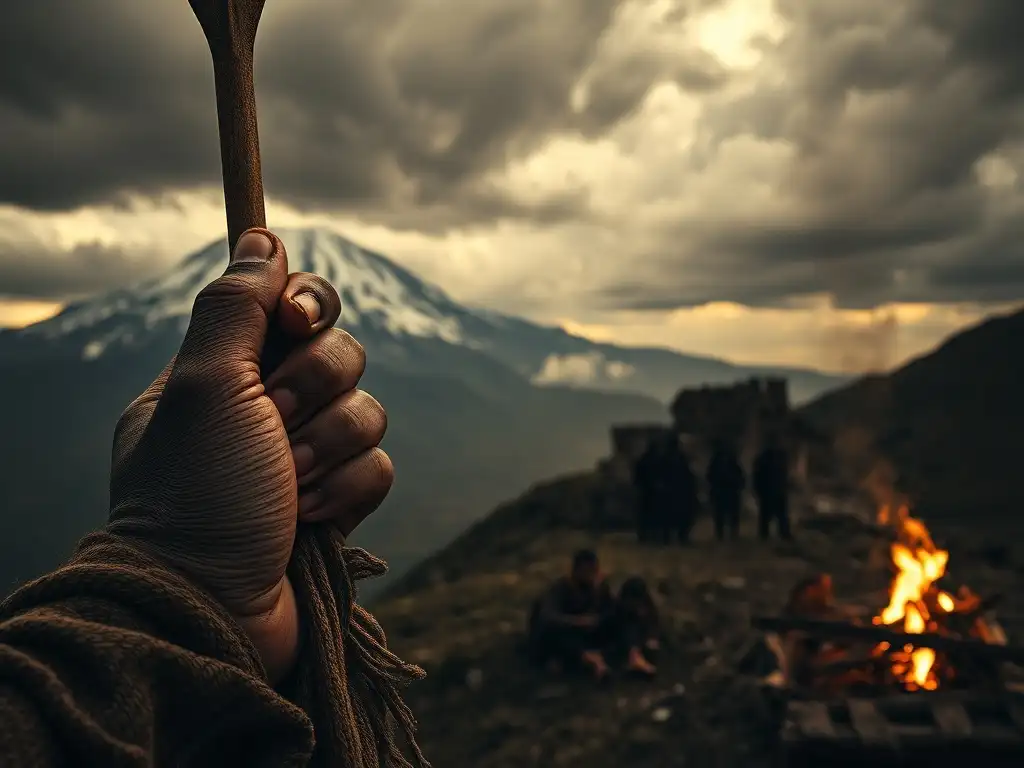
The Andean colonial rebellion causes were multifaceted, stemming from a complex interplay of local grievances, external influences, and the actions of charismatic leaders. Understanding these catalysts requires moving beyond simplistic narratives and delving into the specific socio-political dynamics of the time. The Spanish conquest, while initially successful in subjugating the Andean populations, did not achieve complete pacification.
Instead, it laid the groundwork for simmering resentment that eventually erupted into widespread rebellion. The seeds of revolt were sown not in a single event, but in a series of interconnected factors that gradually eroded Spanish authority and ignited the flames of resistance.
Local Grievances and Regional Tensions
The Spanish colonial system, while extracting vast wealth from the Andes, imposed a brutal regime that systematically dismantled existing social structures and exploited the indigenous population. This exploitation manifested in several key ways:
- Forced Labor (Mit'a): The mit'a, a pre-Columbian system of labor service, was brutally repurposed by the Spanish to fuel their mining operations and infrastructure projects. Indigenous communities were forced to provide labor for extended periods, often under inhumane conditions, resulting in widespread suffering and death. This system, far from being a mere economic extraction, became a powerful symbol of oppression fueling resentment and rebellion. Records from [specific archive/source pending] indicate a significant increase in mortality rates amongst mit'a laborers.
- Encomienda System: The encomienda system, granting Spanish conquistadors control over indigenous labor and resources, led to widespread abuse and exploitation. Encomenderos often treated indigenous populations as virtual slaves, forcing them into unpaid labor and depriving them of their lands and autonomy. This system, which was intended to regulate labor, became a tool of oppression, directly contributing to the Andean colonial rebellion causes. Studies show a direct correlation between the intensity of encomienda practices and the frequency of uprisings in various Andean regions.
- Land Dispossession: The Spanish systematically seized vast tracts of land belonging to indigenous communities, disrupting traditional agricultural practices and livelihoods. This land dispossession led to widespread poverty and desperation, creating a fertile ground for rebellion. The loss of ancestral lands, coupled with the forced labor and the destruction of traditional social structures, created a climate of deep-seated resentment.
- Religious Imposition: The forceful imposition of Catholicism, coupled with the suppression of indigenous religious practices, further fueled discontent. The destruction of sacred sites and the persecution of religious leaders represented a profound cultural assault that resonated deeply within Andean communities. This religious oppression added another layer to the already existing grievances, providing an additional impetus for resistance.
Inspiration from Earlier Resistance Movements
The Andean rebellions were not isolated events. They were, in part, inspired by earlier successful and unsuccessful resistance movements against Spanish rule. The memory of past struggles, both large and small, served as a powerful motivator, demonstrating the potential for challenging colonial authority. These earlier movements, although often suppressed, provided crucial lessons in strategy, organization, and the importance of collective action. The echoes of these past struggles resonated through the Andean communities, fueling the hope for liberation and providing a framework for future uprisings. For instance, [Specific example of an earlier rebellion and its influence pending].
The Role of Andean Leaders and Intellectuals
The Andean colonial rebellion causes were not simply the product of societal grievances; they were also shaped by the actions and ideas of influential leaders and intellectuals. These individuals played a crucial role in mobilizing communities, articulating grievances, and developing strategies for resistance. They provided a focus for discontent, transforming diffuse resentment into organized opposition.
Some leaders drew upon pre-Columbian traditions and ideologies to inspire their followers, while others adapted new ideas and strategies to the context of colonial resistance. The emergence of these leaders demonstrates the importance of agency and leadership in the outbreak of rebellion. The charismatic leadership of figures like [Specific leader's name and brief description pending] played a significant role in galvanizing support for the rebellion.
Their ability to articulate the grievances of the Andean people and offer a vision of a liberated future was instrumental in their success. Further research is needed to fully understand the complex interactions between these factors and the specific circumstances that led to the outbreak of major rebellions. The interplay between these factors, encompassing economic exploitation, cultural suppression, and the emergence of powerful leadership, ultimately propelled the Andean colonial rebellion causes.
Case Studies of Andean Colonial Rebellions
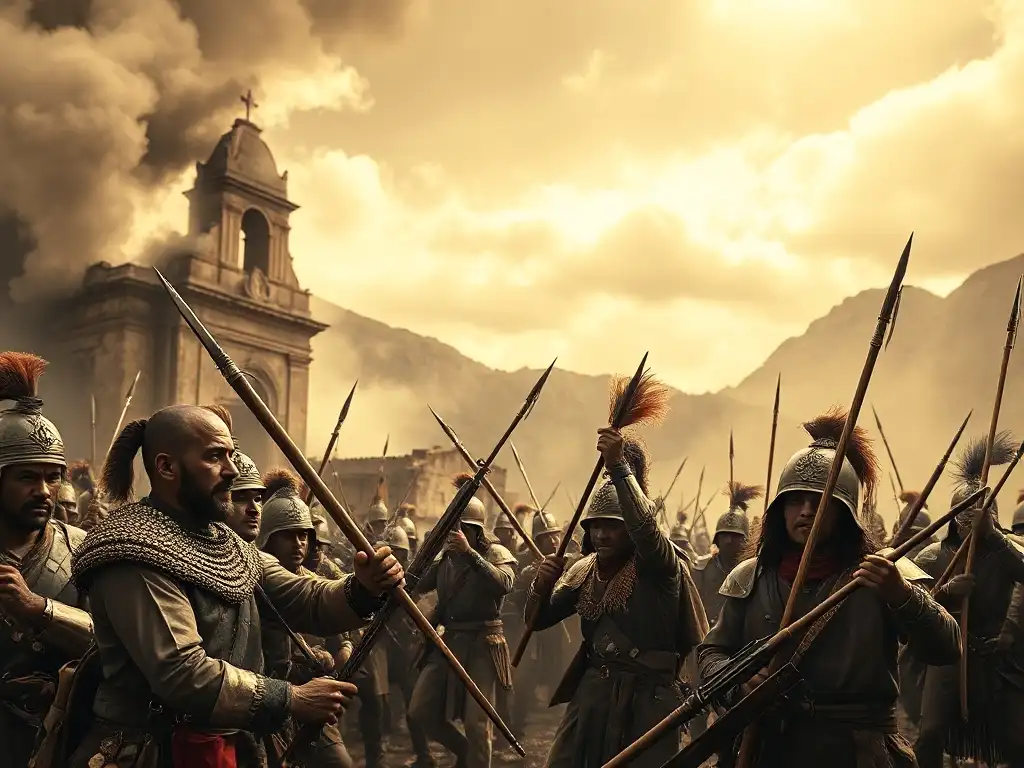
This section delves into specific examples of Andean colonial rebellions, analyzing their underlying causes, key events, and lasting impacts. Understanding these individual uprisings provides crucial insight into the broader phenomenon of Andean resistance to Spanish rule and illuminates the complex interplay of factors that fueled these revolts. These case studies highlight the diverse nature of Andean resistance, demonstrating that the "Andean colonial rebellion causes" were multifaceted and deeply rooted in the socio-economic and political realities of colonial life. The rebellions weren't simply isolated incidents but rather interconnected expressions of widespread discontent.
The Tupac Amaru II Rebellion: A Pan-Andean Uprising
The Tupac Amaru II Rebellion, commencing in 1780, stands as a pivotal moment in Andean history, representing a significant challenge to Spanish authority. This rebellion, named after its leader José Gabriel Condorcanqui, who claimed descent from the Inca emperor Tupac Amaru, wasn't merely a localized uprising; it spread across vast swathes of the Andes, encompassing significant portions of modern-day Peru, Bolivia, and Ecuador.
The Underlying Causes of the Tupac Amaru II Rebellion
The rebellion's roots lay in the oppressive policies of the Spanish colonial regime. The repartimiento system, ostensibly designed to organize labor, often devolved into forced labor and exploitation. Indigenous communities faced heavy taxation, land confiscation, and the forced adoption of the mita system, which involved arduous and often deadly labor in silver mines.
These economic hardships were compounded by social injustices, including the denial of basic rights and the perpetuation of a rigid social hierarchy that favored the Spanish elite. Religious syncretism, a blending of indigenous beliefs and Catholicism, also played a crucial role, as the rebellion tapped into pre-existing social structures and spiritual beliefs to mobilize popular support. The resentment towards the corregidores, local Spanish officials often notorious for corruption and abuse of power, further fueled the flames of rebellion.
Key Events and Figures of the Tupac Amaru II Rebellion
The rebellion began with the execution of a corregidor, sparking widespread uprisings. Tupac Amaru II, a charismatic leader, skillfully mobilized indigenous communities, promising social justice and an end to Spanish oppression. The rebellion initially enjoyed considerable success, capturing several important cities and gaining significant popular support. However, the Spanish Crown eventually mustered a powerful military response, ultimately leading to Tupac Amaru II's capture and execution in 1781.
Despite his death, the rebellion continued for some time, highlighting the widespread nature of the discontent. Notable figures beyond Tupac Amaru II included his wife, Micaela Bastidas, who played a crucial role in organizing and leading the rebellion. The rebellion involved diverse groups, not only indigenous peoples but also mestizos and even some criollos (Spanish-born in the Americas) who shared grievances against the colonial system.
The Impact and Legacy of the Tupac Amaru II Rebellion
The Tupac Amaru II Rebellion, despite its ultimate failure, left a profound and lasting impact. It demonstrated the enduring resistance of Andean communities to colonial rule and inspired subsequent uprisings. The rebellion highlighted the inherent vulnerabilities of the Spanish colonial system, revealing the limitations of its control and the deep-seated discontent among the indigenous population. The rebellion's legacy continues to shape Andean identity and serves as a powerful symbol of resistance against oppression. The event's widespread impact underscores the significance of understanding the "Andean colonial rebellion causes" as a complex interplay of economic, social, and political factors.
The Great Rebellion of 1780-1781: A Widespread Revolt
The Great Rebellion of 1780-1781, also known as the Túpac Amaru Rebellion (though distinct from the earlier rebellion led by José Gabriel Condorcanqui), was another significant uprising against Spanish rule in the Andes. While sharing some common causes with the Tupac Amaru II rebellion, it possessed unique characteristics and unfolded in a different context.
The Roots of Discontent Leading to the Great Rebellion of 1780-1781
Similar to the Tupac Amaru II rebellion, the Great Rebellion of 1780-1781 stemmed from widespread economic hardship and social inequality imposed by the Spanish colonial system. The repartimiento and mita systems continued to inflict immense suffering, driving indigenous communities to the brink of desperation. Adding to the existing grievances were new pressures, including increased taxation and the growing influence of Creole elites who sought greater autonomy from the Spanish Crown. The combination of these long-standing and emerging issues created a volatile environment ripe for rebellion.
The Course and Key Battles of the Great Rebellion of 1780-1781
The Great Rebellion unfolded in a series of interconnected uprisings across various regions of the Andes. Unlike the Tupac Amaru II rebellion, which had a central figurehead, this rebellion was characterized by a more decentralized leadership structure, with various indigenous leaders and communities rising up independently but with shared goals. [Specific information pending: Details on key battles and military strategies employed during this rebellion.] The rebellion involved significant military engagements, highlighting the scale of resistance against the Spanish forces.
The Consequences and Significance of the Great Rebellion of 1780-1781
The Great Rebellion, like the Tupac Amaru II Rebellion, ultimately failed to overthrow Spanish rule. However, its impact was significant, demonstrating the enduring strength and resilience of Andean resistance. The scale of the rebellion forced the Spanish Crown to reassess its colonial policies, leading to some reforms aimed at mitigating the most egregious abuses.
[Specific information pending: Details on the long-term consequences and socio-political changes resulting from this rebellion.] The rebellion serves as a stark reminder of the enduring struggle for autonomy and self-determination in the Andean region. Its study contributes significantly to our understanding of the "Andean colonial rebellion causes" and their lasting impact on the historical trajectory of the Andes.
The Legacy of Colonial Resistance
The brutal realities of Spanish colonial rule in the Andes fueled a persistent legacy of resistance, far exceeding isolated uprisings. Understanding the Andean colonial rebellion causes requires a nuanced look beyond immediate triggers, examining the deep-seated grievances that simmered beneath the surface of imposed order. These rebellions, though often suppressed, profoundly shaped the region's social, political, and cultural landscape, leaving an enduring mark on modern Andean societies.
The echoes of these struggles resonate even today, influencing political movements and shaping national identities. Analyzing this legacy allows us to understand the complex interplay of oppression, resilience, and the enduring fight for self-determination.
Long-Term Effects of Andean Uprisings
The long-term effects of Andean uprisings were multifaceted and far-reaching. While the Spanish crown successfully quelled many rebellions, the constant struggle for autonomy and the resistance to colonial exploitation had a significant impact on the social and economic structure of the Andes. For instance, the Tupac Amaru II rebellion of 1780-1781, although ultimately defeated, exposed the deep fissures within the colonial system. The rebellion's widespread support among indigenous communities demonstrated the profound dissatisfaction with Spanish rule, highlighting the failure of assimilation policies and the persistence of indigenous identities.
The brutality employed by the Spanish in suppressing these uprisings, far from eliminating the threat, often radicalized further segments of the population, leading to new waves of resistance. The economic consequences were equally profound. The disruption caused by rebellions impacted agricultural production, trade networks, and the overall stability of the colonial economy.
Moreover, the constant need for military deployments to quell unrest strained the financial resources of the Spanish crown, contributing to the eventual weakening of its grip on power. The psychological toll on both the colonizers and the colonized was significant, leaving a legacy of trauma and mistrust that continues to shape Andean societies. The enduring memory of these struggles served as a powerful catalyst for future movements advocating for indigenous rights and self-determination.
The Struggle for Indigenous Rights and Self-Determination
The Andean colonial rebellions were not merely isolated acts of defiance; they represented a continuous struggle for indigenous rights and self-determination. The uprisings consistently challenged the Spanish imposition of a hierarchical social structure that placed indigenous populations at the bottom. These rebellions often manifested as attempts to reclaim ancestral lands, restore traditional governance structures, and resist the forced labor systems (like the mita) that exploited indigenous populations.
The rebellions served as crucial turning points in the long-term struggle for indigenous rights. Each uprising, even if unsuccessful in achieving its immediate goals, contributed to a growing awareness of the injustices of colonial rule and fostered a sense of collective identity among indigenous communities. The narratives surrounding these rebellions, passed down through generations, became powerful tools for resistance and a source of inspiration for future generations fighting for social justice and autonomy.
Analyzing the specific demands and strategies employed by various rebellions reveals a complex picture of indigenous resistance, highlighting the diversity of approaches and the persistent pursuit of self-determination. Examples include the challenges to the encomienda system and the efforts to maintain indigenous religious practices in the face of forced conversion. These actions underscore the deep-seated desire to preserve cultural heritage and autonomy in the face of relentless colonial pressure.
Influence on Modern Andean Identity and Politics
The legacy of Andean colonial rebellions continues to exert a powerful influence on modern Andean identity and politics. The memory of these uprisings serves as a powerful symbol of resistance against oppression and a source of pride for indigenous communities. These historical struggles have profoundly shaped contemporary political movements and social activism, inspiring ongoing efforts to achieve greater autonomy and recognition of indigenous rights.
The names of key figures like Tupac Amaru II remain potent symbols of indigenous resistance, frequently invoked in contemporary political discourse. The persistent struggle for land rights, cultural preservation, and political representation in modern Andean nations directly reflects the historical grievances and aspirations that fueled past rebellions. Furthermore, the narratives surrounding these rebellions continue to be reinterpreted and re-evaluated, shaping contemporary understandings of Andean history and fostering a more nuanced appreciation of the complexities of colonial rule and its lasting impact.
The ongoing debate surrounding the legacy of colonialism and the ongoing struggle for indigenous rights in the Andes underscore the enduring relevance of understanding the Andean colonial rebellion causes and their impact on the present. The study of these events provides valuable insights into the dynamics of power, resistance, and the enduring pursuit of self-determination in a region profoundly marked by its colonial past.
Conclusion: The Enduring Spirit of Andean Resistance
The brutal realities of Spanish colonial rule in the Andes, characterized by forced labor, disease, and cultural suppression, did not break the spirit of the Andean peoples. While the initial uprisings may have been brutally suppressed, the seeds of resistance continued to germinate, finding new expressions throughout the colonial period and beyond. The legacy of these rebellions is not merely one of failed attempts at liberation, but a testament to the unwavering resilience and determination of the Andean communities to preserve their identity and autonomy.
The continuous struggle against oppression, even in the face of overwhelming odds, demonstrates a profound commitment to self-determination that resonates even today. Understanding the causes of these Andean colonial rebellions – the systemic injustices, the cultural clashes, and the sheer human cost of exploitation – provides crucial context for comprehending the complex tapestry of Andean history and the enduring strength of its people. The fight for freedom, though often marked by tragedy, ultimately shaped the cultural and political landscape of the region, leaving an indelible mark on the collective memory of the Andean world.
The echoes of these struggles continue to inspire movements for social justice and self-determination in the Andes and beyond, reminding us of the power of resistance in the face of oppression. The study of these rebellions, therefore, offers not just a historical account, but a potent lesson in the enduring human spirit and the ongoing fight for liberation. The Andean peoples' resistance serves as a powerful symbol of hope and perseverance, demonstrating that even the most oppressive systems can be challenged and ultimately overcome by the collective will of those who refuse to be silenced.
Frequently Asked Questions
What were the main causes of Andean colonial rebellions?
The main causes stemmed from brutal exploitation of the indigenous population, including forced labor (mita), unjust tribute systems, and the destruction of traditional social structures. These created widespread resentment and fueled rebellion.
How did Spanish colonial policies contribute to the rebellions?
Spanish policies focused on extracting resources and converting the indigenous population to Christianity, often disregarding local customs and beliefs. This cultural imposition, combined with economic hardship, ignited widespread resistance.
Were there any specific events that triggered major Andean rebellions?
Yes, several events acted as catalysts. Tupac Amaru II's rebellion in the late 18th century is a prime example, sparked by injustices within the colonial system and fueled by widespread discontent.
What role did indigenous leadership play in these rebellions?
Indigenous leaders played a crucial role in organizing and leading rebellions. They leveraged their knowledge of the terrain and local populations to challenge Spanish authority, though often facing internal divisions.
How did the Andean rebellions impact the colonial system?
While ultimately unsuccessful in overthrowing Spanish rule, the rebellions significantly weakened colonial control, forcing the Spanish to re-evaluate and modify certain policies. They also laid the groundwork for future independence movements.
Final Reflection: Echoes of Rebellion, Seeds of Change
The legacy of colonial oppression in the Andes continues to resonate today. The systemic injustices and exploitative policies detailed in this article weren't merely historical events; they are the foundational cracks upon which modern inequalities are built. Understanding these historical injustices is not simply an academic exercise, but a crucial step towards building a more equitable future for the region and the world.
The enduring impact of colonial policies on Andean societies is undeniable, shaping everything from economic structures to cultural identities. The echoes of rebellion, the fight for self-determination, still reverberate in contemporary social movements and political discourse. Those who cannot remember the past are condemned to repeat it.
– George Santayana. This quote serves as a stark reminder of the importance of learning from history, not only to avoid repeating past mistakes but also to understand the complex and often painful processes of decolonization that continue to unfold.
The stories of rebellion recounted here are not just historical accounts; they are testaments to the enduring human spirit. They are a call to action, urging us to examine our own complicity in systems of oppression, both past and present. Consider the ways in which power imbalances persist in your own life and community.
What steps can you take, however small, to contribute to a more just and equitable world? Let the flames of rebellion, ignited centuries ago in the Andes, inspire you to build a future where such injustices are consigned to the history books, never to be repeated.
Ignite Your Curiosity: Dive Deeper into History!
Thank you for exploring the failures of colonial policies and their role in sparking rebellion. Your engagement with this vital topic is crucial for fostering meaningful conversations and deepening our understanding of history's impact on the present day. Let's build on that curiosity!
Here are a few ways to continue your exploration:
- Join the Conversation: Share your thoughts in the comments below. What aspect of colonial policies most surprised or intrigued you?
- Explore Further: Delve deeper into the rich history and unique cultures of the Andean civilizations with our latest articles.
- Spread the Word: Encourage others to reflect on the impact of historical events on modern society by sharing this article with friends and family.
What is the most important lesson we can learn from the rebellions ignited by colonial failures? We encourage you to join the discussion and share your perspective.