
Túpac Amaru I: The Tragic Fate of the Last Inca Emperor in Vilcabamba

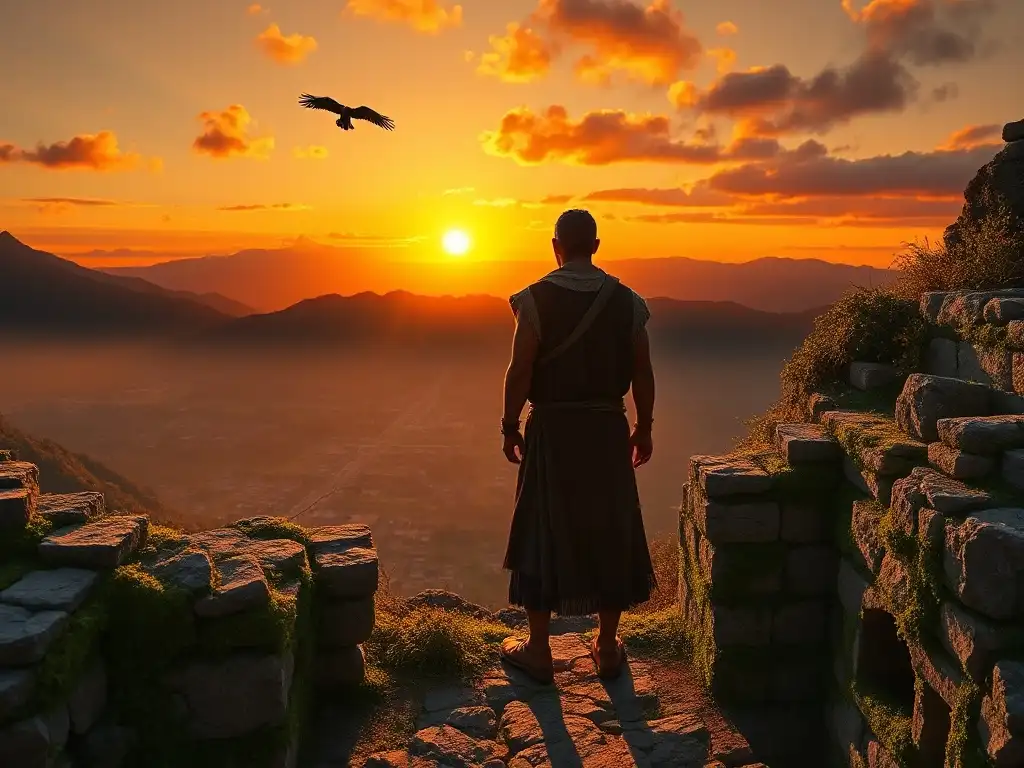
Step into a world lost to time, yet echoing with power and mystery. Dive into the captivating saga of the Andean civilizations, where breathtaking artistry met ingenious engineering and empires rose and fell. But what truly befell Túpac Amaru I, the last Inca emperor in Vilcabamba? His story, a tale of defiance, resilience, and ultimately, tragedy, awaits you. Uncover the secrets surrounding his fate and explore the dramatic impact of the Spanish Conquest – a turning point that shaped the destiny of a civilization.
The Spanish conquest of the Inca Empire, while seemingly complete by the 1530s, wasn't a swift, clean break. Instead, it sparked decades of fierce resistance, particularly in the remote and rugged Vilcabamba region of the Andes.
This article delves into the life and ultimately tragic end of Túpac Amaru I, the last Inca emperor to rule in Vilcabamba, a symbol of enduring Inca defiance against the Spanish crown. We will explore the political landscape of his reign, the challenges he faced, and the circumstances leading to his capture and execution, solidifying his place in history as a figure of both resilience and heartbreaking loss.
Understanding Túpac Amaru I's fate provides critical context to the complexities of the post-conquest era and the lasting impact of Spanish colonialism on the Andean world. This exploration of the keyword "Túpac Amaru I Inca emperor fate" will reveal not just a historical narrative, but a testament to the enduring spirit of the Inca people.
The Inca Resistance in Vilcabamba: A Final Bastion
Following the capture and execution of Atahualpa, the Inca Empire fractured. While the Spanish established control over Cuzco and much of the central Andes, pockets of resistance persisted. Vilcabamba, nestled deep within the Andes mountains, became a crucial refuge for those who refused to submit to Spanish rule.
This geographically isolated stronghold allowed for the continuation of Inca traditions and the organization of rebellions against the encroaching Spanish forces. The rugged terrain and the knowledge of the land provided a significant advantage to the Inca rebels, allowing them to evade capture and launch sporadic attacks against Spanish settlements and expeditions. For decades, Vilcabamba served as a symbol of hope and a rallying point for those who longed for the restoration of the Inca Empire.
The resistance wasn't merely military; it also involved the preservation of Inca culture, language, and religious practices, creating a lasting legacy of defiance. The challenges were immense: limited resources, constant threat of discovery, and the psychological strain of prolonged conflict. Yet, the resilience of the Inca people in Vilcabamba is a powerful testament to their determination and cultural strength.
Túpac Amaru I's Ascendancy: Becoming the Last Inca Ruler
Following a series of internal conflicts and power struggles amongst the Inca leadership in Vilcabamba, Túpac Amaru I emerged as the new emperor. While precise details about his early life remain scarce, historical accounts depict him as a shrewd and capable leader, navigating the complex political landscape of resistance. His rise to power was likely a result of his strategic abilities and his ability to unite various factions within the rebellious Inca community.
He inherited a legacy of resistance and the responsibility of leading his people against a vastly superior enemy. His reign was marked by attempts to consolidate power within Vilcabamba, maintain a degree of autonomy, and, at times, negotiate with the Spanish while secretly planning further acts of defiance.
The exact duration of his reign is debated among historians, but his leadership period represents a critical stage in the final chapter of Inca resistance. His strategies, alliances, and ultimately, his downfall, played a crucial role in shaping the future of the Andean region.
The Political Climate: Inca-Spanish Conflicts and Tensions
The relationship between the Inca resistance in Vilcabamba and the Spanish authorities was characterized by a complex interplay of conflict and negotiation. The Spanish, despite their military superiority, faced significant challenges in fully subjugating the region. The difficult terrain, the familiarity of the Inca rebels with the landscape, and the ongoing support of some indigenous communities hindered Spanish efforts.
Túpac Amaru I skillfully employed a strategy that involved both open conflict and calculated diplomacy. While engaging in guerilla warfare against Spanish outposts, he also attempted to secure peace treaties, likely to gain time and resources for his people. However, these negotiations were often fraught with mistrust and betrayal from both sides.
The Spanish, driven by ambitions of complete control and the extraction of resources, were unwilling to grant true autonomy to Vilcabamba. Ultimately, the tenuous peace proved unsustainable, leading to a renewed intensification of the conflict and, eventually, the tragic end of Túpac Amaru I's reign and his people's last stand. The inherent power imbalance between the technologically advanced Spanish and the Inca resistance, coupled with internal conflicts and shifting alliances, created a volatile and unpredictable political environment.
The Fall of Vilcabamba: The Final Confrontation
The Spanish conquest of the Inca Empire, while seemingly complete after the capture of Atahualpa, faced a persistent challenge from the Inca holdouts in Vilcabamba, a remote and strategically defensible region in the Andes Mountains. For decades, successive Inca leaders, maintaining a fragile independence, ruled from this hidden refuge. However, the relentless pursuit of the Spanish, combined with internal divisions and dwindling resources, ultimately sealed Vilcabamba's fate.
The final confrontation wasn't a grand battle, but a culmination of years of attrition and Spanish strategic maneuvering. The Spanish, under the leadership of Martín García Ozores, employed a combination of military pressure and carefully planned infiltration tactics. They exploited existing tensions within the Inca ranks and gradually eroded the support for Túpac Amaru I, the last Inca emperor.
The final assault, while swift, was made possible by years of meticulous planning and the erosion of the Inca's defenses, both military and social. The once impenetrable Vilcabamba was finally breached, not by overwhelming force alone, but by a combination of superior tactics and internal weaknesses within the Inca resistance. The fall of Vilcabamba marked a pivotal moment, signifying the complete and utter end of the Inca Empire's resistance in its traditional heartland.
The Capture of Túpac Amaru I: Betrayal and Imprisonment
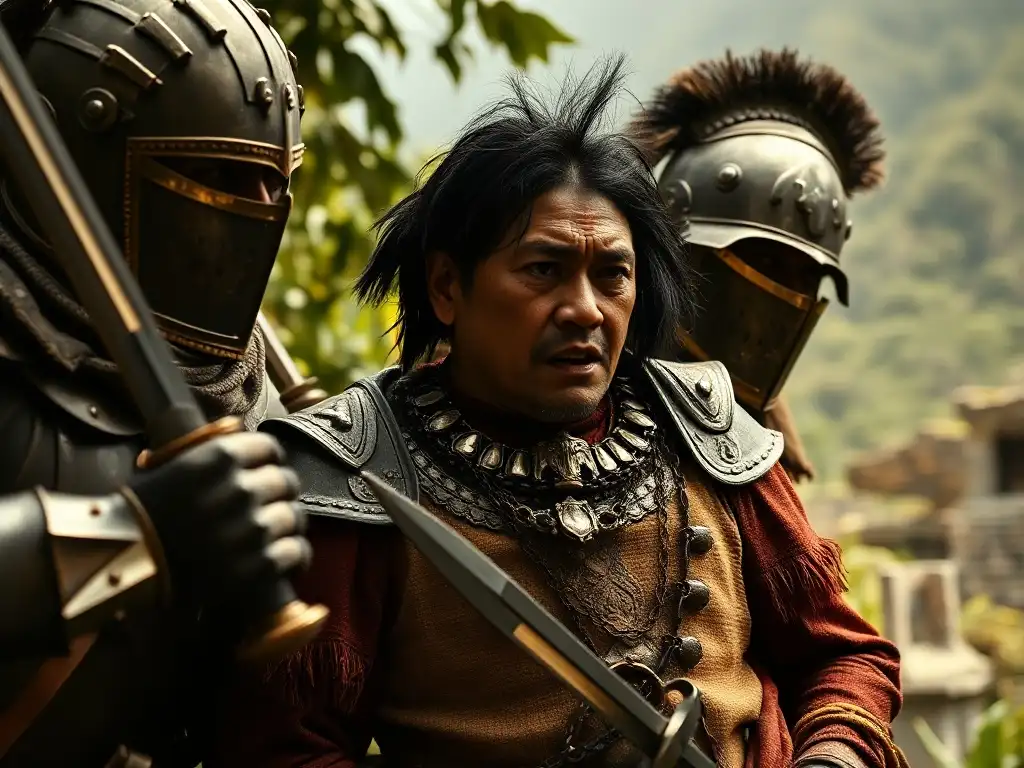
The capture of Túpac Amaru I wasn't the result of a valiant last stand, but rather a consequence of treachery and a dwindling capacity for resistance. While accounts vary, the prevailing narrative points to betrayal from within the Inca ranks. Some sources suggest that disgruntled nobles, weary of the ongoing conflict and seeking favor with the Spanish, provided crucial information leading to the emperor's capture.
Others point to the exhaustion of the Inca forces and the lack of significant external support. Regardless of the exact circumstances, the capture was relatively swift and unceremonious, a stark contrast to the grandeur of the Inca Empire's past. Túpac Amaru I, once the symbol of Inca resistance, was taken prisoner, his capture signaling the final chapter of a long and arduous struggle.
The imprisonment itself was likely harsh, reflecting the Spanish desire to humiliate the last Inca emperor and break the spirit of any remaining resistance. His confinement served as a potent symbol of Spanish dominance and the complete dismantling of Inca power. The details of his imprisonment remain somewhat obscure, but it undoubtedly involved a significant loss of dignity and freedom for the once-powerful ruler.
Túpac Amaru I's Trial and Condemnation: Spanish Justice
The trial of Túpac Amaru I was far from a fair and impartial legal proceeding. It was a carefully orchestrated display of Spanish power and a demonstration of their absolute control over the conquered territory. The charges against him were likely numerous and exaggerated, designed to justify his execution and to discourage any further uprisings. The proceedings themselves lacked the due process that would be considered acceptable by modern standards.
The Spanish authorities, seeking to make an example of the last Inca emperor, ensured that the trial was a mere formality, a predetermined outcome designed to legitimize the execution. The condemnation was swift and brutal, reflecting the Spanish colonial mindset of the time. The "justice" meted out was not justice at all, but rather a political statement aimed at crushing any lingering Inca resistance and solidifying Spanish rule.
Túpac Amaru I's execution, carried out in Cuzco's main square, served as a powerful symbol of Spanish dominance and the complete subjugation of the Inca Empire. The event was designed not only to eliminate the last emperor but also to instill fear and obedience among the indigenous population. The brutality of his execution underscored the stark realities of Spanish colonial rule in the Andes.
The Execution of Túpac Amaru I: A Tragic End for the Last Inca Emperor
The execution of Túpac Amaru I in 1572 marked a brutal end to the last vestiges of independent Inca rule in Vilcabamba. The Spanish, having systematically dismantled the Inca Empire, finally captured Túpac Amaru after years of guerrilla warfare and negotiations. His capture wasn't a swift victory; it involved cunning strategies and betrayals within the Inca ranks, highlighting the internal divisions that plagued the resistance. The final confrontation, though, was swift and brutal.
Accounts vary, but the consensus is that Túpac Amaru and his entourage were subjected to a public execution in Cusco. The details are gruesome: some accounts detail quartering, others speak of drawing and quartering, a particularly barbaric method designed to inflict maximum pain and humiliation. The intention was clear: to crush not only the last Inca emperor physically but also the spirit of resistance among his people.
The execution was a carefully orchestrated spectacle of Spanish power, meant to serve as a stark warning to any who dared to challenge their authority. The precise location of the execution within Cusco remains a subject of scholarly debate, but the event itself is indelibly etched in the history of the Andean region. The execution wasn't just a killing; it was a symbolic act, a public display intended to erase the memory of Inca sovereignty.
The Significance of Túpac Amaru I's Death: Symbol of Inca Resistance
Túpac Amaru I's death, though tragic, became a powerful symbol of Inca resistance against Spanish colonial rule. His defiance, even in the face of overwhelming odds, solidified his place in Andean history as a figure of unwavering courage and determination. The prolonged struggle in Vilcabamba, led by Túpac Amaru and his predecessors, showcased the resilience of the Inca people and their unwillingness to surrender their cultural identity and way of life.
His execution, far from extinguishing the flame of rebellion, fueled further resistance movements across the Andes. The image of the last Inca emperor meeting his demise at the hands of the conquerors became a rallying cry, inspiring future generations to fight for their freedom and autonomy. The Spanish, in their attempt to completely eradicate Inca culture, ironically created a martyr whose legacy continues to resonate centuries later.
His death, therefore, paradoxically strengthened the Inca identity and fueled the narrative of resistance against oppression. The story of Túpac Amaru I became a powerful narrative woven into the cultural fabric of the Andes, a story passed down through generations, shaping Andean identity and consciousness.
Legacy of Túpac Amaru I: Impact on Andean Culture
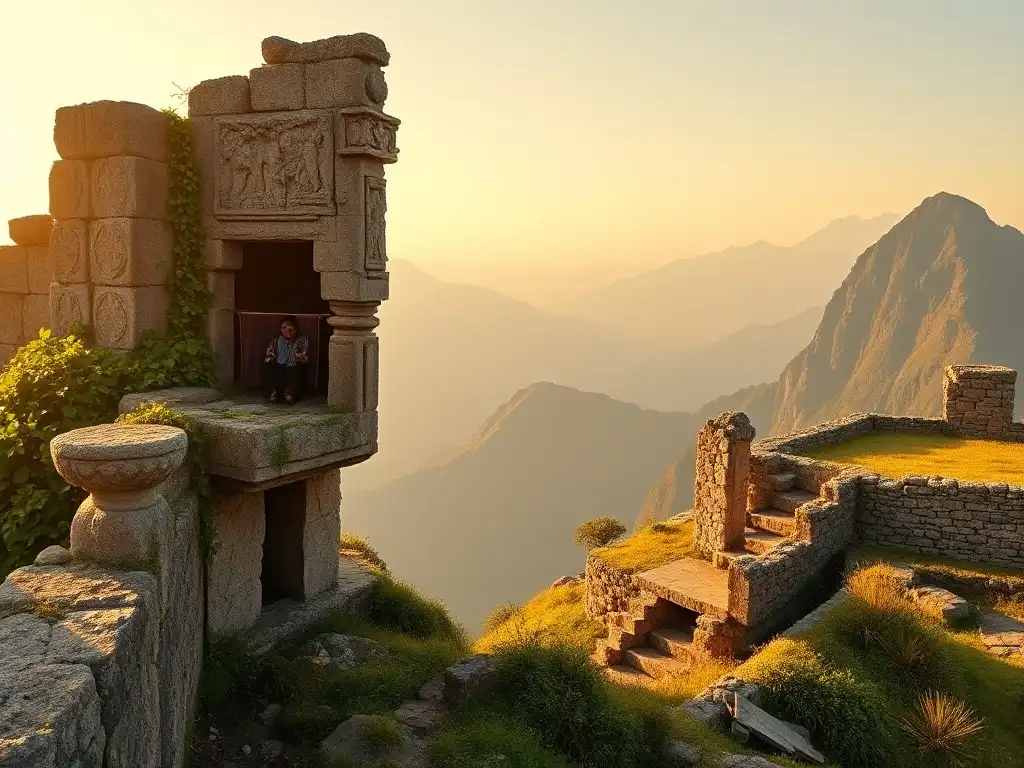
The legacy of Túpac Amaru I extends far beyond his tragic death. His name and story remain potent symbols of Inca resistance and cultural preservation. His legacy is deeply woven into the fabric of Andean culture, inspiring countless works of art, literature, and music. He represents the enduring spirit of the Inca people and their struggle for self-determination.
The impact of his life and death can be seen in various forms of Andean cultural expression. The memory of his resistance continues to inspire contemporary movements advocating for indigenous rights and cultural preservation. His image is often used in modern political and social activism as a powerful symbol of defiance against oppression. The continued relevance of Túpac Amaru I in contemporary Andean society highlights the enduring strength of his legacy and the lasting impact of his fight against Spanish colonialism.
His story serves as a reminder of the resilience of the Andean people and their enduring fight to maintain their cultural identity in the face of adversity. The name Túpac Amaru itself has been adopted by later rebel leaders, demonstrating the enduring power of his symbolic representation of Inca resistance. His legacy continues to inspire and shape Andean identity to this day.
Túpac Amaru I's Place in History: Remembering the Last Inca Monarch
Túpac Amaru I holds a significant place in Andean history, not merely as the last Inca emperor of Vilcabamba, but as a symbol of resistance against the Spanish conquest. His reign, though relatively short, represents the final gasp of Inca independence in the face of overwhelming odds. While the Spanish had already conquered Cusco and much of the Inca empire, Túpac Amaru's defiance in Vilcabamba—a remote and strategically advantageous region—represented a powerful challenge to Spanish authority. His legacy is not defined solely by his defeat, but by the prolonged struggle he embodied, inspiring hope and resistance among his people even in the darkest hours.
He became a figurehead for the Inca people's desire for autonomy and the preservation of their cultural identity. His story serves as a stark reminder of the resilience of the Inca civilization and the enduring fight for self-determination. The sheer tenacity with which he and his followers defended their homeland against a vastly superior force speaks volumes about the strength of Inca spirit and the deep-seated attachment to their ancestral lands and traditions.
The echoes of his resistance are still felt today, shaping narratives of Inca identity and national pride in Peru. His life and death continue to be a source of inspiration and reflection on the complexities of colonization and the enduring power of cultural heritage. The memory of Túpac Amaru I serves as a powerful reminder of the human cost of conquest and the enduring legacy of resistance.
The Aftermath of Túpac Amaru I's Execution: Inca Legacy
The execution of Túpac Amaru I in 1572 marked the definitive end of the Neo-Inca State in Vilcabamba and the official conclusion of the Inca resistance in the Andes. The Spanish, having finally subdued the last bastion of Inca power, implemented policies aimed at completely dismantling the Inca social structure and replacing it with a colonial system. This included the destruction of Inca temples and the suppression of Inca religious practices. However, the legacy of Túpac Amaru I extended far beyond his death.
His defiance became a potent symbol for future generations of indigenous peoples struggling against Spanish rule. The story of his resistance, passed down through oral traditions and later written accounts, fueled subsequent uprisings and acts of defiance. Even though the Inca Empire as a political entity ceased to exist, the Inca cultural identity persisted, albeit transformed and adapted to the realities of colonial life. The memory of Túpac Amaru I served as a catalyst for the preservation and adaptation of Inca traditions, language, and cultural practices.
His martyrdom solidified his status as a legendary figure, a testament to the enduring strength and resilience of the Inca people in the face of overwhelming adversity. The impact of his legacy is still felt today, shaping narratives of Inca identity and national pride in Peru. His story continues to inspire and resonate with people across the Andes, serving as a potent reminder of the importance of resistance and the enduring legacy of indigenous cultures.
- The Inca Resistance in Vilcabamba: A Final Bastion
- Túpac Amaru I's Ascendancy: Becoming the Last Inca Ruler
- The Political Climate: Inca-Spanish Conflicts and Tensions
- The Fall of Vilcabamba: The Final Confrontation
- The Capture of Túpac Amaru I: Betrayal and Imprisonment
- Túpac Amaru I's Trial and Condemnation: Spanish Justice
- The Execution of Túpac Amaru I: A Tragic End for the Last Inca Emperor
- The Significance of Túpac Amaru I's Death: Symbol of Inca Resistance
- Legacy of Túpac Amaru I: Impact on Andean Culture
- Túpac Amaru I's Place in History: Remembering the Last Inca Monarch
- The Aftermath of Túpac Amaru I's Execution: Inca Legacy
Frequently Asked Questions
Who was Túpac Amaru I?
Túpac Amaru I was the last Inca emperor of the Neo-Inca State in Vilcabamba. He led the final resistance against the Spanish conquest in the Andes. His reign marked the end of an era.
What was the nature of Túpac Amaru I's resistance?
His resistance was primarily guerrilla warfare, utilizing the Andes' challenging terrain to his advantage. He employed ambush tactics and relied on the loyalty of his remaining followers.
How did Túpac Amaru I die?
He was captured by the Spanish in 1572 and subsequently executed in Cusco. His death symbolized the complete collapse of the Neo-Inca State.
What is the significance of Túpac Amaru I's legacy?
His legacy is complex; he is remembered as a symbol of resistance against Spanish colonialism. His story continues to inspire national identity in Peru and other Andean nations.
Why is Túpac Amaru I's fate considered tragic?
His fate is tragic because it marked the final defeat of the Inca Empire and the end of an independent Inca state. His execution signified the complete subjugation of the Inca people under Spanish rule.
Final Reflection: The Enduring Legacy of Túpac Amaru I
The tragic fate of Túpac Amaru I resonates deeply with contemporary discussions of colonialism, resistance, and the enduring power of indigenous cultures. His execution was not merely the end of an era; it was a symbolic act that continues to shape our understanding of power, oppression, and the fight for self-determination. The echoes of his struggle reverberate even today, reminding us of the ongoing need for justice and recognition of marginalized voices.
The story of Túpac Amaru I is more than just a historical account; it's a powerful narrative that underscores the resilience of the human spirit in the face of overwhelming adversity. His defiance, even in the face of certain death, serves as a potent symbol of resistance against injustice. He who does not remember the past is condemned to repeat it,
a quote often attributed to George Santayana, rings particularly true when considering the legacy of Túpac Amaru I and the continued struggles for indigenous rights worldwide. His story compels us to examine our own complicity in systems of oppression and to actively work towards a more equitable future.
Consider the weight of Túpac Amaru I's sacrifice. His story is not just a tale of the past; it is a call to action for the present and the future. You, the reader, are now part of this ongoing conversation.
Reflect on the parallels between the injustices faced by the Inca and the challenges faced by marginalized communities today. What steps can you take, in your own life and within your community, to ensure that the spirit of resistance embodied by Túpac Amaru I continues to inspire us to fight for a more just and equitable world? Let his legacy be a beacon, guiding us towards a future where such tragedies are not repeated.
**Unveil the Legacy of Túpac Amaru I: Take Action Today! **
Thank you for exploring the life and legacy of Túpac Amaru I, the last Inca emperor. We hope you've gained a deeper understanding of his tragic story and the enduring spirit of the Inca civilization. Let's translate this newfound knowledge into meaningful action!
Here are a few ways you can celebrate and contribute to the rich heritage of the Andean civilizations:
- **Explore Local History:** Visit a local museum or cultural center to learn more about Andean history and indigenous cultures. Discover their traditions and influences.
- **Engage with the Community:** Share this article with friends and family, or post it on social media to spark conversations about the importance of Túpac Amaru's legacy. Let's keep the conversation going!
- **Support Indigenous Causes:** Support organizations that champion the rights and heritage of indigenous Andean peoples through donations or volunteer work. Your contribution can make a real difference.
Considering Túpac Amaru I's story, how will you honor the legacies of those who fought to preserve their culture and identity? Share your thoughts in the comments below!