
Religious Syncretism as a Tool of Resistance: Secret Cults and Beliefs

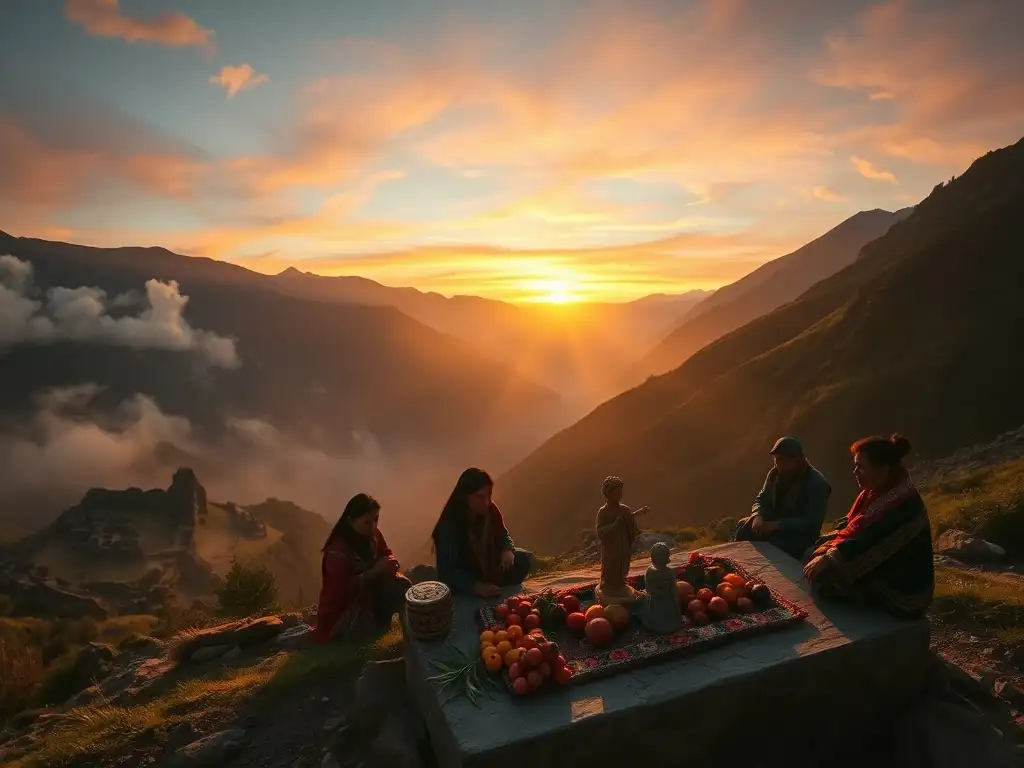
Step into a world lost to time, yet echoing in the vibrant tapestry of modern Andean culture. For centuries, the majestic peaks of the Andes have guarded secrets of incredible civilizations – the Incas, Moche, Nazca, and more. But what happened when these powerful empires collided with the Spanish conquistadors?
Discover how Andean religious syncretism, a potent blend of ancient beliefs and imposed faiths, became not a sign of defeat, but a powerful tool of resistance. Uncover the hidden stories of secret cults and beliefs in our exploration of "Religious Syncretism as a Tool of Resistance," and prepare to be amazed by the ingenuity and resilience of the Andean spirit.
- Andean Religious Syncretism: A Tool of Resistance Against Spanish Rule
- The Genesis of Religious Syncretism in the Andes
- Syncretism as a Form of Cultural and Religious Resistance
- Examples of Andean Religious Syncretism in Resistance
- The Impact and Legacy of Syncretic Religious Practices
- Understanding Andean Syncretism Today
- Frequently Asked Questions
- Final Reflection: Weaving the Threads of Resistance: Andean Syncretism's Enduring Legacy
- Embrace and Elevate: Cultivate Your Cultural Understanding!
Andean Religious Syncretism: A Tool of Resistance Against Spanish Rule
The Spanish conquest of the Andes drastically altered the social, political, and religious landscape of the region. While the imposition of Catholicism appeared absolute on the surface, a complex process of religious syncretism unfolded beneath the veneer of colonial control.
This fascinating interplay between indigenous Andean beliefs and imposed Christian practices wasn't merely a passive adaptation; it served as a powerful tool of resistance, allowing Andean peoples to maintain aspects of their cultural heritage and subtly challenge Spanish dominance. This article delves into the fascinating world of secret cults and hidden beliefs that thrived in the shadow of the Spanish empire, showcasing how Andean religious syncretism became a crucial strategy for survival and rebellion.
We will explore specific examples across various Andean cultures, revealing the ingenuity and resilience of the indigenous populations in the face of overwhelming oppression. Understanding this nuanced historical process is key to comprehending the lasting impact of the Spanish conquest and the enduring strength of Andean cultural identity.
The Subtleties of Syncretism: Blending the Old and the New
The Spanish conquistadors, intent on eradicating indigenous religions, actively suppressed Andean religious practices. Temples were destroyed, religious leaders persecuted, and traditional ceremonies outlawed. However, complete eradication proved impossible. Instead of openly rejecting Catholicism, many Andean communities strategically integrated Christian elements into their existing belief systems. This wasn't a simple overlay; it was a sophisticated process of negotiation and adaptation.
For instance, the veneration of the Virgin Mary, often depicted with dark skin and indigenous features, subtly incorporated elements of pre-Columbian earth goddesses. Similarly, Christian saints were sometimes associated with existing Andean deities, allowing the continuation of traditional worship under a new guise. This demonstrates the remarkable ability of Andean communities to maintain their cultural identity while seemingly complying with colonial demands. The process was often clandestine, involving secret rituals and hidden symbols, highlighting the inherent risk and determination involved in this form of resistance.
The suppression of indigenous religions fueled the development of clandestine religious practices. Secret cults emerged, often operating within the framework of ostensibly Catholic communities. These cults preserved ancient rituals, ceremonies, and beliefs, often adapting them to avoid detection by Spanish authorities. Evidence suggests the use of coded language, hidden symbols, and carefully concealed meeting places to maintain the integrity of these clandestine religious activities.
The persistence of these secret cults underscores the unwavering devotion to indigenous spirituality and the remarkable ability of Andean communities to adapt and resist in the face of oppression. The details of these practices often remain shrouded in mystery, requiring meticulous archival research and careful interpretation of fragmented historical sources. Further research is needed to fully understand the extent and diversity of these secret religious practices.
Case Studies: Specific Examples of Andean Religious Syncretism
Several specific examples illustrate the diverse forms Andean religious syncretism took. For example, in the region of [Specific Andean region pending], the worship of [Specific Andean deity pending] was subtly integrated with the veneration of [Specific Catholic saint pending]. This involved the adoption of Catholic rituals while retaining the essence of pre-Columbian beliefs.
Similarly, in the [Specific Andean region pending] area, the celebration of [Specific Andean festival pending] was adapted to incorporate Catholic elements, creating a hybrid celebration that maintained its indigenous character while adhering to the superficial requirements of colonial rule. These examples highlight the creativity and resilience of Andean communities in preserving their cultural heritage through the strategic manipulation of religious practices.
More research is needed to fully document the diverse range of syncretic practices across different Andean regions. A comparative analysis of these practices would reveal the common threads and regional variations in this form of cultural resistance.
The Enduring Legacy: The Impact of Andean Religious Syncretism
The legacy of Andean religious syncretism is profound and multifaceted. It demonstrates the resilience of indigenous cultures in the face of colonial oppression and highlights the complex interplay between domination and resistance. The blending of Andean and Christian beliefs shaped religious practices, social structures, and cultural identities in the Andes, leaving an enduring mark on the region's cultural landscape.
Understanding this historical process is crucial for appreciating the richness and complexity of Andean culture and for recognizing the enduring power of indigenous resistance. The continued study of Andean religious syncretism offers valuable insights into the dynamics of cultural contact, adaptation, and the ongoing struggle for cultural preservation. The legacy continues to inform contemporary Andean identities and spiritualities.
The Genesis of Religious Syncretism in the Andes
This section delves into the fascinating development of Andean religious syncretism, a complex interplay of indigenous beliefs and imposed Catholicism that served as a powerful tool of resistance against Spanish colonial rule. Understanding this process requires examining the pre-Columbian spiritual landscape, the forceful introduction of Christianity, and the subsequent emergence of clandestine religious practices.
The resulting hybrid belief systems reveal a nuanced picture of Andean resilience and cultural adaptation in the face of overwhelming oppression. Analyzing the strategies employed by the Andean people to maintain their cultural identity provides insights into the ingenuity and determination of those who sought to preserve their heritage under colonial rule.
This detailed exploration aims to illuminate the subtle yet significant ways in which Andean religious syncretism shaped the colonial experience and continues to resonate in modern Andean cultures. The term "Andean religious syncretism" itself highlights the fusion of belief systems, a process that was far from passive and often actively employed as a form of resistance.
Pre-Columbian Andean Beliefs and Spiritual Practices
Before the arrival of the Spanish, the Andes were home to a diverse array of sophisticated religious and spiritual practices. These varied significantly across different Andean cultures, reflecting the diverse geography and social structures of the region. However, common threads can be identified. Many Andean societies worshipped a pantheon of deities associated with natural forces like the sun (Inti), the moon (Killa), and mountains (Apus).
These deities were often interconnected, forming complex cosmological systems. Ancestor veneration was also widespread, with rituals and offerings designed to maintain harmonious relationships with deceased relatives. Furthermore, sophisticated astronomical knowledge played a critical role in religious practices, with calendars and observatories reflecting a deep understanding of celestial movements.
The significance of these pre-Columbian beliefs cannot be overstated, as they formed the foundation upon which syncretic practices would develop. The deep-rooted reverence for nature, ancestors, and celestial bodies persisted even under the pressure of colonial religious imposition, becoming subtly interwoven with Christian elements. For example, the veneration of mountain spirits (Apus) might subtly incorporate elements of Catholic saints, showcasing the adaptability and resilience of Andean spiritual traditions.
The Imposition of Catholicism and Initial Resistance
The Spanish conquest brought with it a forceful imposition of Catholicism, aimed at eradicating indigenous beliefs and replacing them with Christian dogma. This process was far from peaceful, met with varying degrees of resistance and adaptation. The Spanish Crown employed a range of strategies, including the destruction of sacred sites, the suppression of traditional rituals, and the establishment of churches and convents. Missionaries actively sought to convert the indigenous population, often using methods that were coercive and violent.
However, this aggressive approach was not uniformly successful. Indigenous populations often resisted overtly, engaging in armed rebellion and maintaining clandestine religious practices. The initial resistance, while often violent, also involved subtle acts of defiance.
For instance, indigenous people might outwardly participate in Catholic ceremonies while secretly maintaining their traditional beliefs and rituals. This initial, often covert, resistance laid the groundwork for the more sophisticated forms of religious syncretism that would emerge later. The tension between forced conversion and the stubborn persistence of indigenous beliefs created a fertile ground for the fusion of religious systems.
The Emergence of Secret Cults and Hybrid Belief Systems
The suppression of indigenous religions didn't lead to their extinction; instead, it spurred the development of secret cults and hybrid belief systems. These clandestine practices cleverly integrated elements of both Catholicism and pre-Columbian Andean beliefs, creating a complex tapestry of religious syncretism. For example, certain Catholic saints might be associated with indigenous deities, inheriting their attributes and powers.
Traditional rituals might be adapted to incorporate Catholic elements, ensuring the continuity of indigenous practices while appearing to comply with colonial authorities. The emergence of these hybrid belief systems served a crucial function: maintaining cultural identity and providing a sense of continuity in the face of colonial oppression. These secret cults fostered a sense of community and resistance, allowing indigenous people to preserve aspects of their heritage.
The secretive nature of these practices underscores the determination of Andean communities to resist cultural assimilation. The persistence of these syncretic practices highlights the enduring power of indigenous beliefs and the ingenuity of the Andean people in adapting and resisting colonial forces. The study of these secret cults reveals a rich and complex history of cultural preservation and resistance, offering a compelling narrative of the enduring spirit of Andean civilization.
Syncretism as a Form of Cultural and Religious Resistance
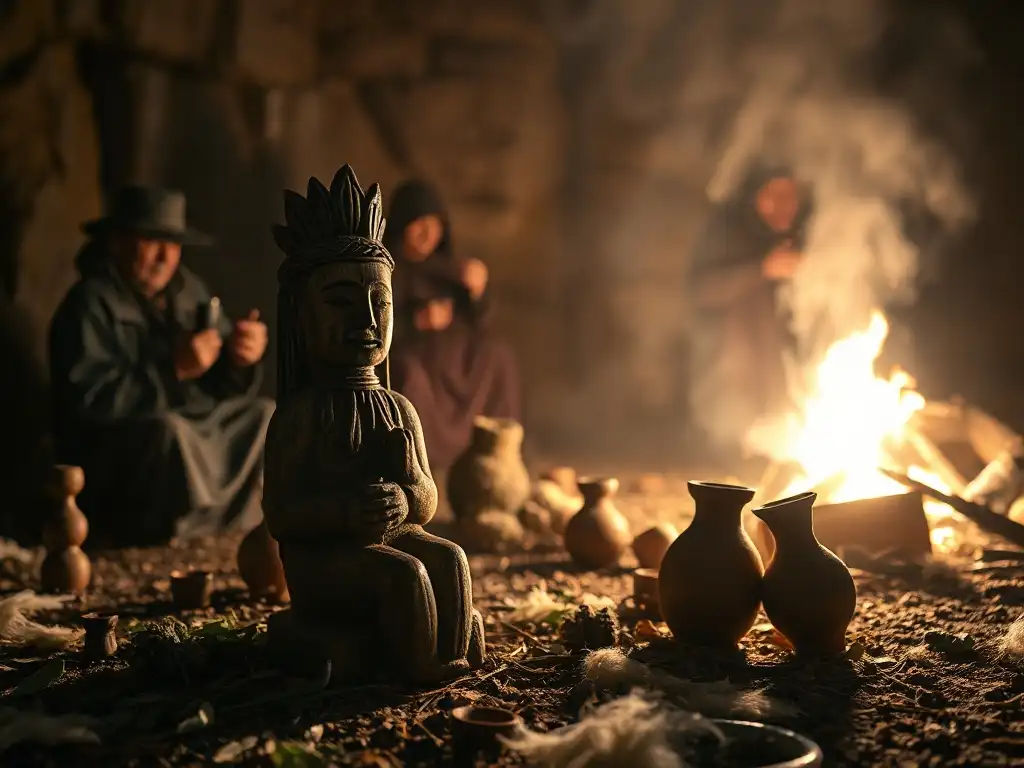
The Spanish conquest of the Andes drastically altered the religious landscape, imposing Catholicism upon deeply rooted indigenous belief systems. However, rather than a complete erasure of Andean spirituality, a fascinating process of Andean religious syncretism unfolded. Indigenous populations, facing brutal oppression and cultural annihilation, cleverly employed syncretism—the blending of different religious beliefs—as a powerful tool of resistance, preserving their cultural heritage while outwardly complying with colonial demands. This wasn't passive acceptance; it was an active, strategic adaptation, a subtle rebellion woven into the fabric of daily life.
The survival of many Andean traditions owes much to this ingenious strategy. The subtle incorporation of pre-Columbian beliefs into Catholic practices allowed for the continuation of ancient traditions, albeit in a disguised form, ensuring their transmission across generations. This section will explore the various manifestations of this subtle resistance.
Blending Andean Deities with Catholic Saints
A key aspect of Andean religious syncretism was the association of Andean deities with Catholic saints. This wasn't a simple substitution; it was a complex process of overlaying existing beliefs onto the new religious framework. For example, the Inca sun god, Inti, was often equated with the Catholic Saint Bartholomew, both associated with light and healing.
Similarly, Pachamama, the earth goddess, found a parallel in the Virgin Mary, both revered as providers of sustenance and fertility. This wasn't a random assignment; the attributes and roles of the Andean deities were carefully considered to find the closest Catholic counterpart, allowing for a seamless, albeit covert, continuation of traditional veneration.
The process wasn't uniform across all Andean groups. The specific correspondences varied depending on local traditions and the specific deities worshipped in each region. For instance, while Inti might be associated with Saint Bartholomew in one community, another might link him to Saint Joseph, reflecting the diverse expressions of Andean spirituality.
This localized adaptation highlights the ingenuity and resilience of indigenous communities in maintaining their spiritual identity despite colonial pressures. Detailed ethnographic studies are needed to further illuminate these localized variations and fully understand the nuances of this complex syncretism. The surviving accounts, often fragmented and incomplete, offer glimpses into this fascinating process, but much remains to be discovered.
The syncretic practices weren't limited to the identification of deities. Indigenous populations also cleverly adapted rituals and ceremonies, imbuing them with hidden meanings that alluded to their pre-Columbian heritage. Catholic festivals, like Corpus Christi, became opportunities to incorporate elements of traditional Andean celebrations. While outwardly participating in Catholic processions and rituals, indigenous communities subtly integrated their own practices, songs, and offerings, ensuring the survival of ancestral traditions within the framework of the imposed religion.
Consider, for instance, the use of chicha, a fermented corn beverage of great ritual significance in Andean cultures. While officially discouraged by the Spanish, its use persisted in many syncretic practices, often disguised as an offering to Catholic saints. This subtle incorporation of traditional elements demonstrates the active resistance inherent within the apparent compliance.
The integration of ancient symbols and iconography into Catholic art and architecture also served a similar purpose, creating a visual language that spoke to both the colonizers and the indigenous population, a form of coded communication safeguarding the cultural heritage. Further research into the symbolism embedded within these syncretic rituals and artifacts is crucial for a complete understanding of the depth and sophistication of this form of resistance.
The Role of Sacred Sites in Syncretic Practices
Sacred sites, crucial to Andean spirituality, played a vital role in the development of syncretic practices. Pre-Columbian huacas, places of spiritual power and veneration, were often repurposed and integrated into the Catholic religious landscape. While churches and chapels were built, often on or near existing huacas, the indigenous population continued to venerate these sites, blending traditional practices with Catholic rituals. This spatial overlay served as a powerful symbol of continuity and resistance. The continued use of these sites, even under the watchful eye of the colonizers, represents a potent act of cultural preservation.
The construction of Catholic churches atop or near existing huacas was not merely a practical decision; it was a strategic move by the indigenous population. By maintaining the sanctity of these sites, they ensured the continuation of their spiritual traditions, albeit within the new religious structure. This demonstrates a sophisticated understanding of the power dynamics at play and a strategic approach to cultural survival.
The enduring importance of these sites in contemporary Andean communities further underscores their significance as centers of both religious and cultural resistance. Analyzing the spatial relationships between pre-Columbian and colonial religious sites provides valuable insights into the strategies employed by indigenous populations to preserve their cultural heritage. The blending of sacred spaces mirrors the blending of religious beliefs, creating a unique and powerful form of cultural resistance.
Examples of Andean Religious Syncretism in Resistance
This section explores specific instances where Andean religious syncretism served as a powerful tool of resistance against Spanish colonial rule. The blending of indigenous beliefs with those of the Catholic Church wasn't merely a passive adaptation; it was a strategic maneuver, a subtle yet effective form of rebellion that allowed Andean peoples to maintain their cultural identity and spiritual practices while ostensibly complying with colonial demands. The following examples illustrate the complex interplay between religious syncretism and resistance during this turbulent period.
Understanding these examples provides crucial insight into the nuanced strategies employed by Andean communities to preserve their heritage in the face of oppression. Analyzing Andean religious syncretism reveals the enduring strength of indigenous spirituality and its ability to adapt and survive.
The Case of Taki Onqoy Movement
The Taki Onqoy movement, emerging in the 1560s in the Andes, represents a striking example of Andean religious syncretism used as a form of resistance. This religious revival movement, literally translating to "dancing sickness," actively challenged Spanish dominance through a potent blend of indigenous and Christian elements. Taki Onqoy's prophets, often women, preached the imminent return of Andean deities and the downfall of both the Spanish and their Christian God. Crucially, they didn't simply reject Christianity; instead, they incorporated Christian imagery and narratives into their message.
For instance, they presented the Andean deities as possessing greater power than the Christian God, subtly undermining the legitimacy of Spanish authority. The movement's emphasis on indigenous healing practices and prophecies served to bolster community resilience and offered an alternative worldview that challenged the colonial narrative. The use of music, dance, and ritualistic practices further strengthened the movement's appeal, fostering a sense of collective identity and resistance amongst the Andean population.
The Taki Onqoy movement demonstrates how syncretism could be a powerful tool for social and political mobilization, allowing for the articulation of resistance in a context of colonial control. The movement ultimately failed to overthrow Spanish rule, but its legacy underscores the enduring power of Andean religious beliefs and their capacity for adaptation in the face of oppression. Further research is needed into [specific details on the geographic spread of the Taki Onqoy movement].
How Pachamama was Syncretized with the Virgin Mary
The syncretism between Pachamama, the Andean earth goddess, and the Virgin Mary, a central figure in Catholic iconography, provides a compelling illustration of how indigenous beliefs were subtly interwoven with Christian practices. While outwardly appearing to embrace the Virgin Mary, the Andean peoples imbued her with characteristics and attributes associated with Pachamama. The Virgin Mary became a conduit through which traditional offerings and rituals could be performed, albeit under a disguised guise. For example, offerings of coca leaves and chicha, traditionally given to Pachamama, were also presented to the Virgin Mary in shrines and churches.
This subtle shift allowed the continuation of vital indigenous practices while appeasing colonial authorities. The Virgin Mary's association with fertility and abundance mirrored Pachamama's role as provider, further reinforcing the syncretic connection. The blending of these two powerful female figures allowed Andean communities to maintain their connection to the land and their ancestral beliefs, even under the watchful eyes of the Spanish conquistadors.
This syncretic practice wasn't simply a matter of superficial assimilation; it was a deliberate strategy to preserve cultural identity and resist the erasure of indigenous spirituality. The extent to which this syncretism was conscious and organized, however, requires further investigation. [Data on specific rituals and locations where this syncretism occurred is needed].
The Use of the Chakana in Christian Contexts
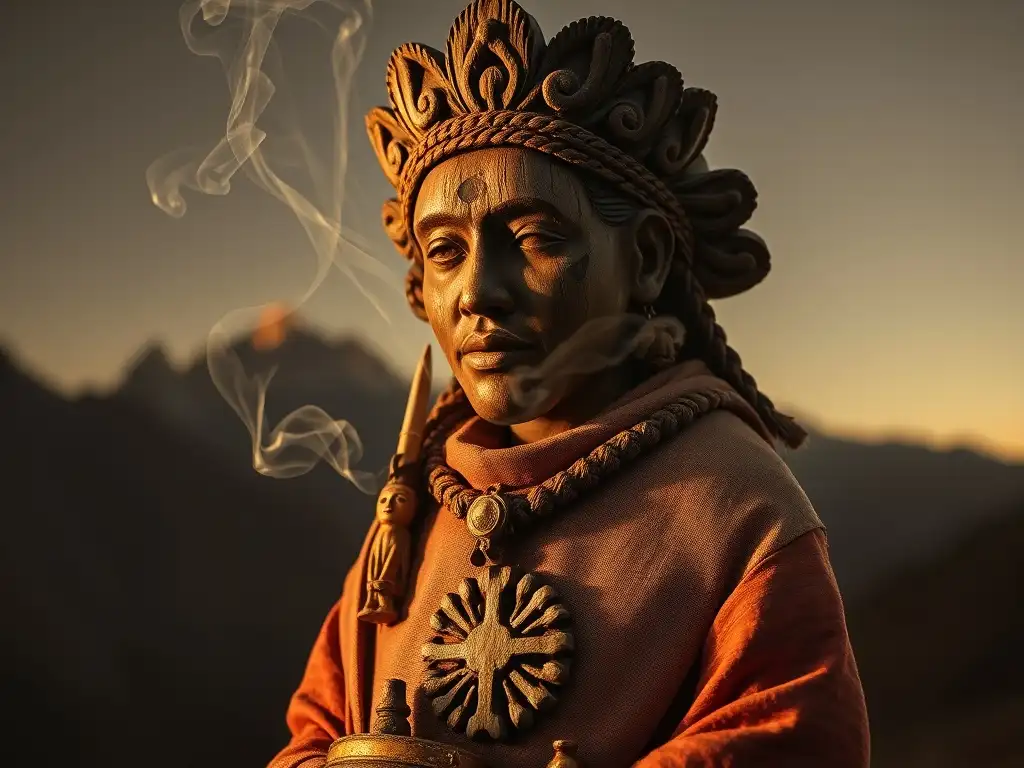
The chakana, the Andean cross, offers another fascinating example of religious syncretism and resistance. While superficially resembling the Christian cross, the chakana held profound symbolic meaning within Andean cosmology, representing the four cardinal directions, the four elements, and the interconnectedness of the cosmos. Its adoption within Christian contexts allowed for the subtle preservation and dissemination of Andean beliefs. The chakana was often incorporated into church architecture, religious artwork, and even into the design of crosses themselves.
This incorporation allowed for the continued veneration of the chakana's inherent symbolism, even within the ostensibly Christian spaces. The Spanish authorities, largely unaware of the chakana's deeper meaning, often overlooked its presence, allowing for the discreet continuation of Andean spiritual practices. This subtle yet powerful form of resistance highlights the ingenuity and resilience of Andean communities in preserving their cultural heritage.
Further research could explore [the specific architectural examples of chakana incorporation in churches and the variations in its representation across different Andean regions]. The enduring presence of the chakana in Andean culture, even today, is a testament to the enduring power of Andean religious syncretism and its role in sustaining cultural identity across generations. The chakana's enduring presence is a powerful symbol of the enduring resistance of Andean cultures.
The Impact and Legacy of Syncretic Religious Practices
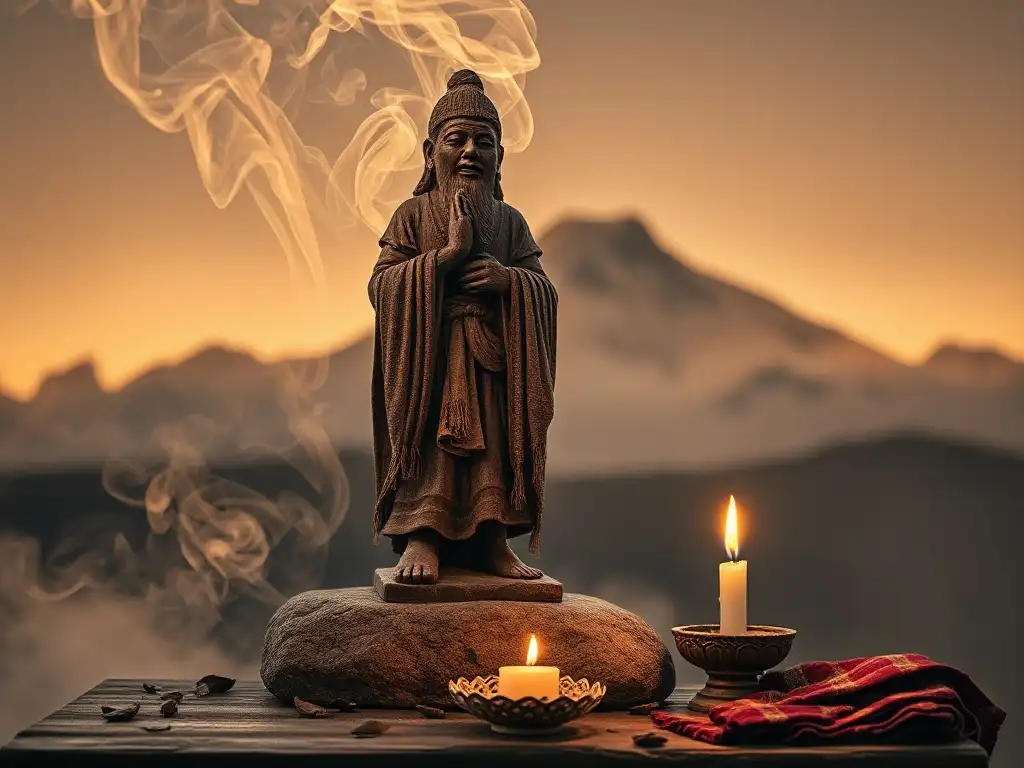
The Spanish conquest of the Andes drastically altered the religious landscape, imposing Catholicism upon existing belief systems. However, rather than simply accepting this new religion, Andean populations cleverly integrated elements of Catholicism into their pre-existing spiritual frameworks, creating a vibrant form of Andean religious syncretism. This wasn't passive acceptance; it was an active strategy of resistance, allowing indigenous populations to maintain a connection to their ancestral traditions while ostensibly complying with colonial demands.
The enduring impact of this syncretism is visible in various aspects of Andean culture even today. The subtle yet powerful ways in which indigenous spirituality survived and thrived within the colonial and post-colonial contexts demonstrate the resilience and adaptability of Andean peoples.
Understanding this religious blending is crucial to grasping the complexities of Andean resistance and the ongoing struggle for cultural preservation. The legacy of these syncretic practices continues to shape Andean identity and spiritual practices in profound ways.
Sustaining Indigenous Identity Through Religious Adaptation
The forced conversion to Catholicism during the colonial period did not eradicate indigenous religious beliefs. Instead, Andean communities cleverly adapted and incorporated Catholic rituals and imagery into their existing spiritual frameworks. For example, the veneration of the Virgin Mary often overlapped with the worship of pre-Columbian earth goddesses, Pachamama being a prime example.
The fertility rites and agricultural ceremonies associated with Pachamama were subtly integrated with Catholic festivals, ensuring the continuation of vital indigenous traditions under the guise of religious compliance. This strategy allowed for the preservation of crucial cultural practices and the transmission of indigenous knowledge across generations, effectively shielding them from outright suppression.
The blending of Catholic saints with Andean deities created a complex religious landscape where the lines between the two traditions often blurred, creating a unique and powerful form of syncretic spirituality. This was not merely a superficial blending; it was a deep integration of beliefs and practices, rooted in the resilience of Andean cultural identity.
Syncretism and the Ongoing Struggle for Cultural Preservation
The legacy of Andean religious syncretism extends far beyond the colonial period. Even today, this fusion of beliefs continues to play a significant role in the ongoing struggle for cultural preservation. Many contemporary Andean communities actively maintain and celebrate syncretic religious practices, demonstrating the enduring power of these traditions. The continued practice of these blended rituals serves as a powerful symbol of cultural resistance and a testament to the enduring strength of Andean identity in the face of historical oppression.
This active participation in syncretic religious practices is a crucial element in the preservation and revitalization of Andean cultural heritage. The transmission of these practices across generations ensures that the rich tapestry of Andean spirituality continues to flourish. This demonstrates the powerful role of religion not only as a spiritual force but also as a vehicle for cultural survival and resistance.
The Enduring Power of Andean Spirituality and Resistance
The enduring presence of Andean religious syncretism underscores the resilience and adaptability of Andean cultures. It highlights the limitations of colonial attempts at cultural erasure and demonstrates the profound impact of indigenous agency in shaping religious and cultural landscapes. The subtle yet powerful strategies employed by Andean communities to preserve their spiritual heritage through syncretism serve as a powerful example of cultural resistance.
This demonstrates the enduring power of Andean spirituality and its ability to adapt and thrive even in the face of overwhelming external pressures. The continued relevance of Andean religious syncretism in contemporary Andean society signifies its ongoing importance as a source of cultural identity and community cohesion. The study of Andean religious syncretism provides valuable insights into the complexities of cultural interaction, adaptation, and resistance.
It illuminates the ways in which marginalized communities can creatively navigate power dynamics and preserve their cultural heritage. The ongoing practice of these syncretic traditions offers a powerful reminder of the enduring strength and resilience of Andean cultures.
Understanding Andean Syncretism Today
The study of Andean religious syncretism offers a compelling lens through which to understand the enduring power of indigenous Andean beliefs and practices. It's not simply a historical curiosity; it's a vibrant, ongoing process reflecting the complex interplay between indigenous spirituality and imposed colonial religious systems. By analyzing the ways in which Andean peoples creatively blended, adapted, and resisted the imposition of Christianity, we gain valuable insights into their resilience, agency, and cultural continuity.
This syncretism wasn't passive assimilation; it was a dynamic process of negotiation, subversion, and the strategic reimagining of religious expression. The survival of many Andean religious practices, often subtly integrated within the framework of Catholicism, demonstrates a remarkable capacity for cultural preservation in the face of intense pressure.
Understanding this process allows us to appreciate the depth and complexity of Andean religious traditions and their ongoing relevance. This nuanced perspective challenges simplistic narratives of colonial conquest and highlights the agency of Andean communities in shaping their own religious identities.
The Importance of Studying Syncretic Religious Expressions
Studying syncretic religious expressions in the Andean region is crucial for several reasons. Firstly, it allows us to recover and understand the hidden histories of resistance against colonial domination. The blending of indigenous beliefs with Catholicism wasn't merely a superficial adaptation; it often served as a covert means of maintaining cultural identity and challenging colonial power structures. Secondly, it provides valuable insights into the resilience and adaptability of Andean cultures.
The ability to integrate seemingly disparate belief systems demonstrates a remarkable capacity for cultural innovation and survival. For instance, the incorporation of Pachamama veneration into Catholic rituals, while outwardly appearing compliant, subtly preserved core Andean cosmological beliefs. Thirdly, this research sheds light on the ongoing relevance of Andean spiritual traditions in contemporary society. Many syncretic practices continue to thrive, demonstrating the enduring power of these beliefs and their adaptation to new contexts.
Finally, studying Andean religious syncretism contributes to a more complete and accurate understanding of the complexities of colonialism and its lasting impact on indigenous populations. Ignoring this crucial aspect of Andean history leads to an incomplete and potentially misleading narrative. The detailed analysis of specific syncretic practices helps to dismantle simplistic narratives of cultural erasure and highlights the continuous negotiation between tradition and change.
Contemporary Manifestations of Andean Syncretism
Andean religious syncretism continues to manifest in diverse ways today. While overt expressions of pre-Columbian religions were often suppressed, many practices persist subtly interwoven with Catholic rituals and beliefs. For example, the veneration of apus (mountain spirits) often coexists with the veneration of Catholic saints, with specific saints being associated with particular apus. Similarly, the celebration of paymantas (traditional Andean festivals) often incorporates Catholic elements, creating a hybrid religious experience.
The use of coca leaves, a sacred plant in Andean traditions, remains prevalent, often intertwined with Catholic prayers and rituals. Furthermore, the continued practice of traditional Andean healing methods, often incorporating elements of Catholic faith, highlights the enduring strength of indigenous knowledge systems. The persistence of these practices, despite centuries of colonial influence, speaks to the profound significance of these beliefs within Andean communities and their ability to adapt and survive in the face of external pressures.
The study of contemporary manifestations of Andean religious syncretism requires fieldwork, ethnographic research, and careful observation of religious practices in their lived contexts. This allows for a nuanced understanding of the complexities and dynamics of religious syncretism in the 21st century. Understanding these contemporary practices allows for a more comprehensive understanding of the continuing evolution of Andean religious identities.
Future Directions in Research on Andean Religious Syncretism
Future research on Andean religious syncretism should focus on several key areas. Firstly, a more in-depth investigation is needed into the specific mechanisms through which syncretism facilitates resistance. This involves analyzing the symbolic language and ritual practices used to subtly challenge colonial power structures. Secondly, further research should explore the regional variations in syncretic practices, acknowledging the diversity of Andean cultures and their unique responses to colonial influence.
Thirdly, a greater emphasis should be placed on incorporating the perspectives and voices of Andean communities themselves, moving beyond outsider interpretations and centering indigenous knowledge. This requires collaborative research methodologies that prioritize participatory approaches. Fourthly, exploring the intersection of Andean religious syncretism with other forms of social and political resistance is crucial. Finally, interdisciplinary approaches that integrate anthropological, historical, and theological perspectives are essential to gain a deeper understanding of this complex phenomenon.
The study of Andean religious syncretism is an evolving field, and future research promises to reveal even more about the resilience, creativity, and adaptability of Andean cultures. By adopting these suggested approaches, researchers can contribute to a more nuanced and complete understanding of Andean religious syncretism and its continuing impact. This will enrich our understanding of Andean history, culture, and the ongoing dialogue between tradition and modernity.
Frequently Asked Questions
What is Andean religious syncretism?
Andean religious syncretism refers to the blending of Indigenous Andean beliefs and practices with those of introduced religions, primarily Catholicism, during and after the Spanish conquest. This resulted in unique hybrid religious expressions.
How did religious syncretism function as a tool of resistance?
By outwardly conforming to Catholicism while secretly maintaining Indigenous beliefs and rituals, Andean people preserved their cultural identity and resisted complete cultural erasure imposed by the colonizers. This allowed for a subtle form of resistance.
What were some examples of secret cults and beliefs?
Many Indigenous deities were disguised as Catholic saints, and traditional ceremonies were adapted to incorporate Catholic elements. Secret rituals and practices continued in parallel with public displays of Catholicism.
Which Andean cultures practiced religious syncretism?
Religious syncretism was widespread across various Andean cultures, including the Inca, Moche, Nazca, and Tiahuanaco, each exhibiting unique forms of blending Indigenous and Catholic elements. Its manifestation varied depending on the specific culture and region.
How did Spanish colonization influence Andean religious syncretism?
Spanish colonization was the primary catalyst for Andean religious syncretism. The forceful imposition of Catholicism created a context where Indigenous populations adapted their beliefs to survive and resist domination.
Final Reflection: Weaving the Threads of Resistance: Andean Syncretism's Enduring Legacy
The enduring power of Andean religious syncretism is not merely a historical curiosity; it is a vibrant testament to the resilience of indigenous cultures in the face of oppression. This intricate weaving of pre-Columbian beliefs with Catholicism, far from being a passive adaptation, represents a powerful strategy of resistance, a subtle yet potent subversion of dominant narratives. The secret cults and hidden practices discussed throughout this article demonstrate the enduring strength of spiritual identity in the face of colonial and post-colonial pressures.
The impact of Andean syncretism extends far beyond the realm of religious practice; it permeates the very fabric of Andean society, shaping its art, music, social structures, and worldview. It is a living tradition, constantly evolving and adapting, yet retaining its core essence. The ability to maintain a distinct cultural identity while navigating the complexities of a globalized world is a testament to the ingenuity and spiritual fortitude of Andean peoples. The past is never dead. It's not even past.
– William Faulkner. This quote perfectly encapsulates the ongoing relevance of Andean syncretism, a living legacy that continues to shape the present.
Consider, for a moment, the profound implications of this hidden resistance. How can we, as individuals, learn from the strategies employed by Andean communities to maintain their cultural identity in the face of adversity? What hidden forms of resistance exist in our own lives, and how can we strengthen our own voices and traditions in a world that often seeks to homogenize and dominate? Let the story of Andean syncretism inspire you to explore your own heritage, to celebrate the unique aspects of your culture, and to find creative ways to preserve and protect it for generations to come.
Embrace and Elevate: Cultivate Your Cultural Understanding!
Thank you for exploring the fascinating world of religious syncretism and its vital role in the resistance of Andean civilizations. Your interest demonstrates a commitment to broadening your perspective and deepening your appreciation for the rich cultures that have shaped our world.
Let's build on this knowledge. Here are some ways to further engage with this topic:
- Join a local cultural organization dedicated to Andean traditions and syncretism. This will allow you to deepen your understanding and actively contribute to preserving this important cultural heritage.
- Share your newfound knowledge with friends, family, or online communities. This will raise awareness and foster a greater appreciation for Andean beliefs and practices.
- Explore the historical sites where these vibrant cultures thrived. Visiting museums, historical sites, or engaging with relevant scholarship will enrich your understanding of Andean syncretism.
How has learning about religious syncretism influenced your understanding of cultural resistance in your own life or community?