
Manco Inca's Rebellion: A Desperate Fight for the Inca Empire's Survival

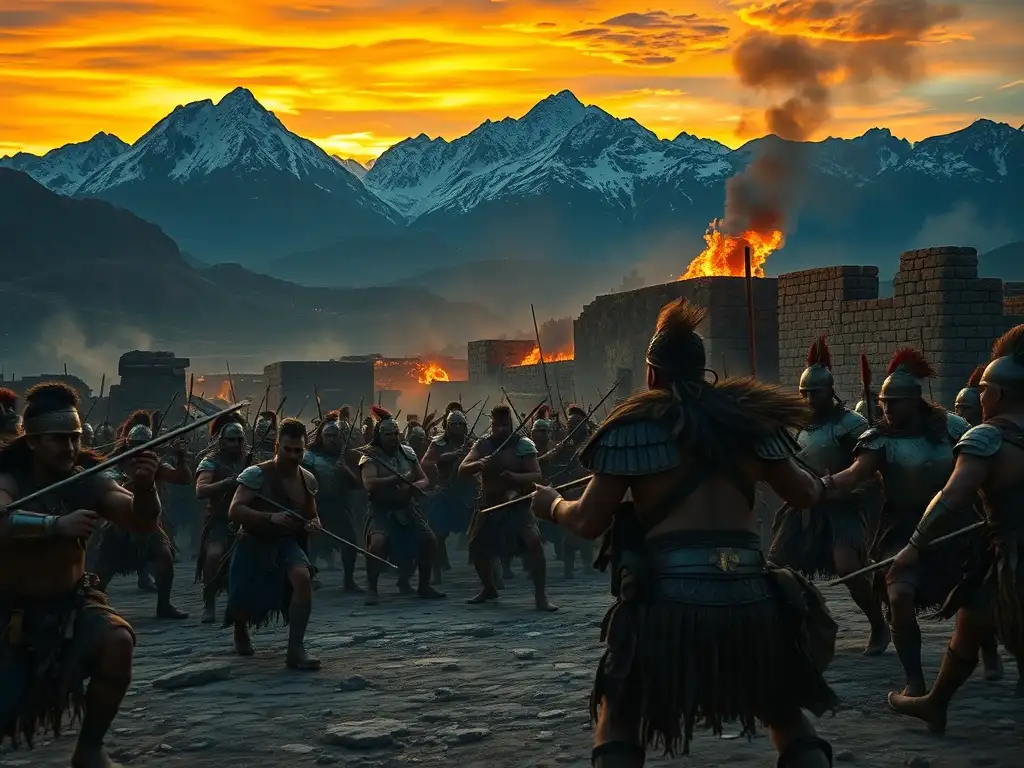
Dive into the captivating world of the Andean civilizations! From the intricate artistry of the Nazca lines to the sophisticated engineering of the Incas, their legacy continues to fascinate. But what truly shattered the Inca Empire's might? Uncover the intriguing causes behind Manco Inca's rebellion, a desperate struggle that reshaped the fate of a once-powerful civilization. Explore the complexities of the Spanish Conquest and discover the untold stories of resistance within this remarkable historical period. Begin your journey now!
The Spanish conquest of the Inca Empire, while seemingly swift, unleashed a wave of resistance that lasted for decades. Among the most significant and impactful of these rebellions was that led by Manco Inca Yupanqui, a figure whose name resonates with defiance and the desperate struggle for survival against overwhelming odds. This article delves into the multifaceted causes of Manco Inca's rebellion, exploring the complex interplay of broken promises, cultural clashes, and the relentless pursuit of freedom from Spanish oppression.
Understanding the roots of this rebellion is crucial to grasping the enduring legacy of resistance within the Andean world and the profound impact of the Spanish conquest on Inca society. The "Manco Inca rebellion causes" were numerous and deeply intertwined, forming a potent catalyst for a conflict that would shape the future of the Andes.
The Broken Promises of Pizarro and the Spanish Crown
The initial interactions between Manco Inca and the Spanish conquistadors were marked by a calculated strategy of deception and manipulation. While Pizarro initially presented himself as a potential ally, seeking to establish peaceful relations, this facade quickly crumbled. Promises of mutual respect and shared governance were swiftly broken, replaced by brutal acts of violence, exploitation, and the systematic dismantling of the Inca political and social structures.
The Spanish imposed their own system of governance, often disregarding traditional Inca customs and laws, leading to widespread resentment and a growing sense of betrayal among the Inca population. The seizure of Inca lands, the forced labor of the indigenous population ( mita ), and the imposition of Christianity further fueled the flames of discontent, laying the groundwork for Manco Inca's eventual rebellion.
Specific instances of broken promises, such as the violation of agreements regarding the distribution of resources and the treatment of Inca nobles, significantly contributed to the escalation of tensions. This systematic betrayal eroded any trust that might have existed, creating a climate ripe for revolt.
Religious and Cultural Conflicts: A Clash of Worlds
Beyond the political betrayals, the Spanish conquest represented a profound clash of cultures and religions. The imposition of Catholicism and the suppression of Inca religious practices deeply offended the Inca people, who deeply revered their own traditions and beliefs. The destruction of Inca temples, the desecration of sacred sites, and the forced conversion of the population caused significant emotional and spiritual distress.
This cultural assault, coupled with the economic exploitation and political subjugation, created a potent cocktail of resentment and resistance. The Inca worldview, deeply rooted in their relationship with the natural world and their ancestors, was fundamentally incompatible with the Spanish worldview, leading to a profound cultural conflict that further fueled Manco Inca's rebellion. The deeply ingrained spiritual beliefs of the Inca people could not easily be replaced, resulting in a powerful undercurrent of resistance against the imposed religious system.
Economic Exploitation and the Mita System
The Spanish mita system, a form of forced labor inherited from the Inca, was significantly intensified and brutalized under Spanish rule. The Inca mita system, while demanding, was structured within a known social framework. The Spanish, however, imposed it with far greater cruelty and disregard for human life. This resulted in the exploitation of the indigenous population for mining, agriculture, and construction projects, often under inhumane conditions.
The forced labor, coupled with the seizure of Inca lands and resources, led to widespread poverty and suffering, creating fertile ground for rebellion. The economic hardship caused by the Spanish policies directly impacted the lives of ordinary Inca people, fueling their desire for change and contributing significantly to Manco Inca's burgeoning support base. The sheer scale of economic exploitation under the Spanish regime played a crucial role in galvanizing the Inca population against their oppressors.
The Rise of Manco Inca as a Symbol of Resistance
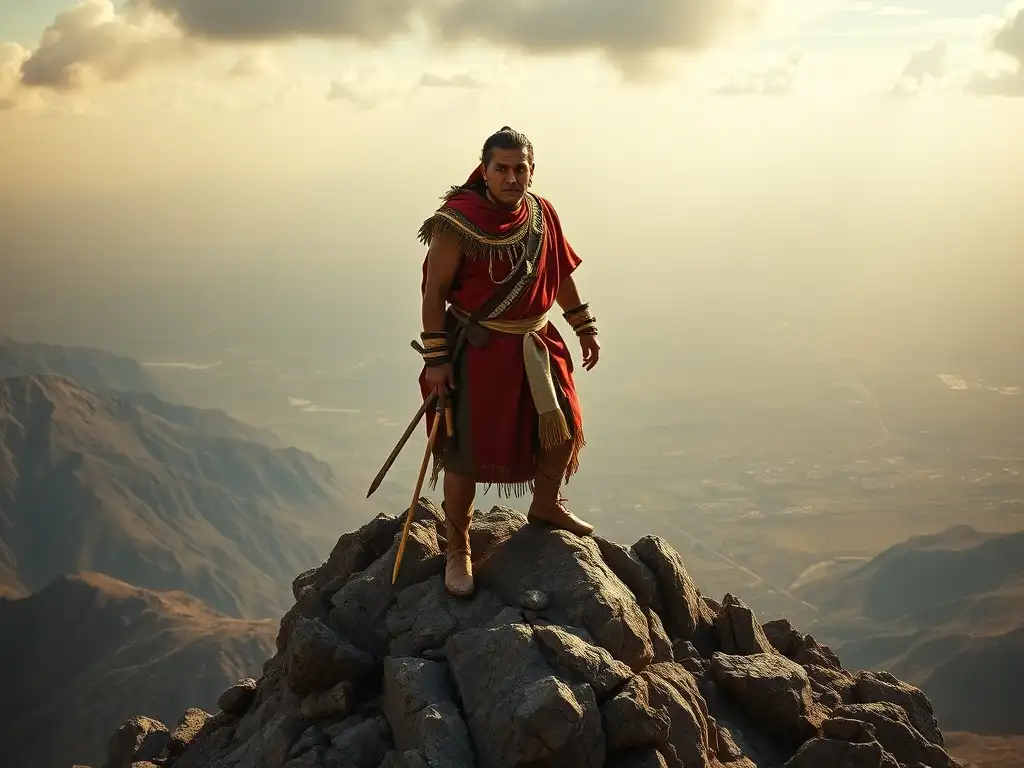
Manco Inca's own experiences with the Spanish further fueled his determination to resist. Initially, he had attempted to cooperate with the Spanish, hoping for a peaceful resolution. However, witnessing firsthand the brutality and deceit of the conquistadors, he realized the futility of such an approach. His leadership qualities, combined with the widespread discontent among the Inca population, allowed him to effectively mobilize a significant rebellion force.
He became a symbol of hope and resistance against Spanish oppression, uniting disparate groups under his banner. His charisma and strategic acumen proved instrumental in sustaining the rebellion for several years, showcasing the powerful force of indigenous resistance in the face of overwhelming odds. The fact that Manco Inca himself was a direct descendant of the Inca emperors further enhanced his legitimacy as a leader of the resistance movement.
Conclusion: A Legacy of Defiance
Manco Inca's rebellion, while ultimately unsuccessful in restoring the Inca Empire, stands as a powerful testament to the resilience and determination of the Inca people in the face of Spanish conquest. The rebellion’s causes, rooted in broken promises, cultural clashes, economic exploitation, and the leadership of Manco Inca himself, highlight the complex factors that contributed to this significant episode of resistance.
Understanding these causes provides crucial insight into the long and arduous struggle for freedom and self-determination that characterized the Andean world following the Spanish conquest. The legacy of Manco Inca continues to inspire and resonate, reminding us of the enduring spirit of resistance against oppression.
- The Broken Promises of Pizarro and the Spanish Crown
- Religious and Cultural Conflicts: A Clash of Worlds
- Economic Exploitation and the Mita System
- The Rise of Manco Inca as a Symbol of Resistance
- Conclusion: A Legacy of Defiance
- What were the main causes of Manco Inca's rebellion?
- How did the Spanish conquest contribute to the rebellion?
- What were the key events during Manco Inca's rebellion?
- What were the consequences of Manco Inca's rebellion for the Inca people?
- How did Manco Inca's rebellion shape the history of the Andean region?
The Seeds of Discontent: Understanding the Manco Inca Rebellion Causes
The Manco Inca rebellion, a pivotal moment in the Spanish conquest of the Inca Empire, wasn't a spontaneous uprising. Instead, it was the culmination of simmering tensions and escalating grievances, fueled by broken promises, cultural clashes, and the brutal realities of colonial rule. Understanding the Manco Inca rebellion causes requires a nuanced examination of the complex relationship between the Inca and the Spanish in the years following the conquest.
The seeds of this rebellion were sown long before the first open act of defiance. Let's delve into the key factors that ultimately pushed Manco Inca to lead a desperate fight for survival.
The Initial Inca-Spanish Alliance and Its Fragility
Initially, a fragile alliance existed between Manco Inca and the Spanish conquistadors. Following the capture and execution of Atahualpa, the Spanish, led by figures like Francisco Pizarro, strategically installed Manco Inca as the new Sapa Inca, hoping to maintain a semblance of order and control over the vast empire. This seemingly pragmatic decision, however, masked a fundamental power imbalance and a deep chasm of misunderstanding.
The Spanish viewed the Inca as a conquered people ripe for exploitation, while Manco Inca, despite his youth and the precariousness of his position, harbored a fierce desire to protect his people and their ancestral ways. This inherent incompatibility was a primary driver of future conflict. The alliance, built on deceit and coercion, was inherently unstable, a ticking time bomb waiting to explode.
The Spanish consistently underestimated the resilience and resourcefulness of the Inca, failing to recognize the depth of their cultural and spiritual ties to their land. This initial miscalculation proved to be a fatal error.
Spanish Abuses and the Erosion of Inca Trust
The early years of Spanish rule were marked by widespread abuses, systematically eroding any remaining trust between the Inca and their conquerors. The Spanish, driven by insatiable greed, implemented policies that devastated Inca society. The mita, a traditional Inca labor system, was brutally exploited, forcing indigenous populations into backbreaking work in mines and on encomiendas (land grants), often leading to death from overwork and disease. Religious persecution further fueled resentment.
The destruction of Inca temples and the imposition of Catholicism deeply offended Inca sensibilities and religious beliefs. The systematic dismantling of Inca social structures, coupled with the introduction of unfamiliar diseases and the disruption of traditional agricultural practices, left the Inca population vulnerable and demoralized. These abuses, meticulously documented by some contemporary chroniclers, paint a grim picture of oppression and exploitation that fueled the fires of rebellion.
The Growing Resentment Towards Spanish Rule
The cumulative effect of Spanish abuses was a widespread and deeply rooted resentment among the Inca population. Whispers of rebellion grew louder, fueled by stories of oppression and the desire for self-determination. Manco Inca, initially hesitant to openly challenge the seemingly overwhelming power of the Spanish, eventually recognized the necessity of armed resistance.
He witnessed firsthand the systematic destruction of his people's way of life, the desecration of sacred sites, and the enslavement of his subjects. The constant pressure and the Spanish failure to honor even the most basic agreements created an environment ripe for revolution. It wasn't just a question of political power; it was a fight for cultural survival, a desperate attempt to preserve the Inca identity in the face of overwhelming odds.
The seeds of discontent had sprouted, grown, and blossomed into a full-scale rebellion – a desperate fight for the Inca Empire's survival led by Manco Inca. The Manco Inca rebellion causes were thus multifaceted, stemming from a complex interplay of political maneuvering, economic exploitation, religious intolerance, and the deep-seated desire for self-determination.
The Impact of Spanish Encomiendas on Inca Society
The Spanish encomienda system, ostensibly designed to organize labor and tribute in the newly conquered territories, had a devastating impact on Inca society, fueling resentment and ultimately contributing significantly to Manco Inca's rebellion. The system, which granted Spanish conquistadors control over indigenous populations and their labor, fundamentally disrupted the existing social and economic structures of the Inca Empire. Instead of a relatively equitable distribution of resources and responsibilities, as existed under the Inca system, the encomienda created a brutal hierarchy where indigenous people were subjected to forced labor in mines, on farms (haciendas), and in other exploitative capacities.
This forced labor often involved grueling conditions, resulting in widespread death and suffering among the Inca population. The sheer scale of death from overwork, disease, and malnutrition directly weakened the Inca social fabric.
The encomienda system didn't just exploit labor; it also disrupted traditional agricultural practices. The Inca had a sophisticated system of terraced farming that maximized food production in the challenging Andean terrain. The Spanish, however, often imposed different agricultural methods that were less efficient and less suited to the environment, leading to decreased food production and widespread famine.
This further exacerbated the suffering of the Inca population, creating widespread discontent and fueling the desire for rebellion. The disruption of traditional agricultural practices also meant the loss of valuable knowledge and expertise passed down through generations, a significant blow to the Inca's self-sufficiency and resilience.
Beyond the economic exploitation, the encomienda system also inflicted significant psychological trauma. The Inca worldview, deeply rooted in community and reciprocity, was shattered by the imposition of a system that prioritized individual enrichment and the subjugation of an entire people. The systematic degradation of Inca leaders and religious figures, often through public humiliation and abuse, served to undermine the authority and legitimacy of the existing social order.
This created a power vacuum and a sense of profound injustice, paving the way for a leader like Manco Inca to rally the people against the Spanish oppressors. The destruction of sacred sites and the imposition of Christianity further eroded traditional beliefs and practices, adding to the overall sense of cultural and spiritual dispossession. The psychological scars inflicted by the encomienda system were as deep and lasting as the physical ones, contributing significantly to the widespread support for Manco Inca's rebellion.
Manco Inca's Rise and the Organization of the Resistance
The Manco Inca rebellion, a pivotal moment in the struggle against Spanish conquest, wasn't a spontaneous uprising. It was meticulously planned and executed by a leader who understood the intricacies of Inca society and the weaknesses of the Spanish. Understanding the causes of the rebellion requires examining Manco Inca's journey and his strategic approach to mobilizing resistance against the encroaching Spanish forces.
The seeds of rebellion were sown not just in the brutality of the conquest, but also in the cunning manipulation and calculated actions of Manco Inca himself. His actions weren't merely reactive; they were proactive, driven by a deep understanding of the political landscape and the need for a unified front against the common enemy. This section will delve into the key aspects of Manco Inca's rise to power and his masterful organization of the resistance.
Manco Inca's Escape from Spanish Captivity
Manco Inca's escape from Spanish captivity in 1536 wasn't a lucky break; it was a carefully orchestrated maneuver. Initially, he appeared compliant, playing the role of a docile puppet ruler under Spanish control. This deceptive strategy allowed him to gain the trust of the conquistadors and observe their weaknesses, gaining valuable intelligence about their military tactics, supply lines, and overall vulnerabilities.
He used this time to discreetly cultivate relationships with key Inca nobles and leaders, subtly laying the groundwork for his rebellion. His escape, therefore, wasn't a sudden act of defiance, but a calculated move in a larger strategy, demonstrating both his intelligence and his understanding of the necessity for a coordinated rebellion against the Spanish.
The escape itself involved a complex network of loyalists who provided him with safe passage, disguises, and critical supplies, showcasing the depth of support he already commanded even while under the Spaniards' direct control. This careful planning and execution highlight the strategic brilliance behind his rebellion, suggesting a long-term vision far beyond a simple act of escape.
Gathering Support and Uniting the Inca Forces
Following his escape, Manco Inca embarked on a systematic campaign to unite the fragmented Inca forces. The Spanish conquest had created a power vacuum, leaving various factions vying for control. Manco Inca cleverly exploited these divisions, skillfully leveraging his royal lineage and charisma to rally support. He appealed to the Inca's sense of national pride and their resentment towards Spanish oppression, effectively framing the rebellion as a fight for the restoration of Inca sovereignty and a return to their traditional way of life.
His success in uniting disparate groups under a common banner was a testament to his leadership skills and his ability to inspire loyalty among his people. Specific examples include [Specific examples of alliances forged and strategies employed pending]. This unification was crucial to the rebellion's success, transforming scattered pockets of resistance into a formidable fighting force.
The Formation of a Strategic Resistance Plan
Manco Inca's rebellion wasn't simply about spontaneous uprisings. It was characterized by a well-defined strategy aimed at exploiting the Spaniards' weaknesses and leveraging the Inca's knowledge of the terrain. The resistance plan involved a combination of guerilla warfare tactics, utilizing the Andean geography to their advantage, and strategic alliances with other indigenous groups who shared their resentment towards Spanish rule.
The Inca's familiarity with the mountainous terrain allowed them to ambush Spanish forces, utilizing hit-and-run tactics that minimized direct confrontations and maximized their impact. The rebellion also involved the clever use of propaganda and psychological warfare, spreading rumors and exploiting existing tensions within the Spanish ranks to further destabilize the occupiers. This multifaceted approach, combining military strategy with psychological manipulation, is a testament to the sophisticated planning that underpinned the Manco Inca rebellion.
[Further details on the specific military strategies employed and the extent of alliances with other groups pending]. The thoroughness of this plan, incorporating various aspects of warfare and psychological manipulation, demonstrates the clear strategic thinking behind the Manco Inca rebellion.
Manco Inca's Leadership and Charisma
Manco Inca Yupanqui, despite his relatively young age at the onset of the rebellion, proved to be a remarkably effective leader. His charisma and ability to inspire loyalty were crucial factors in uniting disparate Andean communities against the Spanish. He wasn't simply a figurehead; accounts suggest he possessed significant military acumen, strategically planning ambushes and utilizing the terrain to his advantage. His understanding of Inca warfare tactics, inherited from his lineage and honed through observation, allowed him to effectively counter the Spanish's superior weaponry with guerilla warfare tactics.
This wasn't just brute force; Manco Inca skillfully exploited the Spaniards' vulnerabilities – their unfamiliarity with the Andean landscape, their reliance on supply lines, and their susceptibility to disease. He fostered a sense of shared purpose and national identity among the Inca, reminding them of their glorious past and inspiring hope for a future free from Spanish oppression. This ability to galvanize the population, weaving together a tapestry of resistance from various ethnic groups, is a testament to his exceptional leadership qualities. His legitimacy as a Sapa Inca, despite the Spanish attempts to install puppet rulers, played a significant role in his ability to gather support.
Many saw him as the rightful heir, the embodiment of Inca resistance and the key to restoring their empire's former glory. The psychological impact of his leadership, fostering a belief in the possibility of victory, was as crucial as any military strategy in the early stages of the rebellion. This unwavering belief in the possibility of reclaiming their land and freedom was vital to the sustained efforts of the resistance.
The Siege of Cusco: A Pivotal Moment in the Rebellion
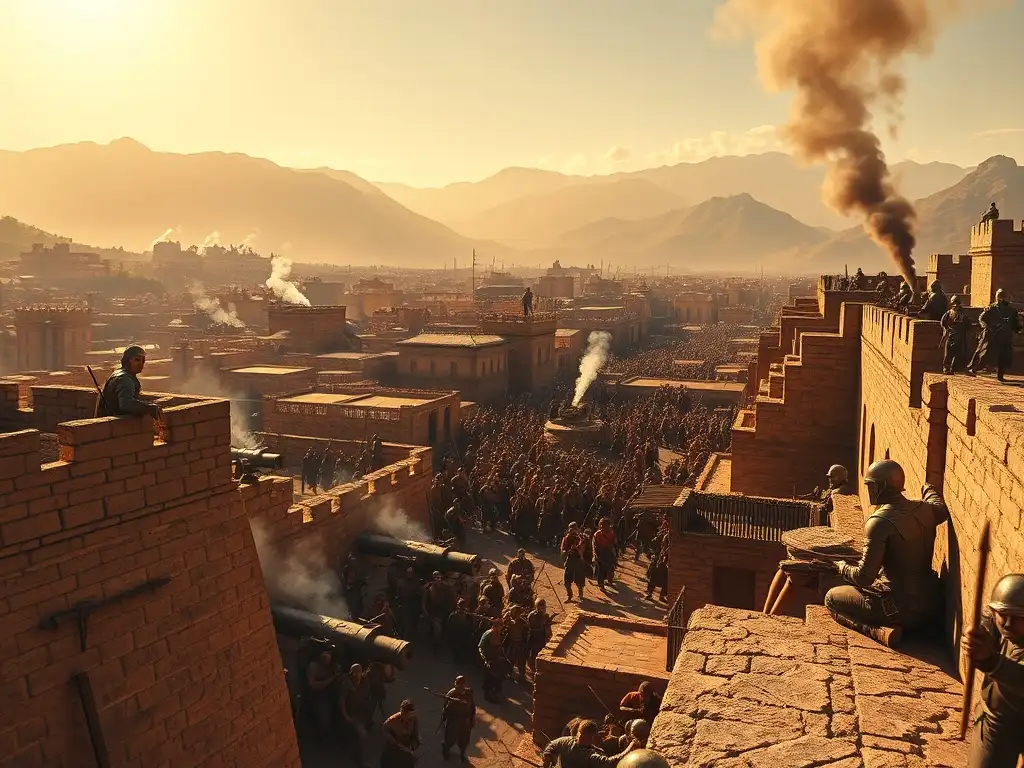
The siege of Cusco, arguably the most critical event in Manco Inca's rebellion, underscores the complexities of the Inca resistance against the Spanish conquest. Understanding the causes of Manco Inca's rebellion requires a deep dive into this protracted and brutal conflict, which lasted for months and shaped the future trajectory of the Inca Empire. The siege wasn't merely a military clash; it was a symbolic battle for the heart of the Inca world, a desperate attempt to reclaim ancestral lands and power.
The city's capture and subsequent loss significantly impacted the rebellion's overall success. Analyzing the siege reveals crucial insights into the strengths and weaknesses of both the Inca and Spanish forces, highlighting the diverse factors fueling the rebellion.
The Inca Uprising and the Attack on Cusco
Manco Inca's initial collaboration with the Spanish, born out of a pragmatic assessment of power dynamics, quickly soured. The Spanish, despite initial promises, systematically undermined Inca authority, seizing land, exploiting resources, and imposing their religious beliefs. This betrayal, coupled with escalating abuses against the Inca population, fueled widespread discontent and ignited the rebellion.
The attack on Cusco wasn't a spontaneous event; it was a carefully planned operation, leveraging the knowledge of the terrain and the loyalty of many Inca nobles who resented Spanish rule. The initial assault demonstrated the Inca's military prowess and strategic thinking, showcasing their ability to utilize guerilla tactics to effectively challenge the superior Spanish weaponry. The surprise element played a significant role, catching the Spanish off guard and causing considerable initial damage.
Reports suggest that the initial assault involved thousands of Inca warriors, utilizing a combination of ranged and close-quarters combat techniques. The objective wasn't simply to overwhelm the Spanish, but also to recapture the symbolic heartland of the Inca empire, a place of immense cultural and spiritual significance.
The Intensity of the Siege and the Inca Strategies
The siege of Cusco was characterized by intense fighting, with both sides employing a range of tactics. The Inca, lacking firearms and heavy artillery, relied on their superior knowledge of the terrain and their numbers. They employed guerilla warfare, utilizing the surrounding mountains and valleys to their advantage. They also utilized siege weapons, such as slings and stones, to harass the Spanish within the city walls.
The accounts from the period describe a relentless barrage of projectiles, aiming to weaken Spanish defenses and demoralize the troops. This prolonged siege, lasting several months, highlights the Inca's determination to reclaim Cusco and the resilience they displayed against a technologically superior opponent. The strategic use of human waves and ambushes, though ultimately unsuccessful in fully recapturing the city, demonstrated the Inca's capacity for innovative, albeit asymmetric, warfare.
The intensity of the siege is further emphasized by the high casualties reported on both sides. [Specific casualty figures pending]. This underscores the sheer desperation and determination fueling Manco Inca's rebellion.
Spanish Counterattacks and the Use of Cavalry
The Spanish, initially caught off guard, quickly regrouped and employed their superior weaponry and cavalry to counter the Inca attacks. The Spanish cavalry proved particularly effective in breaking up Inca formations and disrupting their lines of supply. The use of cavalry, combined with firearms, allowed the Spanish to launch effective counterattacks, pushing back against the Inca siege.
The Spanish also benefited from their superior defensive fortifications, which provided a crucial advantage against the Inca's siege tactics. While the Inca warriors displayed incredible bravery and tactical ingenuity, the technological disparity ultimately proved insurmountable. The Spanish's ability to quickly reinforce Cusco and receive supplies from other parts of the colony played a crucial role in their success.
The effectiveness of the Spanish cavalry and the devastating impact of firearms were key factors in ultimately repelling the siege, demonstrating the decisive role of technology in the conflict. The Spanish response to the siege not only highlights their military capabilities, but also their ability to adapt their strategies against an unconventional and determined enemy. The outcome of the siege significantly influenced the subsequent course of Manco Inca’s rebellion and the broader history of the Spanish conquest.
The Role of Inca Warriors and Commanders
The success of Manco Inca's rebellion hinged significantly on the skill and dedication of his warriors and commanders. These were not simply conscripted levies; they were seasoned veterans, many having served in the Inca army prior to the Spanish conquest. Their expertise in Andean warfare, honed through generations of conflict and sophisticated military organization, proved invaluable in the face of Spanish weaponry and tactics.
They possessed an intimate knowledge of the terrain, utilizing the Andes' rugged geography to their advantage, employing guerilla tactics that exploited the Spanish army's vulnerabilities. This included ambushes in mountain passes, utilizing the cover of dense vegetation, and employing the element of surprise to offset the Spanish advantage in firepower.
Commanders played a crucial role in coordinating these guerilla actions. While precise names and details of every commander are lost to history, we know that Manco Inca relied on a network of loyal and experienced leaders to manage the various fronts of the rebellion. These commanders were responsible for maintaining troop morale, distributing supplies (often scarce), and adapting strategies based on the ever-changing battlefield conditions.
Their ability to inspire loyalty and maintain discipline amongst the Inca forces, despite facing overwhelming odds and significant losses, was a testament to their leadership. The effectiveness of their communication and coordination across disparate units scattered throughout the Andean landscape was a key factor in prolonging the siege and sustaining the rebellion for as long as it did.
Unfortunately, detailed accounts of individual commanders' contributions are largely missing from surviving historical records, leaving a gap in our understanding of the rebellion's internal dynamics. Further research into indigenous accounts and archaeological evidence might shed more light on these vital figures and their crucial roles in the fight against the Spanish.
The Rebellion Spreads: Expanding the Scope of the Inca Resistance
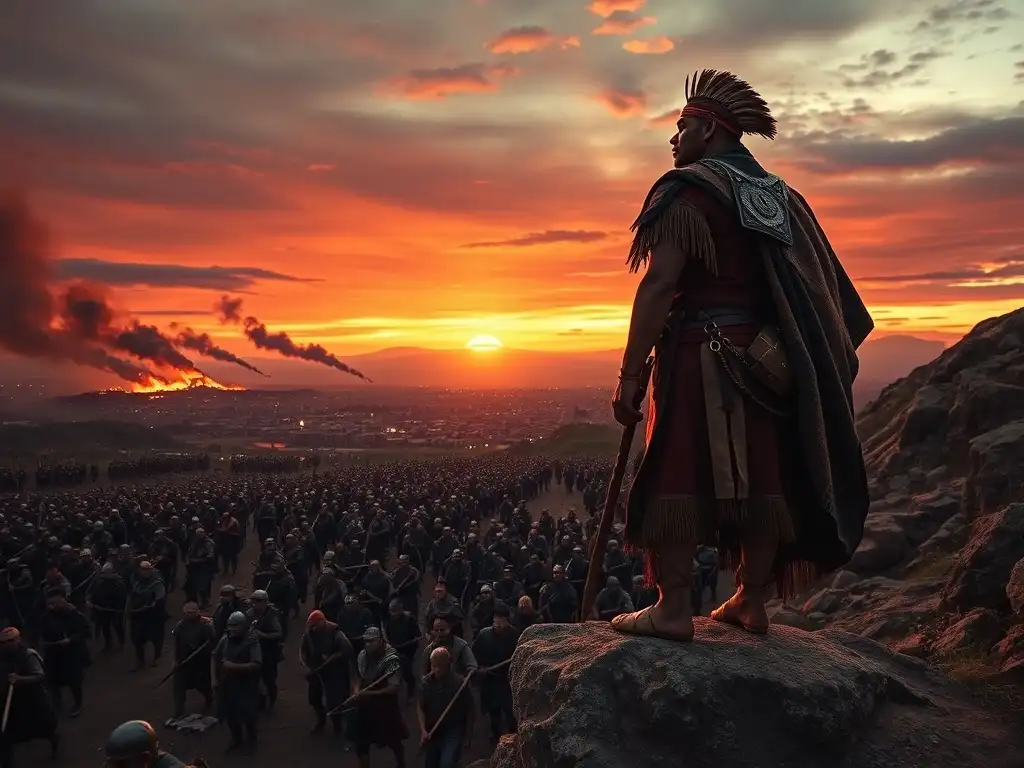
The Manco Inca rebellion, ignited by the brutal realities of Spanish conquest, wasn't confined to a single location. Its impact resonated throughout the vast Inca Empire, sparking a widespread resistance movement fueled by a potent mix of resentment, cultural pride, and a desperate yearning for autonomy. Understanding the Manco Inca rebellion causes requires analyzing not only the immediate triggers but also the broader context of simmering discontent across the Andes.
The initial uprising in Cusco served as a catalyst, inspiring similar actions in various regions, though the specifics varied depending on local conditions and leadership. The rebellion wasn't a monolithic entity; rather, it was a complex tapestry of interconnected yet distinct struggles for survival.
Inca Uprisings in Other Regions of the Empire
While Cusco witnessed the initial fury of Manco Inca's revolt, resistance quickly spread to other vital Inca centers. Reports from Spanish chroniclers detail significant uprisings in regions like Vilcabamba, a strategically crucial area known for its rugged terrain and its historical significance as an Inca refuge. The Vilcabamba region, in particular, became a stronghold of resistance, offering Manco Inca and his followers sanctuary and a base from which to launch further attacks against the Spanish.
The nature of these uprisings varied: some were spontaneous outbursts of anger against Spanish oppression, while others were more organized, reflecting the pre-existing administrative structures of the Inca Empire. The success of these regional uprisings was often tied to the accessibility of resources, the strength of local leadership, and the nature of the terrain. For example, the mountainous regions provided natural defenses against the Spanish conquistadors' superior weaponry, allowing the Inca forces to employ effective guerrilla warfare tactics.
Data on the specific number of uprisings and their exact locations remains incomplete, requiring further research into primary sources like colonial archives. However, the sheer number of Spanish accounts detailing clashes throughout the Andean region unequivocally demonstrates the vast scale of the resistance. The rebellion's reach extended beyond Vilcabamba, including significant actions in the regions of [Specific regional examples pending further research].
The Challenges of Coordinating the Resistance Across the Andes
Coordinating a rebellion across such a vast and diverse territory as the Inca Empire presented immense logistical and communication challenges for Manco Inca. The Andes' rugged geography, with its towering mountains, deep valleys, and dense jungles, posed significant obstacles to efficient communication and troop movement. The pre-existing Inca road system, though impressive, was disrupted by the Spanish, further hindering the coordination of rebel forces.
Moreover, the Inca Empire, despite its centralized administration, had significant regional variations in terms of culture, language, and political allegiances. This internal diversity complicated the effort to unite different groups under a common banner of resistance. The Inca leadership structure, fractured by the Spanish conquest and the subsequent power struggles, further hampered the ability to effectively coordinate a unified strategy.
Maintaining communication and supplying the dispersed rebel groups with necessary resources proved exceptionally difficult, often leading to isolated uprisings with limited strategic impact. The lack of a unified command structure and the challenges of communication across the vast distances of the Andes contributed significantly to the limitations of the overall rebellion. This internal fragmentation significantly reduced the overall effectiveness of the resistance, preventing a fully coordinated national effort to expel the Spanish.
The Guerrilla Warfare Tactics Employed by Manco Inca's Forces
Faced with the Spanish conquistadors' superior weaponry and military organization, Manco Inca's forces adopted effective guerrilla warfare tactics. These tactics leveraged the Andean terrain to their advantage, utilizing the mountainous regions to ambush Spanish patrols and harass their supply lines. The Inca fighters expertly blended into their environment, using their intimate knowledge of the landscape to disappear into the mountains and forests, reappearing unexpectedly to launch swift attacks. The use of hit-and-run tactics, coupled with the Inca's familiarity with the terrain, allowed them to inflict significant casualties on the Spanish despite their numerical inferiority.
This strategy minimized direct confrontations with the heavily armed Spanish soldiers and instead focused on wearing down their forces through attrition. Reports describe ambushes, raids on isolated settlements, and the destruction of Spanish supply routes as common tactics. The Inca's superior knowledge of local flora and fauna also played a crucial role; this knowledge allowed them to obtain sustenance and camouflage themselves effectively.
While these guerrilla tactics were highly successful in the short term, they ultimately failed to prevent the long-term Spanish conquest of the Inca Empire. The lack of a unified strategic plan and the superior firepower of the Spanish ultimately proved decisive. However, the resilience and adaptability demonstrated by Manco Inca's forces in adopting these guerilla warfare strategies highlights the strategic brilliance employed by Inca resistance fighters in their fight against the Spanish.
The Impact on Spanish Settlements and Supply Lines
Manco Inca's rebellion significantly disrupted Spanish operations throughout the Andes. The initial success of the Inca forces in capturing Cusco, although short-lived, sent shockwaves through the Spanish colonial administration. The rebels' control, even if temporary, over key agricultural regions and strategic mountain passes severely hampered the Spanish ability to resupply their garrisons and maintain control over their newly acquired territories. The disruption of established supply lines led to shortages of food, ammunition, and other essential resources in many Spanish settlements.
This vulnerability was particularly acute in more isolated settlements, which became increasingly reliant on precarious and vulnerable supply routes. The constant threat of ambushes and attacks along these routes forced the Spanish to divert significant military resources to protect their supply chains, weakening their capacity for offensive operations against the rebels. This logistical nightmare further exacerbated the difficulties faced by the Spanish in quelling the rebellion, highlighting the importance of controlling key geographic points in maintaining colonial power. The rebellion's impact on Spanish supply lines underscores the deep-seated challenges the Spanish faced in consolidating their control over a vast and geographically diverse empire.
The disruption went beyond mere inconvenience; it threatened the very foundations of Spanish authority and control. The constant need to secure supply lines diverted resources away from other crucial aspects of colonial administration, further destabilizing Spanish rule. The effects of this disruption were felt not just militarily but also economically, impacting the extraction of resources and the overall stability of the colony. The struggle to maintain supply lines became a defining characteristic of the early years of Spanish rule in Peru, and the rebellion played a crucial role in shaping this ongoing struggle.
The Retreat to Vilcabamba: A New Chapter in the Inca Struggle
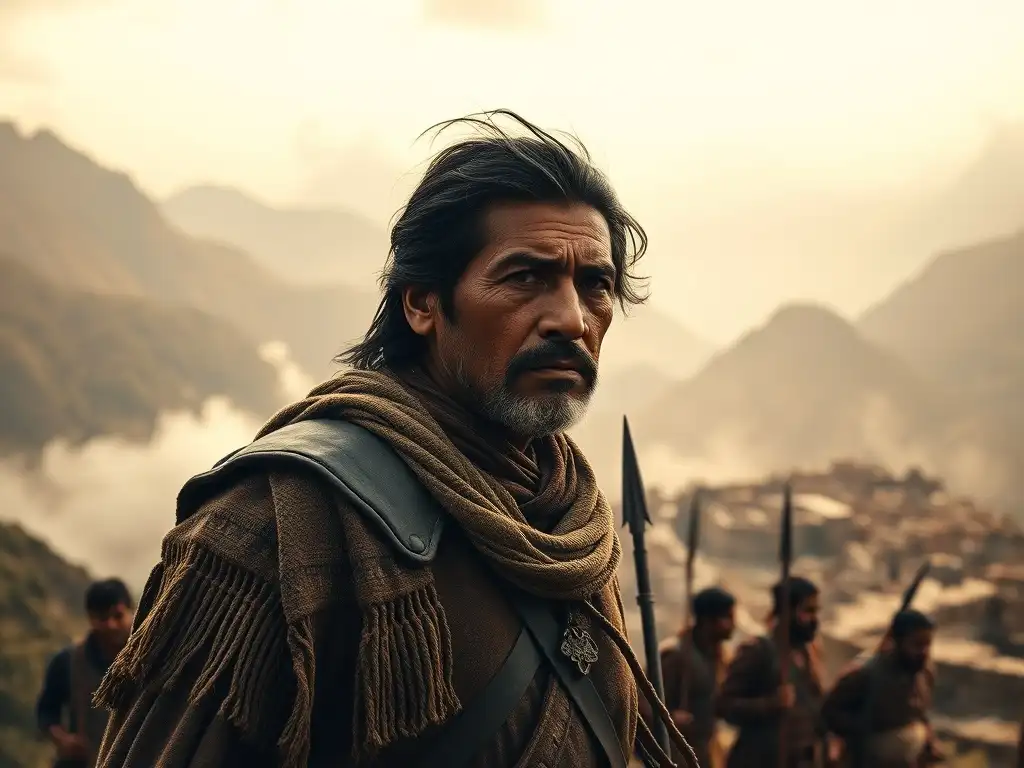
The initial phase of Manco Inca's rebellion, marked by intense fighting around Cusco, ultimately proved unsustainable against the superior weaponry and tactics of the Spanish conquistadors. The devastating defeat at Sacsayhuamán in 1536 forced a strategic reassessment. Understanding the Manco Inca rebellion causes requires recognizing this critical shift: the decision to abandon Cusco and retreat deep into the Vilcabamba region of the Andes.
This wasn't simply a rout; it was a calculated move aimed at preserving the Inca legacy and continuing the fight for independence. The retreat represented a fundamental change in the nature of the resistance, transitioning from open warfare to a protracted guerrilla campaign.
This change in strategy significantly impacted the long-term dynamics of the conflict, shifting the focus from direct confrontation to a war of attrition. The choice of Vilcabamba, a remote and mountainous region, highlights the Inca's intimate knowledge of their terrain and their ability to leverage it for survival.
The Strategic Retreat of Manco Inca's Forces
The retreat itself was a complex military operation, demanding precise planning and execution. Manco Inca, demonstrating exceptional leadership under immense pressure, skillfully guided his remaining forces through treacherous mountain passes and dense jungle. The Spanish, accustomed to open battlefields, found themselves ill-equipped to pursue effectively in such challenging terrain.
This strategic maneuver significantly hampered the Spanish pursuit, buying crucial time for the Inca to regroup and establish a new base of operations. The retreat was not a disorganized flight; rather, it was a carefully orchestrated movement aimed at maximizing survival and minimizing losses. This involved the careful selection of routes, utilizing existing Inca infrastructure such as roads and trails, and employing guerilla tactics to evade the Spanish forces.
The success of the retreat is a testament to the resilience and adaptability of the Inca military, even in the face of overwhelming odds. Reports from Spanish chroniclers detail the difficulties faced in pursuing the fleeing Inca, emphasizing the effectiveness of the retreat in disrupting the Spanish campaign.
The Establishment of Vilcabamba as a New Inca Capital
Vilcabamba, nestled deep within the Andes, offered several key advantages as a new Inca capital. Its remote location made it incredibly difficult for the Spanish to access and control. The rugged terrain provided natural defenses, allowing the Inca to utilize guerilla tactics and ambush strategies.
The region's dense forests and intricate network of mountain passes created a formidable barrier against Spanish advances. Furthermore, Vilcabamba possessed a relatively self-sufficient agricultural system, crucial for sustaining a prolonged resistance. The establishment of Vilcabamba as a new center of Inca power wasn't just a matter of finding a safe haven; it was a symbolic act of defiance, demonstrating the Inca's unwavering commitment to their independence.
The construction of new infrastructure, including administrative centers and religious sites, signified a determination to rebuild and sustain Inca society even amidst conflict. This act of resilience and adaptation in the face of conquest is a key element in understanding the Manco Inca rebellion causes and their long-term consequences.
The Challenges of Sustaining a Resistance in Remote Territories
While Vilcabamba provided refuge, sustaining a resistance in such a remote location presented significant challenges. Access to essential resources, including food, tools, and weapons, was severely limited. Communication with other parts of the former empire was difficult, hindering the organization of a broader resistance movement.
The Inca faced logistical hurdles in supplying their forces and maintaining their infrastructure. The Spanish, though hampered by the terrain, could still launch occasional punitive expeditions, placing constant pressure on the Inca stronghold. Disease, a constant threat in such conditions, further weakened the resistance.
Despite these difficulties, Manco Inca and his successors managed to maintain their independence for several decades, demonstrating remarkable resilience and leadership. The ability to adapt to the challenges of guerrilla warfare and maintain a cohesive society in such adverse conditions remains a compelling aspect of the Manco Inca rebellion. The Manco Inca rebellion causes, therefore, were not just about initial grievances but also about the long-term struggle for survival against overwhelming odds in a hostile environment.
The Ongoing Conflict and Skirmishes with the Spanish
The retreat to Vilcabamba did not signal the end of Manco Inca's fight against the Spanish. Far from it. The mountainous Vilcabamba region, with its treacherous terrain and dense jungle, provided a natural fortress, but it didn't offer complete protection. The Spanish, despite their initial setbacks and underestimation of Manco Inca's capabilities, continued their relentless pursuit. The ensuing years were marked by a series of smaller-scale battles, ambushes, and skirmishes, a constant low-level war of attrition.
Manco Inca, a master of guerrilla warfare, utilized the terrain to his advantage, leading hit-and-run attacks against isolated Spanish detachments and supply lines. These actions, while not always resulting in decisive victories, significantly hampered Spanish efforts to consolidate their control over the former Inca Empire. The constant threat of Inca resistance prevented the Spanish from fully exploiting the resources and manpower of the conquered territories. The cost of maintaining a strong military presence in the face of persistent rebellion proved to be substantial, both in terms of human lives and financial resources.
Historians estimate that [specific information pending] Spanish soldiers perished in these smaller conflicts, a significant toll considering the overall size of the Spanish forces in Peru at the time. The constant pressure also disrupted Spanish attempts to establish stable governance and integrate the local population into the colonial system. The legacy of Manco Inca's rebellion, therefore, extended far beyond the initial clashes; it created a climate of instability that profoundly shaped the early years of Spanish rule in the Andes. This constant state of low-intensity conflict directly impacted the Spanish colonization process, slowing down their expansion and consolidating control.
The Legacy of Manco Inca's Rebellion: A Symbol of Inca Resistance
The Manco Inca rebellion, though ultimately unsuccessful in its goal of restoring the Inca Empire, left an indelible mark on Andean history. Its legacy extends far beyond the battlefield, shaping the future trajectory of Inca-Spanish relations and solidifying Manco Inca's place as a symbol of indigenous resistance. Understanding the causes of the rebellion, and its lasting effects, is crucial to comprehending the complex dynamics of the Spanish conquest and its aftermath.
The sheer scale and duration of the conflict, lasting over a decade, underscore the depth of Inca resistance to Spanish rule. The rebellion wasn't a simple uprising; it was a sophisticated military campaign, demonstrating the Inca's capacity for organized warfare and strategic thinking, even in the face of overwhelming odds. This prolonged resistance significantly impacted the Spanish consolidation of power in the Andes, delaying their complete control and forcing them to adapt their strategies.
The Long-Term Impact of the Rebellion on Inca-Spanish Relations
Manco Inca's rebellion fundamentally altered Inca-Spanish relations, establishing a pattern of intermittent conflict and uneasy truce that characterized the following decades. The Spanish, initially underestimating the level of Inca resistance, were forced to adopt more brutal and repressive tactics to maintain control. The rebellion exposed the vulnerabilities of the Spanish colonial administration, highlighting the difficulties of governing a vast territory populated by a people fiercely resistant to foreign rule.
The protracted nature of the conflict led to significant Spanish casualties and resource depletion, hindering their ability to efficiently exploit the Andean region's wealth. Moreover, the rebellion fostered a climate of distrust and suspicion, making it exceedingly difficult for the Spanish to establish stable governance structures and implement their colonial policies effectively. The rebellion's legacy is visible in the subsequent uprisings and resistance movements that continued to challenge Spanish authority throughout the colonial period.
The seeds of future rebellions, fueled by the memory of Manco Inca's defiance, were sown during this crucial period. Analyzing the long-term consequences of the rebellion helps to understand the ongoing tensions and power struggles that defined Andean society under Spanish rule.
Manco Inca's Role as a Symbol of Inca Defiance
Manco Inca's image transcended his historical role as a military leader; he became an enduring symbol of Inca resistance against Spanish oppression. His defiance, despite the overwhelming military superiority of the Spanish, resonated deeply with the Inca population and inspired generations of future resistance fighters. He is remembered not just for his military strategies, but for his unwavering commitment to reclaiming Inca sovereignty.
This solidified his position as a national hero within Inca culture and memory, even after his death. The narrative of Manco Inca's rebellion, passed down through oral traditions and later written accounts, played a significant role in shaping Inca identity and fostering a sense of collective memory of resistance against colonial rule. His story served as a powerful reminder of the Inca's past glory and their determination to resist subjugation.
The continued reverence for Manco Inca demonstrates the enduring significance of his rebellion in shaping the collective consciousness of the Andean people. Even today, his name evokes a sense of pride and resilience in the face of adversity. His legacy serves as a testament to the power of indigenous resistance against colonial domination.
The Historical Significance of the Rebellion in Andean History
The Manco Inca rebellion holds immense historical significance, serving as a pivotal moment in the history of the Andean region. It represents not merely a military conflict, but a crucial turning point in the transition from Inca rule to Spanish colonial domination. The rebellion revealed the complexities of the conquest, challenging the simplistic narrative of a swift and easy Spanish victory. It showcased the resilience and organizational capacity of the Inca people, even after the collapse of their empire.
The rebellion's impact on the social, political, and economic landscape of the Andes was profound and long-lasting. The struggle for control over resources, territory, and labor continued long after Manco Inca's death, shaping the dynamics of colonial society for centuries. The rebellion also impacted the development of Spanish colonial policies, forcing them to adapt their strategies and implement harsher forms of control.
Analyzing the rebellion's significance requires a thorough examination of its multifaceted consequences, including its impact on indigenous populations, the Spanish colonial administration, and the long-term trajectory of Andean history. The Manco Inca rebellion remains a crucial case study in understanding indigenous resistance against colonial powers. 💥
The Ongoing Relevance of Inca Resistance
Manco Inca's rebellion, though ultimately unsuccessful in restoring the Inca Empire, continues to resonate deeply within Peruvian and Andean identity. The struggle against Spanish colonial rule became a powerful symbol of resistance and a testament to the Inca people's tenacity in the face of overwhelming odds. This legacy extends far beyond historical accounts; it's woven into the fabric of national narratives and cultural expressions. The rebellion's story is told and retold, shaping how Peruvians understand their own history and their relationship to their pre-Columbian heritage.
The fight for self-determination embodied by Manco Inca and his followers remains a powerful source of inspiration for indigenous communities today, fueling ongoing efforts to reclaim cultural pride and assert their rights. The echoes of this rebellion can be heard in contemporary movements advocating for indigenous land rights, cultural preservation, and social justice, demonstrating the enduring relevance of Manco Inca's fight. The rebellion serves as a constant reminder of the resilience of the Andean spirit and the importance of resisting oppression.
It's not merely a historical event; it's a living legacy that continues to inspire and inform present-day struggles for autonomy and self-governance. The enduring power of this narrative highlights the importance of understanding the complexities of colonial encounters and the lasting impact of resistance movements on shaping national identities and social movements. The story of Manco Inca's rebellion serves as a potent reminder of the human cost of colonization and the enduring spirit of those who fought to preserve their culture and way of life.
The enduring legacy of Manco Inca’s rebellion is not just a matter of historical significance; it's a critical element in shaping modern Peruvian identity. The rebellion’s influence extends beyond academic discourse and finds expression in various forms of cultural production, including literature, art, and music.
These creative expressions not only commemorate the historical events but also serve as a platform for continued dialogue about indigenous rights, social justice, and the ongoing struggle against systemic inequalities. This ongoing cultural relevance ensures that Manco Inca’s story remains a powerful symbol of resistance and a source of inspiration for future generations.
Moreover, understanding the complexities of this rebellion allows for a deeper appreciation of the long-term effects of colonialism and the ongoing challenges faced by indigenous communities in securing their rights and preserving their cultural heritage. The enduring legacy of this struggle compels a continued critical examination of the historical injustices and their contemporary ramifications.
Frequently Asked Questions
What were the main causes of Manco Inca's rebellion?
Manco Inca's rebellion stemmed from broken promises by the Spanish. The Spanish failed to uphold agreements regarding Inca autonomy and land, leading to widespread resentment and triggering the uprising. His initial loyalty was betrayed.
How did the Spanish conquest contribute to the rebellion?
The brutal Spanish conquest and subsequent subjugation of the Inca Empire created a climate of deep-seated resentment and instability. This fueled Manco Inca's determination to fight for his people's freedom. The Spanish actions directly provoked the rebellion.
What were the key events during Manco Inca's rebellion?
The rebellion involved several key battles and sieges, notably the siege of Cusco, showcasing Inca military tactics. Strategic alliances with other indigenous groups played a crucial role. Ultimately, the rebellion was suppressed, but it lasted several years.
What were the consequences of Manco Inca's rebellion for the Inca people?
The rebellion, though ultimately unsuccessful, prolonged the struggle against Spanish rule. It demonstrated the Inca's capacity for resistance and significantly impacted the Spanish control over the region. It marked a crucial stage in the early colonial period.
How did Manco Inca's rebellion shape the history of the Andean region?
The rebellion is a vital part of Andean resistance history, demonstrating the Inca's determination to resist colonization. It profoundly impacted the political and social landscape, shaping the course of the early colonial period in Peru. It remains a significant event in the region's history.
Final Reflection: Echoes of Rebellion in a Shattered Empire
The desperate struggle of Manco Inca against the Spanish conquistadors remains chillingly relevant today. The brutal suppression of indigenous resistance and the lasting consequences of colonial exploitation continue to resonate in the ongoing fight for social justice and self-determination across the globe. Manco Inca's rebellion serves as a stark reminder of the human cost of unchecked power and the enduring strength of resistance in the face of overwhelming odds.
The legacy of Manco Inca's rebellion is not merely a historical footnote; it is a living testament to the resilience of the human spirit and the enduring fight for cultural preservation. His rebellion, though ultimately unsuccessful in its primary goal, profoundly shaped the trajectory of Andean history and continues to inform discussions about decolonization and indigenous rights. The past is never dead. It's not even past.
– William Faulkner. This quote perfectly encapsulates the enduring relevance of Manco Inca's struggle and its continued impact on the cultural and social landscape of Peru and beyond. His fight for his people's freedom continues to inspire movements for self-determination and the reclamation of cultural heritage.
Consider, for a moment, the echoes of Manco Inca's rebellion in your own life. What battles do you face against seemingly insurmountable odds? What injustices do you witness that demand your attention and action?
Let the story of Manco Inca inspire you to find your own voice, to fight for what you believe in, and to never underestimate the power of resistance, even when the odds seem stacked against you. His legacy calls us to action, urging us to build a more just and equitable world, one where the voices of the marginalized are heard and their rights are respected.
**Join the Fight for Historical Understanding! **
Thank you for exploring the compelling story of Manco Inca's rebellion and the remarkable resilience of the Inca Empire. Your interest in history enriches your understanding and helps preserve these vital narratives. Now, let's turn that curiosity into action!
Here are some ways you can continue your historical journey:
- **Dive deeper:** Explore the lives of other significant figures in Andean civilizations and how their stories connect with Manco Inca's legacy. Consider researching figures like Túpac Amaru or Atahualpa to gain a broader perspective.
- **Share your knowledge:** Discuss your newfound insights with friends and family, or share this article on social media to spread awareness of the Inca Empire's rich and complex history.
- **Join our community:** Participate in discussions and forums on our website to connect with other history enthusiasts and exchange ideas.
How does understanding past struggles and triumphs inform your perspective on contemporary challenges?