
The Influence of Andean Resistance on Future Independence Movements


Uncover the hidden threads connecting ancient defiance to modern liberation. For centuries, the Andean civilizations – Incas, Moche, Nazca, and Tiahuanaco – stood as testaments to resilience, their ingenuity shaping a world far beyond the mountains. But how did their unwavering Andean resistance influence the very independence movements that would eventually reshape South America? Explore this captivating legacy and discover the surprising impact of ancient struggles on the future – the story is far more intricate than you might imagine.
The Spanish conquest of the Andes, while ultimately successful in establishing colonial rule, did not quell the spirit of resistance among the indigenous populations. For centuries, Andean communities engaged in a complex and multifaceted struggle against Spanish domination, employing various strategies from open rebellion to subtle forms of cultural preservation. This article explores the profound influence of this Andean resistance on the later independence movements of the 19th century, demonstrating how the seeds of liberation were sown long before the formal declarations of independence.
We will examine key rebellions, influential leaders, and the enduring legacy of indigenous demands for self-determination, showcasing how Andean resistance directly shaped the trajectory of South American independence. Understanding this historical connection is crucial for a complete picture of the region's liberation and the ongoing struggle for social justice. The keyword "Andean resistance influence independence movements" will be explored in detail throughout this analysis.
Understanding Andean Resistance to Spanish Colonial Rule
The Spanish conquest did not result in the immediate and complete subjugation of the Andean peoples. Instead, resistance took many forms, often interwoven and evolving over time. This section will delve into specific examples of this resistance, highlighting the various strategies employed and their lasting impact.
The Mita System and Early Indigenous Opposition
The mita, a system of forced labor imposed by the Spanish, became a focal point of early indigenous opposition. While ostensibly designed to extract labor for mining and other colonial projects, the mita was often brutally enforced, leading to widespread suffering and resentment. The inherent injustice of the system fueled numerous revolts, often localized but significant in their cumulative effect on colonial authority.
These early uprisings, though frequently suppressed, demonstrated the unwavering determination of Andean communities to resist exploitation and maintain their autonomy. The resistance against the mita was not merely a reaction to economic hardship; it was a fundamental challenge to the very legitimacy of Spanish rule. Detailed accounts of specific mita revolts and their consequences are [specific information pending], but existing scholarship points to a consistent pattern of defiance.
The Impact of the Taki Onqoy Movement on Colonial Stability
The Taki Onqoy, a religious and political movement that emerged in the late 16th century, presented a unique challenge to Spanish colonial power. This syncretic movement blended indigenous beliefs with Christian elements, using religious prophecy and ritual to inspire resistance against the encroaching European culture. The Taki Onqoy's success in mobilizing large segments of the Andean population demonstrated the enduring power of indigenous spiritual traditions and their capacity to galvanize resistance against colonial oppression.
While ultimately suppressed, the movement's influence on later rebellions is undeniable. The movement's strategies of [specific information pending] highlight the importance of cultural resistance in the broader fight for liberation.
Key Figures: Tupac Amaru I, Juan Santos Atahualpa, and Micaela Bastidas
Several iconic figures emerged as leaders of Andean resistance, inspiring generations of fighters and shaping the narrative of the struggle against Spanish rule. Tupac Amaru I's rebellion (1780-1781) stands as a pivotal moment, showcasing the potential for large-scale indigenous uprisings and the brutal colonial response. Juan Santos Atahualpa's rebellion in the early 18th century, though less widely documented, demonstrates the continued presence of resistance in the Amazonian regions. Micaela Bastidas, wife of Tupac Amaru II, played a crucial role in organizing and sustaining the rebellion, highlighting the vital contributions of women in the fight for liberation.
These individuals, and many others, embodied the unwavering commitment to Andean self-determination. Their legacies continue to inspire and inform contemporary struggles for social justice. The courage and strategic brilliance displayed by these leaders directly influenced the tactics and ideology of later independence movements.
How Andean Resistance Shaped the Path to Independence
The legacy of Andean resistance was not merely a historical footnote; it actively shaped the course of the independence movements. This section will explore the tangible connections between earlier struggles and the successful fight for liberation in the 19th century.
The Role of the Comunero Revolt in Inspiring Anti-Colonial Sentiment
The Comunero Revolt of 1780-1781, while not strictly an indigenous rebellion, demonstrated the widespread discontent with colonial rule among both indigenous and creole populations. The revolt's focus on issues of taxation and representation resonated deeply with Andean communities who had long suffered under exploitative colonial policies. The revolt's ultimately unsuccessful outcome did not diminish its significance; it highlighted the growing desire for self-governance and inspired subsequent movements for independence. The [specific information pending] regarding the Comunero revolt's impact on future movements show the interconnected nature of these struggles.
Influence of Andean Leaders on Simón Bolívar and José de San Martín
The independence leaders, Simón Bolívar and José de San Martín, were not oblivious to the long history of Andean resistance. Their strategies, and even their rhetoric, often drew upon the examples and legacies of earlier rebellions. The tactics employed by these leaders, such as guerrilla warfare and the mobilization of diverse populations, reflected the lessons learned from decades of Andean resistance. [Specific information pending] on the documented interactions between Bolívar/San Martín and indigenous leaders further supports this claim.
The Legacy of Indigenous Demands for Land and Autonomy
The fight for independence did not erase the historical grievances of Andean communities. The demands for land restitution and greater autonomy, rooted in centuries of resistance, continued to shape the political landscape after independence. The ongoing struggle for indigenous rights in the Andes reflects the enduring legacy of resistance and the unfinished business of liberation. The [specific information pending] regarding land rights and indigenous autonomy in post-independence South America provides a crucial context for understanding the long-term consequences of colonial rule and the enduring impact of Andean resistance.
Andean Resistance Influence on Latin American Independence
The unwavering resistance of Andean communities against Spanish colonial rule profoundly shaped the trajectory of future independence movements across Latin America. The sheer tenacity and organizational prowess displayed by Andean peoples, despite facing overwhelming odds, served as a powerful inspiration and provided crucial lessons for later revolutionary leaders. Their strategies, both military and ideological, offered blueprints for challenging colonial authority and forging new paths towards self-determination.
The legacy of Andean resistance wasn't merely symbolic; it provided concrete examples of effective resistance strategies, fostering a sense of collective identity and shared purpose amongst diverse groups fighting for liberation. This legacy extended beyond direct military confrontation, influencing the very ideals and principles upon which many independent nations were founded.
The enduring spirit of Andean resistance fueled the flames of rebellion across the continent, proving that even seemingly insurmountable odds could be overcome with determination and strategic planning. The seeds of rebellion sown in the Andes blossomed into the independence movements that reshaped the political landscape of Latin America.
Examples: The Haitian Revolution and its connection to Indigenous Struggles
The Haitian Revolution (1791-1804), a pivotal moment in the fight against colonial oppression, showcased a powerful connection between Indigenous struggles and broader anti-colonial movements. While geographically distinct from the Andes, the Haitian experience resonates with Andean resistance in its emphasis on collective action, the mobilization of marginalized populations, and the rejection of European dominance. The Haitian revolutionaries, many of whom were of African descent, drew inspiration from the successful resistance strategies employed by Indigenous populations throughout the Americas.
The shared experience of oppression under colonial rule fostered a sense of solidarity and mutual support. News of the Haitian victory, though initially suppressed by colonial powers, undoubtedly circulated throughout Latin America, emboldening those who sought to overthrow Spanish rule.
The success of the Haitian rebellion demonstrated the possibility of achieving complete independence, despite the overwhelming power of the colonial forces. This success served as a powerful beacon of hope for other oppressed peoples in the Americas, including those in the Andean region.
The Impact of Tupac Amaru II's Rebellion on the Creoles in Peru
Tupac Amaru II's rebellion (1780-1781) had a profound and multifaceted impact on the Creole population in Peru. While initially hesitant to join the indigenous uprising, the brutality and scale of the rebellion forced Creoles to confront their own precarious position within the colonial hierarchy. Witnessing the widespread indigenous mobilization and the potential for widespread social upheaval, some Creoles began to reassess their loyalty to the Spanish crown.
The rebellion highlighted the inherent instability of the colonial system and exposed the vulnerability of the elite. The fear of indigenous retribution, coupled with the growing dissatisfaction with Spanish policies, pushed some Creoles towards supporting, or at least tolerating, the revolutionary cause. This shift in Creole sentiment was a crucial turning point, laying the groundwork for future Creole-led independence movements in Peru.
The rebellion’s impact extended beyond the immediate military conflict, influencing the ideological and political landscape that would shape the independence struggle in the decades to come. The rebellion's legacy continues to inspire and inform discussions about social justice and indigenous rights.
Andean Ideals of Self-Governance and their Influence on Republicanism
The Andean concept of ayllu, a communal system of social organization and land tenure, profoundly influenced the development of republican ideals in post-colonial Latin America. While the ayllu system was far from a perfect model of egalitarianism, its emphasis on collective decision-making, resource sharing, and reciprocal obligations provided a stark contrast to the hierarchical structures imposed by the Spanish crown. The inherent resistance to centralized, authoritarian rule embedded within the ayllu resonated with the burgeoning republican ideals of liberty, equality, and self-governance.
The revolutionary leaders, drawing inspiration from both European Enlightenment thought and Andean traditions, adapted and incorporated aspects of the ayllu into their vision of a new, independent nation. This fusion of indigenous and European ideas resulted in a unique form of republicanism, one that was shaped by the historical experiences and cultural values of the Andean region.
While the full realization of these ideals remained elusive, the influence of Andean traditions on the development of republican thought is undeniable. The legacy of the ayllu continues to inspire contemporary discussions about alternative forms of governance and social organization.
Comparing Andean Resistance to Other Colonial Resistance Movements
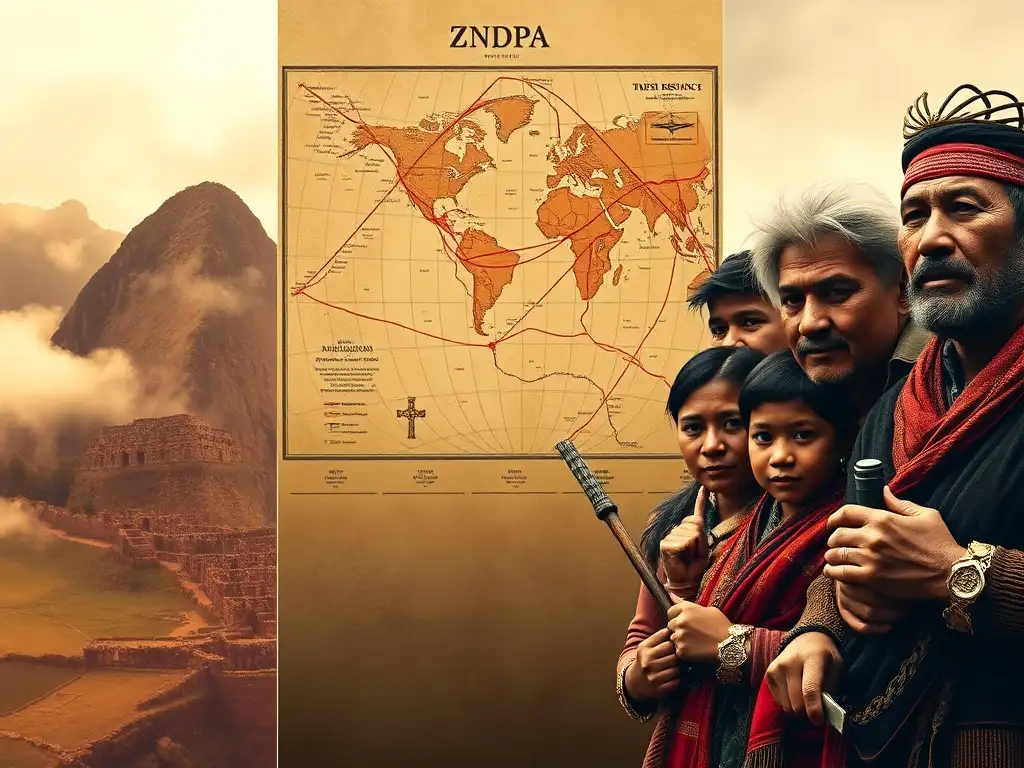
Andean resistance to Spanish rule, while sharing certain commonalities with other colonial resistance movements worldwide, possessed unique characteristics that set it apart. Understanding these distinctions is crucial for a comprehensive analysis of the broader global anti-colonial struggle. A comparative analysis reveals both shared strategies and unique approaches to resisting oppression, highlighting the diverse ways in which colonized peoples challenged colonial power.
Contrasting Andean Communal Strategies with European Revolutions
A key difference between Andean resistance and European revolutionary movements lies in their organizational structures. While European revolutions often centered around individual leaders and centralized power structures, Andean resistance frequently relied on decentralized, communal strategies. The ayllu system, with its emphasis on collective decision-making and reciprocal obligations, fostered a resilient form of resistance that proved difficult for the Spanish to suppress. This contrasts sharply with the more centralized and hierarchical structures of many European revolutions.
The Andean approach, while less reliant on charismatic leaders, demonstrated remarkable adaptability and persistence in the face of overwhelming colonial power. The comparison highlights the diverse approaches to resistance, influenced by pre-existing social structures and cultural values. Further research is needed to fully understand the long-term impacts of these differing approaches on the success or failure of these movements.
The Unique Spiritual and Cultural Aspects of Andean Resistance
Andean resistance was deeply intertwined with the spiritual and cultural beliefs of the region. Religious practices, ancestral traditions, and cosmological understandings played a central role in motivating and sustaining resistance. The use of Andean deities and symbols in revolutionary iconography and propaganda highlights the powerful connection between spiritual beliefs and political action. This fusion of spiritual and political realms contrasts with the more secular nature of some European revolutionary movements.
The spiritual and cultural dimensions of Andean resistance imparted a unique resilience and sense of collective identity that fueled the struggle against colonial oppression. Further research is needed to fully appreciate the depth and complexity of these intertwined spiritual and political dimensions of resistance. The unique cultural and spiritual aspects of Andean resistance serve as a testament to the power of cultural identity in shaping political action.
Shared Anti-Colonial Themes in Africa and Asia
Despite the geographical distance and cultural differences, Andean resistance shares striking similarities with anti-colonial movements in Africa and Asia. The common themes of resisting foreign domination, reclaiming indigenous lands and cultures, and fighting for self-determination unite these seemingly disparate struggles. The shared experiences of exploitation, oppression, and cultural destruction fostered a sense of solidarity amongst colonized peoples worldwide. The exchange of ideas and strategies, though often indirect, played a significant role in shaping the anti-colonial struggle globally.
Comparative studies of these movements reveal a common thread of resistance against imperialism, demonstrating the universality of the human desire for freedom and self-determination. Further research is needed to fully explore the complex interconnections between these diverse anti-colonial movements. The comparison reveals a global network of resistance against colonial oppression, transcending geographical boundaries and cultural differences.
The Enduring Legacy of Andean Resistance
The fierce resistance of Andean populations against the Spanish conquest, though ultimately unsuccessful in preventing colonization, left an indelible mark on the region's history and profoundly influenced subsequent independence movements. The strategies employed by Andean communities—guerrilla warfare in the mountainous terrain, the strategic use of alliances between different ethnic groups, and the persistent cultural preservation despite oppression—provided invaluable lessons and inspiration for future generations fighting for liberation. The very act of sustained resistance, even in the face of overwhelming odds, fostered a sense of collective identity and self-determination that proved crucial in the later struggles for independence.
This legacy of resistance wasn't merely a historical event; it became a potent symbol of defiance and a source of strength for future generations who would challenge colonial rule. The memory of past struggles against oppression fueled the flames of rebellion during the independence wars.
The Inclusion of Indigenous Perspectives in National Histories
For many years, the narratives surrounding the independence movements of Latin America largely ignored or minimized the contributions of Indigenous populations. Official histories often focused on creole elites and their role in achieving independence, overlooking the crucial role of Andean resistance in shaping the political landscape and providing the groundwork for future rebellions. However, a growing movement within historical scholarship is actively working to rectify this imbalance.
Historians are increasingly incorporating Indigenous perspectives, drawing on oral histories, archaeological evidence, and newly discovered colonial documents to paint a more complete and accurate picture of the past. This shift involves not only acknowledging the role of Indigenous resistance but also recognizing the diverse strategies and motivations of various Andean groups, challenging simplistic narratives of a monolithic "Andean resistance."
The inclusion of these perspectives is essential for a nuanced understanding of the Andean resistance's influence on independence movements and for creating a more inclusive and representative national identity. This ongoing reassessment is vital for fostering a more just and equitable understanding of history.
Contemporary Activism and the Fight for Indigenous Rights
The legacy of Andean resistance continues to resonate in contemporary activism and the ongoing fight for Indigenous rights across Latin America. Indigenous communities are actively reclaiming their history and culture, drawing inspiration from the struggles of their ancestors. Contemporary movements utilize various methods, including peaceful protests, legal challenges, and the revitalization of traditional cultural practices, to advocate for self-determination, land rights, and cultural preservation.
These movements often directly link their struggles to the historical legacy of Andean resistance, demonstrating the enduring relevance of past struggles in the present day. The fight for Indigenous rights is not merely a contemporary issue; it is a direct continuation of the centuries-long struggle against oppression and colonialism, showcasing the unbroken chain connecting past resistance to present-day activism. The spirit of defiance and self-determination, so characteristic of Andean resistance, remains a powerful force in contemporary movements.
The Continuing Significance of Pachamama in Modern Latin America
Pachamama, the Andean concept of Mother Earth, holds profound spiritual and cultural significance for Indigenous communities. This reverence for nature and the interconnectedness of all living things played a crucial role in shaping Andean resistance to Spanish colonialism. The exploitation of natural resources by the Spanish was not only an economic act but also a spiritual violation, triggering resistance rooted in the deep connection between the Andean people and their land.
This reverence for Pachamama persists in modern Latin America, where it informs environmental activism and the fight against extractive industries. Many contemporary movements draw upon this ancient worldview, framing environmental protection as a matter of cultural and spiritual preservation as well as economic necessity.
The enduring significance of Pachamama highlights the enduring link between Andean traditions, historical resistance, and contemporary struggles for environmental justice and self-determination. The deep-rooted spiritual connection to the land continues to inspire and guide resistance against forces that threaten both the environment and Indigenous cultures.
- Understanding Andean Resistance to Spanish Colonial Rule
- How Andean Resistance Shaped the Path to Independence
- Andean Resistance Influence on Latin American Independence
- Comparing Andean Resistance to Other Colonial Resistance Movements
- The Enduring Legacy of Andean Resistance
- How did Andean resistance influence later independence movements?
- What specific tactics of Andean resistance were adopted later?
- Were there any specific Andean figures who became symbols of resistance?
- How did Andean cultural survival impact independence movements?
- What aspects of Andean resistance are still relevant today?
Frequently Asked Questions
How did Andean resistance influence later independence movements?
Andean resistance, particularly against the Spanish, demonstrated the viability of rebellion against powerful empires. This inspired later independence movements by showing that colonial rule was not invincible, fostering hope and providing tactical examples.
What specific tactics of Andean resistance were adopted later?
Guerrilla warfare, reliance on local knowledge, and the forging of alliances between diverse groups were key Andean tactics successfully replicated during later independence struggles. These proved highly effective against larger, more technologically advanced forces.
Were there any specific Andean figures who became symbols of resistance?
Yes, figures like Túpac Amaru II became potent symbols of resistance against Spanish rule and inspired future generations to fight for freedom. Their stories fueled the ideal of indigenous liberation and fueled independence movements.
How did Andean cultural survival impact independence movements?
The persistence of Andean culture and identity despite colonial efforts to suppress it provided a crucial foundation for independence movements. Maintaining cultural pride was essential for uniting diverse groups under a shared identity.
What aspects of Andean resistance are still relevant today?
The struggles for self-determination, land rights, and cultural preservation continue to resonate with modern movements. Andean resistance serves as a powerful example of ongoing fights against oppression and for social justice.
Final Reflection: Echoes of Resistance, Seeds of Freedom
The legacy of Andean resistance isn't confined to history books; it's a vibrant current shaping contemporary struggles for self-determination. The fight for liberation, waged across centuries by indigenous communities against colonial oppression, continues to inspire movements for social justice and political autonomy across the globe. The strategies, resilience, and unwavering spirit of these ancestors remain powerful tools in the ongoing battle for equitable futures.
The enduring impact of Andean resistance on subsequent independence movements is undeniable. Its influence resonates not only in the overt acts of rebellion but also in the subtle yet profound shifts in cultural identity and political consciousness. The past is never dead. It's not even past.
- William Faulkner. This quote perfectly encapsulates the enduring power of Andean resistance; its echoes reverberate through the struggles for liberation we witness today, reminding us that the fight for freedom is a continuous process, demanding constant vigilance and unwavering commitment.
Consider the ways in which the spirit of Andean resistance has shaped your own understanding of freedom and justice. How can you, in your daily life, embody the resilience and determination of those who fought for liberation? Let the stories of these courageous ancestors fuel your own commitment to social justice and inspire you to become an active participant in building a more equitable and just world. The fight for freedom continues – let the echoes of Andean resistance guide your path.
Embrace the Spirit of Resistance and Shape the Future!
Thank you for exploring the inspiring story of Andean resistance and its profound influence on subsequent independence movements. Your interest and engagement are crucial to understanding the enduring link between the past and our present.
Let's channel this inspiration into concrete action:
- Join a local or online group dedicated to supporting indigenous rights and cultural preservation; discover how you can contribute to these vital movements.
- Share this article with your friends and on social media; encourage discussions about the critical role of history in today's social justice issues.
- Learn more about Andean cultures and their remarkable contributions by visiting local museums or participating in cultural events.
What parallels can you draw between the lessons of Andean resistance and current events in your own community?