
The Role of the Catholic Church: A Tool of Control or a Place of Refuge?

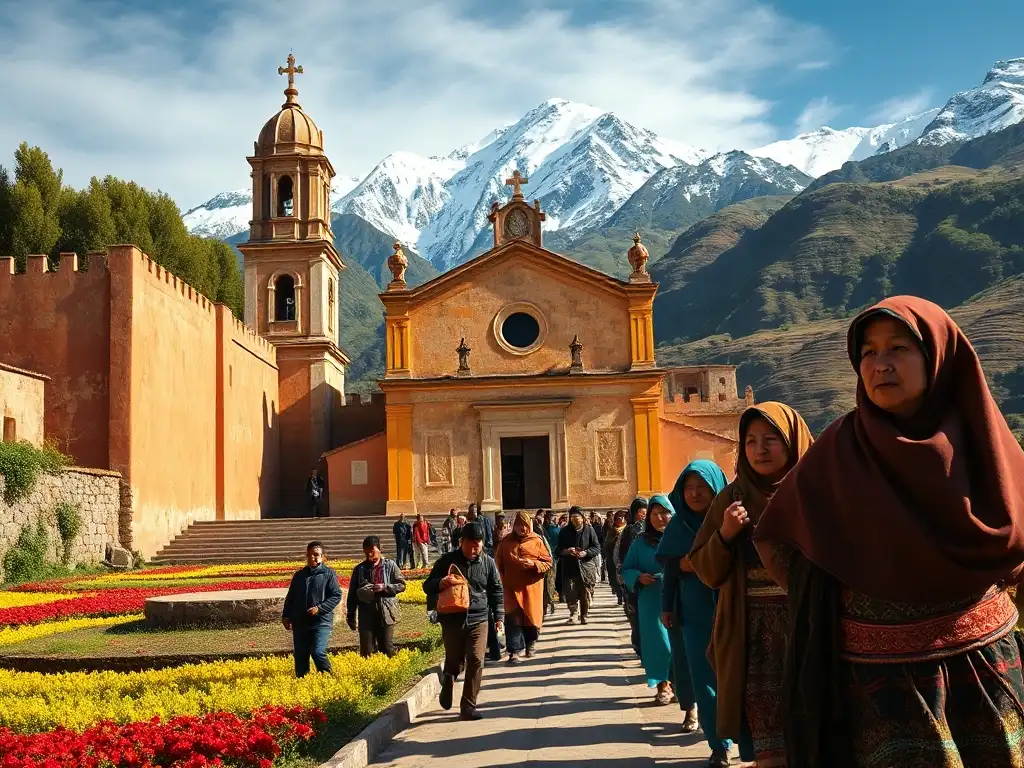
Step into a world lost to time, yet echoing with the whispers of empires. The Andean Civilizations website unveils the fascinating tapestry of pre-Columbian societies, from the intricate artistry of the Nazca to the sophisticated engineering of the Incas. But the story doesn't end there. Prepare to question everything you thought you knew about the Spanish Conquest.
Our exploration of the Catholic Church's role in Andean civilizations will challenge your assumptions, revealing a complex interplay of power, faith, and cultural transformation. Was it a tool of control, or did it offer a surprising refuge? Dive in and discover the truth.
- The Catholic Church's Role in Andean Civilizations: Control or Refuge?
- The Arrival of the Catholic Church in the Andes: A New Era
- The Catholic Church as a Tool of Control in the Andes
-
The Catholic Church as a Place of Refuge and Resistance
- Indigenous Adaptations of Catholic Saints: Blending with Huacas
- Protection of Indigenous Communities by Bartolomé de las Casas
- The Role of Tupac Amaru II in Andean Uprisings
- Utilizing Parish Networks for Communication and Mobilization
- The Development of Andean Catholic Festivals like the Fiesta del Gran Poder
-
The Long-Term Impact of the Catholic Church on Andean Culture
- Transformations in Andean Spirituality: The Emergence of Syncretic Beliefs
- The Legacy of Colonial Catholicism in Modern Andean Societies: The Presence of Catholic Churches in Indigenous Villages
- Ongoing Debates about the Church's Influence: Liberation Theology vs. Traditional Doctrine
- The Complex Relationship Between Faith and Identity in the Andes: The Struggle for Cultural Preservation
- Tupac Katari's Rebellion and its Religious Undertones
- Conclusion: A Dual Legacy of the Catholic Church in the Andes
-
Frequently Asked Questions
- What was the primary impact of the Catholic Church on Andean civilizations?
- How did the Church use its power in the Andes?
- Did the Church offer any benefits to the Andean people?
- How did Andean people resist the Church's influence?
- What is the lasting legacy of the Catholic Church in the Andes today?
- Final Reflection: Legacy of Faith and Power in the Andes
- Discover Your Role: Engage with Faith and Community!
The Catholic Church's Role in Andean Civilizations: Control or Refuge?
The Spanish conquest of the Andes drastically altered the social, political, and religious landscape of the region. While the arrival of Spanish conquistadors is often associated with violence, exploitation, and the destruction of indigenous cultures, the role of the Catholic Church in this process remains complex and multifaceted. This article explores the dual nature of the Church's influence in Andean civilizations, examining how it simultaneously served as a tool of colonial control and, paradoxically, a surprising—though often limited—source of refuge and resistance for indigenous populations.
We will delve into the intricacies of this paradoxical relationship, analyzing specific examples to understand the nuanced impact of the Catholic Church on the lives of the Andean people during and after the conquest. The question of whether the Church primarily acted as an instrument of oppression or a sanctuary for the oppressed is crucial to understanding the enduring legacy of the Spanish conquest in the Andes.
By examining both the coercive and protective aspects of the Church's presence, we can gain a more complete picture of this pivotal period in Andean history. This exploration will encompass the experiences of various Andean groups, highlighting the diverse ways in which they interacted with and responded to the Catholic Church.
The Church as an Instrument of Colonial Control
The Spanish Crown inextricably linked the Church with its colonial project in the Andes. The Church actively participated in the subjugation of indigenous populations, often acting as an arm of the colonial administration. This manifested in several ways:
- Forced Conversions and Suppression of Indigenous Religions: The Spanish systematically suppressed indigenous religious practices, deeming them pagan and heretical. Mass conversions were often brutal and coercive, with indigenous people facing severe punishment for clinging to their ancestral beliefs. The destruction of religious sites and artifacts further contributed to the erosion of indigenous spiritual traditions. The imposition of Catholicism was a key strategy to dismantle the existing social structures and impose a new, hierarchical order.
- Use of Religious Doctrine to Justify Colonial Rule: Religious ideology played a crucial role in justifying Spanish domination. The concept of the Requerimiento, a formal declaration read to indigenous populations demanding submission to the Spanish Crown and the Catholic Church, exemplifies this. Refusal to comply was often used as justification for violence and enslavement. The Church’s doctrine was manipulated to support the colonial enterprise, framing the conquest as a divinely ordained mission to spread Christianity.
- Collaboration with the Colonial Administration: The Church frequently collaborated with the colonial government in enforcing laws and policies aimed at controlling indigenous populations. This included the encomienda system, which granted Spanish settlers control over indigenous labor and resources, and the repartimiento system, which forced indigenous people to work in mines and other labor-intensive industries. Religious leaders often held positions of power within the colonial administration, reinforcing the Church's role in maintaining the colonial order.
The Church as a Haven for Resistance and Rebellion
Despite its role in colonial control, the Catholic Church also, in certain instances, provided unexpected spaces for indigenous resistance and rebellion.
- Indigenous Syncretism and Adaptation: Indigenous populations did not passively accept the imposition of Catholicism. Instead, many incorporated elements of Catholic beliefs and practices into their existing religious systems, creating a syncretic religious landscape. This syncretism served as a form of cultural resistance, allowing indigenous people to maintain aspects of their traditions while outwardly adhering to Catholic practices. This strategy allowed for the preservation of cultural memory and identity within the confines of colonial rule.
- Use of Religious Institutions for Resistance: Some indigenous communities used religious institutions, such as monasteries and convents, as safe havens from colonial oppression. These spaces offered a degree of protection from forced labor and other forms of exploitation. Furthermore, the Church's own internal structures sometimes provided avenues for challenging colonial authority, although these instances were often limited and fraught with risk.
- Indigenous Leadership within the Church: In some cases, indigenous individuals rose to positions of influence within the Church hierarchy. While these instances were rare, they demonstrate the potential for indigenous agency and resistance even within the framework of the colonial religious system. These individuals sometimes used their positions to advocate for the rights and well-being of their communities, albeit within the constraints of the colonial context.
A Complex Legacy: Assessing the Church's Impact
The Catholic Church's role in Andean civilizations during the Spanish conquest was undeniably complex and contradictory. While it served as a powerful instrument of colonial control, contributing to the suppression of indigenous cultures and the exploitation of indigenous peoples, it also, in certain limited ways, offered spaces for resistance and adaptation. The Church’s legacy is a tapestry woven from threads of oppression and resilience, a testament to the enduring spirit of the Andean people in the face of colonial domination.
Further research into specific case studies and regional variations is needed to fully grasp the multifaceted nature of this complex relationship and its lasting impact on Andean societies. The enduring presence of Catholicism in the Andes today is a direct consequence of this intricate and often contradictory history.
The Arrival of the Catholic Church in the Andes: A New Era
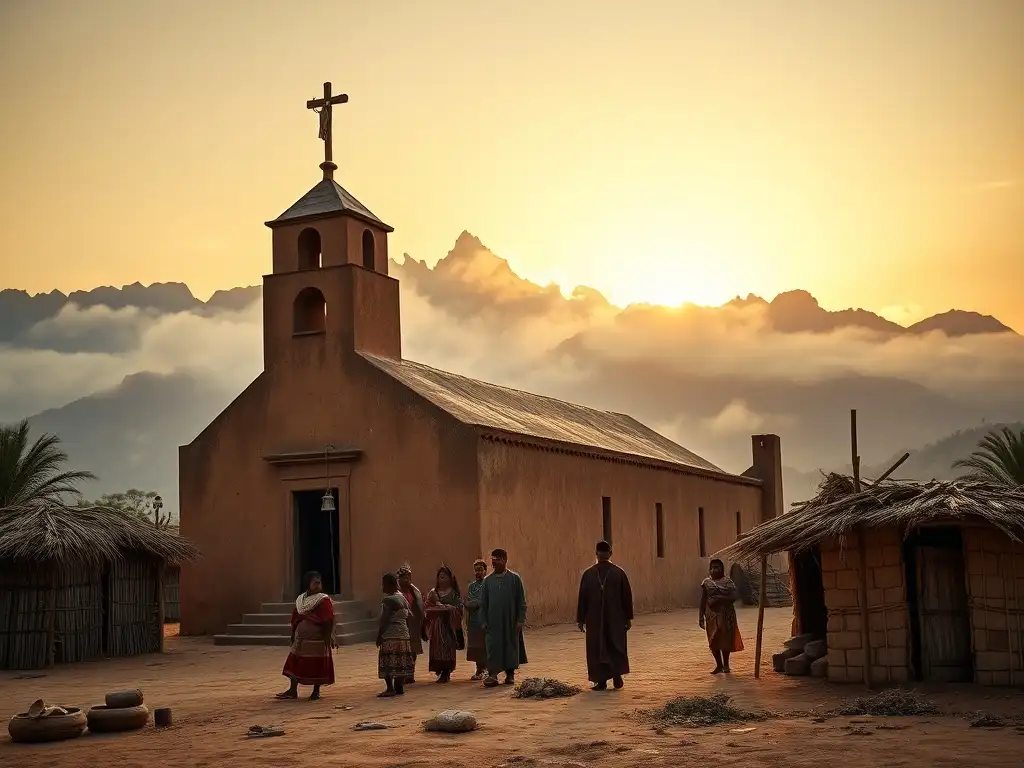
The arrival of the Catholic Church in the Andes drastically altered the religious and social landscape of the region, profoundly impacting the lives of Andean populations. The Church's influence extended far beyond simple religious conversion; it became deeply intertwined with the political and economic structures of the Spanish colonial system. Understanding the Catholic Church's role in Andean civilizations requires analyzing its multifaceted impact – from its initial missionary efforts to its eventual role in the administration of the vast Viceroyalty of Peru.
The very nature of this influence, whether benevolent or oppressive, remains a subject of ongoing scholarly debate, shaped by the perspectives of both the colonizers and the colonized. The keyword "Catholic Church's role in Andean civilizations" encompasses this complex interplay of faith, power, and resistance.
Initial Encounters: The First Dominican and Franciscan Missions
The initial encounters between Catholic missionaries and Andean communities were characterized by a mixture of cautious curiosity and cultural clash. Dominican and Franciscan friars, arriving in the wake of the Spanish conquest, embarked on missionary expeditions, attempting to convert the indigenous population to Christianity. Their methods varied, ranging from peaceful persuasion and the establishment of missions to more forceful tactics driven by the imperative to eradicate what they perceived as pagan practices.
Early accounts detail the friars' attempts to understand Andean cosmology, often recording details of indigenous rituals and beliefs, though frequently interpreting them through a European lens. This early period saw the construction of the first churches and convents, often built on or near existing indigenous sacred sites, a subtle but significant act of symbolic appropriation. The initial success of these missions varied considerably depending on factors such as the receptivity of the local population, the missionaries' approach, and the level of Spanish military control in the region.
Some communities embraced Christianity relatively readily, while others fiercely resisted, leading to periods of conflict and tension. The initial phase of evangelization laid the groundwork for the more systematic and often coercive methods employed in subsequent decades.
Imposition of Catholicism: Suppression of Inti and Pachamama Worship
The Spanish conquest and the subsequent imposition of Catholicism led to the systematic suppression of indigenous religions, particularly the worship of Inti (the sun god) and Pachamama (Mother Earth). These deities held central positions in the Andean worldview, deeply interwoven with agricultural cycles, social structures, and political authority. The Spanish considered these beliefs heretical and actively sought to eradicate them, viewing them as obstacles to the complete conversion of the indigenous population.
This involved the destruction of sacred sites, the confiscation of religious objects, and the persecution of indigenous priests and shamans. The suppression of Inti and Pachamama worship was not merely a religious act; it was a strategic move aimed at dismantling the existing power structures and replacing them with a system centered on the Catholic Church and the Spanish crown. The destruction of Inca temples and the replacement of traditional ceremonies with Christian masses served as potent symbols of colonial dominance.
Resistance to this religious suppression took various forms, from covert continuation of traditional practices to open rebellion, highlighting the enduring strength of Andean spiritual traditions. The forceful imposition of Catholicism left a lasting legacy, shaping the religious landscape of the Andes for centuries to come. The impact of this suppression on Andean culture and identity is still felt today.
The Church's Role in the Viceroyalty of Peru
The Catholic Church played a significant administrative role within the Viceroyalty of Peru, a vast colonial territory encompassing much of South America. The Church became deeply integrated into the colonial system, accumulating considerable wealth and power through land ownership, tithes, and the control of various institutions. Bishops and other high-ranking clergy often held influential positions within the colonial government, advising viceroys and shaping policy.
The Church's vast network of missions, parishes, and monasteries served as centers of both religious instruction and social control. This influence extended to various aspects of Andean life, including education, healthcare, and social welfare, though the quality and accessibility of these services often varied. The Church's involvement in the encomienda system, a system of forced labor, is a particularly contentious aspect of its history, as it often profited from the exploitation of indigenous populations.
The Church's ambivalent role, simultaneously providing some social services while benefiting from colonial exploitation, reflects the complexities of its position within the colonial power structure. Further research is needed to fully understand the extent of the Church's involvement in specific instances of labor exploitation and the nuances of its relationship with indigenous communities across the vast Viceroyalty. The Church's legacy in the Viceroyalty of Peru is a complex and multifaceted one, demanding a careful and nuanced analysis to fully grasp its impact on the Andean world.
The Catholic Church as a Tool of Control in the Andes
The arrival of the Spanish conquistadors in the Andes drastically altered the socio-political landscape, and the Catholic Church played a pivotal role in this transformation. While often presented as a source of spiritual solace, the Church also functioned as a powerful instrument of colonial control, subtly and overtly shaping Andean societies to serve Spanish interests. This section explores how the Church's actions, far from being purely religious, served to consolidate Spanish power and suppress indigenous culture. The Catholic Church's role in Andean civilizations was multifaceted, extending far beyond simple religious conversion.
The Patronato Real, or Royal Patronage, was a crucial legal and ideological tool employed by the Spanish Crown to assert its dominance over the Church in the Americas. This doctrine granted the Spanish monarchy extensive control over the appointment of bishops, the allocation of church resources, and the overall direction of religious activities within the colonies. This effectively intertwined religious and political power, allowing the Crown to use the Church as a mechanism to legitimize its rule and suppress any potential resistance.
The Patronato Real wasn't merely a matter of administrative control; it shaped the very narrative of conquest. By presenting the Spanish as divinely appointed rulers, tasked with bringing Christianity to the "uncivilized" indigenous populations, the Crown justified its actions and minimized resistance. This narrative, disseminated through sermons, catechisms, and visual representations, actively constructed a hierarchical social order with the Spanish at the apex.
The indigenous population, depicted as needing salvation and guidance, were positioned as subordinate and dependent on Spanish authority, both secular and religious. Data on the specific number of appointments made under the Patronato Real in the Andean region is [specific information pending], but its pervasive influence is undeniable.
The Inquisition's Reach: Targeting Andean "Idolatry" and "Superstition"
The Spanish Inquisition, infamous for its brutal methods, extended its reach into the Andes, targeting what it considered "idolatry" and "superstition" among the indigenous population. This wasn't simply a matter of eradicating pre-Columbian religious practices; it was about dismantling indigenous social structures and worldviews. The Inquisition meticulously investigated and persecuted individuals accused of maintaining traditional Andean beliefs and rituals.
This included the veneration of ancestral spirits, the practice of shamanism, and the use of traditional medicine. The process often involved torture, imprisonment, and public executions, creating a climate of fear and compliance. While precise numbers of those persecuted in the Andes remain difficult to ascertain, historical accounts reveal numerous instances of trials and punishments, demonstrating the Inquisition's significant impact on Andean society.
The targeting of indigenous religious practices served not only to suppress local beliefs but also to undermine indigenous leadership and authority. The destruction of sacred sites and artifacts further contributed to the erosion of cultural identity. This systematic suppression aimed at creating a vacuum that the Catholic Church could then fill with its own doctrines and practices.
The systematic use of catechisms played a crucial role in the process of religious indoctrination and social control. These texts, translated into Quechua and Aymara, presented a simplified version of Catholic doctrine, often interwoven with elements of colonial ideology. They emphasized obedience to Spanish authority, the superiority of Christian morality, and the condemnation of indigenous traditions. The catechisms were not merely instructional tools; they were instruments of cultural assimilation, aiming to replace indigenous worldviews with a Christian framework.
The repetitive nature of the teachings, coupled with the power dynamics inherent in the colonial context, ensured their effectiveness in shaping the beliefs and behaviors of the Andean population. Furthermore, the use of visual aids in catechisms, such as images depicting the Virgin Mary and Christ alongside Spanish conquistadors, reinforced the message of Spanish dominance and the legitimacy of their rule. The impact of these catechisms is evident in the syncretic religious practices that emerged in the Andes, where indigenous beliefs and rituals were subtly incorporated into the framework of Catholicism.
However, this syncretism itself can be viewed as a form of resistance, albeit a passive one, demonstrating the enduring power of indigenous traditions even under the weight of colonial oppression. Analyzing the content of specific Andean catechisms would provide further insights into the strategies employed for indoctrination and social control. [Specific examples of catechism content pending].
Economic Power of the Church: Haciendas and Tribute Collection
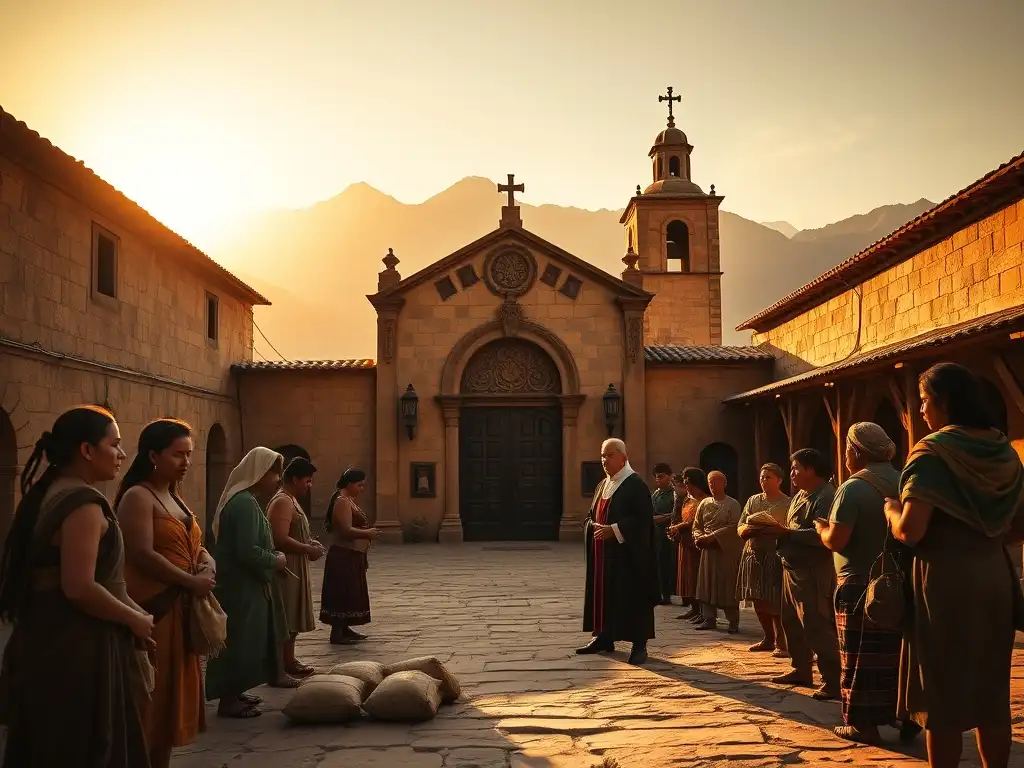
The Catholic Church in the Andes amassed significant economic power, rivaling, and often surpassing, that of the Spanish crown itself. This wealth was primarily derived from two key sources: vast landholdings known as haciendas and the collection of tribute. The haciendas, often granted to the Church by the Spanish conquistadors or acquired through various means, generated substantial income through agricultural production and the exploitation of indigenous labor.
These estates weren't simply farms; they were complex economic units that controlled significant resources and exerted considerable influence over local populations. The Church's economic clout extended far beyond the confines of its physical properties.
The Church also played a crucial role in the collection of tribute, a system of forced labor and taxation imposed on the indigenous population by the Spanish. While the crown officially collected much of this tribute, the Church often received a significant portion, either directly or indirectly through its control of local communities and officials.
This access to resources allowed the Church not only to maintain its lavish lifestyle but also to exert considerable political and social influence, shaping the very fabric of Andean society. The Church's wealth, accumulated through haciendas and tribute, directly fueled its capacity for control, allowing it to fund its institutions, support its missionaries, and ultimately, maintain its power structure.
The intricate relationship between the Church's economic dominance and its influence on Andean society remains a critical aspect in understanding the complexities of the colonial period. Further research into specific Church-owned haciendas and their accounting records could provide more precise details on the extent of this economic power.
The Church's Influence on the Casta System
The rigid social hierarchy known as the casta system, established during Spanish colonial rule in the Andes, was profoundly influenced by the Catholic Church. While the system itself was designed to maintain Spanish dominance, the Church played a significant role in both enforcing and subtly undermining its principles. The casta system categorized individuals based on their racial ancestry, creating a complex web of social distinctions that dictated access to resources, opportunities, and social standing. The Church, through its control of education, religious institutions, and social norms, reinforced the hierarchical structure of the casta system.
However, the Church's influence was not monolithic. While it supported the existing power structures, the Church also offered avenues for social mobility, albeit limited. Indigenous individuals, through conversion to Catholicism and adherence to Church doctrines, could potentially improve their social standing, albeit within the confines of the casta system.
Furthermore, certain religious orders, like the Franciscans, showed a greater degree of empathy towards indigenous populations, advocating for better treatment and sometimes challenging the excesses of colonial rule. The Church's role in the casta system, therefore, presents a complex duality: a reinforcement of colonial power structures interwoven with instances of resistance and advocacy, a nuanced narrative that requires careful consideration of both its supporting and subversive actions.
The archives of various religious orders hold valuable information that could illuminate the Church's specific involvement in shaping and influencing the casta system in different regions of the Andes. Analyzing these records could unveil a more complete picture of this multifaceted relationship.
The Catholic Church as a Place of Refuge and Resistance
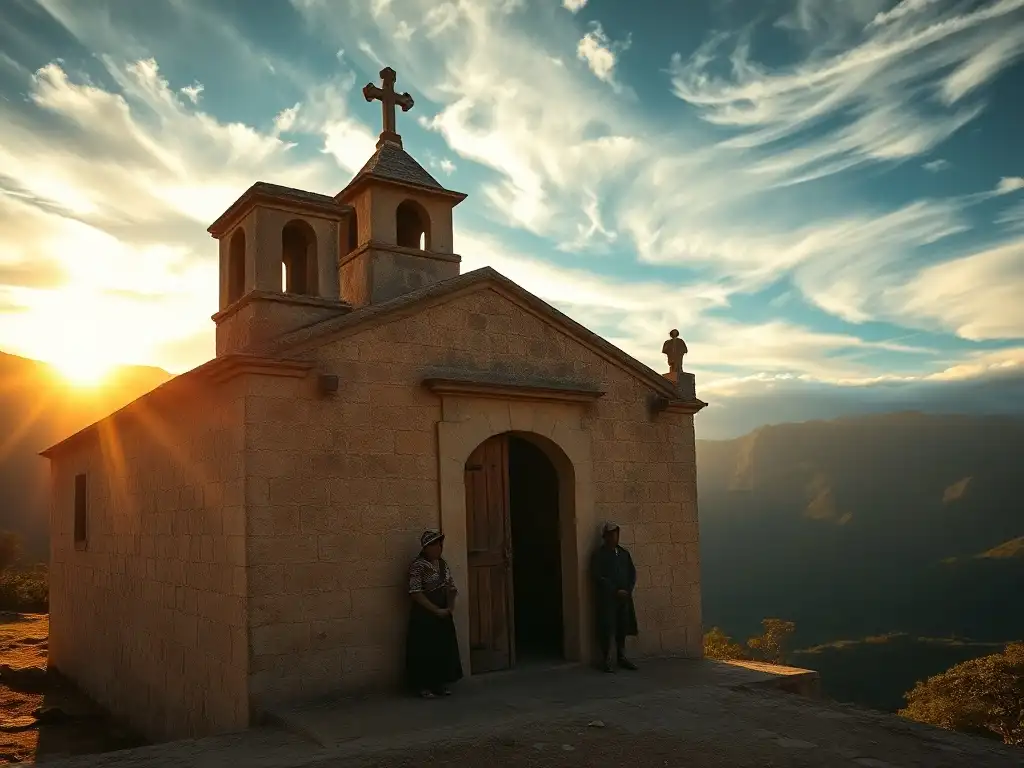
The Catholic Church's role in Andean civilizations following the Spanish conquest was multifaceted and complex, far from a simple narrative of oppression. While undeniably a tool of colonial control, it also, paradoxically, served as a space for indigenous resistance and refuge. This duality stemmed from the Church's inherent contradictions: its mission to convert and subjugate clashed with the lived realities of indigenous populations who strategically utilized religious practices and institutions to their advantage.
The Church, despite its role in supporting the colonial project, became a battleground where indigenous agency, resilience, and resistance played out in subtle yet significant ways. Understanding this nuanced interaction is crucial to grasping the full complexity of the Andean response to Spanish rule. The Catholic Church's role in Andean civilizations was not monolithic; it was a dynamic interplay of coercion and adaptation, faith and defiance.
Indigenous Adaptations of Catholic Saints: Blending with Huacas
Indigenous Andean populations did not passively accept the imposition of Catholic saints. Instead, they cleverly integrated Catholic figures into their existing worldview, blending them with pre-Columbian deities and sacred sites (huacas). This syncretism, far from a mere superficial overlay, represented a sophisticated strategy of cultural survival. For example, the Virgin Mary often became associated with the Andean earth goddess Pachamama, inheriting her power and significance within indigenous cosmology.
Similarly, certain Catholic saints were associated with specific huacas, effectively transforming these sacred places into sites of both indigenous and Catholic worship. This process allowed indigenous communities to maintain their spiritual traditions while outwardly complying with colonial religious demands. This creative blending of religious systems is a testament to the Andean people's ability to negotiate their cultural identity within the constraints of colonial rule.
The syncretic practices, often subtly woven into daily life, allowed for the preservation of indigenous beliefs and provided a sense of continuity and spiritual resilience. Detailed ethnographic studies are needed to further illuminate the specific variations of this process across different Andean regions and ethnic groups. [Specific examples of syncretic practices in different Andean regions pending].
Protection of Indigenous Communities by Bartolomé de las Casas
While the Catholic Church largely served the interests of the Spanish crown, some individuals within its ranks actively challenged the brutal treatment of indigenous populations. Bartolomé de las Casas stands out as a prominent figure who dedicated his life to defending the rights and dignity of the Andean people. His unwavering advocacy, though often met with resistance from both the Church hierarchy and colonial authorities, played a crucial role in raising awareness about the atrocities committed during the conquest.
Las Casas's writings, such as "A Short Account of the Destruction of the Indies," powerfully documented the horrors of Spanish colonization, exposing the systematic exploitation and violence inflicted upon indigenous communities. His work, while not without its limitations from a modern perspective, ultimately contributed to the development of a more nuanced understanding of the ethical dimensions of colonization and played a role in shaping later debates about indigenous rights.
While he wasn't always successful in achieving immediate changes, his unwavering commitment to justice left a lasting legacy and provided a moral counterpoint to the brutal realities of conquest. His influence, albeit indirect and contested, is undeniable in shaping the later discourse surrounding the treatment of the indigenous populations.
The Role of Tupac Amaru II in Andean Uprisings
Tupac Amaru II's rebellion, beginning in 1780, demonstrated the potent combination of indigenous resistance and the manipulation of religious symbols. While not directly affiliated with the Church as an institution, Tupac Amaru II skillfully used religious imagery and rhetoric to rally support for his uprising against Spanish rule. His claims to Inca heritage and his invocation of religious figures resonated deeply with the oppressed Andean populations, who saw in his rebellion a chance to reclaim their cultural and spiritual identity.
The rebellion itself incorporated elements of religious ritual and symbolism, further highlighting the complex interplay between religious belief and political action. The rebellion, while ultimately unsuccessful, served as a powerful testament to the enduring strength of indigenous resistance and the ways in which religious symbols could be strategically employed to challenge colonial authority.
The legacy of Tupac Amaru II continues to inspire Andean peoples and serves as a reminder of the enduring struggle for justice and self-determination. Further research is needed to fully understand the extent to which Tupac Amaru II's actions were influenced by specific religious beliefs and practices, as well as the religious dimensions of the rebellion's social and political impact.
Utilizing Parish Networks for Communication and Mobilization
The Catholic Church's extensive parish network in the Andes, established during the colonial period, inadvertently provided a crucial infrastructure for resistance against Spanish rule. While ostensibly designed for religious control and conversion, these networks facilitated clandestine communication and mobilization among indigenous communities. The very structure of the Church, with its geographically dispersed parishes connected through traveling priests and messengers, allowed for the rapid dissemination of information, vital for coordinating rebellions and uprisings. Messages, often encoded within seemingly innocuous religious practices or coded into songs and prayers, could circumvent Spanish surveillance, enabling coordinated action across vast distances.
For example, the system of ayllus, traditional Andean kinship groups, often found themselves geographically spread across multiple parishes. This meant that individuals within a single ayllu could communicate and organize through the existing parish structure, using religious gatherings as cover for their meetings. The regular movement of priests and religious figures also provided opportunities to transfer messages and coordinate strategies, often unbeknownst to the Spanish authorities.
This covert use of the Church's network allowed for the subtle planning and execution of resistance activities, demonstrating the adaptability and resilience of Andean communities in the face of colonial oppression. This subtle subversion of the Church's intended purpose highlights the agency of Andean populations in navigating and shaping the colonial landscape.
The network also served as a safe space for the dissemination of indigenous knowledge and cultural practices, which could be subtly preserved and passed down through generations under the guise of religious activities. This dual function, as both a tool of colonial control and a vessel for resistance, is a key aspect of understanding the complex relationship between the Catholic Church and Andean societies during the colonial era.
The Development of Andean Catholic Festivals like the Fiesta del Gran Poder
The Fiesta del Gran Poder, a vibrant and massive religious festival held annually in La Paz, Bolivia, exemplifies the syncretic nature of Andean Catholicism and its role in cultural preservation and resistance. While outwardly a Catholic celebration honoring the Lord of Miracles, the festival is deeply rooted in pre-Columbian Andean traditions and beliefs. The elaborate costumes, the intricate dances, and the overall structure of the event reflect a fusion of indigenous and Catholic elements, demonstrating a continuous process of adaptation and cultural negotiation.
The festival's immense scale and participation, involving thousands of dancers and musicians representing various fraternities (religious brotherhoods), also served as a powerful display of Andean identity and community strength. The fraternities, often organized along lines of ayllu or other traditional social structures, utilized the festival as a platform to express their collective identity and social cohesion.
This public display of strength and unity could be interpreted as a subtle form of resistance, a demonstration of cultural continuity and resilience in the face of colonial attempts at cultural erasure. The elaborate and highly stylized costumes, often incorporating pre-Columbian motifs and symbols, subtly challenge the imposition of European aesthetic norms, reclaiming indigenous visual culture within the framework of a Catholic festival.
Furthermore, the Fiesta del Gran Poder showcases the appropriation and transformation of Catholic symbolism for indigenous purposes. The religious imagery and narratives are infused with indigenous meanings and interpretations, showcasing a complex process of cultural negotiation and resistance.
The event's enduring popularity and its ongoing evolution serve as a testament to the enduring power of Andean culture and its ability to adapt and subvert dominant power structures, even within the seemingly hegemonic context of the Catholic Church. The festival, therefore, is not just a religious celebration; it's a dynamic expression of cultural survival and subtle resistance, highlighting the Church's role as both a space for control and a platform for cultural preservation and reaffirmation.
The Long-Term Impact of the Catholic Church on Andean Culture
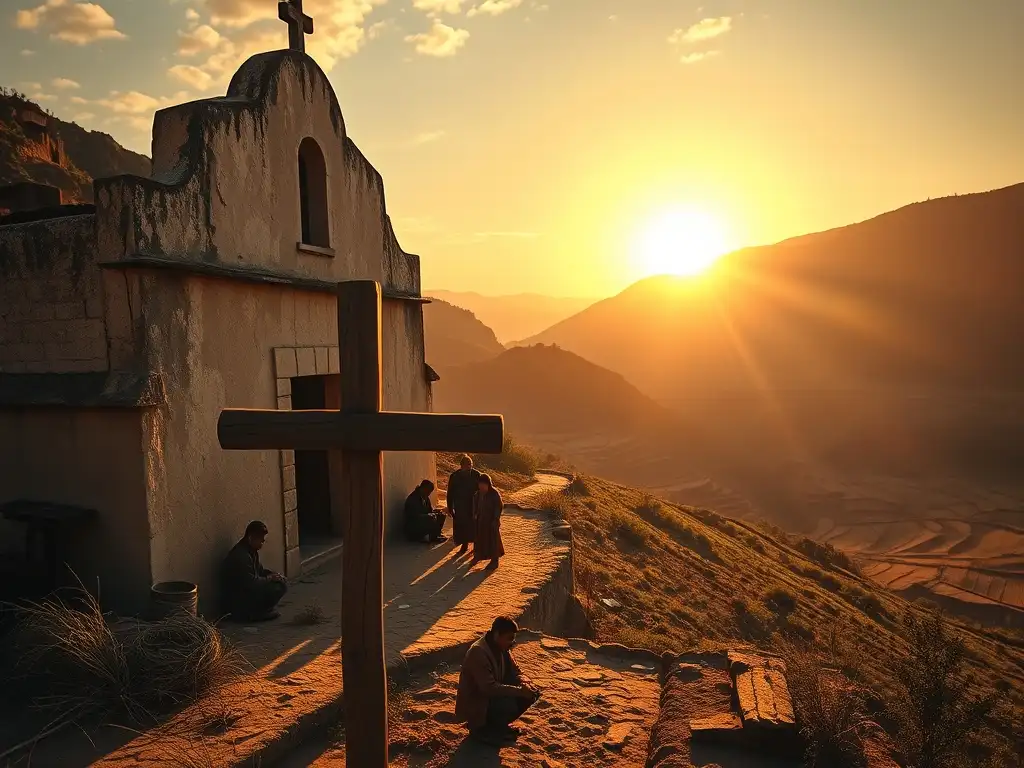
The Catholic Church's role in Andean civilizations extended far beyond the immediate aftermath of the Spanish conquest. Its influence profoundly shaped Andean culture, leaving a legacy that continues to resonate in modern Andean societies. This impact wasn't monolithic; it involved both forceful imposition and subtle adaptation, creating a complex tapestry of cultural exchange and resistance.
Understanding this long-term effect requires examining both the overt strategies of control employed by the Church and the ingenious ways in which Andean communities negotiated and adapted to the new religious order. The Church's power structure, deeply intertwined with the colonial administration, allowed it to implement sweeping changes, but the resilience of indigenous cultures ensured that the process was far from one-sided.
The Catholic Church's influence on the Andean worldview, social structures, and artistic expressions continues to be a subject of intense scholarly debate, emphasizing the lasting imprint of this complex historical relationship. The keyword "Catholic Church's role in Andean civilizations" encapsulates this multifaceted legacy, ranging from the suppression of indigenous religions to the emergence of syncretic practices.
Transformations in Andean Spirituality: The Emergence of Syncretic Beliefs
The imposition of Catholicism didn't lead to the immediate eradication of Andean spirituality. Instead, a fascinating process of syncretism emerged, blending indigenous beliefs and practices with Catholic doctrines. This wasn't a passive absorption; Andean communities actively reinterpreted Catholic symbols and rituals, incorporating them into their existing cosmological frameworks.
For example, the Virgin Mary, often depicted with dark features and Andean clothing, became associated with pre-Columbian earth goddesses, such as Pachamama. Similarly, Catholic saints were integrated into existing ritual calendars, their feast days coinciding with or overlapping celebrations of indigenous deities. This process of cultural fusion created a unique religious landscape, where Catholic imagery and beliefs were interwoven with indigenous spiritualities, reflecting the adaptability and resilience of Andean cultures facing the forceful imposition of a new religion.
The blending of Catholic and indigenous practices wasn't uniform across all Andean communities; variations existed based on local traditions and the specific historical circumstances of each region. This resulted in a rich diversity of syncretic expressions, highlighting the dynamic nature of religious change in the Andes. The survival of many indigenous rituals and beliefs, albeit transformed, underscores the enduring strength of Andean spiritual traditions.
The Legacy of Colonial Catholicism in Modern Andean Societies: The Presence of Catholic Churches in Indigenous Villages
The enduring presence of Catholic churches in many indigenous villages across the Andes serves as a tangible reminder of the Church's lasting impact. These structures, often built on or near the sites of pre-Columbian religious centers, symbolize both the Church's attempt to supplant indigenous religions and the subsequent adaptation of these spaces within Andean communities. Many of these churches now serve as focal points for both Catholic and syncretic practices, reflecting the ongoing interplay between colonial and indigenous religious traditions.
The architectural styles of these churches, often a blend of European and indigenous design elements, further illustrate this fusion of cultures. The intricate carvings, murals, and other decorative elements sometimes incorporate indigenous motifs, demonstrating a continuous negotiation between the imposed religious system and pre-existing Andean artistic conventions. Furthermore, the social functions of these churches have evolved over time, often serving as community centers for social gatherings, festivals, and other important events.
This highlights the multifaceted role that the Catholic Church continues to play in the lives of Andean communities, even centuries after the conquest. Detailed studies of individual villages and their churches could reveal a wealth of information about the specific ways in which the Catholic Church's influence has shaped local cultures.
Ongoing Debates about the Church's Influence: Liberation Theology vs. Traditional Doctrine
The Catholic Church's role in Andean history remains a subject of intense scholarly debate. Two contrasting perspectives, Liberation Theology and traditional Catholic doctrine, offer sharply different interpretations of the Church's impact. Liberation Theology emphasizes the Church's complicity in the oppression of indigenous peoples during the colonial era and its subsequent failure to adequately address issues of social injustice.
This perspective highlights the Church's role in supporting colonial power structures and perpetuating inequality. Conversely, traditional Catholic doctrine often focuses on the Church's efforts to evangelize and provide social services, downplaying or ignoring its role in supporting colonial rule. This contrasting viewpoints create a complex and multifaceted picture of the Catholic Church's historical impact.
Examining historical documents, oral histories, and archaeological evidence provides crucial insights into the Church's role in Andean societies, revealing a nuanced understanding that moves beyond simplistic narratives of either complete cooperation or outright resistance. Further research, particularly focused on the experiences of individual communities, is needed to fully understand the complexities of the Catholic Church's influence on Andean civilizations. The ongoing debate surrounding the Church's legacy underscores the importance of a critical and nuanced approach to understanding this complex historical relationship.
The Complex Relationship Between Faith and Identity in the Andes: The Struggle for Cultural Preservation
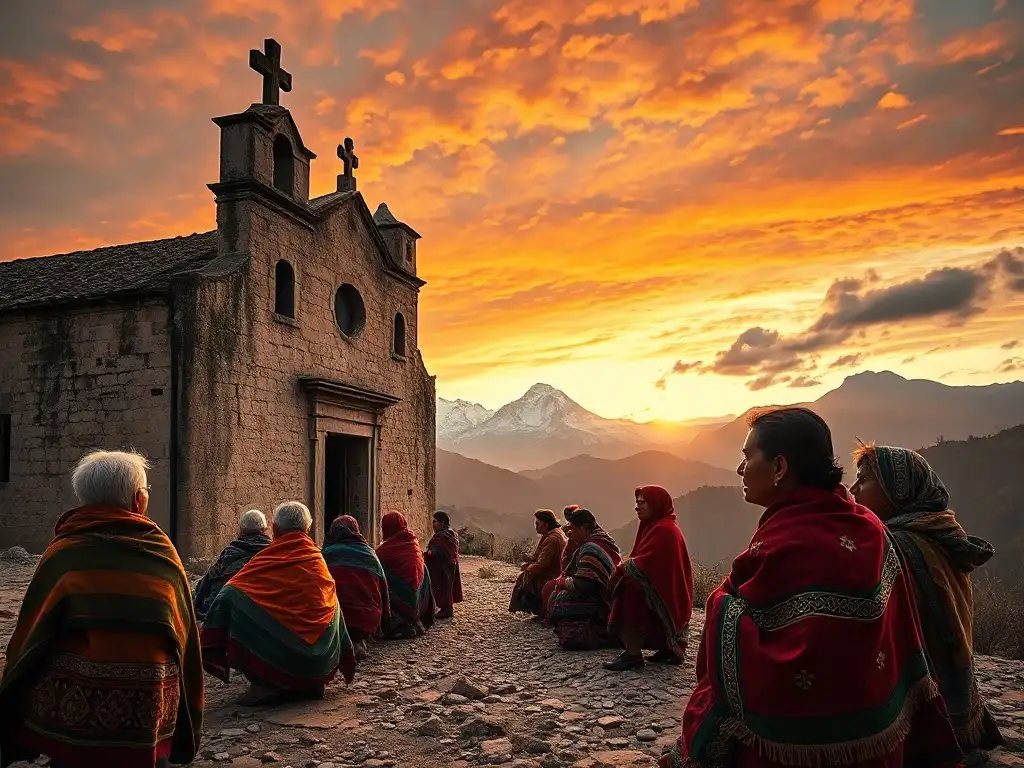
The arrival of the Catholic Church in the Andes dramatically altered the religious landscape, yet it didn't erase pre-existing beliefs and practices overnight. Indigenous populations, facing immense pressure to convert, often engaged in a complex process of syncretism—a blending of their traditional Andean faiths with aspects of Catholicism. This wasn't simply a passive acceptance; it was a strategic maneuver to preserve their cultural identity in the face of colonial oppression. For example, the veneration of the Virgin Mary often became intertwined with the worship of Pachamama, the Andean earth goddess, highlighting a subtle yet powerful resistance.
The outward display of Catholic piety, such as attending mass and participating in processions, could coexist with the continued private observance of ancestral rituals and beliefs. This duality allowed indigenous communities to maintain a sense of continuity and cultural memory while outwardly complying with colonial demands. The intricate carvings on many colonial-era churches, often depicting both Christian and Andean imagery, serve as tangible evidence of this syncretic process.
The struggle to maintain a distinct Andean identity within the framework of the Catholic Church was a constant negotiation, a subtle yet persistent form of resistance that shaped the cultural landscape for centuries to come. The very act of reinterpreting Catholic symbols and narratives through an Andean lens demonstrated agency and resilience in the face of overwhelming odds. This intricate interplay between faith and identity continues to resonate in Andean culture today, shaping religious practices and cultural expressions.
Tupac Katari's Rebellion and its Religious Undertones
Tupac Katari's rebellion (1780-1781), a significant uprising against Spanish rule in the Andes, wasn't solely a political movement; it also possessed strong religious undertones. While the rebellion's primary goals were to overthrow colonial authority and restore indigenous autonomy, its leaders skillfully utilized religious symbols and narratives to galvanize support. Katari, presenting himself as a messianic figure, drew upon pre-Columbian beliefs and incorporated them into his revolutionary ideology. This strategic use of religious imagery resonated deeply with the indigenous population, who saw in Katari a leader who embodied both political and spiritual authority.
The rebellion's rhetoric often blended Christian and Andean religious elements, creating a powerful message of liberation and spiritual renewal. The use of indigenous deities and rituals alongside Catholic imagery in the rebellion's iconography demonstrates the ongoing syncretism within Andean society. The rebellion's ultimate failure, despite its initial successes, underscores the immense challenges faced by indigenous communities in their struggle for autonomy.
However, the religious dimensions of Tupac Katari's rebellion highlight the profound and enduring influence of Andean spirituality in the face of colonial domination, demonstrating how even acts of armed resistance could be imbued with deeply held religious beliefs and cultural significance. The blending of religious and political goals reveals the complexity of resistance against the Spanish and the Catholic Church's role in shaping, and being shaped by, that resistance. The legacy of Tupac Katari continues to inspire Andean peoples and serves as a powerful reminder of the enduring strength of indigenous cultures.
Conclusion: A Dual Legacy of the Catholic Church in the Andes
The Catholic Church's role in Andean civilizations following the Spanish conquest presents a complex and multifaceted legacy, one that cannot be easily categorized as solely positive or negative. Instead, its influence manifested as a dual force: a tool of colonization and control, yet simultaneously a source of community and, in some instances, resistance. Understanding this duality is crucial to grasping the full impact of the Spanish conquest and its lasting effects on Andean societies. The narrative is far from monolithic; the experiences varied drastically across different indigenous groups and even within individual communities.
The Church's Role as Both Instrument of Colonization and Source of Community
The Spanish conquistadors weaponized the Catholic Church as an instrument of colonization, using religious conversion as a means to subdue indigenous populations. The destruction of existing religious practices and the imposition of Catholicism were integral to the dismantling of Andean social structures. The systematic suppression of indigenous spiritual beliefs, the forced conversion of individuals, and the destruction of sacred sites served to weaken indigenous resistance and facilitate Spanish control.
This process involved the implementation of reducciones, or resettlement of indigenous populations into villages centered around churches, further consolidating Spanish power and control over resources. However, the Church also inadvertently became a site of community and resistance for many indigenous people. Churches provided a central gathering place, and the shared religious practice, albeit a modified version imposed by the Spanish, created a sense of collective identity amongst indigenous communities.
The very act of participation in religious ceremonies, even those co-opted by colonial powers, provided opportunities for subtle forms of resistance and the preservation of elements of indigenous culture. For example, the syncretism between pre-Columbian and Catholic rituals was a common strategy for maintaining indigenous traditions within the framework of the imposed religion. This complex interplay between control and community highlights the nuances of the Church's influence.
Acknowledging the Diverse Experiences of Quechua, Aymara, and Other Indigenous Groups
It is crucial to acknowledge that the impact of the Catholic Church varied significantly across different indigenous groups within the Andes. The experiences of the Quechua, Aymara, and other ethnic groups were not uniform. While the Spanish aimed for a standardized approach to conversion and control, the diverse pre-existing cultural and social structures of Andean communities shaped their interactions with the Church in unique ways.
Some groups experienced harsher forms of repression and cultural eradication than others, depending on factors such as geographic location, proximity to Spanish settlements, and the level of resistance offered. [Specific examples of varying experiences of Quechua, Aymara, and other groups pending].
Detailed historical accounts and archaeological evidence are needed to further illuminate the unique challenges and adaptations of different Andean communities in the face of religious imposition. A more comprehensive understanding requires a nuanced approach that avoids generalizations and recognizes the distinct histories of these communities.
The Ongoing Relevance of Understanding the Catholic Church's Impact on Andean Identity
Understanding the Catholic Church's role in Andean civilizations remains profoundly relevant today. The lasting impact of the Spanish conquest and the Church's role in it continues to shape Andean identity, religious practices, and social structures. The syncretism between indigenous and Catholic beliefs, a testament to the resilience of Andean cultures, is still evident in many contemporary Andean religious practices.
The Church's legacy also manifests in the ongoing social inequalities and power dynamics that persist in many Andean societies. Studying this historical interaction allows us to critically examine the lasting effects of colonialism and its impact on indigenous communities, informing contemporary efforts towards social justice, cultural preservation, and the recognition of indigenous rights. Furthermore, acknowledging the complex and often contradictory nature of the Catholic Church's influence encourages a more nuanced and accurate understanding of the historical processes that shaped the modern Andean world.
This understanding is crucial for fostering reconciliation and promoting a more equitable future. The study of the Catholic Church's role in Andean civilizations, therefore, serves as a powerful lens through which to examine themes of power, resistance, cultural survival, and the enduring legacies of colonialism.
Frequently Asked Questions
What was the primary impact of the Catholic Church on Andean civilizations?
The Catholic Church's arrival significantly impacted Andean societies. It led to the forced conversion of indigenous populations and the destruction of many traditional religious practices and beliefs. This had profound social and cultural consequences.
How did the Church use its power in the Andes?
The Church wielded considerable political and economic power, often collaborating with the Spanish colonial authorities. This allowed them to control resources, influence governance, and suppress dissent amongst the indigenous population. They used religious institutions to solidify their control.
Did the Church offer any benefits to the Andean people?
While often oppressive, some Andean communities found limited refuge or social support within the Church. Certain aspects of Catholic teachings and practices were integrated into existing indigenous beliefs, creating a syncretic religious landscape.
How did Andean people resist the Church's influence?
Despite the Church's power, Andean peoples employed various forms of resistance, both overt and covert. These included maintaining traditional religious practices in secret, adapting Catholic rituals to their own beliefs, and participating in localized rebellions.
What is the lasting legacy of the Catholic Church in the Andes today?
The Catholic Church's legacy in the Andes remains complex and multifaceted. It's marked by both oppression and adaptation, influencing religious practices, social structures, and cultural identities to this day. The syncretic nature of Andean religion is a direct result of this interaction.
Final Reflection: Legacy of Faith and Power in the Andes
The Catholic Church's enduring presence in Andean societies remains a complex tapestry woven with threads of both spiritual solace and historical oppression. Its influence, far from fading, continues to shape the cultural landscape and political realities of the region, demanding ongoing critical examination.
The Church's role in the colonization and subsequent development of Andean nations is a story etched deeply into the collective memory, a narrative of both profound spiritual transformation and enduring social inequalities. The legacy of the encomienda system and the suppression of indigenous beliefs left an indelible mark, a wound that continues to fester in many communities. The Church was both a source of salvation and a tool of domination,
as historian [Insert Historian's Name Here] eloquently stated. Understanding this duality is crucial to comprehending the present-day complexities of faith and power in the Andes.
Consider the impact of this history on your own understanding of faith and power dynamics. How can we learn from the past to build a more just and equitable future? Let us strive to engage with the Catholic Church's legacy in the Andes not with blind acceptance or outright rejection, but with critical awareness and a commitment to fostering dialogue and reconciliation. The path forward requires acknowledging the past's injustices while celebrating the enduring spiritual strength and resilience of the Andean people.
Discover Your Role: Engage with Faith and Community!
Thank you for exploring the Catholic Church's complex role with us! You've gained insights into its historical impact, serving as both a source of authority and a refuge for countless individuals. Now, let's consider how you can contribute to this ongoing dialogue.
Here are some ways to get involved:
- Join a local discussion group or online forum focused on religion's role in society. Share your perspectives and learn from others' experiences.
- Volunteer at a community service organization affiliated with a local church. This offers a chance to combine faith with practical service.
- Broaden your understanding by reading books and articles from diverse authors exploring the Church's influence across different cultures.
How does faith influence your life today, and how do you see it shaping our communities? Share your thoughts below!