
The Symbolism of Andean Art and Clothing as Expressions of Resistance

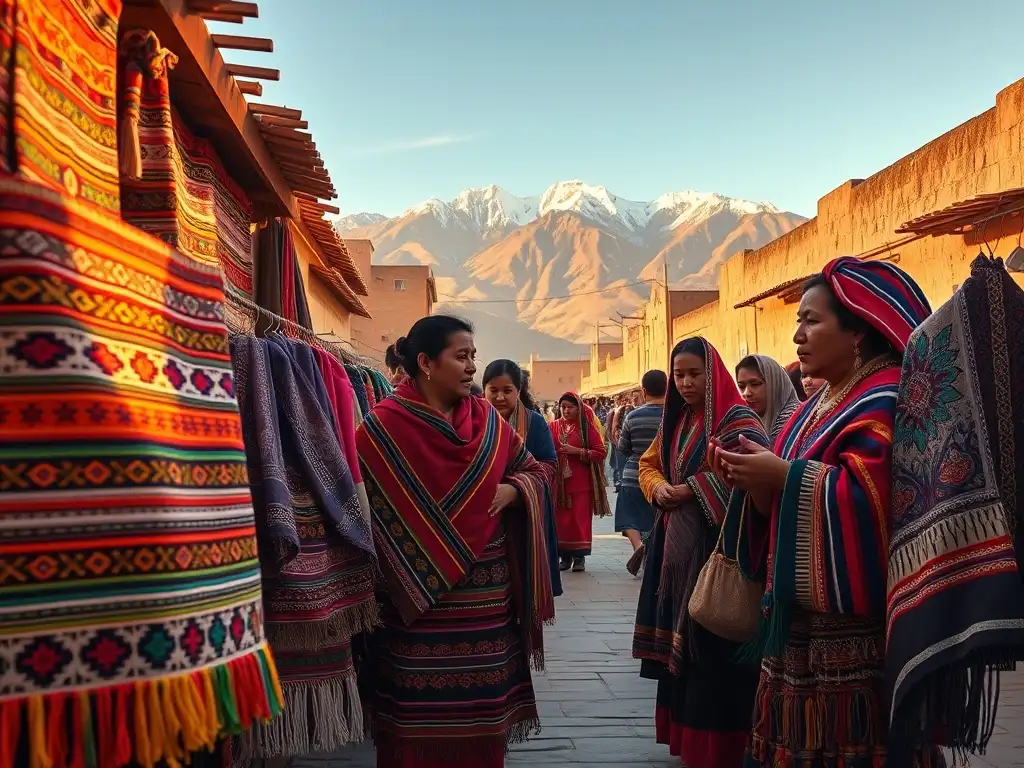
Unravel the mysteries woven into the vibrant threads of Andean civilization. For centuries, intricate artistry and symbolic clothing weren't just adornments, but powerful expressions of identity and resistance. Discover how Andean art symbolism clothing became a silent language, a testament to the ingenuity and resilience of the Incas, Moche, Nazca, and Tiahuanaco in the face of the Spanish Conquest. Prepare to be captivated by a story far richer than you ever imagined. Dive in and explore!
-
Andean Art Symbolism and Clothing: Expressions of Resistance Against Spanish Rule
- The Enduring Power of Andean Visual Culture
- Understanding Andean Art as a Form of Communication
- Andean Clothing: More Than Just Garments
- Resistance Through Art: Subverting Colonial Power
- Clothing as a Statement of Defiance
- The Legacy of Andean Art and Clothing in Contemporary Resistance
- Andean Art and Clothing: A Continuing Story of Cultural Strength
-
Frequently Asked Questions
- What is the main focus of this article on Andean civilizations?
- How does Andean art reflect the cultures of different groups?
- What types of symbolism are commonly found in Andean art and clothing?
- How did clothing function as a form of resistance in Andean societies?
- Where can I learn more about the specific symbolism within Andean art and clothing?
- Final Reflection: Weaving Resistance into the Threads of Time
- Uncover Your Connection to Andean Art and Culture!
Andean Art Symbolism and Clothing: Expressions of Resistance Against Spanish Rule
The Spanish conquest of the Andes drastically altered the social, political, and cultural landscape of South America. However, amidst the turmoil and oppression, the indigenous populations of the Andes found powerful ways to express their resistance and preserve their cultural identity. This article delves into the fascinating world of Andean art and clothing, revealing how these seemingly simple objects served as potent symbols of defiance and resilience against Spanish rule.
We will explore the rich symbolism embedded within Andean visual culture, demonstrating how textiles, ceramics, and other artistic expressions became vital tools in the ongoing struggle for cultural survival. By examining the enduring power of these visual narratives, we gain a deeper understanding of the complexities of Andean resistance and the enduring legacy of pre-Columbian artistic traditions. This exploration will focus on the subtle yet powerful ways Andean peoples used their art and clothing to maintain their identity and subtly challenge the imposed Spanish culture, highlighting the ingenuity and determination of those who refused to be silenced.
The analysis will cover various Andean cultures, including the Incas, Moche, Nazca, and Tiahuanaco, showcasing the diverse yet interconnected ways in which art and clothing served as vehicles for resistance. We will uncover how seemingly simple patterns and designs held profound meanings, representing ancestral beliefs, territorial claims, and unwavering resistance to colonial domination.
The Enduring Power of Andean Visual Culture
Andean art, encompassing a vast array of mediums from intricate textiles to monumental stone sculptures, served as a powerful means of cultural preservation and resistance. Even under the oppressive weight of Spanish colonization, Andean artists continued to create works imbued with symbolic meaning, subtly challenging colonial narratives and reinforcing indigenous identities. The vibrant colors, intricate patterns, and symbolic imagery found in Andean art were not merely decorative; they were carefully crafted messages that transcended the limitations of language, carrying forth the traditions, beliefs, and aspirations of a people determined to maintain their cultural heritage.
The continuity of pre-Columbian artistic styles, often subtly adapted to incorporate new materials or techniques, served as a powerful testament to the enduring spirit of Andean cultures. This visual continuity, despite the imposition of foreign rule, represents a remarkable act of cultural resistance. For example, [specific examples of artistic continuity across the colonial period pending].
Understanding Andean Art as a Form of Communication
The intricate designs and symbolic representations found in Andean art were not random; they formed a complex system of communication, conveying profound meanings to those initiated into their cultural codes. This visual language allowed for the transmission of knowledge, beliefs, and historical narratives across generations, even when verbal communication was suppressed or restricted by colonial authorities. The ability to understand these symbols was, and continues to be, a crucial element in understanding the depth and complexity of Andean culture and its capacity for resistance.
Pre-Columbian Art and its Symbolic Language
Pre-Columbian Andean art is replete with symbolic imagery, often featuring recurring motifs such as animals, deities, and geometric patterns. These elements were not merely decorative; they held deep spiritual and social significance, reflecting the worldview and cosmology of the Andean peoples. For example, the depiction of specific animals, like the condor or puma, could represent power, authority, or connection to the supernatural realm. Similarly, geometric patterns could encode information about social status, lineage, or territorial boundaries.
Understanding these symbolic systems is essential to deciphering the messages embedded within Andean art and appreciating its role in resistance. [Specific examples of pre-Columbian symbols and their meanings pending]. The sheer variety and complexity of these symbols demonstrate the sophisticated level of communication that existed within Andean societies.
The Role of Textiles in Andean Culture: Beyond Clothing
Textiles played a central role in Andean societies, extending far beyond their practical function as clothing. The creation of textiles was a highly skilled craft, often associated with ritual and social status. The intricate designs woven into Andean textiles served as powerful visual statements, conveying messages of identity, social standing, and even resistance.
The use of specific colors, fibers, and techniques could signify membership in particular groups or communities, allowing for subtle displays of cultural affiliation even under colonial rule. The very act of creating and wearing these textiles was a form of cultural preservation and a silent protest against the attempts to suppress Andean traditions. Furthermore, the incorporation of pre-Columbian motifs and designs into textiles during the colonial period showcases a subtle, yet powerful, form of resistance through the preservation of cultural identity.
The meticulous detail and craftsmanship involved in Andean textile production demonstrate the high value placed upon this art form and its enduring significance in Andean culture. [Specific examples of textile symbolism and techniques pending].
Andean Clothing: More Than Just Garments
Andean clothing, far from being mere garments, served as powerful symbols of identity, social status, and cultural heritage. The intricate designs, vibrant colors, and unique textiles woven into these clothes communicated complex messages, often conveying a deep connection to the land, ancestry, and spiritual beliefs. The clothing itself was a tangible representation of a rich tapestry of traditions, passed down through generations, meticulously crafted, and imbued with profound meaning.
This significance extended beyond personal adornment; clothing played a crucial role in social interactions, rituals, and ceremonies, solidifying social structures and reinforcing community bonds. The intricate craftsmanship and the symbolic weight embedded in every stitch made Andean clothing a living testament to the enduring spirit of the Andean people.
The use of specific materials, like alpaca wool, also held deep cultural significance, reflecting both practical considerations and spiritual beliefs. The varying styles of clothing across different Andean communities further highlighted the diversity and richness of the cultural landscape.
Traditional Andean Dress: A Reflection of Identity
Traditional Andean dress varied significantly across different regions and social groups, reflecting the diverse ethnicities and unique cultural identities within the Andean world. The style, color, and ornamentation of clothing often indicated a person's social standing, marital status, and even their occupational role within the community. For instance, the intricate headdresses worn by certain groups signified leadership or spiritual authority.
The vibrant colors used in the textiles often carried symbolic meaning, with specific hues representing different elements of nature, deities, or ancestral spirits. The detailed patterns and designs, often passed down through generations, served as visual narratives, carrying the weight of history and cultural memory.
The way a person dressed was not just a matter of personal preference; it was a powerful statement of identity and belonging, a visual affirmation of their place within the intricate social fabric of Andean society. These traditional styles played a vital role in preserving cultural heritage and maintaining a strong sense of community.
Textile Motifs and their Cultural Significance
The textile motifs found in Andean clothing are rich in symbolism and often tell complex stories. Geometric patterns, zoomorphic representations (animals), and anthropomorphic figures (humans) were carefully woven into the fabric, each carrying a specific cultural meaning. For example, the use of stylized animal figures could represent ancestral spirits, deities, or even the cyclical nature of life and death. Geometric patterns often symbolized celestial events, agricultural cycles, or the intricate relationship between the Andean people and their environment.
The meticulous attention to detail in these motifs reflects the deep spiritual and cultural significance attributed to the art of weaving. The creation of these textiles was not merely a craft; it was a sacred act, imbuing the garments with a profound spiritual power and cultural significance. These motifs provided a continuous link to the past and served as a visual language that transcended linguistic barriers.
Resistance Through Art: Subverting Colonial Power
Despite the brutal realities of Spanish colonization, Andean art and clothing became powerful tools of resistance. The intricate designs and symbolic language embedded in textiles and other art forms served as subtle yet potent expressions of defiance against colonial rule. By continuing to create art that reflected their traditions and beliefs, the Andean people maintained their cultural identity in the face of oppression.
These artistic expressions served as a form of cultural preservation, providing a sense of continuity and hope during a period of immense upheaval. The use of traditional motifs and colors, despite colonial efforts to suppress them, acted as a silent protest, a subtle yet persistent affirmation of Andean cultural resilience. Even under duress, the continuation of traditional art forms represented a powerful act of resistance.
Hidden Messages in Andean Weavings
Some scholars believe that Andean weavers incorporated coded messages into their textiles, concealing their resistance to Spanish rule within the intricate patterns. These hidden messages, often embedded within seemingly innocuous designs, may have been used to communicate strategies, transmit information, or simply express dissent against the colonial regime. The complexity and symbolism of these designs made them difficult for the Spanish authorities to decipher, providing a clandestine channel for communication and resistance.
While definitive proof remains elusive, the possibility of such coded messages highlights the ingenuity and determination of the Andean people to maintain their cultural integrity and challenge colonial power in creative and covert ways. The investigation of these hidden meanings remains a field of ongoing research, promising to reveal more about the complexities of Andean resistance.
Andean Iconography as a Tool of Cultural Preservation
Andean iconography, through its presence in clothing and other art forms, played a crucial role in preserving cultural memory and transmitting knowledge across generations. The use of recurring motifs, symbols, and patterns served as a visual language, conveying stories, beliefs, and traditions that were otherwise threatened by colonial suppression. The continued production of these artistic expressions served as a powerful act of cultural resistance, ensuring the survival of Andean identity and heritage in the face of immense pressure to assimilate.
By embedding their history and cultural values into their art, the Andean people created a lasting legacy, ensuring that their traditions would continue to resonate through time. The preservation of these artistic expressions stands as a powerful testament to the resilience and cultural strength of the Andean civilizations.
Clothing as a Statement of Defiance
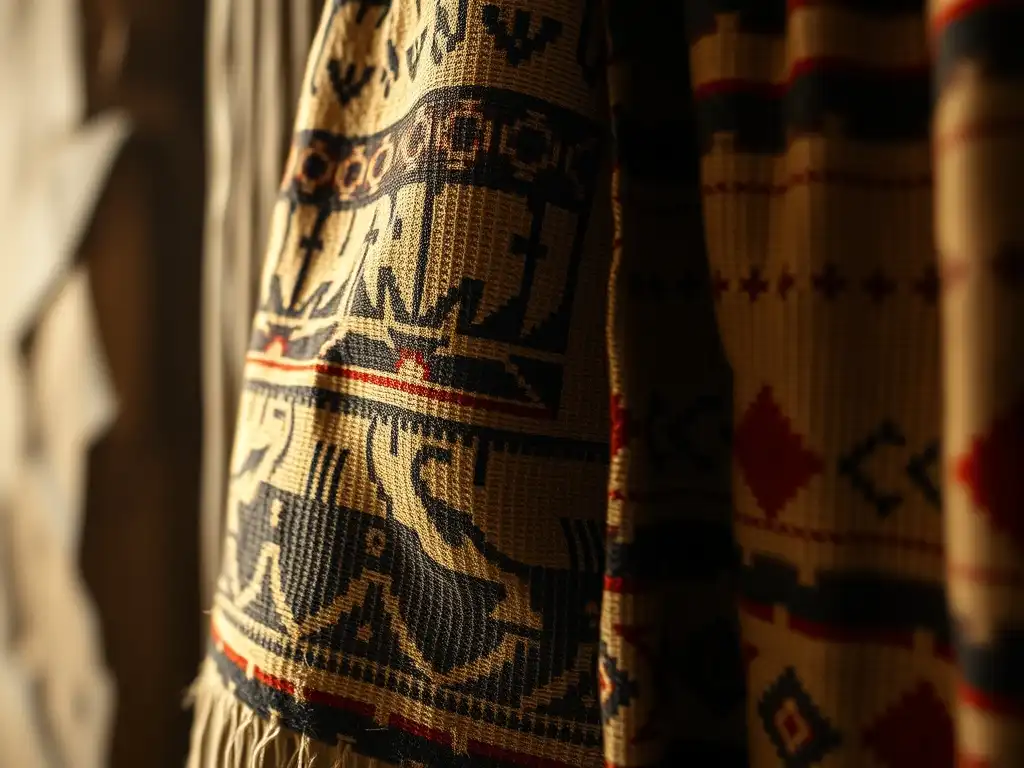
The imposition of Spanish rule in the Andes drastically altered the social fabric and cultural expressions of the indigenous populations. However, clothing, far from being a passive element, became a powerful tool of resistance. Andean people, despite facing oppression and subjugation, cleverly used their traditional attire to subtly, and sometimes overtly, challenge the colonial order.
This wasn't merely a matter of maintaining tradition; it was an act of defiance, a visual declaration of cultural survival in the face of erasure. The vibrant colors, intricate designs, and symbolic elements embedded within their clothing served as a constant reminder of their pre-colonial heritage and a rejection of the homogenizing forces of colonialism. This subtle yet powerful resistance manifested in various ways, from the continued use of specific textiles and dyes to the strategic incorporation of pre-Columbian motifs into garments.
The very act of wearing traditional clothing became an act of rebellion, a silent protest against the forced assimilation imposed by the Spanish crown. This resistance was often subtle, interwoven into the fabric of daily life, making it difficult for the colonial authorities to directly suppress.
Reinterpreting Traditional Dress as Resistance
Traditional Andean clothing, with its rich history and symbolic meaning, was not simply abandoned in the face of Spanish conquest. Instead, indigenous communities cleverly reinterpreted its elements to express their resistance. For example, certain textiles or patterns, once associated with specific religious or social hierarchies, might have been subtly altered or recontextualized to convey messages of defiance. This could involve changing the colors used, altering the placement of traditional motifs, or even introducing new symbolic elements that held a particular meaning within the context of colonial oppression.
This nuanced approach allowed Andean communities to maintain a connection to their cultural heritage while simultaneously expressing their opposition to colonial rule. The adaptation of existing forms to express new meanings demonstrates the ingenuity and resilience of Andean cultures in the face of adversity. This was a form of cultural guerilla warfare, waged not with weapons, but with threads and dyes.
The Use of Color and Design to Challenge Colonial Norms
Color and design played a crucial role in the symbolic language of Andean clothing during the colonial period. Specific colors, such as deep reds or vibrant purples, might have held particular significance within pre-colonial Andean societies, representing power, spirituality, or connection to the land. By continuing to use these colors in their clothing, despite colonial efforts to suppress indigenous traditions, Andean people maintained a visual link to their past and their identity.
Similarly, traditional patterns and motifs, often representing deities, mythical creatures, or agricultural cycles, were carefully incorporated into garments, serving as a silent assertion of cultural continuity. The intricate weaving techniques, passed down through generations, became a form of coded communication, conveying messages of resistance and cultural pride that could be understood by fellow indigenous people. The Spanish, often unaware of the deeper meaning embedded within the designs, were unable to effectively suppress this form of non-violent resistance.
The Legacy of Andean Art and Clothing in Contemporary Resistance
The enduring power of Andean art and clothing is evident in their continued relevance to contemporary resistance movements. The symbolic language woven into textiles and artistic expressions continues to resonate with indigenous communities, providing a powerful means of expressing identity, reclaiming heritage, and challenging ongoing social and political inequalities. This legacy is not merely a historical artifact; it is a living tradition that informs and inspires contemporary activism.
The vibrant colors, intricate designs, and powerful symbolism of traditional Andean art and clothing serve as a constant reminder of the enduring strength and resilience of Andean cultures, and their continued struggle for self-determination. The resurgence of interest in traditional textile arts, and the creation of new works that draw upon ancient techniques and symbolism, demonstrate the enduring power of cultural heritage in the face of oppression.
Contemporary Andean Artists and their Connection to the Past
Contemporary Andean artists frequently draw inspiration from the rich artistic traditions of their ancestors, incorporating elements of pre-Columbian symbolism and weaving techniques into their work. These artists are not simply replicating the past; they are actively engaging with it, reinterpreting traditional motifs and techniques to address contemporary issues. Their art often serves as a powerful commentary on social justice, land rights, and cultural preservation, reflecting the ongoing struggle for self-determination within Andean communities.
The works of these artists serve as a bridge between the past and the present, connecting the historical legacy of resistance to contemporary struggles for social and environmental justice. Their art is a testament to the enduring relevance of Andean artistic traditions and their capacity to inspire and empower.
The Revitalization of Andean Textile Traditions
The revitalization of Andean textile traditions is a significant aspect of contemporary resistance. The preservation and promotion of traditional weaving techniques, designs, and color palettes are not simply acts of cultural preservation; they are active forms of resistance against cultural homogenization and the erasure of indigenous knowledge. By continuing to produce textiles using traditional methods, Andean communities are actively challenging the dominance of globalized fashion trends and asserting their cultural identity.
This revitalization also involves the training of younger generations in traditional techniques, ensuring the continuity of these invaluable skills and knowledge. The growing interest in authentic Andean textiles, both within and outside of the region, demonstrates a recognition of the cultural value and artistic significance of these creations, further strengthening their role in contemporary cultural resistance. The threads of tradition, literally and figuratively, continue to bind communities together and serve as a powerful symbol of cultural resilience.
Andean Art and Clothing: A Continuing Story of Cultural Strength
The vibrant tapestry of Andean art and clothing wasn't merely decorative; it served as a powerful tool for cultural preservation and resistance against Spanish colonial rule. Even under the brutal weight of conquest, Andean communities cleverly embedded coded messages and symbols within their artistic expressions and attire, subtly challenging the imposed Spanish culture and maintaining a vital connection to their ancestral heritage. This wasn't passive resistance; it was an active, ongoing struggle for cultural survival, manifested in the very fabric of their daily lives.
The intricate designs, the carefully chosen colors, and the specific techniques employed all held layers of meaning, often invisible to the untrained eye but deeply resonant within the Andean communities. This enduring legacy speaks volumes about the resilience and ingenuity of Andean peoples in the face of overwhelming oppression.
The continued use of traditional motifs and styles, even after centuries of colonial influence, demonstrates the enduring power of cultural identity and the tenacious spirit of resistance. Their art and clothing became powerful symbols of defiance, quietly yet forcefully asserting their continued existence and cultural pride.
The Spanish attempted to suppress indigenous artistic traditions, promoting European styles and imposing religious iconography. However, Andean artisans skillfully adapted and incorporated these new elements into existing forms, creating a unique syncretism that reflected both resistance and adaptation. For instance, traditional designs were subtly altered or combined with Christian motifs, creating a visual dialogue that simultaneously acknowledged the colonial presence while preserving the core essence of Andean aesthetics.
This subtle subversion was a testament to the resourcefulness and creativity of Andean artists, who found ingenious ways to maintain their cultural identity under duress. The use of color, for example, often held significant cultural meaning, with certain hues representing specific deities, events, or social status. Even seemingly minor details, such as the type of fiber used or the specific weaving techniques, could carry hidden messages or symbolic significance, carefully preserved and passed down through generations.
The continued production and use of traditional Andean clothing, despite attempts at suppression, represents a tangible form of resistance. The clothing itself, with its intricate designs and symbolic elements, became a powerful statement of cultural identity and a silent challenge to colonial authority. The act of wearing traditional garments was a daily affirmation of cultural pride, a subtle but significant act of defiance against the imposed cultural hegemony.
This silent rebellion, woven into the very fabric of their daily lives, ensured the survival of Andean cultural traditions and served as a constant reminder of their enduring heritage. The vibrant colors and intricate patterns, often reflecting specific geographic locations or clan affiliations, served as a visual map of Andean identity, a powerful symbol of unity and resilience in the face of oppression.
Frequently Asked Questions
What is the main focus of this article on Andean civilizations?
This article explores how Andean art and clothing served as powerful tools of resistance against oppression throughout history. It examines the symbolism embedded within these expressions.
How does Andean art reflect the cultures of different groups?
Different Andean groups, like the Incas, Moche, Nazca, and Tiahuanaco, expressed their unique identities through distinct artistic styles and clothing. These variations provide valuable insights into their beliefs and social structures.
What types of symbolism are commonly found in Andean art and clothing?
Common symbols include geometric patterns, zoomorphic figures (animals), and anthropomorphic figures (humans), each carrying specific meanings related to deities, power, and social status. Religious beliefs are heavily represented.
How did clothing function as a form of resistance in Andean societies?
Clothing choices could subtly or overtly challenge authority. Specific colours, textiles, and adornments functioned as visual markers of identity and defiance, especially during periods of colonial rule.
Where can I learn more about the specific symbolism within Andean art and clothing?
Further research into individual Andean cultures, their iconography, and archaeological findings will reveal more details. Academic journals and museum resources are excellent starting points.
Final Reflection: Weaving Resistance into the Threads of Time
The vibrant symbolism woven into Andean art and clothing isn't merely a relic of the past; it's a potent reminder of the enduring power of cultural resistance in the face of oppression. These intricate designs, far from being mere decoration, served as powerful tools for preserving identity and challenging colonial forces, a legacy that continues to resonate today. The enduring strength of these artistic expressions speaks volumes about the human spirit's capacity to persevere and reclaim its heritage.
The impact of Andean art and clothing on the cultural landscape is undeniable. From the intricate patterns that tell stories of ancestral spirits and cosmological beliefs to the bold colors that defy assimilation, these artistic forms have served as a vital link to the past and a powerful force for cultural preservation. Art washes away from the soul the dust of everyday life.
– Pablo Picasso. This quote, while not specifically about Andean art, perfectly captures the cleansing and empowering nature of these artistic expressions, their ability to transcend hardship and offer a pathway to healing and self-affirmation.
Consider the depth of meaning embedded in each thread, each color, each carefully crafted design. You, too, possess the power to weave your own narrative, to express your identity, and to resist forces that seek to diminish your voice. Let the enduring spirit of Andean art inspire you to find your own creative expression, to celebrate your heritage, and to stand firm in the face of adversity. Embrace the power of symbolism, and let your own life become a vibrant tapestry of resilience and hope.
Uncover Your Connection to Andean Art and Culture!
Thank you for exploring the rich symbolism of Andean art and clothing! You've discovered the profound meanings behind these powerful cultural expressions. Let's now explore ways to further deepen your appreciation and involvement in this vibrant heritage.
Here are some suggestions:
- Support Andean artisans: Visit local markets or online shops that feature the work of Andean artisans. Your purchases directly support the preservation of these ancient traditions.
- Share your newfound knowledge: Discuss what you've learned with friends and family, encouraging them to explore the fascinating history and significance of Andean culture.
- Engage in hands-on learning: Look for local workshops or online courses that offer instruction in traditional Andean art forms. This is a wonderful way to experience the creativity firsthand and connect with others who share your passion.
What aspects of Andean culture resonate most with you, and how might you integrate them into your daily life? Let's start a conversation!