
The Impact of Spanish Law and Justice on Andean Communities

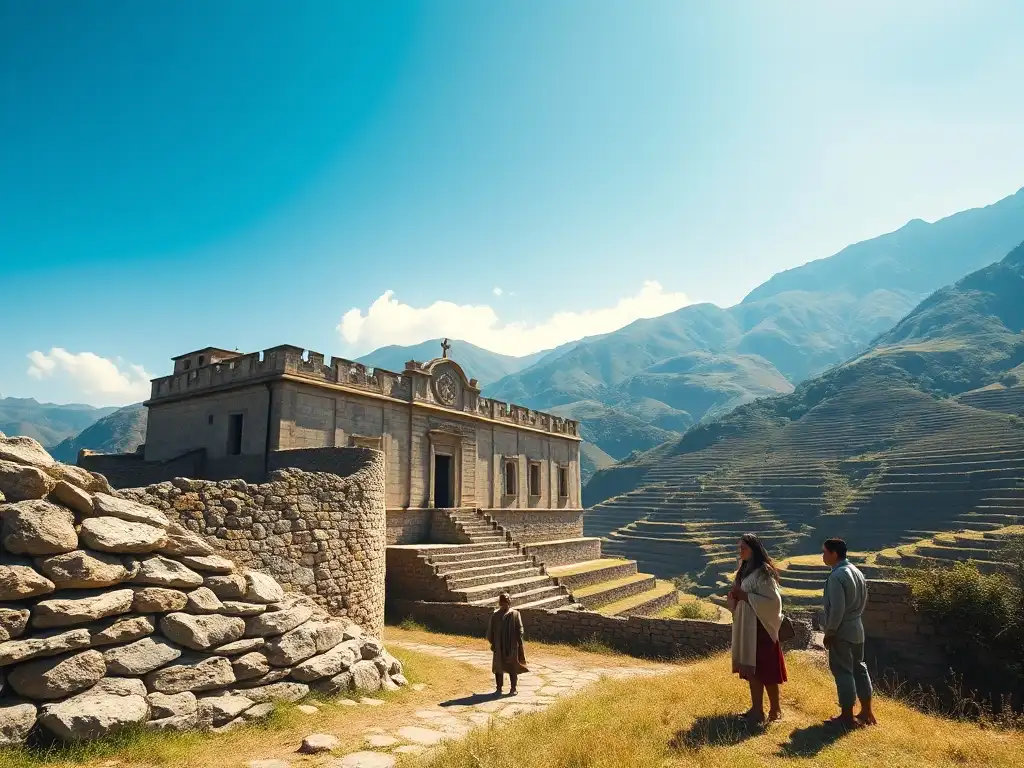
Step into a world lost to time, yet echoing through the ages. Imagine the majestic Andes, home to empires that built cities in the clouds and mastered intricate technologies. But what happened when the Spanish arrived? Our exploration into the Spanish colonial impact on Andean justice reveals a complex and often brutal story, challenging our understanding of these fascinating civilizations. Uncover the hidden legacies of conquest and discover how the imposition of Spanish law irrevocably altered the course of Andean life. Dare to delve deeper…
The Spanish conquest of the Andes dramatically reshaped the social, political, and economic landscape of the region, leaving an indelible mark on its indigenous populations. This transformation extended beyond military subjugation and economic exploitation; it encompassed a fundamental shift in the very systems of law and justice.
This article explores the profound impact of Spanish legal systems on Andean communities, examining how the imposition of colonial law disrupted, replaced, and ultimately interacted with pre-existing indigenous legal traditions. We will analyze the resistance strategies employed by Andean communities in response to this imposed system, focusing on how the clash between Andean and Spanish legal concepts shaped the social and political dynamics of colonial South America.
Understanding this complex interplay is crucial to appreciating the lasting legacy of the Spanish conquest and the ongoing struggle for justice and self-determination in the Andean region. The keyword "Spanish colonial impact on Andean justice" will be analyzed throughout the article to provide a comprehensive understanding of this crucial historical period.
Introduction: Andean Justice Before the Spanish Conquest
Before the arrival of the Spanish, Andean societies possessed sophisticated and diverse legal systems. These systems, far from being chaotic or arbitrary, were deeply embedded in the social fabric and reflected the specific cultural and political structures of each community. Justice wasn't solely a matter of codified laws but was intricately woven into the social fabric, often involving community mediation, reciprocal obligations, and religious practices.
Evidence suggests that Andean justice systems prioritized restorative justice, aiming to repair harm and restore social harmony rather than simply punishing offenders. Punishments varied depending on the severity of the offense and the social standing of those involved, ranging from community service and fines to exile or even death in extreme cases. The concept of "Ayni," a system of reciprocal exchange and mutual support, played a central role in regulating social relations and resolving conflicts peacefully.
These indigenous legal systems, diverse across different Andean groups, functioned effectively for centuries, demonstrating the resilience and complexity of pre-colonial Andean societies. Understanding these pre-existing systems is essential to fully grasping the transformative effect of the Spanish legal imposition.
The Imposition of Spanish Legal Systems
The Spanish conquest brought with it a complete overhaul of the Andean legal landscape. The Spanish Crown, driven by its desire to control and exploit the newly conquered territories, swiftly implemented its own legal framework, intending to supplant the existing indigenous systems.
This process was not simply a matter of replacing one system with another; it involved a complex interplay of coercion, adaptation, and resistance. The Spanish legal system, rooted in Roman law and canon law, was fundamentally different from the indigenous systems it sought to replace, operating on principles of centralized authority, codified laws, and hierarchical judicial structures – a stark contrast to the more decentralized and community-based Andean approaches.
The Displacement of Traditional Andean Legal Practices
The Spanish actively sought to suppress traditional Andean legal practices, viewing them as obstacles to colonial control. Indigenous leaders and authorities who had previously held judicial power were often replaced by Spanish officials or by those who collaborated with the colonial regime. The use of indigenous languages and customs in legal proceedings was discouraged or forbidden, leading to a systematic erosion of traditional legal knowledge and practices.
This process of displacement was not uniform across the Andean region, varying in intensity depending on factors such as the level of Spanish control, the resistance of local communities, and the persistence of indigenous institutions. The resulting power vacuum created space for new forms of oppression and exploitation, further exacerbating existing social inequalities. Many traditional methods of conflict resolution were effectively outlawed, leaving indigenous communities with limited recourse against colonial injustices.
The Introduction of Colonial Laws and Courts
The Spanish introduced a complex network of colonial courts and legal institutions designed to enforce Spanish law and maintain colonial order. These courts, ranging from local alcaldías to higher appellate tribunals, operated according to Spanish legal codes, such as the Leyes de Indias (Laws of the Indies). These laws covered a broad range of matters, including criminal justice, property rights, and governance.
While the Leyes de Indias aimed to establish a uniform legal system throughout the empire, their implementation was often uneven and inconsistent, leading to variations in legal practices across different regions. The establishment of these colonial courts meant that indigenous communities were increasingly subjected to a legal system that they did not understand and that often worked against their interests. This led to widespread resentment and fueled resistance movements throughout the colonial period.
Key Differences Between Andean and Spanish Justice
A fundamental difference lay in the concept of justice itself. Andean systems often prioritized restoration and reconciliation, while Spanish law emphasized punishment and retribution. The Spanish system, with its emphasis on written law and formal procedures, stood in stark contrast to the more informal and community-based Andean approaches.
The Spanish legal system also reinforced existing social hierarchies, often favoring the interests of the Spanish colonizers and their indigenous allies over the rights of the majority of the indigenous population. This disparity in legal philosophies created a deep chasm between the colonial authorities and the Andean communities they governed, contributing to widespread discontent and fueling ongoing resistance against colonial rule.
The imposition of a foreign legal system, therefore, was not merely a technical change but a profound assault on indigenous cultures and ways of life. The Spanish colonial impact on Andean justice continues to be studied and debated today, revealing the lasting legacy of colonialism on the region.
The Effects on Andean Society
The Spanish conquest profoundly altered the Andean legal landscape, leaving an indelible mark on Andean society. Prior to the arrival of the Spanish, Andean communities possessed intricate and sophisticated systems of justice, often deeply intertwined with their religious beliefs and social structures. These systems, while varying across different cultures like the Inca, Moche, and Nazca, generally emphasized restorative justice, community mediation, and the resolution of conflicts through consensus. The Spanish, however, imposed their own legal framework, based on Roman law and Christian morality, which clashed dramatically with existing Andean practices.
This imposition resulted in a complex interplay of resistance, adaptation, and the gradual erosion of traditional legal norms. The consequences were far-reaching, affecting everything from land ownership and inheritance to criminal justice and social control. The shift from community-based justice to a centralized, hierarchical system profoundly impacted the social fabric of Andean societies.
Disruption of Community-Based Justice
The Spanish colonial system actively dismantled existing Andean community-based justice systems. Traditional methods of dispute resolution, often involving community elders, religious leaders, or specialized mediators, were systematically undermined. The Spanish crown sought to establish its own courts and legal institutions, creating a centralized system that prioritized Spanish law and marginalized indigenous legal practices.
This resulted in a loss of local control over legal matters, leading to increased vulnerability for Andean communities and a weakening of their internal mechanisms for conflict resolution. For example, traditional forms of land dispute resolution, often based on long-standing customary practices, were replaced by Spanish legal processes that often favored Spanish landowners and disregarded indigenous claims. This disruption had long-lasting consequences, contributing to social instability and increased conflict within Andean communities.
The Role of the Encomienda System in Legal Matters
The encomienda system, a key element of the Spanish colonial system, played a significant role in shaping the legal landscape of the Andes. While ostensibly a system of granting land and indigenous labor to Spanish conquistadors in return for providing protection and religious instruction, the encomienda system often devolved into a system of exploitation and abuse. Encomenderos, the Spanish recipients of encomiendas, frequently wielded unchecked power over indigenous populations, using their authority to manipulate legal processes to their advantage.
Indigenous people subjected to encomienda were often denied access to justice or subjected to biased legal proceedings. Disputes over land, labor, or other resources were often resolved in favor of the encomenderos, further undermining indigenous rights and exacerbating existing inequalities. This system effectively created a parallel, and often conflicting, legal framework that systematically disadvantaged Andean communities.
Impact on Indigenous Authority Structures
The Spanish conquest had a devastating impact on indigenous authority structures. Traditional Andean leadership roles, often held by individuals with spiritual, political, or social prominence, were systematically weakened or eliminated. The Spanish crown attempted to replace these existing power structures with a hierarchical system mirroring their own, placing Spanish officials at the top of the social and political order.
Indigenous leaders who collaborated with the Spanish sometimes retained a degree of influence, but their authority was often curtailed and subject to the whims of colonial officials. This disruption of established power dynamics led to social fragmentation and the erosion of traditional social cohesion within Andean communities. The imposition of Spanish law and administration directly challenged and diminished the legitimacy and power of indigenous leaders, contributing to the cultural and political disenfranchisement of Andean societies.
Resistance and Adaptation
Despite the imposition of Spanish law and the suppression of indigenous legal systems, Andean communities exhibited remarkable resilience and displayed various forms of resistance and adaptation. Their responses ranged from overt rebellion and defiance to subtle acts of resistance and the strategic negotiation of legal spaces. The blending of Spanish and Andean legal traditions created a unique legal landscape, reflecting both the power of the colonial state and the enduring strength of indigenous cultures.
Forms of Resistance to Spanish Legal Authority
Andean resistance to Spanish legal authority took many forms. Open rebellion, while risky, was a common response, particularly in areas where indigenous communities felt particularly oppressed or when colonial policies were seen as particularly egregious. However, resistance also manifested in more subtle ways.
These included the strategic use of traditional practices to challenge Spanish jurisdiction, the concealment of property or resources to avoid taxation, and the manipulation of legal procedures to gain advantageous outcomes. Indigenous communities also used the existing legal system, however flawed, to challenge injustices and assert their rights. While overt rebellion brought immediate confrontation, subtle forms of resistance allowed for persistent undermining of colonial authority and preservation of indigenous cultural practices.
Hybrid Legal Systems: The Blending of Traditions
The imposition of Spanish law did not completely erase Andean legal traditions. Instead, a process of cultural blending occurred, resulting in hybrid legal systems that incorporated elements of both Spanish and Andean practices. This process was often complex and uneven, varying across different regions and communities.
Indigenous communities often adapted Spanish legal procedures to their own contexts, reinterpreting laws and using them to their advantage. In some cases, traditional Andean practices continued to operate alongside Spanish legal institutions, creating a dual system of justice. This process of adaptation and negotiation highlights the resilience of Andean cultures and their ability to navigate and shape the imposed colonial legal framework.
The Role of Andean Leaders in Negotiating Legal Matters
Andean leaders played a crucial role in navigating the complex legal landscape of the colonial period. While their authority was often diminished, they used their influence to negotiate with Spanish officials, mediating disputes, advocating for their communities, and attempting to protect indigenous interests within the confines of the colonial legal system. These negotiations often involved a delicate balancing act, requiring skillful diplomacy and a deep understanding of both Andean and Spanish legal practices.
The success of these negotiations varied greatly depending on factors such as the strength of the community, the personality and skills of the leader, and the political climate of the time. The actions of these leaders demonstrate the agency and resilience of Andean communities in the face of colonial oppression.
The Long-Term Consequences of Colonial Justice
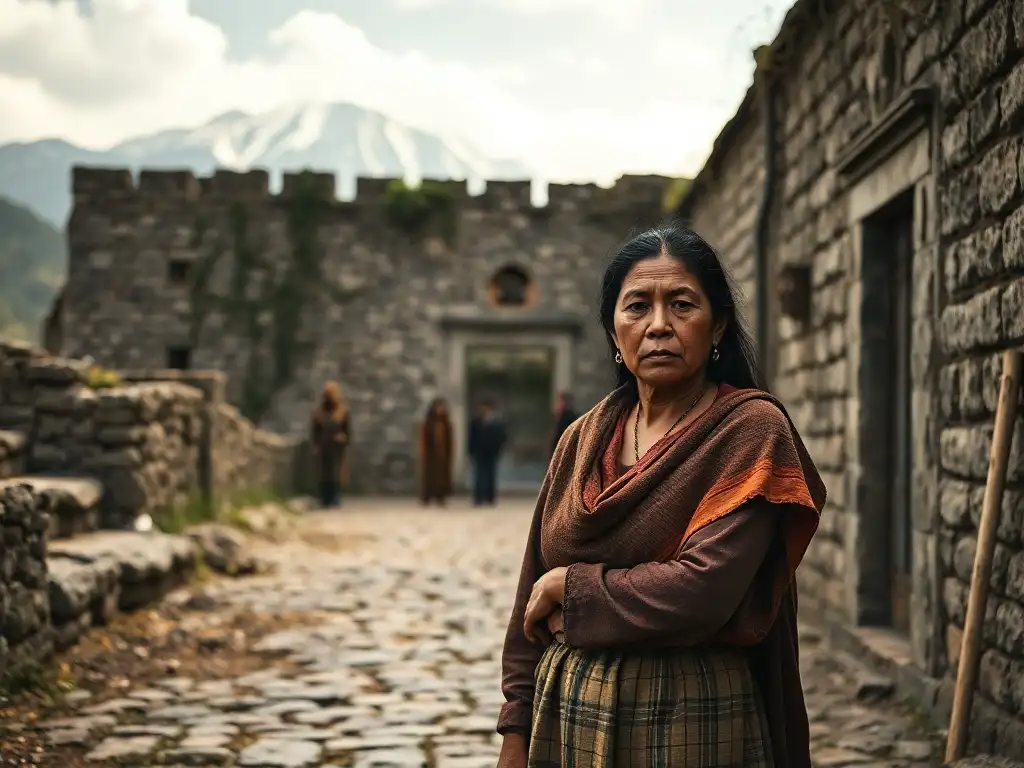
The Spanish colonial impact on Andean justice systems had profound and lasting consequences, shaping the legal and social landscape of the region for centuries. The imposition of Spanish law, designed for a vastly different social and political context, disrupted existing Andean legal traditions and power structures. Indigenous forms of conflict resolution, often based on community consensus and customary law, were systematically undermined and replaced with a hierarchical, centralized system that prioritized Spanish interests. This resulted in the disenfranchisement of many Andean communities and the erosion of their autonomy.
The consequences extended beyond the legal realm, impacting land ownership, resource access, and social hierarchies. The Spanish legal system, with its emphasis on individual property rights, directly conflicted with the communal land tenure systems prevalent in Andean societies, leading to land dispossession and social upheaval. This legacy of legal and social disruption continues to influence modern Andean societies.
The imposition of a foreign legal system not only altered the administration of justice but fundamentally reshaped the social fabric of Andean communities, leaving a complex and enduring legacy. The effects rippled through generations, impacting everything from property rights to social structures. The consequences continue to be felt today.
The Legacy of Legal Inequality in Modern Andean Societies
The legacy of colonial injustice continues to manifest in modern Andean societies in various forms. Disparities in access to justice, rooted in historical inequalities, persist. Indigenous communities often face significant barriers in navigating complex legal systems inherited from the colonial era. Language barriers, cultural misunderstandings, and a lack of legal representation disproportionately affect indigenous populations.
This contributes to a sense of marginalization and powerlessness within the legal system. Furthermore, the historical dispossession of land and resources continues to fuel social and economic inequality, creating a cycle of disadvantage that is difficult to break. The unequal distribution of wealth and resources, directly linked to the colonial legal framework, remains a significant challenge.
Addressing these issues requires a multifaceted approach that acknowledges the historical context and works towards creating a more equitable and inclusive legal system. This includes promoting legal literacy within indigenous communities, providing access to legal aid, and reforming legal structures to better reflect the needs and rights of indigenous populations. Ultimately, achieving true justice requires confronting the lingering effects of colonial rule.
Ongoing Challenges in Legal Reform
Legal reform in Andean countries aimed at addressing the legacy of colonial injustice faces significant challenges. These challenges range from deeply entrenched social inequalities and political obstacles to a lack of resources and technical expertise. Implementing meaningful legal reforms requires sustained political will, significant investment, and a commitment to inclusivity. Furthermore, the complex interplay between national laws and indigenous customary law creates further complications.
Balancing the need for legal uniformity with the recognition of indigenous legal traditions requires careful consideration and negotiation. Resistance from vested interests can also hinder the process of legal reform. These obstacles highlight the complexity of dismantling the legacy of colonialism and building a truly just and equitable legal system. The path to legal reform is long and arduous, requiring sustained effort and commitment from all stakeholders.
The Struggle for Recognition of Indigenous Legal Rights
A critical aspect of legal reform in Andean countries is the struggle for recognition of indigenous legal rights. Indigenous communities have long advocated for the incorporation of their customary laws into the national legal frameworks. This recognition is crucial for upholding their cultural identity, protecting their traditional practices, and ensuring their participation in decision-making processes that affect their lives. However, achieving this recognition faces significant resistance from those who seek to maintain the dominance of the colonial legal system.
The struggle involves navigating complex legal and political landscapes, advocating for legal pluralism, and engaging in ongoing dialogue between indigenous communities and national governments. The recognition of indigenous legal rights is not merely a legal matter but also a fundamental aspect of social justice and self-determination. It represents a vital step towards repairing the historical injustices inflicted during the colonial era and empowering indigenous communities to shape their own futures.
Case Studies: Specific Examples of Legal Impact
This section will delve into specific historical examples illustrating the impact of Spanish law and justice on Andean communities. These case studies showcase the complexities of colonial legal systems and their enduring legacy.
Case Study 1: The Túpac Amaru II Rebellion and Legal Repression
The Túpac Amaru II Rebellion (1780-1783) serves as a powerful example of the resistance to Spanish colonial rule and the brutal legal repression that followed. Túpac Amaru II, a descendant of the Inca emperors, led a large-scale uprising against the Spanish authorities, challenging the oppressive legal and economic system imposed upon the indigenous population. The rebellion's brutal suppression by Spanish forces, and the subsequent legal proceedings against the rebels, exemplifies the colonial system's use of legal processes to maintain control and suppress dissent.
Many participants were subjected to harsh punishments, including public executions and confiscations of land and property, all under the guise of Spanish law. The rebellion highlights the inherent conflict between indigenous rights and the imposition of a foreign legal system designed to maintain colonial power. The legal repercussions of the rebellion, far reaching and devastating, underscore the repressive nature of Spanish colonial justice.
Case Study 2: The Use of Caciques in Colonial Legal Administration
The Spanish colonial administration often utilized indigenous caciques (leaders) within their legal system. While seemingly incorporating indigenous elements, this practice served primarily to maintain colonial control. Caciques were often tasked with enforcing Spanish laws within their communities, acting as intermediaries between the indigenous population and colonial authorities.
This system, however, often led to the exploitation and abuse of power by caciques, who sometimes used their position to enrich themselves at the expense of their communities. The use of caciques demonstrates the colonial strategy of co-opting indigenous power structures to enforce colonial rule while simultaneously undermining traditional Andean governance systems. This resulted in a complex and often contradictory system where indigenous leaders were both agents of colonial power and representatives of their communities, creating internal tensions and conflicts.
Case Study 3: The Persistence of Andean Communal Land Tenure Despite Spanish Laws
Despite the Spanish attempts to impose individual land ownership, Andean communities largely maintained their traditional communal land tenure systems. This demonstrates the resilience of indigenous institutions in the face of colonial pressure. While Spanish laws aimed to privatize land, indigenous communities often found ways to circumvent these laws, preserving their traditional systems of collective ownership and resource management.
This persistent adherence to communal land tenure highlights the limits of colonial power and the strength of indigenous resistance. While the Spanish legal system attempted to redefine property rights, the continued use of communal land demonstrates a form of legal pluralism and the adaptability of Andean communities in preserving their cultural and economic structures. This enduring practice underscores the importance of understanding the complexities of indigenous legal traditions in the context of colonial rule.
Conclusion: Understanding the Enduring Legacy
The imposition of Spanish law and justice systems upon the diverse Andean communities resulted in a complex and enduring legacy. While the Spanish Crown aimed to establish a uniform legal framework across its vast empire, the reality on the ground was far more nuanced. Indigenous legal traditions, often deeply intertwined with social structures and spiritual beliefs, were systematically undermined, leading to significant social disruption and the erosion of traditional power dynamics.
The introduction of concepts like private property, unfamiliar to many Andean communities, profoundly altered land ownership and resource management. The consequences of this legal upheaval continue to resonate in contemporary Andean societies, influencing land disputes, governance structures, and even the very understanding of justice itself. Understanding this historical context is crucial for addressing ongoing social and political challenges in the region.
The Spanish Colonial Impact on Andean Justice: A Summary
The Spanish colonial impact on Andean justice was profound and multifaceted. The replacement of indigenous legal systems with Spanish law led to the suppression of traditional practices and the imposition of a foreign legal framework that often failed to accommodate the complexities of Andean social structures. The system favored the Spanish elite, leading to widespread injustices against indigenous populations.
Forced labor (mita), heavy taxation, and the denial of basic legal rights were common occurrences. While some attempts were made to integrate indigenous practices into the Spanish legal system, these efforts were often superficial and ultimately served to reinforce colonial power structures. The legacy of this period continues to shape contemporary legal systems and social relations in the Andes.
The Spanish colonial system effectively dismantled the existing indigenous justice systems, replacing them with a model that prioritized the interests of the colonizers. This resulted in a loss of autonomy for Andean communities and a long-term struggle for legal recognition and rights.
The Importance of Acknowledging Historical Legal Injustices
Acknowledging the historical legal injustices inflicted upon Andean communities during the Spanish colonial period is not merely an academic exercise; it is a crucial step towards achieving genuine reconciliation and social justice. Ignoring or minimizing the impact of colonial legal structures perpetuates inequalities and hinders efforts to address contemporary challenges stemming from this legacy. By honestly confronting the past, we can better understand the present-day disparities in access to justice, land ownership, and political representation.
This acknowledgement is essential for building a more just and equitable future for Andean communities, allowing them to reclaim their legal heritage and participate fully in shaping their own destinies. This includes recognizing the lasting effects of the colonial legal system on indigenous identities, cultural practices, and access to resources. Without this acknowledgment, true progress towards restorative justice remains elusive.
Looking Ahead: The Future of Indigenous Legal Rights in the Andes
The future of indigenous legal rights in the Andes requires a concerted effort to redress historical injustices and ensure the full participation of indigenous communities in legal and political processes. This involves promoting indigenous legal pluralism, recognizing and respecting the validity of traditional legal systems alongside modern legal frameworks. Furthermore, it necessitates strengthening indigenous institutions and empowering indigenous communities to actively participate in shaping legal reforms that reflect their needs and aspirations.
The ongoing struggle for indigenous rights requires continuous advocacy, legal reforms, and a commitment to dismantling systemic inequalities that continue to disadvantage Andean communities. This is a complex undertaking, involving legal reforms, educational initiatives, and ongoing dialogue between indigenous communities and governmental bodies.
The ultimate goal is to create a legal system that is truly inclusive and equitable, acknowledging and respecting the rights and traditions of all Andean peoples. The path forward requires a commitment to continuous dialogue, collaboration, and a genuine effort to address the lingering effects of colonialism.
- Introduction: Andean Justice Before the Spanish Conquest
- The Imposition of Spanish Legal Systems
- The Effects on Andean Society
- Resistance and Adaptation
- The Long-Term Consequences of Colonial Justice
- Case Studies: Specific Examples of Legal Impact
- Conclusion: Understanding the Enduring Legacy
- How did Spanish colonization affect the Andean legal systems?
- What was the role of the Spanish corregidores in Andean communities?
- Did Spanish law recognize indigenous rights?
- How did the Spanish legal system impact land ownership in the Andes?
- What lasting impacts did the Spanish colonial legal system have on Andean societies?
Frequently Asked Questions
How did Spanish colonization affect the Andean legal systems?
The Spanish completely dismantled existing Andean legal systems, replacing them with Spanish laws and institutions. This led to the loss of traditional forms of justice and dispute resolution. Indigenous legal practices were suppressed.
What was the role of the Spanish corregidores in Andean communities?
Corregidores were Spanish colonial officials responsible for administering justice and collecting taxes in Andean regions. They often abused their power, exploiting indigenous populations and ignoring traditional legal customs. Their rule was marked by injustice and corruption.
Did Spanish law recognize indigenous rights?
Initially, Spanish law largely ignored indigenous rights. While some legal protections were eventually introduced, they were often poorly implemented and did not fully address the injustices faced by Andean communities. Indigenous perspectives were largely disregarded.
How did the Spanish legal system impact land ownership in the Andes?
Spanish colonization led to a massive redistribution of land, with much of the best agricultural land being taken over by Spanish colonists and the Church. This resulted in dispossession and economic hardship for many indigenous communities.
What lasting impacts did the Spanish colonial legal system have on Andean societies?
The Spanish colonial legal system left a lasting legacy of inequality and injustice in Andean societies. The suppression of indigenous legal traditions and the imposition of a foreign system continue to shape legal and social structures in the region. Racial and economic disparities remain deeply rooted.
Final Reflection: Echoes of Empire: Justice and Legacy in the Andes
The legacy of Spanish colonial law continues to shape the Andean landscape, profoundly impacting access to justice and the very fabric of community life today. The legal structures imposed centuries ago, while ostensibly designed for order, often served to disenfranchise indigenous populations and perpetuate inequalities that resonate even now. This enduring influence demands a critical examination of how historical injustices continue to manifest in contemporary Andean societies.
The imposition of a foreign legal system upon deeply rooted indigenous traditions resulted in a complex and often contradictory interplay of legal frameworks. This clash of cultures continues to influence how justice is perceived and accessed in the region, creating a persistent tension between traditional practices and modern legal structures. The past is never dead. It's not even past.
– William Faulkner. This quote perfectly encapsulates the enduring impact of Spanish colonial law, demonstrating how its influence permeates contemporary Andean realities, shaping social structures, legal processes, and the very understanding of justice itself.
Consider the implications of this historical legacy on your own understanding of justice and fairness. How can we learn from the past to build more equitable and inclusive systems? I urge you to engage with this complex history, to seek out the voices of Andean communities, and to advocate for legal reforms that truly serve the needs of all its people. The pursuit of justice is an ongoing journey, and understanding the echoes of empire is crucial to shaping a more just and equitable future for the Andes.
Empower Andean Voices: Take Action Now!
Thank you for exploring the complex interplay between Spanish law and justice and its impact on Andean communities. Understanding this relationship is crucial, and you can play a vital role in advocating for positive change and preserving their rich cultural heritage.
Here's how you can get involved:
- **Support Andean Advocacy Groups:** Connect with organizations working to protect Andean rights and cultural preservation. Your involvement can make a significant difference.
- **Spread Awareness:** Share your newfound knowledge with friends, family, and colleagues. Raising awareness amplifies the voices of these communities.
- **Deepen Your Understanding:** Continue learning about Andean cultures and the challenges they face by reading relevant books, attending cultural events, or exploring online resources. This will help you better understand their legal and social context.
What steps will you take to support the rights and stories of Andean communities?