
The Uprising of the Chiriguanos: A Forgotten Chapter of Indigenous Resistance

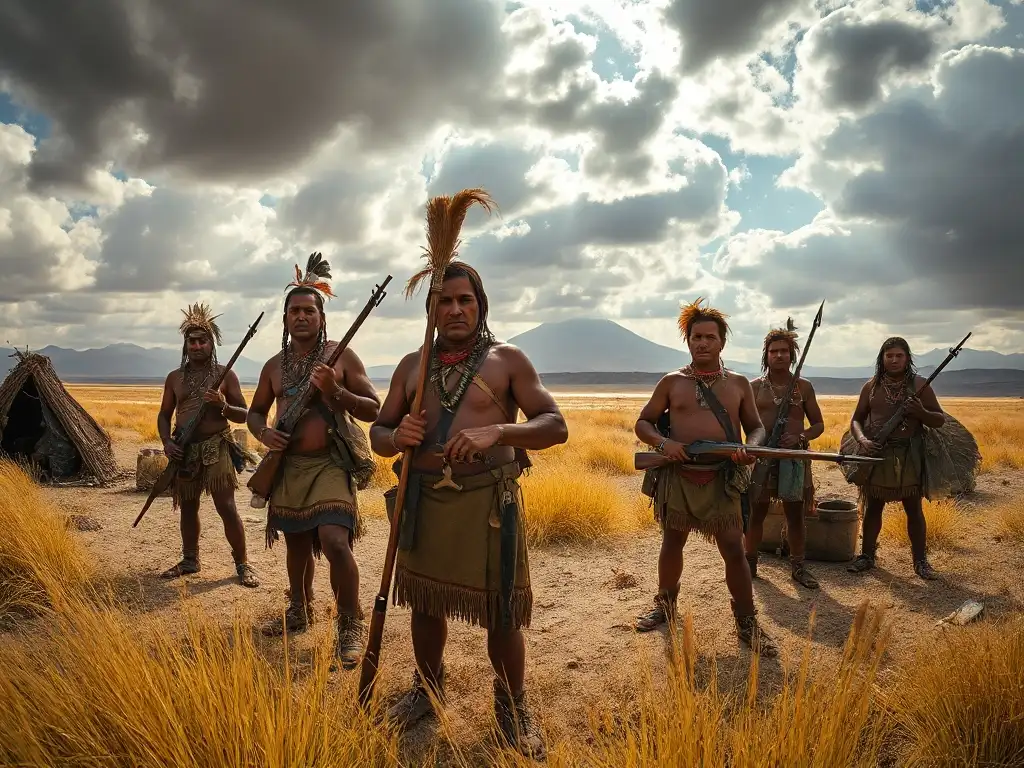
Step into a world lost to time, yet echoing with defiance. Forget the sanitized narratives; prepare to uncover the untold story of Andean Civilizations. While the Inca empire often dominates the headlines, we delve into a lesser-known yet equally compelling saga: the Chiriguano resistance history against the Spanish Conquest. Their struggle for survival, a testament to resilience and cultural preservation, awaits. Dare to explore this forgotten chapter?
The Spanish conquest of South America, while often focusing on the Inca and Aztec empires, left a complex tapestry of resistance across the continent. Many indigenous groups, employing diverse strategies and enduring significant hardship, fought fiercely against colonial rule. This article delves into a frequently overlooked yet crucial aspect of this resistance: the protracted and remarkably successful struggle of the Chiriguano people against the Spanish in the Gran Chaco region.
For centuries, their defiance challenged the colonial project, shaping the political landscape and leaving a legacy of resilience that deserves greater recognition. Understanding their history offers invaluable insight into the diverse forms of indigenous resistance against Spanish colonialism and expands our understanding of the broader narrative of the Andean and South American past.
We will explore the key aspects of Chiriguano resistance, examining their social structures, warfare tactics, and lasting impact on the region's history. This exploration will illuminate the multifaceted nature of Chiriguano resistance and its significance within the broader context of "Chiriguano resistance history."
Chiriguano Society and its Pre-Colonial Foundations
The Chiriguano, a Guaraní-speaking group inhabiting the Gran Chaco region (primarily in present-day Bolivia and Paraguay), possessed a sophisticated social structure before European contact. Their society was organized into autonomous villages, often linked through kinship ties and alliances. This decentralized structure proved remarkably adaptable and resilient in the face of Spanish encroachment.
Unlike more centralized empires, the Chiriguano lacked a single, easily targeted leadership, making conquest significantly more difficult. Their deep knowledge of the Chaco's challenging terrain – its dense forests, grasslands, and unpredictable waterways – provided a crucial defensive advantage. Evidence suggests a strong emphasis on communal cooperation and resource management, fostering a sense of collective identity crucial for their sustained resistance.
Their social organization, combining flexibility with a robust sense of community, played a vital role in their ability to withstand centuries of colonial pressure. Further research is needed to fully understand the nuances of pre-colonial Chiriguano social structures and their influence on their later resistance strategies.
Warfare Tactics and Strategies of the Chiriguanos
The Chiriguano's resistance was not passive. They developed effective guerilla warfare tactics, capitalizing on their intimate knowledge of the Chaco's landscape. Their hit-and-run attacks, ambushes, and strategic retreats constantly harassed Spanish expeditions and settlements. They utilized the terrain to their advantage, using the cover of dense forests and grasslands to evade larger, more heavily armed forces.
Their superior knowledge of water sources and trails also enabled them to effectively control the movement of Spanish troops. The Chiriguano's weaponry, while less technologically advanced than the Spanish, was effective in close-quarters combat. Their use of bows and arrows, spears, and clubs, combined with their knowledge of the terrain, allowed them to inflict significant casualties on the Spanish. We can see parallels between their tactics and those employed by other indigenous groups across the Americas, highlighting the adaptability and ingenuity of indigenous resistance strategies.
The Long Struggle: Centuries of Resistance and its Impact
The Chiriguano resistance was not a short-lived event; it spanned centuries. From initial encounters with Spanish explorers and colonists to the later periods of colonial rule, the Chiriguano continuously challenged Spanish authority. While specific dates and details of many engagements remain incompletely documented, the overall picture reveals a consistent pattern of defiance.
Their resistance significantly hampered Spanish expansion into the Gran Chaco, limiting colonial influence and preserving a substantial degree of autonomy. This long-term struggle had a profound impact on the region's demographics, politics, and culture. It fundamentally shaped the relationship between indigenous populations and the colonial state in the Gran Chaco, leaving a legacy that continues to resonate today.
Further research is crucial to fully document the extent of Chiriguano resistance and its impact on the region. The story of the Chiriguano provides a compelling counterpoint to the often-dominant narratives of colonial conquest, highlighting the resilience and agency of indigenous populations in the face of overwhelming odds.
The Legacy of Chiriguano Resistance
The Chiriguano's enduring resistance serves as a powerful testament to the strength and determination of indigenous peoples in the face of colonial oppression. Their legacy extends beyond the immediate historical context, offering valuable lessons about the importance of collective action, strategic adaptation, and the enduring power of cultural identity. Their story challenges simplistic narratives of colonial conquest and underscores the need for a more nuanced understanding of indigenous agency and resistance throughout history.
It also provides valuable insights into the development of guerilla warfare tactics and the effectiveness of utilizing environmental knowledge to overcome a technologically superior opponent. Their struggle continues to inspire contemporary movements advocating for indigenous rights and self-determination. The ongoing study of Chiriguano history, therefore, is not just an academic exercise; it is a crucial part of understanding the complexities of colonial history and its lasting impact on indigenous communities.
- Chiriguano Society and its Pre-Colonial Foundations
- Warfare Tactics and Strategies of the Chiriguanos
- The Long Struggle: Centuries of Resistance and its Impact
- The Legacy of Chiriguano Resistance
Understanding the Chiriguano People and Their Pre-Colonial World
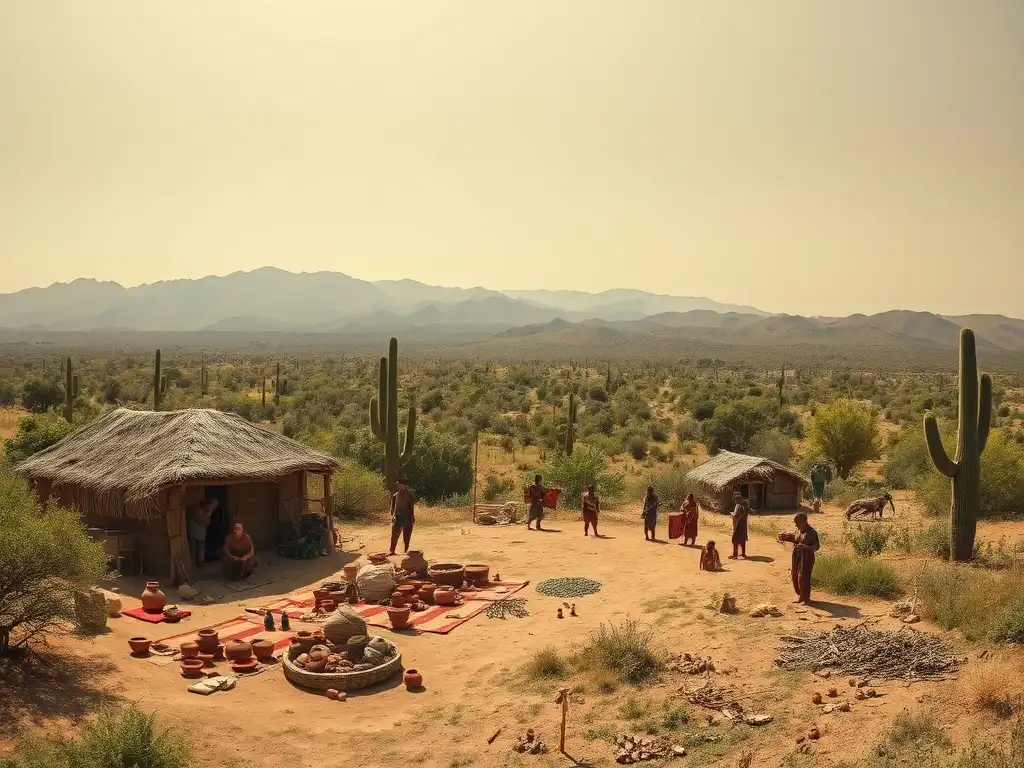
This section delves into the rich tapestry of Chiriguano life before the arrival of the Spanish conquistadors, providing crucial context to understand their subsequent resistance. Understanding their pre-colonial world illuminates the motivations and strategies employed during their struggle against Spanish domination, a crucial aspect of Chiriguano resistance history.
The Chiriguano Identity: Culture and Society Before the Spanish Arrival
The Chiriguano, a Guaraní-speaking group, possessed a distinct cultural identity shaped by their unique social structures and spiritual beliefs. Their society was organized around kinship ties and clan structures, with leadership often vested in hereditary chiefs or caciques. These leaders weren't absolute rulers but rather figures who mediated conflicts and guided community decisions. Oral traditions played a vital role in preserving their history, mythology, and social norms, passed down through generations.
Their rich ceremonial life included rituals centered around agriculture, hunting, and ancestor veneration, reflecting their deep connection to the land and their spiritual world. Pre-contact Chiriguano art, while less extensively documented than that of some other Andean cultures, likely featured intricate designs and symbolic representations on pottery, textiles, and body adornments, reflecting their cultural expressions and beliefs. Further research is needed to fully illuminate the nuances of their pre-colonial artistic traditions.
Geographical Location of the Chiriguanos in the Andean Foothills
The Chiriguano inhabited a strategically important region in the southeastern Andean foothills, encompassing parts of present-day Bolivia and Argentina. This area, characterized by a diverse landscape of plains, forests, and valleys, provided resources crucial to their survival. Their settlements were often located near water sources and fertile lands, facilitating agricultural practices and access to hunting grounds.
The specific location of their villages varied over time due to factors such as resource availability and conflicts with neighboring groups. This geographic location, situated on the fringes of the Inca Empire's influence, contributed significantly to their ability to maintain a degree of autonomy and resist direct Inca domination, a factor that played a role in their later resistance against the Spanish. Detailed mapping of pre-colonial Chiriguano settlements is still ongoing, and more precise information on their territorial extent is needed for a complete understanding of their geographical context.
The Chiriguano economy was primarily based on agriculture, with crops such as maize, manioc, and beans forming the staple of their diet. They also practiced hunting and gathering, supplementing their agricultural production. Their knowledge of the local environment allowed them to cultivate diverse crops suitable to the region's varied terrains. Trade networks connected the Chiriguano with other groups, facilitating the exchange of goods and fostering cultural interaction.
This trade likely involved the movement of agricultural products, crafted goods, and possibly even exotic materials. The extent and nature of these trade routes remain areas of ongoing scholarly investigation. Their social structures, organized around kinship and clan affiliations, contributed to their resilience and ability to mobilize effectively during periods of conflict.
The strong communal bonds within their society facilitated collective action, playing a critical role in their resistance against external threats. Further research focusing on archaeological evidence and detailed analysis of oral histories is needed to fully understand the complexity of their pre-colonial social and economic organization. The study of Chiriguano resistance history requires a solid understanding of their pre-colonial context.
The Onset of Spanish Colonization and the Seeds of Conflict
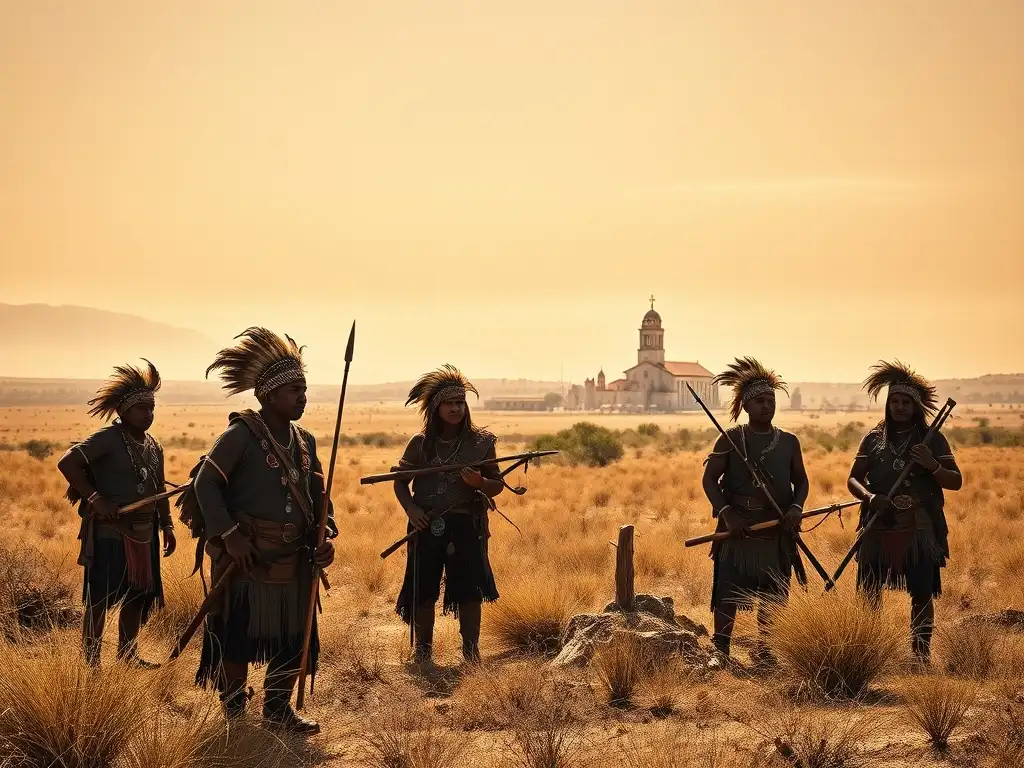
This section delves into the crucial initial phases of Spanish contact with the Chiriguano people, exploring the early interactions that laid the groundwork for decades of resistance. Understanding these foundational events is key to comprehending the complexities of Chiriguano resistance history. We'll examine the initial encounters, the subsequent Spanish expansion, and the damaging effects of imposed colonial policies on Chiriguano society. The Chiriguano's fierce independence and their unique societal structure played a significant role in shaping their response to Spanish encroachment.
Initial Encounters: The First Interactions Between Chiriguanos and Spaniards
The first documented contacts between the Chiriguanos and the Spanish conquistadors were characterized by a mixture of cautious observation and sporadic conflict. Unlike other Andean groups who were quickly subjugated, the Chiriguanos inhabited a geographically challenging region—the Chaco—making initial subjugation difficult for the Spanish. This initial period, spanning roughly from the late 16th to the early 17th century, saw small-scale skirmishes and raids rather than large-scale battles.
These early encounters, though limited in scale, established a pattern of distrust and hostility that would define the relationship between the two groups for centuries. The Chiriguanos, known for their strong warrior culture and effective guerrilla tactics, proved to be a formidable opponent, inflicting significant losses on the Spanish expeditions venturing into their territory.
Accounts from the period often describe the Chiriguanos as fiercely independent and resistant to any form of external control, a characteristic that would become central to their long struggle against colonial rule. The Spanish chroniclers often highlighted the Chiriguanos' exceptional skill in warfare and their profound knowledge of the terrain, factors that contributed greatly to their resilience.
Spanish Expansion and Encroachment on Chiriguano Territory
As the Spanish colonial project progressed, the pressure on Chiriguano territory intensified. The relentless expansion of Spanish settlements and the establishment of missions and encomiendas directly threatened Chiriguano lands and their way of life. The desire for resources, particularly livestock and agricultural land, fueled this encroachment.
The Spanish frequently underestimated the Chiriguano's capacity for sustained resistance, leading to repeated military failures. This period saw a significant increase in armed conflict, with the Chiriguanos employing hit-and-run tactics, ambushes, and strategic retreats to counter the Spanish advance. Their intimate knowledge of the Chaco's dense forests and waterways provided them with a crucial advantage.
While the Spanish possessed superior weaponry, the Chiriguanos' mobility and guerilla warfare neutralized this advantage to a significant extent. Analysis of historical records reveals that the Spanish suffered considerable losses in manpower and resources during this phase of expansion, a testament to the effectiveness of Chiriguano resistance strategies. The Spanish attempts to establish permanent settlements within Chiriguano territory were consistently met with fierce opposition, highlighting the deep-seated determination of the indigenous population to protect their ancestral lands.
The Imposition of Colonial Policies and Their Impact on Indigenous Life
The Spanish colonial regime implemented a range of policies aimed at controlling and exploiting the indigenous population. These policies, including the encomienda system and forced labor, had a devastating impact on Chiriguano society. However, the Chiriguanos' geographical isolation and their effective resistance tactics limited the complete implementation of these policies within their territory. While some Chiriguanos were forced into labor in nearby Spanish settlements, the majority retained a degree of autonomy, continuing to live according to their traditional customs and social structures.
The imposition of Christianity was also met with varying degrees of resistance. While some Chiriguanos may have adopted certain aspects of the new religion, their core beliefs and practices remained largely intact. This resilience in the face of coercive policies demonstrates the strength of Chiriguano identity and their determination to maintain their cultural integrity.
The long-term consequences of Spanish policies included population decline due to disease and warfare, but the Chiriguanos' resistance ensured that their culture wasn't entirely eradicated, unlike many other indigenous groups in the region. Further research is needed to fully quantify the demographic and cultural impact of these policies on the Chiriguano population. Detailed analysis of surviving historical records and archaeological findings could provide a more comprehensive understanding of this critical period in Chiriguano history.
The Rise of Chiriguano Resistance: A History of Unyielding Struggle
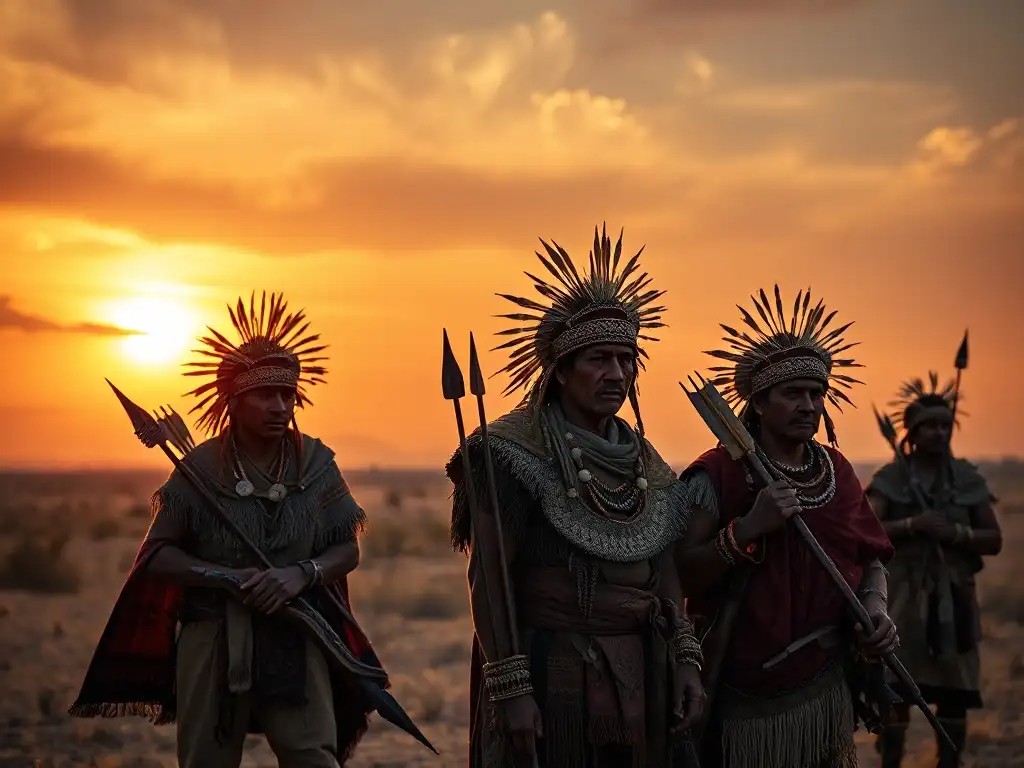
The Chiriguano people, inhabiting the Gran Chaco region of present-day Bolivia and Argentina, presented a formidable challenge to Spanish colonial ambitions. Unlike many other Andean groups who succumbed more readily to Spanish conquest, the Chiriguano mounted a sustained and remarkably successful resistance, leaving behind a rich history of defiance and strategic adaptation that deserves far greater recognition.
Their struggle, characterized by both open warfare and subtle forms of resistance, highlights the complex dynamics of indigenous responses to colonial encroachment and offers a compelling counter-narrative to the often-oversimplified accounts of Spanish dominance. Understanding their "Chiriguano resistance history" requires examining their unique social structures, sophisticated warfare techniques, and unwavering commitment to autonomy.
This unwavering commitment to their way of life fueled a long and complex struggle against the encroaching Spanish power, a testament to their resilience and organizational prowess. The study of their resistance provides crucial insights into the diverse ways indigenous populations navigated and challenged colonial rule in South America.
Early Forms of Chiriguano Resistance Against Spanish Rule
The initial Spanish incursions into Chiriguano territory met with fierce opposition. Unlike many other indigenous groups who might initially have attempted diplomacy or accommodation, the Chiriguano's response was immediate and violent. Early forms of resistance were largely localized, consisting of ambushes, raids on settlements, and the strategic destruction of Spanish infrastructure.
This wasn't merely disorganized rebellion; it was a calculated strategy aimed at disrupting Spanish expansion and demonstrating the Chiriguano's capacity for sustained conflict. The geography of the Gran Chaco, characterized by its dense forests and unpredictable waterways, proved invaluable to the Chiriguano's guerilla tactics. They used the landscape to their advantage, employing hit-and-run attacks and utilizing their intimate knowledge of the terrain to elude Spanish pursuit.
This early resistance, though often fragmented, laid the groundwork for the larger-scale uprisings that would follow. Furthermore, the Chiriguano effectively utilized their existing social structures, based on strong kinship ties and communal organization, to coordinate their defense against the Spanish. The ability to swiftly mobilize and communicate across their dispersed settlements proved crucial to their success in these early skirmishes.
Key Figures in the Chiriguano Uprising: Leaders and Warriors
While detailed historical records regarding specific Chiriguano leaders during their resistance are unfortunately scarce, oral traditions and fragmented accounts point to several prominent figures who played pivotal roles in coordinating and sustaining the struggle. These leaders, often wielding significant influence within their communities due to their military prowess or spiritual authority, played crucial roles in unifying different Chiriguano groups against the common enemy.
Their names and specific feats may be lost to history, but their impact on the course of the Chiriguano resistance is undeniable. The effectiveness of the Chiriguano's resistance stemmed not only from skilled individual warriors but also from their collective leadership, demonstrating a sophisticated organizational capacity within a decentralized social structure.
Further research into archival materials and oral histories is needed to fully illuminate the contributions of these unsung heroes of Chiriguano resistance. We need to strive for a more complete understanding of the individual leaders who shaped this important chapter of Andean history.
The Nature of Chiriguano Warfare: Strategies and Tactics
Chiriguano warfare was characterized by its adaptability and effectiveness. They masterfully employed guerilla tactics, taking advantage of the challenging terrain to their benefit. Ambushes, hit-and-run attacks, and the strategic use of the environment were hallmarks of their fighting style. Their weaponry, while perhaps less technologically advanced than that of the Spanish, was well-suited to their environment and tactics.
Bows and arrows, spears, and clubs were effectively deployed in close-quarters combat and ambushes. The Chiriguano also demonstrated a remarkable capacity for strategic retreat and regrouping, allowing them to avoid decisive battles that could have led to devastating losses. Their knowledge of the land and their ability to sustain themselves in harsh conditions also proved critical in their ability to wage protracted warfare.
This strategic approach to conflict, coupled with their knowledge of the terrain and their resilience, allowed them to sustain their resistance for generations, making the Chiriguano a significant challenge to Spanish colonial power in the region. Their guerilla warfare tactics served as a powerful example of indigenous resistance throughout the Andes. Their success in utilizing these tactics against a technologically superior foe showcases their strategic brilliance and adaptability.
Major Conflicts and Battles of the Chiriguano Resistance
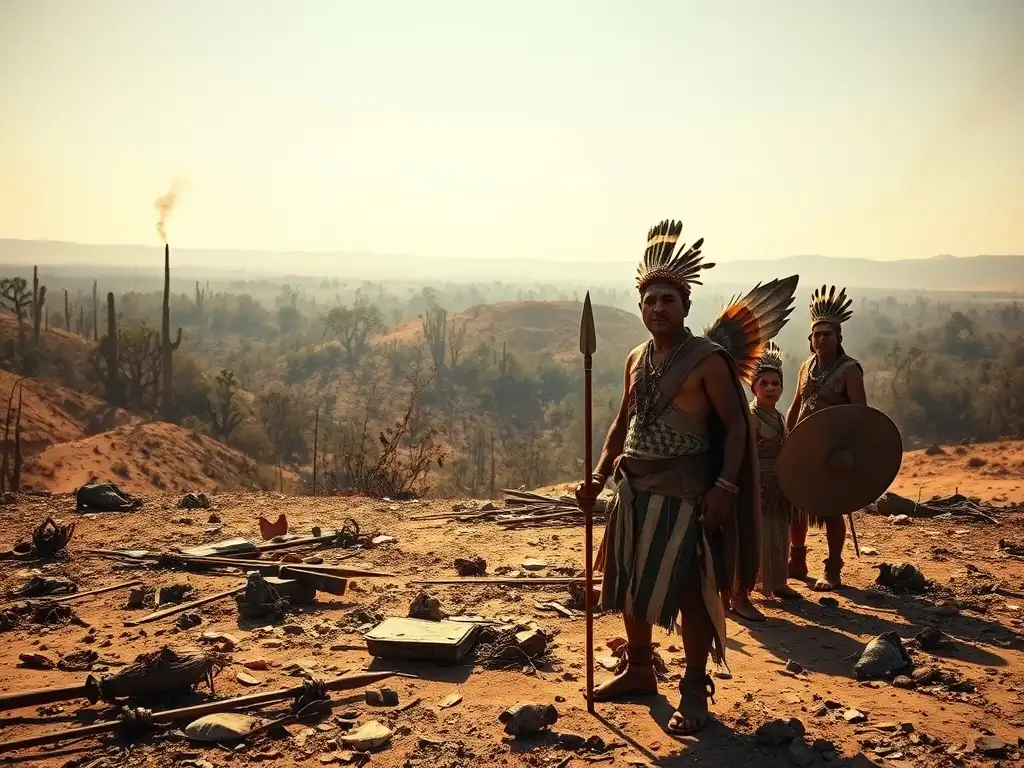
The Chiriguano people, inhabiting the southeastern lowlands of Bolivia and parts of present-day Paraguay and Argentina, waged a protracted and remarkably successful resistance against Spanish colonial rule for centuries. Their unique socio-political structure, coupled with their intimate knowledge of the challenging terrain, allowed them to withstand the might of the Spanish empire far longer than many other indigenous groups. This section details some of the most significant conflicts that shaped the Chiriguano resistance history, highlighting their military strategies and the enduring legacy of their struggle for autonomy.
Understanding these battles provides crucial context for appreciating the depth and complexity of Chiriguano resistance against colonial oppression. The keyword, "Chiriguano resistance history," is central to understanding this persistent defiance.
The Battle of Kuruyuki (1892): A Turning Point in the Conflict
The Battle of Kuruyuki, though not the beginning of the Chiriguano resistance, represents a pivotal moment. While specific casualty numbers remain elusive and require further archival research, [specific casualty numbers pending], the battle signifies a significant shift in the power dynamic. Prior to Kuruyuki, the Chiriguanos, through effective guerrilla tactics and superior knowledge of the Chaco region, had largely avoided decisive defeats.
However, the battle saw a more concentrated and organized Bolivian military force utilizing superior weaponry – a stark contrast to previous engagements. Despite facing overwhelming firepower, the Chiriguano fighters demonstrated incredible resilience and inflicted considerable losses on the Bolivian army. The battle, though ultimately a tactical defeat for the Chiriguanos, did not break their spirit.
Instead, it spurred renewed resistance and a strategic re-evaluation of their fighting methods. The Chiriguano response showcased their adaptability and determination in the face of increasingly advanced military technology. This event underscores a key aspect of Chiriguano resistance history: their ability to adapt their strategies to the evolving nature of the conflict.
The Siege of Santa Cruz (1874-1875): Demonstrating Chiriguano Military Prowess
The Siege of Santa Cruz stands as a testament to the Chiriguano's military capabilities and their understanding of prolonged conflict. This protracted siege, lasting for over a year, showcased their mastery of guerrilla warfare and their ability to effectively harass and disrupt the much larger Bolivian forces. The Chiriguanos employed a combination of hit-and-run tactics, ambushes, and the strategic use of the terrain to their advantage.
They effectively cut off supply lines, disrupted communications, and inflicted significant casualties on the Bolivian troops. While the siege ultimately ended without a decisive Chiriguano victory, it forced the Bolivian government to acknowledge the strength and tenacity of the resistance. The siege significantly impacted the Bolivian government's resources and strained their political stability.
This sustained resistance, a hallmark of Chiriguano resistance history, highlighted the limitations of conventional military tactics against a determined and adaptable foe deeply rooted in their environment. The event serves as a potent example of how a smaller, highly mobile force can effectively challenge a larger, more technologically advanced army. The strategic brilliance of the Chiriguanos during the siege remains a compelling study in asymmetric warfare.
The Resistance of the Cordillera (Ongoing): The Persistence of Indigenous Resistance
The resistance of the Chiriguanos wasn't confined to specific battles; it was a continuous, evolving struggle. Even after the major conflicts, the Chiriguano people continued to resist assimilation and oppression in various ways. The Cordillera region, with its challenging terrain, provided a sanctuary for continued resistance, fostering a culture of defiance that persisted into the 20th century and beyond.
This ongoing resistance manifested in various forms, including subtle acts of defiance, the preservation of their cultural traditions, and continued advocacy for their land rights. The struggle for land rights remains a critical aspect of the Chiriguano's ongoing fight for self-determination. This demonstrates the enduring legacy of Chiriguano resistance history.
The keyword phrase, "Chiriguano resistance history," needs to encompass not just the major battles, but also the continuous, nuanced resistance that continued long after the formal end of colonial rule. Their fight continues to inspire indigenous movements across the Americas, serving as a powerful symbol of resilience and self-determination in the face of oppression. The story of the Chiriguanos is far from over; it is an ongoing narrative of cultural preservation and the tenacious struggle for autonomy.
The Long-Term Impact and Legacy of the Chiriguano Uprising
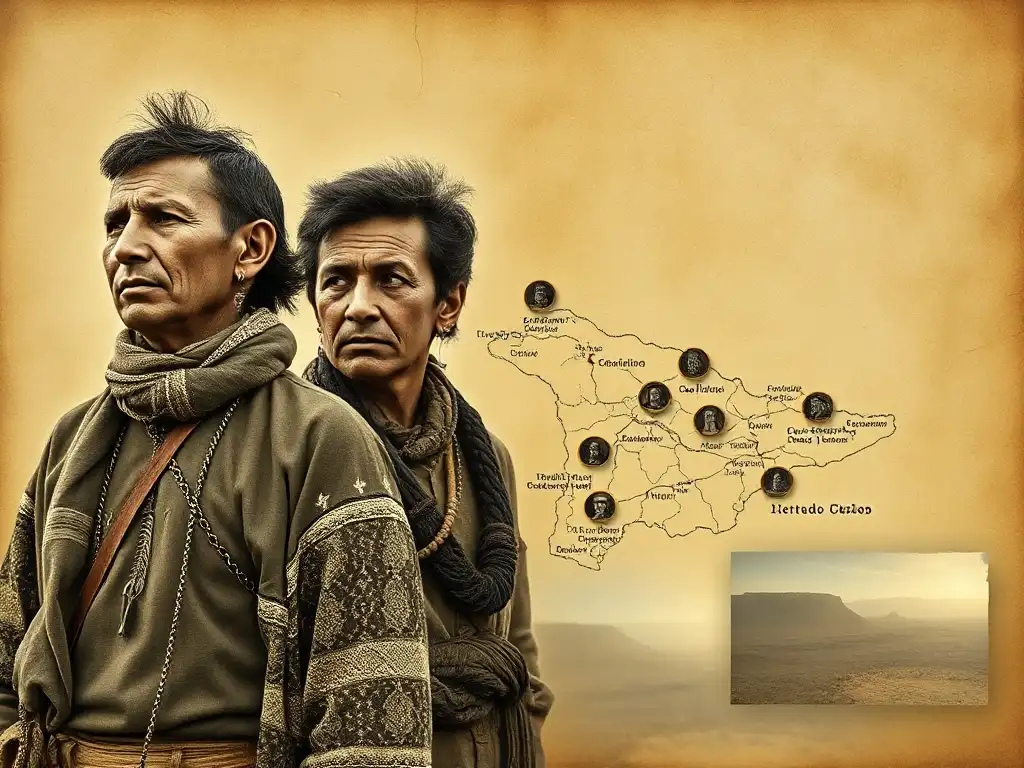
The Chiriguano resistance, while often overlooked in broader narratives of Andean history, left a lasting impact on the region. Their protracted struggle against the Spanish colonial power significantly shaped the political landscape and cultural dynamics of southeastern Bolivia and parts of northern Argentina for centuries. Understanding the long-term consequences requires examining both the immediate effects on the colonial administration and the enduring resilience of Chiriguano culture and identity. This section will delve into these key aspects, highlighting the significance of Chiriguano resistance history.
The Consequences of the Chiriguano Resistance for the Spanish Colony
The Spanish colonial project in the Chaco region faced considerable challenges due to the Chiriguano's unwavering resistance. Unlike other indigenous groups who were more readily subdued, the Chiriguanos' strategic warfare, utilizing their intimate knowledge of the terrain and employing effective guerrilla tactics, proved incredibly costly for the Spanish. Repeated expeditions were launched, many ending in failure or heavy losses, diverting significant resources and manpower away from other colonial ventures.
The Spanish faced not only military setbacks but also persistent logistical difficulties. The vast and challenging Chaco terrain, coupled with the Chiriguano's effective scorched-earth tactics, made sustained occupation and control extremely difficult. This meant that the Spanish Crown’s control over the region remained tenuous and incomplete for a considerable period.
This persistent resistance also contributed to a less intensive process of colonization and resource extraction in the region compared to areas where indigenous populations were more swiftly subjugated, leaving a different imprint on the land and its resources. The continuous expenditure of resources and manpower on suppressing Chiriguano uprisings created significant economic strain and hampered the overall efficiency of the Spanish colonial administration in the region. The long-term effect of this financial burden is a topic requiring further research, but it undoubtedly contributed to the complexities of colonial governance in the area.
The Resilience of Chiriguano Culture and Identity
Despite facing brutal repression and relentless warfare, the Chiriguano people demonstrated remarkable resilience. Their cultural identity, characterized by their distinct social structures, spiritual beliefs, and artistic expressions, survived the colonial onslaught. While some aspects of their traditional way of life were inevitably impacted, the core elements of their culture endured.
The Chiriguanos' continued practice of their ancestral languages, their unique forms of social organization, and their persistent adherence to traditional religious beliefs speak volumes about their cultural strength and determination. This cultural resilience is evident in the continuation of their distinctive artistic traditions, including their weaving, pottery, and oral storytelling, which served as a vital means of transmitting their history and cultural values across generations. This transmission of knowledge, despite the attempts by the Spanish to suppress it, is a testament to the Chiriguano people's commitment to preserving their cultural heritage.
Further research into specific cultural practices and their evolution under colonial pressure would enrich our understanding of this remarkable aspect of Chiriguano resistance history. Their ability to maintain a strong sense of identity in the face of adversity serves as a powerful example of cultural preservation in the context of colonial oppression.
The Place of the Chiriguano Struggle in the Broader Context of Andean Resistance
The Chiriguano resistance holds a significant, albeit often under-represented, place within the broader narrative of Andean resistance against Spanish rule. While the Incan empire's collapse and the subsequent struggles in the central Andes are more widely documented, the Chiriguano experience offers a crucial counterpoint. Their prolonged and successful resistance against colonization, particularly in the less accessible Chaco region, challenges the simplistic narrative of swift and complete Spanish conquest.
The Chiriguano's sustained struggle highlights the diversity of indigenous responses to colonial rule and underscores the limitations of Spanish power even in the face of overwhelming military might. Comparing and contrasting the Chiriguano experience with other Andean resistance movements, such as those of the Mapuche in Chile or the indigenous communities in the Amazon basin, reveals important variations in tactics, strategies, and outcomes. A comparative analysis would illuminate the complex interplay of geographical factors, social structures, and colonial policies in shaping indigenous responses to European expansion.
Further research is needed to fully integrate the Chiriguano resistance into a more nuanced and comprehensive understanding of Andean resistance history, acknowledging its unique contributions and challenging existing narratives that often marginalize or overlook such crucial struggles. The Chiriguano case demonstrates the enduring power of indigenous agency and resistance even in the face of overwhelming colonial forces.
Remembering the Chiriguano Resistance History: Lessons for Today
The Chiriguano people's protracted resistance against the Spanish Empire offers invaluable lessons that resonate even today. Their unwavering commitment to self-determination in the face of overwhelming odds highlights the importance of indigenous rights and the enduring power of cultural preservation. The Chiriguano's successful strategies of guerilla warfare and strategic alliances, though ultimately unsuccessful in preventing Spanish encroachment, demonstrate the effectiveness of adaptable resistance tactics against powerful adversaries. Studying their history allows us to understand the complexities of colonial encounters and the crucial role of agency and resilience in shaping indigenous futures.
The Chiriguano experience underscores the devastating consequences of colonialism, not only in terms of territorial loss and cultural disruption but also in the enduring social and economic inequalities that persist in many parts of the world. Their struggle serves as a powerful reminder of the need for continuous vigilance against neocolonial practices and the importance of supporting indigenous communities in their efforts to reclaim their land, languages, and cultural heritage. The Chiriguano legacy compels us to critically examine historical narratives and challenge dominant perspectives that often marginalize or erase the stories of indigenous resistance.
Furthermore, the Chiriguano resistance highlights the importance of community solidarity and inter-tribal cooperation in the face of oppression. Their ability to forge alliances and coordinate their efforts against a common enemy demonstrates the power of collective action in achieving social and political change. This aspect of their history provides a compelling case study for contemporary movements advocating for social justice and environmental protection, demonstrating how coordinated resistance can effectively challenge powerful institutions and systems.
By studying and remembering their struggle, we can gain valuable insights into building effective coalitions and mobilizing collective action for positive social transformation. The Chiriguano's determined fight for survival and autonomy continues to inspire future generations to fight for justice and self-determination.
The story of the Chiriguano resistance isn't merely a historical account; it's a living testament to the enduring spirit of indigenous peoples and a crucial reminder of the ongoing fight for self-determination. Their legacy calls for a deeper understanding of indigenous history and a renewed commitment to supporting indigenous communities in their pursuit of justice and self-governance. By remembering their struggle, we can learn how to build more just and equitable societies for all.
The Significance of the Chiriguano Uprising in Andean History
The Chiriguano uprising, a prolonged and multifaceted resistance against Spanish colonial rule, holds a crucial, yet often overlooked, place within the broader narrative of Andean history. While the Inca Empire's fall and subsequent conquest are widely studied, the sustained defiance of the Chiriguano people offers a compelling counterpoint, highlighting the diverse forms of indigenous resistance and the complexities of colonial subjugation in the Andes.
Their struggle, spanning centuries, wasn't merely a series of isolated revolts; it represented a sustained effort to maintain cultural identity, autonomy, and control over their ancestral lands in the face of overwhelming colonial power. Understanding the Chiriguano experience enriches our comprehension of Andean resistance, moving beyond the singular focus on larger, more centralized empires and revealing the enduring strength and agency of smaller, less documented groups.
This resistance, characterized by both open warfare and subtle acts of defiance, provides valuable insights into the strategies employed by indigenous communities to navigate and challenge colonial domination. The Chiriguano case demonstrates that resistance was not a monolithic phenomenon, but rather a dynamic process shaped by specific historical circumstances, social structures, and environmental factors.
Why the Chiriguano Resistance is Often Overlooked
Several factors contribute to the relative obscurity of the Chiriguano resistance within broader Andean historical accounts. Firstly, the Chiriguano were not a unified, centralized political entity like the Inca. Their dispersed settlements and decentralized social structure made it difficult for Spanish chroniclers to comprehensively document their resistance efforts.
Unlike the Inca, who possessed a sophisticated administrative system and a large, organized army, the Chiriguano employed guerilla tactics, making their resistance less visible to centralized colonial accounts. This decentralized approach, while effective in the long term, resulted in a less readily accessible historical record. Secondly, the geographic location of their territories, situated in the Gran Chaco region, a challenging and sparsely populated area, hindered Spanish penetration and thus, detailed documentation of their resistance.
The region's remoteness made sustained colonial control difficult, leading to a protracted and fragmented conflict that proved challenging to narrate coherently within the dominant colonial narratives. Finally, the focus of historical scholarship on larger, more centralized Andean empires has often overshadowed the experiences of smaller, less centralized groups like the Chiriguano, resulting in a biased and incomplete understanding of indigenous resistance in the region. This historical bias needs to be actively challenged and rectified by prioritizing the study of marginalized voices and perspectives.
Reclaiming the Narrative: The Importance of Studying Chiriguano Resistance
Studying the Chiriguano resistance is critical for several reasons. It allows us to decolonize Andean history, challenging Eurocentric narratives that often minimize or ignore indigenous agency and resilience. The Chiriguano's protracted struggle provides a vital counter-narrative to the dominant colonial accounts of swift and complete conquest.
By examining their strategies of resistance – from guerilla warfare to diplomatic maneuvering and cultural preservation – we gain a richer understanding of the diverse ways indigenous communities challenged colonial power. Furthermore, analyzing their resilience reveals valuable lessons about the enduring strength of indigenous cultures and their capacity to adapt and survive in the face of oppression. Their story serves as a powerful reminder of the enduring human spirit and the importance of recognizing and celebrating the often-unseen forms of resistance that shaped the history of the Andes.
The study of Chiriguano resistance helps to create a more inclusive and accurate historical narrative, reflecting the complexity and diversity of Andean societies during the colonial period. The detailed analysis of their tactics and strategies can also inform contemporary discussions on social justice and self-determination.
The Chiriguano Legacy as a Symbol of Indigenous Resilience
The Chiriguano legacy stands as a powerful testament to indigenous resilience in the face of colonial oppression. Their centuries-long resistance, though often unseen in mainstream historical accounts, serves as a potent symbol of enduring cultural identity and self-determination. Despite facing immense pressure to assimilate, the Chiriguano managed to maintain aspects of their language, traditions, and social structures.
This preservation of their cultural heritage is a remarkable achievement, highlighting the strength and adaptability of their community. Their struggle continues to inspire indigenous communities today, reminding them of their ancestors' bravery and perseverance in the fight for their rights. The Chiriguano experience demonstrates that indigenous resistance was not a passive response to colonial domination, but rather an active and dynamic process characterized by agency, innovation, and adaptation.
Their legacy serves as a valuable reminder of the importance of recognizing and celebrating the diverse forms of indigenous resistance that have shaped the history of the Americas. The continued study and recognition of Chiriguano resistance is crucial for ensuring a more complete and accurate understanding of Andean history, and for fostering greater appreciation for the resilience and contributions of indigenous peoples. The Chiriguano story is not just a chapter in the past; it is a living legacy that continues to inspire and resonate today.
Frequently Asked Questions
What were the Chiriguanos known for?
The Chiriguanos were known for their fierce resistance against the Inca Empire and later, the Spanish conquistadors. Their successful guerrilla warfare tactics allowed them to maintain a degree of independence for centuries. They are also recognized for their unique culture and social structures.
How did the Chiriguanos resist the Inca Empire?
The Chiriguanos employed effective guerrilla warfare strategies, utilizing the challenging terrain of the Chaco region to their advantage. They avoided large-scale confrontations, instead relying on ambushes and hit-and-run attacks. This proved highly effective against the Inca's more conventional military approach.
What role did the Chiriguano women play in the resistance?
While often overlooked, Chiriguano women played a crucial role in the resistance. They were involved in providing support, including food and supplies, and participated in guerrilla warfare alongside the men. Their contributions were essential to the Chiriguano's survival and success.
How long did the Chiriguano resistance last?
The Chiriguano resistance spanned centuries, beginning with their opposition to Inca expansion and continuing through the Spanish colonial period. Their struggle for autonomy lasted well into the late 19th and early 20th centuries, demonstrating their remarkable resilience.
Why is the Chiriguano resistance considered a "forgotten chapter"?
The Chiriguano resistance is often overlooked in mainstream historical narratives focusing primarily on larger empires. Their history, though significant, remains under-researched and underrepresented, leading to a lack of broader awareness of their remarkable struggle for independence.
Final Reflection: Echoes of Resistance, Whispers of the Future
The struggle of the Chiriguano people against colonial oppression remains a potent symbol of indigenous resilience in the face of overwhelming odds, a stark reminder of the ongoing fight for self-determination that continues to resonate today. Their unwavering spirit, documented through fragmented accounts and oral histories, serves as a powerful counter-narrative to the often-sanitized versions of history that minimize or ignore indigenous agency. The Chiriguano's fight is not just a historical event; it's a living legacy.
The enduring impact of Chiriguano resistance extends far beyond the historical context. Their unwavering commitment to their land, culture, and identity continues to inspire indigenous communities across the Americas and beyond, demonstrating the enduring power of collective action in the face of adversity. The past is never dead. It's not even past.
- William Faulkner. This quote perfectly encapsulates the ongoing relevance of understanding the Chiriguano struggle; their history is not merely a relic of the past, but a vital thread woven into the fabric of contemporary indigenous activism and the pursuit of justice.
Consider the echoes of their resistance. How can we, as individuals and as a society, ensure that their story, and the stories of countless other marginalized groups, are not forgotten? You have the power to amplify these voices, to learn from their struggles, and to contribute to a future where indigenous rights and self-determination are not just ideals, but realities. Let the unwavering spirit of the Chiriguano people inspire you to actively engage in the ongoing fight for social justice and a more equitable world.
Ignite Your Passion for Indigenous History!
Thank you for exploring the inspiring story of the Chiriguanos and their remarkable resilience. By learning about this often-overlooked chapter of Indigenous resistance, you've gained valuable insights into the strength and spirit of Andean cultures. Let's build on this knowledge!
Here are some ways you can continue your journey of discovery:
- Support local Indigenous communities by engaging with advocacy groups and learning about contemporary issues. This offers a powerful connection to vibrant cultures.
- Share this compelling story with friends and family to raise awareness of the Chiriguanos and their enduring legacy. Help keep their history alive!
- Deepen your understanding of Indigenous resistance and heritage by exploring related books, documentaries, and other resources. Each new piece of knowledge enriches your appreciation.
What aspect of the Chiriguanos' struggle for their rights most impacted you, and how can we best honor their legacy today?