
The Clash of Worldviews: Andean Cosmology vs. Spanish Catholicism

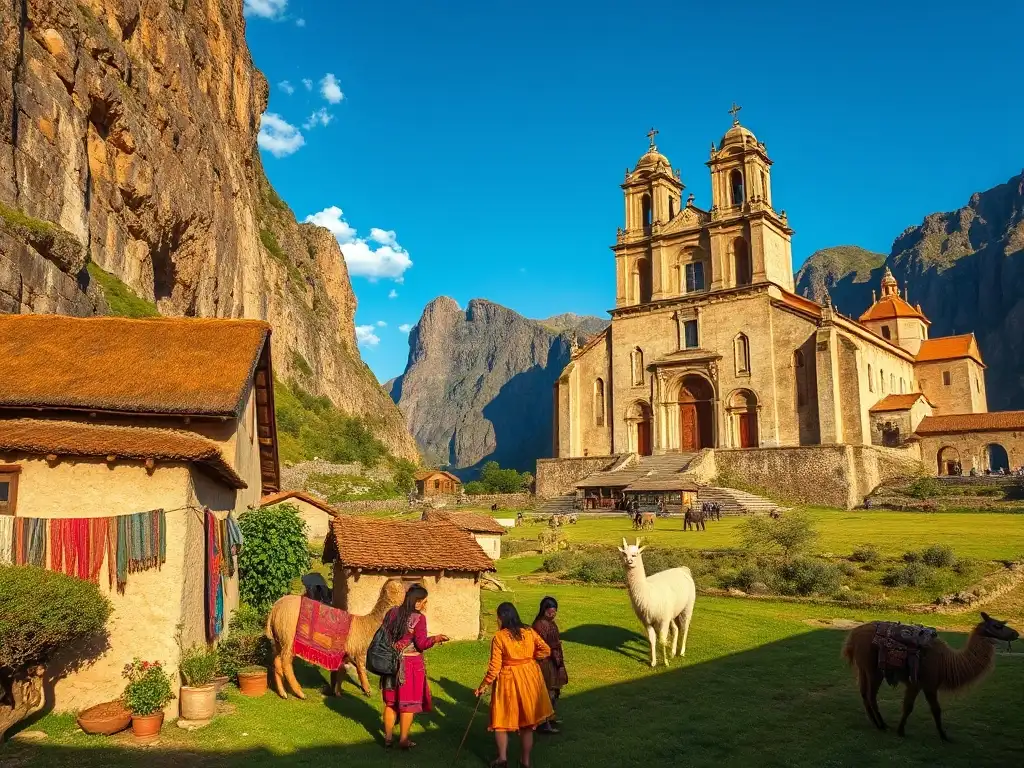
Step into a world lost to time, yet echoing in the very fabric of South America. Imagine a universe governed not by a single God, but by a breathtaking tapestry of celestial deities and earthly forces – the vibrant heart of Andean cosmology. But what happened when this ancient worldview collided violently with the unwavering faith of Spanish Catholicism? Discover the fascinating, and often brutal, consequences of this clash in our exploration of Andean cosmology vs. Spanish Catholicism, a pivotal moment shaping the destiny of a continent. Unravel the mysteries and delve deeper into this captivating story.
The Spanish conquest of the Andes wasn't merely a military campaign; it was a profound clash of civilizations, a brutal confrontation between vastly different worldviews. This article delves into the complex interaction between the deeply spiritual Andean cosmology and the forcefully imposed doctrines of Spanish Catholicism.
We'll explore how the indigenous understanding of the world, rooted in nature worship and a sophisticated system of beliefs, collided with the rigid structures and iconography of the conquering faith, resulting in resistance, syncretism, and the enduring legacy of a cultural struggle that continues to resonate today. Understanding this conflict is crucial to grasping the complexities of Andean history and the lasting impact of colonization on the region's identity and cultural practices.
This analysis will examine the core tenets of Andean cosmology, highlighting its key elements, and contrasting them with the tenets of Spanish Catholicism to illuminate the nature of this significant historical and cultural conflict. The keyword "Andean cosmology vs Spanish Catholicism" will be explored throughout this article to fully understand the complexities of this historical clash.
Introduction to the Cultural Conflict: Andean Beliefs and Colonial Imposition
The arrival of the Spanish conquistadors in the 16th century marked a turning point in Andean history. The indigenous populations, possessing a rich and complex spiritual and philosophical system, found themselves facing a powerful force intent on supplanting their beliefs with a radically different religion. Spanish Catholicism, with its emphasis on a singular God, hierarchical structure, and emphasis on individual salvation, stood in stark contrast to the Andean worldview, which emphasized a harmonious relationship with nature, ancestor veneration, and a deeply interconnected cosmos.
The imposition of Catholicism was not merely a matter of religious conversion; it was a deliberate attempt to dismantle the existing social and political order, replacing indigenous authority with a colonial one. This process involved the destruction of sacred sites, the suppression of indigenous rituals, and the forced conversion of the population, leading to significant cultural disruption and resistance.
Understanding Andean Cosmology: A Worldview Rooted in Nature
Andean cosmology wasn't a monolithic entity; it varied across different groups and regions. However, common threads connected these diverse belief systems, emphasizing a profound interconnectedness between the human world and the natural environment. The Andean worldview was deeply animistic, attributing spiritual significance to mountains, rivers, and other natural features.
This intricate web of relationships shaped Andean social structures, agricultural practices, and spiritual rituals. The concept of ayni, reciprocal exchange, was central to Andean society, reflecting a belief in the interconnectedness of all living things and the need for balance and harmony within the cosmos. The Spanish, with their anthropocentric worldview, found this system difficult to comprehend and actively sought to replace it with their own.
The Andean Concept of Pachamama: Mother Earth's Significance
Pachamama, or Mother Earth, is a central figure in Andean cosmology. She is not merely the physical earth but a powerful deity, the source of life and sustenance. Andean communities viewed Pachamama as a living entity deserving of respect and reverence.
Offerings of food, coca leaves, and other items were regularly made to appease and honor her, ensuring a bountiful harvest and the well-being of the community. The Spanish conquest disrupted this sacred relationship, leading to both ecological and spiritual consequences. The mining activities of the Spanish, for example, profoundly altered the landscape and disrupted the delicate balance that Andean communities had maintained with their environment for centuries.
The Role of Apus: Mountain Spirits and Sacred Places
The Apus, mountain spirits, held significant importance in Andean cosmology. Mountains were not merely geographical features but powerful spiritual entities, often considered to be intermediaries between the human and divine realms. Sacred sites, located on mountaintops or in caves, served as places of pilgrimage and ritual, connecting communities to the spiritual world.
The Spanish often destroyed or desecrated these sacred places, attempting to erase the indigenous spiritual heritage. This destruction was a deliberate strategy to weaken the indigenous communities' spiritual and cultural foundations, making them more susceptible to assimilation. The destruction of these sacred sites, and the associated rituals, represented a direct assault on the core of Andean spiritual life.
Andean Cosmovision: Connecting the Physical and Spiritual Realms
Andean cosmology didn't separate the physical and spiritual realms as sharply as many Western belief systems. The world was viewed as a dynamic interplay of forces, with the human realm deeply intertwined with the supernatural. This interconnectedness manifested in various aspects of Andean life, from agriculture and healing to social organization and political power.
The Spanish, with their more dualistic worldview, struggled to understand this integrated perspective, often dismissing it as pagan superstition. The imposition of a singular, hierarchical God, and the suppression of indigenous religious practices, represented a profound challenge to the Andean understanding of the cosmos and their place within it, leading to a lasting cultural conflict. The lasting effects of this clash are still evident in the complex syncretism of Andean religious practices today.
The Arrival of Spanish Catholicism: A Monotheistic Challenge
The arrival of Spanish conquistadors in the Andes marked a dramatic turning point, not only politically and economically, but also spiritually. The indigenous populations, who had for centuries thrived under complex and sophisticated polytheistic belief systems, suddenly faced the forceful imposition of a radically different worldview: Spanish Catholicism.
This monotheistic religion, with its emphasis on a single, all-powerful God, presented a direct challenge to the deeply ingrained spiritual practices and cosmological understandings of the Andean peoples. The ensuing clash wasn't merely a religious conflict; it was a battle for the very soul of Andean culture, a struggle that continues to resonate today.
The initial encounters were often characterized by attempts at understanding, with missionaries attempting to find common ground between the two systems, but ultimately the power imbalance led to the suppression of indigenous beliefs. The sheer scale of this religious upheaval cannot be overstated; it fundamentally reshaped Andean society and its relationship with the spiritual world.
The Doctrine of the Catholic Church: Monotheism and Salvation
At the heart of Spanish Catholicism lies the concept of monotheism – the belief in one God, existing in a Holy Trinity (Father, Son, and Holy Spirit). This stood in stark contrast to the Andean worldview, which encompassed a pantheon of deities, each with specific roles and responsibilities within the cosmos. The Catholic Church further emphasized the concept of salvation through faith in Jesus Christ, a belief system completely alien to the Andean understanding of life, death, and the afterlife.
The Church's teachings focused on a linear conception of time, with a beginning, a middle, and an end, culminating in judgment day and either heaven or hell. This linear progression towards a final judgment contrasted sharply with the cyclical understanding of time prevalent in Andean cosmology.
The complexities of Catholic doctrine, including the sacraments, the saints, and the hierarchical structure of the Church itself, were difficult for the Andean people to grasp and often led to misunderstandings and misinterpretations. The emphasis on individual salvation also differed from the Andean focus on community and reciprocal relationships with the divine and the natural world.
Imposition of Christian Beliefs: Conversion and Cultural Suppression
The Spanish Crown, deeply invested in the religious conversion of the Andean populations, employed various methods to spread Catholicism. These ranged from peaceful missionary work to violent coercion. Indigenous leaders and elites were often targeted for conversion first, in an attempt to influence the wider population.
The destruction of Inca temples and other sacred sites was widespread, a deliberate attempt to eradicate the vestiges of the old religion. The construction of Catholic churches and cathedrals in prominent locations served as a powerful symbol of the new religious order. However, the process of conversion wasn't simply a matter of replacing one set of beliefs with another.
Instead, it involved a complex interplay of adaptation, resistance, and syncretism, with indigenous populations often incorporating elements of their traditional beliefs into their newly adopted faith. This resulted in a unique blend of Andean and Catholic practices, a phenomenon that continues to shape religious life in the Andes today. The systematic suppression of indigenous languages and oral traditions further compounded the challenge to maintaining cultural identity.
Spanish Religious Practices in the Andes: Replacing Indigenous Rituals
The Spanish actively sought to replace indigenous religious rituals with Catholic practices. Traditional Andean ceremonies, often involving offerings, sacrifices, and communal celebrations, were deemed pagan and suppressed. The imposition of the Mass, the sacraments, and the veneration of saints aimed to replace the indigenous religious calendar and its associated rituals.
The building of churches and convents served not only as religious centers but also as symbols of Spanish power and dominance. However, the complete eradication of indigenous religious practices proved impossible. Many indigenous communities found ways to subtly incorporate elements of their traditional beliefs into their outwardly Catholic practices, a form of cultural resistance that ensured the survival of certain aspects of their ancestral worldview.
The syncretism that emerged was a testament to the resilience of Andean culture and its ability to adapt and survive under immense pressure. This blending of traditions is still evident in many contemporary Andean religious practices.
Contrasting Worldviews: Key Differences Between Andean and Catholic Beliefs
The fundamental differences between Andean cosmology and Spanish Catholicism created a fertile ground for conflict and misunderstanding. These differences extended beyond the simple contrast between polytheism and monotheism; they encompassed different conceptions of time, the purpose of life, and the nature of the relationship between humanity and the divine. Understanding these fundamental discrepancies is crucial to appreciating the complexities of the cultural clash that defined the colonial period in the Andes. The enduring legacy of this conflict is visible in the syncretic religious practices that continue to thrive in the region today.
Polytheism vs. Monotheism: The Concept of Divinity
Andean cosmology recognized a vast pantheon of deities, each with specific domains and responsibilities. These deities were often associated with natural phenomena, such as mountains, rivers, and the sun. The Inca, for example, venerated Inti, the sun god, as the supreme deity, but also acknowledged a host of other gods and spirits. In contrast, Spanish Catholicism embraced monotheism, the belief in a single, all-powerful God.
This fundamental difference in the concept of divinity created a significant obstacle to the peaceful integration of the two belief systems. The Andean understanding of a multifaceted, interconnected spiritual world clashed directly with the Catholic emphasis on a singular, transcendent God. The attempts by Spanish missionaries to impose a monotheistic framework on the complex Andean worldview often resulted in misunderstandings and resistance.
Cyclical Time vs. Linear Time: Understanding the Universe
Andean cultures perceived time as cyclical, with a continuous repetition of seasons, cycles of life and death, and the recurring influence of celestial bodies. This cyclical view of time influenced their agricultural practices, their social organization, and their religious rituals. In contrast, Spanish Catholicism emphasized a linear conception of time, progressing from creation to judgment day.
This linear perspective, with its emphasis on a beginning, a middle, and an end, fundamentally differed from the Andean understanding of a continuous, ever-repeating cycle. The clash between these contrasting views of time contributed to the difficulties in reconciling the two worldviews. The Andean emphasis on the cyclical nature of time, with its focus on continuity and renewal, contrasted sharply with the Catholic focus on a singular, irreversible progression toward a final judgment.
Reciprocity vs. Salvation: The Purpose of Life and Rituals
Andean religious practices were largely based on the principle of reciprocity – the idea that humans must maintain a balanced relationship with the divine and the natural world through offerings, sacrifices, and communal rituals. These rituals aimed to ensure the continued fertility of the land, the prosperity of the community, and the favor of the gods. In contrast, Spanish Catholicism emphasized the concept of salvation through faith in Jesus Christ.
This focus on individual salvation through faith differed significantly from the Andean emphasis on communal well-being and reciprocal relationships with the spiritual world. The Andean worldview, with its emphasis on maintaining harmony and balance within the cosmos, contrasted sharply with the Catholic focus on individual redemption and eternal life in heaven or hell. This fundamental difference in the purpose of life and religious practice contributed significantly to the clash of worldviews during the colonial period.
The Impact of Religious Conflict on Andean Society
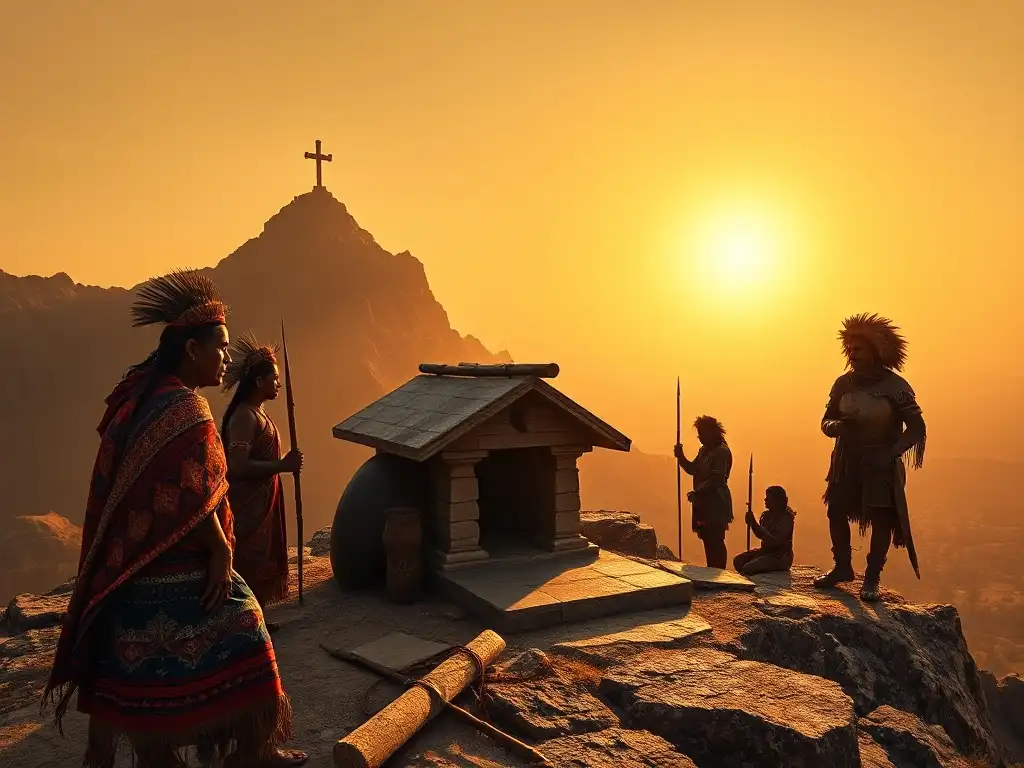
The imposition of Spanish Catholicism profoundly impacted Andean societies, triggering widespread social and cultural upheaval. The Spanish Crown, aiming for complete control, actively suppressed indigenous religious practices, viewing them as pagan and heretical. Temples were destroyed, sacred objects confiscated, and priests persecuted.
This systematic dismantling of the existing spiritual framework caused significant psychological trauma and disrupted the intricate social fabric woven around Andean cosmology. The Inca's sophisticated system of governance, deeply intertwined with their religious beliefs, was severely undermined. The loss of traditional authority figures and the disruption of ritual cycles led to social instability and fragmentation.
Furthermore, the introduction of new social hierarchies based on Spanish religious and political structures exacerbated existing inequalities and created new forms of oppression. The forced conversion to Catholicism, often carried out through brutal methods, left a lasting scar on Andean identity and spirituality. This religious conflict didn't simply involve a change in belief systems; it was a battle for control over resources, land, and ultimately, the very soul of Andean society.
Cultural Resistance: Maintaining Andean Traditions in Secret
Despite the intense pressure to convert, Andean communities developed ingenious strategies to preserve their ancestral traditions. Many practices were adapted and disguised, blending seamlessly with Catholic rituals. Secret ceremonies were conducted in remote locations, away from the watchful eyes of the Spanish authorities. Indigenous knowledge was passed down through oral traditions, songs, and stories, carefully avoiding direct confrontation with the Spanish clergy.
This clandestine preservation of Andean cosmology allowed crucial aspects of their worldview to endure, ensuring the continuity of their cultural identity. The intricate weaving patterns, agricultural practices, and medicinal knowledge, all deeply rooted in their cosmology, continued to be transmitted across generations, reflecting a resilient spirit in the face of overwhelming oppression. These hidden practices served as a testament to the strength of Andean cultural identity and the determination to maintain their heritage.
Syncretism: Blending Indigenous Beliefs with Catholicism
The forceful imposition of Catholicism did not lead to a complete eradication of Andean beliefs. Instead, a complex process of syncretism occurred, where indigenous and Catholic elements intertwined, creating unique hybrid religious practices. For instance, the veneration of the Virgin Mary was often overlaid onto existing Andean female deities, with their attributes and roles merging.
Similarly, Catholic saints were sometimes associated with Andean apus (mountain spirits), creating a syncretic pantheon. This blending wasn't simply a superficial overlay; it involved a complex negotiation and reinterpretation of both belief systems, reflecting the Andean people's ability to adapt and integrate new influences while retaining core aspects of their own worldview. This syncretism remains visible in various aspects of Andean culture today, showcasing the enduring influence of indigenous beliefs.
The Fiesta de la Virgen del Carmen: A Syncretic Celebration
The Fiesta de la Virgen del Carmen, celebrated annually in many Andean communities, serves as a prime example of religious syncretism. While ostensibly a Catholic celebration honoring the Virgin Mary, the festival incorporates numerous indigenous traditions. The vibrant costumes, music, and dances often reflect pre-Columbian aesthetics and rituals.
The offerings made to the Virgin Mary frequently include elements of traditional Andean worship, such as coca leaves and chicha (fermented corn beer). The entire event is infused with a unique blend of Catholic and Andean beliefs, demonstrating how indigenous practices persisted and were integrated into the seemingly dominant Catholic framework. This celebration showcases the enduring power of Andean culture and its ability to adapt and reinterpret religious beliefs in a way that retains its own unique identity.
The Legacy of the Clash: Andean Cosmology Today
The impact of the clash between Andean cosmology and Spanish Catholicism continues to resonate in contemporary Andean society. While Catholicism is the dominant religion, indigenous spiritual practices and beliefs remain deeply ingrained in the cultural fabric. The enduring legacy of this historical conflict shapes contemporary Andean identity and cultural expression in profound ways.
Surviving Andean Beliefs: The Persistence of Ancient Traditions
Despite centuries of suppression, many aspects of Andean cosmology have survived and continue to be practiced today. Traditional rituals, healing practices, and agricultural techniques, all deeply rooted in Andean worldview, persist within indigenous communities. The knowledge of ancestral spirits, the importance of reciprocity with nature, and the understanding of the cosmos are all maintained and passed down through generations. This persistence reflects the deep-seated connection between Andean people and their ancestral heritage. The preservation of these traditions is crucial for maintaining cultural identity and ensuring the continuity of a rich and complex spiritual legacy.
The Role of Indigenous Communities in Preserving Andean Cosmovision
Indigenous communities play a vital role in preserving Andean cosmovision. They actively work to protect and promote their traditional knowledge, often facing significant challenges in the face of modernization and globalization. Their efforts include the establishment of community-based organizations, the creation of educational programs, and the promotion of cultural events that celebrate their heritage.
These initiatives are crucial for safeguarding Andean cosmology and ensuring its transmission to future generations. The collective efforts of these communities are essential to maintaining the vibrancy of their cultural identity and preventing the erosion of their unique spiritual heritage. Their resilience and dedication are a testament to the enduring power of Andean traditions.
Andean Spirituality in the Modern World: Use of Coca in Rituals
The use of coca leaves in Andean rituals exemplifies the enduring power of indigenous spirituality in the modern world. Coca, a sacred plant in Andean cosmology, holds significant religious and social importance, representing connection to the ancestors and the earth. Despite legal restrictions and stigmatization, coca continues to play a central role in various ceremonies and everyday life.
Its use is deeply intertwined with Andean beliefs, reflecting the resilience of traditional practices in the face of external pressures. The continued use of coca in rituals underscores the enduring connection between Andean spirituality and its material expressions, showcasing how indigenous traditions adapt and survive within contemporary contexts. The plant continues to be a powerful symbol of Andean identity and cultural continuity.
Conclusion: The Enduring Significance of the Andean Worldview
The confrontation between Andean cosmology and Spanish Catholicism during the conquest was not merely a clash of religions; it was a struggle for the very definition of reality. The Spanish, armed with their rigid hierarchical worldview and the unwavering belief in the supremacy of their faith, sought to eradicate the complex and nuanced Andean understanding of the cosmos. This involved not only the destruction of temples and the suppression of religious practices but also a systematic attempt to undermine the indigenous worldview itself, often through forced conversions and the imposition of a new social order.
However, despite the brutal efforts of the Spanish crown, Andean cosmology proved remarkably resilient. While many aspects of traditional belief systems were suppressed or syncretized with Catholicism—a process that continues to this day—the fundamental principles of Andean worldview, including the deep reverence for nature, the interconnectedness of all living things, and the belief in a cyclical understanding of time, persisted. This resilience is evident in the continued practice of traditional ceremonies, the survival of indigenous languages, and the ongoing efforts to reclaim and revitalize ancestral knowledge.
The enduring significance of the Andean worldview lies not only in its historical importance but also in its contemporary relevance. In an increasingly globalized world, characterized by environmental degradation and social inequality, the Andean emphasis on harmony with nature and the importance of community offers a powerful counterpoint to dominant Western paradigms. The principles of ayni (reciprocity) and mita (collective labor), while adapted and modified over time, continue to inform social and economic practices in many Andean communities, highlighting the adaptability and enduring strength of this ancient worldview.
The ongoing struggle for indigenous rights and environmental protection in the Andes is, in many ways, a continuation of the ancient conflict between two fundamentally different ways of understanding the world. The Andean worldview, far from being a relic of the past, remains a vibrant and influential force shaping the present and future of the region.
Its survival serves as a testament to the enduring power of indigenous knowledge and the resilience of a people who, despite centuries of oppression, continue to hold onto their unique and profound connection to the cosmos. Understanding this enduring legacy is crucial for appreciating the complexities of Andean history and for forging a more just and sustainable future.
- Introduction to the Cultural Conflict: Andean Beliefs and Colonial Imposition
- Understanding Andean Cosmology: A Worldview Rooted in Nature
- The Arrival of Spanish Catholicism: A Monotheistic Challenge
- Contrasting Worldviews: Key Differences Between Andean and Catholic Beliefs
- The Impact of Religious Conflict on Andean Society
- The Legacy of the Clash: Andean Cosmology Today
- Conclusion: The Enduring Significance of the Andean Worldview
- What is Andean Cosmology?
- How did Spanish Catholicism impact Andean beliefs?
- What were some key differences between Andean Cosmology and Spanish Catholicism?
- What evidence shows the syncretism between Andean Cosmology and Spanish Catholicism?
- How did the clash between Andean Cosmology and Spanish Catholicism shape modern Andean culture?
Frequently Asked Questions
What is Andean Cosmology?
Andean Cosmology is the spiritual and philosophical worldview of the Andean peoples. It's a complex system centered around the relationship between humans, nature, and the supernatural, encompassing a deep reverence for the mountains, the sun, and other natural elements. It's not a monolithic belief system, varying across different cultures within the Andes.
How did Spanish Catholicism impact Andean beliefs?
The arrival of the Spanish resulted in a forceful imposition of Catholicism, leading to the suppression of many Andean religious practices. However, Andean peoples adapted and syncretized their beliefs, integrating elements of Catholicism into their existing worldview, resulting in a complex blend of both systems. This is known as mestizaje.
What were some key differences between Andean Cosmology and Spanish Catholicism?
Andean Cosmology was polytheistic, focusing on the worship of various deities associated with nature. In contrast, Spanish Catholicism is monotheistic, centered around the worship of one God. Furthermore, the Andean worldview emphasized a more cyclical view of time, while Catholicism presented a more linear concept.
What evidence shows the syncretism between Andean Cosmology and Spanish Catholicism?
Syncretism is evident in various aspects of Andean life. For example, the Virgin Mary often took on attributes of Andean goddesses, and indigenous rituals were sometimes adapted to incorporate Catholic elements, demonstrating a blending of both belief systems. Religious festivals often combine both traditions.
How did the clash between Andean Cosmology and Spanish Catholicism shape modern Andean culture?
The clash resulted in a lasting impact on Andean culture. While Catholicism became dominant, many indigenous beliefs and practices persisted, often interwoven with Catholic traditions. This ongoing interplay continues to shape the religious and cultural landscape of the Andes today, resulting in a rich and complex tapestry of belief.
Final Reflection: Echoes of Conquest, Whispers of Resistance
The enduring legacy of the clash between Andean cosmology and Spanish Catholicism continues to shape the cultural landscape of Latin America, a testament to the power of worldview conflict and the resilience of indigenous traditions. The imposition of a foreign belief system did not erase the deeply rooted spiritual practices and interconnectedness with nature inherent in Andean thought; rather, it forced a complex syncretism that persists to this day, influencing everything from religious practices to social structures.
The subtle yet powerful ways in which Andean cosmology continues to inform contemporary life are a compelling reminder of the importance of understanding and respecting diverse worldviews. The struggle was not only for land and resources, but for the very soul of a people,
a phrase that encapsulates the enduring impact of this historical clash. The syncretic expressions of faith, the persistent reverence for Pachamama, and the ongoing revitalization of indigenous languages all speak to the enduring strength of Andean cosmology in the face of centuries of oppression. This resistance, this quiet persistence, is a powerful testament to the human spirit's capacity for adaptation and survival.
Consider, for a moment, the implications of this historical conflict for our own understanding of cultural exchange and the preservation of indigenous knowledge. How can we, as individuals and as a society, better appreciate the richness and complexity of diverse belief systems? Let the echoes of this clash inspire you to actively seek out and celebrate the vibrant tapestry of worldviews that enrich our global community. Engage with indigenous perspectives, challenge your own assumptions, and actively work towards a future where cultural diversity is not only tolerated but celebrated and protected.
Thank you for exploring the fascinating interplay between Andean cosmology and Spanish Catholicism. You've gained valuable insights into these rich and contrasting cultural perspectives. Now, let's put that knowledge to work!
Here are some ways you can deepen your understanding and engage with this compelling topic:
- **Expand your knowledge:** Explore the wealth of resources on our website to further your understanding of Andean civilizations and their spiritual beliefs. You'll find articles, videos, and interactive materials to enrich your learning.
- **Share your discoveries:** Discuss the contrasting worldviews with friends and family. Spark engaging conversations or even start a book club focused on exploring cultural differences and their impact.
- **Join our community:** Connect with other enthusiasts on social media and participate in our online forums. Share your thoughts, ask questions, and contribute to the ongoing dialogue.
What are your key takeaways from exploring the differences and similarities between Andean cosmology and Spanish Catholicism? What resonated most with you?