
The Untold Stories of Andean Slaves and Their Struggle for Freedom

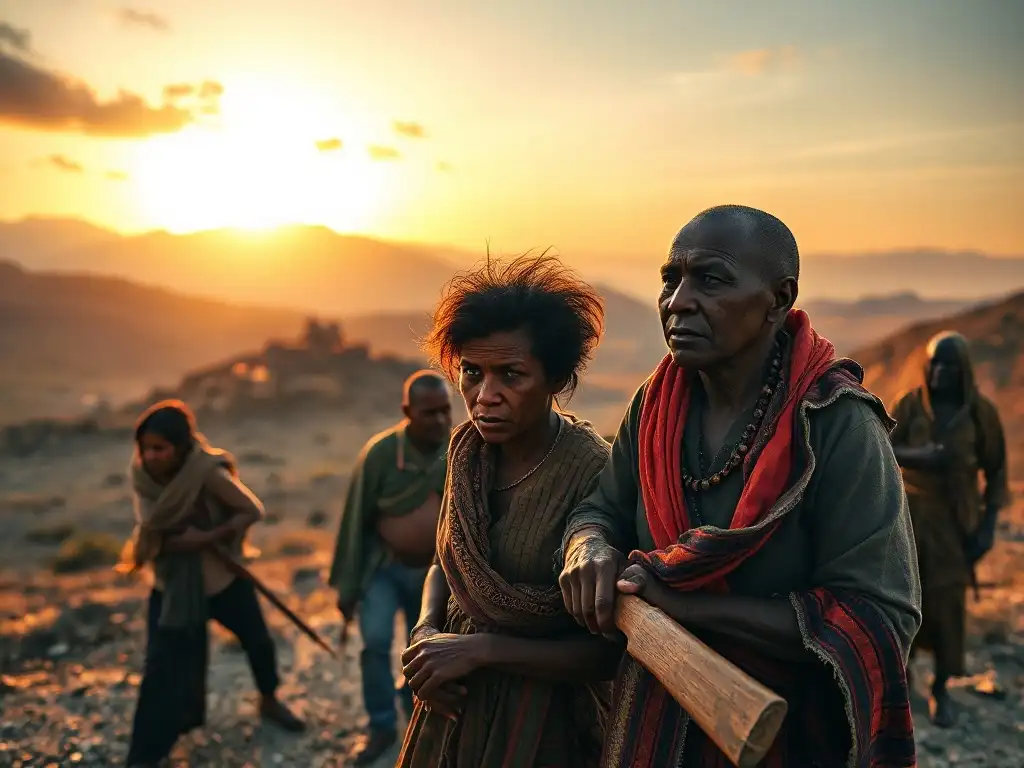
Step into a world lost to time, yet echoing with the strength of a forgotten rebellion. For centuries, the breathtaking achievements of the Andean civilizations have captivated us – the Incas, Moche, Nazca, and Tiahuanaco. But what of the untold stories? This website unveils the fascinating history, culture, and art of these empires, but we begin with a journey into the shadows: the Andean slave resistance history during the brutal Spanish Conquest. Dare to uncover the remarkable resilience of those who fought for freedom against insurmountable odds? Explore the secrets that lie within.
The Spanish conquest of the Andes dramatically altered the social fabric of the region, imposing a brutal system of forced labor that profoundly impacted the lives of millions. While the grandeur of Inca architecture and the sophistication of Andean societies often take center stage in historical narratives, the stories of Andean slaves and their relentless resistance remain largely untold.
This article delves into the hidden history of Andean slave resistance, exploring the various forms of rebellion, the strategies employed by enslaved peoples, and the lasting impact of their struggle for freedom. We will examine how the imposition of the encomienda system and later the repartimiento system fueled resistance, demonstrating the resilience and agency of Andean communities in the face of overwhelming oppression.
Understanding this history is crucial for a complete understanding of the Andean past and challenges our Eurocentric view of the conquest. The keyword "Andean slave resistance history" will be explored through the lens of real events and the experiences of the people who lived through this dark chapter.
Introduction to Andean Slave Resistance History
The history of Andean slave resistance is a complex tapestry woven from acts of individual defiance, localized uprisings, and larger-scale rebellions. It wasn't a monolithic movement, but rather a series of interconnected struggles shaped by diverse geographic locations, ethnicities, and social structures. While open rebellion was often met with brutal suppression, resistance took many forms, including:
- Passive resistance: This involved subtle acts of defiance, such as slowing down work, feigning illness, or deliberately damaging tools. These seemingly small acts, when aggregated, could significantly disrupt the colonial economy.
- Escape and refuge: Many enslaved people escaped into the mountains or remote areas, forming independent communities or seeking refuge with sympathetic indigenous groups. These escape routes often became pathways of resistance, providing sanctuary and opportunities for organizing.
- Active rebellion: This ranged from small-scale acts of sabotage and violence against overseers to large-scale uprisings involving coordinated attacks and the mobilization of significant numbers of people. These rebellions, though often brutally suppressed, demonstrate the unwavering determination of enslaved people to fight for their freedom.
- Cultural preservation: The preservation of indigenous languages, customs, and religious practices served as a form of resistance, a way of maintaining cultural identity in the face of forced assimilation. This subtle yet powerful form of resistance affirmed the enduring spirit of Andean communities.
The following sections will explore these various forms of resistance in greater detail, providing specific examples and highlighting the courage and resilience of those who fought against enslavement. We will also analyze the social and political context in which these struggles unfolded, examining the factors that contributed to both resistance and repression.
The Imposition of Slavery in the Andes: A Historical Context
The Spanish conquest didn't immediately result in a uniform system of chattel slavery in the Andes, as it did in other parts of the Americas. Initially, the Spanish relied on systems like the encomienda, which granted conquistadors control over indigenous labor in exchange for providing protection and religious instruction. However, this system quickly devolved into brutal exploitation, with indigenous populations subjected to forced labor in mines, on farms, and in other sectors.
The subsequent repartimiento system, while ostensibly offering more regulated labor, still resulted in widespread abuse and exploitation. These systems, coupled with the introduction of European diseases which decimated indigenous populations, created a context ripe for resistance.
The initial imposition of these labor systems was met with varied responses. Some communities initially cooperated, hoping to mitigate the impact of the new regime. However, as the brutality and exploitative nature of the encomienda and repartimiento systems became apparent, resistance intensified.
The sheer scale of the forced labor, the disruption of traditional social structures, and the cultural destruction perpetrated by the Spanish fueled widespread resentment and rebellion. The following sections will delve into specific examples of resistance movements, showcasing the diverse strategies employed by Andean communities in their struggle for liberation. The sheer scale of the human cost, however, remains a stark reminder of the devastating impact of colonial policies.
Early Forms of Andean Resistance to Enslavement
The Spanish conquest of the Andes drastically altered the social fabric of pre-Columbian societies, introducing brutal systems of forced labor that enslaved countless individuals. However, resistance to this oppression was not a phenomenon that emerged solely after the arrival of the Europeans. Long before the Spanish arrived, Andean societies possessed intricate social structures and power dynamics that often involved forms of servitude or forced labor, albeit vastly different from the exploitative systems imposed by the colonizers. These pre-existing social structures provided a foundation upon which resistance to Spanish enslavement would later build.
For example, while the Inca empire had its own system of mita, a form of rotational labor service, this was fundamentally different from the brutal and often deadly enslavement imposed by the Spanish. The mita system, while demanding, possessed established rules and limitations, and it was often tied to reciprocal obligations within the community. The Spanish, however, disregarded existing social contracts, imposing a system of arbitrary and often fatal labor demands.
This disregard for existing social norms fueled early forms of resistance, even before the full impact of the encomienda and repartimiento systems became apparent. Furthermore, the existing knowledge of guerilla warfare and mountain survival techniques, honed over generations, proved invaluable in early resistance efforts. These inherent advantages provided a crucial advantage in the struggle against the colonizers.
Indigenous Uprisings Against Forced Labor
The imposition of the encomienda and repartimiento systems, which formalized the exploitation of indigenous labor, triggered widespread uprisings across the Andes. These weren't isolated incidents but rather a series of interconnected revolts fueled by the sheer brutality of the new system. Accounts from the time detail numerous instances of indigenous communities actively resisting forced labor through open rebellion.
These uprisings often involved coordinated attacks on Spanish settlements, the destruction of infrastructure related to mining or agricultural production, and attempts to reclaim land and resources. The scale of these uprisings varied, from localized protests to larger-scale conflicts involving multiple communities. The challenges faced by the rebels were immense, given the superior weaponry and organization of the Spanish forces.
Despite this disparity, the sheer determination and knowledge of the terrain possessed by the indigenous population allowed for sustained resistance, often forcing the Spanish to deploy significant resources to quell these uprisings. The frequency and intensity of these uprisings highlight the widespread rejection of Spanish rule and the determination of Andean communities to fight for their freedom. Moreover, the uprisings often served as a catalyst for further resistance, inspiring similar actions in neighboring communities and solidifying a collective opposition to Spanish domination.
Escapes and the Formation of Cimarron Communities
Escape from Spanish control was another significant form of resistance. Many indigenous people fled into the remote mountainous regions of the Andes, establishing independent communities known as cimarrones. These communities, often located in inaccessible areas, provided refuge from the Spanish and allowed for the preservation of indigenous culture and traditions.
Life in these cimarron communities was undoubtedly challenging, requiring resourcefulness and resilience to survive. However, the relative autonomy these communities provided allowed for the development of alternative social structures, free from the constraints of Spanish rule. The cimarrones often raided Spanish settlements for supplies, further undermining Spanish authority and demonstrating their continued defiance.
These communities served not only as safe havens but also as centers of resistance, providing a base from which further rebellions could be launched. The existence of cimarron communities highlights the adaptability and determination of the Andean people in their struggle for freedom, demonstrating a rejection of enslavement through both physical and social resistance. The formation of these communities also points to a deep-seated desire for self-determination and the preservation of their cultural heritage.
The Development of Organized Andean Slave Resistance
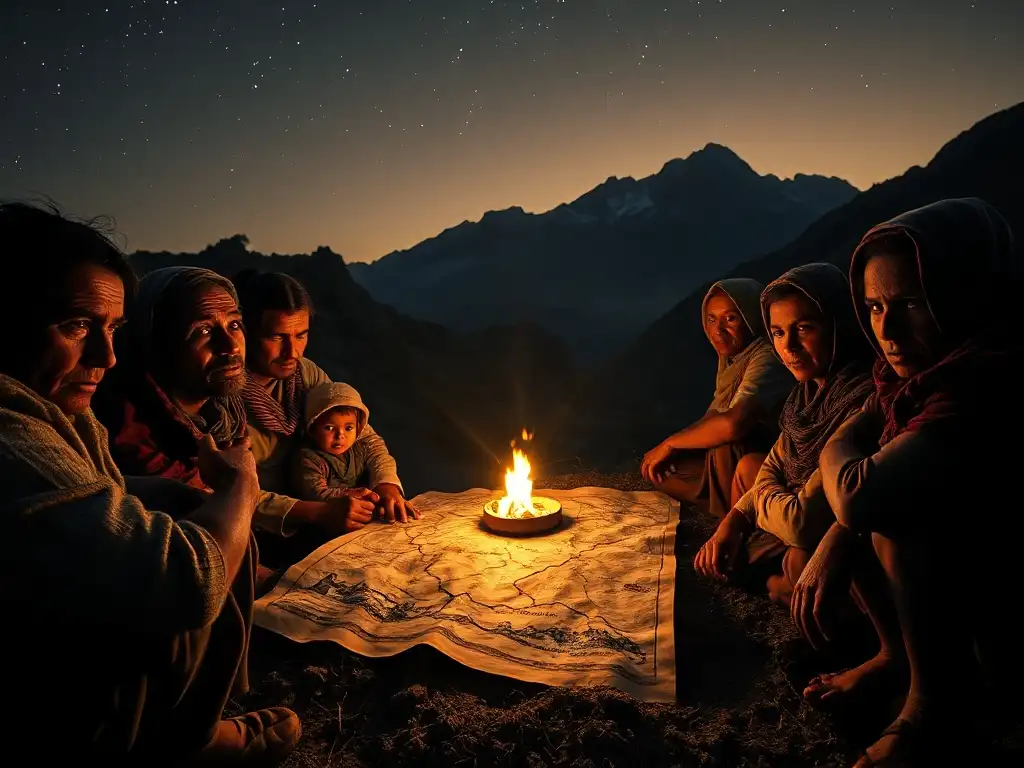
As the Spanish colonial regime consolidated its power, the forms of Andean resistance evolved, moving from localized uprisings to more organized and sustained rebellions. The initial scattered acts of defiance gradually coalesced into larger movements, often involving alliances between different indigenous groups. This transition marked a significant shift in strategy, requiring greater coordination, planning, and leadership.
This organization was not always straightforward; internal divisions and competing interests among different ethnic groups and communities sometimes hampered the effectiveness of these movements. However, the shared experience of oppression under Spanish rule often served as a powerful unifying factor, leading to collaborative efforts against a common enemy. The increasing sophistication of resistance strategies reflected a deeper understanding of the Spanish military tactics and administrative weaknesses.
This period witnessed the emergence of charismatic leaders who played a crucial role in unifying diverse communities and coordinating large-scale rebellions, effectively challenging the colonial regime's authority. The shift towards organized resistance demonstrates a clear evolution in the Andean struggle for freedom, showcasing the capacity for adaptation and strategic planning in the face of overwhelming odds.
The Role of Religious Syncretism in Resistance Movements
The fusion of indigenous religious beliefs with elements of Christianity, a phenomenon known as religious syncretism, played a significant role in motivating and organizing Andean resistance. Indigenous religious practices often served as a powerful source of cultural identity and community cohesion, providing a framework for collective action against the colonial authorities. The incorporation of Christian imagery and symbols into indigenous rituals often served as a means of disguising resistance activities and communicating messages of defiance among communities.
Religious leaders, or yachaywasi, often played a pivotal role in unifying communities and inspiring resistance, using religious narratives to legitimize the struggle for freedom. The syncretic nature of these religious practices demonstrates the adaptability and resilience of Andean culture in the face of colonial oppression.
By blending indigenous beliefs with aspects of Christianity, the Andean people created a unique form of religious expression that served as both a source of spiritual strength and a tool for political mobilization. This religious syncretism became a powerful force in the ongoing struggle for liberation.
Leadership and Strategies of Andean Slave Rebellions
The success of Andean resistance movements depended heavily on the emergence of capable leaders who could unify disparate communities and develop effective strategies. These leaders often possessed strong oratory skills, religious authority, or military experience, allowing them to inspire followers and coordinate actions. Their strategies varied, ranging from guerilla warfare in the mountainous terrain to coordinated uprisings in urban centers.
Some rebellions focused on disrupting Spanish economic activities, such as mining operations or agricultural production, while others aimed at directly challenging Spanish military power through armed confrontations. The leadership and strategies employed reflected the specific circumstances and resources available to each resistance movement. The success or failure of these rebellions often depended on factors such as the level of inter-community cooperation, the availability of resources, and the effectiveness of Spanish countermeasures.
Studying these varied approaches offers valuable insights into the creativity and adaptability of Andean resistance movements, demonstrating their enduring struggle against oppression. The diversity of leadership styles and resistance strategies underscores the complexity and dynamism of the Andean fight for freedom.
Key Figures in Andean Slave Resistance
Andean slave resistance wasn't a monolithic movement; it was fueled by numerous courageous individuals who challenged the oppressive colonial system. While detailed records are scarce due to the systematic suppression of indigenous voices by the Spanish, some figures emerge from the historical shadows, their actions echoing through the generations. These individuals, often leaders with charisma and strategic brilliance, inspired hope and defiance amongst their enslaved communities. Their stories, while fragmented, highlight the resilience and determination of those who fought for their freedom.
The lack of complete biographical information underscores the systematic erasure of their history, a testament to the power dynamics at play during the colonial era. Further research and archival work are crucial to uncovering more of these unsung heroes and their contributions to the fight for liberation. Understanding these individual narratives helps us move beyond general descriptions of resistance and appreciate the human cost of colonial oppression.
Gaspar Yanga and His Impact
Gaspar Yanga stands as a paramount figure in Andean slave resistance, although his exact origins and lineage remain subjects of ongoing scholarly debate. 1 What is undeniable is his leadership in establishing a free quilombo (a community of escaped slaves) in the mountainous regions of what is now Mexico. This community, built on principles of autonomy and self-governance, demonstrated the potential for resistance and self-determination amongst enslaved populations. Yanga's success in negotiating a peace treaty with the Spanish colonial authorities, securing the freedom of his community in exchange for certain concessions, is a remarkable testament to his political acumen and strategic negotiation skills. His legacy continues to inspire movements for social justice and self-determination, demonstrating the enduring power of collective action and resistance against oppression. His story, however incompletely documented, serves as a powerful symbol of hope and resilience in the face of insurmountable odds.
Andres Mangache and His Tactics
While less well-known than Gaspar Yanga, Andrés Mangache represents another crucial figure in Andean slave resistance, though his specific contributions are often overshadowed by the broader narrative. 2 Mangache's resistance likely involved different tactics compared to Yanga, possibly focusing on smaller-scale acts of defiance and sabotage rather than large-scale uprisings. This highlights the diversity of resistance strategies employed by enslaved populations, shaped by specific geographic contexts and social dynamics. His methods might have included disrupting colonial infrastructure, spreading misinformation, or organizing covert networks to support escaped slaves. The limited information available underscores the need for more research into the diverse methods of resistance employed during this period, recognizing that not all forms of resistance were equally visible or easily documented. The study of Mangache's tactics, even fragmented, provides valuable insights into the complexities of Andean slave resistance.
The Impact of Andean Slave Resistance on Colonial Society
The Andean slave resistance movements significantly impacted colonial society, creating ripples of fear and uncertainty within the Spanish colonial administration. The constant threat of uprisings and rebellions forced the colonial authorities to divert resources and manpower towards maintaining control, disrupting the smooth functioning of the colonial economy.
Rebellions highlighted the inherent instability of the colonial system, revealing the limitations of its power and its dependence on constant suppression. The economic costs of suppressing these revolts, including the loss of human life and the disruption of labor, placed a considerable strain on colonial resources.
This constant pressure, fueled by the sustained resistance of enslaved populations, gradually eroded the stability of the colonial regime and contributed to a growing sense of insecurity among the colonial elite. The impact extended beyond the immediate consequences of specific uprisings; the constant threat of rebellion forced the colonial authorities to continually adapt their strategies for control, creating a dynamic and evolving power struggle.
How Rebellions Challenged Spanish Colonial Power
The frequency and scale of Andean slave rebellions posed a direct challenge to the authority and legitimacy of Spanish colonial power. Successful uprisings, even on a smaller scale, demonstrated the vulnerability of the colonial system and the limitations of its control. These rebellions directly undermined the colonial narrative of absolute dominance, revealing the cracks in the facade of power.
The sheer act of rebellion, regardless of its immediate outcome, served as a powerful statement of defiance, inspiring other enslaved communities to resist and challenging the pervasive ideology of colonial superiority. These uprisings, often brutally suppressed, nonetheless served as a constant reminder of the inherent instability of the colonial order and the ongoing struggle for freedom. The long-term effect was a gradual erosion of colonial authority, fueled by the ongoing resistance and the growing awareness of the potential for successful rebellion.
The Influence of Resistance on the Abolitionist Movement
The sustained resistance of Andean slaves played a crucial, albeit often overlooked, role in shaping the eventual abolitionist movement. The sheer tenacity and determination of those who fought for their freedom demonstrated the inherent injustice of slavery and the moral bankruptcy of the colonial system. These acts of defiance directly challenged the prevailing justifications for slavery, highlighting the humanity and agency of those who were enslaved.
The stories of resistance, passed down through generations, became powerful symbols of hope and inspiration for those advocating for abolition. These narratives, often circulated through oral traditions and underground networks, played a significant role in fostering a growing sense of moral outrage against slavery, both within the colonies and in the broader European context.
The struggle for freedom in the Andes, therefore, contributed to a broader global movement towards the abolition of slavery, demonstrating the interconnectedness of struggles for liberation across geographical boundaries. The impact of Andean slave resistance on the abolitionist movement is a testament to the long-term consequences of sustained resistance and the enduring power of collective action.
1 Further research is needed to fully understand Gaspar Yanga's origins. 2 More primary source material is required to accurately detail Andres Mangache's life and tactics.
The Legacy of Andean Slave Resistance: Remembering the Struggle
The legacy of Andean slave resistance is a complex and multifaceted one, woven into the very fabric of Andean history. Understanding this resistance requires moving beyond simplistic narratives of oppression and acknowledging the agency and resilience of enslaved individuals. Their struggles, often carried out in the face of overwhelming odds, shaped the course of history and left an indelible mark on Andean culture and identity.
We must remember the countless acts of defiance, both large and small, from organized rebellions to subtle acts of sabotage and resistance. These actions, though often undocumented or minimized in official records, represent a powerful testament to the enduring human spirit and the unwavering pursuit of freedom.
The stories of these individuals, passed down through generations in oral traditions and fragmented historical accounts, are a vital part of understanding the complexities of the colonial period and its lasting impact. The fight for freedom was not a singular event, but a continuous process, marked by both triumphs and setbacks.
Preserving the Memory of Enslaved Andeans
Preserving the memory of enslaved Andeans is crucial for a complete understanding of Andean history. This involves a multifaceted approach that goes beyond traditional historical methods. It requires actively seeking out and amplifying the voices of those who were historically marginalized.
This includes examining archaeological evidence, oral histories, and the limited written accounts that exist, always keeping in mind the biases inherent in colonial documentation. Efforts to recover and translate indigenous languages are also vital, as they often hold invaluable information about the experiences of enslaved individuals and their resistance. Museums and educational institutions have a critical role to play in showcasing this history accurately and respectfully, ensuring that the narratives of enslaved Andeans are not overshadowed by dominant colonial perspectives.
Furthermore, collaborative projects involving descendants of enslaved Andeans are essential to ensure that the memory of their ancestors is preserved and interpreted authentically. This collaborative approach fosters a more inclusive and accurate representation of the past. The task is not merely to remember, but to understand, interpret, and honor the experiences of those who suffered under enslavement.
Lessons from the History of Andean Slave Rebellions
The history of Andean slave rebellions offers invaluable lessons for understanding the dynamics of power, resistance, and social change. Analyzing these rebellions reveals the strategies employed by enslaved people to challenge their oppressors, ranging from coordinated uprisings to everyday acts of defiance. Studying the successes and failures of these rebellions provides insights into the factors that contributed to their effectiveness or lack thereof, such as the level of organization, the availability of resources, and the support (or lack thereof) from other social groups.
Understanding the context of these rebellions—the social, economic, and political landscape of the time—is crucial to interpreting their significance. These historical events offer valuable insights into the resilience of the human spirit and the capacity for collective action in the face of oppression.
By studying these rebellions, we can gain a deeper understanding of the complexities of social movements and the power of collective resistance, lessons that remain relevant today. Moreover, these historical struggles highlight the importance of solidarity and collective action in the fight for justice and equality.
The Continued Fight for Justice and Recognition
The struggle for justice and recognition for the descendants of Andean slaves continues to this day. While the formal institution of slavery has been abolished, its legacy continues to manifest in systemic inequalities and social injustices. This ongoing struggle demands a commitment to addressing the lasting effects of slavery on Andean communities, including issues of economic disparity, limited access to education and healthcare, and the persistence of racial prejudice.
Efforts to achieve meaningful reconciliation require addressing these systemic inequalities and actively working towards a more just and equitable society. This includes implementing policies aimed at promoting social mobility, economic empowerment, and cultural preservation within Andean communities. Furthermore, it requires a commitment to truth and reconciliation, acknowledging the historical injustices suffered by enslaved Andeans and their descendants.
This process requires open dialogue, public acknowledgment of past wrongs, and a commitment to creating a more inclusive and equitable future where the legacy of Andean slave resistance is not only remembered but also serves as a foundation for ongoing struggles for social justice. The fight for justice is a continuous process that requires ongoing commitment, collaboration, and a deep understanding of historical context.
Conclusion: The Enduring Spirit of Andean Resistance
The history of Andean slave resistance, though often obscured, reveals a powerful narrative of resilience, ingenuity, and unwavering determination in the face of brutal oppression. From subtle acts of defiance to outright rebellion, enslaved Andeans consistently challenged the systems designed to subjugate them. Their struggles, though ultimately unsuccessful in completely overthrowing colonial power, significantly impacted the social and political landscape of the Andean region.
The forms of resistance, ranging from individual acts of sabotage to large-scale uprisings, demonstrate the diverse strategies employed to survive and maintain a sense of cultural identity under duress. Understanding this history necessitates moving beyond simplistic narratives of passive victimhood and recognizing the active agency of enslaved individuals in shaping their own destinies and resisting their enslavement. The legacy of Andean slave resistance serves as a potent reminder of the human spirit's capacity to endure and fight for freedom, even under the most oppressive conditions.
Their stories, though often untold, continue to inspire and inform our understanding of the complexities of colonialism and the enduring power of resistance. Further research into local archives and oral histories could uncover even more nuanced details about specific acts of defiance and the lives of those who fought for their liberation.
Reflecting on the Strength and Resilience of Enslaved Andeans
The strength and resilience of enslaved Andeans are profoundly evident throughout their history of resistance. Faced with unimaginable hardship, forced labor, and the systematic dismantling of their cultures, they found ways to maintain their dignity, preserve their traditions, and actively challenge their enslavers. Their resilience was not merely a matter of survival; it was an active choice, a conscious refusal to be broken.
This is reflected in the various forms of resistance they employed, from subtle acts of daily defiance to organized rebellions. The sheer determination to maintain cultural practices, such as language and religious ceremonies, in the face of suppression speaks volumes about their inner strength. Moreover, their ability to adapt and innovate, finding creative ways to resist within the confines of their enslavement, demonstrates remarkable resourcefulness and strategic thinking.
The enduring legacy of their struggles serves as a testament to the indomitable human spirit and a powerful reminder of the importance of recognizing and celebrating the agency of those who have been historically marginalized and oppressed. Their stories offer invaluable lessons about the power of collective action, the importance of preserving cultural identity, and the enduring human capacity for resistance in the face of adversity. The study of Andean slave resistance offers a powerful counter-narrative to colonial narratives, highlighting the agency and resilience of those who fought against oppression.
- Introduction to Andean Slave Resistance History
- The Imposition of Slavery in the Andes: A Historical Context
- Early Forms of Andean Resistance to Enslavement
- The Development of Organized Andean Slave Resistance
- Key Figures in Andean Slave Resistance
- The Impact of Andean Slave Resistance on Colonial Society
- The Legacy of Andean Slave Resistance: Remembering the Struggle
- The Continued Fight for Justice and Recognition
- Conclusion: The Enduring Spirit of Andean Resistance
- What role did slavery play in Andean societies?
- How did Andean slaves resist their enslavement?
- Were there any significant slave rebellions in the Andes?
- How did the Inca Empire handle slavery compared to other Andean cultures?
- Where can I find more information about Andean slave resistance history?
Frequently Asked Questions
What role did slavery play in Andean societies?
While not the dominant societal structure like in other parts of the world, slavery existed in various forms across different Andean civilizations. It often involved war captives or individuals indebted to the elite. The nature and extent of slavery varied significantly between cultures and time periods.
How did Andean slaves resist their enslavement?
Andean slaves employed various forms of resistance, from subtle acts of defiance and sabotage to organized revolts and escapes. They also utilized religious and cultural practices to maintain their identities and challenge their oppressors. The forms of resistance were often shaped by the specific context of their enslavement.
Were there any significant slave rebellions in the Andes?
While large-scale, coordinated rebellions are less documented than in other regions, evidence suggests instances of significant resistance. These included escapes, smaller-scale uprisings, and acts of collective defiance that challenged the power structures of the time. Further research is needed to fully understand the scope of these actions.
How did the Inca Empire handle slavery compared to other Andean cultures?
The Inca Empire had a complex system involving various forms of forced labor (mita), which differed from chattel slavery found in other societies. While not technically "slavery" in the same sense, the mita system often involved harsh conditions and could be seen as a form of forced servitude. Resistance to the mita was a constant factor.
Where can I find more information about Andean slave resistance history?
Further research into Andean slave resistance can be found in academic journals, books focusing on Andean history, and archaeological studies. Museums and historical sites in the Andes also offer valuable insights into the lives and struggles of enslaved people. Look for keywords like mita, forced labor, and resistance in your search.
Final Reflection: Echoes of Resistance in the Andes
The legacy of Andean slave resistance continues to resonate today, a powerful testament to the enduring human spirit's capacity for defiance in the face of unimaginable oppression. The stories unearthed in this article, though often buried beneath layers of colonial narratives, reveal a complex tapestry of rebellion, resilience, and the unwavering pursuit of freedom. These weren't passive victims; they were active agents in their own destinies, constantly challenging the systems designed to subjugate them.
The impact of Andean slave resistance extends far beyond the historical record; it shapes our understanding of identity, freedom, and the ongoing fight for social justice. Their struggles, often carried out in the shadows, laid the groundwork for future movements challenging inequality and oppression. The most common way people give up their power is by thinking they don't have any.
– Alice Walker. This quote rings true when considering the quiet acts of defiance, the subtle forms of resistance, and the collective strength that allowed enslaved Andean people to maintain their cultural identity and ultimately contribute to their own liberation.
Consider the echoes of these struggles in your own life. How do you identify resistance in your own community, in the face of injustice or oppression? What stories of resilience and defiance inspire you? Let the untold stories of Andean slaves serve not just as a historical record, but as a call to action, a reminder that the fight for freedom is an ongoing process, demanding our constant vigilance and unwavering commitment to justice and equality for all.
Unveil the Legacy: Take Action for Change
Thank you for exploring the powerful stories of Andean slaves and their incredible struggle for freedom. Your interest in this crucial period of history helps preserve their legacy and honors their sacrifices. Now, let's translate that awareness into action.
Here are some meaningful ways you can make a difference and further engage with this topic:
- Join the Movement: Subscribe to our newsletter to receive updates on events, resources, and opportunities to advocate for social justice in the Andes and beyond.
- Share Their Stories: Spread awareness by sharing this article with friends, family, and your social media networks. Let's ensure these often-overlooked stories receive the attention they deserve.
- Explore Further: Support local organizations working with communities affected by historical injustices. Consider volunteering your time or making a donation.
Reflecting on the resilience and strength of those who fought for their freedom, consider: **How can you contribute to ongoing efforts for justice and empowerment in your community? **