
The Use of Andean Technology in Resistance: Adapting Tools for War

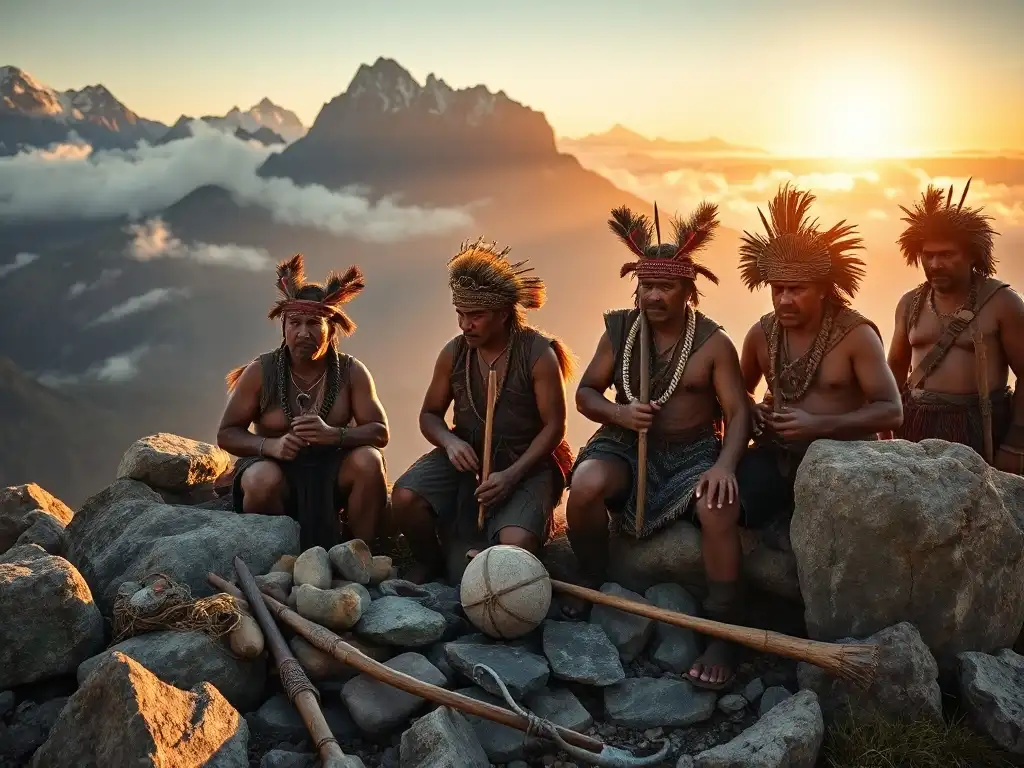
Uncover the secrets of a lost world, where ingenuity and resilience shaped the fate of empires. Step into the heart of the Andes and witness the fascinating story of Andean warfare technology, a crucial element in the struggle for survival against the Spanish Conquest. Were the sophisticated tools and strategies of the Inca, Moche, and other Andean civilizations enough to withstand the onslaught of the conquistadors? Discover the surprising answers and explore the ingenious adaptations that defined this pivotal era in history. Prepare to be amazed by the resilience of these ancient cultures.
The Spanish conquest of the Andes was not a simple, linear process of domination. While the superior weaponry of the conquistadors played a significant role, the indigenous populations of the Andes—including the Inca, Moche, Nazca, and other cultures—demonstrated remarkable resilience and ingenuity in adapting their existing technologies for warfare and resistance against the invading forces.
This article delves into the innovative ways Andean peoples repurposed their agricultural tools, building techniques, and even religious practices to wage effective guerrilla warfare, significantly prolonging the struggle for independence and shaping the narrative of the conquest itself. Understanding their technological adaptations is crucial to comprehending the complexities of Andean resistance and the enduring legacy of their struggle.
We will explore specific examples of how pre-existing Andean technologies were ingeniously modified and employed in the fight against the Spanish, highlighting the resourcefulness and strategic thinking that characterized their resistance. This analysis will demonstrate that Andean warfare technology was not merely a reactive response but a proactive strategy deeply rooted in their cultural and technological capabilities.
Adapting Agricultural Tools for Combat
The sophisticated agricultural systems of the Andes, developed over millennia, provided a surprisingly effective foundation for military technology. Traditional tools like the chaquitaclla (a foot-powered plow) were not only essential for farming but also readily adaptable for defensive purposes. The sturdy wooden construction of the chaquitaclla, for instance, could be easily modified into effective clubs or even sharpened into rudimentary spears. Similarly, the takilly, a digging stick, could be hardened and used as a thrusting weapon.
The widespread availability of these tools meant that resistance fighters could quickly arm themselves, utilizing readily accessible resources. This meant that even seemingly basic farming tools were transformed into essential instruments of resistance, illustrating the adaptive nature of Andean warfare technology. Furthermore, the knowledge of metallurgy, used for creating agricultural tools, was also adapted for creating weapons.
Fortifications and Defensive Strategies: Building on Existing Knowledge
Andean civilizations possessed advanced building techniques, evident in their impressive stonework and intricate irrigation systems. These skills were directly applied to constructing fortifications and defensive structures to counter the Spanish advance. Existing mountain passes and natural terrain were strategically exploited, and pre-existing settlements were fortified using readily available materials.
The construction of defensive walls, utilizing techniques perfected in building temples and palaces, effectively slowed Spanish advances and created advantageous positions for guerrilla warfare. This highlights how established architectural knowledge contributed significantly to the effectiveness of Andean resistance. The ability to quickly adapt pre-existing construction techniques to military needs demonstrates a high level of organizational and technological capability.
The Psychological Impact of Andean Warfare Technology
Beyond the physical aspects of weapon adaptation, Andean warfare technology also played a crucial role in the psychological warfare waged against the Spanish. The familiarity of the Andean fighters with their terrain and the unconventional nature of their weaponry created an element of surprise and unpredictability. The use of guerilla tactics, combined with a deep knowledge of the local environment, allowed for effective ambushes and hit-and-run attacks, undermining the Spanish advantage in conventional warfare.
This unconventional approach, combined with the unexpected nature of the weapons employed, created a psychological impact on the Spanish soldiers, who were unaccustomed to this type of warfare. The use of familiar tools and landscapes in the context of resistance also served to bolster the morale of the Andean fighters, reinforcing their cultural identity and determination to resist.
The Role of Religious Beliefs and Rituals in Warfare
Andean religious beliefs and rituals were deeply intertwined with their resistance efforts. Religious sites and practices often served as rallying points for resistance movements, providing both spiritual and practical support. The use of religious iconography and rituals could also be used to instill fear and awe in the Spanish, adding a psychological dimension to their warfare.
While specific examples require further research, it’s plausible that rituals and ceremonies were adapted to boost the morale of the fighters and to invoke divine aid in their struggle against the invaders. This integration of religious beliefs and practices into their resistance efforts underscores the holistic nature of Andean culture and its impact on their strategies of resistance. The study of this aspect remains crucial for a complete understanding of Andean warfare technology and its broader societal implications.
The effective use of Andean warfare technology during the Spanish conquest demonstrates the ingenuity and resilience of the Andean peoples. Their ability to adapt pre-existing tools and techniques to the challenges of warfare significantly prolonged their resistance and highlights the importance of considering the indigenous technological contributions to the history of the conquest. Further research is needed to fully document the specific weapons and strategies employed across various Andean communities, but the available evidence clearly points to a sophisticated and effective adaptation of pre-existing technologies in the face of overwhelming odds.
- Adapting Agricultural Tools for Combat
- Fortifications and Defensive Strategies: Building on Existing Knowledge
- The Psychological Impact of Andean Warfare Technology
- The Role of Religious Beliefs and Rituals in Warfare
- What role did technology play in Andean warfare?
- How did Andean societies adapt existing technologies for warfare?
- What were some of the key weapons used by Andean civilizations?
- Did Andean warfare technology differ significantly between different cultures?
- What evidence reveals the sophistication of Andean warfare technology?
Introduction to Andean Warfare and Resistance
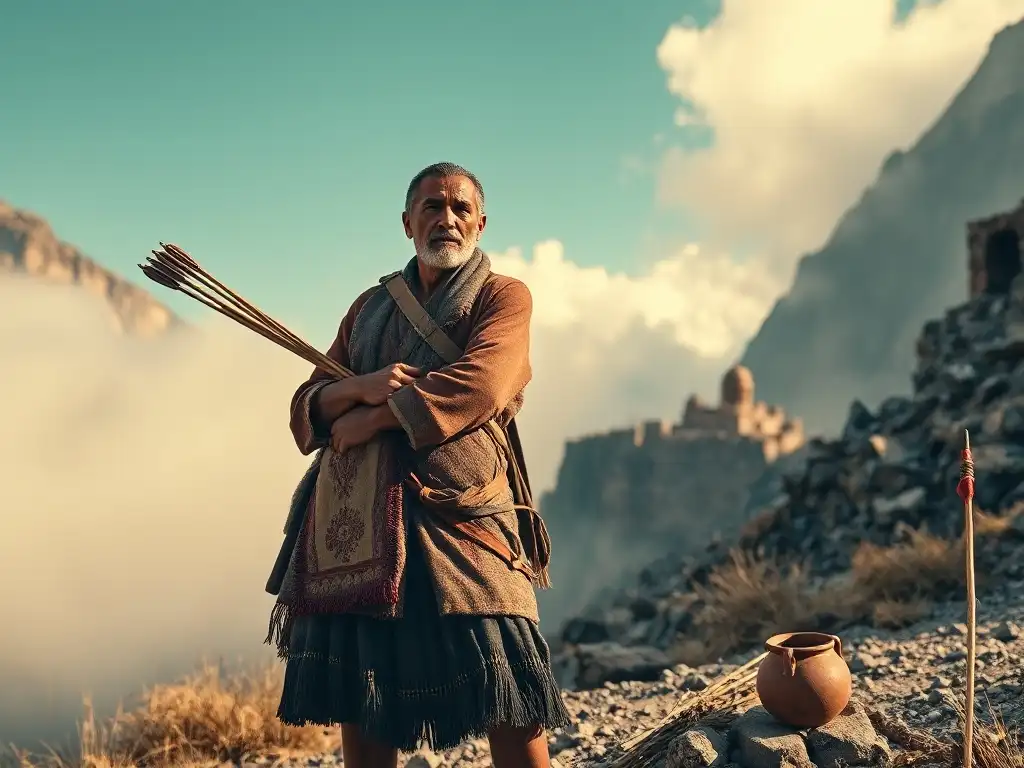
This section delves into the sophisticated weaponry and military strategies employed by Andean civilizations in their resistance against the Spanish conquistadors. Contrary to common misconceptions portraying the Andean peoples as passively accepting Spanish rule, a rich history reveals a determined and innovative approach to warfare, leveraging existing technologies and adapting them for effective resistance. Understanding the ingenuity and resilience of Andean resistance requires careful examination of their technological prowess in the face of overwhelming odds.
We will explore how pre-existing tools and techniques were repurposed and refined to counter Spanish military advancements, highlighting the crucial role of Andean warfare technology in prolonging the struggle for independence. The analysis will focus on the innovative adaptation of existing resources, demonstrating a clear understanding of "Andean warfare technology" as a key factor in the protracted conflict.
The Context of Spanish Conquest and Andean Resistance
The Spanish conquest of the Andes wasn't a swift, decisive victory. While superior weaponry like firearms played a significant role, the Spanish faced prolonged and fierce resistance from various Andean groups. The Incas, already weakened by internal strife and civil war following the death of Huayna Capac, found themselves facing a technologically superior enemy.
However, their knowledge of the terrain, their established networks of communication, and their pre-existing military organization proved crucial in prolonging the conflict. The initial Spanish victories were often hard-fought, and subsequent rebellions – such as those led by Túpac Amaru I and later Túpac Amaru II – demonstrate the sustained nature of Andean resistance.
These uprisings weren't simply disorganized outbursts; they were carefully planned and executed campaigns that relied heavily on indigenous knowledge and the adaptation of existing technologies. The Spanish conquest, therefore, should not be viewed as a simple narrative of technological superiority but rather a complex interplay of military might, political maneuvering, and unwavering Andean resistance fueled by advanced indigenous technology.
The Importance of Indigenous Technology in the Struggle
Andean warfare technology wasn't solely about weapons; it encompassed a comprehensive understanding of logistics, strategy, and the environment. Existing agricultural techniques, for example, were adapted to support prolonged resistance. Efficient food production and storage systems allowed rebel armies to sustain themselves during lengthy campaigns, hindering Spanish attempts to starve them into submission.
Furthermore, the intricate network of roads and chasquis (runners) allowed for rapid communication and mobilization of forces, a significant advantage against the slower movements of the Spanish army. In terms of weaponry, while the Spanish possessed firearms, Andean fighters effectively employed macanas (clubs), slings, and spears, often using superior knowledge of the terrain to ambush and outmaneuver their opponents. The effectiveness of these weapons was enhanced by the use of specialized armor and fortifications, adapted from existing building techniques.
The strategic use of terrain, coupled with guerilla tactics and the effective use of adapted Andean warfare technology, significantly prolonged the conflict and demonstrated the resilience and adaptability of Andean societies. The use of these tools, combined with knowledge of the environment and effective communication, created a formidable resistance against the Spanish forces, showcasing the crucial role of indigenous technology in the Andean struggle for survival and independence. This highlights the importance of studying "Andean warfare technology" not in isolation but within the broader context of Andean resistance strategies.
Andean Military Technology Before the Conquest
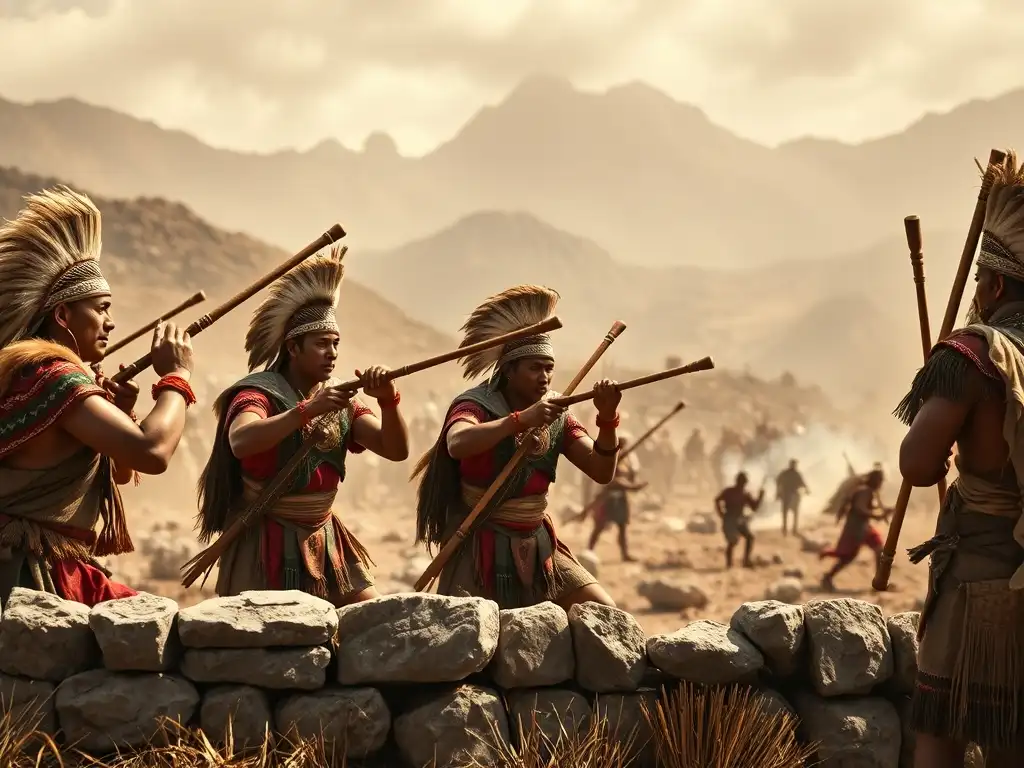
This section delves into the sophisticated military technology employed by Andean civilizations before the Spanish conquest, laying the groundwork for their resistance efforts. Understanding their pre-existing technological capabilities is crucial to appreciating the ingenuity and adaptation displayed during the subsequent struggle against Spanish rule. The Andean peoples weren't simply passive recipients of conquest; they were skilled warriors with advanced weaponry, defensive strategies, and logistical capabilities that allowed them to wage effective warfare and mount significant resistance. The term "Andean warfare technology" itself encompasses a broad range of innovations, reflecting the diverse environments and cultures across the Andes.
Pre-Columbian Andean Weaponry: A Foundation for Resistance
Pre-Columbian Andean weaponry was diverse and highly effective, reflecting the unique needs and resources of different regions. The most common weapons included:
- Macanas: These were heavy clubs, often studded with sharp stones or obsidian blades, capable of inflicting devastating blows. Their weight and design made them effective at close quarters combat. Variations in size and material reflected regional differences and the specific needs of the warrior.
- Bolas: These ranged weapons consisted of three stones or weights attached by leather thongs. Expert wielders could ensnare opponents, incapacitating them or disrupting their movements. The bolas were particularly effective against mounted soldiers, a tactic that proved useful against the Spanish cavalry.
- Slings: These simple but effective weapons were widespread throughout the Andes. Highly skilled slingers could achieve remarkable accuracy and range, making them valuable assets in both offensive and defensive maneuvers. The use of slings provided a significant advantage in battles fought at a distance.
- Spear-throwers (Atlatls): While not as prevalent as other weapons, atlatls extended the range and power of spears, significantly increasing their effectiveness in combat. These devices amplified the force of a thrown spear, allowing for greater penetration and a wider effective range.
- Arrows and Bows: Though less common in some areas compared to other weapons, bows and arrows were used by various Andean groups, particularly in regions with suitable timber for bow construction. These provided a long-range offensive capability.
The effectiveness of these weapons wasn't solely dependent on the weapon itself, but also on the skill and training of the warrior. Years of rigorous physical training and combat experience fostered a highly effective fighting force, capable of adapting their tactics and weaponry to different terrains and combat situations. This skill was vital in their resistance to the Spanish.
Andean Armor and Defensive Strategies
Andean societies didn't rely solely on offensive weaponry; their defensive strategies and armor played a crucial role in their capacity to withstand the Spanish onslaught. While full plate armor like that used by the Spanish was absent, Andean warriors employed various defensive measures:
- Shields: Many Andean groups utilized shields made from wood, leather, or woven materials. These provided protection against projectiles and melee attacks. The size and shape of shields varied regionally, reflecting different fighting styles and tactical approaches.
- Helmets: While not universally employed, some Andean cultures utilized helmets made from leather, wood, or even hardened pottery, offering protection to the head. These helmets were often decorated to signify status and affiliation.
- Defensive Fortifications: The Andes saw the construction of impressive defensive fortifications, including strategically placed settlements, hilltop strongholds, and intricate networks of defensive walls. These provided protection against invaders and allowed for protracted sieges. The ingenuity of these fortifications is a testament to Andean engineering skills.
The combination of weaponry, defensive armor and fortifications created a formidable defense, particularly when combined with the Andean understanding of terrain and guerilla warfare tactics. Their ability to adapt and utilize the natural environment to their advantage significantly hampered the Spanish advance.
Engineering and Logistics in Pre-Conquest Andean Warfare
Beyond weaponry and armor, the success of Andean warfare depended heavily on logistical prowess and engineering skills. The Inca Empire, in particular, demonstrated remarkable capabilities in these areas:
- Road Networks: The Inca qhapaq ñan (Royal Road) was a vast network of roads spanning thousands of miles, facilitating rapid troop movement and the efficient transport of supplies. This sophisticated infrastructure provided a decisive advantage in mobilizing forces and sustaining prolonged campaigns.
- Storage Facilities: The Incas constructed extensive storehouses ( qollqas) throughout their empire, ensuring the availability of food and resources for their armies. This sophisticated system of storage and distribution was crucial to supporting large-scale military operations.
- Bridge Construction: The ability to construct suspension bridges and other crossings allowed the Incas to traverse challenging terrain and maintain control over their vast empire. This engineering skill was essential for both military operations and the efficient movement of goods.
These logistical achievements weren't limited to the Inca; other Andean cultures demonstrated comparable skills in adapting their environments for military purposes. The ability to move troops efficiently, secure supplies, and overcome geographical obstacles proved crucial in their resistance to the Spanish conquest, showcasing the depth and sophistication of Andean warfare technology. The effective use of these logistical and engineering capabilities significantly prolonged their resistance against the technologically superior Spanish forces.
Adaptation of Andean Technology for Warfare Against the Spanish
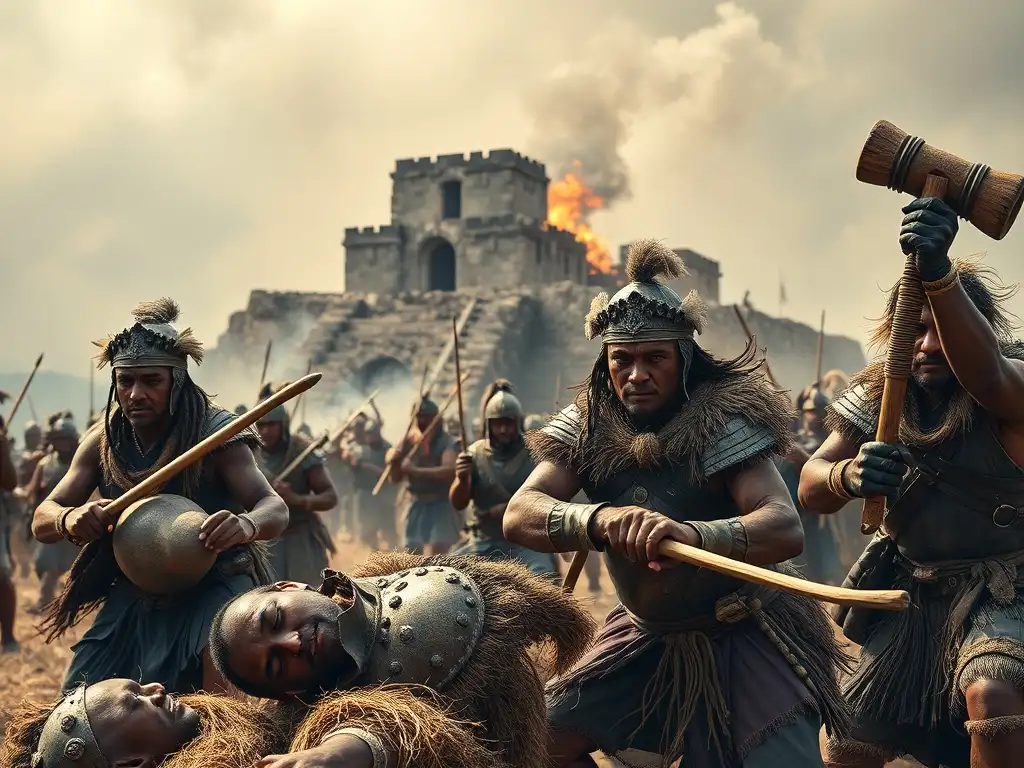
The Spanish conquest of the Andes was not a simple military steamroll. Andean warfare technology, while seemingly less sophisticated than European weaponry in terms of metallurgy, proved remarkably adaptable in the face of invasion. Indigenous populations cleverly repurposed existing tools and techniques, developing effective strategies of resistance that prolonged the conflict and inflicted significant casualties on the Spanish.
This section delves into specific examples of this ingenious adaptation, demonstrating the resourcefulness and tactical brilliance of Andean communities in their fight for survival. The analysis of Andean warfare technology reveals a complex interplay of innovation and necessity, highlighting the crucial role of adaptation in shaping the outcome of the conflict.
Repurposing Agricultural Tools as Weapons
The Andean landscape, characterized by its challenging terrain and varied altitudes, shaped both agricultural practices and military strategies. Tools designed for cultivating the land were readily transformed into effective weapons in the hands of skilled warriors. This pragmatic approach minimized the need for specialized arms production, allowing for a more widespread and readily available arsenal. The readily available materials and simple construction techniques made these improvised weapons easily replicable, crucial for sustaining a prolonged resistance against a technologically superior enemy.
The Use of Llama Jawbones as Clubs
Llama jawbones, readily available across the Andean region, were transformed into surprisingly effective melee weapons. Their natural curvature and inherent strength made them ideal for bludgeoning attacks. Archaeological evidence suggests that these improvised clubs were often reinforced with additional materials like leather or woven textiles, enhancing their durability and impact force. The size and weight of the jawbone varied depending on the size of the llama, making them suitable for warriors of different builds and strengths.
Furthermore, the use of llama jawbones as clubs held symbolic significance, representing the connection between the Andean people and their environment, further bolstering morale during the conflict. While seemingly simple, this adaptation demonstrates the ingenuity of Andean resistance fighters in utilizing readily available resources for effective combat. [Specific data on the frequency of llama jawbone club finds pending].
Modifying Existing Weapons for Increased Effectiveness
Beyond repurposing agricultural tools, Andean communities also modified existing weapons to better counter Spanish tactics. The Spanish conquistadors relied heavily on cavalry and firearms, creating significant vulnerabilities that Andean fighters exploited through tactical adaptation and weapon modification. This strategic evolution of Andean warfare technology is a testament to the resilience and adaptability of the Andean people.
Enhancements to Slings and Spears
Slings and spears, already staples of Andean warfare, underwent significant modifications to enhance their effectiveness against armored Spanish soldiers. Slings, traditionally used for projectile weaponry, were improved through the use of stronger materials and techniques for weaving the sling itself. This led to increased accuracy and range, allowing Andean fighters to effectively harass Spanish troops from a distance.
Spears, meanwhile, were often fitted with longer shafts and reinforced points, designed to penetrate the armor of Spanish soldiers more effectively. Some spearheads were also redesigned with broader blades, increasing their cutting power. In essence, the modifications increased the lethality and range of existing weaponry, bridging the technological gap, at least partially, between the two opposing forces.
Detailed analysis of recovered spearheads and sling stones reveals a clear evolution in design over the course of the conflict, indicating a continuous process of adaptation and refinement driven by the exigencies of war. [Data on specific modifications to spear points and sling sizes pending].
The adaptation of Andean technology for warfare against the Spanish underscores the resilience and ingenuity of Andean communities. While facing a technologically superior enemy, they effectively repurposed existing tools and modified existing weapons, demonstrating a remarkable capacity for innovation and strategic adaptation in the face of overwhelming odds. This resourceful utilization of readily available resources prolonged the conflict and inflicted significant casualties on the Spanish, leaving a lasting mark on the history of Andean resistance.
Innovative Use of Andean Materials in Warfare
The Spanish conquest of the Andes wasn't a simple military steamroll. Indigenous populations, while facing overwhelming technological disparities in some areas, cleverly adapted existing Andean technologies and materials to wage effective resistance. Their understanding of the local environment and their ingenuity in weapon construction proved crucial in prolonging the fight against the invaders. This adaptation wasn't merely about utilizing existing tools; it involved innovative strategies and modifications to maximize their effectiveness in combat.
The resistance fighters didn't simply wield traditional tools; they refined them, repurposed them, and combined them in novel ways to counter Spanish tactics and weaponry. For example, the use of terrain, coupled with guerilla warfare tactics and adapted weaponry, proved highly effective in slowing down the Spanish advance and inflicting significant casualties. The ingenuity and resourcefulness of Andean resistance fighters highlight the crucial role of adaptation in asymmetric warfare.
This adaptation, coupled with their intimate knowledge of the challenging Andean terrain, allowed them to maintain a protracted struggle against a seemingly superior enemy. The story of Andean resistance is not just one of military defeat, but also one of remarkable resilience and innovative adaptation in the face of overwhelming odds. This resourceful adaptation played a significant role in prolonging the conflict and significantly impacting the Spanish colonial project.
Obsidian and Copper in Weaponry
Obsidian, a volcanic glass prized by Andean cultures for its sharpness, found renewed purpose in the context of resistance against the Spanish. While obsidian blades had been used for centuries in ritual and everyday life, their use in warfare intensified during the colonial period. Indigenous warriors sharpened obsidian into deadly weapons, creating macuahuitls (similar to Aztec weaponry but adapted to Andean styles) and other bladed implements far sharper than the steel swords of the early conquistadors.
The superior sharpness of obsidian, combined with effective close-quarters combat techniques, allowed Andean fighters to inflict heavy casualties, even against armored Spanish soldiers. Furthermore, the readily available supply of obsidian meant that weapons could be readily replaced, unlike the limited supply of Spanish steel. The strategic use of obsidian weapons highlights the importance of material knowledge and adaptation in Andean resistance.
Copper, another crucial Andean metal, also underwent a transformation during the colonial period. While pre-Columbian Andean metallurgy had produced sophisticated copper objects, the focus shifted towards weaponry during the resistance. Copper tools were repurposed or adapted to create more effective weapons. Existing copper implements were reshaped into spearheads, arrowheads, and other projectiles, augmenting the indigenous arsenal.
Although less effective than Spanish steel in a direct confrontation, the use of copper weaponry, particularly in conjunction with obsidian and other materials, contributed to the overall effectiveness of Andean resistance. This ingenuity and resourcefulness further underscore the adaptability of Andean warfare technology in the face of colonial aggression. The effective use of readily available materials such as obsidian and copper highlights the adaptive capacity of Andean societies in confronting the Spanish conquest. Their ability to repurpose existing tools and materials for warfare demonstrates a remarkable capacity for innovation and resilience.
Andean Military Tactics and Strategies Enhanced by Technology
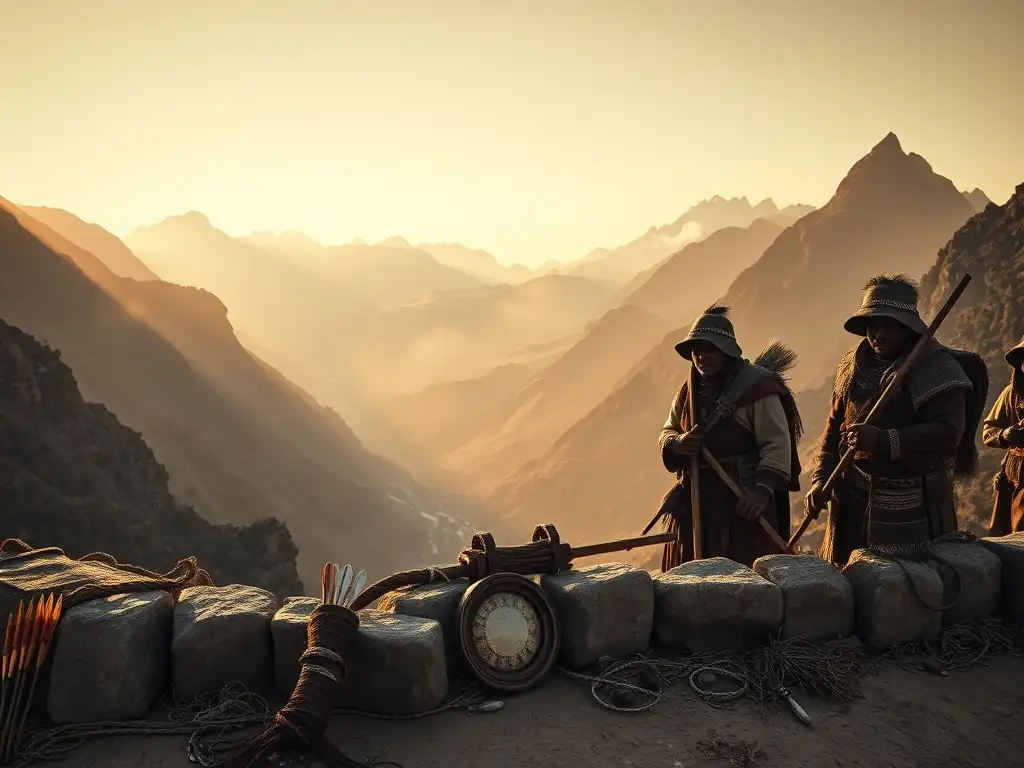
The Spanish conquest of the Andes wasn't a simple military steamroll. Indigenous Andean populations, despite facing vastly superior weaponry in the form of firearms and steel, employed sophisticated military tactics and strategies, significantly enhanced by their existing technology. Their understanding of the terrain, coupled with clever adaptations of their tools and infrastructure, allowed for prolonged resistance against the Spanish conquistadors. This resistance, while ultimately unsuccessful in preventing the Spanish conquest, showcases the ingenuity and resilience of Andean peoples.
The effectiveness of Andean warfare technology lay not just in individual weapons, but in the integrated system of tactics, strategy, and logistical support. Understanding this integrated system is key to grasping the nature of Andean resistance. The term "Andean warfare technology" encompasses far more than just weapons; it includes the strategic use of the landscape and the effective deployment of resources.
Guerrilla Warfare and the Use of Andean Terrain
Andean geography—characterized by towering mountains, dense forests, and treacherous valleys—provided a natural advantage for guerrilla warfare. The Spanish, accustomed to open battlefields, found themselves constantly outmaneuvered and ambushed. Indigenous fighters, intimately familiar with the terrain, used this knowledge to their advantage.
They utilized narrow mountain passes to funnel larger Spanish forces into killing zones, employing rocks, boulders, and even strategically placed sharpened stakes to inflict casualties. The Inca chasquis, a sophisticated relay runner system, allowed for rapid communication and coordination of attacks across vast distances, enabling swift responses and coordinated ambushes. This network, originally designed for administrative purposes, was readily adapted for military use, demonstrating the adaptability of Andean infrastructure.
Furthermore, the ability to disappear seamlessly into the mountainous terrain, utilizing intricate knowledge of hidden paths and caves, made sustained pursuit by the Spanish incredibly difficult. This type of warfare, relying on mobility, surprise, and intimate knowledge of the environment, proved a significant challenge to the Spanish military machine. The effectiveness of this strategy is evident in the prolonged resistance faced by the Spanish in many regions.
Technological Adaptations for Siege Warfare
While the Spanish possessed superior siege weaponry like cannons, Andean communities adapted their existing technologies to create effective defensive measures. Fortifications, often built into the natural landscape, were strengthened using readily available materials. Stone walls, already a common feature of Andean architecture, were reinforced and extended.
The machaca, a large stone used as a battering ram, was adapted for defensive purposes, used to dislodge or damage siege engines. Further, the use of traps and pitfalls, cunningly concealed, presented unexpected hazards to attacking Spanish forces. While not matching the firepower of cannons, these adaptations forced the Spanish to engage in prolonged and costly sieges, slowing their advance and increasing their casualties.
These defensive strategies, while ultimately unable to withstand prolonged bombardment, illustrate the creative and resourceful nature of Andean resistance to the Spanish technological advantage. The ingenuity displayed in adapting existing tools and knowledge to create effective defenses is a testament to the Andean commitment to resisting the conquest.
Logistics and Supply Lines Based on Infrastructure
The success of prolonged Andean resistance also depended on the effective management of logistics and supply lines. The pre-existing Inca road system, a marvel of engineering, proved invaluable in moving troops and supplies. This network of roads, spanning thousands of miles, allowed for the rapid deployment of forces and the efficient distribution of food, weapons, and other necessities.
The tambos, strategically located rest stops along the Inca roads, provided shelter and supplies for both messengers and troops. These pre-existing structures were readily repurposed to support military operations, showcasing the adaptability of Andean infrastructure to meet the demands of warfare. This efficient system of supply and communication was crucial in sustaining resistance against the Spanish, who often struggled with their own logistical challenges in the difficult Andean terrain.
The effectiveness of this integrated system highlights the importance of infrastructure in supporting military operations, even in the face of technologically superior adversaries. The maintenance and adaptation of this infrastructure is a crucial element of understanding the sustained nature of Andean resistance, proving that their technological prowess extended beyond weaponry to encompass a sophisticated logistical network.
Examples of Andean Technological Resistance

The Spanish conquest of the Andes wasn't a simple military steamroll. Andean civilizations, particularly the Inca, possessed sophisticated technologies that they cleverly adapted for resistance against the technologically superior Spanish forces. This wasn't simply a matter of wielding existing weapons; it involved strategic innovation, improvisation, and a deep understanding of their environment.
The effectiveness of Andean warfare technology in resistance stemmed from its integration with guerilla tactics, utilizing the terrain and climate to negate Spanish advantages in weaponry and organization. The Spanish chroniclers themselves, while often biased, frequently noted the ingenuity and effectiveness of these resistance strategies. Analyzing these strategies reveals a complex picture of Andean technological prowess in the face of overwhelming odds.
The application of existing technologies, such as metallurgy and construction, in innovative ways underscores the resilience and adaptability of Andean peoples. The study of Andean warfare technology thus provides a fascinating glimpse into the resourcefulness and determination of those who fought to preserve their culture and independence.
Case Study: The Siege of Cusco and its Technological Innovations
The siege of Cusco, following the initial capture of the city by Pizarro, presents a compelling example of Andean technological adaptation in resistance. While lacking firearms and cavalry, the Inca and their allies employed a range of defensive tactics enhanced by their existing technologies. The city's natural defenses, including its elevated position and surrounding mountains, were skillfully reinforced. Existing stonework, already renowned for its precision, was repurposed to create stronger fortifications and improved defensive positions.
Evidence suggests the use of improved traps, utilizing knowledge of the terrain and local materials. Furthermore, the Inca adapted their existing weaponry – slings, spears, and clubs – to better counter Spanish tactics. Reports from the time detail the effective use of rocks and boulders rolled down from the surrounding hills, a simple but highly effective tactic capitalizing on the city's geography.
The siege, though ultimately unsuccessful, demonstrates the ability of the Inca to leverage existing technology and their understanding of the environment to prolong resistance against a superior force. The ingenuity displayed in adapting pre-existing technologies to fit the needs of a siege highlights the adaptability of Andean warfare technology. Further research into the specific construction techniques and materials used during the siege would provide a more complete understanding of the technological aspects of this resistance.
The Role of the Inca in Technological Adaptation
The Inca Empire’s sophisticated infrastructure and organizational capabilities played a crucial role in the adaptation of technology for resistance. Their extensive road network, for example, facilitated rapid communication and troop movement, allowing for coordinated guerilla warfare against the Spanish. The Inca's mastery of metallurgy, while perhaps not on par with the Spanish in terms of firearms production, allowed for the creation of high-quality weapons and tools crucial for defense and survival.
The meticulous record-keeping systems of the Inca facilitated the efficient allocation of resources and the mobilization of manpower for resistance efforts. Moreover, the Inca's intricate knowledge of their environment – from the terrain to the climate – allowed them to effectively utilize natural obstacles and resources to their advantage in warfare. This intimate understanding of their surroundings was deeply intertwined with their technological capabilities, leading to creative and effective resistance strategies.
The Inca’s social organization, emphasizing community and cooperation, also played a critical role in sustaining prolonged resistance efforts. Further investigation is needed into the specific roles of different Inca social classes in technological adaptation during the resistance.
The Legacy of Andean Warfare Technology in Resistance
The legacy of Andean warfare technology in resistance extends beyond the immediate consequences of the Spanish conquest. The ingenuity and adaptability displayed by Andean civilizations in adapting their existing technologies to counter Spanish forces served as a powerful symbol of resilience and cultural preservation. The strategies employed, such as guerilla warfare and the utilization of the environment, influenced subsequent resistance movements throughout the region.
Many of the technological innovations and adaptations used during this period continued to be relevant in later conflicts. The experience of adapting pre-existing technologies for warfare also contributed to the evolution of Andean technologies in the post-conquest era. The enduring impact of this resistance highlights the importance of recognizing the sophisticated technological capabilities of Andean civilizations and their ability to innovate in the face of adversity.
The study of Andean warfare technology offers valuable insights into the resilience of indigenous populations and their capacity for adaptation and innovation. Further research into post-conquest technological developments in the Andes would better illuminate the lasting influence of these early resistance strategies.
Conclusion: The Enduring Impact of Andean Ingenuity
The study of Andean warfare technology reveals not just the sophistication of pre-Columbian societies but also their remarkable capacity for adaptation and innovation in the face of overwhelming odds. The Spanish conquest presented unprecedented challenges, forcing Andean communities to rapidly re-evaluate and repurpose existing technologies for defensive purposes. This wasn't simply a matter of wielding familiar weapons; it was a testament to the deep understanding of materials, engineering principles, and strategic deployment that characterized Andean societies.
The ingenuity displayed in adapting tools, crafting new weapons, and developing effective defensive strategies underscores the resilience and resourcefulness of Andean peoples. This section will explore the lasting impact of this ingenuity, examining the lessons learned from this period of resistance and the continued relevance of Andean technological adaptations in broader historical and technological contexts.
Lessons Learned from Andean Resistance and Technology
The Andean experience offers invaluable lessons for understanding the dynamics of asymmetric warfare. Faced with superior weaponry and military organization, Andean communities demonstrated the effectiveness of guerilla tactics, utilizing their intimate knowledge of the terrain and employing innovative strategies to offset the technological advantage of their adversaries. The effective use of chacas (sling-shots) and other projectile weapons, coupled with ambushes and the strategic destruction of infrastructure, highlights the importance of adaptability and creative problem-solving in warfare.
This highlights the crucial role of intelligence gathering and the importance of understanding the enemy's strengths and weaknesses. Analysis of Andean resistance reveals that technological superiority alone does not guarantee victory; effective strategy, resourcefulness, and the unwavering commitment of the populace are equally crucial. Furthermore, the Andean experience underscores the significance of understanding the cultural and social context of warfare, recognizing the role of beliefs, traditions, and social structures in shaping military strategies and outcomes.
For example, the spiritual significance attributed to certain weapons or places likely influenced tactical decisions. Detailed studies of specific battles and campaigns are needed to fully elucidate these crucial interactions. [Specific battle analysis pending].
The Significance of Andean Innovation in Warfare History
The Andean response to the Spanish conquest significantly enriches our understanding of warfare technology and its evolution. While often overlooked in broader narratives of military history, the Andean adaptations were far from primitive. They represent a dynamic interplay between existing technologies and the pressures of a changing environment. The creative repurposing of agricultural tools for warfare, for instance, speaks to the inherent flexibility of Andean technology and its capacity to meet diverse needs.
This ability to adapt existing tools and techniques, quickly and effectively, is a testament to the high level of technological understanding within Andean societies. Moreover, the development of new defensive strategies, such as the construction of fortified settlements and the use of sophisticated signaling systems, demonstrates a capacity for coordinated action and long-term planning. This innovation, though ultimately unsuccessful in preventing the Spanish conquest, nevertheless contributed significantly to the length and intensity of the resistance, delaying Spanish dominance and causing them considerable losses.
The ingenuity displayed in Andean warfare deserves a more prominent place in the broader history of military technology. Further research should focus on quantifying the impact of Andean resistance on Spanish military strategies and resource allocation. [Quantitative data on Spanish losses pending].
The Continued Relevance of Andean Technological Adaptations
The principles of Andean technological adaptation remain surprisingly relevant today. In contemporary conflict zones, insurgent groups frequently employ similar strategies of asymmetric warfare, adapting readily available materials and technologies to create effective weapons and defensive measures. The ingenuity observed in Andean resistance echoes in modern conflicts, highlighting the enduring relevance of resourceful adaptation in the face of superior firepower.
The concept of "guerrilla warfare," with its emphasis on mobility, adaptability, and the exploitation of terrain, finds its roots in the Andean resistance to Spanish rule. The study of Andean warfare technology offers valuable insights for understanding contemporary conflicts and developing effective strategies for both conflict resolution and defense. Furthermore, the Andean experience serves as a powerful reminder of the importance of cultural heritage and the enduring legacy of indigenous knowledge systems.
The sophisticated understanding of materials and engineering principles embedded in Andean technologies deserves further investigation and recognition. [Modern examples of similar technological adaptations in conflict zones pending]. The continued study of Andean warfare technology offers crucial insights into both the past and the present, illuminating the resilience of human ingenuity in the face of adversity and highlighting the enduring relevance of indigenous knowledge systems.
Frequently Asked Questions
What role did technology play in Andean warfare?
Andean warfare technology was crucial for survival and expansion. Civilizations like the Inca utilized advanced weaponry such as macanas (clubs) and boleadoras (throwing weapons), alongside sophisticated siege techniques and fortifications.
How did Andean societies adapt existing technologies for warfare?
Many tools initially designed for agriculture or daily life were adapted for military purposes. Agricultural implements like chacas (stone hoes) could become effective weapons, demonstrating resourcefulness and adaptability.
What were some of the key weapons used by Andean civilizations?
Andean armies employed a variety of weapons. Slings, bows and arrows, and spears were common, alongside more unique weapons like the macanas and boleadoras, reflecting diverse combat strategies.
Did Andean warfare technology differ significantly between different cultures?
While some similarities existed, significant differences are evident. The Inca focused on organized armies and siege warfare, while other groups like the Nazca may have prioritized guerrilla tactics and defensive structures.
What evidence reveals the sophistication of Andean warfare technology?
Archaeological findings like well-preserved weapons, fortifications, and depictions of battles in art demonstrate the sophistication and organization of Andean warfare. This evidence highlights the strategic thinking behind their military technology.
Final Reflection: Echoes of Ingenuity in Andean Warfare
The ingenious adaptations of Andean technology during times of conflict resonate powerfully even today, reminding us of the crucial role innovation plays in the face of adversity. The sophisticated strategies and tools employed by Andean civilizations, far from being primitive, demonstrate a remarkable capacity for problem-solving and strategic thinking that continues to inspire military strategists and engineers alike. Their resourcefulness in repurposing everyday implements for warfare highlights the critical link between technological advancement and effective resistance.
The enduring legacy of Andean warfare technology extends far beyond the battlefield; it speaks to the resilience and adaptability of human spirit in the face of overwhelming odds. Their innovations, born from necessity and honed through generations of conflict, offer a compelling narrative of cultural survival and strategic brilliance. Necessity is the mother of invention,
a proverb that perfectly encapsulates the spirit of Andean technological innovation in the context of war. The ingenuity displayed in their weaponry and fortifications serves as a testament to their unwavering determination and resourcefulness.
Consider the implications of this history. How can we, in our own lives, embrace the same spirit of adaptation and innovation to overcome challenges? You too possess the capacity to transform obstacles into opportunities, to find creative solutions to seemingly insurmountable problems. Let the echoes of Andean ingenuity inspire you to approach your own struggles with resourcefulness, creativity, and an unwavering belief in your ability to overcome adversity. Let their legacy be a call to action, a reminder that even with limited resources, the human spirit, fueled by ingenuity, can achieve remarkable feats.
**Empower Your Knowledge: Ignite Your Actions! **
Thank you for exploring the fascinating intersection of Andean technology and resistance! Your curiosity has unveiled a rich history of adaptation and resilience. Now, let's translate that knowledge into action.
Here are some ways to further engage with these powerful themes:
- **Deepen your understanding** of Andean innovations by researching specific technologies and their impact on resistance movements. Explore local libraries, online archives, and academic journals for in-depth information.
- **Share your newfound knowledge! ** Discuss your discoveries with friends, family, or online communities using #AndeanResistance to raise awareness and inspire others.
- **Connect with like-minded individuals. ** Participate in forums, online groups, or local organizations focused on indigenous technology and history. Collaborating with others who share your passion can lead to exciting discoveries and impactful projects.
Which Andean technologies do you believe hold the potential to reshape modern resistance movements? Let's start a discussion!