
The Shifting Alliances Between Andean Groups and the Spanish Crown

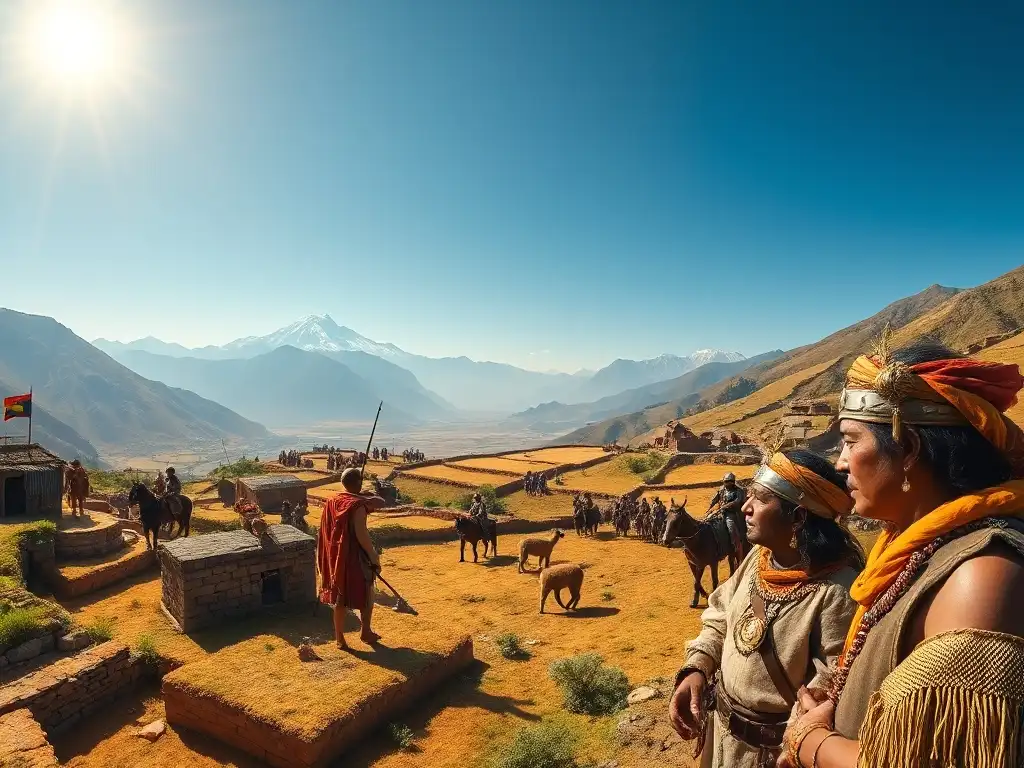
Unravel the mysteries of a lost world. For centuries, the breathtaking achievements of the Andean civilizations have captivated imaginations. But what truly transpired when these powerful empires – the Incas, Moche, Nazca, and more – collided with the Spanish conquistadors? Discover the unexpected shifting alliances and surprising betrayals that shaped the fate of a continent in our exploration of Andean civilizations Spanish conquest. Prepare to be amazed by the intricate tapestry of power, ambition, and resilience that defined this pivotal moment in history.
- The Shifting Alliances Between Andean Groups and the Spanish Crown: A Complex Dynamic of Power
- Initial Encounters and the Fragmentation of Andean Societies During the Spanish Conquest
- Andean Groups Aligning with the Spanish: Motivations and Objectives
- The Dynamics of Shifting Allegiances: From Collaboration to Resistance
- Case Studies of Andean Alliances and Their Consequences
- The Long-Term Effects of Andean-Spanish Alliances
-
Frequently Asked Questions
- What role did pre-existing alliances between Andean groups play in the Spanish conquest?
- How did the Inca Empire's internal structure influence its vulnerability to the Spanish?
- What were some key strategies employed by the Spanish in forging alliances with Andean groups?
- Did any Andean groups successfully resist Spanish rule for extended periods?
- How did the Spanish conquest reshape the political landscape of the Andes?
- Final Reflection: Echoes of Empire in the Andes
- Uncover the Power of Collaboration in History!
The Shifting Alliances Between Andean Groups and the Spanish Crown: A Complex Dynamic of Power
The Spanish conquest of the Andes wasn't a monolithic event; it was a protracted and intricate process shaped by shifting alliances between different Andean groups and the Spanish Crown. This dynamic interplay of power, driven by ambition, survival, and shifting loyalties, profoundly impacted the trajectory of the conquest and the subsequent colonial era. Understanding these complex alliances is crucial to grasping the nuances of the Andean civilizations' resistance and ultimate subjugation.
This article delves into the fluctuating relationships between the Spanish conquistadors and various Andean groups, revealing how strategic partnerships and betrayals ultimately determined the fate of empires. We will examine the motivations behind these alliances, the consequences of shifting allegiances, and the lasting impact on Andean societies. The keyword "Andean civilizations Spanish conquest" is central to understanding this multifaceted historical process.
The Inca Empire's Internal Fragilities and the Spanish Advantage
The Inca Empire, at the time of the Spanish arrival, was far from unified. Internal conflicts and power struggles, fueled by succession disputes and regional tensions, significantly weakened the empire's ability to resist the Spanish advance. The death of Huayna Capac and the subsequent civil war between his sons, Huáscar and Atahualpa, created a power vacuum that the Spanish expertly exploited. This internal strife, characterized by brutal warfare and the fracturing of loyalties, left the Inca Empire vulnerable and ripe for conquest.
The Spanish, initially a small force, cleverly capitalized on these divisions, forging alliances with disgruntled Inca factions and exploiting existing rivalries to achieve disproportionate military success. The resulting chaos severely hampered the Inca's ability to mount a unified and effective defense against the invaders. The strategic use of alliances by the Spanish proved instrumental in their rapid conquest of a vast and powerful empire.
Indigenous Alliances: Opportunism and Survival in the Face of Conquest
Many Andean groups, weary of Inca dominance, saw the arrival of the Spanish as an opportunity to overthrow their oppressors and gain autonomy. These groups, including the Cañaris, the Huancas, and others, actively collaborated with the Spanish, providing crucial military support, logistical assistance, and vital intelligence. Their motivations were diverse – some sought revenge against the Incas, others hoped to gain political or economic advantage under the new colonial regime, and still others simply sought survival in the face of overwhelming force.
These alliances, however, were often unstable and opportunistic, shifting based on perceived gains and threats. While these collaborations proved vital for the Spanish in their initial conquests, they also sowed the seeds of future rebellions and resistance. The complex interplay of these shifting alliances highlights the strategic importance of indigenous groups in the overall narrative of the Spanish conquest.
The Shifting Sands of Loyalty: Betrayals and Shifting Power Dynamics
The relationship between the Spanish and their indigenous allies was rarely straightforward. Betrayals were common, as groups switched sides based on perceived advantages or threats. Promises made by the Spanish were often broken, leading to disillusionment and resentment among their allies. This constant shifting of loyalties created a dynamic and unpredictable landscape, where trust was a scarce commodity.
The Spanish often exploited indigenous rivalries to their advantage, creating a climate of suspicion and mistrust that further weakened the resistance to Spanish rule. The consequences of these betrayals were far-reaching, shaping the political and social landscape of the Andes for centuries to come. The constant flux of alliances underscored the precarious nature of power during this tumultuous period.
The Legacy of Shifting Alliances: Long-Term Consequences for Andean Societies
The shifting alliances during the Spanish conquest left an enduring legacy on Andean societies. The collaboration of some indigenous groups with the Spanish led to the disintegration of traditional power structures and the imposition of a new colonial order. This resulted in profound social, economic, and political changes that continue to resonate in the region today.
The complex interplay of alliances and betrayals profoundly shaped the cultural landscape and the enduring relationship between the descendants of the Andean civilizations and the Spanish colonial legacy. Understanding this complex historical dynamic is essential to appreciating the multifaceted nature of the Andean civilizations' experience during the Spanish conquest. The lasting impact of these shifting alliances is a testament to the enduring power of political expediency and the long-term consequences of strategic choices made during times of conflict.
Initial Encounters and the Fragmentation of Andean Societies During the Spanish Conquest
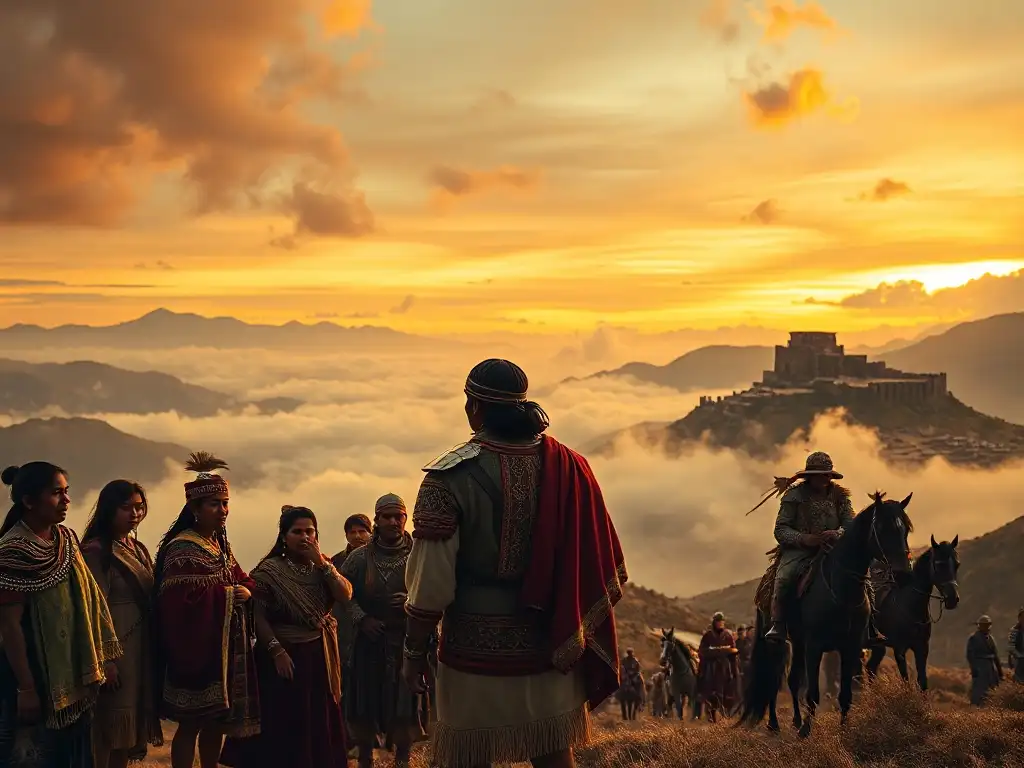
This section examines the initial interactions between the Spanish conquistadors and the diverse Andean civilizations, highlighting the complex political landscape that facilitated the Spanish conquest. The arrival of the Spanish wasn't a monolithic event met with unified resistance; instead, it was met with a tapestry of reactions shaped by pre-existing tensions and power dynamics within Andean societies. Understanding these initial encounters is crucial to grasping the subsequent shifting alliances and the overall success of the Spanish in subjugating the Andes. The keyword phrase "Andean civilizations Spanish conquest" is central to this analysis.
The Arrival of the Spanish and Initial Andean Responses
The Spanish arrival in the Andes, marked by Pizarro's conquest of the Inca Empire in the 1530s, was far from a straightforward military victory. While the Inca Empire presented a formidable force, internal weaknesses significantly aided the Spanish advance. The Inca Empire itself was grappling with a devastating civil war between Huáscar and Atahualpa, severely weakening its military and political capacity.
This internal conflict, exploited brilliantly by Pizarro, provided a crucial opening for the Spanish. Many Andean groups, already subjugated under Inca rule, saw the Spanish arrival as an opportunity to break free from Inca domination. Some groups actively assisted the Spanish, providing crucial resources and manpower in exchange for promises of freedom and potential benefits.
This initial response underscores the fragmented nature of Andean societies, far from a unified front against the Spanish invaders. The initial interactions were characterized by a mixture of fear, opportunism, and resistance, reflecting the diverse political landscape of the Andes before the Spanish conquest. The strategic alliances formed at this early stage proved decisive in shaping the course of the conquest.
Exploiting Existing Rivalries: Spanish Strategies in the Andes
The Spanish conquest was not solely a matter of superior military technology; it was also a masterful display of political manipulation. The conquistadors skillfully exploited pre-existing rivalries and tensions between different Andean groups. For example, the Spanish actively courted groups who had long resented Inca rule, offering them alliances and promises of autonomy in exchange for their support.
This "divide and conquer" strategy proved highly effective, fragmenting the resistance and preventing the formation of a unified front against the Spanish. Detailed accounts from the period reveal the Spanish's deliberate efforts to foster discord among the Andean populations. They offered preferential treatment to certain groups, granting them privileges and land in exchange for their loyalty.
This created a complex web of alliances and betrayals, further weakening the ability of Andean civilizations to resist the Spanish advance. The successful implementation of this strategy illustrates the importance of understanding the political geography of the Andes in the context of the Spanish conquest.
The Impact of the Inca Civil War on Andean Alliances
The Inca civil war, fought between Huáscar and Atahualpa in the years leading up to the Spanish arrival, had a profound and lasting impact on the alliances formed during the conquest. The war severely weakened the Inca Empire, leaving it vulnerable to external threats. The conflict also created a power vacuum, with various Andean groups vying for control in the absence of a strong central authority.
The Spanish shrewdly exploited this situation, forging alliances with those who had been disadvantaged or oppressed under Inca rule. This period saw a significant shift in power dynamics within the Andean region, with traditional hierarchies disrupted and new alliances forged based on expediency rather than long-standing loyalties. The consequences of this civil war extended far beyond the immediate conflict, profoundly shaping the political landscape and the subsequent course of the Spanish conquest.
The aftermath of the civil war left many Andean groups susceptible to Spanish manipulation and ultimately contributed to the fragmentation of Andean resistance. The weakening of the Inca Empire, a key player in the "Andean civilizations Spanish conquest" narrative, fundamentally altered the balance of power.
Andean Groups Aligning with the Spanish: Motivations and Objectives
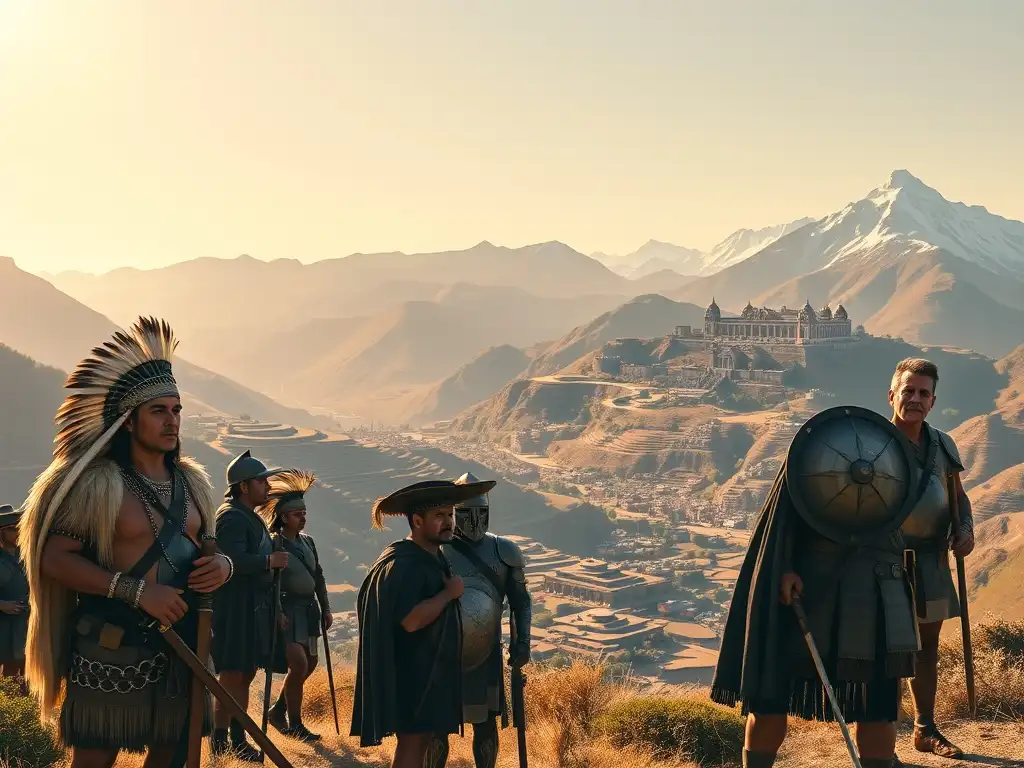
The Spanish conquest of the Andes wasn't a monolithic event; it was a complex process shaped by shifting alliances and betrayals among various Andean groups. While many fiercely resisted Spanish encroachment, others strategically aligned themselves with the conquistadors, driven by a range of motivations and objectives. Understanding these motivations is crucial to grasping the nuanced dynamics of the Andean civilizations Spanish conquest.
These alliances, often born out of calculated pragmatism rather than genuine loyalty, significantly impacted the trajectory of the conquest, influencing both its speed and brutality. The varying levels of collaboration and resistance highlight the internal complexities within Andean societies and the multifaceted nature of their interactions with the Spanish.
Seeking Advantage: The Cañari Support for the Spanish
The Cañari, an indigenous group inhabiting the southern highlands of present-day Ecuador, provide a compelling case study of strategic alliance with the Spanish. Facing pressure from the Inca Empire, the Cañari saw an opportunity in the arrival of the Spanish. Their resistance to Inca rule was well documented; they were not easily subjugated and maintained a degree of autonomy.
This pre-existing animosity towards the Inca fueled their decision to support the Spanish, believing that an alliance would offer them a chance to overthrow their Inca overlords and gain a more advantageous position within the newly forming colonial order. Their knowledge of the terrain and their fighting skills proved valuable assets to the Spanish, contributing significantly to their initial victories. However, this alliance did not guarantee long-term security or autonomy for the Cañari.
The Spanish, once established, often disregarded their agreements and imposed their own system of control, leading to eventual subjugation and the erosion of Cañari culture. This example underscores the precarious nature of alliances forged during the conquest, where promises of mutual benefit often dissolved under the weight of colonial power.
Promises and Expectations: The Allure of Spanish Alliances
The allure of Spanish alliances stemmed from various promises and expectations held by different Andean groups. These promises, often unspoken or vaguely defined, revolved around several key themes: the potential for increased wealth and status, the promise of protection from rival Andean groups, and the hope for a more equitable distribution of power. Some groups may have believed that aligning with the Spanish would grant them access to European goods and technologies, leading to economic advancement.
Others saw the Spanish as a means of resolving existing conflicts or gaining an upper hand over their enemies. The Spanish, adept at exploiting internal divisions, skillfully played on these hopes and expectations, offering promises that were rarely, if ever, fulfilled. This created a cycle of shifting alliances, betrayals, and ultimately, widespread suffering.
The failure of the Spanish to honor their commitments further fueled resistance and rebellion in the later stages of the conquest. The perceived advantages of allying with the Spanish were often short-lived, ultimately resulting in the dismantling of traditional power structures and the imposition of colonial rule.
The Role of Local Elites in the Spanish Conquest
The involvement of local elites played a critical role in facilitating the Spanish conquest. Many Andean communities were structured hierarchically, with powerful leaders and nobles holding significant influence. These elites often saw the opportunity to maintain or enhance their position within the changing political landscape by collaborating with the Spanish.
By providing logistical support, military assistance, or information, these elites helped the Spanish navigate unfamiliar territory, overcome resistance, and consolidate their power. In exchange, they often received preferential treatment, land grants, or positions of authority within the colonial administration. Their actions, however, often led to the erosion of traditional Andean social structures and fueled resentment among the wider population.
The collaboration of local elites highlights the internal power dynamics within Andean societies and their complex relationship with the Spanish. The consequences of their choices had a lasting impact on the social and political landscape of the Andes for centuries to come. The legacy of these alliances continues to shape the region's history and identity.
The Dynamics of Shifting Allegiances: From Collaboration to Resistance
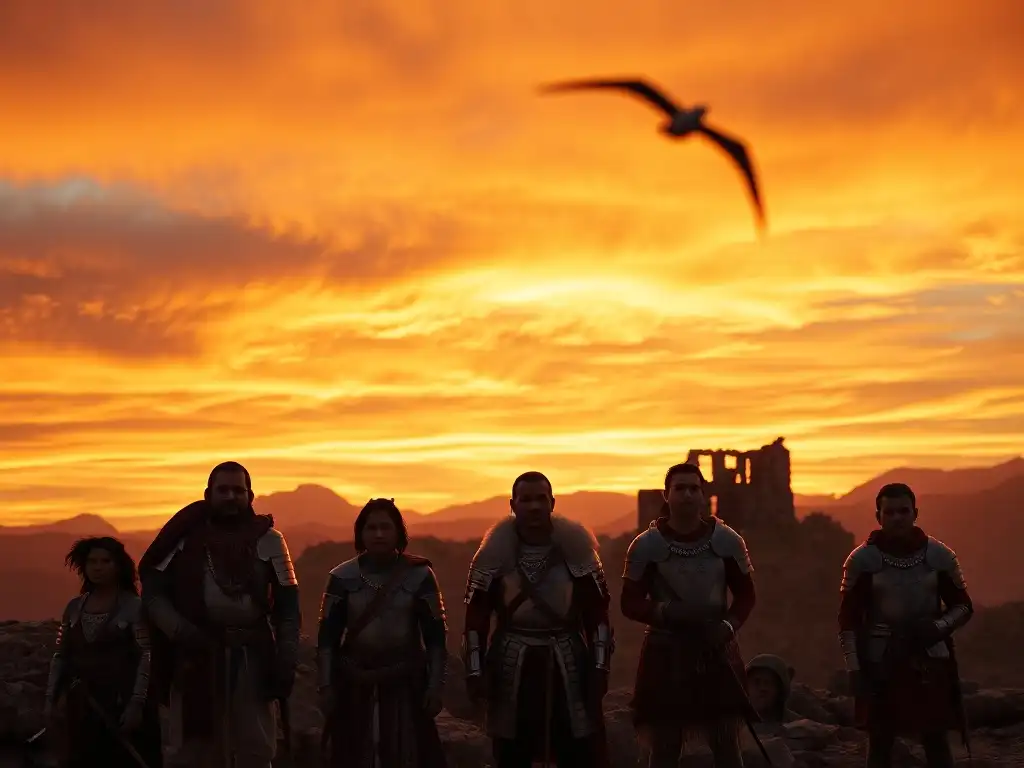
The Spanish conquest of the Andes wasn't a monolithic event; it was a complex process shaped by shifting alliances between different Andean groups and the Spanish Crown. Understanding the fluctuating nature of these relationships is crucial to grasping the nuances of the Andean civilizations Spanish conquest. Initial collaborations, often born out of strategic self-preservation or perceived advantage, frequently devolved into bitter resistance as the true costs of Spanish rule became apparent.
This section delves into the intricate web of alliances and betrayals that defined this tumultuous period. The conquest wasn't simply a military campaign; it was a political chess game played on a vast and diverse landscape.
The Fragility of Alliances: Changing Power Dynamics
The initial Spanish victories often relied on exploiting existing rivalries between Andean groups. For instance, the Inca Empire, at the height of its power, faced numerous internal tensions and rebellions. The Spanish cleverly leveraged these existing fractures, forging alliances with groups like the Cañaris and Huancas, who harbored resentment towards Inca rule. These alliances, however, were inherently fragile.
The Spanish promise of power and wealth often proved illusory. As the Spanish consolidated their control, their demands became increasingly oppressive, leading to disillusionment among their erstwhile allies. The initial benefits of collaboration—access to resources, protection from rival groups—were quickly overshadowed by the brutality of colonial rule, forced labor ( mita ), and the destruction of traditional Andean social structures.
The inherent instability of these alliances is evidenced by the numerous instances of groups switching sides throughout the conquest, highlighting the fluid and opportunistic nature of power dynamics during this era. This constant shifting of allegiances created a volatile environment, making the Spanish conquest a prolonged and brutal affair. The Spanish ability to manipulate these existing tensions was a key factor in their success, but also planted the seeds of future rebellion.
Disillusionment and Resistance: The Chanka Revolt Against Spanish Rule
One striking example of the breakdown of an alliance and the subsequent eruption of resistance is the Chanka revolt. Initially, some Chanka groups collaborated with the Spanish, hoping to gain an advantage over their rivals. However, as the Spanish consolidated power, the Chanka, like many other groups, experienced the harsh realities of colonial rule firsthand.
The imposition of heavy tribute, forced labor, and the disruption of their traditional way of life fueled widespread discontent. The Chanka revolt, while ultimately unsuccessful, demonstrates the extent of Andean resistance to Spanish domination. The revolt wasn't simply a spontaneous uprising; it was a calculated response to the broken promises and oppressive policies of the Spanish Crown.
While detailed accounts of the revolt's organization and scale are [specific information pending], existing historical records suggest a significant level of coordination and determination among the rebel forces. This rebellion underscores the limitations of Spanish power and the enduring strength of Andean resistance in the face of overwhelming odds. The Chanka experience serves as a potent reminder that even seemingly successful collaborations could quickly unravel under the weight of colonial oppression.
The Impact of Spanish Policies on Andean Loyalty
Spanish policies played a significant role in shaping Andean loyalty, or rather, the lack thereof. The encomienda system, which granted Spanish conquistadors control over indigenous labor and resources, was particularly damaging. This system, intended to create a stable workforce for the Spanish, instead fostered resentment and rebellion.
The forced conversion to Christianity, coupled with the destruction of indigenous religious practices and artifacts, further alienated many Andean communities. The imposition of unfamiliar legal and administrative systems further exacerbated the situation, undermining traditional Andean governance structures and creating a climate of uncertainty and distrust. The Spanish crown's policies, intended to secure their control, paradoxically fueled resistance and undermined the very alliances they had initially cultivated.
The combination of economic exploitation, religious persecution, and the dismantling of traditional social structures created a fertile ground for widespread rebellion against Spanish rule. The long-term consequences of these policies were profound, shaping the trajectory of Andean societies for centuries to come. The failure to incorporate and respect Andean social structures ultimately proved counterproductive for the Spanish, leading to protracted and costly conflicts.
Case Studies of Andean Alliances and Their Consequences
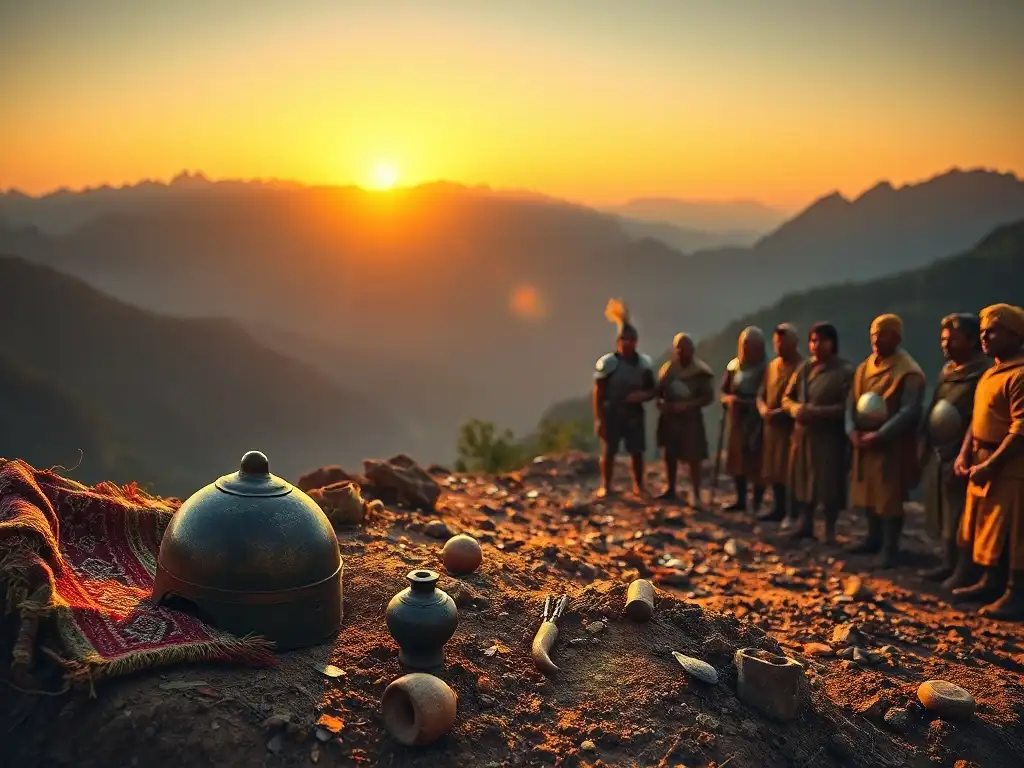
This section delves into specific examples of Andean groups' interactions with the Spanish Crown during the conquest, highlighting the diverse strategies employed and their varying consequences. Understanding these individual cases provides crucial context for analyzing the broader patterns of resistance and collaboration within the complex tapestry of Andean civilizations facing Spanish rule.
The shifting nature of these alliances, often driven by pragmatic considerations and shifting power dynamics, reveals the nuanced reality of the conquest, far removed from a simplistic narrative of unified resistance. Analyzing these alliances through the lens of "Andean civilizations Spanish conquest" allows for a richer understanding of the period.
The Cañari Alliance: A Case Study of Strategic Collaboration
The Cañari, inhabiting the southern highlands of present-day Ecuador, initially resisted Spanish encroachment. However, unlike many other Andean groups, they ultimately forged a strategic alliance with the conquistadors. This collaboration stemmed from several factors. Firstly, internal divisions within Cañari society weakened their unified resistance against the Spanish. Secondly, the promise of protection against their rivals, particularly the Inca remnants, proved alluring. The Cañari saw an opportunity to leverage Spanish military might to secure their own position within the newly emerging power structure.
This alliance, however, proved to be a double-edged sword. While it provided short-term advantages and protection against Inca resurgence, it ultimately resulted in the gradual erosion of Cañari autonomy and cultural integrity. The Spanish, despite their initial reliance on Cañari support, systematically undermined their power structures and imposed their own governance. The long-term consequences for the Cañari were the loss of their independent statehood and the integration into the Spanish colonial system. This case study underscores the complexity of alliances during the conquest, illustrating how seemingly advantageous collaborations could ultimately lead to the subjugation of the allied group.
The Huanca Experience: Initial Alliance and Subsequent Resistance
The Huanca, an important ethnic group in the central Andes, initially collaborated with the Spanish, providing crucial logistical support and manpower during the early stages of the conquest. Their familiarity with the terrain and their established social structures proved invaluable to the Spanish. This initial alliance stemmed from a calculation that aligning with the seemingly invincible Spanish force was a pragmatic survival strategy, offering protection against more powerful neighboring groups.
However, this initial collaboration did not translate into long-term submission. As the Spanish consolidated their power and began to impose their exploitative systems, Huanca resistance grew. The initial benefits of the alliance waned, replaced by the harsh realities of forced labor, tribute demands, and the destruction of traditional social structures.
The Huanca's subsequent rebellion, though ultimately unsuccessful, demonstrates the inherent instability of alliances forged under duress. It highlights the crucial point that even strategic collaborations could quickly unravel as the true nature of Spanish colonialism became apparent. This shift from alliance to resistance underscores the dynamic nature of interactions between Andean civilizations and the Spanish during the conquest.
Comparing Different Alliance Strategies and Their Outcomes
Comparing the Cañari and Huanca experiences reveals the multifaceted nature of Andean responses to the Spanish conquest. Both initially engaged in some form of collaboration, but their paths diverged significantly. The Cañari pursued a more consistent alliance, albeit with devastating long-term consequences. The Huanca, initially allied, ultimately shifted to open resistance.
| Group | Initial Strategy | Long-Term Outcome | Key Factors Influencing Outcome |
|---|---|---|---|
| Cañari | Strategic Collaboration | Loss of autonomy, cultural erosion, integration into Spanish colonial system | Internal divisions, perceived threat from Inca remnants |
| Huanca | Initial Collaboration | Subsequent resistance, ultimately unsuccessful | Harsh realities of Spanish rule, exploitation, destruction of social structures |
This comparative analysis demonstrates that the success or failure of an alliance wasn't solely determined by the initial strategy but also by the evolving power dynamics, the degree of Spanish exploitation, and the internal cohesion of the Andean group involved. The diverse experiences of groups like the Cañari and Huanca reveal the complex and often contradictory nature of the relationship between Andean civilizations and the Spanish Crown during the conquest. The seemingly simple narrative of "Andean civilizations Spanish conquest" is far more nuanced and deserves deeper investigation.
The Long-Term Effects of Andean-Spanish Alliances
The Spanish conquest of the Andes wasn't a monolithic event; it was a complex process shaped by shifting alliances between different Andean groups and the Spanish Crown. Understanding the long-term effects of these alliances requires moving beyond a simplistic narrative of conquest and resistance. Some Andean groups actively collaborated with the Spanish, while others fiercely resisted. These choices had profound and lasting consequences, influencing the social, political, and cultural landscape of the Andes for centuries to come.
The strategic use of alliances by both sides—the Spanish leveraging internal Andean conflicts and Andean groups using alliances to protect their interests or gain advantage—significantly altered the power dynamics and ultimately shaped the trajectory of Andean civilizations post-conquest. The impact of these collaborations and conflicts is still felt today in the Andes. Analyzing these complex relationships offers a crucial perspective on the enduring legacy of the Spanish conquest.
The Legacy of Collaboration and Resistance in the Andes
The legacy of collaboration and resistance in the Andes is deeply intertwined. While some Andean groups, such as certain factions within the Inca empire itself, initially collaborated with the Spanish, hoping to gain advantages or maintain power, this collaboration often came at a steep price. The Spanish, masters of divide-and-conquer tactics, exploited these internal divisions, using alliances to weaken their enemies and consolidate their control.
This led to a complex tapestry of shifting loyalties and betrayals. For example, the use of indigenous allies by the Spanish in suppressing rebellions often resulted in the decimation of other indigenous groups, leading to lasting resentment and further fracturing of Andean society. Conversely, the resistance movements, often fueled by religious syncretism and a fierce desire to preserve their cultural heritage, demonstrated the resilience and adaptability of Andean civilizations.
The legacy of these struggles continues to shape the narrative of Andean identity and political landscape. Detailed study of local histories reveals a more nuanced understanding of the varying degrees of cooperation and opposition, defying generalizations about a unified Andean response to the Spanish.
The Spanish conquest dramatically reshaped the social and political hierarchies of the Andes. The existing power structures were dismantled, replaced by a new system that privileged the Spanish colonizers and their indigenous allies. This resulted in the creation of a rigid caste system, with Spaniards at the top, followed by criollos (people of Spanish descent born in the Americas), mestizos (people of mixed Spanish and indigenous ancestry), and finally, the indigenous population at the bottom.
This new hierarchy wasn't static; alliances and internal conflicts within Andean groups frequently shifted the balance of power, leading to both opportunities and hardships for different segments of the population. The encomienda system, though officially abolished, continued to impact power structures, with many indigenous communities remaining under the control of powerful landowners.
Moreover, the introduction of new economic systems, such as the hacienda system, further reinforced the social and political inequalities established during the conquest. The impact of this new hierarchical structure is evident in the social and economic disparities that persist in the Andean region today.
The Enduring Impact on Andean Identity and Culture
The Spanish conquest had a profound and lasting impact on Andean identity and culture. While the Spanish attempted to suppress indigenous religions and traditions, Andean peoples demonstrated remarkable resilience. Syncretism, the blending of indigenous beliefs and practices with those of Catholicism, became a powerful force in shaping Andean identity.
This resulted in unique religious expressions, such as the veneration of Catholic saints alongside traditional Andean deities, reflecting the complex interplay between cultural preservation and adaptation. The impact on language is also significant; while Spanish became the dominant language, Quechua and Aymara, among other indigenous languages, continued to be spoken, demonstrating the enduring strength of Andean cultural heritage. Furthermore, Andean art and textile traditions, often incorporating elements of both indigenous and Spanish styles, bear witness to the cultural resilience and adaptation in the face of conquest.
The struggle to maintain and reclaim indigenous identity continues to this day, shaping cultural expressions and political activism in the Andes. The vibrant and diverse cultural landscape of the Andes today is a testament to the enduring legacy of both resistance and adaptation in the face of colonization.
Frequently Asked Questions
What role did pre-existing alliances between Andean groups play in the Spanish conquest?
Existing inter-group rivalries and alliances significantly impacted the Spanish conquest. Some groups allied with the Spanish to overcome their enemies, leading to weakened resistance and facilitating Spanish advances.
How did the Inca Empire's internal structure influence its vulnerability to the Spanish?
The Inca Empire's vast and diverse population, while initially a strength, proved to be a weakness. Internal rebellions and resentment amongst conquered groups aided the Spanish in their conquest.
What were some key strategies employed by the Spanish in forging alliances with Andean groups?
The Spanish used a combination of military force, diplomacy, and religious conversion to secure alliances. They exploited existing tensions between groups and offered promises of power and protection.
Did any Andean groups successfully resist Spanish rule for extended periods?
Yes, several groups, particularly in remote areas, mounted significant resistance for many years. The Arauco War in Chile is a prime example of prolonged Andean resistance against Spanish dominance.
How did the Spanish conquest reshape the political landscape of the Andes?
The Spanish conquest completely transformed the Andean political landscape. The existing power structures were dismantled, replaced by a colonial system that imposed Spanish rule and reorganized Andean societies.
Final Reflection: Echoes of Empire in the Andes
The intricate dance of power between Andean groups and the Spanish Crown continues to resonate in the political and social landscapes of South America today. The legacy of shifting alliances, betrayals, and resistance forged during the conquest profoundly shapes the region's identity, its internal conflicts, and its relationship with the global world. Understanding this complex history is not merely an academic exercise; it is crucial for comprehending the present.
The enduring impact of the conquest is evident in the persistent inequalities and social divisions that plague many Andean nations. The strategies employed by both the Spanish and the indigenous populations – from calculated alliances to brutal subjugation – continue to inform contemporary power dynamics. History does not repeat itself, but it often rhymes,
a quote attributed to Mark Twain, perfectly encapsulates the cyclical nature of power struggles and the echoes of the past in the present. The ways in which indigenous communities have adapted, resisted, and reclaimed their cultural heritage in the face of centuries of oppression serves as a powerful testament to their resilience and enduring spirit.
Consider the complexities of these historical alliances, the motivations behind them, and the lasting consequences. Reflect on how the choices made centuries ago continue to shape the lives of people in the Andes today. Engage with the stories of resistance and resilience, and let them inspire you to critically examine power structures and the lasting impact of colonialism in your own world. By understanding the past, we can build a more just and equitable future for all.
Uncover the Power of Collaboration in History!
Thank you for exploring the fascinating interplay between Andean groups and the Spanish Crown. You've examined a pivotal moment that profoundly shaped the region's identity and relationships. Now, let's put your knowledge to work!
Here are some ways to further engage with this compelling history:
- Join a discussion group focused on Andean civilizations to connect with fellow history enthusiasts.
- Visit local museums or exhibitions showcasing Andean heritage and artifacts for an immersive cultural experience.
- Share your insights on social media or with friends to spark conversations about the lasting impact of these historical alliances.
How did the evolving alliances between these groups influence the rich cultural heritage we see in the Andes today?