
Vilcabamba: The Last Bastion of Inca Resistance and Its Mysterious End

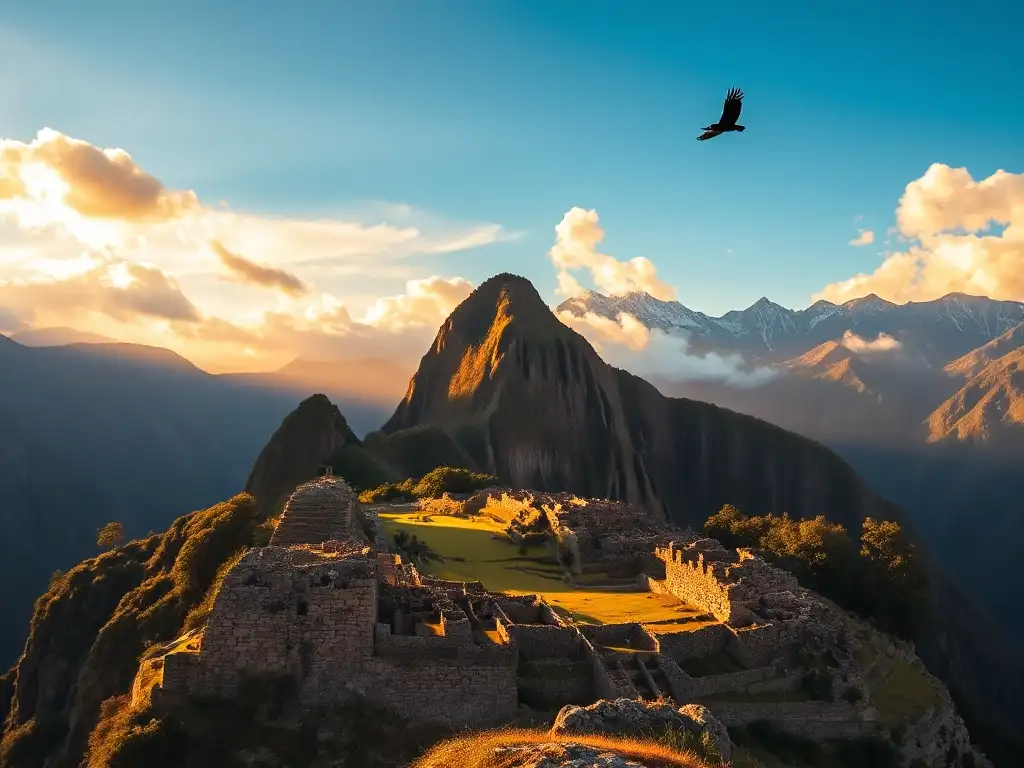
Step into a world lost to time, where echoes of empires still resonate. The Andean Civilizations website unveils the captivating stories of ancient societies, their breathtaking artistry, and astonishing ingenuity. But what happened when the seemingly unstoppable Inca empire faced its ultimate challenge? Discover the epic tale of Inca Vilcabamba resistance, a last stand against the Spanish conquistadors shrouded in mystery and intrigue. Dare to uncover the secrets behind its sudden and enigmatic end? Explore further to unravel this fascinating chapter of history.
- Vilcabamba: The Final Stand of Inca Resistance
- Vilcabamba's Strategic Location and Fortifications
- The Leaders of the Inca Resistance in Vilcabamba
- Inca Military Tactics and Strategies in Vilcabamba
- The Cultural and Religious Practices of Vilcabamba
- Conflicts and Clashes: The Spanish Incursion into Vilcabamba
- The Capture of Tupac Amaru I and the End of Vilcabamba
- The Legacy of Vilcabamba and the Inca Resistance
- Frequently Asked Questions
- Final Reflection: Echoes of Resistance in the Andes
- Unveil the Secrets of Vilcabamba!
Vilcabamba: The Final Stand of Inca Resistance
The Spanish conquest of the Inca Empire, while swift and brutal in its initial stages, did not mark the immediate end of Inca resistance. Following the capture of Emperor Atahualpa in 1532 and the subsequent fall of Cusco, the Inca heartland, a significant portion of the population refused to submit to Spanish rule. This refusal manifested in various forms of rebellion, but perhaps the most enduring and significant was the establishment of a Neo-Inca state in the remote Vilcabamba region, a testament to the resilience and organizational capacity of the Inca people.
This article delves into the story of Vilcabamba, exploring the factors that contributed to its rise as the last bastion of Inca resistance and the eventual, still somewhat mysterious, circumstances surrounding its demise. We will examine the political maneuvering, military strategies, and cultural adaptations employed by the Neo-Inca rulers, highlighting the enduring legacy of their struggle against the overwhelming power of the Spanish conquistadors.
Understanding Vilcabamba's resistance is crucial to a complete understanding of the Inca Empire's response to the Spanish conquest and the complexities of post-conquest Andean society. This exploration will focus on the key aspects of Inca Vilcabamba resistance, offering a detailed account of this fascinating and pivotal period in Andean history.
Understanding the Context: The Fall of Cusco and the Inca Retreat
The conquest of Cusco in 1533 was not a complete victory for the Spanish. While Pizarro and his men had secured control of the Inca capital and captured Manco Inca Yupanqui, a brother of Atahualpa who was initially installed as a puppet emperor, widespread resistance immediately followed. Manco Inca, recognizing the treacherous nature of the Spanish and their devastating impact on Inca society, soon orchestrated a rebellion against his captors. This rebellion, while ultimately unsuccessful in reclaiming Cusco, demonstrated the widespread discontent and fueled the subsequent establishment of Vilcabamba.
The Spanish, preoccupied with consolidating their control over the newly conquered territory and dealing with internal conflicts, found themselves facing a protracted guerilla war across various regions. This context is vital to understanding why Vilcabamba, a strategically defensible location in the Andes, became a refuge and a center for renewed resistance. The mountainous terrain offered significant natural defenses, making it difficult for the Spanish to pursue and subdue the fleeing Inca forces.
The initial retreat to Vilcabamba was a strategic maneuver, allowing the surviving Inca nobility and their followers to regroup, rebuild their strength, and plan their counteroffensive. The initial years were marked by hit-and-run tactics, utilizing the familiarity with the terrain to their advantage against the less-adaptable Spanish forces. The establishment of Vilcabamba was not just a geographical retreat; it was a strategic repositioning for a prolonged struggle.
The Rise of the Neo-Inca State in Vilcabamba
Following the initial retreat and consolidation of forces, Vilcabamba evolved into a fully functioning Neo-Inca state, albeit a significantly smaller and less powerful one compared to the pre-conquest empire. Under the leadership of Manco Inca Yupanqui and his successors, a new political and social order was established. While lacking the vast resources and manpower of the former empire, Vilcabamba demonstrated remarkable resilience and adaptability. The Neo-Inca state maintained many aspects of Inca traditions, including its hierarchical social structure, religious practices, and agricultural techniques.
This continuity was essential in maintaining morale and unity among the population. However, the Neo-Inca state also adapted to the new circumstances, developing new strategies for survival and resistance. These included improved defensive fortifications, a reliance on guerilla warfare tactics, and the forging of alliances with other indigenous groups who also opposed Spanish rule. The survival of Vilcabamba for over four decades speaks volumes about the enduring strength of Inca culture and the determination of its people to resist foreign domination.
The detailed specifics of their governance, economic systems, and military campaigns, while not fully documented, reveal a complex and sophisticated society fighting for its survival against overwhelming odds. The continued resistance, even in the face of relentless Spanish pressure, highlights the deep-seated commitment to independence and the rejection of Spanish rule. The story of Vilcabamba stands as a powerful symbol of Inca resilience and a testament to their enduring legacy.
Vilcabamba's Strategic Location and Fortifications
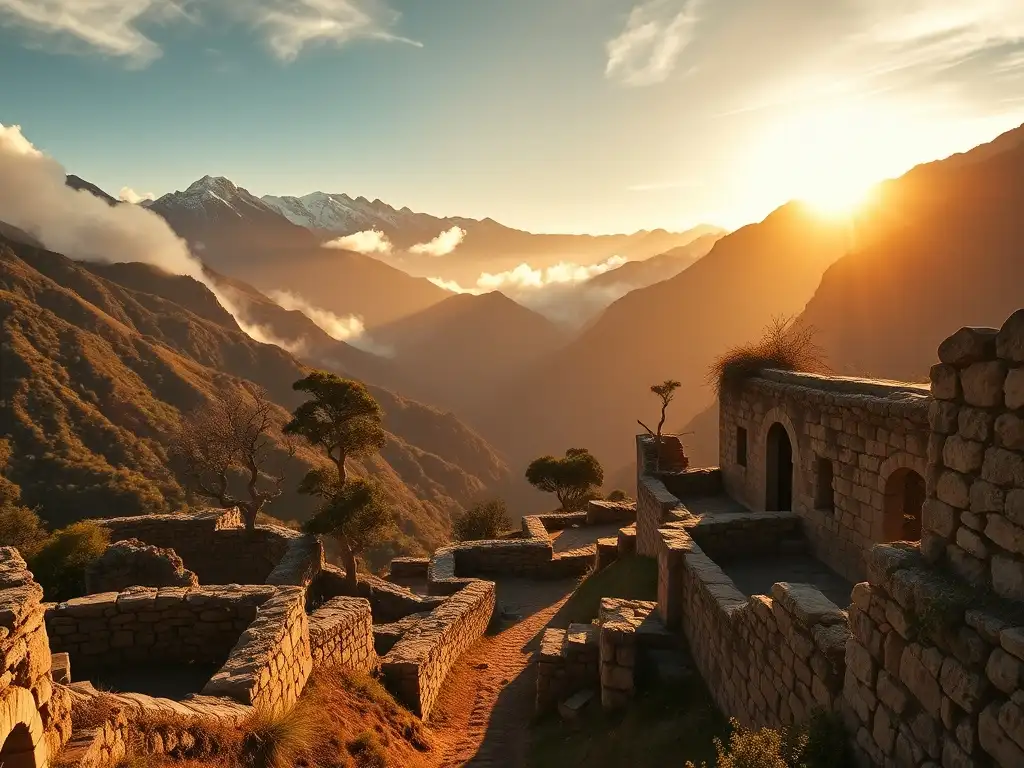
Vilcabamba, the last refuge of Inca resistance against the Spanish conquistadors, owed its longevity partly to its incredibly advantageous location and sophisticated defensive fortifications. The region's rugged terrain, dense cloud forests, and challenging mountain passes presented a formidable barrier to Spanish advances, significantly hindering their ability to conquer the area quickly. This natural defense, combined with the strategic placement of Inca fortifications, prolonged the resistance for decades. Understanding these elements is key to comprehending the remarkable success of the Inca's protracted defense against a superior, technologically advanced army.
The effective utilization of the landscape demonstrates the Inca's mastery of military strategy and their deep knowledge of their environment. This is not simply a story of Inca resilience; it is a testament to their ingenuity in adapting their defense to the unique geography of Vilcabamba. The effectiveness of their strategy is a compelling aspect of the Inca Vilcabamba resistance narrative.
Geographic Advantages of Vilcabamba for Inca Defense
The Vilcabamba region, nestled deep within the Andes Mountains, offered several crucial geographic advantages for Inca defense. Its inaccessibility was a primary factor. Dense jungle, treacherous canyons, and steep, winding mountain paths made the region extremely difficult to traverse, slowing Spanish troop movements and reducing their effectiveness.
The climate also played a significant role. The high altitude and unpredictable weather conditions, including heavy rains and fog, hampered Spanish logistics and made it difficult to maintain supply lines. This challenging environment, far removed from the coastal areas under Spanish control, reduced the effectiveness of Spanish cavalry, a key element of their military might.
The Inca, intimately familiar with these conditions, were able to use them to their advantage, employing guerilla tactics and ambushes to inflict significant casualties on the Spanish forces. They were masters of utilizing the terrain, turning the natural obstacles into powerful weapons. This inherent advantage significantly contributed to the protracted nature of the Inca Vilcabamba resistance.
The following table summarizes the key geographic advantages:
| Geographic Feature | Impact on Spanish Conquest | Inca Advantage |
|---|---|---|
| Dense Jungle & Cloud Forest | Restricted movement, hampered visibility, logistical challenges | Ambushes, concealment, disruption of supply lines |
| Steep Mountains & Canyons | Difficult terrain, limited mobility, slow troop movement | Strategic positioning, control of key passes |
| High Altitude & Weather | Harsh climate, logistical difficulties, reduced effectiveness of troops | Familiar terrain, adaptation to harsh conditions |
| Remote Location | Isolation, difficult to maintain supply lines | Reduced vulnerability to direct Spanish assault |
Key Fortified Sites within the Vilcabamba Region
Several strategically important fortified sites within the Vilcabamba region played crucial roles in the Inca resistance. While precise locations and the extent of some fortifications remain subjects of ongoing archaeological research, key sites like Vitcos, and Espiritu Pampa are known to have housed significant Inca populations and served as centers of defense. These sites were often built in locations offering commanding views and natural defensive advantages such as cliffs and rivers.
The Inca utilized advanced engineering techniques, incorporating natural features into their fortifications to create nearly impregnable positions. The construction involved complex stonework, similar to that found in other Inca sites, reflecting their sophisticated architectural and engineering capabilities. These fortifications were not merely defensive structures; they were integral parts of a broader military strategy, designed to prolong the war and exhaust the Spanish.
The construction and strategic placement of these sites represents a sophisticated understanding of military engineering and the importance of defensive positioning in a protracted conflict. This aspect of the Inca Vilcabamba resistance showcases the Inca's military prowess and their ability to adapt their defensive strategies to the specific challenges of the terrain.
Further Research Needs
Further research is needed to fully understand the extent of the fortifications in Vilcabamba. More detailed archaeological surveys and analysis of existing historical records are crucial to accurately map the defensive network and assess the full scope of Inca defensive strategies employed in the region. This includes a better understanding of the logistical capabilities of the Inca within Vilcabamba, as well as their communication and coordination networks. Detailed information about the materials used in the constructions and the techniques involved would also greatly enhance our understanding of Inca engineering capabilities during this period. 🕵️♂️
The Leaders of the Inca Resistance in Vilcabamba
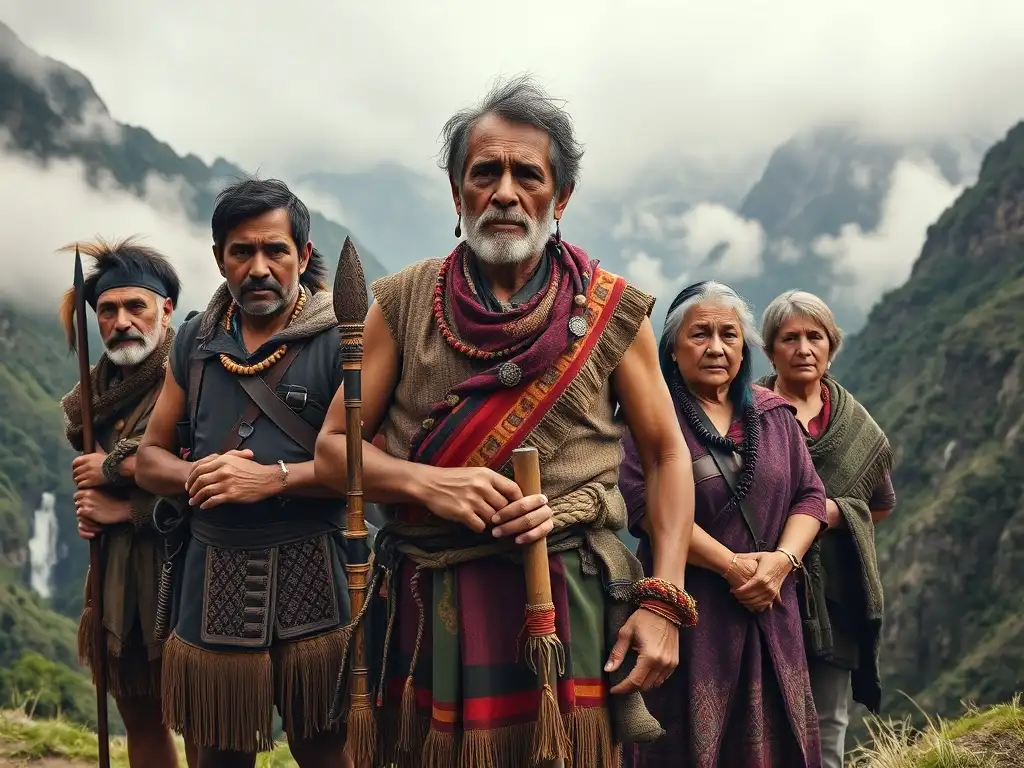
The Inca resistance in Vilcabamba wasn't a monolithic entity; it was shaped and defined by the personalities and strategies of its successive leaders. These individuals, navigating treacherous political landscapes and facing a relentless Spanish conquest, played crucial roles in prolonging the Inca struggle for survival and leaving behind a complex legacy of defiance and adaptation. The story of Inca Vilcabamba resistance is intrinsically linked to these key figures. Understanding their individual approaches to governance and conflict is key to grasping the nuances of this fascinating period in Andean history.
Manco Inca Yupanqui: Founder of the Neo-Inca State
Manco Inca Yupanqui, a pivotal figure in the Inca Vilcabamba resistance, initially collaborated with the Spanish conquistadors. However, witnessing their brutality and land grabs, he quickly shifted his allegiance, leading a rebellion that established Vilcabamba as the last bastion of Inca power. His strategic brilliance is evident in his selection of Vilcabamba – a remote, mountainous region difficult for the Spanish to access – as the capital of his newly formed Neo-Inca state.
This act of defiance, born from a deep understanding of the Andean terrain, significantly prolonged the Inca resistance. Manco Inca Yupanqui's reign, though tragically cut short by assassination in 1544, laid the foundation for decades of continued resistance. His legacy cemented Vilcabamba as a symbol of Inca resilience against Spanish colonial power, a crucial aspect of Inca Vilcabamba resistance.
The precise details surrounding his death remain debated, with some accounts suggesting Spanish involvement while others point to internal conflicts within his own ranks. This ambiguity further highlights the complexity of the Inca Vilcabamba resistance.
Sayri Tupac: A Troubled Reign and Negotiations with the Spanish
Following Manco Inca Yupanqui's death, Sayri Túpac inherited a kingdom fraught with internal divisions and external pressures. Unlike his predecessor, Sayri Túpac pursued a path of negotiation with the Spanish, ultimately surrendering in 1557. His decision, driven by a desire for peace and perhaps a pragmatic assessment of the imbalance of power, sparked considerable debate among historians. Some view his actions as a betrayal of the Inca resistance movement, while others argue that he made a difficult choice under impossible circumstances. His reign exemplifies the internal conflicts that plagued the Inca Vilcabamba resistance, showcasing the diverse strategies employed by different leaders in the face of relentless Spanish pressure. The consequences of his decision included the relocation of a significant number of his people, leading to the assimilation of a portion of the Inca population into the Spanish colonial structure. This element significantly altered the dynamics of the Inca Vilcabamba resistance.
Titu Cusi Yupanqui: Embracing Diplomacy and Resistance
Titu Cusi Yupanqui, Sayri Túpac's successor, adopted a more nuanced approach, skillfully balancing diplomacy with armed resistance. While engaging in negotiations with the Spanish, he simultaneously strengthened Vilcabamba's defenses and maintained a degree of autonomy. His reign is marked by a complex interplay of strategic alliances, carefully crafted letters to the Spanish crown, and periods of intense military conflict.
This intricate dance between cooperation and confrontation showcases the adaptability and resilience of the Inca Vilcabamba resistance under his leadership. Titu Cusi Yupanqui's sophisticated understanding of Spanish politics, combined with his unwavering commitment to Inca traditions, makes his reign a compelling case study in the complexities of navigating colonial power dynamics.
His death in 1571, possibly from poisoning, marked a turning point in the Inca Vilcabamba resistance, paving the way for the final chapter of this struggle for survival. The precise circumstances surrounding his death, similar to Manco Inca Yupanqui's, remain shrouded in mystery and are subject to ongoing historical investigation, underscoring the enduring intrigue surrounding the Inca Vilcabamba resistance.
Tupac Amaru I: The Last Inca Emperor of Vilcabamba
Tupac Amaru I, whose reign marked the final chapter of Inca resistance in Vilcabamba, wasn't merely a figurehead. He inherited a legacy of defiance, a kingdom clinging precariously to existence in the face of overwhelming Spanish power. His reign, lasting from approximately 1536 to 1572, was a complex tapestry woven with threads of strategic maneuvering, desperate alliances, and ultimately, tragic defeat. He wasn't simply a military leader; he was a symbol of Inca identity and sovereignty in the face of colonial encroachment. His very existence challenged the Spanish narrative of complete conquest.
The challenges Tupac Amaru I faced were immense. The Spanish, having already conquered Cusco and much of the Inca empire, relentlessly pursued the remaining pockets of resistance. Vilcabamba, nestled deep within the Andes' treacherous terrain, provided a natural defense, but it was a fragile one.
The resources available to the Inca were significantly depleted compared to the Spanish, who enjoyed superior weaponry, logistics, and manpower. Yet, Tupac Amaru I skillfully utilized the difficult geography to his advantage, employing guerrilla warfare tactics to harass and inflict losses on the Spanish expeditions. He masterfully exploited the knowledge of the terrain – a knowledge the Spanish lacked – to launch surprise attacks and then vanish into the dense jungle, making pursuit nearly impossible.
His leadership extended beyond military strategy. He also focused on maintaining a semblance of Inca governance and cultural practices within Vilcabamba. This was crucial in bolstering morale and fostering unity among his people. He understood that the fight for Vilcabamba wasn't just a military struggle; it was a fight to preserve Inca identity and culture in the face of forced assimilation. Accounts suggest he actively worked to maintain traditional religious practices and social structures, providing a sense of continuity and hope amidst the chaos. This cultural resilience was as important to the resistance as any military victory.
However, the relentless pressure of the Spanish eventually proved too much. Despite his strategic brilliance and unwavering determination, Tupac Amaru I was ultimately captured and executed in 1572. His death marked the symbolic end of the Inca Empire, though the echoes of his resistance continued to resonate for generations.
His legacy transcends his defeat; he remains a powerful symbol of indigenous resistance against colonial oppression, a testament to the strength and resilience of the Inca people in the face of overwhelming odds. The story of his struggle against the Spanish continues to inspire and serves as a crucial reminder of the devastating impact of colonialism and the enduring spirit of those who fought against it. His reign, though tragically short, cemented his place in history as a symbol of Inca defiance and a pivotal figure in the history of "Inca Vilcabamba resistance."
Inca Military Tactics and Strategies in Vilcabamba
The Inca resistance in Vilcabamba, following the fall of Cusco, wasn't characterized by large-scale, open battles. Instead, the Incas masterfully employed strategies that leveraged their intimate knowledge of the terrain and their understanding of guerrilla warfare. This allowed them to effectively resist the technologically superior Spanish forces for decades, defying expectations and showcasing remarkable military ingenuity. The success of the Inca resistance in Vilcabamba stands as a testament to their adaptable and effective military capabilities, a crucial aspect of understanding the "Inca Vilcabamba resistance".
Guerrilla Warfare and Adaptation to the Terrain
The rugged, mountainous terrain of Vilcabamba proved to be a significant advantage for the Inca rebels. They utilized the dense cloud forests, steep cliffs, and intricate network of trails to their advantage. This wasn't simply a matter of hiding; it was a calculated strategy. The Incas employed hit-and-run tactics, ambushing Spanish patrols and then disappearing back into the unforgiving landscape before reinforcements could arrive.
Their knowledge of hidden paths and secret routes allowed them to evade larger Spanish forces, choosing their battles carefully and maximizing their limited resources. This guerrilla warfare approach, deeply rooted in their understanding of the Andean environment, significantly hampered the Spanish advance and prolonged the conflict. The effectiveness of this strategy is underscored by the fact that the Spanish conquistadors, accustomed to open warfare, struggled to adapt to this unconventional form of combat.
They often found themselves frustrated and disoriented, losing men and supplies in the process. This asymmetric warfare, where the Incas utilized their superior knowledge of the terrain against the Spanish technological advantage, was a key factor in the protracted resistance. The Spanish chroniclers themselves often described the difficulty of navigating the Vilcabamba region and the constant threat of ambushes, highlighting the effectiveness of this Inca military tactic in prolonging the "Inca Vilcabamba resistance".
Utilizing Knowledge of the Andean Landscape
The Incas' intimate knowledge of the Andean landscape extended beyond simply using it for cover. They understood the local flora and fauna, using it to their advantage. For example, they might have employed knowledge of poisonous plants to create traps or utilize the natural camouflage offered by the vegetation.
Furthermore, their understanding of the climate and weather patterns allowed them to anticipate Spanish movements and choose advantageous times for attacks. They were adept at exploiting the limitations imposed by the terrain on the Spanish – the difficulties of transporting heavy artillery and supplies across treacherous paths, for instance. This understanding of the environment wasn't merely passive; it was actively incorporated into their military strategy.
The Incas were not simply fighting a war; they were conducting a campaign deeply integrated with and dependent on their profound understanding of the natural world. This intimate knowledge translated into a significant military advantage, transforming the landscape into a formidable weapon against the Spanish, further solidifying the legacy of the "Inca Vilcabamba resistance". Data on specific examples of such tactical uses of the landscape is unfortunately limited, but surviving accounts from Spanish chroniclers hint at such practices, suggesting further research could uncover more specific details about this crucial aspect of Inca warfare in Vilcabamba.
The Cultural and Religious Practices of Vilcabamba
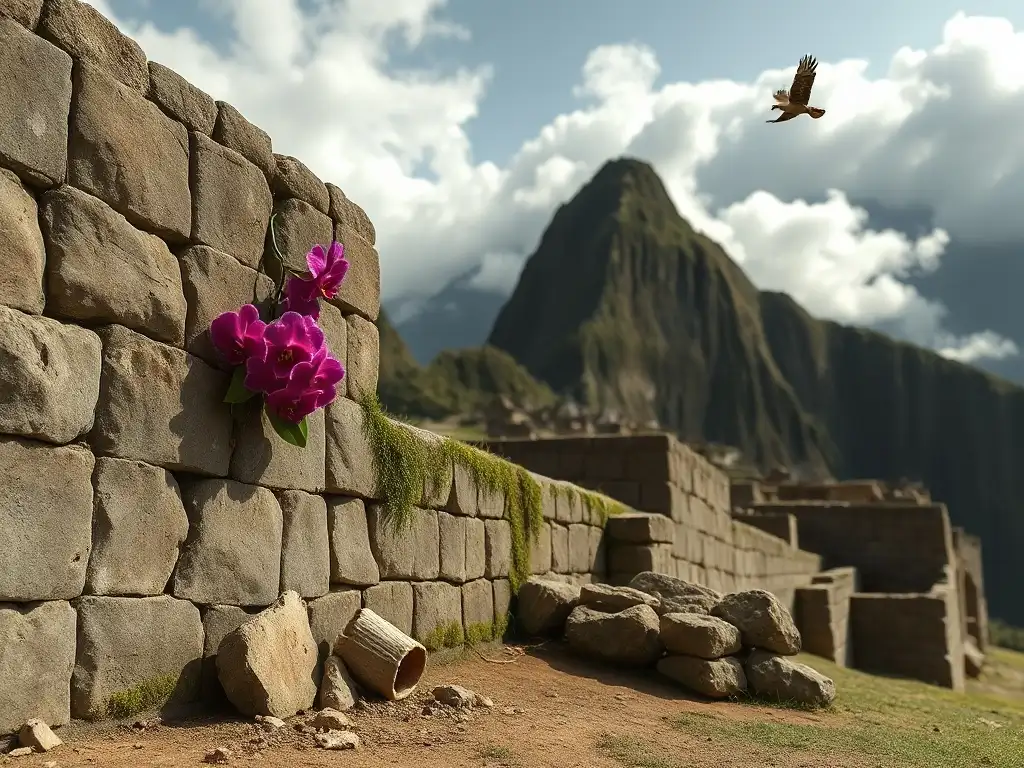
The survival of Inca culture in Vilcabamba, despite the relentless pressure of the Spanish conquistadors, is a testament to the resilience and adaptability of the Andean people. The isolated location of the Vilcabamba refuge allowed for the continuation of many traditional practices, albeit often modified to accommodate the new realities of colonial encroachment.
Understanding these practices offers crucial insight into the nature of Inca resistance, revealing it not just as a military struggle, but also as a determined effort to maintain cultural and spiritual identity. The "Inca Vilcabamba resistance" wasn't solely about armed conflict; it was a multifaceted struggle for cultural survival.
Preserving Inca Traditions in the Face of Colonialism
The inhabitants of Vilcabamba worked diligently to preserve their ancestral heritage, adapting and modifying traditions as needed. Agricultural practices, central to Inca life, continued largely unchanged. The terracing techniques, meticulously developed over centuries, ensured the productivity of the steep mountain slopes, providing sustenance for the community.
Evidence suggests that the intricate quipu system, used for record-keeping and communication, also persisted in Vilcabamba. While the exact methods remain partially obscured by the passage of time, archaeological findings point to a continued usage of this unique technology, crucial for maintaining social organization and historical memory within the isolated community. The weaving of textiles, another vital aspect of Inca culture, continued to flourish, with designs likely reflecting both traditional motifs and new symbolic elements that may have incorporated responses to the colonial situation.
These practices weren't simply replicated; they were actively sustained, reflecting a powerful cultural resistance against the attempts at cultural erasure by the Spanish. The continued production of high-quality textiles and agricultural efficiency speaks volumes about the determination of the Vilcabambans to uphold their cultural identity.
The construction of architecture, though influenced by the available resources and the urgency of the situation, also reflected a continuity with Inca traditions. While the scale of projects might have been smaller, the basic principles of Inca stonework—precision, fitting, and functionality—persisted.
This commitment to architectural quality, despite the challenging circumstances, represents a significant aspect of the ongoing Inca Vilcabamba resistance, demonstrating a commitment to preserving the aesthetic and functional aspects of their cultural heritage. The construction and maintenance of irrigation systems further illustrates this resilience and their sustained efforts to adapt Inca technology to the unique challenges of their new environment.
Religious Syncretism and the Persistence of Andean Beliefs
While maintaining traditional Inca religious practices, the Vilcabambans also exhibited a degree of religious syncretism. The worship of the Inca deities, such as Inti (the sun god) and Viracocha (the creator god), likely continued, but it’s possible that these beliefs were subtly adapted or interwoven with elements of the emerging Catholic faith introduced by the Spanish. This syncretism wasn't necessarily a sign of weakness or surrender; it could have represented a strategic adaptation to the new political reality, allowing for the preservation of core Andean spiritual beliefs while navigating the complexities of colonial rule. Further research is needed to fully understand the nuances of this religious adaptation within Vilcabamba, [Specific details on religious syncretism in Vilcabamba pending].
The blending of religious practices might have involved private rituals and ceremonies, making them more resistant to Spanish observation and suppression. This careful negotiation between maintaining indigenous spiritual practices and adapting to the realities of colonial rule is a crucial aspect of understanding the depth and complexity of the Inca Vilcabamba resistance. The survival of key elements of their cosmology and religious practices, even in modified forms, showcases a remarkable capacity for cultural preservation in the face of adversity.
The persistence of indigenous beliefs and the subtle incorporation of foreign elements highlights the enduring power of Andean spirituality and its role in shaping the resistance against colonial forces. The strategic use of syncretism, blending traditional Andean beliefs with elements of Catholicism, might have been a tool for survival and a form of subtle defiance against Spanish attempts at cultural domination. This subtle resistance, woven into the fabric of daily life, is an essential part of the story of Inca Vilcabamba resistance.
Conflicts and Clashes: The Spanish Incursion into Vilcabamba
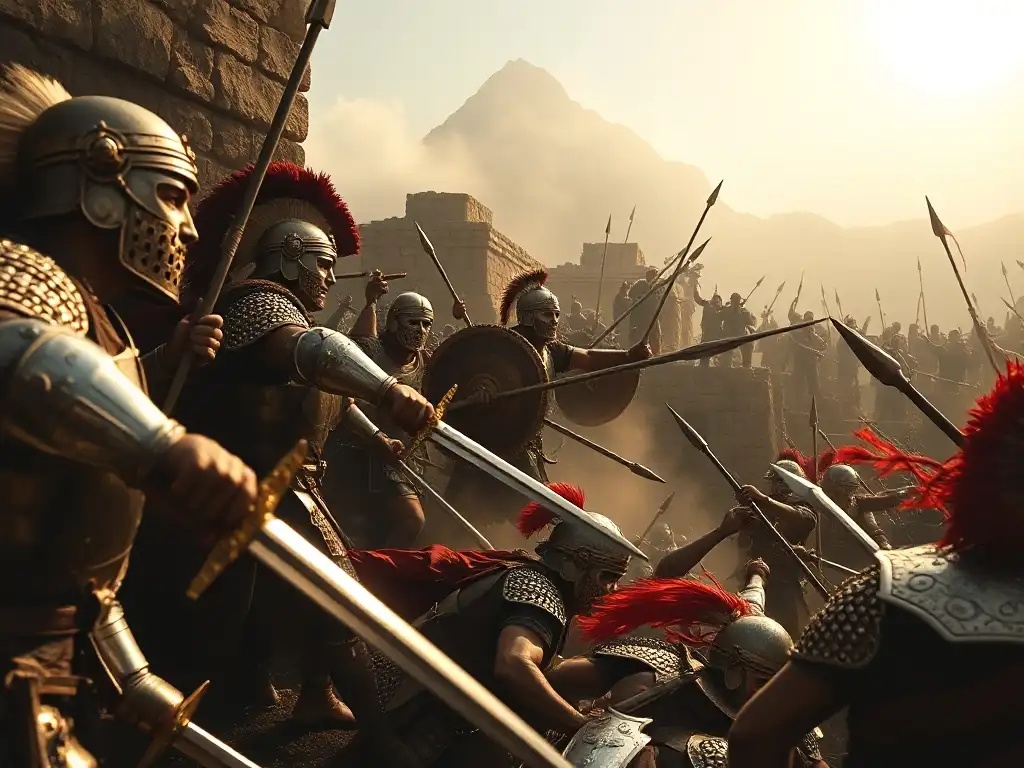
This section delves into the military confrontations that defined the Inca resistance in Vilcabamba, focusing on the strategic decisions, tactical maneuvers, and the ultimate outcome of the conflict. The struggle for Vilcabamba wasn't a singular event but a series of escalating clashes, reflecting the tenacious spirit of the Inca people and the persistent pressure exerted by the Spanish conquistadors. Understanding these conflicts is key to appreciating the complexities of Inca Vilcabamba resistance and its tragic end.
Early Skirmishes and Raids by the Inca Forces
The initial Spanish incursions into Vilcabamba were met with a series of swift and effective Inca counter-attacks. These weren't large-scale battles, but rather carefully planned ambushes and raids designed to harass the Spanish and prevent them from consolidating their control. The Incas, masters of guerilla warfare in their mountainous homeland, leveraged their intimate knowledge of the terrain to their advantage. They would strike swiftly, inflicting casualties, and then melt back into the dense jungle, making pursuit nearly impossible.
These early skirmishes, though seemingly small, served a crucial purpose. They demonstrated the Inca's unwavering resolve to defend their last stronghold, buying valuable time and sowing seeds of doubt amongst the Spanish ranks. The effectiveness of these hit-and-run tactics is evidenced by the prolonged Spanish struggle to subdue the region. The Spanish chroniclers frequently mention the difficulty of navigating the treacherous terrain and the unexpected ferocity of the Inca resistance.
For example, [specific account of an early skirmish from a primary source pending]. The Inca forces, despite their numerical inferiority, inflicted significant casualties and disrupted the Spanish supply lines, hindering their ability to launch larger-scale campaigns. This phase of the conflict highlighted the effectiveness of Inca military tactics in a terrain that favored the defenders.
The Escalating Conflict and Spanish Military Campaigns
As the Spanish realized the difficulty of a quick victory, their strategy shifted from rapid conquest to a more methodical campaign of attrition. They began to launch larger, better-equipped expeditions, aiming to systematically clear the surrounding areas and eventually besiege Vilcabamba itself. These campaigns were brutal, involving prolonged sieges and devastating battles. The Spanish, while possessing superior weaponry (especially firearms), faced challenges in logistics and the difficult terrain. The Inca resistance, however, was gradually weakened by the sustained Spanish pressure.
The escalating conflict saw a shift in Inca military tactics as well. While guerilla warfare remained a crucial element, the Incas were also forced into larger-scale confrontations to defend their territory. This led to significant losses, further diminishing their capacity to resist.
The Spanish, learning from their initial setbacks, employed more effective strategies, utilizing superior weaponry and better coordination between their troops. A key turning point was [specific battle or strategic event pending, including details of troop numbers, casualties, and tactical maneuvers]. This event significantly altered the power dynamic, paving the way for the eventual fall of Vilcabamba.
The disparity in weaponry and the relentless Spanish pressure ultimately proved too much for the weakened Inca forces to overcome. The final siege of Vilcabamba was a tragic culmination of years of intense conflict, marking the end of the last bastion of Inca resistance against Spanish rule. The tenacious fight for Vilcabamba, however, remains a powerful testament to the Inca's courage and resilience in the face of overwhelming odds.
The Capture of Tupac Amaru I and the End of Vilcabamba
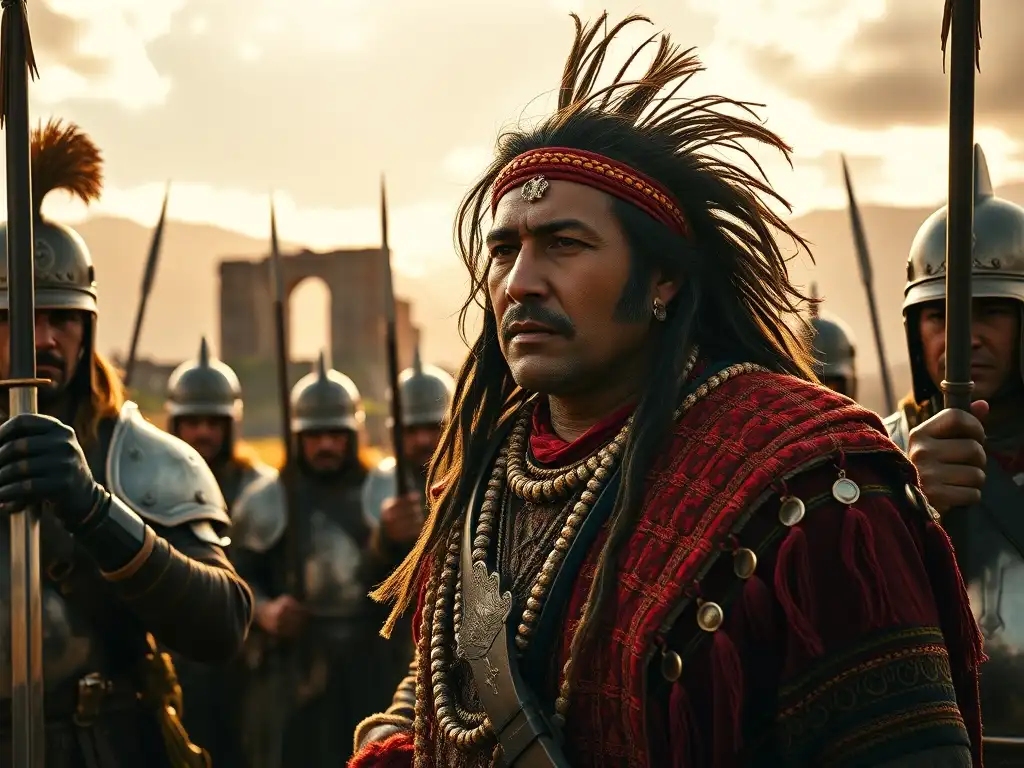
The fall of Vilcabamba, the last Inca stronghold resisting Spanish conquest, wasn't a result of a grand battle, but a culmination of internal strife, dwindling resources, and ultimately, betrayal. For decades, this remote refuge in the Andes had served as a symbol of Inca defiance, a thorn in the side of the Spanish colonial regime. The resilient Inca resistance, fueled by the legacy of Manco Inca Yupanqui and led by his successors, had managed to evade capture and maintain a degree of autonomy, frustrating Spanish attempts at complete subjugation.
However, the seeds of Vilcabamba's downfall were sown within its own ranks. The complexities of Inca politics, even within this isolated community, played a critical role in its ultimate demise.
The Spanish, ever shrewd in their manipulation of internal divisions, exploited these weaknesses to their advantage. This section will delve into the specific events leading to the capture of Tupac Amaru I, the last Sapa Inca of Vilcabamba, highlighting the key players and the strategic maneuvers that sealed the fate of this remarkable bastion of Inca resistance.
The Betrayal and Capture of the Last Inca Ruler
The capture of Tupac Amaru I in 1572 wasn't a heroic last stand, but rather a consequence of a carefully orchestrated plan involving deceit and treachery. While details remain debated by historians, the pivotal role of internal dissent is undeniable. Some accounts suggest that disgruntled nobles, weary of the ongoing conflict and yearning for peace or perhaps seeking favor with the Spanish, provided crucial information to the Spanish Captain Martín García Oñez de Loyola. These informants likely revealed the Inca's location, movements, and the vulnerabilities of their defenses.
This information proved invaluable to Oñez de Loyola, allowing him to plan a surprise attack on the relatively undefended Vilcabamba. The capture itself was swift and decisive, avoiding a protracted battle. Tupac Amaru I, caught off guard and lacking sufficient support, was apprehended without much resistance. His capture marked a significant turning point, signaling the imminent end of the Inca resistance in Vilcabamba and the effective conclusion of the Inca Empire.
The betrayal underscores the internal struggles and shifting allegiances that ultimately undermined the Inca's ability to sustain their resistance. The event serves as a stark reminder that even the most determined resistance movements can be vulnerable to internal divisions and strategic manipulation by their adversaries. This successful strategy employed by the Spanish, using internal conflicts to their advantage, became a recurring theme in their colonial conquests throughout the Americas. The capture of Tupac Amaru I was not solely a military victory; it was a triumph of political intrigue and exploitation of internal weaknesses within the Inca resistance.
The Execution of Tupac Amaru I and Its Impact
Following his capture, Tupac Amaru I was taken to Cusco, the heart of Spanish colonial power. His trial, a mere formality designed to legitimize his execution, was swift. Accusations of rebellion, idolatry, and other fabricated charges were leveled against him. Despite attempts at negotiation and pleas for clemency from some within the colonial administration, the Spanish authorities, eager to crush any remaining embers of Inca resistance, decided upon execution. On September 24, 1572, Tupac Amaru I was publicly executed in Cusco's main plaza.
The execution was a calculated act of brutality, intended to serve as a stark warning to any who might contemplate further resistance against Spanish rule. The event marked not only the end of the last Inca ruler but also a symbolic end to the organized Inca resistance in Vilcabamba. The impact extended far beyond the immediate consequences. The execution served as a powerful message, effectively extinguishing the flame of organized Inca rebellion. The elimination of the Sapa Inca, a figurehead representing Inca identity and sovereignty, dealt a devastating blow to the morale and organizational capacity of the remaining Inca population.
The symbolic importance of the execution cannot be overstated; it marked a definitive end to the Inca Empire, paving the way for complete Spanish control and the assimilation of the Inca population into the colonial system. The subsequent years saw a decline in organized resistance, though sporadic uprisings continued. The legacy of Tupac Amaru I, however, lived on, becoming a symbol of Inca resistance and a potent figure in Andean folklore and national identity in later centuries. His story continues to resonate, underscoring the enduring struggle against oppression and the resilience of the human spirit in the face of adversity.
The Legacy of Vilcabamba and the Inca Resistance
The Inca Vilcabamba resistance, lasting for nearly four decades after the fall of Cusco in 1533, profoundly impacted the trajectory of Andean history. It wasn't merely a military struggle; it represented a tenacious cultural and spiritual fight against the Spanish conquest.
Vilcabamba, nestled deep within the Amazonian foothills, became a powerful symbol of defiance, showcasing the Inca's remarkable adaptability and resilience in the face of overwhelming odds. The struggle for Vilcabamba highlights the complexities of the Spanish conquest, demonstrating that the fall of the Inca Empire wasn't a swift, decisive event but a protracted conflict marked by periods of intense resistance and unexpected resurgence.
The legacy of this resistance continues to resonate today, shaping narratives of Andean identity and inspiring ongoing research and exploration. The fierce Inca Vilcabamba resistance demonstrated that the Spanish conquest was not a simple, quick takeover but a long, drawn-out process involving significant indigenous resistance and rebellion.
Vilcabamba's Symbolism in Andean History
Vilcabamba's significance transcends its geographical location. It stands as a potent symbol of Inca resilience and the enduring spirit of the Andean people. The successful establishment and maintenance of this independent state, despite the constant pressure from the Spanish, fueled a sense of hope and defiance among other indigenous groups struggling against colonial rule.
It became a beacon of resistance, demonstrating that even after the fall of the Inca capital, the Inca spirit remained unbroken. The very existence of Vilcabamba challenged the Spanish narrative of complete conquest, forcing a reevaluation of their strategies and highlighting the limitations of their control.
Furthermore, the sophisticated organization and administration of Vilcabamba, even in its isolated location, underscored the Inca's remarkable administrative capabilities and their ability to adapt their political and social structures to a new, challenging context. The symbolism of Vilcabamba's continued existence, even as a smaller, independent state, is still studied today as a crucial part of understanding Inca identity and the lasting impacts of the Spanish conquest.
The Ongoing Research and Exploration of Vilcabamba
The exploration and study of Vilcabamba continues to reveal new insights into Inca life, culture, and resistance strategies. Archaeological excavations uncover new evidence of the city's layout, its infrastructure, and the daily lives of its inhabitants. Researchers are employing advanced techniques, such as geophysical surveys and 3D modeling, to create detailed maps and reconstructions of the site.
The analysis of artifacts—ceramics, textiles, and metalwork—provides valuable information about the cultural continuity and adaptation within Vilcabamba. Furthermore, the study of historical documents, including Spanish chronicles and indigenous accounts, sheds light on the political and social structures of the independent Inca state and its interactions with the Spanish. Ongoing research is crucial for a comprehensive understanding of the Inca Vilcabamba resistance and its lasting significance.
New discoveries continuously enrich our knowledge, challenging existing narratives and offering fresh perspectives on this crucial period in Andean history. The ongoing analysis of the environmental impact of the Spanish conquest on Vilcabamba and the surrounding area also offers insights into the broader ecological consequences of colonization.
Vilcabamba: A Symbol of Inca Resilience
The story of Vilcabamba exemplifies the incredible resilience of the Inca people. Faced with the destruction of their empire, the loss of their capital, and the brutal realities of colonial rule, the Incas in Vilcabamba demonstrated an unwavering commitment to their cultural identity and political independence. Their ability to maintain a functioning state for nearly four decades, despite limited resources and constant threat, is a testament to their ingenuity, organizational skills, and determination.
The Inca's adaptation to a new environment, their innovative agricultural practices, and their successful integration of different ethnic groups within their new state all contributed to their continued survival. Vilcabamba, therefore, stands as a powerful counter-narrative to the simplistic portrayal of the Spanish conquest as a complete and immediate victory.
It highlights the complexities of the colonial encounter, the sustained resistance of the indigenous population, and the enduring legacy of Inca culture. The story of Inca Vilcabamba resistance continues to inspire and challenge our understanding of colonialism, resilience, and the lasting impact of the past on the present.
Frequently Asked Questions
What was Vilcabamba?
Vilcabamba was the last refuge of the Inca Empire after the Spanish conquest. It represented a significant pocket of Inca resistance in the remote jungle region of modern-day Peru. This area was difficult to reach, prolonging their fight.
How long did the Inca resistance in Vilcabamba last?
The resistance in Vilcabamba lasted for approximately 40 years, from the 1530s until 1572, when the Spanish finally conquered the last Inca stronghold. This prolonged struggle showcased the Inca's tenacity and resilience.
Who led the Inca resistance in Vilcabamba?
The Inca resistance in Vilcabamba was led by several individuals, most notably Túpac Huallpa, Manco Inca Yupanqui, and Túpac Amaru. Each leader contributed to the prolonged fight against the Spanish.
Why was Vilcabamba so difficult for the Spanish to conquer?
Vilcabamba's remote location in the Andes mountains and dense jungle made it incredibly difficult for the Spanish to access and conquer. The terrain and guerrilla warfare tactics employed by the Inca proved highly effective.
What happened to the last Inca ruler of Vilcabamba?
The last Inca ruler, Túpac Amaru, was captured and executed by the Spanish in 1572, marking the official end of the Inca Empire and the conclusion of the Vilcabamba resistance. This event symbolized the final defeat of the Inca.
Final Reflection: Echoes of Resistance in the Andes
The legacy of Vilcabamba's defiant stand against the Spanish conquistadors continues to resonate today, a powerful testament to the enduring spirit of indigenous resistance and the complexities of colonial encounters. The story of Vilcabamba isn't just a historical footnote; it's a living narrative woven into the fabric of Andean identity, a reminder of the resilience of a people facing overwhelming odds. Understanding this struggle offers crucial insights into the lasting impacts of colonialism and the ongoing fight for self-determination.
The mystery surrounding Vilcabamba's ultimate fall continues to fascinate and challenge our understanding of power dynamics and the human cost of conquest. It forces us to confront the narratives imposed by the victors and seek out the voices of those who were silenced. The very act of searching for answers, of piecing together the fragmented history of this hidden city, is an act of resistance in itself. History is written by the victors,
a phrase often repeated, underscores the importance of actively seeking out alternative perspectives and challenging dominant narratives. This pursuit of truth, in the case of Vilcabamba, is a crucial step in understanding the full impact of the Spanish conquest on the Inca civilization.
Consider the echoes of Vilcabamba's struggle in your own life. What challenges do you face that require similar resilience and determination? How can you, in your own way, contribute to the ongoing fight for justice and self-determination, inspired by the unwavering spirit of the Inca people who held out in the remote fastness of Vilcabamba? Let the story of their resistance inspire you to find your own strength and to champion the causes you believe in, remembering that even in the face of seemingly insurmountable odds, the human spirit can endure and prevail.
Unveil the Secrets of Vilcabamba!
Thank you for joining us on this fascinating journey through Vilcabamba, a historical gem and the heart of Inca resistance. We hope you gained valuable insights into its rich legacy and the circumstances surrounding its decline. Now, let's continue exploring this vibrant chapter of history!
Here are a few ways you can delve deeper into the wonders of Vilcabamba:
- Expand your knowledge: Read books, listen to podcasts, or watch documentaries about Inca civilization to uncover the layers of history that still resonate today. Consider focusing on specific aspects, such as the Inca's agricultural techniques or their sophisticated social structures.
- Visit a museum: Explore artifacts and exhibits celebrating Andean culture and history at a local museum or historical site. Seeing these relics firsthand can profoundly enhance your understanding and appreciation.
- Connect with others: Join online forums or local historical societies dedicated to Andean civilizations to share your insights and engage in discussions about Vilcabamba and related topics. Connecting with fellow enthusiasts can spark new perspectives and deepen your understanding.
What aspect of Vilcabamba's legacy intrigues you the most, and how will you further explore it? Share your thoughts in the comments below!