
The Struggle for Land Rights: A Core Issue in Andean Rebellions

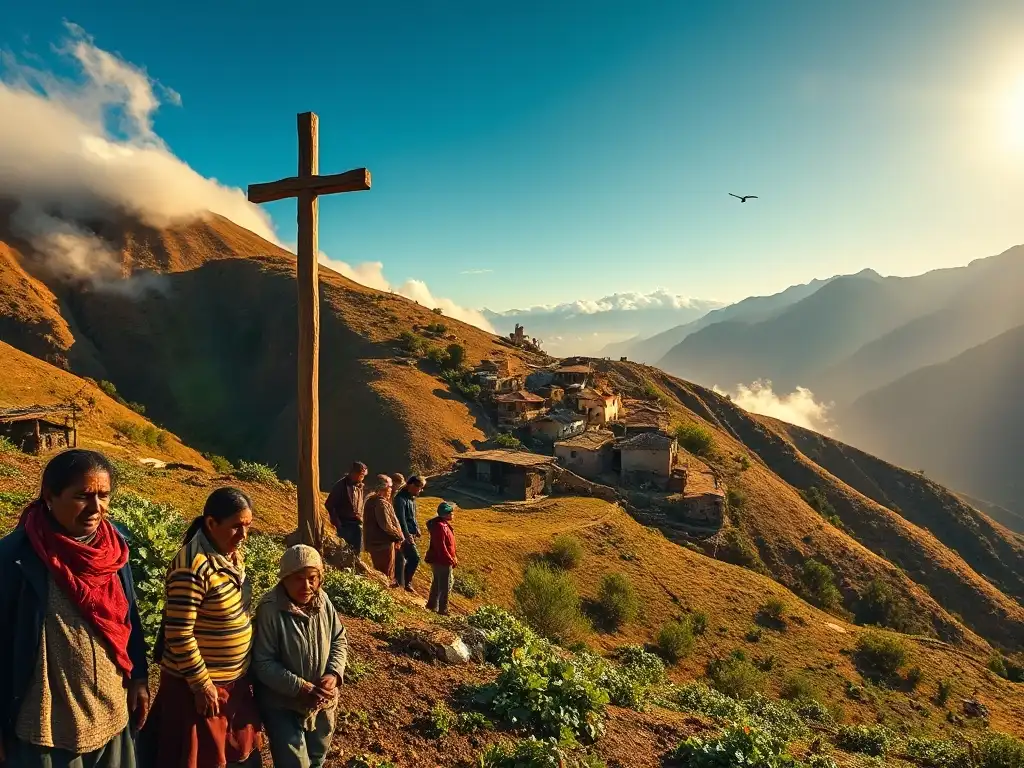
Welcome to Andean Civilizations, where the echoes of a magnificent past resonate through time. Prepare to journey into a world of breathtaking artistry, sophisticated engineering, and complex social structures. But beneath the surface of vibrant textiles and towering citadels lies a darker truth: the relentless struggle for land. Discover how Andean land rights rebellions shaped the destiny of these remarkable empires, a story far more intricate than you might imagine. Delve into the intricacies of the Spanish Conquest and uncover the roots of conflict that continue to echo in the present day. Are you ready to unravel the mysteries?
The Spanish conquest of the Andes drastically altered the social and political landscape of the region, triggering widespread resistance and rebellion. While numerous factors fueled these uprisings – religious differences, cultural clashes, and exploitative labor practices – the struggle for land rights consistently emerged as a central, unifying theme.
This article delves into the crucial role of land ownership and access in shaping Andean rebellions against Spanish rule, examining the pre-Columbian land tenure systems and how their disruption ignited widespread conflict. Understanding this fundamental conflict illuminates the deep-seated grievances that fueled centuries of resistance and helps us interpret the complex tapestry of Andean history.
We will explore how the Spanish imposition of a new land ownership system, often disregarding pre-existing communal rights and practices, became a potent catalyst for rebellion, highlighting specific examples and analyzing the long-term consequences of this struggle for land control. The fight for Andean land rights remains a significant aspect of understanding the region's history and its continued socio-political dynamics.
Understanding the Roots of Andean Uprisings: Land as a Central Conflict
The Spanish conquest was not merely a military takeover; it represented a profound shift in the control and distribution of land. Pre-Columbian Andean societies, while diverse, generally possessed intricate systems of land tenure that were deeply intertwined with their social and religious structures. The Spanish encomienda system, which granted conquistadors control over indigenous labor and resources, including land, directly challenged these existing arrangements.
This system, often implemented brutally and without regard for indigenous rights, sparked widespread resentment and resistance. The loss of ancestral lands, coupled with forced labor and the imposition of unfamiliar agricultural practices, fueled widespread discontent and contributed significantly to the numerous uprisings that marked the colonial period.
The disruption of traditional agricultural cycles and access to vital resources like water further exacerbated the situation, leading to widespread famine and contributing to the intensity of the rebellions. The fight for land was not merely a material struggle; it was a fight for cultural survival and the preservation of a way of life.
The Pre-Columbian Andean Land Tenure Systems
Before the arrival of the Spanish, Andean land tenure systems varied significantly across different regions and cultures. However, several common features emerge. Many groups, such as the Inca, employed a system of collective ownership, where land was allocated to communities or ayllus for use and cultivation. This system was often integrated with a sophisticated system of redistribution and reciprocal obligations, ensuring that resources were shared equitably within the community.
Access to land was crucial not only for subsistence but also for social status and religious practices. Land was often tied to lineage and ancestral rights, representing a deep connection to the past and a vital element of cultural identity. The Inca empire, for example, maintained a centralized control over land allocation, but this was often interwoven with existing local customs and practices. The Spanish conquest, however, fundamentally altered these systems, leading to the privatization of land and the dispossession of indigenous communities.
This disruption of traditional systems, coupled with the imposition of new forms of taxation and labor, became a major source of conflict and rebellion. The loss of land was not just an economic hardship; it represented a profound cultural and spiritual loss for Andean populations. The impact of this dispossession continues to resonate in the region today.
Impact of the Spanish Conquest on Indigenous Land Ownership
The Spanish conquest of the Andes drastically altered indigenous land ownership, triggering centuries of conflict and resistance. Prior to the arrival of the Europeans, Andean societies possessed complex and well-defined systems of land tenure. These systems varied among different cultures—the Inca, for instance, implemented a sophisticated system of state control over land, distributing it amongst communities and rewarding loyalty with land grants.
Other groups, like the Chimu or the Nazca, may have had different systems, but all shared a fundamental connection to the land, viewing it as a sacred and vital resource for their survival and cultural practices. This deep-rooted relationship with the land was shattered by the Spanish, who imposed a radically different system based on individual ownership and the prioritization of resource extraction.
This shift fundamentally disrupted the social and economic fabric of Andean societies, sowing the seeds for future rebellions. The consequences of this disruption are still felt today in many Andean communities.
The Encomienda System and its Effects on Andean Lands
The encomienda system, a cornerstone of early Spanish colonial rule, played a significant role in the dispossession of Andean lands. Under this system, Spanish conquistadors and colonists were granted control over indigenous populations and their labor in exchange for theoretically providing protection and religious instruction. In reality, the encomienda became a tool for the systematic exploitation of indigenous people and the appropriation of their land. Encomenderos often claimed vast tracts of land for themselves, forcing indigenous communities to work on these lands under brutal conditions.
This led to the displacement and disenfranchisement of countless individuals and the destruction of traditional agricultural practices. The encomienda's impact on Andean land ownership was devastating, fueling resentment and contributing to widespread unrest. The system's inherent inequalities and abuses fueled the flames of rebellion, as indigenous communities fought to reclaim their ancestral lands and their dignity.
Loss of Communal Lands and the Rise of Haciendas
The Spanish conquest also led to the erosion of communal land ownership in the Andes. Indigenous communities, which had traditionally held land collectively, found their rights challenged and ultimately undermined by the expanding colonial economy. The Spanish established large-scale agricultural estates known as haciendas, which frequently encroached upon traditional communal lands.
Indigenous farmers were forced to work on these haciendas as laborers, often under conditions of virtual servitude, losing their access to their own land and the means of their own subsistence. This loss of communal lands had profound social and economic consequences, leading to increased poverty, social instability, and a growing sense of injustice among the indigenous population. The rise of the hacienda system is a key example of how Spanish colonial policies systematically dispossessed Andean communities of their land, ultimately contributing to the rise of various rebellions against colonial rule.
Land Dispossession: A Catalyst for Andean Resistance
Land dispossession was not merely an economic issue; it was a profound cultural and spiritual assault on Andean societies. The land held deep religious and symbolic significance, representing ancestral ties, identity, and the very essence of their way of life. The forced displacement from ancestral lands was therefore not just a loss of property but a profound violation of their cultural heritage. This profound sense of loss and injustice became a powerful catalyst for resistance.
Many Andean rebellions were fundamentally driven by a desire to reclaim lost lands and restore traditional forms of land tenure. The fight for land was therefore inseparable from the broader struggle for autonomy, self-determination, and cultural survival. The depth of this connection highlights the crucial role of land rights in shaping Andean resistance movements.
Early Forms of Resistance: Protecting Ancestral Territories
The initial response to Spanish land grabs often involved localized forms of resistance. Indigenous communities employed various strategies to protect their ancestral territories, ranging from passive resistance, such as refusing to work on haciendas, to more active forms of defiance, such as attacking encroaching settlers or sabotaging colonial infrastructure. These early forms of resistance, while often fragmented and localized, laid the groundwork for larger-scale rebellions.
They demonstrated the deep-seated determination of Andean communities to defend their land and resist colonial encroachment. The constant struggle, even in smaller, localized conflicts, served to build a foundation of resistance that would eventually coalesce into larger, more organized rebellions.
The Emergence of Organized Rebellions Against Colonial Land Grabs
As Spanish colonial control solidified, Andean resistance evolved from localized actions to more organized and large-scale rebellions. These rebellions were often led by charismatic figures who galvanized communities around the shared grievance of land dispossession. These leaders tapped into deep-seated resentments and harnessed the collective desire to reclaim ancestral lands.
Examples include [specific information pending] which demonstrate the scale and intensity of these rebellions. These uprisings, while often brutally suppressed, highlight the central role of land rights in shaping the history of Andean resistance to Spanish colonial rule. The fight for land was not simply a material struggle; it was a fight for cultural survival and the preservation of Andean identity.
Prominent Andean Land Rights Rebellions
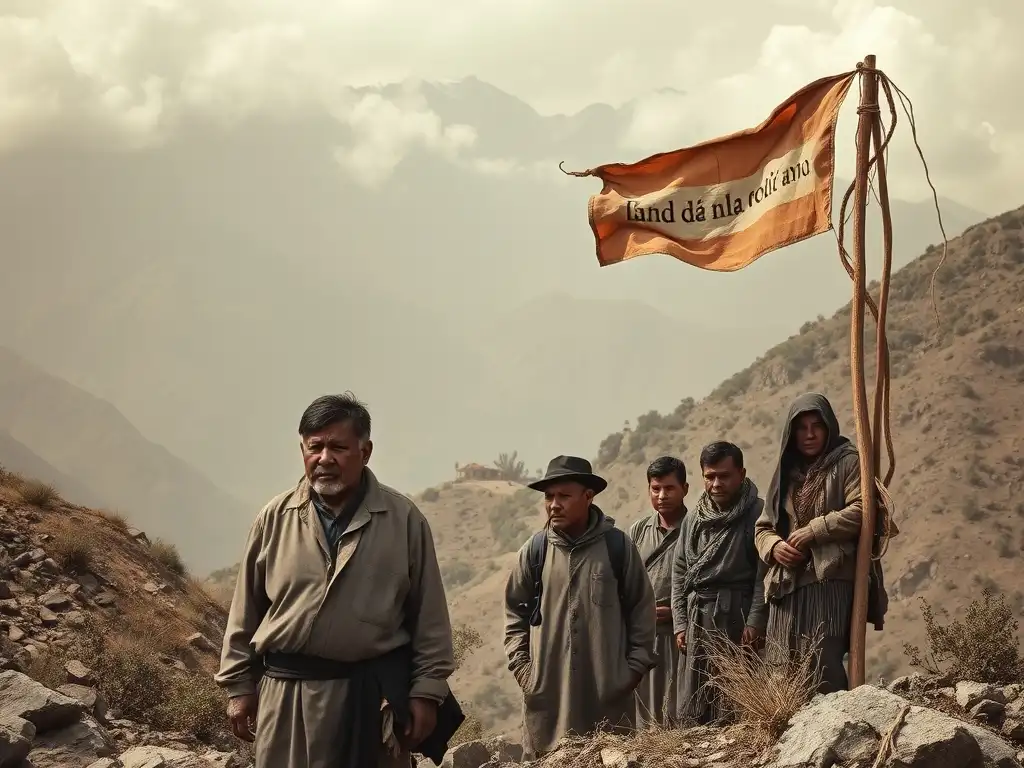
The struggle for land rights was a central theme in many Andean rebellions against Spanish colonial rule. The Spanish conquest fundamentally altered the existing land tenure systems, displacing indigenous populations and concentrating land ownership in the hands of the Spanish crown and its allies. This dispossession fueled widespread resentment and resistance, leading to numerous uprisings throughout the colonial period.
These rebellions weren't simply about regaining lost territory; they were about reclaiming ancestral lands, cultural identity, and the very fabric of Andean society. The fight for land was intertwined with struggles for religious freedom, autonomy, and social justice, making it a multifaceted and deeply significant aspect of Andean resistance. The sheer number of rebellions, large and small, throughout the centuries underscores the enduring importance of land in Andean life and the depth of the colonial injustice.
Understanding these rebellions requires a nuanced look at the social, economic, and political complexities of the time, recognizing the diverse motivations and strategies employed by the indigenous communities. The Spanish crown's attempts to control and exploit Andean resources, particularly agricultural land, were a constant source of conflict and fueled the flames of rebellion.
The Tupac Amaru II Rebellion: A Fight for Land and Justice
The Tupac Amaru II Rebellion (1780-1783), led by José Gabriel Condorcanqui, stands out as one of the most significant Andean rebellions driven by land rights issues. Condorcanqui, a descendant of the Inca nobility, capitalized on widespread discontent caused by the repartimiento system—a forced labor system that often left indigenous communities impoverished and exploited. The rebellion's demands went beyond simple land redistribution; they encompassed a broader vision of social and economic justice, challenging the very foundations of Spanish colonial power.
While the rebellion ultimately failed, its impact was profound. It demonstrated the power of collective indigenous resistance and highlighted the deep-seated grievances concerning land dispossession and colonial oppression. The scale and scope of the rebellion, spanning vast territories and involving diverse Andean communities, underscore the widespread nature of the land rights issue.
The rebellion's legacy continues to resonate in contemporary discussions of land rights and indigenous autonomy in the Andes. The brutality of the Spanish response, however, serves as a stark reminder of the colonial regime's determination to maintain its control over land and resources.
Other Significant Rebellions Fueled by Land Disputes
Numerous other rebellions throughout the colonial period were significantly fueled by land disputes. For example, the Vilcabamba rebellion, lasting from the mid-16th to late 16th centuries, saw the last Inca holdouts fiercely defending their remaining territories against Spanish encroachment. While not solely focused on land, the control of land was crucial to their survival and autonomy.
Similarly, numerous smaller-scale uprisings and resistance movements throughout the Andes repeatedly centered on local land disputes and the resistance to forced labor on Spanish-owned estates. These localized conflicts, while often less documented than large-scale rebellions like Tupac Amaru II's, collectively reveal the pervasive nature of land grievances within Andean communities.
Detailed records of many of these smaller rebellions are scarce, highlighting a gap in historical research that needs further attention to fully understand the extent of resistance against colonial land policies. The lack of comprehensive documentation, however, does not diminish the significance of these struggles in shaping the Andean landscape and the ongoing fight for land rights.
The Ongoing Struggle for Andean Land Rights
The legacy of colonial land policies continues to profoundly impact Andean societies today. The historical dispossession of indigenous communities has left lasting scars, leading to ongoing struggles for land rights and recognition of ancestral territories. The fight for land isn't just a historical event; it's a living reality for many Andean communities.
Legacy of Colonial Land Policies in Modern Andean Societies
Even after independence from Spain, many of the inequitable land distribution patterns established during the colonial era persisted. Independent governments often failed to address the historical injustices, leading to continued marginalization of indigenous communities. This legacy of land dispossession continues to fuel social and economic inequality, contributing to poverty, lack of access to resources, and limited opportunities for indigenous populations.
Land ownership remains a highly contested issue, with indigenous communities frequently facing legal and political obstacles in their efforts to reclaim ancestral lands or secure land rights. The persistence of these issues underscores the need for comprehensive land reforms that address historical injustices and ensure equitable access to land and resources.
Current Land Conflicts and Indigenous Movements
Today, indigenous movements in the Andes continue to fight for land rights, often facing significant challenges. These movements often employ various strategies, including legal action, peaceful protests, and advocacy. These struggles are complex and multifaceted, often intertwined with other social and environmental issues, such as mining, water rights, and the protection of biodiversity.
The fight for land rights is intrinsically linked to the preservation of indigenous cultures and traditions. Understanding the contemporary struggles requires acknowledging the broader context of globalization, neoliberal policies, and the ongoing impacts of colonialism. The resilience and determination of Andean communities in their ongoing fight for land rights are a testament to their enduring connection to their ancestral lands.
The Importance of Land Rights for Andean Cultural Preservation
Land is not merely a resource; it is intrinsically linked to Andean cultural identity and preservation. Ancestral lands hold deep spiritual significance, embodying cultural practices, traditions, and historical memory. The loss of land often results in the loss of cultural heritage, traditions, and knowledge. Securing land rights is therefore crucial for the survival and flourishing of Andean cultures.
The protection of ancestral lands is essential for preserving unique ecosystems, traditional farming practices, and the cultural landscapes that define Andean identity. The connection between land and culture is a fundamental aspect of Andean life, and the struggle for land rights is fundamentally a struggle for cultural preservation. This profound connection underscores the importance of integrating cultural preservation into broader discussions of land rights and indigenous autonomy in the Andes.
Analyzing the Long-Term Impact of Land Conflicts on Andean Societies
The struggle for land rights profoundly shaped Andean societies, leaving a legacy that persists to this day. The Spanish conquest initiated a systematic process of land dispossession, dismantling existing communal land tenure systems and concentrating vast tracts of land in the hands of the colonial elite. This upheaval had devastating consequences, disrupting traditional social structures, agricultural practices, and economic systems.
The loss of ancestral lands not only deprived indigenous communities of their primary means of subsistence but also severed their deep-rooted connection to the land, impacting their cultural identity and spiritual well-being. The long-term effects of this dispossession are still felt in contemporary Andean societies, manifesting in persistent inequalities, land disputes, and ongoing struggles for land reform. The unequal distribution of land continues to fuel social unrest and economic disparities, highlighting the enduring impact of colonial-era land policies.
The Socioeconomic Consequences of Land Dispossession
The socioeconomic consequences of land dispossession were catastrophic for Andean communities. Forced labor (encomienda and mita systems) became commonplace, extracting immense wealth from the indigenous population while leaving them impoverished and vulnerable. The destruction of traditional agricultural practices, coupled with the introduction of new, often unsustainable, farming methods, led to soil degradation and reduced crop yields. This resulted in widespread famine and malnutrition, further weakening the already marginalized Andean populations.
The loss of access to vital resources, such as water and pastureland, severely hampered economic development and limited opportunities for social mobility. Consequently, many indigenous communities were relegated to poverty and marginalization, a condition that continues to affect many Andean regions today. This socioeconomic vulnerability fueled further resistance and rebellions, as communities fought to reclaim their livelihoods and ancestral rights.
The Cultural and Spiritual Significance of Land for Andean Peoples
For Andean peoples, land is far more than a mere economic resource; it holds profound cultural and spiritual significance. Their worldview is deeply intertwined with the land, viewing it as a sacred entity, the source of life, and the embodiment of their ancestral heritage.
Mountains, rivers, and other natural features are not just geographical elements but hold immense spiritual power, playing a crucial role in their religious beliefs and practices. The dispossession of land, therefore, represented not only an economic loss but also a profound spiritual violation, severing their connection to their ancestors and their sense of identity.
This spiritual disenfranchisement contributed significantly to the intensity and persistence of Andean resistance movements, as communities fought to reclaim not just their land but also their cultural and spiritual heritage. The ongoing struggle for land rights in the Andes is thus inextricably linked to the preservation of their cultural identity and the continuity of their traditions.
Conclusion: Land Rights as a Persistent Theme in Andean History
The struggle for land rights has been a persistent theme throughout Andean history, shaping the region's political, social, and economic landscape. From pre-Columbian times through the colonial era and into the present day, the control and ownership of land have been central to power dynamics and social conflicts. The Spanish conquest marked a turning point, initiating a long and often violent struggle over land resources.
While independence brought some changes, the legacy of colonial land policies continued to fuel social unrest and inequality. Understanding the historical context of these land conflicts is crucial to addressing the ongoing challenges faced by Andean communities today. The fight for land justice remains a critical issue, highlighting the enduring importance of land rights in shaping the future of Andean societies.
The Enduring Relevance of Andean Land Rights Rebellions
The history of Andean land rights rebellions serves as a powerful reminder of the enduring importance of land justice. These rebellions, though often suppressed, played a vital role in challenging oppressive systems and advocating for indigenous rights. They represent a continuous struggle for self-determination, highlighting the deep-seated connection between land ownership and cultural survival.
The legacy of these rebellions continues to inspire contemporary movements advocating for land reform and indigenous rights, demonstrating the enduring relevance of these historical struggles. Studying these rebellions provides valuable insights into the complexities of land conflict and the importance of addressing historical injustices to achieve social justice and equitable land distribution. The lessons learned from these past struggles are essential for informing present-day efforts to promote land rights and social justice in the Andes.
Lessons Learned from the Andean Fight for Land Justice
The Andean fight for land justice offers several crucial lessons. First, it underscores the critical link between land rights and broader social justice issues. Second, it highlights the importance of recognizing and respecting the cultural and spiritual significance of land for indigenous communities. Third, it demonstrates the enduring power of collective action and resistance in challenging oppressive systems.
Fourth, it emphasizes the need for comprehensive land reform policies that address historical injustices and promote equitable access to land resources. Finally, it showcases the resilience and determination of Andean peoples in their ongoing struggle for self-determination and land rights. These lessons are not only relevant to the Andes but also hold broader significance for understanding and addressing land conflicts and promoting social justice globally. The ongoing struggle for land rights in the Andes serves as a powerful example of the enduring importance of this fundamental human right.
- Understanding the Roots of Andean Uprisings: Land as a Central Conflict
- The Pre-Columbian Andean Land Tenure Systems
- Impact of the Spanish Conquest on Indigenous Land Ownership
- Land Dispossession: A Catalyst for Andean Resistance
- Prominent Andean Land Rights Rebellions
- The Ongoing Struggle for Andean Land Rights
- Analyzing the Long-Term Impact of Land Conflicts on Andean Societies
- Conclusion: Land Rights as a Persistent Theme in Andean History
- What role did land play in Andean rebellions?
- Which Andean civilizations experienced significant land-related rebellions?
- How did the Spanish conquest impact land rights and subsequent rebellions?
- What were some common tactics used during Andean land rights rebellions?
- How did the outcomes of these rebellions shape the Andean region?
Frequently Asked Questions
What role did land play in Andean rebellions?
Land was a central cause of many Andean rebellions. Control over fertile land and resources was essential for survival and power, leading to frequent conflicts over ownership and access. Disputes over land fueled much of the unrest.
Many Andean civilizations faced rebellions linked to land. The Inca Empire, for example, saw numerous uprisings fueled by land redistribution policies and exploitation of conquered peoples. Other groups also experienced similar struggles.
How did the Spanish conquest impact land rights and subsequent rebellions?
The Spanish conquest dramatically altered Andean land ownership. The encomienda system and other colonial policies led to widespread land dispossession and forced labor, which ignited numerous rebellions in the colonial period.
What were some common tactics used during Andean land rights rebellions?
Rebellions employed various tactics, including armed resistance, protests, and legal challenges. Strategic alliances between different groups were also common, as were attempts to utilize existing social structures to their advantage.
How did the outcomes of these rebellions shape the Andean region?
The outcomes varied greatly, but many rebellions, though often unsuccessful in achieving immediate goals, contributed to long-term social and political changes. They influenced land distribution, power dynamics, and shaped future resistance movements.
Final Reflection: Echoes of Rebellion, Seeds of Change
The fight for land rights in the Andes remains a fiercely relevant issue, a simmering discontent that continues to shape political landscapes and social structures across the region. The historical patterns of dispossession and inequality, meticulously documented throughout this article, are not relics of the past; they are active forces shaping the present, fueling ongoing struggles for justice and self-determination. The echoes of past rebellions resonate powerfully in the contemporary context, reminding us of the enduring power of land as a source of identity, livelihood, and social stability.
The enduring legacy of colonial land grabs and subsequent inequitable distribution continues to cast a long shadow, impacting generations and fueling social unrest. The struggle for land is not merely an economic issue; it is deeply intertwined with cultural identity and the very fabric of Andean societies. As the renowned Peruvian anthropologist, José María Arguedas, poignantly observed: The land is not just earth; it is the memory, the history, the soul of a people.
This sentiment underscores the profound emotional and spiritual connection between Andean communities and their ancestral territories, a connection that fuels their unwavering resistance against injustice.
Consider the implications of this ongoing struggle. What role can you play in amplifying the voices of those fighting for land rights? How can we, as individuals and as a global community, work towards a more just and equitable distribution of resources?
Let the stories of Andean rebellion inspire you to engage in critical reflection and meaningful action. The fight for land rights is a fight for dignity, for self-determination, and for a future where all people have access to the resources necessary to thrive. Let us commit to listening, learning, and working towards a more just world, one where the echoes of rebellion are replaced by the songs of liberation.
Empower Yourself: Take Action for Land Rights Today!
Thank you for learning about the critical issue of land rights and the challenges faced by communities in the Andes. Your interest helps raise awareness of this vital topic. Now, let's turn that awareness into action!
Here are a few ways you can make a difference:
- Join a local advocacy group working to protect land rights. Connecting with others who share your concerns will amplify your impact.
- Share this information on social media to spread awareness and encourage discussion about the importance of land rights.
- Research successful land rights movements in the Andes region. Studying their strategies can inspire current efforts to achieve equitable access to land.
Consider the significance of land rights and ask yourself: What can you do to support the fight for equitable land access in your community?