
Pizarro's Death: A Violent End to a Life of Conquest and Ambition

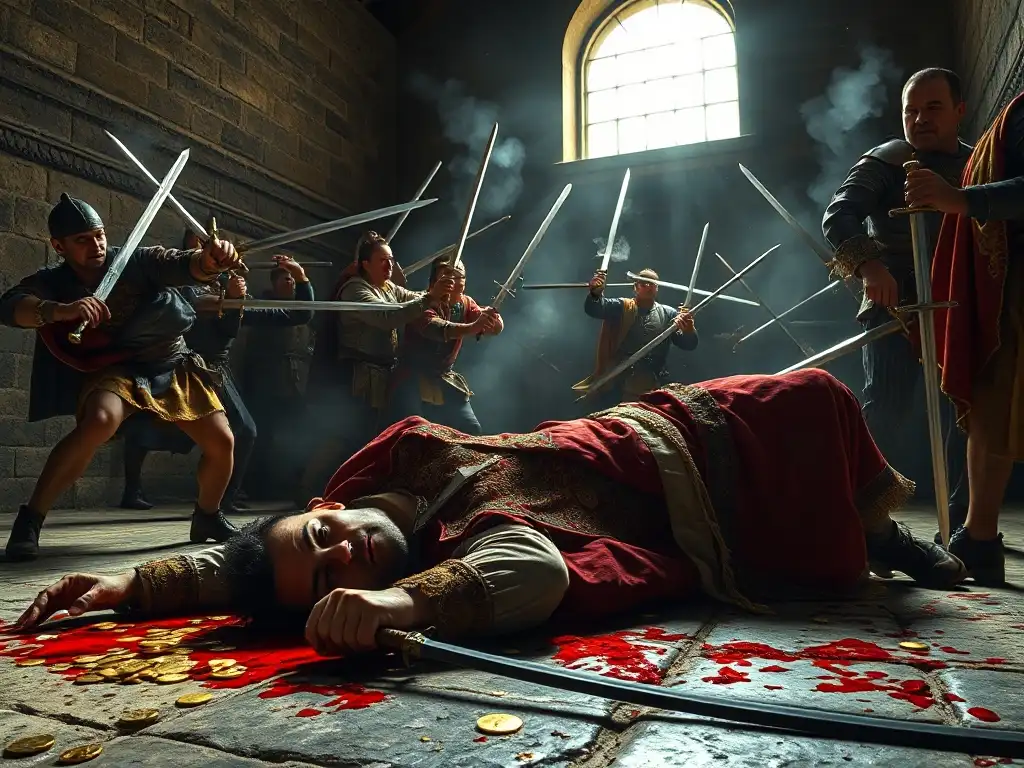
Step into a world lost to time, yet echoing with power and mystery. Andean Civilizations unveils the breathtaking tapestry of ancient empires, from the intricate artistry of the Nazca to the sophisticated engineering of the Incas. But their stories are not just of triumphs; they're tales of conflict and upheaval. Pizarro's death, a pivotal moment in this epic drama, holds the key to understanding the devastating consequences of conquest. Uncover the secrets behind this violent end and its lasting impact—explore the cause and effect that reshaped the fate of a continent.
The conquest of the Inca Empire, a monumental event in South American history, was a brutal affair marked by ambition, betrayal, and ultimately, violent deaths on both sides. While the name Atahualpa often comes to mind when discussing tragic ends during this period, the demise of Francisco Pizarro, the very architect of the Inca's downfall, presents a compelling case study in the cyclical nature of power and revenge.
This article delves into the cause and effect surrounding Pizarro's death, exploring the intricate web of political machinations, personal rivalries, and simmering resentment that led to his assassination in 1541. We will examine the events leading up to his final moments, analyzing the key players involved and the lasting consequences of this pivotal event on the trajectory of the Spanish conquest and the future of Peru.
Understanding Pizarro's death is crucial to comprehending the complexities of the Spanish conquest and its long-term impact on the Andean region. The events surrounding his demise highlight the fragility of power even in the hands of a seemingly invincible conquistador.
The Seeds of Discontent: Pizarro's Rise and Fall
Pizarro's meteoric rise from humble beginnings to the position of conquistador and governor of newly conquered lands was fueled by an insatiable ambition and a ruthless pragmatism. His conquest of the Inca Empire, though undeniably successful in terms of acquiring vast riches and territory for the Spanish crown, was built upon a foundation of broken promises, violence, and the exploitation of the indigenous population.
This created a climate of resentment and unrest amongst both the conquered Incas and even within Pizarro's own ranks. Many of his fellow conquistadors felt cheated out of their fair share of the spoils, fueling a simmering sense of discontent that would eventually erupt into open rebellion.
The initial success of the conquest, while bringing immense wealth to a select few, also sowed the seeds of its own undoing, creating a power vacuum and fostering internal conflicts that would ultimately lead to Pizarro's demise. The accumulation of wealth did not translate into stability; instead, it exacerbated existing tensions and fueled further ambition.
The Conspiracy Takes Shape: Alliances and Betrayals
The plot to assassinate Pizarro wasn't hatched overnight. It was a carefully orchestrated conspiracy involving a complex network of disgruntled conquistadors, many of whom had been marginalized or overlooked by Pizarro's increasingly autocratic rule. These men, driven by a mixture of greed, revenge, and a desire for a fairer distribution of power and wealth, formed a clandestine alliance against their former leader.
Their grievances ranged from perceived injustices in the allocation of land and resources to concerns about Pizarro's increasingly arbitrary and tyrannical governance. The conspiracy involved meticulous planning, secret meetings, and the recruitment of key figures within the colonial administration, highlighting the depth of the resentment and the widespread dissatisfaction with Pizarro's leadership. This intricate web of alliances and betrayals showcases the volatile political landscape of the newly conquered territories.
The Assassination: A Brutal End in Lima
On June 26, 1541, Francisco Pizarro was brutally murdered in his palace in Lima. The conspirators, led by a group of disgruntled conquistadors including Almagro the Younger (son of Diego de Almagro, Pizarro's former partner), launched a surprise attack, overwhelming Pizarro's guards and inflicting fatal wounds upon the aging conquistador. The act itself was swift and violent, a stark contrast to the calculated and methodical approach that had characterized Pizarro's earlier conquests.
The assassination wasn't a spontaneous act of rage; rather, it was the culmination of years of simmering resentment and carefully planned strategy. The details of the assassination, including the number of assailants and the specific weapons used, are well documented, providing a chilling account of the event that ended the life of one of history's most infamous conquistadors. The location itself—Pizarro's own palace—underlined the fragility of his power and the completeness of his downfall.
The Aftermath: Lasting Consequences of Pizarro's Death
Pizarro's death did not bring an end to the violence and instability that had plagued the newly conquered territories. Instead, it triggered a period of further conflict and upheaval, as different factions vied for control of the empire. His assassination ignited a power struggle between rival conquistadors, leading to further bloodshed and instability. The consequences of his death were far-reaching, impacting not only the political landscape of Peru but also the broader course of the Spanish conquest in South America.
The death of Pizarro ultimately contributed to the restructuring of the colonial government and highlighted the inherent instability and brutality of colonial rule. His legacy remains a complex and controversial one, a testament to the lasting impact of his actions and the violent end to his ambitious life. The events following his death underscore the lasting effects of his conquest and the complex legacy he left behind.
- The Seeds of Discontent: Pizarro's Rise and Fall
- The Conspiracy Takes Shape: Alliances and Betrayals
- The Assassination: A Brutal End in Lima
- The Aftermath: Lasting Consequences of Pizarro's Death
- What was the primary cause of Francisco Pizarro's death?
- Who were the main individuals involved in Pizarro's assassination?
- What were the long-term effects of Pizarro's death on the Inca Empire?
- How did Pizarro's death impact the Spanish colonization of South America?
- What is the significance of Pizarro's death in the overall historical narrative of the Andean Civilizations?
The Ambitions of Francisco Pizarro: A Prelude to His Demise
Pizarro's death, a brutal assassination in 1541, wasn't a random event; it was the tragic culmination of a life fueled by insatiable ambition and ruthless pragmatism. Understanding the cause of Pizarro's death requires examining the intricate web of alliances, betrayals, and power struggles that defined his career. The effects, however, reverberated throughout the newly conquered Inca Empire, significantly shaping its future and the course of Spanish colonization in South America.
This section delves into the ambitions that drove Pizarro, laying the groundwork for the events leading to his violent end. Analyzing Pizarro's motivations allows us to better understand the complexities surrounding "Pizarro's death cause and effect."
Pizarro's Early Life and Drive for Conquest
Francisco Pizarro's early life, marked by poverty and a lack of formal education, paradoxically fueled his relentless ambition. Born out of wedlock in Trujillo, Spain, around 1475, he displayed an early aptitude for military matters and a thirst for adventure. His experiences as a soldier in the Italian Wars instilled in him both battlefield prowess and a keen understanding of power dynamics. Unlike many conquistadors driven solely by the allure of gold, Pizarro's ambition extended beyond mere wealth.
He possessed a calculated ruthlessness, a willingness to exploit opportunities, and a remarkable ability to inspire loyalty—and fear—in his men. His early expeditions to the New World, though initially unsuccessful, only solidified his determination to conquer the riches and lands he believed were within his grasp. This unwavering drive, combined with his strategic mind, is crucial to understanding the trajectory of his life and the eventual consequences of his actions.
The Pact with Almagro and Luque: Setting the Stage for Conflict
Pizarro's success wasn't solely a product of individual ambition; it was built upon strategic partnerships, the most crucial being his pact with Diego de Almagro and Hernando de Luque. This agreement, forged in the early 1520s, divided the responsibilities and potential rewards of exploring and conquering the lands south of Panama. Almagro, a seasoned soldier, provided manpower and military expertise; Luque, a priest, offered financial backing and diplomatic support. However, this seemingly solid partnership was inherently unstable.
The initial agreement lacked clarity on the distribution of power and wealth, leaving a fertile ground for future discord. This lack of precise delineation became a significant factor in "Pizarro's death cause and effect," as resentment and rivalry festered between the partners throughout their campaigns. The unequal distribution of spoils following the conquest of the Inca Empire exacerbated existing tensions, ultimately leading to open conflict and Pizarro's demise.
The Conquest of the Inca Empire: Pizarro’s Rise to Power
The conquest of the Inca Empire, while a testament to Pizarro's military skill and strategic acumen, also sowed the seeds of his own destruction. The capture of Atahualpa, the Inca emperor, in 1532, was a pivotal moment. It not only brought immense wealth to Pizarro and his men but also created a power vacuum that attracted both ambitious Spaniards and disgruntled Inca factions.
The subsequent execution of Atahualpa, despite the ransom paid, further destabilized the Inca Empire and fueled resentment among the native population. Pizarro's consolidation of power, marked by the founding of Lima and the establishment of Spanish rule, was far from absolute. His actions, while initially successful in establishing control, created a complex network of rivalries and resentments among his fellow conquistadors.
These internal conflicts, largely stemming from disputes over land, power, and wealth, ultimately led to the conspiracy that resulted in Pizarro's assassination. The events surrounding "Pizarro's death cause and effect" cannot be fully understood without analyzing the complex aftermath of the Inca conquest and the internal power struggles within the Spanish ranks.
The Seeds of Discord: The Growing Conflict in the New World
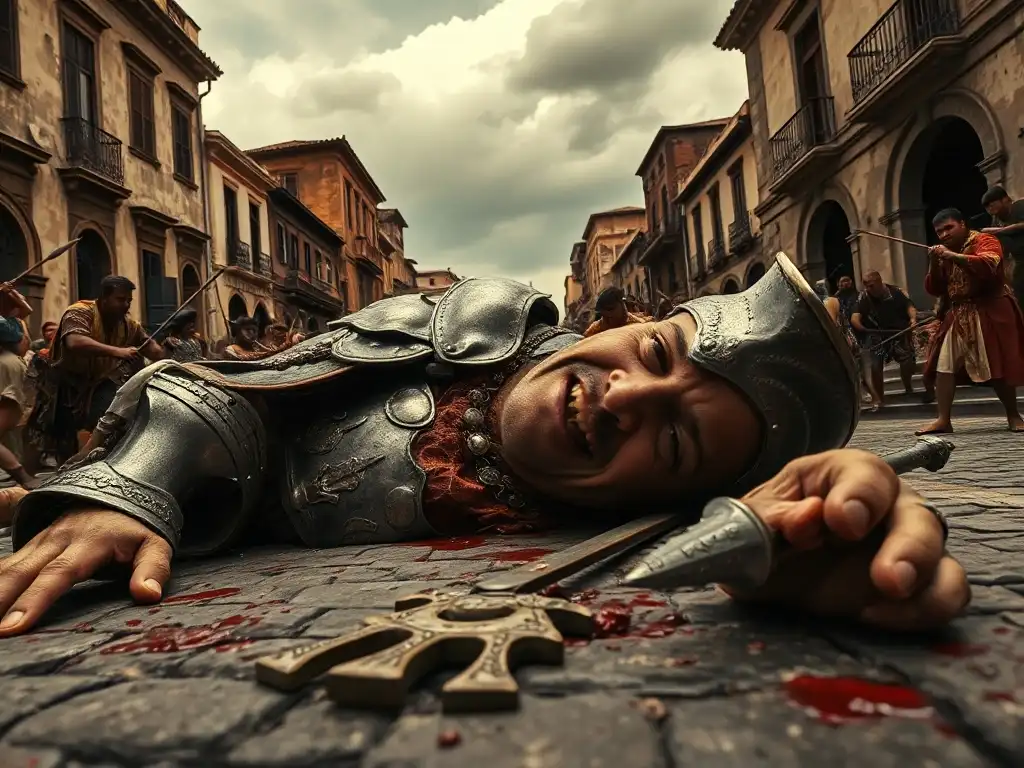
The conquest of the Inca Empire, while initially appearing a triumphant feat for Francisco Pizarro and his conquistadors, sowed the seeds of its own destruction. The brutal efficiency with which they subjugated a vast and sophisticated civilization masked a deep-seated instability within the conquering forces themselves. Pizarro's death, a violent end to a life of ambition, was a direct consequence of this internal fracturing, a culmination of years of simmering resentment and escalating conflict.
The factors contributing to this internal strife are multifaceted, encompassing greed, ambition, and a fundamental disagreement on how to govern and exploit the newly acquired territories and riches. Understanding Pizarro's death requires understanding the complex web of relationships and rivalries that characterized the Spanish conquest. The keyword "Pizarro's death cause and effect" is directly addressed by examining these underlying tensions.
The Division of Riches and Territories: A Source of Friction
The initial conquest was fueled by the promise of immense wealth. However, the distribution of this wealth – the gold, silver, and land – proved to be a major source of contention. Pizarro, despite being the nominal leader, did not distribute the spoils evenly among his conquistadors. Many felt cheated, believing they deserved a larger share of the plunder considering their participation in the arduous and dangerous campaign.
This inequitable distribution created significant resentment, fostering a climate of distrust and animosity that would ultimately contribute to Pizarro's demise. Detailed records of the distribution of Inca treasures are unfortunately scarce, making precise analysis difficult. However, accounts from contemporary chroniclers consistently point to the dissatisfaction of many conquistadors with the perceived unfairness of the division of spoils. This dissatisfaction was not merely about material wealth; it also fueled a sense of injustice and betrayal, creating fertile ground for rebellion.
The Rivalry Between Pizarro and Almagro: Escalating Tensions
The rivalry between Francisco Pizarro and Diego de Almagro, initially allies in the conquest, became increasingly bitter. Almagro, a veteran conquistador who had played a crucial role in the early stages of the campaign, felt increasingly marginalized by Pizarro's growing power and influence. Pizarro, ever ambitious, consolidated his control over the newly conquered territories, leaving Almagro with a sense of being cheated and ignored. This rivalry was not simply a personal feud; it reflected the deeper divisions within the conquistador ranks.
Almagro's supporters felt their loyalty had been betrayed and their contributions undervalued. This created two distinct factions within the Spanish forces, each vying for control and power, a struggle that eventually spilled over into open rebellion. The tensions between these two powerful figures were a critical factor leading to the destabilization of the Spanish regime in Peru and directly to Pizarro's assassination.
Almagro's Rebellion and Its Aftermath: The Path to Retaliation
Almagro's rebellion, fueled by his grievances and the widespread dissatisfaction among his supporters, was a direct consequence of the previously discussed issues. The rebellion involved a significant portion of the conquistadors, highlighting the depth of the internal conflict. While Pizarro initially managed to quell the rebellion, the conflict left deep scars and a legacy of distrust and animosity.
The lingering effects of this rebellion created an environment conducive to further violence. The victory over Almagro did not bring peace; instead, it further solidified the resentment and ambition of those who saw Pizarro as the source of their discontent. The eventual assassination of Pizarro can be viewed as a direct consequence of this unresolved conflict, a final, violent act in a long and bloody drama of greed, ambition, and betrayal.
The "cause and effect" of Pizarro's death are clearly visible in this chain of events, showing how years of escalating conflict culminated in his assassination. The aftermath of Almagro's rebellion ultimately paved the way for Pizarro's violent end, underscoring the volatile nature of the Spanish conquest and the long-lasting consequences of its internal divisions.
The Conspiracy Against Pizarro: Plotting His Assassination
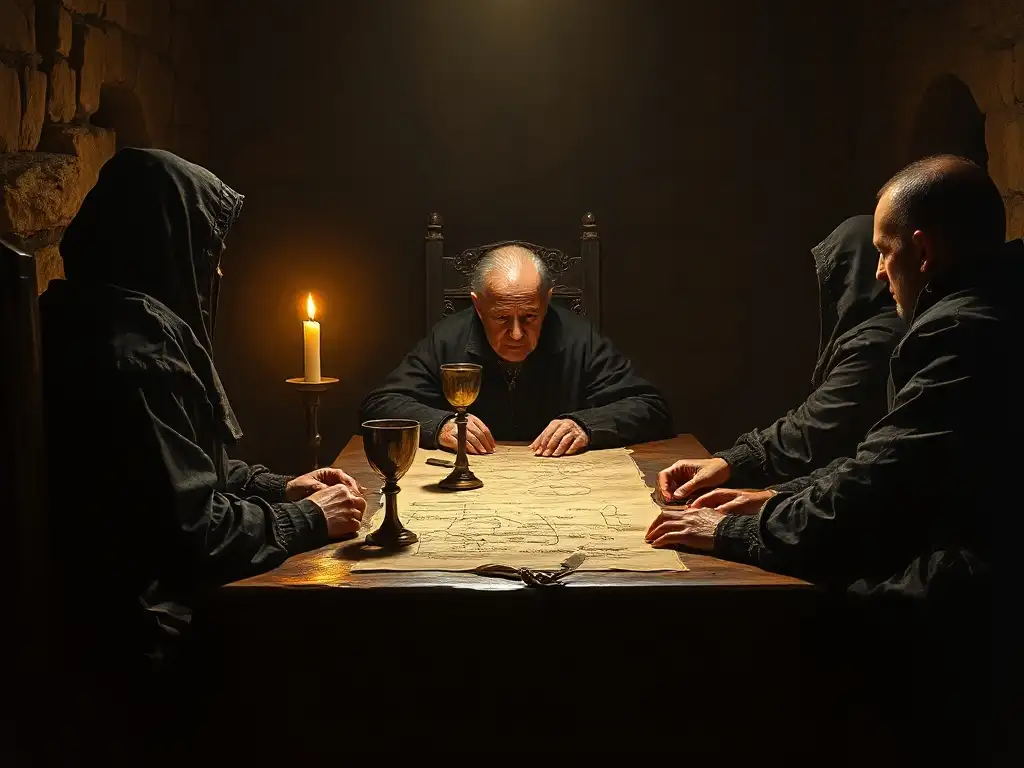
Pizarro's death, a brutal culmination of years of conquest and exploitation, wasn't a random event. It was the result of a meticulously planned assassination, fueled by a potent cocktail of resentment, ambition, and political maneuvering. Understanding the intricacies of the conspiracy is crucial to grasping the full impact of Pizarro's demise and its reverberations throughout the nascent Spanish colonial empire.
The event, deeply rooted in the power struggles and injustices of the time, significantly altered the course of the conquest. The "Pizarro's death cause and effect" is best understood by examining the motivations, planning, and key players involved in this pivotal moment of Andean history.
The Motivation Behind the Conspiracy: Revenge and Power
The seeds of the conspiracy against Francisco Pizarro were sown long before the fateful day of his assassination. Years of brutal conquest and the systematic dismantling of the Inca Empire left a trail of bitterness and resentment. Many Spaniards, particularly those who felt marginalized or overlooked by Pizarro's authoritarian rule, harbored deep-seated grievances.
These individuals, often ambitious and seeking to improve their own standing and wealth, saw Pizarro's death as an opportunity to seize power and reshape the colonial landscape to their advantage. Pizarro’s ruthless methods, his accumulation of vast wealth, and his tendency to favor certain individuals over others fostered a climate of discontent ripe for rebellion. This wasn't simply about revenge; it was about the acquisition of power, land, and the spoils of conquest that Pizarro had amassed.
The desire for a more equitable (or at least, more personally beneficial) distribution of resources fueled the conspirators’ actions. The narrative surrounding Pizarro's death, therefore, is not merely one of violence, but also one of political ambition and the relentless pursuit of power within the context of colonial expansion.
The Conspirators' Plan: Timing and Execution
The conspirators, a diverse group united by their shared animosity towards Pizarro, carefully planned their attack. Their strategy relied on surprise and swift action to overwhelm Pizarro and his relatively small guard. Intelligence gathering was crucial; they needed to understand Pizarro's daily routine, his security measures, and the movements of his loyalists.
The timing of the assassination was likely chosen to maximize their chances of success and minimize the risk of reprisal. The precise details of their strategy remain debated by historians, but evidence suggests a coordinated assault involving multiple assailants. The conspirators' plan was not merely a spontaneous act of violence but a calculated operation aimed at eliminating Pizarro permanently and seizing control of the power vacuum that his death would create.
The effectiveness of their scheme underscores the level of planning and coordination involved, highlighting the depth of their resentment and their calculated ambition. The execution of their plan was brutal and efficient, demonstrating a chilling determination to eliminate their target and seize the opportunity before them.
The Key Figures Involved in the Plot Against Pizarro
While the exact number of conspirators remains uncertain, several key figures stand out as central players in the plot against Pizarro. Among them were individuals who had served under Pizarro, but felt slighted by his favoritism or his distribution of rewards. These men were not merely disgruntled soldiers; many held positions of authority and influence within the colonial administration.
Their participation demonstrates the fragility of Pizarro's power and the extent of the discontent within his own ranks. The motivations of these individuals varied, ranging from personal revenge to the desire for greater political power and economic gain. Each conspirator played a crucial role in the success of the assassination, whether through providing intelligence, participating in the actual attack, or securing support afterward.
Detailed accounts of their identities and roles are crucial in understanding the complex dynamics of the conspiracy and the far-reaching consequences of Pizarro’s death. Further research into archival records could shed more light on the lesser-known participants and their individual motivations, enhancing our understanding of this pivotal historical event. The lack of complete historical records, however, leaves some aspects of the conspiracy shrouded in mystery, leaving room for future scholarly inquiry to uncover further details about the individuals who played a part in this pivotal moment in history.
Pizarro's Assassination: The Violent Climax
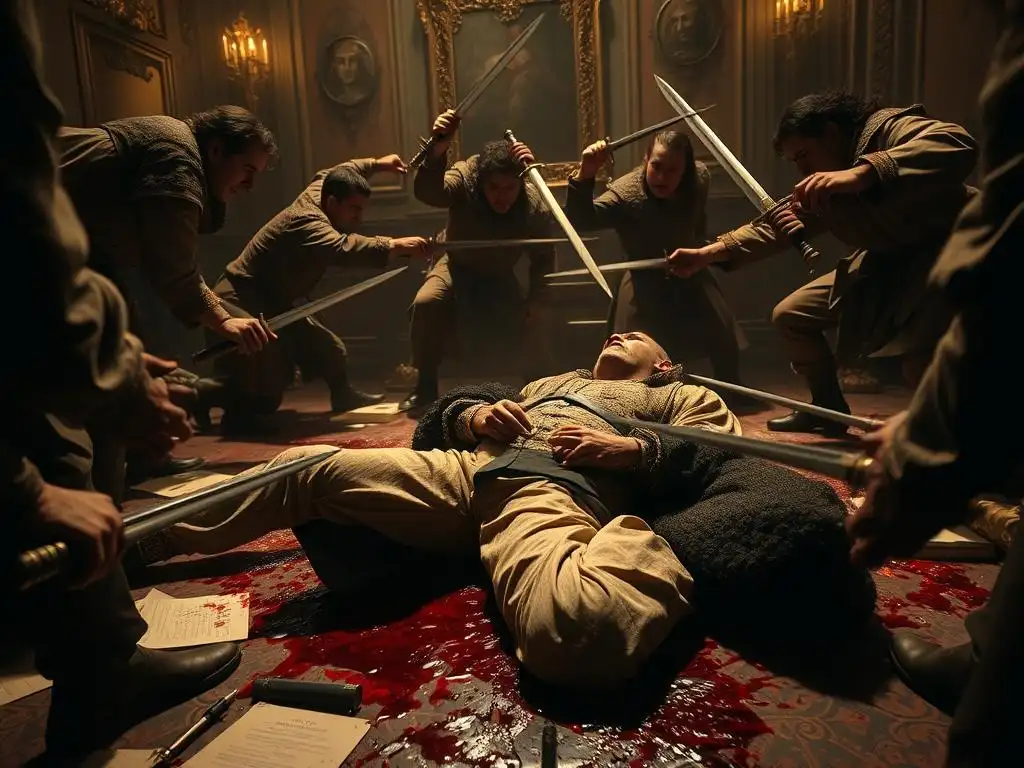
The death of Francisco Pizarro, the conquistador who toppled the Inca Empire, wasn't a result of disease or old age, but a brutal assassination orchestrated by his rivals. Pizarro's death cause and effect are intricately linked to the power struggles and simmering resentments that characterized the tumultuous years following the conquest of Peru. His ruthless ambition and insatiable greed created a web of enemies, ultimately leading to his demise.
This section delves into the details of this pivotal event, examining the key players, the motivations behind the conspiracy, and the immediate consequences of Pizarro's violent end. The event irrevocably altered the course of Spanish colonization in the Andes, triggering a period of instability and shifting alliances.
The Attack on Pizarro's Palace: A Detailed Account
On June 26, 1541, a carefully planned attack unfolded within the walls of Pizarro's palace in Lima. The conspirators, a group primarily composed of disgruntled conquistadors who felt cheated out of their fair share of the spoils of the Inca conquest, were led by Juan de Herrada and his brother, Francisco de Carvajal. They were fueled by a potent mix of ambition, resentment towards Pizarro's perceived favoritism, and a desire for a greater share of the wealth extracted from the conquered territories.
The attack itself was swift and decisive. The conspirators, numbering around 20, burst into the palace, shouting and brandishing their weapons. They were well-prepared, having secured inside support and carefully timed their assault to coincide with Pizarro's relatively unguarded moment.
Descriptions from surviving witnesses paint a picture of chaos and bloodshed; a desperate struggle in the dimly lit corridors of the palace. The initial element of surprise was crucial to their success. Many of Pizarro's loyal guards were caught off guard and overwhelmed.
The conspirators' meticulous planning extended beyond the immediate assault. They had anticipated and prepared for potential resistance, ensuring that escape routes were secured and that backup was readily available. This level of organization underscores the depth of the conspiracy and the determination of those involved in ending Pizarro's reign. The attack wasn't a spontaneous outburst of rage but a calculated act of rebellion against a man who had amassed immense power and wealth, leaving many feeling exploited and marginalized.
Pizarro's Last Stand: The Final Moments of His Life
Despite the overwhelming odds, Pizarro fought valiantly. Accounts depict the aging conquistador, despite his advanced age and injuries sustained in previous battles, putting up a fierce defense. Armed with his sword, he reportedly killed several of the attackers before finally succumbing to the sheer number of assailants.
The scene was undoubtedly brutal, with Pizarro receiving multiple wounds, including a fatal blow to the throat. His last moments were a testament to his resilience and fighting spirit, even in the face of certain death. The precise details of his final stand are somewhat obscured by conflicting accounts, but the overall picture remains one of a desperate struggle against overwhelming force.
The image of Pizarro's final moments, a powerful symbol of the end of an era, underscores the violent end to a life that had been defined by conquest and ambition. The narrative of his death became a powerful legend, fueling both admiration and condemnation depending on the perspective of the storyteller.
The scene is often described as chaotic, with the sounds of clashing steel and desperate cries filling the air. The palace, once a symbol of Pizarro's power, became a scene of violent struggle, marking the end of his reign and the beginning of a new chapter in the history of the Spanish conquest. The legacy of Pizarro, forever intertwined with his violent death, is a testament to the complexities of the conquest and its lasting impact on the Andean region.
The Immediate Aftermath of Pizarro's Death: Chaos and Uncertainty
The immediate aftermath of Pizarro's death was characterized by chaos and uncertainty. The assassination plunged Lima into a state of turmoil. The conspirators, initially triumphant, quickly faced the challenge of consolidating their power and preventing retaliation. The power vacuum left by Pizarro's death triggered a period of instability, with various factions vying for control.
The death of Pizarro didn't automatically resolve the conflicts that had led to his assassination; instead, it exacerbated them, leading to further violence and power struggles among the conquistadors. The lack of a clear succession plan contributed to the ensuing instability, as rival conquistadors battled for dominance. The legacy of this event continues to be debated and studied, as historians analyze its long-term effects on the political landscape of colonial Peru.
The immediate repercussions extended beyond Lima, with news of the assassination spreading rapidly throughout the colony and impacting relations with indigenous populations. The event served as a catalyst for further conflicts and reshaped the power dynamics within the colonial administration. The death of Pizarro, therefore, marked not an end, but a profound turning point, setting the stage for future conflicts and shaping the subsequent course of the Spanish conquest.
Pizarro's Death Cause and Effect: Analyzing the Consequences
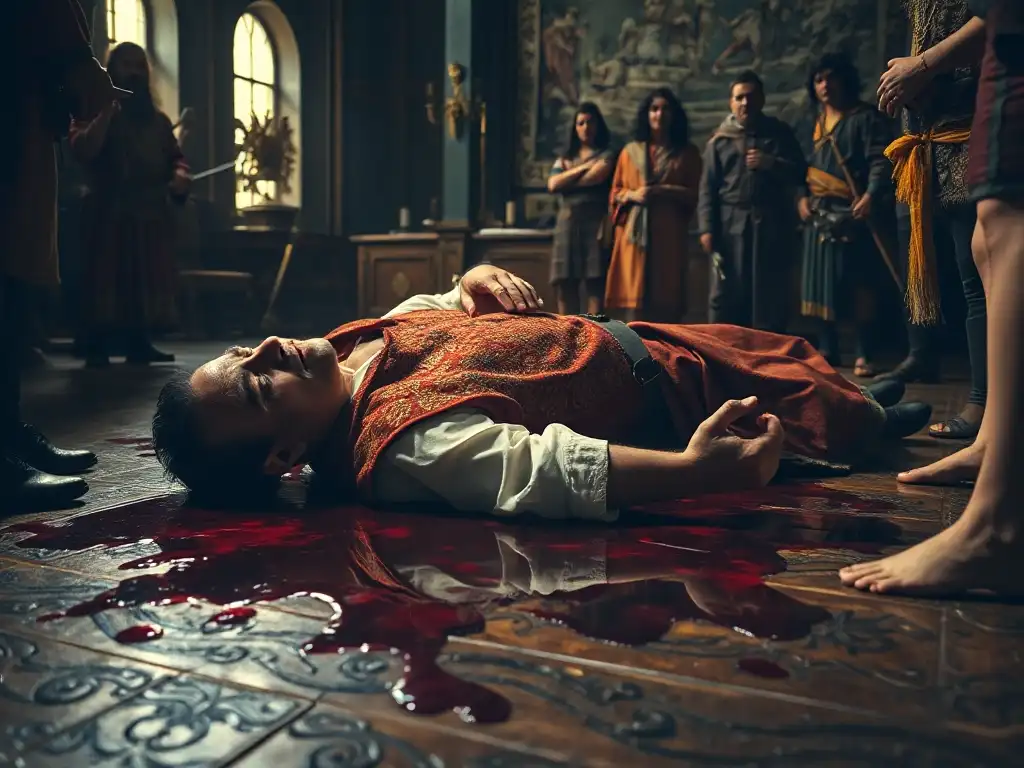
The assassination of Francisco Pizarro on June 26, 1541, wasn't merely a violent end to a controversial life; it was a seismic event with far-reaching consequences that profoundly shaped the trajectory of the Spanish conquest in the Andes and the future of the region itself. Understanding Pizarro's death cause and effect requires examining the immediate aftermath and its long-term repercussions on both the Spanish colonial enterprise and the indigenous populations.
The motivations behind the assassination, a complex tapestry of personal grievances, political maneuvering, and simmering resentment against Pizarro's authoritarian rule, are equally crucial in analyzing the full impact of this pivotal moment.
The Impact of Pizarro's Death on the Spanish Conquest
Pizarro's death created an immediate power vacuum within the Spanish ranks. His assassination, orchestrated by his rivals, threw the already fragile Spanish control over the Inca Empire into chaos. The carefully constructed system of governance, built upon Pizarro’s ruthless efficiency and strategic alliances (however tenuous), crumbled.
The ensuing power struggle amongst the conquistadors, each vying for control of the newly acquired wealth and territories, severely hampered the Spanish efforts to consolidate their power. The conquest, far from being complete, faced a significant setback. The unity that Pizarro, for all his flaws, had managed to maintain amongst his often fractious lieutenants dissolved, leading to internal conflict and weakening their overall military and political strength.
This internal strife allowed for increased resistance from indigenous populations who, emboldened by the disarray amongst the Spanish, launched renewed revolts in various parts of the empire. The immediate consequence was a period of instability and uncertainty, significantly delaying the full subjugation of the Andean region. The carefully constructed administrative system initiated by Pizarro was thrown into disarray, hindering the efficient exploitation of resources and the imposition of Spanish rule.
The Power Vacuum and the Struggle for Control
The aftermath of Pizarro's death was a brutal fight for supremacy. His half-brothers, Gonzalo and Hernando Pizarro, initially attempted to maintain control, but faced stiff opposition from other ambitious conquistadors. This internal conflict, characterized by betrayals, assassinations, and open warfare, significantly weakened the Spanish position.
The struggle for control wasn't just about personal ambition; it was also fueled by disagreements over the distribution of land, wealth, and power. The encomienda system, already a source of tension and exploitation, became even more chaotic and contested in the wake of Pizarro's demise. The ensuing power struggles, often violent and bloody, diverted resources and attention away from consolidating Spanish rule and managing the conquered territories.
This internal fracturing of the Spanish forces provided crucial breathing room for the Inca resistance, allowing them to regroup and continue their fight for independence. The fight for control significantly prolonged the conquest process and ultimately shaped the future political landscape of the region.
The Long-Term Effects on the Andean Region
The long-term consequences of Pizarro's death reverberated through the Andean region for generations. The initial instability and internal conflict among the Spanish conquistadors led to a more decentralized and less efficient colonial administration. This, in turn, impacted the indigenous populations in various ways.
While the Spanish ultimately maintained control, the prolonged period of instability following Pizarro’s death allowed for a greater degree of indigenous resistance and autonomy in certain areas. The weakened Spanish presence also allowed for the emergence of new power dynamics amongst different indigenous groups, leading to shifts in alliances and conflicts. The exploitation of resources continued, but the lack of a strong central authority led to variations in its intensity and methods across different regions.
The event fundamentally altered the course of the Spanish conquest, leaving a lasting impact on the socio-political fabric of the Andean region, shaping its subsequent history and contributing to the complex cultural landscape we see today. The death of Pizarro, therefore, represents a critical turning point, not just in the conquest itself, but in the long-term development of the Andean societies. The repercussions of this singular event continue to resonate in the historical narrative of the region, underscoring the profound and lasting impact of Pizarro's death cause and effect.
Pizarro's Death as a Turning Point in the Colonial Era
Pizarro's assassination on June 26, 1541, marked a pivotal moment in the Spanish conquest of Peru and the broader colonial era. His death didn't simply end the life of a ruthless conquistador; it unleashed a cascade of consequences that reshaped the political landscape and the trajectory of Spanish rule in the Andes. The immediate aftermath was chaotic, with power struggles erupting amongst the remaining conquistadors vying for control of the newly established viceroyalty.
This internal strife, fueled by Pizarro's demise, significantly weakened Spanish authority, creating opportunities for indigenous resistance to re-emerge and gain momentum. The vacuum of power left by Pizarro allowed for a period of instability, marked by rebellions and shifting alliances, both among the Spanish and the indigenous populations.
The death also led to significant legal and administrative changes. The Spanish crown, recognizing the dangers of unchecked power amongst its conquistadors, implemented reforms aimed at strengthening central control and curbing the excesses of individual conquistadors. These reforms, though imperfect and often inconsistently applied, represented a shift towards a more formalized and centralized system of colonial governance.
The crown's response reflected a growing awareness of the need for greater oversight and accountability in its American colonies, a direct result of the chaos and instability that followed Pizarro's assassination. This period of reform, directly triggered by Pizarro's death, laid the groundwork for future administrative structures that would shape the colonial era for decades to come.
Furthermore, Pizarro's death had a profound impact on the indigenous populations of Peru. While the Spanish conquest had already inflicted immense suffering and devastation, Pizarro's absence created a fleeting opportunity for renewed resistance. While not immediately resulting in a complete overthrow of Spanish rule, his death did sow the seeds of discontent and fueled existing rebellions.
The power vacuum and the ensuing internal conflicts amongst the Spanish provided a temporary window for indigenous communities to reorganize, regroup, and, in some cases, mount more effective resistance against the colonizers. The long-term effects of this renewed resistance, though ultimately unsuccessful in achieving complete independence, significantly influenced the dynamics of power and control in the following decades.
The legacy of Pizarro's death, therefore, extends far beyond the immediate consequences, shaping the political, social, and administrative realities of the Spanish colonial era in Peru and beyond. The event continues to be a crucial subject of study for historians seeking to understand the complexities of the conquest and its enduring impact.
Legacy of Francisco Pizarro: A Complex Historical Figure
Francisco Pizarro's legacy remains a complex and multifaceted tapestry woven from threads of conquest, brutality, and undeniable historical impact. He is remembered, and often reviled, for his pivotal role in the Spanish conquest of the Inca Empire, an event that irrevocably altered the course of Andean history. While his ambition and ruthlessness are undeniable, understanding his legacy requires a nuanced examination of his actions within the context of the 16th century and the enduring consequences of his conquest.
His name is forever intertwined with the rise and fall of a powerful civilization, leaving behind a legacy that continues to spark debate and scholarly analysis even centuries later. The cause and effect of Pizarro's actions are still being studied today, with historians grappling with the long-term ramifications of his conquest.
Pizarro’s Role in Shaping Andean History
Pizarro's role in shaping Andean history is undeniable, albeit profoundly negative from the perspective of the Inca people. His conquest led to the destruction of the Inca Empire, a sophisticated civilization with advanced agricultural techniques, intricate social structures, and a rich cultural heritage. The Inca's sophisticated road system, for example, which facilitated trade and communication across vast distances, was systematically dismantled. The introduction of European diseases, such as smallpox and measles, decimated the native population, contributing to a demographic collapse that profoundly reshaped the Andean landscape.
Furthermore, the conquest initiated a period of intense exploitation of Andean resources, including gold, silver, and labor. The Spanish established a colonial system that profoundly altered the social, economic, and political fabric of the region. Pizarro's actions, while driven by personal ambition and the greed of the Spanish crown, irrevocably transformed the Andean world, resulting in a lasting legacy of cultural disruption and social upheaval. The consequences of Pizarro's actions continue to resonate in modern-day Peru and other Andean nations.
The Controversies Surrounding Pizarro’s Actions
The controversies surrounding Pizarro's actions are numerous and deeply rooted. His methods were brutal and often characterized by treachery and violence. The capture and execution of Atahualpa, the Inca emperor, remains a particularly controversial event, highlighting Pizarro's willingness to employ deceit and violence to achieve his goals. The infamous ransom paid by the Incas, a mountain of gold and silver, further underscores the exploitative nature of the conquest.
Historians continue to debate the extent of Pizarro's cruelty and the moral implications of his actions. Some argue that he was a product of his time, a ruthless conquistador operating within the accepted norms of 16th-century European expansion. Others condemn his actions as acts of unmitigated barbarity, emphasizing the devastating impact of his conquest on the Inca civilization and its people. The moral ambiguities surrounding his conquest remain a subject of ongoing scholarly discussion and debate, with the "cause and effect" of his actions still being evaluated in the 21st century.
The Enduring Impact of Pizarro's Conquest on the Inca Civilization
The conquest led by Pizarro had a catastrophic and enduring impact on the Inca civilization. The effects were multifaceted, extending far beyond the immediate loss of life and the destruction of the Inca empire. The introduction of new diseases alone resulted in a drastic population decline, altering the demographic landscape of the Andes for generations. The destruction of Inca infrastructure, including their intricate road systems and sophisticated agricultural techniques, disrupted the social and economic fabric of the region.
Furthermore, the Spanish imposed a new colonial system, characterized by forced labor, the exploitation of resources, and the suppression of Inca culture and traditions. The imposition of Christianity and the dismantling of indigenous belief systems led to a cultural upheaval, resulting in the loss of invaluable knowledge and traditions. The effects of Pizarro's conquest are still felt today, with lingering impacts on the social, political, and cultural landscape of the Andean region.
The legacy of Pizarro's actions serves as a stark reminder of the devastating consequences of conquest and the enduring impact of historical events on the trajectory of civilizations. Understanding the cause and effect of Pizarro's conquest is crucial for comprehending the modern Andean world.
Frequently Asked Questions
What was the primary cause of Francisco Pizarro's death?
Francisco Pizarro was assassinated on June 26, 1541, in Lima, Peru. He was stabbed multiple times by a group of conspirators led by his rivals.
Who were the main individuals involved in Pizarro's assassination?
The assassination was orchestrated by Almagro's followers, who sought revenge for the earlier defeat and death of Diego de Almagro, Pizarro's former ally. Juan de Herrada was a key participant.
What were the long-term effects of Pizarro's death on the Inca Empire?
Pizarro's death did not lead to the immediate collapse of Spanish control over the Inca Empire. However, it triggered a period of instability and internal conflict amongst the Spanish conquistadors, weakening their grip on power.
How did Pizarro's death impact the Spanish colonization of South America?
His death created a period of intense civil war amongst the Spanish conquistadors, delaying further expansion and consolidation of Spanish power in the region. It highlighted the brutality and instability inherent in the conquest.
What is the significance of Pizarro's death in the overall historical narrative of the Andean Civilizations?
Pizarro's death marks a pivotal moment, illustrating the violent and complex dynamics of the Spanish conquest and its profound impact on the Andean civilizations. It showcases the resistance and consequences that arose from this period of colonial expansion.
Final Reflection: The Lingering Shadow of Conquest
The brutal assassination of Francisco Pizarro remains a chilling testament to the volatile nature of power and the enduring consequences of unchecked ambition. His death, far from being a mere historical footnote, serves as a stark reminder of the cyclical violence inherent in systems built on conquest and exploitation. The ripples of Pizarro's actions continue to resonate through the very fabric of Peruvian society today, shaping its identity and its ongoing struggle for justice and equality.
Pizarro's legacy is not simply one of conquest, but also of the profound and lasting impact his actions had on the indigenous populations of Peru. His insatiable greed and thirst for power irrevocably altered the course of a civilization, leaving behind a legacy of suffering that continues to inform contemporary discussions of colonialism and its devastating effects. History will judge not only the victors, but also the victims, and the silent witnesses to their suffering.
This quote underscores the importance of understanding the full scope of Pizarro's impact, beyond the narrow lens of his own ambition.
Consider the complexities of Pizarro's story. Reflect on the brutal realities of conquest, the devastating impact of colonialism, and the enduring struggle for justice and reconciliation. You, the reader, hold the power to shape a more just and equitable future. By understanding the past, we can better navigate the present and build a future where the lessons learned from Pizarro's life and death are not forgotten, but serve as a constant reminder of the importance of empathy, respect, and the pursuit of peace.
Unveil the Legacy of Conquest and Reflection
Thank you for exploring the fascinating and turbulent life of Francisco Pizarro and his dramatic end. Your interest in this pivotal historical figure reveals a deeper understanding of the complexities of ambition and power.
Now, let's delve deeper!
- **Investigate Pizarro's conquests and their lasting impact on modern Andean cultures. ** Consider visiting a museum dedicated to Andean history or reading scholarly works on the subject to expand your knowledge.
- **Share your newfound insights** with friends, family, or in online discussions. Explore how ambition shapes leaders and their lasting legacies—both positive and negative.
- **Engage with others** who share your interest in history by joining a history forum, book club, or online community focused on historical figures. Discover the stories of other influential individuals who profoundly impacted the course of history.
What is the true cost of unchecked ambition? Does Pizarro's legacy still resonate with today's leaders? Share your thoughts in the comments below!