
The Inca's Sacred Geography: Mapping the Spiritual Realm Through Mythology

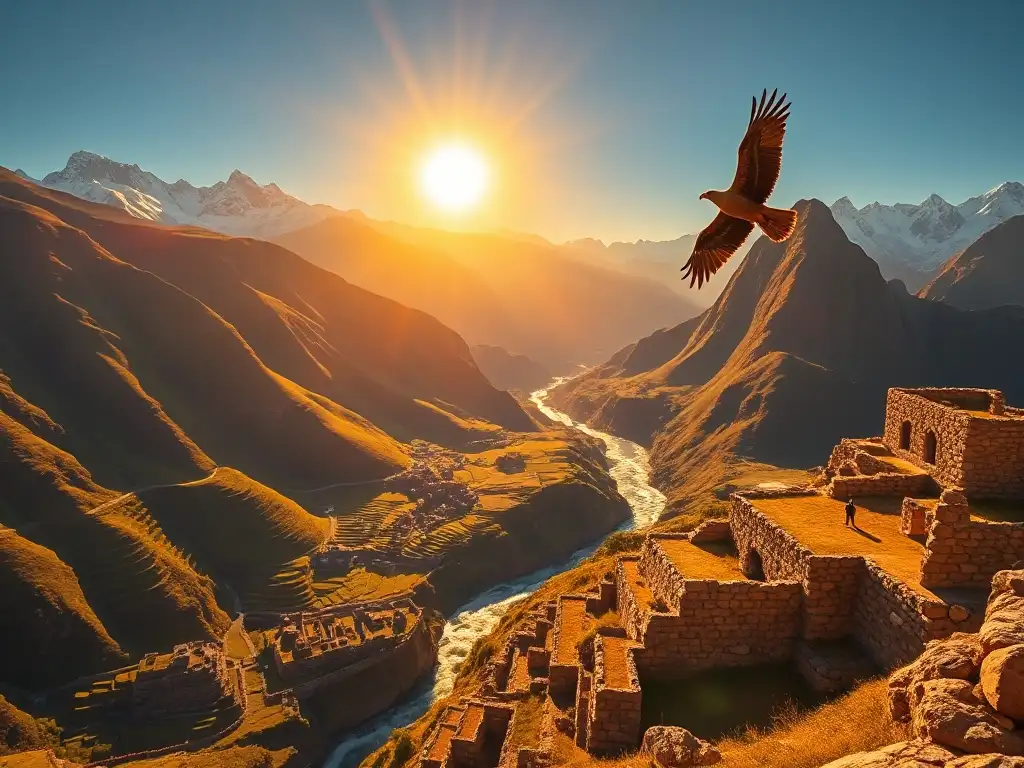
Step into a world lost to time, yet echoing with the whispers of gods and emperors. The Andean Civilizations website invites you on a journey through the breathtaking tapestry of ancient Andean cultures. But prepare to be captivated by more than just impressive architecture and intricate artistry. Uncover the secrets of Inca sacred geography mythology, a complex system of beliefs that intertwined the physical world with the spiritual realm. Are you ready to decipher the enigmatic landscape and the myths that shaped an empire? Explore the mysteries that await you within.
The Inca Empire, renowned for its sophisticated engineering and intricate social structures, possessed a deeply spiritual worldview inextricably linked to its geography. This article delves into the fascinating intersection of Inca cosmology, mythology, and the physical landscape, exploring how their sacred geography shaped their beliefs, rituals, and daily lives.
We will examine how specific mountains, rivers, and other geographical features were imbued with spiritual significance, revealing the intricate tapestry of meaning woven into the Inca worldview. Understanding Inca sacred geography provides crucial insight into their complex mythology and offers a richer appreciation for the enduring legacy of this remarkable civilization.
This exploration will uncover the profound relationship between the Incas and their environment, demonstrating how their understanding of the world was not simply a matter of physical existence but a deeply spiritual and interconnected experience. We will examine key mythological figures, sacred sites, and rituals to illuminate how the Incas perceived and interacted with their sacred landscape.
Huaca and Apu: Sacred Mountains and Spirits
The Andes Mountains formed the backbone of Inca sacred geography. Towering peaks, known as Apus, were considered sacred deities, embodying powerful spirits and acting as intermediaries between the human and divine realms. These weren't merely geographical features; they were living entities, revered and appeased through offerings and rituals.
The Incas believed that the Apus influenced weather patterns, agricultural cycles, and the overall well-being of their communities. Specific Apus, like Ausangate and Salkantay, held particularly significant roles in Inca mythology, often associated with specific deities or cosmological events. The reverence for Apus extended to the entire mountain ecosystem, including the flora, fauna, and springs found within their slopes.
Detailed accounts of these rituals, though often fragmented, reveal a profound connection between the Inca people and the spiritual power they attributed to these majestic mountains. Furthermore, the careful selection of sites for Inca settlements often reflected the proximity to and orientation towards important Apus, further emphasizing their integral role in Inca society.
Sacred Rivers and Water Sources: Veins of the Earth
Water, essential for life and agriculture, held immense spiritual significance for the Incas. Rivers, springs, and lakes were not merely sources of hydration; they were considered sacred veins of the earth, conduits of life-giving energy. Many Inca myths feature water deities and narratives surrounding the origins of rivers and springs. These waterways were often associated with specific deities or cosmological events, highlighting their importance in the Inca worldview.
The Inca's sophisticated water management systems, such as canals and irrigation channels, were not only feats of engineering but also acts of reverence, ensuring the proper flow of this sacred energy throughout their empire. The precise location of these systems often mirrored the spiritual importance of the water sources themselves, indicating a deep integration of practical needs with spiritual beliefs. Evidence suggests that certain springs were considered especially sacred and were the focus of elaborate rituals and offerings.
Pachamama: The Earth Mother and Agricultural Cycles
The concept of Pachamama, the Earth Mother, is central to Inca mythology and deeply intertwined with their sacred geography. Pachamama represented the fertile earth, the provider of sustenance, and was revered through rituals and offerings related to agriculture. The Inca agricultural calendar was closely tied to the cycles of Pachamama, with festivals and ceremonies marking planting and harvesting seasons.
Specific geographical locations, often fertile valleys and agricultural terraces, were considered particularly sacred spaces where the connection to Pachamama was felt most strongly. The Inca's mastery of agriculture, evident in their intricate terrace systems, was not simply a technological achievement but also a demonstration of their deep respect for and understanding of Pachamama's power. The offerings made to Pachamama often included agricultural products, reflecting the intimate connection between the earth, its bounty, and the spiritual well-being of the Inca people.
The Ceque System: A Network of Sacred Lines
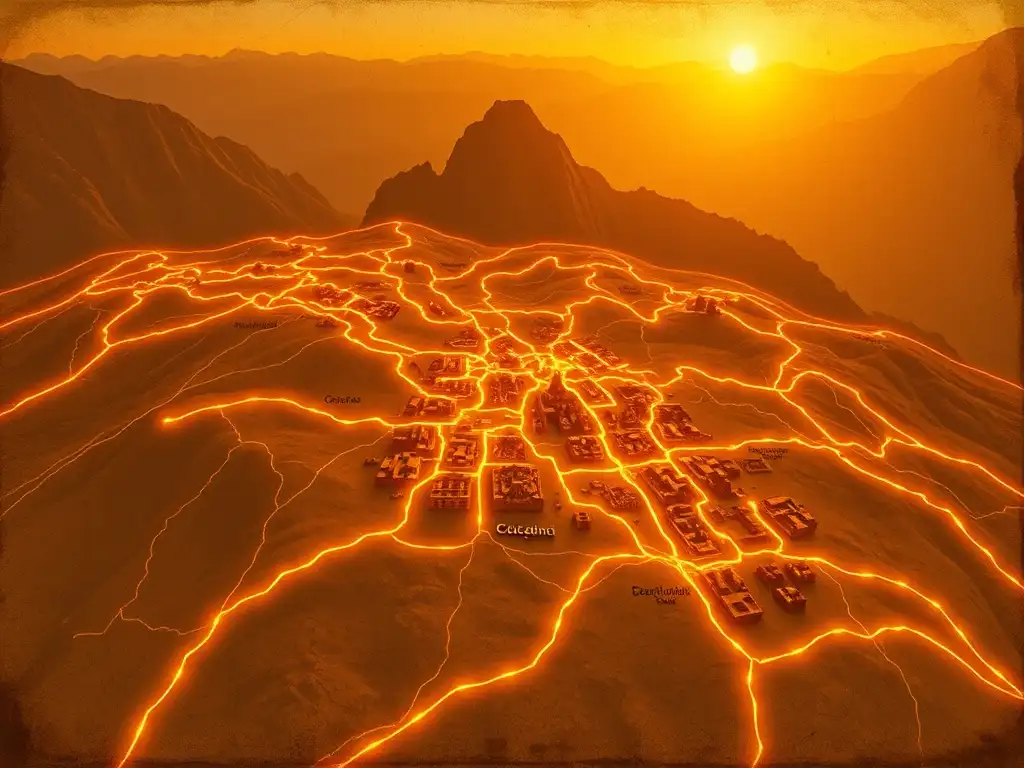
The ceque system represents a sophisticated mapping of Inca sacred geography. This network of lines connected hundreds of huacas (sacred sites) throughout Cusco and its surrounding valleys. These lines weren't arbitrary; they were believed to be pathways of sacred energy, connecting the human world with the divine realm.
Each ceque was associated with specific deities, Apus, and cosmological events, forming a complex and interconnected spiritual map of the region. The precise layout of the ceque system and the meaning behind the placement of huacas along these lines remains a subject of ongoing research, but its significance in the Inca's understanding of their sacred geography is undeniable.
The ceque system provides a tangible manifestation of the Incas' complex relationship between the spiritual and the physical world, highlighting their sophisticated understanding of cosmology and spatial organization. Further research is needed to fully decipher the intricate patterns and meanings embedded within this fascinating system.
Inca Mythology and the Interpretation of Landscape Features
The Inca worldview was profoundly shaped by their interpretation of landscape features. Unusual rock formations, caves, and springs were often imbued with spiritual significance, becoming sites of pilgrimage and ritual. Many Inca myths and legends involve these natural features, providing narratives that explain their origins and significance. These stories not only served to entertain but also helped reinforce the Inca's worldview and their connection to the sacred landscape.
The interpretation of these features varied across different regions of the empire, reflecting the diverse local traditions and beliefs that were incorporated into the broader Inca cosmology. The integration of these local beliefs into the broader Inca mythology highlights the adaptive and inclusive nature of their religious system. Further research into regional variations within Inca mythology will provide a more nuanced understanding of their sacred geography.
- Huaca and Apu: Sacred Mountains and Spirits
- Sacred Rivers and Water Sources: Veins of the Earth
- Pachamama: The Earth Mother and Agricultural Cycles
- The Ceque System: A Network of Sacred Lines
- Inca Mythology and the Interpretation of Landscape Features
- The Legend of Manco Capac and Mama Ocllo: Founding Myths and Place
- The Myth of the Sun God Inti and his Influence on Sacred Sites
- Pachamama: The Earth Mother and her Role in Inca Cosmology
- The Importance of Animal Deities in Shaping Inca Sacred Geography
- The Story of the Ayar Brothers and their Journey to Cusco
- What role did mountains play in Inca sacred geography?
- How did Inca mythology influence their understanding of geography?
- What were some important sacred sites in the Inca empire, and what made them significant?
- How did the Inca use astronomy in their sacred geography?
- What is the relationship between Inca sacred geography and their agricultural practices?
Understanding Inca Sacred Geography and its Cosmological Roots
The Inca understanding of geography wasn't merely a practical mapping of their vast empire; it was a deeply spiritual and mythological endeavor. Their worldview intricately intertwined the physical landscape with their cosmology, creating a sacred geography that informed every aspect of their lives, from agricultural practices to political organization. The Inca concept of sacred geography wasn't static; it evolved through generations, absorbing and integrating elements from the diverse cultures they conquered.
This dynamic process resulted in a complex system of beliefs and practices that reflected both continuity and change. Understanding this sacred geography is crucial to grasping the essence of Inca civilization and its enduring legacy. The Inca's relationship with their environment wasn't one of exploitation, but of reverence and profound interconnectedness.
This section will explore key elements of this intricate relationship, focusing on the crucial roles of mountains and water sources in their spiritual beliefs. The keyword "Inca sacred geography mythology" encapsulates the core of this fascinating topic.
The Inca Concept of Space and Time: A Mythological Perspective
The Inca perception of space and time was fundamentally different from our own linear conception. Their worldview wasn't confined to a simple three-dimensional space; rather, it encompassed a multi-layered reality, connecting the earthly realm with the celestial and the underworld. Time wasn't a linear progression but a cyclical process, marked by the agricultural cycles and the movements of celestial bodies. Mythology played a pivotal role in shaping this understanding.
Creation myths, for example, often depicted the emergence of the world from a primordial chaos, with mountains and water sources serving as crucial points of origin. These origins, or pacarinas, were not merely geographical locations; they were sacred sites imbued with powerful spiritual energy, acting as focal points for rituals and ceremonies. The Inca calendar, intricately tied to agricultural cycles and astronomical observations, further reinforced this cyclical perception of time. The precise alignment of certain structures with celestial events suggests a sophisticated understanding of astronomy and its connection to their spiritual beliefs.
This holistic view, where space and time were interwoven with mythology, profoundly influenced their sacred geography. Understanding this perspective is key to deciphering the meaning behind the Inca's spatial organization and their sacred sites. They didn’t just inhabit the land; they were part of it, inextricably linked to its rhythms and cycles.
The Role of Mountains (Apus) in Inca Spirituality
Mountains, or Apus, held immense spiritual significance for the Inca. They weren't simply geographical features; they were considered powerful deities, intermediaries between the human world and the celestial realm. Each mountain possessed its own unique spirit and personality, often associated with specific characteristics and powers. The Inca believed that the Apus controlled the weather, the fertility of the land, and the well-being of the communities living in their shadows.
This deep reverence is reflected in the numerous offerings and sacrifices made at mountaintops, often involving coca leaves, llamas, and other precious items. The construction of capac ñan (the Inca road system) often followed mountain ranges, not only for strategic purposes but also to maintain a connection with these sacred entities. The Inca meticulously mapped and categorized their Apus, creating a complex system of mountain worship that integrated seamlessly with their imperial administration.
The selection of capital cities, such as Cusco, was often determined by their proximity to significant Apus, highlighting the importance of these sacred mountains in their worldview. Evidence suggests a deep understanding of the ecological significance of mountain ecosystems, with their agricultural practices carefully adapted to the specific conditions of each mountain's slopes. This practical knowledge was interwoven with their spiritual beliefs, creating a harmonious relationship between human society and the natural world.
Water Sources (Pacarinas) as Sacred Origins in Inca Mythology
Water sources, particularly springs and lakes, known as Pacarinas, occupied a central place in Inca mythology and sacred geography. These weren't just sources of life-sustaining water; they were considered the points of origin, the places where the world emerged from the primordial chaos. Many Pacarinas were associated with specific creation myths, narrating the emergence of the first ancestors and the founding of particular lineages. These sites were thus deeply revered and served as important pilgrimage locations.
The Inca built elaborate structures and shrines around these water sources, further emphasizing their sacred status. Rituals and ceremonies performed at Pacarinas were often aimed at ensuring the continued flow of water, vital for agriculture and life itself. The Inca understood the hydrological cycle and its importance for their agricultural system; this practical knowledge was intertwined with their spiritual beliefs, highlighting the interconnectedness of their worldview.
The careful management of water resources, as demonstrated by their sophisticated irrigation systems, reflects not only their engineering prowess but also their profound respect for these sacred origins. Many Pacarinas were integrated into the Inca road system, connecting them to other important ceremonial sites and further emphasizing their crucial role in their sacred geography and mythology. The reverence for Pacarinas underscores the Inca's deep connection to the natural world and their understanding of the essential role of water in the creation and sustenance of life.
Key Elements of Inca Sacred Geography and their Mythological Significance
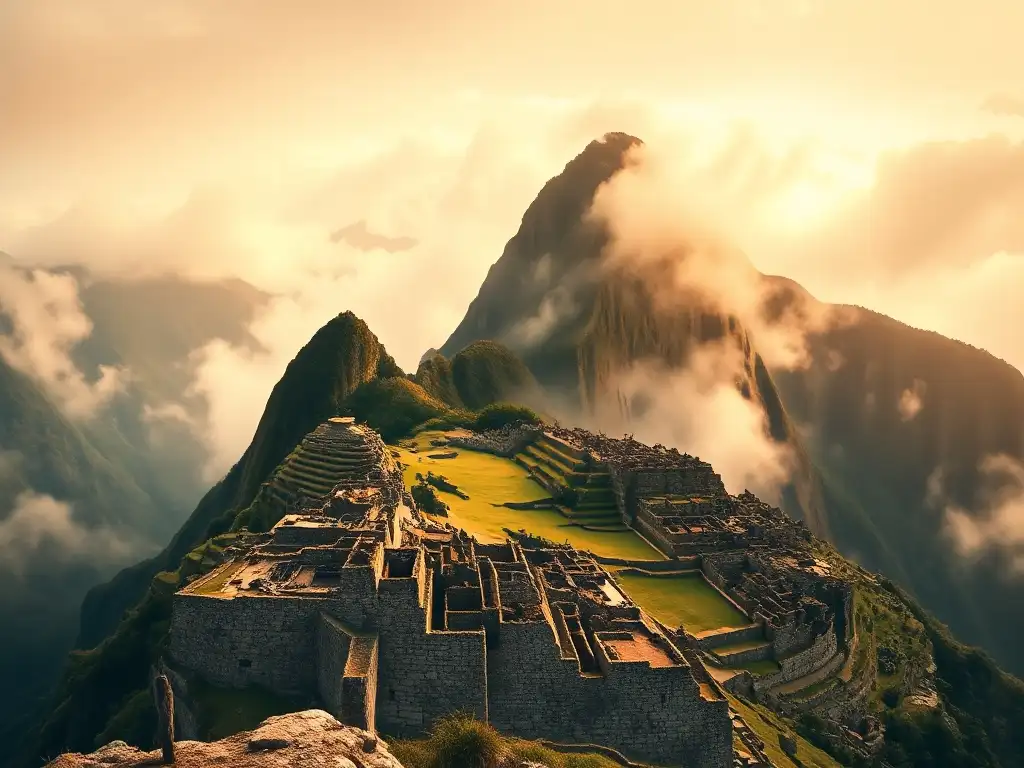
The Inca worldview was deeply intertwined with the physical landscape, imbuing mountains, rivers, springs, and even specific rocks with profound spiritual significance. This sacred geography, far from being a mere aesthetic appreciation of nature, formed the bedrock of their religious beliefs, social structures, and political power. Understanding Inca sacred geography requires delving into their rich mythology, revealing a cosmology where the earthly realm mirrored the celestial, and where the gods were actively involved in the daily lives of the people.
This section will explore key elements of this intricate system, highlighting the mythological narratives that gave them meaning and power. The concept of Inca sacred geography mythology encapsulates this profound connection between the physical and spiritual worlds.
Huacas: Sacred Places and Power Spots in the Inca World
Huacas represented the most potent manifestations of sacred power within the Inca worldview. These were not simply aesthetically pleasing locations; they were considered to be imbued with a potent spiritual energy, often associated with specific deities or ancestral spirits. The range of huacas was vast, encompassing mountains (like Apu Ausangate), springs, caves, rocks, and even certain trees. Their importance stemmed from the belief that these locations were portals connecting the human world with the supernatural realm.
Many mythological narratives centered around huacas. For instance, the creation myths often involved deities emerging from or interacting with specific huacas, establishing their sacred status. These stories were not just entertaining tales; they served to reinforce the social order, legitimize Inca rule, and guide the rituals and practices associated with these sacred places.
The Inca meticulously maintained and venerated their huacas, offering sacrifices and performing ceremonies to appease the spirits residing within them and ensure continued prosperity. The careful selection and preservation of these sites demonstrate the deep significance of huacas in the Inca’s understanding of their sacred geography and their relationship with the divine. Specific examples of Huacas and their associated myths require further research, but the existing archaeological and ethnohistorical evidence strongly suggests a complex relationship between these physical sites and the beliefs of the Inca people.
Ceque System: The Invisible Lines of Inca Sacred Geography
Beyond the individual huacas, the Inca also organized their sacred landscape through a sophisticated system known as the ceque. This network of invisible lines radiating from the city of Cusco connected numerous huacas, creating a symbolic map of the Inca cosmos.
Each ceque was associated with a specific deity or ancestral spirit, and the precise arrangement of these lines reflected a complex cosmology that mirrored the Inca understanding of the universe. The ceque system wasn't merely a geographical arrangement; it was a powerful symbolic representation of the Inca worldview, demonstrating their profound ability to integrate their spiritual beliefs into their physical environment.
The mythological underpinnings of the ceque system are still being investigated, but it's clear that the lines themselves were not arbitrary. Their layout likely reflected specific narratives and cosmological beliefs, linking together sacred places in a way that reinforced the Inca’s perception of their world. The precise alignment of huacas along these lines suggests a sophisticated understanding of astronomy and land surveying, further demonstrating the Inca’s advanced knowledge and ability to meticulously plan and execute large-scale projects based on their spiritual beliefs.
This system showcases the intricate integration of cosmology, geography, and mythology in the Inca world, creating a truly unique and powerful expression of their sacred geography. Further research into the specific deities and narratives associated with each ceque line is crucial to fully understanding this complex system.
The Significance of Cusco as the Center of Inca Cosmology
Cusco, the Inca capital, occupied a central position not just geographically but also cosmologically. Inca mythology positioned Cusco as the navel of the world, the point where the earthly and celestial realms intersected. This central location was not accidental; it was deliberately chosen and meticulously planned to reflect their cosmological beliefs. The city's layout, with its intricate network of streets and plazas, mirrored the structure of the cosmos, reinforcing its symbolic importance. The location of important temples and palaces further emphasized Cusco's role as the focal point of Inca religious and political life.
The mythological narratives surrounding Cusco’s founding often involve deities directly shaping the city's landscape. These stories served to legitimize Inca rule and reinforce the city's sacred status. The meticulous planning of Cusco, its architectural marvels, and its strategic location all contributed to its significance as the heart of the Inca empire and the central point in their intricate system of sacred geography.
The city's importance extended beyond its physical presence; it served as a tangible representation of the Inca cosmology, a place where the earthly and spiritual worlds converged, and where the Inca maintained their connection with the divine. The intricate relationship between Cusco's physical layout and the Inca mythology surrounding its founding remains a subject of ongoing scholarly debate and research, providing a rich source for further exploration of Inca sacred geography mythology.
The Relationship Between Inca Architecture and Sacred Landscape
Inca architecture wasn't merely a practical endeavor; it was deeply intertwined with their understanding of sacred geography and cosmology. The placement of structures, their orientation, and even their design reflected a profound connection to the apus (mountain spirits), water sources, and other significant features of the landscape. This wasn't arbitrary placement; meticulous planning went into aligning buildings with celestial events, creating a harmonious blend of the built environment and the natural world. The Incas saw their cities, temples, and agricultural terraces not as separate entities but as integral parts of a larger, sacred ecosystem.
For instance, the city of Cusco, considered the heart of the Inca Empire, was strategically built to resemble a puma, a powerful sacred animal in Inca mythology. The city's layout, with its winding streets and strategically placed structures, mirrored the puma's body, reflecting the belief that the city's spiritual power was directly linked to the animal's strength and vitality. This symbolic representation extended beyond Cusco; similar alignments and designs are found in other important Inca sites, highlighting the consistent integration of sacred geography into their urban planning.
The intricate network of agricultural terraces, known as andenes, is another prime example of this relationship. These terraces weren't just for efficient farming; they were also considered sacred spaces, enhancing the fertility of the land and connecting it to the spiritual realm. Their construction often followed the contours of the mountains, harmoniously integrating the human-made structures with the natural landscape.
This careful integration wasn't simply aesthetic; it was believed to improve crop yields and maintain a balance between the human and spiritual worlds, reflecting a deep understanding of the interconnectedness of nature and spirituality. The precise engineering and careful placement of these terraces demonstrate the Incas' advanced understanding of both landscape and cosmology. They weren't just building terraces; they were actively shaping and participating in the sacred geography of their world.
The orientation of Inca structures also played a crucial role. Many buildings were aligned with the solstices and equinoxes, highlighting the importance of celestial events in their worldview. These alignments weren't accidental; they were carefully planned and executed, demonstrating a sophisticated understanding of astronomy and its connection to the sacred landscape.
The precise positioning of windows and doorways, for example, allowed for the observation of specific celestial events, further reinforcing the connection between the built environment and the spiritual realm. This meticulous attention to detail showcases the depth of their cosmological knowledge and its influence on their architectural practices. The Incas’ understanding of the cosmos wasn't separate from their earthly existence; it was deeply embedded in their daily lives and their physical environment, reflected in every aspect of their architectural achievements.
Mythological Narratives Shaping Inca Sacred Geography
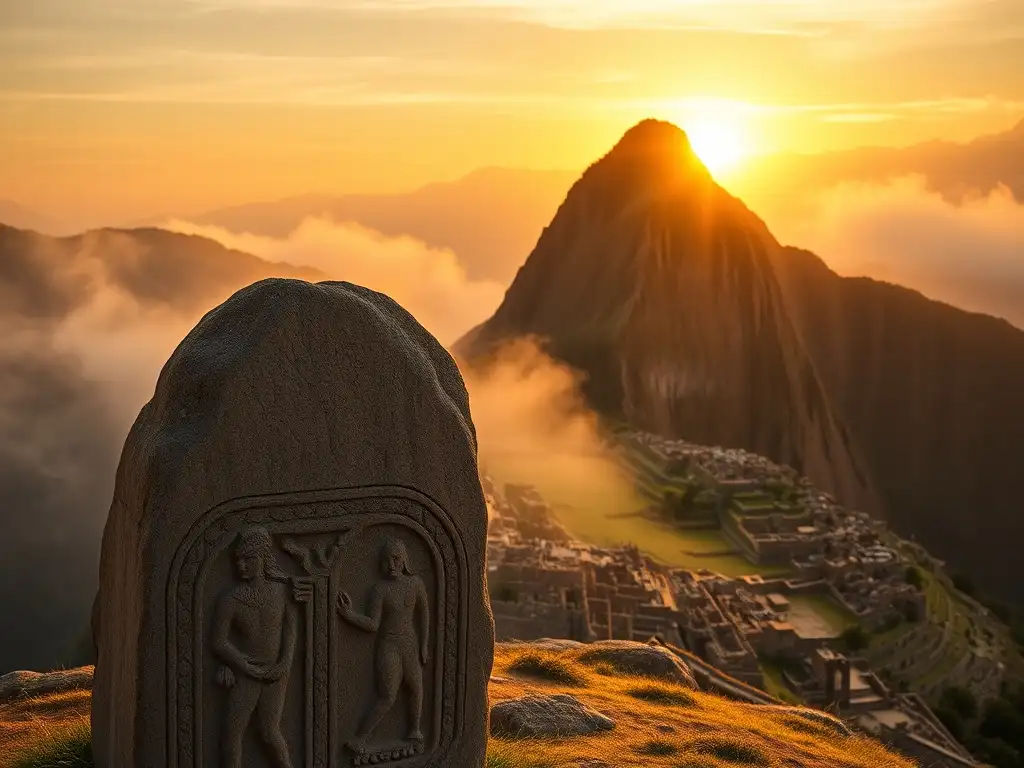
This section delves into the intricate relationship between Inca mythology and their understanding of sacred geography. The Incas didn't simply inhabit a landscape; they perceived it as a living, breathing entity deeply intertwined with their spiritual beliefs. Their sacred sites weren't randomly chosen locations but rather points of power, reflecting the narratives and cosmological principles central to their worldview. Understanding Inca sacred geography requires a deep dive into their rich mythology.
This analysis focuses on key narratives and their impact on the selection and significance of particular places within the Inca Empire. The very fabric of Inca society was woven from threads of myth, shaping their understanding of the world and their place within it. The careful placement of cities, temples, and agricultural terraces all reflected this profound connection between the physical and spiritual realms.
The Legend of Manco Capac and Mama Ocllo: Founding Myths and Place
The origin myth of the Inca Empire centers around Manco Capac and Mama Ocllo, siblings and children of the Sun God, Inti. Emerging from Lake Titicaca, they were tasked with establishing a new civilization. This foundational narrative directly shaped Inca sacred geography.
The location of their emergence, Lake Titicaca, became a supremely sacred site, considered the birthplace of the Inca people and the origin point of their empire. The lake's unique geography – its high altitude, its vastness, and its connection to the Andes mountains – all contributed to its spiritual significance. The story doesn't simply locate the origin; it establishes a direct link between the divine and the physical landscape.
The Inca's subsequent expansion from Lake Titicaca wasn't a random spread, but a purposeful establishment of settlements and sacred sites along pathways that reinforced the narrative of their divine origins and their connection to the natural world. The precise locations chosen for these settlements were often determined by geographical features that mirrored elements described in the founding myth, further emphasizing the sacred nature of the landscape.
Further bolstering this connection is the consistent emphasis on water sources in Inca mythology and city planning. The presence of springs, rivers, and lakes was not merely a matter of practical necessity but also a reflection of the life-giving power associated with Manco Capac and Mama Ocllo's emergence from the waters of Lake Titicaca.
This divine connection infused these water sources with immense spiritual significance, influencing the location and design of Inca cities and agricultural systems. For example, the city of Cusco, the Inca capital, was strategically situated near several water sources, further reinforcing its status as a sacred center.
The Myth of the Sun God Inti and his Influence on Sacred Sites
Inti, the Sun God, held paramount importance in Inca cosmology. He was not merely a deity; he was the source of life, the ruler of the cosmos, and the ancestor of the Inca rulers. His influence permeates Inca sacred geography profoundly.
Many of the most significant Inca sites were oriented towards the sun's movements, reflecting the sun's central role in their belief system. The precise alignment of structures, particularly temples and astronomical observatories, with the solstices and equinoxes demonstrates a sophisticated understanding of celestial movements and a deliberate attempt to harmonize the built environment with the rhythms of the cosmos. The Inca’s profound knowledge of astronomy is inextricably linked to their religious practices and their understanding of the sacred landscape.
The concept of huacas, sacred places imbued with spiritual power, is directly connected to the worship of Inti. These huacas could be natural features like mountains, rocks, or springs, or they could be man-made structures like temples and ceremonial centers. Many huacas were associated with specific myths and legends involving Inti, further strengthening their spiritual significance.
For instance, the mountain of Machu Picchu, often revered as a sacred site, may have held special significance due to its relation to specific myths involving the Sun God’s power and presence. Detailed analysis of the layout of these sites is needed to fully understand the complex interplay between mythology, astronomy, and sacred geography.
Pachamama: The Earth Mother and her Role in Inca Cosmology
Pachamama, the Earth Mother, represents the fertile earth, the source of all sustenance, and the embodiment of life's cyclical nature. Her role in Inca cosmology is as significant as Inti's, shaping their understanding of sacred geography in a different, yet equally crucial, way. Unlike Inti, whose influence is primarily reflected in celestial alignments, Pachamama's presence is deeply embedded in the agricultural landscape.
The Inca's ingenious agricultural terraces, carved into the steep Andean slopes, were not merely practical feats of engineering; they were also expressions of reverence for Pachamama. These terraces, meticulously constructed to optimize water usage and crop yields, were seen as a way to honor and nurture the Earth Mother, ensuring her continued bounty.
The Inca's reverence for Pachamama extended beyond their agricultural practices. Many sacred sites were located in areas of significant natural beauty or agricultural productivity, reflecting their deep connection to the Earth. Certain caves, springs, and mountains were considered particularly sacred, believed to be places where Pachamama's power was especially potent.
These locations served as important sites for rituals and offerings, aimed at maintaining a harmonious relationship with the Earth Mother and ensuring the continued prosperity of the Inca Empire. The Inca's deep respect for Pachamama is evident in the meticulous planning and execution of their agricultural systems and the selection of sacred sites, showcasing a sophisticated understanding of the interconnectedness between the spiritual and material worlds. The careful management of resources and the harmonious relationship with nature are clear indicators of this profound belief.
The Importance of Animal Deities in Shaping Inca Sacred Geography
The Inca worldview was deeply intertwined with the natural world, and animal deities played a crucial role in shaping their understanding of sacred geography. Animals weren't merely creatures to be hunted or revered; they were powerful spiritual entities, often associated with specific geographical features and embodying crucial aspects of the Inca cosmology.
For example, the condor, with its majestic flight soaring over the Andes, was often associated with the sun god Inti and represented power, strength, and the lofty heights of the sacred mountains. The presence of condors in a particular region might thus indicate a site of significant spiritual power, reinforcing its importance in Inca sacred geography.
Similarly, the puma, a powerful predator intimately connected to the Andean landscape, represented strength, cunning, and earthly power. Puma-shaped rock formations or mountains were often considered sacred sites, imbued with the animal's inherent power. These sites might have been locations for rituals, ceremonies, or simply places of quiet contemplation and connection with the spirit world.
The serpent, another significant animal deity, symbolized fertility, water, and the underworld. Water sources, particularly springs and subterranean rivers, were often associated with serpent deities, highlighting their importance in the Inca understanding of life-giving forces and the interconnectedness of the visible and invisible worlds. The careful observation and interpretation of animal behavior and the presence of specific animals within a geographical context played a vital role in establishing the sacredness of certain places in the Inca empire.
Understanding the symbolism of these animal deities provides crucial insights into the Inca's complex and nuanced relationship with their environment and their belief system. This connection extended beyond mere symbolism, influencing the placement of settlements, temples, and agricultural practices.
The Story of the Ayar Brothers and their Journey to Cusco
The legend of the Ayar brothers is a foundational myth in Inca cosmology, profoundly shaping their understanding of sacred geography. This narrative recounts the journey of four brothers, Ayar Manco, Ayar Cachi, Ayar Uchu, and Ayar Auca, and their sister Mama Ocllo, from the mythical cave of Tamputoco to Cusco, the future capital of the Inca Empire. Their journey is not merely a geographical progression; it's a symbolic pilgrimage, each stage imbued with spiritual significance and contributing to the establishment of Cusco's sacred status.
Ayar Manco, the destined founder of the Inca civilization, is often depicted as possessing supernatural powers. The route they followed, marked by miraculous events and divine interventions, became sacred itself. Places where Ayar Manco performed miracles or overcame obstacles were marked as sacred sites, often becoming locations for future temples or pilgrimage destinations.
For instance, the emergence of Ayar Manco's staff from the earth at various points along their journey established the sacredness of those locations, highlighting the divine sanction for the Inca's claim to the land. The legend also explains the founding of various Inca settlements along the route, emphasizing the connection between the mythical journey and the actual geographical expansion of the Inca empire. The story’s narrative structure reflects the Inca's belief in a divinely ordained destiny and the sacredness of the land they inhabited.
The story’s emphasis on specific geographical features, such as caves, mountains, and springs, reinforces the deep connection between Inca mythology and their understanding of sacred space. The Ayar brothers' journey, therefore, is not just a story of origins; it's a map of sacred geography, a narrative that shaped the Inca's perception of their world and their place within it. This myth provides a framework for understanding the distribution of sacred sites and the hierarchical organization of Inca society and its relationship to the landscape.
The Mapping of the Inca Spiritual Realm
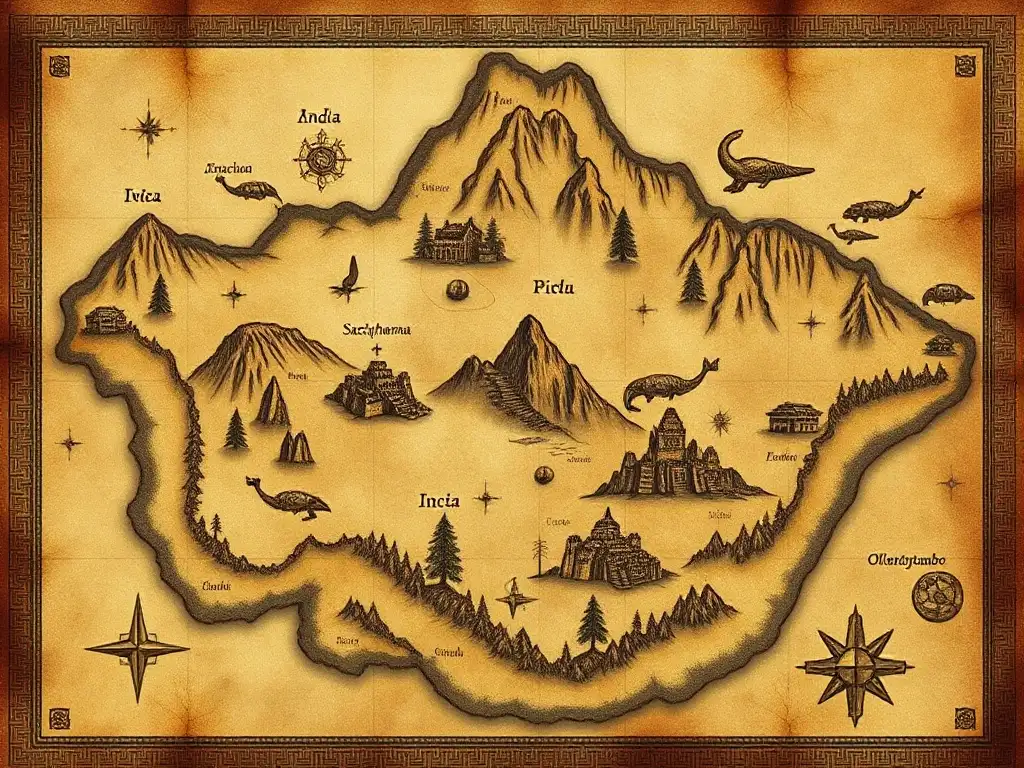
The Inca worldview was deeply intertwined with their understanding of the physical world. Their sacred geography wasn't simply a matter of marking out territories; it was a complex system of beliefs and practices that imbued specific locations with profound spiritual significance. This system, heavily influenced by Inca mythology, shaped their cities, agricultural practices, and even their political structures.
Understanding Inca sacred geography requires delving into their rich mythology, which provided the framework for interpreting the landscape and its inherent power. The Inca believed that the apu, or mountain spirits, were powerful deities that directly influenced their lives, and the location and orientation of their settlements were often chosen to align with these powerful forces. This careful consideration of geographical features reflects a profound respect for the natural world and its connection to the spiritual realm.
The precise methods used in this mapping remain a subject of ongoing research, but archaeological evidence and surviving accounts offer valuable insights into the Inca's sophisticated understanding of their sacred landscape. This intricate relationship between physical space and spiritual belief is a key aspect of understanding Inca civilization and its lasting legacy.
How Inca Mythology Defined Sacred Spaces
Inca mythology played a crucial role in defining sacred spaces. Mountains, rivers, and springs were not merely geographical features; they were inhabited by powerful deities and spirits. The apu, as mentioned, were particularly important. Each mountain was considered a distinct entity, possessing its own unique character and power.
For example, the mountain of Ausangate in the Andes was considered a powerful apu and a central figure in Inca mythology, associated with fertility and water. This mythological significance shaped the way Incas interacted with the landscape. Certain locations were designated as sacred sites, often marked by temples, shrines, or other structures. These sites were not randomly chosen; their locations were carefully selected based on their alignment with celestial bodies, geological features, and their perceived connection to the spiritual world.
The Inca cosmology, which included a complex pantheon of gods and spirits, dictated the importance and function of these sacred spaces, influencing everything from religious rituals to agricultural practices. The careful placement of these sacred spaces reflects a deep understanding of the interconnectedness of the physical and spiritual realms, a worldview that permeates all aspects of Inca culture. Archaeological excavations continually uncover new evidence supporting this intricate relationship between myth and geography.
The Interplay of Nature and Myth in Inca Spiritual Practice
The Inca's spiritual practices were intimately interwoven with the natural world. Their mythology didn't exist in isolation; it was directly experienced and enacted through their interaction with the environment. Agricultural practices, for instance, were deeply infused with spiritual meaning. The planting and harvesting of crops were not merely practical activities; they were rituals designed to appease the apu and ensure bountiful harvests.
The Inca believed that the fertility of the land was directly linked to the favor of the mountain spirits. Similarly, water sources, such as rivers and springs, were considered sacred and essential to life. These natural features were seen as conduits of spiritual energy, and their protection was vital to the well-being of the community. The Inca's understanding of the natural world was holistic, encompassing both its physical and spiritual dimensions.
Their mythology provided a framework for understanding and interacting with nature, shaping their beliefs, practices, and societal structures. This intimate relationship between myth and nature is a defining characteristic of Inca spirituality and provides a valuable lens through which to understand their complex society. Further research could illuminate the specific rituals and practices associated with different natural features and their corresponding deities.
The Use of Astronomy in Inca Sacred Geography
Astronomy played a pivotal role in Inca sacred geography. The Inca were skilled astronomers, using their observations of the celestial bodies to understand and predict agricultural cycles, plan their activities, and reinforce their spiritual beliefs. The positioning of cities, temples, and agricultural terraces often aligned with astronomical events, such as solstices and equinoxes.
For example, the orientation of Machu Picchu is believed to be carefully aligned with the movements of the sun, creating a powerful visual connection between the earthly and celestial realms. This astronomical knowledge wasn't simply a matter of scientific observation; it was deeply embedded in their mythology and spiritual practices. Specific constellations and celestial events were associated with particular deities and spiritual forces, further reinforcing the interconnectedness of the earthly and heavenly realms.
The Inca's sophisticated understanding of astronomy underscores their advanced knowledge of mathematics, engineering, and their profound connection to the cosmos. The integration of astronomy into their sacred geography demonstrates a sophisticated level of cultural and scientific achievement, highlighting the complex interplay between their beliefs and their practical understanding of the world. Further research into Inca astronomical records could reveal even more precise details about the relationship between celestial events and their sacred sites.
Ritual Practices and the Inca Sacred Landscape
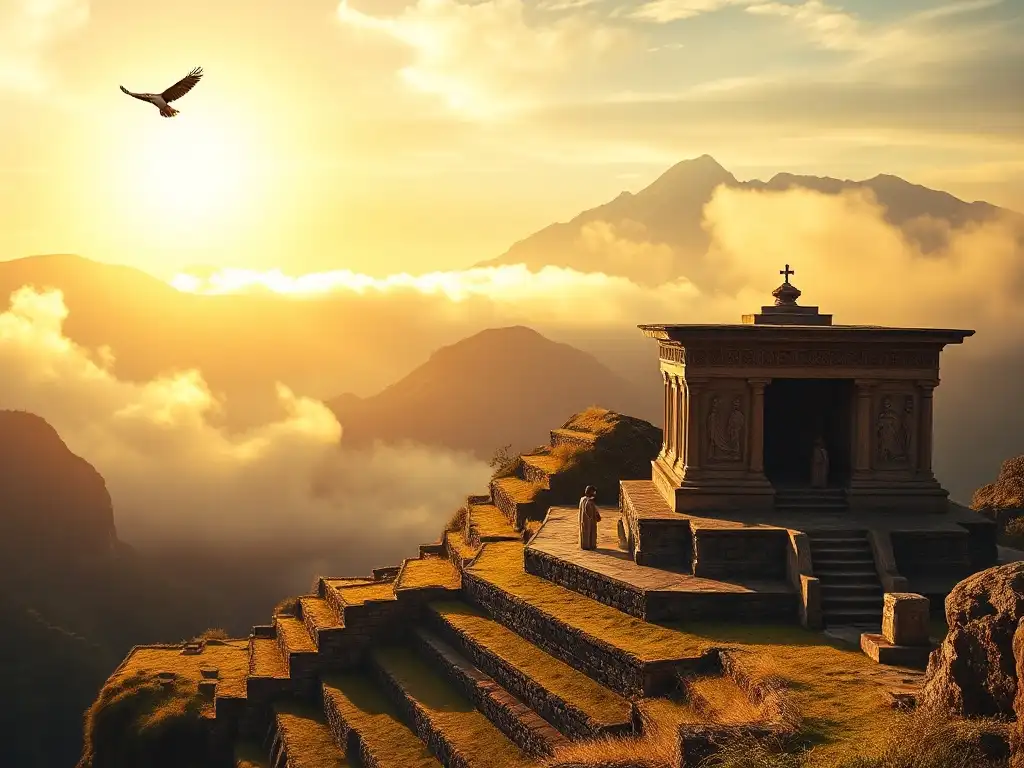
The Inca's profound understanding of their sacred geography deeply influenced their ritual practices. These weren't isolated events but rather integral parts of a complex system interwoven with the landscape itself. Ceremonies, often involving elaborate processions and offerings, were meticulously planned to coincide with specific astronomical events and agricultural cycles. The timing and location of these rituals were not arbitrary; they were carefully chosen to harness the perceived spiritual energies emanating from particular sites.
For example, the Inti Raymi, the festival dedicated to the sun god Inti, was celebrated at the solstice, a time of great cosmological significance. The location of this festival often changed, reflecting the Inca's belief in the pervasive sacredness of their territory. The use of specific mountains, rivers, and springs as focal points for rituals highlights the intimate connection between the Inca worldview and the physical environment. These natural features weren't simply geographical markers; they were considered powerful conduits for communication with the spirit world.
The precise details of many rituals remain shrouded in mystery, lost to time or deliberately obscured, but archaeological evidence and surviving accounts consistently demonstrate their integral relationship to the sacred landscape. Further research into Inca iconography and surviving texts might reveal more precise details regarding the spatial layout and significance of these rituals. Understanding these practices is crucial to unlocking the complexities of Inca sacred geography.
The Significance of Machu Picchu and its Mythological Connections
Machu Picchu, often called the "Lost City of the Incas," holds a unique place in Inca mythology and sacred geography. While its precise function remains a subject of ongoing scholarly debate, its location and design strongly suggest a deep spiritual significance. Perched high in the Andes, Machu Picchu's strategic position commands breathtaking views of surrounding mountains and valleys, reinforcing its connection to the broader Andean cosmology. The city's layout incorporates astronomical alignments, suggesting a deliberate attempt to connect the terrestrial realm with the celestial.
Many scholars believe Machu Picchu served as a royal estate or religious center, a place where the Inca elite could commune with the divine. The presence of numerous temples and ritual structures within the city supports this interpretation. Mythological narratives, though sparse and often fragmented, hint at Machu Picchu's importance within Inca cosmology. While specific myths directly linking Machu Picchu to particular deities or events are scarce, its association with the sun god Inti, given its location and architectural design, seems likely.
The city's remote location and seemingly impregnable defenses also lend credence to the idea that it may have served as a sanctuary, a place of refuge or retreat for the Inca elite during times of upheaval or crisis. Further exploration of the site and continued analysis of surviving Inca texts may shed more light on the city's precise role within the Inca pantheon and its specific mythological connections. The enduring mystique of Machu Picchu continues to fascinate scholars and inspire awe, highlighting its enduring power as a symbol of Inca sacred geography and spiritual power.
Legacy and Interpretation of Inca Sacred Geography
The Inca's profound understanding of sacred geography, intricately woven into their mythology and cosmology, continues to resonate deeply within Andean culture and fascinates scholars today. Their worldview, where the physical landscape directly mirrored the spiritual realm, shaped their social structures, agricultural practices, and even their political organization.
This legacy, however, is not without its challenges in interpretation, requiring careful consideration of both archaeological evidence and the often-biased accounts left by Spanish colonizers. Understanding Inca sacred geography demands a multi-faceted approach, blending rigorous scientific analysis with a sensitive understanding of the enduring spiritual significance of these places for contemporary Andean communities.
The Inca's meticulous observation of the natural world – the mountains, rivers, and celestial bodies – informed their beliefs and practices, creating a complex tapestry of interwoven spiritual and physical realities. This section delves into the modern understanding of Inca sacred sites and their myths, exploring their lasting impact on Andean culture and the difficulties inherent in interpreting historical accounts tainted by colonial perspectives.
Modern Understanding of Inca Sacred Places and Myths
Modern interpretations of Inca sacred geography build upon archaeological discoveries, ethnographic studies, and the careful analysis of surviving texts, albeit limited. Researchers utilize a variety of methods, including GIS mapping to analyze the spatial distribution of sacred sites, identifying patterns and relationships between them. For example, the analysis of huacas (sacred places) reveals deliberate placement along significant geographical features, such as mountain ridges or river junctions, reflecting a cosmological understanding of the landscape. These sites weren't merely isolated locations; they formed part of a larger interconnected network, reflecting the Inca's conception of a unified, spiritually charged world.
Furthermore, the study of Inca mythology, through surviving oral traditions and interpretations of iconography found on textiles and ceramics, provides crucial insights into the beliefs associated with these places. The myths themselves often describe the origins of sacred mountains, rivers, and other natural elements, imbuing them with powerful spiritual significance. For instance, the myth of the apu (mountain spirits) highlights the importance of these towering peaks in the Inca worldview, viewing them as dwelling places of powerful deities and ancestors.
The intricate relationship between the physical landscape and the spiritual realm is further emphasized through the careful study of Inca astronomical observations. Their sophisticated knowledge of celestial movements was incorporated into their sacred calendar and religious rituals, highlighting the interconnectedness of earthly and celestial spheres. This integrated approach, combining archaeological findings with mythological narratives, allows for a more comprehensive understanding of Inca sacred geography.
The Impact of Inca Sacred Geography on Contemporary Andean Culture
The influence of Inca sacred geography persists powerfully in contemporary Andean culture. Many sacred sites, such as Machu Picchu and Sacsayhuamán, remain places of pilgrimage and spiritual significance for indigenous communities. Traditional practices, such as paqos (shamans) conducting ceremonies at these locations, continue to thrive, demonstrating the enduring relevance of these sites. Moreover, the Inca worldview, with its emphasis on the interconnectedness of the natural and spiritual worlds, continues to inform Andean cosmovision.
This is evident in the ongoing use of traditional agricultural techniques that respect the rhythms of nature, reflecting a deep-seated respect for the land inherited from Inca traditions. The reverence for apus and other sacred entities persists, shaping community rituals and belief systems. For example, festivals and ceremonies continue to be held at specific locations, reaffirming their spiritual significance and reflecting the ongoing cultural continuity.
Even urban Andean communities retain elements of this worldview, integrating sacred places and rituals into their daily lives, albeit often in adapted forms. The enduring legacy of Inca sacred geography is not merely a matter of historical interest; it is a vibrant and living tradition, demonstrating the resilience of Andean culture and its enduring connection to the land. The continued importance of these sites and practices underscores the need for respectful preservation and further research to fully understand their complexity and significance.
Challenges in Interpreting Inca Sacred Geography Through Colonial Accounts
Interpreting Inca sacred geography through colonial accounts presents significant challenges. Spanish chronicles, while offering valuable information, are often biased, reflecting the colonizers’ desire to suppress indigenous beliefs and impose their own worldview. The accounts frequently misrepresent or distort Inca practices, sometimes deliberately to discredit indigenous spirituality. The lack of objective observation, coupled with a colonial lens, makes it crucial to approach these sources with critical scrutiny.
Furthermore, many colonial accounts were written by individuals lacking a deep understanding of Inca culture and cosmology, leading to misinterpretations and inaccuracies. For example, the descriptions of Inca rituals and ceremonies often lack the nuanced understanding necessary for accurate interpretation. This necessitates comparing colonial accounts with archaeological evidence and ethnographic studies to identify biases and inconsistencies. Moreover, the destruction of Inca artifacts and sacred sites during the colonial period further complicates the task of reconstructing a complete picture.
The loss of significant material culture, including texts and oral traditions, limits our understanding of certain aspects of Inca sacred geography. Reconstructing a comprehensive and accurate understanding of Inca sacred geography requires a careful and critical evaluation of all available sources, acknowledging the limitations and biases inherent in colonial narratives and prioritizing indigenous perspectives whenever possible. This careful approach is crucial to avoid perpetuating inaccurate or incomplete representations of Inca beliefs and practices.
Preserving the Heritage of Inca Sacred Geography and Mythology
The preservation of Inca sacred geography and mythology presents a multifaceted challenge, demanding a delicate balance between respecting indigenous traditions and facilitating access for researchers and the public. Efforts to protect these invaluable cultural assets are crucial for understanding the Inca worldview and ensuring its continuity. This involves not just the physical preservation of sites like Machu Picchu and Sacsayhuamán, but also the safeguarding of intangible heritage: oral traditions, rituals, and the very understanding of the Inca cosmology.
One significant aspect of preservation involves the ethical engagement with descendant communities. Their knowledge and perspectives are paramount in interpreting and protecting these sites and beliefs. Collaborative efforts, where indigenous communities actively participate in the management and interpretation of their ancestral heritage, are essential to avoid misrepresentation or cultural appropriation. This collaborative approach is vital for ensuring that preservation initiatives genuinely benefit the descendants and respect their cultural sensitivities. For example, involving local communities in the design and implementation of visitor management plans at archaeological sites can help minimize the negative impact of tourism while generating economic opportunities.
Furthermore, technological advancements play a significant role in preserving Inca sacred geography and mythology. High-resolution 3D scanning and digital modeling can create detailed virtual representations of archaeological sites, allowing researchers to study them without causing further damage. These digital archives can also help educate the public and provide accessible resources for those unable to visit these remote locations. However, careful consideration must be given to the ethical implications of digitization, particularly concerning the potential for misinterpretation or misuse of sacred imagery and information. Open access to such digital resources, coupled with culturally sensitive interpretations, should be prioritized.
Finally, education is key to preserving this heritage for future generations. By incorporating Inca sacred geography and mythology into school curricula and public outreach programs, we can cultivate a greater appreciation for this rich cultural legacy. This educational approach should emphasize the complexity and nuance of the Inca worldview, avoiding simplistic or stereotypical portrayals. It is through such multifaceted approaches – ethical collaborations, technological innovation, and comprehensive education – that we can best ensure the long-term preservation of Inca sacred geography and mythology.
Frequently Asked Questions
What role did mountains play in Inca sacred geography?
Mountains were considered sacred apus, or deities, embodying powerful forces. Inca society revered and interacted with these mountains through rituals and offerings, believing they influenced the well-being of the community. Their placement directly impacted city planning and infrastructure.
How did Inca mythology influence their understanding of geography?
Inca mythology intertwined deeply with their understanding of geography. Cosmological beliefs shaped their perception of landscapes, with sacred sites like Machu Picchu reflecting the interaction between the earthly and spiritual realms. This worldview guided their settlement patterns and agricultural practices.
What were some important sacred sites in the Inca empire, and what made them significant?
Important sites included Machu Picchu (a royal estate and religious center), Sacsayhuamán (a massive fortress with astronomical alignments), and the Temple of the Sun in Cusco (a central religious site). Their significance stemmed from their perceived connections to powerful deities and cosmological forces.
How did the Inca use astronomy in their sacred geography?
The Inca incorporated astronomical observations into their understanding of sacred geography. The alignment of buildings and sites with celestial bodies (like the sun and stars) reflected their belief in the interconnectedness of the cosmos and the earthly realm. This is evident in the precise positioning of many structures.
What is the relationship between Inca sacred geography and their agricultural practices?
Inca agricultural practices were intimately linked to their sacred geography. Terraces carved into mountainsides and sophisticated irrigation systems weren't merely practical; they were also seen as ways to harmonize with the sacred landscape and appease the apus, ensuring bountiful harvests.
Final Reflection: Echoes of the Andes: A Legacy in Stone and Spirit
The intricate relationship between the Inca and their sacred geography remains profoundly relevant today, a testament to the enduring power of human connection to the land and the enduring mystery of civilizations lost to time. Understanding their cosmology, their reverence for mountains and rivers, and their sophisticated system of sacred sites offers a powerful lens through which to examine our own relationship with the environment and the spiritual significance we imbue in our surroundings. The Inca's legacy is not simply a historical artifact; it is a living echo resonating in the landscapes they inhabited.
The Inca's deep understanding of their environment, their ability to integrate spiritual beliefs with practical living, continues to inspire awe and wonder. Their sophisticated understanding of astronomy, agriculture, and water management, all interwoven with their mythology, serves as a powerful reminder of the interconnectedness of all things. The mountains are not simply stones, but the bones of the earth, the dwelling places of the gods.
This sentiment, though paraphrased, encapsulates the profound spiritual depth of the Inca worldview and its enduring relevance in a world grappling with environmental challenges and a renewed interest in indigenous wisdom.
Consider, for a moment, the landscapes you inhabit. What elements hold spiritual significance for you? How do you interact with your environment, and what responsibility do you feel towards preserving its beauty and integrity?
The Inca's legacy calls us to reflect on our own connection to the earth, to appreciate the intricate tapestry of life that surrounds us, and to strive for a more harmonious relationship with the natural world. Let the echoes of the Andes inspire you to find your own sacred geography, to nurture your connection to the earth, and to honor the enduring wisdom of those who came before.
Thank you for exploring the enchanting landscape of Inca sacred geography with us! We hope you've gained profound insights into how mythology shapes our understanding of their spiritual world. Let's delve even deeper into the magic of the Andes!
- Dive deeper into the legends: Explore the wealth of resources on our site to uncover more stories and spiritual connections tied to Inca geography. Discover the fascinating narratives and hidden meanings behind the myths.
- Share your passion: Discuss your newfound knowledge with friends and colleagues—your enthusiasm might ignite a new appreciation for the rich Andean culture.
- Engage with our community: Join our forum at andeancivilizations.com to share your thoughts and interpretations of Andean mythology with other enthusiasts. We encourage lively discussions and the sharing of diverse perspectives.
What aspect of the Inca spiritual world captivated you most, and how will you continue to explore it?