
The Inca's Understanding of Moral Codes through Their Myths


Unravel the mysteries of the Andes! Journey back in time to a world of towering empires and breathtaking artistry. Here, at Andean Civilizations, we delve into the fascinating tapestry of ancient cultures, from the intricate artistry of the Nazca to the sophisticated engineering of the Tiahuanaco. But what truly shaped their societies? Discover how the Inca moral codes, revealed through their compelling myths, offer a unique perspective on this extraordinary civilization. Prepare to be amazed as we explore the secrets hidden within these ancient stories...
- Inca Moral Codes Through Their Myths: An Andean Perspective
- The Foundation of Inca Morality: A Mythological View
- Key Inca Myths Reflecting Moral Principles
- Specific Moral Concepts Embedded in Inca Mythology
- Interpreting Inca Myths for Modern Understanding of Ethics
- The Enduring Legacy of Inca Morality Through Storytelling
- Frequently Asked Questions
- Final Reflection: Echoes of the Andes: Inca Morality and Our Modern World
- Unveil the Wisdom of Inca Morality Today!
Inca Moral Codes Through Their Myths: An Andean Perspective
The Inca Empire, a civilization that flourished in the Andes Mountains for centuries, left behind a rich tapestry of myths and legends that reveal much about their intricate social structures and moral codes. Unlike written documents, these oral traditions, passed down through generations, offer a unique window into the Inca worldview and their understanding of right and wrong. This article delves into the fascinating world of Inca mythology, exploring how their stories shaped their moral compass and provided a framework for their society.
We will examine specific myths and legends, analyzing their symbolic meaning and the underlying moral principles they conveyed. Understanding these myths is crucial to grasping the complexities of Inca society and the values that underpinned their empire's remarkable achievements. By exploring these narratives, we gain insight into the Inca's concept of ayni (reciprocity), mita (labor tribute), and the importance of maintaining balance within their cosmos.
This exploration will shed light on how these deeply ingrained moral codes influenced every aspect of Inca life, from their sophisticated agricultural practices to their intricate political system. The Inca's moral framework wasn't simply a set of rules; it was a deeply embedded system of beliefs that shaped their identity and ensured the stability of their vast empire.
The Myth of Viracocha and the Creation of the World
The creation myth of Viracocha, the creator god, forms the bedrock of Inca cosmology and morality. Viracocha’s actions in bringing order to the chaotic primeval world illustrate the importance of balance and harmony in Inca thought. The myth details Viracocha’s creation of the sun, moon, stars, and humanity, highlighting his role as a benevolent but powerful force.
The story emphasizes the importance of respecting the natural world and maintaining a harmonious relationship with the divine. Viracocha's creation of humans, however, wasn't a passive act. The myth often portrays periods of destruction and renewal, suggesting the need for moral responsibility and the consequences of failing to uphold Inca values.
This cyclical nature of creation and destruction emphasizes the importance of maintaining a balance – a constant striving for harmony between the earthly and spiritual realms. The story of Viracocha’s actions also underscores the Inca belief in a divinely ordained social order, where each individual plays a vital role in maintaining cosmic equilibrium. Disrupting this balance through immoral actions was believed to incur the wrath of the gods and bring misfortune upon the community.
Pachamama and the Importance of Reciprocity ( Ayni)
The earth goddess, Pachamama, plays a central role in Inca mythology, embodying the interconnectedness of the human and natural worlds. The myth surrounding Pachamama emphasizes the principle of ayni, a reciprocal exchange of goods and services that formed the basis of Inca social organization. Failing to honor Pachamama through offerings and respectful treatment of the land was considered a grave moral transgression. Stories of crop failures or natural disasters were often attributed to a breach of ayni, highlighting the importance of maintaining a balance between humans and nature.
The concept of ayni extended beyond agricultural practices; it permeated all aspects of Inca life, influencing their social interactions and economic systems. It fostered a sense of community and mutual responsibility, reinforcing the importance of collective well-being. The myths surrounding Pachamama served as a constant reminder of the need for reciprocal relationships, both with the divine and with fellow community members.
Inti, the sun god, represents the ultimate authority in Inca cosmology and is intrinsically linked to the emperor's role. Myths surrounding Inti emphasize the divine right of the Inca ruler and the importance of obedience and respect for authority. These narratives highlight the consequences of defying the Inca emperor, portraying such actions as a disruption of the cosmic order and an affront to Inti himself.
The stories surrounding Inti, however, also emphasize the emperor's responsibility to govern justly and to uphold the moral standards expected of him. A ruler who abused his power or failed to maintain balance would risk losing the favor of Inti, leading to misfortune for the entire empire.
The myths surrounding Inti therefore served as a powerful tool for reinforcing both the emperor's authority and his moral obligations. They emphasized the interconnectedness of divine power and earthly governance, highlighting the importance of a just and righteous leadership.
Moral Lessons in Inca Folktales and Legends
Beyond major creation myths, countless Inca folktales and legends offer smaller-scale moral lessons. These often focus on everyday situations, highlighting the importance of honesty, diligence, respect for elders, and community cooperation. For instance, many stories emphasize the consequences of laziness or dishonesty, illustrating how such actions could disrupt community harmony and bring misfortune upon the individual. These less grand narratives, passed down orally, provided a practical application of Inca moral principles, reinforcing the values instilled through larger myths.
They offered specific examples of how to navigate everyday life in accordance with Inca values, solidifying the importance of ethical conduct within the community. These stories served as a vital tool for socialization, teaching children and reinforcing the moral fabric of Inca society. [Specific examples of these folktales and their moral lessons pending]
The Foundation of Inca Morality: A Mythological View
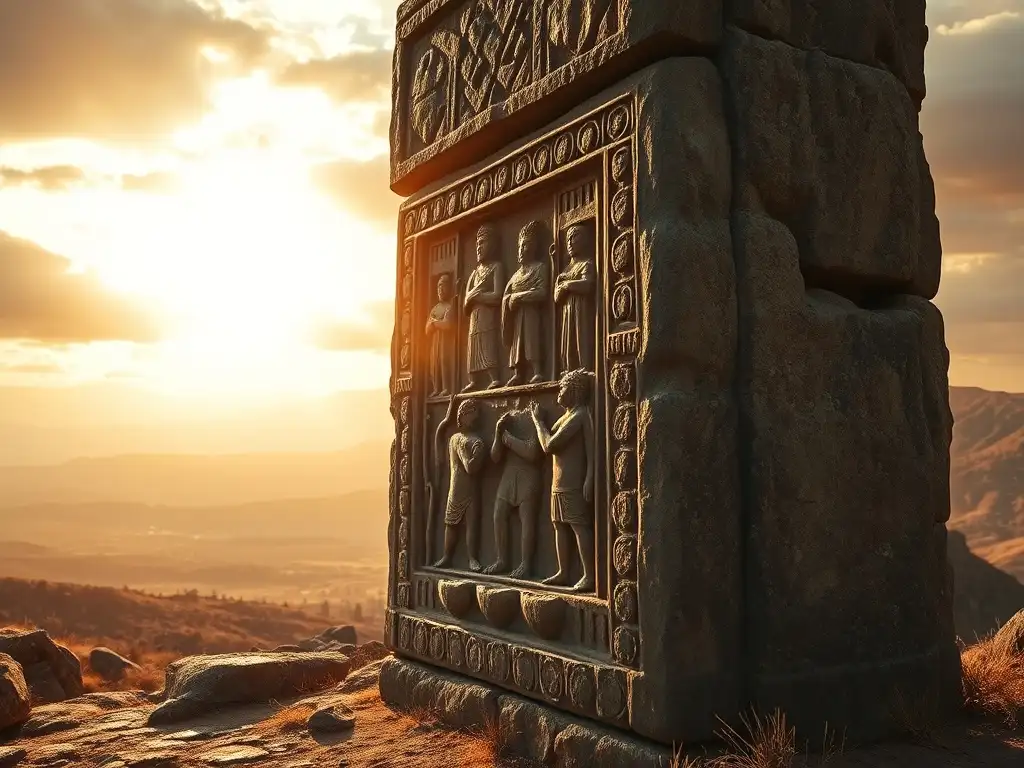
The Inca Empire, renowned for its sophisticated infrastructure and administrative prowess, also possessed a complex system of moral codes deeply intertwined with its rich mythology. Understanding Inca morality requires delving into their sacred narratives, which served as both a guide for conduct and a framework for societal structure. These myths weren't simply entertaining stories; they were living documents that shaped individual behavior and reinforced social order.
The Inca worldview, heavily reliant on the interconnectedness of the cosmos and humanity, imbued their moral code with a profound spiritual significance. Their ethical framework wasn't a set of codified laws, but rather a set of principles derived from the actions and lessons presented in their myths and legends.
This understanding offers a unique perspective on the Inca civilization, revealing a society governed not just by rulers, but by a deeply ingrained moral compass informed by their cosmological beliefs. This section will explore how these myths functioned as the bedrock of Inca ethical principles.
The Role of Myths in Shaping Inca Society
Inca society was profoundly shaped by its myths, which served as powerful tools for social control and moral instruction. These narratives weren't merely passed down through generations orally; they were actively performed and re-enacted in rituals, festivals, and daily life. Consider the myth of Viracocha, the creator god.
His actions, including the creation of humanity and the subsequent flood, taught the Inca the importance of respect for nature, humility before the divine, and the consequences of disobedience. The cyclical nature of the myths, mirroring the agricultural cycle and the movement of the sun, reinforced the importance of community, cooperation, and the cyclical nature of life and death. Furthermore, the stories of powerful Inca rulers, often imbued with divine attributes, served to legitimize their authority and establish a hierarchy based on both spiritual and temporal power.
These myths provided a powerful framework for understanding the Inca social order and reinforced the importance of obedience to authority, a key element of Inca moral codes. The stories were not static; they were adapted and reinterpreted to address contemporary social issues, ensuring their continued relevance and impact. This dynamic interaction between myth and society underscores the crucial role of storytelling in shaping Inca moral values.
Understanding Inca Values Through Sacred Narratives
The Inca moral code, as reflected in their myths, emphasized several key values. Ayni, the principle of reciprocity, was central to their social fabric. Myths often depicted the consequences of failing to fulfill one's obligations to the community, highlighting the importance of mutual support and cooperation. The concept of mita, the system of obligatory labor, was also justified through mythological narratives, emphasizing the collective responsibility of contributing to the well-being of the empire.
Furthermore, Inca myths stressed the importance of ama sua, "do not steal," ama llulla, "do not lie," and ama qhella, "do not be lazy"—a concise ethical code that permeated all aspects of Inca life. These principles, reinforced through storytelling, ensured a cohesive and productive society. The stories also illustrated the consequences of violating these principles, often depicting divine punishment or social ostracism. The detailed narratives, passed down through generations, served as a powerful tool for inculcating these values and maintaining social harmony within the vast Inca Empire.
The intricate weaving of these ethical principles into the fabric of their mythology showcases the profound influence of their beliefs on their daily lives and social structures. The integration of morality into their cosmology ensured that their ethical code was not merely a set of rules, but a deeply ingrained aspect of their cultural identity. Analyzing these myths provides invaluable insight into the heart of Inca moral codes and their lasting impact on their civilization.
Key Inca Myths Reflecting Moral Principles
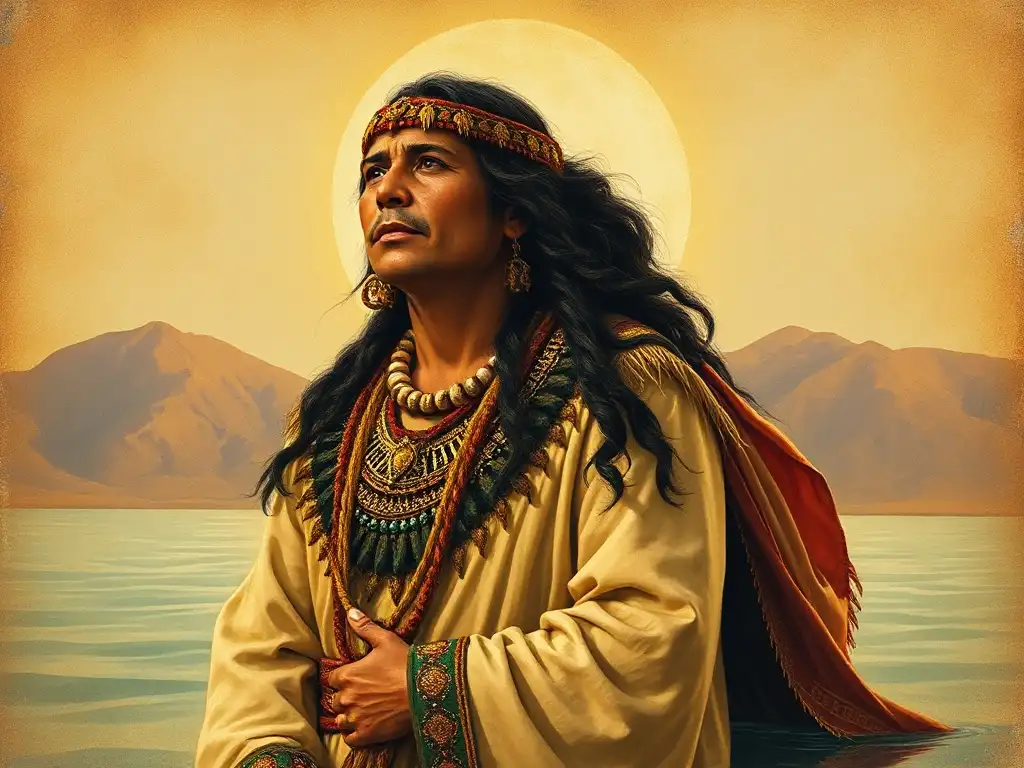
The Inca worldview, deeply intertwined with their sophisticated social structure, was profoundly shaped by a rich tapestry of myths. These narratives weren't mere stories; they served as powerful tools for transmitting moral codes, societal expectations, and the very foundation of their imperial ideology. Understanding these myths provides crucial insight into the Inca understanding of right and wrong, justice, and the relationship between humanity and the divine.
The Inca moral codes myths, passed down through generations, reveal a complex ethical system emphasizing community, respect for authority, and harmonious coexistence with the natural world. This section will explore three key myths that illuminate these principles.
The Myth of Manco Capac and Mama Ocllo: Establishing Order and Law
The founding myth of the Inca civilization centers around Manco Capac and Mama Ocllo, siblings emerging from Lake Titicaca, tasked by the sun god Inti with civilizing the Andean region. This myth doesn't simply explain the origin of the Inca people; it establishes a foundational moral framework. Manco Capac and Mama Ocllo are presented not just as founders but as exemplary figures embodying crucial Inca values.
Their mission involved more than just establishing settlements; it was about imposing order and establishing just laws. The myth emphasizes the importance of hierarchical structure, with the Inca ruler representing divine authority and the embodiment of ayni, the principle of reciprocity and communal obligation. The siblings' actions, teaching agriculture, weaving, and social organization, highlight the moral imperative of contributing to the collective good.
Disobedience to the established order, as illustrated by the myth's depiction of resistance encountered by Manco Capac and Mama Ocllo, is portrayed as detrimental to societal harmony. The success of their mission, ultimately leading to the Inca Empire, reinforces the moral legitimacy of their rule and the importance of adhering to the established social hierarchy and laws. This myth underscores the Inca concept of justice as inextricably linked to social order and the divine mandate of leadership.
The Creation Myth of Viracocha: Divine Guidance and Responsibility
The creator god Viracocha plays a central role in Inca cosmology and morality. Viracocha's creation myth, detailing the emergence of the world and humanity from chaos, emphasizes divine guidance and human responsibility. Viracocha's actions, creating the world and shaping humanity, are presented as acts of benevolent creation, establishing a moral standard for human behavior.
The myth highlights the interconnectedness of all things – humanity, nature, and the divine. This interconnectedness implies a moral responsibility to maintain balance and harmony within this intricate web of existence. Viracocha's punishment of those who disobeyed his laws, illustrating the consequences of immoral actions, reinforces the importance of respecting the natural world and adhering to divinely ordained principles.
The myth also implicitly stresses the importance of huaca, sacred places and objects, reflecting a deep respect for the spiritual dimension of the world and the need for reverence towards the divine. The presence of Viracocha in Inca moral codes myths, therefore, emphasizes the divine source of morality and the consequences of ignoring this divine guidance.
The Legend of Pachacuti: Justice and Moral Leadership
Pachacuti's story is less a creation myth and more a legend demonstrating the ideal of a just and moral leader. Pachacuti's rise to power, transforming a small kingdom into the vast Inca Empire, is presented not just as a tale of military conquest but as a testament to his moral leadership and unwavering commitment to justice.
The legend highlights Pachacuti's commitment to camaquen, a quality often translated as "strength" or "power," but more accurately understood as a combination of moral fortitude, righteous authority, and just governance. His actions, depicted as fair and equitable, underscore the importance of justice in maintaining social harmony and ensuring the well-being of the empire. The legend's emphasis on Pachacuti's wisdom and his ability to reconcile conflicts peacefully serves as a model for future rulers.
His success isn't simply attributed to military prowess but to his adherence to moral principles, reinforcing the idea that just leadership is essential for a thriving society. The legend of Pachacuti thus becomes a crucial component of the Inca moral codes myths, providing a tangible example of how moral leadership contributes to the prosperity and stability of the empire. This reinforces the idea that true power stems from moral authority, not just military might.
Specific Moral Concepts Embedded in Inca Mythology
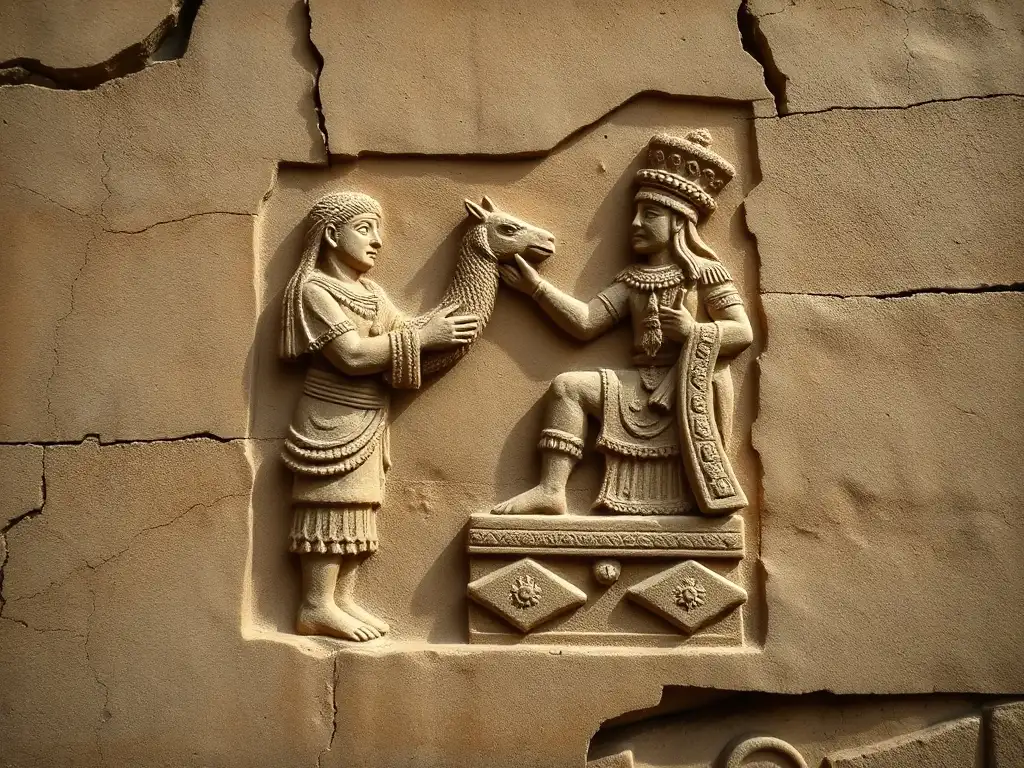
This section delves into the intricate relationship between Inca mythology and their complex moral code. Understanding their myths provides crucial insight into the values that shaped Inca society, revealing a sophisticated system of ethics deeply woven into their worldview. We will explore key concepts that underpinned their moral framework, demonstrating how these principles were not merely abstract ideals but actively lived realities. The Inca moral codes, reflected in their myths, reveal a society prioritizing community, balance, and spiritual harmony.
Ayni: The Principle of Reciprocity and Mutual Help
Ayni, a Quechua term meaning "reciprocity," was a cornerstone of Inca social organization and moral behavior. It encompassed a system of mutual exchange and cooperation, emphasizing the interconnectedness of individuals and the community. Myths frequently portrayed the consequences of neglecting Ayni, often depicting individuals or communities facing hardship and misfortune due to their selfishness or failure to contribute.
The concept extended beyond simple bartering; it represented a profound ethical principle. It wasn't just about material exchange, but also about sharing time, labor, and resources. For example, during harvest time, communities would collaboratively work each other's fields, ensuring everyone had a sufficient yield. This wasn't viewed as charity but as a fundamental obligation, a social contract underpinning their communal way of life.
Failure to participate in Ayni wasn't just seen as impolite; it was viewed as a disruption of the cosmic balance, a transgression against the very fabric of their society. Stories of individuals who consistently refused to participate in Ayni often served as cautionary tales, illustrating the importance of communal solidarity. The Inca moral codes, heavily reliant on Ayni, fostered a strong sense of community and mutual support.
The success of the Inca Empire, in part, was attributed to this deeply ingrained principle. It facilitated efficient resource management, ensured social cohesion, and prevented the emergence of significant social inequalities. Ayni, therefore, wasn't simply a moral code; it was a pragmatic system that contributed to the empire's stability and prosperity.
Hucha: Addressing Transgressions and Maintaining Harmony
Hucha refers to wrongdoing or transgression within Inca society. The Inca worldview emphasized restoring balance and harmony after a Hucha occurred. Myths often depicted the consequences of actions that disrupted this balance, highlighting the importance of accountability and restorative justice. Punishments weren't solely retributive; they aimed to reintegrate the offender back into the community, restoring the equilibrium that had been disturbed.
Unlike many other societies that focused solely on punishment, the Inca system emphasized reconciliation. This is reflected in their myths which frequently depict processes of atonement and forgiveness. The focus was less on inflicting pain and more on restoring the social fabric.
This approach is exemplified in the narratives surrounding individuals who committed minor offenses. These stories often showcased the community's role in guiding the offender toward repentance and reintegration, rather than ostracizing them. Serious transgressions, however, were dealt with more severely, though even in these cases, the goal was ultimately to restore balance and harmony, not simply to exact revenge.
The Inca understanding of Hucha underscores their nuanced approach to justice. It wasn't a simplistic system of rewards and punishments, but a complex process aimed at maintaining social cohesion and spiritual well-being. This approach is clearly reflected in the narratives of their myths, which serve as powerful illustrations of the importance of restoring balance and harmony within the community.
Yachay: The Pursuit of Knowledge and Wisdom
Yachay, meaning "knowledge" or "wisdom," was highly valued in Inca society. Myths often portrayed wise individuals as possessing a deep understanding of the natural world and the spiritual realm. These individuals weren’t just learned scholars; they were seen as moral guides, shaping community values and providing insights into ethical conduct. The pursuit of Yachay wasn't limited to a select elite; it was encouraged throughout society.
The Inca valued practical knowledge—agriculture, engineering, medicine—equally with spiritual understanding. Their myths often intertwined these two domains, illustrating how knowledge of the natural world contributed to a deeper understanding of spiritual principles. For instance, mastery of agricultural techniques was not only essential for survival but also seen as a reflection of a harmonious relationship with the earth and its deities. This interconnectedness between practical skills and spiritual understanding is a recurring theme in Inca mythology, demonstrating the holistic nature of their pursuit of Yachay.
Furthermore, the acquisition of Yachay was seen as an ongoing process, a lifelong journey of learning and self-improvement. Myths frequently depicted individuals constantly seeking to expand their knowledge and understanding, demonstrating the importance of continuous intellectual and spiritual growth within Inca society. This emphasis on lifelong learning underscores the value placed on Yachay as a fundamental aspect of their moral code, contributing to a society that valued wisdom and continuous self-improvement.
Munay: The Importance of Love and Compassion
Munay, a Quechua word meaning "love," "affection," or "compassion," is a central concept in Inca cosmology and deeply embedded within their moral framework. It transcends mere romantic love; it encompasses a profound sense of interconnectedness, empathy, and reciprocal responsibility towards all beings. Inca mythology frequently portrays the gods themselves exhibiting munay, reinforcing its importance as a divine virtue.
The creation myths, for example, often depict the gods acting out of love and compassion for humanity, providing sustenance and guidance. This divine example served as a moral compass for Inca society, encouraging individuals to emulate this behavior in their daily lives.
The concept of munay wasn't merely passive; it actively shaped social interactions and responsibilities. The Inca societal structure, with its emphasis on ayni (reciprocity) and mita (labor service), directly reflected the principle of munay. Individuals were expected to contribute to the community, not out of obligation alone, but out of a sense of love and care for their fellow citizens. This fostered a strong sense of community and social cohesion. Failure to act with munay was considered a moral failing, potentially leading to social ostracism or even punishment.
Furthermore, the Inca understanding of munay extended beyond the human realm. They believed in a spiritual connection with the natural world, viewing the mountains, rivers, and animals as sacred entities deserving of respect and care. This reverence for nature stemmed from a deep-seated understanding of interconnectedness, a belief that all living things are part of a larger, harmonious whole.
This perspective is reflected in many Inca myths that depict the gods interacting with and protecting the natural world, demonstrating the importance of respecting and preserving it. The Inca's agricultural practices, characterized by careful land management and sustainable farming techniques, serve as a powerful testament to their deep-seated munay for the environment. Their sophisticated understanding of ecological balance highlights the practical application of this moral principle in their daily life.
The preservation of sacred sites and natural resources further underscores the profound significance of munay within their worldview. This holistic view of munay— encompassing human relationships, community, and the environment—offers a valuable lesson in ethical living for contemporary society.
Interpreting Inca Myths for Modern Understanding of Ethics
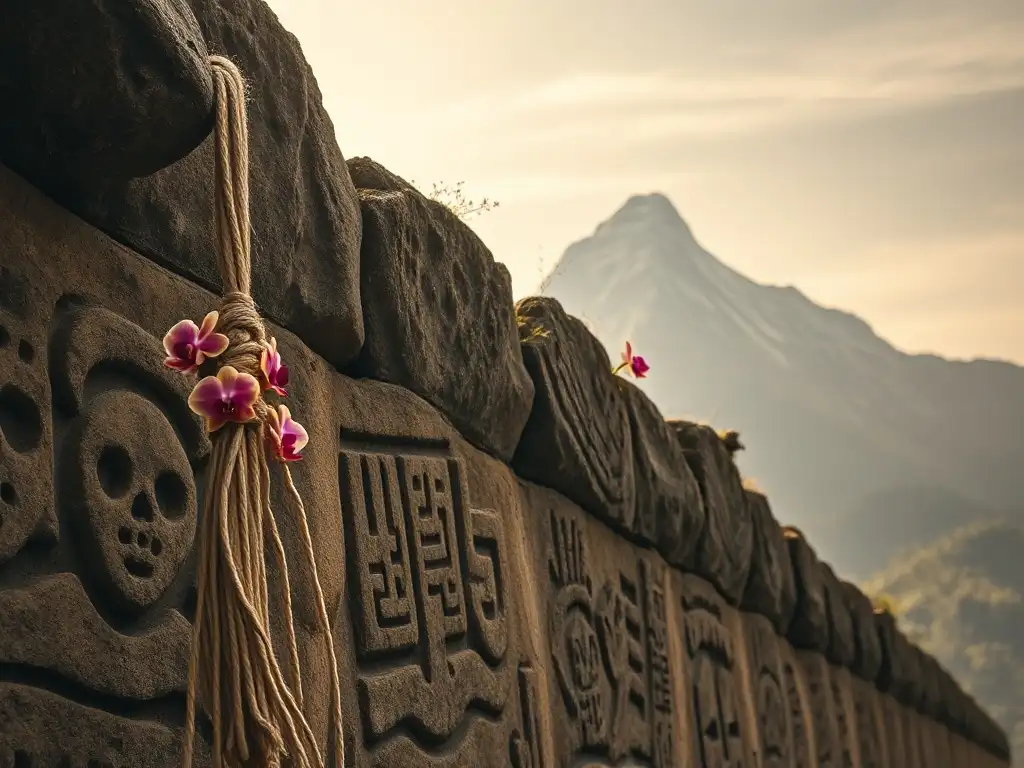
Inca mythology, rich in symbolism and allegory, offers a compelling lens through which to examine the ethical framework of this sophisticated civilization. Unlike codified legal systems found in other cultures, Inca moral codes were often implicitly embedded within their narratives, passed down through generations via oral tradition and elaborate ceremonies. Understanding these myths is crucial to grasping the nuances of Inca ethical thought, which emphasized community harmony, reciprocal obligations, and reverence for the natural world. Analyzing these stories reveals a complex system of values that extended beyond simple rules and regulations, deeply influencing their social structure and daily life. The Inca's profound respect for ayni (reciprocity) and mita (labor service) are prime examples of this embedded moral framework, reflecting a deep-seated belief in communal responsibility and the interconnectedness of all beings. This section will explore how these myths illuminate Inca moral codes, providing insights into their worldview and ethical principles.
Lessons From Inca Mythology for Contemporary Society
Inca myths, despite their ancient origins, resonate with contemporary ethical dilemmas. The emphasis on ayni, the principle of reciprocal exchange and mutual support, offers a powerful counterpoint to modern individualism. The Inca worldview, deeply rooted in a sense of community and interdependence, challenges our contemporary focus on self-interest and competition. Their emphasis on collective well-being suggests a potential model for addressing global challenges such as climate change and economic inequality, requiring collaborative solutions and shared responsibility.
For example, the myth of Viracocha, the creator god, highlights the importance of respecting the natural world. Viracocha's actions, often portrayed as acts of creation and destruction, underscore the interconnectedness of humanity and nature. This resonates with contemporary environmental ethics, emphasizing the need for sustainable practices and responsible stewardship of the planet. The Inca's reverence for Pachamama (Mother Earth) emphasizes this intrinsic link. Ignoring this interconnectedness, as we see in many contemporary environmental issues, mirrors the consequences depicted in some Inca myths where imbalance leads to chaos and suffering.
Furthermore, the Inca concept of hamawt'a, which translates roughly to "humility" or "modesty," offers a valuable lesson in social interaction. This virtue, frequently emphasized in Inca narratives, contrasts sharply with the competitive and often self-aggrandizing aspects of modern society. Embracing hamawt'a could foster more collaborative and equitable communities, reducing social hierarchies and promoting mutual respect.
Inca Myths and Universal Moral Concerns
Many Inca myths address universal moral concerns such as justice, fairness, and the consequences of wrongdoing. The stories often feature divine intervention or supernatural retribution for those who violate ethical norms. This reinforces the societal importance of upholding these values. The narrative structures frequently emphasize the importance of maintaining balance and harmony within the community and the cosmos. Disrupting this balance, through actions such as greed, violence, or disrespect for authority, often results in negative consequences for the individual and the community as a whole.
Consider the myths surrounding the Inca ruler Pachacuti. These narratives often portray him not only as a powerful conqueror but also as a wise and just leader who established a system of laws and social structures designed to promote order and prosperity. His actions, as presented in the myths, serve as moral examples, illustrating the virtues of leadership, justice, and the importance of maintaining societal harmony.
These stories highlight the connection between effective governance and moral integrity, a theme relevant to leadership challenges across cultures and time periods. The emphasis on justice and fairness in Inca mythology underscores the enduring human need for ethical frameworks that promote equity and well-being for all members of society. The enduring appeal of these stories suggests that the underlying moral concerns they address remain relevant and meaningful even in vastly different cultural contexts.
The Enduring Legacy of Inca Morality Through Storytelling
The Inca Empire, renowned for its sophisticated infrastructure and political organization, also possessed a complex system of moral codes deeply interwoven with its rich mythology. These weren't simply abstract rules; they were vibrant narratives, passed down through generations via quipus (knotted cords) and, more importantly, oral traditions. Understanding Inca moral codes requires delving into their myths, which served as powerful tools for shaping societal behavior and reinforcing values.
The stories weren't just entertaining; they were instructional, providing practical guidance for daily life and upholding the social order. The intricate relationship between Inca myths and their moral framework offers a fascinating glimpse into the worldview of this remarkable civilization. This section will explore how Inca myths shaped their understanding of morality, leaving a legacy that continues to resonate in Andean cultures today.
The Impact of Inca Myths on Andean Culture Today
Even after the Spanish conquest dramatically altered Andean societies, the echoes of Inca morality, as reflected in their myths, persist. Many contemporary Andean communities still incorporate elements of Inca mythology into their cultural practices and beliefs. For example, the story of Viracocha, the creator god, continues to inspire reverence for nature and a deep respect for the land.
The Inca emphasis on ayni (reciprocity) and mita (labor service), often depicted in myths involving community cooperation, remains relevant in many indigenous communities' cooperative farming practices and communal projects. While the specifics might have evolved over centuries, the underlying principles of communal responsibility and respect for the environment, deeply embedded in Inca moral codes and transmitted through their myths, continue to shape Andean identities and social structures. The enduring legacy of Inca morality is a testament to the power of storytelling in transmitting cultural values across generations.
The impact is visible in the continued celebration of ancient festivals, the preservation of traditional crafts, and the ongoing efforts to reclaim and revitalize indigenous languages and knowledge systems. These practices directly reflect the values promoted within Inca moral codes and myths.
The survival of these traditions highlights the resilience of Inca cultural heritage and the profound influence of their mythology on the moral fabric of Andean societies. The continued relevance of these stories underscores the lasting impact of Inca moral codes and their enduring power to shape the values and beliefs of communities for centuries. Furthermore, the study of these enduring traditions offers valuable insights into the complexities of cultural transmission and adaptation. The myths themselves have adapted and evolved, but the core moral principles remain remarkably consistent, demonstrating their inherent strength and cultural significance.
The Ongoing Study of Inca Oral Traditions
The study of Inca oral traditions presents unique challenges. The absence of a written language in the pre-Columbian Inca Empire means that much of our understanding relies on post-conquest accounts, often filtered through the lens of Spanish chroniclers. This necessitates a critical approach, acknowledging potential biases and limitations in the available sources. However, ongoing research employing interdisciplinary methodologies, including archaeology, anthropology, and linguistics, is enriching our comprehension of Inca mythology and its relationship to their moral codes.
Ethnographic studies of contemporary Andean communities are crucial, providing valuable insights into the living legacy of Inca oral traditions and the ways in which these myths continue to inform social values and practices. Researchers are increasingly employing digital tools to analyze and preserve these rich oral narratives, ensuring their accessibility and facilitating further research. The meticulous reconstruction of these stories is vital in understanding the nuances of Inca morality, providing a richer and more complete picture of their sophisticated social and ethical framework.
The work is painstaking and requires collaboration across multiple fields, but the rewards are significant, offering a more accurate and nuanced understanding of Inca civilization and its moral legacy. This ongoing work is essential not only for academic purposes but also for the preservation and celebration of Andean cultural heritage. The continued study and documentation of Inca oral traditions are critical for understanding the full complexity of Inca moral codes and their enduring impact on Andean cultures.
Frequently Asked Questions
What role did myths play in shaping Inca moral codes?
Inca myths provided the foundation for their moral codes. Stories of gods and heroes illustrated ideal behavior, teaching values like community, respect for elders, and obedience to authority. These narratives reinforced social order and ethical conduct.
How did Inca myths reflect their worldview?
Inca myths reflected a cosmological perspective, linking the human world to the supernatural realm. They explained natural phenomena, origins of society, and the relationship between humans and the gods, thereby shaping their understanding of morality and the universe.
Were there specific Inca myths that directly addressed moral issues?
Yes, many myths served as cautionary tales or examples of virtuous behavior. For instance, stories about punishments for transgressions emphasized the importance of adhering to social norms and respecting the gods. These narratives instilled moral values within the Inca society.
How did Inca moral codes influence their daily life?
Inca moral codes, deeply rooted in their myths, were integrated into all aspects of daily life. From agricultural practices to social interactions, these values governed their actions and guided their choices, fostering a sense of community and order.
Did the Inca have a system of justice based on their moral codes?
Yes, the Inca justice system was heavily influenced by their moral codes and myths. Punishments were often symbolic, aiming to restore balance and reinforce moral principles. Offenses against the gods or social harmony were met with consequences upholding their ethical framework.
Final Reflection: Echoes of the Andes: Inca Morality and Our Modern World
The intricate tapestry of Inca myths, woven with threads of reciprocity, community, and respect for the natural world, remains strikingly relevant in our contemporary society. While separated by centuries, the core values embedded within these ancient narratives offer a powerful counterpoint to the often individualistic and exploitative tendencies of our modern world. Understanding these moral codes is not merely an academic exercise; it's a crucial step towards building a more just and sustainable future.
The enduring legacy of Inca morality lies in its emphasis on interconnectedness – a concept increasingly vital in an era defined by global challenges. Their worldview, where the well-being of the community was paramount and actions were judged by their impact on the whole, resonates deeply with contemporary discussions surrounding social justice and environmental responsibility. The Inca believed that the well-being of the individual was inextricably linked to the well-being of the community and the cosmos.
This principle, though seemingly simple, holds profound implications for how we structure our societies and interact with our environment.
Consider the profound wisdom embedded within these ancient stories. How can we, in our own lives, cultivate a stronger sense of reciprocity and responsibility towards others and the planet? Let the echoes of the Andes inspire you to examine your own actions, to question the dominant narratives of our time, and to strive for a more ethical and harmonious existence. Embrace the challenge of building a world where the values enshrined in Inca myths – compassion, community, and respect for nature – are not relics of the past, but guiding principles for the future.
Unveil the Wisdom of Inca Morality Today!
Thank you for exploring the fascinating world of Inca moral codes through their rich mythology! Your curiosity reveals a deeper understanding of the cultural values that shaped this remarkable civilization. Let's delve further into this captivating subject!
- Engage with the Myths: Read an Inca myth today and reflect on its moral implications—what lessons resonate with you personally? Consider how the story's themes might relate to contemporary challenges.
- Join the Discussion: Share your insights in the comments below or join our online community forum to connect with fellow enthusiasts of Andean history and culture.
- Explore Further: Visit our resources page to discover books, articles, and documentaries that offer a deeper understanding of Inca civilization and its intriguing moral landscape.
What moral lessons from Inca myths do you believe remain relevant in today's world? Let's continue the conversation!