
Exploring the Concept of Sapa Inca: The Divine Ruler in Inca Mythology

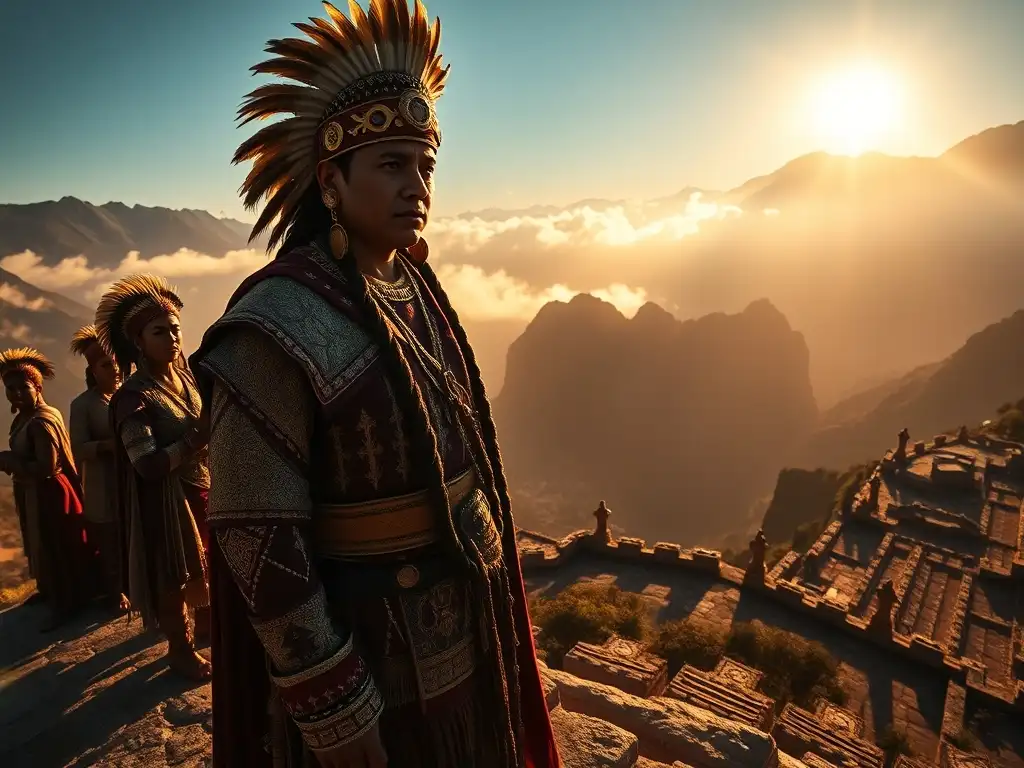
Step into a world lost to time, yet echoing with the whispers of a mighty empire. Journey with us through the breathtaking landscapes and enigmatic legacies of the Andean civilizations. Discover the intricacies of their advanced societies, from the artistry of the Nazca lines to the engineering marvels of the Incas. But first, unravel the mystery behind the Sapa Inca: what did this title truly mean, and what was the extent of their divine power? Uncover the secrets of this fascinating role and delve into the heart of Inca mythology. Explore further to uncover more...
- Exploring the Sapa Inca: The Divine Ruler of the Inca Empire
- The Sapa Inca: Defining the Supreme Authority in Inca Society
- Origins and Divine Legitimacy of the Inca Emperor
- The Sapa Inca's Responsibilities and Daily Life
- The Sapa Inca's Legacy and Impact on Andean History
- The Sapa Inca's Symbolism and Regalia
- The Sapa Inca Succession and Dynastic Lineages
- The Sapa Inca: A Final Reflection on Inca Leadership
- Frequently Asked Questions
- Final Reflection: The Enduring Legacy of the Sapa Inca
- Unveil the Wisdom of the Sapa Inca!
Exploring the Sapa Inca: The Divine Ruler of the Inca Empire
The Inca Empire, a civilization that flourished in the Andes Mountains from the 15th to the 16th centuries, left an enduring legacy shaped by its unique social, political, and religious structures. At the heart of this intricate system lay the Sapa Inca, a figurehead who embodied both temporal and spiritual power.
Understanding the Sapa Inca's meaning and role is crucial to grasping the very essence of Inca society and its complex worldview. This article delves into the multifaceted nature of this divine ruler, exploring his divine origins, his immense authority, and his crucial role in maintaining the cosmic balance that underpinned Inca life.
We will examine the Sapa Inca's significance not just as a political leader, but as a central figure in Inca mythology and religious practices, a key element in understanding the "Sapa Inca meaning and role". The exploration will unpack the intricate web of power, religion, and tradition that surrounded this enigmatic figure, offering a comprehensive understanding of his influence on the Inca Empire's development and lasting impact.
Divine Ancestry and the Concept of Chosen Lineage
The Sapa Inca wasn't merely a king; he was considered a direct descendant of the sun god, Inti. This divine lineage was fundamental to his authority. Inca mythology portrayed the Sapa Inca as a divine intermediary between the celestial and terrestrial realms. His birth itself was imbued with mystical significance, often attributed to miraculous events or divine interventions.
This belief system solidified his position as the supreme ruler, ensuring unquestioned loyalty and obedience from his subjects. The concept of chosen lineage wasn't merely a political strategy; it was deeply ingrained in the Inca religious worldview, shaping their understanding of power and the cosmos. The carefully maintained royal genealogy served as a powerful tool for maintaining social order and justifying the Sapa Inca's absolute authority. The Inca meticulously documented their lineage, reinforcing the divine right to rule and consolidating the Sapa Inca's status as a living god.
The Sapa Inca's Unparalleled Political Power
The Sapa Inca wielded absolute authority over all aspects of Inca life. He controlled the vast resources of the empire, directed the intricate administrative system, and commanded the powerful Inca army. His word was law, and his decisions impacted every level of society. He appointed governors, oversaw infrastructure projects like the impressive road system, and managed the complex agricultural system that sustained the empire's population.
This absolute power wasn't simply a matter of military might; it was deeply rooted in the religious beliefs of the Inca people. Challenging the Sapa Inca was not only a political act of treason but also a sacrilegious affront to the divine order. This understanding ensured the stability and longevity of the Inca Empire for a considerable period. The Sapa Inca’s power extended beyond the political realm, influencing every aspect of Inca society, from religious rituals to everyday life.
Religious Duties and the Maintenance of Cosmic Balance
Beyond his political responsibilities, the Sapa Inca played a crucial role in maintaining ayni, the Inca concept of reciprocity and balance between the human and spiritual worlds. He was the supreme priest, responsible for performing elaborate ceremonies and rituals aimed at appeasing the gods and ensuring the prosperity of the empire. These rituals often involved offerings, sacrifices, and elaborate processions. The Sapa Inca's actions were believed to directly influence the well-being of the entire Inca civilization, making his religious duties as important as his political ones.
The meticulous performance of these rituals was seen as essential for maintaining the cosmic order and ensuring the continuity of life. A failure on the Sapa Inca's part could be interpreted as a disruption in the cosmic balance, potentially leading to natural disasters or societal unrest. The weight of this responsibility underscores the profound significance of the Sapa Inca's religious role.
Succession and the Continuity of Divine Power
The succession to the Sapa Inca's throne was a carefully orchestrated process, often involving intricate political maneuvering and strategic alliances. While ideally, the successor would be a son of the reigning Sapa Inca, inheritance wasn't always straightforward. The choice of successor often involved consideration of various factors, including the candidate's perceived fitness to rule and their ability to maintain the cosmic balance. This process, though sometimes fraught with tension, ensured the continuity of the divine lineage and the stability of the empire.
The careful selection of the next Sapa Inca highlighted the importance of maintaining the unbroken chain of divine authority. The intricacies of the succession process illustrate the complex interplay between political ambition and religious beliefs in shaping the Inca Empire's leadership. The continuity of divine power was paramount to the Inca worldview.
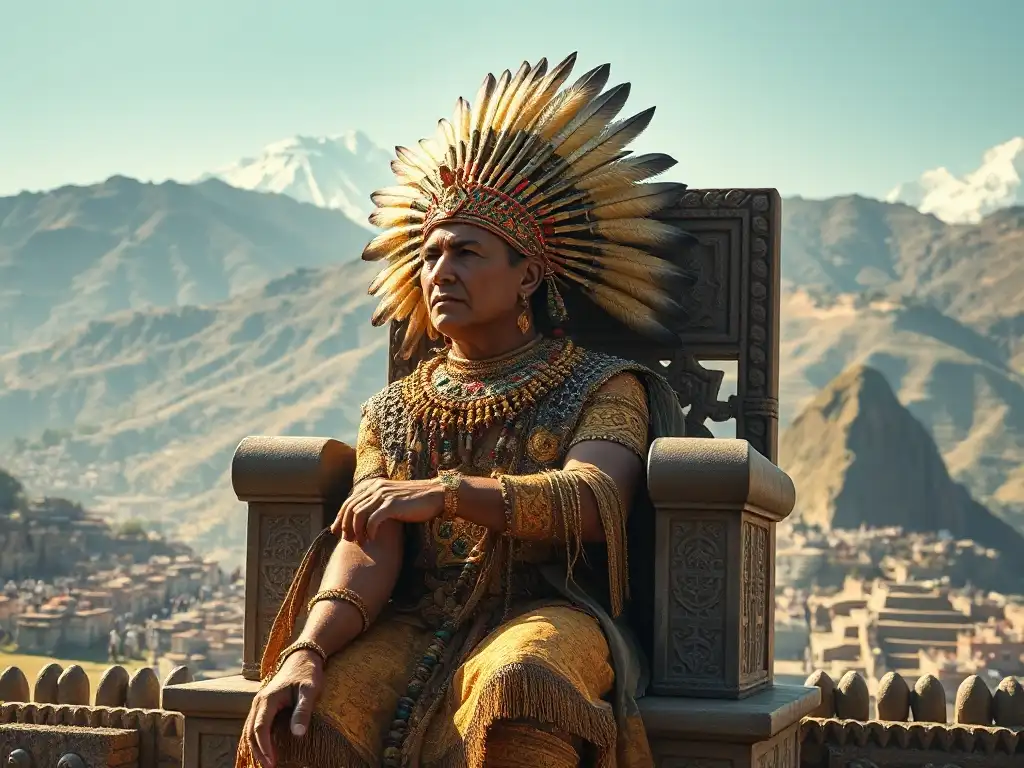
The term "Sapa Inca" itself holds significant weight in understanding the Inca Empire. It's not simply a title; it encapsulates the very essence of Inca political and religious ideology. The Sapa Inca wasn't merely a king; he was considered a divine intermediary between the gods and the people, a living embodiment of the sun god, Inti. This unique blend of temporal and spiritual power solidified his absolute authority, shaping every aspect of Inca life.
The meaning transcends simple political leadership; it represents a profound cosmological order where the ruler's actions directly impacted the well-being of the entire empire. The concept of the Sapa Inca was deeply ingrained in the Inca worldview, influencing their social structures, religious practices, and even their agricultural techniques. Understanding the Sapa Inca meaning requires delving into the intricacies of Inca cosmology and the profound reverence afforded to their supreme ruler.
Understanding the Sapa Inca Meaning: The Sole Ruler
The phrase "Sapa Inca" translates literally to "Only Inca" or "One Inca," emphasizing the singular and absolute nature of his power. There was no sharing of authority; the Sapa Inca held ultimate control over all aspects of the empire. This wasn't a hereditary monarchy in the traditional sense; while succession typically followed a primogeniture system within the royal family, the ultimate choice rested on a complex interplay of political maneuvering, religious prophecies, and the endorsement of powerful elites.
This system, while seemingly straightforward on the surface, often led to intense competition and even conflict within the royal family. For example, the succession of Huayna Capac, after the death of Topa Inca Yupanqui, was marked by considerable tension and ultimately laid the groundwork for the later civil war between Huáscar and Atahualpa. The Sapa Inca's absolute power extended to every facet of society, from the allocation of resources and the organization of labor to the administration of justice and the conduct of warfare.
His word was law, and his decisions were considered divinely ordained. The weight of this responsibility, the immense pressure to maintain cosmic balance, is a crucial aspect of understanding the Sapa Inca meaning within the Inca context. The absolute power was a double-edged sword, carrying the burden of maintaining order and prosperity, a failure of which was seen as a cosmic disturbance.
The Role of the Sapa Inca: Political, Religious, and Military Leader
The Sapa Inca's role was multifaceted, encompassing political, religious, and military leadership. His political authority was unquestioned; he controlled the vast bureaucracy that governed the empire, overseeing the intricate network of officials, administrators, and messengers that kept the Inca state running smoothly. He directed the mit'a, the labor system that mobilized the population for public works projects, and managed the vast resources of the empire, ensuring the equitable distribution of goods and services. Simultaneously, he served as the supreme religious leader, the head of the Inca priesthood.
He was considered a direct descendant of Inti, the sun god, and his actions were believed to influence the weather, harvests, and the overall well-being of the empire. Religious ceremonies and festivals centered around the Sapa Inca, reinforcing his divine status and ensuring the continuation of the cosmic order. Furthermore, the Sapa Inca was also the supreme commander of the Inca army. He oversaw military campaigns, leading his troops into battle when necessary, and ensuring the defense of the empire.
This military prowess was integral to the Inca expansion and consolidation of power. The combined weight of these roles – political administrator, religious leader, and military commander – underscores the Sapa Inca's unparalleled influence and the profound significance of his position within Inca society. The Sapa Inca wasn't merely a ruler; he was the embodiment of Inca power and the guarantor of cosmic balance. His actions, therefore, held immense consequences for the entire empire and its people.
Origins and Divine Legitimacy of the Inca Emperor
This section delves into the foundational beliefs that underpinned the Sapa Inca's authority, exploring the intricate relationship between mythology, religion, and political power within the Inca Empire. Understanding the Sapa Inca meaning and role requires grasping the deeply ingrained belief in his divine lineage and the sacred nature of his rule. The Inca worldview wasn't simply a political system; it was a theocratic one, where the emperor's power flowed directly from the gods.
This divine legitimacy was meticulously cultivated and reinforced through elaborate rituals and carefully constructed narratives. The Sapa Inca wasn't merely a king; he was a living embodiment of the sun god, Inti, a crucial element in the Inca's understanding of their world and their place within it.
This divine connection formed the bedrock of his authority, allowing him to command absolute power and ensuring the stability of the empire. The following sections will elaborate on the key aspects of this divine legitimacy.
The Mythological Origins of the Sapa Inca: Descendant of Inti, the Sun God
The Sapa Inca's power stemmed from his claimed descent from Inti, the sun god. Inca mythology narrates the story of Manco Cápac and Mama Ocllo, children of Inti and his sister, Mama Killa (the moon goddess). These divine siblings emerged from Lake Titicaca, tasked by Inti with civilizing the Andean region. This origin story wasn't just a myth; it served as the cornerstone of the Inca imperial ideology.
The Sapa Inca, as the direct descendant of Manco Cápac, inherited the divine right to rule, a right passed down through generations. This lineage wasn't merely a symbolic claim; it was a deeply held belief that permeated all aspects of Inca society. The Inca's carefully maintained genealogical records meticulously traced the Sapa Inca's ancestry back to Inti, solidifying his divine status and reinforcing his authority.
This divine heritage wasn't simply accepted; it was actively propagated through religious festivals, elaborate ceremonies, and the dissemination of Inca myths, ensuring the continuation of the Sapa Inca's sacred role. The constant reinforcement of this narrative ensured the unwavering loyalty and obedience of the Inca population. Deviation from this accepted lineage would have been unthinkable and likely resulted in severe consequences.
Inca Beliefs: Divine Mandate and the Sapa Inca's Sacred Status
The Inca belief system firmly established the Sapa Inca's role as a divine intermediary between the gods and the people. He wasn't just a political leader; he was considered a sacred figure, responsible for maintaining ayni, the reciprocal balance between the human and spiritual realms. The Sapa Inca's actions were believed to directly impact the well-being of the empire. A successful harvest, favorable weather, and military victories were all attributed to his divine favor and his ability to maintain the cosmic order.
Conversely, natural disasters, crop failures, or military defeats were often interpreted as signs of his failure to uphold his sacred duty. This divine mandate wasn't merely a matter of religious belief; it was deeply intertwined with the practical functioning of the Inca state. The Sapa Inca's authority was absolute, but it came with the immense responsibility of maintaining the delicate balance between the human and spiritual worlds.
This responsibility extended beyond mere religious observance; it encompassed all aspects of governance, from economic policies to military campaigns. The Sapa Inca was the ultimate authority, his decisions guided by both divine inspiration and practical considerations. His role was to ensure the prosperity and well-being of his people, a task that was both political and spiritual.
The Coronation of the Sapa Inca: Rituals and the Mascaypacha
The coronation of the Sapa Inca was a complex and highly symbolic ritual, emphasizing his divine status and the transfer of power. The ceremony involved a series of elaborate rituals, including the presentation of the mascaypacha, a richly adorned head-dress signifying his royal authority. The mascaypacha, often made of gold and feathers, wasn't merely a crown; it was a powerful symbol of the Sapa Inca's divine connection to Inti. The coronation wasn't a simple transfer of political power; it was a sacred act that reaffirmed the continuity of the divine lineage and the emperor's mandate to rule.
The rituals involved priests, nobles, and the participation of the entire community, underscoring the importance of the event and the collective belief in the Sapa Inca's sacred role. The meticulous nature of the coronation ceremony emphasized the seriousness of the occasion and the weight of the responsibility placed upon the newly crowned emperor. Detailed accounts of these ceremonies, though limited, reveal a profound ritualistic significance that extended beyond mere political succession.
The coronation wasn't just a spectacle; it was a powerful reaffirmation of the Inca worldview, cementing the Sapa Inca's position as the divinely appointed ruler of the empire. The precise details of the coronation rites remain partially shrouded in mystery, but the surviving accounts highlight their importance in the Inca religious and political landscape. Further research is needed to fully understand the nuances of this vital ritual.
The Sapa Inca's Responsibilities and Daily Life
The Sapa Inca, meaning "Unique Inca" or "Sole Inca," wasn't merely a king; he was considered a divine intermediary between the gods and the Inca people. His role transcended earthly power, encompassing spiritual leadership and the well-being of the entire Tawantinsuyu (the Inca Empire). Understanding the Sapa Inca meaning and role requires examining his multifaceted responsibilities and daily life, which were meticulously structured and heavily ritualized.
The Sapa Inca's authority was absolute, yet his actions were guided by a complex system of beliefs and traditions designed to maintain cosmic balance and societal harmony. His life was a constant performance of his divine role, impacting every facet of Inca society.
The Sapa Inca's Duties: Overseeing the Tawantinsuyu
The Sapa Inca's primary duty was the effective governance of the vast Tawantinsuyu. This involved:
- Maintaining Order and Justice: He was the ultimate judge, ensuring the smooth functioning of the empire's intricate legal system. Disputes, even those between powerful nobles, ultimately fell under his jurisdiction. His decisions were seen as divinely inspired, reinforcing his authority.
- Economic Management: The Sapa Inca oversaw the empire's vast agricultural system, ensuring the efficient distribution of resources throughout the empire. This included the mita system, a form of tribute labor that provided the workforce for massive public works projects. Proper management of the mita was crucial for economic stability and the Sapa Inca's responsibility.
- Military Leadership: While not always directly leading battles, the Sapa Inca was the supreme commander of the Inca army. He appointed generals and strategists, ensuring the military strength necessary to defend and expand the empire. Military victories were often attributed to his divine favor.
- Infrastructure Development: The Sapa Inca was responsible for the continuous expansion and maintenance of the impressive Inca road system, irrigation canals, and other public works. These projects not only facilitated trade and communication but also symbolized his power and the empire's prosperity. These were not mere engineering feats; they were sacred undertakings reflecting the Sapa Inca's divine mandate.
The success of these duties directly impacted the well-being of the Inca people and the stability of the empire. Failure in any area could be interpreted as a loss of divine favor, potentially leading to unrest and challenges to his authority.
The Sapa Inca's Court: Royal Advisors and Administrators
The Sapa Inca didn't rule alone. He relied on a complex network of advisors and administrators, each with specific responsibilities. This intricate court system ensured efficient governance and maintained the flow of information to the Sapa Inca. Key figures included:
- The Apus (High Priests): These individuals held immense spiritual authority, advising the Sapa Inca on matters of religion and ritual. Their role was crucial in maintaining the cosmic balance that underpinned the empire's stability.
- The Wiraqocha Runa (Royal Officials): These officials managed the various aspects of the empire's administration, from collecting taxes to overseeing public works projects. They acted as the Sapa Inca's eyes and ears throughout the Tawantinsuyu.
- The Kurakas (Local Chiefs): While maintaining their local authority, the Kurakas were ultimately subordinate to the Sapa Inca. They acted as intermediaries between the central government and the local populations, ensuring the effective implementation of imperial policies.
The effective functioning of this court was essential for the Sapa Inca to receive accurate information, make informed decisions, and maintain control over the vast empire. The court was a carefully orchestrated system designed to support the Sapa Inca's divine authority.
Royal Life and Rituals: Banquets, Ceremonies, and Travel
The Sapa Inca's daily life was deeply intertwined with elaborate rituals and ceremonies, reinforcing his divine status. His life was far from ordinary:
- Elaborate Banquets: Royal feasts were not merely occasions for consumption; they were sacred rituals involving specific foods, offerings, and ceremonial procedures. These banquets reinforced the Sapa Inca's connection to the gods and reaffirmed his position as a divine ruler.
- Religious Ceremonies: The Sapa Inca participated in numerous religious ceremonies throughout the year, many of which were focused on ensuring a bountiful harvest and appeasing the gods. These ceremonies involved elaborate costumes, sacrifices, and processions, all designed to maintain cosmic harmony.
- Royal Travel: The Sapa Inca frequently traveled throughout the empire, visiting various provinces and interacting with his subjects. These journeys were not merely administrative; they were opportunities to reinforce his authority and demonstrate his divine connection to the land and its people. His travels were often accompanied by grand processions and elaborate displays of royal power.
The Sapa Inca's life, far from being a life of leisure, was a continuous performance of his divine role. Every aspect of his daily routine, from meals to travel, was carefully orchestrated to maintain his image and authority as the divine ruler of the Tawantinsuyu. His life was a testament to the profound religious and political significance of the Sapa Inca within Inca society.
The Sapa Inca's Legacy and Impact on Andean History
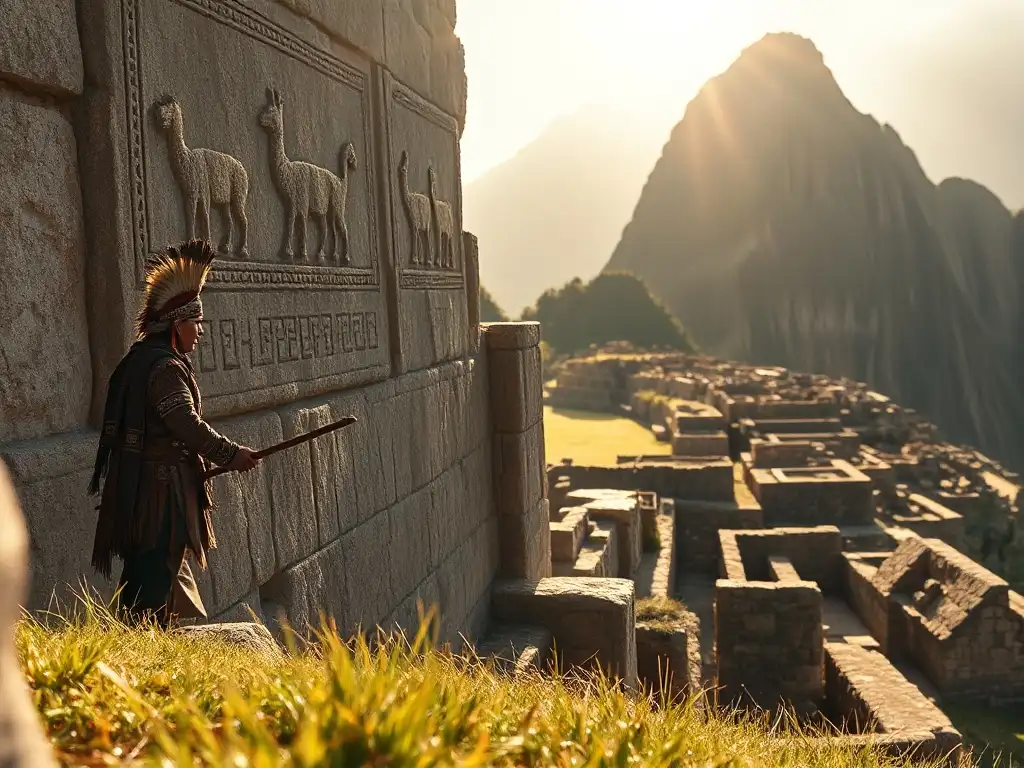
The Sapa Inca, meaning "the only Inca," wasn't merely a political leader; he was the embodiment of Inca power, a divine figurehead whose actions shaped the trajectory of the Andean world. Understanding the Sapa Inca's meaning and role requires examining his multifaceted influence, extending far beyond military conquest and political maneuvering. His legacy is woven into the very fabric of Andean society, visible in its infrastructure, its art, and its enduring cultural practices.
The Sapa Inca's reign was a period of significant expansion, sophisticated engineering feats, and the development of complex societal structures, all contributing to a rich and lasting cultural heritage. This section will explore the lasting impact of the Sapa Inca on Andean history, focusing on key aspects of his reign and its enduring influence.
Sapa Inca and Expansion: The Growth of the Inca Empire
The Sapa Inca's role in the expansion of the Inca Empire was paramount. Military prowess, strategic alliances, and shrewd diplomacy were all tools employed to achieve this remarkable feat. The Inca expansion wasn't merely a matter of conquest; it involved integrating conquered populations into the empire's administrative structure.
This involved the establishment of new administrative centers, the implementation of a standardized system of taxation (mita), and the relocation of conquered peoples to consolidate power and resources. The Sapa Inca oversaw this complex process, appointing governors (tukuy rikuq) to manage newly acquired territories and ensuring the smooth functioning of the empire's vast network. The growth of the empire under the Sapa Inca significantly altered the political landscape of the Andes, creating a vast and unified state that encompassed diverse cultures and environments.
The speed and efficiency of this expansion speak volumes about the effectiveness of the Sapa Inca’s leadership and the strength of the imperial administration. For example, the rapid incorporation of the coastal regions, with their unique resources and agricultural practices, into the Inca system demonstrates the Sapa Inca's ability to adapt and integrate diverse populations effectively.
The Sapa Inca's Influence on Inca Infrastructure and Engineering
The Sapa Inca's reign witnessed a flourishing of Inca engineering and infrastructure projects. These weren't simply feats of construction; they were expressions of the Sapa Inca's divine authority and a testament to the Inca's organizational prowess. Consider the extensive network of roads (the Qhapaq Ñan) that connected the far-flung corners of the empire, facilitating communication, trade, and the movement of troops.
The meticulous planning and execution of these projects, involving the mobilization of vast labor forces and the utilization of advanced construction techniques, showcases the Sapa Inca's power to mobilize resources and coordinate large-scale projects. Furthermore, the construction of impressive agricultural terraces, such as those found in the Sacred Valley, not only increased agricultural productivity but also served as a powerful symbol of the Sapa Inca's control over the land and its resources. The precision and scale of these projects stand as a testament to the technological sophistication of the Inca civilization under the Sapa Inca's guidance.
The precise stonework found in Inca structures, like Machu Picchu, further illustrates the high level of engineering skill and the meticulous planning involved in these endeavors. This showcases not only a sophisticated understanding of architecture and engineering but also the immense human resources and organizational capabilities at the Sapa Inca’s disposal.
The Sapa Inca's Enduring Significance in Andean Culture and History
The Sapa Inca's influence extends far beyond his lifetime. His image and the concept of his divine authority continue to resonate in Andean culture and history. The Sapa Inca's legacy is embedded in the myths, legends, and traditions that have been passed down through generations. His role as a divine intermediary between the gods and the people shaped religious practices and beliefs, influencing the rituals and ceremonies that continue to be observed in some Andean communities today.
The Sapa Inca’s representation in art and iconography further underscores his enduring significance. Depictions of the Sapa Inca often emphasize his divine attributes, reinforcing his status as a powerful and revered figure. The Sapa Inca's enduring significance lies not only in his political achievements but also in his symbolic role as a unifying figure, representing the power and majesty of the Inca Empire and its lasting impact on Andean culture.
Understanding the Sapa Inca meaning and role is therefore crucial to appreciating the complexity and richness of Andean civilization. His legacy serves as a powerful reminder of the ingenuity, resilience, and cultural depth of the Inca people. Even today, the echoes of the Sapa Inca’s reign can be felt in the cultural landscape of the Andes, a testament to the enduring power of his influence.
The Sapa Inca's Symbolism and Regalia
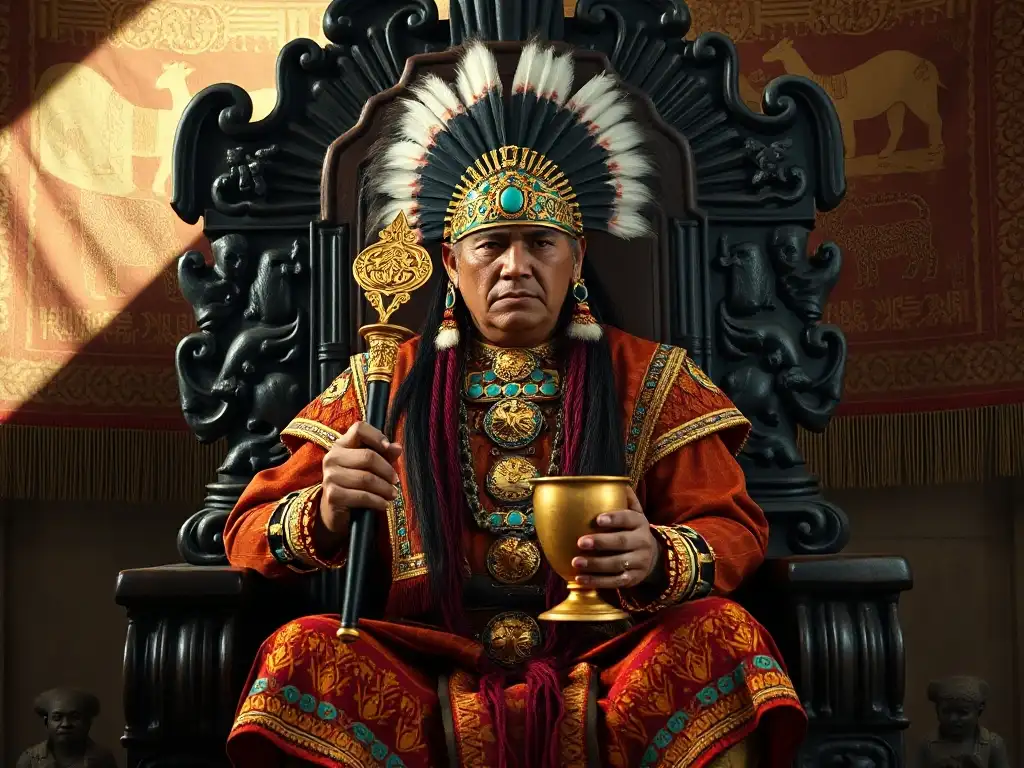
The Sapa Inca, meaning "sole ruler" or "unique Inca," wasn't merely a political leader; he was considered a divine intermediary between the gods and the Inca people. His role was deeply imbued with religious significance, shaping every aspect of his life, from his attire to his daily rituals. Understanding the Sapa Inca's symbolism requires examining the intricate network of beliefs and practices that defined Inca society.
The Sapa Inca's power wasn't solely based on political authority; it stemmed from his sacred connection to the cosmos and his ability to maintain ayni, the principle of reciprocity and balance within the Inca world. This divine authority was visually reinforced through elaborate regalia and symbolic displays of power. The Sapa Inca's very existence served as a powerful reminder of the Inca worldview and the interconnectedness of the human and spiritual realms.
The weight of this responsibility was immense, shaping not only his public image but also his private life. His actions were meticulously observed, viewed as reflections of the cosmic order itself.
The Sapa Inca’s Royal Insignia: The Mascaypacha, Llawt'u, and Suntur Paucar
The Sapa Inca's power was visually represented by several key objects. The mascaypacha, a richly adorned headdress, was arguably the most important symbol of his authority. This head ornament, often depicted in Inca art, featured a variety of colored feathers, gold, and precious stones, representing the Inca's dominion over the diverse regions of their empire.
It symbolized the vastness of the Inca realm and the Sapa Inca's control over it. Furthermore, the llawt'u, a royal scepter, served as a physical manifestation of his power and divine right to rule. Often crafted from gold or silver and intricately decorated, the llawt'u was not simply a ceremonial object; it was a potent symbol of the Sapa Inca's connection to the divine.
Finally, the suntur paucar, a type of royal garment, often a finely woven tunic, further signified the Sapa Inca's elevated status and connection to the sacred. These three elements – the mascaypacha, the llawt'u, and the suntur paucar – together constituted a potent visual representation of the Sapa Inca's authority and divine mandate. The combination of these items created an aura of power and majesty, reinforcing the Sapa Inca’s position as both earthly and spiritual leader.
The Importance of the Inca Emperor's Attire and Adornments
The Sapa Inca's clothing was far more than mere attire; it was a carefully constructed system of visual communication, projecting his divine status and authority. The use of specific colors, textiles, and materials conveyed his connection to the gods and the different regions of the empire. For example, the use of vibrant gold signified the sun god, Inti, while other colors and fabrics represented the earth, the mountains, and other important elements of the Inca cosmology.
The intricate weaving techniques and the incorporation of precious stones and metals further enhanced the symbolic value of his clothing. His garments were not simply worn; they were meticulously crafted, reflecting the Sapa Inca's role as the embodiment of Inca power and spirituality.
Moreover, the adornments themselves—earrings, necklaces, bracelets—were not merely decorative; they possessed symbolic meanings, reinforcing his connection to the divine and his role as the supreme ruler. The detailed craftsmanship and the use of precious materials served as a constant visual reminder of the Sapa Inca's elevated status and the power he wielded.
The Sapa Inca's Representation in Inca Art and Mythology
Inca art and mythology offer invaluable insights into the Sapa Inca's role and significance. Depictions of the Sapa Inca in textiles, ceramics, and stone carvings consistently portray him with regalia, highlighting his divine attributes and power. He is often shown with the mascaypacha, llawt'u, and other symbols of royal authority, reinforcing the sacred nature of his position.
Mythological narratives further elaborate on the Sapa Inca's divine lineage and his connection to the sun god, Inti. These stories emphasize his role as a mediator between the human and divine realms, underscoring the importance of his actions and decisions for the well-being of the Inca empire. The Sapa Inca's image was carefully cultivated and controlled, ensuring that his representation in art and mythology consistently reinforced his authority and divine mandate.
The consistent imagery across various art forms underscores the deeply ingrained belief in the Sapa Inca's sacred role within Inca society, emphasizing his importance as both political and spiritual leader. This consistent portrayal underscores the importance of the Sapa Inca meaning and role within the broader Inca context.
The Sapa Inca Succession and Dynastic Lineages
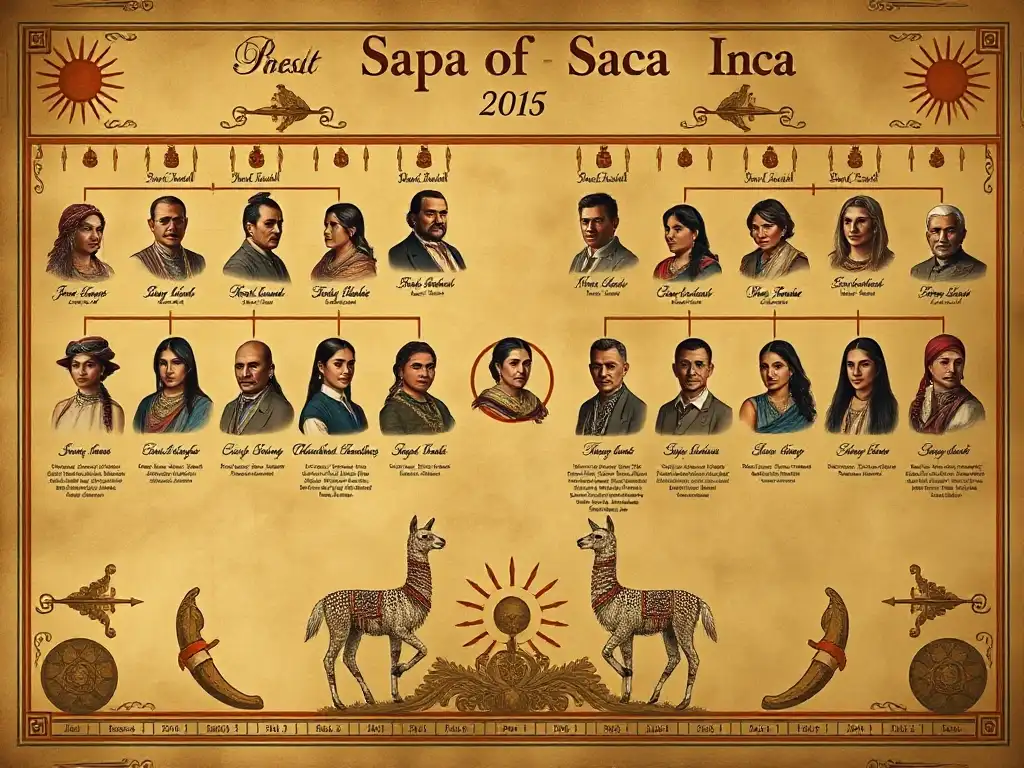
The Sapa Inca, meaning "only Inca," wasn't simply a king; he was considered a divine intermediary between the gods and the Inca people. Understanding the Sapa Inca's role requires examining the intricate system of succession and the dynastic lineages that shaped the Inca Empire's history. The concept of "Sapa Inca meaning and role" is intrinsically tied to the continuity and stability (or instability) of the imperial line. A smooth succession ensured political harmony and economic prosperity, while contested successions often plunged the empire into chaos and civil war.
Inca Royal Lineages: Hanan and Hurin Dynasties
The Inca royal family was structured around two main lineages: the Hanan ("upper") and Hurin ("lower") lineages. These weren't simply geographical designations; they represented distinct branches of the royal family, often vying for power. The system aimed to balance power and prevent any single lineage from dominating completely.
However, this delicate balance frequently broke down. For example, the early Incas saw a constant struggle between these two lineages, with power shifting between them depending on the individual Sapa Inca's strength and the political landscape. The Hanan lineage, associated with Cusco's upper half, often held a slight advantage in early imperial history, but the Hurin lineage, from the lower half, played a crucial role and ultimately produced some of the most significant Sapa Incas.
The precise genealogical details of the early Incas remain debated by historians, with some lineages shrouded in the mists of legend. The interplay between these two lineages significantly influenced the succession process and often shaped the character of the Sapa Inca's reign.
Challenges in Sapa Inca Succession: Civil Wars and Usurpations
Despite the seemingly structured system, the succession of the Sapa Inca was frequently fraught with challenges. The death of a Sapa Inca often triggered intense power struggles among his relatives. While ideally, the heir apparent would inherit the throne seamlessly, this rarely happened. The Inca system lacked a clear, codified law of succession, leading to disputes and even open warfare. The absence of a clear, established system for selecting a successor created an environment ripe for ambition and intrigue.
Several factors contributed to these challenges. The lack of a written language meant that historical records were often oral and subject to interpretation or manipulation. Ambitious princes, supported by their factions, would often challenge the legitimacy of the designated heir.
This resulted in several devastating civil wars, which weakened the empire and sometimes led to its fragmentation. The reigns of certain Sapa Incas were characterized by such conflicts, significantly impacting the empire’s trajectory. For instance, the succession crisis following the death of Huayna Capac led to a brutal civil war between his sons Huáscar and Atahualpa, ultimately paving the way for the Spanish conquest.
The Legacy of Each Sapa Inca: Pachacuti, Tupac Inca Yupanqui, Huayna Capac
The reigns of Pachacuti, Tupac Inca Yupanqui, and Huayna Capac represent pivotal moments in Inca history, demonstrating both the strengths and weaknesses of the Sapa Inca system.
- Pachacuti: Often credited with transforming the Inca from a small regional power into a vast empire, Pachacuti's reign showcases the potential of a strong and decisive Sapa Inca. His military prowess, administrative reforms, and focus on infrastructure development significantly expanded and stabilized the Inca state. His successful consolidation of power set the stage for the empire’s subsequent growth under his successors.
- Tupac Inca Yupanqui: Building upon Pachacuti's foundation, Tupac Inca Yupanqui expanded the Inca Empire even further, extending its reach across vast territories. His military campaigns and diplomatic efforts cemented Inca dominance in the Andes. His reign is characterized by significant territorial expansion and administrative innovations, solidifying the Inca's position as a major power. His legacy underscores the Sapa Inca's capacity for significant achievements during periods of stability.
- Huayna Capac: The last Sapa Inca before the Spanish conquest, Huayna Capac continued the expansionist policies of his predecessors, but his reign also highlighted the inherent vulnerabilities of the succession system. His death triggered a devastating civil war between his sons, fatally weakening the empire and making it vulnerable to the Spanish conquest. His legacy serves as a stark reminder of the instability that could arise from unresolved succession disputes – a critical aspect when examining the "Sapa Inca meaning and role" in the context of imperial stability. This instability ultimately contributed to the downfall of the Inca Empire, emphasizing the critical importance of a smooth and well-defined succession process for the longevity of the Sapa Inca’s power and the empire itself.
The Sapa Inca: A Final Reflection on Inca Leadership
The Sapa Inca, meaning "the only Inca," was far more than just a king; he was the embodiment of Inca power, a divine ruler whose authority permeated every aspect of Andean life. Understanding the Sapa Inca's meaning and role requires delving into the intricate web of Inca society, religion, and politics. His position wasn't simply inherited; it was a complex blend of lineage, ritual, and the perceived divine mandate.
The Sapa Inca's authority wasn't arbitrary; it was carefully constructed and maintained through a sophisticated system of control and religious legitimacy. This section will explore the lasting legacy of this unique leadership model and its significance within the broader context of Inca civilization. The Sapa Inca's influence extended far beyond his lifetime, shaping the very fabric of Inca society and leaving an indelible mark on the history of the Andes.
The Sapa Inca's power structured Inca society into a rigid hierarchy. At its apex sat the Sapa Inca himself, considered a direct descendant of the sun god Inti. Below him were the royal family, the curacas (local chiefs), and various levels of nobility. This hierarchical structure was not merely political; it was deeply ingrained in the Inca worldview, reflecting the cosmic order. The Sapa Inca's authority was absolute, extending to all aspects of life, from land distribution and resource allocation to religious ceremonies and warfare.
The system relied heavily on mita, a form of mandatory labor service. While sometimes viewed negatively, mita was crucial for infrastructure projects like road construction and agricultural production, directly benefiting the entire empire. The Sapa Inca oversaw the mita system, ensuring its efficient operation and distributing resources accordingly. This intricate system, while centralized under the Sapa Inca, also allowed for regional autonomy under the control of appointed curacas.
The balance between centralized power and local governance was a key factor in the Inca Empire's success and longevity. Detailed records of mita assignments, though incomplete, highlight the meticulous organization required to manage such a vast and complex system under the Sapa Inca's direction. The effectiveness of this system directly contributed to the empire's expansion and prosperity.
The Sapa Inca as a Central Figure in Inca Religion and Statecraft
The Sapa Inca's role wasn't solely political; it was inextricably linked to religion. He was considered a divine intermediary between the gods and the people. His legitimacy stemmed from his perceived connection to the sun god Inti, whose worship was central to Inca religion. Religious ceremonies, led by the Sapa Inca, were vital for maintaining cosmic balance and ensuring the prosperity of the empire. The Sapa Inca's religious authority reinforced his political power, creating a potent combination that ensured his absolute rule.
The Sapa Inca's involvement in religious rituals wasn't symbolic; it was actively crucial for the empire’s stability. He participated in major festivals, such as the Inti Raymi (Festival of the Sun), offering sacrifices and performing rituals designed to appease the gods and ensure bountiful harvests. These events reinforced his divine status and strengthened his bonds with the people.
The intricate interplay between religious and political power under the Sapa Inca is a testament to the unique nature of Inca governance. The Sapa Inca's religious duties were just as vital as his political ones, cementing his position as the ultimate authority.
The Sapa Inca's Role in the Rise and Fall of the Inca Empire
The Sapa Inca's actions significantly influenced both the expansion and the eventual collapse of the Inca Empire. Effective Sapa Incas, through strategic alliances, military campaigns, and shrewd governance, expanded the empire's reach and consolidated its power. However, the succession process, often fraught with internal conflict and power struggles, weakened the empire. The absence of a clear and consistently enforced succession law often led to civil wars and internal instability, weakening the empire from within and making it vulnerable to external threats.
The death of a Sapa Inca could trigger a period of uncertainty and conflict, as competing factions vied for control. This internal strife, coupled with external pressures, ultimately contributed to the empire's downfall. The Spanish conquest exploited these internal weaknesses, effectively taking advantage of the power vacuum created by the succession crisis following the death of Huayna Capac. The subsequent civil war between Huáscar and Atahualpa significantly weakened the Inca Empire, making it vulnerable to the relatively small Spanish force.
The Sapa Inca's role in the Inca Empire's fate underscores the delicate balance between powerful centralized leadership and the potential for internal conflict in a vast and complex empire. The impact of the Sapa Inca's actions, both positive and negative, remains a crucial aspect of understanding the Inca Empire's history. The Sapa Inca's legacy is a complex one, demonstrating the powerful yet fragile nature of absolute rule.
Frequently Asked Questions
What does "Sapa Inca" mean?
The term "Sapa Inca" translates to "The Only Inca" or "The One Inca". This title emphasized the emperor's unique and absolute authority within the Inca Empire.
What was the Sapa Inca's role in Inca society?
The Sapa Inca was the supreme ruler of the Inca Empire, holding both political and religious power. He was considered a divine figure, a descendant of the sun god Inti.
How did the Sapa Inca maintain control over the vast empire?
The Sapa Inca maintained control through a complex bureaucracy, a system of loyal officials, and a highly organized military. He also utilized extensive road networks for communication and control.
What were the Sapa Inca's religious responsibilities?
As a divine figure, the Sapa Inca was responsible for maintaining the cosmic order and ensuring the prosperity of the empire. He oversaw religious ceremonies and temples.
What happened to the Sapa Inca after death?
After death, the Sapa Inca was mummified and placed in a special location. These mummies were often consulted for guidance, highlighting their continued spiritual importance even after death.
Final Reflection: The Enduring Legacy of the Sapa Inca
The concept of the Sapa Inca, far from being a relic of a bygone empire, remains a potent symbol of the complex interplay between divine authority and earthly power. Understanding the Sapa Inca's role offers crucial insight into the sophisticated social structures and spiritual beliefs that shaped the Inca civilization, a legacy that continues to resonate in modern discussions of leadership, governance, and the relationship between the sacred and the secular.
The enduring influence of the Sapa Inca's image is palpable, even today. The carefully constructed narrative of divine right, woven into the very fabric of Inca society, continues to inform our understanding of power dynamics and the construction of legitimacy. The Inca state was not merely a political entity, but a cosmic order reflected in the hierarchical structure of society, with the Sapa Inca at its apex.
This quote highlights the profound integration of religious and political authority, a model that continues to fascinate and challenge our contemporary perspectives on governance. The echoes of this system can be heard in discussions of leadership, both in political and corporate spheres, reminding us of the enduring power of carefully crafted narratives and the importance of understanding the historical roots of modern power structures.
Consider, for a moment, the weight of responsibility inherent in the Sapa Inca's position. The immense pressure to maintain cosmic balance, to ensure the prosperity of the empire, and to embody divine will – these are challenges that transcend time and culture. You, the reader, are invited to reflect on the lessons learned from the Sapa Inca's story.
How can we apply the insights gained from this exploration of divine kingship to our own understanding of leadership, responsibility, and the delicate balance between power and spirituality? Let the legacy of the Sapa Inca inspire you to examine the foundations of authority and the enduring power of belief in shaping our world.
Unveil the Wisdom of the Sapa Inca!
Thank you for exploring the fascinating world of the Sapa Inca! We hope you've discovered the profound significance of this divine ruler in Inca mythology and how it offers valuable insights into leadership and spirituality. Reflecting on this rich history, we encourage you to continue exploring and celebrating this incredible cultural legacy.
Here are some ways to deepen your understanding:
- Visit local museums or cultural centers to learn more about Inca civilization, paying particular attention to exhibits focusing on the Sapa Inca.
- Connect with an online community or forum to discuss your thoughts and discoveries about Inca mythology with fellow enthusiasts.
- Share your newfound knowledge with friends and family, or spark a conversation on social media about the enduring impact of historical leaders on our world.
Now, we'd love to hear from you! What aspect of the Sapa Inca's reign or legacy most resonates with you, and how might you apply these insights to your own life?