
The Inca's Sacred Sites: Where Myth and Reality Converge

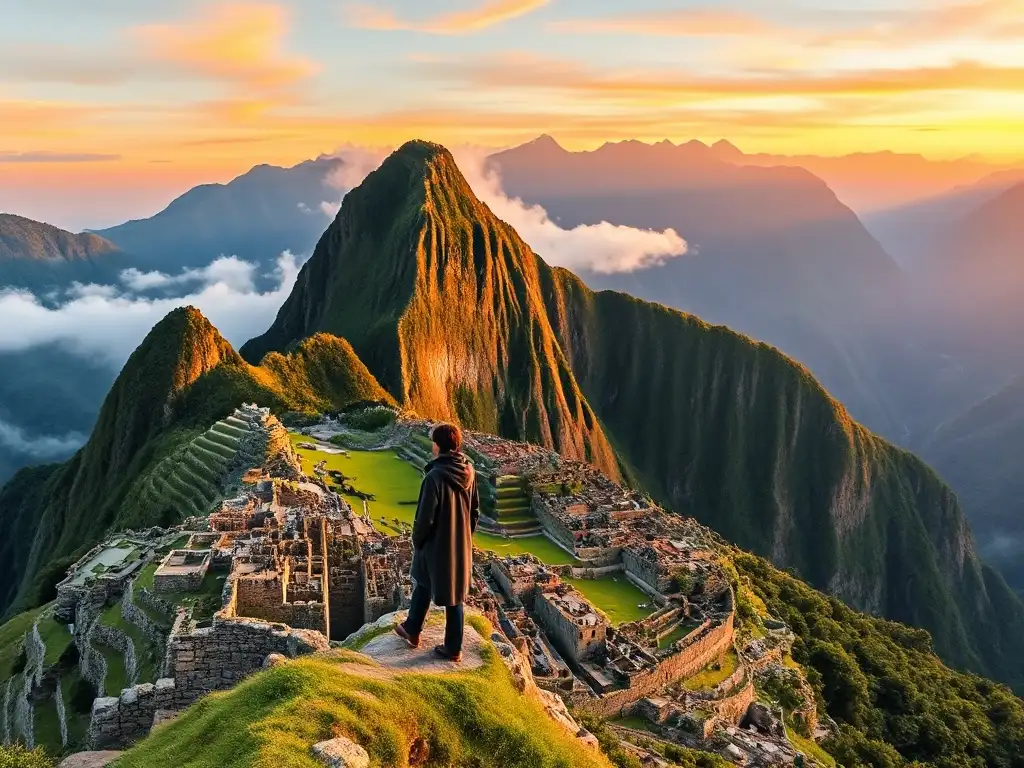
Step into a world lost to time, yet echoing with the whispers of a magnificent empire. Journey with us through the breathtaking landscapes and awe-inspiring artistry of the Andes, where ancient civilizations flourished. Discover the secrets held within the mountains, and unlock the mysteries surrounding Inca sacred sites locations. Prepare to be captivated by the intricate tapestry of Andean culture – a story waiting to be unveiled in "The Inca's Sacred Sites: Where Myth and Reality Converge."
The Inca Empire, a civilization that flourished in the Andes Mountains from the 13th to the 16th centuries, left behind a legacy not just of impressive engineering feats like Machu Picchu, but also a network of sacred sites imbued with deep spiritual significance. These locations, scattered across their vast territory, served as vital centers for religious practices, astronomical observations, and political power. Understanding these Inca sacred sites offers a unique window into their complex cosmology, intricate social structure, and profound connection to the natural world.
This article explores the locations of key Inca sacred sites, delving into the myths and realities surrounding their construction, purpose, and enduring legacy, providing valuable information for those seeking to understand the "Inca sacred sites locations". We will examine both well-known and lesser-known sites, highlighting their geographical distribution and the archaeological evidence that sheds light on their importance within Inca society.
Machu Picchu: The Lost City in the Clouds
Machu Picchu, perhaps the most iconic Inca site, remains shrouded in a certain amount of mystery. While its function as a royal estate or religious sanctuary is still debated among scholars, its breathtaking location high in the Andes and its intricate architecture speak volumes about Inca ingenuity and spiritual beliefs. The precise astronomical alignments of many structures within Machu Picchu suggest its use in observing celestial events, further solidifying its sacred nature.
Detailed records of archaeological findings, including the discovery of numerous agricultural terraces and residential buildings, paint a vivid picture of daily life within this remarkable city. The sheer scale of the construction, coupled with the precision of the stonework, continues to amaze and inspire awe. Further research is needed to fully unravel the mysteries surrounding Machu Picchu, but its undeniable significance as a sacred site remains unquestioned.
Sacsayhuamán: Fortress of the Sun
Located just outside of Cusco, Sacsayhuamán stands as a testament to Inca military prowess and religious devotion. This imposing fortress, with its massive cyclopean stones, was not merely a defensive structure; it was also a sacred site associated with the sun god Inti. The intricate arrangement of the stones and the strategic placement of the fortress suggest a deep understanding of astronomy and engineering.
Archaeological evidence points to its use in both military and ceremonial contexts, showcasing the intertwining of these aspects within Inca society. The sheer scale and precision of Sacsayhuamán, with its massive stones perfectly fitted together without mortar, continue to baffle and inspire researchers today. [Specific information pending: precise details on the astronomical alignments within Sacsayhuamán].
Coricancha: The Temple of the Sun in Cusco
Coricancha, or the Temple of the Sun, located in the heart of Cusco, served as the most important religious center of the Inca Empire. This temple, richly adorned with gold and silver, was dedicated to Inti, the sun god, and housed numerous religious artifacts and priests. While much of the original structure was destroyed during the Spanish conquest, the remaining foundations and archaeological evidence provide valuable insights into its grandeur and significance.
The strategic location in the center of Cusco underscores its importance as both a religious and political hub. [Specific information pending: details on the types of offerings discovered at Coricancha]. The remnants of Coricancha serve as a poignant reminder of the Inca's deep reverence for the sun and their sophisticated religious practices.
Other Significant Inca Sacred Sites
Beyond these major sites, numerous other locations across the Inca Empire held significant religious and ceremonial importance. These include Ollantaytambo, a massive complex that served as both a fortress and a sacred site; Pisac, known for its impressive agricultural terraces and intricate rock carvings; and Moray, with its unique circular agricultural terraces believed to have been used for agricultural experimentation. These lesser-known sites, while perhaps less famous than Machu Picchu, offer equally valuable insights into Inca culture, beliefs, and engineering capabilities.
The geographical distribution of these sites across the Andes highlights the Inca's deep connection to the landscape and their ability to adapt to diverse environments. 🗺️ Further research into these sites will undoubtedly continue to reveal more about the intricacies of Inca civilization.
- Machu Picchu: The Lost City in the Clouds
- Sacsayhuamán: Fortress of the Sun
- Coricancha: The Temple of the Sun in Cusco
- Other Significant Inca Sacred Sites
Understanding Inca Sacred Geography
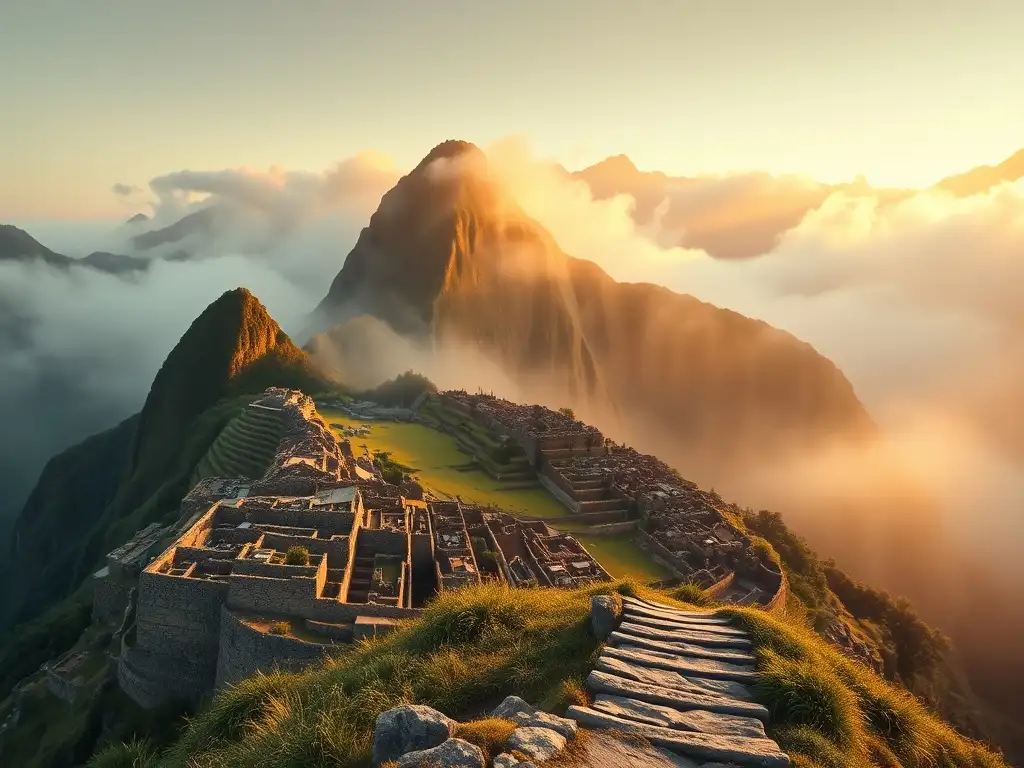
The Inca Empire, renowned for its sophisticated engineering and intricate social structure, held a deeply spiritual worldview that profoundly shaped its relationship with the landscape. Understanding Inca sacred sites requires appreciating their embeddedness within a complex cosmology. These weren't simply picturesque locations; they were integral to the Inca's understanding of the universe, their connection to the divine, and the maintenance of ayni, the principle of reciprocity and balance.
The meticulous selection of these sites, often atop mountains, near water sources, or possessing unique geological features, reveals a sophisticated understanding of geography and its symbolic significance. This section delves into the significance of these places and how the Inca cosmovision influenced their selection.
The precise locations of many lesser-known Inca sacred sites are still being discovered and mapped, highlighting the ongoing research into this fascinating aspect of Inca history. This makes the study of "Inca sacred sites locations" a dynamic and evolving field.
The Significance of Sacred Places for the Inca Empire
For the Inca, sacred sites served multiple crucial functions. They were not merely places of worship but also functioned as:
- Centres of Power: Sites like Machu Picchu, Sacsayhuamán, and Ollantaytambo, served as administrative and ceremonial centers, consolidating political and religious authority. Their strategic locations, often overlooking fertile valleys or commanding strategic passes, reinforced their importance. The placement of these sites was not random; they were carefully chosen to exert influence and control over the surrounding territories.
- Nodes in a Cosmic Network: Inca sacred sites weren't isolated entities but formed part of a wider network connecting the earthly realm to the celestial. Certain mountain peaks, caves, springs, and other natural features were believed to be portals to the supernatural world, facilitating communication with deities and ancestors. This network, often aligned with astronomical events, played a vital role in maintaining cosmic harmony. The precise alignment of some sites with solstices and equinoxes provides compelling evidence of sophisticated astronomical knowledge.
- Sites of Ritual and Ceremony: These locations were the stage for a range of rituals and ceremonies, including offerings, prayers, and festivals. These practices aimed to ensure the fertility of the land, the success of harvests, and the overall well-being of the empire. The scale and complexity of these ceremonies reflected the profound importance attributed to these sacred spaces. Evidence of ritual activities, such as the discovery of artifacts and human remains, further supports this interpretation.
- Pilgrimage Destinations: Many Inca sacred sites were important pilgrimage destinations, drawing people from across the vast empire. These journeys, often arduous and demanding, were considered acts of devotion, reinforcing social cohesion and strengthening the empire's spiritual unity. The sheer number of pilgrims traveling to these sites speaks to their widespread significance.
The meticulous planning and construction evident in these sites underscore their importance within Inca society. The precision of Inca stonework, the careful integration of structures into the natural landscape, and the sophisticated water management systems all contribute to our understanding of their deep reverence for these locations.
Inca Cosmovision and its Influence on Site Selection
The Inca cosmovision, a complex system of beliefs that viewed the universe as an interconnected whole, directly influenced the selection of sacred sites. The Inca worldview emphasized the interplay between the hanan pacha (upper world), kay pacha (present world), and ukhu pacha (underworld). Sacred sites were often chosen based on their perceived ability to bridge these three realms.
- Mountain Peaks and Water Sources: Mountains were considered sacred, representing the axis mundi, the connection between the heavens and the earth. Water sources, such as springs and rivers, were equally revered, representing life-giving energy and the flow of cosmic power. The combination of these elements in a single site amplified its sacred significance.
- Geological Features: Unique geological features, such as caves, rock formations, and unusual rock types, were often incorporated into sacred sites. These features were believed to possess inherent spiritual power, enhancing the site's ability to channel cosmic energy. The careful selection of these features demonstrates a deep understanding of the landscape's symbolic meaning.
- Astronomical Alignments: The alignment of many sacred sites with astronomical events, such as solstices and equinoxes, suggests a sophisticated understanding of astronomy and its connection to the Inca calendar. These alignments reinforced the sites' role in maintaining cosmic balance and predicting agricultural cycles. Precise astronomical calculations were clearly employed in the site selection process.
- Huacas: The Inca revered huacas, which encompassed a wide range of natural and man-made objects believed to possess spiritual power. These could include mountains, rocks, caves, springs, but also certain artifacts or even ancestors. The integration of huacas into sacred sites further enhanced their spiritual potency. The identification and incorporation of huacas into the landscape demonstrate the Inca's sophisticated understanding of the sacred geography.
The selection of Inca sacred sites was a deliberate and meaningful process, reflecting the empire's profound spiritual worldview. The careful consideration of geographical features, astronomical alignments, and cosmological principles resulted in the creation of sites that continue to inspire awe and wonder. Understanding the Inca's sacred geography provides invaluable insight into their beliefs, practices, and the enduring legacy of their civilization. Further research into "Inca sacred sites locations" promises to reveal even more about this fascinating aspect of Andean history.
Major Inca Sacred Sites Locations
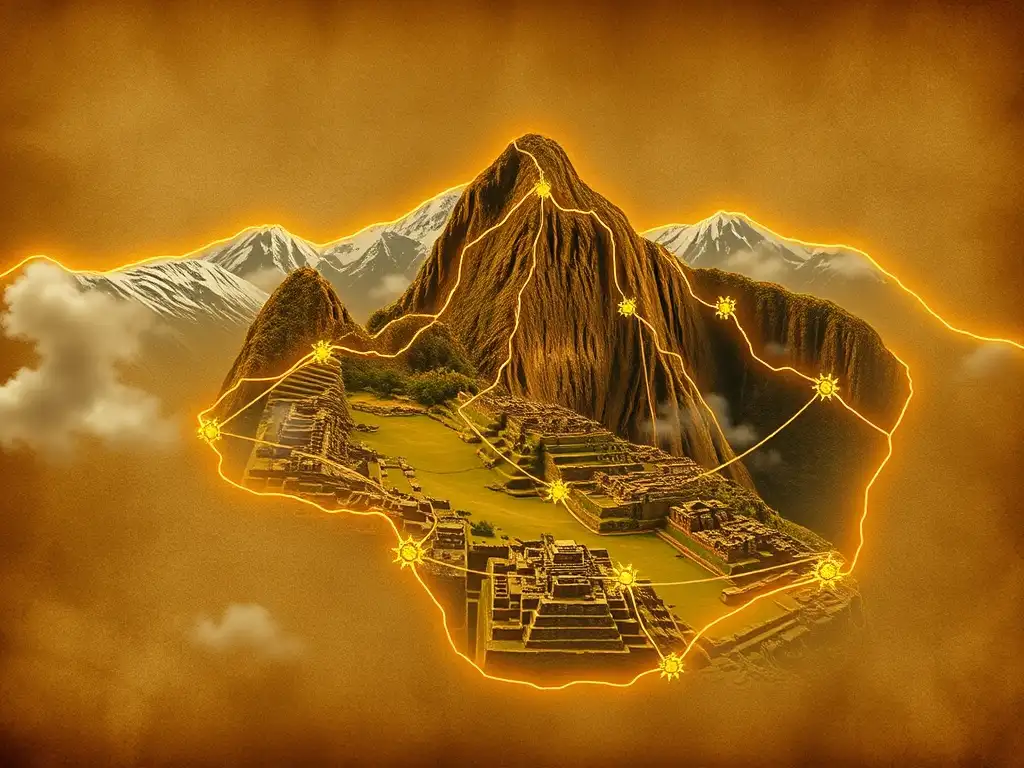
This section delves into the geographical locations of key Inca sacred sites, exploring their significance within the Inca worldview and their enduring legacy. Understanding the placement of these sites offers crucial insight into Inca cosmology, their relationship with the natural world, and the sophisticated planning that characterized their empire.
The strategic positioning of these sacred spaces, often incorporating astronomical alignments and breathtaking natural landscapes, underscores the Inca's profound connection to their environment and their deeply spiritual beliefs. This exploration focuses specifically on the locations and significance of two of the most iconic Inca sites: Coricancha and Machu Picchu, providing detailed information to satisfy your search for "Inca sacred sites locations".
Coricancha: The Temple of the Sun in Cusco
Coricancha, meaning "Golden Enclosure" in Quechua, stands as a testament to Inca artistry and religious devotion. Located in the heart of Cusco, the ancient capital of the Inca Empire, this site served as the most important temple dedicated to the sun god, Inti, the central figure in Inca mythology. Its strategic location within the city itself highlights its paramount importance to the Inca worldview.
The Golden Enclosure and its Ritualistic Importance
The name "Golden Enclosure" aptly describes the temple's opulence. Chroniclers recount that Coricancha's walls were covered in massive sheets of gold, adorned with intricate carvings and precious stones. This lavish decoration wasn't merely for aesthetic purposes; it was deeply symbolic, representing the sun's radiant power and the Inca's reverence for Inti.
Rituals within Coricancha involved elaborate ceremonies, sacrifices, and offerings intended to appease the sun god and ensure bountiful harvests and prosperity. The precise details of many of these rituals remain lost to time, but archaeological evidence and surviving accounts paint a picture of a vibrant and awe-inspiring religious center. The sheer quantity of gold used suggests the immense wealth and power of the Inca Empire at its zenith.
Architectural Marvels and Astronomical Alignments
Beyond its religious significance, Coricancha showcases remarkable Inca architectural prowess. The precise stonework, characteristic of Inca construction, demonstrates mastery over engineering and precision. Recent research suggests that the temple's orientation and design incorporated astronomical alignments, reflecting the Inca's advanced understanding of celestial movements.
These alignments likely played a role in determining the timing of agricultural cycles and religious festivals, emphasizing the intricate relationship between the Inca's spirituality and their practical needs. The precise nature of these astronomical alignments is still under investigation, but initial findings suggest a sophisticated system of observation and calculation. Further research is needed to fully understand the complexities of Coricancha’s astronomical features.
Machu Picchu: The Lost City of the Incas
Machu Picchu, perched high in the Andes Mountains above the Urubamba Valley, is perhaps the most iconic Inca site globally. Its remote location, shrouded in mist and surrounded by breathtaking scenery, has fueled its legendary status as the "Lost City of the Incas." However, its remoteness does not diminish its significance as a sacred site. The precise location was strategically chosen, offering a commanding view of the surrounding landscape and a sense of isolation conducive to spiritual practices.
Purpose and Function of the Citadel
While often depicted as a solely religious site, Machu Picchu likely served multiple functions. Evidence suggests it was a royal estate, a religious center, and a significant administrative hub. The sophisticated layout of the city, with its intricate network of terraces, temples, residential areas, and agricultural plots, underscores its multifaceted role within the Inca Empire. The precise purpose of certain structures remains debated, reflecting the complexity of the site and the ongoing nature of archaeological research. The discovery of new artifacts and the application of advanced technologies continue to shed light on the city's diverse functions.
Spiritual Significance and Connection to Nature
Despite its various functions, Machu Picchu's spiritual significance is undeniable. Its location amidst the majestic Andes Mountains fostered a deep connection with nature, reflecting the Inca's reverence for the natural world. The carefully cultivated agricultural terraces demonstrate a harmonious relationship between humans and their environment, while the presence of temples and ritualistic structures highlights the integration of spiritual practices into daily life.
The panoramic views from the citadel likely served as a powerful reminder of the Inca's dominion over the landscape and their connection to the cosmos. The sheer scale and beauty of Machu Picchu continue to inspire awe and wonder, reinforcing its enduring significance as a sacred site. The ongoing archaeological work at Machu Picchu continues to reveal new insights into its spiritual significance and its role in the Inca worldview.
Ollantaytambo: A Fortress and Sacred Valley Hub
Ollantaytambo, nestled high in the Sacred Valley of the Incas, stands as a testament to Inca ingenuity and spiritual significance. More than just a fortress, it served as a crucial administrative, agricultural, and religious center. Its strategic location, commanding views of the valley and access to vital resources, solidified its importance within the Inca empire.
The site’s imposing architecture, characterized by massive stone blocks intricately fitted together without mortar, showcases the advanced engineering skills of Inca builders. This mastery is evident not only in the fortress itself but also in the extensive agricultural terraces that cascade down the mountainside, a testament to their sophisticated understanding of water management and agricultural practices.
The sheer scale of Ollantaytambo, coupled with its intricate design, suggests a significant investment of resources and labor, underscoring its vital role in the Inca world. Exploring Ollantaytambo today offers a captivating journey through time, allowing visitors to connect with the grandeur and complexity of Inca civilization.
Terraces, Temples, and Water Engineering
The agricultural terraces of Ollantaytambo are perhaps its most striking feature. These meticulously constructed terraces, carved into the steep mountain slopes, represent a sophisticated system of water management and agricultural intensification. The Incas cleverly channeled water from mountain springs, utilizing a network of canals and irrigation systems to ensure a consistent water supply for crops.
This ingenious engineering allowed them to cultivate crops at varying altitudes, maximizing agricultural productivity in a challenging mountainous environment. Beyond the agricultural terraces, Ollantaytambo boasts impressive temples and religious structures, many of which are still partially intact. These structures, often built from the same massive stone blocks as the fortress, were likely used for religious ceremonies and rituals, demonstrating the site's integral role in Inca religious life.
The precise function of some structures remains debated, highlighting the ongoing research into this fascinating site. The intricate interplay of agricultural productivity and religious significance at Ollantaytambo showcases the holistic worldview of the Inca civilization, where practicality and spirituality were deeply intertwined.
Importance as a Royal Estate
Ollantaytambo's significance extended beyond its role as a fortress and religious center. Evidence suggests it also functioned as a significant royal estate, serving as a retreat for Inca royalty and a place for administrative activities. The presence of elaborate residential structures, distinct from the more utilitarian buildings of the fortress, supports this interpretation.
These structures likely housed Inca nobles and administrators, overseeing the management of the region's resources and coordinating activities within the wider Inca empire. The meticulous planning and construction of Ollantaytambo, coupled with its strategic location, suggest a deliberate effort to create a center of power and prestige, reflecting the Inca's capacity for sophisticated urban planning and administrative control.
The site's multifaceted function, combining military defense, religious practice, and royal administration, exemplifies the interconnectedness of power, spirituality, and governance within the Inca empire. Further research into the site's architecture and artifacts continues to unveil new insights into its complex history.
Pisac: Sacred Valley Agricultural and Ceremonial Center
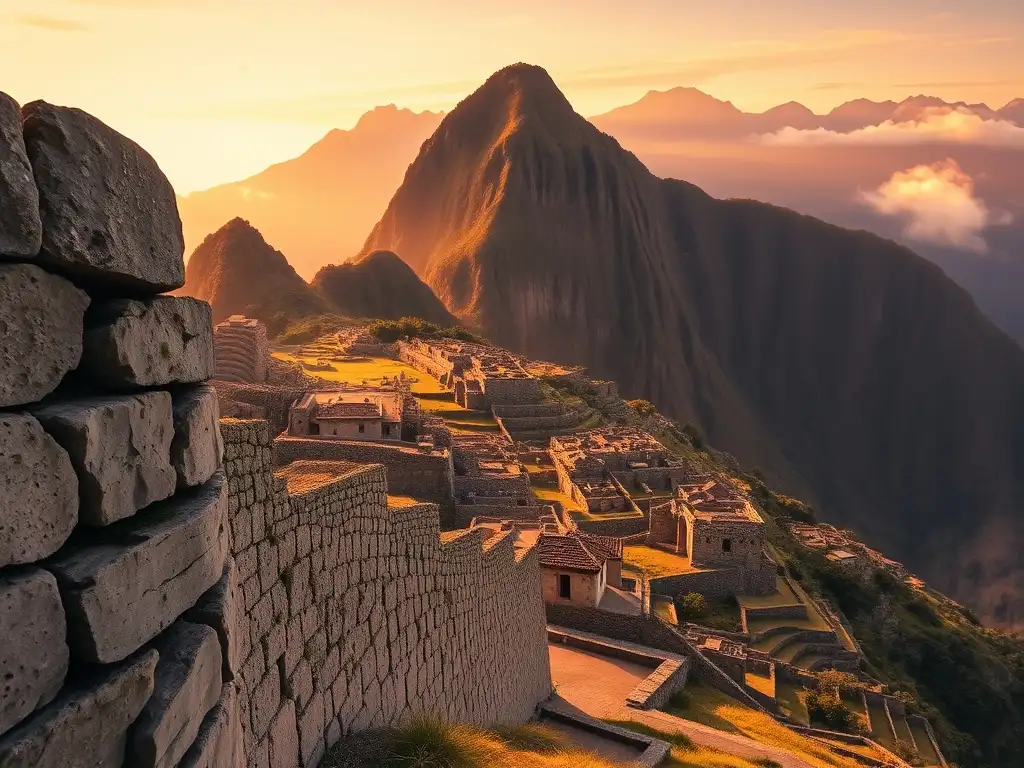
Located in the heart of the Sacred Valley, Pisac is another significant Inca site known for its remarkable integration of agriculture and religious practices. Unlike the imposing fortress of Ollantaytambo, Pisac's landscape is characterized by a series of intricately constructed agricultural terraces that climb the steep mountain slopes. These terraces, similar to those at Ollantaytambo, demonstrate the Inca's mastery of water management and agricultural engineering.
However, Pisac also features a complex of religious structures, including temples, shrines, and ceremonial platforms, suggesting a strong connection to Inca religious beliefs and practices. The combination of agricultural productivity and religious significance at Pisac illustrates the close relationship between these two aspects of Inca life. The site's strategic location, overlooking the fertile valley below, further underscores its importance as both a productive agricultural center and a place of spiritual significance.
Terraced Agriculture and Religious Structures
The agricultural terraces at Pisac are not merely functional structures; they are also integrated into the site's religious landscape. The terraces themselves often exhibit a degree of symmetry and alignment, suggesting deliberate design choices that go beyond purely practical considerations. Some researchers believe that the terraces were laid out according to astronomical principles, reflecting Inca beliefs about the cosmos and the relationship between the earthly and celestial realms.
In addition to the terraces, Pisac features a series of impressive religious structures, many of which are carved directly into the rock face. These structures, often decorated with intricate carvings and designs, are believed to have been used for various religious ceremonies and rituals, reflecting the diverse religious practices of the Inca people.
The integration of agriculture and religious structures at Pisac exemplifies the Inca's holistic worldview, where the cultivation of the land and the worship of the gods were interconnected aspects of daily life. The site's preservation offers invaluable insights into the agricultural and spiritual practices of this advanced civilization.
Astronomical Observations and Ritual Practices
The Inca's profound understanding of astronomy is evident at Pisac. The alignment of certain structures and terraces with celestial events, such as solstices and equinoxes, suggests that astronomical observations played an important role in their religious practices and agricultural cycles.
The precise positioning of these structures suggests a sophisticated knowledge of astronomy, possibly used to predict planting and harvesting times, as well as to conduct religious ceremonies aligned with celestial events. Many researchers believe that the Inca priests performed ritual practices at these locations, using astronomical alignments to determine auspicious times for religious ceremonies and agricultural activities.
The integration of astronomical observations and ritual practices at Pisac showcases the Inca's sophisticated understanding of the cosmos and their ability to integrate this knowledge into their daily lives. Further research into the site’s layout and astronomical alignments continues to reveal new insights into the Inca’s advanced understanding of the cosmos and their complex religious beliefs.
Sacsayhuaman: The Enormous Fortress Overlooking Cusco
Sacsayhuaman, meaning "satisfied falcon" in Quechua, is arguably the most iconic Inca sacred site and a testament to their impressive engineering prowess. Perched dramatically on a hill overlooking Cusco, its imposing presence commands attention even today. The sheer scale of the site is breathtaking; the massive, precisely cut stones, some weighing over 100 tons, defy easy explanation even with modern technology. Its strategic location, overlooking the capital city, further emphasizes its importance as a defensive structure and a center of religious significance.
The construction itself is a marvel, showcasing the Inca's advanced understanding of stonework, precision, and logistics. The sheer volume of materials used, transported over challenging terrain, speaks to the immense human effort and organizational skill involved in its creation. The site's construction, spanning decades if not centuries, reveals a commitment that transcends mere practicality, hinting at its profound spiritual value for the Inca people.
The enduring mystery surrounding its precise construction techniques continues to fascinate researchers and visitors alike, fueling ongoing debate and study. Understanding Sacsayhuaman requires appreciating not only its physical grandeur but also the profound cultural and spiritual significance it held for the Inca civilization. Its towering presence continues to resonate with a sense of awe and wonder.
Megalithic Architecture and Defensive Purpose
The architecture of Sacsayhuaman is truly remarkable. The massive, precisely fitted stones are a hallmark of Inca engineering. These megaliths, some reaching astonishing sizes, were expertly cut and joined without the use of mortar, a feat that continues to baffle modern engineers. The precision of the cuts is astonishing; the stones fit together so seamlessly that a knife blade cannot be inserted between them.
This level of craftsmanship speaks to a highly skilled workforce and a deep understanding of stone manipulation. Beyond its aesthetic appeal, Sacsayhuaman's strategic location and construction clearly served a defensive purpose. Its imposing walls, strategically placed terraces, and narrow passages would have made it a formidable defensive structure, capable of withstanding sieges and protecting Cusco.
The zig-zag pattern of the walls, a characteristic feature of Inca fortifications, further enhanced its defensive capabilities, funneling attackers into vulnerable positions. The combination of impressive architecture and strategic positioning makes Sacsayhuaman a unique example of Inca military engineering and urban planning. The integration of defensive elements with the site's sacred purpose underscores the Inca's holistic worldview, where the spiritual and the practical were inextricably linked.
Its Role in Inca Rituals and Ceremonies
Sacsayhuaman was far more than just a fortress; it played a crucial role in Inca religious life. Evidence suggests that the site was used for various rituals and ceremonies, linked to the Inca cosmology and their veneration of nature and their gods. The precise nature of these rituals remains partly shrouded in mystery, but archaeological findings and historical accounts offer glimpses into their significance. The three main terraces of Sacsayhuaman, each with unique features, likely served different purposes within the religious calendar.
The solstice, a significant event in the Inca calendar, may have been celebrated within the site, with the sun's alignment with certain structures holding special meaning. The presence of ceremonial platforms, water features, and other architectural elements further supports the site's religious function. The convergence of astronomy, architecture, and religion highlights the sophisticated understanding of the cosmos held by the Inca civilization.
The rituals performed at Sacsayhuaman likely involved offerings, sacrifices, and processions, reinforcing the site's role as a sacred space where the human and divine realms intersected. The enduring mystery surrounding some of the rituals continues to fuel research and speculation, highlighting the richness and complexity of Inca religious practices. The site's significance transcends its physical presence; it represents a profound connection between the Inca people and their spiritual world.
Inca Sacred Sites and the Connection to Nature
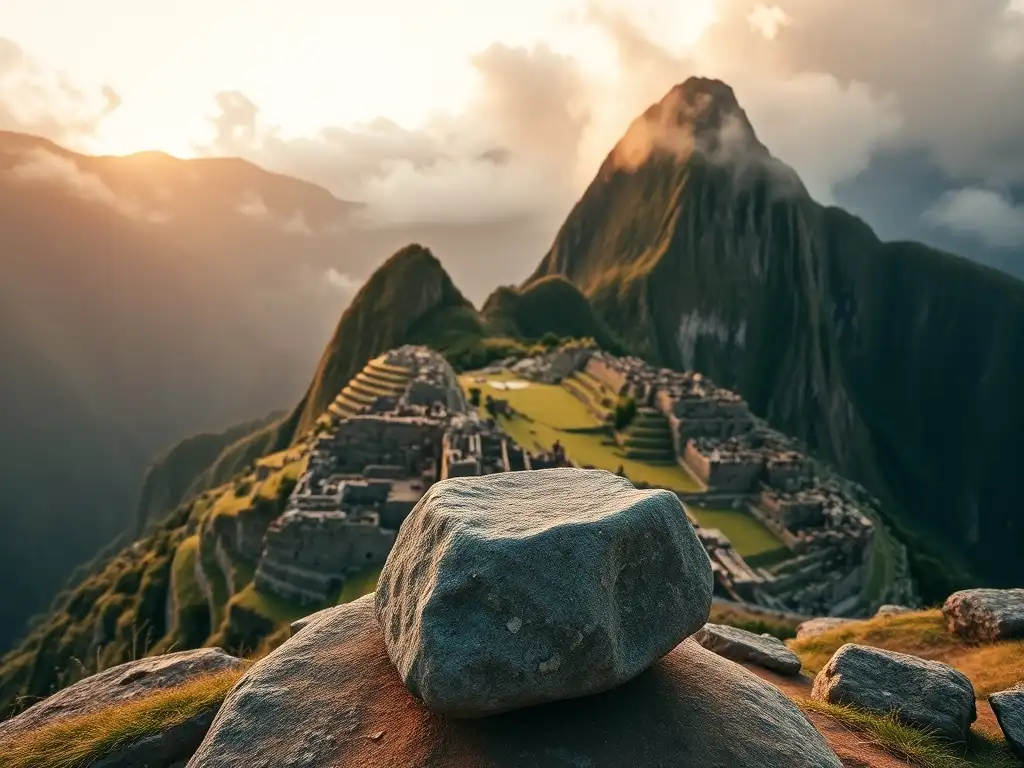
The Inca worldview was deeply intertwined with the natural world, imbuing mountains, water sources, celestial bodies, and even specific geographical features with profound spiritual significance. Their sacred sites weren't merely places of worship; they were integral parts of a complex cosmological system reflecting their understanding of the universe and their place within it. Identifying and understanding these sites offers invaluable insight into Inca beliefs, social structures, and their sophisticated relationship with their environment.
Understanding the Inca sacred sites locations is key to unlocking this rich tapestry of history and spirituality. This section delves into the primary elements of this sacred geography.
The Role of Mountains (Apus) in Inca Spirituality
Mountains, known as Apus in Quechua, were considered sacred entities – powerful deities holding dominion over the land and its inhabitants. They weren't simply geological formations; they were living beings, imbued with spiritual power and capable of influencing the lives of the Inca people. The Apus were venerated through offerings, rituals, and the construction of sacred sites on their slopes or at their bases. These sites often included shrines, agricultural terraces, and pathways, all strategically placed to harness the Apus's energy and ensure agricultural prosperity and protection.
The most prominent Apus were often the highest peaks in a region, commanding respect and awe. For instance, the impressive Mount Ausangate in the Cusco region was a particularly significant Apus, and its slopes bear testament to the numerous Inca sites built in its honor. These weren't haphazardly placed; their precise locations reflect a deep understanding of astronomy and geomancy, aligning them with specific celestial events and harnessing the energies of the landscape. The arrangement of terraces, for example, often mirrored constellations, indicating a sophisticated understanding of the cosmos.
Many smaller, less prominent mountains were also considered sacred, demonstrating that the Inca's reverence for Apus extended beyond the most visually impressive peaks. This widespread veneration highlights the pervasive influence of mountain worship in Inca spirituality and daily life. Archaeological evidence consistently supports the importance of these sites, revealing intricate details about Inca religious practices and beliefs.
Water Sources and Their Sacred Meaning
Water, a life-giving force in the harsh Andean environment, held immense sacred significance for the Inca. Springs, rivers, and lakes were not merely sources of hydration; they were seen as conduits of divine energy, connecting the earthly realm to the spiritual world. Inca sacred sites frequently incorporated water sources into their designs, emphasizing their spiritual power.
Many Inca sites were built near or integrated with springs, waterfalls, and other sources of flowing water. These locations were often considered pachas (places of power), where the boundaries between the physical and spiritual worlds blurred. The Inca believed that these water sources were inhabited by powerful spirits, and rituals were performed to appease them and ensure the continued flow of water, crucial for agriculture and survival.
The construction of intricate irrigation systems further underscores the Inca's deep respect for water and their understanding of its importance for both sustenance and spiritual well-being. The careful placement of canals and aqueducts wasn't solely a feat of engineering; it was also a sacred act, demonstrating their reverence for the life-giving properties of water and their integration of it into their spiritual landscape. Specific Inca sacred sites locations near significant water sources are still evident today, offering tangible evidence of these beliefs.
The Influence of the Sun and Moon in Inca Rituals
The sun (Inti) and moon (Killa) were central figures in Inca cosmology, representing powerful deities with profound influence over the lives of the Inca people. Inca sacred sites often incorporated astronomical alignments, reflecting their advanced understanding of celestial movements and their importance in Inca religious practices. The precise orientation of temples, shrines, and other structures often coincided with solstices and equinoxes, indicating a sophisticated knowledge of astronomy and its connection to the spiritual realm.
The Inca's mastery of astronomy allowed them to predict seasonal changes, which were crucial for their agricultural practices. The sun's movements were closely observed, and festivals and rituals were timed to coincide with important solar events. Similarly, the moon's phases played a significant role in Inca rituals, influencing agricultural cycles and social activities.
Many Inca sacred sites locations were carefully chosen to maximize their alignment with the sun and moon, highlighting the importance of these celestial bodies in Inca religious life. These sites served as observatories, calendars, and places of worship, demonstrating the interconnectedness of astronomy, religion, and daily life in Inca society.
The precise alignment of many structures with significant astronomical events provides compelling evidence of their deep understanding of the cosmos and its influence on their world. The positioning of these sites, especially those dedicated to Inti, often involved complex mathematical calculations to ensure precise solar alignments, further emphasizing their advanced knowledge and technological capabilities.
Exploring the Mysticism Behind Inca Sacred Places
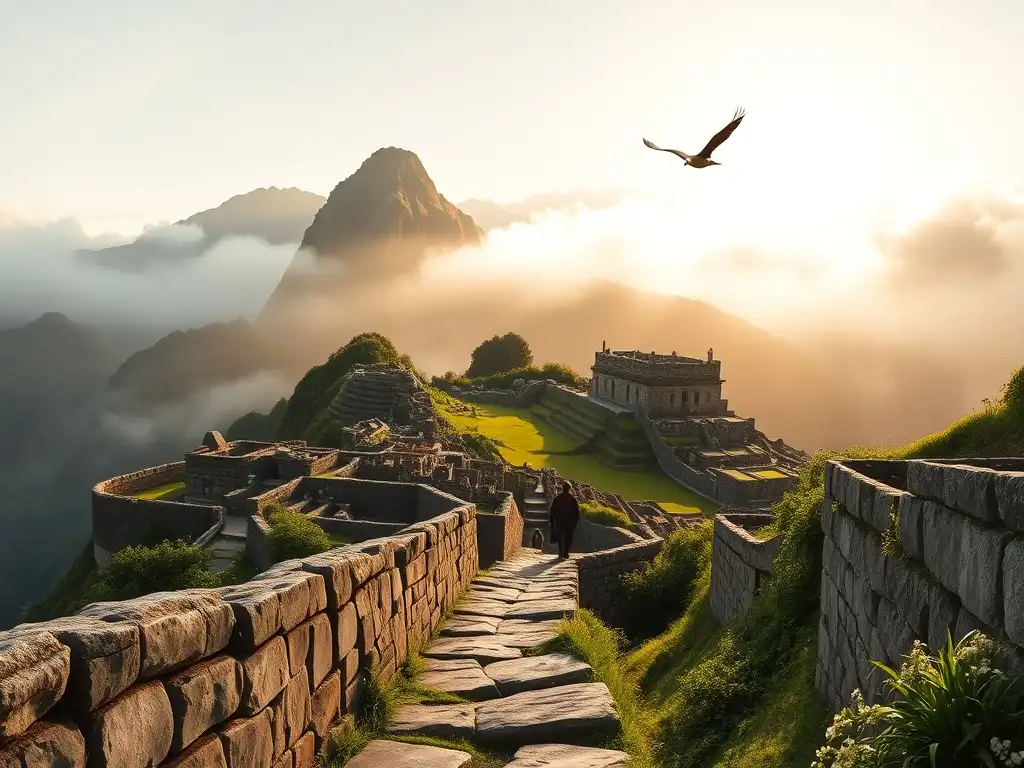
Inca sacred sites weren't merely geographical locations; they were vibrant nodes in a complex cosmological system deeply intertwined with Inca mythology, beliefs, and daily life. Understanding the mysticism surrounding these places requires appreciating their multifaceted role in Inca society – from religious ceremonies and astronomical observations to agricultural practices and political power. The Inca worldview saw the world as a living entity, imbued with spiritual energy, and these sacred sites served as conduits to the supernatural realm.
The meticulous placement of many sites, often aligned with celestial events like solstices and equinoxes, further emphasizes the sophisticated astronomical knowledge and spiritual significance attributed to them. This intricate connection between the physical and spiritual world is a key element in understanding the enduring power and fascination surrounding Inca sacred sites locations.
The Relationship between Inca Mythology and Sacred Sites
Inca mythology is rich with powerful deities, spirits, and ancestral figures, all deeply connected to specific sacred sites. For example, the deity Inti, the sun god, held paramount importance, and sites like Machu Picchu, with its precise solar alignments, served as crucial focal points for sun worship. Similarly, the sacred mountain, apu, often held immense spiritual significance, embodying the power of nature and ancestral spirits.
Many Inca sacred sites are located near or on these apu, highlighting the reverence for these natural formations. The relationship wasn't simply symbolic; these locations were considered doorways to the spirit world, where communication with deities and ancestors was believed possible. The careful selection of sites, their construction, and the rituals performed within them all reflect a profound understanding of the interconnectedness between the earthly and spiritual realms.
The stories passed down through generations vividly illustrate this profound connection, weaving together mythology and geography in a captivating narrative. Further research into specific Inca myths and their associated sites would illuminate the intricate details of this spiritual landscape.
Legends and Stories Associated with Specific Locations
Many Inca sacred sites are steeped in legends and stories that enhance their mystical aura and contribute to their enduring appeal. For instance, Machu Picchu, often referred to as the "Lost City of the Incas," is surrounded by numerous tales, some recounting its role as a royal retreat, others focusing on its significance as a religious center. Similarly, Sacsayhuamán, near Cusco, is associated with legends of powerful Inca warriors and their battles against invaders.
These narratives, often passed down orally for generations, add layers of meaning and intrigue to these locations. They offer glimpses into the beliefs and values of the Inca people, illustrating how their understanding of the world shaped their choices of sacred sites and the rituals performed within them. The oral tradition, while sometimes fragmented, provides invaluable insights into the cultural and spiritual significance of these places.
The specific legends associated with each site, while varying in detail, commonly emphasize the site’s connection to powerful Inca figures, supernatural events, or ancestral spirits. Collecting and analyzing these oral traditions, alongside archaeological evidence, is crucial for a complete understanding of the Inca sacred sites locations.
Unraveling the Mysteries of Inca Ceremonial Practices
Inca ceremonial practices at sacred sites involved a complex interplay of ritual, sacrifice, and astronomical observation. These practices weren't simply random acts; they were carefully orchestrated events designed to maintain cosmic balance and ensure the prosperity of the Inca empire. Evidence suggests the use of specific offerings, including llamas and precious metals, intended to appease the gods and strengthen the relationship between the living and the spirit world.
The precise timing of ceremonies often coincided with significant astronomical events, further solidifying the connection between the celestial and earthly realms. Archaeological findings at various sites, such as the discovery of ritual objects and the arrangement of structures, provide clues about these practices. However, many aspects of Inca ceremonial life remain shrouded in mystery, requiring further research and interpretation.
Detailed analysis of the archaeological evidence, coupled with the study of surviving texts and oral traditions, is crucial to unraveling the mysteries of Inca ceremonial practices and gaining a deeper appreciation for the spiritual significance of their sacred sites. Understanding these practices sheds light on the Inca worldview and their deep connection to the landscape, enriching our understanding of the significance of Inca sacred sites locations.
Preserving the Legacy of Inca Sacred Sites
The enduring fascination with Inca sacred sites stems not only from their breathtaking beauty and architectural ingenuity but also from the profound spiritual and cultural significance they held for the Inca civilization. Understanding and protecting these sites is crucial for preserving a vital part of human history and heritage. The challenge lies in balancing the need for preservation with the desire to share these wonders with the world.
This delicate balance requires a multifaceted approach, encompassing rigorous scientific research, effective conservation strategies, and responsible tourism practices. The Inca's legacy is not merely stones and structures; it's a living tapestry woven from mythology, ritual, and the enduring spirit of a remarkable civilization.
Preserving this legacy requires a commitment to understanding and respecting the intricate connections between the physical remnants and the intangible cultural heritage they represent. This section will delve into the ongoing efforts to safeguard these invaluable locations for future generations.
Ongoing Research and Archaeological Discoveries
Ongoing research at Inca sacred sites continues to unveil new insights into Inca life, beliefs, and practices. Archaeologists employ a range of techniques, from non-invasive geophysical surveys to meticulous excavation, to uncover hidden structures, artifacts, and environmental data. For example, recent research at Machu Picchu has revealed new details about the intricate water management systems that sustained the city, highlighting the sophisticated engineering skills of the Inca. Similarly, studies at Ollantaytambo have shed light on the complex agricultural practices that supported the large population.
These discoveries not only enhance our understanding of Inca technology and societal organization but also contribute to more effective conservation strategies. The meticulous documentation of findings, along with advanced 3D modeling and digital archiving, ensures the preservation of this knowledge for future scholars and researchers. The ongoing nature of this work underscores the dynamic and evolving understanding of Inca sacred sites.
New discoveries regularly challenge existing theories and expand our knowledge base, enriching our appreciation for the complexity and sophistication of this ancient civilization. The integration of cutting-edge technology, such as LiDAR scanning for mapping hidden structures under dense vegetation, is dramatically improving the speed and accuracy of archaeological investigations. This ensures that the study of these important locations moves forward in a responsible and efficient manner.
The Importance of Conservation and Protection
The conservation of Inca sacred sites faces numerous challenges, including the effects of weathering, erosion, and human impact. Protecting these fragile environments requires a comprehensive strategy that addresses these threats. This includes implementing measures to prevent further deterioration, such as stabilizing structures, controlling vegetation growth, and mitigating the effects of climate change. Sustainable tourism practices are also critical.
Controlling visitor numbers, establishing designated pathways, and educating tourists about responsible behavior can help minimize damage to the sites. The long-term preservation of these incredible locations requires a multi-pronged approach. This includes not only the physical preservation of the structures themselves, but also the protection of the surrounding ecosystems which are intrinsically linked to the cultural significance of the sites. For instance, the unique flora and fauna of the high Andean regions are often integral to the mythology and rituals associated with specific locations.
The protection of these ecosystems is therefore crucial to the holistic preservation of the Inca legacy. Furthermore, the involvement of local communities in conservation efforts is essential. Their traditional knowledge and stewardship of the land are invaluable in ensuring the long-term sustainability of these sites. This participatory approach fosters a sense of ownership and responsibility, leading to more effective and enduring conservation outcomes.
Visiting Inca Sacred Sites Responsibly
Responsible tourism is paramount to the long-term preservation of Inca sacred sites. Visitors should be mindful of their impact on the environment and the cultural heritage of these places. This includes following designated trails, refraining from touching or damaging structures, and respecting the spiritual significance of these locations for local communities. Supporting local businesses and communities that are involved in sustainable tourism initiatives is another way to contribute positively.
By choosing responsible tour operators and adhering to established guidelines, visitors can help ensure that these invaluable sites remain accessible and protected for future generations. Understanding the historical and cultural context of these locations is also crucial for responsible visitation. Educating oneself beforehand about the significance of each site will enhance the visitor experience while fostering a deeper appreciation for the Inca civilization.
This responsible approach extends beyond mere adherence to rules and regulations; it encompasses a commitment to respectful engagement with the history, culture, and spiritual significance embedded within these sacred landscapes. The Inca sacred sites are not just tourist attractions; they are living testaments to a vibrant civilization, and their preservation depends on the responsible actions of all who visit them. Remember, leaving only footprints and taking only photographs is a powerful way to ensure that future generations can experience the awe-inspiring beauty and profound history of these incredible locations.
Frequently Asked Questions
What are some of the most important Inca sacred sites?
The most significant Inca sacred sites include Machu Picchu, Sacsayhuamán, Ollantaytambo, Pisac, and Coricancha (in Cusco). These locations held immense religious and political importance to the Inca Empire.
Where are these Inca sacred sites located geographically?
Most Inca sacred sites are located in the Andean region of Peru, with some extending into present-day Bolivia, Ecuador, Colombia, and Argentina. Their placement often reflects the Inca's understanding of sacred geography.
Why were these locations considered sacred by the Inca?
Inca sacred sites were often chosen for their unique geographical features, such as mountain peaks, water sources, and astronomical alignments. These sites were believed to possess spiritual power and were crucial for religious ceremonies and rituals.
Are these Inca sacred sites accessible to tourists today?
Yes, many Inca sacred sites are open to the public, although some require permits or guided tours. The level of accessibility varies depending on the site's location and preservation status. Machu Picchu is particularly popular and requires advance booking.
What can visitors expect to see at these sites?
Visitors can expect to see impressive stonework, agricultural terraces, temples, and other architectural marvels. The sites offer a glimpse into the Inca's advanced engineering skills and their deep connection to the natural world.
Final Reflection: Echoes of the Inca: A Legacy in Stone and Spirit
The enduring legacy of the Inca Empire isn't confined to crumbling ruins; it's a vibrant thread woven into the fabric of modern Peru and a testament to the power of human ingenuity and spiritual connection. The precise locations of these sacred sites, meticulously detailed throughout this article, offer more than just geographical coordinates; they provide a tangible link to a civilization that continues to inspire awe and wonder. Understanding their significance allows us to appreciate the depth and complexity of Inca culture, far beyond the simplified narratives often presented.
The impact of the Inca's reverence for nature and their sophisticated understanding of astronomy continues to resonate today. Their carefully chosen sites, perched high in the Andes or nestled in fertile valleys, speak to a profound relationship with the land and a deep-seated belief in the interconnectedness of all things. As the anthropologist, Clifford Geertz, eloquently stated: Man is an animal suspended in webs of significance he himself has spun.
The Inca's sacred sites are the threads of those webs, still visible and palpable centuries later, reminding us of the enduring human need for spiritual grounding and connection to something larger than ourselves.
Consider, for a moment, the profound implications of this legacy. How can we, in our modern world, reconnect with the natural world and foster a deeper appreciation for the spiritual dimensions of life? You, the reader, hold the key. By exploring these sites – either virtually or in person – you can embark on a journey of self-discovery, connecting with a rich history and finding inspiration in the ingenuity and spiritual depth of the Inca civilization. Let the echoes of their sacred spaces resonate within you, prompting a renewed sense of wonder and respect for the world around us.
Unveil the Mysteries of the Inca!
Thank you for exploring the fascinating world of Inca sacred sites with us! We hope you've gained valuable insights into the interplay of mythology and reality within these remarkable locations. Now, let's take your journey further.
Here are some exciting ways to deepen your connection with Incan heritage:
- **Visit a Sacred Site:** Plan your next adventure to Machu Picchu, explore the breathtaking Ollantaytambo ruins, or discover the less-visited but equally captivating Sacsayhuamán. Immerse yourself in the rich history and stunning landscapes.
- **Share Your Experience:** Discuss what you've learned with friends and fellow history enthusiasts. Sharing this article will spark engaging conversations about Incan culture and its enduring legacy.
- **Join a Local Community:** Engage with local workshops or online forums dedicated to Andean civilizations. Continuing your exploration through these resources will enrich your understanding of this incredible history.
As you delve deeper into the world of the Incas, we'd love to know: **Which sacred site most excites you, and what draws you to it? **