
The Inca's Belief in Animism: Spirits in Nature and the Sacred Landscape

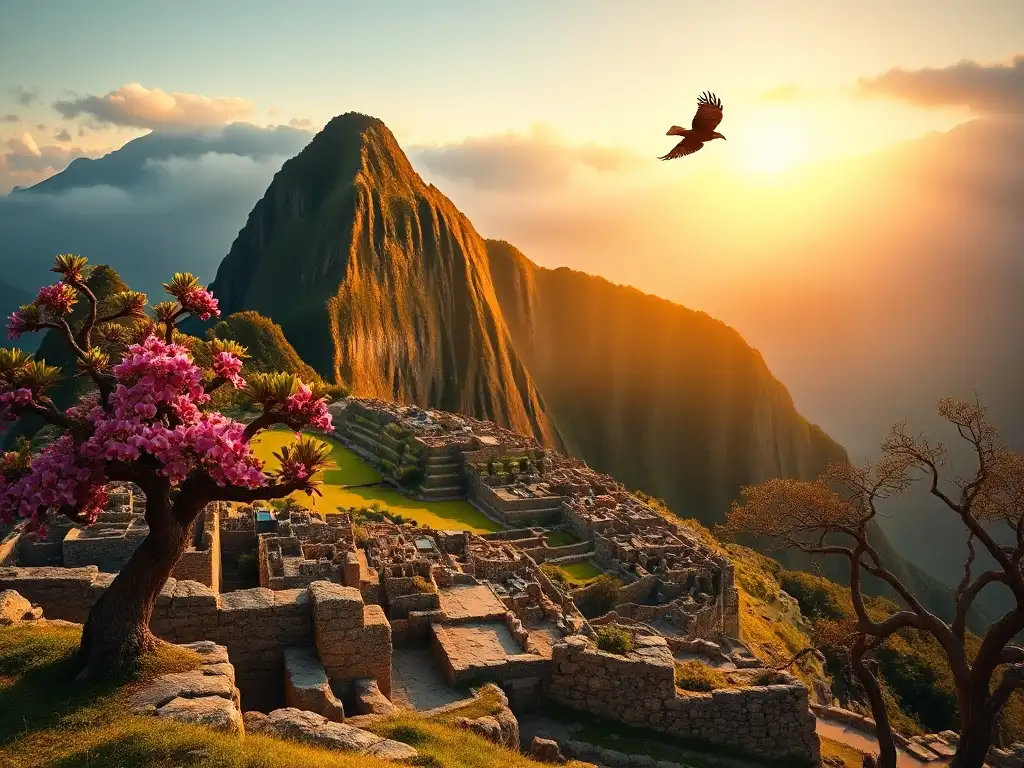
Step into a world lost to time, yet echoing with vibrant life. Imagine a landscape where mountains breathe, rivers whisper secrets, and every rock holds the spirit of a god. This is the world of the Andean civilizations, and we invite you to uncover the mysteries of their rich heritage. Prepare to be captivated by the Inca animism beliefs and practices, a fascinating glimpse into a spiritual world interwoven with nature itself – a world waiting to be explored. Dive in and discover how the Incas perceived their sacred world.
- Inca Animism: Spirits in Nature and the Sacred Landscape
- The Sacred Landscape: Spirits of Earth, Mountains, and Water
- Inca Animistic Practices: Rituals and Offerings
- Inca Animism and its Impact on Daily Life
- Inca Animism in Modern Andean Culture
- Conclusion: The Enduring Significance of Inca Animism
-
Frequently Asked Questions
- What is animism, and how did it relate to Inca beliefs?
- How did the Inca interact with the spirits they believed in?
- What role did huacas play in Inca animistic practices?
- Did Inca animism influence their agricultural practices?
- How did Spanish colonization affect Inca animistic beliefs and practices?
- Final Reflection: Echoes of the Andes: Animism's Enduring Legacy
- Embrace the Spirit of the Andes!
Inca Animism: Spirits in Nature and the Sacred Landscape
The Inca Empire, renowned for its sophisticated engineering and intricate social structures, also possessed a deeply spiritual worldview profoundly shaped by animistic beliefs. This wasn't a simple belief in spirits; it was a pervasive understanding that the entire world – from towering mountains and rushing rivers to the smallest insects and plants – was imbued with a vital life force, a sentient energy deserving of respect and reverence. This article delves into the core tenets of Inca animism, exploring their beliefs and practices related to the spiritual forces inhabiting their sacred landscape.
We will examine the concept of kamaqen, the life force animating all things, and the profound importance of nature in their religious worldview. Understanding Inca animism provides crucial insight into the motivations behind their societal structures, agricultural practices, and even their awe-inspiring architectural achievements.
By exploring these beliefs, we gain a richer understanding of the complexity and sophistication of Inca culture, moving beyond the impressive structures and into the heart of their spiritual reality. This exploration will shed light on how the Inca worldview shaped their interactions with the environment and their place within the cosmos.
Understanding Inca Animism: A World Animated by Spirits
Inca animism wasn't a simple belief in ghosts or spirits; it was a holistic cosmology where the natural world was alive and interconnected. Everything possessed kamaqen, a life force or animating spirit. This wasn't merely a metaphorical concept; it profoundly impacted daily life. Mountains were considered sacred entities, often inhabited by powerful apus (mountain spirits), who were appeased through offerings and ceremonies.
Rivers, too, held spiritual significance, viewed as powerful forces that needed to be respected. Even seemingly insignificant elements of nature, like plants and animals, were believed to possess their own spirits, deserving of careful consideration. This pervasive animism shaped their agricultural practices, their construction projects, and their social interactions. The Inca worldview wasn't anthropocentric; it recognized the intrinsic value and agency of the natural world.
This understanding is evident in their intricate system of huacas, sacred sites often associated with specific spirits or natural features. The Inca’s deep respect for these sites underscores the extent to which animism permeated their culture. Furthermore, the meticulous care they took in preserving the environment reflects their belief in the interconnectedness of all living things and the consequences of disrupting the natural order.
The Concept of "Kamaqen": The Life Force in All Things
The concept of kamaqen is central to understanding Inca animism. It represents the vital essence, the life force, that animates all aspects of existence. This wasn't a static force; it was dynamic, flowing through all living things and shaping their interactions.
The health and prosperity of individuals, communities, and the empire itself were believed to be directly linked to the balance and flow of kamaqen. Maintaining this balance was crucial, and rituals, offerings, and careful stewardship of the environment were all designed to ensure the continued flow of kamaqen. Disrespecting nature or disrupting the natural order was believed to disrupt the flow of kamaqen, leading to misfortune and imbalance.
This belief system provides a framework for understanding the Inca's deep respect for the natural world and their intricate relationship with their environment. The concept of kamaqen wasn’t merely a philosophical idea; it was a practical guide for daily life, influencing decisions ranging from agricultural practices to political strategies. The Inca’s understanding of kamaqen highlights the holistic and interconnected nature of their worldview.
The Importance of Nature in Inca Religious Beliefs
Inca religion was inextricably linked to the natural world. Their deities were often associated with specific natural phenomena or geographical features. The sun god, Inti, was paramount, but other deities represented the moon (Mama Killa), stars, mountains (Apus), and other natural elements. Religious rituals and ceremonies were frequently performed in connection with these natural features, often involving offerings and prayers to ensure the continued bounty of the land and the favor of the deities.
The Inca’s agricultural practices were deeply intertwined with their religious beliefs. They understood the delicate balance of nature and employed sophisticated agricultural techniques, such as terracing and irrigation, to maximize crop yields while minimizing environmental impact. This wasn't simply a practical approach; it was a spiritual practice aimed at maintaining the flow of kamaqen and ensuring the continued prosperity of their communities.
The careful management of resources and the reverence shown to nature reflect the profound importance of the natural world within their religious framework. Their sophisticated understanding of ecology and their sustainable agricultural practices demonstrate a deep respect for the environment that was integral to their spiritual beliefs. The Inca’s worldview offers a powerful example of a society deeply connected to its environment, where spirituality and practicality were inseparable.
The Sacred Landscape: Spirits of Earth, Mountains, and Water
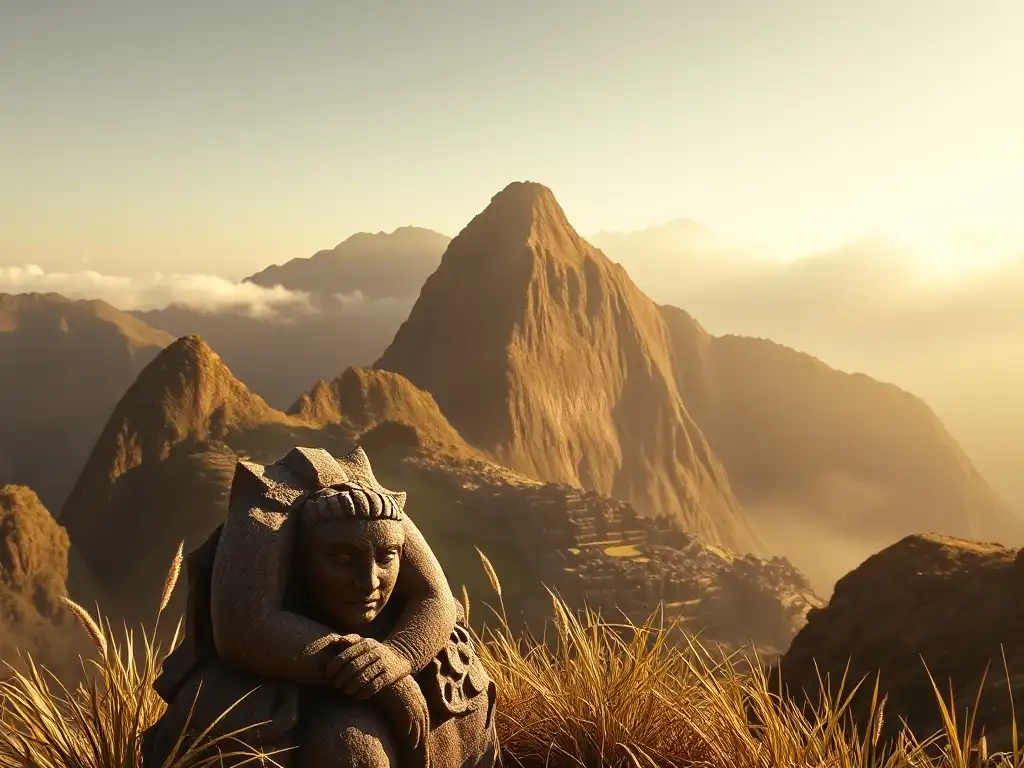
The Inca worldview was deeply intertwined with the natural world, a belief system often described as animistic. Inca animism beliefs and practices weren't merely abstract philosophical concepts; they were integral to daily life, shaping social structures, agricultural practices, and even political power. The Inca did not see the environment as separate from the spiritual realm; instead, mountains, rivers, and the very earth itself were imbued with life and spirit, deserving of respect and veneration.
This sacred landscape, teeming with huacas (sacred places and objects), formed the foundation of their cosmology and influenced every aspect of Inca society. Understanding this connection is crucial to grasping the depth and complexity of Inca culture and its enduring legacy.
Apus: The Mountain Spirits and Their Significance
The towering Andes Mountains were not simply geographical features to the Inca; they were powerful, sentient beings – the Apus. These mountain spirits were considered intermediaries between the human and divine realms, their moods directly impacting the well-being of the communities living in their shadow. Each mountain peak possessed its own unique apu, with distinct personalities and associated rituals.
The Inca believed that appeasing the Apus was essential for good fortune, bountiful harvests, and protection from natural disasters. Elaborate ceremonies, involving offerings of coca leaves, llama sacrifices, and intricate prayers, were regularly performed to honor these powerful entities. These rituals weren't simply acts of worship; they were a way of maintaining a harmonious relationship with the natural world, recognizing the interconnectedness of all living things.
Evidence of these practices can be seen in the numerous archaeological sites found high in the Andes, often featuring platforms and structures built to facilitate these sacred ceremonies. The specific offerings and rituals varied depending on the apu and the needs of the community, demonstrating a nuanced understanding of the spiritual landscape.
For example, some Apus were associated with specific agricultural cycles, leading to offerings tied to planting and harvesting seasons. Failure to properly venerate an apu was believed to result in misfortune, highlighting the importance of maintaining this delicate balance.
Pachamama: The Earth Mother and Her Role in Inca Life
Pachamama, the Earth Mother, is perhaps the most well-known of the Inca deities. She represents the fertile earth, the source of all life and sustenance. Inca animism beliefs and practices centered heavily around Pachamama, whose favor was essential for agricultural prosperity. Farmers offered coca leaves and other gifts to Pachamama before planting and harvesting, seeking her blessing for a successful season. The health of the land was directly linked to the well-being of the people, underscoring the deep connection between humans and the environment.
Furthermore, Pachamama wasn't merely the provider of sustenance; she was also a powerful force capable of both nurturing and destroying. Earthquakes, droughts, and other natural calamities were often attributed to her displeasure, emphasizing the need for constant respect and appeasement. The Inca meticulously performed rituals and offerings throughout the year, demonstrating their awareness of Pachamama's power and their dependence on her benevolence.
This reverence extended beyond agricultural practices; Pachamama's influence was acknowledged in various aspects of Inca life, from building construction to the design of their cities. The deep respect for Pachamama reflects the Inca's holistic understanding of the interconnectedness between the spiritual and material worlds. The concept of Pachamama continues to resonate in Andean cultures today, demonstrating the enduring legacy of this powerful deity.
Mamacocha: The Spirit of the Waters and Its Importance
Mamacocha, the Mother of Waters, held a position of great importance in the Inca pantheon. As the spirit of lakes, rivers, and oceans, Mamacocha was responsible for providing essential water resources, vital for agriculture and sustenance. Similar to Pachamama and the Apus, Inca animism beliefs and practices included regular offerings and prayers to Mamacocha, seeking her favor for abundant rainfall and protection from floods. The connection between water and life was deeply ingrained in Inca cosmology; without Mamacocha's benevolence, life would be impossible.
The importance of Mamacocha is evident in the Inca's sophisticated water management systems, which included intricate canals, aqueducts, and reservoirs. These impressive feats of engineering weren't merely practical solutions; they were also expressions of reverence for Mamacocha, a testament to the Inca's understanding of the sacred nature of water. Evidence suggests that specific ceremonies were performed at sacred springs and lakes, highlighting the localized veneration of Mamacocha's manifestations in different waterways.
These rituals, combined with the impressive infrastructure dedicated to water management, demonstrate the central role that Mamacocha played in the Inca's spiritual and material life. The reverence for Mamacocha highlights the Inca's holistic approach to nature, where even seemingly mundane resources were imbued with spiritual significance.
Inca Animistic Practices: Rituals and Offerings
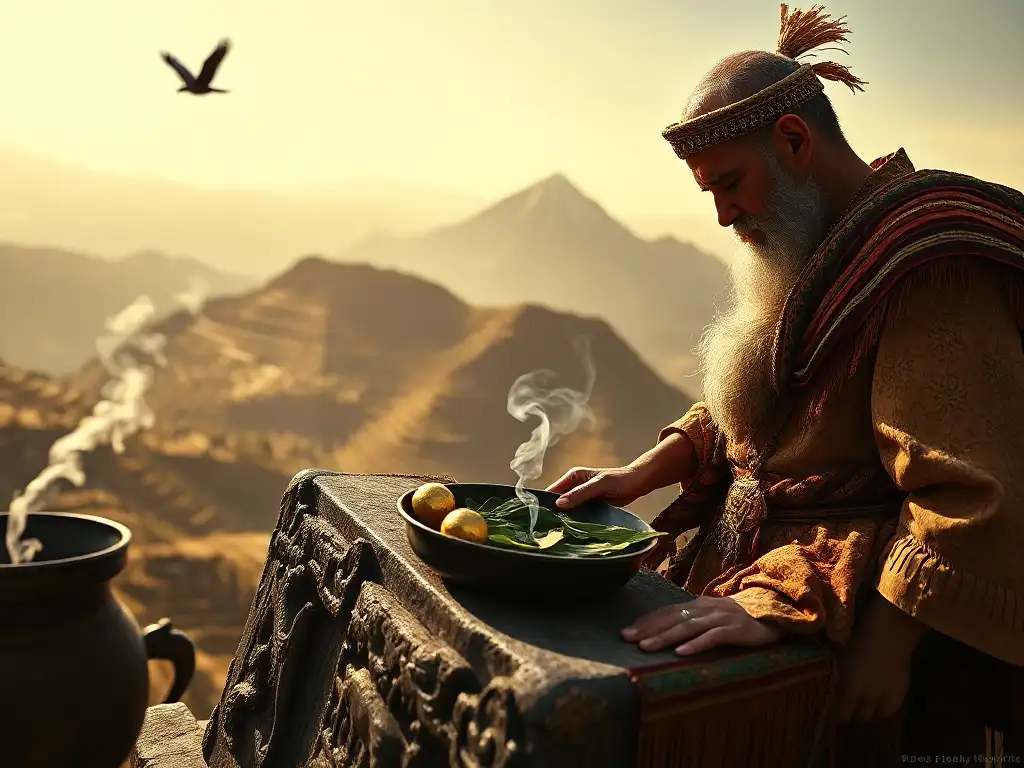
The Inca worldview was deeply intertwined with animism, a belief system where spirits inhabit natural elements and objects. This pervasive animistic perspective shaped every aspect of Inca life, from daily routines to elaborate ceremonies. Understanding Inca animism requires examining their rituals and offerings, which served as crucial pathways to interact with the spirit world and maintain cosmic balance. This section delves into the specific practices used to appease and honor the various spirits believed to permeate the Andean landscape. The concept of Inca animism beliefs and practices is central to understanding their complex social and religious structures.
Offerings to the Apus: Seeking Blessings and Protection
The Apus, mountain spirits considered powerful deities, held immense significance in Inca cosmology. These towering peaks were not merely geographical features but living entities, imbued with divine power and capable of influencing the lives of the people below. Offerings to the Apus were vital for securing their favor and ensuring prosperity. These offerings weren't haphazard; they were meticulously planned and executed, reflecting the deep respect and reverence held for these powerful beings.
Specific offerings varied depending on the context and the needs of the community. Common offerings included:
- Llama sacrifices: These animals, highly valued in Inca society, were considered sacred and their sacrifice was a powerful act of appeasement. The blood, considered life's essence, was particularly important.
- Coca leaves: These leaves, chewed for their stimulating properties, were also offered as a sign of respect and a way to connect with the spirit world. The act of offering coca was often accompanied by prayers and chants.
- Chicha: A fermented corn beverage, chicha was another common offering, symbolizing abundance and fertility.
- Precious metals and textiles: Elaborately crafted gold and silver objects, along with finely woven textiles, were presented as offerings to particularly powerful Apus, demonstrating the community’s wealth and devotion.
The act of offering wasn't simply a transactional exchange; it was a deeply symbolic act reaffirming the interconnectedness between the human and spiritual realms. The placement of the offerings, often in caves or high-altitude shrines, further emphasized the sacred nature of the act and the Apus’s elevated status. The success of the harvest, the health of the community, and even the weather patterns were believed to be directly influenced by the favor of the Apus. Failure to make appropriate offerings could result in misfortune, highlighting the crucial role of these rituals in Inca society.
Rituals for Pachamama: Ensuring Fertility and Harvest
Pachamama, the Earth Mother, represents the life-giving power of the earth and is another central figure in Inca animistic beliefs. Rituals dedicated to Pachamama focused on ensuring fertility, both of the land and its people. These ceremonies were crucial for agricultural success and the overall well-being of the community. The practices surrounding Pachamama highlight a crucial aspect of Inca animism beliefs and practices, emphasizing the intimate connection between the spiritual and material worlds.
The rituals for Pachamama often involved:
- Agricultural ceremonies: These ceremonies were timed to coincide with planting and harvesting seasons, ensuring a bountiful yield. Offerings of food, drink, and coca leaves were buried in the fields to nourish the earth and appease Pachamama.
- Festivals and celebrations: Large-scale festivals were held in honor of Pachamama, involving music, dance, and communal feasting. These events served as a collective expression of gratitude and a reaffirmation of the community's dependence on the earth's bounty.
- Human sacrifice (in rare instances): While not a common practice compared to offerings, human sacrifice was sometimes performed during times of crisis or to appease Pachamama during periods of drought or famine. This extreme measure underscores the profound importance placed on maintaining balance and ensuring the earth's continued fertility.
The Role of Shamans and Priests in Animistic Practices
Shamans and priests played crucial roles as intermediaries between the human and spirit worlds. Their expertise was essential in conducting rituals, interpreting omens, and communicating with the various spirits. They possessed specialized knowledge of herbal remedies, divination techniques, and ritual procedures, making them central figures in Inca society. Their role cemented the importance of Inca animism beliefs and practices within the social fabric.
Shamans, often possessing inherited knowledge and abilities, were skilled in healing and communicating with spirits through altered states of consciousness. Priests, on the other hand, held more formal positions within the Inca religious hierarchy, responsible for overseeing temple rituals and maintaining the sacred calendar. Both groups employed diverse techniques, including:
- Divination: Interpreting natural phenomena, such as the flight of birds or patterns in coca leaves, to gain insights into the future or the will of the spirits.
- Herbal medicine: Utilizing plants for healing purposes, drawing upon knowledge of their medicinal properties and symbolic significance.
- Ritual chanting and prayer: Employing specialized chants and prayers to communicate with spirits and influence their actions.
The intricate interplay between shamans, priests, and the community demonstrates the deeply ingrained nature of animistic beliefs in Inca society. Their practices served not only to appease the spirits but also to maintain social cohesion, resolve conflicts, and secure the well-being of the Inca Empire. The influence of these religious figures permeated every aspect of Inca life, underscoring the profound influence of animism on their worldview and social structures.
Inca Animism and its Impact on Daily Life
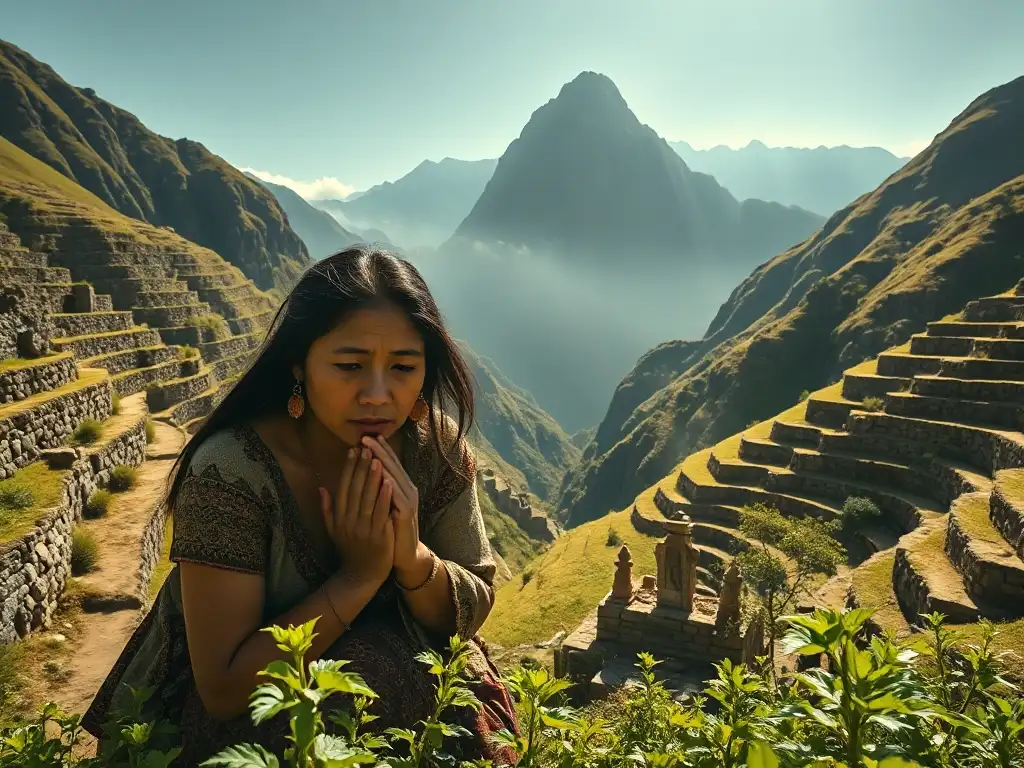
The Inca worldview was deeply intertwined with animism, a belief system where spirits inhabit natural elements and objects. This wasn't a mere philosophical concept; it profoundly impacted every facet of Inca life, from their daily routines to their grand imperial projects. Understanding Inca animism requires looking beyond simple spiritual belief and recognizing its pervasive influence on their society's structure, practices, and artistic expressions.
The pervasive nature of Inca animism is evident in the careful consideration given to the natural world, reflecting a profound respect for the interconnectedness of all living things and their spiritual counterparts. This belief system provided a framework for understanding the world, shaping their interactions with nature and influencing their social hierarchies. The keyword "Inca animism beliefs and practices" perfectly encapsulates this intricate relationship between spirituality and everyday life in the Inca Empire.
Animistic Beliefs in Inca Architecture and Agriculture
Inca architecture wasn't just about functionality; it was a physical manifestation of their animistic beliefs. Sacred sites, like Machu Picchu, weren't simply impressive feats of engineering but carefully positioned within the landscape to harmonize with the perceived spiritual energies of the mountains, rivers, and the sun. The precise placement of buildings, terraces, and agricultural plots suggests a deep understanding of the land's spiritual geography.
For instance, the intricate network of canals and irrigation systems wasn't solely for practical purposes; they were also designed to channel the life-giving apu (mountain spirits) and ensure agricultural prosperity. The meticulous agricultural practices, including the cultivation of terraces on steep slopes, weren’t just about maximizing yields; they were a way to honor and appease the pachamama (Earth Mother), ensuring fertile lands and bountiful harvests. Failure to respect these spirits could lead to crop failure, interpreted as a sign of divine displeasure.
This deep connection between agriculture and animism is further evidenced by the rituals and offerings performed during planting and harvesting seasons. These rituals sought to maintain a harmonious relationship with the pachamama and other nature spirits, vital for the Inca's survival.
Inca social structures were significantly shaped by their animistic beliefs. The emperor, considered a divine intermediary between the human and spiritual realms, held immense power, partly because of his perceived ability to communicate with and influence the apu and other powerful spirits. This spiritual authority reinforced his political power.
The Inca's sophisticated system of curacas (local chiefs) also reflected the animistic worldview. These chiefs often held positions not just through political power but also due to their perceived connection to local spirits and their ability to maintain harmony within their communities. The ayllu (extended family unit) was the fundamental social structure, and its communal nature stemmed partly from the shared responsibility of maintaining the balance between the human and spiritual worlds within their territory.
The ayllu’s collective rituals, offerings, and celebrations were designed to strengthen this connection, ensuring the well-being of both the community and the spirits it shared its environment with. The very fabric of Inca society was woven together by the threads of animistic belief, shaping its hierarchies and reinforcing social cohesion.
Animism in Inca Art and Crafts
Inca art and crafts offer compelling visual evidence of their animistic beliefs. Textiles, pottery, and metalwork frequently depict stylized representations of animals, plants, and supernatural beings, reflecting the spiritual significance attributed to these elements. The intricate designs and motifs often symbolize specific spirits or natural forces, representing the Inca’s deep engagement with the spiritual world.
For example, representations of condors, jaguars, and snakes were not simply decorative but were imbued with symbolic meaning, representing powerful spirits associated with specific geographical locations or natural phenomena. The use of specific colors and materials also held symbolic significance, reflecting the spiritual properties associated with different elements. Gold, for instance, was often associated with the sun and held immense spiritual value.
These artistic expressions weren't mere aesthetic creations; they were powerful tools used to communicate with, venerate, and appease the spirits that inhabited the Inca world. The careful craftsmanship and symbolic richness of Inca art and crafts highlight the centrality of animism in their cultural identity and worldview. The intricate details and symbolic representations in these artifacts provide invaluable insights into the Inca's rich animistic beliefs and practices.
Inca Animism in Modern Andean Culture
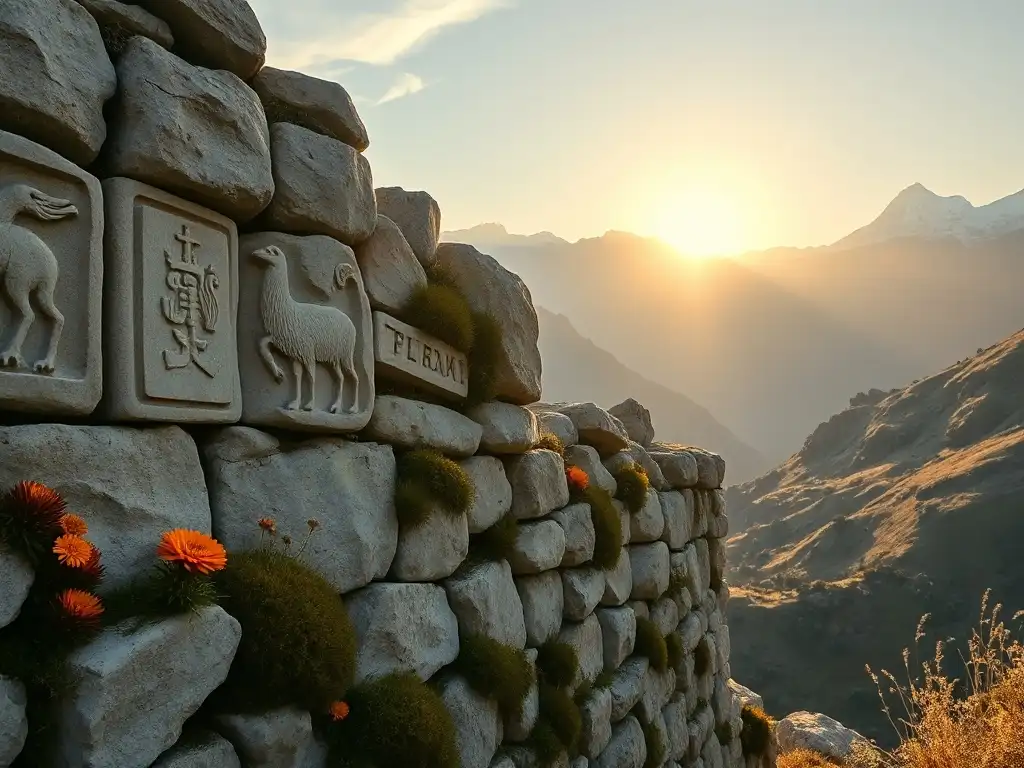
Inca animism, the belief that spirits inhabit natural elements and objects, wasn't simply a relic of the past; its influence permeates modern Andean culture. While the Inca Empire fell centuries ago, the core tenets of their animistic worldview continue to shape spiritual practices, worldview, and even daily life in many Andean communities. Understanding the enduring legacy of Inca animism requires examining how these beliefs have adapted and evolved within contemporary society, demonstrating a remarkable resilience across generations.
This section explores the surviving threads of Inca animism woven into the fabric of modern Andean life, revealing a complex interplay between ancient traditions and contemporary realities. The persistence of these beliefs highlights the profound impact of Inca cosmology on the collective consciousness of the Andean people. Keywords: Inca animism beliefs and practices, Andean spirituality, Inca cosmology.
Surviving Animistic Traditions in Contemporary Communities
Many rural Andean communities still actively practice animistic traditions deeply rooted in Inca beliefs. These aren't necessarily direct copies of Inca rituals, but rather evolved interpretations shaped by centuries of cultural exchange and adaptation. For example, the veneration of apus (mountain spirits) remains widespread. Communities often make offerings – pagos – to appease these powerful entities, seeking protection from natural disasters and ensuring successful harvests. These pagos might involve leaving coca leaves, food, or liquor at sacred sites, reflecting a continuity with Inca practices, albeit adapted to modern circumstances.
Furthermore, the concept of pachamama (Mother Earth) continues to be central to Andean life. Farmers still perform rituals to honor her fertility, requesting bountiful harvests and protection for their crops. This reverence for the land isn't just symbolic; it's integral to their livelihoods and deeply ingrained in their daily routines.
The respect shown to pachamama highlights the enduring importance of the interconnectedness between humanity and the natural world, a cornerstone of Inca animistic thought. The specific rituals vary between communities, reflecting regional diversity and the adaptation of ancient beliefs to local contexts. Detailed ethnographic studies are still needed to fully document the rich diversity of these practices.
The Influence of Inca Animism on Modern Andean Spirituality
The influence of Inca animism extends beyond specific rituals. It profoundly shapes the overall Andean worldview, influencing their understanding of the cosmos, their relationship with nature, and their social structures. The concept of a living, interconnected world, where spirits interact with humans, is a fundamental aspect of Andean spirituality. This animistic perspective informs their understanding of illness, prosperity, and even social harmony. For example, illness might be attributed to an imbalance in the spiritual realm, requiring rituals to restore harmony.
The enduring presence of Inca animism is also visible in syncretic religious practices. The blending of indigenous beliefs with Catholicism, a process that began during the colonial era, resulted in unique religious expressions. Many contemporary Andean religious practices incorporate elements of both Catholicism and Inca animism, reflecting the ability of Andean people to seamlessly integrate these seemingly disparate belief systems.
This syncretism underscores the tenacity of Inca animistic principles, which have adapted and persisted even within the context of other dominant religions. Further research could explore the specific ways in which Inca animistic elements are integrated into these syncretic practices across different regions.
Current Practices and Their Connection to Inca Beliefs
Contemporary Andean practices demonstrate a clear lineage from Inca animism. The use of coca leaves, for example, continues to be significant. While coca has economic and social value, it also holds deep spiritual significance, used in rituals and offerings as a means of communicating with spirits. This practice reflects the Inca emphasis on the sacredness of nature and the ability of certain plants to facilitate communication with the spirit world.
Moreover, the construction and maintenance of huacas (sacred sites) persist in many communities. These sites, often associated with specific spirits or natural features, continue to be places of pilgrimage and ritual activity. Their upkeep reflects the enduring importance of these places in the spiritual lives of Andean communities. The continued use of huacas and the rituals performed there demonstrate the continuity of Inca traditions, highlighting the resilience of their animistic worldview.
[Further research needed on specific examples of huacas and associated rituals in various Andean communities]. The enduring importance of these sites underlines the deep connection between the Andean people and their ancestral beliefs. The vibrant continuation of these practices showcases the enduring legacy of Inca animism in shaping the spiritual and cultural landscape of modern-day Andean communities.
Conclusion: The Enduring Significance of Inca Animism
Summary of Key Concepts and Their Importance
Inca animism, a deeply ingrained belief system, permeated every facet of Inca life, shaping their worldview, social structures, and interactions with the natural world. Understanding its key concepts is crucial to grasping the Inca civilization's complexity and enduring legacy. The belief that all things—from mountains and rivers to animals and even inanimate objects—possessed a huaca (spirit) profoundly influenced their actions and decisions. This wasn't simply a matter of superstition; it formed the bedrock of their spiritual and political systems.
The Inca's reverence for huacas wasn't uniform. Some huacas were considered more powerful than others, often tied to specific geographic features or ancestral figures. These powerful huacas, often associated with mountains or significant landmarks, were venerated with elaborate ceremonies and offerings, solidifying their role in Inca cosmology.
The intricate system of capac huacas (principal huacas) highlights the hierarchical nature of their spiritual beliefs, mirroring their social structure. The Inca's meticulous observation of natural phenomena, linked to their animistic beliefs, fostered a deep understanding of their environment and its rhythms, contributing to successful agriculture and resource management. This symbiotic relationship between humans and nature, underpinned by animism, allowed for the Inca's remarkable achievements in engineering and societal organization.
The Impact of Inca Animism on Inca Society and Governance
Inca animism wasn't merely a personal belief system; it played a pivotal role in shaping Inca society and governance. The Sapa Inca, the emperor, held a unique position, acting as a mediator between the human and spiritual worlds. His authority was divinely sanctioned, reinforcing the link between political power and spiritual legitimacy. The Inca state actively managed the huacas, constructing shrines, temples, and pilgrimage routes to maintain a harmonious relationship with the spirit world.
This involved elaborate rituals, offerings (including human sacrifices in certain instances), and the meticulous maintenance of sacred sites. The intricate system of huacas and their associated rituals served to consolidate political power, reinforce social hierarchies, and maintain social order. The Inca's belief that the emperor's actions directly impacted the spirit world further strengthened his authority and the legitimacy of the empire.
Animistic Practices and Their Manifestations in Daily Life
Inca animistic beliefs manifested in various aspects of daily life, shaping everything from agricultural practices to artistic expression. For example, the capacocha sacrifices, while controversial, weren't merely brutal acts; they were deeply ingrained in the animistic worldview, seen as a way to appease powerful huacas and ensure the prosperity of the empire. Similarly, the intricate textiles, ceramics, and metalwork often depicted spiritual figures and motifs, reflecting the pervasive influence of animism on Inca art.
Even the design and layout of Inca cities were strategically planned to harmonize with the surrounding landscape and its associated huacas. The integration of animistic beliefs into daily life ensured their continued relevance and significance across different social strata. Everyday rituals, like offerings of coca leaves or prayers to local huacas, reinforced the connection between the spiritual and physical realms.
The Legacy of Inca Animism: A Continuing Influence
Despite the Spanish conquest, elements of Inca animism persist in Andean cultures today. Many indigenous communities continue to venerate huacas and practice traditional rituals, demonstrating the enduring influence of this ancient belief system. While the formal structure of Inca religion was disrupted, the underlying animistic worldview continues to inform spiritual practices and perspectives.
The resilience of these traditions highlights the profound impact of Inca animism on the cultural heritage of the Andes. The study of Inca animism offers invaluable insights into the Inca worldview, social organization, and their relationship with the environment, offering a richer and more nuanced understanding of this remarkable civilization. Further research into specific rituals and their regional variations would contribute significantly to a more comprehensive understanding of Inca animism beliefs and practices.
Frequently Asked Questions
What is animism, and how did it relate to Inca beliefs?
Animism is the belief that spiritual beings inhabit natural objects and phenomena. The Inca believed in a world filled with these spirits, impacting their daily lives and rituals. Their worldview was deeply intertwined with the sacred landscape.
How did the Inca interact with the spirits they believed in?
The Inca performed offerings and ceremonies to appease or honor the spirits residing in mountains, rivers, and other natural features. These rituals were crucial for maintaining balance and harmony in their world. Pachamama, the Earth Mother, was particularly important.
What role did huacas play in Inca animistic practices?
Huacas were sacred places or objects believed to possess spiritual power. They could be mountains, rocks, springs, or even specific artifacts. The Inca venerated huacas and sought their favor through offerings and pilgrimages.
Did Inca animism influence their agricultural practices?
Absolutely. The Inca's agricultural success was deeply connected to their animistic beliefs. They performed rituals to ensure successful harvests, appealing to the spirits of the land and water for fertility and abundance.
How did Spanish colonization affect Inca animistic beliefs and practices?
Spanish colonization led to the suppression of Inca religion, including animistic practices. Many huacas were destroyed, and the Inca were forced to convert to Christianity. However, aspects of Inca animism persisted in syncretic forms.
Final Reflection: Echoes of the Andes: Animism's Enduring Legacy
The Inca reverence for the natural world, a vibrant tapestry woven with animistic beliefs, resonates deeply with our contemporary anxieties about environmental stewardship and the interconnectedness of all life. The very survival of the Inca civilization was inextricably linked to their understanding of the spirit world inhabiting mountains, rivers, and even the smallest plants; a stark reminder of our own fragile relationship with the planet. This understanding, far from being a relic of the past, offers crucial lessons for navigating the ecological challenges of the 21st century.
The Inca's profound respect for the Pachamama, Mother Earth, continues to inspire movements advocating for environmental justice and sustainable practices. Their worldview, where every element of nature possessed a spirit and deserved reverence, stands in stark contrast to the exploitative relationship many modern societies maintain with the environment. The earth is what we all have in common.
- Wendell Berry. This simple statement encapsulates the core of the Inca animistic philosophy and highlights the urgent need for a similar shift in our own perspectives. Their deep connection to the land serves as a powerful reminder of our own responsibility to protect and cherish the natural world.
Consider, for a moment, the profound implications of viewing the world through an animistic lens. How would your relationship with nature change if you acknowledged the inherent spirit within every living thing? I urge you to explore this perspective, to find ways to reconnect with the natural world and to cultivate a deeper appreciation for the interconnectedness of all life. Let the echoes of the Andes inspire you to become a more conscious and responsible steward of our shared planet, ensuring that the legacy of the Inca's wisdom continues to guide us towards a more sustainable and harmonious future.
Embrace the Spirit of the Andes!
Thank you for exploring the rich world of Inca animism with us! We hope you now have a deeper understanding of the spiritual significance attributed to every aspect of the natural world, from the smallest blade of grass to the towering mountain peaks. There's much more to discover. Here are some ways to connect with these fascinating beliefs and engage more deeply with the natural world:
- Begin a nature journal: Record your observations of your surroundings and reflect on the spiritual energies you sense. Paying close attention to detail will deepen your connection with nature.
- Share your discoveries: Inspire friends and family to explore their local environment through an animistic lens. Host a gathering where everyone can share their experiences and insights.
- Join a local environmental group or community event: Seek out organizations dedicated to environmental stewardship, providing opportunities to connect with like-minded individuals who share a reverence for the land.
Which aspects of nature have resonated most deeply with you, and how will you nurture that connection going forward?