
Pachamama's Children: The Inca's Deep Connection to the Earth and Cosmos

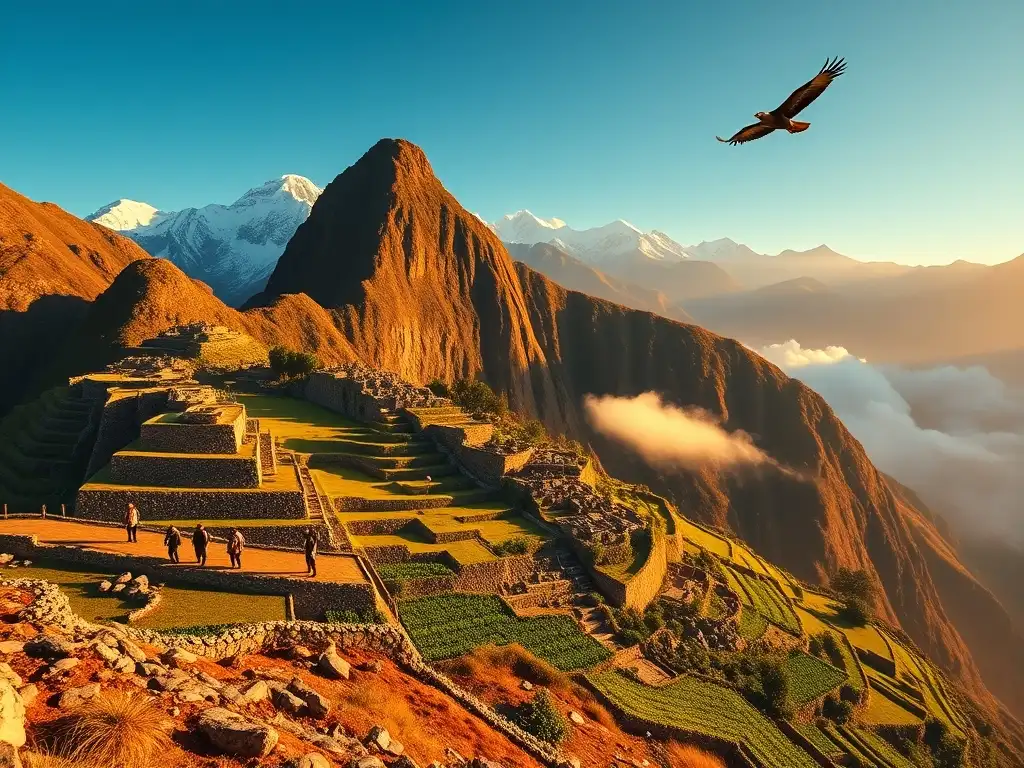
Welcome, explorer! Prepare to delve into a world lost to time, yet echoing powerfully in the present. Journey with us through the breathtaking landscapes and enigmatic cultures of the Andes, where ancient civilizations flourished. Discover the profound Inca connection to Pachamama, the Earth Mother, and unravel the secrets of their intricate relationship with the cosmos. Their story, rich in artistry, innovation, and spiritual depth, awaits… dare you uncover it?
The Inca Empire, renowned for its sophisticated engineering and vast territorial reach, held a profound spiritual connection to the natural world, a belief system deeply rooted in their veneration of Pachamama, the Earth Mother. This article delves into the intricate relationship between the Inca people and their environment, exploring how their cosmology intertwined the earthly and celestial realms, shaping their societal structures, agricultural practices, and even their understanding of time itself.
We will examine how the concept of Pachamama wasn't simply a deity but a fundamental principle governing Inca life, influencing everything from daily rituals to monumental constructions. Understanding this intimate connection is key to unlocking the secrets of Inca civilization and appreciating the holistic worldview that underpinned their remarkable achievements.
The Inca's reverence for Pachamama provides a compelling case study in how a civilization's spiritual beliefs can profoundly shape its material culture and societal organization. This exploration will reveal the rich tapestry of Inca beliefs and practices, showcasing their ingenious adaptation to their environment and their deep respect for the delicate balance of the cosmos.
The Inca Understanding of Pachamama: Mother Earth
Pachamama, to the Inca, was not merely fertile soil; she was a living, sentient entity, the source of all life and sustenance. She was revered as the provider of crops, water, and the very minerals that sustained their empire. This wasn't a passive reverence; the Inca actively engaged with Pachamama through a complex system of rituals and offerings. These offerings, often including coca leaves, food, and even precious metals, were presented as acts of respect and reciprocity, acknowledging Pachamama's generosity and seeking her continued favor.
The Inca believed that neglecting Pachamama would lead to crop failures, natural disasters, and ultimately, societal collapse. Their agricultural techniques, remarkably advanced for their time, reflected this deep respect. Terracing, irrigation systems, and careful crop rotation were not merely technological innovations, but expressions of their spiritual connection to the land, a way to work with Pachamama, not against her.
The Inca understood that their prosperity was inextricably linked to the health and well-being of the Earth. This holistic approach to agriculture ensured not only their survival but also the preservation of the delicate ecological balance crucial to their way of life. Failure to properly honor Pachamama was believed to invite her wrath, manifested in natural calamities such as droughts, earthquakes, and floods.
The Inca Cosmovision: A World Interconnected
The Inca worldview extended beyond the earthly realm, encompassing the celestial sphere and the spiritual world. Their cosmology viewed the universe as a harmonious interconnected system, with Pachamama at its core. The sun, moon, and stars were not merely astronomical bodies but powerful deities, playing integral roles in the cosmic order. The Inca meticulously tracked celestial movements, using their observations to regulate agricultural cycles and predict important events.
This intricate understanding of the cosmos informed their sophisticated calendar system, a testament to their astronomical knowledge and their belief in the interconnectedness of the earthly and celestial realms. The Inca believed that the actions of humans directly impacted the cosmic balance, reinforcing their responsibility to maintain harmony with Pachamama and the broader universe. This belief permeated all aspects of Inca society, influencing their social structures, political organization, and artistic expressions. Their monumental architecture, such as Machu Picchu, wasn't just impressive engineering; it was a physical manifestation of their cosmovision, reflecting their deep connection to the earth and the cosmos.
The intricate designs and alignments of these structures suggest a sophisticated understanding of astronomy and a desire to create spaces that mirrored the cosmic order. Moreover, the Inca's religious practices involved elaborate ceremonies and rituals designed to maintain this cosmic harmony. These ceremonies often involved elaborate processions, sacrifices, and offerings aimed at appeasing the deities and ensuring the continued fertility of the land. The Inca's deep connection to Pachamama wasn't a matter of simple superstition; it was a fundamental aspect of their worldview, shaping their society and leaving behind a legacy of architectural and cultural achievements that continue to fascinate and inspire.
The Importance of Pachamama in Inca Society
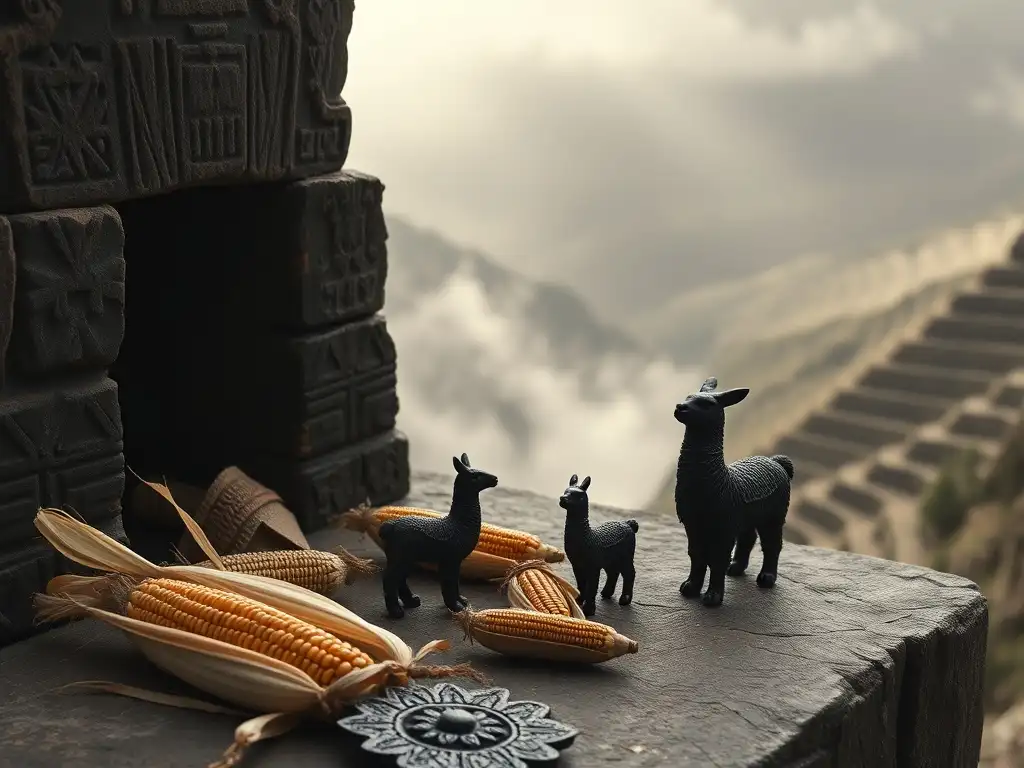
The Inca connection to Pachamama, the Andean Earth Mother, was far more than a simple belief system; it was the very foundation of their society, shaping their agricultural practices, religious rituals, and even their understanding of the cosmos. Pachamama wasn't merely a deity; she was a living, breathing entity, an active participant in the daily lives of the Inca people. Their profound respect for the earth manifested in every aspect of their existence, from the meticulous cultivation of their crops to the elaborate ceremonies designed to appease and honor her.
This deep-seated reverence for Pachamama ensured the continuity of their civilization and underscored their intricate understanding of the interconnectedness of life. Understanding the Inca's relationship with Pachamama is key to understanding the Inca empire itself.
Inca Agricultural Practices and Respect for the Land
Inca agricultural practices were not merely about sustenance; they were a sacred act, a direct expression of their devotion to Pachamama. The ayllu, the community-based social structure, played a vital role in this process. Collective efforts were undertaken to cultivate the land, with each member contributing their labor to ensure a bountiful harvest.
This wasn't simply about efficiency; it was a communal act of worship, a way of giving back to Pachamama for her generosity. Their sophisticated agricultural techniques, including terracing, irrigation systems, and the use of fertilizers, demonstrated a deep understanding of the land and a commitment to sustainable practices. The Inca's mastery of agriculture wasn't just technological prowess; it was a spiritual obligation, a way of maintaining harmony with the Earth Mother.
Evidence suggests that specific prayers and offerings were made before planting and harvesting, directly invoking Pachamama's blessing. Failure to respect these practices was believed to incur her wrath, resulting in crop failure and famine. The intricate network of qhapaq ñan (Inca roads) facilitated the efficient transportation of goods and further underscored the importance of agricultural production and its connection to the divine.
Pachamama Rituals and Offerings: Honoring the Earth
The Inca relationship with Pachamama was constantly reinforced through a variety of rituals and offerings. These ceremonies were not infrequent events but rather an integral part of daily life. Simple offerings, such as coca leaves, chicha (a fermented corn beverage), and food, were regularly presented to the earth as tokens of gratitude and respect. More elaborate ceremonies were held at specific times of the year, particularly during planting and harvesting seasons.
These often involved sacrifices, though not always human sacrifice as commonly depicted in popular culture. Animal sacrifices, particularly llamas, were common, symbolizing the offering of life itself to Pachamama. These rituals were conducted by priests, who acted as intermediaries between the people and the Earth Mother.
The location of these rituals was also significant, often taking place at sacred sites or huacas, places believed to possess special spiritual power. The meticulous nature of these ceremonies underscores the depth of the Inca's devotion and their belief in the reciprocity inherent in their relationship with Pachamama. For example, the Capacocha ceremonies, while involving human sacrifice in some cases, were also seen as a way to honor Pachamama and ensure the continued fertility of the land.
The Role of Pachamama in Inca Mythology and Creation Stories
Inca mythology is deeply intertwined with the concept of Pachamama. Creation myths often depict Pachamama as a primordial force, a fundamental aspect of the universe alongside Viracocha, the creator god. Some accounts portray Pachamama as the wife or consort of Viracocha, highlighting the intimate connection between the Earth Mother and the divine creator.
Other stories emphasize Pachamama's role in nurturing life, providing sustenance and fertility. Her presence is woven into the fabric of Inca cosmology, influencing their understanding of the world and their place within it. The Inca believed that Pachamama was not merely a passive entity but an active participant in the world's processes, influencing weather patterns, crop yields, and even human affairs.
Their worldview was fundamentally shaped by this belief, promoting a harmonious coexistence between humanity and nature. The Inca's deep reverence for Pachamama was not merely religious; it was a fundamental aspect of their worldview, shaping their social structures, agricultural practices, and understanding of the cosmos. This intimate connection served as the bedrock of their civilization, highlighting the critical role of nature in their cultural identity.
The Inca's Spiritual Connection with the Cosmos
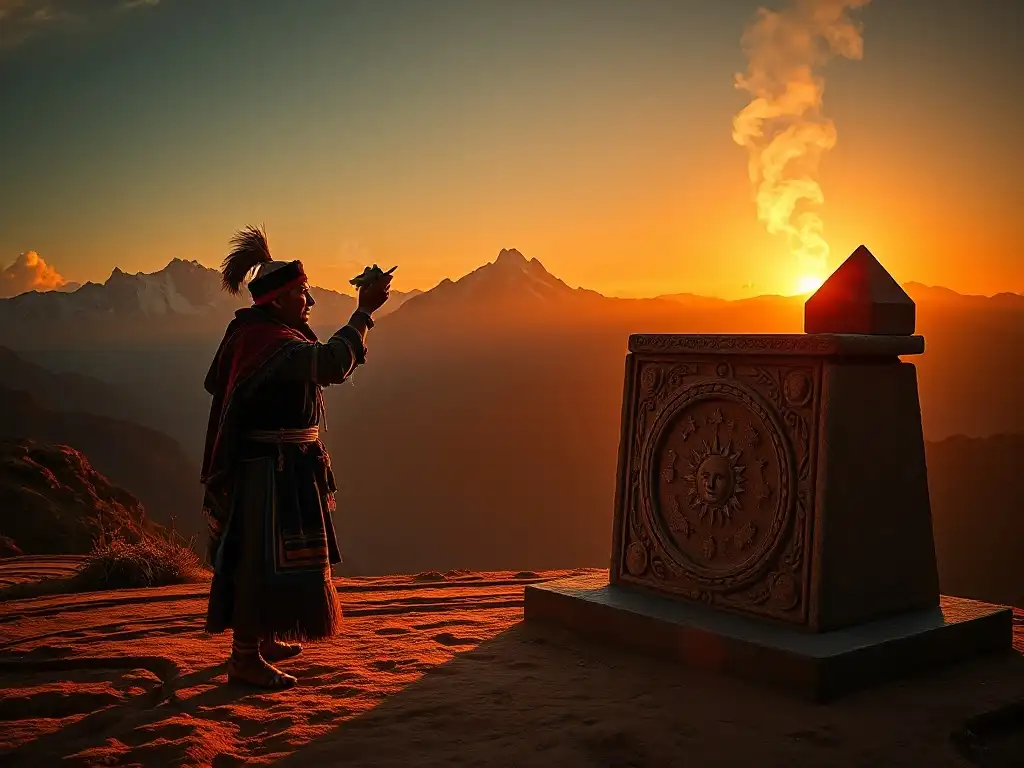
The Inca worldview was profoundly shaped by their deep understanding and reverence for both the earthly and celestial realms. Their connection to Pachamama, the Earth Mother, is well-documented, but equally significant was their intricate relationship with the cosmos, a celestial tapestry woven with deities and celestial events that dictated their lives, agriculture, and social structures. This cosmic connection, deeply intertwined with their understanding of Pachamama, formed the bedrock of their spiritual beliefs and practices.
The Inca's sophisticated understanding of astronomy wasn't merely a scientific pursuit; it was a sacred duty, a means of maintaining harmony between the human world and the divine. This section explores the key celestial entities and astronomical practices that underpinned Inca spirituality and their profound Inca connection to Pachamama.
Inti, the Sun God: A Key Celestial Entity
Inti, the Sun God, held paramount importance in the Inca pantheon. He wasn't merely a deity; he was considered the ancestor of the Inca royal lineage, the source of life, and the ultimate guarantor of prosperity and order. The Inca emperors were seen as direct descendants of Inti, further solidifying the sun's central role in their societal structure.
The Inca calendar, intricately linked to the sun's movements, dictated agricultural cycles, religious festivals, and even political decisions. The annual Inti Raymi festival, a grand celebration honoring the sun god, was a pivotal event, showcasing the Inca's profound reverence and dependence on the sun's life-giving energy. This festival involved elaborate rituals, sacrifices, and processions, emphasizing the sun's power and its influence on the harvests and the well-being of the empire.
The sun's daily journey across the sky was mirrored in the Inca's daily lives, reflecting a deep-seated belief in the sun's omnipotence and its influence on the world of Pachamama. The Inca connection to Pachamama was inseparable from their worship of Inti; the sun's life-giving power nurtured the earth, and the earth, in turn, provided sustenance for the Inca people.
The Moon, Quilla, and its Significance in Inca Beliefs
While Inti dominated the celestial sphere, Quilla, the Moon goddess, also held significant sway in Inca cosmology. Associated with fertility, femininity, and the cyclical nature of life, Quilla's influence was primarily felt in the agricultural realm. The lunar phases guided the planting and harvesting of crops, a crucial aspect of Inca life given their dependence on agriculture.
Unlike the sun's unwavering dominance, the moon's cyclical phases mirrored the ebb and flow of life itself, representing the constant change and renewal inherent in the natural world. Inca mythology frequently paired Quilla with Inti, representing a cosmic duality that reflected the balance between masculine and feminine energies, essential to the fertility of both the land and the people.
The Inca's detailed observations of the moon's phases demonstrate their advanced understanding of celestial mechanics and their ability to integrate this knowledge into their daily lives and agricultural practices. This intimate knowledge of the moon’s cycles further strengthened the Inca connection to Pachamama, as the moon’s influence on the earth’s tides and plant growth was vital to their survival.
Inca Astronomy and its Relationship with the Natural World
Inca astronomy wasn't merely a matter of observing celestial bodies; it was an integrated system of knowledge that connected the heavens to the earth. They utilized sophisticated observation techniques, including the construction of observatories like the one at Machu Picchu, to track the movements of the sun, moon, stars, and planets. This information wasn't just for scientific curiosity; it was crucial for predicting agricultural cycles, organizing religious festivals, and maintaining social order.
The Inca calendar, a complex system based on solar and lunar cycles, regulated all aspects of Inca life. Specific constellations were associated with different deities and events, further solidifying the inextricable link between the cosmos and the earthly realm. For example, the appearance of certain constellations signaled the beginning of the planting season or predicted weather patterns, highlighting the practical applications of their astronomical knowledge.
The Inca's deep understanding of the celestial realm wasn't separate from their reverence for Pachamama; it was a crucial component of their holistic worldview, where the heavens and the earth were interconnected parts of a single, vibrant cosmos. Their mastery of astronomy was a testament to their ingenuity and their profound Inca connection to Pachamama, demonstrating a sophisticated understanding of the natural world and their place within it. This intricate system of knowledge ensured the continuity of their society and its harmonious relationship with the environment.
The Legacy of the Inca's Connection to Pachamama
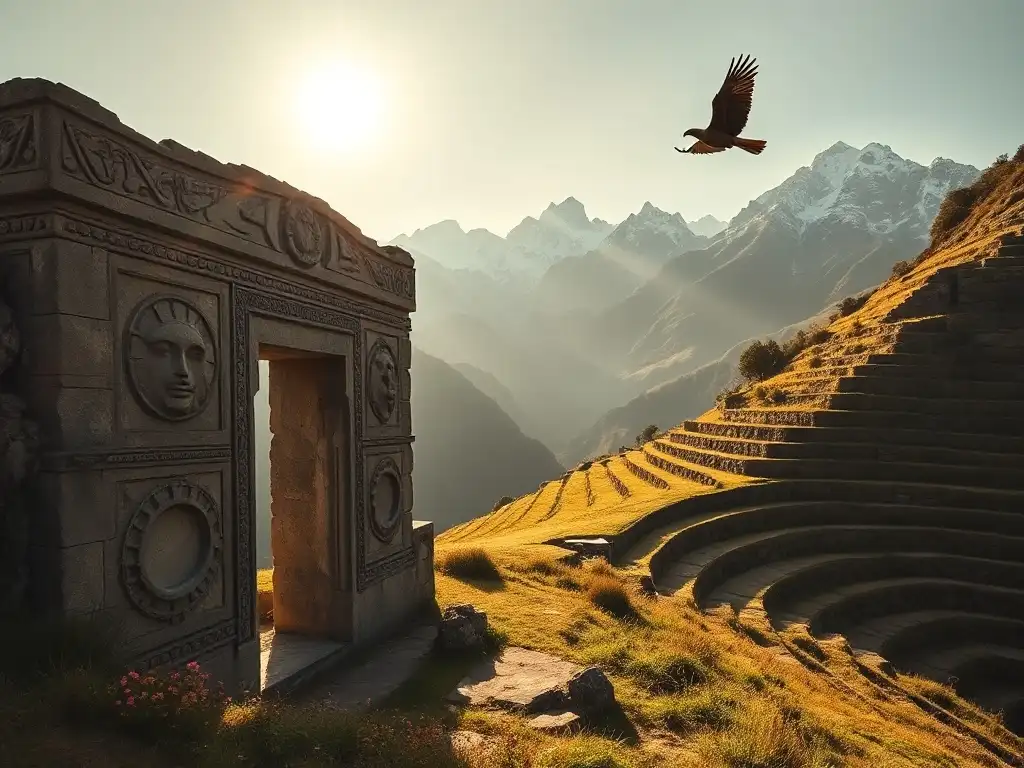
The Inca connection to Pachamama, the Andean Mother Earth, wasn't merely a belief system; it was the very foundation of their society. Their worldview was profoundly shaped by the understanding that their lives were inextricably linked to the earth's rhythms and fertility. This deep-seated reverence extended beyond simple agricultural practices; it permeated every aspect of Inca life, from their elaborate religious ceremonies to their sophisticated agricultural techniques.
The Inca's relationship with Pachamama wasn't one of dominion, but of reciprocal respect and dependence. They understood that the earth provided for them, and in return, they offered their respect and care. This intricate relationship ensured the continuity of their civilization and shaped their understanding of the cosmos.
Understanding this connection is crucial to comprehending the Inca's worldview and their remarkable achievements. The Inca's sophisticated agricultural systems, for instance, were not just practical solutions to food production; they were acts of reverence, designed to honor and nurture Pachamama's bounty.
Modern Echoes of Inca Earth-Based Spirituality
The Inca's profound respect for Pachamama continues to resonate in contemporary Andean cultures. While the formal structures of the Inca empire are long gone, the core principles of their earth-based spirituality persist. Many Andean communities continue to practice ancient rituals and ceremonies aimed at maintaining a harmonious relationship with the earth.
This includes offerings of coca leaves, chicha (a fermented corn beverage), and other symbolic gifts, intended to appease and thank Pachamama for her generosity. These practices are not simply nostalgic traditions; they represent a living connection to a worldview that values the interconnectedness of all living things. The vibrant tapestry of Andean culture today is, in many ways, a direct descendant of the Inca's reverence for Pachamama, demonstrating the enduring power of their beliefs.
The enduring strength of these traditions speaks volumes about the resilience and adaptability of Andean cultures and their ability to integrate ancient wisdom into modern life. Even in urban settings, many Andean people maintain these practices, highlighting the enduring power of the Inca's legacy.
The Importance of Pachamama in Contemporary Andean Culture
Pachamama remains a central figure in the spiritual lives of many contemporary Andean communities. Her influence extends beyond agricultural practices; she is seen as a life-giving force, a source of both physical and spiritual sustenance. The concept of ayni, reciprocity, remains a cornerstone of Andean ethics, reflecting the Inca's belief in balanced exchange with the natural world.
This principle guides social interactions and emphasizes the importance of community and collective responsibility. For example, minga, a communal work system where people collaborate on projects for the benefit of the entire community, reflects the spirit of ayni and the interconnectedness fostered by the Inca's reverence for Pachamama. The continued emphasis on sustainable agricultural practices, often incorporating traditional Inca techniques, demonstrates the enduring relevance of their earth-centric worldview.
The celebration of Pachamama Day, a significant annual event, further emphasizes the ongoing importance of this ancient deity in contemporary Andean culture. The continued relevance of Pachamama highlights the enduring power of the Inca's spiritual legacy.
Contemporary Andean Communities' Observance of Pachamama Day
Pachamama Day, typically celebrated on August 1st, is a vibrant testament to the continuing significance of the Inca connection to Pachamama. Communities across the Andes participate in diverse rituals and ceremonies, including offerings of food, drink, and coca leaves. These offerings are not merely symbolic gestures; they represent a deep-seated commitment to maintaining a reciprocal relationship with the earth.
Families often gather to prepare special meals and share them with their community, reinforcing the importance of social cohesion and shared responsibility. Many communities also organize communal clean-up efforts, reflecting a commitment to environmental stewardship and the preservation of Pachamama's bounty. The celebrations are often accompanied by music, dance, and storytelling, creating a rich tapestry of cultural expression.
The diversity of practices across different communities reflects the rich and varied expressions of Andean culture, all rooted in the common thread of respect for Pachamama. The widespread observance of Pachamama Day underscores the enduring power of the Inca’s legacy and the continued relevance of their earth-based spirituality in the modern world. 🌎 The vibrant energy of these celebrations is a powerful reminder of the deep connection between the Andean people and their ancestral heritage.
The Inca's Harmony with Nature: A Lesson for Today
The Inca connection to Pachamama, the Andean earth goddess, wasn't merely a spiritual belief; it was the very foundation of their societal structure and survival. Their worldview, deeply intertwined with the rhythms of nature, shaped their agricultural practices, urban planning, and even their political systems. Understanding this profound connection offers valuable insights into sustainable living and environmental stewardship, lessons particularly relevant in our era of climate change.
The Inca's reverence for Pachamama wasn't passive worship; it was an active partnership, a reciprocal relationship demanding respect and responsibility in return for the earth's bounty. This symbiotic relationship is a powerful example of how a society can thrive in harmony with its environment.
Sustainable Practices in Inca Agriculture
Inca agricultural practices were remarkably sophisticated and sustainable, demonstrating a profound understanding of ecological principles. They weren't simply farmers; they were ecosystem managers. Their techniques, honed over centuries, maximized yields while minimizing environmental impact. A key element was terracing, which transformed steep Andean slopes into cultivatable land.
This wasn't just about increasing arable land; terracing also reduced soil erosion, conserved water, and created microclimates conducive to diverse crops. The Incas also employed sophisticated irrigation systems, channeling water from rivers and streams to fields, often using canals and aqueducts demonstrating impressive engineering skills. These systems weren't haphazard; they were meticulously designed to optimize water distribution and prevent waterlogging.
Furthermore, the Inca practiced crop rotation and intercropping, techniques that enhanced soil fertility and biodiversity. By rotating crops, they prevented nutrient depletion and reduced the risk of pest infestations. Intercropping, the practice of planting different crops together, further diversified their agricultural production and created a more resilient ecosystem.
This approach reduced reliance on monocultures, a major vulnerability in modern agriculture. The Inca's understanding of soil health and the importance of biodiversity is a crucial lesson for contemporary sustainable agriculture practices. They understood that healthy soil is the foundation of a thriving agricultural system, a concept often overlooked in modern intensive farming.
Inca Wisdom for Environmental Stewardship
The Inca's reverence for Pachamama extended beyond agriculture. Their worldview emphasized a deep respect for the natural world, permeating all aspects of their lives. They viewed themselves as integral parts of the ecosystem, not as separate entities dominating it. This holistic perspective fostered a sense of responsibility towards the environment, a crucial element missing in many modern approaches to resource management. Their understanding of the interconnectedness of all living things—humans, animals, and plants—informed their decision-making processes. For example, their urban planning incorporated natural features into city designs, minimizing disruption to the environment.
The concept of ayni, reciprocal exchange and mutual obligation, was central to Inca society. This principle applied not only to human relationships but also to the relationship between humans and nature. The Incas believed that they had a duty to care for the environment, ensuring its continued productivity for future generations.
This concept of intergenerational equity is a critical aspect of modern environmental ethics, highlighting the long-term consequences of our actions. The Inca's deep spiritual connection to Pachamama fueled their commitment to environmental stewardship, a lesson we can learn from as we grapple with the challenges of climate change and resource depletion. Their example reminds us that environmental protection is not merely a pragmatic necessity but a moral imperative.
Inca Agricultural Techniques and Modern Climate Change Adaptation
The challenges faced by Inca farmers in the harsh Andean environment—steep slopes, unpredictable weather, and limited water resources—bear a striking resemblance to the challenges posed by climate change in many parts of the world today. The Inca’s innovative solutions offer valuable insights for adapting to a changing climate. Their terracing techniques, for instance, are being revived and adapted in modern agriculture to combat soil erosion and conserve water in regions facing increased drought. Similarly, their sophisticated irrigation systems provide a model for efficient water management in areas experiencing water scarcity.
The Inca's emphasis on crop diversity and resilience is also particularly relevant in the context of climate change. Their diverse cropping systems, built upon centuries of experience, provided a buffer against crop failures caused by environmental variability. This contrasts sharply with the vulnerability of modern monoculture systems, which are highly susceptible to pests, diseases, and climate shocks. Modern agricultural practices could benefit significantly from incorporating the Inca's strategies for crop diversification and resilience.
The Inca’s ingenuity in adapting to challenging environmental conditions provides a powerful case study for developing climate-smart agricultural practices. Their achievements highlight the importance of integrating traditional knowledge with modern science to address the challenges of climate change. The Inca’s legacy underscores the need for a holistic and sustainable approach to agriculture, one that respects the intricate balance of nature and prioritizes long-term sustainability over short-term gains.
Frequently Asked Questions
What is Pachamama?
Pachamama is the Andean earth goddess, revered by many indigenous cultures, including the Inca. She represents the fertility of the land and is deeply connected to life, death, and the cycles of nature. Her worship was central to Inca society.
How did the Inca connect with Pachamama?
The Inca showed their connection through elaborate rituals and ceremonies, including offerings of food, coca leaves, and other precious items. They also performed agricultural practices that honored the earth and sought to maintain its balance. Human sacrifice, though less frequent, also played a role in some ceremonies.
What role did Pachamama play in Inca agriculture?
Pachamama was essential to Inca agriculture. Successful harvests were seen as blessings from Pachamama, and rituals were performed to ensure her favor and promote fertility. Failure was often attributed to displeasing her.
How did the Inca's belief in Pachamama influence their societal structure?
The Inca's belief in Pachamama deeply influenced their societal structure. The emperor was seen as a divine intermediary between the people and Pachamama, maintaining cosmic balance. This connection reinforced the hierarchy and power of the Inca empire.
How is the worship of Pachamama relevant today?
The worship of Pachamama continues in many Andean communities today. It represents a living connection to ancient traditions and a profound respect for the environment. It highlights the interconnectedness of humans and nature.
Final Reflection: Echoes of Pachamama in a Changing World
The Inca's profound reverence for Pachamama, the Earth Mother, remains a potent symbol in a world grappling with environmental crisis. Their intricate relationship with nature, far from being a relic of the past, offers invaluable lessons for our own time, urging us to reconsider our place within the delicate web of life. The consequences of ignoring this interconnectedness are starkly visible today.
The enduring legacy of the Inca's worldview continues to resonate, shaping contemporary indigenous movements and inspiring a growing global awareness of ecological responsibility. Their deep understanding of reciprocity – the giving and receiving between humanity and nature – is a powerful antidote to the exploitative tendencies of modern society. The earth does not belong to us; we belong to the earth.
This simple yet profound statement encapsulates the Inca's philosophy and serves as a stark reminder of our own responsibilities. Their sophisticated agricultural techniques, developed in harmony with their environment, offer practical examples of sustainable living that we can learn from and adapt to our modern context.
Consider the Inca's wisdom, their deep respect for the interconnectedness of all things. You too can cultivate a deeper connection with the natural world, finding inspiration in their reverence for Pachamama. Start small: appreciate the beauty of the earth around you, strive for mindful consumption, and advocate for sustainable practices. Let the echoes of Pachamama's wisdom guide you towards a more harmonious and sustainable future, a future where we, like the Inca before us, recognize our place as children of the Earth, not its masters.
Embrace the Wisdom of Pachamama Today!
Thank you for joining us on this enlightening journey into the Inca's profound connection with Pachamama. We hope you gained inspiring insights that deepen your appreciation for nature and the cosmos. Now, let's translate that understanding into meaningful action!
- Reconnect with the Earth: Spend time outdoors, appreciating the natural world around you. Planting a tree or cultivating a small garden is a wonderful way to honor Pachamama's generosity.
- Share the Knowledge: Discuss the Inca's reverence for nature with friends and family. Inspire others by sharing this article on social media.
- Explore Further: Learn more about local indigenous cultures and their sustainable practices. Consider attending workshops or community events that celebrate these traditions and their connection to the environment.
How will you incorporate the spirit of Pachamama into your daily life? Share your thoughts below!