
The Role of Viracocha: The Creator God in Inca Mythology and Cosmogony

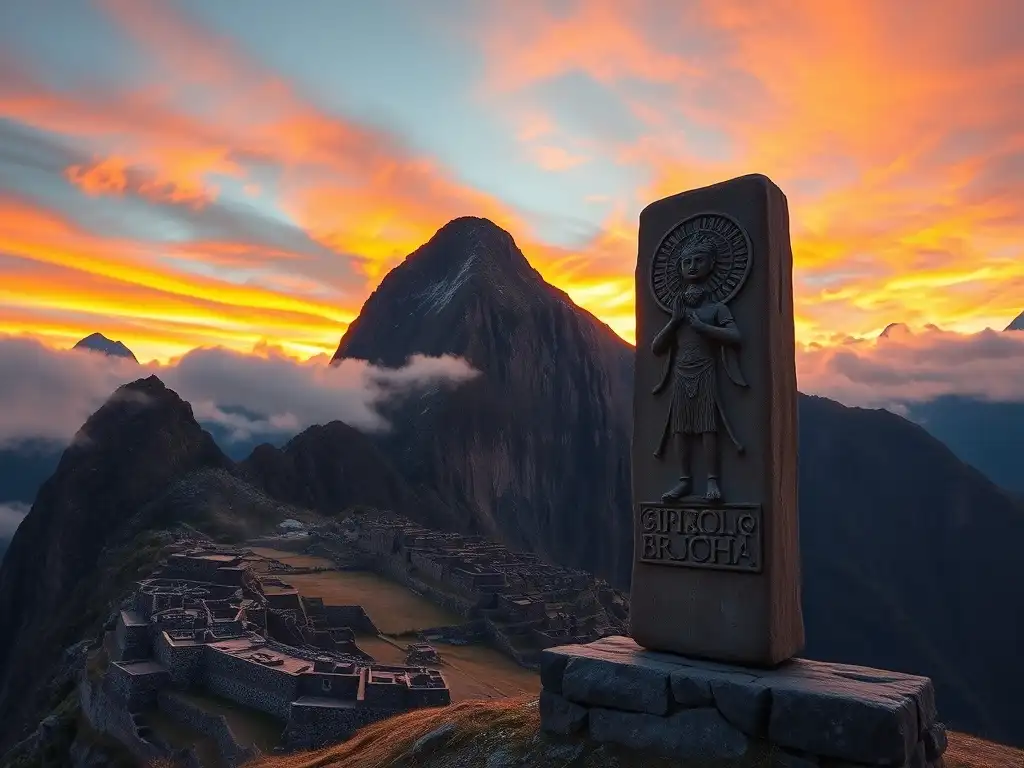
Unravel the mysteries of a lost world. Journey with us into the heart of the Andes, where empires rose and fell, leaving behind a legacy of breathtaking artistry and complex societies. Prepare to be captivated by the enigmatic power of Inca Viracocha mythology, the creator god whose influence shaped the Inca cosmos and continues to resonate through the ages. Discover how this divine figure shaped the beliefs, rituals, and very fabric of Inca civilization – a story waiting to be unveiled.
The Inca Empire, a civilization that flourished in the Andes Mountains from the 15th to the 16th century, left behind a rich tapestry of cultural traditions, sophisticated engineering feats, and a complex religious system. Central to this religious system was Viracocha, a powerful creator god whose influence permeated all aspects of Inca life, from the creation of the world to the daily lives of its people. This article delves into the multifaceted role of Viracocha in Inca mythology and cosmogony, exploring his various attributes, his relationship with other deities, and his enduring legacy in the Andean world.
Understanding Viracocha is key to understanding the very foundation of Inca belief and the worldview that shaped this remarkable civilization. We will examine how the Inca Viracocha mythology shaped their society and its enduring impact on modern Andean cultures.
Viracocha's Creation Myth: Emergence from Lake Titicaca
The most prominent narrative surrounding Viracocha depicts his emergence from the waters of Lake Titicaca, a sacred lake situated high in the Andes. According to Inca accounts, Viracocha, often depicted as a bearded, white-skinned figure—a stark contrast to the indigenous population—emerged from the lake, bringing forth the sun, moon, and stars. He then created the earth, shaping the mountains and valleys, and populated the world with humans, animals, and plants.
Different versions of the myth exist, with some accounts suggesting he created humans from stone, while others claim he molded them from clay. These variations highlight the fluidity and adaptability of Inca oral traditions, which were passed down through generations.
The act of creation itself wasn't a singular event but a continuous process, reflecting the ongoing dynamism of the natural world, a world Viracocha constantly oversaw and interacted with. This initial creation narrative establishes Viracocha's supreme power and his role as the ultimate source of life and order in the Inca cosmos.
Viracocha's Attributes and Manifestations: A Multifaceted Deity
Viracocha wasn't a simple, one-dimensional deity. He possessed a multitude of attributes and manifested in various forms, reflecting the complexity of the Inca worldview. He was not only the creator but also a powerful god of the sea, the sky, and the underworld, highlighting his omnipresence and control over all aspects of existence. He was often depicted holding a scepter and wearing a long robe, symbols of his authority and power.
Some accounts portray him as a benevolent creator, while others suggest a more ambivalent figure, capable of both creation and destruction, reflecting the cyclical nature of life and the Andean landscape. The various manifestations of Viracocha underscore the Inca understanding of a complex, interconnected cosmos where different forces interacted and influenced one another. The ambiguity surrounding his character adds layers of depth to his mythos and highlights the sophistication of Inca religious thought.
Viracocha and Other Inca Deities: A Hierarchical Pantheon
Viracocha wasn't the only deity in the Inca pantheon. He existed within a hierarchical structure, interacting with and influencing other gods and goddesses. While he held the supreme position as the creator, other deities held specific domains and responsibilities. For instance, Inti, the sun god, and Mama Killa, the moon goddess, played significant roles, reflecting the importance of the sun and moon in Inca daily life and agriculture.
The relationship between Viracocha and these other deities is complex and not always clearly defined in surviving accounts. Some interpretations suggest that Inti and Mama Killa were created by Viracocha, while others depict them as independent forces working within the framework of Viracocha's cosmic order. This complex interplay between deities reflects the intricate and multifaceted nature of Inca religious beliefs. Understanding Viracocha's position within this pantheon is crucial to grasping the full scope of Inca religious practices and cosmology.
The Enduring Legacy of Viracocha: From Inca Empire to Modern Andean Culture
The influence of Viracocha extended far beyond the Inca Empire's demise. His image and stories continue to resonate in modern Andean cultures, demonstrating the enduring power of his myth. While the specifics of his worship may have changed over time, the fundamental concepts of creation, order, and the interconnectedness of the cosmos remain central to Andean spirituality. Viracocha's story serves as a powerful reminder of the continuity of Andean cultural traditions and the enduring legacy of the Inca civilization.
His enduring presence in modern Andean culture underscores the profound impact of Inca mythology and its lasting influence on the region's spiritual landscape. The continued relevance of Inca Viracocha mythology highlights the deep-rooted connection between past and present in the Andean world. The story of Viracocha continues to inspire and shape the spiritual beliefs of millions across South America.
- Viracocha's Creation Myth: Emergence from Lake Titicaca
- Viracocha's Attributes and Manifestations: A Multifaceted Deity
- Viracocha and Other Inca Deities: A Hierarchical Pantheon
- The Enduring Legacy of Viracocha: From Inca Empire to Modern Andean Culture
Understanding Inca Viracocha Mythology: The Supreme Deity
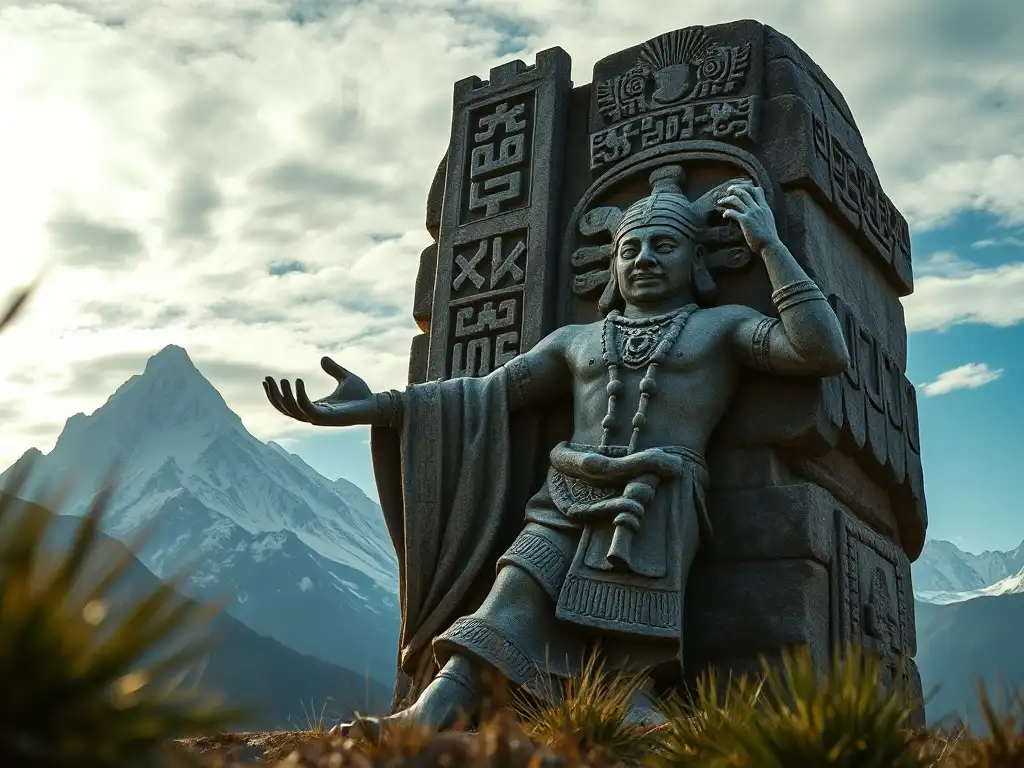
The Inca Viracocha mythology is a complex and fascinating tapestry woven from creation myths, cosmological beliefs, and royal legitimization. Viracocha, the principal deity in the Inca pantheon, wasn't just a god; he was the very essence of creation, a powerful force shaping the Andean world and its inhabitants. Understanding his role provides crucial insight into the Inca worldview and the intricate social structures they established.
This section delves into the core tenets of Inca Viracocha mythology, exploring his origins, influence, and enduring legacy. The significance of Viracocha in Inca beliefs extended far beyond simple religious observance; it permeated every aspect of their society, influencing their laws, their art, and even their political systems. The very concept of Inca imperial power was intrinsically tied to Viracocha's divine authority.
Viracocha's Origins in Inca Beliefs
The origins of Viracocha are shrouded in myth and legend, varying slightly depending on the source and the specific Inca community. However, a common thread runs through most accounts: Viracocha emerged from Lake Titicaca, a sacred body of water considered the birthplace of the world by many Andean cultures. Some versions depict him emerging from a cave, others from a rock, but the lake itself remains consistently central to his genesis.
Viracocha emerged from the depths, a powerful being of immense light and energy, creating the world from nothing.
- A paraphrased account from a colonial-era chronicler's description.
He is often described as a bearded, white-skinned deity, a striking contrast to the indigenous population, leading some scholars to speculate about possible influences from outside the Andes. This unique description further fuels the mystery surrounding his origins and his role as a creator god. This physical description, however, might also be interpreted symbolically, representing the divine's contrast with the material world.
The myths surrounding Viracocha's creation of the world are equally varied. Some accounts detail him creating the sun, moon, and stars, while others describe him shaping the mountains and valleys of the Andes. He is credited with bringing forth humanity, often depicted as creating people from stone or clay, sometimes even breathing life into them directly. The narrative often describes him as a benevolent creator, but also capable of immense power and wrath, capable of both creation and destruction. He is a dynamic force, constantly shaping and reshaping the world according to his will.
The Significance of Viracocha in Andean Cosmogony
Viracocha's influence extends far beyond the creation narrative; he's central to Inca cosmogony, their understanding of the universe and their place within it. He wasn't merely a creator god; he was the sustainer and protector of the Inca Empire. His presence was felt in the daily lives of the Inca people, shaping their rituals, their agriculture, and their social structures.
The Inca believed that Viracocha maintained cosmic order, ensuring the regular cycles of the seasons and the fertility of the land. His image was prominently featured in temples and religious ceremonies, reinforcing his importance and his role as the guarantor of Inca prosperity. The Inca kings, the Sapa Inca, claimed descent from Viracocha, thereby legitimizing their rule and connecting them directly to the divine. This divine lineage was crucial to maintaining social order and political stability within the vast Inca empire.
| Aspect of Inca Life | Viracocha's Influence |
|---|---|
| Creation | Creator of the world, sun, moon, stars, and humanity |
| Cosmology | Maintainer of cosmic order and balance |
| Agriculture | Ensuring the fertility of the land and successful harvests |
| Royal Legitimacy | Divine ancestor of the Sapa Inca, justifying their rule |
| Social Structure | Foundation of Inca social and political organization |
The enduring legacy of Viracocha in Inca mythology highlights the deep-seated religious beliefs that underpinned the Inca civilization. His story isn't just a myth; it's a reflection of Inca values, their understanding of the world, and their aspirations for a stable and prosperous empire. The study of Inca Viracocha mythology offers valuable insights into the complexities of a fascinating ancient civilization. Further research into specific regional variations of the Viracocha myth could provide even richer insights into the nuanced beliefs of different Inca communities. Unfortunately, [specific details on regional variations pending further research].
Viracocha's Creation Myths: Shaping the Inca World
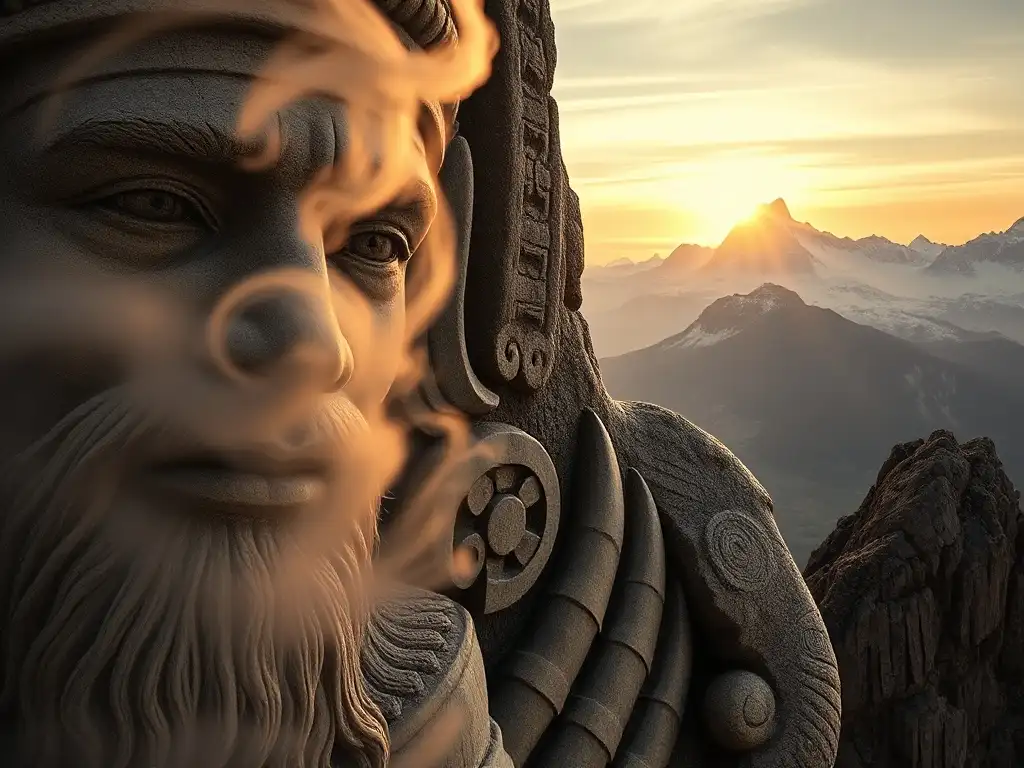
The Inca worldview, deeply rooted in their understanding of the cosmos and their place within it, centered around the supreme creator god, Viracocha. Understanding Viracocha is key to unlocking the complexities of Inca mythology and appreciating the rich tapestry of their beliefs. This section delves into the various creation myths surrounding Viracocha, highlighting his pivotal role in shaping the Inca world and its inhabitants.
The narratives surrounding Viracocha's creation are multifaceted, with variations existing across different regions and interpretations. However, several consistent themes emerge, solidifying Viracocha's position as the ultimate architect of Inca cosmology. The term "Inca Viracocha mythology" encapsulates this fascinating interplay of creation, power, and divine intervention.
The Emergence from Lake Titicaca: Viracocha's First Act
One of the most prevalent accounts of Viracocha's origins places his emergence from the sacred waters of Lake Titicaca. This vast, high-altitude lake, situated on the border of Peru and Bolivia, held immense spiritual significance for the Inca. According to the myth, Viracocha, often depicted as a bearded, white-skinned figure, emerged from the lake, fully formed and possessing immense power.
This initial act established Lake Titicaca as a pivotal site in Inca cosmology, a place of creation and divine manifestation. The very act of Viracocha emerging from the lake symbolizes the creation of life from primordial waters, a common motif in many creation myths worldwide. This narrative underscores the importance of water as a source of life and renewal in the Inca worldview.
Furthermore, the description of Viracocha as a bearded, white-skinned figure suggests a possible influence from outside the Andes, adding another layer of complexity to the interpretation of this myth. The specific details surrounding this emergence, such as the exact location within the lake or accompanying events, remain somewhat ambiguous, highlighting the oral nature of these traditions and the variations that naturally arose over time.
Creating the Sun, Moon, and Stars: The Celestial Realm
Following his emergence, Viracocha's creative power extended to the celestial realm. He is credited with the creation of the sun, the moon, and the stars, bringing light and order to the cosmos. This act not only illuminated the physical world but also established the celestial bodies as powerful deities within the Inca pantheon.
The sun, in particular, held immense importance, representing the source of life and energy. The Inca meticulously observed the movements of the sun, moon, and stars, using their cycles to guide agricultural practices and religious ceremonies. The creation of these celestial bodies by Viracocha firmly establishes his role as the supreme cosmic architect, responsible for the very fabric of the universe.
This aspect of Viracocha's power emphasizes the interconnectedness between the earthly and celestial realms in Inca cosmology, reinforcing the idea that the earthly world is a reflection of the divine order established by Viracocha. The meticulous astronomical observations of the Inca further demonstrate the deep reverence they held for the celestial bodies created by their creator god.
The Creation of Humanity: From Stones to People
Viracocha's creative power extended beyond the celestial realm to the creation of humanity. Several accounts describe Viracocha sculpting humans from stone, breathing life into them, and bestowing upon them intelligence and the capacity for civilization. This act of creation highlights Viracocha's role not only as the creator of the universe but also as the father of humankind.
The use of stone as the primary material for creating humans underscores the importance of stone in Inca culture, frequently used in construction and religious artifacts. This narrative also implies a certain level of divine intervention in the development of Inca society, suggesting that their civilization was divinely ordained and guided. The act of Viracocha breathing life into these stone figures symbolizes the infusion of divine essence into humanity, linking humans directly to the creator god.
Some versions of the myth also describe Viracocha giving humans language and laws, further emphasizing his role in establishing social order and civilization. The creation of humans from stone can be interpreted as a symbolic representation of the Inca's connection to the land, their lives intricately woven with the earth from which they arose. The story of Viracocha's creation of humanity remains a powerful testament to the depth and complexity of Inca mythology.
Viracocha's Attributes and Depictions: Symbolism and Representation
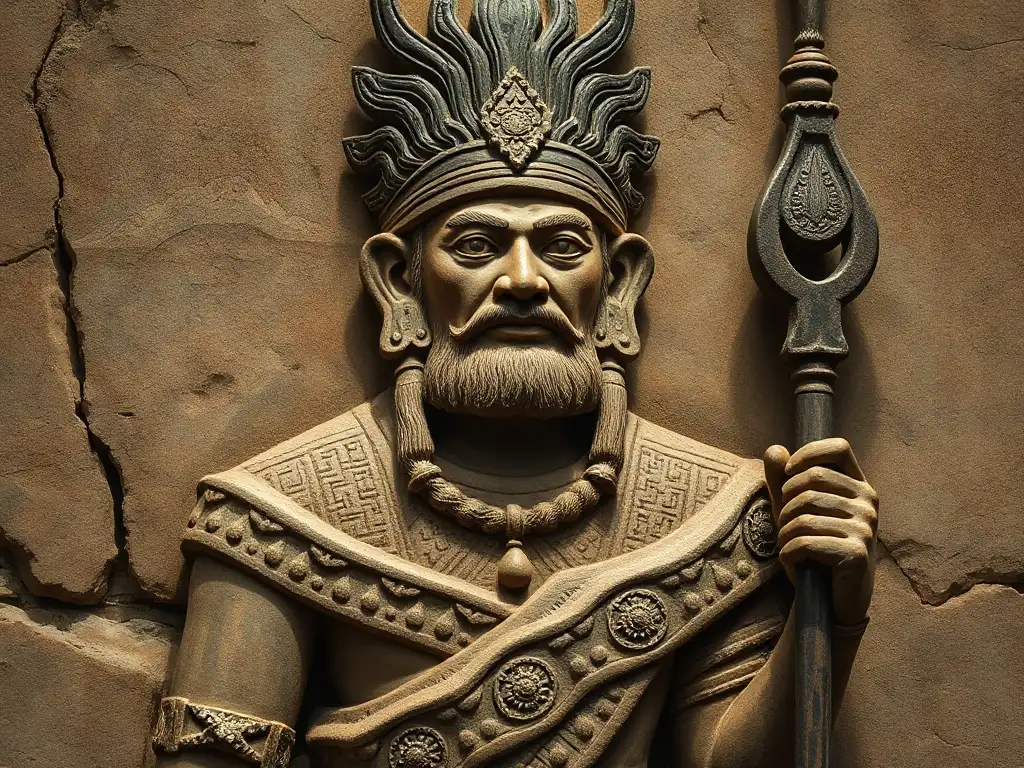
The Inca creator god, Viracocha, holds a prominent position in Inca mythology and cosmogony, a fascinating blend of creation myths and cosmological beliefs. Understanding Viracocha requires exploring his multifaceted attributes and the diverse ways he was depicted in Inca art and iconography. This section delves into the symbolism surrounding Viracocha, providing insights into the Inca understanding of their creator god and the power he represented. The keywords "Inca Viracocha mythology" are central to understanding this complex deity.
Viracocha's Appearance: Describing the Inca Creator God
Descriptions of Viracocha's physical appearance vary across different sources and interpretations of Inca mythology. He's often depicted as a tall, imposing figure, sometimes with a beard—an unusual feature considering the Inca's own lack of facial hair, suggesting a divine, otherworldly origin. Some accounts describe him as having long, flowing white hair and a regal bearing, reflecting his status as a powerful creator and ruler.
The ambiguity surrounding his precise appearance likely reflects the multifaceted nature of the deity and the diverse ways the Inca people perceived and worshipped him. The lack of standardized depictions further underscores the importance of understanding Viracocha's symbolism beyond his physical form. This variability in descriptions makes researching "Inca Viracocha mythology" a truly engaging pursuit.
Symbolic Representations: Analyzing Viracocha's Iconography
Viracocha's iconography is rich in symbolism. He's frequently represented with a staff, a symbol of authority and power, reflecting his role as creator and ruler of the cosmos. He is often shown wearing a distinctive headdress, sometimes adorned with feathers or other symbolic elements. These visual representations were not merely decorative; they conveyed profound theological and cosmological meanings.
For example, the staff might symbolize Viracocha's ability to shape the world, while the headdress might represent his divine status and connection to the celestial realm. Studying these visual cues is essential for understanding the intricacies of Inca Viracocha mythology. The use of specific colors, such as white and blue, also likely held significant symbolic weight, possibly representing purity and the celestial waters, respectively. Further research is needed to fully decipher the nuanced meanings embedded within these visual representations.
The Staff and Other Attributes: Tools of Creation and Power
The staff is arguably Viracocha's most prominent attribute. It's not just a symbol of power; it represents his creative force. In some depictions, the staff is depicted emanating light or energy, further signifying its role as a tool of creation. Other attributes associated with Viracocha include a scepter, a symbol of royal authority, and a sun disk, connecting him to the celestial bodies and the life-giving energy of the sun.
These attributes, combined with his association with water and creation, reinforce his role as a powerful, multifaceted deity within Inca Viracocha mythology. The precise meaning and significance of these varied attributes are still debated among scholars, highlighting the need for continued research into Inca religious practices and iconography. The subtle differences in depictions across various artifacts suggest a complex evolution of the Viracocha mythos over time, offering rich material for ongoing study of "Inca Viracocha mythology".
Viracocha's Role in the Inca Pantheon: Hierarchical Structure
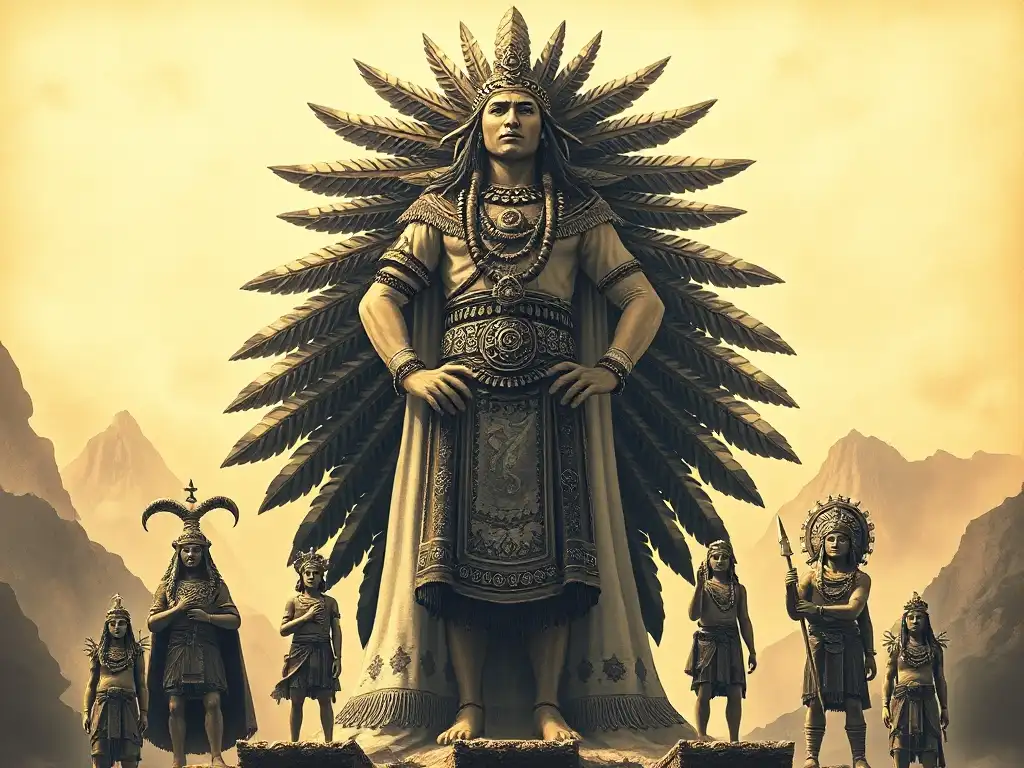
Viracocha, the creator god, occupied the apex of the Inca pantheon, a complex and stratified system of deities reflecting the Andean worldview. Understanding Viracocha's position requires appreciating the Inca's deeply hierarchical society, mirrored in their religious beliefs. The Inca cosmology wasn't a rigid, unchanging structure; rather, it evolved and adapted over time, incorporating elements from conquered cultures and reflecting shifting political realities.
However, Viracocha consistently maintained a supreme position, even as the prominence of other deities, like Inti (the sun god), fluctuated. The Inca concept of ayni (reciprocity) was fundamental to their relationship with the gods; offerings and rituals were performed to maintain balance and ensure the continued favor of Viracocha and other deities. This system wasn't simply a passive belief; it actively shaped Inca social organization, political power structures, and daily life.
Viracocha's Position: Above Other Inca Deities
Viracocha's supremacy is evident in various Inca myths and narratives. He's often depicted as the creator of the universe, the earth, humankind, and all other deities. While other gods held significant influence in specific domains – Inti controlled the sun, Mama Killa the moon, and Pachamama the earth – they were ultimately subordinate to Viracocha's ultimate power.
This hierarchical structure is not merely a matter of power; it reflects a cosmological order where Viracocha represents the origin and source of all things. Archaeological evidence, though limited in directly depicting Viracocha, supports this interpretation through the prominence given to sun worship (linked to Viracocha's creation) in Inca architecture and iconography. The grand scale of Inca constructions like Machu Picchu and Sacsayhuamán, arguably built to reflect the cosmic order, further emphasizes this divine hierarchy.
The Inca concept of huaca, referring to sacred places and objects, also reinforces Viracocha's central role, as many huacas were believed to be manifestations of his power. These huacas served as focal points for rituals and offerings dedicated to maintaining the cosmic balance under Viracocha's supreme authority.
Relationship with Inti: The Sun God and Viracocha's Legacy
While Viracocha held ultimate authority, Inti, the sun god, enjoyed considerable prominence, particularly during the Inca expansion. The relationship between Viracocha and Inti is complex and multifaceted. Some myths portray Inti as a direct creation of Viracocha, emphasizing his subordinate position within the cosmic order.
Other accounts suggest a closer relationship, with Inti acting as a powerful intermediary between Viracocha and humanity. This duality reflects the evolution of Inca religious beliefs and the shifting power dynamics within the empire. The Inca emperors, who claimed descent from Inti, strategically used this connection to legitimize their rule and consolidate their power.
The emphasis on Inti's role might be seen as a pragmatic adaptation rather than a supplanting of Viracocha's ultimate authority. The continued importance of Viracocha in Inca cosmology is evidenced by the persistence of rituals and sacrifices dedicated to him, even during periods when sun worship became more prominent. The Inca skillfully balanced the veneration of both deities, demonstrating a sophisticated understanding of religious syncretism and political expediency.
Influence on Inca Rituals and Practices: Honoring the Creator
Viracocha's influence permeated various aspects of Inca life, significantly shaping their rituals and practices. The capacocha, a ritual sacrifice involving the offering of children and animals, is believed to have been primarily performed to appease Viracocha and ensure the prosperity of the empire. These sacrifices, while seemingly brutal by modern standards, were central to the Inca belief system and their relationship with the divine.
Furthermore, the elaborate festivals and ceremonies held throughout the year often involved offerings and prayers directed towards Viracocha, reflecting his continuing importance in the Inca pantheon. These ceremonies served not only as expressions of religious devotion but also as crucial mechanisms for maintaining social cohesion and reinforcing the Inca worldview. The intricate details of these rituals, many of which are still partially understood, underscore the profound impact of Viracocha on Inca culture and society.
The enduring legacy of Viracocha is evident in the numerous surviving accounts from Spanish chroniclers, further solidifying his significance in Inca mythology and cosmogony. Further research is needed to fully understand the nuances of Inca ritual practices and their connection to Viracocha. Detailed archaeological investigations and analysis of surviving texts are crucial to unveiling a more complete picture of this complex relationship.
Myths of Viracocha's Departure and Return: The Prophecy
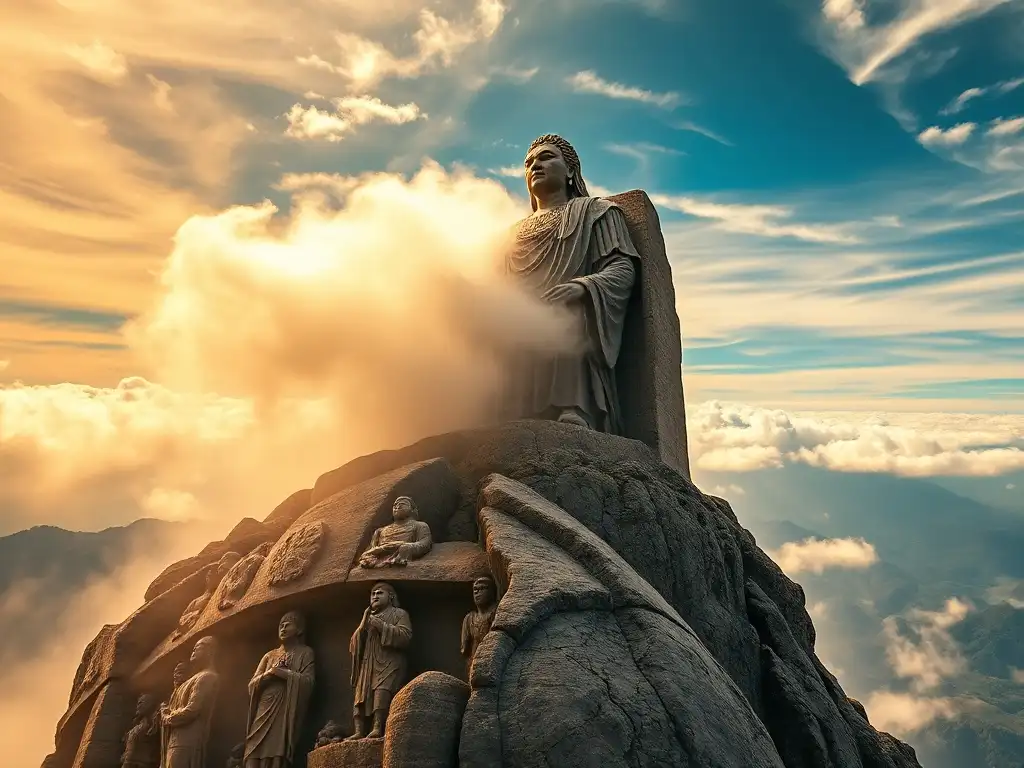
Viracocha, the creator god in Inca mythology, wasn't simply a static deity; his story involved dramatic departures and prophesied returns, deeply impacting Inca cosmology and societal structure. Understanding these myths is crucial to grasping the full scope of Inca Viracocha mythology. The narratives surrounding his disappearance and promised return shaped Inca beliefs about the world, their place within it, and their expectations for the future.
These stories weren't merely entertaining tales; they were integral to the Inca worldview, influencing their rituals, governance, and even their daily lives. The cyclical nature of Viracocha's presence underscored the Inca understanding of time and the cosmos.
The Journey Across the Waters: Viracocha's Disappearance
One prevalent myth details Viracocha's departure from the world he created. After shaping the land and its inhabitants, he decided to depart, often depicted as traversing the vast ocean, disappearing into the waves. This journey wasn't a simple vanishing; it was a symbolic act, representing a profound transformation and a test for humankind. The exact details vary across different Inca accounts, but the core narrative remains consistent: Viracocha, having fulfilled his initial creative role, withdraws, leaving humanity to navigate its own destiny.
Some versions describe him embarking on a raft, others portray him walking upon the water, highlighting his divine power and control over the elements. The disappearance itself symbolized a period of trial and uncertainty, a time for humanity to prove its worth and resilience. The Inca Viracocha mythology surrounding this departure emphasizes the temporary nature of divine intervention, stressing the importance of human agency and responsibility.
The Prophecy of Return: Viracocha's Promise of a New Era
Despite his departure, Viracocha's absence wasn't absolute. Inca mythology includes prophecies of his return, promising a renewal and a new era of prosperity and harmony. These prophecies offered hope and solace during times of hardship or uncertainty. The return wasn't expected to be a simple reappearance; it was envisioned as a transformative event, bringing about a golden age, resolving conflicts, and restoring balance to the world.
The precise nature of this return varied depending on the specific myth, but the underlying message remained consistent: Viracocha's intervention would ultimately restore order and bring about a better future. The anticipation of this return shaped Inca beliefs about the cyclical nature of time and the inevitability of renewal. This hope for a future return fueled Inca resilience and their persistent faith in the divine order. The Inca Viracocha mythology thus offers a comforting narrative of cyclical renewal and divine intervention.
Impact of the Prophecy on Inca Society: Beliefs of a Future Return
The belief in Viracocha's eventual return profoundly impacted Inca society. It fostered a sense of hope and perseverance, even during challenging times. This belief was not passive; it informed various aspects of Inca life. Religious rituals, agricultural practices, and even political structures were influenced by the expectation of a future return.
For example, certain ceremonies were designed to honor Viracocha and to appease him, ensuring his eventual return. The cyclical nature of the agricultural calendar, mirroring the cyclical nature of Viracocha's presence, reinforced this belief. Furthermore, the Inca emperors often presented themselves as intermediaries between Viracocha and the people, reinforcing the idea of a divine connection and the hope for a renewed golden age.
The anticipation of Viracocha's return served as a powerful unifying force within Inca society, strengthening their faith and bolstering their resilience. The enduring legacy of Inca Viracocha mythology lies in its ability to provide hope and a framework for understanding the world and their place within it. The prophecies of his return weren't mere stories; they were a vital part of the Inca social fabric, shaping their beliefs, practices, and collective identity.
Viracocha and the Inca Empire: Legacy and Influence
Viracocha's influence extended far beyond mere mythological narratives; he profoundly shaped the Inca Empire's political, social, and artistic landscape. His role as the creator god provided the foundation for the Inca worldview, impacting everything from imperial governance to artistic expression. Understanding Viracocha's legacy is crucial to comprehending the Inca civilization's enduring power and cultural significance.
The very concept of Inca sovereignty was intricately linked to the divine authority bestowed upon the Sapa Inca, the emperor, who was considered a descendant of Viracocha himself. This divine lineage legitimized the Inca's rule and ensured the empire's stability for centuries. The Inca carefully cultivated this connection, using religious rituals and elaborate ceremonies to reinforce Viracocha's power and their own legitimacy.
This strategic use of mythology played a vital role in maintaining social order and consolidating political control. The pervasiveness of Viracocha's influence is a testament to the deep integration of religion and politics within the Inca Empire.
The Inca Empire's sophisticated administrative system was directly influenced by Viracocha's mythology. The Sapa Inca's claim to power rested on his perceived descent from Viracocha, granting him a divine right to rule. This wasn't merely symbolic; it manifested in the practical aspects of governance.
For instance, the emperor's decisions were often presented as divinely ordained, enhancing their acceptance among the populace. Royal decrees carried the weight of Viracocha's will, solidifying the emperor's authority and minimizing dissent. This divine legitimacy allowed the Inca to govern a vast and diverse empire effectively, uniting disparate groups under a shared belief system centered around Viracocha.
The intricate system of mit'a, the labor tax, and the meticulous organization of agriculture and infrastructure were all justified within this framework of divine mandate. The Inca cleverly intertwined their administrative practices with their religious beliefs, creating a powerful synergy that ensured the empire's longevity. Even the quipu, the complex knotted-cord system used for record-keeping, likely held records related to both secular and religious matters, reflecting the intertwined nature of Inca society.
Viracocha in Inca Art and Architecture: Temples and Iconography
Viracocha's presence is palpable in Inca art and architecture. Temples dedicated to him were strategically located throughout the empire, serving as potent symbols of his power and the Inca's divine connection. The architectural style of these temples, often characterized by their grandeur and precise craftsmanship, reflects the reverence held for the creator god.
Viracocha's iconography, while varied across different regions and periods, consistently depicts him as a powerful and benevolent figure, often portrayed with a long beard and regal attire, sometimes wielding a scepter. Depictions on textiles, ceramics, and stone carvings depict him in various guises, sometimes as a creator, sometimes as a judge, underscoring the multifaceted nature of his role in Inca cosmology. The meticulous detail and artistic skill evident in these representations highlight the significance of Viracocha in Inca culture.
For example, the intricate carvings found at sites like Ollantaytambo and Sacsayhuamán offer glimpses into the artistic representations of Viracocha and his associated mythology, demonstrating the depth of artistic expression inspired by the creator god. The consistent presence of Viracocha in Inca art underscores his enduring influence on Inca aesthetics and worldview.
The Lasting Relevance of Viracocha in Andean Culture: Contemporary Indigenous Beliefs
Despite the Spanish conquest and the subsequent suppression of Inca religion, Viracocha's legacy persists in contemporary Andean culture. Many indigenous communities in the Andes continue to venerate Viracocha, albeit often integrating his worship with elements of Catholic Christianity. His image and stories remain woven into the fabric of their traditions, reflecting a resilient cultural memory.
The continued reverence for Viracocha demonstrates the enduring power of Inca mythology and its enduring relevance for modern Andean communities. This continuity underscores the deep-rooted connection between past and present, illustrating how ancient beliefs can adapt and survive across centuries. Modern interpretations often blend the ancient mythology with contemporary concerns, incorporating Viracocha into their understanding of the world and their place within it.
The persistent presence of Viracocha in Andean culture serves as a powerful testament to the enduring legacy of the Inca Empire and the profound impact of their creator god on Andean identity. Further research is needed to fully document the diverse ways in which Viracocha is revered in various contemporary Andean communities. This ongoing process of cultural transmission ensures that the story of Viracocha and the Inca Empire will continue to resonate for generations to come.
Frequently Asked Questions
Who was Viracocha in Inca mythology?
Viracocha was the supreme creator god in Inca mythology. He's credited with creating the world, the sun, the moon, and humankind. He's often depicted as a bearded, white-skinned figure, a striking contrast to the indigenous population.
What is Viracocha's role in Inca cosmogony?
Viracocha's role in Inca cosmogony is central. He's seen as the originator of the cosmos and the order within it, establishing the fundamental principles of the universe. His actions shaped the landscape and determined the fate of humanity.
How did Viracocha create the world according to Inca beliefs?
Inca myths describe Viracocha emerging from Lake Titicaca, or sometimes from a cave, and then shaping the world through his divine power. He created the first humans from stone and breathed life into them. He also commanded the sun, moon, and stars to appear.
What are some of the other names or titles for Viracocha?
Viracocha had several names and titles reflecting different aspects of his power. He was sometimes called Con Ticci Viracocha, Apun Ausanga, or simply "The Creator." These variations highlight his many roles and attributes.
How important was Viracocha's worship in Inca society?
Viracocha's worship was extremely important within Inca society. He was the most powerful deity, and temples and rituals were dedicated to him throughout the empire. His influence permeated all aspects of Inca life and belief.
Final Reflection: Viracocha's Enduring Legacy: A Creator God's Impact on Time and Culture
The enduring power of Viracocha, the Inca creator god, resonates far beyond the crumbling stones of Machu Picchu. His multifaceted nature, encompassing creation, destruction, and the very fabric of Inca cosmology, continues to fascinate and inspire, offering a powerful lens through which to understand the complexities of Andean civilization and its enduring spiritual legacy. His story is not just a historical account; it's a living testament to the human need to understand our origins and our place in the universe.
Viracocha's influence extends beyond the academic realm, deeply embedded in the cultural identity of Andean communities. His image, often depicted with a staff and flowing robes, continues to appear in modern art, literature, and even everyday life, a silent reminder of the rich tapestry of beliefs that shaped a civilization. The very act of seeking to understand Viracocha, of grappling with his enigmatic nature, is a testament to the enduring power of mythology to shape our understanding of ourselves and the world around us. Mythology is not merely a collection of stories; it is the living memory of a people, the repository of their deepest values and aspirations.
Consider, then, the echoes of Viracocha in your own life. How do the stories we tell ourselves – the myths we create – shape our understanding of the world? What creator god, what guiding principle, shapes your own personal cosmology?
Take a moment to reflect on the power of narrative, the enduring influence of belief, and the profound connection between the past and the present. Let the legacy of Viracocha inspire you to explore your own origins, to discover the myths that shape your own unique journey, and to appreciate the enduring power of storytelling to connect us across time and cultures.
**Embrace the Wisdom of Viracocha: Transform Your Life Today! **
Thank you for exploring the fascinating world of Inca mythology with us! Understanding the creator god Viracocha offers valuable insights into Andean spirituality and creation myths. Now, let's apply these insights to enrich your own life.
Consider these steps:
- **Channel Viracocha's creative energy** by undertaking a personal project—perhaps creating art, writing a story, or volunteering in your community—that fosters growth and transformation.
- **Share your newfound knowledge** with loved ones. Discuss how ancient beliefs can inform modern perspectives, or write a blog post about your insights.
- **Join our vibrant community! ** Connect with others passionate about Andean civilizations in our forum and share your thoughts on the relevance of mythology in the modern world.
Which aspects of Viracocha's teachings resonate most deeply with you, and how can you incorporate them into your daily life? We'd love to hear your reflections!