
The Inca Creation Myth: A Journey from Darkness to the Reign of the Sun

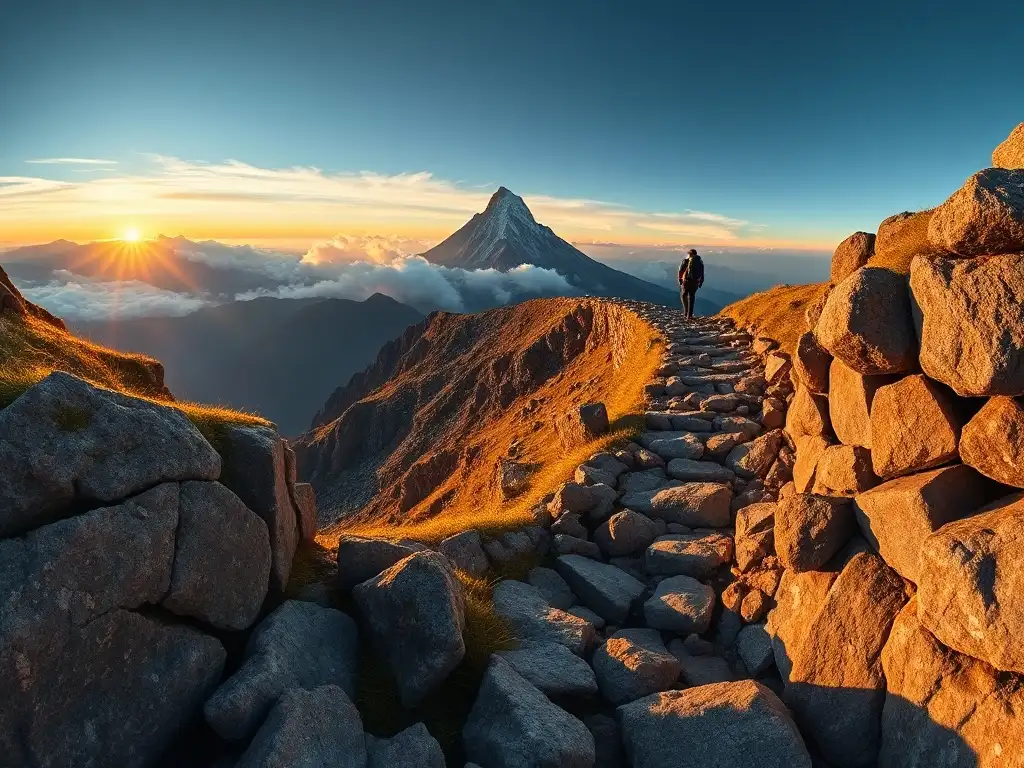
Embark on a captivating journey through time, unraveling the mysteries of the Andean Civilizations. From the breathtaking artistry of the Nazca lines to the sophisticated engineering of the Inca, this website unveils a world of forgotten wonders. But first, prepare to be enthralled by the Inca creation myth story, a powerful narrative that reveals the origins of their empire and their unique worldview. Dive in and discover how this ancient tale illuminates the path from darkness to the glorious reign of the Sun – a story waiting to be rediscovered.
The Inca civilization, renowned for its sophisticated engineering, intricate social structures, and vast empire spanning the Andes Mountains, possessed a rich tapestry of myths and legends that shaped their worldview and religious practices. Central to their cosmology was a compelling creation myth, a narrative that explains the origin of the world, humanity, and the Inca's own divine right to rule. This story, passed down through generations via oral tradition and woven into the fabric of Inca society, offers a fascinating glimpse into their understanding of the cosmos and their place within it.
Understanding the Inca creation myth provides crucial insight into the beliefs and values that underpinned this remarkable civilization, revealing a complex system of deities, rituals, and a profound connection to the natural world. This article delves into the intricacies of the Inca creation myth, exploring its key elements and their significance within the broader context of Inca culture and religion, focusing specifically on the journey from primordial darkness to the triumphant reign of the sun.
We will examine the key characters, the symbolic meanings embedded within the narrative, and the lasting impact this foundational myth had on Inca society. Prepare to embark on a journey through time, exploring a captivating story that resonates with the grandeur and mystery of the Andes themselves.
Introduction to Inca Cosmogony and the Origin Story
The Inca creation myth, unlike many monotheistic narratives, is not a singular, definitively written account. Instead, it's a collection of interwoven stories and beliefs, varying slightly depending on the region and the storyteller. However, several core elements consistently appear. The narrative typically begins with a state of pachakuti, a Quechua word signifying a fundamental transformation or upheaval.
This initial state is often described as a chaotic void, a time of darkness and formlessness, sometimes populated by monstrous beings or powerful spirits. This primordial darkness represents a lack of order and structure, a world devoid of the sun, moon, stars, and the familiar features of the Andean landscape. The emergence of order and creation is often attributed to a powerful creator deity, sometimes identified as Viracocha, the principal god in the Inca pantheon. Viracocha, depicted as a powerful and benevolent being, is credited with bringing forth light, shaping the earth, and creating the first humans.
Different versions of the myth detail Viracocha's methods, sometimes involving a divine act of creation, and other times through more gradual processes of shaping and organizing the chaotic primordial elements. The story emphasizes the importance of balance and harmony within the cosmos, a principle reflected in the Inca's intricate social hierarchy and their deep respect for the natural world. The creation of the sun, moon, and stars is a pivotal moment in the narrative, marking the transition from darkness to light and establishing the cosmic order that governs Inca life. The arrival of the sun represents the beginning of time as the Incas knew it, introducing day and night, seasons, and the cyclical patterns of life and death that shaped their agricultural practices and spiritual beliefs.
The Role of Viracocha and Other Deities in Creation
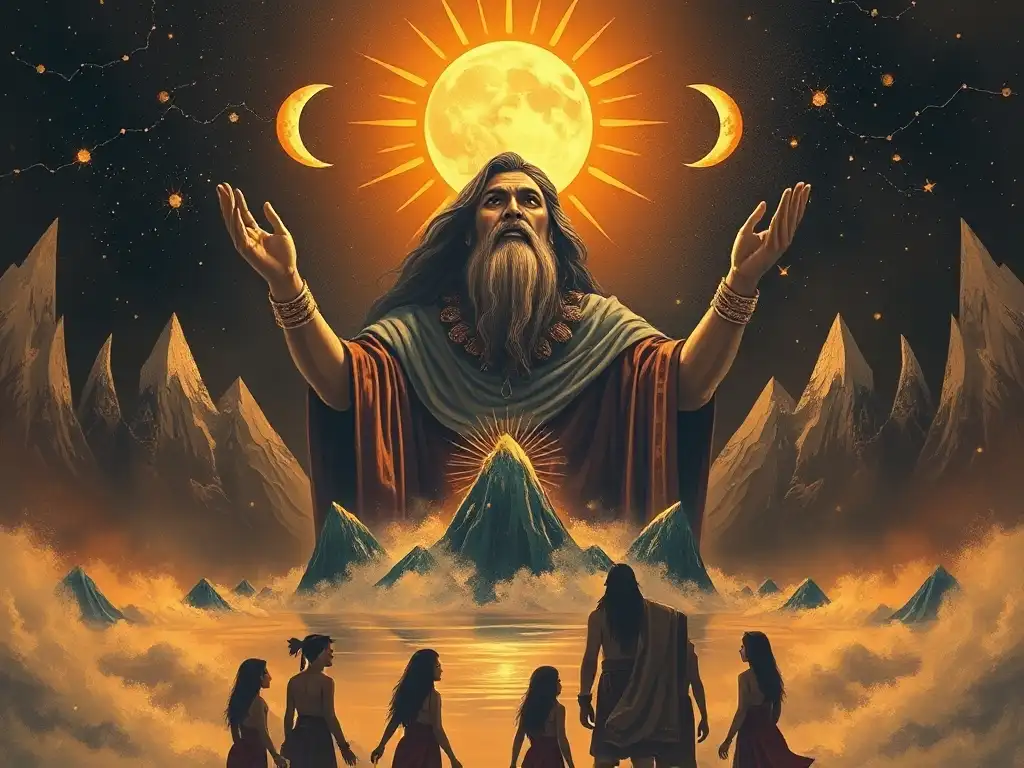
Viracocha, the creator god, holds a central position in the Inca creation myth. Depicted as a bearded, often imposing figure, Viracocha is credited with bringing order from chaos. Some accounts describe him emerging from Lake Titicaca, the legendary birthplace of the Inca civilization, while others portray him as creating the world ex nihilo. Regardless of the specific origin story, Viracocha's actions are fundamental to the creation of the cosmos and humanity. He is often depicted as a powerful and benevolent deity, but also one capable of wrath and punishment.
This duality reflects the complexities of the Andean worldview, acknowledging both the benevolent and destructive forces at play in the natural world. Beyond Viracocha, other deities played significant roles in the creation myth. The sun god, Inti, was of paramount importance to the Inca, representing life, warmth, and agricultural prosperity. The moon goddess, Mama Killa, was associated with fertility and the cycles of nature.
These deities, along with other celestial bodies, were revered and worshipped by the Inca, reflecting their central role in the creation narrative and their continued influence on daily life. The Inca believed that the actions of these deities directly impacted the world, influencing weather patterns, harvests, and the overall well-being of their empire. Understanding the roles of these deities is crucial to understanding the deeper meaning and significance of the Inca creation myth. The interaction and interplay between these divine figures highlight the intricate relationships and balances within the Inca cosmological system.
The Creation of Humanity and the First Incas
After the creation of the cosmos, the Inca myth focuses on the creation of humanity. Viracocha, in various accounts, is credited with fashioning the first humans from stone or clay. These early humans, often described as imperfect or flawed, were subsequently destroyed by Viracocha due to their wickedness or failure to adhere to divine laws. This destruction and subsequent recreation highlights the importance of proper conduct and obedience to the divine order.
The Inca believed that their own lineage was directly descended from the sun god, Inti. The myth often includes stories of the first Inca rulers, who were considered descendants of Inti and thus possessed a divine right to rule. These narratives legitimized the Inca's power and authority, reinforcing their social hierarchy and emphasizing the sacred nature of their rule.
The creation of humanity is not simply a biological event; it is a process of establishing social order and divine legitimacy. The stories of the first Incas and their relationship to the gods highlight the inherent link between the divine and the earthly realms, emphasizing the Inca's belief in their special connection to the cosmos and their divinely ordained role as rulers. These narratives serve not only as a creation story but also as a foundation for Inca political and social structures.
- Introduction to Inca Cosmogony and the Origin Story
- The Role of Viracocha and Other Deities in Creation
- The Creation of Humanity and the First Incas
- What is the central theme of the Inca creation myth?
- Who are the main characters in the Inca creation myth?
- How does Viracocha create the world in the Inca creation myth?
- What is the significance of the sun god, Inti, in the Inca creation myth?
- How does the Inca creation myth reflect Inca society and beliefs?
The Primordial Chaos: Before the Inca World
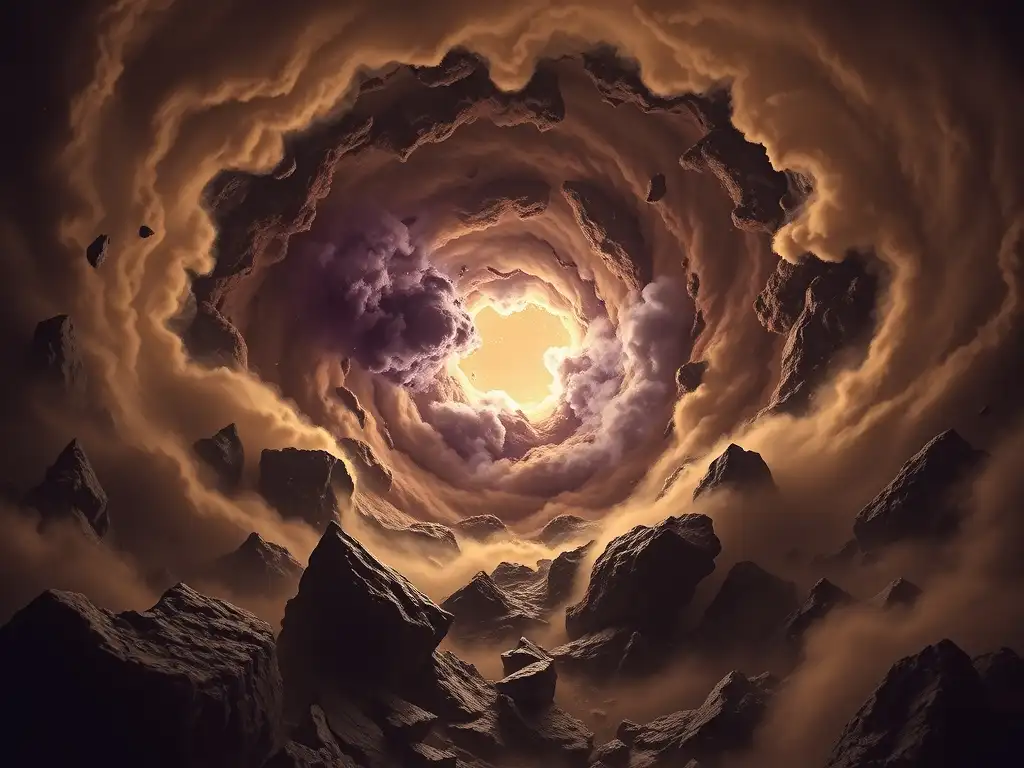
The Inca creation myth, a cornerstone of their worldview, paints a vivid picture of the world before the Inca civilization. It's a narrative steeped in symbolism, reflecting their understanding of the cosmos and their place within it. This wasn't a world of mere nothingness, but rather a state of primordial chaos, a formless void lacking the structure and order that the Inca later established.
Understanding this initial state is crucial to appreciating the significance of the subsequent creation events. The Inca creation myth story, therefore, begins not with a bang, but with a profound absence. The absence of the sun, the absence of life, and the absence of defined form are all key elements in understanding the initial conditions.
Analyzing this initial state helps us to truly understand the magnitude of Viracocha's creative acts. This pre-creation state is not simply a backdrop but an integral part of the narrative, highlighting the transformative power of the creator god.
The Absence of Light: A World of Darkness and Inactivity
Before Viracocha, the supreme creator god, brought order to the cosmos, the Inca myth describes a world shrouded in perpetual darkness. This darkness wasn't merely the absence of sunlight; it represented a lack of life, movement, and activity. Think of it as a stagnant, inert void – a world devoid of the vibrancy and dynamism that characterized the Inca civilization. The absence of light symbolized the absence of knowledge, growth, and progress.
This darkness, however, wasn't inherently evil; it was simply the precondition for creation. The Inca creation myth story highlights the transformative power of light and order emerging from this initial darkness. The absence of the sun's life-giving energy meant a lack of warmth, growth, and the cyclical processes that defined Andean life.
This state of inactivity highlights the profound change brought about by Viracocha's actions. It emphasizes the importance of light, not only as a physical phenomenon, but as a symbol of knowledge, life, and the divine. The contrast between this initial darkness and the subsequent radiant world of the Inca emphasizes the magnitude of their creator god's accomplishments.
The Role of Viracocha, the Creator God
Viracocha, the supreme creator deity in the Inca pantheon, emerges from this primordial chaos as the architect of the world. The Inca creation myth story portrays Viracocha not merely as a creator, but as a transformer. He didn't create the world ex nihilo; rather, he shaped and organized the existing formless void. The transition from darkness to light, from chaos to order, is directly attributed to his power.
His actions weren't impulsive but deliberate, reflecting a conscious design and plan for the world. Descriptions of Viracocha often depict him as a powerful, benevolent figure, capable of immense feats of creation and destruction. He is credited not only with bringing forth the sun, moon, and stars, but also with creating the first humans, from whom all Inca lineages were said to descend. Some accounts detail Viracocha emerging from Lake Titicaca, others depict him arising from a cave, further emphasizing the mythical origins and the transformative power of the god.
The Inca creation myth story emphasizes Viracocha’s role as not just a creator of the physical world, but also the architect of Inca society and its values. The creation myth thus serves a dual purpose: explaining the origin of the cosmos and providing a foundational narrative for Inca identity and social order. The power and influence of Viracocha permeates all aspects of the Inca worldview, shaping their beliefs, rituals, and societal structures.
The Emergence of Viracocha and the First Creation Attempt
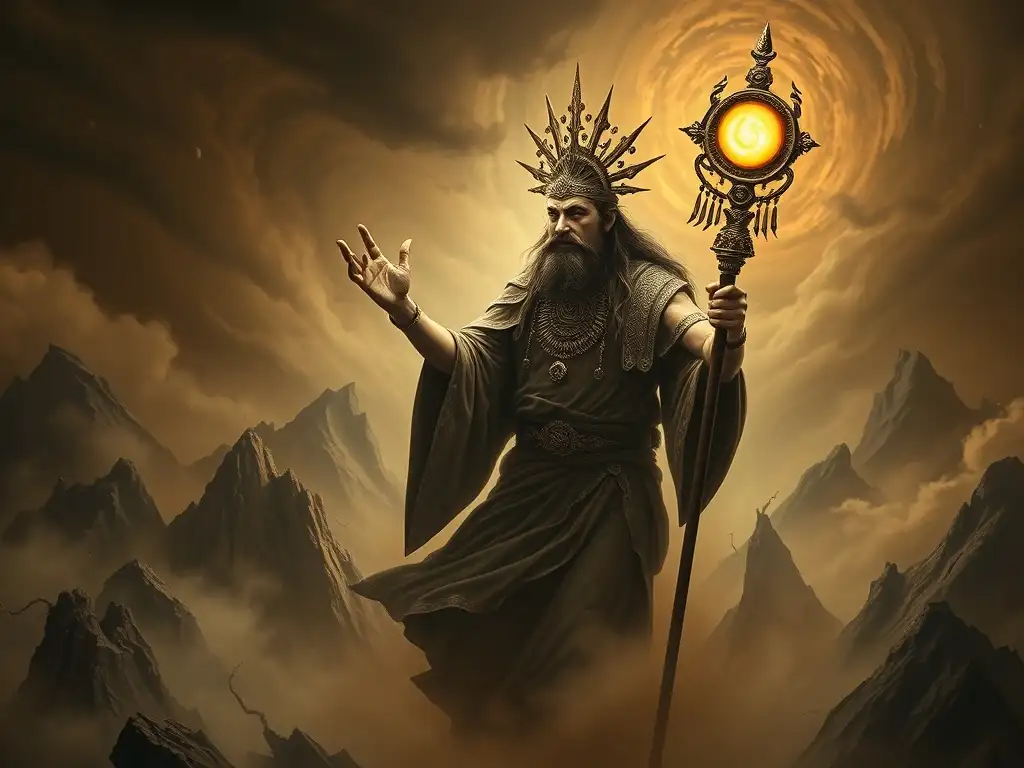
The Inca creation myth, a captivating narrative passed down through generations, centers around the powerful creator god, Viracocha. Unlike many creation myths focused on a singular event, the Inca story unfolds in stages, marked by both creation and destruction, reflecting the cyclical nature of life and the Andean worldview. The Inca creation myth story begins not with a pristine world, but with a primordial void, a state of darkness and chaos before Viracocha's emergence.
This powerful deity, often depicted as a bearded man in flowing robes, didn't simply create the world; he actively shaped and reshaped it, demonstrating both his immense power and his capacity for both creation and destruction. The Inca creation myth, therefore, is not just a story of origin but a reflection of their understanding of the cosmos and their place within it.
Understanding the intricacies of this myth provides invaluable insight into the Inca worldview and their deep connection to the Andean landscape. The story's enduring power lies in its ability to resonate with fundamental human questions about origins, purpose, and the nature of existence.
Viracocha's Initial Creation: Giants and the First Beings
Viracocha, from the depths of this initial void, initiated his first creative act. He didn't conjure a perfect world immediately; instead, his first creations were giants, beings of immense size and power, but ultimately flawed. These giants, according to the Inca creation myth story, lacked the intelligence and obedience expected by Viracocha. They were unruly and disobeyed his commands, representing a chaotic element that threatened the nascent order.
Their rebellion, a significant aspect of the narrative, underscores the importance of adherence to divine will in the Inca cosmology. Their size and strength symbolized a raw, untamed power that needed to be controlled and refined for a world to function harmoniously. The Inca creation myth story doesn’t explicitly detail the specific actions of these giants, leaving room for interpretation and oral tradition variations across different Inca communities.
However, the common thread across these variations remains: the giants' failure to fulfill Viracocha's expectations. Their existence highlighted the imperfection of a first attempt, setting the stage for a subsequent, more successful creation. The narrative emphasizes the iterative nature of creation, highlighting that even a powerful god like Viracocha faced challenges and needed to refine his work.
The Great Flood and the Destruction of the First World
The failure of the giants led Viracocha to a drastic measure: the destruction of his initial creation. The Inca creation myth story describes a great flood, a cataclysmic event that wiped out the giants and their world. This flood, a powerful symbol of purification and renewal, wasn't simply a random act of destruction; it was a necessary step in Viracocha's grand design.
The deluge cleansed the world of the unruly giants, paving the way for a new beginning. This event, far from being a negative aspect of the Inca creation myth, is presented as a crucial transitional phase, a necessary step towards the creation of a more ordered and harmonious world. The flood, therefore, is not just a destructive force but a transformative one, a symbol of the cyclical nature of creation and destruction inherent in the Andean worldview.
The Inca creation myth story, thus, emphasizes the iterative and imperfect nature of creation, highlighting the resilience and persistence of Viracocha in his pursuit of a perfect world. The destruction of the first world wasn't a failure, but a necessary precursor to the creation of the world we know today, populated by humans and governed by the sun. The flood serves as a stark reminder of the power of the creator god and the precariousness of existence.
The Second Creation: The Birth of the Sun and the Inca People
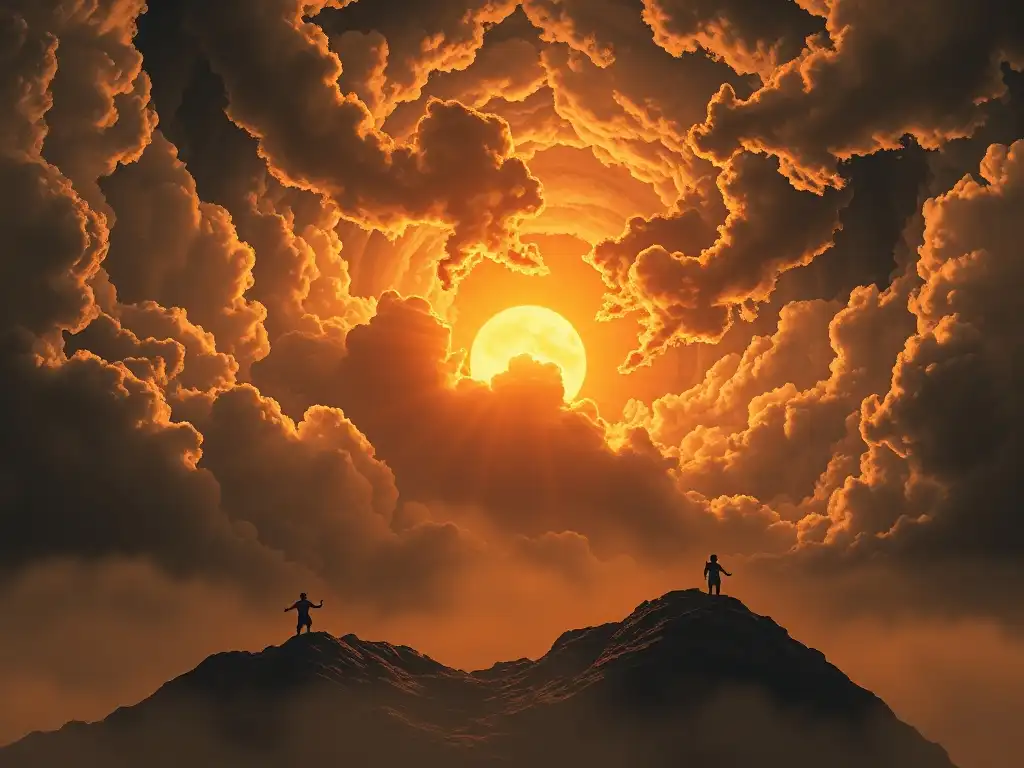
The Inca creation myth, a captivating narrative explaining the origins of the world and the Inca people, isn't a single event but a process. After the initial chaotic creation and destruction described in other parts of the myth, the story focuses on Viracocha's second, more successful attempt at world-building. This second creation is characterized by the birth of the sun and the emergence of the Inca ancestors, marking a transition from darkness to order, from chaos to civilization.
The Inca creation myth story emphasizes the divine intervention of Viracocha, the creator god, in shaping the physical world and bestowing life upon humanity. This act of creation isn't just about the physical; it's about establishing order, light, and the foundation for the Inca empire.
Understanding this second creation is key to grasping the core beliefs and values of the Inca civilization. The narrative emphasizes the cyclical nature of creation and destruction, reflecting a sophisticated cosmological understanding.
Viracocha's Second Creation: Shaping the World and Humanity
Viracocha, the supreme creator god, emerges from Lake Titicaca, a sacred body of water central to Inca cosmology. From this origin point, he begins to fashion the world anew. The Inca creation myth story details his actions in vivid terms: he carves out valleys, raises mountains, and shapes the landscape into the familiar contours we recognize today. This act of creation isn't simply a physical process; it’s a purposeful act of design, showcasing the god's power and intention.
He doesn't just create the land; he orders it, establishing a harmonious balance between the different geographical features. Simultaneously, Viracocha creates the first humans, often depicted as emerging from caves or sacred sites. These weren't simply humans in the modern sense, but rather the ancestors of the Inca people, imbued with a divine spark, destined to become the ruling lineage.
The narrative highlights Viracocha's role not just as a creator but also as a kind of divine architect, meticulously crafting the physical and societal landscape. The precise details of this process vary across different versions of the myth, reflecting regional variations in Inca beliefs and traditions. However, the core message remains consistent: Viracocha is the ultimate source of creation and order.
The Sun God Inti and the Establishment of Light
Central to Viracocha's second creation is the birth of Inti, the sun god. The Inca creation myth story describes Inti's emergence as a pivotal moment, marking the transition from a shadowy, undefined world to one bathed in the life-giving light of the sun. Inti's presence brings warmth, sustenance, and the rhythm of day and night, crucial elements for the flourishing of life.
The sun god, often depicted with a radiant face and golden disc, became a central figure in Inca religion and culture. Inti's power extended beyond simply providing light; he was seen as a source of energy, fertility, and prosperity. His worship was a central aspect of Inca life, with elaborate ceremonies and festivals dedicated to ensuring his continued favor.
The story emphasizes the importance of light and warmth, not just for physical survival, but also for spiritual well-being. The sun's life-giving energy symbolized the power of the Inca empire itself, a civilization that thrived under the sun's benevolent gaze. The Inca creation myth story thereby connects the physical world with the spiritual realm, highlighting the interconnectedness of all things.
The Origin of the Inca Ancestors: From Caves and Sacred Places
The Inca creation myth story frequently places the origin of the Inca ancestors in caves and other sacred places. These weren't simply random locations but sites imbued with spiritual significance, reflecting the deep connection between the Inca people and their environment. Emerging from these hidden places, the first Incas were not ordinary humans, but rather divinely appointed leaders, destined to rule over the burgeoning civilization. These ancestral figures often possessed extraordinary abilities and knowledge, connecting them directly to the creator god, Viracocha.
The locations themselves – caves, mountains, springs – became sacred sites, places of pilgrimage and ritual, reinforcing the narrative of divine origin. The specific caves and locations mentioned vary depending on the region and the version of the myth being recounted. This variation reflects the rich tapestry of Inca beliefs and the diverse interpretations of the creation story across the empire.
However, the common thread remains: the Inca ancestors' origin in sacred places underscores their divine lineage and their right to rule. The Inca creation myth story thus provides a powerful foundation for the legitimacy of the Inca empire, linking its rulers to the divine and reinforcing their authority. The narrative of emergence from sacred places underscores the importance of ancestry and the continuity of power within the Inca lineage.
Key Elements of the Inca Creation Narrative
This section delves into the core components of the Inca creation myth, exploring the fundamental beliefs and cosmological understanding that shaped their worldview. The Inca creation story, passed down through generations via oral tradition, wasn't a singular, unified narrative but rather a tapestry woven from various regional myths and beliefs, all contributing to a rich and complex understanding of their origins. Understanding these key elements is crucial to grasping the Inca's deep connection to their environment and their sophisticated social structure. The keyword "Inca creation myth story" is central to understanding this fascinating aspect of Andean civilization.
The Importance of Pachamama (Mother Earth) in Inca Mythology
Pachamama, the earth mother, represents the very foundation of Inca cosmology. She is not merely the physical earth but also the source of life, fertility, and abundance. The Incas believed that Pachamama provided sustenance, offering fertile lands for agriculture and minerals from the earth. Their agricultural practices, deeply intertwined with religious rituals, were directly aimed at appeasing and honoring Pachamama.
Failure to do so was believed to result in crop failures, earthquakes, and other natural disasters. The Inca creation myth story often depicts Pachamama as a primordial being, existing before the creation of the sun and the cosmos. This highlights her fundamental role, not just as a provider, but as a powerful deity who exerts influence over the entire world.
Indeed, offerings of coca leaves, chicha (a fermented corn beverage), and other items were routinely made to Pachamama to ensure her continued benevolence. This reverence for Pachamama is evident in the Inca's carefully managed agricultural terraces which show a deep respect and understanding of the land's fertility. The Inca creation myth story highlights the intricate relationship between humankind and the natural world, a relationship built on mutual respect and reciprocal exchange.
The Significance of the Sun (Inti) in Inca Religion
Inti, the sun god, holds paramount importance in the Inca creation myth story and their religious system. He is depicted as the creator god, the ultimate source of life and energy. The Inca believed that Inti created the world and everything in it, including humankind. He was seen as the father of the Inca emperors, solidifying the legitimacy of their rule and connecting the royal lineage directly to the divine.
Inti's daily journey across the sky was a constant reminder of his power and influence, influencing the daily lives of the Incas. The most important Inca festivals were timed with the solstices and equinoxes, marking significant moments in Inti's yearly cycle. These celebrations involved elaborate rituals, sacrifices, and processions, underscoring the deep reverence the Incas held for their sun god.
The Inca creation myth story frequently describes Inti's creation of the world from chaos, bringing order and structure to the universe. This highlights the Incas' belief in a structured, hierarchical cosmos where everything had its place and purpose, mirroring their own highly organized social system. The emperor's role as a mediator between Inti and the people underscores the importance of the sun god in maintaining social order and prosperity.
The Role of Sacred Places (Huacas) in the Inca Worldview
Huacas, sacred places, played a significant role in Inca cosmology and are frequently referenced within the Inca creation myth story. These were not merely geographical locations but embodied the spiritual essence of the Andes, connecting the physical world with the supernatural realm. Huacas could be mountains, rocks, springs, caves, or even certain trees, and each held unique spiritual significance.
They served as focal points for religious rituals, pilgrimage sites, and places of offering. The Inca creation myth story often describes Huacas as places where the gods manifested themselves or where important events in the creation of the world took place. The Incas believed that these sacred places held powerful energies, and interacting with them respectfully was crucial for maintaining harmony between the human and spiritual worlds.
The careful preservation and maintenance of Huacas reflect the Incas' deep respect for their ancestral heritage and their belief in the continuous interaction between the living and the dead. The strategic location of Inca cities and settlements near Huacas further emphasizes their importance in the Inca worldview and the influence of the Inca creation myth story on their societal structures. Understanding the significance of Huacas helps us understand the profound spiritual depth of the Inca civilization and their intricate relationship with the Andean landscape.
The Inca's Connection to the Cosmos and Ancestral Spirits
The Inca creation myth isn't simply a story of how the world began; it's a deeply spiritual narrative reflecting the Inca worldview, inextricably linked to the cosmos and their ancestors. The Inca believed in a vibrant, interconnected universe where the celestial bodies, the mountains, and their ancestors held immense power and influence over their lives. Their understanding of the cosmos wasn't detached or purely observational; it was deeply personal and integral to their daily existence.
The sun god, Inti, wasn't just a distant deity but a direct ancestor, a powerful figure whose benevolence ensured the prosperity and survival of the Inca people. Their rituals, agricultural practices, and even their social structures were all profoundly shaped by this belief system.
The concept of ayllu, the kinship group, extended beyond the living. Ancestors were considered active participants in the affairs of the living, their spirits influencing harvests, offering protection, or even meting out punishment. This close connection to the ancestral realm is evident in the Inca's reverence for huacas, sacred places often associated with natural features like mountains, rocks, or springs. These huacas were believed to be dwelling places of powerful spirits, both ancestral and divine, and were the focus of numerous ceremonies and offerings.
Maintaining a harmonious relationship with these spirits was crucial for the Inca’s well-being and the continuation of their civilization. The Inca creation myth, therefore, serves as a foundational text explaining the origins of this intricate relationship between the living, the dead, and the cosmos. It underscores the importance of respecting both the natural world and the ancestral spirits in maintaining cosmic balance and ensuring the prosperity of the Inca Empire. The stories passed down through generations served as a constant reminder of their deep spiritual connections and the responsibilities that came with them.
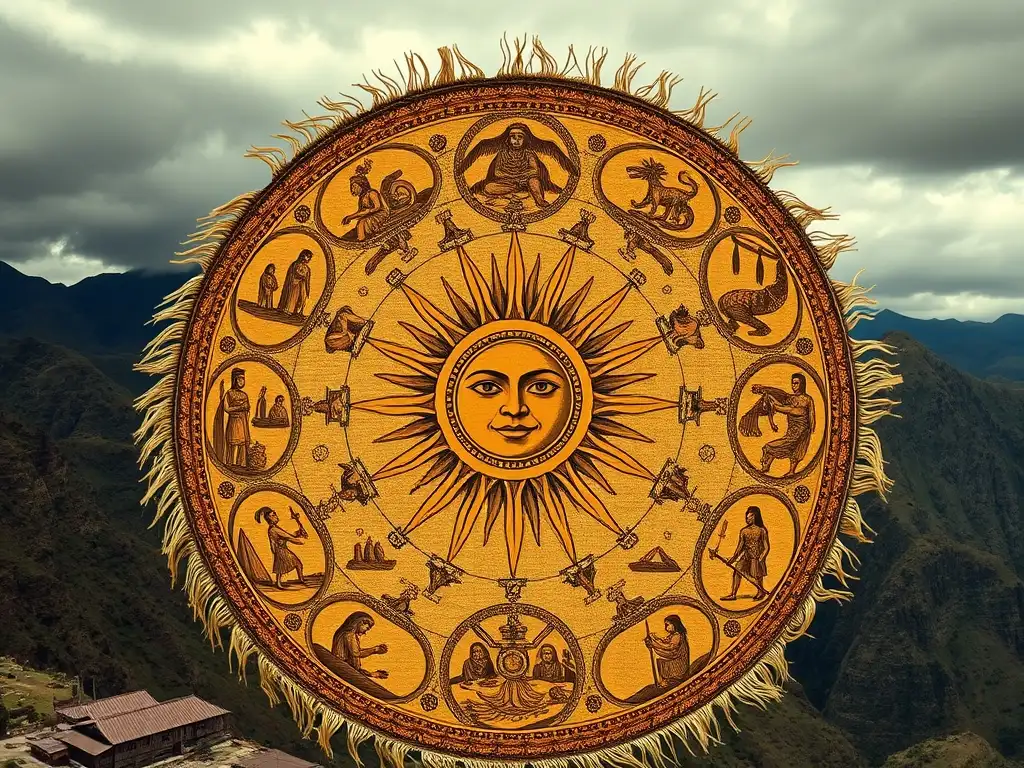
The intricate tapestries, ceramics, and even the design of their cities reflect this profound connection to both their ancestors and the celestial realm. The Inca creation myth, therefore, is not merely a historical narrative, but a living testament to their spiritual beliefs and their profound understanding of the interconnectedness of all things. It provides a window into the heart of Inca spirituality and the profound influence it held over their lives and their civilization.
Variations and Regional Adaptations of the Inca Creation Story
The Inca creation myth, while possessing a core narrative, wasn't a monolithic entity uniformly understood across the vast Tawantinsuyu (Inca Empire). Regional variations and adaptations existed, reflecting the diverse cultural landscape incorporated into the empire. These variations weren't necessarily contradictory but rather offered nuanced perspectives on the same fundamental themes of creation, cosmic order, and the Inca's divine right to rule. The Inca's approach to incorporating conquered peoples involved a degree of cultural syncretism, blending existing beliefs with their own cosmology.
This resulted in a rich tapestry of creation stories, each with its unique characteristics and local flavor. Understanding these variations provides a more complete picture of Inca beliefs and the complex dynamics of imperial rule. The spread of the Inca creation myth story acted as a powerful tool for unifying a diverse population under a single imperial ideology.
Differences in Inca Creation Myths Across the Tawantinsuyu
The Inca Empire spanned a geographically diverse area, encompassing vastly different ecological zones and pre-existing cultures. This diversity inevitably influenced the interpretation and transmission of the creation myth. For example, coastal communities might have emphasized the role of the sea in creation narratives, while those in the highlands might have focused more on the mountains and their sacred significance.
While the overarching narrative of Viracocha's role remained consistent, the specific details and associated deities could vary considerably. Some versions might highlight specific local deities or spirits integrated into the Inca pantheon, reflecting the assimilation of pre-existing beliefs. Unfortunately, detailed accounts from specific regions are scarce, making a comprehensive comparative analysis challenging.
Further research is needed to fully understand the regional variations in the Inca creation myth story. Anthropological studies, along with the careful analysis of surviving artifacts and oral traditions, could potentially shed more light on these fascinating differences. The limited written records left by the Incas themselves present a significant hurdle, making the reconstruction of regional variations a complex task requiring interdisciplinary collaboration.
Local Interpretations and the Influence of Conquered Cultures
The Inca Empire's expansion involved the subjugation of numerous indigenous groups, each with their own unique cosmologies and creation myths. The Incas, rather than imposing a uniform belief system, often incorporated elements of these conquered cultures into their own worldview. This process of cultural syncretism resulted in local interpretations of the Inca creation myth, where pre-existing deities and narratives were integrated into the broader framework of Viracocha's creation.
For instance, a local deity associated with fertility or agriculture in a conquered region might be incorporated into the Inca myth as a lesser deity or a manifestation of Viracocha's power. This strategy facilitated the integration of conquered populations into the empire by acknowledging and incorporating aspects of their cultural heritage. This process of cultural adaptation ensured the Inca creation myth story, while remaining largely consistent in its core narrative, could resonate with diverse communities across the vast Tawantinsuyu.
The ability to adapt and synthesize diverse beliefs played a crucial role in maintaining the unity and stability of the empire. This flexible approach to religious integration stands as a testament to the pragmatic and adaptive nature of Inca imperial rule.
The Legacy of the Inca Creation Myth
This section delves into the enduring impact of the Inca creation myth, exploring how this foundational narrative shaped Inca beliefs, societal structures, and artistic expressions. We will examine the myth not just as a historical curiosity, but as a living force that continues to resonate within Andean culture. Understanding the Inca creation myth story provides crucial insight into the worldview of this remarkable civilization. The intricate details of the narrative reveal much about their values, their relationship with the natural world, and their understanding of power and authority.
Understanding Inca Beliefs and Values Through Their Origin Story
The Inca creation myth, while varying slightly in its telling across different communities, generally centers around the emergence of order from chaos. It speaks to fundamental Inca beliefs about the cosmos, the role of humanity, and the divine right of their rulers. The narrative often begins with a time of darkness and emptiness, a void populated by primordial beings or forces. From this void, the creator god, Viracocha, emerges, bringing light and shaping the world. This act of creation highlights the Inca reverence for Viracocha and the importance of order and structure in their society.
The myth's emphasis on Viracocha's creation of the world and its inhabitants reinforces the Inca belief in a hierarchical cosmos, with the Inca emperor positioned as a descendant of the gods, thus legitimizing their rule. This divine connection wasn't merely a political tool; it was deeply ingrained in the Inca worldview, shaping their social structures and their relationship with their environment. The meticulous organization of Inca society, from its intricate agricultural systems to its sophisticated administrative structures, reflects this inherent belief in order and hierarchy, mirroring the order established by Viracocha in the creation myth.
The detailed descriptions of Viracocha's actions, such as the creation of the sun, moon, and stars, further illustrate the Inca's deep understanding of astronomy and their close connection to the celestial bodies. These celestial elements weren't simply distant objects; they were active participants in the cosmic order, influencing the lives and destinies of the Inca people.
Their agricultural practices, for example, were intricately linked to the movements of the sun and stars, reflecting a profound understanding of the natural world and their place within it. The Inca creation myth, therefore, is not merely a story; it is a reflection of their sophisticated cosmology and their harmonious integration with their environment.
The Inca Creation Myth and its Influence on Inca Society
The Inca creation myth profoundly impacted Inca society, shaping its political, religious, and social structures. The narrative of Viracocha's creation provided the foundation for the Inca's imperial ideology, justifying the emperor's authority and the hierarchical structure of their society. The emperor was seen as a direct descendant of Viracocha, a living link between the divine and the human realm, a concept that reinforced his absolute power.
Furthermore, the myth's emphasis on order and harmony influenced the Inca's intricate system of governance. The empire's highly organized administrative structure, its extensive road network, and its sophisticated agricultural techniques all reflect a deep-seated belief in the importance of maintaining balance and order, mirroring the cosmic order established by Viracocha. This belief extended to all aspects of Inca life, from their intricate religious ceremonies to their daily routines. The Inca creation myth story served as a powerful tool for social control, reinforcing the existing power structures and promoting social cohesion.
The Inca's artistic expressions, such as their monumental architecture and elaborate textiles, also reflect the themes and motifs present in their creation myth. The depiction of Viracocha and other deities in their artwork serves as a visual representation of their beliefs and values. The grandeur of their cities, such as Machu Picchu, can be seen as a physical manifestation of the ordered cosmos described in the creation myth, a testament to the Inca's ability to translate their spiritual beliefs into tangible realities.
The Enduring Significance of Inca Cosmogony in Andean Culture
Even today, elements of the Inca creation myth and its associated cosmology continue to resonate within Andean culture. While the Inca Empire itself fell centuries ago, the fundamental beliefs and values embedded in their creation narrative have endured, influencing the spiritual and cultural practices of many Andean communities. The enduring power of Viracocha as a creator god, for example, continues to be reflected in various Andean traditions and beliefs.
The Inca's deep respect for the natural world, a key element of their creation myth, also remains a central aspect of Andean culture. Many contemporary Andean communities continue to practice sustainable agricultural techniques and maintain a close relationship with the environment, reflecting the Inca's understanding of the interconnectedness of all living things. Their reverence for the mountains, rivers, and other natural features continues to shape their spiritual practices and their relationship with the land.
The Inca creation myth story, therefore, transcends its historical context. It represents a powerful narrative that continues to inform the cultural identity and spiritual practices of Andean communities, serving as a testament to the enduring legacy of the Inca civilization and its profound impact on the region. The myth's continued relevance highlights the enduring power of storytelling and its ability to shape and sustain cultural identities across generations. Further research is needed to fully understand the nuances of its continued influence in [specific communities and contemporary practices pending].
Frequently Asked Questions
What is the central theme of the Inca creation myth?
The central theme revolves around the emergence of order from chaos. The myth depicts a transition from a dark, formless world to a structured cosmos ruled by the sun god, Inti. This signifies the creation of the world and the Inca civilization itself.
Who are the main characters in the Inca creation myth?
The main characters include Viracocha, the creator god, who brings order from the void, and Inti, the sun god, who becomes the central figure of Inca worship and the embodiment of royal power. Other deities and mythical beings also play important roles.
How does Viracocha create the world in the Inca creation myth?
Viracocha, the creator god, emerges from Lake Titicaca and brings forth the world from darkness and nothingness. He shapes the land, creates humans, and establishes the order of the cosmos, ultimately bestowing power upon the sun god, Inti.
What is the significance of the sun god, Inti, in the Inca creation myth?
Inti, the sun god, is a crucial figure, representing power, life, and the Inca's royal lineage. His reign signifies the establishment of a structured and prosperous world, mirroring the Inca Empire's own rise to prominence.
How does the Inca creation myth reflect Inca society and beliefs?
The myth reflects the Inca's deep reverence for the sun, their hierarchical social structure, and their belief in a powerful creator god. The story legitimizes the Inca rulers' authority and provides a framework for understanding their worldview and cosmology.
Final Reflection: Echoes of the Sun God in a Modern World
The Inca creation myth, far from being a relic of a bygone era, offers a powerful lens through which to understand our enduring human need for meaning and order in a chaotic world. The story's journey from primal darkness to the radiant reign of Inti, the sun god, resonates deeply with our own struggles to find light amidst uncertainty, to build civilizations from seemingly insurmountable challenges, and to create narratives that give purpose to our lives.
The enduring power of the Inca creation myth lies not just in its captivating narrative, but in its reflection of universal human experiences. The themes of sacrifice, creation, and the struggle for dominance are timeless, echoing across cultures and generations. The myth's emphasis on community, respect for nature, and the importance of leadership continues to hold relevance in our modern, often fractured world. Myths are public dreams, and dreams are private myths.
- Joseph Campbell. This quote perfectly encapsulates the enduring power of these stories to shape our collective and individual understanding of the world.
Consider the echoes of Inti's light in your own life. What are the "darknesses" you strive to overcome? What are the "creations" you are building, both personally and collectively? How can the principles of community, respect, and responsible leadership, as exemplified in the Inca creation myth, guide your actions and inspire you to create a brighter future, not just for yourself, but for the world around you? Let the legacy of the Inca sun god illuminate your path.
Unveil the Light of Inca Mythology!
Thank you for exploring the fascinating Inca creation myth with us! You've gained a deeper understanding of this rich cultural heritage and the symbolic transition from darkness to the sun's vibrant reign. Now, let's continue your exploration of this captivating legacy.
**Here's how you can delve deeper:**
- **Explore Related Myths:** Discover how other Andean creation myths shaped South American civilizations. Further your understanding by exploring related articles on our site.
- **Share Your Insights:** Discuss your newfound knowledge of the Inca myth's connection to nature and the cosmos with friends and family.
- **Join the Community:** Engage with fellow mythology enthusiasts in our forums. Share your interpretations, theories, and questions.
What aspects of the Inca creation myth resonated most with you, and how do you perceive its influence on modern culture?