
The Inca's Sacred Texts: Deciphering the Myths in Oral Traditions

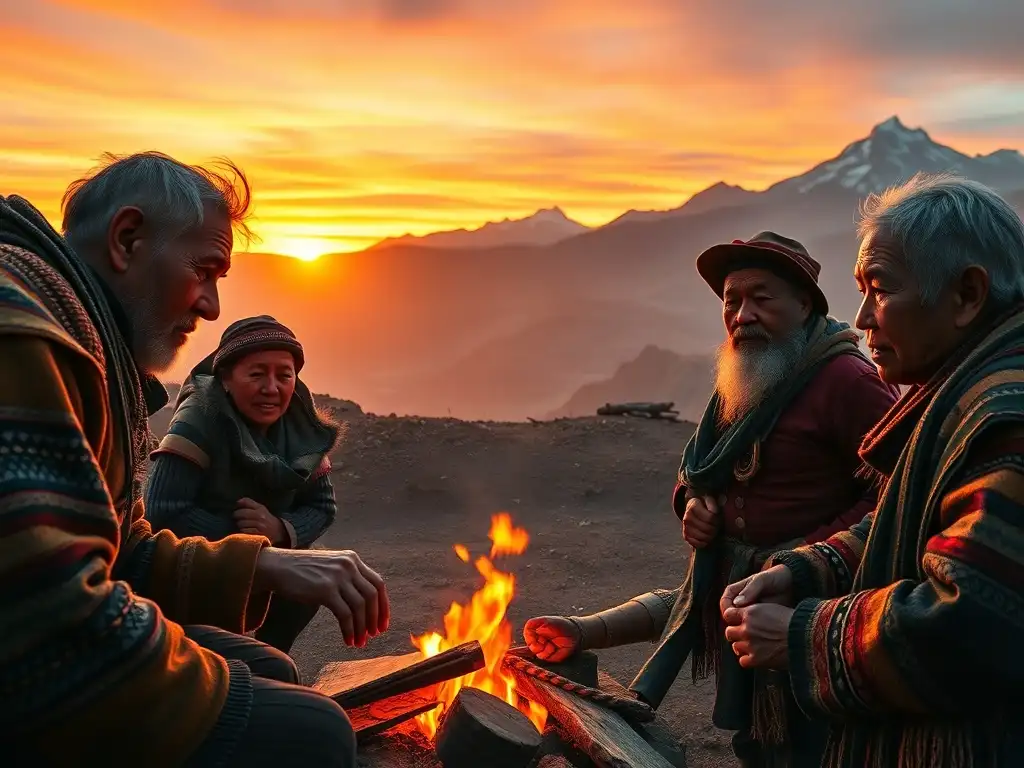
Dive into the enigmatic world of the Andes! Prepare to uncover the secrets held within the lost languages of ancient civilizations, from the intricate artistry of the Nazca to the awe-inspiring engineering of the Incas. But what whispers do the mountains themselves hold? This journey begins with the Inca oral traditions texts, a pathway to understanding the myths and beliefs that shaped an empire. Dare to explore the fascinating legacy of these remarkable cultures and unravel the mysteries that lie within.
-
Inca Oral Traditions: Myths and Meanings
- Introduction to Inca Mythology
- The Function of Oral Tradition in Inca Society
- Core Narratives of Inca Mythology
- Transmission of Inca Oral Narratives
- Interpreting Inca Oral Traditions
- Colonial Impact on Inca Oral Traditions
- Inca Oral Traditions: Insights into the Past
- Conclusion: The Enduring Power of Inca Oral Narratives
-
Frequently Asked Questions
- What were the Inca's primary methods of preserving their history?
- How were Inca oral traditions transmitted?
- What types of information were contained within Inca oral traditions?
- Do any written records exist that reflect Inca oral traditions?
- Where can I find more information about Inca oral traditions and texts?
- Final Reflection: Echoes of the Andes: Unraveling the Inca Legacy
- Unlock the Mysteries of the Inca's Sacred Traditions!
Inca Oral Traditions: Myths and Meanings
The Inca Empire, a civilization renowned for its sophisticated engineering and intricate social structures, left behind a legacy far richer than its impressive stonework. While lacking a written language in the conventional sense, the Incas developed a complex system of oral traditions that served as their primary means of transmitting history, beliefs, and cultural knowledge across generations.
This article delves into the world of Inca oral traditions, exploring the myths, stories, and narratives that shaped their worldview and continue to fascinate researchers today. We will uncover how these oral texts functioned within Inca society and the significant role they played in maintaining social order, religious practices, and the overall cultural identity of the empire.
Understanding these oral traditions is crucial to grasping the true depth and complexity of Inca civilization, moving beyond the magnificent ruins to explore the vibrant tapestry of their beliefs and their rich cultural heritage. This exploration of "Inca oral traditions texts" will reveal a fascinating glimpse into the heart of the Inca world.
Introduction to Inca Mythology
Inca mythology is a captivating realm of stories, legends, and beliefs passed down through generations via meticulously preserved oral traditions. Unlike many other ancient civilizations that documented their history through written texts, the Incas relied on skilled storytellers, known as amautas, to transmit their rich cultural heritage. These amautas were highly respected members of society, entrusted with the responsibility of preserving and sharing the myths and legends that explained the Inca's origins, their relationship with the natural world, and their place within the cosmos.
Their narratives often featured powerful deities like Inti (the sun god), Viracocha (the creator god), and Mama Killa (the moon goddess), whose actions and interactions shaped the world and the lives of the Inca people. These stories weren't mere entertainment; they served as powerful tools for teaching moral lessons, reinforcing social structures, and explaining natural phenomena. The Inca worldview, embedded within these narratives, emphasized a profound connection between humanity and the divine, the importance of community, and the cyclical nature of life and death.
For example, the myth of Viracocha's creation of the world and humanity provides a cosmological framework that underpins much of Inca religious belief and practice. The detailed descriptions of Viracocha's actions, his interactions with the first humans, and the subsequent shaping of the landscape all contributed to a cohesive understanding of the Inca's place in the universe. Understanding the intricacies of these myths requires careful analysis of the surviving accounts, often fragmented and reinterpreted over centuries.
The Function of Oral Tradition in Inca Society
The Inca oral tradition wasn't simply a repository of stories; it served a vital function in maintaining the social and political fabric of the empire. The quipus, complex systems of knotted strings used for record-keeping, complemented the oral traditions, providing a framework for remembering and organizing information. While the precise meaning of many quipus remains debated, it's clear they were used in conjunction with oral narratives to record census data, historical events, and even astronomical observations. The transmission of knowledge through oral tradition ensured the continuity of Inca culture and social norms.
Stories about past rulers, heroic deeds, and important historical events reinforced the legitimacy of the Inca rulers and helped maintain social order. Furthermore, these narratives instilled a sense of shared identity and cultural pride amongst the diverse populations within the vast Inca Empire. The oral tradition also played a crucial role in religious practices. Myths and legends related to the gods and goddesses provided a framework for understanding the world and their place within it.
Rituals, ceremonies, and festivals were often accompanied by performances and recitations of these sacred stories, reinforcing religious beliefs and strengthening community bonds. The detailed descriptions of these rituals, often passed down through generations of amautas, provide valuable insights into the religious practices and beliefs of the Inca people. The intricate relationship between oral tradition, quipus, and religious ceremonies highlights the sophisticated and multifaceted nature of Inca information management and cultural transmission. Further research into the surviving fragments of these oral traditions promises to yield even richer insights into the complexities of this remarkable civilization.
Core Narratives of Inca Mythology
Inca mythology, primarily transmitted orally, revolves around a rich tapestry of creation myths, heroic tales, and divine figures. Understanding these narratives provides crucial insight into Inca worldview, social structures, and their relationship with the natural world. These stories weren't simply entertaining; they served as powerful tools for legitimizing power, reinforcing social order, and educating future generations. The consistent retelling across generations ensured the preservation of key cultural values and beliefs.
The lack of a written language further emphasized the importance of memorization and accurate oral transmission, highlighting the skills and dedication of the storytellers themselves. The themes explored within these myths often centered around the origin of the Inca people, the establishment of their empire, and the actions and attributes of their powerful deities. These narratives were deeply intertwined with the Inca's understanding of their place in the cosmos and their relationship with the land.
The Emergence Myth: The Pacaritambo Caves
The Pacaritambo caves, located in the Andes Mountains, hold a significant place in Inca origin myths. Legend speaks of Manco Capac and Mama Ocllo, the first Inca rulers, emerging from these caves. This emergence myth is not merely a tale of origins; it's a powerful statement about Inca identity and legitimacy.
The caves themselves are geographically significant, representing a connection to the earth and the ancestral past. Archaeological evidence, while not directly confirming the myth, does highlight the importance of the Pacaritambo region during the early Inca period. The location's strategic position and the presence of early Inca structures suggest a possible connection to the founding legends.
Further research into the cave's stratigraphy and associated artifacts could potentially shed more light on the historical context of this powerful creation story. The story's enduring presence in Inca oral tradition underscores its importance in shaping their cultural identity and solidifying the divine right to rule.
The Founding of Cusco: Manco Capac and Mama Ocllo
The founding of Cusco, the Inca capital, is another pivotal narrative in Inca mythology. Manco Capac and Mama Ocllo, often depicted as siblings or divine beings, are credited with establishing the city and laying the groundwork for the Inca Empire. This myth doesn't just describe a historical event; it provides a framework for understanding Inca social organization and the divine mandate of their rulers. The story typically involves Manco Capac's demonstration of superior skills, proving his divine lineage and right to rule.
He and Mama Ocllo are credited with bringing civilization and order to the region, teaching agriculture, weaving, and other essential skills. The precise details of the founding myth vary across different accounts, reflecting the fluidity and adaptability of oral traditions. However, the core message remains consistent: Cusco's establishment was a divinely ordained event, legitimizing the Inca's claim to power and authority.
Viracocha: The Creator God and His Travels
Viracocha, the supreme creator god in Inca mythology, is a figure of immense power and mystery. He is credited with creating the world, the sun, the moon, and the stars. Narratives surrounding Viracocha often depict his travels across the land, shaping the landscape and bestowing gifts upon various communities. The descriptions of Viracocha's appearance vary, reflecting the awe and reverence surrounding this powerful deity.
Some accounts portray him as a majestic figure, while others describe him as a more human-like form, highlighting the complexities of oral transmission and the potential for variations across different regions and time periods. The stories of Viracocha emphasize the Inca's understanding of their place within a larger cosmic order, reinforcing their connection to the divine and the natural world. He represents both the power of creation and the cyclical nature of life and death.
Inti: The Sun God and His Importance
Inti, the sun god, held paramount importance in Inca religion and society. He was considered the father of the Inca rulers, directly linking the royal lineage to the divine. The sun's life-giving power was central to Inca agriculture and their worldview. Festivals and rituals dedicated to Inti were elaborate and crucial for ensuring bountiful harvests and maintaining cosmic balance.
Inti's influence extended beyond agriculture; he was also associated with power, authority, and the success of the Inca empire. The sun's daily journey across the sky was seen as a reflection of the Inca ruler's responsibility to maintain order and prosperity. The importance of Inti in Inca religion and the extensive rituals surrounding his worship highlight the profound impact of this deity on Inca society and its understanding of the world.
Transmission of Inca Oral Narratives
The preservation and transmission of Inca oral traditions relied on a complex system of memory, storytelling, and social structures. The lack of a written language made oral transmission crucial for preserving cultural knowledge, history, and religious beliefs. This system was remarkably effective, ensuring the continuity of Inca culture across generations.
The Amautas: Keepers of Knowledge and History
The amautas were highly respected intellectuals and storytellers within Inca society. They were responsible for preserving and transmitting oral traditions, acting as living repositories of Inca history, mythology, and knowledge. These individuals were carefully selected and rigorously trained in memorization techniques and the art of storytelling.
Their role extended beyond mere recitation; they were also interpreters of the myths and their significance within the Inca worldview. Their expertise was highly valued, and they played a crucial role in shaping Inca society and maintaining its cultural identity. The amautas' skills and dedication ensured that the rich tapestry of Inca narratives was preserved and passed down through generations.
The Role of Quipus in Memory and Storytelling
While the Inca did not have a written alphabet in the conventional sense, they utilized quipus—complex systems of knotted strings—as a mnemonic device to aid memory and aid in storytelling. Although the precise method of using quipus is still debated, it's clear that they played a vital role in assisting the amautas in remembering and organizing vast amounts of information. The intricate system of knots, colors, and string arrangements likely corresponded to specific elements of the narratives, serving as a visual aid for recalling details and maintaining the accuracy of the stories.
The use of quipus demonstrates the Inca’s sophisticated approach to information management and their commitment to preserving their rich oral traditions. Further research into the deciphering of quipus could potentially unlock even more insights into Inca society and their storytelling practices.
Difficulties in Recovering Pre-Columbian Narratives
Reconstructing Inca oral traditions presents significant challenges. The Spanish conquest led to the suppression of Inca culture and the destruction of many aspects of their society. Many oral traditions were lost or altered during this period, making the task of reconstructing a complete and accurate picture exceedingly difficult. The reliance on secondary sources, often written by Spanish chroniclers with their own biases and interpretations, further complicates the process.
These accounts, while providing valuable information, must be critically analyzed and compared to identify potential inaccuracies or omissions. Furthermore, the inherent variability within oral traditions, with variations arising from different tellings and regional differences, adds another layer of complexity to the task of reconstructing a comprehensive and accurate representation of Inca oral narratives. Despite these challenges, ongoing research and careful analysis of available evidence continue to shed light on this fascinating aspect of Inca culture.
Interpreting Inca Oral Traditions
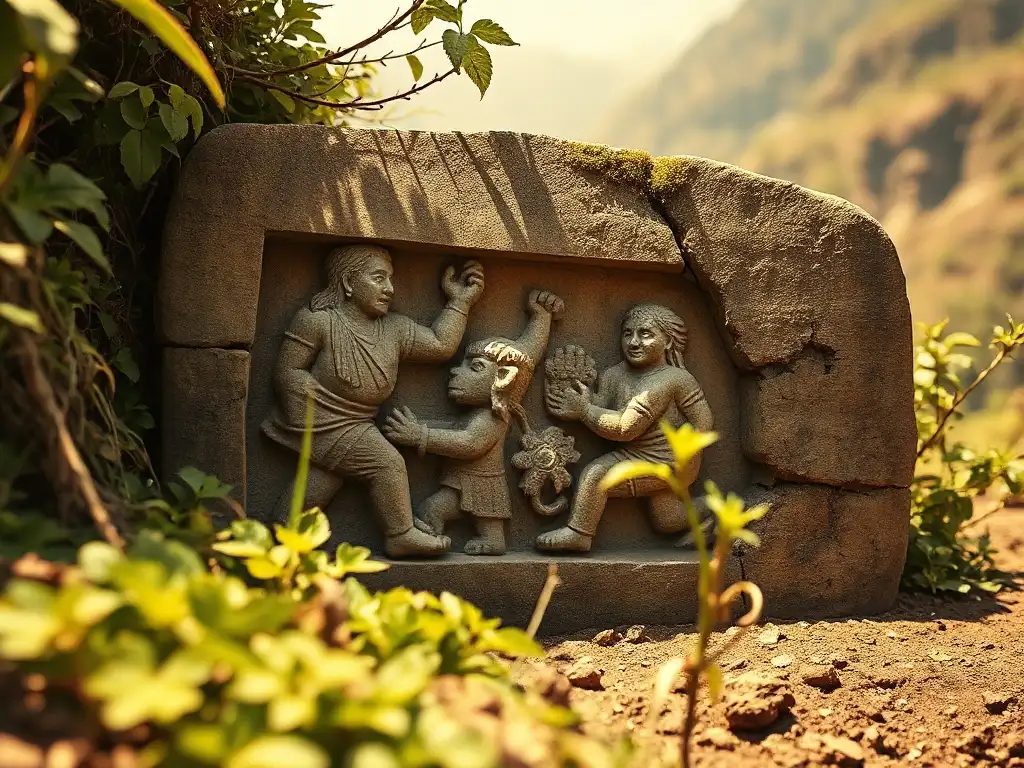
Inca oral traditions, passed down through generations, offer invaluable insights into their complex society and worldview. Unlike many other ancient civilizations that left behind extensive written records, the Inca relied heavily on oral transmission of knowledge, stories, and beliefs. This makes the task of interpreting these traditions particularly challenging, yet incredibly rewarding.
Scholars must carefully consider the context in which these stories were told and retold, acknowledging the potential for variations and adaptations over time. The inherent fluidity of oral traditions requires a nuanced approach, recognizing that meaning is often embedded within the performance itself – the tone of voice, the gestures, the setting – rather than solely in the words themselves. Understanding these intricacies is crucial for accurately deciphering the myths and meanings embedded within Inca oral traditions.
The lack of a standardized written language further complicates the process, demanding a multidisciplinary approach that incorporates linguistic analysis, anthropological research, and archaeological findings to piece together a cohesive understanding. This careful and meticulous process is essential to avoid misinterpretations and ensure a respectful and accurate representation of Inca culture.
Decoding Symbolic Language and Imagery
Inca oral traditions are replete with symbolic language and imagery, often deeply intertwined with their cosmology and worldview. Animals, celestial bodies, and natural phenomena are frequently employed as metaphors to convey complex ideas and beliefs. For example, the condor, a powerful Andean bird, often symbolizes royalty and divine power, while the puma represents earthly strength and authority.
The careful analysis of these symbols is essential for unlocking the deeper meanings embedded within the narratives. Researchers must consult a wide range of sources, including archaeological findings – such as depictions on pottery, textiles, and stone carvings – to cross-reference and contextualize the symbolic language found within oral traditions.
The interpretation of these symbols is not static; their meaning can shift depending on the specific context of the narrative and the cultural background of the storyteller. Therefore, understanding the nuances of Inca symbolism requires a comprehensive and nuanced approach, drawing on various disciplinary perspectives to arrive at a more complete interpretation.
Understanding Inca Cosmology and Worldview
Inca cosmology profoundly shaped their oral traditions. Their worldview was deeply interconnected with the natural world, viewing the cosmos as a living, dynamic entity. The sun (Inti), the moon (Killa), and the stars played central roles in their beliefs and rituals, often personified in myths and stories.
Mountains were considered sacred, serving as dwelling places for deities and spirits. The concept of ayni, reciprocal exchange and balance, was fundamental to their social structure and is reflected in many of their narratives. Understanding Inca cosmology is key to deciphering the deeper meanings embedded within their oral traditions.
For instance, stories about the creation of the world often reflect their understanding of the interconnectedness of all living things and the importance of maintaining harmony within the cosmos. This holistic perspective is essential to interpreting the symbolic language and imagery present in Inca oral traditions, allowing for a more profound and accurate comprehension of their beliefs.
The Myth of Inkarrí: An Analysis
The myth of Inkarrí, the resurrected Inca emperor, is a powerful example of how Inca oral traditions adapted and evolved over time. This myth speaks to the Inca's enduring hope for liberation and the restoration of their empire after the Spanish conquest. The story of Inkarrí's return, often depicted as a messianic figure who will bring justice and restore the Inca way of life, reflects the resilience and cultural memory of the Inca people.
Different versions of the Inkarrí myth exist, showcasing the dynamic nature of oral traditions and their ability to adapt to changing circumstances. Analyzing these variations reveals insights into the Inca's resistance to colonial rule and their enduring cultural identity.
The myth of Inkarrí continues to resonate today, serving as a powerful symbol of hope and cultural resurgence for many Andean communities. The ongoing study of this myth provides crucial insights into the ways in which Inca oral traditions have been preserved and adapted across centuries.
Colonial Impact on Inca Oral Traditions
The Spanish conquest profoundly impacted Inca oral traditions, leading to both suppression and adaptation. The imposition of Catholicism and the destruction of Inca religious practices led to a significant loss of knowledge and cultural memory.
Suppression and Forced Conversion
The Spanish conquistadors actively sought to suppress Inca oral traditions as part of their broader strategy of cultural and religious conversion. The destruction of Inca temples and the prohibition of traditional ceremonies significantly disrupted the transmission of knowledge from one generation to the next. Storytellers, who played a vital role in preserving Inca culture, were often persecuted or silenced.
This deliberate suppression aimed to erase Inca identity and replace it with a Spanish Catholic worldview. The resulting loss of knowledge is immeasurable, making the reconstruction of a complete picture of Inca oral traditions extremely challenging. The suppression efforts, however, were not entirely successful, as Inca people found ways to preserve elements of their culture despite the harsh realities of colonial rule.
Syncretism: The Blending of Inca and Christian Beliefs
Despite the efforts of the Spanish to eradicate Inca traditions, a process of syncretism occurred, where Inca beliefs and practices were blended with elements of Catholicism. This resulted in new hybrid forms of religious expression, where Inca deities were sometimes associated with Christian saints, and traditional rituals were adapted to incorporate Catholic elements. This blending of cultures is evident in many present-day Andean communities, where Inca mythology continues to coexist with Christian beliefs.
The study of this syncretism offers valuable insights into the resilience of Inca culture and its ability to adapt and survive under colonial rule. Understanding this process is crucial for interpreting the complexities of modern Andean religious practices and their connection to Inca oral traditions.
Present-Day Expressions of Inca Mythology
Inca mythology continues to be expressed and celebrated in contemporary Andean communities. Traditional stories are still told, often adapted to reflect present-day concerns and experiences. Festivals and ceremonies incorporate elements of Inca mythology, demonstrating the enduring power of these traditions.
The study of these present-day expressions provides invaluable insights into the ways in which Inca oral traditions have been preserved and transformed over time. It also highlights the ongoing cultural significance of Inca mythology for many Andean communities, demonstrating its resilience and adaptability in the face of centuries of change. This vibrant continuation of Inca oral traditions underscores the importance of respecting and preserving these invaluable cultural legacies.
Inca Oral Traditions: Insights into the Past
Inca oral traditions offer a unique window into the past, providing invaluable insights into the beliefs, values, and social structures of this remarkable civilization. Unlike many other ancient cultures that left behind extensive written records, the Inca relied heavily on oral transmission to preserve their history, mythology, and knowledge. This reliance on oral tradition presents both challenges and opportunities for modern researchers.
The challenge lies in the inherent fragility of oral transmission; stories can change, details can be lost, and biases can be introduced over time. However, the opportunity lies in the richness and complexity of these narratives, which often reveal aspects of Inca life that written records might miss. These traditions offer a more nuanced understanding of Inca worldview, encompassing not just political and social structures, but also the spiritual and cosmological beliefs that shaped their daily lives.
The study of these traditions helps us understand how the Inca constructed their identity and maintained social cohesion. We can see how their stories reflected their relationship with the environment, their understanding of power, and their beliefs about the afterlife.
The Value of Studying Inca Narratives
Studying Inca narratives offers several critical advantages in understanding their civilization. First, these narratives provide a glimpse into the Inca worldview, revealing their beliefs about the cosmos, the gods, and their place within the universe. Unlike official records which might focus on political events, oral traditions often contain detailed descriptions of everyday life, rituals, and social interactions, painting a far more comprehensive picture.
Second, these narratives offer insights into the social and political structures of Inca society. Myths and legends often reflect the power dynamics within the community, the roles of different social groups, and the mechanisms through which social order was maintained. Third, the study of oral traditions helps us understand the Inca's relationship with their environment.
Many stories are deeply connected to the landscape, highlighting the importance of specific locations, natural features, and ecological processes in their culture. Finally, analyzing these stories allows us to understand the Inca's methods of knowledge transmission and preservation, revealing their sophisticated systems of memory and storytelling. By understanding how these stories were passed down through generations, we can better appreciate the resilience and adaptability of Inca culture.
Ethnographic Studies of Contemporary Andean Storytelling
Ethnographic studies of contemporary Andean storytelling provide crucial context for understanding Inca oral traditions. While the Inca Empire fell centuries ago, many of the storytelling traditions and narrative structures persist in Andean communities today. By studying how these traditions are maintained and adapted in modern contexts, researchers can gain valuable insights into how Inca narratives might have functioned in the past.
For instance, the study of Quechua storytelling reveals striking similarities in narrative structure, thematic elements, and performance styles with those documented in early colonial accounts. These parallels suggest a strong continuity between past and present Andean storytelling practices, offering valuable clues about the origins and evolution of Inca oral traditions. Furthermore, the analysis of contemporary narratives sheds light on the role of oral tradition in shaping Andean identities and community cohesion.
The continued relevance of these stories highlights their enduring power and their deep connection to the Andean landscape and cultural memory. These ethnographic studies are therefore essential for a more comprehensive and nuanced understanding of Inca oral traditions.
Future Research: Uncovering More Inca Myths
Future research on Inca oral traditions should focus on several key areas. Firstly, a more systematic collection and analysis of existing oral narratives is crucial. Many stories remain undocumented or are only partially recorded, leaving significant gaps in our understanding. This includes a concerted effort to locate and transcribe narratives from various Andean communities, focusing on those that may have preserved elements of older traditions.
Secondly, further interdisciplinary research combining anthropological, linguistic, and historical approaches is needed. This collaborative approach will allow for a more comprehensive analysis of the narratives, exploring their linguistic structures, social contexts, and historical implications. Thirdly, more attention should be paid to the material culture associated with oral traditions.
This includes investigating the use of mnemonic devices, such as knotted strings (quipus), and the role of specific locations and landscapes in the performance and transmission of stories. Finally, advanced technologies, such as digital archiving and AI-driven analysis, can be employed to facilitate the preservation, access, and analysis of these valuable cultural assets. Through these efforts, we can strive for a more complete and accurate understanding of the rich tapestry of Inca mythology and oral tradition.
Conclusion: The Enduring Power of Inca Oral Narratives
Inca oral traditions represent a powerful and enduring legacy. While the Inca Empire may have fallen, the stories, myths, and legends passed down through generations continue to shape Andean identities and cultural practices. The study of these traditions offers a unique and invaluable perspective on the beliefs, values, and social structures of this remarkable civilization, enriching our understanding of the past and illuminating the enduring power of oral narratives.
The ongoing research and preservation efforts are crucial not only for academic understanding but also for the cultural survival and revitalization of Andean communities. The resilience and adaptability of these traditions demonstrate the profound connection between oral narratives and the preservation of cultural memory, providing a compelling testament to the enduring power of storytelling.
The continued exploration of Inca oral traditions promises a deeper and richer understanding of this fascinating civilization for years to come. The potential for new discoveries and interpretations remains vast, ensuring that the study of Inca oral traditions will continue to be a vibrant and significant area of research.
Frequently Asked Questions
What were the Inca's primary methods of preserving their history?
The Inca did not have a written language in the way we understand it. Their history and traditions were primarily preserved through oral traditions, passed down through generations by storytellers and religious leaders. These stories were integral to their culture.
How were Inca oral traditions transmitted?
Specialized individuals, such as amautas (wise men) and quipu keepers, played crucial roles in memorizing and transmitting the vast body of Inca knowledge. They used mnemonic devices and storytelling techniques to maintain accuracy.
What types of information were contained within Inca oral traditions?
Inca oral traditions encompassed a wide range of subjects, including cosmology, mythology, history, and social customs. They explained the origins of the world, the Inca's relationship with their gods, and their rules of society.
Do any written records exist that reflect Inca oral traditions?
While the Inca lacked a written alphabet, Spanish chroniclers after the conquest recorded many of the oral traditions they encountered. These accounts provide valuable, albeit sometimes biased, insights into Inca beliefs and practices.
Where can I find more information about Inca oral traditions and texts?
You can find information in academic journals, books on Andean history, and museum archives. Search for keywords like "Inca mythology," "Andean oral traditions," and "Spanish chronicles of the Inca" to begin your research.
Final Reflection: Echoes of the Andes: Unraveling the Inca Legacy
The intricate tapestry of Inca oral traditions, once dismissed as mere folklore, now reveals itself as a vital source for understanding a sophisticated civilization and its enduring impact on modern Andean cultures. These stories, passed down through generations, offer not just historical narratives but a profound insight into the Inca worldview, their relationship with the natural world, and the enduring power of storytelling itself.
The continued relevance of studying Inca oral traditions lies in their ability to connect us to a rich and complex past, challenging Eurocentric narratives and highlighting the importance of indigenous knowledge systems. These stories are not simply relics of the past; they are living narratives, constantly evolving and adapting to new contexts. The past is never dead. It's not even past.
- William Faulkner. This quote perfectly encapsulates the enduring power of these oral traditions, their continued presence in contemporary Andean life, and their capacity to shape future generations.
Consider the echoes of these ancient myths in the vibrant cultural landscape of the Andes today. How do these stories continue to inform Andean identities, beliefs, and practices? What can we learn from their resilience and their ability to adapt and survive? I urge you to delve deeper, to seek out these narratives, and to consider the profound lessons they hold for us all. Let the whispers of the Andes guide you towards a richer understanding of humanity's shared past and its enduring influence on our present.
Unlock the Mysteries of the Inca's Sacred Traditions!
Thank you for exploring the rich tapestry of Inca oral traditions. By delving into their stories and beliefs, you've uncovered the profound myths that shaped Andean culture. Now, let's continue your journey into this fascinating legacy!
Here are some ways to deepen your understanding and appreciation of these incredible traditions:
- Explore further: Discover the evolution of Inca myths through our interactive timeline of Inca civilization and its history.
- Join the conversation: Share your insights and interpretations of Inca mythology in our community forum – your perspective is valuable.
- Experience it personally: Visit a museum with Andean exhibits, or consider a cultural heritage tour of the Andes.
What aspect of Inca traditions surprised you most, and how has it changed your view of mythology's role in culture?