
The Divine Mandate: How Inca Mythology Shaped Their Rise to Power

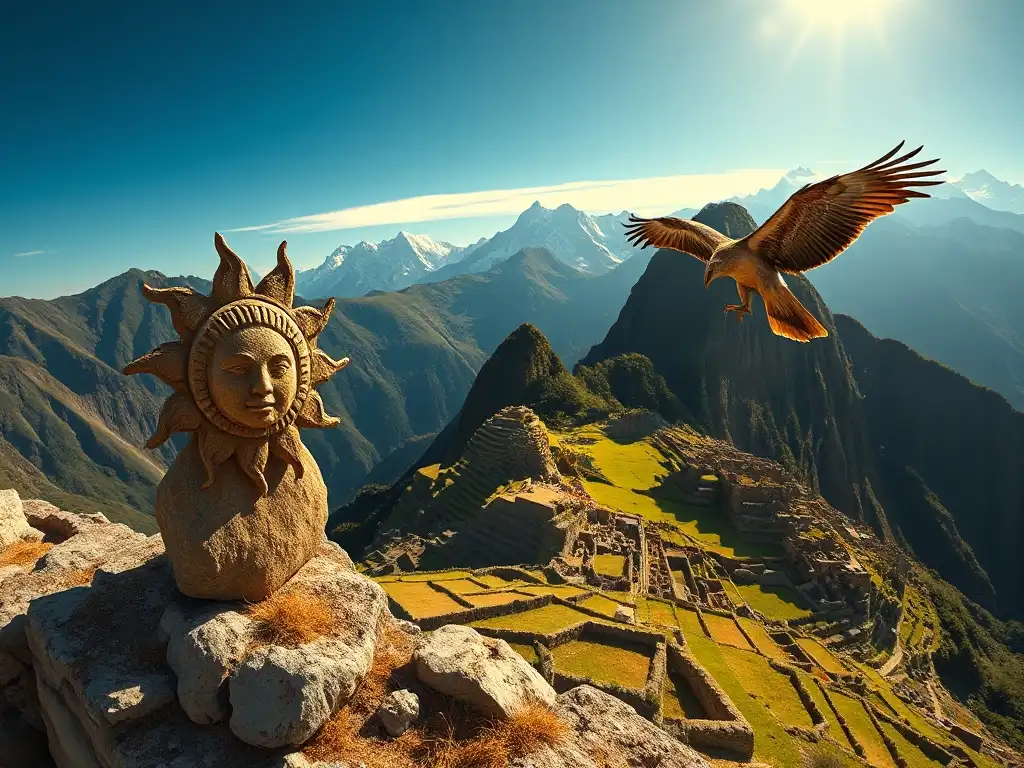
Step into a world lost to time, yet echoing with power and mystery. Discover the breathtaking legacy of the Andean civilizations, from the intricate artistry of the Nazca lines to the awe-inspiring engineering feats of the Incas. But what truly fueled their rise? Uncover the secrets behind the Inca mythology's impact on their empire – a story of divine mandates, celestial alignments, and a civilization forged in the crucible of myth and reality. Prepare to be captivated as we delve into the fascinating interplay between belief and power.
The Inca Empire, a civilization that once stretched along the Andes Mountains, leaving an indelible mark on South America, wasn't solely built on military might and sophisticated engineering. Its meteoric rise to power was deeply intertwined with a complex and powerful mythology that legitimized its rule and fostered a profound sense of unity and purpose amongst its diverse population.
This article delves into the crucial role Inca mythology played in shaping the empire's expansion, social structure, and enduring legacy. We will explore how the belief in divine ancestry, sacred sites, and powerful deities directly impacted the Inca's political strategies, social control, and ultimately, their ability to conquer and govern a vast and varied territory.
Understanding Inca mythology is key to understanding the very essence of the Inca Empire. This exploration will reveal how deeply interwoven belief and power were in this remarkable civilization, demonstrating that the Inca's success was not just a product of military prowess, but also a testament to the unifying power of their shared beliefs.
The Myth of Viracocha and the Inca Origins
The Inca creation myth, centered around the creator god Viracocha, provided the foundation for the Inca's claim to legitimacy. Viracocha, often depicted as a bearded, white-skinned figure, was believed to have emerged from Lake Titicaca, creating the world and the first humans. According to Inca mythology, the Inca rulers were direct descendants of Viracocha, or at least closely related to him through a lineage of divine intermediaries.
This divine ancestry bestowed upon the Sapa Inca (emperor) an unparalleled authority, making him not merely a political leader but a sacred figure, a representative of the gods on Earth. This belief system solidified the Inca's power structure, ensuring obedience and loyalty from their subjects who saw the emperor as divinely appointed.
The narrative of Viracocha's creation, passed down through generations through oral tradition and elaborate ceremonies, served as a powerful tool for maintaining social order and justifying the Inca's dominion over conquered territories. The story wasn't merely a tale; it was a living, breathing justification for their empire.
The Role of Huaca and Sacred Sites in Inca Expansion
The Inca worldview wasn't limited to a pantheon of gods; it also encompassed a profound reverence for huacas – sacred places imbued with spiritual power. These huacas could be mountains, rocks, springs, or even specific locations within cities. The Inca meticulously mapped and controlled access to these sites, using them to reinforce their authority and legitimize their conquests.
Conquering a new territory often involved incorporating existing huacas into the Inca religious system, thereby symbolically subsuming the conquered people's spiritual identity under the Inca's. This strategy effectively minimized resistance and fostered a sense of inclusion, as conquered populations were often integrated into the Inca system through religious rituals and festivals centered around these shared sacred places. The Inca's careful management of huacas demonstrates a sophisticated understanding of how religion could be used as a tool for political control and imperial expansion.
Inca religion was not merely a set of beliefs; it was deeply integrated into the fabric of Inca society, shaping its social structure and providing mechanisms for social control. The elaborate system of ayllu (kinship groups) was interwoven with religious practices, ensuring that loyalty to the Inca was reinforced through familial and spiritual ties. Religious festivals and ceremonies served not only to honor the gods but also to reinforce the Inca's authority and solidify social hierarchies.
These events, often involving massive displays of wealth and power, served as powerful reminders of the Inca's divine right to rule. The intricate relationship between religion and social control ensured that the Inca Empire maintained stability and cohesion even across vast distances and diverse populations. The system was carefully constructed to ensure that religious belief reinforced political power.
The Enduring Legacy of Inca Mythology and its Influence on Andean Culture
Even after the Spanish conquest, Inca mythology continued to exert a profound influence on Andean culture. Many aspects of Inca religious beliefs and practices survived, adapted, and blended with other Andean traditions, forming a rich tapestry of syncretic faiths that persist to this day. The legacy of Viracocha, the huacas, and the Inca's sophisticated religious system continues to resonate in Andean communities, highlighting the enduring power of mythology to shape cultural identity and collective memory.
The impact of Inca mythology extends far beyond the boundaries of the former empire, demonstrating its lasting significance in shaping the cultural landscape of the Andes. The stories, rituals, and beliefs of the Inca continue to inspire and inform Andean societies, reminding us of the enduring power of cultural heritage.
- The Myth of Viracocha and the Inca Origins
- The Role of Huaca and Sacred Sites in Inca Expansion
- The Impact of Inca Religion on Social Structure and Control
- The Enduring Legacy of Inca Mythology and its Influence on Andean Culture
- What role did mythology play in the Inca Empire's expansion?
- How did Inca beliefs about the afterlife affect their society?
- What were some key Inca gods and their influence on the empire?
- How did Inca mythology impact their impressive feats of engineering?
- Can we still see the impact of Inca mythology in modern Peru?
The Foundation of Inca Power: Mythology and Legitimacy
The Inca Empire's astonishing rise to dominance across the Andes wasn't solely due to military prowess and sophisticated engineering. A powerful and pervasive mythology played a crucial, often overlooked, role in solidifying their control and ensuring the loyalty of conquered peoples. The Inca's carefully constructed narrative of divine legitimacy, woven into their daily lives and rituals, provided the ideological bedrock upon which their empire was built.
This intricate system of beliefs, centered around key deities and creation myths, fostered a sense of shared identity and unquestioning obedience, ultimately contributing significantly to the Inca mythology's impact on their empire. Understanding this intricate relationship is key to comprehending the true extent of Inca power.
The Inca Creation Myth and the Divine Origin of Manco Cápac
The Inca creation myth, a cornerstone of their worldview, profoundly influenced their political structure and imperial ambitions. The story centers on Manco Cápac and Mama Ocllo, the legendary founders of the Inca civilization. Emerging from the sacred Lake Titicaca—a place of immense spiritual significance—they were believed to be children of the sun god, Inti, sent to civilize the land and establish a new order. This divine lineage provided the Inca rulers with an unparalleled claim to authority. Their legitimacy wasn't based solely on military might; it stemmed directly from their perceived connection to the cosmos and the creator gods.
This narrative wasn't merely a historical account; it was a powerful tool for social control. By tracing their ancestry back to divine beings, the Inca emperors legitimized their rule and fostered a sense of reverence among their subjects. The story of Manco Cápac and Mama Ocllo was meticulously preserved and recounted through generations, reinforcing the idea of a divinely ordained empire and discouraging any challenge to the Inca's authority.
The meticulous preservation and repetition of the myth ensured its continued impact across the vast empire, solidifying the Inca's control. The impact of this carefully cultivated narrative on the Inca empire is undeniable.
Inti, the sun god, held paramount importance in Inca mythology and served as the ultimate source of royal authority. The Inca emperors were considered direct descendants of Inti, a lineage that reinforced their divine right to rule. This divine connection was not merely a symbolic claim; it permeated every aspect of Inca society. Religious ceremonies, agricultural practices, and even the construction of monumental sites like Machu Picchu were all inextricably linked to the worship of Inti and the maintenance of the emperor's sacred status.
The emperor's role as the intermediary between the divine and the human realm was crucial. He was responsible for maintaining cosmic order and ensuring the prosperity of the empire. This responsibility provided him with immense power and influence, solidifying his position as the supreme authority.
The elaborate rituals surrounding Inti's worship, including the annual Inti Raymi festival, served to reinforce the emperor's divine status and strengthen his bond with the people. The visual representations of Inti, often depicted with gold and intricate artistry, further emphasized his power and the importance of his role within the Inca mythology's impact on their empire.
The Role of Viracocha, the Creator God, in Establishing Cosmic Order
While Inti played a crucial role in legitimizing Inca rule, Viracocha, the creator god, provided the overarching framework for their cosmological understanding. Viracocha was believed to have created the world, the sun, and the first humans. His presence looms large over the Inca worldview, shaping their understanding of the universe and their place within it. Unlike Inti, whose influence was primarily focused on the Inca royal lineage, Viracocha's influence extended to the entire cosmic order.
Viracocha's influence on Inca society was less direct than Inti's, but no less significant. The Inca believed that maintaining harmony with Viracocha's cosmic order was essential for the empire's prosperity and stability. This belief translated into a complex system of rituals, laws, and social structures designed to ensure cosmic balance.
The Inca's deep reverence for Viracocha helped to maintain social cohesion and fostered a sense of shared purpose across their vast and diverse empire. The intricate relationship between Viracocha and the Inca worldview demonstrates another crucial aspect of the Inca mythology's impact on their empire. The impact of this belief system on the day-to-day lives of the Inca people was profound and far-reaching.
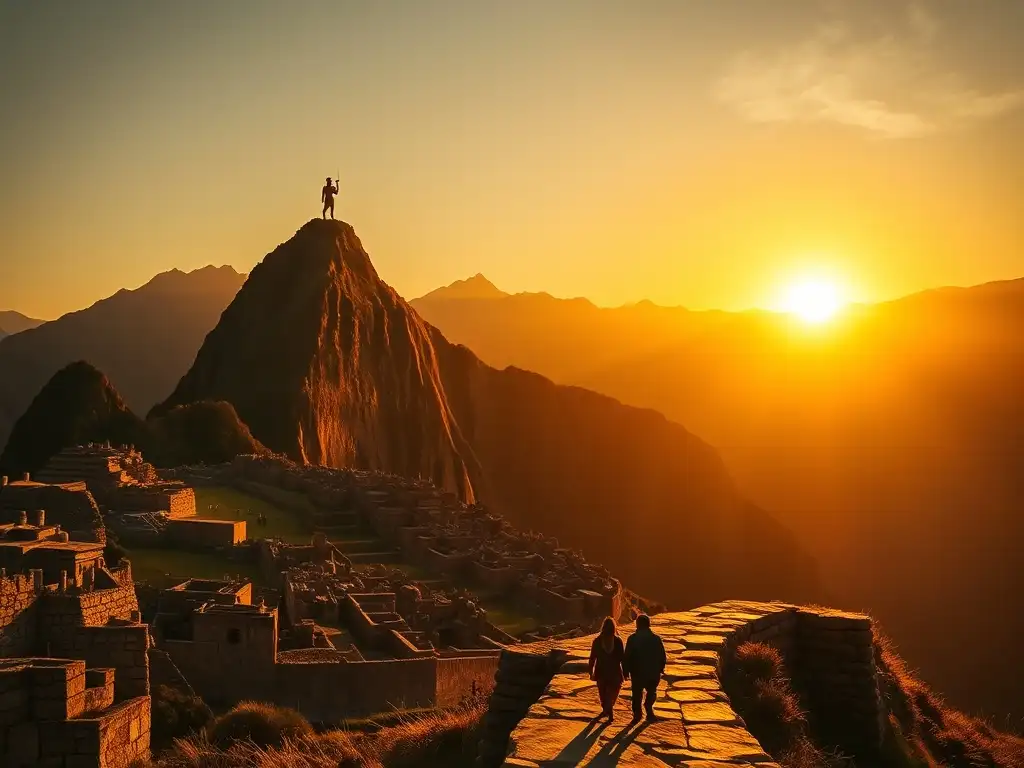
The Inca empire's breathtaking expansion and sophisticated societal structure were profoundly influenced by their intricate mythology. The Inca worldview, deeply intertwined with the natural world and their ancestors, provided the ideological framework for their political and social organization. This wasn't simply a matter of belief; mythology actively shaped the empire's rise, justifying its authority and maintaining its social hierarchy.
The Inca impact on empire is undeniable, as their beliefs provided a powerful tool for consolidating and maintaining power. The concept of the divine mandate, where the Sapa Inca's rule was divinely ordained, permeated all aspects of Inca life, from daily rituals to monumental construction projects. This section delves into the specific ways Inca mythology solidified their social order and contributed to their imperial success.
The Inca Pantheon and the Hierarchical Structure of Society
The Inca pantheon mirrored the hierarchical structure of their society. At the apex sat Viracocha, the creator god, representing the ultimate source of authority. His creation myth, along with the stories of Inti (the sun god) and Mama Killa (the moon goddess), legitimized the Inca royal lineage. The Sapa Inca, the emperor, was considered the direct descendant of Inti, inheriting his divine right to rule. This divine connection wasn't merely symbolic; it was the cornerstone of the Inca political system.
The importance of Inti is further emphasized in the elaborate sun temples found throughout the empire, such as the Coricancha in Cusco. These structures weren't just places of worship; they served as powerful symbols of imperial power, showcasing the Inca's wealth and authority, directly linked to their divine heritage. The meticulous construction and opulent decoration of these temples reinforced the belief in the divine mandate, solidifying the emperor's position and the social hierarchy beneath him.
The lower levels of the pantheon represented various aspects of nature and human life, often associated with specific social groups or occupations. This intricate system of deities reinforced the existing social order, with each group finding its place within the larger cosmic framework. The meticulous organization of Inca society, from the royal family down to the commoners, was fundamentally shaped by their belief system, creating a cohesive and highly structured empire.
Religious Festivals and the Display of Imperial Power
Religious festivals were crucial in maintaining the Inca empire's power and social order. These weren't merely religious events; they were elaborate public spectacles designed to reinforce the emperor's authority and the legitimacy of the Inca rule. The festivals, often involving large-scale human sacrifices and lavish displays of wealth, served to impress both the Inca population and any conquered groups.
The Inti Raymi, the festival of the sun, was particularly significant. This grand celebration, held at the winter solstice, involved thousands of participants and showcased the emperor's power and his connection to Inti. The ritualistic sacrifices, while brutal, served to reinforce the divine connection between the Sapa Inca and the sun god, maintaining the divine mandate and bolstering his authority. The sheer scale of these events underscores their crucial role in solidifying the Inca social and political structure.
The meticulous planning and execution of these celebrations demonstrate the importance placed on these events within the empire's overall functioning. Data on the number of participants and resources used in these festivals would further illustrate their scale and impact on society. [Specific information pending on resource allocation for Inti Raymi].
Furthermore, smaller, localized festivals reinforced the authority of local leaders and maintained social cohesion within smaller communities. These events, while less spectacular than Inti Raymi, played a vital role in reinforcing the Inca worldview and maintaining social order throughout the vast empire.
The Reverence for Royal Mummies and Ancestral Lineages
The Inca's reverence for their royal ancestors and mummies played a significant role in maintaining the legitimacy of their rule. The mummies weren't merely preserved remains; they were revered as powerful intermediaries between the living and the spirit world. The Inca believed that their ancestors continued to exert influence over the affairs of the living, providing guidance and protection.
The mummies of past Sapa Incas were treated with utmost respect, often adorned with gold and precious artifacts. They were housed in specially constructed mausoleums and participated in important ceremonies, their presence reinforcing the continuity of royal power and the divine lineage of the current emperor. This practice helped to create a sense of historical continuity and legitimacy, strengthening the belief in the divine mandate and solidifying the existing social hierarchy.
The careful preservation and ritualistic treatment of the royal mummies served as powerful symbols of authority and continuity, linking the present rulers to a long and illustrious past. The meticulous rituals associated with the mummies, including offerings and consultations, further highlight the significant role these ancestors played in Inca society and politics. The impact of this reverence on the social structure was profound, as it fostered a deep sense of respect for authority and tradition. The belief that the ancestors were actively involved in the affairs of the living strengthened the power structure and ensured social stability.
The Political Impact of Inca Religious Beliefs
The Inca Empire's remarkable rise to power wasn't solely a product of military prowess or administrative efficiency; it was deeply intertwined with their sophisticated religious beliefs. The Inca worldview, emphasizing a divine mandate and the Sapa Inca's intermediary role, provided the ideological scaffolding upon which their vast empire was constructed. This section will explore the crucial ways Inca mythology directly impacted the political landscape, shaping everything from military campaigns to the very structure of governance. The pervasive influence of Inca mythology on empire is undeniable, providing a powerful lens through which to understand their success.
Inca Military Campaigns and the Justification of Territorial Expansion
Inca military campaigns weren't simply acts of conquest; they were religiously sanctioned endeavors. The expansion of the empire was framed as a divinely ordained mission, a spreading of the Inca's benevolent rule under the watchful eyes of Inti, the sun god, and Viracocha, the creator god. Conquest wasn't seen as brutal aggression but as a righteous act, bringing civilization and order to the "barbarian" peoples beyond the empire's borders.
This ideology significantly boosted morale among Inca soldiers, who viewed themselves as agents of a higher power, fighting for a sacred cause. The Inca mythology impact on empire is clearly visible in the careful orchestration of these campaigns, presented not as mere land grabs, but as divinely ordained expansions of a sacred realm.
Consider the conquest of the Chimú kingdom on the northern coast. The Chimú, with their own powerful civilization, were portrayed as rebellious and ungodly, rejecting the authority of the sun god. Their defeat was framed not just as a military victory but as a restoration of cosmic order, a purging of the impious and a reaffirmation of Inca dominance sanctioned by the divine.
The extensive use of propaganda and religious symbolism in Inca military iconography further cemented this perception. Detailed accounts of these campaigns, unfortunately, remain scarce, requiring further research to fully understand the specific religious justifications used in each case. However, the surviving evidence strongly suggests the crucial role of religious belief in fueling and justifying Inca expansionism.
The Divine Status of the Sapa Inca and the Centralization of Governance
The Sapa Inca, the emperor, wasn't merely a political leader; he was considered a divine intermediary, a son of the sun god, possessing both temporal and spiritual authority. This divine status formed the cornerstone of the Inca's highly centralized governance structure. The Sapa Inca's absolute power wasn't questioned; it was divinely ordained. His decisions were seen as manifestations of the gods' will, ensuring unquestioning obedience and loyalty throughout the vast empire. This religious legitimization of power was crucial to maintaining control over such a diverse and geographically extensive realm.
The elaborate rituals and ceremonies surrounding the Sapa Inca further reinforced his divine image. The annual Inti Raymi festival, dedicated to the sun god, served as a powerful display of imperial power and religious authority. Through these meticulously planned events, the Sapa Inca solidified his position as a divine ruler, ensuring the continued cohesion and stability of the Inca state.
The Inca mythology impact on empire, in this context, is evident in the intricate system of governance that directly reflected the emperor's divine status. This religious structure effectively prevented challenges to the emperor's authority, ensuring a centralized and highly efficient administration.
Inca Religious Adaptations and the Assimilation of Subject Cultures
The Inca Empire’s success also stemmed from its skillful adaptation and assimilation of conquered cultures. Rather than imposing a rigid, uniform religious system, the Inca cleverly integrated local deities and practices into their own pantheon. This pragmatic approach, far from weakening their power, actually strengthened their control. By incorporating local gods into the Inca religious framework, the Inca established a sense of continuity and avoided widespread resistance. This policy of religious syncretism was a masterstroke, fostering a sense of shared identity and facilitating the peaceful integration of conquered populations.
For example, the Inca incorporated the worship of local mountain spirits ( apus) into their own religious system, effectively co-opting existing local beliefs and practices. This shrewd strategy minimized conflict and fostered a sense of shared religious identity, helping to maintain the stability and unity of the vast empire. The effective use of religious syncretism is a testament to the Inca's understanding of the importance of cultural sensitivity in maintaining control over a diverse population.
The extent of this religious adaptation and its long-term impact on the Andean cultural landscape remains a fascinating area of ongoing research, highlighting the complex relationship between Inca mythology impact on empire and the cultural diversity of the region. Further study is needed to fully document the specific religious practices adopted and adapted in various conquered regions.
Inca Mythology as a Tool for Empire Building
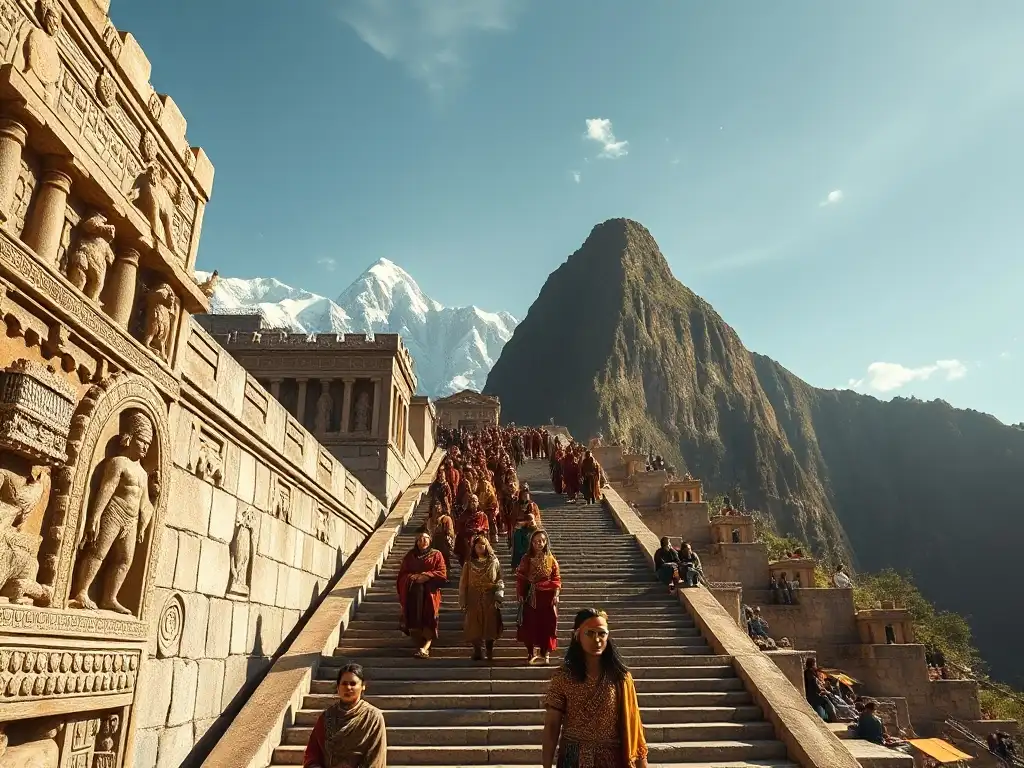
The Inca Empire's astonishing expansion across the Andes wasn't solely due to military might. A sophisticated system of beliefs and rituals, deeply rooted in Inca mythology, played a crucial role in consolidating power and forging a vast, unified empire. The Inca worldview, meticulously crafted and disseminated by the ruling elite, legitimized their authority, facilitated control over conquered populations, and fostered a sense of shared identity across diverse ethnic groups. This intricate interplay between mythology and imperial power is key to understanding the Inca's remarkable success.
The impact of Inca mythology on the empire was profound and multifaceted, shaping everything from social structures to agricultural practices. Analyzing this impact reveals a complex strategy of imperial control veiled in religious significance. The Inca's masterful manipulation of religious beliefs ensured the empire's stability and longevity, a testament to their political acumen.
How Inca Myths Fostered Cultural Cohesion Across the Empire
The Inca Empire encompassed a vast territory with a diverse population speaking numerous languages and adhering to various customs. To unify this heterogeneous populace, the Inca rulers cleverly employed mythology. The creation myths, for instance, emphasizing the common ancestry of all Andean peoples from Viracocha, the creator god, helped to forge a sense of shared identity and belonging, transcending ethnic differences. This narrative of shared origins fostered a feeling of collective purpose, minimizing internal conflict and promoting cooperation.
Furthermore, the Inca state actively promoted a pantheon of gods and goddesses, many of whom were assimilated from pre-existing local deities. This strategic syncretism blended indigenous beliefs with the overarching Inca ideology, creating a more inclusive and less threatening religious system for conquered populations. The Inca cleverly incorporated existing religious practices into the imperial framework, demonstrating tolerance while subtly asserting their dominance.
This deliberate cultural integration, facilitated by carefully crafted myths and religious practices, was a powerful tool for empire building. It fostered a sense of unity and loyalty to the Inca state, contributing significantly to the empire's political stability and long-term success. The narrative of shared origins, the assimilation of local deities, and the promotion of a unified religious calendar all contributed to this remarkable feat of cultural engineering.
The Inca Religious Calendar and the Organization of Agricultural Labor
The Inca calendar, intricately linked to their mythology, played a vital role in organizing agricultural labor, a cornerstone of the empire's economy. The agricultural cycle was deeply intertwined with religious festivals and rituals, ensuring the cooperation of the population in crucial tasks like planting and harvesting. The timing of these events was dictated by the Inca calendar, a highly sophisticated system reflecting their astronomical knowledge.
For example, the Capac Raymi, the most important Inca festival dedicated to the sun god Inti, coincided with the winter solstice. This festival not only served a religious purpose but also marked the beginning of the agricultural cycle, reinforcing the connection between religious observance and practical labor. The Inca's meticulous planning ensured that religious obligations were seamlessly integrated into the agricultural calendar, maximizing productivity and reinforcing imperial control over resources.
Moreover, the Inca state controlled the distribution of land and resources, ensuring that agricultural labor was efficiently organized to meet the needs of the empire. The religious calendar provided a framework for this control, with festivals and rituals acting as mechanisms for mobilizing the workforce and maintaining social order. This intricate system demonstrated the Inca's understanding of the importance of a well-organized agricultural sector and their ability to leverage religious beliefs to achieve economic objectives. Detailed records of agricultural yields and labor contributions, while unfortunately scarce, would further illuminate this aspect of Inca imperial organization.
The Significance of Huacas and Pilgrimages in Imperial Control
The Inca Empire revered huacas, sacred sites believed to possess supernatural power. These could be mountains, rocks, springs, or even entire valleys. The Inca strategically incorporated these pre-existing huacas into their imperial infrastructure, using them as tools for consolidating control and reinforcing their legitimacy. Pilgrimages to these sites became integral to Inca religious practice, and the state controlled access to and use of these sacred places.
By controlling access to huacas, the Inca could regulate religious practices and reinforce their authority. The construction of elaborate roads and infrastructure facilitated pilgrimages, further enhancing the Inca's ability to manage and monitor the movement of people throughout the empire. These pilgrimages weren't merely religious events; they were also opportunities for the Inca to demonstrate their power and collect tribute.
Moreover, the Inca frequently built new temples and shrines at strategically important locations, further integrating their ideology into the landscape and reinforcing their control over the territory. This deliberate manipulation of religious sites and practices was a crucial component of Inca imperial strategy, demonstrating how religious beliefs and practices served as powerful instruments of political control. Further research into the specific locations and significance of individual huacas would provide a richer understanding of this aspect of Inca imperial power.
The Lasting Legacy of Inca Mythology
Inca mythology, far from being a relic of a bygone era, continues to exert a powerful influence on the Andean world and our understanding of the Inca Empire. Its impact resonates not only in tangible cultural practices but also in how historians interpret the Inca rise to power and their sophisticated imperial strategies. The enduring power of myth in shaping Inca imperial ideology is undeniable, and its legacy provides invaluable insight into the complexities of this remarkable civilization. Understanding this legacy requires examining both its contemporary presence and its role in scholarly interpretations.
The Continued Presence of Inca Beliefs in Contemporary Andean Traditions
The vibrant tapestry of Andean culture today is interwoven with threads of Inca mythology. While the Inca Empire itself fell centuries ago, many of their beliefs and practices persist, albeit often transformed and adapted over time. Indigenous communities throughout the Andes region still incorporate elements of Inca cosmology and mythology into their daily lives and religious ceremonies. For example, the veneration of Apu (mountain spirits), a central tenet of Inca religion, remains a significant aspect of Andean spirituality. These sacred mountains are considered the abode of powerful deities, and rituals of appeasement and respect are still performed.
Furthermore, traditional Andean festivals, often rooted in Inca agricultural cycles and mythology, continue to be celebrated. These events incorporate elements of storytelling, music, and dance, all of which perpetuate Inca narratives and beliefs. The intricate designs found in contemporary textiles, ceramics, and other crafts frequently incorporate symbolic representations directly derived from Inca mythology, demonstrating the enduring visual legacy of these ancient stories.
This continued presence of Inca beliefs is a testament to the deeply ingrained nature of their mythology within Andean identity and cultural memory. The persistence of these traditions underscores the profound and lasting impact of Inca mythology on contemporary Andean life, providing a living link to the past.
Inca Mythology and the Scholarly Interpretation of Inca Imperial Strategies
Scholars increasingly recognize the crucial role of Inca mythology in shaping and understanding Inca imperial strategies. The Inca worldview, heavily influenced by their mythology, profoundly impacted their political organization, military tactics, and social structures. For example, the Inca concept of Tawantinsuyu (the four regions of the empire) reflects a cosmological vision rooted in their mythology, with each region mirroring a specific quadrant of the Andean world.
This understanding, informed by their myths, facilitated imperial control and integration. The Inca's ability to incorporate conquered peoples into their vast empire was, in part, due to their skillful use of mythology to legitimize their rule and foster a sense of shared identity.
The Inca rulers, considered descendants of the sun god Inti, used mythology to enhance their authority and justify their actions. Their divine lineage provided a powerful justification for their absolute power and enabled them to command obedience and loyalty. The mythology surrounding Inti and other deities served as a powerful tool for social control, shaping the beliefs and behaviors of the Inca population.
Historians now actively incorporate these mythological elements into their analyses, moving beyond a purely political or economic interpretation of Inca expansion and focusing on the interplay between myth and power. Indeed, understanding the Inca Empire's success demands a deep engagement with their rich mythological framework. The “Inca mythology impact on empire” is no longer a secondary consideration but a critical lens through which to understand their imperial achievements.
The Enduring Power of Myth in Shaping Inca Imperial Ideology
Inca imperial ideology was fundamentally shaped by their mythology, creating a cohesive and powerful system of belief that permeated all aspects of Inca society. The concept of ayni (reciprocity), a cornerstone of Inca social organization, is deeply rooted in their mythological worldview, emphasizing the interconnectedness of all beings and the importance of mutual support.
This ideology, reinforced by religious narratives and practices, ensured social cohesion and facilitated the efficient functioning of the vast empire. The Inca’s meticulous record-keeping, notably the quipus, were not merely administrative tools but also a means of preserving and transmitting their mythological narratives and historical accounts, demonstrating the central role of mythology in their cultural identity.
The Inca worldview, informed by their myths, provided a framework for understanding their place in the cosmos and their relationship to the natural world. This understanding fostered a deep respect for the environment and a sophisticated system of resource management. The reverence for mountains, rivers, and other natural features, as manifestations of deities, dictated Inca agricultural practices and land use.
This intertwining of mythology and practical life highlights the pervasive influence of their beliefs on their daily routines and societal structure. The “Inca mythology impact on empire” is not just a matter of religious beliefs but a fundamental aspect of their political, social, and economic systems. The lasting influence of Inca mythology underscores its crucial role in the creation and maintenance of their powerful and enduring empire.
Frequently Asked Questions
What role did mythology play in the Inca Empire's expansion?
Inca mythology provided a divine mandate for imperial expansion. The belief that the Sapa Inca was a descendant of the sun god Inti legitimized conquest and solidified their power. This religious justification fueled their military campaigns.
How did Inca beliefs about the afterlife affect their society?
Beliefs in the afterlife significantly impacted Inca society. The mummification of rulers and the importance of ancestor veneration underscored the continuity of power and the sacred nature of the ruling lineage. This deeply influenced social structures and practices.
What were some key Inca gods and their influence on the empire?
Key gods like Inti (the sun god), Viracocha (the creator god), and Mama Killa (the moon goddess) profoundly influenced the empire. Their worship shaped religious ceremonies, agricultural practices, and the overall political structure. Temples and festivals were dedicated to them.
How did Inca mythology impact their impressive feats of engineering?
Inca mythology fueled their monumental construction projects, like Machu Picchu. The belief in the divine power of the Sapa Inca and the connection to the gods provided the ideological impetus for these ambitious undertakings. The projects were viewed as offerings to the gods.
Can we still see the impact of Inca mythology in modern Peru?
Yes, the impact of Inca mythology is still visible in modern Peru. Many festivals and traditions retain elements of ancient beliefs and practices. The legacy of Inca gods and their stories continues to shape Peruvian cultural identity and tourism.
Final Reflection: Echoes of the Sun God: The Enduring Legacy of Inca Mythology
The intricate tapestry of Inca mythology wasn't merely a collection of stories; it was the very bedrock upon which their empire was built, a powerful force that continues to resonate in the Andes today. The sophisticated cosmology, the divine right of the Sapa Inca, and the deeply ingrained reverence for nature all contributed to the Inca's remarkable achievements in governance, engineering, and social organization. Understanding this connection provides a crucial lens through which to interpret their astonishing rise and enduring cultural impact.
The influence of Inca mythology extends far beyond the crumbling ruins of Machu Picchu. Its impact on the social fabric of Andean communities remains palpable, shaping their worldview, traditions, and even their relationship with the environment. The stories of Viracocha, Inti, and Pachamama are not just historical relics; they are living narratives, passed down through generations, maintaining a vital connection to the past. As the anthropologist, John Murra, eloquently stated: The Inca state was not simply a political organization; it was a cosmic order, a reflection of the divine hierarchy in the heavens.
This quote perfectly encapsulates the profound intertwining of religion and power within the Inca empire, a dynamic that continues to fascinate and inform our understanding of their civilization.
Consider the enduring power of these myths. How do they shape our understanding of leadership, societal structures, and the relationship between humanity and the natural world? You, the reader, are now equipped with a deeper understanding of the Inca's remarkable civilization. Reflect on the ways in which mythology can shape societies, both in the past and in the present. What lessons can we learn from the Inca's sophisticated integration of spiritual beliefs and political power? Let the echoes of the Sun God inspire your own journey of exploration and understanding.
**Unveil the Mysteries of Inca Wisdom! **
Thank you for exploring the captivating world of Inca mythology and its profound influence on their remarkable rise to power! You've discovered the fascinating interplay between religious beliefs and political authority, revealing how the Inca people built a legacy that continues to intrigue us. Let's delve even deeper!
Here are some ways to further engage with the rich tapestry of Inca culture:
- **Expand your knowledge:** Explore our other articles on Andean civilizations, which offer in-depth discussions of key deities and rituals that shaped the Incan empire.
- **Share your discoveries:** Discuss this article with friends or on social media—what aspects of Inca mythology did you find most compelling?
- **Join our community:** Sign up for our newsletter to receive exclusive content and participate in future discussions about Andean civilizations and their lasting impact.
Which aspect of Inca mythology resonates most with you, and how do you believe it influenced their leadership? Let's continue the conversation!