
The Inca's Afterlife: Myths, Rituals, and the Journey of the Soul

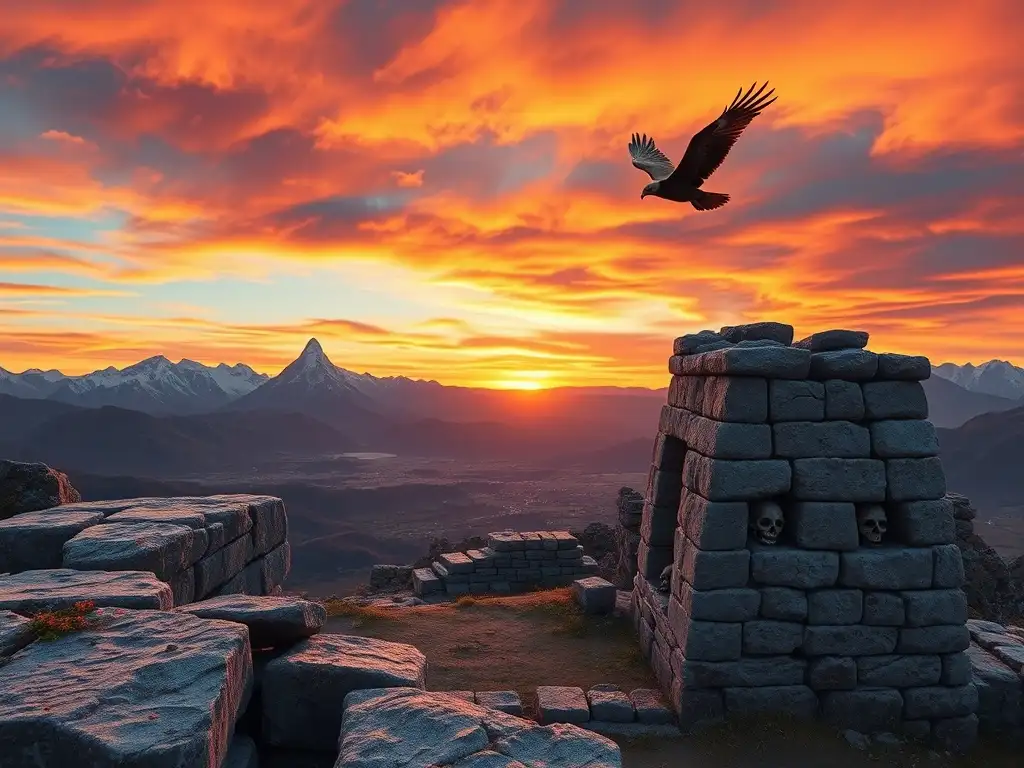
Step into a world lost to time, yet echoing with the whispers of a magnificent empire. Journey with us into the heart of the Andes, where the legacy of the Inca, Moche, Nazca, and Tiahuanaco civilizations still resonates. But prepare to be captivated by something truly extraordinary: the secrets surrounding Inca afterlife rituals. Uncover the myths, the elaborate ceremonies, and the perilous journey the soul was believed to undertake – a fascinating glimpse into the beliefs that shaped one of history's most enigmatic cultures. Dare to delve deeper?
The Inca Empire, a civilization renowned for its sophisticated engineering, intricate social structures, and awe-inspiring art, also possessed a deeply complex and fascinating understanding of death and the afterlife. Unlike many Western perspectives, the Inca worldview didn't see death as a finality but rather as a transition, a continuation of existence in a different realm.
This article delves into the captivating world of Inca beliefs surrounding death, exploring their myths, rituals, and the perceived journey of the soul after physical demise. We will examine key concepts that shaped their funerary practices and reveal the profound significance they placed on ensuring a smooth passage for their deceased loved ones into the spirit world.
Understanding these beliefs provides crucial insight into the heart of Inca culture and its enduring legacy. This exploration of "Inca afterlife rituals" will illuminate the intricate tapestry of their spiritual life and the profound respect they held for their ancestors.
Understanding Inca Beliefs About Death and the Afterlife
Inca cosmology painted a vivid picture of the afterlife, influenced by their unique relationship with the natural world and their powerful belief in the Pachamama, Mother Earth. Death wasn't viewed as an end but a transformation, a journey to the Ukhu Pacha, the underworld. The Inca believed that the soul, or sunipa, continued to exist after death, retaining a connection to the living world.
This connection was actively maintained through various rituals and offerings. The deceased weren't simply forgotten; their memory and influence were preserved through elaborate burial practices and ongoing veneration by family and community members. The success of the deceased's journey into the Ukhu Pacha was believed to be influenced by their actions in life and the proper execution of funerary rites.
Improper burial or a lack of proper offerings could negatively impact the deceased's afterlife, highlighting the importance of these traditions within Inca society. Furthermore, the status of the deceased within society directly impacted the scale and complexity of their burial rituals, with elites receiving far more elaborate treatments than commoners.
Key Concepts of the Inca View of the Afterlife
Several key concepts underpinned the Inca understanding of the afterlife. The relationship between the living and the dead was considered vital and reciprocal. Ancestors were believed to influence the fortunes of the living, making offerings and maintaining contact crucial for maintaining a harmonious balance. The Inca believed in a pantheon of gods, including the sun god, Inti, and the creator god, Viracocha, whose roles in the afterlife are still under scholarly investigation.
Specific deities were associated with different aspects of death and the underworld, further enriching the complexity of their beliefs. The concept of huacas, sacred places or objects imbued with spiritual power, also played a significant role in funerary practices. These huacas often served as focal points for offerings and rituals aimed at assisting the deceased on their journey.
The location of burials, the types of goods included in the grave, and the rituals performed all reflected the Inca’s deep belief in the continuity of life beyond death and the importance of respectfully guiding their loved ones to the next realm. Further research is needed to fully understand the nuances of these beliefs and their regional variations across the vast Inca Empire. The surviving archaeological evidence, though fragmented, continues to provide valuable insights into this captivating aspect of Inca culture.
The Inca Concept of Kamaqen and the Soul's Journey
The Inca understanding of the afterlife was deeply intertwined with their concept of kamaqen, often translated as "life force" or "soul." Unlike a solely spiritual entity, kamaqen was considered the animating essence of a living being, inextricably linked to the physical body. Upon death, the kamaqen didn't simply vanish; instead, it embarked on a journey, its destination and fate dependent on the individual's life and the rituals performed after death. This journey wasn't necessarily a linear progression to a singular afterlife realm.
Inca beliefs incorporated a complex cosmology, with various levels of existence, some pleasant, some less so. The actions of the living, particularly the proper execution of funerary rites, significantly impacted the soul's journey and its ultimate destination. The kamaqen was believed to remain connected to the physical world, influencing the lives of the living through ancestral spirits.
This belief underscored the importance of honoring ancestors and maintaining a harmonious relationship between the living and the dead. Failure to perform proper rituals could result in the restless spirit causing misfortune or illness amongst the living. Therefore, the proper conduct of Inca afterlife rituals was paramount to maintaining social and cosmic order.
Inca Funeral Practices and Burial Rituals
Inca funeral practices were elaborate and highly ritualized affairs, reflecting the profound importance placed on the afterlife and the continued connection between the living and the dead. The complexity of the rituals varied depending on the social status of the deceased. Rulers and elite members of society received far grander and more extensive funerary rites than commoners.
These rituals weren't simply about disposing of the body; they were a multifaceted process aimed at ensuring a safe passage for the kamaqen and maintaining a positive relationship with the ancestral spirits. Specific rituals and procedures were meticulously followed, often involving priests, shamans, and other specialists deeply versed in Inca cosmology and religious practices.
The entire community could participate in certain aspects of the funerary rites, highlighting the communal nature of death and remembrance within Inca society. The details surrounding these ceremonies offer a fascinating glimpse into the Inca worldview and their deep-seated beliefs about the nature of existence beyond death.
Preparing the Body for the Afterlife
The preparation of the body for its journey to the afterlife was a crucial stage in Inca funeral rituals. Mummification, though not universally practiced across all social strata, was a common practice, particularly for the elite. The process involved meticulous removal of internal organs, followed by careful desiccation and preservation of the body.
The mummified remains were often adorned with elaborate clothing, jewelry, and other personal possessions, which were believed to accompany the deceased into the afterlife. The goal was to preserve the body as completely as possible, to maintain the integrity of the kamaqen and allow for a smooth transition to the next world.
This meticulous preparation wasn't simply a matter of preserving the physical form; it was a sacred act, performed with reverence and precision, reflecting the Inca's deep respect for their ancestors and the continuity of life. The process also served to strengthen the bond between the living and the dead, ensuring the deceased's continued influence and protection.
The Importance of Offerings in Inca Funeral Ceremonies
Offerings played a vital role in Inca funeral ceremonies, serving as sustenance for the kamaqen on its journey and as appeasements to the spirits of the underworld. These offerings varied widely, ranging from food and drink to precious metals, textiles, and other valuable artifacts. The type and quantity of offerings were directly related to the social status of the deceased. Elite individuals received lavish offerings, reflecting their importance in life and their continued influence in the afterlife. The offerings weren't merely material goods; they represented a symbolic exchange, a way of ensuring the deceased's continued well-being and preventing potential disturbances from restless spirits. The act of offering also strengthened the bond between the living and the dead, reinforcing the communal understanding of life and death within Inca society. The careful selection and presentation of the offerings demonstrate the Inca's profound belief in the interconnectedness of the living and the dead.
Different Burial Methods in the Inca Empire
The Inca employed various burial methods, depending on the social standing of the deceased and geographical considerations. Simple burials, involving the interment of the body in a shallow grave, were common for the general population. However, more elaborate burial practices were reserved for the elite and royalty.
These could involve intricate tombs, sometimes located high in the Andes mountains or within carefully constructed structures. Some burials included the inclusion of multiple individuals, reflecting family units or social groups. The use of chullpas, tower-like structures, was prevalent in certain regions, particularly for the elite.
These structures were often richly decorated and contained multiple chambers, indicating a complex understanding of burial rituals and the importance of the afterlife. The diversity of burial methods within the Inca Empire reflects the complexity of their social structure and their varying beliefs and practices concerning death and the afterlife. Archaeological evidence continues to reveal the variety of methods used, shedding light on the rich tapestry of Inca burial practices.
The Role of Ancestor Veneration in Inca Society
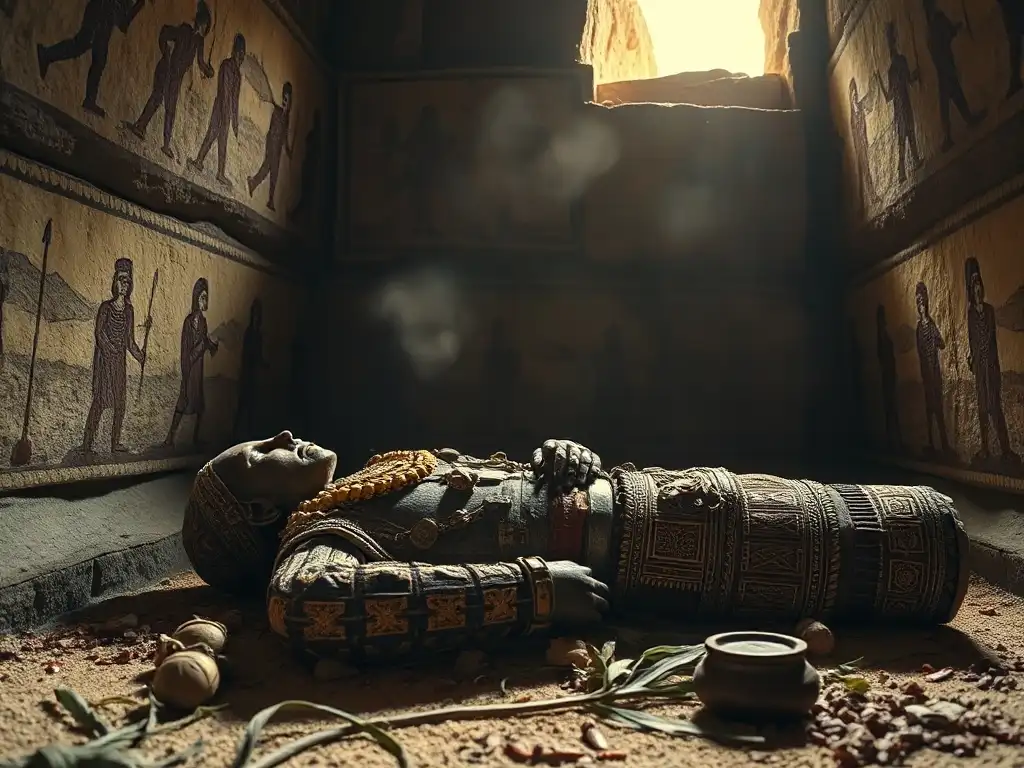
Ancestor veneration was not merely a practice; it was the cornerstone of Inca social structure and worldview. The Inca believed that their ancestors, particularly those of royal lineage, possessed immense power and continued to influence the living world. This belief profoundly shaped their political, economic, and religious life.
Maintaining a strong connection with deceased relatives was considered essential for maintaining cosmic balance and ensuring prosperity. The Inca believed that the spirits of their ancestors could act as intermediaries between the living and the gods, providing guidance, protection, and blessings. Failure to honor the ancestors was believed to invite misfortune and disruption of the natural order.
This deep-seated reverence manifested in various rituals, offerings, and elaborate burial practices, all designed to maintain a harmonious relationship between the living and the dead. The mummification process itself, which we will discuss further, was a crucial aspect of this ongoing dialogue with the ancestors. The mallquis were not simply preserved bodies; they were active participants in the community, their continued presence bolstering the living.
Connecting with the Dead: Rituals and Practices
The Inca employed a range of rituals to connect with their deceased ancestors. These practices went beyond simple remembrance; they were active attempts to engage with the spiritual realm. Regular offerings of food, coca leaves, and chicha (a fermented maize beverage) were placed at burial sites or within the huacas (sacred places). These offerings weren't merely symbolic gestures; they were believed to sustain the spirits of the ancestors and maintain their benevolent influence.
Festivals and ceremonies, often tied to the agricultural cycle, included specific rituals honoring ancestors. These events involved processions, music, dance, and prayers intended to appease and strengthen the bond with the departed. Shamans played a vital role in these rituals, acting as intermediaries between the living and the spirit world, facilitating communication and ensuring the successful completion of the ceremonies.
The precise details of these rituals varied regionally, reflecting the diverse cultural expressions within the vast Inca empire. However, the fundamental principle of maintaining a vibrant connection with the ancestors remained constant. Archaeological evidence, such as the contents of burial sites, provides tangible insights into these practices and the importance placed upon honoring the dead.
The Significance of Mallquis (Mummies)
The Inca mummies, known as mallquis, were not simply preserved bodies; they held a central position in Inca society. These carefully mummified remains, often adorned with fine textiles and jewelry, were considered living entities, still participating in the affairs of the living. They were treated with the utmost respect, frequently consulted on important decisions, and included in family gatherings.
The mallquis were often seated amongst the living during important ceremonies, a testament to their enduring presence and influence. Their mummification was a complex and elaborate process, reflecting the significance attributed to their continued existence. The preservation of the body was vital to ensure the continued connection with the ancestor's spirit.
In essence, the mallquis served as tangible links to the past, embodying the accumulated wisdom and power of generations. The care and attention given to these mummies underscores the fundamental importance of maintaining the ancestral lineage and the belief in the ongoing connection between the living and the dead.
The Inca Journey to the Spiritual World
The Inca worldview encompassed three distinct realms: the Kay Pacha (the living world), the Hanan Pacha (the upper world), and the Uku Pacha (the underworld). Death was not perceived as an end but as a transition to another realm, a journey of the soul to the spiritual world. This journey was believed to be complex and perilous, fraught with challenges and trials.
The soul's destination and fate depended on the individual's actions and adherence to Inca principles during their life. This belief system strongly influenced Inca funerary practices, ensuring the deceased had the necessary provisions and guidance for their journey into the afterlife.
The elaborate preparations undertaken before and after death reflect the importance placed on this transition and the belief in a continued existence beyond the physical realm. The Inca's deep respect for nature also played a significant role in their perception of the afterlife, with the natural world serving as a conduit between the realms.
The Hanan Pacha (Upper World) and Uku Pacha (Underworld)
The Hanan Pacha, the upper world, was the realm of the sun god, Inti, and other celestial deities. It was a place of light, power, and spiritual perfection. The Inca believed that virtuous individuals, particularly those who had served the empire faithfully, could ascend to the Hanan Pacha after death.
Conversely, the Uku Pacha, the underworld, was associated with darkness, chaos, and the forces of nature. This realm was not necessarily viewed as a place of punishment, but rather as a mysterious and potentially dangerous region inhabited by spirits and deities associated with the earth and its resources. The journey to either realm was believed to be guided by the deceased's actions in life, with their moral character determining their ultimate destination.
These beliefs underscored the importance of ethical conduct and loyalty to the Inca state during life. The duality of these realms mirrored the Inca's understanding of the world, emphasizing the balance between order and chaos, light and darkness.
The Inca Concept of Rebirth and Transformation
The Inca afterlife wasn't necessarily a static existence. Their beliefs included a concept of rebirth and transformation, where the soul could be reborn into the living world or undergo a metamorphosis into a different form. This wasn't a simple reincarnation in the modern understanding; instead, it involved a complex interplay between the spiritual and natural worlds.
The soul's journey and eventual transformation were influenced by various factors, including their actions during life and the rituals performed by their descendants. This concept of cyclical renewal and transformation reflects the Inca's deep connection with the natural world and its cyclical processes.
The belief in rebirth and transformation reinforced the importance of maintaining a harmonious relationship with the ancestors and the broader spiritual realm. This perspective offered a sense of continuity and hope, even in the face of death, emphasizing the cyclical nature of life and the enduring connection between the living and the departed.
Inca Afterlife Rituals and Their Purpose
Inca afterlife rituals were deeply ingrained in their worldview, reflecting their profound respect for their ancestors and their belief in the continuity of life beyond death. The ultimate purpose of these rituals was to ensure a safe and successful passage for the deceased's soul to the afterlife, Janampacha, often envisioned as a continuation of life in a parallel world mirroring the earthly realm.
These rituals weren't simply somber occasions; they were vibrant celebrations of life, designed to honor the deceased and strengthen the bond between the living and the dead. The elaborate ceremonies aimed to appease the gods, secure the deceased's well-being in the next world, and maintain the social order within the Inca community.
The success of the afterlife journey was believed to be heavily reliant on the thoroughness and sincerity of these rituals performed by the living. Failure to perform them adequately could result in the deceased's soul being lost or suffering in the spirit world.
Specific Rituals Performed to Aid the Soul's Journey
A wide range of specific rituals were performed to assist the soul's journey. One crucial practice involved the careful preparation of the body for burial. This included mummification, a process that involved the removal of internal organs and the preservation of the body using herbs and other natural substances.
The mummification process itself was a ritual, each step imbued with symbolic meaning. The mummies were then adorned with elaborate clothing and jewelry, reflecting their social status and possessions in life. Furthermore, grave goods—including food, tools, textiles, and even human sacrifices in some cases—were included to provide the deceased with necessities and comforts in the afterlife.
The placement of the body within the tomb, often accompanied by specific orientations and offerings, further emphasized the ritualistic importance of the burial process itself. The location of the burial site itself also held significant symbolic weight; some sites were believed to have a closer connection to the spirit world than others.
The Significance of Music and Dance in Inca Funeral Rites
Music and dance played a vital role in Inca funeral rites, serving not only as expressions of grief but also as conduits to the spirit world. The rhythmic sounds of panpipes, drums, and other instruments were believed to guide the soul on its journey and appease the gods. Elaborate dances, often performed by professional mourners, were designed to evoke emotions and symbolically reenact aspects of the deceased's life and their transition to the afterlife. The types of music and dance varied depending on the social status of the deceased and the specific circumstances of their death. These performances were not merely entertainment; they were considered essential components of the ritual, facilitating the deceased's passage and maintaining harmony between the living and the dead. The emotional intensity of these performances, combined with the symbolic nature of the music and dance, made them powerful tools in the Inca's spiritual practices surrounding death.
The Use of Chicha and Coca in Inca Afterlife Rituals
Chicha, a fermented corn beverage, and coca leaves held significant importance in Inca afterlife rituals. Chicha was offered to the deceased and the gods as a libation, symbolizing nourishment and life force. The act of sharing chicha during funeral ceremonies fostered a sense of community and collective mourning, strengthening social bonds during a time of loss.
Coca leaves, revered for their stimulating and spiritual properties, were also included in offerings, believed to provide energy and sustenance to the deceased on their journey to the afterlife. The use of both chicha and coca reflects the Inca's belief in the interconnectedness of the physical and spiritual realms, using these substances to bridge the gap between the living and the dead. The consumption of these substances during the rituals was not merely symbolic; it was believed to actively participate in the deceased's journey to the spirit world.
Comparing Inca Beliefs About the Afterlife with Other Andean Cultures
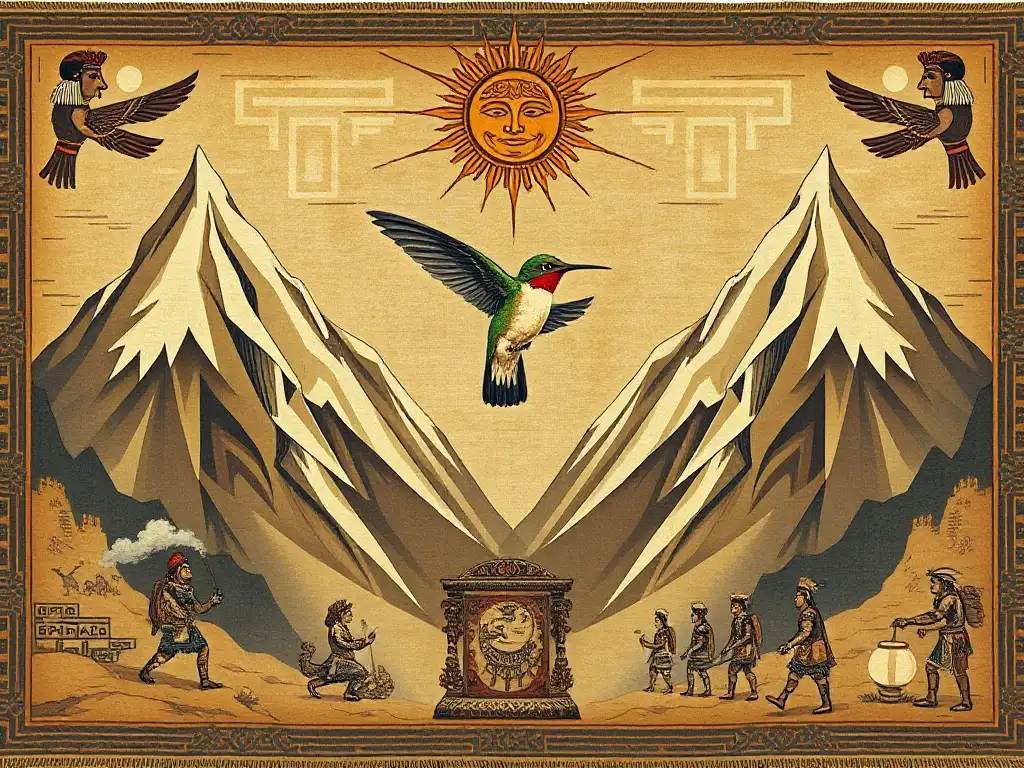
The Inca worldview regarding the afterlife, while unique in its details, shared certain similarities and differences with other Andean cultures. Understanding these nuances provides a broader perspective on the complex tapestry of Andean beliefs about death and the journey of the soul.
Similarities and Differences in Andean Death Rituals
Many Andean cultures shared a common thread: a belief in an afterlife and the importance of ritual practices to ensure a successful transition. Most cultures practiced some form of mummification or body preservation, though the techniques varied widely. The offering of grave goods, including food, clothing, and tools, was also a common practice across different Andean groups, reflecting a shared belief in providing necessities for the deceased in the next world.
However, the specific beliefs about the nature of the afterlife and the details of the rituals differed significantly. Some cultures emphasized ancestor veneration more strongly than others, and the specific deities involved in the afterlife journey also varied. The extent of human sacrifice as part of funerary rites also differed greatly between groups.
Contrasting Beliefs in the Moche and Nazca Cultures
The Moche and Nazca cultures, for example, presented contrasting perspectives on the afterlife. While both cultures practiced elaborate burial rituals and placed significant emphasis on the deceased's social status, their beliefs about the nature of the afterlife differed. Moche burials frequently included elaborate grave goods reflecting their complex social hierarchy and a belief in a vibrant afterlife that resembled earthly life.
Their iconography often depicts scenes of feasting and celebration in the underworld, suggesting a more joyful and less fearful vision of the afterlife than some other Andean cultures. In contrast, Nazca beliefs, while less extensively documented, seem to have focused more on the importance of water and fertility in the afterlife, reflecting their arid environment and agricultural practices.
Their elaborate geoglyphs may have held ritual significance related to their cosmology and beliefs about the journey of the soul. These variations highlight the rich diversity of beliefs and practices surrounding death within the broader Andean region.
The Legacy of Inca Afterlife Beliefs
The Inca's profound beliefs about the afterlife continue to resonate through time, shaping our understanding of their complex worldview. Their intricate funerary rituals, far from being mere ceremonies, were integral to the maintenance of cosmic order and the well-being of the living. The meticulous preparations involved in mummification, the elaborate offerings placed within tombs, and the construction of magnificent mausoleums like those at Machu Picchu all underscore the importance the Inca placed on ensuring a successful transition for their deceased leaders and ancestors.
The belief that the deceased continued to exert influence on the living world, acting as powerful intermediaries between the human and spiritual realms, fostered a deep connection between generations. This connection wasn't simply sentimental; it was deeply practical, impacting the social structure and political power dynamics of the empire.
The veneration of ancestors played a critical role in Inca society, providing a framework for authority and maintaining social cohesion. The enduring legacy of these beliefs is evident not only in archaeological discoveries but also in the continued practices of many Andean communities today.
How Inca Funeral Rites are Remembered Today
While the grandeur of Inca imperial rituals might seem distant, echoes of their practices persist in modern Andean communities. Many traditions surrounding death and remembrance directly reflect adapted versions of ancient Inca customs. For instance, the practice of leaving offerings at the graves of loved ones—food, coca leaves, or other significant items—is a common feature across numerous Andean communities.
These offerings are not simply gestures of mourning; they represent a continuation of the Inca belief in providing sustenance and support for the deceased in the afterlife. Furthermore, many communities maintain ancestral shrines or wakas, places of spiritual significance where Inca-era traditions and beliefs are blended with contemporary practices. These sites often serve as focal points for communal rituals and ceremonies, reinforcing the enduring connection to the past.
The vibrant tapestry of Andean culture today is intricately woven with threads of Inca heritage, including the ways in which death and remembrance are approached and celebrated. The specific details of these modern practices vary regionally, reflecting the diverse cultural landscapes of the Andes, yet the underlying principles of ancestor veneration and the belief in an ongoing connection with the departed remain strong. Studying these contemporary practices offers invaluable insight into the lasting impact of Inca afterlife beliefs.
Influences of Inca Mythology on Modern Andean Culture
Inca mythology, with its rich tapestry of gods, spirits, and beliefs surrounding the afterlife, significantly shaped and continues to influence modern Andean culture. The Inca worldview, which intertwined the natural world with the spiritual realm, is still reflected in many contemporary Andean traditions. For example, the concept of Pachamama, the Earth Mother, remains a central figure in Andean spirituality, representing the interconnectedness of life and the sacredness of nature.
Many rituals and festivals, particularly those focused on agriculture and harvest, directly reflect this reverence for Pachamama and her role in sustaining life. The enduring narratives surrounding Inca deities and heroes have also been integrated into modern Andean folklore, influencing storytelling, artistic expression, and cultural identity. These stories, often passed down through generations orally, serve as powerful vehicles for preserving cultural heritage and transmitting values.
The continued existence of these mythological elements underlines the deep and lasting impact of Inca beliefs on the cultural landscape of the Andes. The blending of Inca mythology with later influences, such as Catholicism, has created a unique and complex spiritual landscape, further emphasizing the ongoing relevance of Inca beliefs in contemporary Andean society.
Conclusion: Reflecting on the Inca's Perspective on Death
The Inca perspective on death, far from being a somber preoccupation, was a complex and multifaceted aspect of their worldview deeply intertwined with their understanding of life, the cosmos, and the cyclical nature of existence. Their elaborate funerary rituals, their beliefs in the continued influence of the ancestors, and their profound reverence for the Pachamama all reveal a sophisticated and nuanced approach to death and the afterlife. The Inca did not view death as an end but rather as a transition to another realm, where the deceased continued to interact with and influence the living.
This perspective shaped their social structures, political systems, and daily lives. While the Inca empire may have fallen centuries ago, the legacy of their beliefs about death and the afterlife continues to resonate in the vibrant cultures of the Andes today.
Understanding their perspective not only illuminates the richness of Inca civilization but also offers valuable insights into the enduring human fascination with the mysteries of life and death. The study of Inca afterlife rituals provides a compelling case study for understanding how ancient cultures navigated existential questions and constructed their own unique cosmologies.
- Understanding Inca Beliefs About Death and the Afterlife
- Key Concepts of the Inca View of the Afterlife
- The Inca Concept of Kamaqen and the Soul's Journey
- Inca Funeral Practices and Burial Rituals
- The Role of Ancestor Veneration in Inca Society
- The Inca Journey to the Spiritual World
- Inca Afterlife Rituals and Their Purpose
- Comparing Inca Beliefs About the Afterlife with Other Andean Cultures
- The Legacy of Inca Afterlife Beliefs
- Conclusion: Reflecting on the Inca's Perspective on Death
Frequently Asked Questions
What were the Inca beliefs about the afterlife?
The Inca believed in a complex afterlife, with the soul's journey depending on their social standing and actions in life. Mummification was crucial, ensuring the deceased could continue existing in the spirit world.
What role did mummification play in Inca afterlife rituals?
Mummification was a central part of Inca funerary practices. Elaborate ceremonies prepared the body for its journey to the next world, and mummies were often kept in family homes or tombs. Royal mummies received special treatment.
How did the Inca prepare for the afterlife?
Inca preparations included offerings of food, drink, and valuable objects placed in tombs. These were believed to sustain the deceased in the spirit world. Sacrifices, both human and animal, also played a significant role.
What happened to the souls of Inca rulers after death?
Inca rulers were believed to become powerful spirits, influencing the living world. Their mummies were carefully preserved and venerated, receiving continued offerings and tributes. Their transition to the afterlife was celebrated with grand ceremonies.
Did all Inca people have the same afterlife beliefs and rituals?
No, afterlife beliefs and rituals varied based on social status. Elite members enjoyed more elaborate ceremonies and burial practices than commoners. The complexity of the rituals reflected the importance of the afterlife in Inca society.
Final Reflection: Echoes of the Andes: A Legacy of Belief
The Inca understanding of the afterlife, far from being a relic of a bygone era, continues to resonate in the vibrant tapestry of Andean culture today. The enduring power of their myths and rituals serves as a potent reminder of humanity's timeless quest for meaning beyond the mortal coil, a quest that transcends geographical boundaries and the passage of centuries.
The intricate rituals surrounding death, the reverence for ancestors, and the profound belief in a continued existence – these elements are not merely historical artifacts; they are living threads woven into the fabric of Andean identity. The echoes of these beliefs can be heard in contemporary practices, from the vibrant celebrations of Día de los Muertos to the enduring respect for ancestral lands and traditions. The past is never dead. It's not even past.
– William Faulkner. This quote perfectly encapsulates the enduring influence of Inca beliefs on the present-day Andean world. Their spiritual legacy continues to shape the worldview and cultural practices of millions.
Consider the profound implications of the Inca worldview. Their beliefs about the afterlife weren't simply about death; they were about life, about the interconnectedness of the living and the dead, about the cyclical nature of existence. You, too, can find inspiration in this ancient wisdom. Reflect on your own understanding of life's journey and the legacy you wish to leave behind. Embrace the opportunity to connect with your own heritage and traditions, to find meaning in the face of mortality, and to honor the enduring spirit of humanity that transcends time and space.
Embark on Your Journey to the Afterlife!
Thank you for exploring the fascinating world of Inca beliefs about the afterlife. You've discovered the rich tapestry of myths, rituals, and spiritual practices that shaped their culture. Now, let's build on these profound insights!
Here are some ways to further explore and connect with these ancient traditions:
- **Develop a Personal Spiritual Practice:** Create a personal ritual inspired by Inca traditions. This could be a simple meditation, a mindful nature walk, or another practice that honors your spiritual journey.
- **Connect with Others:** Share your insights and newfound knowledge with friends, family, or online communities. Connecting with others fosters deeper understanding and appreciation.
- **Expand Your Knowledge:** Continue learning about Andean civilizations and their spiritual practices. You might uncover surprising connections to other cultures and traditions.
Which aspects of Inca beliefs resonate most with you, and how might they influence your perspective on the afterlife? Share your reflections below!