
The Four Ayar Brothers: A Tale of Power Struggles and Inca Ancestry


Step into a world lost to time, yet echoing with the whispers of empires past. Unravel the mysteries of the Andes, a land sculpted by towering peaks and brimming with the legacies of ancient civilizations. Discover the captivating story of the Inca Ayar brothers, whose origins hold the key to understanding the rise of a magnificent empire. Their tale of power struggles and divine lineage is just the beginning – delve deeper into the rich tapestry of Andean history and uncover the secrets they left behind.
- The Inca Ayar Brothers: Unraveling the Myth of Origin
- The Four Ayar Siblings: A Detailed Look at Each Brother
- The Journey of the Ayar Brothers: From Pacaritambo to Cusco
- Power Struggles and the Rise of Ayar Manco
- The Legacy of the Ayar Brothers: Shaping Inca Identity
- Understanding the Ayar Brothers Myth in the Context of Inca Origins
- Variations and Interpretations of the Ayar Brothers Legend
- The Ayar Brothers Myth and the Inca Empire's Foundation
- Frequently Asked Questions
- Final Reflection: Echoes of the Ayar Brothers in Modern Peru
- Unveil the Legacy of the Ayar Brothers!
The Inca Ayar Brothers: Unraveling the Myth of Origin
The Inca Empire, a civilization that once dominated the Andes Mountains, left behind a legacy of breathtaking architecture, intricate social structures, and a captivating mythology. Central to their origin story is the legend of the four Ayar brothers – Ayar Manco, Ayar Cachi, Ayar Uchu, and Ayar Auca – a tale interwoven with power struggles, divine intervention, and the ultimate establishment of Cusco as the imperial capital. This narrative, passed down through generations, offers invaluable insights into Inca beliefs, values, and their understanding of their own origins.
Understanding the Ayar brothers' story is crucial to comprehending the Inca worldview and the very foundation of their empire. This article delves into the intricacies of this foundational myth, exploring the brothers' roles, their journey from Pacaritambo, and the symbolic significance of their actions.
We will examine the legend's various interpretations and its enduring impact on Inca identity and cultural practices, focusing on the keyword "Inca Ayar brothers origins" to provide a comprehensive understanding of this fascinating aspect of Inca history. The story is not simply a historical account, but a powerful reflection of Inca societal structures, beliefs about power, and their connection to the sacred landscape.
The Significance of the Ayar Brothers in Inca Mythology
The Ayar brothers are not merely historical figures; they are powerful symbols within Inca mythology. Their story, often recounted through oral traditions and later recorded by Spanish chroniclers, explains the Inca's divine right to rule and their connection to the sacred landscape. Each brother represents different aspects of Inca society and its values. Ayar Manco, the eventual founder of Cusco, embodies leadership, wisdom, and divine favor.
His brothers, however, represent challenges and obstacles that needed to be overcome to establish the empire. Ayar Cachi, with his superhuman strength, symbolizes the power needed to conquer and subdue rival groups. Ayar Uchu, associated with fire and heat, possibly represents the transformative power of the Inca state. Ayar Auca, with his cunning and trickery, might represent the strategic intelligence necessary for political maneuvering and the establishment of dominance.
The narrative of their journey from Pacaritambo, a mythical cave in the Andes, to Cusco is not just a geographical movement, but a symbolic journey from the sacred origins to the establishment of political power. The challenges they faced, including internal conflicts and external resistance, highlight the struggles inherent in building an empire. The story emphasizes the importance of unity, despite internal conflict, and the necessity of overcoming obstacles to achieve a greater purpose. The myth serves as a powerful reminder of the Inca's origins and their claim to legitimate authority.
The Journey from Pacaritambo: A Symbolic Pilgrimage
The journey of the Ayar brothers from Pacaritambo to Cusco is far more than a simple geographical relocation; it’s a symbolic pilgrimage mirroring the Inca's own expansion and consolidation of power. Their departure from Pacaritambo, a sacred cave often interpreted as a symbolic womb, represents the beginning of their civilization. The route itself, traversing challenging terrains, embodies the obstacles faced in establishing and maintaining power.
The brothers' actions along the way – Ayar Cachi’s feats of strength, Ayar Uchu’s manipulation of the elements, and Ayar Auca’s deceptive tactics – all contribute to the narrative of overcoming challenges and establishing dominance. The eventual selection of Cusco as the capital city was not arbitrary; it was a culmination of their journey, a site chosen for its strategic location and symbolic importance. The story highlights the Inca's belief in the sacredness of their land and their ability to transform the landscape to suit their needs.
This journey, therefore, becomes a powerful metaphor for the Inca's own expansion and their divinely ordained right to rule. The specific details of this journey, while varying across different accounts, consistently emphasize the supernatural elements and the divine guidance that shaped the Inca's destiny.
The Fall of the Ayar Brothers: A Necessary Sacrifice?
The legend doesn't paint a picture of harmonious brotherhood. In fact, the narrative culminates in the demise of three of the Ayar brothers. This isn't presented as a tragedy, but rather as a necessary step in the establishment of the Inca empire. Ayar Cachi, Ayar Uchu, and Ayar Auca are all, in various ways, transformed or eliminated, leaving Ayar Manco as the sole leader.
This ending highlights the complex nature of power dynamics and the sometimes ruthless actions required to consolidate power. The elimination of the brothers could be interpreted as a symbolic purging of potential threats to Ayar Manco's authority, ensuring the unity and stability of the nascent empire. This isn't just a tale of fraternal conflict; it's a reflection of the political realities of the time, where alliances and betrayals were crucial for survival and dominance.
The narrative, therefore, offers a glimpse into the political strategies and the potentially brutal realities of establishing and maintaining imperial power within the Andean world. The fall of the Ayar brothers underlines the sacrifices – both literal and metaphorical – necessary for the founding and success of the Inca Empire. The specific details of their deaths vary across different versions of the myth, but the overall message of necessary sacrifice remains consistent.
Enduring Legacy and Modern Interpretations
The legend of the four Ayar brothers continues to resonate today, serving as a powerful symbol of Inca identity and national pride in Peru. The story is not just a historical account; it's a living narrative, constantly reinterpreted and adapted to new contexts. Modern scholars analyze the myth to understand the Inca's social structures, their relationship with the environment, and their understanding of power.
The tale has been interpreted through various lenses, offering insights into Inca cosmology, political organization, and social hierarchies. The enduring popularity of the legend underscores its continued relevance in understanding Inca culture and its lasting influence on Peruvian national identity. The myth provides a rich source of material for further research and interpretation, offering new perspectives on the Inca's worldview and their complex relationship with their environment and their own history.
The story's adaptability and enduring appeal demonstrate its significance as a foundational element of Inca heritage. The continued study and reinterpretation of the Ayar brothers' legend ensures its ongoing relevance in understanding the Inca Empire and its legacy.
The Four Ayar Siblings: A Detailed Look at Each Brother
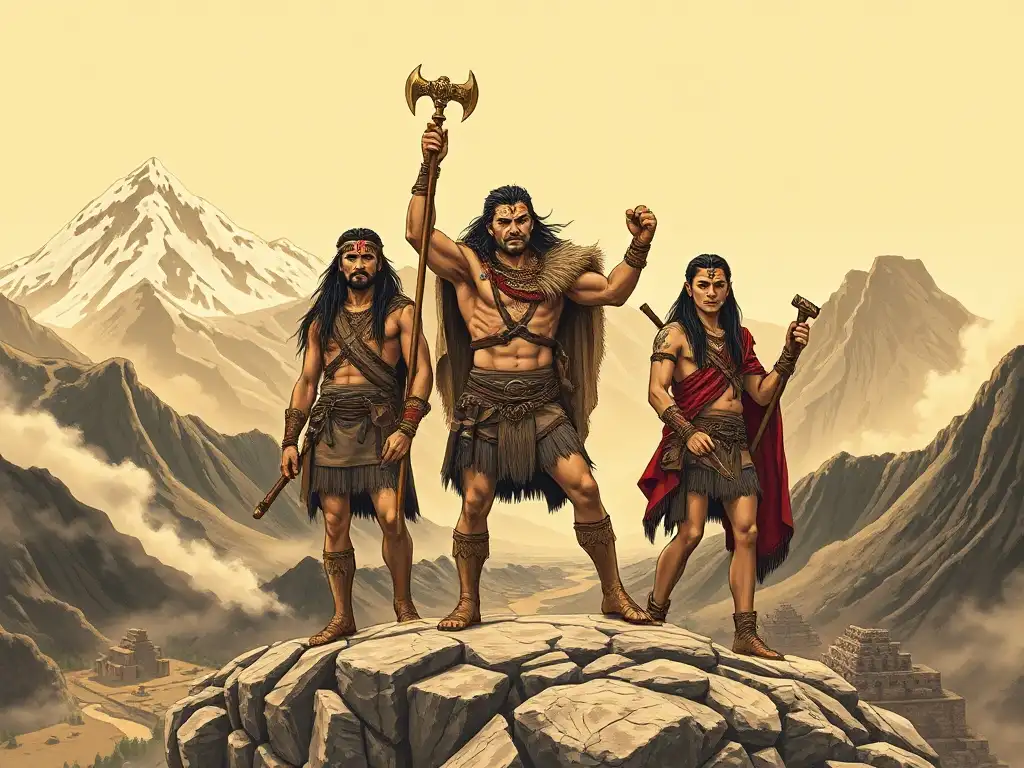
This section delves into the individual stories and roles of the four Ayar siblings, crucial figures in Inca mythology and foundational narratives of Cusco's origins. Their journey, fraught with conflict and divine intervention, provides insight into Inca beliefs about power, leadership, and the very establishment of their empire. Understanding the individual characteristics attributed to each brother illuminates the complex tapestry of Inca origins and their understanding of their own ancestry, fulfilling the search query of "Inca Ayar brothers origins".
Ayar Manco: The Leader and Founder of Cusco
Ayar Manco, often depicted as the eldest and wisest of the four Ayar brothers, is considered the central figure in the Inca origin myth. He is portrayed as the ultimate founder of Cusco, the Inca capital. The legend describes him as possessing exceptional leadership qualities, strategic thinking, and a deep connection to the Pachamama (Mother Earth).
His journey from the mythical cave of Tamputoco to Cusco is filled with trials and tribulations, reflecting the challenges faced by early settlers in establishing a permanent settlement. He successfully navigated these obstacles, demonstrating his strength, resilience, and unwavering determination. His ability to unite his brothers, albeit temporarily, showcases his diplomatic skills and capacity to inspire loyalty.
The eventual establishment of Cusco is attributed directly to his vision and perseverance, solidifying his position as the foundational ancestor of the Inca lineage. He represents the ideal Inca leader: wise, strong, and deeply connected to the land. The very location of Cusco, its strategic position, and its subsequent development as a thriving capital, are all testaments to Ayar Manco’s legacy, cementing his importance in the narrative of "Inca Ayar brothers origins".
Ayar Cachi: The Powerful and Impetuous Brother
Unlike his brother Ayar Manco, Ayar Cachi is portrayed as a powerful but impetuous figure. His strength and skill in wielding a powerful macuahuitl (a Mesoamerican club) are legendary. However, his arrogance and lack of foresight often led him into conflict with his brothers and the spirits of the land.
The narratives depict him as prone to rash decisions and an unwillingness to heed advice, ultimately leading to his downfall. One version of the myth describes him being swallowed by the earth, a punishment for his pride and defiance. This serves as a cautionary tale within the Inca mythology, emphasizing the importance of humility and respect for the divine order.
Ayar Cachi's story, in contrast to Ayar Manco's success, highlights the dangers of unchecked ambition and the consequences of disregarding ancestral wisdom. The contrasting fates of the two brothers underscore the complex dynamics of power and leadership within the Inca worldview, enriching our understanding of "Inca Ayar brothers origins". His story serves as a counterpoint to Ayar Manco's success, illustrating the necessity of balance and wisdom in leadership.
Ayar Uchu: The Brother Transformed into a Sacred Stone
Ayar Uchu's story is markedly different from his brothers'. While Ayar Manco and Ayar Cachi are associated with physical strength and leadership, Ayar Uchu's role is more mystical and symbolic. The legend describes him as being transformed into a sacred stone, a huaca, upon reaching Cusco.
This transformation represents his connection to the sacred realm and his role as a guardian of the city. Unlike his brothers who actively shaped the physical landscape, Ayar Uchu's legacy is one of spiritual protection and enduring presence. His metamorphosis into a stone is not a punishment, but a symbolic elevation to a divine status, underscoring the Inca belief in the interconnectedness of the physical and spiritual worlds.
This adds a layer of complexity to the narrative of the four Ayar brothers, demonstrating the diverse roles and significance attributed to each sibling in the Inca cosmology. The enduring presence of this sacred stone, a tangible link to the mythical past, further solidifies the importance of Ayar Uchu in the story of "Inca Ayar brothers origins". His transformation underscores the mythical and spiritual underpinnings of the Inca foundation myth.
Ayar Auca: The Brother Who Became a Winged Being
Ayar Auca, often depicted as the most enigmatic of the four Ayar brothers, holds a unique position in Inca mythology. Unlike his siblings, his story isn't solely focused on the conquest of the Cusco valley. Instead, it emphasizes transformation, flight, and a connection to the supernatural world.
The narratives surrounding him paint a picture of a brother who, while possessing immense power, chose a different path, one less focused on earthly dominion and more on spiritual ascension. This divergence from his brothers' ambitions makes him a particularly fascinating figure for understanding the complexities of Inca cosmology and the varied interpretations of power within their belief system. His story, while less overtly involved in the founding of Cusco, provides crucial insight into the broader Andean worldview.
Several versions of the Ayar Auca myth exist, each adding subtle nuances to his character and ultimate fate. In some accounts, he's portrayed as possessing the ability to fly, a power seemingly intrinsic to his being rather than acquired through some magical artifact or ritual. This ability allows him to survey the land, acting as a scout and strategist for his brothers during their journey.
His aerial perspective grants him unique insight into the terrain, helping the group navigate the challenging Andean landscape. This speaks to the Inca's appreciation for observation and strategic planning, essential for their military successes and societal organization. The ability to observe from above represents a higher form of knowledge, placing Ayar Auca in a position of unique authority, even if not overtly political.
Other versions of the myth suggest a more tragic fate for Ayar Auca. Some accounts detail his transformation into a bird, a powerful symbol of freedom and spiritual transcendence in Andean culture. This transformation isn't necessarily a punishment; rather, it represents a different form of power, one that transcends the limitations of the physical realm. It symbolizes the interconnectedness of the earthly and spiritual worlds, a key element of Inca belief.
This interpretation highlights the idea that power doesn't always manifest in political dominance; sometimes, it lies in spiritual connection and the ability to transcend earthly constraints. The image of Ayar Auca soaring through the Andes embodies this spiritual power and connects him to the broader Andean cosmology. The symbolism of birds in Inca iconography further reinforces this interpretation.
The ambiguity surrounding Ayar Auca's ultimate fate underscores the richness and complexity of Inca mythology. The lack of a single definitive ending allows for multiple interpretations, reflecting the diverse perspectives and beliefs within Inca society. His story serves as a reminder that power and success can take many forms, and that spiritual ascension can be just as significant as earthly conquest.
The enduring mystery surrounding Ayar Auca continues to inspire scholarly debate and provides a compelling lens through which to examine the diverse facets of Inca culture and belief. His legacy is not one of kingship or empire-building, but one of transformation, transcendence, and the enduring power of the spirit. ✈️
The Journey of the Ayar Brothers: From Pacaritambo to Cusco
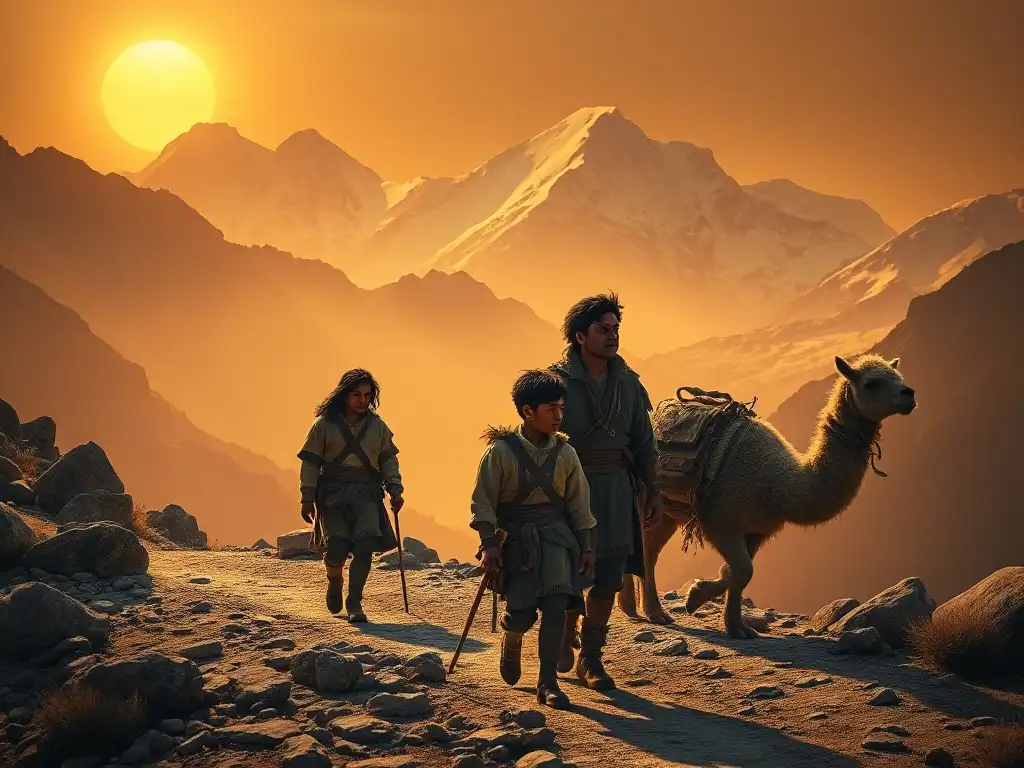
The Inca Ayar brothers' origins are shrouded in myth and legend, a captivating narrative woven into the very fabric of Inca identity. Their journey, a pivotal moment in Inca creation mythology, speaks volumes about their ambition, their struggles, and the ultimate establishment of the Inca Empire. This epic tale, passed down through generations, offers valuable insights into Inca beliefs about leadership, legitimacy, and the divine right to rule.
Understanding the Ayar brothers' journey is crucial to understanding the foundation of the Inca civilization and its enduring legacy. The story, rich with symbolism and allegorical meaning, continues to resonate with scholars and enthusiasts alike, prompting ongoing research and interpretation of its deeper implications. This section will delve into the key stages of their legendary journey, exploring the significance of each event.
The Cave of Pacaritambo: The Birthplace of the Ayar Brothers
The story begins in the mysterious cave of Pacaritambo, a sacred site located in the Andes Mountains. This cave, often described as a womb-like space, is considered the birthplace of the four Ayar brothers and their sisters, Mama Ocllo and Mama Huaco. According to Inca tradition, the brothers emerged from this cave, already imbued with supernatural powers and destined for greatness.
The cave itself is not just a physical location but a powerful symbol of origin and creation. Its hidden nature reflects the mysterious and somewhat enigmatic beginnings of the Inca lineage. Archaeological investigations of Pacaritambo have uncovered evidence of pre-Inca settlements, further hinting at the site's ancient significance and its potential role in shaping early Inca mythology.
The exact nature of the cave's role in the Inca creation myth remains a topic of ongoing scholarly debate, with some interpretations emphasizing its symbolic importance over any literal interpretation. The cave's enduring presence in the Inca narrative highlights its continued significance as a point of origin and a symbol of the Inca's connection to the sacred landscape.
The Search for Fertile Land: The Ayar Brothers' Migration
Emerging from the sacred cave of Pacaritambo, the four Ayar brothers – Ayar Manco, Ayar Cachi, Ayar Uchu, and Ayar Auca – embarked on a quest to find a suitable location to establish their kingdom. This migration, a crucial element of the Inca Ayar brothers origins story, is more than just a geographical journey; it's a symbolic representation of the Inca people's expansion and their struggle to carve out a place for themselves in the challenging Andean landscape. The brothers faced numerous obstacles during their travels, demonstrating their resilience and resourcefulness.
They encountered various indigenous groups, some of whom they subjugated, and others with whom they formed alliances. Their journey is a testament to their ambition and determination, reflecting the spirit of conquest and expansion that would later characterize the Inca Empire.
The narrative emphasizes the importance of finding fertile land, highlighting the agricultural basis of Inca society and their deep understanding of the environment. Their successful establishment of Cusco is a key event in Inca history, demonstrating their ability to adapt to diverse environments and build a powerful empire.
Trials and Tribulations: Conflicts and Challenges Faced by the Ayar Brothers
The journey of the Ayar brothers was not without its internal conflicts and external challenges. Sibling rivalry and power struggles played a significant role in shaping their destiny. Ayar Cachi, with his supernatural abilities, posed a threat to his brothers' ambitions. His eventual demise, often depicted as a result of his own hubris, underscores the importance of humility and cooperation in Inca ideology.
The brothers also faced resistance from existing populations, highlighting the challenges of establishing a new kingdom. These conflicts, often depicted using vivid imagery and symbolic language, serve as cautionary tales, emphasizing the importance of unity and strategic thinking in achieving success. The elimination of the other Ayar brothers, leaving only Ayar Manco to establish Cusco, showcases the ruthless nature of power struggles in the early days of the Inca Empire.
The narrative emphasizes the idea that only the most capable and cunning could lead the people to prosperity, a theme that resonates with the later consolidation of power within the Inca state. The story of the Ayar brothers' struggles serves as a foundation myth, explaining the Inca Empire's origins and justifying its eventual dominance over a vast territory. The complexities of their journey and the challenges they overcame underscore the resilience and ambition of the Inca people.
Power Struggles and the Rise of Ayar Manco
The legend of the four Ayar brothers—Ayar Manco, Ayar Cachi, Ayar Uchu, and Ayar Auca—is central to understanding the Inca origins and the complex power dynamics that shaped the early Inca state. This narrative, passed down through generations, isn't simply a whimsical tale; it reflects the very real struggles for dominance and the forging of a unified identity that characterized the Inca's rise to power.
The story, rich in symbolism and allegory, provides valuable insights into the Inca worldview and their understanding of leadership, legitimacy, and the divine right to rule. Understanding the Inca Ayar brothers origins is crucial to grasping the empire's foundations.
The Seeds of Discord: Rivalries Among the Ayar Brothers
From the outset, the brothers' journey from the legendary cave of Tamputoco was fraught with tension. While the legend presents them as siblings, their actions reveal inherent rivalries and competing ambitions. Ayar Cachi, possessing exceptional strength and a forceful personality, often acted as the aggressor.
His attempts to impose his will on his brothers sowed the seeds of conflict that would later blossom into open rebellion. Ayar Uchu, described as cunning and manipulative, skillfully exploited these divisions to further his own agenda. Ayar Auca, often portrayed as the least ambitious, served more as a witness to the unfolding drama than an active participant in the power struggle.
Ayar Manco, initially presented as the most humble, gradually demonstrated the qualities of leadership and diplomacy that would ultimately secure his ascendance. The brothers’ interactions were not merely sibling squabbles; they were a microcosm of the political maneuvering and strategic alliances that characterized Andean societies.
The Imprisonment of Ayar Cachi: A Turning Point
The imprisonment and subsequent death of Ayar Cachi marks a pivotal moment in the narrative. This event, far from being a simple act of violence, represents a significant shift in the power balance. Ayar Cachi's imprisonment, possibly orchestrated by his brothers, highlights the dangers of unchecked ambition and the precarious nature of power in a nascent society. His demise, whether through imprisonment or other means, eliminated a significant threat to Ayar Manco's claim to leadership. The legend suggests that Ayar Cachi's forceful personality and aggressive tactics proved ultimately unsustainable, paving the way for a more diplomatic and conciliatory approach embodied by Ayar Manco. The specific details surrounding Ayar Cachi's fate remain shrouded in the mists of legend, but his removal from the equation was essential for the eventual triumph of Ayar Manco. This event underscores the importance of strategic alliances and the elimination of rivals in the quest for power.
The Transformation of Ayar Uchu and the Ascension of Ayar Manco
The transformation of Ayar Uchu, from a cunning manipulator to a seemingly repentant figure, is equally intriguing. His change of heart, whether genuine or strategic, further solidified Ayar Manco's position. This shift in allegiance highlights the fluidity of alliances and the importance of securing the support of key figures.
Ayar Manco's ultimate success wasn't solely due to his own strength or cunning, but also his ability to navigate the complex web of relationships and skillfully manage his brothers' ambitions. The legend of the Ayar brothers, therefore, is not just a story of origins, but also a complex political narrative that explains the rise of Ayar Manco, the founder of the Inca dynasty, and the establishment of the Inca Empire. His leadership style, a blend of diplomacy and decisive action, proved crucial in uniting the various groups and laying the foundation for the future Inca empire.
The story emphasizes the importance of strategic alliances, the careful management of power, and the role of divine favor in shaping the Inca's destiny. The complete understanding of the Inca Ayar brothers origins provides a deeper comprehension of the Inca's unique societal structures and their enduring legacy.
The Legacy of the Ayar Brothers: Shaping Inca Identity
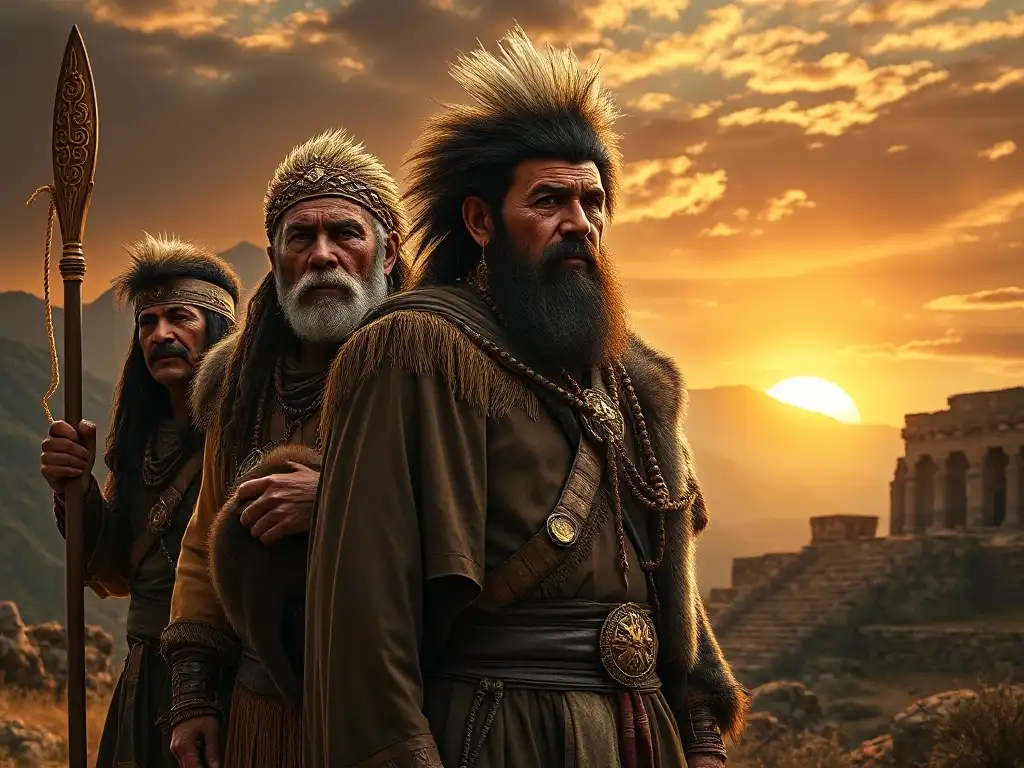
The legend of the four Ayar brothers – Ayar Manco, Ayar Cachi, Ayar Uchu, and Ayar Auca – forms a cornerstone of Inca mythology, profoundly impacting the Inca worldview and shaping their collective identity. Their story, passed down through generations of oral tradition, explains the origins of the Inca civilization and the establishment of Cusco, their capital city.
Understanding this narrative is crucial to grasping the Inca concept of kingship, legitimacy, and their deep connection to the land. The tale isn't merely a historical account; it's a powerful narrative that legitimized Inca rule and instilled a sense of shared ancestry among the diverse populations under Inca control.
The enduring power of the Ayar brothers' myth speaks volumes about the effectiveness of Inca storytelling in forging a unified empire. Analyzing their story reveals sophisticated cultural strategies employed to solidify power and construct a compelling narrative of Inca origins, solidifying the "Inca Ayar brothers origins" as a central theme in their history.
The Establishment of Cusco and the Beginning of Inca Civilization
The Ayar brothers' journey from the legendary cave of Tamputoco to the founding of Cusco is a central element of the Inca creation myth. Their arrival at the site, often described as a valley ideally suited for agriculture and defense, isn't accidental. The legend emphasizes the divine guidance and miraculous feats performed by Ayar Manco, the brother who ultimately becomes the founder of Cusco and the ancestor of the Inca dynasty.
The narrative details his struggles with his brothers, highlighting themes of sibling rivalry, ambition, and ultimately, divine selection. For example, Ayar Cachi's superhuman strength, initially perceived as an asset, becomes a symbol of his hubris and ultimately leads to his demise. This aspect of the story underscores the Inca emphasis on balance and the dangers of unchecked power.
The establishment of Cusco itself is portrayed as a divinely ordained event, solidifying the Inca claim to legitimacy and their right to rule. The precise location of Cusco, its strategic importance, and its relationship to the surrounding landscape all contribute to the narrative's power and its ability to reinforce Inca authority. The legend intertwines historical realities with mythological elements, making it a powerful tool for both political and religious indoctrination.
The Ayar Brothers as Ancestral Figures of the Inca People
Beyond their role in the founding of Cusco, the Ayar brothers function as powerful ancestral figures for the Inca people. Their diverse skills and personalities represent different aspects of Inca society and culture. Ayar Manco, the founder, embodies leadership, wisdom, and divine connection. Ayar Cachi's strength symbolizes the Inca's military prowess and their ability to conquer and subdue their enemies.
Ayar Uchu, often associated with agriculture and fertility, represents the Inca's deep connection to the land and their mastery of agricultural techniques. Finally, Ayar Auca's cunning and strategic skills highlight the importance of diplomacy and political maneuvering in the Inca empire. The brothers, therefore, are not simply historical figures; they are archetypes representing the ideals and values that defined Inca society.
The Inca people saw themselves as descendants of these powerful figures, creating a powerful sense of collective identity and shared heritage. This shared ancestry, emphasized through the Ayar brothers' myth, helped unite diverse ethnic groups under the Inca banner, further solidifying their rule and bolstering their legitimacy. The enduring legacy of the Ayar brothers cemented their place in Inca consciousness as foundational figures.
The Connection Between the Ayar Brothers and Inca Royal Lineages
The Ayar brothers' legend isn't just a story of origins; it's a powerful tool for legitimizing Inca royal lineage. The Inca emperors traced their descent directly from Ayar Manco, establishing a direct link between their rule and the divine origins of the Inca civilization. This connection wasn't merely symbolic; it was a crucial element in maintaining the Inca empire's social and political order.
The narrative of Ayar Manco's ascension to power, his selection by the gods, and his founding of Cusco served to sanctify the Inca royal family and their claim to authority. This divine right to rule, based on the Ayar brothers' legacy, provided a powerful justification for their absolute power and helped to maintain social stability within the empire. Challenging the Inca emperor was, therefore, not only a political act but also a challenge to the divine order established by the Ayar brothers and sanctioned by the gods.
The meticulous preservation and transmission of the Ayar brothers' legend across generations underscore its vital role in maintaining the power structure and the ideological foundations of the Inca empire. The story of the "Inca Ayar brothers origins" was carefully curated and disseminated, ensuring the continued legitimacy of the Inca rulers.
Understanding the Ayar Brothers Myth in the Context of Inca Origins
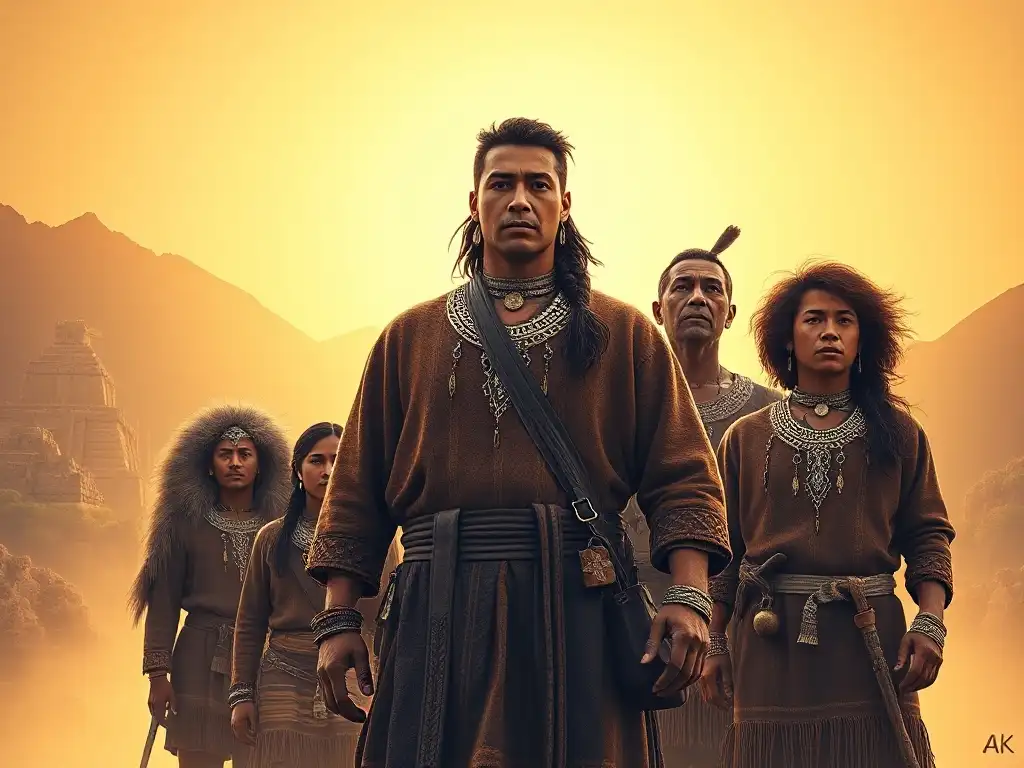
The Ayar brothers myth is a cornerstone of Inca origins, offering a captivating narrative that blends historical accounts with symbolic representations of Inca societal structures and beliefs. While not a straightforward historical record, the myth provides invaluable insights into the Inca worldview and their understanding of their own origins. The story, passed down through generations via oral tradition and later recorded by Spanish chroniclers, details the journey of four brothers – Ayar Manco, Ayar Cachi, Ayar Uchu, and Ayar Auca – from the mythical cave of Tamputoco to the eventual founding of Cusco.
Their journey is fraught with conflict, showcasing struggles for power and leadership, mirroring the complex dynamics likely present in the early formation of the Inca state. Understanding the myth requires acknowledging its layered nature: a blend of ancestral narratives, legitimization of Inca rule, and a reflection of fundamental Inca values.
Analyzing the myth through this lens allows us to move beyond a simple recounting of the tale and into a deeper appreciation of its cultural significance. The "Inca Ayar brothers origins" are thus not merely a geographical starting point but a symbolic representation of the Inca's self-perception and their relationship with their ancestral past.
Interpreting the Symbolism of the Ayar Brothers' Story
The symbolism woven into the Ayar brothers' narrative is rich and multifaceted. Each brother embodies specific qualities and represents different aspects of Inca society and its aspirations. Ayar Manco, the ultimately successful brother, is often interpreted as representing the ideal Inca leader: wise, resourceful, and divinely chosen. His eventual triumph over his siblings can be viewed as a symbolic representation of the Inca's consolidation of power and the establishment of a unified empire.
In contrast, the other brothers – Ayar Cachi, Ayar Uchu, and Ayar Auca – represent challenges to this centralized authority. Their failures, whether through arrogance, violence, or magical mishaps, highlight the dangers of unchecked ambition and the importance of adhering to Inca principles. The transformation of Ayar Manco's staff into a powerful weapon, the toloco, further underscores the Inca belief in divine intervention and the legitimacy of their rule. The brothers’ journey itself, from the subterranean world to the surface, can be interpreted as a metaphorical representation of the Inca's emergence from obscurity to dominance.
This narrative resonates with the Inca emphasis on lineage and the divine right to rule, solidifying their claim to power through a compelling, albeit mythical, origin story. The detailed descriptions of their actions and their eventual fates contribute to a complex tapestry of meaning, reflecting the nuances of Inca social structures and power dynamics. Further research into the specific symbolism associated with each brother could reveal more nuanced interpretations.
The Ayar Brothers Myth as a Reflection of Inca Values
The Ayar brothers' myth serves as a powerful illustration of core Inca values. The story emphasizes the importance of ayni, the principle of reciprocity and mutual obligation, which was fundamental to Inca society. While the brothers initially compete against each other, their actions often reveal a complex interplay of cooperation and conflict, reflecting the dynamic nature of Inca social interactions.
The eventual triumph of Ayar Manco, however, underscores the importance of unity and centralized leadership in achieving collective goals. Furthermore, the myth highlights the Inca reverence for pachamama, Mother Earth, and their deep connection to the land. The brothers' journey across the landscape, their interaction with the natural world, and their ultimate establishment of Cusco, the heart of the Inca empire, all underscore the fundamental importance of the environment in shaping Inca identity and worldview.
The myth also underscores the importance of ama sua, “do not steal,” ama llulla, “do not lie,” and ama quella, “do not be lazy,” the three guiding principles of Inca society. These principles are implicitly demonstrated in the success of Ayar Manco, who embodies diligence, honesty, and respect for the community. The failures of his brothers often serve as cautionary tales against violating these core values.
The Importance of the Ayar Brothers Myth in Inca Cosmovision
The Ayar brothers' myth holds a central place within the Inca cosmovision, their understanding of the universe and their place within it. The myth's narrative structure mirrors the Inca's cyclical view of time and their belief in the interconnectedness of the earthly and spiritual realms. The brothers' emergence from the subterranean world of Tamputoco symbolizes a transition from the hidden, unseen world to the manifest world of human experience.
Their journey and subsequent establishment of Cusco represents the creation of order and structure within the cosmos. The myth also reinforces the Inca's belief in the divine right to rule, connecting their lineage directly to the gods and reinforcing the legitimacy of their imperial power. The myth's enduring presence in Inca culture, even after the Spanish conquest, underscores its significance as a foundational narrative that shaped Inca identity and world view.
Detailed anthropological studies of surviving Inca traditions could further clarify the myth's role in shaping religious practices and rituals, providing a deeper understanding of its lasting impact on Inca culture and its enduring legacy. The enduring power of this narrative underscores its deep connection to the Inca identity, and its importance in understanding the "Inca Ayar brothers origins" as a foundation for their empire.
Variations and Interpretations of the Ayar Brothers Legend
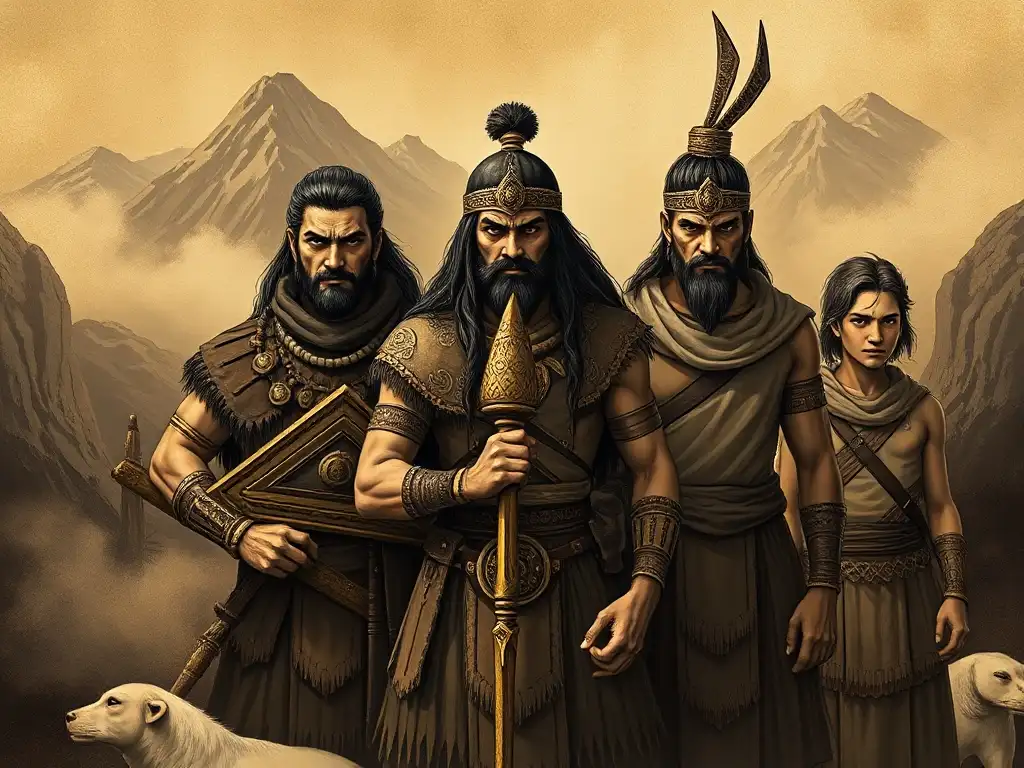
The legend of the four Ayar brothers—Ayar Manco, Ayar Cachi, Ayar Uchu, and Ayar Auca—is not a monolithic narrative. Rather, it exists in a fascinating array of versions and interpretations, reflecting the diverse oral traditions and regional variations within the Inca Empire. Understanding these differences is crucial to grasping the complexity of Inca mythology and the multifaceted nature of their origins story.
The core narrative remains consistent—the brothers' journey from Pacaritambo to Cusco, their struggles for dominance, and the ultimate establishment of the Inca dynasty—but the details often diverge significantly. These variations highlight the fluidity of oral traditions and the ways in which myths adapt and evolve over time, reflecting changing social and political landscapes.
Analyzing these variations allows us to better understand the Inca worldview and the process of myth-making itself. The Inca Ayar brothers origins, therefore, are not simply a singular historical event, but a complex tapestry woven from numerous threads of storytelling.
Exploring Different Versions of the Ayar Brothers Myth
Different versions of the Ayar brothers' myth emphasize different aspects of their personalities and actions. For example, some accounts portray Ayar Manco as a cunning strategist from the outset, while others highlight his initial naivety and his gradual transformation into a wise and powerful leader. Similarly, the roles of the other brothers—Ayar Cachi, Ayar Uchu, and Ayar Auca—vary considerably across different versions.
Some emphasize Ayar Cachi's strength and martial prowess, while others portray him as a jealous and ultimately treacherous figure. The level of detail given to each brother's individual story also varies, with some versions focusing extensively on one brother's actions while barely mentioning others. This variation isn't necessarily contradictory; rather, it reflects the importance of local narratives and the ways in which the myth was adapted and reinterpreted across different communities within the vast Inca Empire.
The diverse accounts illuminate the flexibility and adaptability inherent in oral traditions, allowing for localized interpretations and additions that enriched the overall narrative. The Inca Ayar brothers origins story, therefore, is not a static text, but a dynamic and evolving representation of Inca identity and values.
Diverging Accounts of the Ayar Brothers' Fate and Actions
The accounts of the Ayar brothers' ultimate fates and actions also vary. While most versions agree that Ayar Manco ultimately becomes the founder of the Inca dynasty, the manner of his brothers' deaths and the reasons behind them are often depicted differently. Some accounts describe their deaths as the result of internal conflict and rivalry, while others attribute their demise to supernatural forces or divine intervention.
These variations reflect not only the fluidity of oral traditions but also the different values and beliefs emphasized within various Inca communities. For example, some versions might highlight the importance of fraternal loyalty, while others might emphasize the necessity of decisive leadership even at the cost of familial bonds.
The contrasting accounts of their demise highlight the ambiguity inherent in the myth and the multiple interpretations that could be drawn from it. The different accounts of the Inca Ayar brothers origins, therefore, offer a rich understanding of the complexities of Inca power dynamics and their evolving societal norms.
| Brother | Version A: Fate & Actions | Version B: Fate & Actions |
|---|---|---|
| Ayar Manco | Survives, becomes first Inca emperor. | Survives, becomes first Inca emperor, after overcoming trials. |
| Ayar Cachi | Killed by Ayar Manco in a power struggle. | Transformed into stone, a warning against arrogance. |
| Ayar Uchu | Dies mysteriously, possibly from illness or accident. | Sacrificed to appease the gods, ensuring Ayar Manco's success. |
| Ayar Auca | Vanishes mysteriously, possibly fleeing conflict. | Killed by a rival clan before reaching Cusco. |
The Evolution of the Ayar Brothers Myth Over Time
The legend of the Ayar brothers likely evolved over centuries, accumulating layers of meaning and adapting to changing circumstances. The Inca Empire itself underwent significant transformations, and the myth likely reflected these shifts in power and ideology. Early versions of the myth, perhaps passed down through generations before the Inca Empire's consolidation, might have focused more on local narratives and the specific origins of different Inca clans.
Later versions, after the empire's expansion and centralization, likely emphasized themes of imperial unity and the legitimacy of the Inca rulers' lineage. The Inca Ayar brothers origins story, therefore, is not a static artifact of the past, but a dynamic reflection of a culture that adapted and changed over time. The incorporation of new elements—potentially influenced by conquered peoples' beliefs or evolving social structures—further complicates the narrative, demonstrating the ongoing process of cultural synthesis and adaptation within the Inca world.
Further research into regional variations and the comparative analysis of different versions of the myth are needed to fully understand the evolution of this compelling story. This ongoing investigation is crucial to fully appreciate the rich tapestry of Inca mythology and the complex history of the Inca Ayar brothers origins.
The Ayar Brothers Myth and the Inca Empire's Foundation
The myth of the four Ayar brothers – Ayar Manco, Ayar Cachi, Ayar Uchu, and Ayar Auca – forms a cornerstone of Inca origin stories, profoundly shaping their imperial ideology and justifying their rule. This narrative, passed down through generations via oral tradition and later recorded by Spanish chroniclers, depicts a journey from the legendary cave of Tamputoco to the founding of Cusco, the Inca capital.
The story isn't simply a whimsical tale; it's a meticulously crafted political narrative that bolstered Inca authority and legitimized their conquest and expansion across the Andes. The narrative's emphasis on divine lineage, miraculous feats, and the ultimate triumph of Ayar Manco provides a powerful framework for understanding the Inca worldview and their imperial ambitions.
Understanding the Ayar brothers' myth is crucial to understanding the Inca Empire's foundation and its lasting legacy. The detailed account of their journey and struggles highlights the Inca's sophisticated understanding of their own history and their strategic use of mythology to solidify their power.
How the Myth Justified Inca Rule and Expansion
The Ayar brothers' journey is rife with symbolic significance. Their emergence from the cave of Tamputoco represents a divine origin, connecting the Inca rulers directly to the supernatural realm. This divine connection was instrumental in legitimizing their rule, portraying them not merely as conquerors but as divinely appointed leaders.
The brothers' subsequent struggles, including Ayar Cachi's superhuman strength and Ayar Uchu's magical powers, showcase the Inca's military prowess and their mastery over the spiritual world. The eventual triumph of Ayar Manco, after overcoming his brothers' challenges and vanquishing local resistance, solidified the narrative of Inca destiny and their right to rule. This narrative served as a powerful tool for justifying their expansionist policies, portraying their conquests as the fulfillment of a divine mandate.
The myth effectively presented Inca rule as a natural order, divinely ordained and therefore unchallengeable. This narrative served to unify the diverse populations under Inca rule by providing a shared origin story and a common ideology. The story also emphasizes the importance of ayni (reciprocity) and mita (labor tribute), as the brothers' success depended on cooperation and collective effort.
The Ayar Brothers as a Symbol of Inca Power and Divine Lineage
The Ayar brothers represent different aspects of Inca power and authority. Ayar Manco, the ultimate victor and founder of Cusco, embodies political leadership and strategic intelligence. Ayar Cachi, with his immense strength, symbolizes military might and conquest.
Ayar Uchu, with his mastery of magic, represents the Inca's control over the spiritual realm and their understanding of the Andean cosmos. Even Ayar Auca, despite his ultimately negative role in the myth (often depicted as deceitful and ambitious), highlights the ever-present threat of internal conflict and the necessity of strong leadership to maintain order. The myth thus presents a complex picture of Inca power, encompassing military strength, political acumen, spiritual authority, and the constant struggle against internal and external forces.
The Inca's emphasis on this divine lineage through the Ayar brothers helped solidify their power structure and maintain social hierarchy. The story served as a powerful tool for indoctrination, reinforcing the belief in the Inca's superior status and divine right to rule. The consistent portrayal of the Ayar brothers' supernatural abilities further cemented this belief in the hearts and minds of the Inca population.
The Lasting Influence of the Ayar Brothers on Inca Culture
The Ayar brothers' myth continues to resonate in Andean culture even today. The story's enduring influence is evident in various aspects of Inca culture, from its artistic representations in textiles and pottery to its continued presence in oral traditions and local narratives. The myth’s impact extends beyond simple storytelling. It provides crucial insights into the Inca worldview, social structures, political strategies, and religious beliefs.
The narrative’s emphasis on ancestral origins and the importance of maintaining a connection to the past highlights the Inca’s deep-rooted respect for their history and traditions. Furthermore, the Ayar brothers' story serves as a powerful reminder of the complexities of power, the importance of unity, and the enduring legacy of Inca civilization. The continued retelling of the myth reinforces a sense of shared identity and cultural heritage among Andean communities, demonstrating the lasting impact of this powerful foundational narrative.
Even after the Spanish conquest, elements of the Ayar brothers' myth persisted, reflecting its deep integration into the Inca cultural consciousness. The story’s enduring appeal underscores its importance as a foundational element of Inca identity and culture. The tale’s continued relevance speaks volumes about its capacity to transmit cultural values and historical memory across generations.
Frequently Asked Questions
Who were the Ayar brothers?
The Ayar brothers are legendary figures in Inca mythology. They are considered founders of the Inca civilization, originating from the mythical cave of Tamputoco. Their story explains the Inca's origins and expansion.
What is the significance of the Ayar brothers' story?
The Ayar brothers' story provides a foundation myth for the Inca Empire, explaining their rise to power and legitimacy. It's a narrative that combines historical and mythical elements, shaping Inca identity and beliefs.
How many Ayar brothers were there, and what were their names?
There were four Ayar brothers: Ayar Manco, Ayar Cachi, Ayar Uchu, and Ayar Auca. Each brother possessed unique skills and played a distinct role in the Inca origin story.
What roles did the Ayar brothers play in Inca origins?
Ayar Manco is usually considered the principal brother, eventually becoming the ancestor of the Inca dynasty. The other brothers aided in the conquest of the Cusco valley and the establishment of the Inca civilization, each with different strengths.
Where can I learn more about the Ayar brothers and their origins?
You can find more information in various sources exploring Inca mythology and history. Look for books and articles focusing on Inca legends and creation myths, and consult academic works on Andean history and archaeology.
Final Reflection: Echoes of the Ayar Brothers in Modern Peru
The legend of the four Ayar brothers continues to resonate in modern Peru, a powerful testament to the enduring strength of myth and its ability to shape national identity. Their story, woven into the very fabric of Inca origins, offers not just a historical narrative but a timeless exploration of ambition, brotherhood, and the complexities of power. The struggles depicted in their journey mirror the challenges faced by any society striving for unity and progress.
The Ayar brothers' legacy extends far beyond the realm of historical narrative; it permeates Peruvian culture, influencing artistic expression, social structures, and even political discourse. Their story serves as a constant reminder of the precarious nature of power and the importance of understanding one's roots. The past is never dead. It's not even past,
as William Faulkner so eloquently stated. This rings profoundly true when considering the enduring impact of the Ayar brothers' legend on the Peruvian psyche and its ongoing influence on how Peruvians understand their own history and identity.
Consider the echoes of their journey in your own life. What struggles have you faced in the pursuit of your goals? How have your relationships shaped your path? The Ayar brothers' tale is not merely a historical account; it is a mirror reflecting the universal human experience. Let their story inspire you to examine your own aspirations, your connections to others, and the legacy you wish to leave behind. Embrace the complexities of your own journey, and strive to build a future as rich and enduring as the legend of the four Ayar brothers.
Unveil the Legacy of the Ayar Brothers!
Thank you for exploring the captivating story of the four Ayar brothers. We hope you've discovered the rich tapestry of power and ancestry within Inca civilization. Let's continue this journey and delve deeper into this fascinating history.
Here's how you can take the next step:
- Explore further: Discover more about Andean civilizations through our extensive collection of articles. Expand your knowledge and appreciation for these remarkable cultures.
- Join the conversation: Share your thoughts on the Ayar brothers' influence in the comments below and connect with other history enthusiasts.
- Engage with the community: Follow us on social media for updates on the latest discoveries and events related to Andean history.
How do you think the Ayar brothers' legacy shapes modern understanding of Inca culture? We'd love to hear your insights!