
The Legacy of Inca Mythology: Its Influence on Modern Andean Culture

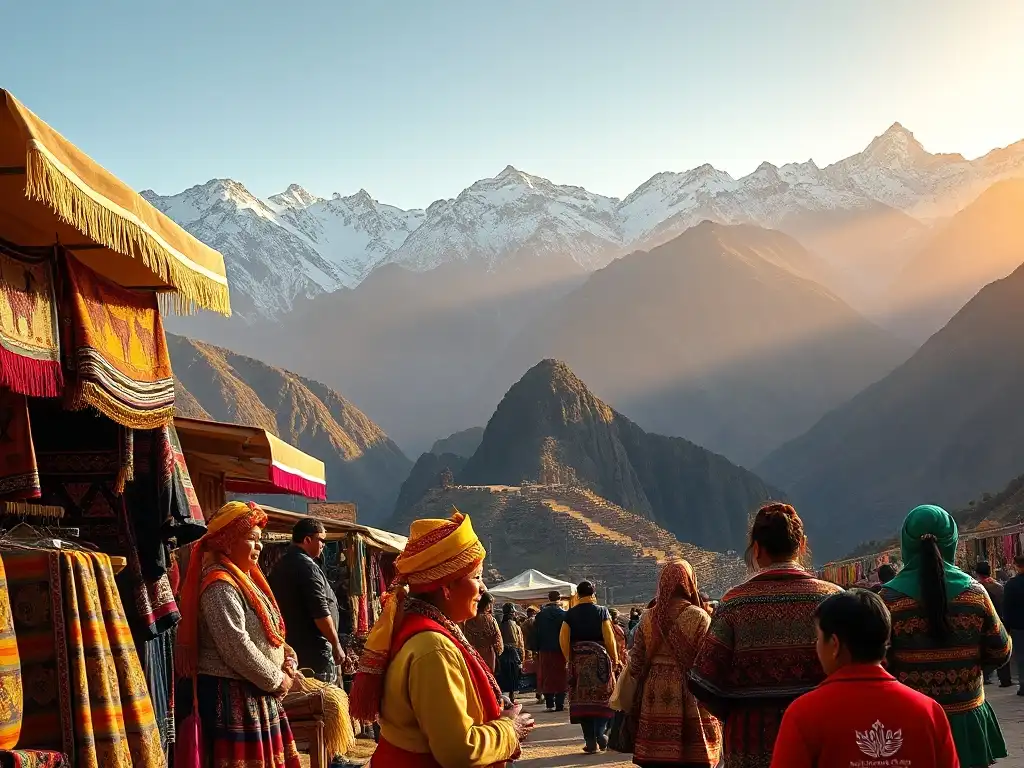
Step into a world lost to time, yet vividly present in the vibrant tapestry of modern Andean life. Discover the enduring legacy of the Inca, a civilization whose intricate mythology continues to shape the beliefs, traditions, and art of the region. Unravel the mysteries of how Inca mythology profoundly influences modern Andean culture—a captivating journey waiting to begin. Prepare to be amazed by the connections between the ancient past and the present day, as we delve into the fascinating story of the Inca Empire and its lasting impact.
The Inca Empire, a civilization that flourished in the Andes Mountains for centuries, left behind a rich tapestry of traditions, customs, and beliefs. While their impressive architectural feats and sophisticated agricultural techniques are widely recognized, the profound influence of Inca mythology on modern Andean culture often remains understated.
This article delves into the enduring legacy of Inca mythology, exploring its core beliefs and demonstrating how these ancient stories continue to shape the spiritual, social, and artistic landscapes of the Andean region today. We will explore how the myths, rituals, and cosmological views of the Inca people persist in various aspects of contemporary Andean life, revealing a vibrant connection between the past and the present.
Understanding this legacy provides a deeper appreciation for the complexity and richness of Andean culture, highlighting the resilience and enduring power of ancient traditions. The enduring impact of Inca mythology is not merely a historical curiosity; it is a living force that continues to inspire and inform the lives of millions.
Introduction to Inca Mythology and its Enduring Impact
Inca mythology, a complex system of beliefs and narratives, provided the Incas with a framework for understanding the world, their place within it, and their relationship with the divine. Unlike many other ancient cultures, the Inca did not leave behind extensive written records. Our understanding of their mythology is pieced together from Spanish chronicles, archaeological discoveries, and the surviving oral traditions maintained within Andean communities.
These sources reveal a cosmology centered around the worship of nature, the veneration of ancestors, and a profound respect for the power of the Pachamama (Mother Earth). This reverence for nature, along with many other core beliefs, continues to be evident in modern Andean practices, rituals, and artistic expressions.
From the vibrant textiles depicting mythological figures to the annual celebrations honoring the Apus (mountain spirits), the echoes of Inca mythology resonate throughout the region. The continued influence of Inca mythology serves as a testament to the cultural continuity and the deep-rooted spiritual connections within Andean societies.
The Core Beliefs of Inca Mythology: A Foundation of Andean Culture
The central tenets of Inca mythology were deeply intertwined with the Incas' daily lives, shaping their social structures, agricultural practices, and understanding of the cosmos. These core beliefs, passed down through generations, continue to influence various aspects of modern Andean culture. The intricate connection between the divine and the natural world, for instance, is reflected in contemporary Andean practices like pako (offerings to the earth) and the importance given to respecting the environment. Understanding these core beliefs provides a crucial lens through which to interpret the enduring legacy of Inca mythology on the Andean worldview.
The Inca Creation Myth: The Emergence from Lake Titicaca
The Inca creation myth, often associated with Lake Titicaca, narrates the emergence of the first humans from the depths of the lake. This myth speaks to the Incas' deep connection with the natural world, particularly water, which was essential for their survival in the high Andean environment. The symbolism of Lake Titicaca, as a sacred birthplace, persists in modern Andean culture, where the lake remains a site of pilgrimage and spiritual significance.
Many Andean communities still maintain traditions associated with this creation myth, illustrating its enduring relevance and influence on their cultural identity. The specific details of the creation myth vary between different Andean communities, reflecting the diversity within the region.
Inti, The Sun God: The Central Deity of Inca Pantheon
Inti, the sun god, held the most prominent position in the Inca pantheon. He was considered the supreme deity, the father of the Inca rulers, and the source of all life and energy. The worship of Inti involved elaborate ceremonies, sacrifices, and the construction of magnificent temples dedicated to his honor.
The legacy of Inti's veneration is still visible in modern Andean culture through various sun-related festivals and traditions. The sun's importance in Andean agriculture and daily life continues to be reflected in contemporary practices, demonstrating the enduring impact of Inti's central role in Inca cosmology. Many Andean communities continue to honor the sun through rituals and celebrations, emphasizing the persistence of this ancient belief.
Other Significant Inca Gods and Goddesses: Viracocha, Pachamama, Mama Quilla, Illapa
Beyond Inti, the Inca pantheon included a range of other significant deities, each with their own domains and responsibilities. Viracocha, the creator god, was responsible for the creation of the world and humanity. Pachamama, the earth mother, represented fertility and abundance. Mama Quilla, the moon goddess, was associated with femininity and cycles of life. Illapa, the god of thunder and lightning, embodied power and strength.
The worship of these deities, alongside Inti, shaped the religious and social life of the Inca Empire. Their influence can still be seen in modern Andean traditions, rituals, and artistic representations. The continued reverence for these deities underscores the enduring power of Inca mythology and its influence on the spiritual landscape of the Andes. The names and attributes of these deities are often incorporated into place names, songs, and stories, demonstrating their lasting presence in contemporary Andean culture.
Inca Cosmovision and its Manifestations in Modern Andean Life
The Inca cosmovision, a worldview deeply rooted in the interconnectedness of the natural and spiritual worlds, continues to shape modern Andean life in profound ways. This holistic perspective, where humans are seen as integral parts of a vibrant ecosystem, is evident in daily practices and beliefs. The Inca's understanding of the universe, structured around a vertical axis connecting the underworld (Ukhu Pacha), the earthly realm (Kay Pacha), and the celestial realm (Hanan Pacha), permeates Andean societies today.
This understanding is not merely historical; it's a living, breathing philosophy influencing how communities interact with their environment and each other. The reverence for nature, the cyclical understanding of time, and the belief in the power of ancestral spirits are all direct legacies of the Inca cosmovision. Modern Andean communities maintain a deep respect for the balance of nature, a principle central to Inca thought, often employing traditional agricultural techniques that minimize environmental impact and promote biodiversity.
This approach to sustainable living is a testament to the enduring influence of Inca principles on modern Andean practices. The Inca emphasis on community and reciprocity also finds resonance in contemporary Andean social structures, where collective action and mutual support remain cornerstones of community life.
The Concept of Pachamama and its Relevance in Andean Agriculture
Pachamama, the Earth Mother, is a central figure in Inca mythology and remains a powerful force in modern Andean agriculture. Farmers still offer coca leaves, chicha (a fermented corn beverage), and other offerings to Pachamama before planting and harvesting, seeking her blessings for a bountiful yield. The concept of reciprocity is deeply ingrained in this practice; farmers believe that by honoring Pachamama, they ensure a reciprocal relationship with the land, guaranteeing its continued fertility and productivity.
This isn't merely a symbolic gesture; it's a deeply ingrained belief that shapes agricultural practices. Farmers carefully observe natural cycles, adapting their planting schedules to the rhythms of the earth, demonstrating a profound understanding of the environment inherited from Inca agricultural knowledge.
The rituals surrounding Pachamama are not just agricultural practices; they are also spiritual expressions of gratitude and respect, reflecting the enduring influence of Inca beliefs on modern Andean life. Furthermore, the understanding of the interconnectedness of all living things, a core tenet of the Inca worldview, is reflected in the sustainable agricultural practices employed by many Andean communities.
The Importance of Apus (Mountain Spirits) in Andean Spirituality
The Apus, the mountain spirits revered by the Inca, continue to hold immense significance in Andean spirituality. These majestic peaks are not simply geographical features; they are considered sacred entities, protectors, and providers. Modern Andean communities still make pilgrimages to the Apus, offering prayers, coca leaves, and other gifts to gain their favor and protection.
The Apus are believed to influence weather patterns, crop yields, and the overall well-being of the community. Their presence is deeply felt in the lives of Andean people, shaping their worldview and influencing their daily routines. Many communities have specific rituals and ceremonies dedicated to the Apus, reflecting the enduring legacy of Inca traditions.
These rituals often involve offerings, prayers, and symbolic gestures aimed at maintaining a harmonious relationship with these powerful spiritual entities. The respect for the Apus underscores the enduring connection between Andean communities and their environment, a connection deeply rooted in Inca mythology and cosmology. The enduring reverence for the Apus exemplifies the persistence of Inca spiritual beliefs in modern Andean society.
The Influence of Inca Cosmology on Andean Festivals and Rituals
Inca cosmology profoundly influences the festivals and rituals celebrated in modern Andean communities. Many festivals are timed to coincide with the agricultural cycle, reflecting the Inca's deep understanding of the interconnectedness between the celestial and terrestrial realms. The Inti Raymi, the festival of the sun, is a prime example.
This celebration, which honors the Inca sun god Inti, continues to be observed in various forms throughout the Andes, highlighting the enduring influence of Inca traditions on modern Andean culture. The rituals and ceremonies associated with these festivals often involve traditional music, dance, costumes, and offerings, showcasing a rich tapestry of cultural practices rooted in Inca heritage. These festivities are not merely entertainment; they are vital expressions of Andean identity, reaffirming the community's connection to its past and reinforcing its cultural continuity.
The vibrant colors, intricate designs, and symbolic representations in these festivals all reflect the enduring legacy of Inca artistic and spiritual traditions. The continued observance of these festivals serves as a powerful testament to the enduring influence of Inca cosmology on modern Andean life.
The Persistence of Inca Myths and Legends in Contemporary Andean Society
Inca myths and legends continue to thrive in contemporary Andean society, shaping cultural narratives and influencing daily life. These stories, passed down through generations, provide a framework for understanding the world and offer explanations for natural phenomena and historical events. They serve as valuable repositories of cultural knowledge, transmitting essential values, beliefs, and societal norms. These narratives are often interwoven with modern experiences, demonstrating the adaptability and enduring relevance of Inca mythology.
The storytelling tradition itself is a testament to the resilience of oral culture in the Andes, a crucial mechanism for maintaining cultural continuity. These myths and legends are not merely historical artifacts; they are living narratives that continue to shape perceptions, values, and beliefs. The persistence of these stories reflects the profound impact of Inca mythology on the cultural identity and continuity of Andean communities.
Oral Traditions and Storytelling: Keeping Inca Narratives Alive
Oral traditions and storytelling play a vital role in preserving Inca narratives in modern Andean society. Grandmothers and elders often gather children and share stories, ensuring the transmission of cultural knowledge across generations. These stories are not simply entertaining tales; they are vehicles for transmitting values, beliefs, and historical knowledge. The act of storytelling itself is a powerful social event, reinforcing community bonds and transmitting essential cultural information.
The continued practice of oral storytelling underscores the resilience of Inca cultural heritage and its ability to adapt to contemporary contexts. These narratives are not static; they evolve and adapt, incorporating new experiences while retaining their core essence. The dynamic nature of oral storytelling ensures the ongoing relevance of Inca mythology in modern Andean society. This living tradition is critical for maintaining cultural continuity and identity.
The Representation of Inca Mythology in Andean Art and Craftsmanship
Inca mythology is vividly represented in Andean art and craftsmanship, showcasing the enduring influence of Inca aesthetics and symbolism. Traditional textiles, pottery, and carvings often depict scenes from Inca myths and legends, using vibrant colors and intricate designs. These artistic expressions are not merely decorative; they are powerful representations of cultural identity, reflecting the enduring connection between Andean communities and their rich heritage.
The motifs, symbols, and imagery used in these artistic creations often convey profound spiritual and cultural meanings, reflecting the enduring relevance of Inca mythology in modern Andean society. The continuation of these artistic traditions ensures that Inca mythology remains visible and accessible to contemporary generations. The artistry is a testament to the enduring power of Inca culture and its lasting influence on the artistic expression of modern Andean societies.
Inca Symbolism in Modern Clothing and Textiles: Chakana Cross, Inti Sun, Serpent Motifs
Inca symbolism, including the Chakana cross, Inti sun, and serpent motifs, is frequently incorporated into modern clothing and textiles. The Chakana, representing the four levels of the cosmos, is a powerful symbol of Andean identity, frequently appearing on clothing, jewelry, and other decorative items. The Inti, the sun god, is also a prominent symbol, representing power, energy, and life.
Serpent motifs, often associated with fertility and wisdom, are also commonly found in modern Andean textiles. These symbolic representations are not merely decorative elements; they are powerful reminders of Inca heritage and cultural identity. Their continued use highlights the enduring influence of Inca mythology on contemporary Andean society, demonstrating how ancient symbols continue to resonate with modern Andean people.
The integration of these symbols into everyday life underscores the lasting impact of Inca culture on the visual landscape of the Andes. The persistence of these symbols demonstrates the enduring power of Inca imagery and its continued relevance in modern Andean culture.
Inca Mythology's Role in Shaping Modern Andean Identity
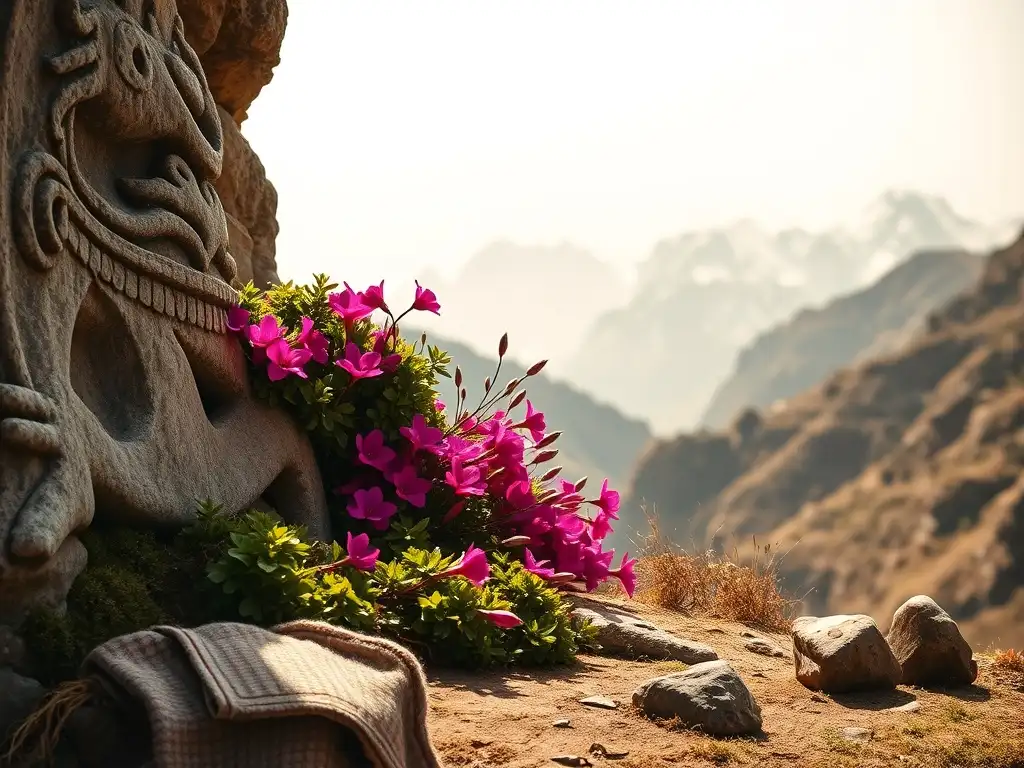
Inca mythology plays a crucial role in shaping modern Andean identity, providing a foundational narrative that connects contemporary Andean communities to their rich and complex past. The stories of Viracocha, the creator god, Inti, the sun god, and Mama Killa, the moon goddess, are not mere historical relics; they are living traditions that continue to inform worldviews, social structures, and artistic expressions across the Andes.
The enduring power of these myths lies in their ability to articulate fundamental Andean values, such as the importance of community, reciprocity (ayni), and respect for the natural world (Pachamama). These narratives provide a sense of shared heritage, fostering a collective identity that transcends national borders and linguistic differences.
The continued relevance of Inca mythology is evident in the widespread use of Inca iconography in contemporary Andean art, music, and literature, demonstrating a persistent connection to ancestral traditions. This connection strengthens cultural pride and contributes to a sense of belonging amongst Andean peoples.
The Impact of Inca Heritage on Andean Social Structures
The impact of Inca heritage on Andean social structures is profound and multifaceted. The concept of ayni, reciprocal exchange, deeply embedded in Inca cosmology, continues to inform social relations in many Andean communities. This principle of mutual support and cooperation is vital for maintaining social cohesion and addressing collective needs. Furthermore, the hierarchical structure of the Inca Empire, although modified over time, still resonates in some aspects of contemporary Andean social organization.
While the absolute power of the Sapa Inca is no longer present, hierarchical structures based on kinship, age, and social standing persist in various forms. The Inca emphasis on community and collective well-being also influences contemporary approaches to land management, resource allocation, and conflict resolution. Traditional Andean governance systems often incorporate elements derived from Inca practices, reflecting a persistent influence on local political and social dynamics.
The Connection Between Inca Beliefs and Andean Community Values
Inca beliefs and contemporary Andean community values are inextricably linked. The reverence for Pachamama, Mother Earth, remains central to Andean spiritual life, influencing agricultural practices, environmental stewardship, and social ethics. The concept of ayni, reciprocal exchange, is not just an economic principle but a moral imperative, emphasizing the importance of community solidarity and shared responsibility.
The Inca emphasis on harmony between humans and nature resonates deeply with contemporary environmental activism and sustainable development initiatives in the Andes. Many Andean communities continue to practice traditional rituals and ceremonies that reflect Inca beliefs, demonstrating a living connection between ancient cosmology and modern values. These beliefs underpin a strong sense of communal identity and shared purpose, contributing to the resilience of Andean communities in the face of modernization and globalization.
Inca Mythology as a Source of Cultural Pride and Resilience
Inca mythology serves as a potent source of cultural pride and resilience for Andean communities. The stories of Inca heroes and gods provide inspiring narratives of strength, perseverance, and resistance against adversity. This collective cultural memory fosters a sense of identity and self-worth, particularly in the context of historical oppression and marginalization.
The reclaiming and reinterpretation of Inca myths in contemporary Andean art, literature, and activism demonstrate a powerful assertion of cultural identity and a rejection of imposed narratives. The continued celebration of Inca traditions, despite centuries of colonial influence, is a testament to the enduring strength and adaptability of Andean culture. Inca mythology provides a framework for understanding the present through the lens of the past, fostering a sense of continuity and hope for the future.
The Adaptation and Transformation of Inca Mythology in the Post-Colonial Era
The post-colonial era witnessed significant adaptations and transformations of Inca mythology. The imposition of Catholicism led to a complex process of syncretism, where Inca beliefs were integrated with Christian doctrines. This resulted in a hybrid religious system that reflects the resilience and adaptability of Andean culture.
The colonial context also led to the suppression and distortion of certain aspects of Inca mythology, with some narratives being reinterpreted or suppressed to serve colonial interests. However, the persistence of Inca traditions in various forms demonstrates the limitations of colonial attempts to eradicate indigenous beliefs and practices. The resurgence of indigenous identity and cultural pride in recent decades has led to a renewed interest in and reinterpretation of Inca mythology, with a focus on reclaiming indigenous narratives and challenging colonial perspectives.
Syncretism Between Inca Beliefs and Catholicism: Virgin Mary as Pachamama, Saints and Apu
A striking example of syncretism is the identification of the Virgin Mary with Pachamama. The Catholic Virgin Mary, often depicted with indigenous features and attire, absorbed some of the attributes and functions of Pachamama, becoming a central figure in Andean religious syncretism. Similarly, Catholic saints were often associated with Inca deities, such as apus (mountain spirits).
This fusion of beliefs allowed for the continuation of traditional practices while accommodating the imposed religious system. This syncretic blend is evident in many Andean religious celebrations and rituals, where Catholic and Inca elements are interwoven seamlessly. The process reflects a complex negotiation between indigenous and colonial belief systems, demonstrating the enduring power of Andean spirituality.
The Reinterpretation of Inca Myths in Contemporary Andean Literature
Contemporary Andean literature plays a crucial role in reinterpreting Inca myths for modern audiences. Writers often draw upon Inca narratives to explore themes of identity, colonialism, resistance, and social justice. These retellings frequently challenge colonial interpretations and offer alternative perspectives on Inca history and culture. The use of Inca mythology in contemporary literature also serves to revitalize and preserve indigenous languages and oral traditions. By incorporating Inca myths into contemporary narratives, Andean writers create a bridge between the past and the present, allowing readers to connect with their ancestral heritage and understand the complexities of their cultural identity.
The Role of Inca Mythology in Indigenous Rights Movements
Inca mythology plays a significant role in contemporary indigenous rights movements. The narratives of resistance and resilience found in Inca myths provide inspiration and a framework for contemporary struggles against oppression and inequality. The symbolism of Inca resistance against the Spanish conquest is frequently used to articulate contemporary demands for self-determination, land rights, and cultural preservation.
The invocation of Inca cosmology and values strengthens the collective identity and shared purpose of indigenous communities in their fight for social justice. The continued relevance of Inca mythology demonstrates its enduring power as a source of inspiration and empowerment for indigenous communities in the Andes.
Conclusion: The Enduring Significance of Inca Mythology on Modern Andean Culture
Inca mythology, far from being a relic of a bygone era, continues to exert a profound influence on modern Andean culture. Its enduring power stems from its deep integration into the very fabric of Andean life, shaping worldview, artistic expression, and social practices. The stories, beliefs, and cosmology of the Inca have not simply been relegated to history books; they remain vibrant and relevant, echoing in contemporary traditions and providing a framework for understanding the present.
The intricate relationship between the Inca past and the Andean present is a testament to the enduring strength and resilience of a rich cultural heritage. The legacy is not merely a historical curiosity but a living force, shaping the identities and perspectives of millions. Understanding this enduring influence is crucial to comprehending the complexities and richness of Andean society today.
The Continuing Relevance of Inca Worldview in the 21st Century
The Inca worldview, deeply rooted in their mythology, continues to resonate in the 21st century. Concepts like ayni (reciprocity) and mit'a (labor service), central to Inca social organization, find echoes in modern Andean community structures and cooperative efforts. The emphasis on harmony with nature, a prominent theme in Inca mythology, is reflected in contemporary environmental activism and sustainable practices among Andean communities.
Furthermore, the Inca reverence for mountains and celestial bodies persists in modern Andean spiritual beliefs and rituals. Many Andean communities still perform ceremonies and offerings to apus (mountain spirits), demonstrating the continued relevance of Inca cosmology.
Even in urban settings, elements of the Inca worldview can be observed in the strong family ties, community support networks, and respect for elders—all reflecting values deeply ingrained in Inca society and perpetuated through their mythology. This enduring influence highlights the adaptability and resilience of the Inca worldview in navigating the challenges of modernity.
Preserving and Celebrating the Rich Legacy of Inca Mythology
The preservation and celebration of Inca mythology are crucial for maintaining Andean cultural identity. Efforts to document and interpret Inca myths and legends are vital for ensuring their transmission to future generations. This involves supporting research, promoting education, and encouraging the active participation of Andean communities in the preservation of their heritage.
Museums, cultural centers, and community initiatives play an important role in showcasing Inca art, artifacts, and stories. Festivals and traditional ceremonies provide opportunities to celebrate and revive Inca mythological themes, fostering a sense of continuity and pride in Andean heritage. However, it is essential to approach these efforts with sensitivity and respect, acknowledging the potential for misinterpretation or appropriation.
Collaboration with Andean communities is paramount, ensuring that the preservation and celebration of Inca mythology remain authentic and meaningful to those who are its rightful inheritors. The active engagement of Andean communities is not just desirable but essential to ensure the long-term survival and vibrant expression of this rich cultural legacy. The future of Inca mythology hinges on collaborative efforts that prioritize authenticity, respect, and community involvement.
- Introduction to Inca Mythology and its Enduring Impact
- The Core Beliefs of Inca Mythology: A Foundation of Andean Culture
- Inca Cosmovision and its Manifestations in Modern Andean Life
- The Persistence of Inca Myths and Legends in Contemporary Andean Society
- Inca Mythology's Role in Shaping Modern Andean Identity
- The Adaptation and Transformation of Inca Mythology in the Post-Colonial Era
- Conclusion: The Enduring Significance of Inca Mythology on Modern Andean Culture
- What is the main focus of Inca mythology?
- How did Inca mythology influence Andean art and architecture?
- Are there still any Inca religious practices prevalent today?
- What are some examples of Inca myths that continue to resonate in modern Andean culture?
- How does Inca mythology contribute to the cultural identity of modern Andean peoples?
Frequently Asked Questions
What is the main focus of Inca mythology?
Inca mythology is centered around powerful gods and goddesses, ancestor veneration, and the creation of the world and humanity. It also emphasizes the importance of nature and the relationship between humans and the cosmos.
How did Inca mythology influence Andean art and architecture?
Inca mythology heavily influenced Andean art, with depictions of gods and mythical creatures frequently appearing in textiles, pottery, and stone carvings. Architectural structures, like Machu Picchu, were also designed to reflect cosmological beliefs and sacred geography.
Are there still any Inca religious practices prevalent today?
While Inca religion was suppressed after the Spanish conquest, many syncretic beliefs and practices persist. These blend indigenous Andean traditions with elements of Catholicism, reflecting the enduring influence of Inca cosmology.
What are some examples of Inca myths that continue to resonate in modern Andean culture?
Myths about Pachamama (Mother Earth) and the creator god Viracocha remain central to many Andean communities. These myths continue to shape agricultural practices, rituals, and worldviews, demonstrating their lasting impact.
How does Inca mythology contribute to the cultural identity of modern Andean peoples?
Inca mythology provides a crucial link to the past, fostering a sense of shared history and cultural continuity. It remains a source of pride, inspiration, and spiritual connection for many Andean communities today.
Final Reflection: Echoes of the Inca: A Living Legacy
The enduring power of Inca mythology is not confined to dusty museum artifacts; it is a vibrant, pulsating force shaping Andean life today. From the vibrant textiles depicting ancient deities to the intricate ceremonies honoring Pachamama, the Earth Mother, the legacy of the Inca continues to resonate with profound impact on the cultural landscape of the Andes. This enduring influence demonstrates the remarkable resilience and adaptability of a belief system that has transcended centuries of upheaval and change.
The depth of this influence is truly awe-inspiring. It's not simply a matter of historical interest; it's a living, breathing connection to the past that informs the present. The stories, rituals, and values embedded within Inca mythology provide a framework for understanding Andean identity, community, and relationship with the natural world. As the Peruvian writer Mario Vargas Llosa once stated, The past is not dead. It's not even past.
This perfectly encapsulates the enduring relevance of Inca mythology in modern Andean culture. It's a testament to the power of storytelling and the enduring strength of cultural heritage.
Consider, for a moment, the ways in which your own cultural heritage shapes your worldview. Now, imagine the profound impact of a mythology that has survived conquest, colonization, and modernization. I urge you to explore this legacy further, to delve into the rich tapestry of Inca beliefs and discover the echoes of their wisdom in the vibrant cultures of the Andes today. Let the stories of the Inca inspire you to appreciate the enduring power of cultural heritage and the importance of preserving the narratives that shape our identities and connect us to the past.
Embrace the Wisdom of Inca Mythology Today!
Thank you for exploring the rich tapestry of Inca mythology and its enduring influence on modern Andean culture. This article has hopefully illuminated the profound connections between ancient beliefs and contemporary practices. Now, let's consider how to integrate this knowledge into your life.
- Immerse yourself in the vibrant traditions of your local Andean community by attending cultural events or festivals to witness the myths brought to life.
- Share your newfound knowledge with friends and family, discussing the aspects of Inca mythology that resonate most deeply with you. Consider hosting a themed gathering to share stories and insights.
- Deepen your appreciation by participating in a local workshop or art class focusing on Andean crafts inspired by mythology. The creative process can foster a stronger connection to the subject matter.
What aspect of Inca mythology most inspires you, and how do you see it shaping your life today? Share your reflections in the comments below!