
The Inca's View of the Universe: A Cosmic Dance of Gods and Mortals

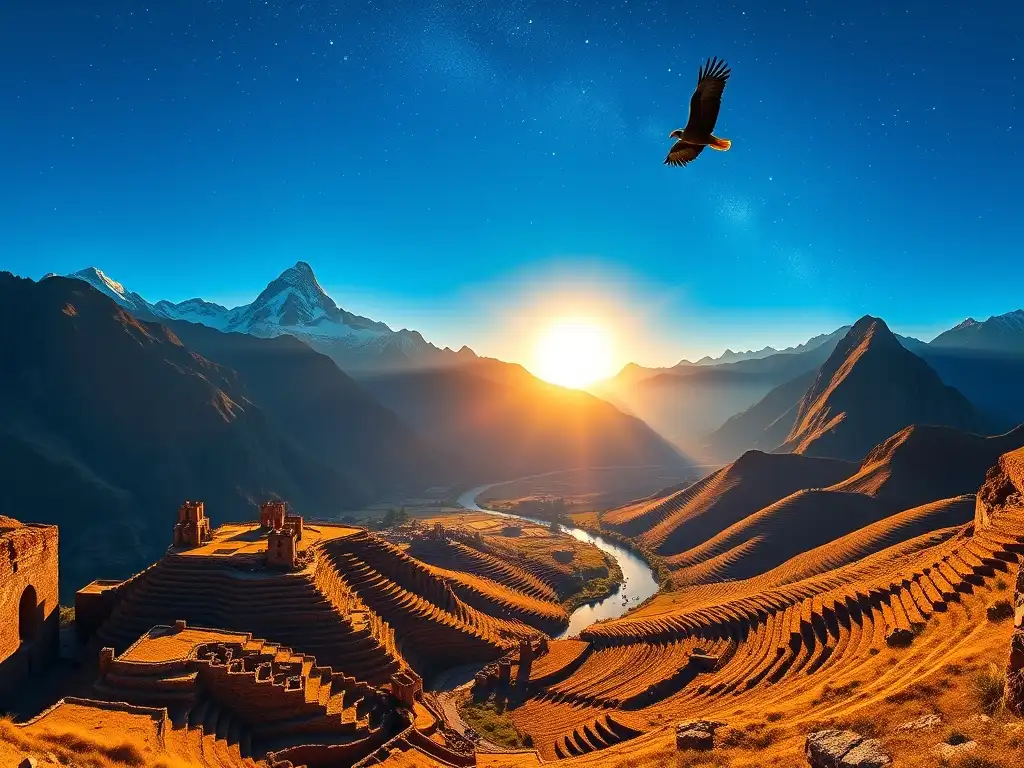
Prepare to be captivated by the enigmatic world of the Andes! Journey with us through time, unearthing the secrets of ancient civilizations whose ingenuity and spiritual depth continue to inspire awe. From the intricate artistry of the Nazca lines to the sophisticated engineering of the Incas, we unlock the mysteries of their world. But the most intriguing puzzle remains: the Inca cosmology view of the universe. Discover how they saw the cosmos, a breathtaking dance of gods and mortals, in our in-depth exploration of the Inca Empire. Dare to delve deeper?
-
Inca Cosmology: Understanding the Universe Through Andean Eyes
- The Inca's Worldview: A Cosmic Perspective
- The Hanan Pacha: The Upper World of the Inca Gods
- Inti: The Sun God and Central Figure in Inca Beliefs
- Viracocha: The Creator God and His Role in the Inca Universe
- Mama Quilla: The Moon Goddess and Her Influence
- The Kay Pacha: The Earthly Realm of Mortals
- Understanding the Inca Relationship with Nature
- Mountains as Sacred Entities in Inca Cosmovision
- The Importance of Agriculture in the Inca Worldview
- The Uku Pacha: The Underworld and its Significance
- The Concept of Death and the Afterlife in Inca Beliefs
- Ancestral Spirits and Their Role in the Underworld
- Inca Astronomy and its Impact on their Society
- The Cosmic Dance: Gods, Mortals, and the Universe
- Inca Cosmology View of Universe: A Legacy of Wisdom
- Frequently Asked Questions
- Final Reflection: Echoes of the Andes: A Legacy in the Cosmos
- **Embrace the Cosmos: Unlock Your Connection with the Inca Universe! **
Inca Cosmology: Understanding the Universe Through Andean Eyes
The Inca Empire, renowned for its sophisticated engineering and intricate social structures, possessed a deeply spiritual worldview that permeated every aspect of their lives. Their understanding of the universe, far from being a mere scientific observation, was a vibrant tapestry woven with threads of mythology, ritual, and a profound connection to the natural world. This article delves into Inca cosmology, exploring their perception of the cosmos as a dynamic interplay between the earthly realm and the celestial spheres, a cosmic dance of gods and mortals that shaped their beliefs, practices, and societal organization.
We will unravel the intricate layers of their beliefs, examining their key deities and the significance of the celestial bodies in their daily lives and religious practices. Understanding Inca cosmology offers a unique perspective on the richness and complexity of this remarkable civilization and provides crucial insight into the "Inca cosmology view of universe".
The Inca's Worldview: A Cosmic Perspective
The Inca worldview was fundamentally shaped by their perception of a three-tiered universe: the Kay Pacha (the here and now), the Hanan Pacha (the upper world), and the Uku Pacha (the underworld). This cosmological model wasn't simply a geographical division; it represented a complex interplay of forces, energies, and spiritual entities. The Kay Pacha, the earthly realm, was the stage for human existence, where the daily routines of life unfolded.
However, it was inextricably linked to the other two realms, constantly influenced by their celestial and subterranean counterparts. The Inca believed that the actions and well-being of the Hanan Pacha and Uku Pacha directly affected their lives, emphasizing the interconnectedness of all existence. This holistic perspective is evident in their agricultural practices, their elaborate rituals, and their intricate social hierarchy, all designed to maintain harmony within this cosmic structure.
Their understanding of the universe was not a passive observation but an active participation in a grand cosmic drama. The Inca’s deep respect for nature, reflected in their careful stewardship of the environment, further underscores their profound connection to the cosmos.
The Hanan Pacha: The Upper World of the Inca Gods
The Hanan Pacha, the upper world, was the dwelling place of the Inca gods, a realm of radiant light and celestial power. It was populated by a pantheon of deities, each with specific roles and responsibilities. The celestial bodies, particularly the sun, moon, and stars, were not just astronomical objects but powerful deities themselves, wielding influence over earthly events.
The Inca meticulously observed the movements of these celestial bodies, using their cycles to guide agricultural practices, predict weather patterns, and even to determine auspicious dates for important ceremonies. Their astronomical knowledge was surprisingly advanced, demonstrating a deep understanding of celestial mechanics and their impact on the Kay Pacha. Specific constellations held significant religious meaning, often linked to particular deities or events in Inca mythology.
The Hanan Pacha wasn't simply a distant, unapproachable realm; it was a vital part of the Inca's spiritual life, a source of power, guidance, and inspiration. The intricate relationship between the earthly and celestial realms is beautifully illustrated in their elaborate ceremonies and festivals, designed to honor the gods and maintain cosmic balance.
Inti: The Sun God and Central Figure in Inca Beliefs
Inti, the sun god, occupied the most prominent position within the Inca pantheon. He was considered the supreme deity, the source of life, warmth, and prosperity. Inti's influence extended to every facet of Inca society, shaping their religious practices, their agricultural cycles, and their social hierarchy.
The Inca emperor himself was considered a direct descendant of Inti, further solidifying the sun god's central role in their political and religious structures. Temples dedicated to Inti were grand architectural marvels, showcasing the Inca's reverence for their supreme deity. Elaborate festivals and ceremonies were held throughout the year to honor Inti, demonstrating the profound importance of the sun god in their daily lives.
The Inca's deep veneration for Inti underscores the pivotal role of the sun in their cosmology and highlights the interconnectedness of their spiritual beliefs with their practical realities. The worship of Inti was not a mere ritualistic observance; it was a fundamental aspect of their cultural identity, reflecting their profound connection to the natural world and their understanding of the universe as a dynamic and interconnected system. The sun's life-giving energy was seen as a tangible manifestation of Inti's power, sustaining both the natural world and Inca society itself.
Viracocha: The Creator God and His Role in the Inca Universe
Viracocha, the supreme creator god in Inca cosmology, holds a central position in their understanding of the universe. He is often depicted as a bearded, powerful figure, a stark contrast to the typically indigenous Andean appearance, leading some scholars to speculate about possible external influences on the Inca worldview. Viracocha's role wasn't simply that of a passive creator; he was actively involved in shaping the world and its inhabitants. He is credited with creating the sun, moon, stars, and the earth itself, bringing forth life from the void.
Furthermore, he is believed to have created the first humans, often depicted as emerging from a lake or cave, symbolizing the emergence of life from the primordial waters. His power extended beyond creation; he was also seen as a judge, capable of both rewarding piety and punishing transgression. Legends abound of Viracocha's interventions in human affairs, often appearing to guide or test humanity's faith and resilience.
The Inca's deep reverence for Viracocha is evident in the numerous temples and shrines dedicated to him throughout the empire, highlighting his paramount importance in their spiritual and cosmological beliefs. The very existence of the Inca civilization, in their view, was a testament to Viracocha's power and benevolence, a continuous act of creation maintained through ritual and devotion. Understanding Viracocha is key to understanding the Inca's perspective on the universe—a universe fundamentally shaped and maintained by a powerful and active creator god.
Mama Quilla: The Moon Goddess and Her Influence
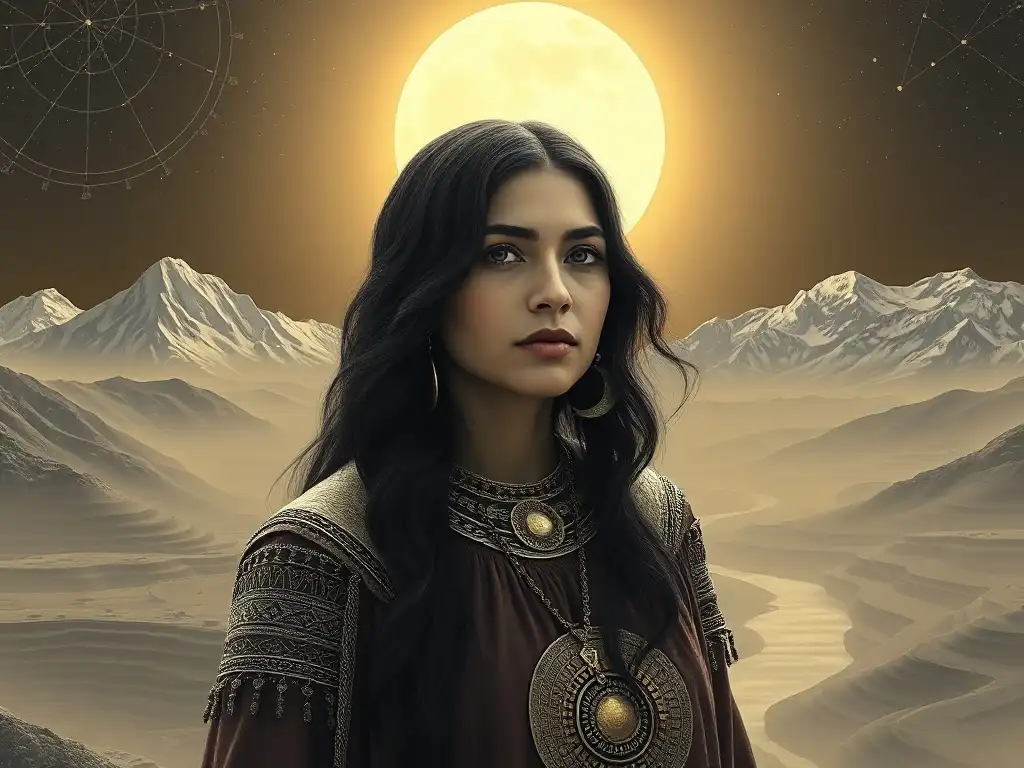
Mama Quilla, the Inca moon goddess, held significant sway over the lives and beliefs of the Inca people. Unlike many cultures which associate the moon with feminine mysteries and cycles, the Inca's view of Mama Quilla was interwoven with practical matters. Her influence extended beyond the purely spiritual; she was deeply connected to agriculture, fertility, and the cyclical nature of life itself. The phases of the moon were meticulously observed and served as a guide for planting and harvesting cycles.
Farmers relied heavily on Mama Quilla's phases to determine the optimal times for sowing seeds and reaping crops, a critical aspect of their agricultural economy. Furthermore, Mama Quilla's influence was extended to women's health and fertility, making her a central figure in Inca religious practices. Prayers and offerings were made to ensure her favor, seeking blessings for successful harvests and healthy families.
The Inca also associated Mama Quilla with water, weaving her into the complex network of Andean hydrology and the crucial role of water in their society. Her presence was reflected in festivals and celebrations throughout the year, further emphasizing her importance in the Inca worldview and demonstrating the practical and spiritual significance of the moon in their lives. The Inca cosmology view of the universe included Mama Quilla as a powerful, influential force, inextricably linked to the rhythm of life and the success of their civilization.
The Kay Pacha: The Earthly Realm of Mortals
The Kay Pacha, the earthly realm, represents the physical world inhabited by mortals in Inca cosmology. It's not merely a stage for human existence; it’s a dynamic space intertwined with the celestial realms of Hanan Pacha (upper world) and Ukhu Pacha (underworld). The Kay Pacha is where the Inca lived their lives, cultivated their crops, built their cities, and engaged in their daily rituals. However, their understanding of this realm wasn’t limited to the physical; it was infused with spiritual significance.
Sacred sites, mountains, and rivers were considered gateways to the other worlds, connecting the mortal realm with the divine. The Inca’s intricate system of agriculture, their sophisticated road networks, and their impressive architectural feats all reflect their deep connection to the Kay Pacha. Their understanding of the earth's resources, its cycles, and its potential was integral to their survival and prosperity. The Inca’s respect for the Kay Pacha was demonstrated through their careful stewardship of the land and their reverence for its natural resources.
They believed in maintaining a harmonious balance between human activity and the natural world, a philosophy reflected in their sustainable agricultural practices and their avoidance of unnecessary environmental disruption. The Kay Pacha wasn't just where they lived; it was a sacred space, a reflection of the cosmic order, and a testament to the interconnectedness of all things in the Inca view of the universe. Their respect for this earthly realm was vital to their spiritual and physical well-being.
Understanding the Inca Relationship with Nature
The Inca worldview was deeply intertwined with the natural world. Unlike many other cultures that saw themselves as separate from or superior to nature, the Inca viewed themselves as an integral part of a complex, interconnected cosmic system. Their understanding of the universe wasn't a detached observation but a lived experience, deeply affecting their daily lives, social structures, and spiritual practices.
The Inca saw themselves as participants in a grand cosmic dance, where the actions of humans directly impacted the balance of the universe. This intimate relationship with nature is reflected in their agricultural practices, their reverence for mountains and celestial bodies, and their intricate system of beliefs and rituals. Their understanding of the natural world wasn't purely scientific; it was imbued with spiritual meaning, with every element playing a vital role in maintaining the harmony of Pachakuti, the cosmic order.
This holistic view of the world permeated all aspects of Inca society, shaping their values, laws, and even their art. The Inca's respect for nature extended beyond simple appreciation; it was a fundamental aspect of their existence, a belief system that guided their actions and defined their identity. The very survival of the Inca empire was seen as dependent on maintaining this delicate balance with the natural world.
Mountains as Sacred Entities in Inca Cosmovision
Mountains held immense significance in Inca cosmology, representing more than just geographical features. They were considered sacred entities, acting as intermediaries between the earthly and celestial realms. Apus, or mountain spirits, were believed to inhabit these peaks, wielding considerable influence over the lives of the Inca people. These powerful deities were revered and appeased through offerings and rituals, ensuring their favor and protection.
Specific mountains were associated with particular Inca clans or regions, reflecting a localized understanding of the spiritual landscape. The Inca's reverence for mountains went beyond simple worship; it informed their urban planning, with cities often strategically located near significant peaks. The Inca also built impressive temples and shrines on mountaintops, further emphasizing their sacred status.
The intricate network of trails and roads connecting various mountain passes and settlements underscores the importance of these geographical features in the Inca's spiritual and practical life. For example, the sacred mountain of Salkantay, near Machu Picchu, was considered a powerful Apu, and its presence profoundly shaped the Inca's relationship with the surrounding environment. The Inca's deep connection to these mountains is vividly portrayed in their art and mythology, solidifying their central role in Inca cosmology.
The Importance of Agriculture in the Inca Worldview
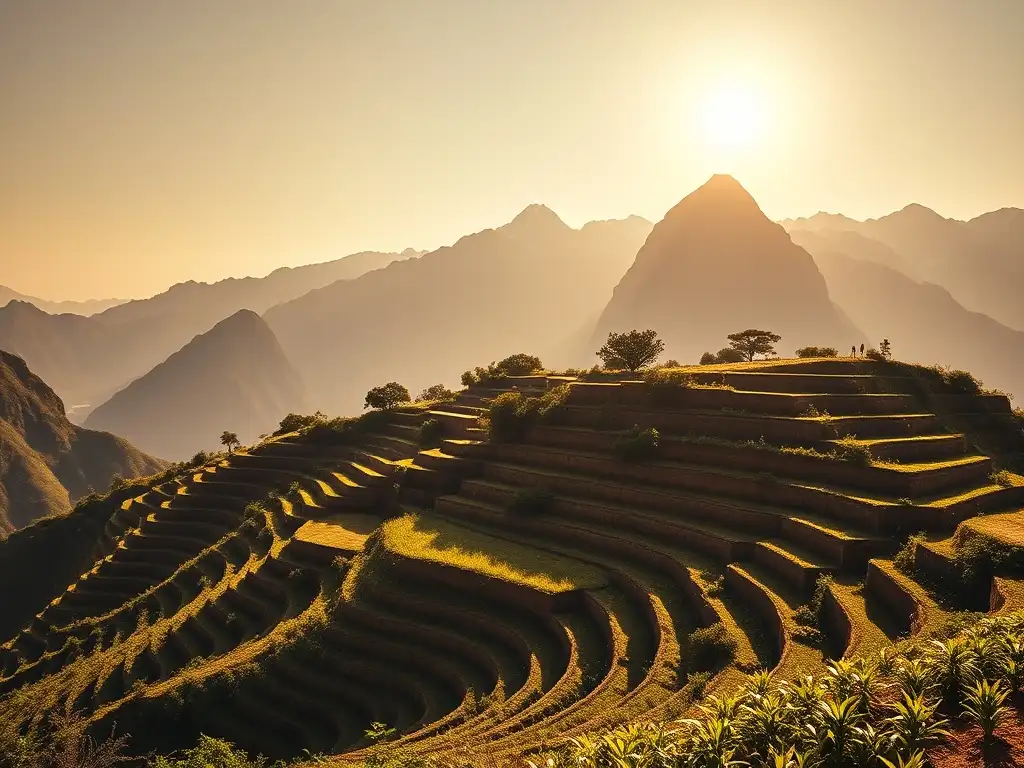
Agriculture was not merely a means of subsistence for the Inca; it was a sacred act deeply interwoven with their cosmology and religious beliefs. The Inca's sophisticated agricultural techniques, such as terracing and irrigation, weren't simply technological advancements but expressions of their reverence for the earth and its bounty. The annual agricultural cycle was closely linked to the Inca calendar and religious festivals, reflecting the belief that successful harvests depended on maintaining the cosmic balance.
The Inca saw themselves as partners with the earth, working in harmony with nature to ensure the prosperity of their empire. The Mama Pacha, or Mother Earth, was a central deity, embodying the fertility and life-giving power of the land. Their agricultural practices, therefore, were not just about producing food; they were rituals aimed at honoring Mama Pacha and ensuring her continued favor.
The Inca’s mastery of irrigation systems, their development of terraced farming on steep slopes, and their sophisticated understanding of crop rotation demonstrate a profound respect for the land and a commitment to sustainable agriculture. The Inca's worldview directly influenced their agricultural practices, making farming a sacred act central to their cosmological understanding and the survival of their civilization. The success of their agricultural system is a testament to their deep connection with and understanding of the natural world.
The Uku Pacha: The Underworld and its Significance
The Inca worldview wasn't limited to the earthly realm; it extended to a vibrant, complex understanding of the underworld, known as Uku Pacha. Unlike many Western conceptions of hell, Uku Pacha wasn't solely a place of punishment. Instead, it was a vital component of the cosmos, a realm of mystery and power intimately connected to the living world. Inca mythology depicted Uku Pacha as a shadowy, subterranean landscape, a mirror image of the Kay Pacha (the earthly world), where the spirits of the deceased resided.
This wasn't a static, unchanging place; it was believed to be a dynamic realm that influenced the events and fertility of the Kay Pacha. The Uku Pacha held significant importance in Inca religious practices, with offerings and rituals performed to appease the spirits and ensure a harmonious balance between the worlds. The very act of agriculture, a cornerstone of Inca society, was deeply intertwined with the Uku Pacha, as the fertility of the land was believed to be directly linked to the spirits residing below.
The deep respect and reverence shown to the Uku Pacha highlight its central role in the Inca cosmological understanding. Furthermore, the intricate network of subterranean tunnels and canals constructed by the Inca, possibly used for water management, may have symbolically reinforced the connection between the visible world and the hidden, powerful realm of the Uku Pacha. This physical manifestation of their belief system further emphasizes the importance and integration of the underworld into their daily lives.
The Concept of Death and the Afterlife in Inca Beliefs
Death, in Inca cosmology, wasn't seen as an end but as a transition. The Inca didn't hold a singular, codified belief about the afterlife, but rather a complex system of ideas influenced by local traditions and the individual's status within society. For the common people, death often meant a journey to the Uku Pacha, where they joined the ancestors and continued to influence the living world. However, the afterlife wasn't necessarily a reward or punishment; it was a continuation of existence in a different form.
The spirits of the deceased, especially those of ancestors, were believed to hold power and influence over the affairs of the living. Respect for the dead was paramount; elaborate burial rituals and offerings were common practices to ensure a peaceful passage and continued favor from the departed. The mummification of high-ranking individuals, such as Inca rulers, further emphasizes the significance attached to the deceased and their continued importance in the cosmic order.
These mummies weren't simply preserved bodies; they were considered active participants in the affairs of the living, consulted for guidance and maintaining a connection between the worlds. The Inca believed that maintaining a harmonious relationship with the spirits of the dead was crucial for the well-being of the living, underlining the fluidity and interconnectedness of life and death in their worldview. The concept of death was therefore not a terrifying end, but rather a transformation and a continued participation in the cosmic dance.
Ancestral Spirits and Their Role in the Underworld
Ancestral spirits played a pivotal role in Inca cosmology, acting as intermediaries between the Uku Pacha, Kay Pacha, and Hanan Pacha (the upper world). These spirits weren't passive observers; they were active participants in the affairs of the living world, influencing harvests, weather patterns, and even the outcome of battles. The Inca believed that their ancestors could provide protection, guidance, and even bestow good fortune upon their descendants. This belief is clearly evidenced in the numerous offerings and rituals performed to honor and appease them.
Specific rituals were conducted to communicate with these spirits, often involving priests and shamans who acted as conduits between the living and the dead. The mummified remains of important ancestors were often kept within the family or community, serving as focal points for these rituals and a constant reminder of the ongoing connection between generations. The importance of ancestral veneration is reflected in the elaborate funerary practices and the construction of mausoleums and burial sites, which were often strategically located to emphasize their connection to the landscape and the cosmos.
The Inca believed that neglecting their ancestors could lead to misfortune and imbalance in the world. Thus, the reverence and respect shown towards ancestral spirits were not merely acts of piety; they were essential components of maintaining cosmic harmony and ensuring the well-being of the Inca society. The active role of these spirits demonstrates the dynamic and interactive nature of the Inca understanding of the universe.
Inca Astronomy and its Impact on their Society
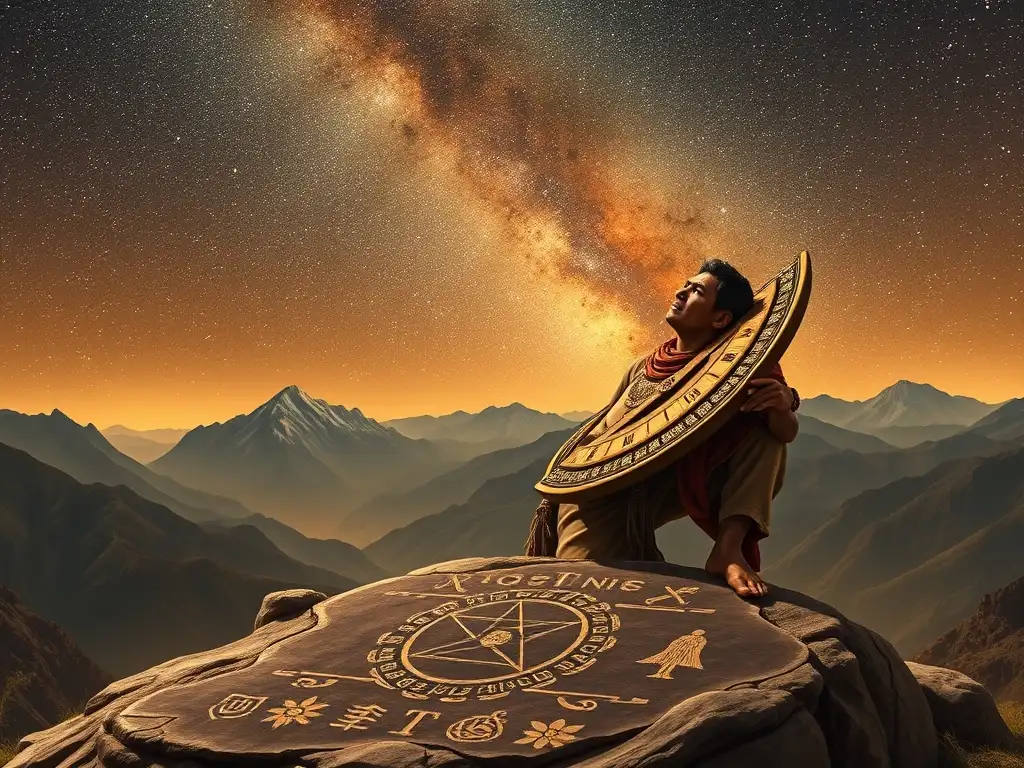
The Inca worldview was deeply intertwined with their understanding of the cosmos. Their sophisticated astronomical knowledge wasn't merely a theoretical pursuit; it profoundly impacted their societal structures, agricultural practices, and religious beliefs. Unlike many other ancient civilizations that left behind extensive written records, the Inca's knowledge was primarily transmitted orally, resulting in a rich tapestry of myths, legends, and practical applications that have been pieced together by archaeologists and anthropologists.
This section explores the remarkable influence of Inca astronomy on their daily lives and societal organization. The Inca cosmology view of universe was not just a philosophical exercise; it was the very foundation upon which their empire was built.
Inca Observation of the Celestial Bodies
Inca astronomers, often priests or specialists within the religious hierarchy, meticulously observed the celestial bodies. They didn't possess telescopes, yet their keen eyes and generations of accumulated knowledge allowed them to track the movements of the sun, moon, stars, and planets with remarkable accuracy. They identified constellations, although their interpretations differed significantly from those of other cultures.
For instance, the Milky Way was often seen as a river of stars, a celestial pathway connecting the earthly and spiritual realms. Their observations weren't random; they utilized specific structures, such as intihuatanas (sun stones), which were carefully aligned to mark solstices and equinoxes, providing crucial information for agricultural planning and religious ceremonies. Detailed records of these observations, although not written, were passed down through generations via oral traditions, songs, and intricate knotted cords known as quipus.
The precise methods of observation and the extent of their knowledge about planetary movements remain areas of ongoing research, but evidence suggests a level of sophistication comparable to other advanced ancient civilizations. Their ability to predict eclipses, for example, points to advanced astronomical calculations.
Astronomical Knowledge in Inca Agricultural Practices
The Inca's mastery of astronomy was inextricably linked to their agricultural success. Their empire, spanning diverse altitudes and climates, relied on precise agricultural practices to sustain its large population. The observation of celestial cycles directly informed their planting and harvesting schedules.
The solstices and equinoxes, marked by the intihuatanas, were pivotal moments, signaling the beginning and end of the agricultural seasons. The appearance of specific constellations also served as indicators for optimal planting times for different crops. This meticulous attention to astronomical cues minimized agricultural risks and ensured food security across the vast Inca Empire.
The precision of their calendar system, intimately tied to celestial events, speaks to their deep understanding of the relationship between the cosmos and the earth's productivity. The Inca's agricultural prowess wasn't just a matter of hard work; it was a testament to their sophisticated application of astronomical knowledge. This sophisticated integration of astronomy and agriculture was key to the empire's prosperity and stability.
The Role of Astronomy in Inca Rituals and Festivals
Inca cosmology view of universe was deeply embedded in their religious practices. Astronomy played a central role in their elaborate rituals and festivals. The sun, Inti, was the most important deity, and its movements were meticulously tracked and celebrated.
The Inti Raymi, the festival of the sun, was a major event, coinciding with the winter solstice, a time of renewal and rebirth. Other festivals were timed to coincide with significant astronomical events, reflecting the deep connection between the celestial and the terrestrial spheres. The priests, acting as intermediaries between the gods and the people, used astronomical observations to interpret omens, predict the future, and maintain social order.
The alignment of temples and other structures with celestial bodies further underscores the importance of astronomy in their religious beliefs. The intricate relationship between astronomy and religion in Inca society highlights the profound influence of the cosmos on their worldview and social fabric. The Inca's religious calendar was an intricate dance between celestial events and religious observance, underlining the deeply spiritual nature of their astronomical knowledge.
The Inca Calendar and its Cosmic Alignment
The Inca calendar, unlike the rigid, fixed calendars of many other ancient civilizations, was intricately tied to the observable movements of celestial bodies. It wasn't a single, monolithic calendar but rather a sophisticated system of interwoven observations and interpretations, reflecting the Incas' deep understanding of the cosmos and its influence on their agricultural practices and societal structure. Instead of relying on a fixed number of days, the Inca calendar was fundamentally solar, based on the precise tracking of the sun's annual cycle.
This solar year was meticulously divided into twelve lunar months, each approximately 30 days long. However, the discrepancy between the solar and lunar cycles was acknowledged and accommodated through the addition of extra days, ensuring that the calendar remained synchronized with the agricultural seasons. This process demonstrated a remarkable level of astronomical precision for its time.
The Inca calendar wasn't merely a system for marking time; it was a powerful tool for predicting agricultural cycles, planning ceremonial events, and maintaining social order. The solstices and equinoxes held particular significance, marking key moments in the agricultural year and triggering important festivals and ceremonies. For instance, the winter solstice, signifying the shortest day of the year, likely held a symbolic importance related to rebirth and renewal, mirroring the cycle of life and death inherent in Andean cosmology.
Similarly, the summer solstice, with its longest day, celebrated the peak of the agricultural season and the abundance it provided. These celestial events were not simply observed; they were deeply integrated into the fabric of Inca society, shaping their worldview and daily lives.
The precise methods employed by the Inca to track these celestial events are still being studied by archaeologists and astronomers. Evidence suggests that they utilized a combination of techniques, including careful observation of the sun's path across the sky, the positions of stars and constellations, and possibly even sophisticated instruments like gnomons or other shadow-casting devices. The construction of many Inca sites, particularly their impressive temple complexes, often incorporates astronomical alignments, indicating the deliberate integration of celestial observations into their architecture.
These alignments, often subtly incorporated into the design, served as both practical tools and powerful symbols, reflecting the close relationship between the earthly and celestial realms in Inca belief. The precise nature of these alignments, however, often requires sophisticated analysis and ongoing research to fully understand their significance.
Further study of Inca astronomical knowledge is crucial for a more complete understanding of their culture and societal structure. The precision and sophistication revealed in their calendar system underscores their advanced astronomical knowledge and its profound impact on their civilization.
The Cosmic Dance: Gods, Mortals, and the Universe
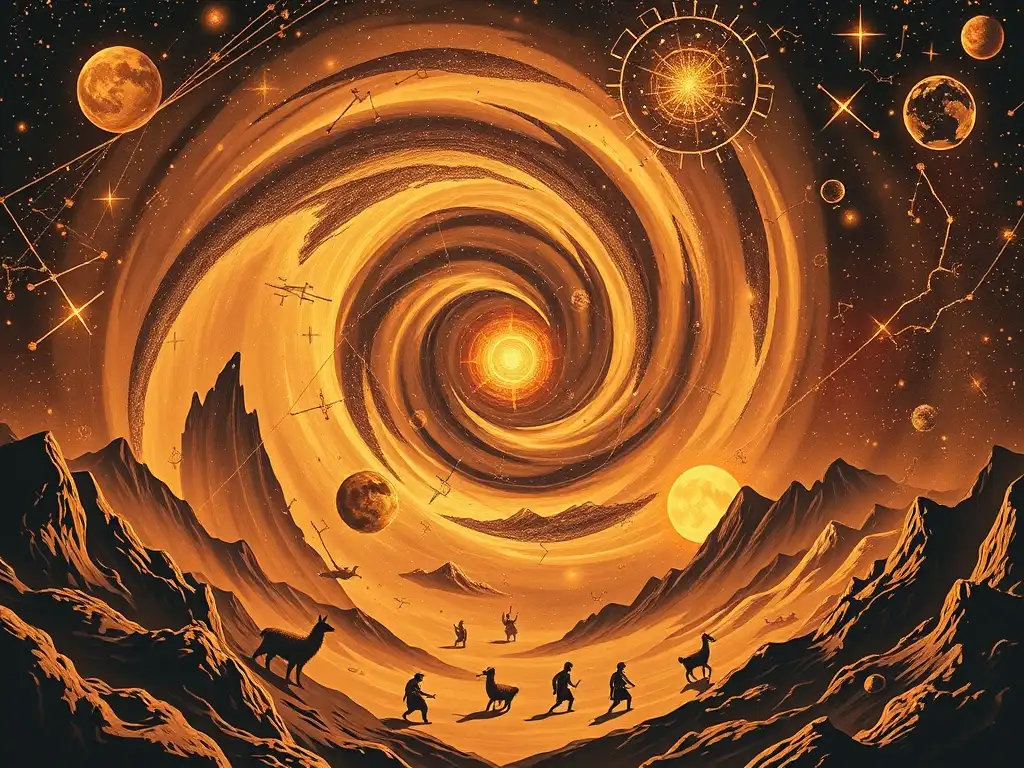
The Inca cosmology, a complex tapestry woven from celestial observations and spiritual beliefs, offered a unique perspective on the universe. Unlike many Western cosmologies that posit a separation between the divine and the earthly, the Inca worldview emphasized a profound interconnectedness. Their understanding of the cosmos wasn't just a theoretical framework; it was a lived reality, shaping their social structures, agricultural practices, and daily rituals.
The Inca's "view of the universe," as we might phrase it, wasn't a passive observation but an active participation in a cosmic dance involving gods, mortals, and the very fabric of existence. This intricate system, deeply rooted in Andean geography and agricultural cycles, reveals a sophisticated understanding of the natural world and its cyclical rhythms. Understanding Inca cosmology requires appreciating its inherent dynamism and the crucial role played by reciprocity and balance in maintaining cosmic order.
The Interconnectedness of the Three Worlds in Inca Thought
Inca cosmology visualized the universe as consisting of three interconnected worlds: the Hanan Pacha (upper world), the Kay Pacha (here and now, the earthly world), and the Ukhu Pacha (underworld). These weren't simply geographical locations but distinct realms of existence, each influencing and interacting with the others.
The Hanan Pacha, the celestial realm, was home to the sun god Inti, the moon goddess Mama Killa, and the stars, all powerful deities that influenced earthly events. The Inca believed that the actions of these celestial beings directly impacted the success of their harvests, the health of their people, and the overall prosperity of their empire. Solar eclipses, for instance, were interpreted as signs requiring appeasement of the gods through ritual sacrifice and offerings.
The Kay Pacha, the earthly world, was where the Inca lived and interacted with the natural world. This realm was not separate from the divine but rather imbued with spiritual significance. Mountains, rivers, and other natural features were considered sacred places, often inhabited by spirits or deities. Agricultural practices were deeply intertwined with cosmology, with specific rituals performed at different stages of the planting and harvesting cycles to ensure bountiful yields. The Inca's meticulous agricultural techniques, such as terracing, were not merely practical solutions but also expressions of their cosmic worldview.
The Ukhu Pacha, the underworld, was a realm of mystery and power, associated with death, ancestral spirits, and the origins of life. It was believed to be a source of fertility and renewal, connected to the earthly world through subterranean springs and caves. Mummification of important individuals served as a way to maintain a connection between the living and the deceased, ensuring the continuity of the Inca lineage and the continued influence of their ancestors.
"Ayni": Reciprocity and Cosmic Harmony
A central concept in Inca cosmology is ayni, a principle of reciprocity and mutual obligation that governed all aspects of life. Ayni wasn't simply about exchanging goods or services; it was a fundamental principle of cosmic balance. The Inca believed that maintaining harmony within the universe required a constant exchange of energy and resources between humans, the gods, and nature.
This reciprocity extended to many aspects of Inca life. For example, the mita system, a form of labor tribute, was viewed not as exploitation but as a reciprocal agreement between the emperor and the common people. In return for their labor, the people received protection, infrastructure, and access to resources.
Similarly, offerings and sacrifices made to the gods were seen as a way to repay their benevolence and ensure their continued support. Failure to uphold ayni was believed to disrupt cosmic harmony, leading to misfortune and imbalance. The meticulous record-keeping of the Inca, in the form of quipus, likely served to track these reciprocal obligations and maintain the intricate web of ayni throughout the empire.
Priests and Shamans: Maintaining Cosmic Order
The Inca relied on a complex priestly class and shamans to maintain cosmic order and ensure the continued flow of ayni. These individuals were responsible for interpreting celestial events, performing rituals, and mediating between the human and divine worlds. Priests, often highly educated in astronomy and astrology, held significant power and influence within Inca society. They were responsible for advising the emperor on matters of state and ensuring that all aspects of life aligned with cosmic principles.
Shamans, on the other hand, played a more localized role, often acting as healers and diviners. They utilized various techniques, including herbal remedies, rituals, and divination, to address imbalances in the human and natural worlds. Their knowledge of medicinal plants and their ability to interpret dreams and omens were highly valued within their communities.
Both priests and shamans played critical roles in maintaining the delicate balance of the Inca cosmos, ensuring that the cosmic dance continued uninterrupted and that the flow of ayni remained strong. Their influence permeated all levels of Inca society, highlighting the importance of religious beliefs in shaping the Inca worldview and their understanding of the universe.
Inca Cosmology View of Universe: A Legacy of Wisdom
The Inca cosmology, a complex and fascinating system of beliefs, offered a unique perspective on the universe, deeply influencing their societal structure, artistic expressions, and daily lives. Understanding their "Inca cosmology view of universe" requires delving into their intricate worldview, where the physical and spiritual realms were inextricably intertwined.
This wasn't merely a set of abstract ideas; it was a living, breathing framework that guided their actions and shaped their identity as a civilization. Their understanding of the cosmos wasn't solely based on observation of celestial bodies but also incorporated a deep connection with the natural world, reflecting their reverence for Pachamama, Mother Earth, and the interconnectedness of all living things.
The Enduring Influence of Inca Beliefs
The Inca's view of the universe continues to resonate in modern Andean culture. Many traditional practices and beliefs still reflect the core tenets of Inca cosmology. For example, the celebration of Inti Raymi, the festival of the sun, remains a vibrant tradition in the Andes, demonstrating the enduring power of Inca beliefs.
The intricate designs found in Andean textiles and pottery often depict cosmological motifs, such as celestial bodies, mythical creatures, and representations of the Andean landscape – a visual testament to the enduring legacy of Inca cosmology. Even today, many Andean communities maintain a deep connection with the land, reflecting the Inca's emphasis on the sacredness of Pachamama. This connection is not just symbolic; it's a fundamental aspect of their daily lives, from agricultural practices to spiritual rituals.
The persistence of these traditions showcases the profound and lasting impact of Inca cosmological beliefs on the cultural identity of the Andean people. The legacy of Inca wisdom remains a vital part of their heritage, influencing their worldview and shaping their interactions with the world around them.
Inca Cosmology and Its Influence on Andean Culture
Inca cosmology significantly impacted the social and political organization of the empire. The emperor, considered a descendant of the sun god Inti, held supreme authority, reflecting the celestial hierarchy embedded within their worldview. The Inca's sophisticated agricultural techniques, such as terracing and irrigation, were not merely practical solutions but also reflected their understanding of the harmonious relationship between humans and nature, a key element of their cosmological perspective.
Their architectural marvels, such as Machu Picchu, were carefully aligned with celestial events, demonstrating a profound understanding of astronomy and its integration into their society. Furthermore, their intricate system of record-keeping, using quipu (knotted strings), may have also served to track celestial events and maintain a cosmological calendar.
The Inca's deeply held belief in the interconnectedness of all things—the cosmos, the earth, and humanity—shaped their societal structures, their relationship with the environment, and their artistic and architectural achievements. Their profound respect for the natural world is evident in their sustainable agricultural practices and their careful integration of their buildings into the landscape.
Preserving Inca Knowledge for Future Generations
The task of preserving Inca knowledge for future generations is of paramount importance. Efforts to document and understand the complexities of Inca cosmology require collaborative research involving historians, archaeologists, anthropologists, and the Andean communities themselves. This interdisciplinary approach ensures a holistic and respectful understanding of Inca beliefs.
Further research into Inca astronomical observations and their calendrical systems is crucial to fully comprehend their cosmological perspective. Digital archiving of existing knowledge, including translations of ancient texts and detailed records of ongoing archaeological discoveries, is essential for safeguarding this invaluable cultural heritage. Moreover, supporting and promoting the continuation of traditional Andean practices, such as Inti Raymi and other rituals connected to Inca cosmology, is vital for maintaining a living connection to this rich cultural legacy.
The preservation of Inca knowledge is not merely an academic pursuit; it is a responsibility to protect and celebrate a unique and invaluable aspect of human history and cultural heritage. The Inca cosmology view of universe deserves to be understood and appreciated in its full complexity, ensuring that this legacy continues to inspire and enrich our understanding of the world.
Frequently Asked Questions
What was the Inca's overall view of the universe?
The Inca worldview was deeply religious and interconnected. They believed the universe was a dynamic place, a stage for constant interaction between gods, humans, and nature. Everything was believed to be spiritually significant.
How did the Inca cosmology influence their daily life?
Inca cosmology permeated every aspect of their lives, from agriculture and governance to art and architecture. Their rituals, festivals, and even daily routines were carefully aligned with their understanding of the cosmos and the celestial cycles.
What role did the sun play in Inca cosmology?
The sun, Inti, was the most important deity in the Inca pantheon. It was seen as the source of life and energy, and Inca society was structured around the sun's movements and cycles, with many festivals dedicated to Inti.
How did the Inca understand the relationship between humans and the cosmos?
Incas viewed humans as an integral part of the cosmic order. They believed that harmony with the universe was crucial for maintaining social order and prosperity. Disruptions in this harmony were seen as bad omens.
What were some key elements of Inca astronomical knowledge?
The Inca possessed sophisticated astronomical knowledge, using observations of celestial bodies to develop their calendar system and to predict agricultural cycles. Their understanding of the stars and constellations was deeply intertwined with their religious beliefs.
Final Reflection: Echoes of the Andes: A Legacy in the Cosmos
The Inca understanding of the universe, a vibrant tapestry woven from celestial bodies, earthly elements, and divine intervention, remains profoundly relevant today. Our own fascination with the cosmos, fueled by scientific exploration and philosophical inquiry, mirrors the Inca's deep-seated need to understand their place within the grand scheme of existence. The enduring questions they grappled with – our origins, our purpose, our connection to the larger universe – continue to resonate across centuries.
The Inca's sophisticated cosmology, expressed through their intricate calendar systems, awe-inspiring architecture, and deeply spiritual practices, continues to shape our understanding of pre-Columbian civilizations and their profound connection to nature. Their worldview, far from being a relic of the past, offers a powerful counterpoint to our modern, often fragmented, relationship with the environment. The universe is not outside of us. It is within us. It is in our thoughts, our feelings, our actions.
This sentiment, though not directly from an Inca source, speaks to the holistic perspective that characterized their cosmic understanding, a perspective we can learn much from.
Consider the intricate balance the Inca perceived between the celestial and terrestrial realms. Reflect on how this understanding might inform our own approach to environmental stewardship and social harmony. You, the reader, are invited to contemplate the enduring wisdom embedded within the Inca's cosmic dance. How can we weave this ancient perspective into our modern lives, fostering a more harmonious relationship with both the natural world and the vast universe that surrounds us? Let the echoes of the Andes inspire you to seek a deeper connection to the cosmos and to the profound interconnectedness of all things.
**Embrace the Cosmos: Unlock Your Connection with the Inca Universe! **
Thank you for exploring the fascinating insights of the Inca worldview! You've uncovered the rich tapestry of how this ancient civilization perceived its existence—a cosmic dance intertwining the divine and the human in a magnificent story. Now, let's strengthen your connection to this vibrant culture. Here are some ways you can deepen your understanding:
- Reflect on Your Spiritual Journey: Consider how the Inca perspective resonates with your own beliefs about the universe and your place within it. Take some time for quiet reflection to explore these connections.
- Dive Deeper into Inca Cosmology: Seek out reputable books, documentaries, or academic articles about Andean civilizations to further expand your knowledge of their cosmology and cultural practices.
- Share Your Discoveries: Engage with others interested in indigenous cultures by sharing your insights on social media or in relevant online forums. Your perspectives may inspire others to explore this rich history and worldview.
Which aspect of the Inca's cosmic view most resonates with your own life experiences? We'd love to hear your thoughts and continue this exploration together!