
The Enduring Power of Inca Myths: Lessons for the Modern World

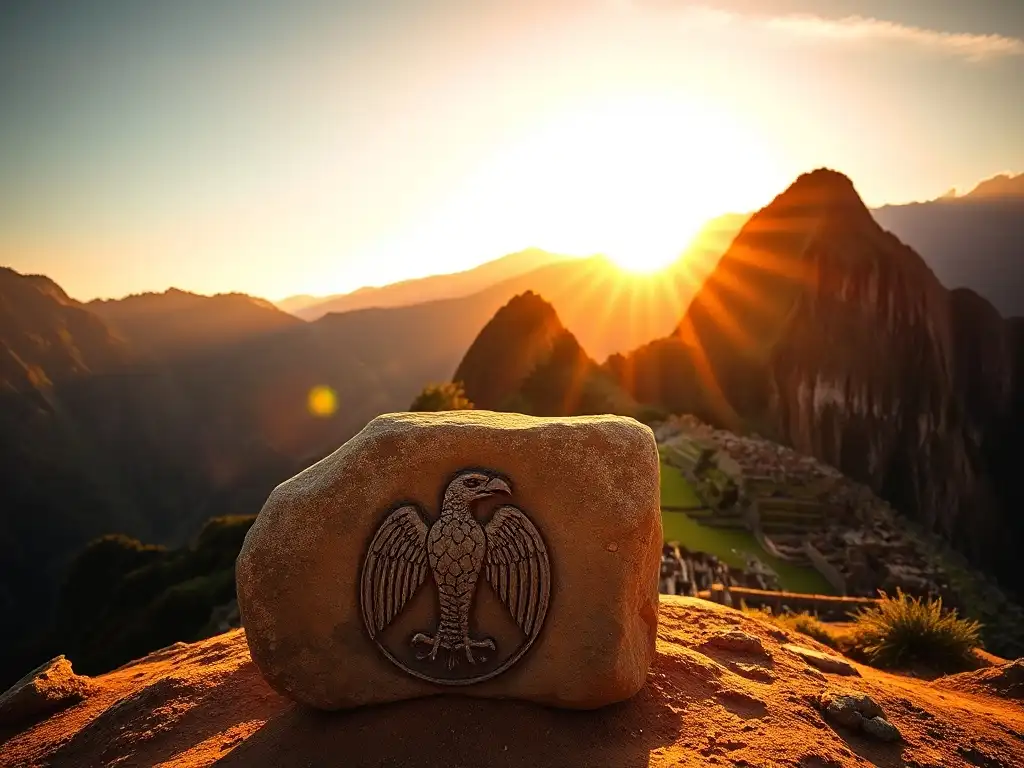
Step into a world lost to time, yet echoing with timeless wisdom. Journey with us through the breathtaking landscapes and captivating cultures of the Andes, uncovering the secrets held within the ancient civilizations that thrived there. From the intricate artistry of the Nazca lines to the towering ingenuity of the Incas, prepare to be amazed.
But what can the Inca myths – tales spun across millennia – teach us today? Discover the surprising and relevant lessons hidden within these ancient stories in our exploration of " Inca myths modern lessons"— a journey that will reshape your understanding of the past and its enduring impact on our present.
The Inca Empire, a civilization that flourished in the Andes Mountains for over a century, left behind a legacy far beyond its impressive architectural feats and sophisticated agricultural techniques. At the heart of Inca society lay a rich tapestry of myths and legends, deeply interwoven with their daily lives, worldview, and social structures. These stories, passed down through generations primarily through oral tradition, offer profound insights into Inca values, beliefs, and societal organization.
This exploration delves into the enduring power of Inca myths, examining how their narratives continue to resonate with modern audiences and provide valuable lessons for navigating the complexities of the 21st century. We will uncover the wisdom embedded within these ancient tales, revealing their relevance to contemporary challenges and offering a unique perspective on human nature and societal development.
Understanding Inca mythology is not just an academic exercise; it's a journey into the human spirit, revealing enduring truths about our shared past and offering valuable insights for our collective future. The keyword "Inca myths modern lessons" will be explored throughout, highlighting the practical applications of these ancient stories.
The Creation Myth and the Importance of Community
The Inca creation myth, a complex narrative involving various deities and celestial events, emphasizes the interconnectedness of all living things and the importance of community. The story, often varying in details depending on the specific region and storyteller, typically centers around the emergence of the world from a primordial chaos. This narrative highlights the Inca belief in a harmonious relationship between humanity and nature, a concept that resonates deeply with modern environmental concerns.
The emphasis on cooperation and mutual support within the community, a crucial aspect of Inca society, offers a powerful counterpoint to the individualism often prevalent in contemporary society. Furthermore, the creation myth's cyclical nature, reflecting the Inca understanding of life, death, and rebirth, provides a framework for understanding the impermanence of things and the importance of adapting to change – a vital lesson in our rapidly evolving world.
The cyclical nature of the narrative also reflects the agricultural cycle, vital to the Inca way of life, emphasizing the importance of planning and sustainability. Several variations of this creation myth exist, reflecting the diversity of Inca beliefs across different regions of the vast empire.
Viracocha and the Divine Order: Lessons in Leadership and Governance
Viracocha, the creator god in Inca mythology, is often depicted as a powerful, benevolent figure, responsible for shaping the world and establishing order. The stories surrounding Viracocha emphasize the importance of responsible leadership, justice, and the establishment of clear societal structures. Viracocha's actions, often interpreted as acts of creation and guidance, serve as a model for ideal governance.
His role in establishing social order and providing for his people offers valuable insights into the principles of effective leadership and the importance of maintaining social harmony. The concept of ayni, reciprocal exchange and mutual responsibility within Inca society, is directly linked to the divine order established by Viracocha.
Understanding Viracocha's role allows us to examine the principles of effective governance and the importance of fairness and justice in maintaining a thriving society. The Inca belief in a divine order underscores the importance of ethical leadership and responsible stewardship, concepts that are as relevant today as they were centuries ago.
Pachamama and the Sacredness of Nature: Environmental Stewardship in the Modern Age
Pachamama, the Earth Mother, holds a central position in Inca mythology, representing the life-giving power of nature and the importance of maintaining a harmonious relationship with the environment. The myths surrounding Pachamama highlight the interconnectedness of humanity and nature, emphasizing the need for respect, reverence, and sustainable practices. The Inca reverence for Pachamama offers a powerful counterpoint to modern environmental challenges, reminding us of the intrinsic value of nature and the consequences of exploiting natural resources without consideration for future generations.
The Inca's agricultural practices, deeply rooted in their understanding of Pachamama, demonstrate a sophisticated approach to sustainable living. Their understanding of the delicate balance within the ecosystem provides a valuable model for modern environmental stewardship.
The stories surrounding Pachamama, therefore, offer crucial lessons in environmental responsibility and sustainable living, highlighting the urgent need for a more harmonious relationship between humanity and the natural world. The concept of Pachamama is a powerful symbol for the importance of environmental protection and sustainability in the face of climate change and resource depletion.
- The Creation Myth and the Importance of Community
- Viracocha and the Divine Order: Lessons in Leadership and Governance
- Pachamama and the Sacredness of Nature: Environmental Stewardship in the Modern Age
Unveiling the Ancient Wisdom of Inca Mythology
Inca mythology, a vibrant tapestry woven from narratives passed down through generations, offers a profound insight into the worldview and societal structures of this remarkable civilization. Understanding Inca myths is not merely an academic exercise; it's a key to unlocking the secrets of their enduring power and relevance even in the modern world. Their stories, often intertwined with practical knowledge about agriculture, astronomy, and social organization, reveal a sophisticated understanding of the natural world and their place within it.
The persistence of certain motifs and characters across various myths highlights their importance in shaping Inca identity and values. Analyzing these narratives reveals a complex system of beliefs that profoundly impacted every aspect of Inca life, from daily rituals to imperial governance. This section delves into the significance of Inca myths in understanding their culture and explores the core themes that resonate throughout their rich mythological landscape.
The enduring power of these myths lies in their ability to convey timeless lessons about human nature, societal harmony, and the relationship between humanity and the cosmos. This exploration will illuminate how these ancient narratives continue to offer valuable insights for navigating the complexities of the modern world.
The Significance of Inca Myths in Understanding their Culture
Inca myths served as more than mere entertainment; they were integral to the functioning of Inca society. They provided a framework for understanding the world, explaining natural phenomena, justifying social hierarchies, and reinforcing moral codes. For instance, the myth of Viracocha, the creator god, not only explained the origin of the world but also established the legitimacy of the Inca rulers, who were considered descendants of the divine being. The careful study of these myths reveals a complex interplay between cosmology, social structure, and political power.
The Inca worldview was deeply intertwined with their understanding of the natural world, with mountains, rivers, and celestial bodies imbued with spiritual significance. Myths often detailed the relationship between humans and these sacred entities, illustrating the Inca's deep respect for the environment and their responsibility towards maintaining ecological balance. This perspective offers valuable lessons for contemporary society grappling with environmental challenges.
Moreover, the numerous myths surrounding agricultural practices, such as the story of the potato's origin, highlight the importance of agriculture in Inca life and their sophisticated understanding of cultivation techniques. Their agricultural success, directly linked to their mythological beliefs, serves as a testament to the power of integrating spiritual and practical knowledge. The intricate connection between myth and practice underscores the holistic nature of Inca culture, where spiritual beliefs informed every aspect of daily life.
Exploring the Core Themes Present in Inca Mythology
Several recurring themes emerge from a close examination of Inca mythology, providing a deeper understanding of their values and beliefs. One prominent theme is the importance of balance and harmony. Many myths depict a constant struggle between opposing forces, such as light and darkness, order and chaos, and ultimately, the necessity of maintaining equilibrium in all aspects of life. This emphasis on balance is reflected in their sophisticated agricultural practices, their intricate social organization, and even their architectural achievements. Another prevalent theme is the concept of reciprocity, often expressed as ayni. This principle emphasizes mutual obligation and exchange between individuals, communities, and the divine realm.
The Inca believed that offering respect and service to the gods and to one another would ensure a reciprocal flow of blessings and prosperity. This concept of reciprocal exchange is particularly relevant in today's increasingly interconnected world, where cooperation and mutual understanding are crucial for addressing global challenges. Furthermore, the theme of ancestor veneration plays a significant role in Inca mythology. Respect for ancestors and their continued influence on the living world is a central element of their beliefs. This resonates with contemporary discussions about the importance of intergenerational connections and the preservation of cultural heritage.
Finally, the pervasive theme of human resilience and adaptation is woven throughout many myths. Stories of overcoming adversity and adapting to challenging environments reflect the Inca's remarkable capacity to build a thriving civilization in a geographically diverse and sometimes harsh landscape. This resilient spirit offers a powerful message for modern society facing its own set of complex challenges and uncertainties. The Inca myths, therefore, offer a rich source of wisdom applicable to a range of contemporary concerns, from environmental stewardship to fostering social harmony and navigating global complexities. Their enduring power lies in their ability to illuminate timeless human experiences and values.
Inca Creation Myths and Their Relevance Today
This section delves into the enduring power of Inca creation myths and explores their surprising relevance to contemporary society. We will examine how these ancient narratives continue to offer valuable insights into human nature, societal structures, and our relationship with the natural world. The enduring appeal of these myths lies not just in their fantastical elements, but in their underlying messages about resilience, community, and the search for meaning. Understanding these stories provides a unique lens through which to analyze modern challenges and opportunities. The keyword phrase "Inca myths modern lessons" is central to this exploration.
The Inca Origin Story: The Emergence from Lake Titicaca
The most widely known Inca origin myth recounts the emergence of the first Inca, Manco Cápac and Mama Ocllo, from the sacred Lake Titicaca. This isn't simply a tale of divine birth; it's a powerful metaphor for the Inca's relationship with their environment and their claim to legitimacy. The lake, a source of life and sustenance, symbolizes the fertile lands the Inca conquered and cultivated.
The emergence from the depths suggests a connection to the earth's primordial power, reinforcing the Inca's belief in their divine right to rule. This narrative, passed down through generations, served as a cornerstone of Inca identity and fostered a deep sense of connection to their homeland. The story's emphasis on a shared origin likely contributed to the cohesion and stability of the vast Inca empire.
Further research into regional variations of this origin story could reveal nuanced interpretations and adaptations across different Inca communities. [Specific details on regional variations pending].
Modern Interpretations of Inca Creation Narratives
Contemporary scholars and indigenous communities continue to re-interpret Inca creation narratives, finding new layers of meaning in these ancient texts. For example, the story of Manco Cápac and Mama Ocllo's journey from Lake Titicaca to Cusco can be viewed as an allegory for the challenges of nation-building and the persistent pursuit of a better future. Their arduous trek, filled with obstacles and triumphs, mirrors the struggles faced by societies throughout history striving for progress and prosperity.
Furthermore, the emphasis on community and cooperation within the Inca myths offers a powerful counterpoint to modern individualism. The Inca belief system prioritized the collective good, a concept that resonates with contemporary discussions surrounding sustainability, social justice, and the importance of interconnectedness.
The "Inca myths modern lessons" are particularly relevant in a world grappling with issues of environmental degradation and social inequality. Analyzing these narratives can help us understand the importance of collective action and sustainable practices.
How Inca Cosmogony Informs Our Understanding of the World
Inca cosmogony, the study of their understanding of the universe, provides a fascinating glimpse into their worldview. Their intricate system of beliefs, encompassing the interconnectedness of the natural and spiritual realms, offers valuable insights into human relationships with the environment. The Inca reverence for mountains, rivers, and celestial bodies reflects a deep appreciation for the natural world and a recognition of its power. This respect for nature is strikingly relevant in the face of today's environmental challenges.
The Inca's understanding of the delicate balance within ecosystems serves as a powerful reminder of our responsibility to protect the planet. The "Inca myths modern lessons" extend beyond simply understanding the past; they offer a blueprint for a more sustainable future. This holistic perspective, where the spiritual and material worlds are interwoven, contrasts sharply with modern anthropocentric views. Studying Inca cosmogony can help us develop a more harmonious and balanced relationship with the environment.
The Inca's emphasis on reciprocity and balance within nature provides a powerful framework for addressing contemporary environmental concerns. Further research is needed to explore the practical applications of Inca ecological wisdom in modern conservation efforts. [Specific examples of practical application pending].
Inca Gods and Goddesses: Archetypes for Modern Reflection
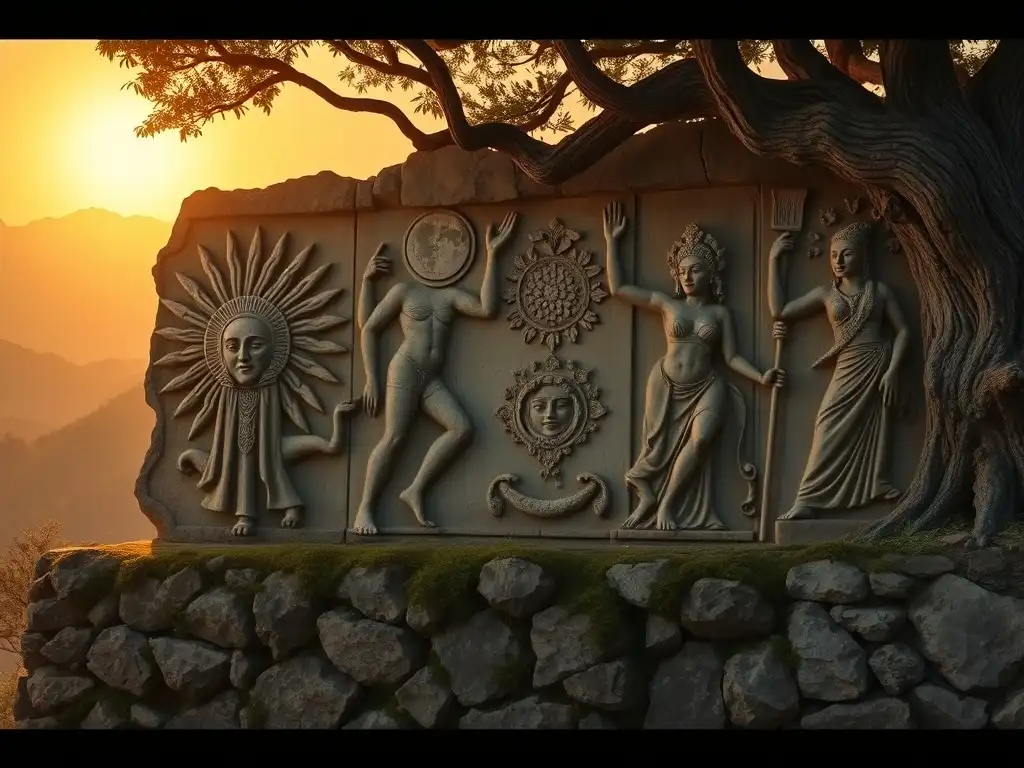
The Inca pantheon, a vibrant tapestry of deities reflecting the Andean worldview, offers surprisingly relevant lessons for contemporary society. Understanding their roles and attributes reveals enduring themes of interconnectedness, respect for nature, and the importance of balance – themes that resonate deeply even in our technologically advanced world. By examining these ancient figures, we can gain fresh perspectives on tackling modern challenges.
The Inca's sophisticated understanding of their environment and their deeply spiritual relationship with it provides a potent counterpoint to our often exploitative relationship with the planet. Analyzing their beliefs can help us re-evaluate our priorities and build a more sustainable future.
Analyzing Key Inca Deities: Inti, Pachamama, Mama Quilla
The Inca sun god, Inti, is a powerful symbol of leadership, authority, and the life-giving power of the sun. Inti's influence permeated every aspect of Inca life, from agriculture to governance. His unwavering presence, symbolic of consistency and reliability, offers a valuable lesson in the importance of strong and ethical leadership, particularly in a world often characterized by instability. Modern leaders could benefit from reflecting on Inti's example, striving for consistent action and a commitment to the well-being of their people.
The earth goddess, Pachamama, represents the profound connection between humanity and nature. Pachamama embodies fertility, abundance, and the cyclical nature of life and death. Her reverence highlights the crucial importance of environmental stewardship and sustainable practices. The Inca understood that their well-being was inextricably linked to the health of the land, a lesson we desperately need to relearn in the face of climate change and environmental degradation. Modern societies can learn from the Inca's deep respect for Pachamama by adopting more sustainable agricultural practices, reducing our carbon footprint, and prioritizing environmental protection.
Finally, Mama Quilla, the moon goddess, represents the feminine principle, cycles of time, and the power of intuition. Her association with the lunar cycle underscores the importance of understanding rhythms and cycles in all aspects of life. In a world that often prioritizes linear progress, Mama Quilla's influence reminds us of the value of patience, introspection, and understanding the ebb and flow of events. This cyclical perspective can be applied to personal growth, project management, and even economic planning, emphasizing the importance of long-term vision and adaptability.
The Timeless Lessons from Inca Gods and Goddesses
The Inca myths surrounding these deities, and many others, are not merely historical artifacts; they are powerful narratives that continue to hold relevance today. The underlying principles of balance, reciprocity, and respect for the natural world are timeless values applicable to any society, regardless of its technological advancement. The Inca emphasis on community and collective responsibility also offers a valuable contrast to the individualistic tendencies prevalent in many modern cultures.
By studying these narratives, we can gain a deeper understanding of our own values and explore alternative ways of organizing our societies and interacting with our environment. The Inca's holistic approach to life, integrating spiritual beliefs with practical actions, stands as a powerful example for modern society.
The Inca’s understanding of the interconnectedness of all things serves as a potent reminder of our responsibility to future generations. Their meticulous agricultural techniques, their sophisticated understanding of astronomy, and their intricate social structures all point to a civilization that valued long-term sustainability and community well-being.
Applying Inca Archetypes to Contemporary Challenges
The enduring power of Inca myths lies in their capacity to offer practical solutions to contemporary challenges. For example, the concept of ayni, a system of reciprocal exchange and mutual support, provides a model for fostering stronger communities and tackling social inequality. Similarly, the Inca emphasis on collective action and resource management offers valuable insights for addressing global issues such as climate change and resource depletion. By understanding the principles underlying Inca society, we can develop more sustainable and equitable systems for the 21st century.
Consider the modern applications: Inti's unwavering leadership could inspire ethical and responsible governance. Pachamama's reverence for nature could drive sustainable practices. Mama Quilla's cyclical perspective could promote more balanced and sustainable economic models. The Inca's emphasis on community and reciprocity could help foster stronger social connections and address issues of inequality. Their myths, therefore, are not just stories of the past, but blueprints for a more sustainable and equitable future. The continued study of Inca myths offers invaluable insights for navigating the complexities of the modern world.
Inca Myths and the Concept of Reciprocity
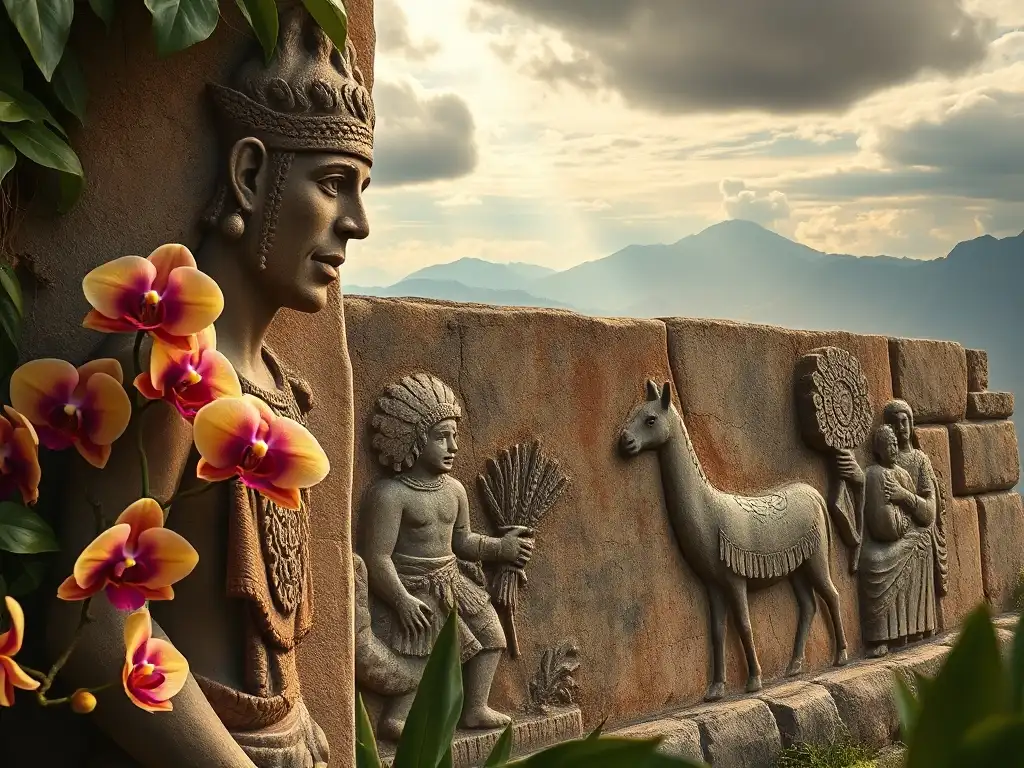
Inca mythology is replete with stories that emphasize the importance of ayni, a Quechua word signifying reciprocity and mutual exchange. This wasn't merely a social convention; it was a fundamental principle underpinning the entire Inca worldview, woven into their cosmology, social structure, and economic system. Understanding ayni provides crucial insights into Inca society and offers valuable lessons for modern communities grappling with issues of social cohesion and sustainability.
The concept extended beyond simple bartering; it encompassed a deep sense of mutual obligation and responsibility within the community and towards the natural world. Failure to uphold ayni was considered a serious transgression, potentially leading to social ostracism or even divine punishment, as depicted in various myths about the consequences of selfishness and greed. The pervasive influence of ayni is evident in the Inca's sophisticated agricultural practices, their elaborate social hierarchy, and their intricate system of redistribution of resources.
The Importance of Ayni in Inca Society
The Inca Empire's success was, in no small part, due to its effective implementation of ayni. This system fostered a strong sense of community and collective responsibility. Individuals were expected to contribute their labor and resources to the benefit of the community, receiving in return support and protection. This wasn't simply a matter of economic exchange; it was deeply embedded in their spiritual beliefs. The Inca believed that maintaining balance and harmony in the universe – a concept reflected in their intricate cosmology – depended on reciprocal relationships between individuals, communities, and the divine.
For example, during harvest time, mit'a, a form of mandatory labor service, saw citizens contributing their time and skills to state projects, such as building roads, temples, or irrigation canals. In return, they received food, shelter, and protection from the state. This wasn't perceived as forced labor but rather as a fulfilling of their social obligations, contributing to the collective good and strengthening community bonds.
Even seemingly mundane activities, like sharing food or assisting neighbors with tasks, were governed by the principles of ayni, reinforcing social cohesion and mutual support. The system was remarkably effective in managing resources and ensuring social stability across a vast and diverse empire. The success of the Inca's sophisticated agricultural terraces, for instance, relied heavily on collective labor and shared knowledge, all underpinned by the principle of ayni.
Applying the Principle of Reciprocity to Modern Community Building
The Inca's emphasis on ayni offers valuable lessons for contemporary society. In an increasingly individualistic world, the concept of reciprocal exchange can be a powerful tool for strengthening communities and fostering social cohesion. Modern initiatives promoting volunteerism, community gardens, and collaborative projects reflect a similar spirit of mutual support and shared responsibility. However, effectively translating ayni into the modern context requires careful consideration of the complexities of contemporary social structures and power dynamics. Simply replicating the Inca system would be inappropriate and ineffective.
Instead, the core principle of ayni – mutual obligation and shared benefit – can inspire the development of new models of community engagement. This might involve promoting collaborative consumption, supporting local businesses, or engaging in participatory decision-making processes. The key is to cultivate a sense of shared responsibility and mutual benefit, where individuals contribute to the collective well-being and receive support in return.
Building strong, resilient communities in the 21st century demands a renewed focus on reciprocity and collaborative action, echoing the enduring wisdom of Inca traditions. The success of numerous community initiatives around the world, focused on shared resources and mutual aid, demonstrates the enduring applicability of the ayni principle.
Inca Ethical Frameworks and their Modern Relevance
Inca ethics, deeply intertwined with their mythology and the concept of ayni, emphasized balance, harmony, and respect for both the human and natural worlds. Their worldview was holistic, recognizing the interconnectedness of all things. This ethical framework is reflected in various myths, which often depict the consequences of disrupting this balance, such as environmental degradation or social unrest. The Inca valued community over individual gain, emphasizing cooperation and collective responsibility. Their legal system, while hierarchical, also incorporated mechanisms for resolving disputes fairly and ensuring social justice.
This emphasis on community and balance offers valuable insights for addressing modern challenges. For example, the Inca's focus on sustainable agriculture and resource management provides lessons for addressing climate change and promoting environmental sustainability. Their emphasis on social justice and equitable distribution of resources can inform policies aimed at reducing inequality and promoting social equity.
While the Inca system wasn't without its flaws, its emphasis on community, reciprocity, and respect for the natural world offers a powerful counterpoint to the often individualistic and exploitative tendencies of contemporary societies. By studying Inca mythology and ethical frameworks, we can gain valuable perspectives on building more sustainable, equitable, and resilient communities. The enduring power of Inca myths lies not only in their captivating narratives but also in the timeless wisdom they offer for navigating the complexities of the modern world.
Inca Myths and the Cycles of Nature
Inca mythology is deeply intertwined with the natural world, reflecting a profound understanding of the cyclical nature of life, death, and rebirth. Unlike linear conceptions of time prevalent in many other cultures, the Inca worldview emphasized cyclical processes mirroring the rhythms of the Andes' environment. Their myths weren't simply stories; they were practical guides for understanding and interacting with their surroundings, impacting their agricultural practices, societal structures, and spiritual beliefs. This intricate connection between myth and nature provides invaluable lessons for modern societies grappling with environmental challenges.
The Inca's reverence for the Pachamama (Mother Earth) and their intricate understanding of the ayllu (community) system are prime examples of this interconnectedness. Their myths served as a powerful tool for reinforcing these values, ensuring the long-term sustainability of their civilization. Understanding this relationship is key to unlocking the enduring wisdom embedded within Inca narratives.
Understanding the Inca Perspective on Time and Seasons
The Inca calendar wasn't a rigid, fixed system like the Gregorian calendar we use today. Instead, it was deeply connected to the agricultural cycle and the observable movements of the sun, moon, and stars. Inca myths often reflected this agricultural dependence, weaving together stories of celestial bodies with the planting and harvesting seasons.
For example, the myth of the creator god Viracocha often involved narratives of the creation of the world and the subsequent establishment of the agricultural calendar. The success of the Inca empire was inextricably linked to their ability to accurately predict the seasons and manage their resources accordingly. Their sophisticated understanding of astronomy and meteorology, reflected in their myths and rituals, enabled them to develop advanced agricultural techniques, such as terracing and irrigation, which maximized crop yields in the challenging Andean terrain.
This intimate connection between celestial events, agricultural cycles, and religious beliefs is a powerful testament to the Inca's holistic worldview. Their methods of predicting the weather, although seemingly rudimentary by modern standards, were remarkably effective in a region where agricultural success was a matter of survival.
Lessons from the Inca Understanding of Ecological Balance
Inca myths emphasized a delicate balance within the natural world, portraying humans not as masters of nature but as integral parts of a complex ecosystem. The concept of ayni, reciprocal exchange, was fundamental to their worldview. This principle extended beyond human interactions, encompassing a reciprocal relationship between humans and the environment.
The Pachamama, the Earth Mother, was not merely a deity but a living entity that required respect and proper stewardship. The Inca believed that failure to maintain this balance would result in natural disasters and societal upheaval. Their myths served as cautionary tales, highlighting the consequences of environmental exploitation.
The Inca's sustainable agricultural practices, which included crop rotation, terracing, and water management, were directly informed by this deeply held belief in ecological balance. These practices allowed them to cultivate the challenging Andean landscape for centuries without causing widespread environmental degradation. Their understanding of the interconnectedness of all living things offers valuable lessons for modern societies struggling with issues of deforestation, soil erosion, and climate change.
How Inca Myths Can Inform Sustainable Practices Today
The Inca's deep respect for Pachamama and their understanding of ecological balance offer crucial insights for modern sustainable practices. Their emphasis on community-based resource management, reflected in the ayllu system, provides a powerful model for collaborative environmental stewardship. The concept of ayni, reciprocal exchange, encourages a sense of responsibility and mutual benefit in resource utilization.
In a world increasingly facing environmental challenges, the Inca's focus on long-term sustainability, rather than short-term gains, is especially relevant. Their myths, which served as a powerful means of transmitting these values across generations, demonstrate the importance of cultural narratives in shaping environmental behavior. By studying Inca mythology and their practical applications of these beliefs, we can gain valuable insights into creating more sustainable and equitable societies.
The Inca's legacy serves as a reminder that environmental protection is not merely a practical necessity but a fundamental aspect of a harmonious relationship between humanity and the natural world. Their stories continue to resonate, offering a path toward a more sustainable future.
The Enduring Influence of Inca Mythology on Andean Culture
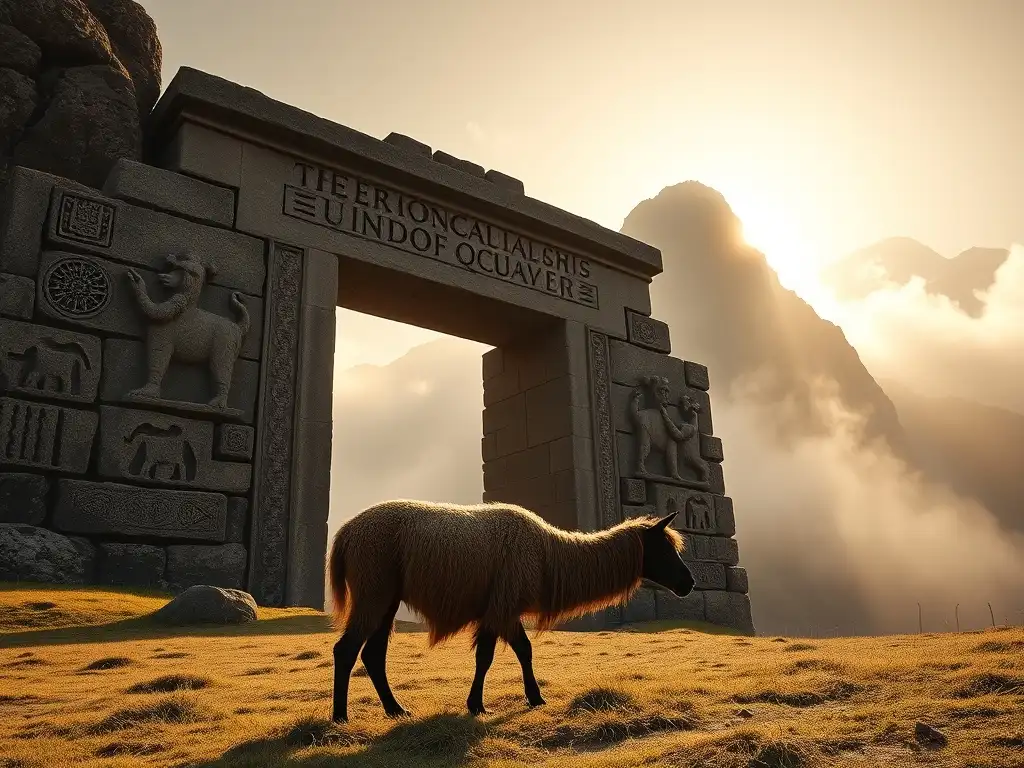
Inca mythology, far from being a relic of a bygone era, continues to exert a profound influence on Andean culture today. Its enduring power stems from its ability to provide a framework for understanding the world, explaining natural phenomena, and shaping social structures. This influence is not merely historical; it's a vibrant, living presence woven into the fabric of daily life for many Andean communities.
The stories, rituals, and beliefs associated with Inca myths remain integral to Andean identity, shaping perspectives on everything from agriculture and healing to social organization and environmental stewardship. The persistence of these narratives demonstrates the resilience and adaptability of Inca cultural heritage, proving that its impact transcends time and geographical boundaries. Understanding this enduring influence requires examining how Inca myths function as a source of identity, how oral traditions have preserved them, and how they remain relevant in contemporary Andean society.
Inca Myths as a Source of Identity and Tradition
Inca myths serve as powerful tools in constructing and maintaining collective identity. Narratives of origin, such as those surrounding the emergence of the Inca ancestors from Lake Titicaca or the creation of the world by Viracocha, provide a shared history and a sense of belonging. These stories bind communities together, reaffirming their connection to a common past and reinforcing social cohesion.
Furthermore, the myths often feature heroic figures and powerful deities, embodying ideals of strength, wisdom, and resilience that continue to inspire Andean people. For example, the story of Manco Cápac and Mama Ocllo, the legendary founders of the Inca Empire, serves as a powerful symbol of leadership, perseverance, and the establishment of civilization. These narratives provide a moral compass, shaping values and behaviors that are still upheld in many Andean communities today.
The enduring presence of these figures in art, festivals, and everyday conversation underscores their importance in maintaining cultural identity and continuity. This is not merely a passive adherence to tradition; it's an active process of reinterpretation and reappropriation, demonstrating the dynamism of Inca mythology in a modern context.
The Transmission of Inca Oral Traditions Through Generations
The survival of Inca myths across centuries is a testament to the effectiveness of oral transmission. While the Spanish conquest attempted to suppress indigenous cultures, many Inca stories persisted through generations thanks to the dedication of storytellers, yachaywasi (houses of knowledge), and community rituals. These oral traditions were not simply rote memorization; they were dynamic performances, adapted and reinterpreted within specific contexts.
The use of quipus (knotted cords used for record-keeping) might have played a role in preserving certain elements of these narratives, though the exact extent of their use in this capacity remains a subject of ongoing scholarly debate. The intimate connection between storytelling and community life ensured the continued relevance and transmission of these myths. The stories were not just entertainment; they were crucial for transmitting knowledge, values, and social norms.
Modern efforts to document and preserve these oral traditions through written accounts and recordings are crucial for ensuring their continuity and accessibility for future generations. The ongoing work of anthropologists and community members alike highlights the importance of recognizing the value of oral histories and their role in maintaining cultural heritage.
The Contemporary Relevance of Inca Myths in the Andes
Inca myths remain profoundly relevant in contemporary Andean society. They continue to inform practices related to agriculture, healing, and environmental stewardship. For instance, the Inca understanding of the cosmos and the interconnectedness of all living things influences contemporary agricultural practices, emphasizing sustainable methods and respect for the natural environment.
Similarly, traditional Andean medicine incorporates elements of Inca mythology, with healing rituals often invoking deities and ancestral spirits. Furthermore, many contemporary Andean festivals and celebrations directly incorporate elements of Inca mythology, reaffirming the cultural significance of these narratives. The continued use of Inca symbols and motifs in art, clothing, and everyday objects further demonstrates the integration of these myths into modern Andean life.
This demonstrates that Inca myths are not simply historical artifacts; they are dynamic, living traditions that continue to shape the worldview and practices of Andean communities. The ongoing relevance of Inca mythology underscores the enduring power of these narratives in shaping identity, values, and cultural practices in the modern world. The adaptation and reinterpretation of these ancient stories highlight their resilience and their capacity to provide meaning and guidance in the face of contemporary challenges.
Inca Myths: Modern Lessons in Resilience and Adaptation

Inca mythology, rich in symbolism and narrative, offers profound insights into the values and strategies that enabled this remarkable civilization to thrive in a challenging Andean environment. Their myths aren't mere tales; they're blueprints for survival, resilience, and adaptation – lessons surprisingly relevant to modern-day challenges. By examining these narratives, we can glean practical wisdom applicable to contemporary problem-solving and societal progress.
The enduring power of Inca myths lies in their ability to transcend time, offering timeless guidance for navigating complexity and uncertainty. This section explores how Inca strategies for survival, as reflected in their myths, can inspire innovative solutions to modern problems.
Inca Strategies for Survival and Overcoming Adversity
The Inca worldview, as depicted in their myths, emphasized the importance of community, resourcefulness, and respect for the natural world. The myth of Manco Cápac and Mama Ocllo, the founders of the Inca empire, highlights the importance of perseverance and adaptation. Their journey from Lake Titicaca, facing numerous obstacles, symbolizes the Inca's ability to overcome adversity through collective effort and unwavering determination. This resonates deeply with modern challenges like climate change and economic instability, where collaborative solutions and adaptability are crucial.
Furthermore, the Inca's sophisticated agricultural techniques, such as terracing and irrigation, were not merely practical innovations; they were also deeply intertwined with their mythology. The myths often attributed these advancements to divine intervention, emphasizing the importance of respecting and working with nature, rather than against it.
This understanding of ecological balance is a powerful lesson for our times, as we grapple with environmental degradation and the need for sustainable practices. Their mastery of resource management, as seen in their sophisticated systems of mit'a (labor) and ayllu (community organization), demonstrates a profound understanding of collective responsibility and equitable distribution, offering valuable insights into addressing modern inequalities.
Applying Inca Wisdom to Modern Problem-Solving
The Inca's emphasis on community and cooperation, deeply ingrained in their mythology, provides a powerful model for tackling contemporary issues. Their ayllu system, a form of social organization based on mutual support and reciprocal obligations, fostered a sense of collective responsibility and social cohesion. This contrasts sharply with the individualistic tendencies prevalent in many modern societies, highlighting the limitations of solely relying on individual achievement. Applying Inca wisdom to modern problem-solving means prioritizing collaborative efforts, fostering a sense of shared responsibility, and recognizing the interconnectedness of individuals within a larger community.
Consider, for instance, the challenge of urban planning and sustainable development. The Inca's ability to create intricate and efficient urban centers, such as Machu Picchu, demonstrates a sophisticated understanding of urban design principles, resource management, and integration with the natural environment. Their emphasis on creating harmonious relationships between humans and nature offers a valuable lesson for modern urban planners striving to create sustainable and resilient cities. This requires a shift from purely economic-driven models to more holistic approaches that prioritize community well-being and environmental sustainability.
The Legacy of Inca Myths: A Source of Inspiration
The Inca myths, far from being relics of a bygone era, remain a potent source of inspiration and guidance for the modern world. Their emphasis on resilience, adaptation, community, and respect for nature offers valuable insights into navigating the complexities of the 21st century. By studying these narratives, we can learn to overcome adversity, foster collaboration, and build more sustainable and equitable societies.
The lessons embedded within Inca mythology are not merely historical curiosities; they are practical tools for building a better future. The enduring power of these myths lies in their ability to speak to fundamental human needs and aspirations, offering a timeless perspective on the challenges and opportunities we face today.
The continued study and appreciation of Inca myths provide a rich tapestry of wisdom, reminding us of the importance of learning from the past to shape a more resilient and sustainable future. The enduring legacy of the Inca civilization, reflected in its myths and societal structures, serves as a powerful testament to the enduring power of human ingenuity, adaptability, and the importance of community.
Conclusion: The Timeless Relevance of Inca Myths for the Modern World
The enduring power of Inca myths extends far beyond their historical context. These narratives, passed down through generations, offer a rich tapestry of wisdom applicable to contemporary challenges. Examining Inca mythology reveals not just ancient beliefs but valuable lessons for navigating the complexities of the modern world. By understanding their cosmology, social structures reflected in their myths, and the inherent values embedded within these stories, we can gain profound insights into human nature and societal dynamics.
The study of Inca myths, therefore, isn't merely an academic exercise; it's a journey of self-discovery and a pathway to understanding our shared humanity. The legacy of the Inca civilization, encapsulated within its myths, continues to resonate deeply, proving that some truths remain timeless. The keyword "Inca myths modern lessons" accurately captures this enduring relevance.
Reaffirming the Power of Inca Myths as a Source of Wisdom
Inca mythology provides a potent source of wisdom for modern society, offering valuable perspectives on issues such as environmental stewardship, social harmony, and personal resilience. The intricate relationship between the Inca people and their environment, vividly portrayed in myths concerning the creator god Viracocha and the Pachamama (Mother Earth), underscores the importance of sustainable practices and ecological balance.
Modern environmental challenges, such as climate change and resource depletion, resonate strongly with the Inca worldview, emphasizing the interconnectedness of all living things and the need for responsible stewardship. The myths serve as a stark reminder of the consequences of neglecting this balance.
Furthermore, the emphasis on community and social harmony within Inca society, reflected in their myths and legends, provides a valuable counterpoint to the individualism often prevalent in modern societies. The Inca concept of ayni, reciprocal exchange and mutual support, offers a compelling model for fostering cooperation and collective well-being. In a world increasingly characterized by social fragmentation and inequality, the principles of ayni offer a powerful framework for building stronger, more equitable communities. Learning from the Inca's emphasis on communal responsibility can help us address contemporary issues such as poverty and social injustice.
Finally, the Inca myths also offer lessons in personal resilience and the capacity for human adaptation. The stories of hardship, perseverance, and triumph over adversity demonstrate the enduring human spirit and the ability to overcome challenges. These narratives can inspire individuals to face their own difficulties with courage and determination.
In a world where stress and uncertainty are commonplace, the lessons of resilience found within Inca mythology can provide a valuable source of strength and hope. The enduring power of these ancient narratives is a testament to their timeless wisdom and their continued relevance in the modern world. The exploration of "Inca myths modern lessons" reveals a wealth of applicable knowledge.
Frequently Asked Questions
What makes Inca myths relevant to the modern world?
Inca myths offer valuable insights into human nature, exploring themes of community, resilience, and the relationship between humans and nature. These timeless themes resonate with modern challenges and offer potential solutions.
How did Inca mythology influence their society?
Inca mythology deeply impacted their social structure, shaping their belief systems, rituals, and even their agricultural practices. Myths legitimized the Inca rulers and guided their decisions.
What are some key Inca myths and their significance?
Prominent myths include the creation myth involving Viracocha, stories about the sun god Inti, and tales of legendary heroes. These narratives reinforced social order and provided explanations for natural phenomena.
Are there any modern interpretations of Inca myths?
Yes, contemporary scholars and artists reinterpret Inca myths, exploring their psychological and philosophical dimensions. This allows for a deeper understanding of the Inca worldview and its relevance to modern perspectives.
How can we learn more about Inca myths and their lessons?
Explore academic research, anthropological studies, and artistic representations of Inca mythology. Engaging with these resources provides a richer understanding of their enduring power and relevance.
Final Reflection: Echoes of the Andes: Inca Myths and Our Modern Lives
The enduring power of Inca myths isn't confined to dusty museum artifacts; it's a vibrant tapestry woven into the fabric of our modern world. These ancient stories, rich with symbolism and wisdom, offer profound insights into human nature, societal structures, and our relationship with the environment—lessons as relevant today as they were centuries ago. Their continued resonance speaks to the timeless truths they encapsulate, truths that transcend geographical boundaries and cultural differences.
The exploration of Inca cosmology, with its intricate interplay of gods, nature, and human destiny, compels us to reconsider our own place within the larger ecosystem. Their emphasis on community, reciprocity, and respect for the land offers a powerful counterpoint to the often-individualistic and exploitative tendencies of modern society. The earth does not belong to man; man belongs to the earth.
This sentiment, though not directly from Inca texts, echoes the profound connection to nature that permeates Inca mythology and serves as a potent reminder of our responsibility as stewards of the planet.
Consider the lessons woven into these narratives. Reflect on the ingenuity and resilience of the Inca civilization, their sophisticated understanding of astronomy and agriculture, and their complex social structures. You, too, possess the capacity for innovation, adaptation, and community building. Let the echoes of the Andes inspire you to cultivate a deeper connection with the natural world, to foster stronger bonds within your community, and to strive for a more just and sustainable future. Embrace the enduring wisdom of Inca myths; let them guide you on your own journey.
Embrace the Wisdom of Inca Myths Today!
Thank you for exploring the rich tapestry of Inca myths with us! You've discovered valuable insights that can enrich our modern lives. Now, let's integrate this wisdom into your daily routine.
Here's how you can connect with the powerful lessons from these ancient stories:
- Reflect on your personal values: Choose a myth that resonates with you and journal about its relevance to your life. Consider what aspects of the story speak most powerfully to your own experiences and beliefs.
- Share your insights: Discuss your favorite Inca myth or the lessons you've learned with friends and family. Encourage them to explore these timeless stories and discover their own personal connections.
- Join our community: Connect with others who are passionate about Andean cultures by following our blog and participating in the discussions. Share your thoughts and learn from the perspectives of others.
What aspects of Inca mythology do you believe offer the most valuable lessons for our modern society? Share your thoughts in the comments!