
The Importance of Ancestor Veneration in Inca Society and Beliefs

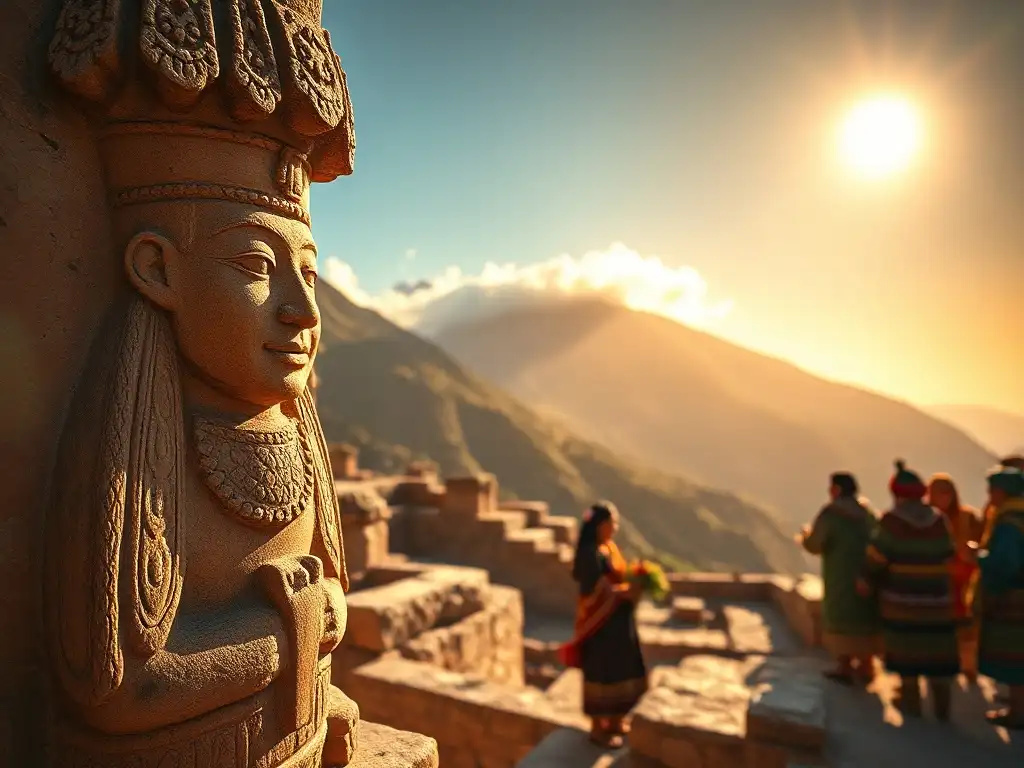
Step into a world lost to time, yet echoing with vibrant life. Discover the secrets of the Andes, a land sculpted by ancient empires and brimming with untold stories. Unravel the mysteries behind Inca ancestor veneration beliefs, a practice that shaped their society, their art, and their very existence. Prepare to be captivated by the profound impact of their spiritual world—a journey awaits, revealing the intricate web of faith and power that defined the Inca Empire.
-
The Importance of Inca Ancestor Veneration in Inca Society and Beliefs
- Introduction to Ancestor Veneration in the Inca World
- The Role of Ancestors (Mallqui) in Inca Cosmology
- Inca Beliefs about the Afterlife and the Spirit World
- The Significance of Mallqui in Daily Inca Life
- Rituals and Practices of Inca Ancestor Veneration
- Mummification and Preservation of Inca Ancestors
- Inca Offerings and Sacrifices to Ancestors
- The Connection Between Inca Ancestor Worship and Social Structure
- Inca Ancestor Veneration and the Cult of the Sapa Inca
- The Impact of Inca Ancestor Veneration on Art and Architecture
- The Legacy of Inca Ancestor Veneration
- Conclusion: The Enduring Significance of Inca Ancestor Veneration
- Frequently Asked Questions
- Final Reflection: Echoes of the Past, Shaping the Future
- Embrace Your Roots: Honor Your Ancestors Today!
The Importance of Inca Ancestor Veneration in Inca Society and Beliefs
Ancestor veneration formed the bedrock of Inca society, profoundly shaping their worldview, social structures, and daily lives. This wasn't simply a ritualistic practice; it was a deeply ingrained belief system that permeated every aspect of Inca existence, from agricultural practices to political power structures. Understanding Inca ancestor veneration—their beliefs about the mallqui (mummified ancestors) and their continuing influence—is crucial to grasping the complexity and richness of the Inca Empire.
This article will delve into the significance of ancestor veneration in Inca culture, exploring its cosmological role, social implications, and the rituals surrounding it. We will examine how this profound respect for their ancestors fueled their societal cohesion and influenced their understanding of the world and their place within it. The Inca belief system, far from being a static set of rules, was a dynamic interplay between the living and the dead, a continuous dialogue across generations.
Introduction to Ancestor Veneration in the Inca World
Inca ancestor veneration, centered around the mallqui, wasn't a simple matter of remembering deceased relatives. The mallqui were considered powerful intermediaries between the living and the spirit world. They weren't merely ghosts or spirits; they were active participants in the affairs of the living, capable of influencing harvests, providing protection, and even impacting political decisions.
The Inca believed that maintaining a strong connection with their ancestors was essential for the well-being of both individuals and the entire community. This belief system fostered a strong sense of continuity and collective identity, binding generations together across time. The elaborate mummification process, the construction of mausoleums, and the performance of regular rituals all underscored the immense importance placed on these revered ancestors.
The preparation and preservation of the mallqui was a meticulous and highly ritualized process, reflecting the sacred status accorded to them. The mummies were often adorned with elaborate clothing and jewelry, reflecting their former status in life and their continued importance in the afterlife.
The Role of Ancestors (Mallqui) in Inca Cosmology
The Inca cosmology viewed the world as interconnected and layered, with the living, the dead, and the gods existing in a dynamic relationship. The mallqui played a crucial role in this cosmology, acting as a bridge between these realms. They were seen as powerful beings, capable of influencing the natural world and mediating between the living and the divine. For example, successful harvests were often attributed to the benevolent intervention of ancestral spirits, while natural disasters might be interpreted as a sign of ancestral displeasure.
This belief system instilled a deep respect for the natural world and a sense of responsibility towards maintaining harmony with it. The Inca believed that proper ancestor veneration ensured the continued prosperity and well-being of the community. Neglecting the mallqui was viewed as a grave offense, potentially leading to misfortune and societal disruption.
This interconnectedness between the living and the dead explains the elaborate rituals and offerings dedicated to the mallqui, demonstrating the profound influence of ancestor veneration on every aspect of Inca life. The continued importance of the mallqui in Inca society is evidenced by the meticulous care taken in their preservation and the ongoing rituals performed in their honor, highlighting the enduring power of these ancestral figures. The belief in the active participation of the mallqui in the affairs of the living cemented their importance within the Inca worldview, shaping social structures and daily practices.
Inca Beliefs about the Afterlife and the Spirit World
Inca beliefs about the afterlife and the spirit world profoundly influenced their ancestor veneration practices. The Inca worldview wasn't a simple dichotomy of life and death; instead, it encompassed a complex interplay between the living and the deceased. They believed that the spirits of ancestors continued to exist in a realm parallel to the physical world, retaining a powerful influence over the lives of the living.
This wasn't simply a passive presence; ancestors were believed to actively participate in the affairs of their descendants, offering guidance, protection, and even punishment depending on the actions of the living. The successful harvest, the health of the community, and even military victories were all seen as potentially influenced by the favor of the ancestors. This belief system fostered a deep respect and reverence for the deceased, shaping social structures and daily routines.
The continued connection with ancestors wasn't viewed as a mere superstition, but as a vital aspect of maintaining cosmic balance and ensuring the prosperity of the Inca empire. Failure to honor ancestors could result in misfortune or divine wrath, highlighting the pervasive importance of these beliefs in Inca society. The concept of Pachamama, the Earth Mother, further solidified this connection, as ancestors were seen as returning to the earth, becoming one with its life-giving power.
The Significance of Mallqui in Daily Inca Life
The mallqui, mummified remains of important individuals, held a central position in Inca ancestor veneration. These weren't simply corpses; they were active participants in the community, considered to be powerful intermediaries between the living and the spirit world. The mallqui were often elaborately dressed and adorned with precious objects, reflecting their continued status and importance.
They were housed in specially constructed mausoleums or within the homes of their descendants, where they received regular offerings and attention. The mallqui weren't static objects of worship; rather, they were actively engaged with the daily lives of the Inca people. Decisions regarding important matters, such as marriage, harvests, or military campaigns, were often made with the mallqui's perceived consent or guidance.
Their presence wasn't just symbolic; they were believed to offer protection, influence events, and safeguard the well-being of their descendants. The care and respect given to the mallqui demonstrates the profound influence of ancestor veneration on the daily routines and decision-making processes within Inca society. The elaborate preparations and rituals surrounding the mallqui highlight the significance of this practice within Inca culture and its deeply ingrained connection to the spiritual realm.
Rituals and Practices of Inca Ancestor Veneration
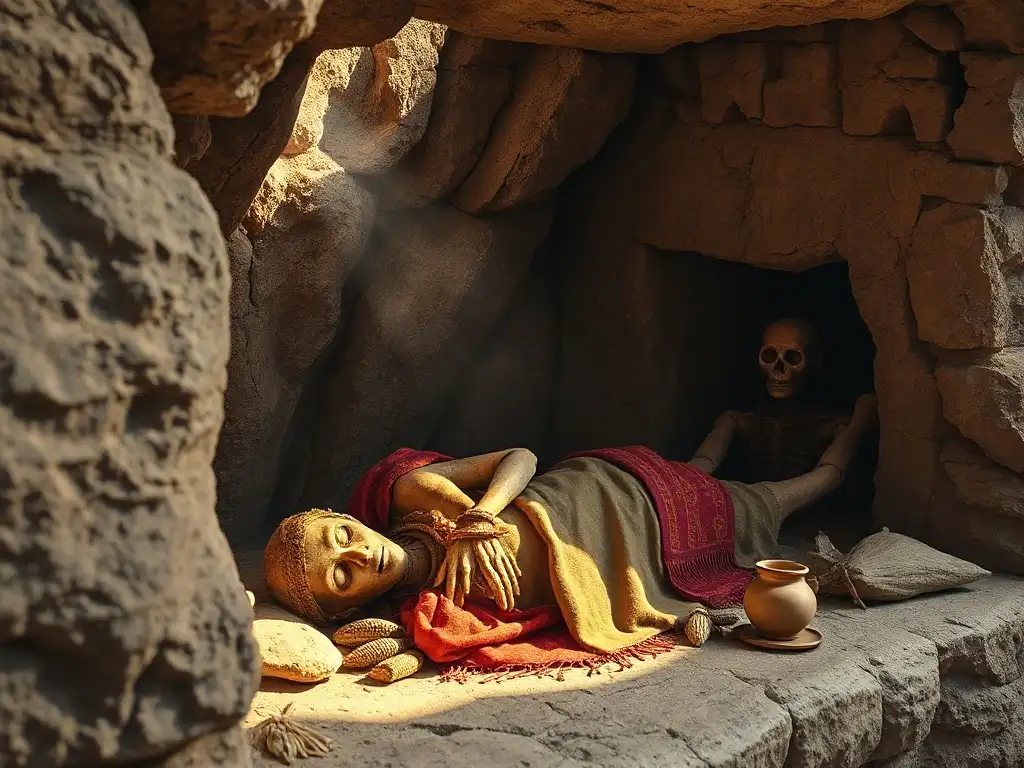
Inca ancestor veneration involved a wide range of rituals and practices designed to maintain contact with and honor the deceased. These practices weren't simply confined to special occasions; they were woven into the fabric of daily life. Regular offerings of food, drink, coca leaves, and other goods were made to the ancestors, ensuring their continued well-being and favor. These offerings weren't merely symbolic gestures; they were considered essential for maintaining a harmonious relationship with the spirit world.
Festivals and ceremonies, often tied to agricultural cycles or significant events, provided opportunities for large-scale ancestor veneration, involving community participation and elaborate rituals. These events strengthened social bonds and reaffirmed the collective identity of the Inca people, emphasizing their shared connection to their ancestors. Furthermore, specific rituals were performed for individual ancestors, depending on their status and importance during their lifetime. The Inca maintained detailed genealogical records, ensuring that appropriate honors were paid to each ancestor.
The complexity and depth of these practices demonstrate the profound importance of ancestor veneration in Inca society and its influence on nearly all aspects of their lives. The meticulous nature of these rituals and their integration into both daily and ceremonial life underscore the central role of ancestor veneration in Inca religious and social structures. These practices weren't static; they adapted and evolved over time, reflecting the dynamic nature of Inca culture and beliefs.
Mummification and Preservation of Inca Ancestors
Inca ancestor veneration wasn't merely a spiritual practice; it was deeply intertwined with the physical preservation of their deceased relatives. The meticulous process of mummification ensured the continued presence of ancestors within the community, allowing for ongoing interaction and the perpetuation of family lineage. This wasn't a simple embalming; it was a complex ritual involving multiple steps designed to preserve the body for centuries. The Inca believed that the ayllu, or extended family, continued even beyond death, and maintaining the physical form of ancestors was crucial to this continuity.
This act of preservation demonstrated respect and ensured the ancestor's continued influence on the living. The mummies weren't simply hidden away; they were frequently brought out for celebrations and consulted for guidance, underscoring their living presence in the Inca worldview. The process itself, as we'll see, was far from straightforward and reflected the importance placed upon the deceased.
The Process of Inca Mummification
The Inca mummification process was a sophisticated procedure, far exceeding simple desiccation. It began with the careful removal of internal organs, a process requiring advanced surgical knowledge for the time. Then, the body was thoroughly washed and cleaned before being treated with herbs and other natural preservatives, like coca leaves, to inhibit decomposition.
The body was then wrapped in layers of fine textiles, sometimes adorned with elaborate jewelry and other precious artifacts reflecting the social status of the deceased. Finally, the mummy was placed in a seated position, mimicking the posture of the living, and further protected with additional layers of cloth and sometimes placed within a specially crafted wooden case or tomb.
The entire process, performed by specialized priests and healers, could take weeks, highlighting the immense value placed upon proper preservation. The success rate of the Inca mummification process, evidenced by the remarkably well-preserved mummies that have been discovered, demonstrates a high level of skill and understanding of the human anatomy.
The Significance of Inca Mummies
Inca mummies weren't simply relics of the past; they were active participants in the life of the community. They were considered to be living members of the ayllu, holding a significant place within the family structure. They were consulted on important decisions, brought to festivals and celebrations, and even dressed in new clothing and given offerings.
Their presence provided a sense of continuity and stability, connecting the living to their ancestors and reinforcing social hierarchies. The condition of the mummy was also closely monitored; any signs of deterioration were seen as a bad omen. The care given to the mummies underscores the deep reverence the Inca held for their ancestors and their belief in the ongoing connection between the living and the dead.
The mummies served as powerful symbols of family identity and social cohesion. The elaborate textiles and adornments further emphasized the status of the deceased and their continuing importance within the community.
Inca Offerings and Sacrifices to Ancestors
The Inca showed their respect for their ancestors through a variety of offerings and sacrifices. These acts weren’t simply gestures of piety; they were vital components of maintaining the balance and harmony of the cosmos and ensuring the continued well-being of the living. The offerings and sacrifices were carefully chosen and presented, reflecting the specific needs and desires of both the ancestors and the living community.
The types of offerings varied depending on the occasion and the significance of the ancestor being honored. The frequency of these offerings also varied, from daily rituals within the household to large-scale ceremonies involving the entire community.
Types of Offerings Made to Inca Ancestors
Offerings to Inca ancestors included a wide range of items, reflecting the richness and diversity of Inca culture. Food and drink were common offerings, including maize, potatoes, chicha (a fermented corn beverage), and coca leaves. Textiles, jewelry, and other precious objects were also offered, particularly those associated with the ancestor's life and status. The quality and quantity of the offerings often reflected the importance of the ancestor and the context of the offering.
Smaller, daily offerings might consist of a simple portion of food or drink, while larger ceremonies could involve elaborate feasts and the presentation of valuable artifacts. This practice highlights the belief that ancestors continued to participate in the life of the community, even after death, and required sustenance. The meticulous care taken in the selection and presentation of these offerings underscores their significance.
The Purpose of Sacrifices in Inca Veneration
While offerings were common, sacrifices played a more significant role in Inca ancestor veneration. These sacrifices weren't necessarily violent; they often involved the offering of llamas, or other animals, which were seen as intermediaries to the spirit world. These animals were often richly adorned before being sacrificed, highlighting their importance in the ritual.
The blood of the sacrificed animal was seen as a powerful offering, capable of appeasing the ancestors and securing their favor. These sacrifices were not simply about appeasement; they were also a way of maintaining a harmonious relationship between the living and the dead, ensuring the continued flow of blessings and protection from the ancestors.
The act of sacrifice was a powerful demonstration of respect and commitment to the ancestors, reinforcing the deep connection between the living and the dead within Inca society. The careful preparation and execution of these sacrifices further underscore the importance given to this aspect of Inca religious practices.
Inca ancestor veneration wasn't merely a spiritual practice; it was deeply intertwined with the intricate social fabric of the empire. The Inca worldview fundamentally connected the living and the dead, believing that ancestors continued to exert influence on the affairs of the living. This belief system directly impacted the social hierarchy and political power structures. The reverence shown to ancestors served to legitimize the ruling elite and maintain social order.
The more powerful a lineage, the greater the veneration paid to its ancestral figures, creating a powerful feedback loop between spiritual belief and societal structure. This wasn't a passive relationship; ancestor veneration actively shaped social interactions, responsibilities, and expectations within Inca society. The continued influence of ancestors provided a powerful justification for the existing social order, reinforcing the authority of those in power and the obligations of those below them.
How Inca Ancestor Veneration Reinforced Social Hierarchy
Ancestor veneration in Inca society was not equally distributed. The closer one's lineage was to the Sapa Inca (the emperor), the more elaborate and significant the ancestor veneration rituals. Royal ancestors received the most extravagant offerings and ceremonies, solidifying the divine right to rule of the Sapa Inca and the privileged position of the Inca nobility. This created a clear social hierarchy where access to ancestral power and the ability to perform significant rituals were directly correlated with social standing.
Commoners also venerated their ancestors, but their practices were less elaborate and less publicly recognized than those of the elite. This distinction reinforced the social hierarchy, making it clear that ancestral power was concentrated at the top of the social pyramid. The unequal distribution of ritual power and access to ancestral blessings served as a powerful mechanism for maintaining the existing social order.
The Role of Lineage in Inca Society and Ancestor Reverence
Lineage played a crucial role in Inca society, and ancestor veneration was intrinsically linked to it. Individuals derived their social status, rights, and responsibilities from their lineage, tracing their ancestry back through generations. The prestige of a family was directly related to the perceived power and influence of their ancestors. Powerful lineages, often those closely related to the ruling Inca family, commanded greater respect and influence.
This emphasis on lineage created a strong sense of continuity and identity, connecting the living with a long and illustrious past. The reverence shown to ancestors served to strengthen family ties and promote social cohesion within the larger Inca empire. The more extensive and respected a family's lineage, the greater the social advantages they enjoyed, highlighting the importance of maintaining a strong ancestral connection.
Inca Ancestor Veneration and the Cult of the Sapa Inca
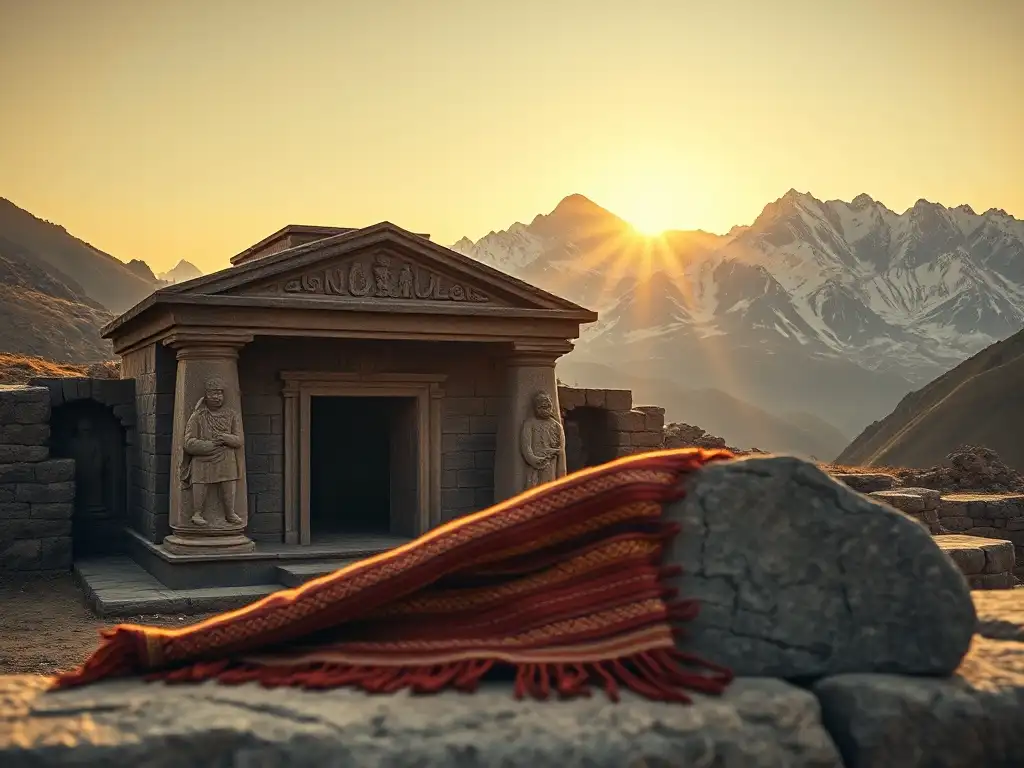
The Inca emperor, the Sapa Inca, was not merely a political leader; he held a divine status, considered a direct descendant of the sun god Inti. This divine lineage was central to the Inca belief system and profoundly impacted ancestor veneration practices. The Sapa Inca's ancestors were treated with the utmost reverence, their mummies carefully preserved and placed in prominent locations.
Elaborate ceremonies were performed in their honor, solidifying the Sapa Inca's claim to power and legitimacy. The cult of the Sapa Inca was inextricably linked to the veneration of his ancestors; the emperor's power stemmed directly from his divine heritage and the accumulated power of his ancestors. This close connection between the living emperor and his deceased ancestors was crucial to maintaining the stability and authority of the Inca empire.
The Divine Status of the Sapa Inca and His Ancestors
The Sapa Inca's divine status was not simply a matter of political expediency; it was a deeply held belief within Inca society. He was considered a direct descendant of the sun god Inti, inheriting his divine power and authority. This divine lineage extended to the Sapa Inca's ancestors, who were viewed as powerful intermediaries between the living and the gods.
Their mummies were treated with immense respect, often adorned with precious jewels and placed in specially constructed mausoleums. The preservation of these mummies was not simply a matter of historical record; it was a vital part of maintaining the Sapa Inca's power and the continuity of Inca rule. The mummies represented the accumulated divine power of generations past, bolstering the authority of the current emperor.
The Importance of Royal Ancestors in Inca Legitimacy
The legitimacy of the Sapa Inca's rule was directly tied to his lineage and the veneration of his royal ancestors. The unbroken line of descent from the sun god Inti was crucial to maintaining his authority and the stability of the empire. Any break in this lineage would have been seen as a catastrophic event, potentially leading to political instability.
Therefore, the meticulous preservation of royal mummies and the performance of elaborate ancestor veneration rituals were essential for reinforcing the Sapa Inca's legitimacy. The continuous veneration of royal ancestors served as a powerful symbol of the empire's continuity and the divine right of the ruling Inca to govern. The unbroken chain connecting the current Sapa Inca to his illustrious ancestors was the cornerstone of Inca political legitimacy.
The Impact of Inca Ancestor Veneration on Art and Architecture
Inca ancestor veneration profoundly impacted their art and architecture, shaping the aesthetic and functional aspects of their creations. The reverence for ancestors wasn't merely a spiritual practice; it was woven into the very fabric of Inca society, influencing everything from the intricate designs on textiles to the grand scale of their monumental structures. This deep-seated belief system manifested visually in countless ways, providing invaluable insights into their cosmology and social structure.
The pervasive influence of ancestor veneration is evident in the meticulous craftsmanship and symbolic representations found throughout Inca artistic and architectural achievements. The dedication to preserving ancestral memory is a testament to the profound importance of lineage and continuity within Inca culture.
The careful preservation of mummies and their associated artifacts further underscores the lasting impact of this belief system on their material culture. This wasn't simply about honoring the past; it was about actively engaging with and maintaining a connection to their ancestors in the present.
Inca Art and Iconography Related to Ancestors
Inca art frequently depicted ancestors, often portraying them in a manner that simultaneously emphasized their power and their connection to the living. Mummies, often adorned with elaborate textiles and jewelry, were not simply buried; they were displayed, sometimes in specially constructed niches within houses or temples. These displays served as a constant reminder of the ancestors' presence and their continued influence.
The iconography associated with ancestors varied, but common motifs included stylized representations of human figures, often depicted in postures of authority or seated in positions of importance. These figures frequently wore elaborate headdresses and garments, reflecting their status and power within the community.
Textiles, a crucial element of Inca art, often featured intricate designs that incorporated ancestral symbols and imagery, further emphasizing the importance of lineage and continuity. The use of specific colors, patterns, and materials also held symbolic significance, often reflecting the social standing and spiritual power associated with specific ancestors.
Inca Architectural Spaces for Ancestral Veneration
Inca architecture demonstrates a clear connection to ancestor veneration through the design and function of specific structures. The construction of mausoleums and elaborate burial chambers, often integrated into larger architectural complexes, is a testament to the high regard in which ancestors were held. These spaces were not simply places of interment; they served as sacred sites where offerings were made and rituals performed to maintain contact with the deceased.
The careful placement of these structures often reflected astronomical alignments and other cosmological considerations, further highlighting the spiritual significance of ancestor veneration. Temples and palaces frequently incorporated niches and platforms specifically designed to display mummies and associated artifacts, ensuring the ancestors' continued presence in the daily lives of the living.
The design and layout of these spaces were not arbitrary; they were carefully planned to enhance the spiritual connection between the living and the dead, reinforcing the importance of ancestral lineage. The monumental scale of some of these structures underscores the immense importance of ancestor veneration within Inca society.
The Legacy of Inca Ancestor Veneration
The legacy of Inca ancestor veneration extends far beyond the demise of the empire. Its influence is still evident in the beliefs and practices of many Andean communities today. The enduring reverence for ancestors continues to shape social structures, artistic expressions, and spiritual practices in the region. The persistence of these traditions speaks volumes about the deep-rooted nature of Inca beliefs and their enduring impact on Andean culture.
While specific rituals and practices may have evolved over time, the fundamental principle of maintaining a connection with ancestors remains a central element of Andean identity. This continuity illustrates the remarkable resilience of Inca cultural heritage and its profound influence on the region's history and present-day society. The ongoing study of these practices offers valuable insights into the complex interplay between past and present in the Andes.
The Influence of Inca Beliefs on Andean Culture
Inca ancestor veneration significantly shaped various aspects of Andean culture, influencing everything from social hierarchies to agricultural practices. The belief in the continued influence of ancestors on the living world fostered a strong sense of community and collective responsibility. The importance of lineage and kinship ties, deeply rooted in ancestor veneration, structured social relationships and determined access to resources and power. Agricultural cycles and rituals were often linked to ancestral spirits, ensuring the continuation of life-sustaining practices.
The integration of ancestor veneration into everyday life ensured its enduring influence on the cultural fabric of the Andes. This pervasive influence is evident in the numerous traditions and beliefs that have persisted through centuries, demonstrating the resilience of Inca cultural heritage. The ongoing study of these traditions offers valuable insights into the rich tapestry of Andean culture.
Inca Ancestor Veneration in Modern Indigenous Communities
In many modern Indigenous communities in the Andes, the practice of ancestor veneration continues to thrive, albeit in forms adapted to contemporary circumstances. While the specific rituals and practices may have evolved, the underlying belief in the continued presence and influence of ancestors remains a central element of their spiritual and cultural lives. Many communities maintain shrines and designated spaces where they honor their ancestors, offering gifts and prayers.
The integration of ancestral veneration into contemporary life demonstrates its enduring relevance and its capacity to adapt to changing social contexts. The preservation of these traditions highlights the resilience of Andean culture and its ability to maintain a connection to its rich past.
Studying these modern practices provides a unique window into the ongoing evolution of Inca cultural heritage and its enduring impact on Andean societies. The continuity of these traditions underscores the importance of ancestor veneration as a fundamental element of Andean identity.
Conclusion: The Enduring Significance of Inca Ancestor Veneration
Inca ancestor veneration wasn't merely a ritualistic practice; it was the very bedrock of their social structure, political legitimacy, and worldview. The belief that deceased ancestors continued to exert influence on the living world profoundly shaped Inca life, from daily routines to grand imperial projects.
The intricate system of mummification, the elaborate ceremonies, and the careful preservation of ancestral remains all underscore the deep-seated importance of maintaining a connection with the past. This reverence wasn't confined to the elite; commoners also participated in ancestor veneration, albeit perhaps on a smaller scale, demonstrating the pervasive nature of this belief system within Inca society.
The legacy of Inca ancestor veneration extends far beyond the collapse of the empire. Its influence can be traced in the traditions and beliefs of many Andean communities even today. While the specific rituals may have evolved or been adapted over time, the fundamental principle of respecting and honoring one's ancestors remains a powerful force in shaping Andean cultural identity.
The enduring significance of these beliefs highlights the lasting impact of the Inca worldview and its continued relevance in understanding the rich tapestry of Andean cultures. Studying Inca ancestor veneration provides invaluable insight into the complexities of their social organization, political power dynamics, and spiritual beliefs, ultimately enriching our understanding of this fascinating civilization.
The meticulous attention paid to the preservation and veneration of their ancestors serves as a testament to the profound respect the Inca held for their lineage and the enduring power of their beliefs in shaping their world. Understanding this aspect of Inca culture is crucial to appreciating the intricate web of beliefs and practices that sustained their empire and continues to resonate in the Andean region.
Frequently Asked Questions
What role did ancestor veneration play in Inca society?
Ancestor veneration was central to Inca religion and society. It formed the basis of their social structure, political legitimacy, and spiritual worldview, influencing daily life and major events. Lineage and ancestry were paramount.
How did the Incas honor their ancestors?
The Incas honored ancestors through various rituals and practices, including mummification, offerings of food and drink at designated sites (e.g., huacas), and the construction of elaborate tombs. Maintaining contact with the spirit world was crucial.
What were the huacas and their significance in ancestor veneration?
Huacas were sacred places, often associated with ancestors, where offerings were made. They could be natural features (mountains, springs) or human-made structures (temples, tombs). These sites were believed to be powerful conduits to the spirit world.
Did ancestor veneration influence Inca political power?
Absolutely. The Inca emperor's legitimacy stemmed from his lineage and connection to divine ancestors. Control over huacas and ancestral remains enhanced political authority and reinforced social hierarchy.
How did Inca beliefs about ancestor veneration impact their daily lives?
Ancestor veneration permeated daily life. Decisions were made with consideration for ancestral spirits, and rituals sought their guidance and blessing. Daily actions were viewed within a framework of continuity with the past.
Final Reflection: Echoes of the Past, Shaping the Future
The reverence for ancestors, a cornerstone of Inca civilization, continues to resonate in contemporary discussions of heritage, identity, and community. The enduring power of these ancient practices offers a profound lesson in the interconnectedness of generations and the importance of respecting our roots, even in a rapidly changing world. Understanding the Inca's deep connection to their ancestors provides a powerful framework for understanding the complexities of modern societal structures and the enduring human need for belonging and continuity.
The Inca's sophisticated system of ancestor veneration wasn't merely a ritualistic practice; it was integral to their social fabric, shaping their political structures, artistic expressions, and even their agricultural practices. The past is never dead. It's not even past.
- William Faulkner. This quote perfectly encapsulates the lasting impact of Inca ancestor veneration. Their beliefs continue to inform our understanding of pre-Columbian societies and challenge our own assumptions about the relationship between the living and the deceased. It compels us to consider how our own traditions and memories shape our present and future.
Consider the ways in which you honor your ancestors, both directly and indirectly. Do you carry on family traditions? Do you value the stories and wisdom passed down through generations? Take a moment to reflect on the legacy you wish to leave behind. By actively engaging with our heritage, by learning from the past, and by fostering a sense of connection to those who came before us, we can build stronger, more resilient communities, echoing the enduring spirit of the Inca and their deep respect for their ancestors.
Embrace Your Roots: Honor Your Ancestors Today!
Thank you for exploring the fascinating world of Inca society and beliefs, and the powerful tradition of ancestor veneration that shapes cultural identity and connection. Now, let's put that knowledge into practice.
Here are some meaningful ways to connect with your own heritage:
- Create a family memorial: Dedicate a space in your home to honor your ancestors with photographs, heirlooms, or other meaningful objects. This visual tribute can inspire gratitude and reflection.
- Share family stories: Gather your family to share stories about your ancestors. This strengthens family bonds and keeps their legacies alive.
- Participate in cultural events: Seek out community events celebrating local history and traditions, such as heritage festivals or workshops. Connecting with others who share similar roots enriches understanding and appreciation.
Reflecting on the wisdom of our ancestors, what traditions or stories from your family history do you value most?