
Unveiling the Enigmatic Origins of the Inca: Sun Gods, Caves, and Creation Myths

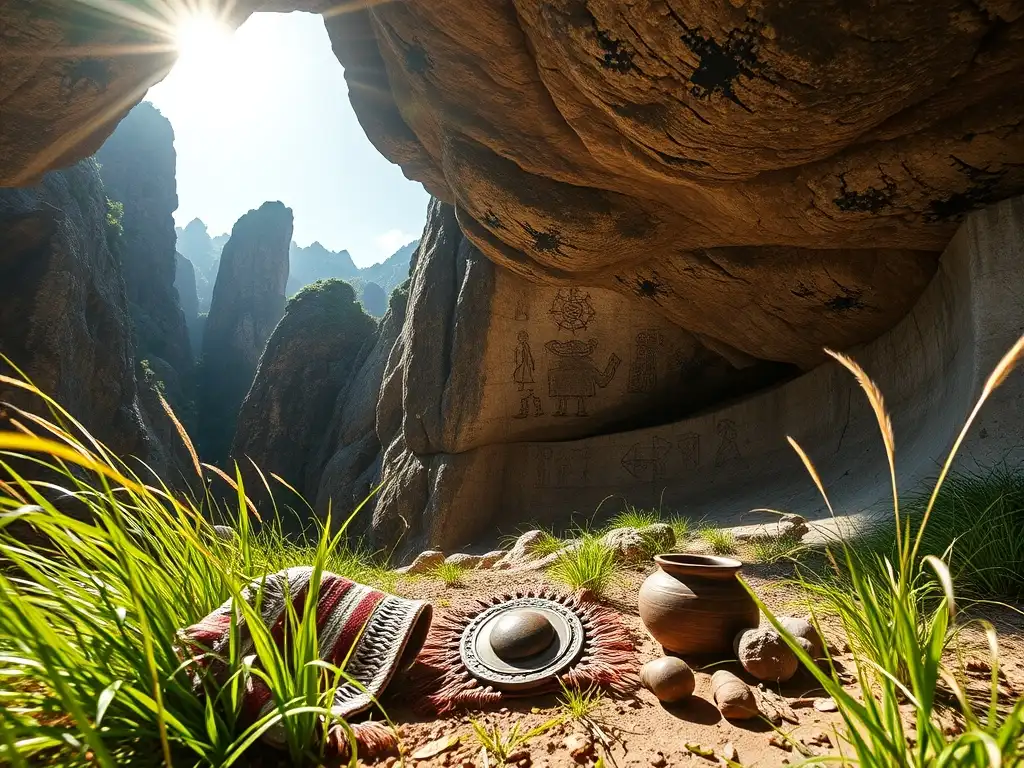
Step into a world lost to time, where sun gods battled for supremacy and the very origins of the Inca Empire remain shrouded in mystery. Prepare to unravel the captivating tapestry of Inca creation myths, exploring their profound beliefs and the legendary caves that birthed a civilization. Dare to delve into the enigmatic beginnings of the Inca and uncover the secrets waiting within their fascinating stories. Discover more about the Inca creation myths origins and the rich legacy they left behind.
The Inca Empire, a civilization that once dominated the Andes Mountains, leaving behind a legacy of breathtaking architecture, intricate social structures, and sophisticated engineering, remains shrouded in mystery when it comes to its precise origins. While historical accounts and archaeological findings offer valuable insights into their later imperial phase, the story of their beginnings is woven from threads of legend, myth, and interpretation.
This article delves into the fascinating world of Inca creation myths, exploring the diverse narratives that attempt to explain their emergence, focusing on the roles of sun gods, sacred caves, and the powerful forces of nature in shaping their worldview and identity. Understanding these myths is crucial to grasping the Inca's unique perspective on the world, their societal organization, and their enduring legacy.
We will examine several key narratives, highlighting their common threads and exploring their implications for our understanding of this remarkable civilization. The keyword "Inca creation myths origins" will be explored throughout this analysis.
The Sun God Inti and the Creation of the Inca
The most prominent figure in Inca mythology is Inti, the sun god. Many creation myths center around Inti's role in bringing forth the Inca people. One prevalent story speaks of Inti's children, Manco Cápac and Mama Ocllo, emerging from a cave at the sacred lake Titicaca. These divine siblings were tasked by their father with civilizing the people they encountered, establishing the Inca empire's foundation. This narrative emphasizes the divine right to rule, inherent in the Inca royalty's claimed descent from the sun god. The cave itself symbolizes a portal between the earthly and spiritual realms, highlighting the profound spiritual significance attributed to these natural formations in Inca cosmology. The legend reinforces the Inca's belief in their divine origin and their unique connection to the sun, a celestial body vital to their agricultural society. Further research is needed to fully understand the variations in this myth across different Inca communities.
The Role of Pachamama and Other Deities
While Inti holds a central position, Inca mythology isn't solely focused on the sun god. Pachamama, the Earth Mother, plays an equally crucial role in these creation stories. She represents the life-giving force of the earth, nurturing all living things. Many myths depict Inti and Pachamama as complementary forces, together responsible for the creation and sustenance of the world.
Other deities, such as Viracocha, the creator god, also feature prominently in some versions of the creation myth, adding layers of complexity to the narrative. These diverse interpretations highlight the rich tapestry of beliefs within Inca society and the interconnectedness of different natural elements in their spiritual worldview. The interplay of these deities underscores the Inca's deep respect for the environment and their understanding of the interconnectedness of all things.
Sacred Caves and the Emergence of the Inca Ancestors
The frequent appearance of caves in Inca creation myths points to their symbolic importance. Caves weren't merely geological formations; they were considered sacred spaces, portals to the underworld, and dwelling places of spirits. The emergence of Manco Cápac and Mama Ocllo from a cave at Lake Titicaca underscores this symbolic significance. These caves served as places of ritual, pilgrimage, and ancestral veneration.
Archaeological evidence supports this, with numerous cave sites bearing traces of Inca activity. The selection of Lake Titicaca, already a significant geographical and spiritual location, further emphasizes the sacred nature of this origin story and its connection to the Inca's worldview. This emphasis on caves highlights the importance of the unseen world and its connection to the Inca's origins and identity.
Interpreting the Myths: Historical Context and Modern Significance
The Inca creation myths are not simply fanciful tales; they provide valuable insights into the Inca worldview, social structure, and political ideology. These stories legitimized the Inca's rule, explaining their divine right to govern and justifying their expansionist policies. The emphasis on sun worship and the reverence for ancestors shaped their religious practices and social customs. Understanding these myths within their historical context allows us to appreciate the complexity of Inca society and the sophistication of their belief systems.
Even today, these myths continue to resonate, offering valuable lessons about the importance of respecting nature, honoring ancestors, and understanding the rich cultural heritage of the Andes. Further study of these myths is crucial for a comprehensive understanding of Inca history and culture. The continued relevance of these myths highlights their enduring power and their capacity to connect us to the past.
- The Sun God Inti and the Creation of the Inca
- The Role of Pachamama and Other Deities
- Sacred Caves and the Emergence of the Inca Ancestors
- Interpreting the Myths: Historical Context and Modern Significance
The Genesis of the Inca Empire: Exploring Inca Creation Myths Origins
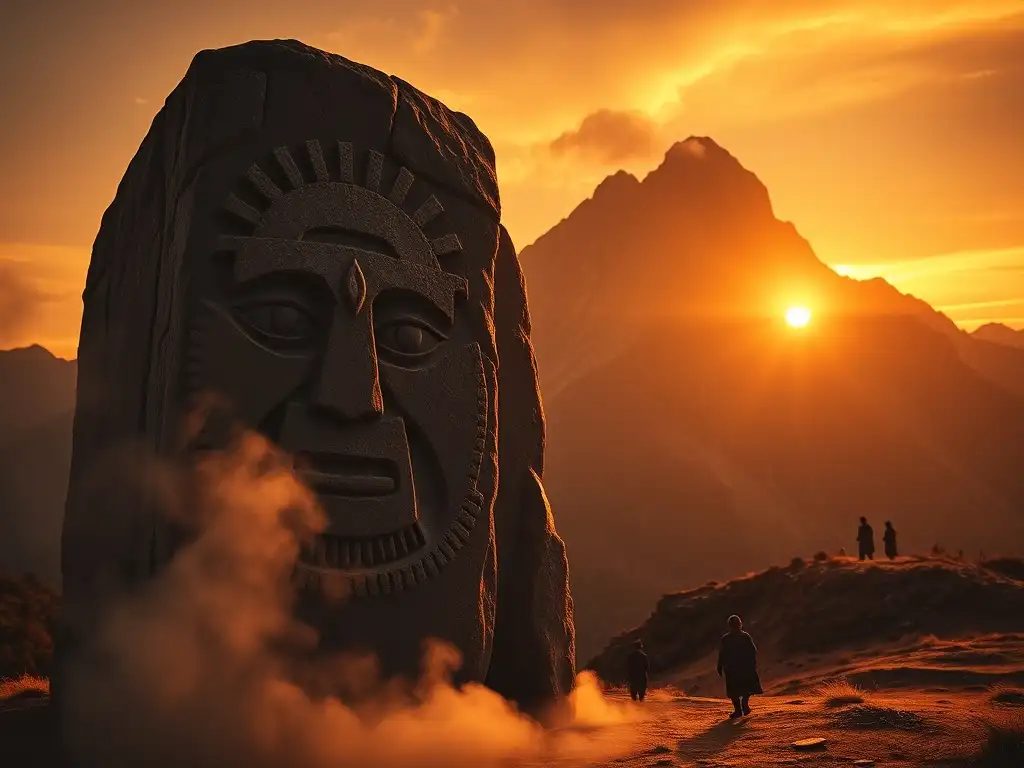
The Inca Empire, renowned for its sophisticated engineering and vast territorial control, possessed a rich tapestry of creation myths that profoundly shaped its worldview and social structures. Understanding these "Inca creation myths origins" is crucial to grasping the empire's political ideology, religious practices, and the very foundation of its imperial identity. These narratives weren't merely entertaining stories; they served as powerful tools for legitimizing power, reinforcing social hierarchies, and explaining the natural world.
The myths provided a framework for interpreting events, guiding actions, and shaping the collective consciousness of the Inca people. Unlike many other civilizations with singular creation narratives, the Inca worldview encompassed a diverse range of origin stories, often overlapping and intertwining to create a complex and multifaceted cosmology. This diversity reflects the Inca Empire's own complex history, forged through conquest and assimilation of numerous pre-existing Andean cultures.
The Importance of Cosmogony in Understanding Inca Society
Inca cosmogony wasn't simply a historical account; it was a living, breathing element of daily life. The stories of creation deeply influenced the Inca political system. The emperor, considered a direct descendant of the sun god Inti, wielded absolute power, his authority divinely sanctioned. This divine lineage provided the basis for his control, justifying his rule and ensuring the obedience of his subjects.
The Inca social hierarchy mirrored the cosmic order, with the elite positioned closest to the sun god and commoners further removed. Religious rituals, agricultural practices, and even urban planning were guided by the principles embedded within these creation myths. For example, the careful alignment of Inca cities with celestial bodies reflects the deep connection between the terrestrial and celestial realms described in their origin stories.
Furthermore, the Inca calendar, meticulously observed, was intrinsically linked to the cyclical nature of creation and renewal as depicted in their mythology. The annual agricultural cycle, a cornerstone of Inca life, was inextricably woven into the narrative of cosmic renewal and regeneration. Understanding these connections is essential to appreciating the profound influence of Inca creation myths on every aspect of Inca society.
Inca Origin Stories: A Tapestry of Beliefs
Several key narratives contributed to the Inca understanding of their origins. One prominent myth describes the emergence of the Inca from a cave, a common motif in Andean mythology symbolizing the transition from the underworld to the surface world. This cave often represented a sacred site, a place of power and connection to the ancestral spirits. Another prevalent story centers around the sun god Inti, who is often depicted as the creator of the Inca people and their first emperor, Manco Cápac.
This narrative provided a powerful justification for the imperial claim to legitimacy and authority. Interestingly, other versions of the origin story weave in elements of other Andean deities and spirits, reflecting the gradual incorporation of pre-existing beliefs into the Inca pantheon. These narratives often feature powerful figures, such as Viracocha, a creator god associated with water and creation, whose actions shaped the landscape and brought forth humanity. The diverse range of origin myths highlights the syncretic nature of Inca religion, blending pre-existing beliefs with new narratives to create a unique and complex cosmology.
The stories were not static; they evolved over time, reflecting shifts in political power and social dynamics. The variations in these myths across different regions of the empire also provide insights into the diverse cultural influences that shaped Inca identity. The diversity within these narratives underscores the rich complexity of Inca belief systems and reinforces the importance of considering multiple perspectives when studying their origins. Further research into regional variations and the archaeological evidence supporting these narratives is crucial for a more complete understanding of "Inca creation myths origins".
The Role of Inti, the Sun God, in Inca Cosmogony
Inca creation myths are deeply intertwined with the worship of Inti, the sun god. Inti wasn't merely a deity; he was the source of life, the ruler of the cosmos, and the ancestor of the Inca royal lineage. Understanding Inti's role is crucial to deciphering the complex tapestry of Inca beliefs and their worldview.
The Inca considered themselves children of the sun, a divine lineage directly descended from Inti, legitimizing their rule and connecting them to the very essence of their existence. This divine connection was not simply a matter of religious belief; it was a fundamental pillar of Inca political and social structure. The power of the Sapa Inca, the emperor, stemmed directly from his perceived connection to Inti, reinforcing his authority and the legitimacy of the Inca empire.
The sun's daily journey across the sky mirrored the Inca's own cyclical understanding of time and the cosmos, a concept echoed in their intricate agricultural practices and elaborate calendar systems. The Inca believed that Inti’s favor ensured prosperity, good harvests, and the continued success of the empire. Displeasure from Inti, conversely, was seen as a harbinger of misfortune and societal upheaval.
Inti's Divine Mandate and the Inca Lineage
The Inca creation myth often portrays Inti as actively involved in establishing the Inca dynasty. Legends describe Inti's intervention in shaping the landscape, creating sacred sites, and bestowing upon the first Inca rulers the divine right to govern. These narratives solidify the Inca's claim to power, presenting their rule not as a conquest but as a divinely ordained destiny.
One prominent narrative tells of Manco Cápac and Mama Ocllo, emerging from Lake Titicaca—a sacred site intimately connected to Inti—and tasked by the sun god with civilizing the land and establishing the Inca empire. This origin story, passed down through generations, served to reinforce the emperor's authority and the legitimacy of Inca rule. The Inca meticulously documented their lineage, tracing it back to Manco Cápac and Mama Ocllo, connecting their rulers to Inti through an unbroken chain of succession.
This deliberate emphasis on lineage and divine ancestry was crucial in maintaining social order and political stability within the vast Inca empire. The royal family’s status was not merely hereditary; it was a divinely sanctioned position, firmly rooted in the Inca creation myth and the continued veneration of Inti. The elaborate ceremonies and rituals surrounding the Inca royal family further emphasized this sacred connection to the sun god.
The Sun's Significance in Inca Rituals and Daily Life
Inti's influence extended far beyond the realm of royal lineage and political power. The sun's significance permeated every aspect of Inca daily life, shaping their rituals, agriculture, and even their architecture. The Inca calendar, for instance, was intricately aligned with the sun's movements, reflecting the importance of solar cycles in their agricultural practices. The timing of planting and harvesting was carefully determined by astronomical observations, ensuring optimal yields and demonstrating a profound understanding of the relationship between the sun and the earth.
Temples dedicated to Inti were constructed throughout the empire, serving as focal points for elaborate ceremonies and offerings. These structures, often located at significant geographical points, were meticulously designed to align with the sun's path, highlighting the profound reverence the Inca held for Inti. Daily life also incorporated elements of sun worship; individuals offered prayers and performed small rituals to ensure Inti’s continued favor. From the grand festivals celebrated by the emperor to the simple offerings made by farmers, the sun god's presence was ever-present in the lives of the Inca people.
The intricate system of mit'a, the Inca labor system, was also influenced by the sun's cycles, with work schedules often adjusted to accommodate agricultural needs dictated by the sun's journey. The Inca's deep reverence for Inti was not a mere formality; it was a fundamental aspect of their culture, shaping their worldview and governing every facet of their lives. This deep-seated belief in the power of Inti underscores the importance of Inca creation myths and the enduring legacy of their sun god worship.
Pacaritambo: The Cave of Origin and the Emergence of the Inca
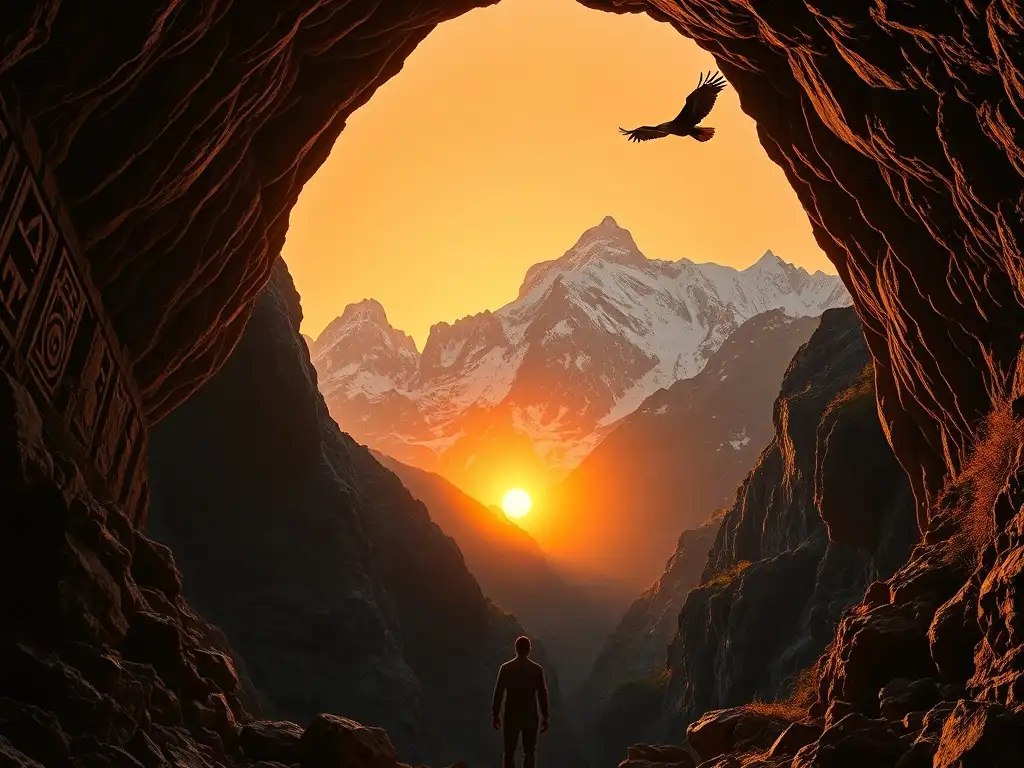
Pacaritambo, a site nestled high in the Andes Mountains, holds a central position in Inca creation myths and origins. This location, far from the grandeur of Cusco, is considered the birthplace of the Inca lineage, a sacred cave from which the first Inca emerged.
The very name, "Pacaritambo," is believed to derive from the Quechua words "pácara," meaning "cave," and "tambo," referring to a resting place or inn – suggesting a place of both origin and rest, a sacred beginning. The cave itself, shrouded in mystery and often inaccessible due to its remote location and precarious terrain, continues to fascinate researchers and inspire awe in those who have made the arduous journey to visit it.
Understanding Pacaritambo is key to unlocking the complexities of Inca cosmology and their understanding of their own origins. The site's significance extends beyond its geographical location; it represents a powerful symbol of the Inca's connection to the ancestral world and the divine.
The Legend of the Tambos and the Inca Ancestors
The legend surrounding Pacaritambo speaks of a time before the Inca Empire, when the world was young and the ancestors wandered the earth. The story often involves the concept of tambos, not only as resting places but also as symbolic representations of the stages of life and the journey towards civilization. The Inca creation myths, variations of which exist across different communities, often depict the first Inca emerging from this cave, sometimes as a single individual, other times as a group of siblings.
These individuals, representing the royal lineage, are described as having emerged from the earth itself, signifying a profound connection to the land and its inherent power. These initial ancestors, often associated with specific totems or animals, then began to establish communities and eventually, the foundations of the Inca Empire. The narrative emphasizes a gradual process of societal development, with the tambos acting as both physical and symbolic markers of this journey from a dispersed ancestral population to a unified and powerful empire.
Many scholars believe that these myths served not only as explanations of origins but also as powerful tools for maintaining social order and legitimizing the Inca's rule. Archaeological investigations of Pacaritambo, while limited due to the site's challenging access, continue to support the legend's significance, uncovering evidence of early settlements and ritual activity.
Pacaritambo's Symbolic Importance in Inca Mythology
Pacaritambo's symbolic importance within Inca mythology is multifaceted. The cave itself represents the womb of the earth, a source of life and creation. Its dark, hidden interior symbolizes the unknown, the mysterious origins of existence, and the power of the ancestors. Emerging from this darkness, the Inca ancestors represented the transition from the primal, undifferentiated state to the ordered world of the empire.
This theme of emergence from darkness into light is a recurring motif in Inca mythology, reflecting a broader Andean worldview that emphasizes cycles of creation and destruction, life and death. The location of Pacaritambo, high in the Andes, further reinforces its sacred nature. The elevated position connects it to the celestial realm, suggesting a link between the earthly and spiritual worlds. This emphasizes the Inca belief in the interconnectedness of all things, where the human world is inseparable from the divine.
The very act of pilgrimage to Pacaritambo, a challenging and often arduous undertaking, underscores the importance of this site as a place of spiritual renewal and connection to ancestral heritage. The legends associated with Pacaritambo served a crucial purpose in Inca society, reinforcing social hierarchy, legitimizing the Inca's rule, and providing a powerful narrative to explain their origins and their place within the cosmos. The cave remains a potent symbol of the Inca's deep-rooted connection to the land, their ancestors, and the divine forces that shaped their world. Further research into Inca creation myths origins, particularly detailed archaeological studies of Pacaritambo, could provide even more insights into the complex tapestry of Inca beliefs and their understanding of the world.
Manco Capac and Mama Ocllo: The Divine Founders of Cusco
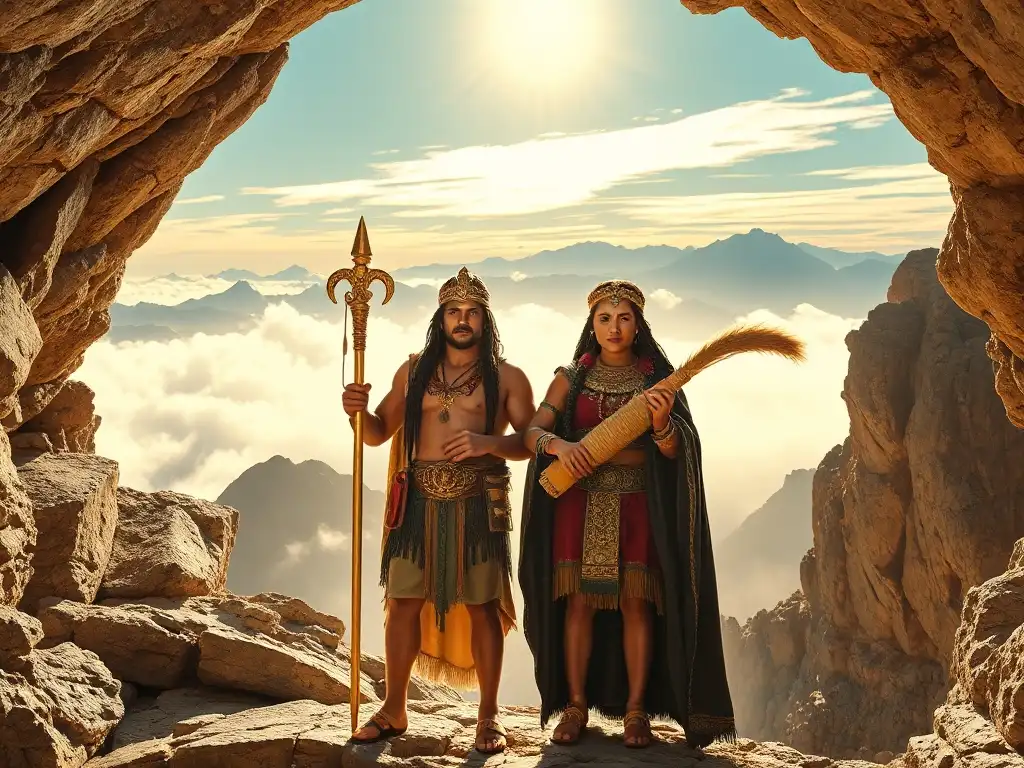
The Inca creation myths offer a captivating glimpse into the worldview of this remarkable civilization. Central to these myths is the foundational narrative of Manco Capac and Mama Ocllo, the legendary brother and sister who emerged from the depths of Lake Titicaca to establish the Inca empire. This narrative, passed down through generations of oral tradition before being recorded by Spanish chroniclers, provides invaluable insight into Inca cosmology, social structures, and their understanding of origins.
The story isn't just a historical account; it's a powerful statement about legitimacy, divine authority, and the very essence of Inca identity. Understanding this myth is key to unlocking the deeper meaning behind Inca society and its remarkable achievements. The prevalence of this myth across various Inca regions suggests a unifying narrative that helped solidify the empire's identity and legitimacy, even amidst its vast geographical expanse.
Variations exist, of course, reflecting local nuances and interpretations, but the core elements—the emergence from the lake, the divine mandate, and the founding of Cusco—remain remarkably consistent. Analyzing these variations provides a fascinating lens through which to examine the diverse cultural landscapes within the Inca empire.
The Emergence from Lake Titicaca and the Divine Mission
The Inca creation myth begins at Lake Titicaca, a sacred body of water considered the birthplace of the world in many Andean cultures. From its depths, according to legend, emerged Manco Capac and Mama Ocllo, siblings and divine emissaries of the sun god, Inti. Their emergence wasn't a mere surfacing; it was a divinely ordained event, a manifestation of Inti's will to establish a new civilization.
The precise details vary across different tellings of the myth, but the core idea remains consistent: Manco Capac and Mama Ocllo were not ordinary humans; they were chosen by the gods, imbued with a divine mission to civilize the Andean highlands. This divine mandate legitimized their rule and the authority of subsequent Inca rulers, establishing a direct link between the ruling dynasty and the sun god.
The Inca's emphasis on sun worship is intrinsically linked to this origin story, reinforcing the divine right of their emperors. This narrative explains the Inca's sophisticated social hierarchy, where the emperor was seen as a direct descendant of the sun god, holding supreme authority.
The siblings were not alone; often, other siblings are mentioned, representing the diverse aspects of Inca society. Their arrival often involved a golden staff or a miraculous object, symbolizing their divine authority and the power of the sun god. This element underscores the importance of symbolic objects and rituals in Inca culture and their connection to the divine.
The lake itself is imbued with a deep spiritual significance, further strengthening the link between the origin myth and the Inca worldview. It highlights the profound reverence the Inca had for nature and its powerful forces, seeing themselves as an integral part of a larger cosmic order.
The Founding of Cusco and the Beginning of the Inca Dynasty
Armed with their divine mandate and guided by the sun god, Manco Capac and Mama Ocllo set out to find a suitable location for their new capital. Their journey, depicted in various versions of the myth, is symbolic of the Inca expansion and their civilizing mission. They faced challenges and obstacles, reflecting the hardships faced by early settlers. Ultimately, they chose Cusco, a strategically advantageous location in the Andes.
The founding of Cusco is not simply a geographical event but a pivotal moment in the Inca creation myth. It marks the beginning of the Inca dynasty and the establishment of a new social order. The city's layout, its sacred sites, and its position within the Andean landscape all reflect the importance of this founding narrative.
The myth details how Manco Capac and Mama Ocllo organized the newly established society. Manco Capac, often depicted as a powerful warrior-king, taught the men agriculture, warfare, and governance. Mama Ocllo, on the other hand, instructed the women in weaving, domestic skills, and the arts.
This division of labor reflects the Inca social structure and the complementary roles of men and women in Inca society. The myth, therefore, serves not only as an explanation of origins but also as a blueprint for social organization and behavior. The subsequent growth and expansion of the Inca empire are presented as a direct consequence of this divinely ordained founding, solidifying the empire's legitimacy and the power of the sun god.
The Inca creation myth, therefore, is not merely a story; it's a foundational narrative that shaped the Inca worldview, their social structure, and their imperial ambitions. It provides a framework for understanding the Inca’s sophisticated civilization and their enduring legacy.
Variations in Inca Creation Narratives: Regional Adaptations
The Inca Empire, vast and encompassing diverse ethnic groups, didn't possess a single, monolithic creation myth. Instead, Inca creation narratives demonstrate remarkable regional variations, reflecting the assimilation and adaptation of pre-existing beliefs from the conquered populations. These variations weren't simply superficial differences; they reveal a complex interplay between imperial ideology and local traditions, resulting in a tapestry of interconnected yet distinct creation stories.
The Inca, masterful administrators, strategically incorporated elements of local mythologies to solidify their rule and foster a sense of shared identity, albeit a multifaceted one. This process of syncretism is evident in the differing accounts of the origins of the Inca people, the role of Viracocha, and the very nature of the cosmos. Understanding these nuances is crucial to appreciating the multifaceted nature of Inca cosmology and the dynamic relationship between imperial power and local belief systems.
The diverse narratives, far from contradicting each other, provide a richer, more complete picture of Inca thought and its evolution. Analyzing these variations allows us to move beyond simplistic generalizations and engage with the complexities of Inca cultural production.
The Hanan and Hurin Divisions in Inca Mythology
The Inca worldview was structured around a binary opposition: Hanan (upper) and Hurin (lower). This duality permeated all aspects of Inca life, from social organization and political structure to cosmology and mythology. In creation narratives, this duality manifests in various ways. Some accounts describe the creation of the world as a separation of the Hanan Pacha (upper world) and Kay Pacha (this world), with the Uku Pacha (underworld) emerging later.
Others portray a primordial union that is subsequently divided, reflecting the cyclical nature of creation and destruction inherent in Andean cosmology. The Hanan and Hurin divisions often symbolize contrasting forces – light and darkness, male and female, sun and moon – yet they are not necessarily antagonistic. Instead, they represent complementary aspects of a unified whole, essential for cosmic balance. The interplay between these dualities is crucial in understanding the narrative complexity of Inca creation myths.
For example, the emergence of the first Inca ancestors might be described as a descent from the Hanan Pacha, symbolizing their divine origin, while their interaction with the Kay Pacha highlights their grounding in the earthly realm. This interplay of celestial and terrestrial elements is a recurring motif, underscoring the intricate relationship between the divine and the human in Inca belief. Further research is needed to fully understand the regional variations in the interpretation and application of the Hanan and Hurin principles within Inca creation myths. [Specific information pending: detailed regional variations in Hanan/Hurin symbolism within creation myths].
The Influence of Local Beliefs on Inca Mythology
The Inca Empire's expansion resulted in the incorporation of diverse pre-existing belief systems into their own cosmology. The mythology of conquered groups, such as the Wari, Tiwanaku, and Chimú, significantly influenced Inca creation narratives. For instance, the veneration of specific deities, such as the creator god Viracocha, was adapted and integrated into the imperial ideology, although the specific attributes and roles of Viracocha varied across different regions. In some areas, Viracocha's role as a creator god was emphasized, while in others, he was associated with specific natural phenomena, such as floods or earthquakes. This adaptability reflects the Inca's political strategy of incorporating local beliefs to consolidate their power.
The Inca skillfully integrated elements of local mythologies, creating a syncretic religious system that fostered a sense of unity while acknowledging regional diversity. Evidence of this syncretism can be found in archaeological discoveries, such as the presence of both Inca and local iconography in religious sites. Furthermore, the Inca's administrative structure often incorporated existing local hierarchies and religious practices. This approach created a more stable and less resistant populace, facilitating the smooth integration of new territories into the empire.
The process of integrating local beliefs wasn't always seamless; tensions and conflicts undoubtedly arose. However, the remarkable degree of cultural assimilation achieved by the Inca demonstrates their sophisticated understanding of the importance of integrating local traditions into the imperial ideology. Further research into regional variations in Inca mythology will undoubtedly reveal a more nuanced understanding of this complex process. [Specific information pending: detailed examples of local beliefs incorporated into Inca creation myths in specific regions].
The Inca worldview: Connecting Mythology and the Natural World
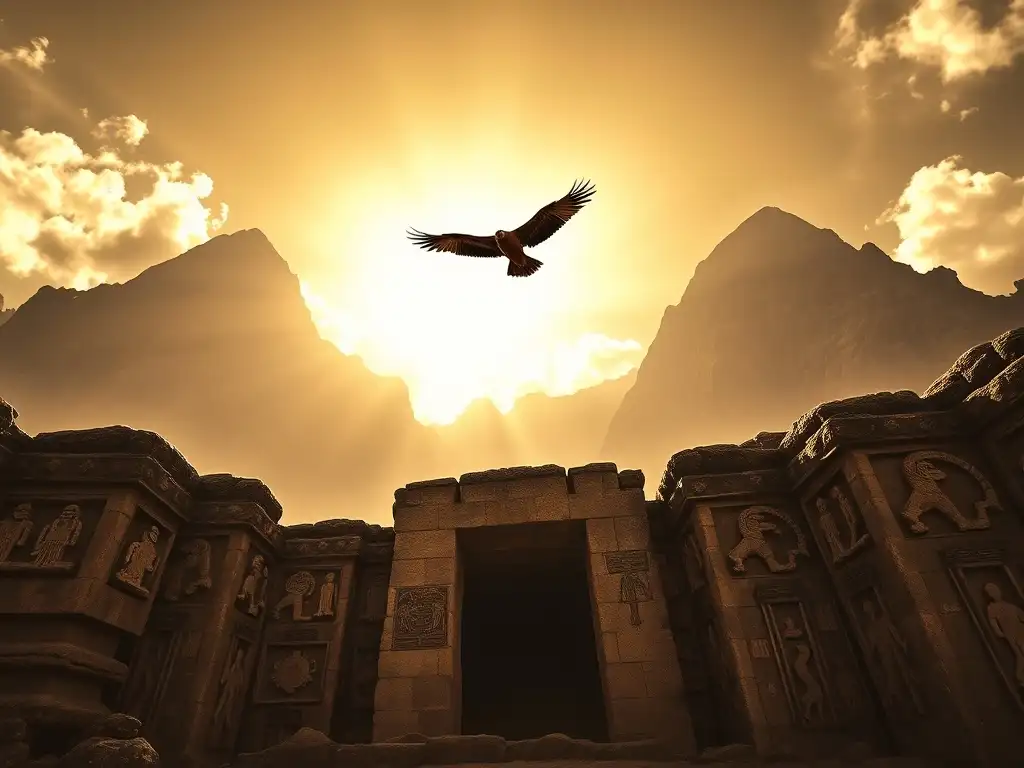
The Inca worldview was deeply intertwined with the natural world, a perspective profoundly shaped by their creation myths and cosmology. Their understanding of the cosmos wasn't merely a set of abstract beliefs; it directly influenced their social structures, agricultural practices, and even their urban planning. The Inca didn't see themselves as separate from nature but as an integral part of it, a perspective reflected in their reverence for mountains, rivers, and other geographic features.
This inherent connection is key to understanding the Inca's sophisticated understanding of their environment and their ability to thrive in the challenging Andean landscape. Their creation stories didn't simply explain the origins of the world; they provided a framework for living within it sustainably and respectfully. The Inca's success wasn't just a matter of technological advancement, but also a product of their profound spiritual connection to the land.
The Significance of Mountains, Rivers, and Sacred Places
Mountains, in particular, held immense significance for the Inca. They weren't merely geographical features but were considered apu, sacred mountain spirits, believed to be the dwelling places of powerful deities. These apu were actively venerated, with offerings and ceremonies performed to maintain a harmonious relationship. The Inca meticulously observed the natural rhythms of the mountains, understanding their influence on weather patterns and agricultural cycles. This reverence is evident in the strategic placement of Inca settlements, often nestled near significant mountain peaks, reflecting their deep-rooted belief in the interconnectedness of the sacred and the mundane.
Rivers, too, played a crucial role in the Inca worldview. They were seen as life-giving forces, essential for agriculture and sustenance. Many Inca settlements were built along river valleys, taking advantage of the fertile land and water resources. The rivers were not simply sources of water; they were also pathways for communication and trade, connecting different parts of the vast Inca empire. Specific rivers were often associated with particular deities or spirits, further emphasizing their sacred importance.
Beyond mountains and rivers, numerous other sacred places held immense spiritual significance. Caves, often associated with the origins of the world and the emergence of ancestors, were particularly revered. These caves served as pilgrimage sites, and many contained evidence of ritual activities and offerings. The Inca's careful selection and preservation of these sacred sites underscore the importance of their spiritual beliefs in shaping their daily lives and their relationship with the natural world. The Inca creation myths, therefore, weren't just stories; they were active guides for their interaction with their surroundings, ensuring a sustainable and spiritually enriching existence.
How Inca Creation Myths Shaped the Inca's Relationship with their Environment
Inca creation myths directly influenced their agricultural practices. The myths often described the world's creation from a primordial chaos, emphasizing the importance of order and balance. This concept directly translated into their sophisticated agricultural techniques, such as terracing, irrigation systems, and crop diversification – all designed to maintain balance within the ecosystem.
The Inca's understanding of the land's delicate balance was profoundly informed by their creation stories, leading to practices that ensured sustainable food production in a challenging environment. The story of Viracocha, for example, often depicts the creator god shaping the land and bringing forth life, reinforcing the importance of respecting the natural world.
The Inca's reverence for nature extended beyond agriculture. Their urban planning often incorporated natural features into their city designs, reflecting their deep respect for the environment. The capital city of Cusco, for instance, was strategically built to align with the cardinal directions and significant geographical features, demonstrating a profound understanding of the natural world's influence on their society.
This careful integration of the built and natural environment underscores the pervasive influence of their creation myths on their daily lives. The Inca creation myths weren't just historical accounts; they were practical guides for living sustainably and harmoniously within the Andean ecosystem.
The success of the Inca empire, therefore, wasn't only a result of political and military power but also a testament to their deep spiritual connection to the land and their respectful approach to resource management. This holistic approach to life, deeply rooted in their creation myths and worldview, contributed significantly to their remarkable achievements.
Analyzing the Core Elements of Inca Creation Stories
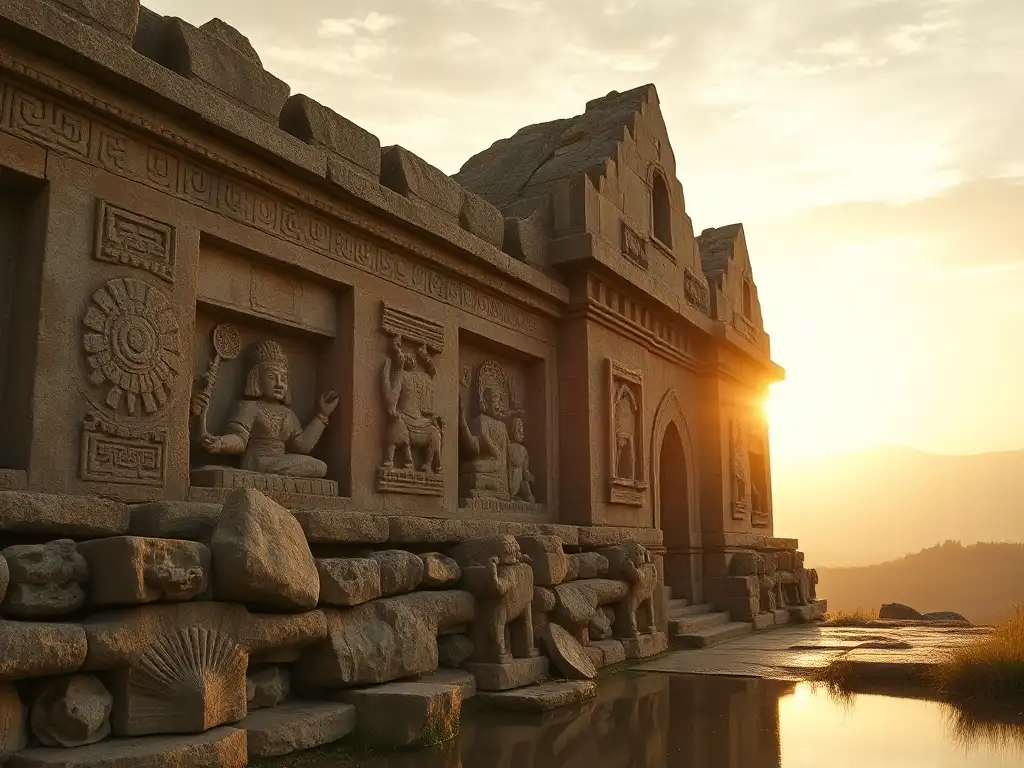
Inca creation myths, unlike those of many other cultures, weren't codified into single, definitive texts. Instead, they existed as a tapestry of interwoven narratives, passed down orally through generations. Understanding their origins requires piecing together fragments from various sources, including Spanish chronicles written after the conquest, archaeological findings, and surviving indigenous oral traditions. This patchwork nature makes definitive statements challenging, but allows for a rich exploration of the diverse perspectives on Inca cosmology.
The stories themselves reveal a sophisticated understanding of the natural world, reflecting the Inca's deep connection to their environment and their ingenious adaptation to the challenging Andean terrain. The recurring themes, symbolic language, and the overall narrative structures offer valuable insights into Inca worldview and societal structures. Examining these core elements provides a pathway towards a more nuanced understanding of the Inca's origins and self-perception.
Recurring Themes and Motifs in Inca Mythology
Several key themes and motifs consistently appear across different Inca creation narratives. The most prominent is the creation from duality. Many stories describe the universe emerging from a primordial pairing—often a male and female deity, or contrasting elements like darkness and light, earth and sky.
This duality is not necessarily conflictual; instead, it represents a fundamental balance necessary for creation and continued existence. For example, the creator god Viracocha is sometimes depicted emerging from Lake Titicaca, a body of water representing both life-giving potential and destructive power. This ambiguity reflects the Andean landscape itself, where fertile valleys are juxtaposed with harsh, unforgiving mountains.
Another recurring motif is the importance of caves and subterranean spaces. These locations are frequently depicted as the birthplace of deities or the origin point of the Inca ancestors. Caves symbolize the hidden, unseen world, representing a powerful connection between the earthly realm and the spiritual one. This connection is further emphasized through the recurring motif of emergence from darkness into light. This narrative arc mirrors the Inca's own experience of emerging from the relative isolation of their ancestral homeland to establish their vast empire.
Finally, the concept of transformation and renewal is central to Inca mythology. Many stories involve deities undergoing metamorphosis or shifting forms. This reflects the cyclical nature of Andean life, where seasons change, crops are planted and harvested, and life itself is seen as a continuous process of death and rebirth. This cyclical understanding of time is fundamentally different from the linear progression often found in Western creation narratives, highlighting a unique perspective on Inca cosmology.
Interpreting the Symbolic Meaning of Inca Creation Narratives
Interpreting Inca creation narratives requires careful consideration of their symbolic language. The stories are not simply literal accounts of historical events; they are rich tapestries woven with symbolic meaning. Analyzing these symbols provides deeper insights into the Inca worldview.
For instance, the frequent appearance of animals in Inca mythology is not merely decorative. Each animal holds specific symbolic weight, often reflecting characteristics valued by Inca society. The condor, for example, with its ability to soar high above the mountains, might symbolize power, vision, and connection to the heavens. Similarly, the llama, essential to Inca economy and daily life, may represent fertility, abundance, and community.
The use of numbers also holds significant symbolic meaning. The number four, for example, frequently appears, representing the four cardinal directions, the four elements, and the four quarters of the Inca empire. This emphasis on numerical patterns underscores the Inca's belief in cosmic order and balance.
Finally, the role of human sacrifice in some Inca creation narratives requires careful analysis. While often viewed through a modern lens of violence, these acts were likely imbued with a deeper spiritual significance within the Inca worldview. They may have been seen as a way to maintain cosmic equilibrium, honor the gods, or ensure the fertility of the land. Understanding these practices requires moving beyond simplistic interpretations and engaging with the complexities of Inca beliefs.
Further research into the precise rituals and interpretations of these sacrifices is needed for a complete understanding. [Specific information pending on the nuances of Inca sacrificial practices and their symbolic meaning in creation myths]. This careful consideration of symbolism allows for a more nuanced understanding of Inca creation narratives and their profound implications for Inca society and its relationship with the natural and spiritual world.
The Lasting Legacy of Inca Creation Myths
The Inca creation myths, far from being mere historical curiosities, profoundly shaped Inca culture and society, influencing everything from their social structures to their artistic expressions and even their agricultural practices. These narratives provided a framework for understanding the world, their place within it, and their relationship with the divine. Understanding this legacy is crucial to comprehending the Inca Empire's complexity and enduring influence. The stories weren't simply told; they were lived, woven into the very fabric of Inca existence.
How Inca Origin Stories Shaped Inca Culture and Society
Inca society was deeply hierarchical, with the Sapa Inca at its apex, considered a direct descendant of the sun god, Inti. This divine lineage, legitimized through creation myths, reinforced the Inca's authority and the unquestionable obedience expected from their subjects. The stories of Inti's creation and the emergence of the Inca from the sacred caves of Pacaritambo provided a powerful justification for their imperial expansion and control over conquered peoples. These narratives weren't just religious; they were political tools, solidifying power structures and maintaining social order.
For example, the myth of Manco Cápac and Mama Ocllo emerging from Lake Titicaca, tasked with civilizing the land and establishing Cusco, directly impacted the Inca's urban planning and agricultural techniques. The establishment of Cusco as the center of the empire, mirroring the mythical origin point, was not coincidental. It was a deliberate act, reinforcing the narrative and solidifying the city's symbolic importance.
Similarly, the emphasis on agriculture in many creation myths translated into advanced agricultural techniques, like terracing, which were crucial to the Inca's success. The stories imbued everyday activities with spiritual significance, strengthening community bonds and reinforcing social cohesion. The reverence for nature, often depicted in creation myths as a divine gift, promoted sustainable agricultural practices and a deep respect for the environment.
The Enduring Relevance of Inca Mythology in the Andes today
Even after the Spanish conquest, Inca creation myths continued to resonate within Andean communities. While Christianity was imposed, many indigenous beliefs and practices persisted, often syncretically blending with the new religion. Elements of Inca mythology, particularly those involving nature spirits and ancestral veneration, survived and continue to shape contemporary Andean culture. Many festivals and ceremonies still incorporate aspects of Inca mythology, showcasing its lasting impact.
The persistence of these stories underscores their profound significance. They are not merely historical accounts; they are living narratives that continue to provide a sense of identity, continuity, and belonging for Andean communities. The enduring power of Inca creation myths reflects the deep connection between the past and the present, highlighting the resilience of indigenous cultures and their capacity to adapt and preserve their heritage. This rich tapestry of beliefs and practices, interwoven with the threads of Inca mythology, continues to inspire awe and wonder, offering a valuable insight into the enduring legacy of one of the most fascinating civilizations in the Americas. Understanding their continued relevance allows us to appreciate the complexity and richness of Inca heritage in a more complete and nuanced way. The study of these myths, therefore, continues to be a vibrant and evolving field, revealing new insights into the Inca world and its lasting impact.
Frequently Asked Questions
What are some prominent Inca creation myths?
The most well-known Inca creation myth involves Viracocha, a creator god who emerged from Lake Titicaca, shaping the world and creating humanity. Other myths involve caves as sacred places of origin.
How did the Inca explain their origins?
Inca origin stories often linked them to divine beings and sacred places, emphasizing their legitimacy to rule. These narratives served both religious and political purposes, solidifying their power structure.
What role did Viracocha play in Inca mythology?
Viracocha is considered the supreme creator god in many Inca creation myths. He is credited with creating the world, the sun, the moon, stars, and humanity, often depicted as a powerful and benevolent figure.
Where do Inca creation myths place their origins geographically?
Many myths pinpoint the origins of the Inca near Lake Titicaca in the Andes, a location considered sacred. Other narratives reference specific caves as places of emergence and creation.
How did Inca creation myths influence their society?
Inca creation myths provided a framework for their social structure, religious beliefs, and political ideology. These stories justified their power, defined their relationship with the gods, and shaped their worldview.
Final Reflection: Echoes of the Andes: A Legacy Woven in Myth and Stone
The enduring power of Inca creation myths resonates deeply with our modern understanding of identity, origins, and the human search for meaning. These ancient narratives, far from being relics of a bygone era, offer a potent lens through which to examine our own quests for belonging and understanding of the world around us. They remind us that the stories we tell ourselves shape not only our past but also our future.
The exploration of Inca cosmology, with its intricate tapestry of sun gods, sacred caves, and powerful deities, reveals a profound connection to the Andean landscape and a sophisticated understanding of the natural world. This connection, woven into the very fabric of their society, continues to inspire awe and wonder. The mountains are not simply stones, but the bones of the earth, the dwelling places of the gods.
This sentiment, though not a direct Inca quote, captures the essence of their deep spiritual relationship with their environment, a relationship that continues to inform our understanding of their culture and legacy.
Consider the echoes of these myths in your own life. How do the stories you've inherited, both personal and cultural, shape your perspective? What narratives do you tell yourself about your origins and your place in the world?
I invite you to reflect on the power of storytelling, to recognize the enduring legacy of the Inca, and to embrace the rich tapestry of human experience that connects us across time and space. Let the enigmatic origins of the Inca inspire you to explore your own, and to understand the profound impact of myth and narrative on shaping our individual and collective identities.
Embark on Your Journey Through Inca Mystique!
Thank you for exploring the fascinating world of the Inca civilization with us! We hope you've uncovered the rich tapestry of their beliefs, traditions, and history. Now, it's time to further your exploration!
Here are a few ways you can deepen your understanding of Inca history:
- Delve deeper into Inca mythology: Explore books, documentaries, or online resources dedicated to Inca mythology to gain a richer understanding of their beliefs and cultural practices.
- Share your knowledge: Host a gathering with friends and family, sharing the fascinating stories and traditions of the Inca civilization.
- Join our community: Subscribe to Andean Civilizations for continued insights and updates on Andean cultures.
As you reflect on the enduring legacy of the Inca, consider how their worldview and creation stories connect with your own understanding of origins and existence.