
The Impact of Inca Mythology on Their Art, Architecture, and Rituals

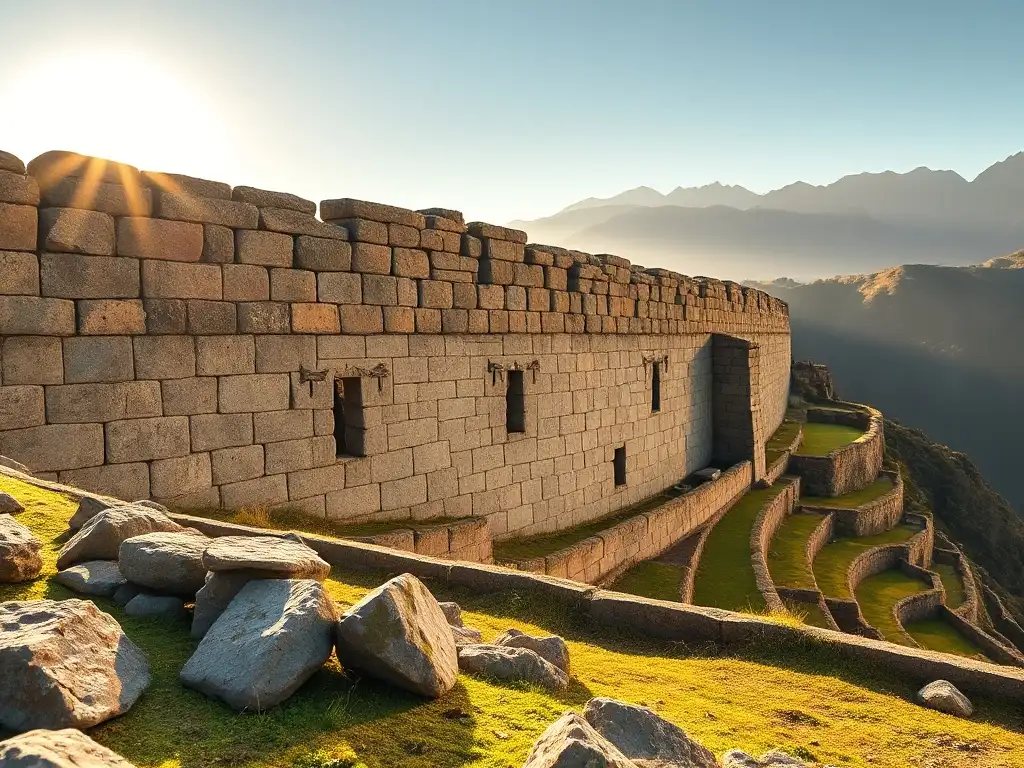
Step into a world lost to time, yet echoing with vibrant life. Uncover the secrets of the Andes, where towering mountains held the whispers of ancient gods and breathtaking artistry blossomed from profound spiritual beliefs. Discover how Inca mythology profoundly impacted their art, shaping their stunning architecture, intricate textiles, and awe-inspiring rituals. Prepare to be amazed as we delve into the captivating connection between belief and creation in the heart of the Inca Empire. Journey with us to unravel the mysteries that lie within.
-
The Profound Influence of Inca Mythology on Art, Architecture, and Rituals
- Understanding Inca Cosmovision: The Foundation of Artistic Expression
- The Inca Pantheon and Its Reflection in Art
- Inca Mythology's Impact on Architectural Design
- Inca Rituals and Their Relationship to Mythological Narratives
- The Intertwined Nature of Inca Art, Architecture, and Religious Practices
- Inca Mythology and Art: A Lasting Cultural Legacy
- Frequently Asked Questions
- Final Reflection: Echoes of the Andes: The Enduring Legacy of Inca Mythology
- Embrace the Richness of Inca Culture!
The Profound Influence of Inca Mythology on Art, Architecture, and Rituals
The Inca Empire, renowned for its sophisticated engineering feats and intricate social structures, left behind a rich legacy deeply intertwined with its complex mythology. This article delves into the profound impact of Inca cosmology and beliefs on their artistic expressions, architectural marvels, and elaborate rituals.
Understanding the Inca worldview—their cosmovision—is crucial to deciphering the symbolic language embedded within their art, architecture, and religious practices. From the majestic temples dedicated to the sun god Inti to the intricate textiles depicting mythical creatures, Inca creations serve as tangible manifestations of their spiritual beliefs, offering invaluable insights into their culture and worldview.
We will explore how their pantheon of gods, celestial bodies, and revered ancestors shaped the aesthetic and functional aspects of their civilization, showcasing how Inca mythology is not merely a historical narrative but a living force reflected in every aspect of their material culture. This exploration of the "Inca mythology impact on art" will reveal the intricate connections between religious belief and artistic expression in one of the most fascinating pre-Columbian societies.
Understanding Inca Cosmovision: The Foundation of Artistic Expression
Inca mythology wasn't simply a collection of stories; it was a comprehensive worldview that shaped every facet of life. Their cosmovision, a term encompassing their understanding of the universe, viewed the world as a carefully balanced system connecting the earthly realm with the celestial and the spiritual. This interconnectedness is vividly portrayed in Inca art, where representations of mountains, celestial bodies, and animals are not merely decorative but hold deep symbolic meaning, reflecting their beliefs about the interconnectedness of all things.
For example, the recurring motifs of serpents and condors symbolize power and connection between the earthly and spiritual realms. The intricate designs found on textiles, pottery, and metalwork often depict mythical scenes and celestial events, showcasing the importance of cosmology in daily life.
The Inca's artistic choices were not arbitrary but carefully considered expressions of their profound spiritual understanding. This deliberate integration of religious belief into art underscores the inseparable nature of their faith and artistic endeavors.
The Inca Pantheon and Its Reflection in Art
The Inca pantheon was a rich tapestry of deities, each with specific roles and attributes, all reflecting the Inca's understanding of the natural world and its forces. These deities were not merely abstract concepts but actively participated in the lives of the Inca people, influencing harvests, weather patterns, and the overall well-being of the empire. Their artistic representations, therefore, were not simply decorative but served as powerful tools for communication, invoking the presence and power of these deities.
Inti, the Sun God: Representation and Symbolism in Inca Art
Inti, the sun god, held paramount importance in Inca religion. He was considered the supreme deity, the source of life and energy. Inca art is replete with representations of Inti, often depicted as a stylized sun disc with radiating rays.
These depictions are found on textiles, ceramics, and gold artifacts, emphasizing his central role in their belief system. The sun's life-giving power is reflected in the vibrant colors and intricate designs used to represent Inti, further highlighting his significance in Inca culture and daily life. The artistic representations served not only as aesthetic objects but also as powerful religious symbols, used in rituals and ceremonies to honor and appease the sun god.
Viracocha, the Creator God: Depictions and Meaning in Inca Artifacts
Viracocha, the creator god, holds a prominent place in Inca mythology. Depicted as a bearded figure, sometimes with a staff, Viracocha is often associated with water and creation. His representations in Inca art are less frequent than Inti's but equally significant.
The few depictions that exist usually show him in a majestic pose, reinforcing his role as the ultimate creator. Analyzing these depictions reveals the Inca's understanding of creation and the power of the divine in shaping the world. The scarcity of clear representations might indicate a more abstract and less directly worshipped nature of this god, compared to the more readily accessible and tangible power of the sun.
Mama Quilla, the Moon Goddess: Influence on Inca Art and Culture
Mama Quilla, the moon goddess, played a significant role in Inca culture, associated with fertility, timekeeping, and feminine power. Her influence is visible in the intricate designs found on textiles and ceramics, where the moon is often depicted alongside stars and other celestial bodies, reflecting the Inca's profound understanding of the night sky. Her depiction often appears alongside the sun god, Inti, signifying the balance and harmony between celestial forces. The artistic representations of Mama Quilla highlight her importance in regulating the cycles of nature and her connection to the feminine aspects of life.
Illapa, the God of Thunder and Lightning: Artistic Depictions and Significance
Illapa, the god of thunder and lightning, was a powerful deity associated with storms and rain. His artistic representations often feature stylized lightning bolts and clouds, emphasizing his association with atmospheric phenomena. These depictions are often found on pottery and metalwork, reflecting his power and influence over the agricultural cycle.
The awe-inspiring nature of thunder and lightning is reflected in the dramatic and powerful imagery used to represent Illapa, demonstrating the Inca's respect for the forces of nature and their influence on their lives. The artistic representations served as a reminder of Illapa's power and the importance of appeasing him through rituals and offerings to ensure successful harvests and a bountiful life.
Inca Mythology's Impact on Architectural Design
The Inca Empire's impressive architectural achievements weren't merely feats of engineering; they were powerful expressions of their deeply rooted mythology. Inca builders didn't simply construct structures; they materialized their beliefs and stories in stone, creating sacred spaces that reflected the cosmos and their relationship with the divine. The meticulous planning, precise execution, and symbolic integration of elements all point to a profound connection between their religious worldview and their architectural practices.
The integration of mythology into architecture wasn't superficial; it was integral to the very essence of Inca society, shaping their urban landscapes and influencing their daily lives. The careful selection of building materials, the orientation of structures, and the incorporation of specific motifs all served to reinforce their cosmological beliefs and solidify the power of the Inca rulers.
Sacred Sites and Their Mythological Significance
Many Inca structures served as tangible representations of their myths and legends. Temples, palaces, and even agricultural terraces were strategically placed and designed to reflect the Inca understanding of the universe. For instance, the placement of certain buildings often aligned with celestial events, like solstices and equinoxes, demonstrating a profound knowledge of astronomy and its integration with their religious beliefs.
These alignments weren't accidental; they were carefully planned to connect the earthly realm with the celestial, reinforcing the belief in the interconnectedness of all things. The very act of building these sites was a ritual in itself, imbued with meaning and purpose beyond mere construction. The use of specific stones, their carving, and their placement all held symbolic significance within the broader context of Inca mythology.
The Coricancha: A Manifestation of Inca Beliefs
The Coricancha, or Temple of the Sun, in Cusco stands as a prime example of the Inca's architectural expression of their mythology. This magnificent temple, originally plated in gold, was dedicated to Inti, the sun god, the most important deity in the Inca pantheon. Its design, with its precise geometry and intricate details, mirrored the Inca's understanding of the cosmos, with the sun at its center. The temple's orientation, materials, and decorations all served to emphasize the sun's power and its central role in Inca cosmology.
The golden plates, representing the sun's radiant energy, further reinforced this connection. The Coricancha wasn't simply a place of worship; it was a physical embodiment of their beliefs, a tangible representation of their spiritual world. Even after the Spanish conquest, the ruins of the Coricancha continue to evoke the power and significance of Inca mythology.
Machu Picchu: A Royal Estate Connected to Royal Lineage and Deities
Machu Picchu, often referred to as the "Lost City of the Incas," is another striking example of the interplay between Inca mythology and architecture. While its precise function remains a subject of ongoing research, its location, design, and the presence of sacred spaces strongly suggest a connection to royal lineage and the Inca pantheon. The city's layout, with its intricate terraces and strategically placed buildings, likely reflects a cosmological order, mirroring the Inca worldview.
The presence of specific structures, such as the Intihuatana stone, a sundial used for astronomical observations and possibly ritual purposes, further emphasizes the integration of astronomy and religious beliefs into the city's design. The very existence of Machu Picchu, hidden high in the Andes, evokes a sense of mystery and awe, underscoring the sacred nature of the site within the context of Inca mythology.
The Use of Symbolic Architecture to Convey Religious Ideas
Inca architecture frequently employed symbolism to convey religious ideas and narratives. Specific motifs, such as the condor, puma, and snake—animals deeply embedded in their mythology—were incorporated into architectural designs. These symbols weren't merely decorative; they held powerful religious significance, representing concepts like power, fertility, and the forces of nature. The use of specific colors, materials, and orientations also played a role in conveying religious meaning.
For example, the use of red might symbolize blood and sacrifice, while gold could represent the sun's power. The integration of these symbols into the architectural fabric served to reinforce the power of Inca mythology and to instill religious beliefs within the populace. This sophisticated use of symbolism makes Inca architecture a rich tapestry of religious expression and cultural identity.
Inca Rituals and Their Relationship to Mythological Narratives
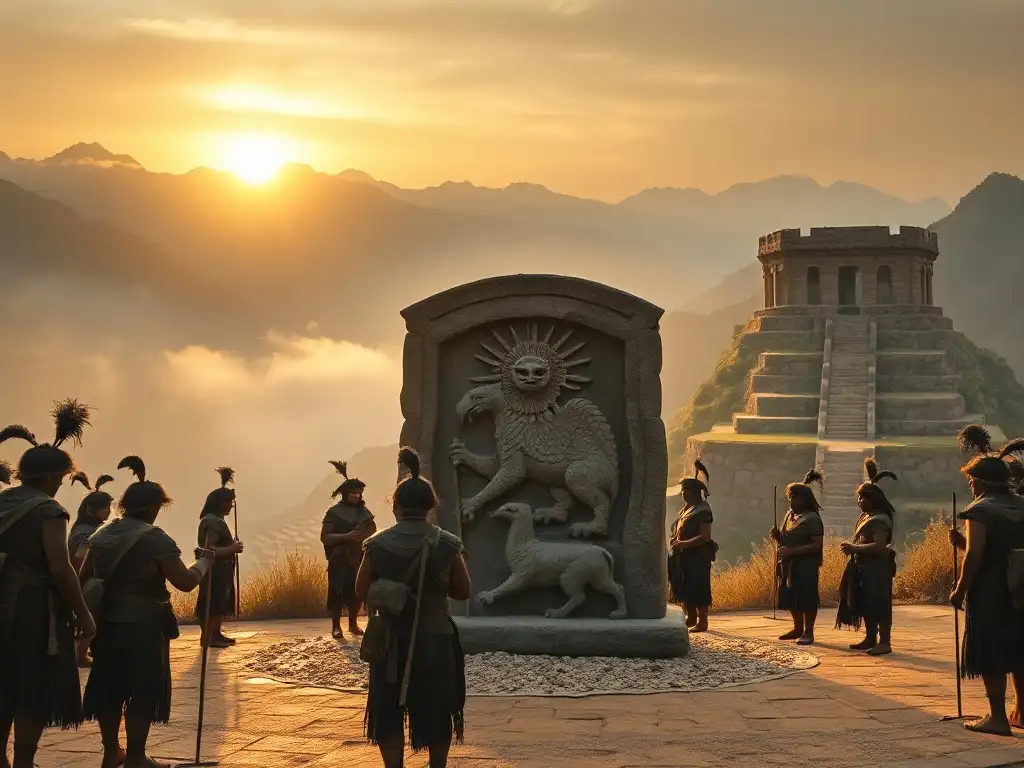
Inca rituals were deeply intertwined with their rich mythology, acting as a means of enacting and reaffirming their religious beliefs. These rituals weren't merely ceremonial; they were integral to the social, political, and economic fabric of the Inca Empire. They served to maintain order, reinforce social hierarchies, and ensure the continued prosperity of the empire. The close relationship between mythology and ritual is evident in the various ceremonies performed throughout the year, each connected to specific deities and mythological narratives. The meticulous planning and execution of these rituals underscore their profound importance within Inca society.
The Inti Raymi Festival: Reenacting the Myth of the Sun
The Inti Raymi festival, a celebration of the sun god Inti, is a prime example of the connection between Inca mythology and ritual. This grand ceremony, held annually during the winter solstice, involved elaborate processions, sacrifices, and feasts. The festival reenacted the myth of the sun god's journey across the sky, reinforcing the Inca's belief in the sun's power and its importance to their agricultural cycle.
The elaborate preparations and the participation of the entire community underscore the festival's central role in Inca society and its profound connection to their religious beliefs. The Inti Raymi festival wasn't just a celebration; it was a powerful ritual that reaffirmed the Inca's cosmological order and their relationship with the divine.
Capac Hucha: Human Sacrifice and its Mythological Context
Human sacrifice, known as capac hucha, played a significant role in Inca rituals, although its frequency and precise practices remain debated. While often associated with negative connotations, this practice was deeply embedded within Inca mythology and served specific religious purposes. It was believed that the sacrifice of humans, especially those considered to be exceptionally pure or worthy, appeased the gods and ensured the continued prosperity of the empire.
The selection of victims and the rituals surrounding the sacrifice were dictated by religious beliefs and aimed to maintain balance in the cosmos. Understanding capac hucha requires a nuanced perspective that acknowledges its place within the broader context of Inca religious beliefs and cosmological understandings.
The Role of Priests and Shamans in Inca Rituals
Priests and shamans played crucial roles in Inca rituals, acting as intermediaries between the human and divine worlds. These religious specialists possessed specialized knowledge of Inca mythology and were responsible for conducting ceremonies, interpreting omens, and communicating with the gods. Their expertise was highly valued, and their presence was essential in most religious ceremonies.
Their knowledge of religious texts, rituals, and prophecies ensured the proper performance of rituals and maintained the social and cosmological order. The priests and shamans were not simply religious leaders; they were keepers of Inca knowledge and essential figures in the maintenance of the Inca Empire's religious and political system.
Sacred Objects, such as the Ushnu, and Their Mythological Significance in Ceremonies
Various sacred objects played important roles in Inca rituals, further highlighting the close relationship between mythology and religious practices. The ushnu, a raised platform found in many Inca ceremonial centers, served as a focal point for rituals and religious ceremonies. Its significance stemmed from its symbolic representation of the sacred mountain, the axis mundi, connecting the earthly and celestial realms.
Other sacred objects, such as intricately carved stones, adorned with mythological figures or symbols, were used in rituals to enhance their power and effectiveness. These objects weren't mere artifacts; they were powerful conduits of spiritual energy, reinforcing the beliefs and narratives central to Inca mythology. The careful handling and use of these objects during ceremonies underscored their profound religious importance.
The Intertwined Nature of Inca Art, Architecture, and Religious Practices
Inca art, architecture, and religious practices were inextricably linked, reflecting a deeply spiritual worldview. The Inca's belief system, heavily influenced by their mythology, permeated every aspect of their lives, from the intricate designs woven into textiles to the imposing grandeur of their monumental structures. Their artistic endeavors weren't merely aesthetic expressions; they were powerful tools for communicating their beliefs, reinforcing social structures, and maintaining cosmic harmony.
The intricate carvings adorning their temples, palaces, and everyday objects served as visual narratives, illustrating myths and legends that reinforced their societal norms and connected them to their ancestors and the divine realm. Understanding this interconnectedness is crucial for appreciating the true significance of Inca creations. The Inca worldview saw the natural world as imbued with spiritual power, and their art and architecture served as a physical manifestation of this belief, creating sacred spaces that bridged the earthly and celestial realms.
How Inca Myths Shaped Artistic Motifs
Inca mythology profoundly impacted the artistic motifs found throughout their empire. Recurring symbols, such as the chakana (Andean cross), the condor, and the puma, represented powerful deities and cosmological concepts. The chakana, for example, symbolized the four directions, the four elements, and the connection between the earthly and celestial realms—a direct reflection of their layered cosmological understanding.
Depictions of condors, often associated with the sun god Inti, showcased their power and majesty, while pumas, representing earthly power and strength, frequently appeared in royal iconography. These motifs weren't randomly chosen; they were carefully selected to convey specific meanings and reinforce religious narratives.
The repetition of these symbols across various mediums, from pottery and textiles to stone carvings and metalwork, ensured their cultural significance was widely understood and perpetuated throughout the Inca empire. The consistent use of these motifs demonstrates a sophisticated understanding of visual communication and the power of art to transmit religious and cultural values.
How Architectural Design Reflected the Inca's Religious Worldview
Inca architecture wasn't simply about functionality; it was a powerful expression of their religious worldview. The precise placement of buildings, their orientation towards celestial bodies, and the intricate designs incorporated into their construction all reflected their deep connection to the cosmos. For instance, the precise alignment of some structures with solstices and equinoxes suggests a sophisticated understanding of astronomy and its integration into their religious calendar.
Temples were often built on strategically chosen locations, such as mountaintops or prominent geographical features, to enhance their spiritual significance. The use of carefully cut stones, perfectly fitted together without mortar, demonstrated the Inca's mastery of engineering and their dedication to creating structures that were both aesthetically pleasing and spiritually potent. The imposing scale of some structures, like Machu Picchu, also served to reinforce the power and authority of the Inca state, reflecting their belief in a divinely ordained hierarchy.
The Role of Rituals in Maintaining Harmony with the Cosmos
Rituals played a vital role in maintaining harmony between the Inca people and the cosmos. These ceremonies, often accompanied by elaborate artistic expressions and architectural settings, were designed to appease the gods, ensure successful harvests, and maintain social order. The capac hucha, a ritual involving the sacrifice of llamas, was an important example. These rituals were not merely symbolic; they were believed to have tangible consequences, impacting the fertility of the land, the success of military campaigns, and the overall well-being of the empire.
The elaborate costumes, intricate offerings, and specific locations chosen for these rituals all contributed to their efficacy and reinforced their religious significance. The meticulous attention to detail in these rituals demonstrates the Inca's deep commitment to maintaining a harmonious relationship with the divine and the natural world. Failure to perform these rituals properly was believed to have dire consequences.
The Legacy of Inca Mythology in Contemporary Andean Culture
Inca mythology continues to exert a powerful influence on contemporary Andean culture. Many of the ancient myths and legends are still recounted today, often adapted and reinterpreted to reflect modern realities. The chakana, for example, remains a potent symbol of Andean identity, appearing on flags, emblems, and everyday objects. Traditional festivals and ceremonies often incorporate elements of Inca mythology, demonstrating the enduring relevance of these ancient beliefs.
The persistence of these traditions highlights the deep-seated connection between the Inca past and the present-day Andean communities. In many ways, Inca mythology serves as a living bridge connecting the ancient world with modern Andean identity, shaping their cultural practices and artistic expressions. This continued influence demonstrates the resilience and enduring power of Inca cultural heritage.
Inca Mythology and Art: A Lasting Cultural Legacy
The impact of Inca mythology on their art is undeniable and continues to resonate today. The intricate interplay between religious beliefs and artistic expression provides invaluable insight into their culture and society.
The Use of the Chakana in Art and Architecture as an Expression of Cosmovision
The chakana, or Andean cross, is a prime example of how Inca cosmovision was embodied in their art and architecture. This symbol, representing the four cardinal directions, the four elements, and the connection between the heavens and the earth, appeared extensively in textiles, ceramics, and stone carvings. Its presence in significant architectural features, such as the intricate stonework of Machu Picchu, further underscores its cosmological importance.
The careful placement and execution of the chakana motif reflect the Inca's profound understanding of their relationship with the cosmos and their belief in a structured, interconnected world. The chakana is more than just a decorative element; it’s a powerful symbol conveying their complex worldview.
Analysis of how the Capac Hucha ritual was influenced by Inca mythology
The capac hucha ritual, involving the sacrifice of llamas, was deeply rooted in Inca mythology. The llamas, often considered sacred animals, were believed to act as intermediaries between the human and divine realms. The ritual itself was meticulously planned, with specific locations, timings, and offerings dictated by religious beliefs and cosmological considerations.
The ritual's purpose was to ensure the continued prosperity of the empire and maintain harmony with the gods. The detailed descriptions of the ritual found in various historical accounts highlight its importance within Inca society and its close connection to their mythology. The capac hucha wasn't merely a ceremonial act; it was a crucial component of their religious system, directly influenced by their beliefs about the cosmos and the divine.
The Importance of Understanding Inca Mythology to Interpret their Art and Architecture
Understanding Inca mythology is paramount to interpreting their art and architecture. The symbols, motifs, and designs incorporated into their creations weren't arbitrary; they were imbued with deep religious and cultural significance. Without understanding the underlying mythology, much of the richness and complexity of Inca art and architecture would be lost.
It's through this lens that we can truly appreciate the intricate details, the careful planning, and the profound meaning embedded within their creations. By delving into their beliefs and understanding the stories behind the symbols, we can unlock a deeper appreciation for the artistry, ingenuity, and spirituality of the Inca civilization. In essence, Inca mythology provides the key to deciphering the visual language of their civilization.
Frequently Asked Questions
How did Inca mythology influence their art?
Inca mythology heavily influenced their art, with depictions of gods, animals, and mythical beings frequently appearing in textiles, pottery, and metalwork. These images often served religious or ceremonial purposes, reflecting their worldview and beliefs.
What are some common themes found in Inca art inspired by mythology?
Common themes include the sun god Inti, the fertility goddess Pachamama, and mythical creatures like the condor and puma. These symbols represent power, fertility, and the Andean landscape, reflecting the importance of nature in their beliefs.
How did Inca mythology affect their architecture?
Inca architecture, particularly sacred sites like Machu Picchu, incorporated mythological symbolism into its design. The placement of buildings and the use of specific motifs were thought to align with cosmic and earthly energies, reflecting their understanding of the universe.
Examples include the textiles depicting mythical creatures, the gold and silver artifacts representing deities, and the stone carvings found in temples and palaces featuring symbolic imagery. These objects were often used in rituals and ceremonies.
What role did rituals play in connecting Inca art and mythology?
Rituals were central to Inca life, and art played a significant role. Ceremonial objects, including textiles, pottery, and sculptures, were created for religious practices, reinforcing the connection between mythology and daily life.
Final Reflection: Echoes of the Andes: The Enduring Legacy of Inca Mythology
The intricate tapestry woven by Inca mythology continues to resonate powerfully in the modern world, a testament to the enduring strength of cultural heritage and its profound influence on artistic expression. The vibrant colors, majestic structures, and deeply symbolic rituals of the Inca civilization weren't simply aesthetic choices; they were direct manifestations of their beliefs, a tangible link between the earthly and spiritual realms. Understanding this connection allows us to appreciate not only the beauty of Inca art but also the sophisticated worldview that shaped it.
The impact of Inca mythology extends far beyond the archaeological sites; it permeates the cultural landscape of modern-day Peru and beyond, influencing artistic movements, inspiring contemporary narratives, and shaping national identity. Its influence is a constant reminder of the power of storytelling and the enduring legacy of a civilization that, despite its tragic end, left an indelible mark on the world. The past is never dead. It's not even past.
- William Faulkner. This quote perfectly encapsulates the persistent relevance of Inca mythology and its continued influence on artistic interpretations and cultural understanding.
Consider, for a moment, the intricate details in Inca textiles, the imposing grandeur of Machu Picchu, the solemn rituals depicted in pottery. These weren't created in a vacuum; they were born from a rich cosmology, a deep connection to the land, and a profound reverence for their gods. You, too, can find inspiration in this legacy.
Explore the stories, examine the art, and allow yourself to be transported to a world where the divine and the earthly were inextricably intertwined. Let the echoes of the Andes inspire your own creativity and understanding of the enduring power of belief and its artistic expression.
Embrace the Richness of Inca Culture!
Thank you for exploring the fascinating world of Inca mythology with us! We hope you've gained a deeper appreciation for how intricately their ancient beliefs are woven into their art, architecture, and rituals. Now, let's delve even further.
Here are some exciting ways to explore and connect with Inca culture:
- **Expand your knowledge:** Visit a museum or historical site showcasing Inca artifacts and exhibitions. You might be amazed by the incredible treasures you uncover!
- **Connect with others:** Join online communities or local groups dedicated to Andean civilizations and share your insights. Your perspective could contribute to stimulating conversations and new discoveries.
- **Express your inspiration:** Create your own artwork or crafts, drawing inspiration from Inca motifs and symbols.
Which aspect of Inca mythology resonates most with you, and how might it influence your creative expression or understanding of different cultures?