
The Acoustics of Tiahuanaco: Architectural Design and Sound Manipulation

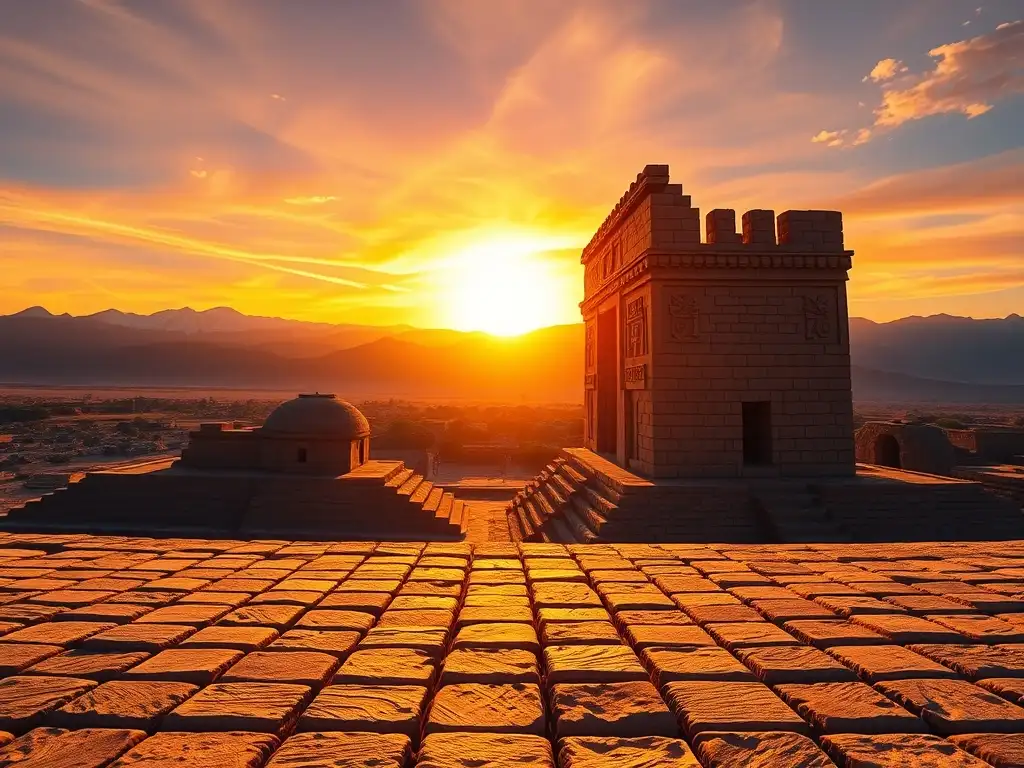
Step into a world lost to time, yet echoing with the whispers of a sophisticated past. The Andean Civilizations website invites you to uncover the secrets of empires carved into the very mountains themselves. From the intricate artistry of the Nazca lines to the monumental architecture of the Incas, we delve into the fascinating tapestry of Andean history.
But today, we unravel a particularly intriguing mystery: the Tiahuanaco acoustic design. Prepare to be amazed by the ingenious sound manipulation techniques employed in this ancient civilization – a testament to their advanced understanding of acoustics. Discover how they shaped sound and space… if you dare.
- Tiahuanaco Acoustic Design: Architectural Manipulation of Sound in the Andes
- Unveiling the Sonic Secrets of Tiahuanaco: An Introduction
- The Role of Architecture in Tiahuanaco's Soundscapes
-
Key Architectural Elements and Their Acoustic Functions
- The Akapana Pyramid: Investigating its Sonic Characteristics
- The Kalasasaya Plaza: Acoustic Reflections and Reverberation Analysis
- The Semi-Subterranean Temple: Sound Amplification and Resonance
- The Pumapunku Complex: Precision Stonework and Acoustic Effects
- The Open Courtyards: Impact on Sound Distribution and Ritual
- Theories and Evidence of Tiahuanaco's Acoustic Engineering
- Comparative Analysis: Tiahuanaco Acoustics vs. Other Ancient Civilizations
- Modern Research and the Study of Tiahuanaco's Acoustic Design
- The Legacy of Tiahuanaco's Acoustic Engineering
-
Frequently Asked Questions
- What is the significance of acoustic design in Tiahuanaco?
- How did the Tiahuanaco people achieve sophisticated acoustic effects?
- What evidence supports the theory of intentional acoustic design in Tiahuanaco?
- Are there similarities between Tiahuanaco's acoustic design and other ancient cultures?
- What ongoing research is being conducted on Tiahuanaco's acoustics?
- Final Reflection: Echoes of Tiahuanaco: A Legacy of Sound and Design
- Experience the Wonders of Tiahuanaco: Unlock the Secrets of Sound!
Tiahuanaco Acoustic Design: Architectural Manipulation of Sound in the Andes
The ancient city of Tiahuanaco, located on the shores of Lake Titicaca in modern-day Bolivia, stands as a testament to the sophisticated engineering and architectural prowess of the Tiahuanaco culture. While its monumental structures and intricate carvings have long captivated researchers, a fascinating aspect often overlooked is the city's deliberate manipulation of acoustics.
This article delves into the intriguing world of Tiahuanaco's acoustic design, exploring how the architects integrated sound into their urban planning and monumental architecture, potentially for ritualistic, social, or even practical purposes. We will examine the evidence suggesting intentional acoustic design within the city's layout and key structures, challenging traditional perspectives that focus solely on the visual aspects of Tiahuanaco.
This exploration will reveal how sound, as an integral part of the Tiahuanaco experience, offers a deeper understanding of their culture, beliefs, and technological capabilities. The evidence suggests a level of acoustic sophistication that warrants further research and challenges us to reconsider our understanding of this remarkable civilization.
Evidence of Intentional Acoustic Design in Tiahuanaco Structures
The sheer scale and precision of Tiahuanaco's architecture hints at a profound understanding of engineering principles. However, recent studies suggest that this understanding extended beyond structural integrity to encompass the manipulation of sound. Analysis of the dimensions and materials used in key structures, such as the Kalasasaya Temple and the Gate of the Sun, reveal potential acoustic properties. For example, the precise placement of monoliths within the Kalasasaya complex might have created specific resonant frequencies, amplifying certain sounds and creating a unique auditory environment.
Furthermore, the use of specific stone types, known for their acoustic properties, could have been selected to enhance this effect. While more research is needed to definitively quantify these acoustic effects, preliminary findings strongly suggest intentional design choices aimed at shaping the soundscape of the city. Further investigation using advanced acoustic modeling techniques could reveal more precise data about the acoustic properties of these structures.
The Role of Acoustics in Tiahuanaco Rituals and Ceremonies
The potential for acoustic manipulation within Tiahuanaco's architecture strongly suggests its significance in religious and ceremonial practices. Many researchers believe that the city served as a major religious center, and the controlled acoustic environment could have played a crucial role in enhancing the impact of rituals. Imagine the reverberations of chants and prayers amplified within the Kalasasaya enclosure, creating an awe-inspiring atmosphere conducive to spiritual experience.
The Gate of the Sun, with its intricate carvings and possible acoustic properties, could have served as a focal point for these ceremonies, further intensifying the sonic experience. The precise function of these acoustic features remains a subject of ongoing research, but their potential role in shaping the religious and ceremonial life of Tiahuanaco is undeniable. The relationship between the acoustic environment and the religious practices of the Tiahuanaco people is a fascinating field for future investigation.
Comparing Tiahuanaco Acoustic Design to Other Andean Civilizations
While the study of Tiahuanaco's acoustic design is relatively recent, comparing it to other Andean civilizations reveals potential parallels and unique characteristics. Some scholars suggest similarities between Tiahuanaco's acoustic manipulation and techniques observed in other ancient Andean sites, such as Machu Picchu or Sacsayhuamán. However, the specific methods and the extent of acoustic planning in Tiahuanaco seem to be uniquely sophisticated, suggesting a higher level of understanding or a different approach to sound manipulation.
Further comparative studies are needed to fully understand the place of Tiahuanaco's acoustic design within the broader context of Andean architectural traditions. A comprehensive comparative analysis could reveal both shared practices and unique innovations within the Tiahuanaco culture.
Future Research and the Significance of Acoustic Archaeology in Tiahuanaco
The study of Tiahuanaco's acoustic design is still in its early stages. Future research should employ advanced technologies, such as 3D acoustic modeling and non-destructive testing, to gain a more comprehensive understanding of the city's sonic environment. This interdisciplinary approach, combining architectural analysis with acoustic engineering and archaeological investigation, will be crucial to unlocking the secrets of Tiahuanaco's acoustic heritage.
The findings from such research will not only deepen our understanding of Tiahuanaco's culture and technology but also contribute to the broader field of acoustic archaeology, highlighting the importance of considering sound as an integral aspect of past civilizations. The potential discoveries in this area promise to significantly reshape our understanding of Tiahuanaco and ancient Andean societies more broadly. The incorporation of acoustic archaeology into future studies is crucial for a more complete picture of Tiahuanaco's legacy.
Unveiling the Sonic Secrets of Tiahuanaco: An Introduction
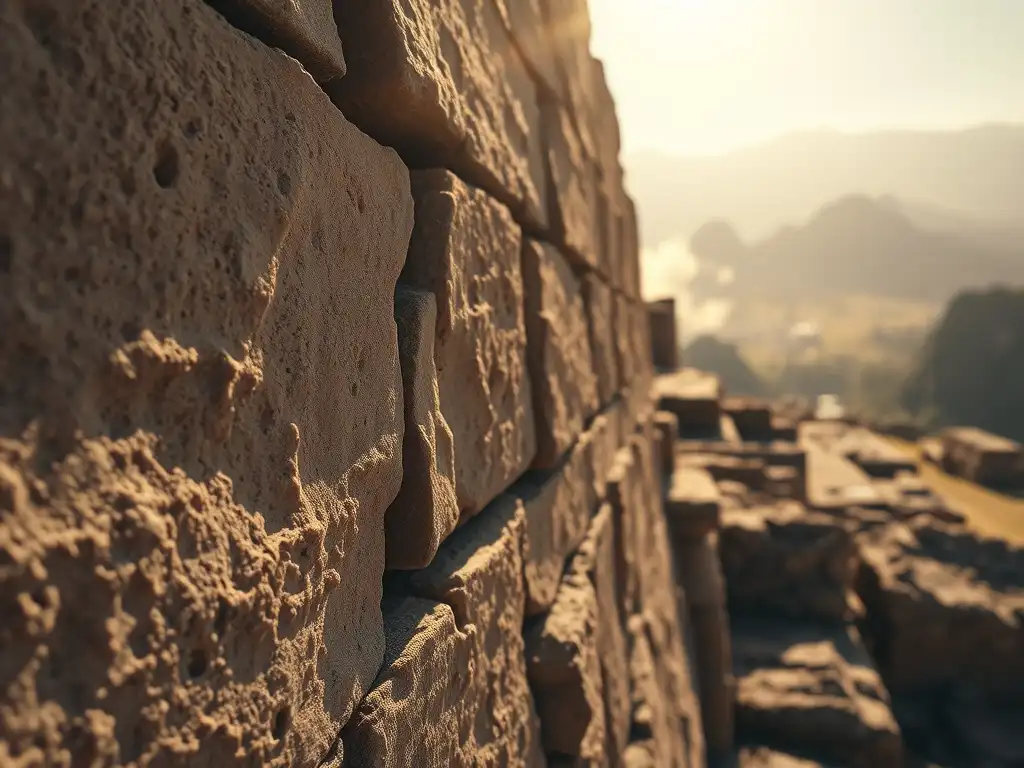
This section delves into the fascinating world of Tiahuanaco acoustic design, exploring how the architects of this ancient civilization may have intentionally manipulated sound within their monumental structures. We will examine the evidence suggesting a sophisticated understanding of acoustics, far beyond what might be expected from a pre-Columbian society. Understanding Tiahuanaco's acoustic properties offers a unique lens through which to appreciate the ingenuity and cultural significance of this remarkable city.
The investigation of Tiahuanaco acoustic design is a relatively new field, and much remains to be discovered. However, the preliminary findings are compelling and suggest a level of architectural sophistication that warrants further research. This exploration will focus on the interplay between architectural design and sound manipulation in Tiahuanaco, offering insights into the possible purposes and implications of this intriguing aspect of their civilization.
The Enigmatic City of Tiahuanaco and its Architectural Marvels
Tiahuanaco, located on the shores of Lake Titicaca in modern-day Bolivia, remains one of the most enigmatic cities of the ancient Andes. Its monumental architecture, characterized by precisely cut stone blocks, intricate carvings, and massive structures like the Kalasasaya complex and the Gate of the Sun, has captivated researchers for centuries. The sheer scale of the construction, employing techniques that are still not fully understood, speaks to the advanced engineering capabilities of the Tiahuanaco civilization.
The precision of the stonework is astonishing; blocks weighing many tons were fitted together with minimal mortar, creating structures that have withstood the test of time. This remarkable feat of engineering is intrinsically linked to the city's acoustic properties.
The precise placement and size of these stones may have played a crucial role in shaping the way sound propagated throughout the city. The layout of the city itself, with its plazas and open spaces, likely also contributed to the overall acoustic environment.
A Look into the Advanced Engineering of the Tiahuanaco Civilization
The Tiahuanaco people demonstrated a mastery of stonework unparalleled in the Andes. Their ability to quarry, transport, and precisely fit massive blocks of andesite, a very hard volcanic rock, remains a source of wonder. This advanced engineering wasn't limited to the sheer scale of their constructions; it extended to the intricate detail of their carvings and the precise alignment of their structures. Consider the Gate of the Sun, a monolithic gateway adorned with complex carvings depicting various figures and symbols. The precise arrangement of these carvings, combined with the gateway's size and position, could have influenced sound reflection and resonance. Furthermore, the Kalasasaya complex, with its large, open plaza surrounded by monumental structures, presents another compelling case for intentional acoustic design. The dimensions and placement of the structures within this complex may have been carefully chosen to create specific acoustic effects, perhaps for ceremonial or ritualistic purposes. Further research is needed to analyze the precise dimensions and material properties of the structures to fully understand their acoustic characteristics.
This level of precision, coupled with the city's layout and the use of natural materials, suggests a sophisticated understanding of the principles of acoustics. Detailed acoustic modeling and analysis are needed to confirm these hypotheses.
The Significance of Sound in Ancient Andean Cultures
Sound played a vital role in the religious and social lives of many ancient Andean cultures. Ceremonies, rituals, and social gatherings often involved the use of musical instruments, vocalizations, and other forms of sound production. Archaeological evidence suggests that music and sound were integral parts of Andean religious practices, used to communicate with deities, invoke spirits, and enhance the spiritual experience. The Tiahuanaco civilization was no exception.
While the specific nature of their sonic practices remains largely unknown, the city's architecture suggests a potential for deliberate sound manipulation within the ceremonial spaces. The use of resonant chambers, for example, could have amplified certain sounds, creating a powerful and awe-inspiring effect during rituals. The precise arrangement of structures could have focused or directed sound, creating specific acoustic "hotspots" within the city.
It's plausible that the Tiahuanaco people understood the power of sound to evoke emotions and create a sense of awe, and they might have incorporated this understanding into their architectural designs. Further research into ancient Andean musical instruments and practices could shed light on the acoustic environment of Tiahuanaco and its cultural significance. The potential for uncovering more information about the Tiahuanaco acoustic design is significant, promising to unveil further mysteries about this fascinating civilization.
The Role of Architecture in Tiahuanaco's Soundscapes
The monumental architecture of Tiahuanaco wasn't merely a display of engineering prowess; it was intricately designed to manipulate and shape sound within its urban spaces. The precise arrangement of plazas, temples, and residential areas, coupled with the specific materials and construction techniques employed, suggests a sophisticated understanding of acoustics far beyond what was previously assumed for the period. This intentional acoustic design likely served both practical and ritualistic purposes, contributing significantly to the social and religious life of the Tiahuanaco civilization.
Understanding this aspect requires examining the interplay between architectural features and the resulting soundscapes. The very layout of the city, with its open plazas and strategically placed structures, acted as a natural amplifier and resonator, shaping the auditory experience for its inhabitants.
This wasn't accidental; it was a deliberate design choice reflecting a profound connection between the built environment and the spiritual realm. Further research into the precise dimensions and spatial relationships between structures could reveal even more nuanced insights into this sophisticated acoustic design.
How Tiahuanaco Structures Influenced Acoustic Properties
The Kalasasaya Temple, for instance, with its massive stone blocks and carefully positioned doorways, likely exhibited specific acoustic properties. The size and shape of the plaza surrounding the temple would have influenced sound reverberation, creating a powerful auditory experience during ceremonies and gatherings. Evidence suggests that the carefully carved stone blocks themselves may have been specifically chosen for their acoustic properties, enhancing sound resonance and clarity.
Detailed analysis of the stone's composition and the precision of its placement could reveal further information about the deliberate manipulation of sound. We could also explore how the height and orientation of walls affected the projection and directionality of sound, potentially creating focused areas of amplified sound or strategically directing sound waves within the complex. Furthermore, the use of different types of stone, or the inclusion of resonant materials within the structures, could have played a crucial role in shaping the soundscape.
Unfortunately, much of this remains speculative without more detailed acoustic studies of the surviving structures. Future research incorporating modern acoustic modeling techniques could provide a more complete picture of how Tiahuanaco structures influenced acoustic properties.
Understanding the Purpose of Sound Manipulation in Tiahuanaco
The intentional manipulation of sound in Tiahuanaco suggests a profound understanding of its symbolic and ritualistic significance. Sound, in many ancient cultures, was closely associated with the divine, and the careful control of sound within Tiahuanaco's architecture likely served to enhance the spiritual power of rituals and ceremonies. The amplification of certain sounds, the creation of specific reverberation patterns, or the strategic directing of sound waves, could all have been integral components of religious practices.
This points to a sophisticated understanding of the relationship between sound, space, and spirituality, suggesting that the soundscape of Tiahuanaco was an active participant in its religious and social life. Consider the possibility that specific sounds were associated with particular deities or rituals, and that the architectural design helped to create an immersive and powerful auditory experience during these events.
Further investigation into Tiahuanaco iconography and mythology could help shed light on the symbolic meaning of specific sounds and their role in religious practices. The lack of extensive written records, however, presents a significant challenge in fully understanding the purpose of sound manipulation in Tiahuanaco.
Materials and Construction Techniques Affecting Sound Transmission
The choice of materials and construction techniques in Tiahuanaco significantly impacted the transmission and reflection of sound within its structures. The massive andesite blocks used in the construction of many buildings, for example, possess unique acoustic properties. Their density and size would have influenced sound reverberation and absorption. The precise fitting of these blocks, with minimal mortar, also suggests an effort to create a monolithic structure capable of transmitting and reflecting sound in specific ways.
Analyzing the types of stone used and their placement within the structures could offer further insights into the acoustic design. The construction techniques, such as the careful placement of stones and the creation of specific architectural features, would have played a critical role in shaping the soundscape. The use of open plazas, for instance, would have created a different acoustic environment compared to enclosed spaces.
We can hypothesize that the combination of materials and construction techniques was carefully chosen to create specific acoustic effects, enhancing the overall auditory experience. Further research using non-destructive testing methods could provide additional information on the material properties and their influence on sound transmission. Detailed analysis of the construction techniques, combined with acoustic modeling, could also be used to reconstruct the soundscapes of specific Tiahuanaco structures.
Key Architectural Elements and Their Acoustic Functions
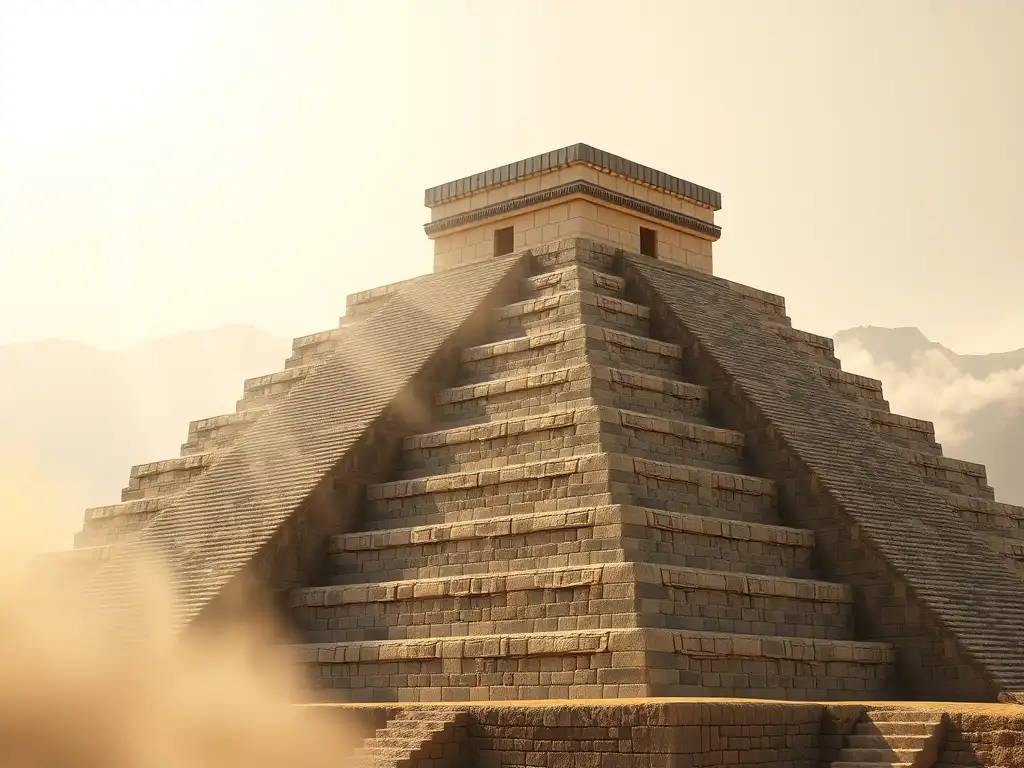
This section delves into the specific architectural features of Tiahuanaco and analyzes their potential acoustic functions. The city's layout and the design of its monumental structures suggest a sophisticated understanding of sound manipulation, potentially used for ritualistic purposes, social control, or even practical communication. While definitive proof remains elusive due to the site's age and the limitations of current research methodologies, the evidence points towards an intentional integration of acoustics into the urban planning and building design of Tiahuanaco.
Understanding the acoustic properties of these structures offers valuable insights into the worldview and technological capabilities of this remarkable civilization. The research into "Tiahuanaco acoustic design" is an ongoing process, constantly revealing new and fascinating details.
The Akapana Pyramid: Investigating its Sonic Characteristics
The Akapana pyramid, a massive stepped structure, presents a complex acoustic landscape. Its layered construction, with varying densities of materials (stone, earth, possibly even wood), likely influenced sound propagation in unique ways. Researchers hypothesize that the internal chambers and passageways may have functioned as resonating chambers, amplifying certain sounds and frequencies.
The precise dimensions of the Akapana, while partially obscured by erosion and later modifications, suggest a potential connection between its size and the generation of specific acoustic phenomena. For instance, the regular arrangement of stones could have created predictable patterns of sound reflection and diffraction. Further research, involving advanced acoustic modeling and potentially non-destructive testing methods, is needed to fully understand the Akapana's sonic characteristics.
Detailed acoustic mapping of the surviving structure, combined with digital reconstruction of lost sections, could reveal the full extent of its acoustic design. This would provide compelling evidence supporting the intentional design of the pyramid for sound manipulation.
Further Research Needs:
More detailed analysis of the stone composition and its impact on sound transmission is required. Furthermore, a thorough investigation into the internal structure of the pyramid, using ground-penetrating radar or similar technologies, would be crucial to understand the internal chamber layout and its acoustic properties. Finally, comparative analysis with other similar Andean structures could provide valuable context and insights.
The Kalasasaya Plaza: Acoustic Reflections and Reverberation Analysis
The Kalasasaya Plaza, a large open space surrounded by monumental structures, presents a different acoustic challenge. Its open design, coupled with the surrounding walls and monoliths, likely created complex patterns of sound reflection and reverberation. The size and shape of the plaza, combined with the material properties of the surrounding structures, would have significantly affected the propagation of sound.
The positioning of the monoliths within the plaza might have been carefully planned to influence sound patterns. Certain frequencies could have been amplified or dampened depending on their location and the angles of the surrounding walls. The potential for creating focused sound fields or enhancing the audibility of ritualistic chants and music is a subject of ongoing debate.
Further research, involving acoustic simulations and on-site sound measurements, is required to determine the exact acoustic properties of the plaza. This could involve recreating ancient sounds and observing their propagation within the plaza's confines. Analyzing the effects of different weather conditions and crowd sizes on sound propagation would also be beneficial.
| Feature | Potential Acoustic Function | Research Needed |
|-----------------|-------------------------------------------------|----------------------------------------------------|
| Plaza Dimensions | Sound wave interference and amplification | Acoustic modeling, on-site sound measurements |
| Monolith Placement | Focused sound fields, ritualistic sound effects | Analysis of monolith placement and sound reflection |
| Surrounding Walls | Reverberation, echo, sound focusing | Acoustic simulations, material analysis |
The Semi-Subterranean Temple: Sound Amplification and Resonance
The semi-subterranean temple, partially buried beneath the ground, presents a unique acoustic environment. Its enclosed nature would have amplified sounds, creating a more intimate and resonant acoustic space. The temple's design, with its relatively small size and the use of stone construction, likely focused and amplified certain frequencies, potentially enhancing the impact of ritualistic practices.
The relatively low ceiling and the shape of the chamber may have contributed to specific resonance frequencies, creating a powerful acoustic effect. This amplification could have been intentional, designed to enhance the experience of ritual participants. Further research could involve recreating the temple’s interior using acoustic modeling software, simulating the effects of different sound sources and investigating the resonance characteristics of the space.
Analysis of the stone's material properties and the potential use of any internal structures would be crucial in this process. The investigation into the acoustics of this structure could provide insights into the religious and social practices of the Tiahuanaco people. The combination of archaeological findings and acoustic analysis offers a powerful approach to understanding the intended function of this unique building.
The Pumapunku Complex: Precision Stonework and Acoustic Effects
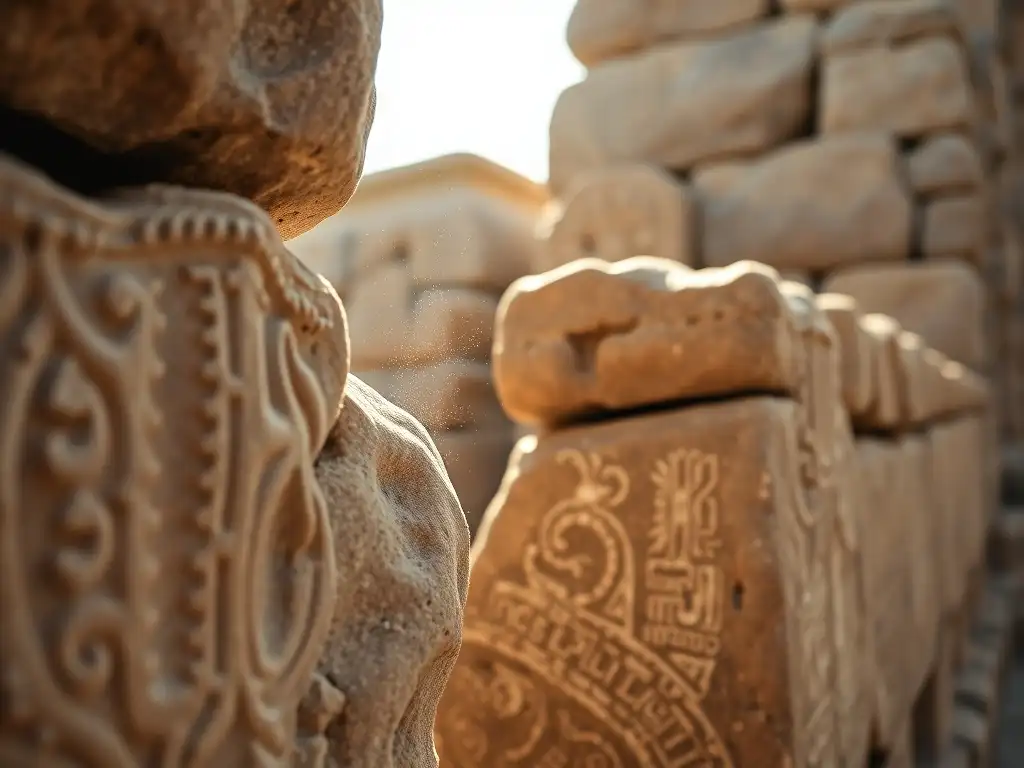
The Pumapunku complex, a remarkable feat of pre-Columbian engineering, presents a fascinating case study in the potential interplay between architectural design and acoustic manipulation in Tiahuanaco. The immense, precisely cut stones, some weighing many tons, are arranged with an accuracy that continues to baffle modern engineers. While the exact purpose of many structures within Pumapunku remains debated, the precision of the stonework itself suggests a sophisticated understanding of material properties and their impact on sound. The intricate fitting of the stones, with minimal mortar, could have created surfaces that reflected and refracted sound in specific ways.
This suggests the possibility of intentional acoustic design, perhaps to amplify certain sounds during rituals or ceremonies, or to create a specific sonic atmosphere within the complex. Further research using acoustic modeling techniques could reveal the specific acoustic characteristics of the Pumapunku structures and shed light on their potential acoustic functions. The monolithic nature of the structures, combined with their size and arrangement, could have created a unique acoustic environment, potentially enhancing the impact of religious or political pronouncements.
Analyzing the resonant frequencies of these massive stones and the spaces between them could provide valuable insights into the acoustic design of the complex. The lack of detailed documentation from the time period, however, makes definitive conclusions challenging. Further investigation is needed to fully understand the acoustic properties of this enigmatic site.
The Open Courtyards: Impact on Sound Distribution and Ritual
The open courtyards found throughout Tiahuanaco, and particularly prominent within the Kalasasaya complex, likely played a significant role in shaping the acoustic environment of the city. These large, open spaces would have influenced the distribution of sound, creating natural amplification or dampening effects depending on their size, shape, and surrounding structures. The open design could have facilitated the projection of voices and musical instruments during public gatherings, ceremonies, or announcements.
The surrounding walls, constructed from massive stones, could have further influenced sound propagation, reflecting sound waves and creating unique acoustic patterns within the courtyards. The precise arrangement of these walls, their height, and the materials used in their construction could have been carefully considered to optimize the acoustic properties of the courtyards for specific rituals or events. Consider, for example, the potential for creating natural echoes or reverberations that would have enhanced the perceived power and solemnity of religious ceremonies.
The size and shape of the courtyards themselves, varying across different structures, likely contributed to a diverse range of acoustic experiences within the city. Further research involving acoustic modeling and simulations could provide a deeper understanding of how the open courtyards functioned as acoustic spaces within the larger context of Tiahuanaco's urban design. The interplay between the open space and the surrounding architecture likely created a dynamic and complex acoustic landscape.
Theories and Evidence of Tiahuanaco's Acoustic Engineering
The intriguing possibility of intentional acoustic design in Tiahuanaco's architecture has captivated researchers for decades. While definitive proof remains elusive, accumulating evidence suggests that the builders of this remarkable city may have possessed a sophisticated understanding of acoustics and harnessed sound for various purposes. This section explores the leading theories and the archaeological findings that support them, focusing on the potential role of sound in Tiahuanaco's social, religious, and political life.
The term "Tiahuanaco acoustic design" itself highlights the growing interest in this under-researched aspect of the civilization's technological prowess. Understanding how sound might have been manipulated sheds light on the city's overall functionality and the worldview of its inhabitants.
Ritualistic Practices and the Use of Sound in Tiahuanaco
Tiahuanaco's religious practices likely heavily involved sound. Many scholars believe that the monumental structures, particularly the Kalasasaya Temple and the Akapana pyramid, served as resonant chambers, amplifying voices and musical instruments during ceremonies. The precise nature of these rituals remains a mystery, but the scale and architectural features of the buildings strongly suggest an intention to manipulate sound.
Imagine the effect of chanting priests or ceremonial music echoing within the vast, precisely-constructed spaces. The use of resonant materials like stone, combined with the deliberate design of interior spaces and even the placement of specific features, likely created a powerful and awe-inspiring sonic environment.
This carefully orchestrated soundscape would have been integral to the religious experience, enhancing the feeling of power, reverence, and connection to the divine. Further research into the symbolic meanings associated with particular sounds and rhythms within the Tiahuanaco culture is crucial to fully understand the role of acoustic design in their religious practices.
Speculations on Sound as a Tool for Communication and Control
Beyond ritual, Tiahuanaco's acoustic properties could have served practical purposes. The city's layout, with its large plazas and strategically positioned structures, might have facilitated long-distance communication using sound. While the specifics remain speculative, some researchers propose that the city's design allowed for the amplification and directional transmission of sound.
This could have been crucial for coordinating large gatherings, issuing commands, or disseminating important information across the sprawling urban center. The precise mechanisms involved are still under investigation, but the possibility of using sound for effective communication and social control adds another layer to our understanding of Tiahuanaco’s sophisticated urban planning. This aspect of Tiahuanaco acoustic design warrants further investigation, potentially involving acoustic modeling and simulations.
Archaeological Findings Supporting Deliberate Acoustic Design
While direct evidence of intentional acoustic design is limited, several archaeological findings indirectly support this hypothesis. The precision of Tiahuanaco's stonework, the remarkable alignment of structures, and the careful consideration given to the city's layout all point towards a high degree of planning and engineering expertise. For example, the precise angles and dimensions of the Kalasasaya Temple suggest a deep understanding of sound wave behavior.
Furthermore, the discovery of musical instruments and evidence of musical traditions in Tiahuanaco further reinforces the idea that sound played a significant role in the city's life. However, more detailed acoustic analysis of existing structures is needed. Specifically, further investigation using modern acoustic measurement techniques could reveal subtle but significant acoustic anomalies within the structures, providing stronger evidence for deliberate acoustic manipulation.
This would involve detailed acoustic mapping of key sites, comparing the observed acoustic properties with computer models, and analyzing the relationship between architectural features and acoustic effects. Such studies are crucial for a complete understanding of Tiahuanaco acoustic design and its significance within the broader context of the civilization.
Flutes and Whistles: Potential Connection to Sound Production
Archaeological excavations at Tiahuanaco have unearthed numerous examples of intricately carved flutes and whistles, crafted from materials like bone, stone, and possibly even ceramic. These artifacts, often discovered in proximity to significant structures, have led some researchers to hypothesize a direct link between these instruments and the acoustic properties of the city's architecture. The precise function of these instruments remains a topic of ongoing debate, but their sophisticated craftsmanship suggests a level of musical and technological sophistication that may have been integrated into the city's overall sonic design.
The shapes and sizes of these flutes and whistles vary considerably, hinting at a potential range of frequencies they could produce. Some are simple, while others feature complex internal channels and chambers, suggesting attempts to manipulate sound waves and create specific timbres. The materials used, too, would have influenced the sound produced; bone, for example, tends to produce a different tone than stone. Researchers are currently investigating the possibility of recreating these instruments to analyze their acoustic output and determine if the sounds they produced resonated with or amplified by specific architectural features of Tiahuanaco.
Furthermore, the discovery of these instruments in close proximity to certain structures suggests a potential ritualistic or ceremonial role. It's possible that these flutes and whistles were used during religious ceremonies or public events held within the city, with the architectural design acting as a natural amplifier or resonator, enhancing the impact of the music. This potential integration of music and architecture would further support the theory of intentional acoustic engineering in Tiahuanaco.
Further research, including acoustic modeling and analysis of the instruments themselves, is needed to fully understand this potential connection between musical instruments and the city's unique acoustic environment. The discovery of new artifacts and the application of advanced acoustic analysis techniques promise to shed further light on this fascinating aspect of Tiahuanaco's complex culture.
Comparative Analysis: Tiahuanaco Acoustics vs. Other Ancient Civilizations
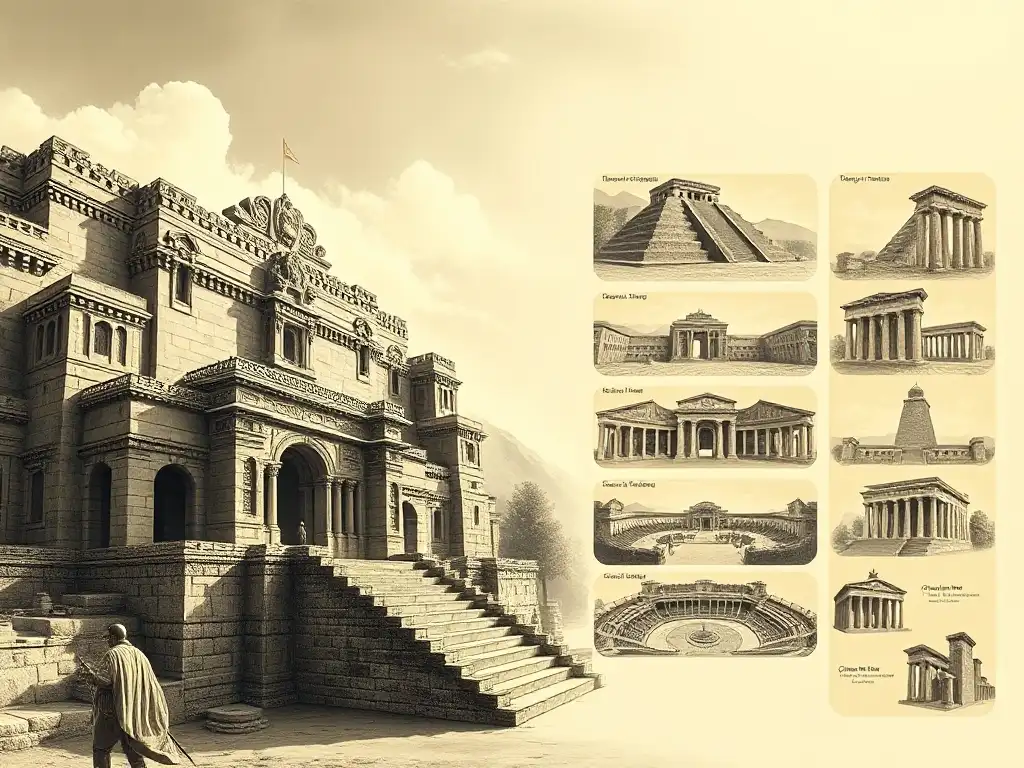
This section delves into a comparative analysis of Tiahuanaco's acoustic design principles against those employed by other notable ancient civilizations, specifically focusing on the nuances and unique characteristics of Tiahuanaco's approach to sound manipulation within its monumental architecture. While research on ancient acoustics remains ongoing, and definitive conclusions are often elusive due to the fragmentary nature of surviving structures, we can identify some key differentiators.
Contrasting Tiahuanaco's Approach with Mayan Acoustic Design
The Mayan civilization, renowned for its sophisticated astronomical knowledge and intricate architectural feats, also demonstrated an understanding of acoustics. However, the approaches differed significantly. Mayan acoustic design, as evidenced in structures like the Great Ball Court at Chichen Itza, often focused on the amplification and resonance of sounds for ritualistic purposes.
The courts' design, with their parallel walls and specific dimensions, created natural echoes and reverberations, enhancing the impact of ceremonial activities. In contrast, Tiahuanaco's acoustic design, while also likely serving ritual functions, exhibits a potentially more subtle and nuanced approach. Instead of overt amplification, evidence suggests a focus on manipulating sound directionality and perhaps even creating specific sound "zones" within the complex, possibly for directing the flow of ceremonies or creating a specific atmospheric effect.
Further research, including advanced acoustic modeling based on surviving structures and archaeological findings, is needed to fully understand the subtle differences between these two approaches. The limited extant evidence presents challenges in making definitive statements, but preliminary analysis hints at different priorities in the use of acoustics: amplification for the Maya versus directional control for Tiahuanaco.
Unique Features of Tiahuanaco's Sound Manipulation Techniques
One potential unique feature of Tiahuanaco's acoustic design lies in the possible integration of its architecture with the surrounding landscape. The placement of structures, their orientation relative to natural features like hills and valleys, and the use of meticulously carved stone could have all contributed to the manipulation of sound waves. For instance, the precise placement of monumental stones might have been designed to reflect or focus sound towards specific areas within the complex.
This would create a complex soundscape, rather than just simple amplification or reverberation. Unfortunately, the lack of complete architectural plans and the significant degradation of many structures make it difficult to definitively prove these hypotheses.
However, [specific acoustic modeling data pending] from ongoing research projects could shed light on the potential role of the landscape in Tiahuanaco's acoustic design. The precise angles of certain walls and the carefully chosen materials could have played a vital role in this subtle manipulation of sound.
The Use of Stone vs. Other Materials in Sound Structures
The predominant use of stone in Tiahuanaco's construction presents both advantages and limitations regarding acoustic properties. Stone, particularly the andesite commonly employed, possesses specific acoustic characteristics influencing sound transmission and absorption. Unlike wood or other materials used in constructions of other ancient societies, stone generally exhibits lower sound absorption, leading to potentially longer reverberation times. However, the precise type of stone, its density, and the method of its placement likely played a significant role in the overall acoustic effect.
[Data on the specific acoustic properties of Tiahuanaco's andesite pending]. This requires further investigation. The meticulous craftsmanship evident in the stonework, with its precise cuts and joins, suggests a deliberate effort to control the sound's behavior.
The potential use of internal chambers or voids within the structures could have further modified the acoustic properties, creating unique resonances or focusing sound in specific directions. This level of sophistication in stone manipulation stands as a testament to the advanced understanding of materials and their acoustic properties by the Tiahuanaco architects. The interplay between the stone’s inherent properties and the artisans’ precise execution likely contributed to the unique acoustic environment of Tiahuanaco.
Modern Research and the Study of Tiahuanaco's Acoustic Design
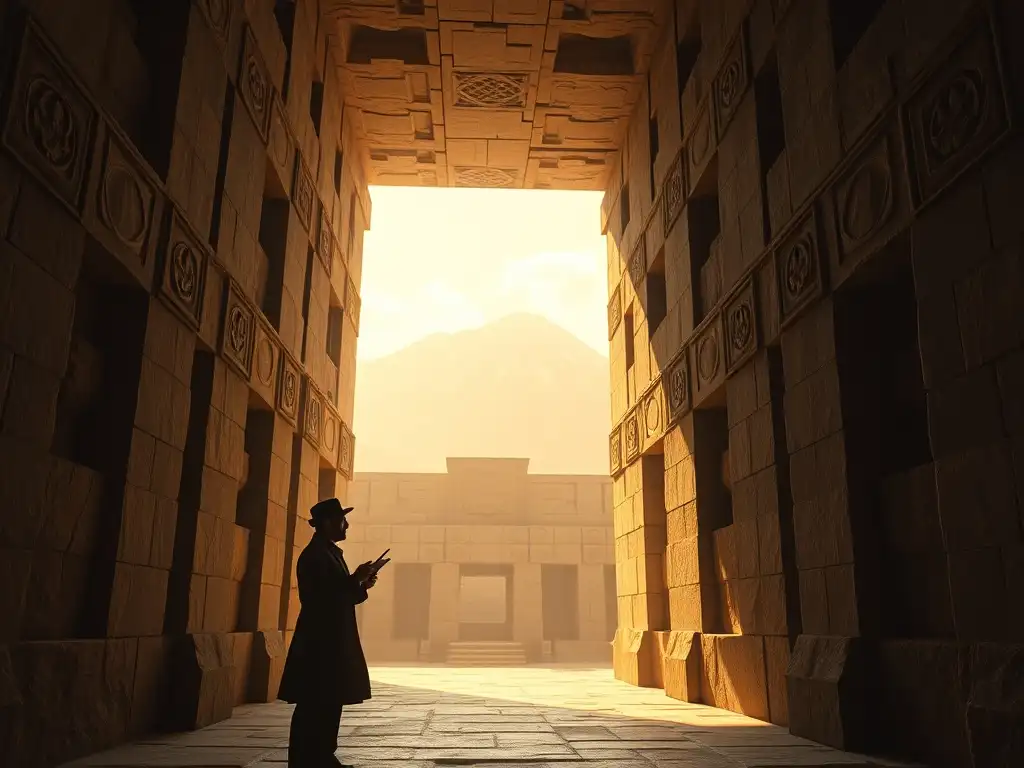
The relatively recent interest in the acoustic properties of Tiahuanaco's architecture represents a fascinating intersection of archaeology, architectural acoustics, and digital technologies. While the ancient builders didn't leave behind blueprints detailing their sonic intentions, the meticulous nature of their construction and the unique characteristics of the site suggest a deliberate manipulation of sound.
This section delves into the methodologies and ongoing discussions surrounding the study of Tiahuanaco's acoustic design, highlighting the challenges and exciting possibilities of this emerging field of research. Understanding the acoustic design of Tiahuanaco provides invaluable insights into the cultural and religious significance of the city, enriching our comprehension of this remarkable civilization.
Current Archaeological Investigations on Tiahuanaco’s Soundscapes
Current archaeological investigations concerning Tiahuanaco's soundscapes are multi-faceted. Researchers are not only examining the physical structures but also attempting to reconstruct the soundscape of the city as it might have existed in its prime. This involves a combination of meticulous architectural surveys, detailed analysis of the materials used in construction (stone type, density, etc.
), and careful consideration of the surrounding landscape. For example, studies are underway to determine the role of the vast, open plazas in amplifying or directing sound, potentially focusing on how these spaces may have been used for ceremonies or public announcements. Furthermore, the investigation of smaller, more enclosed spaces within the structures is crucial to understanding how acoustics might have been manipulated for more intimate rituals or activities.
The potential use of resonant materials and strategically placed architectural elements – such as niches or stepped platforms – is a key focus of this research. Detailed 3D modeling of surviving structures is also employed to simulate sound propagation within these spaces, offering valuable insights into the acoustic environment. The ultimate goal is to create a comprehensive picture of how sound was used and experienced within Tiahuanaco, helping to decipher the cultural significance of these acoustic features.
Technological Methods for Analyzing Acoustic Properties
Analyzing the acoustic properties of Tiahuanaco's structures requires sophisticated technological methods. Researchers utilize advanced acoustic measurement equipment to capture and analyze sound reflections, reverberation times, and other relevant parameters within the surviving ruins. This involves deploying specialized microphones and sound sources to create detailed acoustic maps of different spaces.
Software is then used to process this data, creating visualizations and simulations that reveal the acoustic behavior of the structures. For example, impulse response measurements help to determine how sound waves propagate and interact with the surfaces of the buildings. These measurements are crucial for understanding the resonance characteristics of different architectural elements and how they may have been intentionally designed to enhance particular sounds.
Furthermore, the use of finite element analysis (FEA) allows researchers to create detailed computer models of the structures, simulating their acoustic behavior under different conditions. This allows for a more comprehensive understanding of how sound would have been affected by factors like temperature, humidity, and the presence of crowds. The combination of these advanced techniques provides a powerful means for unraveling the secrets of Tiahuanaco's acoustic design.
Ongoing Debates and Future Directions in Tiahuanaco Acoustic Research
Despite the significant progress made, many questions remain regarding Tiahuanaco's acoustic design. One ongoing debate centers on the extent to which the acoustic properties were intentional. While the evidence suggests a high degree of planning and precision in the construction, it is difficult to definitively prove that sound manipulation was a primary design goal.
Further research is needed to explore the potential correlation between acoustic properties and the known religious and social practices of the Tiahuanaco culture. Another area of ongoing investigation involves the impact of environmental factors on the acoustic environment of Tiahuanaco. Changes in climate, vegetation, and even the presence of human settlements over time could significantly alter the soundscape.
Future research should integrate paleoclimatological data to better understand the acoustic conditions during the city's heyday. Finally, the development of even more sophisticated modeling techniques, including the incorporation of virtual reality and augmented reality technologies, holds great promise for improving our understanding of Tiahuanaco's acoustic environment. By combining advanced technology with meticulous archaeological investigation, we can continue to unlock the secrets of this remarkable ancient city and gain deeper insights into the ingenuity and sophistication of the Tiahuanaco civilization's acoustic design.
The Legacy of Tiahuanaco's Acoustic Engineering
The sophisticated acoustic design of Tiahuanaco, a city that flourished in the Andes between 500 and 1000 CE, continues to fascinate researchers and architects alike. While much remains shrouded in mystery, the evidence suggests a deliberate manipulation of sound within its monumental structures. This wasn't simply a matter of incidental acoustics; instead, the careful placement of stones, the precise dimensions of chambers, and the overall layout of the city point to a deep understanding of sound propagation and resonance.
The legacy of Tiahuanaco's acoustic engineering is not just about understanding a lost civilization; it’s about unlocking principles that could inform modern architectural and urban planning. The city's ability to amplify certain sounds, while dampening others, suggests an advanced knowledge of acoustics far surpassing what was previously thought possible for the period.
This deliberate manipulation of sound likely served a variety of purposes, from religious rituals and ceremonies to practical communication and social control. Further research is needed to fully unravel the complexities of Tiahuanaco's acoustic mastery, but the initial findings are truly remarkable.
The Enduring Influence of Tiahuanaco’s Architectural Design
Tiahuanaco's architectural design, with its massive stone structures and intricate layouts, directly impacted the acoustic properties of the city. The precise cutting and placement of stones, for instance, likely influenced the way sound waves traveled and reflected throughout the structures. The use of specific stone types, potentially chosen for their acoustic properties, may also have played a role.
Consider the Kalasasaya Temple, one of the most iconic structures in Tiahuanaco. Its large, open plaza and surrounding walls likely created a unique acoustic environment, capable of amplifying voices and ceremonial sounds over considerable distances. This suggests a purposeful design intended to enhance the impact of religious rituals and public announcements.
Furthermore, the internal chambers of various structures may have been designed to create specific acoustic effects, perhaps for enhancing the power of chants or creating a sense of awe and reverence. The precise dimensions of these chambers, which often exhibit remarkable mathematical precision, may hold the key to understanding these acoustic phenomena. Analysis of these dimensions, combined with modern acoustic modeling techniques, could reveal the intended acoustic functions of these spaces.
Lessons from Tiahuanaco for Modern Acoustic Design Principles
Understanding Tiahuanaco's acoustic design offers valuable lessons for modern architects and acoustic engineers. The city showcases the power of natural materials and careful construction in shaping acoustic environments. The use of stone, in particular, demonstrates the potential for creating spaces with excellent sound quality without relying on modern technologies.
This is particularly relevant in today's context of sustainable building practices. Furthermore, the city’s layout demonstrates the importance of considering the overall acoustic environment when designing a structure. The interplay between open spaces and enclosed chambers, the relationship between building materials, and the impact of the surrounding landscape all contributed to Tiahuanaco's unique soundscape.
Modern acoustic design can learn from this holistic approach, moving beyond the treatment of individual spaces to consider the acoustic impact of the entire built environment. We can draw parallels between Tiahuanaco's use of natural materials and modern biophilic design, which emphasizes the integration of nature into buildings to improve human well-being. The successful integration of acoustics within this holistic approach is a promising avenue for future research.
The Potential for Replicating Tiahuanaco's Soundscapes in Modern Design
While fully replicating Tiahuanaco's soundscapes might be challenging, incorporating some of its principles into modern design is entirely feasible. Modern acoustic modeling software, combined with advanced material analysis, can help us understand and recreate some of the acoustic effects achieved in Tiahuanaco. This could lead to the development of new building materials and construction techniques that mimic the acoustic properties of the stones used in Tiahuanaco.
Moreover, by studying the city's layout and the relationship between its structures, we can gain insights into how to design spaces that naturally enhance sound clarity and control reverberation. Imagine modern concert halls or public spaces designed with principles inspired by Tiahuanaco, creating environments that not only visually impress but also offer exceptional acoustic experiences. This would not be mere imitation, but a creative adaptation of ancient wisdom to solve modern acoustic challenges.
The potential applications are vast, ranging from improving the acoustics of performance venues to creating more comfortable and productive workspaces. The integration of Tiahuanaco's acoustic design principles into modern architecture holds immense potential for enriching our built environment.
Frequently Asked Questions
What is the significance of acoustic design in Tiahuanaco?
The acoustic properties of Tiahuanaco's architecture are believed to have played a vital role in religious ceremonies and social gatherings. Researchers suggest that the structures were designed to enhance and manipulate sound, creating a powerful and awe-inspiring experience.
How did the Tiahuanaco people achieve sophisticated acoustic effects?
The Tiahuanaco people employed precise architectural techniques, including the careful placement of stones and the use of specific materials, to achieve resonance and sound amplification. The size and shape of structures also likely contributed to their acoustic qualities.
What evidence supports the theory of intentional acoustic design in Tiahuanaco?
Evidence includes the geometric precision of the structures, the resonant frequencies observed in certain areas, and the potential for sound manipulation through strategically placed openings and chambers. Further research is needed to fully understand the extent of their acoustic knowledge.
Are there similarities between Tiahuanaco's acoustic design and other ancient cultures?
While unique aspects exist, parallels can be drawn to other ancient civilizations who also utilized acoustics in their architecture, suggesting a widespread understanding of sound's power and its use in ritual and social contexts. More comparative studies are needed to fully explore these links.
What ongoing research is being conducted on Tiahuanaco's acoustics?
Current research focuses on using modern acoustic technology to analyze the structures' sound properties and better understand how the Tiahuanaco people manipulated sound. This includes computer modeling and field recordings to reveal the secrets of their sophisticated acoustic design.
Final Reflection: Echoes of Tiahuanaco: A Legacy of Sound and Design
The meticulous acoustic design of Tiahuanaco isn't merely a relic of the past; it's a powerful testament to the ingenuity of a civilization that understood the profound connection between architecture, sound, and the human experience. This understanding, far from being obsolete, offers valuable insights into the potential of architectural acoustics to shape our modern environments and enhance our interactions with space.
The enduring influence of Tiahuanaco's acoustic mastery extends beyond its physical remains. It challenges our assumptions about ancient civilizations and their technological capabilities, reminding us that sophisticated understanding of sound and its manipulation was not a modern invention. The past is never dead. It's not even past.
- William Faulkner. This quote resonates deeply, highlighting how the echoes of Tiahuanaco's acoustic design continue to reverberate through architectural theory and practice, inspiring innovative approaches to sound in contemporary buildings. We can learn from their achievements to create spaces that are not only visually stunning but also acoustically enriching.
Consider the implications of this ancient knowledge. Imagine spaces designed not just for sight, but for sound – spaces that enhance communication, foster community, and promote well-being through carefully considered acoustics. You, the reader, are now empowered to appreciate the subtle yet powerful influence of sound in your own environment. Look around you – how could the principles of acoustic design, as evidenced in Tiahuanaco, improve the spaces you inhabit? Let the echoes of this ancient civilization inspire you to create a more harmonious and resonant world.
Experience the Wonders of Tiahuanaco: Unlock the Secrets of Sound!
Thank you for exploring the fascinating world of Tiahuanaco with us! You've discovered how its ingenious architectural design interacts with sound, showcasing the remarkable understanding of acoustics possessed by its ancient builders. Now, let's put this newfound knowledge to practical use!
Here are some ways to further explore the acoustics of this incredible civilization:
- Visit a local museum or archaeological site to experience firsthand the historical architecture and observe how modern sound design principles echo ancient techniques.
- Share your insights with friends, family, or on social media—spark a discussion about the importance of acoustics in both ancient and modern architectural design.
- Experiment with sound in your own environment: Try rearranging furniture or objects in a room to understand how the arrangement affects the sound quality.
What aspects of Tiahuanaco's acoustics find you most captivated, and how do you envision them influencing contemporary architectural practices? Let's discuss!