
The Significance of the Tiahuanaco Plaza: Civic and Ceremonial Heart of the City

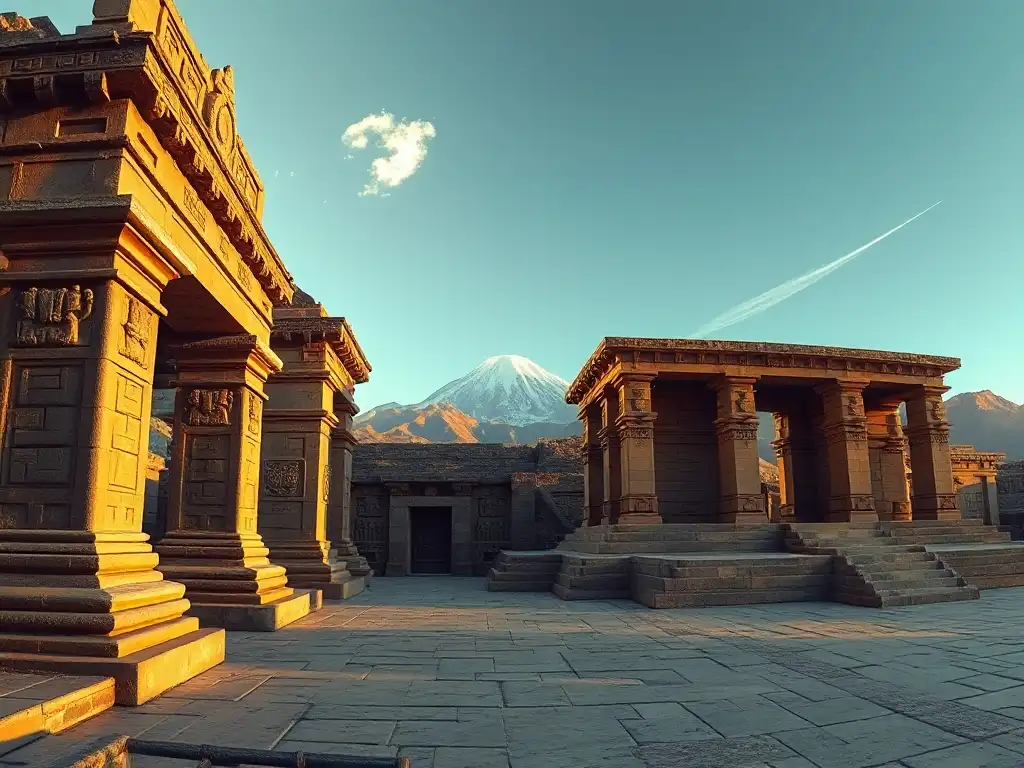
Unravel the mysteries of the Andes! Journey through time and discover the breathtaking achievements of ancient Andean civilizations. From the intricate artistry of the Nazca lines to the sophisticated engineering of the Incas, this site unveils their captivating world. But what secrets does the Tiahuanaco Plaza hold? Its significance as the civic and ceremonial heart of the city remains a captivating enigma—prepare to be amazed as we delve into its profound impact on the Tiahuanaco civilization and beyond.
The Tiahuanaco Plaza, located in the heart of the ancient city of Tiahuanaco (modern-day Bolivia), stands as a monumental testament to the sophisticated urban planning and complex religious beliefs of this pre-Columbian civilization. This expansive, meticulously designed space served not merely as a civic center but also as the crucial nexus of ceremonial life, deeply interwoven with the Tiahuanaco worldview and its intricate social structure.
Understanding the significance of the Tiahuanaco Plaza requires exploring its architectural marvels, its role in religious rituals, and its impact on the daily lives of the Tiahuanaco people. This article delves into the multifaceted roles of this extraordinary site, revealing its profound importance within the broader context of Tiahuanaco culture and its enduring legacy.
We will explore the evidence that points to its significance as a place of both power and profound spiritual meaning, a central location that connected the cosmos to the daily lives of the inhabitants. The keyword "Tiahuanaco Plaza significance" will be explored throughout, examining the archaeological evidence and the theories surrounding this remarkable place.
Architectural Marvels of the Plaza
The Tiahuanaco Plaza is not simply a large open space; it is a carefully planned and executed architectural masterpiece. Its monumental structures, including the Kalasasaya temple, the Plataforma Litúrgica, and the Gateway of the Sun, are precisely aligned, suggesting a deep understanding of astronomy and a deliberate attempt to connect the earthly realm with the celestial. The massive stones, some weighing many tons, were expertly cut, transported, and fitted together with remarkable precision, showcasing advanced engineering skills far beyond what was previously thought possible for this era.
The precise alignment of these structures is still under investigation, with ongoing research suggesting links to solstices and equinoxes. The meticulous craftsmanship evident in the stonework, the intricate carvings, and the overall design speaks to a highly organized society with a significant investment in this central space.
The scale of the project alone is impressive, highlighting the vast resources and manpower the Tiahuanaco civilization commanded. Details regarding the specific methods used in quarrying, transporting, and erecting these colossal stones are still being researched, but what is clear is the immense skill and organization required.
Religious Rituals and Cosmic Connections
The Tiahuanaco Plaza served as a crucial location for religious rituals and ceremonies. The alignment of structures with celestial events strongly suggests that the plaza functioned as a kind of astronomical observatory, used to track the movements of the sun, moon, and stars, potentially influencing the timing of agricultural cycles and religious festivals. Archaeological evidence, including the discovery of ritual objects and human remains, supports the theory that significant religious ceremonies took place within the plaza.
The iconography found on the Gateway of the Sun and other structures depicts various deities and mythical figures, further emphasizing the religious importance of the site. Evidence suggests that the plaza may have been used for public rituals, attracting large crowds from across the Tiahuanaco empire.
The scale of the structures and the space itself would have been awe-inspiring, contributing to the power and authority of the religious leaders who oversaw these ceremonies. Further research into the iconography and the ritual objects found in the area continues to shed light on the specific religious practices conducted within the plaza.
Beyond its religious significance, the Tiahuanaco Plaza also played a vital role as a civic center. Its size and central location suggest that it served as a gathering place for public announcements, political gatherings, and the administration of justice. The impressive architecture would have projected an image of power and authority, reinforcing the legitimacy of the ruling elite.
The plaza may have been the site of markets, where goods were exchanged, and where social interactions between different groups within the Tiahuanaco society occurred. The presence of residential structures near the plaza suggests that it was a vibrant and densely populated area, the heart of daily life.
The organization of the city around the plaza indicates a sophisticated understanding of urban planning and a conscious effort to create a central point for social and political activity. Further investigation into the residential areas surrounding the plaza could reveal more details about the social organization and daily lives of the Tiahuanaco people.
Enduring Legacy and Ongoing Research
The Tiahuanaco Plaza continues to fascinate and inspire researchers and visitors alike. Its enduring legacy lies not only in its impressive architecture but also in the insights it offers into the beliefs, social structures, and technological capabilities of the Tiahuanaco civilization. Ongoing research continues to uncover new information about this remarkable site, deepening our understanding of its significance within the broader context of Andean pre-Columbian history.
The many unanswered questions surrounding the plaza's construction, its precise astronomical alignments, and the nature of the rituals performed there continue to fuel scholarly debate and inspire new avenues of research. The Tiahuanaco Plaza remains a powerful symbol of a sophisticated and highly organized civilization, a testament to the ingenuity and cultural richness of the Andean world. The continuing study of this remarkable site promises to further illuminate the complexities of Tiahuanaco culture and its lasting impact on subsequent Andean societies.
- Architectural Marvels of the Plaza
- Religious Rituals and Cosmic Connections
- The Plaza as a Civic Center: Governance and Social Organization
- Enduring Legacy and Ongoing Research
Understanding the Tiahuanaco Plaza: A Core Element of Andean Urbanism
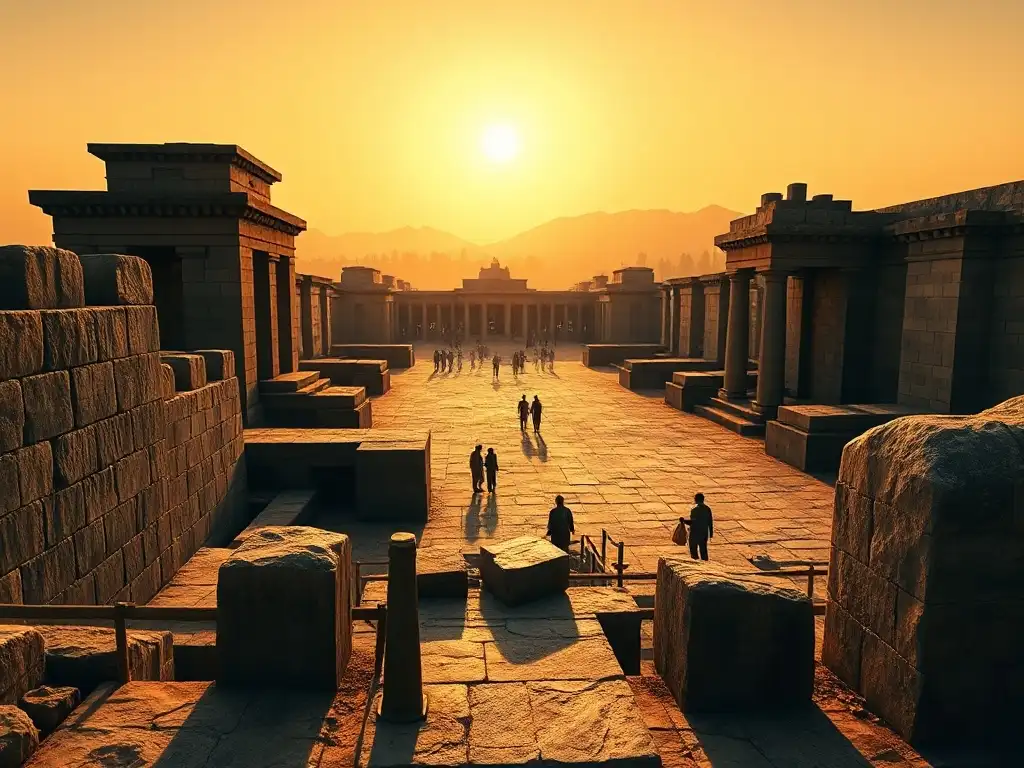
The Tiahuanaco Plaza's significance transcends its physical presence; it represents a fundamental aspect of Andean urbanism and worldview. Understanding its role requires moving beyond a purely architectural analysis to encompass the socio-political, religious, and cosmological beliefs that shaped its design and function. This monumental space wasn't merely a public square; it was the very heart of Tiahuanaco society, a nexus of power, ritual, and community life.
Its influence resonates even today, shaping our understanding of Andean civilization's sophisticated urban planning and complex social structures. The sheer scale of the Plaza, coupled with the precision of its construction, speaks volumes about the advanced engineering and organizational capabilities of the Tiahuanaco people. Analyzing the Tiahuanaco Plaza significance necessitates a multifaceted approach, considering its astronomical alignments, its relationship to water management systems, and its symbolic importance within the broader Andean cosmology.
The Central Role of the Plaza in Tiahuanaco Society
The Tiahuanaco Plaza served as the central hub for a wide array of activities vital to the functioning of Tiahuanaco society. It wasn't simply a place for gatherings; it was the stage upon which the political, religious, and economic life of the city unfolded. Evidence suggests that the Plaza was the site of major ceremonies, processions, and public declarations.
The sheer size of the space allowed for large-scale events, capable of accommodating significant portions of the Tiahuanaco population. Furthermore, the Plaza likely played a crucial role in the city's economic life, serving as a marketplace where goods were exchanged and trade occurred. This central location facilitated interaction and exchange, strengthening social bonds and reinforcing the city's collective identity.
The intricate carvings and monumental architecture surrounding the Plaza further emphasized its importance as a symbol of power and authority. The positioning of key structures, such as the Kalasasaya Temple, suggests a deliberate arrangement designed to project the authority of the ruling elite and reinforce their control over the city.
The Plaza's role extended beyond the purely practical. It served as a focal point for the community, a space where people could interact, share information, and build social connections. This communal aspect was crucial for maintaining social cohesion and stability within the city. The presence of elaborate water features, such as fountains and canals, further enhanced the Plaza's social function, providing a source of fresh water and creating a visually stunning environment.
Defining the Plaza's Function in Ancient Andean Cities
While the Tiahuanaco Plaza was unique in its scale and complexity, it shares commonalities with plazas found in other ancient Andean cities. These spaces consistently functioned as crucial civic and ceremonial centers, reflecting the importance of communal life and religious practices in Andean societies. The design and layout of these plazas varied depending on the specific culture and its unique beliefs, but their fundamental role as central gathering points remained consistent.
Understanding the Tiahuanaco Plaza significance requires comparing and contrasting it with similar structures in other Andean urban centers. This comparative analysis illuminates the shared characteristics and unique features of the Tiahuanaco Plaza, highlighting its exceptional scale and sophisticated design.
For example, while many Andean cities featured central plazas, the Tiahuanaco Plaza stands out for its monumental scale and the precision of its construction. The precise astronomical alignments of certain structures within the Plaza suggest a sophisticated understanding of astronomy and its role in the Andean worldview. This level of planning and execution distinguishes the Tiahuanaco Plaza from its counterparts in other Andean cities, underscoring its unique importance within the broader context of Andean urbanism.
Tiahuanaco Plaza's Spatial Organization: Key Features and Layout
The Tiahuanaco Plaza's spatial organization is remarkably intricate, reflecting a sophisticated understanding of urban planning and symbolic representation. Its layout is not random; it's a deliberate arrangement of structures and spaces designed to create a powerful and evocative environment.
The Plaza itself is a vast, open space, surrounded by monumental structures, including the Kalasasaya Temple, the Gate of the Sun, and various platforms and monoliths. The arrangement of these structures suggests a deliberate organization, perhaps reflecting a cosmological order or a hierarchical social structure.
| Structure | Description | Significance |
|---|---|---|
| Kalasasaya Temple | A large, partially subterranean structure with intricate stonework. | Likely a central site for religious ceremonies and political power. |
| Gate of the Sun | A massive stone gateway adorned with intricate carvings. | Symbolic representation of Andean cosmology and possibly royal lineage. |
| Platforms and Monoliths | Various platforms and standing stones throughout the Plaza. | Potentially used for ceremonies, observations, or symbolic purposes. |
The incorporation of water features, including canals and fountains, further enhances the Plaza's spatial organization. These features not only provided a practical resource but also added to the aesthetic appeal and symbolic significance of the site. The careful integration of these elements demonstrates the advanced engineering capabilities of the Tiahuanaco people and their ability to create a unified and harmonious urban environment.
The Tiahuanaco Plaza's spatial organization is a testament to the advanced planning and engineering skills of the Tiahuanaco civilization, demonstrating their ability to create a functional and symbolically rich urban space. Further research is needed to fully understand the complex interplay between the various structures and their symbolic meaning within the broader Andean context. The exact functions of certain structures remain debated, highlighting the ongoing need for further archaeological investigation and analysis.
Tiahuanaco Plaza's Civic Functions and Political Power
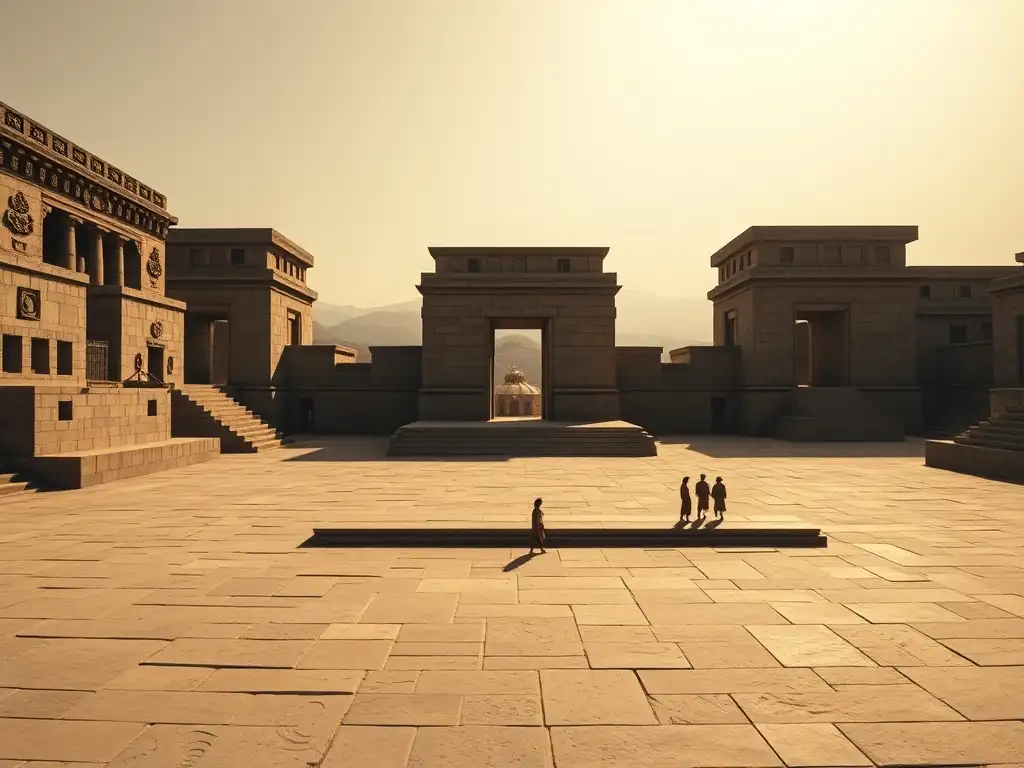
The Tiahuanaco Plaza, far from being merely a ceremonial space, served as the undeniable nerve center of the Tiahuanaco state's civic and political life. Its monumental scale and strategic location underscore its importance as a hub for governance, administration, and the projection of political power. The sheer size of the plaza, capable of accommodating vast crowds, suggests a sophisticated system of urban planning deeply intertwined with the needs of a centralized, hierarchical society.
This isn't just about religious rituals; it's about the practical management of a complex empire. The carefully designed layout, with its precise alignments and monumental architecture, reflects a meticulous approach to power and control. Evidence suggests that the plaza hosted crucial administrative functions, potentially including tax collection, the distribution of resources, and the resolution of disputes.
The placement of key administrative buildings near the plaza further supports this interpretation, indicating a deliberate concentration of power in this central location. The Tiahuanaco Plaza significance in this context extends beyond mere symbolism; it was the physical manifestation of political authority.
The Plaza as a Center of Governance and Administration
The Tiahuanaco Plaza's role in governance extended beyond simple public gatherings. Archaeological evidence points to the existence of administrative buildings surrounding the plaza, likely used for record-keeping, tax collection, and the distribution of resources. The sheer volume of goods needed to sustain a large urban center and a sprawling empire necessitates efficient administrative structures.
The precise arrangement of these buildings, often aligned with the cardinal directions and exhibiting sophisticated architectural features, suggests a highly organized and centralized administrative system. The precise nature of these administrative functions remains a subject of ongoing research, but the evidence strongly suggests that the plaza played a crucial role in the day-to-day governance of the Tiahuanaco state. We can imagine officials overseeing the flow of goods, collecting taxes, and resolving disputes within sight of the monumental structures that symbolized the power of the state.
This close proximity reinforced the authority of the rulers and ensured efficient administration. The meticulous organization of the city, with its radial layout emanating from the plaza, further supports this interpretation.
Public Gatherings and Political Demonstrations in the Tiahuanaco Plaza
The vast size of the Tiahuanaco Plaza facilitated large-scale public gatherings, likely used for a variety of purposes, from religious festivals to political demonstrations. The sheer capacity of the plaza allowed for the mobilization of large segments of the population, allowing for the dissemination of important announcements, the display of political power, and the reinforcement of social cohesion. Imagine the spectacle of thousands of people gathered in the plaza, witnessing imperial displays of power or participating in religious ceremonies.
This facilitated the transmission of imperial ideology and the consolidation of political control. Furthermore, the plaza may have served as a venue for public displays of power, such as military parades or the presentation of tribute from conquered territories. These events would have reinforced the authority of the rulers and instilled a sense of awe and respect among the population.
The visual impact of the monumental architecture surrounding the plaza would have amplified the effect of these public gatherings, creating a powerful and unforgettable experience for those in attendance. The scale of the plaza itself is a testament to the capacity of the Tiahuanaco state to mobilize large numbers of people for both civic and ceremonial purposes.
The Akapana Pyramid, a monumental structure located within the Tiahuanaco Plaza complex, likely played a significant role in reinforcing civic authority. While its exact function remains debated, its prominent location and impressive size suggest a connection to the exercise of political power. The pyramid's elaborate construction, featuring intricate water channels and internal chambers, points to a level of engineering skill and organizational capacity rarely seen in other contemporary societies.
Its construction itself would have been a powerful display of the state's resources and capabilities, further enhancing its authority. Some scholars propose that the Akapana served as a royal residence or a place for storing important resources. Its elevated position within the plaza would have given the rulers a commanding view of the entire city, allowing them to survey their domain and oversee civic activities.
The presence of sophisticated water management systems within the pyramid also suggests a connection to the control of water resources, a critical aspect of power in the Andean region. The Akapana Pyramid thus served not only as a religious symbol but also as a powerful instrument of political authority, reinforcing the centrality of the Tiahuanaco Plaza in the civic and political life of the empire. Its presence looms large in understanding the overall “Tiahuanaco Plaza significance”.
The Ceremonial Importance of the Tiahuanaco Plaza
The Tiahuanaco Plaza's significance extends far beyond its civic functions; it served as a crucial center for elaborate religious rituals and ceremonies, deeply intertwined with the worldview and spiritual beliefs of the Tiahuanaco culture. Its monumental architecture, precise alignments, and symbolic iconography all point to a profound ceremonial purpose, making it a powerful locus of religious and spiritual activity. Understanding the Tiahuanaco Plaza significance requires acknowledging its central role in the lives of the people who built and used it.
The scale of the structures and the meticulous craftsmanship suggest a level of societal organization and religious dedication rarely seen in other contemporary cultures. The very layout of the plaza, with its carefully positioned structures, likely reflected a sophisticated understanding of cosmology and the relationship between the terrestrial and celestial realms.
Religious Rituals and Sacred Ceremonies in the Plaza
Evidence suggests a wide range of religious rituals and ceremonies took place within the Tiahuanaco Plaza. The large, flat surface of the plaza itself may have served as a venue for mass gatherings, processions, and public displays of religious devotion. The presence of monumental structures like the Kalasasaya and the semi-subterranean structures hints at more private or specialized rituals.
For example, the intricate carvings and designs found on the Gateway of the Sun, a key feature of the Kalasasaya, depict a complex mythology and possibly served as a focal point for specific ceremonies. Archaeological findings, such as remnants of offerings and ceremonial objects, further support this interpretation. These findings often include intricately crafted pottery, textiles, and precious metals, suggesting the importance of these rituals within the Tiahuanaco social structure.
The sheer scale of the plaza strongly suggests that it was a place where large numbers of people could participate in collective religious activities, reinforcing social bonds and strengthening the community's shared beliefs. Further research is needed to fully understand the specific nature of these rituals and their sequencing throughout the year, but the evidence clearly points to a significant ceremonial function for the plaza.
The Plaza as a Stage for Tiahuanaco's Spiritual Practices
The Tiahuanaco Plaza wasn't merely a passive backdrop for religious rituals; it actively shaped and channeled the spiritual experiences of the Tiahuanaco people. The carefully planned orientation of structures, particularly their alignment with celestial events, suggests a deep understanding of astronomy and its connection to religious practices. This might have involved rituals timed to coincide with solstices or equinoxes, further highlighting the plaza's role in connecting the terrestrial and celestial realms.
The monumental architecture itself, with its imposing scale and intricate carvings, likely served to inspire awe and reverence, creating a powerful atmosphere conducive to religious experience. The use of specific materials, such as intricately carved stones and precious metals, also contributed to the sacred ambiance of the plaza. It’s possible that specific areas within the plaza were dedicated to particular deities or rituals, creating a complex spatial organization that reflected the nuances of Tiahuanaco's spiritual beliefs.
We can imagine the plaza as a living, dynamic space where spiritual energy flowed, shaping the daily lives and beliefs of the Tiahuanaco people. The sheer effort invested in constructing and maintaining the plaza underscores the profound importance of these spiritual practices within their society.
The Connection Between the Plaza and Tiahuanaco's Cosmology
The Tiahuanaco Plaza's layout and architectural features strongly suggest a connection to the Tiahuanaco cosmology. The precise alignments of structures, particularly with the cardinal directions and celestial events, indicate a sophisticated understanding of astronomy and its integration into their religious worldview. The iconography found on various structures, such as the Gateway of the Sun, depicts figures and symbols that are likely related to their cosmological beliefs, providing further evidence of this connection.
It's plausible that the plaza represented a microcosm of the cosmos, with different structures corresponding to specific celestial bodies or realms. This would have provided a tangible representation of their worldview, reinforcing its significance within the community. More research into the iconography and astronomical alignments is necessary to fully elucidate this connection, but the existing evidence powerfully suggests that the Tiahuanaco Plaza was not simply a civic or ceremonial center, but a physical manifestation of their cosmological beliefs.
The Tiahuanaco Plaza significance, therefore, lies not only in its practical use but also in its symbolic representation of the cosmos and their place within it. The understanding of this cosmic connection is key to unlocking the true meaning and importance of this remarkable site.
The Sun Gate and its Significance in Religious Ceremonies
The Sun Gate (Puerta del Sol), while not strictly part of the main plaza, is inextricably linked to its ceremonial importance and stands as a powerful testament to Tiahuanaco's religious beliefs. Its imposing size and intricate carvings immediately command attention, suggesting a central role in significant rituals. The gate's massive dimensions, estimated at approximately 10 feet high and 13 feet wide, indicate the monumental scale of Tiahuanaco's religious practices and the resources dedicated to its construction. The sheer effort required to quarry, transport, and carve such a massive stone structure underscores the significance of its intended purpose.
The intricate carvings adorning the Sun Gate are a subject of ongoing scholarly debate, but several interpretations point to its role in religious ceremonies. The central figure, often interpreted as a deity or a representation of the creator god Viracocha, is surrounded by various other figures and symbols. These likely represent celestial bodies, such as the sun, moon, and stars, along with other mythological beings and possibly calendrical markers.
Scholars suggest that the Sun Gate may have served as a focal point during solstices or equinoxes, with the sun's rays aligning with specific carvings at particular times of the year. This alignment would have reinforced the gate's religious significance, emphasizing the connection between the celestial and terrestrial realms.
The precise nature of the ceremonies performed at or near the Sun Gate remains a mystery, but archaeological evidence suggests the involvement of significant processions and offerings. The presence of smaller, intricately carved stones near the gate suggests that these might have been used in rituals, perhaps as offerings or symbolic representations of deities. Further research and analysis of the carvings and the surrounding area may reveal more information about the specific practices associated with the Sun Gate and its connection to the wider ceremonial activities of the Tiahuanaco Plaza.
The Sun Gate, therefore, wasn't merely an architectural feat; it was a powerful symbol of Tiahuanaco's cosmology and religious beliefs, deeply intertwined with the ceremonial life of the city. Its presence reinforces the significance of the Tiahuanaco Plaza as the heart of both civic and religious life.
The intricate details, even after centuries of weathering, continue to inspire awe and fuel ongoing research into the rich spiritual tapestry of the Tiahuanaco civilization. Understanding the Sun Gate's role is crucial to unlocking a deeper comprehension of the Tiahuanaco Plaza's significance.
Architectural Elements and Construction of the Tiahuanaco Plaza
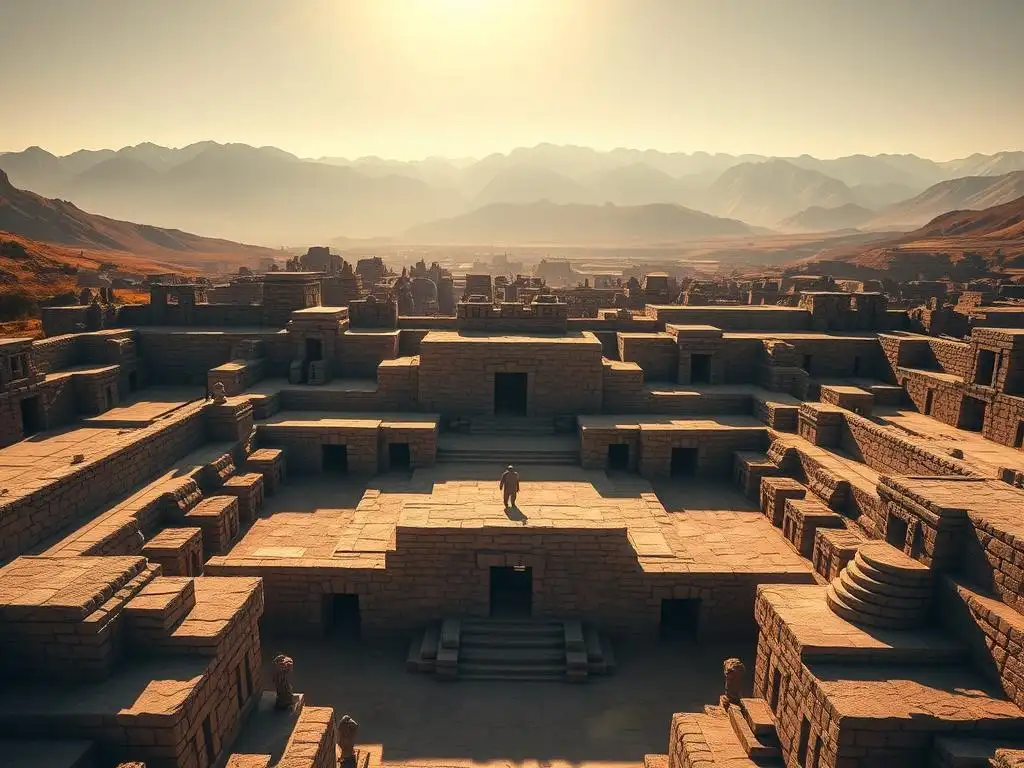
The Tiahuanaco Plaza's significance stems not only from its ceremonial function but also from the remarkable architectural and engineering feats involved in its creation. Its construction reflects the advanced understanding of stonework, spatial planning, and astronomical alignment characteristic of the Tiahuanaco culture. This section delves into the specific techniques and materials employed, highlighting the ingenuity and precision of the builders.
The sheer scale of the project, completed centuries ago with limited technology, continues to amaze archaeologists and historians alike, reinforcing the Tiahuanaco Plaza's importance as a testament to human achievement. The mastery displayed in its construction contributes significantly to its overall meaning and lasting legacy.
The Use of Stone and Engineering Techniques in the Plaza
The Tiahuanaco Plaza's construction is a testament to the advanced engineering skills of the Tiahuanaco people. They expertly utilized massive blocks of andesite, a hard volcanic rock, weighing many tons. The precise cutting and fitting of these stones, without the benefit of modern machinery, is truly remarkable.
Evidence suggests that the builders employed sophisticated techniques, including possibly the use of copper tools and possibly water-based techniques to facilitate the movement and placement of these colossal stones. The absence of mortar between many of the stones further emphasizes the precision of the cuts and the stability achieved through careful interlocking. This intricate stonework showcases an understanding of structural engineering that was far ahead of its time.
The impressive longevity of the structure, despite weathering and earthquakes, stands as a tribute to the quality of the construction and the builders’ understanding of engineering principles. Further research is needed to fully understand the exact methods used for transporting and erecting these monumental stones; however, current evidence points to a highly organized and skilled workforce.
Spatial Design and Alignment of Structures within the Plaza
The spatial arrangement of structures within the Tiahuanaco Plaza is not random but meticulously planned. The plaza itself is a rectangular platform, with key structures like the Kalasasaya and the Gate of the Sun strategically positioned. Evidence suggests a deliberate alignment of these structures with astronomical events, such as solstices and equinoxes.
This alignment hints at the importance of astronomical observations in the Tiahuanaco worldview and the ceremonial functions of the plaza. The precise orientation and spacing of buildings within the complex suggest a sophisticated understanding of geometry and spatial planning. The relationships between buildings and open spaces were carefully considered, creating a powerful visual and symbolic effect.
Furthermore, the size and scale of the plaza itself create a sense of awe and grandeur, further emphasizing its importance as a civic and ceremonial center. The layout reflects a deep understanding of cosmology and the relationship between the terrestrial and celestial realms.
The Use of Andesite and Precise Stone Cutting Techniques
The use of andesite in the Tiahuanaco Plaza is crucial to understanding its construction and significance. Andesite, a hard and durable volcanic rock, was quarried from distant locations and transported to the site. The precision with which the stones were cut and fitted is astonishing.
Many stones exhibit incredibly tight joints, with minimal space between them, demonstrating a mastery of stone-cutting techniques. The precision required for such intricate work suggests the use of specialized tools and techniques, potentially including copper chisels and mallets, although the exact methods remain a subject of ongoing research. The choice of andesite itself reflects the Tiahuanaco's understanding of material properties and their ability to source and work with high-quality materials.
This meticulous craftsmanship is a key factor in the enduring legacy of the Tiahuanaco Plaza, showcasing the advanced technological capabilities and artistic sensibilities of the civilization. The sheer scale of the project, involving the transport and precise placement of thousands of tons of andesite, underscores the organizational prowess and sophisticated technology of the Tiahuanaco people. The selection of andesite, combined with the precision of its cutting and placement, speaks volumes about the Tiahuanaco Plaza's significance as a symbol of power, engineering skill, and spiritual belief.
The Tiahuanaco Plaza's Influence on Other Andean Cultures
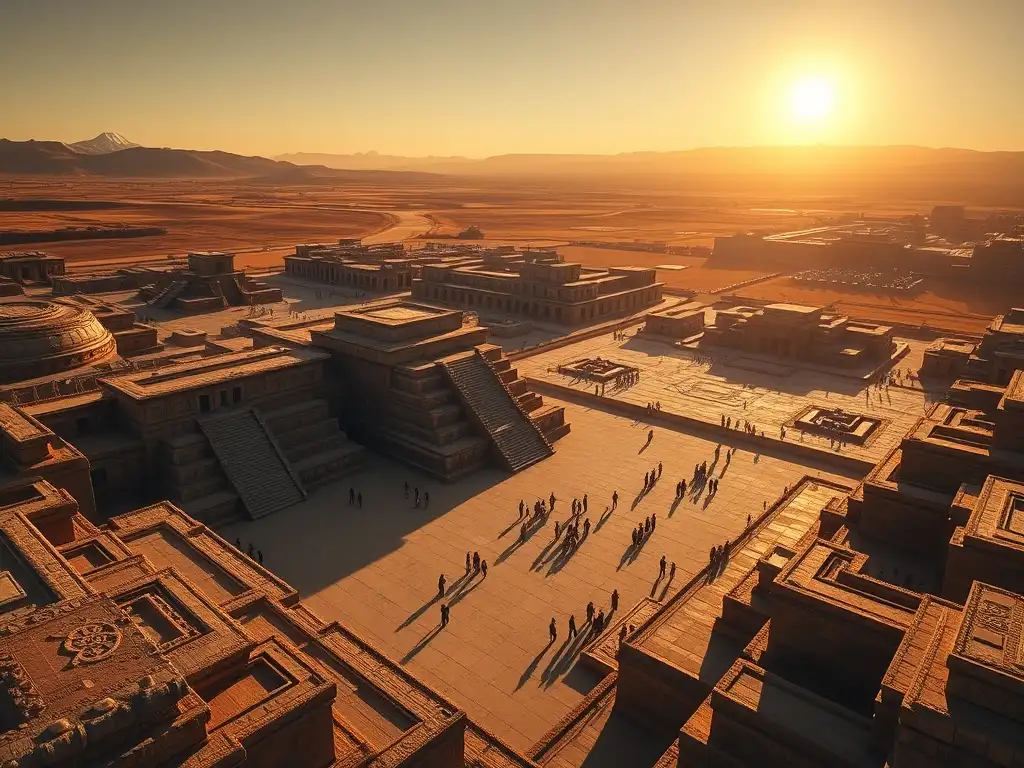
The Tiahuanaco Plaza, a monumental complex showcasing sophisticated engineering and symbolic power, wasn't merely a local landmark. Its significance extended far beyond its geographical boundaries, profoundly impacting the urban planning and cultural practices of other Andean societies. The scale and complexity of the plaza, combined with its likely role as a central hub for religious ceremonies and civic administration, served as a model—albeit often adapted—for subsequent Andean cultures.
This influence, detectable in architectural styles, urban layouts, and even ritual practices, underscores the Tiahuanaco civilization's dominant role in the region's socio-political landscape. Understanding this influence is crucial to grasping the full Tiahuanaco Plaza significance and its lasting legacy on the development of Andean urbanism.
Diffusion of Plaza Design and Function to Neighboring Societies
The Tiahuanaco Plaza's influence wasn't a sudden, wholesale adoption. Rather, it was a gradual process of diffusion, with neighboring societies selectively incorporating elements that resonated with their own cultural contexts. Evidence suggests that the characteristic features of the Tiahuanaco Plaza—its monumental scale, the arrangement of structures around a central open space, and the use of specific architectural motifs—were replicated, albeit with variations, in various settlements across the Andes.
For example, certain architectural styles found in sites associated with the Lupaca culture, located south of Lake Titicaca, demonstrate clear similarities to Tiahuanaco masonry techniques and building layouts. This suggests either direct contact and adoption or a shared cultural heritage influenced by Tiahuanaco's prominence. Further research into the precise mechanisms of this cultural exchange is needed, but the observable similarities in architectural styles strongly suggest a connection.
The spread of similar ceremonial practices, potentially linked to the functions of the Tiahuanaco Plaza, also points to a broader cultural influence extending beyond mere architectural imitation. This diffusion wasn't simply a passive copying; it was an active process of adaptation and integration, reflecting the dynamic interplay between cultural exchange and local innovation.
Legacy of the Tiahuanaco Plaza in Subsequent Andean Urban Centers
The Tiahuanaco Plaza's legacy is not limited to immediate neighbors. Its influence reverberated through subsequent Andean urban centers, shaping the development of cities long after the decline of the Tiahuanaco civilization. The concept of a centrally located, monumental plaza as the heart of a city, a space for both civic administration and religious ritual, became a recurring theme in Andean urban design.
While the specific architectural features might have changed—reflecting the unique characteristics of different cultures—the underlying principle of a structured, centrally located public space remained remarkably consistent. This enduring influence underscores the profound impact of the Tiahuanaco Plaza's design and function on the broader development of Andean urbanism. We see echoes of this in the layout of later cities, which often feature a central plaza surrounded by important administrative and religious buildings.
This suggests a deep-seated cultural memory and the lasting power of the Tiahuanaco model. Further study is required to fully map the extent of this influence across different Andean cultures and time periods. The continued presence of this central plaza model points to its enduring appeal and its role as a fundamental element in Andean urban planning.
Influence on Wari and Inca Urban Planning
The Wari and Inca empires, two of the most powerful Andean civilizations, provide compelling examples of the Tiahuanaco Plaza's lasting influence on urban planning. While neither directly copied the Tiahuanaco Plaza's layout, both empires incorporated key elements of its design philosophy. The Wari, known for their extensive urban network, often built their cities around a central plaza, reflecting a similar emphasis on a centralized administrative and religious space.
The Inca, with their remarkable urban engineering feats, further refined this concept, creating meticulously planned cities with grand plazas that served as the focal points of their imperial administration and religious ceremonies. Although these later plazas differed in style and scale from the Tiahuanaco Plaza, the fundamental concept of a central, monumental public space as the heart of the city clearly demonstrates a continuity that can be traced back to the Tiahuanaco model.
The Inca's huacas, often integrated into their urban planning, might represent a symbolic continuation of the sacred space concept central to the Tiahuanaco Plaza. The impressive scale and careful planning of Inca cities like Cusco, with its central plaza and radiating streets, showcase a sophisticated understanding of urban design that bears a clear lineage to the principles established by the Tiahuanaco civilization centuries earlier.
The Tiahuanaco Plaza, therefore, serves not only as a testament to the architectural prowess of its creators but also as a foundational element in the development of Andean urbanism, influencing the urban planning of subsequent empires and leaving an indelible mark on the cultural landscape of the Andes. The continued study of the Tiahuanaco Plaza's influence on Wari and Inca urbanism is crucial for a complete understanding of Andean urban development.
Preserving and Interpreting the Tiahuanaco Plaza Today
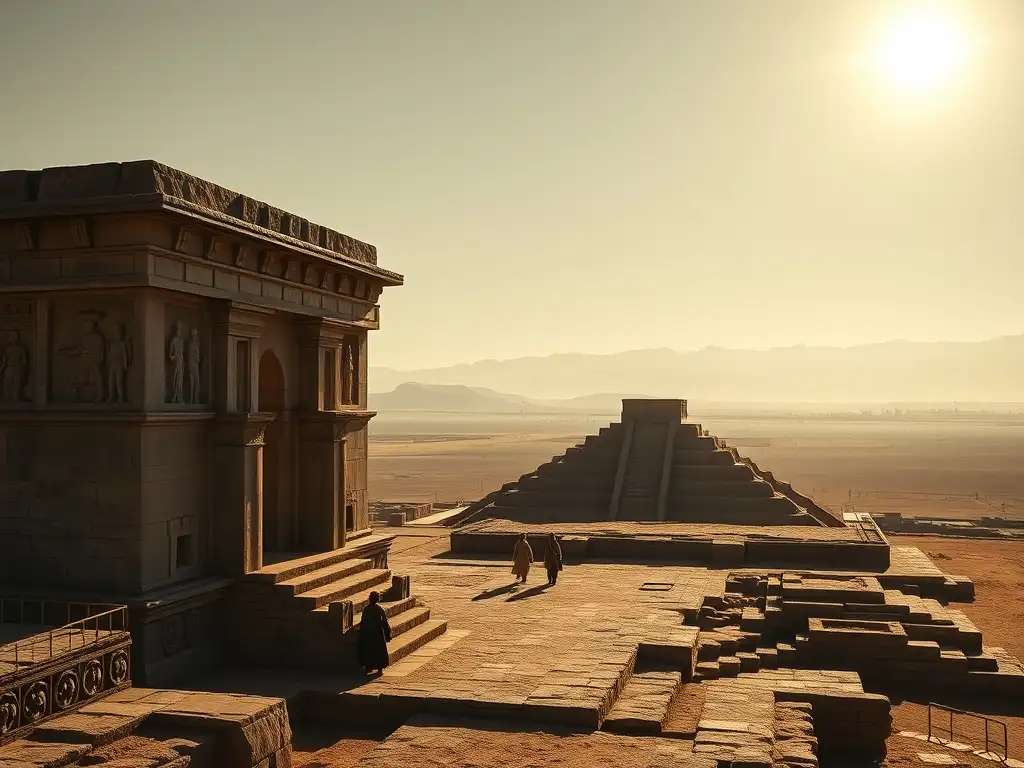
The Tiahuanaco Plaza, a monumental testament to the engineering prowess and sophisticated societal structure of the Tiahuanaco civilization, faces the ongoing challenges of preservation and interpretation. Understanding its significance requires a multi-faceted approach, combining meticulous archaeological investigation with proactive conservation strategies to ensure its legacy for future generations.
The sheer scale of the site, coupled with the effects of environmental erosion and past looting, necessitates a continuous commitment to its safeguarding and the dissemination of knowledge surrounding its rich history. The Tiahuanaco Plaza significance is not merely historical; it's a living testament to a remarkable culture that continues to inspire wonder and scholarly debate.
Archaeological Research and Ongoing Investigations at the Plaza
Archaeological research at the Tiahuanaco Plaza is a dynamic and ongoing process. Teams of researchers utilize a range of techniques, from meticulous excavation and artifact analysis to advanced geophysical surveys and 3D modeling, to unravel the complexities of the site. Recent investigations have focused on:
- Understanding construction techniques: Researchers are actively studying the methods used to erect the massive stone structures, including the precise quarrying, transportation, and fitting of the stones. The precision of the stonework, even without advanced metal tools, remains a source of fascination and ongoing study. This research sheds light on the sophisticated knowledge of engineering and the organizational capacity of the Tiahuanaco people.
- Uncovering ritual practices: Excavations continue to unearth evidence of ritual activities within the Plaza. The discovery of artifacts, such as ceremonial objects and human remains, provides valuable insights into the religious beliefs and practices of the Tiahuanaco civilization. Analysis of these finds helps us to better understand the role of the Plaza as a civic and ceremonial center.
- Investigating the socio-political organization: The layout and design of the Plaza itself are being analyzed to understand the socio-political organization of the Tiahuanaco society. The placement of key structures, the monumental scale of the site, and the evidence of hierarchical organization within the city provide clues about power dynamics and social stratification.
Conservation Efforts to Protect this Historic Site
The preservation of the Tiahuanaco Plaza demands a multi-pronged approach encompassing various conservation strategies. The site's vulnerability to natural elements, such as wind and frost, as well as the effects of human activity, necessitates continuous monitoring and intervention. Key conservation efforts include:
- Structural stabilization: Engineers and archaeologists work together to stabilize the existing structures, preventing further deterioration and collapse. This involves careful consolidation of the stonework and the implementation of protective measures to mitigate the impact of environmental factors. The goal is to ensure the long-term integrity of these remarkable monuments.
- Environmental monitoring: Continuous monitoring of environmental factors, such as temperature and humidity, is crucial for effective conservation. This data informs the development of targeted interventions to protect the site from the damaging effects of climate change and other environmental stresses. Understanding the impact of the surrounding environment is key to implementing effective conservation strategies.
- Public awareness campaigns: Educating the public about the importance of the site and the need for its preservation is paramount. These campaigns aim to foster a sense of responsibility and encourage respectful behavior among visitors, minimizing the risk of damage from human activity. The long-term preservation of the Tiahuanaco Plaza depends on the collective effort of both researchers and the wider community.
The Importance of the Tiahuanaco Plaza for Understanding Andean History
The Tiahuanaco Plaza holds immense significance for understanding Andean history. Its monumental architecture, intricate carvings, and the artifacts unearthed within its confines provide invaluable insights into the social, political, religious, and technological achievements of the Tiahuanaco civilization. The Plaza's importance extends beyond its immediate context:
- A center of power and ritual: The Plaza served as a focal point for religious ceremonies and political gatherings, reflecting the centralized power structure of the Tiahuanaco state. The scale of the structures and the sophistication of the design underscore the power and influence of the ruling elite.
- Technological advancements: The construction of the Plaza showcases the remarkable engineering skills of the Tiahuanaco people, their mastery of stonework, and their ability to mobilize vast resources for large-scale construction projects. This reflects a sophisticated understanding of engineering principles.
- Regional influence and cultural exchange: The Tiahuanaco Plaza was not isolated; it served as a hub for interaction and exchange within the wider Andean region. Evidence suggests extensive trade networks and cultural exchange, shaping the development of other Andean societies. This highlights the Tiahuanaco civilization’s role as a significant force in Andean history. The impact of Tiahuanaco culture is evident in the subsequent development of Andean societies.
The Tiahuanaco Plaza's enduring legacy underscores the importance of continued research, preservation, and public engagement to fully comprehend and appreciate its profound contribution to our understanding of Andean civilization and its lasting impact. The ongoing efforts to preserve and interpret this remarkable site will continue to yield valuable insights into the complexities of Andean history for years to come.
The Enduring Legacy of the Tiahuanaco Plaza: Civic and Religious Power
The Tiahuanaco Plaza's significance transcends its physical presence; it represents a powerful fusion of civic administration and religious authority in the Andean world. Its monumental architecture served not only as a space for public gatherings and political pronouncements but also as a sacred center, a nexus connecting the earthly realm with the spiritual. This duality is key to understanding its enduring legacy and its importance within the broader context of Andean cosmology.
The very layout, the precise placement of structures like the Kalasasaya and the Gate of the Sun, suggest a deliberate design aimed at aligning the city with celestial events and harnessing cosmic energies. This intricate interplay between the terrestrial and the celestial underscores the profound religious beliefs that underpinned Tiahuanaco society.
The plaza was not merely a physical space; it was a living embodiment of their worldview. Its enduring power stems from this deep-seated connection between the political, the social, and the spiritual.
The Tiahuanaco Plaza as a Window into Andean Civilization
The Tiahuanaco Plaza offers invaluable insights into the daily life, religious practices, and political organization of the Tiahuanaco civilization. Careful examination of its architecture reveals sophisticated engineering techniques and a deep understanding of astronomy. The precision with which the massive stones were cut, transported, and fitted together demonstrates a level of technological prowess rarely seen in other contemporary societies.
The intricate carvings found on the Gate of the Sun and other structures provide glimpses into their mythology, beliefs, and artistic expressions. These carvings depict deities, mythical creatures, and symbolic representations that offer clues to understanding their cosmology and worldview. Furthermore, the presence of numerous smaller structures surrounding the main plaza suggests a complex social hierarchy and a well-organized urban planning system.
Archaeological findings within the plaza, such as tools, pottery, and human remains, further enrich our understanding of their daily routines, burial practices, and social structures. The Tiahuanaco Plaza significance is thus amplified by its multifaceted nature, providing a holistic view of this remarkable civilization. Analyzing the arrangement of buildings, the types of materials used, and the artifacts recovered allows researchers to reconstruct aspects of Tiahuanaco life with remarkable detail.
Reaffirming the Tiahuanaco Plaza Significance in Andean History
The Tiahuanaco Plaza's importance extends far beyond its immediate geographical location. Its influence resonates throughout Andean history, impacting subsequent cultures and leaving an enduring mark on the region's cultural landscape. The monumental scale of the architecture, the sophisticated engineering, and the powerful symbolism embedded within its structures served as a model for later Andean civilizations.
The sophisticated water management systems associated with the plaza demonstrate a deep understanding of hydraulic engineering, influencing subsequent irrigation projects in the Andes. Moreover, the religious iconography and cosmological beliefs represented in the plaza's carvings likely impacted the religious practices and beliefs of later Andean cultures. The Tiahuanaco Plaza significance is therefore not limited to a single historical period; rather, it represents a pivotal point in the development of Andean civilization, a legacy that continues to inspire awe and fascination centuries later.
Its enduring influence is a testament to the ingenuity, creativity, and spiritual power of the Tiahuanaco people. Further research is needed to fully understand the extent of its influence on subsequent Andean cultures, particularly in terms of its impact on artistic styles, religious practices, and political organization. The potential for new discoveries and a deeper understanding of the Tiahuanaco Plaza’s lasting legacy remains significant.
Frequently Asked Questions
What is the Tiahuanaco Plaza?
The Tiahuanaco Plaza, also known as the Kalasasaya, is the central ceremonial and civic space of the ancient Tiahuanaco city. It served as a focal point for religious rituals and community gatherings. Its monumental architecture is a testament to the sophisticated engineering of the Tiahuanaco culture.
Why is the Tiahuanaco Plaza so significant?
Its significance lies in its multifaceted role as both a ceremonial center and a civic space. The plaza's layout and structures reflect the cosmological beliefs of the Tiahuanaco people and their sophisticated understanding of astronomy and engineering.
What structures are located in the Tiahuanaco Plaza?
The plaza features several key structures, including the Gate of the Sun, the Temple of Kalasasaya, and various monolithic statues and sculptures. These structures were integral to the complex religious and social life of the city.
What is the Gate of the Sun's significance within the Tiahuanaco Plaza?
The Gate of the Sun, a massive stone gateway, is considered one of the most important structures within the plaza. It features intricate carvings that are believed to depict mythological figures and cosmological symbols. Its precise function remains debated.
How did the Tiahuanaco people construct such monumental structures?
The precise methods used by the Tiahuanaco people to construct the plaza's monumental structures remain a subject of ongoing research. However, it is clear they possessed advanced knowledge of stonework, engineering, and logistics. Their achievements demonstrate remarkable organizational skills.
Final Reflection: Echoes of Power, Whispers of Legacy
The Tiahuanaco Plaza's monumental architecture isn't just a relic of the past; it's a powerful testament to the ingenuity and societal complexity of a civilization that continues to fascinate and inspire us today. Its precise alignment with the solstices, the intricate carvings, and the sheer scale of the structures speak volumes about the advanced knowledge and sophisticated social organization of the Tiahuanaco people. This understanding challenges simplistic narratives of pre-Columbian societies and forces us to reconsider our assumptions about the capabilities of ancient cultures.
The enduring influence of the Tiahuanaco Plaza extends far beyond its physical presence. Its impact resonates in the ongoing archaeological research, the cultural pride of the Bolivian people, and the continued fascination it holds for scholars and tourists alike. The very stones seem to whisper stories of a vibrant civilization, a testament to human creativity and resilience. As the anthropologist, Clifford Geertz, eloquently stated: Man is an animal suspended in webs of significance he himself has spun.
The Tiahuanaco Plaza is a powerful example of this, a web of significance spun from stone, sun, and the unwavering spirit of a remarkable culture.
Consider, for a moment, the implications of this ancient city. What can we learn from the Tiahuanaco's sophisticated understanding of astronomy, engineering, and social organization? How can we apply their dedication to community building and monumental construction to address the challenges of our own time?
I urge you to reflect on the legacy of the Tiahuanaco Plaza, not just as a historical site, but as a source of inspiration and a reminder of the enduring power of human ingenuity and collective endeavor. Let its echoes inspire you to build your own legacies, to create your own webs of significance that will endure for generations to come.
**Unveil the Wonders of Tiahuanaco! **
Thank you for exploring the rich history of Tiahuanaco with us! We hope you now appreciate the fascinating blend of civic and ceremonial significance of this ancient site. To further deepen your connection to this incredible part of Andean heritage, consider these suggestions:
- **Visit the Tiahuanaco ruins**—either in person or virtually through museums, documentaries, or online resources. Planning a trip to Bolivia would be an unforgettable experience.
- **Share your newfound knowledge** with friends and family. Discuss the cultural importance of Tiahuanaco, or even organize a themed gathering to share your discoveries.
- Connect with fellow history enthusiasts online. Join a community dedicated to Andean civilizations to share images, ideas, and insights about Tiahuanaco and other fascinating sites.
What aspect of Tiahuanaco's history most captivated you, and how will you share your knowledge with others?