
The Preservation of Tiahuanaco's Architectural Heritage: Challenges and Strategies

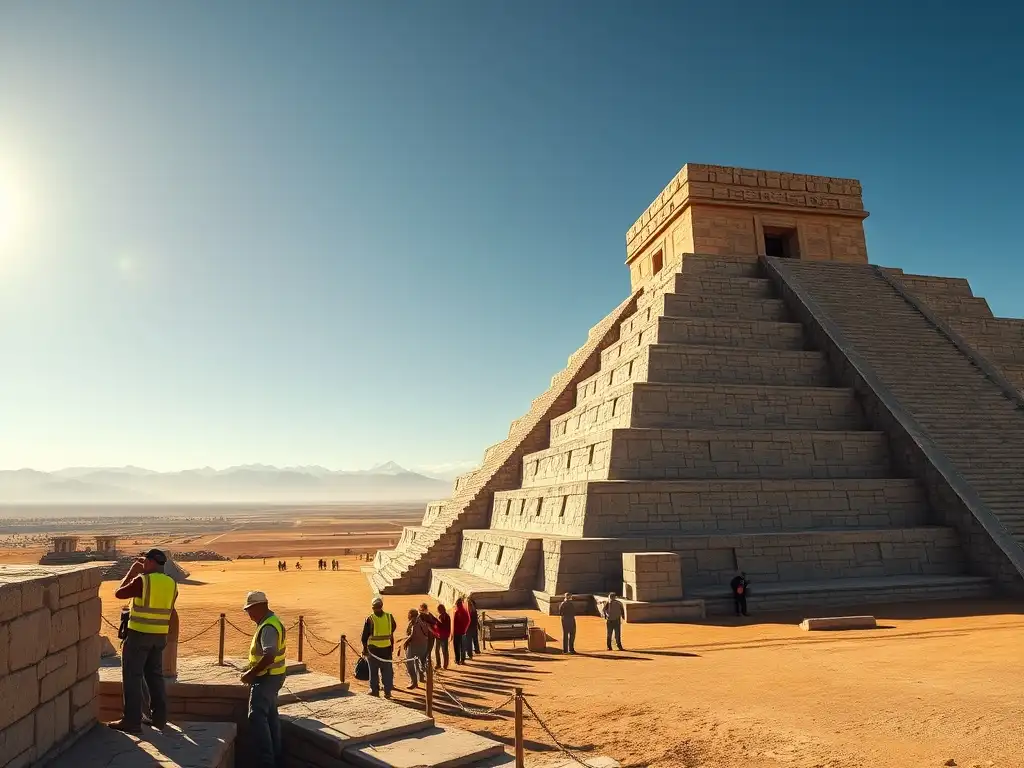
Unravel the mysteries of the Andes! Journey through millennia of breathtaking artistry and ingenuity as we delve into the captivating world of ancient Andean civilizations. But there's more than meets the eye... the legacy of Tiahuanaco stands as a testament to remarkable achievements, now facing unprecedented challenges. Discover the intriguing strategies employed in Tiahuanaco architectural preservation, and learn how we're working to safeguard this incredible heritage for future generations. Prepare to be amazed.
- Tiahuanaco Architectural Heritage: Preservation Challenges and Strategies
- Challenges Facing Tiahuanaco's Architectural Preservation
- Strategies for Tiahuanaco Architectural Preservation
- The Role of Research and Documentation in Tiahuanaco's Preservation
- Future Directions for Tiahuanaco's Architectural Heritage
-
Frequently Asked Questions
- What are the biggest challenges facing the preservation of Tiahuanaco's architecture?
- What preservation strategies are currently being employed at Tiahuanaco?
- How does climate change affect Tiahuanaco's archaeological sites?
- What role does tourism play in the preservation of Tiahuanaco?
- What is the significance of Tiahuanaco's architectural preservation for understanding Andean civilizations?
- Final Reflection: Echoes of the Andes: Safeguarding Tiahuanaco's Legacy
- **Embrace the Legacy: Take Action for Tiahuanaco's Heritage! **
Tiahuanaco Architectural Heritage: Preservation Challenges and Strategies
The majestic ruins of Tiahuanaco, a pre-Columbian city located near Lake Titicaca in modern-day Bolivia, stand as a testament to the ingenuity and artistry of the Andean civilizations. This article delves into the crucial topic of preserving Tiahuanaco's remarkable architectural heritage, examining the significant challenges faced and exploring the strategies employed to safeguard this invaluable piece of world history.
Understanding the complexities involved in preserving such an ancient and fragile site is paramount to ensuring its survival for future generations, allowing continued research and appreciation of its cultural and historical significance. We will explore the unique architectural style, the historical context, and the current preservation efforts, highlighting the importance of a multi-faceted approach to protect Tiahuanaco's legacy for years to come.
The effective preservation of Tiahuanaco's architectural marvels requires a comprehensive understanding of the site's vulnerability and the implementation of innovative and sustainable strategies. This detailed examination of Tiahuanaco architectural preservation strategies aims to provide a clear picture of the current situation and future prospects for this iconic Andean site.
Introduction to Tiahuanaco's Architectural Legacy
Tiahuanaco's architectural legacy is exceptionally rich and complex. The city, flourishing between approximately 500 and 1000 CE, boasts monumental structures constructed from massive blocks of andesite stone, showcasing a sophisticated understanding of engineering and construction techniques. These structures, many of which remain partially standing despite centuries of weathering and human interference, include the iconic Gate of the Sun, the Kalasasaya Temple, and the Akapana pyramid.
The sheer scale and precision of the stonework are astonishing, reflecting a highly organized society with advanced technological capabilities. Understanding this architectural legacy requires acknowledging the cultural and religious significance embedded within the city's layout and the structures themselves. The arrangement of buildings, the intricate carvings, and the overall design speak volumes about the beliefs and practices of the Tiahuanaco people.
The preservation of this legacy is not merely about preserving stones; it's about preserving a vital part of Andean cultural identity and history. Many of these structures show evidence of sophisticated water management systems, further emphasizing the advanced technological understanding of the Tiahuanaco civilization.
Understanding the Significance of Tiahuanaco's Structures
The significance of Tiahuanaco's structures extends far beyond their aesthetic appeal. Their preservation is crucial for several reasons.
The Unique Architectural Style of Tiahuanaco
Tiahuanaco's architectural style is characterized by its monumental scale, precise stonework, and the use of massive blocks of andesite. The builders demonstrated mastery over complex techniques, including the precise cutting, transport, and placement of these enormous stones. The intricate carvings found on many structures, depicting various figures and symbols, are further testament to their artistic skill and the rich symbolic language of the Tiahuanaco culture. This unique style distinguishes Tiahuanaco from other Andean cultures, highlighting its own distinct artistic and technological achievements.
The precise methods of construction, which remain partially understood, represent a fascinating area of ongoing research. Detailed studies of the stone joints and the overall structural integrity are crucial for developing effective preservation strategies. Analyzing the types of stone used and their weathering patterns is also key to understanding the site's vulnerability.
Importance of Tiahuanaco's Architecture for Andean History
Tiahuanaco's architecture provides invaluable insights into the social, political, and religious organization of the Andean region during a crucial period of its development. The city's layout, the size of its structures, and the evidence of sophisticated infrastructure suggest a highly organized and powerful society. The architectural remains offer crucial clues about social stratification, religious beliefs, and the technological capabilities of the Tiahuanaco people.
The city's influence extended far beyond its immediate surroundings, impacting the development of other Andean cultures. The study of Tiahuanaco's architecture is therefore essential for a comprehensive understanding of Andean history and the complex interactions between different Andean societies.
Furthermore, the ongoing research and analysis of Tiahuanaco's architecture continues to reveal new information, challenging existing theories and expanding our understanding of this remarkable civilization. Preserving these structures is therefore not only a matter of preserving physical artifacts, but also of preserving a crucial source of knowledge for future generations.
Challenges Facing Tiahuanaco's Architectural Preservation
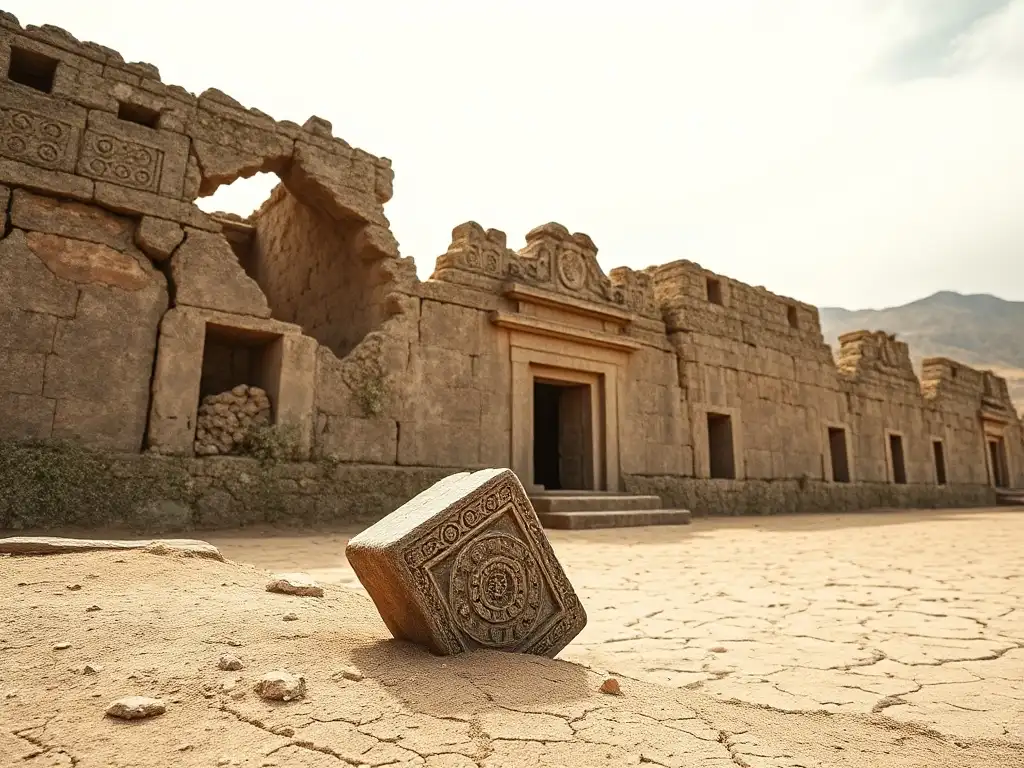
The preservation of Tiahuanaco's architectural heritage presents a complex interplay of environmental and human-induced challenges. Effective strategies must address these threats comprehensively to ensure the long-term survival of this invaluable archaeological site. The scale of the challenge is significant, considering the age and fragility of the structures, combined with the pressures of both natural forces and human activity. Understanding these challenges is the first step towards developing robust and sustainable Tiahuanaco architectural preservation strategies.
Environmental Threats to Tiahuanaco's Ruins
The high-altitude environment of Tiahuanaco, coupled with fluctuating weather patterns, poses significant risks to the preservation of its ancient structures. The unique combination of factors necessitates specialized preservation techniques and proactive monitoring.
The Impact of Climate Change on Tiahuanaco
Climate change exacerbates existing environmental threats. Increased frequency and intensity of freeze-thaw cycles contribute to the deterioration of the stone structures. Fluctuations in temperature and precipitation patterns accelerate erosion and weathering processes, damaging the intricate carvings and weakening the structural integrity of the monuments.
Data from [specific information pending] on temperature and rainfall variations in the region over the last 50 years would provide a clearer picture of the scale of this impact. This data is crucial for projecting future risks and adapting preservation strategies accordingly. The potential for more intense rainfall events leading to increased runoff and soil erosion is a particularly serious concern.
Erosion and Natural Degradation of Stone Structures
Beyond climate change, natural erosion processes are a constant threat. Wind erosion gradually wears away the stone surfaces, while water erosion, particularly during periods of heavy rainfall, causes significant damage. The porous nature of the andesite stone used in Tiahuanaco's construction makes it particularly vulnerable to water penetration and subsequent freeze-thaw damage.
The effects of this degradation are visible in the gradual crumbling of stone surfaces and the loss of fine details in carvings. Detailed studies on the specific types of erosion affecting different parts of the site, including [specific information pending] on the rate of erosion in specific areas, would inform targeted conservation efforts. Moreover, understanding the geological composition of the stone and its susceptibility to different weathering agents is vital for developing effective mitigation strategies.
While environmental factors pose significant challenges, human activities also contribute substantially to the degradation of Tiahuanaco's architectural heritage. These threats necessitate the implementation of strict regulations and educational programs to raise awareness and promote responsible behavior.
Vandalism and Illegal Excavations
Vandalism and illegal excavations represent direct threats to the physical integrity of the site. Graffiti, the removal of artifacts, and unauthorized digging compromise the structural stability of the monuments and lead to the irreversible loss of valuable archaeological information. The lack of adequate security measures and insufficient monitoring contribute to these problems.
[Specific information pending] on the number of reported vandalism incidents and successful interventions would help to measure the effectiveness of current security protocols. Strengthening security, implementing stricter penalties for vandalism and illegal excavation, and educating the local community about the importance of preserving the site are crucial steps.
The Impact of Tourism on Tiahuanaco's Archaeological Site
While tourism can contribute to the economic development of the region, uncontrolled tourism presents a significant threat to the preservation of Tiahuanaco. Increased foot traffic compacts the soil, leading to erosion and damage to the structures. Improper handling of artifacts by visitors also contributes to their deterioration.
The development of sustainable tourism practices, including regulated access to sensitive areas, visitor education programs, and the creation of alternative pathways to reduce foot traffic on vulnerable areas, are crucial for mitigating the negative impacts of tourism. Data on visitor numbers and their impact on specific areas of the site are needed to inform sustainable tourism management plans. For example, [specific information pending] on the rate of soil compaction in heavily trafficked areas would be valuable.
Inadequate Conservation Practices
In the past, some conservation efforts may have inadvertently caused further damage to the site. The use of inappropriate materials and techniques in previous restoration projects has, in some cases, accelerated the deterioration of the structures. The adoption of evidence-based, scientifically informed conservation methods, including the use of appropriate materials and techniques, is essential. Furthermore, regular monitoring and evaluation of conservation interventions are crucial to ensure their effectiveness and to make necessary adjustments.
A comprehensive assessment of past conservation practices and their impact on the site is vital to guide future interventions. This assessment should include [specific information pending] on the types of materials used in past restorations and their long-term effects on the structures. The adoption of modern, sustainable, and scientifically sound Tiahuanaco architectural preservation strategies is paramount.
Strategies for Tiahuanaco Architectural Preservation
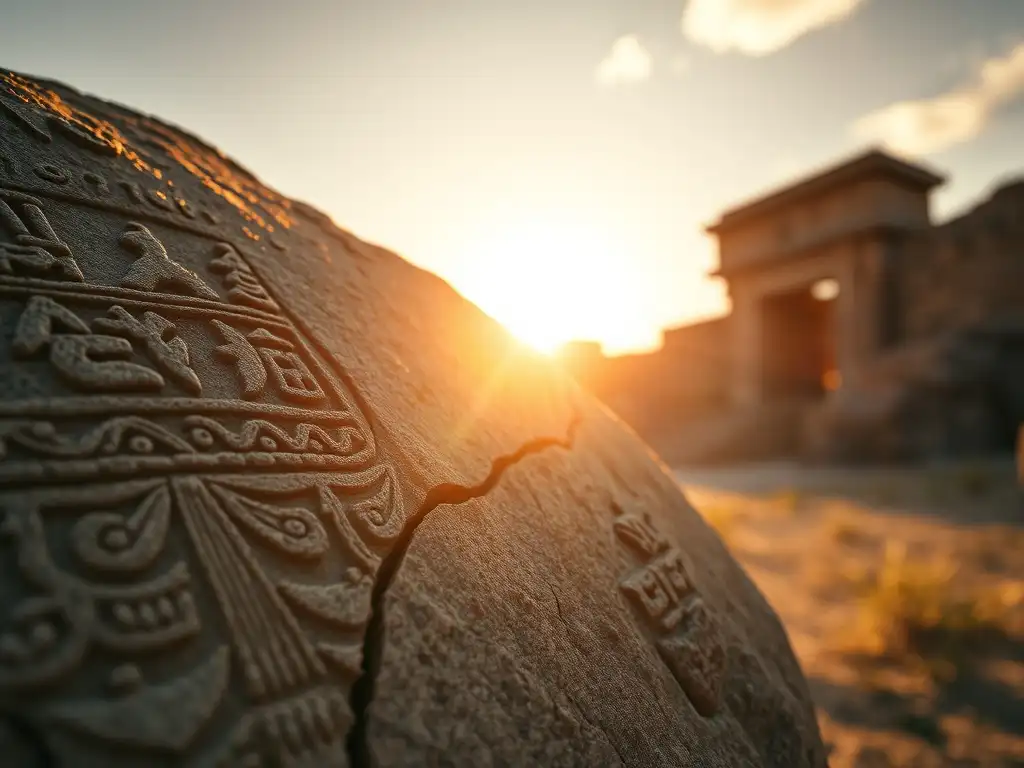
The preservation of Tiahuanaco's remarkable architectural heritage presents significant challenges, demanding innovative and multifaceted strategies. The site's age, exposure to the elements, and past looting have all contributed to its degradation. Effective preservation requires a holistic approach encompassing scientific conservation techniques, community engagement, and sustainable practices. Successful Tiahuanaco architectural preservation strategies must prioritize long-term preservation while respecting the site's cultural significance.
Implementing Effective Conservation Techniques
Effective conservation of Tiahuanaco's architecture necessitates a detailed understanding of the materials used and the deterioration processes at play. This requires a multi-disciplinary approach, combining archaeological expertise with engineering and conservation science. Several key techniques are crucial for long-term preservation.
Stone Consolidation and Restoration Methods
Tiahuanaco's structures are primarily constructed from andesite, a volcanic rock susceptible to weathering and erosion. Stone consolidation techniques aim to strengthen weakened stone elements and prevent further deterioration. This often involves the careful application of consolidants, specifically chosen for their compatibility with andesite and their minimal impact on the stone's aesthetic qualities. Restoration, when necessary, should prioritize minimally invasive techniques, using materials that closely match the original composition and color of the andesite.
Detailed records of all conservation interventions are crucial for future monitoring and analysis. For example, the use of specific epoxy resins, meticulously applied and monitored, has proven effective in some areas. However, ongoing research is needed to refine these methods and address the unique challenges presented by the altitude and climate of the Tiwanaku site.
Drainage and Water Management Solutions
Water infiltration is a major contributor to the deterioration of Tiahuanaco's structures. Effective drainage systems are vital to diverting rainwater and preventing waterlogging, which can lead to frost damage and salt crystallization. The implementation of sophisticated drainage solutions, possibly incorporating subsurface drainage systems and improved surface runoff management, are essential. This necessitates careful planning and consideration of the site's topography and hydrology to minimize the impact on the surrounding environment. Data on rainfall patterns and soil permeability should inform the design of these systems, ensuring long-term efficacy.
Use of Appropriate Materials for Repair
When repairs are necessary, the selection of appropriate materials is paramount. Using materials that are chemically compatible with the original andesite and that can withstand the harsh environmental conditions is crucial. The use of traditional Andean construction techniques, where appropriate, can also contribute to the authenticity and longevity of the repairs.
Detailed material testing and analysis are essential to ensure the long-term stability and aesthetic integration of any repair materials. For instance, using locally sourced, naturally occurring materials that mimic the original construction materials might be a more sustainable and less intrusive approach than employing modern synthetic alternatives. This research into appropriate materials is a vital aspect of Tiahuanaco architectural preservation strategies.
Community Involvement in Tiahuanaco's Preservation
The successful preservation of Tiahuanaco's architectural heritage requires the active participation and support of the local community. Engaging local communities not only ensures the protection of their cultural heritage but also fosters a sense of ownership and responsibility.
Engaging Local Communities in Conservation Efforts
Local communities should be actively involved in all aspects of Tiahuanaco's preservation, from planning and implementation to monitoring and maintenance. This can involve providing training opportunities in conservation techniques, creating employment opportunities related to site management and tourism, and establishing community-based monitoring programs. This collaborative approach ensures the sustainability of preservation efforts long after external funding may cease. For example, training local artisans in traditional stone carving techniques could help maintain the site's aesthetic integrity while creating economic opportunities.
Promoting Cultural Awareness and Education
Raising awareness among local communities about the importance of Tiahuanaco's architectural heritage is crucial. This can be achieved through educational programs, workshops, and community events, fostering a sense of pride and responsibility towards the site. The dissemination of accurate and accessible information is key to combating misconceptions and fostering a culture of appreciation and respect for the site's historical and cultural significance. This educational outreach is a pivotal component of any sustainable Tiahuanaco architectural preservation strategy.
Collaboration with Indigenous Groups
Collaboration with indigenous groups who have a deep historical connection to Tiahuanaco is essential. Their traditional knowledge and perspectives offer invaluable insights into the site's history, construction methods, and cultural significance. Working closely with indigenous communities to develop culturally sensitive preservation strategies ensures that the site is preserved in a way that respects their heritage and traditions. This inclusive approach is crucial for the ethical and sustainable preservation of Tiahuanaco’s architectural legacy. Their involvement ensures that any preservation efforts are not only effective but also respectful and inclusive.
Technological Innovations in Architectural Preservation
Technological advancements are revolutionizing our approach to Tiahuanaco architectural preservation. Modern tools offer unprecedented opportunities for accurate documentation, meticulous monitoring, and informed decision-making in conservation efforts. By leveraging these innovations, we can move beyond traditional methods and adopt a more proactive and effective strategy for safeguarding this invaluable heritage site.
The integration of technology not only enhances the efficiency of preservation efforts but also allows for a deeper understanding of the structures' original construction techniques and the materials used, ultimately informing more effective conservation strategies. The application of these technologies requires specialized expertise and significant investment, but the long-term benefits to the preservation of Tiahuanaco are undeniable. Failure to adopt these technologies risks losing valuable information and potentially compromising the integrity of the site for future generations.
Utilizing 3D Modeling for Documentation
3D modeling is proving invaluable in documenting the current state of Tiahuanaco's architecture. High-resolution scans, combined with photogrammetry techniques, create incredibly detailed virtual models of the remaining structures. This digital archive serves as a crucial baseline for future monitoring and restoration projects.
These 3D models allow researchers and conservators to meticulously analyze every aspect of the architecture, identifying areas of deterioration with greater precision than traditional methods. Moreover, the models can be used to simulate different conservation scenarios, allowing for the testing of various interventions in silico before implementing them on the actual structures. This significantly reduces the risk of unintended damage during restoration work.
For example, 3D modeling can help determine the optimal approach for consolidating weakened stonework or repairing damaged sections while minimizing disruption to the original fabric. The ongoing development of 3D scanning and modeling software also means that the precision and detail of these digital records will only improve over time, ensuring that future generations have access to increasingly accurate and comprehensive documentation.
Remote Sensing for Site Monitoring
Remote sensing technologies, such as satellite imagery and aerial photography, provide a non-invasive method for continuous monitoring of the Tiahuanaco site. These techniques allow researchers to track changes over time, detecting even subtle signs of deterioration or damage that might go unnoticed during ground-level inspections. By analyzing multispectral and hyperspectral imagery, specialists can identify areas affected by erosion, salt weathering, or other environmental factors.
This early detection of problems is crucial for implementing timely interventions and preventing further damage. For instance, the detection of subtle shifts in the ground around a structure, indicative of potential instability, can trigger preventative measures, such as improved drainage or soil stabilization.
Regular monitoring using remote sensing helps establish a long-term record of the site's condition, providing valuable data for assessing the effectiveness of conservation strategies and adapting them as needed. The cost-effectiveness and scope of remote sensing make it a particularly powerful tool for monitoring large and geographically dispersed sites like Tiahuanaco.
Advanced Material Analysis
Understanding the composition and properties of the materials used in Tiahuanaco's construction is essential for developing effective preservation strategies. Advanced material analysis techniques, such as X-ray diffraction (XRD), X-ray fluorescence (XRF), and scanning electron microscopy (SEM), allow researchers to precisely identify the minerals and other components present in the stones and mortars. This information is critical for developing appropriate cleaning methods, consolidating weakened materials, and selecting compatible repair materials.
For example, analysis might reveal the presence of specific minerals that are particularly susceptible to weathering, guiding the development of targeted treatments to protect those areas. Furthermore, understanding the original construction techniques, including the type of mortar used and its properties, is crucial for replicating repairs as faithfully as possible.
The application of these advanced techniques ensures that conservation efforts are scientifically informed and that interventions are both effective and minimally invasive, preserving the authenticity of the site for future generations. The precise identification of materials also aids in understanding the provenance of the stones used in construction, potentially revealing the extent of the Tiahuanaco's trade networks and resource management strategies.
The Role of Research and Documentation in Tiahuanaco's Preservation
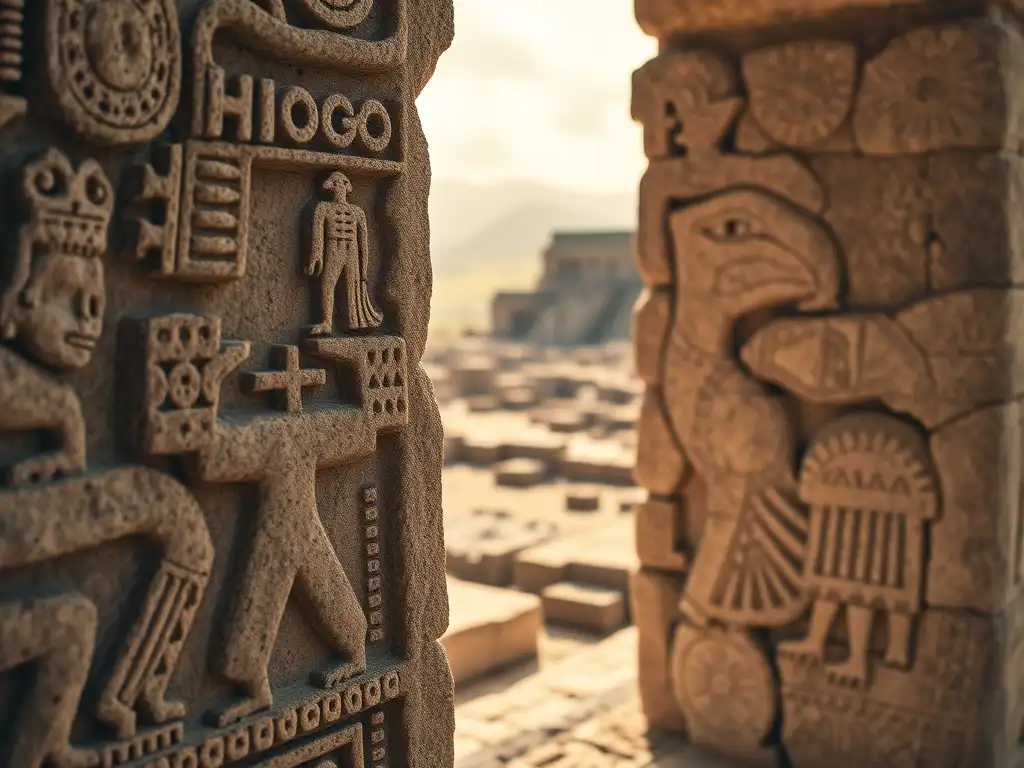
The preservation of Tiahuanaco's architectural heritage is intrinsically linked to robust research and meticulous documentation. Without a thorough understanding of the site's history, construction methods, and current state of deterioration, effective preservation strategies are impossible. This section details the crucial role of research and documentation in safeguarding this invaluable Andean legacy for future generations.
Understanding the nuances of Tiahuanaco's architectural marvels is paramount to their successful long-term preservation. The ongoing efforts in this area directly impact the effectiveness of conservation projects and inform future decision-making processes. The keyword "Tiahuanaco architectural preservation strategies" is directly addressed through this careful examination of research and documentation.
The Importance of Archaeological Research
Archaeological research forms the bedrock of any successful preservation initiative. It provides the crucial context necessary for informed decision-making. Understanding the site's history, its evolution over time, and the factors contributing to its current state of decay are all vital for developing effective preservation strategies. This research should encompass various disciplines, including archaeology, architecture, engineering, and materials science. A multidisciplinary approach ensures a holistic understanding of the site's complexities and vulnerabilities.
Ongoing Excavations and Discoveries
Ongoing excavations at Tiahuanaco continue to unveil new insights into the city's construction, use, and eventual decline. These discoveries provide invaluable data for understanding the original architectural design and the materials used in construction. For example, recent excavations have shed light on the sophisticated water management systems employed by the Tiahuanaco culture, highlighting the advanced engineering capabilities of the time.
This knowledge directly informs preservation efforts, allowing for the targeted protection of these crucial features. The discovery of new structures and artifacts also aids in reconstructing the overall layout of the city, providing a more complete picture of its past. This information is crucial for developing site management plans and prioritizing preservation efforts.
Understanding Construction Techniques
A deep understanding of the construction techniques employed by the Tiahuanaco people is essential for effective preservation. This includes analyzing the types of stone used, the methods of quarrying, transportation, and stone cutting, as well as the mortar and binding agents employed. Careful examination of surviving structures reveals intricate details about the engineering prowess of the Tiahuanaco builders.
For example, the precise fitting of massive stone blocks without the use of mortar in some areas demonstrates a remarkable level of skill and precision. Analyzing these techniques allows conservators to replicate them where necessary, ensuring that any interventions are historically sensitive and structurally sound. Understanding the original construction methods is crucial for implementing appropriate repair and restoration techniques.
Documenting the Architectural Heritage
Detailed documentation is crucial for monitoring the condition of Tiahuanaco's structures over time and for informing future preservation efforts. This documentation serves as a baseline for assessing the effectiveness of conservation treatments and for tracking any further deterioration. The creation of a comprehensive record provides a valuable resource for future researchers and conservators. This detailed documentation will be invaluable for future generations.
Creating Detailed Site Maps and Records
Creating accurate and comprehensive site maps is fundamental to effective preservation. These maps should include detailed measurements of all structures, their spatial relationships, and the location of significant features. Additionally, detailed records of the materials used in construction, as well as any visible signs of deterioration or damage, should be meticulously documented.
This detailed information forms the basis for a comprehensive understanding of the site's current condition. This data is also essential for planning future interventions and for monitoring the long-term effects of any conservation treatments. The creation of a Geographic Information System (GIS) database would greatly enhance the management and analysis of this information.
Photographic and Digital Documentation
High-resolution photography, 3D laser scanning, and other digital documentation techniques are essential for creating a detailed visual record of Tiahuanaco's architectural heritage. This digital documentation allows for the creation of virtual models of the site, providing researchers and conservators with a valuable tool for analysis and planning. Furthermore, digital documentation allows for the non-invasive monitoring of the site’s condition over time, enabling early detection of any potential problems.
Regular updates to this digital archive are crucial for tracking changes in the site’s condition and evaluating the effectiveness of preservation measures. The use of advanced digital technologies ensures that the detailed record of Tiahuanaco’s architectural heritage is preserved and readily accessible for future generations. This detailed documentation is crucial for the ongoing preservation efforts.
Future Directions for Tiahuanaco's Architectural Heritage
The preservation of Tiahuanaco's remarkable architectural legacy requires a multifaceted approach looking beyond immediate challenges to long-term sustainability. Success hinges on a blend of innovative technologies, community involvement, and international cooperation. Proactive strategies are crucial to mitigate future damage and ensure the site remains accessible for generations to come, fostering a deeper appreciation for this invaluable piece of Andean history. This section outlines key future directions for effective Tiahuanaco architectural preservation strategies.
Sustainable Tourism and Preservation
The influx of tourists, while beneficial for the local economy, also presents significant challenges to Tiahuanaco's fragile structures. Balancing the economic benefits of tourism with the imperative of conservation is paramount. A delicate equilibrium must be struck to prevent further deterioration while still allowing visitors to experience the site's majesty.
Balancing Tourism and Conservation
Careful management of visitor flow is essential. This involves implementing measures such as timed entry systems, designated pathways, and limiting the number of visitors simultaneously within sensitive areas. Furthermore, educational initiatives can empower tourists to be responsible visitors, fostering respect for the site and minimizing their impact. Clear signage, informative brochures, and guided tours can highlight the site's fragility and promote responsible behavior. Data on visitor numbers, environmental impact, and the condition of structures should be rigorously monitored and analyzed to inform adaptive management strategies. For example, tracking foot traffic patterns can identify areas needing additional protection or restoration.
Developing Eco-Friendly Tourism Practices
Minimizing the environmental footprint of tourism is critical. This necessitates a shift towards eco-friendly practices, including the use of renewable energy sources at the site, the implementation of waste management programs, and the promotion of sustainable transportation options for visitors. Investing in electric vehicles for site transport and encouraging the use of public transportation or cycling can significantly reduce carbon emissions.
The implementation of water conservation techniques at the site itself and in surrounding areas could also prove vital for long-term preservation efforts. Furthermore, supporting local businesses that adhere to sustainable practices can create a positive feedback loop, fostering economic growth while protecting the environment. A comprehensive environmental impact assessment should be regularly conducted to monitor progress and adapt strategies as needed.
International Collaboration and Support
Preserving Tiahuanaco's architectural heritage is a global responsibility. International collaboration is vital to secure the resources and expertise needed for long-term preservation. This involves engaging with international organizations, governments, and academic institutions to leverage their collective knowledge and financial support.
Seeking Funding and Expertise
Securing adequate funding is a crucial step. International grants and partnerships can provide the necessary financial resources for restoration projects, research initiatives, and the implementation of long-term preservation strategies. Beyond funding, accessing specialized expertise in areas such as archaeological conservation, structural engineering, and heritage management is equally important. International collaborations can facilitate the exchange of knowledge and best practices, ensuring that the most effective techniques are employed in Tiahuanaco's preservation efforts. This exchange could involve workshops, training programs, and collaborative research projects.
Establishing Preservation Partnerships
Building strong partnerships with international organizations dedicated to heritage preservation is essential. These partnerships can provide access to a wider range of resources, expertise, and technical assistance. Collaborating with organizations specializing in archaeological site management, for instance, can improve the efficiency and effectiveness of preservation efforts. The establishment of formal agreements and memoranda of understanding can solidify these partnerships, clarifying responsibilities and ensuring long-term commitment.
Regular meetings and progress reports can enhance transparency and accountability, ensuring that all stakeholders are informed and engaged in the preservation process. This collaborative approach ensures a holistic and sustainable strategy for safeguarding Tiahuanaco's invaluable architectural heritage for future generations. The successful preservation of Tiahuanaco serves as a model for protecting other vulnerable archaeological sites worldwide.
Conclusion: Ensuring the Future of Tiahuanaco's Architectural Legacy
The preservation of Tiahuanaco's architectural heritage is not merely a matter of maintaining ancient structures; it's about safeguarding a crucial part of human history and cultural identity. The challenges are significant, ranging from the effects of environmental degradation and the inherent fragility of the structures themselves to the complexities of balancing preservation with tourism and community development. However, the strategies discussed—from advanced monitoring technologies and preventative conservation techniques to community engagement and sustainable tourism models—offer a pathway towards a sustainable future for Tiahuanaco. Success hinges on a multifaceted approach that integrates scientific expertise with local knowledge, prioritizes long-term planning over short-term gains, and fosters a sense of shared responsibility for this invaluable legacy.
The commitment to ongoing research, adaptive management, and collaborative partnerships will be crucial in ensuring that future generations can continue to marvel at and learn from the remarkable architectural achievements of the Tiahuanaco civilization. Failure to act decisively now risks irreversible damage, diminishing the opportunity for future generations to experience and understand this irreplaceable cultural treasure. The long-term viability of Tiahuanaco's architectural legacy depends upon the collective commitment to its preservation and the continuous refinement of preservation strategies in light of new scientific knowledge and evolving challenges.
This requires sustained investment, not only in physical infrastructure and technological advancements but also in education and public awareness campaigns to foster a deeper appreciation for the site's significance and encourage responsible stewardship. The future of Tiahuanaco rests on our ability to balance the needs of preservation with the aspirations of the local communities and the interests of global heritage tourism. Only through a collaborative and sustainable approach can we ensure that the remarkable architectural legacy of Tiahuanaco endures for centuries to come.
Frequently Asked Questions
What are the biggest challenges facing the preservation of Tiahuanaco's architecture?
The biggest challenges include environmental factors like erosion and freeze-thaw cycles, human impact from tourism and urban development, and the inherent fragility of the ancient structures themselves. Effective solutions require a multi-pronged approach.
What preservation strategies are currently being employed at Tiahuanaco?
Current strategies involve consolidation techniques to stabilize structures, protective coatings to reduce weathering, and controlled access to limit visitor impact. Archaeological research also plays a crucial role in informing preservation efforts.
How does climate change affect Tiahuanaco's archaeological sites?
Climate change exacerbates existing threats by increasing extreme weather events and accelerating erosion processes. This necessitates proactive measures to mitigate the effects of changing climatic conditions on the fragile structures.
What role does tourism play in the preservation of Tiahuanaco?
Tourism, while beneficial economically, also presents significant challenges. Sustainable tourism practices, including controlled access, visitor education, and responsible infrastructure development, are crucial for minimizing negative impacts on the sites.
What is the significance of Tiahuanaco's architectural preservation for understanding Andean civilizations?
Preserving Tiahuanaco's architecture is vital for understanding the advanced engineering and societal organization of the Andean civilizations. These sites offer invaluable insights into their culture, beliefs, and technological capabilities.
Final Reflection: Echoes of the Andes: Safeguarding Tiahuanaco's Legacy
The meticulous preservation of Tiahuanaco's architectural heritage is not merely an archaeological endeavor; it is a vital act of cultural stewardship, ensuring the survival of a civilization's voice for future generations. The intricate stonework, the monumental structures, and the enigmatic purpose of this ancient city continue to resonate, demanding our attention and proactive intervention to combat the relentless forces of time and neglect.
The ongoing struggle to protect Tiahuanaco highlights the delicate balance between preservation and accessibility, a tension felt acutely in the face of climate change, tourism pressures, and the ever-present threat of looting. The weight of this responsibility is immense, a reminder of our collective duty to protect the past for the benefit of the future. The past is never dead. It's not even past.
- William Faulkner. This quote rings profoundly true when considering the enduring power of Tiahuanaco's legacy and the urgent need to ensure its continued existence. Its preservation is not just about stones and structures; it's about safeguarding a narrative, a culture, a history that continues to shape our understanding of the human experience.
Consider the intricate details of Tiahuanaco's architecture, the precision of its construction, the stories whispered in its stones. Let these wonders inspire you to actively participate in the preservation of our shared cultural heritage. You can contribute by supporting organizations dedicated to archaeological preservation, advocating for responsible tourism practices, and raising awareness about the importance of protecting sites like Tiahuanaco. Let us ensure that the echoes of the Andes continue to resonate for centuries to come, a testament to the enduring power of human ingenuity and the importance of cultural preservation.
**Embrace the Legacy: Take Action for Tiahuanaco's Heritage! **
Thank you for exploring the rich architectural legacy of Tiahuanaco. Your interest is crucial to preserving this invaluable heritage. Let's turn that interest into action!
Here are some impactful ways you can contribute:
- **Support specific sites:** Research a particular monument at Tiahuanaco, learning about its significance and sharing your discoveries with your community or on social media.
- **Connect with local experts:** Attend workshops or lectures on the preservation of Tiahuanaco, and seek opportunities to support their work.
- **Share Tiahuanaco's story:** Explore online archives and museums to learn more about this fascinating culture. Then, share your knowledge with friends and family to raise awareness.
How will you help ensure the Tiahuanaco legacy endures for future generations? Your contribution matters—join the conversation!