
The Role of Labor in Tiahuanaco's Construction Projects: A Society at Work

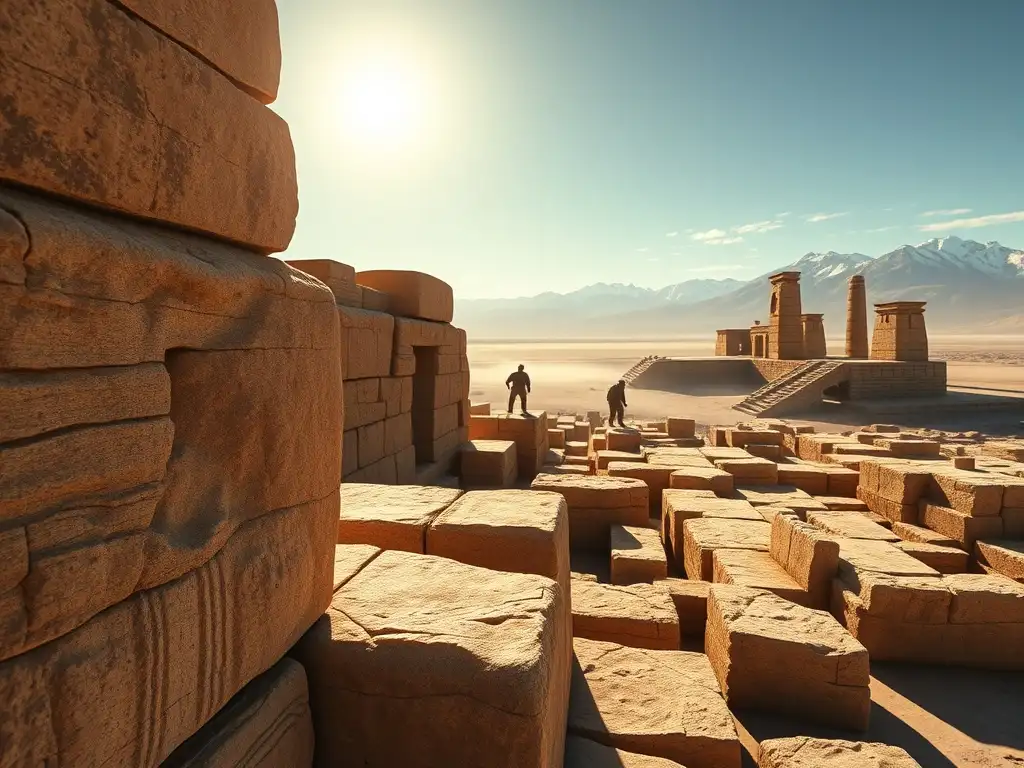
Step into a world lost to time, yet echoing with the whispers of a masterful civilization. Journey with us through the breathtaking Andes, where ingenuity and human endeavor shaped empires. Prepare to be astonished by the scale of achievement, as we unravel the mysteries surrounding Tiahuanaco construction labor methods. Discover how this ancient society built its monumental structures, a testament to their unparalleled skill and organization. The answers, and far more, await within…
The monumental architecture of Tiahuanaco, a pre-Columbian city located in modern-day Bolivia, continues to fascinate and puzzle researchers. Its massive stone structures, intricate carvings, and sophisticated engineering feats raise fundamental questions about the society that created them. This article delves into the crucial role of labor in Tiahuanaco's construction projects, exploring the methods employed, the organization of workforce, and the potential social implications of this immense undertaking.
Understanding the labor practices behind Tiahuanaco's construction sheds light on the city's complex social structure, technological capabilities, and overall significance within the Andean world. We will examine the evidence available to paint a picture of the people who built this remarkable city, focusing on the innovative Tiahuanaco construction labor methods employed. The scale of the project demands a deep investigation into how this labor was organized and managed to achieve such ambitious results.
Evidence of Organized Labor in Tiahuanaco
The sheer scale of Tiahuanaco’s construction projects – the massive Akapana pyramid, the intricate Kalasasaya complex, and the precisely cut and fitted megalithic stones – strongly suggests a highly organized and coordinated labor force. Archaeological evidence, though incomplete, hints at a sophisticated system of planning and execution. The precise quarrying, transportation, and placement of enormous stone blocks across significant distances require detailed knowledge of engineering, logistics, and a substantial workforce.
Analysis of the stone tools found at Tiahuanaco reveals specialized craftsmanship and the use of advanced techniques for shaping and transporting these massive stones. Further research is needed to fully understand the intricacies of this process, including the exact tools used and the organization of the workforce.
The precise number of laborers involved remains a subject of ongoing debate, but it is clear that a significant portion of the Tiahuanaco population must have been involved in the construction process. This points towards a highly structured society with a centralized authority capable of mobilizing and managing such a large-scale undertaking.
Transportation and Quarrying Techniques: Moving Mountains of Stone
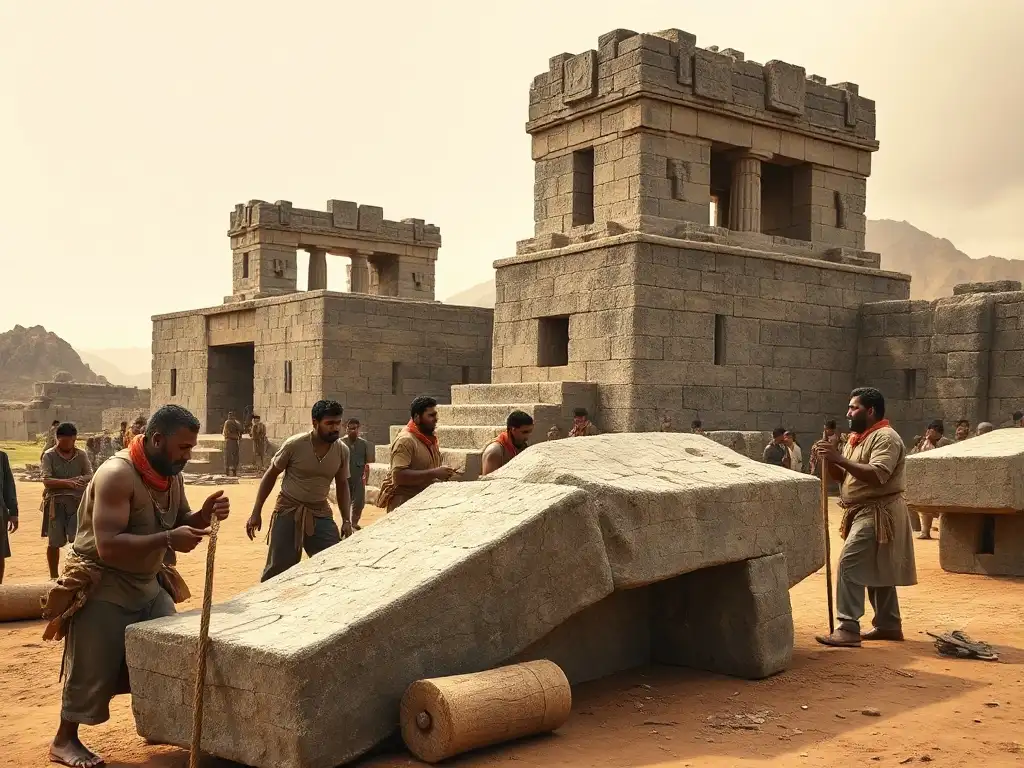
One of the most intriguing aspects of Tiahuanaco's construction is the origin of its building materials. Many of the stones used were quarried from significant distances, requiring sophisticated transportation methods. The precise methods employed remain a subject of ongoing research, but theories include the use of ramps, rollers, levers, and possibly even water-based transport systems. The precision with which these massive stones were cut and fitted suggests a high degree of skill and specialized knowledge among the Tiahuanaco stonemasons.
Evidence of different types of stone being used in different structures suggests a centralized planning system overseeing the selection and procurement of building materials. Further research into the quarries themselves and the pathways connecting them to the city is crucial to understanding the full logistical challenges of the construction process. Detailed analysis of the tool marks on the stones could provide further insights into the techniques used.
The construction of Tiahuanaco's monumental architecture likely had profound social implications for the city's inhabitants. The mobilization of such a large workforce necessitates a complex social structure with a system for allocating resources, organizing labor, and managing the project. This level of organization may indicate a powerful centralized authority capable of directing and controlling a significant portion of the population.
Furthermore, the construction projects likely played a crucial role in shaping social identities and reinforcing social hierarchies within Tiahuanaco society. Participation in these projects could have been a source of social status and prestige, while the organization of the workforce itself may reflect existing social divisions.
The social roles and responsibilities of different groups within the population during the construction process are areas of ongoing investigation and warrant further research. The impact of this immense construction activity on the daily life and social dynamics of the Tiahuanaco populace is an area ripe for further study.
Unanswered Questions and Future Research
Despite significant progress in understanding Tiahuanaco's construction, many questions remain unanswered. The exact organization of the labor force, the duration of the construction projects, and the impact of these projects on the city's economy and social structure all require further investigation. Future research should focus on integrating archaeological, anthropological, and ethnohistorical data to gain a more holistic understanding of Tiahuanaco's construction practices.
Further analysis of the existing archaeological evidence, combined with advanced techniques such as 3D modeling and remote sensing, could provide valuable insights into the methods and organization of the construction process. The ongoing excavation and analysis of Tiahuanaco's ruins promise to reveal further details about this fascinating society and its remarkable achievements. Unlocking the secrets of Tiahuanaco's construction methods will offer profound insights into the ingenuity and organizational capacity of this ancient Andean civilization.
- Evidence of Organized Labor in Tiahuanaco
- Transportation and Quarrying Techniques: Moving Mountains of Stone
- Social Implications of Large-Scale Construction Projects
- Unanswered Questions and Future Research
- How did the Tiahuanaco people manage to construct such massive structures?
- What kind of tools did Tiahuanaco builders use?
- What role did the social structure play in Tiahuanaco construction?
- Were there any specialized workers involved in Tiahuanaco construction?
- How did the environment impact Tiahuanaco's construction methods?
Understanding Tiahuanaco's Monumental Architecture and Labor Demands
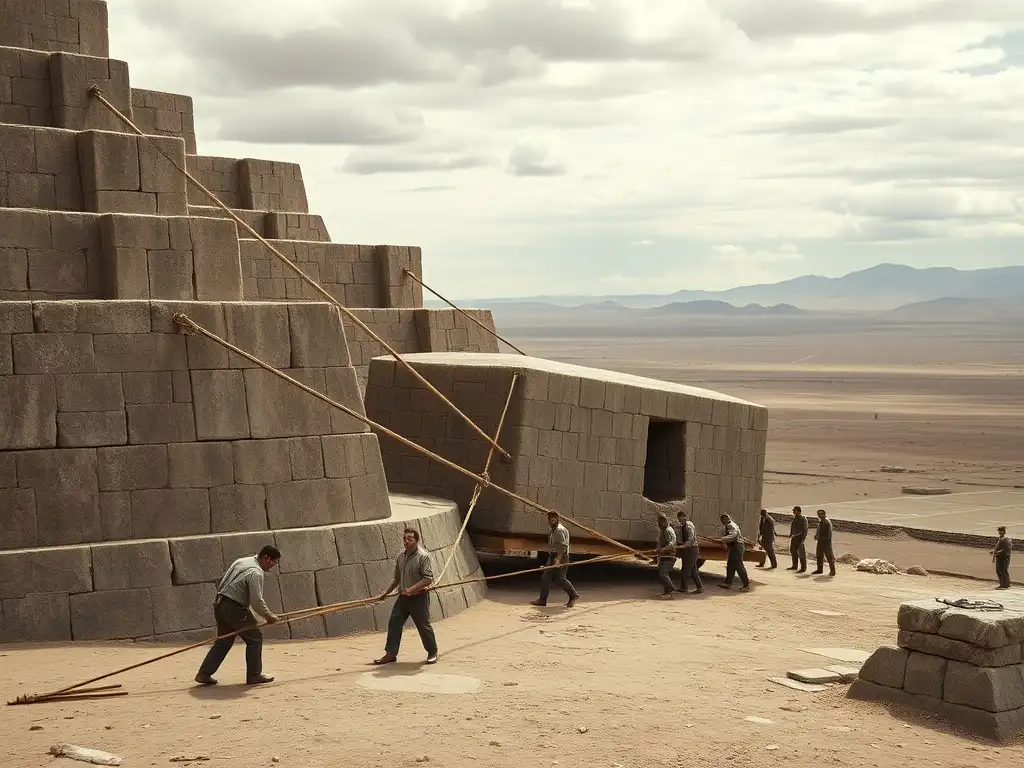
The sheer scale of Tiahuanaco's monumental architecture presents a compelling case study in ancient Andean engineering and societal organization. To comprehend the city's construction, we must first appreciate the immense labor demands inherent in its creation. This wasn't a haphazard undertaking; it required meticulous planning, sophisticated resource management, and a highly organized workforce, reflecting a complex social structure capable of mobilizing significant human capital.
The "Tiahuanaco construction labor methods" employed were not simply brute force; they involved a sophisticated understanding of engineering principles, material science, and logistics. This section delves into the scale of the projects and the necessity of a well-structured labor system.
The Scale of Tiahuanaco's Building Projects and the Need for Organized Labor
Tiahuanaco's most recognizable structures, such as the Kalasasaya, the Akapana pyramid, and the Gateway of the Sun, are testaments to the society's engineering prowess and organizational capacity. The precise dimensions and intricate carvings of these buildings demonstrate a level of precision rarely seen in other contemporary civilizations. Consider the Akapana pyramid alone: its massive size, estimated at over 180 meters in length, required the movement and placement of millions of stones, some weighing several tons.
This monumental task could not have been accomplished without a highly structured and coordinated workforce. Furthermore, the precise cutting and fitting of the stones, the sophisticated drainage systems incorporated into the structures, and the extensive use of intricate carvings all point to specialized labor and a sophisticated understanding of engineering principles. The transportation of raw materials from distant quarries across challenging terrain also presents a significant logistical challenge, demanding considerable planning and manpower.
Evidence suggests that the Tiahuanaco people utilized a combination of human and animal power for transport, highlighting the scale of their logistical capabilities. The precise methods employed remain a subject of ongoing research, but the sheer magnitude of the undertaking underscores the need for a highly organized and efficient labor system. The scale of these projects necessitates a deeper examination into the societal structures and labor organization that made them possible.
Key Architectural Achievements Requiring Extensive Tiahuanaco Labor Force
Several key architectural achievements at Tiahuanaco stand out as prime examples of the extensive labor force required. These include:
- The Kalasasaya Platform: This massive platform, a central element of the city, required the precise placement of enormous stones, some weighing up to 100 tons. The intricate alignment of the stones, their precise cuts, and their arrangement suggest a high level of technical skill and organized labor. The construction of this platform alone would have demanded the coordinated efforts of thousands of workers over an extended period.
- The Akapana Pyramid: As mentioned previously, the Akapana’s sheer size and the precision in its construction are astonishing. The internal structures and intricate water management systems within the pyramid further complicate the construction process, suggesting specialized labor divisions and a sophisticated understanding of hydraulic engineering.
- The Gateway of the Sun: This iconic gateway, with its intricate carvings and precise stonework, required a highly skilled workforce of stone cutters, sculptors, and builders. The detailed relief carvings depicting figures and symbols demanded exceptional craftsmanship and dedicated labor.
The construction of these structures, and others within the Tiahuanaco complex, required not just manual labor, but also specialized skills in areas such as stone carving, masonry, engineering, and logistics. The organization of this diverse workforce, the management of resources, and the coordination of efforts across different construction phases represent a sophisticated level of social and political organization, crucial to understanding the "Tiahuanaco construction labor methods" employed. Further research into the social structures and labor organization of Tiahuanaco is vital to fully appreciate the ingenuity and organizational capacity of this remarkable civilization.
The evidence suggests a sophisticated system of labor organization beyond simple conscription, possibly involving specialized guilds or other forms of social stratification. This aspect warrants further investigation to better understand the complete picture of Tiahuanaco's construction prowess.
Tiahuanaco Construction Labor Methods: Organizing the Workforce
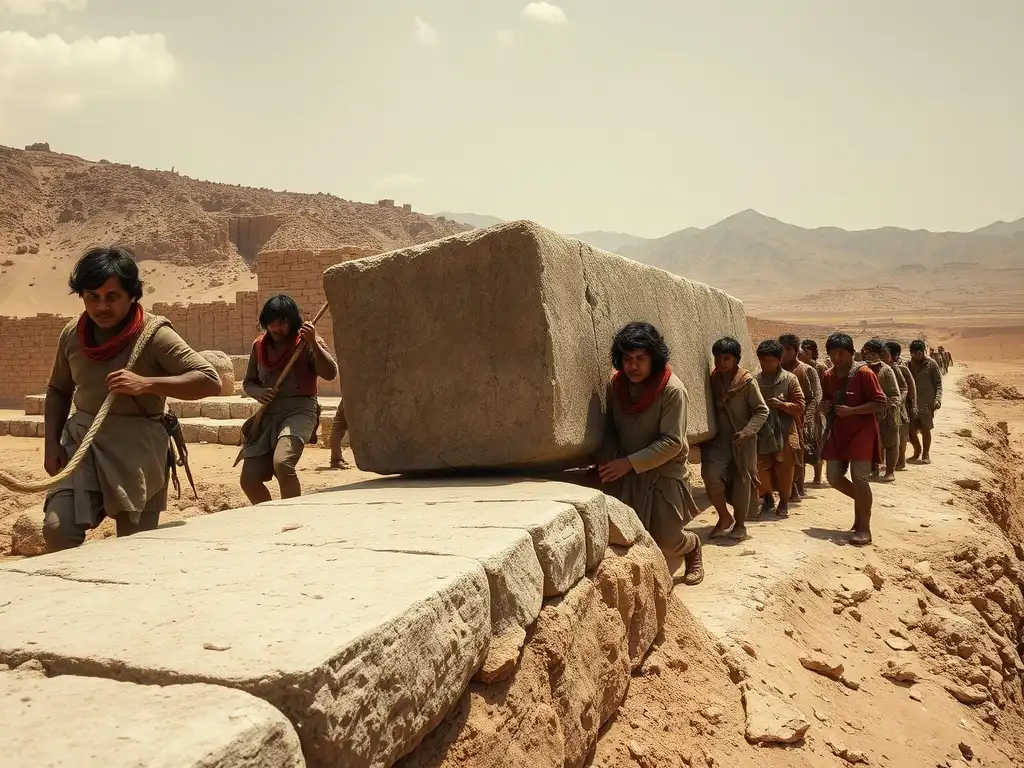
The monumental architecture of Tiahuanaco stands as a testament to the sophisticated organizational capabilities of its builders. Understanding the Tiahuanaco construction labor methods requires delving into the intricate systems that mobilized and managed the workforce responsible for such ambitious projects. This section will explore the recruitment, organization, and specialization of labor, highlighting the crucial role of leadership and oversight in the successful completion of Tiahuanaco's impressive structures. The sheer scale of the city's construction necessitates a highly structured and efficient system, a topic ripe for further investigation and research given the limited surviving textual records.
Recruitment and Organization of Tiahuanaco Laborers: The Mit'a System
The Mit'a system, a form of mandatory public service prevalent throughout the Andes, was likely a cornerstone of Tiahuanaco's construction workforce. While the precise details of its application in Tiahuanaco remain debated among scholars, evidence suggests that it played a significant role in mobilizing large numbers of laborers for specific projects. The Mit'a wasn't simply forced labor; it was intricately interwoven with the social and economic fabric of Andean society.
Individuals were called upon to contribute their labor for a set period, often in exchange for access to resources, land, and social standing. This system, while demanding, was a vital mechanism for large-scale infrastructure projects like those at Tiahuanaco.
Further research into the specific administrative records of the Mit'a system within the Tiahuanaco context is crucial to fully understanding its impact on construction practices. Archaeological evidence, such as the distribution of settlements and the types of tools found at various sites, could provide further insights into the geographic reach and organization of the Mit'a system during Tiahuanaco's peak.
Specialized Labor vs. General Labor in Tiahuanaco Construction
The construction of Tiahuanaco's monumental structures wasn't solely the work of unskilled laborers. Evidence points towards a highly specialized workforce, with individuals possessing specific skills and expertise. While many laborers likely performed general tasks such as transporting materials or preparing foundations, other specialists, such as stonemasons, carpenters, and metalworkers, were essential for the precise cutting, shaping, and fitting of the enormous stones.
The intricate precision of the stonework, particularly the fitting of massive blocks without mortar, suggests a high level of skill and training among specialized workers. This division of labor increased efficiency and allowed for the execution of complex architectural designs.
The existence of specialized workshops or training centers dedicated to specific crafts remains a topic of ongoing research, offering potential avenues for future investigation into the intricacies of Tiahuanaco's workforce. Analyzing the tools and techniques used, along with the stylistic variations in different parts of the city, could further illuminate the roles and organization of specialized labor.
The Role of Foremen and Overseers in Tiahuanaco Building Projects
The successful execution of Tiahuanaco's construction projects depended not only on the workforce but also on effective management and supervision. Foremen and overseers played a crucial role in organizing and directing the labor force, ensuring the efficient completion of tasks. These individuals likely held positions of authority within the social hierarchy, possessing the skills to manage large teams and coordinate complex operations.
Their responsibilities may have included task allocation, quality control, and conflict resolution. The precise methods of oversight and the extent of their authority remain uncertain, but their role was undoubtedly essential in maintaining order and productivity during construction. Further research is needed to understand the social status and training of these overseers, and how their authority was exercised within the broader societal structure of Tiahuanaco.
Identifying potential symbols of authority or administrative records related to construction projects could shed light on the structure of this crucial management layer. The complexity of the construction projects suggests a sophisticated system of project management, far beyond simple task delegation. Future studies should focus on uncovering evidence of planning, scheduling, and resource allocation strategies employed by Tiahuanaco's builders.
Logistics and Resources for Tiahuanaco Construction: A Complex Operation
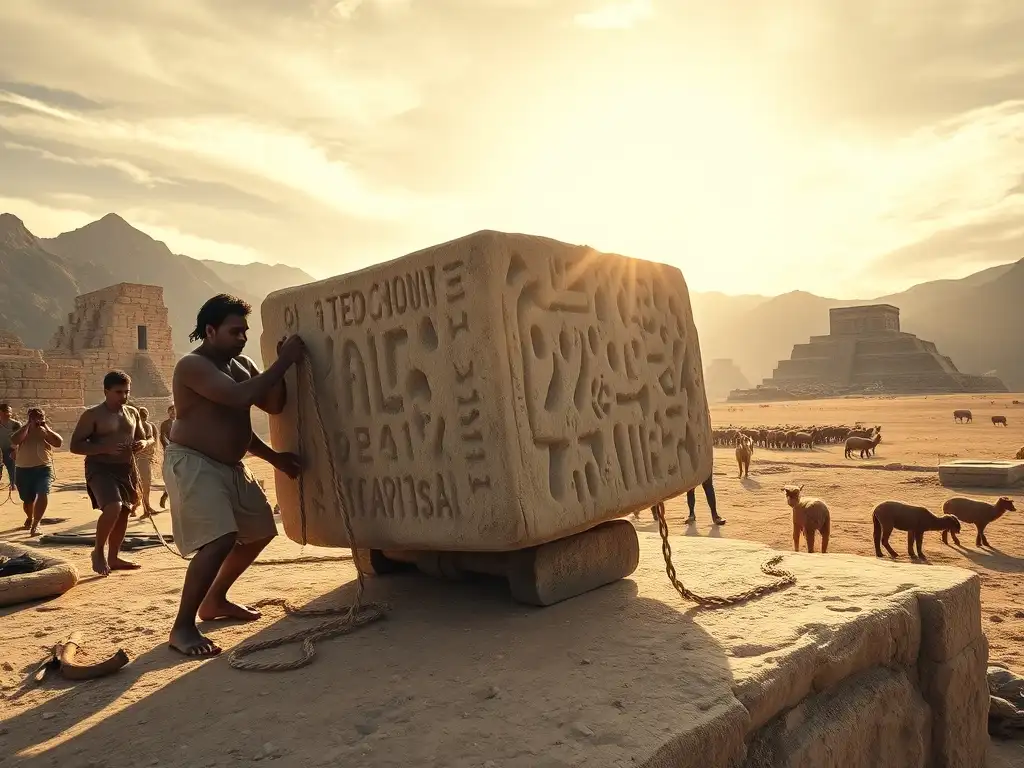
The monumental architecture of Tiahuanaco stands as a testament to the sophisticated organizational capabilities of its builders. Constructing such massive structures, including the Kalasasaya Temple and the Akapana pyramid, required meticulous planning and the efficient management of vast resources. Understanding the logistics behind Tiahuanaco's construction projects reveals a complex interplay of labor organization, resource mobilization, and technological ingenuity. The scale of the undertaking necessitates investigating several key logistical aspects, including the sourcing and transport of building materials, the provisioning of the workforce, and the implementation of advanced technologies for the time. This intricate system is crucial to understanding the Tiahuanaco construction labor methods employed.
Quarrying and Transporting Stone for Tiahuanaco Structures
Tiahuanaco's structures are primarily built from red sandstone, sourced from quarries located several kilometers from the city. The precise location of these quarries is still under investigation, but evidence suggests that the builders employed sophisticated methods for extracting and transporting these massive blocks. The sheer weight of some of the stones—some weighing several tons—presents a significant logistical challenge. Experts posit that the process involved a combination of techniques: initially, the sandstone was likely extracted using stone hammers and wedges, gradually separating blocks along natural fissures or pre-cut lines. Subsequently, the enormous blocks were transported using a combination of rollers, levers, ramps, and possibly even sledges or rafts, depending on the terrain. The precise methods, however, remain a subject of ongoing archaeological debate. The precision with which the blocks were cut and fitted suggests a high level of skill and understanding of engineering principles. The organization required to coordinate the quarrying, transport, and placement of these massive stones speaks volumes about the sophisticated project management employed by the Tiahuanaco civilization. Further research is needed to fully understand the details of this crucial aspect of Tiahuanaco construction labor methods.
Provisioning the Tiahuanaco Workforce: Food, Shelter, and Supplies
The construction of Tiahuanaco's monumental structures demanded a substantial workforce, likely comprising both skilled artisans and unskilled laborers. Provisioning such a large population required an intricate system for supplying food, shelter, and other essential resources. Archaeological evidence suggests a highly developed agricultural system in the region, capable of producing sufficient quantities of potatoes, quinoa, and other Andean staples to feed the workforce. However, the scale of the construction projects suggests that the food supply likely extended beyond local production, potentially incorporating trade networks with neighboring communities. The shelter for the workers is less well understood, although the presence of residential areas near the construction sites suggests that some workers may have lived in temporary settlements. The organization and management of these resources were essential to the success of the construction projects. The intricate system required to feed, house, and equip a large workforce over an extended period underscores the remarkable organizational capabilities of the Tiahuanaco society. This aspect of Tiahuanaco construction labor methods highlights their remarkable capacity for large-scale project management. Further investigation into the distribution of resources and the organization of worker communities is needed to fully understand the logistical challenges and innovations of the Tiahuanaco civilization.
The Use of Tools and Technology in Tiahuanaco's Construction
The precision and scale of Tiahuanaco's architecture point to the use of advanced tools and technologies for the time. While no detailed inventories of tools exist, archaeological findings suggest the use of stone hammers, chisels, and possibly even copper or bronze tools for shaping and carving stone blocks. The precise fitting of the stones, with minimal mortar used, suggests a high level of craftsmanship and an understanding of geometry and engineering principles. The evidence points to a sophisticated understanding of leverage and pulley systems for moving and placing the massive stones. The use of ramps and scaffolding is also likely, although the exact methods remain unclear. The development and application of these tools and techniques represent a significant technological achievement, contributing significantly to the success of the Tiahuanaco construction labor methods. Further research into the tools and technologies used, including metallurgical analysis of any metal tools discovered, would provide a clearer picture of the technological sophistication of the Tiahuanaco builders. The ingenuity displayed in these methods underscores the remarkable engineering skills of this ancient civilization.
The monumental architecture of Tiahuanaco stands as a testament to the sophisticated organizational capabilities of its builders. But the construction of such impressive structures, including the Kalasasaya Temple and the Puerta del Sol, had profound social implications, shaping the very fabric of Tiahuanaco society. Understanding the labor practices involved reveals insights into the social hierarchy, religious beliefs, and overall societal structure of this remarkable civilization.
Analyzing the “Tiahuanaco construction labor methods” unveils a complex interplay between social organization and engineering prowess. The sheer scale of the projects necessitates a highly organized workforce, implying a centralized authority capable of mobilizing and managing significant manpower.
The construction of Tiahuanaco's monumental structures likely reinforced and perhaps even created existing social hierarchies. The elite, likely comprising religious leaders and political authorities, would have overseen the projects, directing the labor force and controlling resource allocation. Evidence suggests a stratified system where specialized craftsmen, such as stone masons and architects, occupied higher social positions than unskilled laborers.
This stratification is visible in the quality of craftsmanship and the potential for specialized skills to be passed down through families, creating a skilled artisan class. The distribution of housing within the city itself may also reflect this hierarchy, with larger, better-constructed dwellings reserved for the elite, while those involved in manual labor lived in more modest accommodations. Further research into burial sites and grave goods could provide clearer insight into the social standing of different groups involved in construction.
While direct evidence of social stratification in Tiahuanaco construction is limited, archaeological findings offer clues. The precision and skill evident in the stonework of structures like the Puerta del Sol suggest a specialized workforce with advanced knowledge of engineering and stone manipulation techniques. The intricate carvings and precise fitting of massive stones point towards a system of apprenticeship and specialized training, passed down through generations of skilled artisans.
The existence of such specialized labor implies a social structure that valued and rewarded specialized skills, reinforcing social hierarchies. Analysis of skeletal remains from Tiahuanaco, if available, could provide additional insights into the physical demands placed on different labor groups and potentially reveal differences in diet or lifestyle based on social standing. Unfortunately, [specific information pending] regarding detailed analysis of skeletal remains and their correlation to social class within Tiahuanaco's construction workforce.
The Role of Ritual and Religion in Tiahuanaco Construction Labor
Religious beliefs and ritual practices likely played a significant role in the organization and execution of Tiahuanaco's construction projects. The city itself was designed according to a complex cosmological system, reflecting the importance of religious beliefs in shaping the physical environment. Construction may have been viewed as a sacred undertaking, with rituals performed to ensure successful completion and appease the gods.
The incorporation of symbolic elements and religious iconography into the architecture further underscores the significance of religion in the construction process. We can hypothesize that certain individuals may have held religious authority over the labor force, ensuring compliance and motivating workers through religious beliefs. The meticulous nature of the construction, the precision of the stonework, and the overall scale of the projects suggest a level of dedication and shared purpose that extended beyond mere economic incentives.
Further investigation into Tiahuanaco's religious beliefs and practices would illuminate the precise nature of the interplay between religion and labor in the construction of this remarkable city. The integration of religious ritual into the construction process may have been a crucial element in maintaining social cohesion and motivating the large workforce needed for such ambitious projects.
Analysis of Tiahuanaco Labor Practices and Their Legacy
The monumental architecture of Tiahuanaco stands as a testament to the sophisticated labor practices of its builders. Understanding these practices requires moving beyond simple admiration of the structures themselves and delving into the social, economic, and political systems that made such ambitious projects possible. The sheer scale of Tiahuanaco's construction—from the precise cutting and placement of massive stones to the intricate carvings and complex hydraulic systems—suggests a highly organized and efficient workforce.
While the specifics remain debated, analyzing available evidence allows us to reconstruct a plausible picture of Tiahuanaco's construction labor methods. The key lies in understanding the interplay between specialized labor, resource management, and the overall societal structure.
This analysis will focus on the methods employed, the organization of labor, and the lasting impact on subsequent Andean civilizations. The very existence of Tiahuanaco’s impressive structures is direct evidence of a highly developed and effective system of labor organization and management.
The organization of Tiahuanaco's construction projects reveals much about its social and political structure. The precision of the stonework, the standardization of components, and the efficient logistics required for transporting massive stones over long distances point towards a centralized authority capable of mobilizing and directing large numbers of workers. This suggests a hierarchical society with a powerful elite capable of commanding resources and manpower.
Evidence suggests the existence of specialized labor groups, with individuals or teams possessing specific skills in quarrying, stone cutting, transportation, and construction. This division of labor, a hallmark of complex societies, facilitated efficiency and expertise. The distribution of housing within the city, while still under investigation, may also reflect social stratification related to labor roles.
Further research into the distribution of artifacts and the analysis of skeletal remains could provide more refined insights into the social hierarchy and the role of different social groups in the construction process. Archaeological investigations continue to uncover new evidence, slowly revealing the intricate social dynamics of Tiahuanaco's workforce. The sophisticated organization of such a large-scale undertaking suggests a level of social control and political power rarely seen in contemporaneous Andean societies.
Comparing Tiahuanaco's Labor System with Other Andean Societies
Comparing Tiahuanaco's labor system with those of other Andean societies, like the Inca or Wari, reveals both similarities and differences. While all these civilizations employed large-scale labor projects, the specific methods and organizational structures varied. The Inca, for example, famously utilized the mita system, a form of rotational labor service, to mobilize their workforce.
While the precise nature of Tiahuanaco's labor organization remains unclear, it likely differed from the mita system in some key aspects. The scale of some of Tiahuanaco's projects, particularly the Kalasasaya complex, may suggest a more permanent or specialized workforce, possibly including full-time artisans and specialists. Further research comparing the size and scale of projects, the types of tools used, and the nature of the settlements associated with these projects could illuminate the distinct characteristics of Tiahuanaco's labor system relative to its contemporaries.
Understanding these differences and similarities is crucial for a comprehensive understanding of Andean societal development and the evolution of labor practices in the region. This comparative analysis offers a valuable framework for understanding the unique characteristics of Tiahuanaco’s approach to large-scale construction.
The Enduring Legacy of Tiahuanaco Construction Techniques
The sophisticated construction techniques employed at Tiahuanaco left a lasting impact on subsequent Andean civilizations. The precision of the stonework, the mastery of complex architectural designs, and the efficient use of resources served as a model for later builders. While the precise mechanisms of knowledge transmission remain a subject of ongoing research, the influence of Tiahuanaco's architectural innovations is undeniable.
The influence is evident in later constructions throughout the Andean region, reflecting a continuity of building traditions and techniques. The mastery of stonework, specifically the precise cutting and fitting of massive blocks without mortar, showcases an advanced understanding of engineering principles and a high level of craftsmanship. This legacy is not merely architectural; it represents a transmission of knowledge, skill, and organizational expertise that shaped the development of subsequent Andean societies.
The impact of Tiahuanaco’s construction methods extends far beyond its immediate geographical boundaries, shaping the architectural landscape of the Andes for centuries to come. The enduring legacy of Tiahuanaco’s construction techniques serves as a powerful testament to the ingenuity and organizational capacity of its builders.
Frequently Asked Questions
How did the Tiahuanaco people manage to construct such massive structures?
The Tiahuanaco civilization employed highly organized labor forces, likely utilizing a system of specialized work teams and advanced engineering techniques to move and place enormous stones. Their success also relied on efficient resource management.
What kind of tools did Tiahuanaco builders use?
While the exact tools are still being researched, evidence suggests they used stone hammers, chisels, and possibly copper tools for shaping and transporting stones. Simple levers and ramps were likely used to lift and position the massive blocks.
The hierarchical social structure of Tiahuanaco likely played a crucial role, with elite leadership overseeing large-scale projects and mobilizing labor from different segments of society. Tribute and corvée labor might have been employed.
Were there any specialized workers involved in Tiahuanaco construction?
Archaeological evidence suggests specialized craftspeople and engineers were involved. There's evidence for stone masons, carpenters, and possibly metallurgists, contributing to the sophisticated construction techniques.
How did the environment impact Tiahuanaco's construction methods?
The high-altitude environment of Lake Titicaca presented significant challenges. Tiahuanaco builders adapted by using locally sourced materials and developing techniques suited to the terrain and climate, including strategies for managing water and frost.
Final Reflection: The Enduring Legacy of Tiahuanaco's Workforce
The ingenious construction methods employed at Tiahuanaco remain a testament to the power of collective human endeavor, a lesson profoundly relevant in our modern world grappling with complex infrastructural challenges. Understanding how this ancient society mobilized its workforce offers valuable insights into project management, resource allocation, and the social dynamics necessary for monumental achievements. The scale of Tiahuanaco's accomplishments continues to inspire awe and demands a deeper understanding of the human cost and ingenuity behind them.
The sophisticated organization and planning evident in Tiahuanaco's construction projects highlight the importance of social cohesion and a shared vision in achieving ambitious goals. This resonates deeply with contemporary society, where collaborative efforts are crucial to addressing global issues. The dedication and skill of the Tiahuanaco workforce serve as a powerful reminder of what humans can accomplish when working together towards a common purpose. The monuments themselves are not just stone, but the solidified expression of a society's collective will and capacity.
Consider the implications of Tiahuanaco's labor practices. How can we learn from their organizational strategies to improve our own collaborative efforts? What can we glean from their resource management to address modern sustainability concerns? You, the reader, hold the power to apply these ancient lessons to your own life, whether in your workplace, community, or personal projects. Let the enduring legacy of Tiahuanaco inspire you to embrace collaboration, innovation, and a shared commitment to building a better future.
Uncover the Secrets of Labor in Tiahuanaco!
Thank you for exploring the fascinating world of Tiahuanaco and its remarkable constructions. You've gained valuable insights into how labor shaped this ancient society and its monumental achievements. Now, let's build on that knowledge!
Here are some ways to further your understanding and connect with this rich history:
- Delve deeper into the past: Explore resources on Andean civilizations to learn more about their labor practices and societal impact. Consider researching specific aspects like the organization of work crews, the tools used, or the social structures that supported these massive building projects.
- Share your discoveries: Discuss your findings with friends, family, or online communities to spark conversations about ancient engineering and societal structures.
- Visit a museum: Explore local museums for exhibits on pre-Columbian cultures to experience the history firsthand. Many museums offer interactive displays and artifacts that bring the past to life.
What aspect of Tiahuanaco's labor organization most surprised you, and how do you think it reflects the values and social structures of their society?