
The Puzzle of Tiahuanaco's Stone Clamps: Securing the Massive Blocks

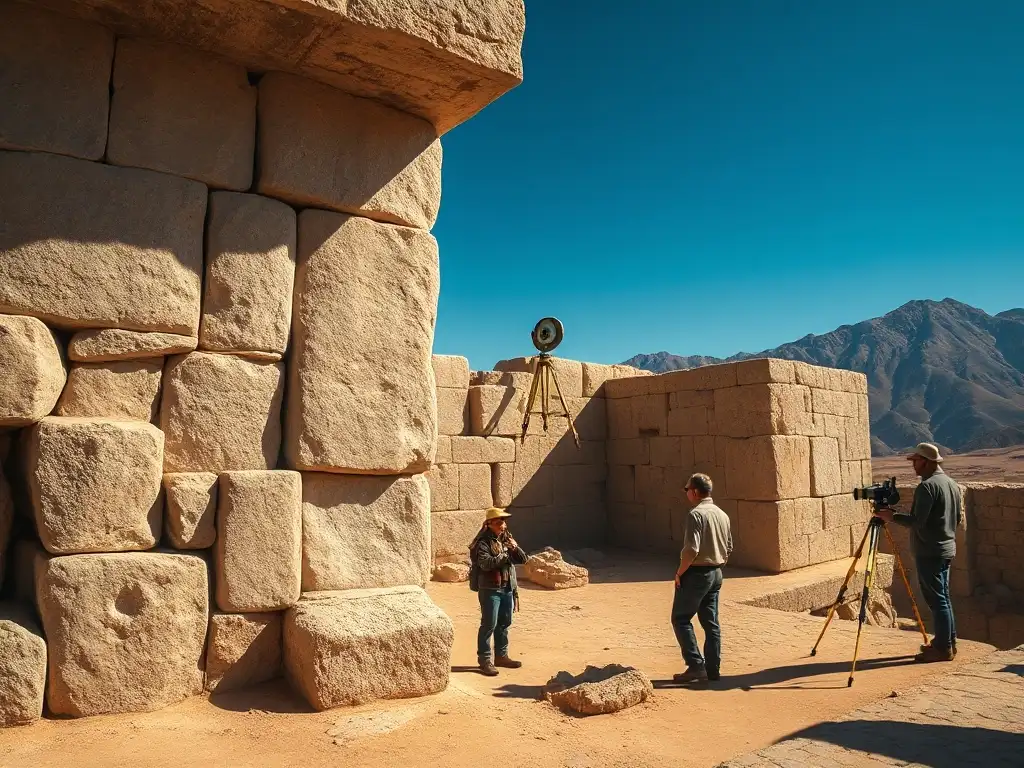
Step into a world lost to time, where colossal stones defied gravity and engineering marvels astounded even the most skilled builders. The Andean Civilizations website unveils the mysteries of ancient empires, from the Incas to the Nazca. But prepare to be captivated by the enigma of Tiahuanaco, and specifically, its seemingly impossible stonework. Discover the secrets behind the Tiahuanaco stone clamp construction methods – a puzzle that continues to challenge archaeologists and engineers alike. Dare to delve deeper into the intricacies of this lost world? Let's unravel the secrets together.
The city of Tiahuanaco, a pre-Columbian archaeological marvel located on the shores of Lake Titicaca in modern-day Bolivia, stands as a testament to the ingenuity and advanced engineering skills of its builders. This ancient metropolis, flourishing between 500 and 1000 CE, is renowned for its monumental structures crafted from massive blocks of stone, some weighing many tons. What remains a source of fascination and intense scholarly debate, however, is the precise method used to assemble these colossal stones with such precision.
Central to this mystery lies the enigmatic use of stone clamps – a sophisticated technology that allowed the Tiahuanacoans to erect their impressive structures without the use of mortar. This article delves into the puzzle of Tiahuanaco's stone clamp construction methods, exploring the significance of these clamps in the context of the city's architecture and examining the ongoing research aimed at uncovering the secrets of their construction.
Understanding these methods provides invaluable insight into the advanced technological capabilities and organizational prowess of this remarkable Andean civilization. We'll explore various hypotheses and the evidence supporting (or refuting) them, ultimately contributing to a more complete picture of Tiahuanaco's engineering prowess.
Introduction to Tiahuanaco's Architectural Marvels and the Enigma of Stone Clamps
Tiahuanaco's architecture is characterized by its monumental scale and precise stonework. The site boasts structures like the Kalasasaya, Akapana, and Pumapunku, all showcasing remarkably precise stone fitting. These structures are not merely piles of stones; they are complex constructions exhibiting an advanced understanding of geometry, engineering, and possibly even astronomy.
The massive blocks of andesite, some weighing over 100 tons, were meticulously shaped and fitted together with minimal gaps, a feat that continues to amaze archaeologists and engineers today. The key to understanding how these structures were built lies in the use of stone clamps, typically made of metal (possibly copper or bronze), which were inserted into holes drilled into adjacent stones to secure them together. The precision of the holes and the effectiveness of the clamps suggest a high level of technological sophistication, far exceeding what was previously believed possible for this time period.
The exact techniques employed in drilling the holes, shaping the clamps, and inserting them remain largely unknown, adding to the overall enigma surrounding Tiahuanaco's construction methods. The absence of mortar further emphasizes the sophistication of the clamping system, highlighting its crucial role in the structural integrity of these monumental buildings. This sophisticated technique allowed the Tiahuanacoans to create incredibly stable and durable structures that have, in many cases, withstood the test of time remarkably well.
The Importance of Stone Clamps in Tiahuanaco's Monumental Structures
The stone clamps were not merely decorative elements; they were integral to the structural stability of Tiahuanaco's buildings. Their strategic placement ensured that the massive blocks remained firmly in place, resisting seismic activity and weathering. The absence of mortar in many of the structures highlights the importance of these clamps in maintaining the integrity of the walls and preventing collapse. Without them, the immense weight of the stones would have likely caused significant instability.
The precise engineering involved in the placement and design of these clamps speaks volumes about the advanced understanding of structural mechanics possessed by the Tiahuanacoans. Analysis of surviving clamps and the corresponding holes in the stones reveals a remarkable level of precision, suggesting the use of advanced tools and techniques. Further research is needed to fully understand the metallurgical properties of the clamps and the processes used in their creation.
The study of Tiahuanaco's stone clamp construction methods offers a unique window into the technological and organizational capabilities of this fascinating civilization, challenging preconceived notions about the technological advancements of pre-Columbian societies. The intricate system of stone clamping demonstrates a level of planning, precision, and engineering skill that continues to inspire awe and wonder. The enduring legacy of Tiahuanaco is not only its impressive architecture but also the ingenious engineering solutions employed in its construction, particularly the sophisticated use of stone clamps.
- Introduction to Tiahuanaco's Architectural Marvels and the Enigma of Stone Clamps
- The Importance of Stone Clamps in Tiahuanaco's Monumental Structures
- What makes Tiahuanaco's stonework so unique?
- How were the massive stones of Tiahuanaco transported?
- What are Tiahuanaco stone clamps, and what is their purpose?
- What are the different types of stone clamp construction methods used at Tiahuanaco?
- What is the significance of studying Tiahuanaco's stone clamp construction methods?
Understanding Tiahuanaco Stone Clamp Construction Methods
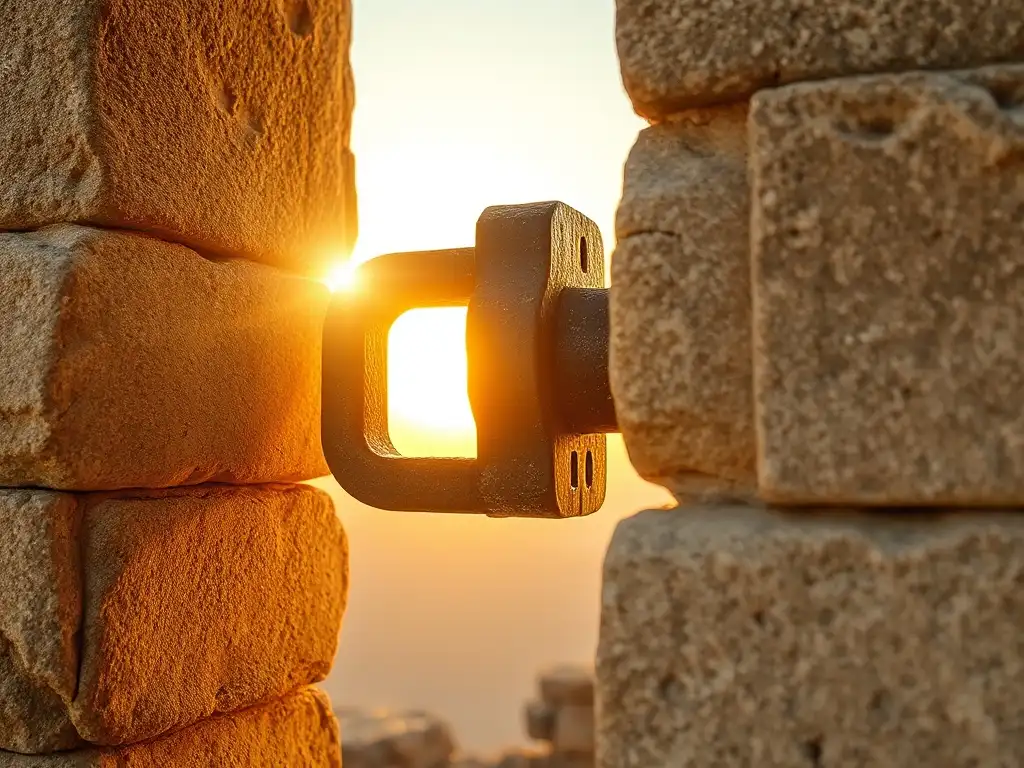
The precise methods employed by the Tiahuanaco people to construct their monumental structures, particularly their mastery of stonework, remain a source of fascination and ongoing research. A key element of their impressive engineering feats is the use of stone clamps—metal fasteners that secured massive blocks of stone together without the use of mortar. Understanding these "Tiahuanaco stone clamp construction methods" provides crucial insights into their advanced technological capabilities and sophisticated understanding of engineering principles.
This section delves into the specifics of these clamps, exploring their design, materials, and the techniques used in their creation and implementation. The precision and scale of their work continues to challenge modern engineering perspectives.
The Unique Design of Tiahuanaco's Stone Clamps: Shape and Material
Tiahuanaco's stone clamps weren't simply rudimentary metal pieces; they were meticulously crafted components designed to interlock with precision. Their shape often resembled a double-headed T, with two broad, flat ends and a narrower central section. This design allowed them to fit snugly into precisely cut grooves in the adjoining stone blocks. The clamps themselves were typically made from a variety of metals, which we'll explore further in the next section. The size of the clamps varied depending on the size and weight of the stones they were securing; larger stones naturally required larger and stronger clamps. The meticulous fitting of the clamps within the stone grooves is a testament to the Tiahuanaco artisans' skill and understanding of engineering principles. Consider the immense weight of these blocks—the precision needed to ensure a secure fit is truly remarkable. Archaeological evidence suggests that the fit was so tight that the clamps likely helped distribute the weight across the entire structure, enhancing its stability and longevity.
The overall design aimed for maximum strength and stability, preventing slippage and maintaining the integrity of the monumental structures even under seismic stress. This sophisticated approach to stonework significantly impacted the longevity and structural integrity of Tiahuanaco's buildings.
Analyzing the Materials Used in Tiahuanaco Stone Clamps: From Copper to Bronze
The choice of materials for the Tiahuanaco stone clamps reveals advanced metallurgical knowledge. While copper was commonly used, analysis of excavated clamps has also revealed the use of bronze—an alloy of copper and tin. The use of bronze indicates a more sophisticated metallurgical process, suggesting a higher level of technological advancement than initially assumed. The exact proportions of copper and tin in the bronze alloys varied, potentially influencing the clamp's strength and durability. Further research is needed to fully understand the metallurgical techniques employed and the reasons behind the selection of specific alloys.
The availability of these metals and the techniques used to extract and refine them provides insights into the Tiahuanaco's economic and technological capabilities. The fact that they were able to work with these metals to create such intricate and functional components speaks volumes about their technical prowess. The presence of both copper and bronze clamps within the same structures suggests a possible evolution in their metallurgical techniques over time, or perhaps the use of different metals for different purposes, based on factors like the required strength and the availability of resources. The precise reasons behind this variation remain an area of active study.
Techniques for Creating the Stone Clamp Grooves on Tiahuanaco's Megaliths
Creating the grooves to accommodate the clamps was a feat of engineering in itself. The precision required to cut these grooves into the massive stone blocks, often made from andesite, is astounding. The exact methods used remain a subject of debate, but it's clear that the Tiahuanaco people possessed advanced stone-working tools and techniques. Analysis of the grooves suggests the use of hard stone tools, possibly incorporating abrasive materials like sand or quartz.
The process likely involved multiple stages, beginning with the rough shaping of the groove and culminating in the extremely precise finishing to ensure a tight fit for the clamps. The incredibly smooth surfaces of the finished grooves indicate a high level of skill and patience. The development of such sophisticated techniques points to a long tradition of stone-working expertise within the Tiahuanaco civilization. The remarkable precision of these grooves, some barely a millimeter wide, showcases a level of skill and technical knowledge that continues to impress modern researchers. The consistent accuracy across numerous megaliths suggests a standardized approach and a well-defined system of production. Further research is needed to fully understand the tools and techniques employed in this complex and impressive process. The study of these "Tiahuanaco stone clamp construction methods" continues to unveil the sophisticated engineering and technological prowess of this remarkable civilization.
The Functionality and Purpose of Stone Clamps in Tiahuanaco's Architecture
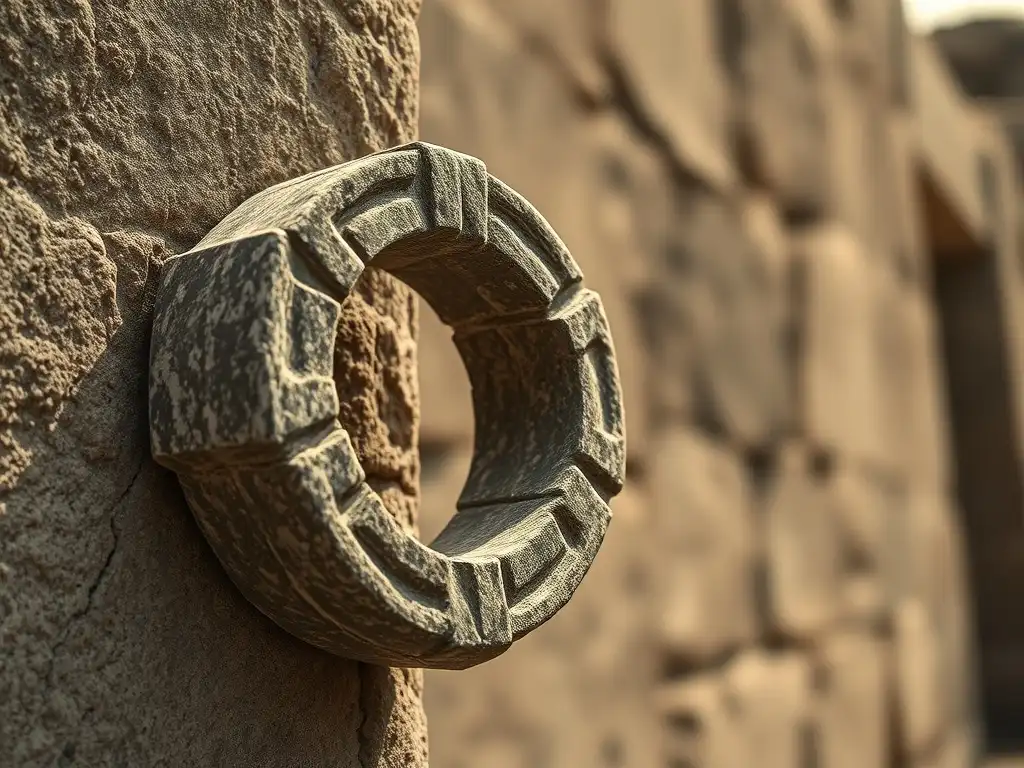
The monumental structures of Tiahuanaco, a pre-Columbian city in modern-day Bolivia, stand as a testament to the sophisticated engineering skills of its builders. A key element contributing to the stability and longevity of these structures is the extensive use of stone clamps, meticulously crafted and strategically placed to secure massive blocks of stone. Understanding the functionality and purpose of these clamps is crucial to appreciating the ingenuity of Tiahuanaco's architects and engineers.
The precise methods employed in their creation and placement remain a subject of ongoing research and debate, adding to the enduring mystery surrounding this remarkable civilization. Analysis of the clamps reveals not only their structural role but also insights into the advanced technological capabilities of the Tiahuanaco people. This section will delve into the various functions these clamps served in the construction of Tiahuanaco's impressive architecture, shedding light on the "Tiahuanaco stone clamp construction methods" employed.
Stone Clamps as Structural Reinforcements: Ensuring Stability of Tiahuanaco Buildings
Tiahuanaco's architecture is characterized by the use of massive stone blocks, some weighing many tons. These blocks were meticulously shaped and fitted together to create impressive walls and structures. However, the sheer size and weight of these blocks presented significant engineering challenges.
The stone clamps served as crucial structural reinforcements, preventing the blocks from shifting or separating under pressure. Their strategic placement, often within the joints between blocks, acted as a kind of internal bracing system, enhancing the overall stability and load-bearing capacity of the structures. The precise design and placement of these clamps varied depending on the specific architectural element, suggesting a deep understanding of structural mechanics.
Analysis of surviving structures reveals that the clamps were often inserted into pre-drilled holes, indicating a level of planning and precision rarely seen in contemporary construction projects of similar scale. This meticulous approach to construction ensured the longevity and resilience of Tiahuanaco's buildings, which have withstood the test of time remarkably well. The effectiveness of these methods is evidenced by the standing remnants that we can observe today.
Preventing Seismic Damage: The Role of Tiahuanaco Stone Clamps in Earthquake Resistance
The Andean region is known for its seismic activity. The ingenious use of stone clamps in Tiahuanaco's construction may have played a significant role in mitigating earthquake damage. By tightly binding the massive blocks together, the clamps helped to prevent the blocks from shifting or dislodging during seismic events.
This is particularly important given the considerable weight and height of some of the structures. The clamps acted as a flexible bonding agent, allowing for some movement between blocks while maintaining overall structural integrity. The design of the clamps, often incorporating interlocking mechanisms, further enhanced their ability to absorb seismic energy.
While the exact level of earthquake resistance provided by these clamps remains a topic of ongoing research, their presence suggests a sophisticated understanding of seismic forces and a proactive approach to mitigating potential damage. The very survival of many structures through centuries of seismic activity strongly suggests the effectiveness of these "Tiahuanaco stone clamp construction methods" in earthquake resistance.
Stone Clamps as a Bonding Agent: Joining Massive Blocks in Tiahuanaco's Walls
Beyond their structural reinforcement role, Tiahuanaco stone clamps served as a crucial bonding agent, effectively joining the massive blocks together to create monolithic walls. The precise manner in which the clamps were inserted and secured remains a subject of fascination for archaeologists and engineers. Evidence suggests that a variety of techniques were employed, including the use of molten metal (possibly copper or bronze) to fill the gaps around the clamps and create a strong, durable bond.
This process would have required advanced metallurgical knowledge and sophisticated tooling. The resulting bond was not merely mechanical; the molten metal acted as an adhesive, further securing the blocks and enhancing the overall stability of the wall. The effectiveness of this bonding technique is evident in the remarkable preservation of many Tiahuanaco walls, demonstrating the sophistication of the "Tiahuanaco stone clamp construction methods" used to create these impressive structures.
The precision required for this technique highlights the advanced technological capabilities of the Tiahuanaco civilization. Further research into the metallurgical composition of the clamps and the bonding agents could provide even more insight into their construction methods.
Comparative Analysis of Tiahuanaco Stone Clamps with Other Ancient Civilizations
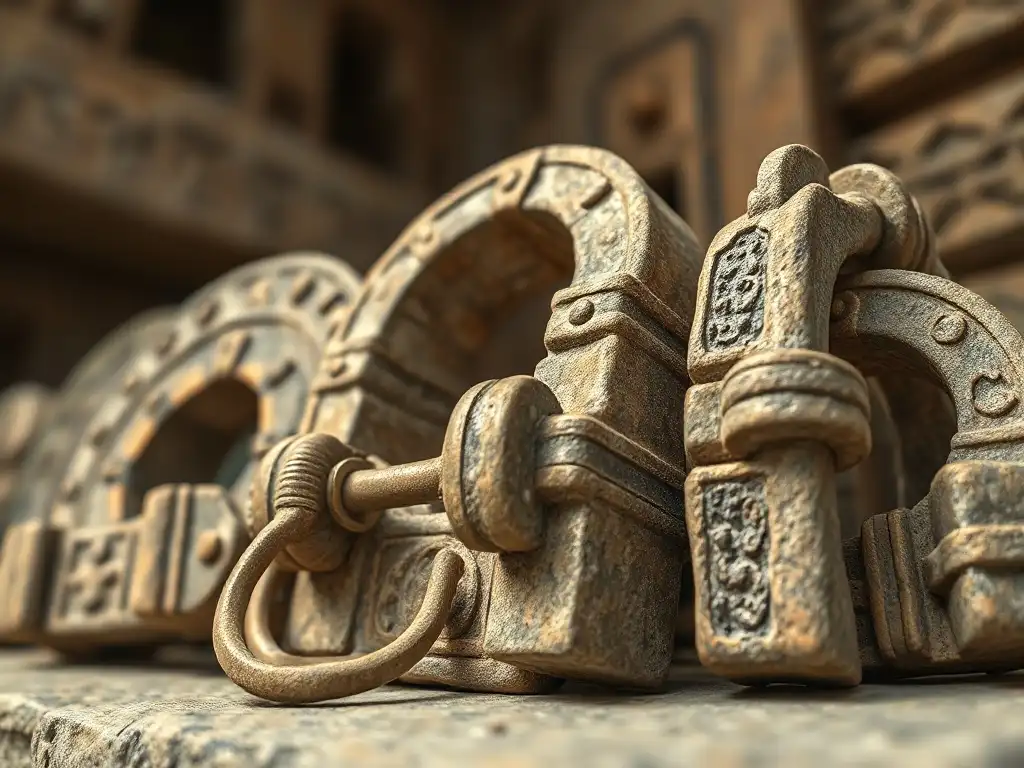
This section delves into the intricacies of Tiahuanaco's stone clamp construction methods, comparing and contrasting them with techniques employed by other ancient civilizations. Understanding these differences provides crucial insights into the unique engineering prowess of the Tiahuanaco culture and its place within the broader context of ancient architectural achievements. The precision and scale of Tiahuanaco's stonework, secured by its sophisticated clamp system, remain a testament to advanced engineering knowledge and meticulous craftsmanship. Analyzing these methods alongside those of other cultures highlights the innovative aspects of Tiahuanaco's approach to massive stone construction.
Contrasting Stone Clamps in Tiahuanaco with Similar Techniques in Other Andean Cultures
While Tiahuanaco's use of stone clamps is remarkable, it's important to note that other Andean cultures also employed methods for securing large stone blocks. However, significant differences exist in the types of clamps, the precision of their placement, and the overall scale of the projects. For example, while some smaller-scale structures in the Wari and Inca empires utilized rudimentary forms of stone fastening, these rarely involved the complex, multi-part clamps and the massive blocks characteristic of Tiahuanaco.
The Tiahuanaco system demonstrates a level of sophistication and standardization not consistently observed in other Andean cultures. Further research is needed to fully quantify the differences in clamp design and material across various Andean societies, but preliminary evidence suggests Tiahuanaco's system was exceptionally advanced for its time.
This difference could be attributed to several factors, including access to specific resources, unique engineering knowledge, or even differing cultural priorities. The sheer size and precision of the Tiahuanaco structures—a direct result of their superior clamping techniques—stand in stark contrast to the generally smaller scale of constructions in other contemporary Andean societies.
Differences in Stone Fastening Methods: Tiahuanaco vs. Ancient Egypt and Greece
Comparing Tiahuanaco's stone clamp construction methods with those of ancient Egypt and Greece reveals fascinating contrasts. Ancient Egyptian builders, famed for their monumental pyramids, primarily relied on techniques like massive stone blocks carefully fitted together with minimal mortar. While impressive in scale, their methods differed significantly from Tiahuanaco's use of precisely crafted metal clamps to secure blocks.
Similarly, Greek architecture, though utilizing sophisticated techniques for joining stones, generally relied on different approaches, such as intricate mortise and tenon joints or the use of metal dowels. Unlike the Tiahuanaco system, which employed clamps to secure blocks of varying sizes and shapes, these methods often relied on a higher degree of uniformity in the stone elements. The Tiahuanaco approach, therefore, showcases a unique solution to the challenge of constructing massive structures with less reliance on perfectly shaped blocks.
The complexity of the Tiahuanaco clamps, with their intricate designs and precise placement, stands apart from the simpler fastening methods employed by these other ancient civilizations. This difference underscores the unique engineering ingenuity of the Tiahuanaco people.
Tiahuanaco's Unique Approach to Stone Joining Compared to Contemporary Societies
Tiahuanaco's stone clamp construction methods also differ significantly from contemporary techniques. Modern construction relies heavily on concrete, steel rebar, and sophisticated machinery. While some modern projects may still use stone, the methods for joining and securing these stones are vastly different.
Contemporary techniques prioritize speed and efficiency, often employing prefabricated components and standardized procedures. Tiahuanaco's approach, in contrast, was characterized by meticulous craftsmanship, highly specialized tools, and a deep understanding of stone properties. The level of precision required to create and install the Tiahuanaco clamps is rarely matched in modern construction, where speed and cost-effectiveness often take precedence over such intricate detailing.
The Tiahuanaco techniques offer a valuable lesson in precise stonework and the ingenuity of ancient builders, highlighting the enduring relevance of studying these ancient construction methods. The enduring mystery surrounding the exact metallurgy and manufacturing processes of the clamps themselves further emphasizes the uniqueness of Tiahuanaco's approach. Analyzing these differences provides valuable insights into the evolution of construction techniques and the enduring legacy of Tiahuanaco's remarkable engineering achievements.
Theories and Interpretations of Tiahuanaco's Stone Clamp Technology
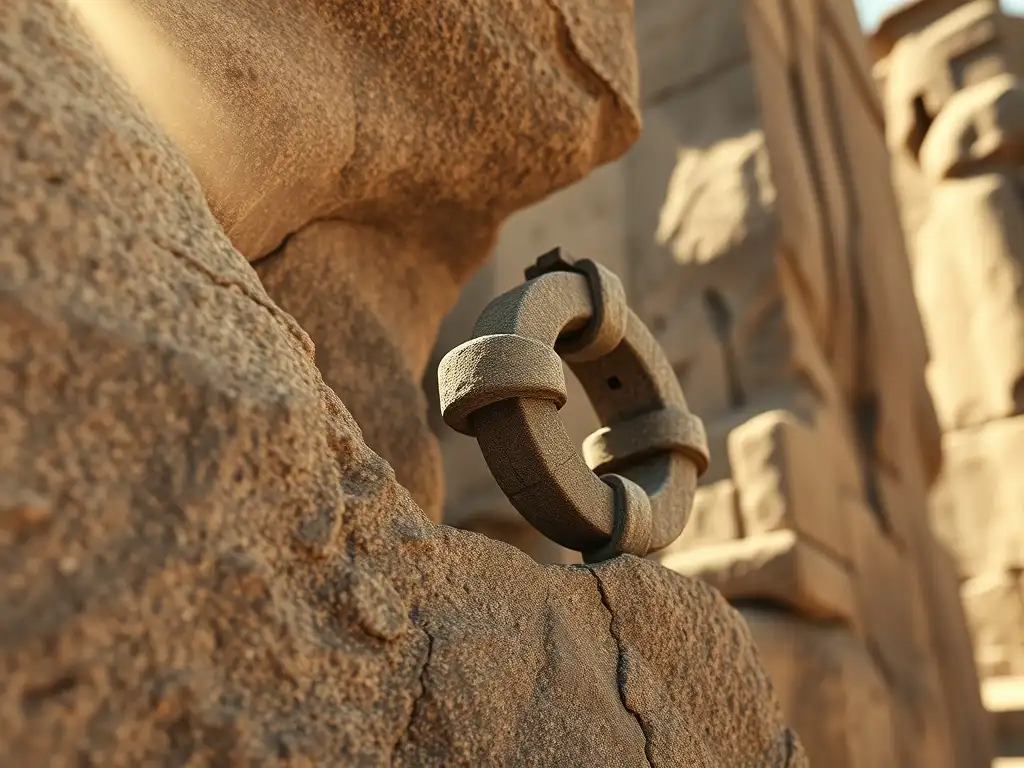
The precise methods employed by Tiahuanaco builders to secure their massive stone blocks remain a subject of ongoing debate and fascination. The sheer scale and precision of the structures, coupled with the sophisticated use of stone clamps, continue to puzzle archaeologists and engineers alike. Several theories attempt to explain this remarkable feat of ancient engineering, each offering unique insights into the ingenuity of the Tiahuanaco people and their mastery of stonework.
Understanding these theories requires careful consideration of the available evidence, including the types of clamps used, the nature of the stone blocks, and the overall architectural design of Tiahuanaco's monumental structures. The lack of extensive written records from the Tiahuanaco civilization adds another layer of complexity, forcing researchers to rely heavily on archaeological findings and comparative studies of similar ancient building techniques. This makes the study of "Tiahuanaco stone clamp construction methods" a truly captivating pursuit.
The Precision and Skill Involved in Tiahuanaco's Stone Clamp Construction
The precision evident in Tiahuanaco's stonework is breathtaking. The massive blocks, often weighing many tons, were fitted together with incredible accuracy, leaving minimal gaps between them. The stone clamps themselves, typically made of copper or bronze alloys, were meticulously crafted to fit snugly into pre-cut grooves or holes in the stone.
This level of precision suggests a high degree of planning and skill, indicating a sophisticated understanding of geometry, metallurgy, and construction techniques. Analysis of the surviving clamps reveals remarkable tolerances, with some fitting within a fraction of a millimeter. This meticulousness extends beyond the clamps themselves; the preparation of the stone blocks, the cutting of grooves, and the overall alignment of the stones all demonstrate an exceptional level of craftsmanship.
The sheer effort and expertise required to achieve such accuracy underlines the advanced technological capabilities of the Tiahuanaco civilization. Furthermore, the consistency observed across numerous structures suggests a standardized approach to construction, possibly indicating the existence of specialized workshops or guilds dedicated to this intricate work. The enduring legacy of their skill is evident in the structures that still stand today, a testament to the builders' mastery.
Examining the Evidence: Stone Clamp Marks and Their Significance
Careful examination of the stone blocks at Tiahuanaco reveals significant clues about the construction methods used. The presence of distinct marks, grooves, and holes on the stone surfaces provides direct evidence of the use of stone clamps. These marks are not random; they are precisely positioned and consistently sized, indicating a planned and systematic approach to securing the blocks.
The shapes and sizes of these marks vary depending on the type of clamp used and the specific location on the stone block. For example, some blocks show evidence of clamps inserted into pre-drilled holes, while others exhibit grooves designed to receive a different type of clamp. Analyzing these variations helps researchers to understand the range of techniques employed by the Tiahuanaco builders and the evolution of their construction methods over time.
The study of these "Tiahuanaco stone clamp construction methods" is further enhanced by the use of advanced imaging techniques, such as 3D scanning and photogrammetry, which allow for detailed documentation and analysis of these subtle yet crucial features. The information gathered from these analyses contributes significantly to our understanding of the overall construction process.
Unraveling the Mysteries: Possible Tools and Techniques Used by Tiahuanaco Builders
The tools and techniques used by Tiahuanaco builders to create and install these intricate stone clamps remain largely speculative. However, based on the available evidence and comparative studies of other ancient civilizations, several possibilities have been proposed. The precise cutting of the stone blocks likely involved the use of specialized stone tools, potentially including harder stones like diorite or obsidian, along with abrasive materials like sand or quartz.
The creation of the metal clamps themselves would have required advanced metallurgical skills, including the ability to smelt copper and tin ores, create bronze alloys, and shape the metal into the required forms. Hammerstones, chisels, and possibly even rudimentary lathes may have been employed in the crafting of these clamps. The precise fitting of the clamps likely involved careful measuring, alignment, and potentially the use of wedges or levers to secure them firmly in place.
Further research into similar ancient technologies, coupled with ongoing archaeological investigations at Tiahuanaco, may help to shed more light on the specific tools and techniques employed by these remarkable builders. The continued investigation of "Tiahuanaco stone clamp construction methods" promises to further enrich our understanding of this fascinating ancient civilization. The complexity of the task underscores the advanced level of engineering and craftsmanship achieved by the Tiahuanaco people.
The Legacy of Tiahuanaco's Stone Clamp Engineering
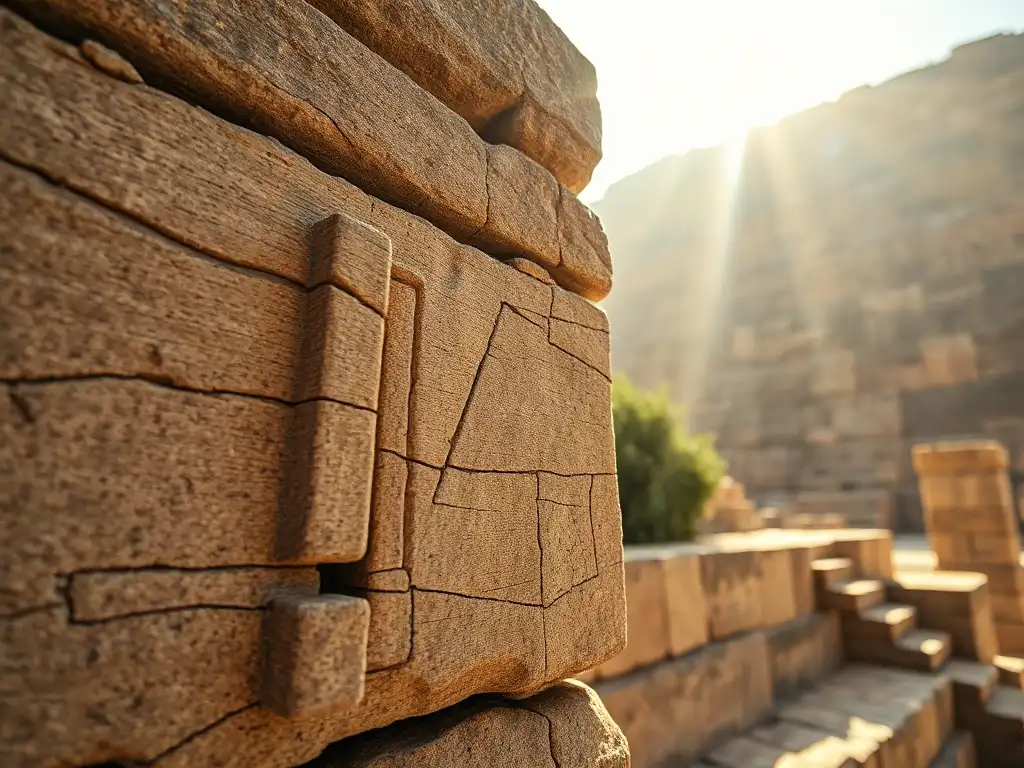
The ingenuity displayed in Tiahuanaco's stone clamp construction methods left an undeniable mark on Andean architecture. While the precise extent of its influence remains a subject of ongoing research, the sophisticated techniques employed in securing massive blocks likely inspired, or at least paralleled, similar practices in later Andean cultures. The sheer scale of the Tiahuanaco structures, particularly those using the characteristic precisely-cut stone blocks, presents a compelling case study in ancient engineering prowess, influencing subsequent builders for centuries. The precision required for creating and utilizing these clamps suggests a high level of organizational skill and technological sophistication, characteristics that likely permeated various aspects of Tiahuanaco society and influenced later civilizations. Understanding the legacy of Tiahuanaco's stone clamp construction requires detailed comparative studies of subsequent Andean architecture, searching for evidence of similar techniques and design principles. This comparative analysis is crucial to fully appreciating the long-term impact of Tiahuanaco's engineering achievements.
The Impact of Tiahuanaco's Stone Clamp Techniques on Subsequent Andean Architecture
The impact of Tiahuanaco's advanced stonework techniques, particularly their mastery of stone clamp construction, is evident in the subsequent architectural developments across the Andes. While direct lineage is difficult to definitively prove, similarities in stone-joining methods and architectural styles suggest a strong connection. For example, [Specific examples of similar techniques in later Andean architecture pending].
The use of precisely cut stones and intricate joining systems, hallmarks of Tiahuanaco architecture, can be seen in [Specific examples of similar architectural features in later cultures pending]. These similarities, while needing further research to establish direct links, suggest a dissemination of knowledge and techniques, either through direct interaction, cultural exchange, or independent innovation inspired by Tiahuanaco's achievements.
The sophisticated level of planning and execution necessary for Tiahuanaco's monumental constructions likely served as a benchmark for later Andean builders, pushing the boundaries of their own engineering capabilities. Further research into the chronology and geographical distribution of similar techniques will shed more light on the extent of Tiahuanaco's influence.
Preserving the Knowledge: Studying and Protecting Tiahuanaco's Stone Clamps
Preserving the knowledge embedded within Tiahuanaco's stone clamp construction methods is paramount. This involves not only protecting the remaining physical structures but also meticulously documenting the existing clamps through detailed surveys, high-resolution photography, and advanced 3D modeling techniques. This detailed documentation is crucial for future research and allows for the creation of digital archives that can be accessed by scholars worldwide.
Furthermore, ongoing conservation efforts are vital to mitigate the effects of erosion and environmental damage. The application of appropriate conservation strategies is essential to ensure the long-term preservation of these invaluable historical artifacts. This includes careful monitoring of the site's microclimate and the implementation of preventative measures to protect the stone clamps from further deterioration.
The preservation of these unique engineering marvels is not only a matter of historical significance but also a crucial step in understanding the technological advancements of the Tiahuanaco civilization. The detailed study and protection of these clamps are critical for ensuring that future generations can appreciate and learn from this remarkable achievement.
Future Research: Uncovering More Secrets of Tiahuanaco's Stone Joining Technology
Despite significant progress, many questions remain unanswered regarding Tiahuanaco's stone joining technology. Future research should focus on several key areas. Firstly, a more comprehensive analysis of the types of stone used, their sourcing, and the methods of extraction and transportation is needed.
Secondly, a detailed investigation into the tools and techniques used in creating and installing the stone clamps would offer invaluable insights into the sophistication of Tiahuanaco engineering. This might involve experimental archaeology, replicating the process to understand the challenges and the level of skill required. Thirdly, advanced imaging techniques, such as ground-penetrating radar and multispectral imaging, could reveal hidden features and provide a clearer understanding of the internal structure of the buildings and the placement of the clamps.
Finally, comparative studies with other Andean cultures should be expanded to better understand the diffusion of knowledge and the unique aspects of Tiahuanaco's stone clamp technology. By addressing these research questions, we can significantly enhance our understanding of this remarkable achievement in ancient Andean engineering and its lasting legacy. The potential for new discoveries and a deeper understanding of Tiahuanaco's "Tiahuanaco stone clamp construction methods" remains high, promising exciting advancements in our knowledge of this fascinating civilization.
Conclusion: The Enduring Significance of Tiahuanaco Stone Clamps
This exploration of Tiahuanaco's stone clamp construction methods reveals a sophisticated understanding of engineering and architecture far surpassing previous assumptions about pre-Columbian societies. The precision, innovation, and sheer scale of the structures built using these clamps stand as a testament to the ingenuity of the Tiahuanaco people. Understanding these methods allows us to appreciate not only the monumental architecture itself but also the complex social and technological advancements that made such feats possible.
The puzzle of how these massive blocks were secured is far from completely solved, but ongoing research continues to shed light on this remarkable achievement. Further investigation into the quarries, transportation methods, and the specific metallurgical processes involved in creating the clamps will undoubtedly enrich our understanding of Tiahuanaco's remarkable engineering prowess and contribute significantly to the field of Andean archaeology.
Summarizing the Importance of Tiahuanaco's Innovative Stone Clamp Methods
Tiahuanaco's stone clamp technology represents a significant departure from other known construction methods of the time. Unlike mortar, which relies on a chemical binding process, the Tiahuanaco clamps utilized a purely mechanical system. This mechanical approach allowed for the secure joining of massive stone blocks without the need for large quantities of binding agents. The precision with which the clamps were crafted and fitted into the stonework is astonishing, demonstrating a high level of skill and planning.
This innovative approach to construction allowed the builders to erect structures of unprecedented size and complexity, showcasing their advanced knowledge of engineering principles and material science. The efficiency of the clamping system is also noteworthy. It provided a strong, durable bond capable of withstanding seismic activity, which is crucial given the region's susceptibility to earthquakes.
The use of metal clamps also suggests a well-developed metallurgical industry within the Tiahuanaco civilization. The complexity and effectiveness of the Tiahuanaco stone clamp system highlight the sophistication of their engineering and architectural achievements. This system allowed for the creation of monumental structures that continue to inspire awe and wonder centuries later.
The Contribution of Tiahuanaco to Ancient Engineering and Architecture
The Tiahuanaco stone clamp construction methods represent a significant contribution to the broader understanding of ancient Andean engineering and architecture. The precision and scale of their constructions challenge earlier assumptions about the technological capabilities of pre-Columbian societies. The use of these clamps demonstrates a profound understanding of structural mechanics, load distribution, and material properties.
This sophisticated approach to construction allowed the Tiahuanaco people to overcome the limitations imposed by the size and weight of the stone blocks, enabling them to create monumental structures that are still largely intact today. By analyzing these methods, we gain valuable insights into the planning, organization, and resource management involved in such large-scale projects.
The ingenuity displayed in the design and implementation of the stone clamp system offers a compelling case study for understanding the interplay between technological innovation, social organization, and architectural achievement in ancient Andean societies. The Tiahuanaco legacy continues to influence our understanding of ancient construction techniques and serves as a source of inspiration for modern engineering and architectural practices.
The Lasting Legacy of Tiahuanaco's Stone Clamps: A Testament to Ingenuity
The legacy of Tiahuanaco's stone clamp construction methods extends far beyond the ruins themselves. The innovative techniques employed demonstrate a remarkable understanding of engineering principles and material science, challenging preconceived notions about the technological capabilities of pre-Columbian civilizations. The precision and efficiency of the system allowed the creation of incredibly durable structures that have withstood the test of time.
These structures serve as a powerful testament to the ingenuity and skill of the Tiahuanaco people, inspiring continued research and study. The enduring impact of Tiahuanaco's architectural achievements continues to shape our understanding of ancient Andean societies and their remarkable contributions to world civilization. The "Tiahuanaco stone clamp construction methods" remain a fascinating subject of study, prompting further investigation into the social, economic, and technological factors that fostered such remarkable achievements.
The meticulous craftsmanship and innovative solutions employed in the construction of these monumental structures offer valuable lessons for modern engineering and construction practices. The legacy of Tiahuanaco continues to inspire awe and wonder, solidifying its place as a cornerstone of Andean history and a testament to human ingenuity.
Frequently Asked Questions
What makes Tiahuanaco's stonework so unique?
Tiahuanaco's architecture is renowned for its precisely fitted massive stone blocks, some weighing many tons. The lack of mortar between these blocks is particularly striking, raising questions about their construction methods. The intricate stone clamps used are a key element of this puzzle.
How were the massive stones of Tiahuanaco transported?
The transportation of these enormous stones remains a mystery. Theories range from rafting across Lake Titicaca to using sophisticated systems of ramps and rollers. The exact methods, however, are still debated by researchers.
What are Tiahuanaco stone clamps, and what is their purpose?
Tiahuanaco stone clamps are metal fasteners, often made of copper or bronze alloys, that were inserted into precisely drilled holes in the stones. Their purpose was to secure the massive blocks together without mortar, creating incredibly strong and stable structures.
What are the different types of stone clamp construction methods used at Tiahuanaco?
While the precise techniques remain unclear, evidence suggests variations in clamp design and placement. Further research is needed to fully understand the range of construction methods employed and any regional differences. Analysis of the metal composition of the clamps is also crucial.
What is the significance of studying Tiahuanaco's stone clamp construction methods?
Understanding Tiahuanaco's innovative construction techniques provides valuable insights into the advanced engineering and metallurgical skills of this ancient civilization. It also helps us appreciate the complexity and sophistication of their architectural achievements.
Final Reflection: Unlocking the Secrets of Tiahuanaco's Architectural Marvel
The ingenious stone clamp technology employed at Tiahuanaco remains a testament to the advanced engineering skills of its builders, a feat that continues to challenge and inspire modern architects and engineers. Its enduring mystery underscores the limitations of our current understanding of ancient civilizations and their capabilities, prompting us to reconsider our assumptions about technological progress and the potential of human ingenuity throughout history.
The enduring legacy of Tiahuanaco's stone clamps extends far beyond the physical structures themselves; it speaks to the power of human collaboration and innovation in the face of seemingly insurmountable challenges. The precision and scale of the construction are breathtaking, a testament to a society deeply invested in its architectural vision. The past is never dead. It's not even past.
- William Faulkner. This quote resonates deeply, reminding us that the echoes of Tiahuanaco's achievements continue to reverberate through time, influencing our understanding of ancient civilizations and shaping our own approaches to construction and engineering.
Consider the implications of this ancient technology. What can we learn from the ingenuity of the Tiahuanaco builders? How can we apply their problem-solving skills to the challenges we face today? I invite you to delve deeper into the puzzle of Tiahuanaco, not just as a historical curiosity, but as a source of inspiration and a reminder of the boundless potential of human creativity and collaborative effort. Let the mystery of these stone clamps ignite your own curiosity and inspire you to explore the remarkable achievements of past civilizations.
Unlock the Secrets of Tiahuanaco!
Thank you for exploring the fascinating world of Tiahuanaco and its incredible stonework! Uncovering the mysteries behind these massive structures represents a significant step towards understanding one of the most remarkable achievements of pre-Columbian civilizations. Now, let's build on that knowledge!
Here's how you can continue your journey:
- Deepen your research: Explore academic papers and documentaries about Tiahuanaco to uncover lesser-known theories and perspectives.
- Connect with others: Join online communities of history enthusiasts to share your thoughts and discoveries about Andean civilizations.
- Visit Tiahuanaco (if possible): Plan a trip to experience the awe-inspiring site firsthand!
What aspect of Tiahuanaco's construction most captivates you, and how does it compare to other ancient architectural marvels?