
Tiahuanaco's Stone Sculptures: Integration of Art and Architecture

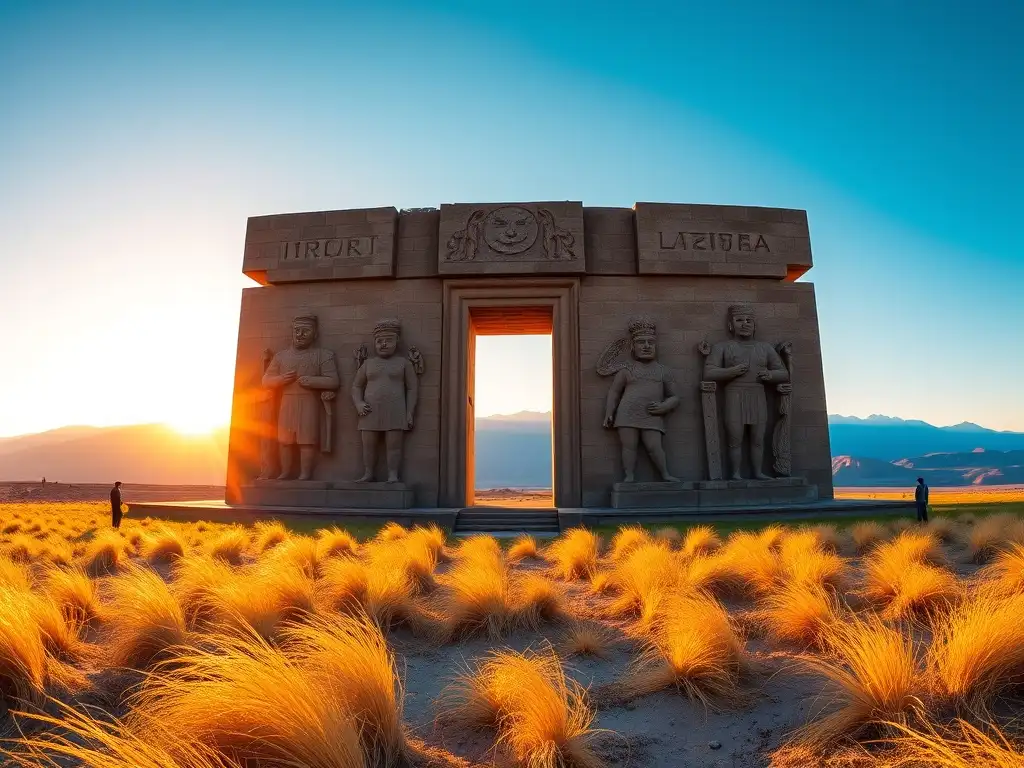
Step into a world lost to time, yet echoing with the whispers of a magnificent civilization. Imagine colossal stone sculptures, intricate in detail and powerful in presence – the legacy of Tiahuanaco. This website delves into the captivating heart of Andean history, revealing the secrets held within the Tiahuanaco stone sculptures meaning and their profound connection to the architecture of this awe-inspiring culture. Uncover the mysteries that lie buried within these ancient marvels; prepare to be amazed.
- Tiahuanaco's Stone Sculptures: An Overview of Art and Architecture
- The Significance of Tiahuanaco Stone Art
- Architectural Context of Tiahuanaco Sculptures
- Major Types of Tiahuanaco Stone Sculptures
- Tiahuanaco Stone Sculptures Meaning and Symbolism
- Materials and Techniques in Tiahuanaco Stone Carving
- Tiahuanaco Stone Sculptures: A Legacy of Andean Art
-
Frequently Asked Questions
- What is the significance of Tiahuanaco stone sculptures?
- What materials were used to create Tiahuanaco sculptures?
- What are some common themes depicted in Tiahuanaco stone sculptures?
- How did the creators of Tiahuanaco stone sculptures transport and install such large pieces?
- Where can I see examples of Tiahuanaco stone sculptures today?
- Final Reflection: Echoes of Tiahuanaco: A Legacy in Stone
- Uncover the Secrets of Tiahuanaco's Splendor!
Tiahuanaco's Stone Sculptures: An Overview of Art and Architecture
The enigmatic city of Tiahuanaco, located on the shores of Lake Titicaca in modern-day Bolivia, stands as a testament to the advanced engineering and artistic prowess of the pre-Columbian Andean civilizations. This article delves into the profound meaning and artistry embedded within Tiahuanaco's stone sculptures, exploring their intricate designs and the crucial role they played in the city's religious and social life.
Understanding these sculptures provides invaluable insight into the cosmology, beliefs, and societal structures of the Tiahuanaco culture, a civilization that flourished between approximately 500 and 1000 CE and left behind a legacy of monumental architecture and captivating artistry. We will explore how these sculptures are not merely decorative elements, but rather integral components of a sophisticated architectural and symbolic system, deeply connected to the city's overall design and purpose.
The analysis will focus on the significance of the sculptures' iconography, their stylistic features, and their placement within the city's layout, revealing the complex relationship between art and architecture in Tiahuanaco. This exploration aims to unravel the rich tapestry of meaning woven into these remarkable stone works, shedding light on the "Tiahuanaco stone sculptures meaning" and their place within the broader context of Andean art and culture.
The Gateway of the Sun: A Cosmic Portal?
The Gateway of the Sun is arguably the most iconic stone sculpture of Tiahuanaco. Its massive dimensions and intricate relief carvings depict a central figure, often interpreted as a deity or a powerful leader, surrounded by smaller figures and symbolic motifs. The central figure's headdress is particularly striking, featuring a complex arrangement of stylized birds and other creatures.
Scholars have proposed various interpretations of this central figure, ranging from a representation of the creator god Viracocha to a ruler embodying divine authority. The surrounding figures are equally enigmatic, potentially representing other deities, ancestral figures, or cosmological forces. The intricate detail and the monumental scale of the Gateway of the Sun suggest a profound significance, perhaps representing a cosmic portal or a symbolic connection between the earthly and spiritual realms.
Detailed analysis of the carvings reveals sophisticated techniques of stone carving and a deep understanding of geometry and proportion. The Gateway's placement within the city's layout further underscores its importance as a central focal point. The precision and artistry involved in its creation highlight the advanced skills of Tiahuanaco's artisans and their deep understanding of their religious beliefs.
Several large, freestanding monoliths, some reaching impressive heights, are also found throughout the Tiahuanaco site. These monoliths, often adorned with intricate carvings and symbolic representations, are believed to have served various functions, including marking significant areas within the city or serving as markers of power and authority. The most famous example is the Ponce Monolith, which depicts a figure with elaborate attire and ceremonial objects.
The iconography on these monoliths often reflects similar themes found in the Gateway of the Sun, suggesting a cohesive system of religious beliefs and symbolism. The stylistic differences between the monoliths and other sculptures suggest that they may have been created over a period of time, reflecting changes in artistic styles or perhaps the evolving power structures within the Tiahuanaco society.
Further research and analysis are needed to fully understand the chronological development and the specific meaning of the iconography displayed on these monoliths. The sheer scale of these structures underscores the impressive organizational capabilities of the Tiahuanaco civilization and their dedication to monumental architecture.
Smaller Sculptures and Fragments: Unveiling Everyday Life?
Beyond the monumental sculptures, numerous smaller sculptures and fragments have been unearthed at Tiahuanaco, offering glimpses into the daily life and beliefs of the inhabitants. These smaller pieces, often depicting stylized figures, animals, and geometric patterns, provide a more intimate perspective on Tiahuanaco art. Many of these smaller sculptures show evidence of wear and tear, suggesting that they may have been used in daily rituals or ceremonies.
The diversity of styles and motifs represented in these smaller artifacts hints at a rich and complex artistic tradition. Some scholars believe that these smaller sculptures may have been used as votive offerings or personal adornments, indicating a widespread engagement with religious practices and beliefs among the population.
The study of these smaller objects offers valuable insights into the broader cultural context of Tiahuanaco's monumental architecture and the daily lives of its inhabitants. Analyzing the stylistic variations and the materials used in these smaller sculptures can provide further insights into the chronology and the evolution of Tiahuanaco art.
The Significance of Stone as a Medium: Durability and Symbolism
The choice of stone as the primary medium for Tiahuanaco's sculptures is significant, reflecting both practical and symbolic considerations. The durability of stone ensured the longevity of these works, allowing them to survive for centuries and transmit their messages across generations. Furthermore, stone itself held symbolic importance within the Andean worldview, often associated with permanence, power, and connection to the earth.
The meticulous craftsmanship evident in Tiahuanaco's stone sculptures demonstrates the high level of skill and artistry among the civilization's artisans. The precise cutting, shaping, and carving of the stone required advanced tools and techniques, showcasing the technological capabilities of Tiahuanaco society.
The use of specific types of stone, and the methods employed in their extraction and transport, further contribute to our understanding of the civilization’s resource management and engineering prowess. The selection of stone itself can be seen as a carefully considered choice, reflecting not only the practical considerations of durability, but also the inherent symbolic weight associated with the material.
The Significance of Tiahuanaco Stone Art
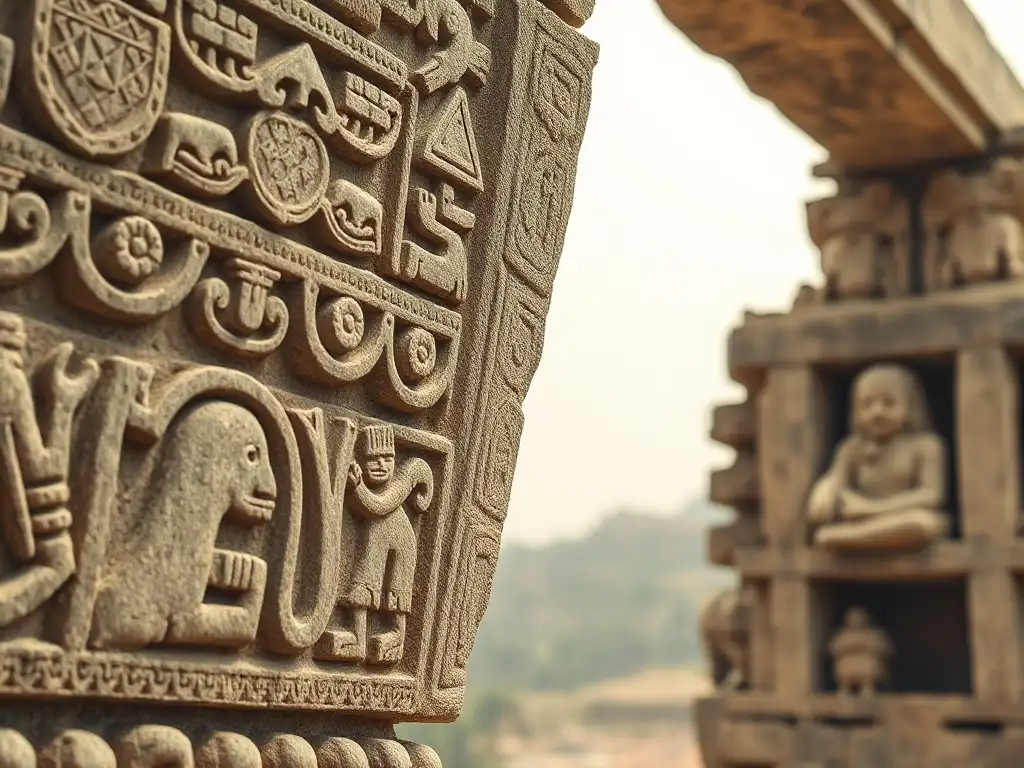
The monumental stone sculptures of Tiahuanaco are not merely decorative elements; they represent a complex interplay of religious beliefs, social structures, and technological prowess, reflecting a sophisticated understanding of the world and their place within it. These sculptures, crafted from andesite and other durable stones, played a crucial role in the daily life and cosmological worldview of the Tiahuanaco people. Their meaning is multifaceted, interwoven with agricultural cycles, astronomical observations, and the veneration of deities.
Understanding the significance of these sculptures requires careful consideration of their context, iconography, and the broader cultural landscape of the Tiahuanaco civilization. The sheer scale and precision of the work underscores the advanced engineering and artistic capabilities of this Andean society, further highlighting the importance of these sculptures within their culture.
The enduring power of these sculptures speaks to the lasting legacy of Tiahuanaco and its influence on subsequent Andean cultures. The enduring nature of the stone itself, resistant to the ravages of time, mirrors the enduring influence of the Tiahuanaco culture and ideology.
Understanding Tiahuanaco Stone Carvings: Beyond Decoration
Tiahuanaco stone carvings are far more than simple decorations; they are intricate representations of religious beliefs and cosmological concepts. The recurring motifs, such as the werere (a figure often depicted with feline features and complex headdresses), the stylized condor, and anthropomorphic figures, likely embodied powerful deities or ancestral spirits. The precise meaning of each symbol remains a subject of ongoing scholarly debate, but careful analysis of their placement within architectural complexes and their stylistic evolution over time offers valuable insights. For instance, the placement of certain sculptures near water sources might suggest a connection to fertility rituals and agricultural practices.
Further, the intricate details carved into the stones, often depicting intricate geometric patterns and symbolic representations, suggest a deep understanding of mathematics and symbolic language. The craftsmanship itself, demonstrating incredible precision and mastery of stone-working techniques, speaks to the high value placed on these objects within Tiahuanaco society. Analysis of the materials used, including the sourcing of the andesite, can also reveal information about trade networks and resource management within the civilization.
The meticulous detail and the consistent use of specific stylistic elements across various sculptures point to a centralized system of artistic production and control, potentially reflecting a hierarchical social structure. Scholars continue to analyze the carvings for clues to unlock the deeper meaning behind these powerful and enigmatic images, seeking to unravel the mysteries of Tiahuanaco’s rich cultural heritage. The study of Tiahuanaco stone carvings provides a window into the beliefs, practices, and worldview of a sophisticated Andean civilization.
The Role of Stone Sculpture in Tiahuanaco Society
The presence of elaborate stone sculptures throughout Tiahuanaco suggests their profound integration into the social fabric of the society. These sculptures weren't merely decorative; they likely served multiple functions, including religious, political, and possibly even social control. The sheer size and placement of many sculptures, such as the monumental Gate of the Sun, suggest their use in ritual ceremonies and public displays of power. The imagery depicted could have served to reinforce religious beliefs and social hierarchies, with specific figures representing deities, rulers, or ancestral figures.
The precision and scale of the sculptures also highlight the advanced technological capabilities of Tiahuanaco artisans and the significant resources dedicated to their creation. This likely involved a large workforce and specialized skills, suggesting a complex social organization with specialized labor divisions. Moreover, the stylistic consistency in many sculptures across various sites suggests a degree of centralized control over artistic production, potentially reflecting a strong centralized political system. The sculptures’ placement within the urban landscape – near temples, plazas, and residential areas – implies their importance in both public and private life.
Furthermore, the durability of the stone sculptures ensured their longevity, serving as lasting testaments to the power and beliefs of the Tiahuanaco civilization. The study of these sculptures provides valuable clues to understanding the social structure, religious practices, and technological achievements of this remarkable Andean society. The evidence points to their crucial role in maintaining social order, reinforcing religious beliefs, and expressing the power of the elite. The meticulous planning and execution of these sculptures showcases the sophistication of Tiahuanaco society and its mastery over both art and engineering.
Architectural Context of Tiahuanaco Sculptures
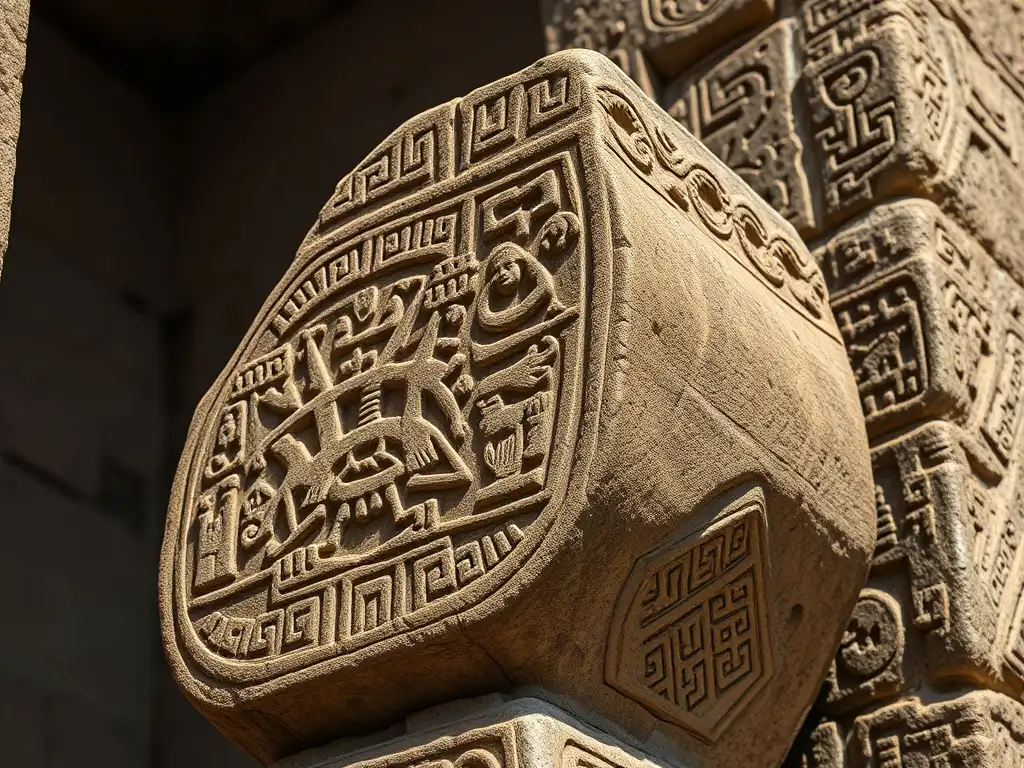
The monumental stone sculptures of Tiahuanaco weren't simply freestanding works of art; they were integral components of the city's architecture, deeply intertwined with its religious and social fabric. Understanding their meaning requires appreciating their placement within the broader urban landscape. The precise function of many sculptures remains debated, but their strategic positioning suggests a deliberate and complex system of symbolic representation.
The Tiahuanaco stone sculptures meaning is multifaceted, reflecting a sophisticated cosmology and worldview. Analysis of their placement reveals a carefully planned arrangement that likely reinforced the power and ideology of the ruling elite. This deliberate integration wasn't merely aesthetic; it was a fundamental aspect of the city's design and functionality.
The Integration of Sculpture Within Tiahuanaco Structures
Tiahuanaco's architecture is characterized by its massive stone blocks, precisely cut and fitted together without mortar. Sculptures, often intricately carved and highly stylized, were not merely added as decorative elements after the structures were complete. Evidence suggests that many were incorporated during construction, seamlessly integrated into walls, platforms, and doorways.
This suggests a holistic approach to artistic creation, where sculpture and architecture were conceived as a unified whole, expressing a single, coherent vision. For instance, the famous Gate of the Sun, with its central figure of a deity and surrounding panels depicting various beings and symbols, is not merely a decorative gateway but a fundamental architectural element of a larger structure. Its very placement, its size, and its detailed carvings all contribute to its symbolic power, impacting the experience of anyone who passed through it.
The integration of sculpture within the architectural fabric of Tiahuanaco emphasizes the profound importance of these artistic expressions within the city's religious and political life. The careful placement demonstrates a sophisticated understanding of architectural design and its ability to convey meaning through visual storytelling.
Placement and Purpose of Tiahuanaco Stone Monuments
The placement of freestanding Tiahuanaco stone monuments, such as the fragmented statues and monoliths found scattered throughout the site, also reveals important clues about their Tiahuanaco stone sculptures meaning. While their original context is often lost due to centuries of erosion and looting, careful analysis of their stylistic features and remaining architectural traces can provide insights. Some scholars suggest that these monuments marked significant locations within the city, perhaps acting as boundary markers, ceremonial focal points, or representations of important figures or deities.
Their size and the quality of their craftsmanship emphasize their importance. The sheer scale of some of these sculptures, requiring immense skill and resources to create and transport, underscores the power and authority of the Tiahuanaco civilization. For example, the Bennett Monolith, with its intricate relief carvings, likely held a significant position within the city's layout, although its exact original location and purpose remain subjects of ongoing research.
Further investigation into the placement of these monuments, coupled with comparative studies of similar sculptures from other Andean cultures, could reveal more about their specific roles and significance within the broader context of Tiahuanaco society. The ongoing efforts to map the site and analyze the surviving fragments are crucial to unlocking the secrets of these enigmatic sculptures. The meticulous study of their placement promises to further illuminate the Tiahuanaco stone sculptures meaning and the intricate worldview of this remarkable civilization.
Major Types of Tiahuanaco Stone Sculptures
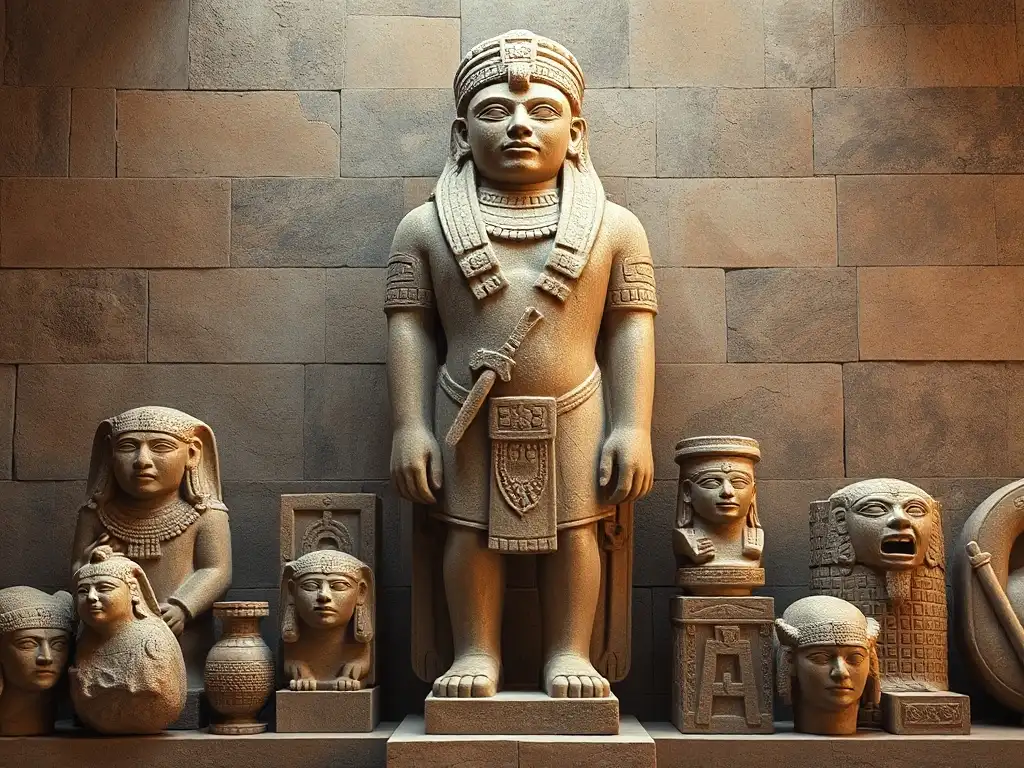
This section delves into the diverse typology of Tiahuanaco stone sculptures, exploring their stylistic variations, iconographic significance, and the masterful techniques employed in their creation. Understanding these sculptures is crucial to deciphering the complex religious beliefs, social structures, and cosmological worldview of the Tiahuanaco civilization. The meaning embedded within these stone works provides invaluable insights into the heart of Tiahuanaco culture, enriching our understanding of their artistic and technological achievements. The enduring legacy of these Tiahuanaco stone sculptures is a testament to the ingenuity and spiritual depth of this remarkable civilization.
Monolithic Statues: The Ponce Stela, Bennett Monolith, and their Distinct Features
The monolithic statues of Tiahuanaco represent a pinnacle of artistic and engineering prowess. These colossal figures, often carved from single blocks of andesite, showcase a remarkable understanding of stone manipulation and a sophisticated aesthetic sense. Two prime examples are the Ponce Stela and the Bennett Monolith, each possessing unique features that contribute to our understanding of Tiahuanaco's artistic conventions.
The Ponce Stela, for instance, is characterized by its highly stylized representation of a human figure, possibly a deity or ruler. The figure's headdress is elaborate, adorned with intricate details, and the facial features, though somewhat abstract, convey a sense of power and authority. The meticulous craftsmanship evident in the carving, particularly in the rendering of the textiles and ornaments, points to a high level of skill and specialization within Tiahuanaco society.
The Bennett Monolith, on the other hand, presents a different stylistic approach. While also depicting a human figure, it exhibits a more elongated and slender form compared to the Ponce Stela. The headdress is simpler, yet equally striking, and the overall effect is one of elegance and serenity. The distinct features of these two monoliths highlight the diversity of artistic expression within the Tiahuanaco tradition, suggesting the existence of different artistic schools or workshops.
Further research is needed to fully understand the symbolic meaning behind these stylistic variations. Detailed analysis of the postures and the specific iconographic elements present on each statue could unveil further clues about their functions within the Tiahuanaco religious and social context. Further study of the material composition and the tools used in their creation would also provide valuable insights into Tiahuanaco technology.
Gateway Sculptures: Analysis of the Gateway of the Sun and its Iconography
The Gateway of the Sun stands as a monumental testament to Tiahuanaco's architectural and artistic achievements. Its immense size and intricate relief carvings make it one of the most iconic and studied Tiahuanaco stone sculptures. The central figure, often interpreted as a deity, is surrounded by a complex array of smaller figures and symbolic motifs. The meaning behind this intricate iconography remains a subject of ongoing scholarly debate, but several interpretations exist.
The central figure is often associated with the creator god Viracocha, a significant deity in Andean cosmology. The surrounding figures, possibly representing other deities or mythical beings, appear to be arranged in a structured pattern, suggesting a deliberate organization reflecting a cosmological or ritualistic order. The intricate details, from the facial features to the clothing and ornaments, suggest a deep understanding of symbolic representation and a refined artistic sensibility.
The precise meaning of each element remains elusive, requiring a multidisciplinary approach involving archaeology, anthropology, and art history to fully unravel its secrets. Analyzing the different layers of meaning and the possible changes in iconography over time is crucial for a comprehensive understanding of the Gateway of the Sun's significance. The potential connections between the Gateway's iconography and other Tiahuanaco artifacts are also ripe for further investigation.
Relief Carvings and Friezes: Depictions of Staff Gods and Zoomorphic Figures
Beyond the monumental statues and gateways, Tiahuanaco's artistic legacy extends to numerous relief carvings and friezes found adorning various structures within the city. These smaller-scale works often depict staff gods, zoomorphic figures, and other symbolic motifs, providing additional insights into the civilization's religious beliefs and artistic style.
The staff gods, frequently depicted holding staffs or scepters, are often considered to be representations of high-ranking officials or deities. Their stylized features and regalia suggest a connection to power and authority. The zoomorphic figures, including representations of birds, felines, and other animals, may have symbolic significance relating to Andean cosmology or mythology, potentially representing different forces of nature or spiritual entities. The precise meaning of these figures and their arrangement within the friezes remains a topic of ongoing research and interpretation.
The technical skill demonstrated in these relief carvings is remarkable. The artists' ability to create intricate details within a relatively limited space showcases their mastery of stone carving techniques. The use of different tools and techniques to achieve varying levels of detail is also evident.
Furthermore, the preservation of these carvings, despite the passage of centuries, is a testament to the durability of the materials and the skill of the artisans who created them. Comparative studies with other Andean artistic traditions could help shed further light on the unique characteristics of Tiahuanaco's relief carvings and their place within a broader cultural context. The study of the materials used, the manufacturing techniques, and the preservation methods employed by the Tiahuanaco artisans would further enhance our understanding of their artistic and technological prowess.
Tiahuanaco Stone Sculptures Meaning and Symbolism
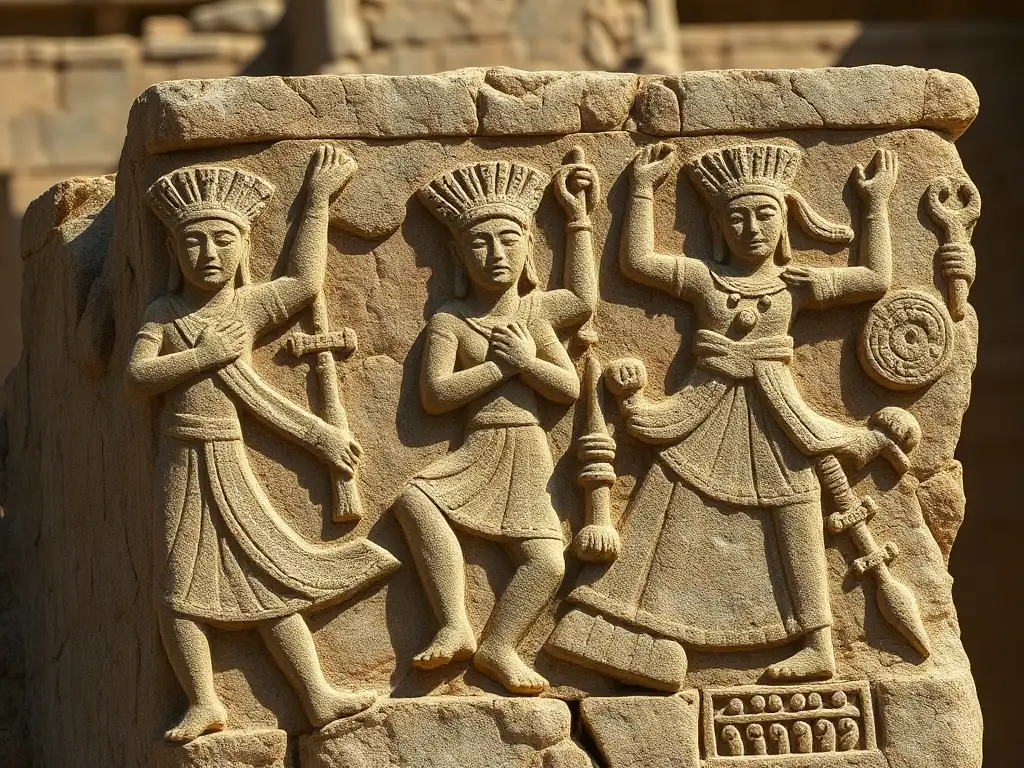
The enigmatic stone sculptures of Tiahuanaco are far more than mere decorative elements; they represent a complex system of symbolic expression deeply intertwined with the religious beliefs, social structures, and cosmological understanding of the Tiahuanaco civilization. Understanding their meaning requires a careful examination of their iconography, the context of their discovery, and the broader cultural framework of the time. The "Tiahuanaco stone sculptures meaning" is a multifaceted puzzle, with pieces still being uncovered and debated by scholars today. This section delves into the key interpretations surrounding these captivating artifacts.
Deciphering the Iconography of Tiahuanaco Art
Tiahuanaco art is characterized by its distinctive style, featuring stylized human and animal figures, geometric patterns, and intricate details. Many sculptures depict figures with elongated heads, wide eyes, and often ceremonial garments. These features are not randomly chosen; they convey specific meanings within the Tiahuanaco worldview. For example, the recurring motif of the "weeping god," a figure with sorrowful expression and often associated with water, likely represents the importance of water resources in the region and its connection to fertility and life.
Analyzing the iconography involves considering both individual elements and their arrangement within the sculpture. The combination of symbols, such as staffs, scepters, and specific headdresses, adds layers of meaning. Scholars utilize comparative analysis, comparing Tiahuanaco art with that of other Andean cultures and exploring potential connections and influences. This interdisciplinary approach draws upon archaeology, anthropology, and art history to paint a more complete picture of Tiahuanaco stone sculptures meaning.
One example is the frequent depiction of feline figures, often associated with power and authority. These feline representations may be linked to specific deities or represent shamanistic figures who held high status within the society. The intricate carvings on many sculptures, often involving intricate geometric patterns, may represent cosmological concepts or calendars used for agricultural purposes, reflecting the importance of astronomy and precise timekeeping in the Tiahuanaco culture. Further research is needed to fully understand the nuances of these intricate designs and their relevance to the overall meaning of the sculptures.
Religious and Mythological Interpretations of Tiahuanaco Sculptures
The religious beliefs of the Tiahuanaco people heavily influenced their artistic production. Many sculptures are interpreted as representations of deities, mythical beings, or ancestors. The "Bennett Monolith," for instance, depicts a figure believed to represent a high-ranking deity, possibly associated with the sun or a creator god. The symbolism inherent in the figure's attire, posture, and accompanying elements provides clues to its religious significance.
The Tiahuanaco pantheon likely included a range of deities, each associated with specific aspects of the natural world or social order. Sculptures may represent these deities in different contexts, showcasing their power, benevolence, or wrath. The frequent depiction of water-related symbols, combined with depictions of agricultural scenes, suggests a strong connection between religious beliefs and the agricultural practices that sustained the Tiahuanaco society. This interconnectedness is a crucial aspect of understanding the "Tiahuanaco stone sculptures meaning" within the broader context of their beliefs.
Furthermore, the sculptures might also represent mythological narratives, stories, or creation myths. The arrangement of figures on a sculpture, or the relationship between different sculptures within a specific site, could be interpreted as visual representations of these narratives. However, deciphering these stories requires a careful consideration of the context in which the sculptures were found and the potential interactions between different symbolic elements. Unfortunately, a comprehensive understanding of Tiahuanaco mythology is currently hindered by the limited textual evidence available.
The Importance of Tiahuanaco Stone Sculptures Meaning in Rituals
The Tiahuanaco stone sculptures were not merely static objects; they played a vital role in religious rituals and ceremonies. Their placement within sacred sites, such as the Kalasasaya complex, indicates their function in ceremonial contexts. The sculptures likely served as focal points for rituals, representing deities or acting as conduits for communication with the supernatural world.
Evidence suggests the use of these sculptures in offerings and sacrifices. The discovery of artifacts alongside the sculptures supports this hypothesis. The careful positioning and arrangement of the sculptures within the architectural complexes of Tiahuanaco suggests a deliberate and ritualistic approach to their placement. The sculptures may have been used to mark significant locations, reinforce social hierarchies, or reinforce the power of the ruling elite.
Understanding the ritualistic context is crucial for interpreting the "Tiahuanaco stone sculptures meaning." The sculptures themselves might have been actively involved in rituals, serving as objects of veneration, or perhaps even as active participants in shamanistic practices. Further archaeological investigation and analysis of the contextual evidence are essential for gaining a more complete picture of the roles these magnificent sculptures played in the daily lives and religious practices of the Tiahuanaco people. This research promises to unveil even more profound insights into the cultural significance of these remarkable artifacts.
Materials and Techniques in Tiahuanaco Stone Carving
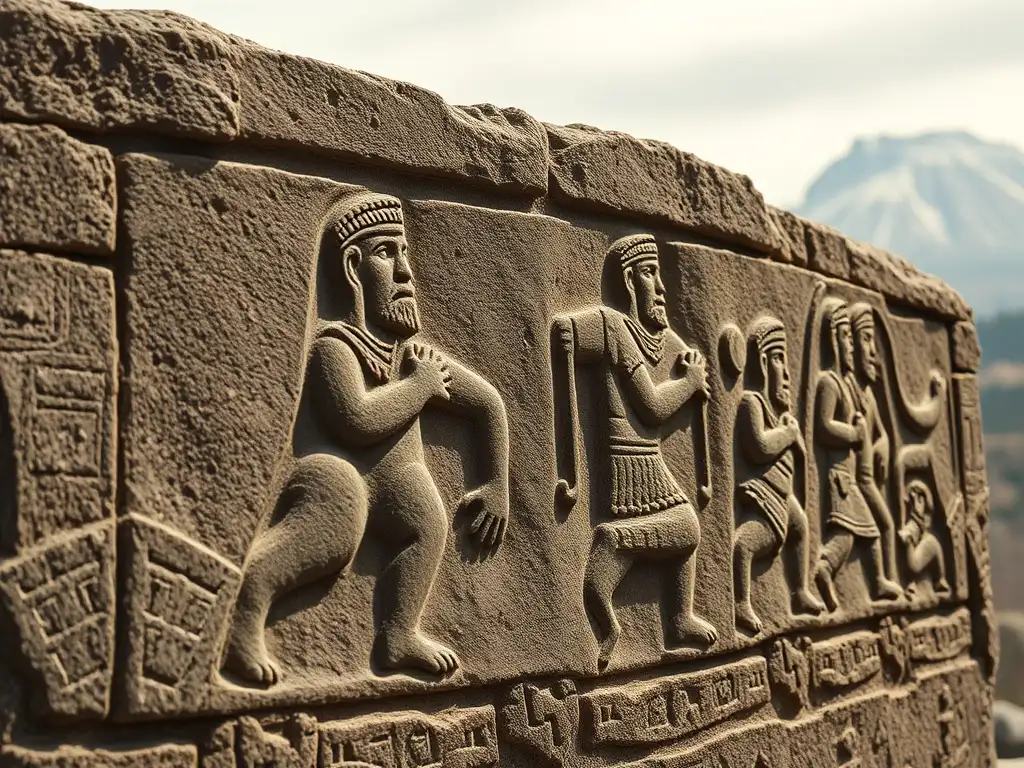
The remarkable stone sculptures of Tiahuanaco stand as testaments to the advanced artistry and engineering prowess of this ancient Andean civilization. Understanding the materials and techniques employed in their creation is crucial to appreciating the monumental effort and sophisticated knowledge involved. The enduring legacy of these sculptures, which continues to fascinate researchers and inspire awe in visitors, is directly linked to the careful selection of materials and the meticulous execution of complex carving techniques. The very meaning behind these Tiahuanaco stone sculptures is inextricably bound to the processes by which they were made.
Sourcing Stone for Tiahuanaco Art: Andesite and its Transportation
The primary material used for Tiahuanaco stone sculptures was andesite, a volcanic rock known for its durability and ability to hold fine detail. This wasn't just any andesite; it was sourced from specific quarries located at a significant distance from the city itself. The exact locations of these quarries are still being investigated, but evidence suggests some were situated in the Altiplano region, potentially dozens of kilometers from Tiahuanaco.
This implies a sophisticated understanding of geology and a remarkable logistical capacity to transport massive blocks of andesite across challenging terrain. Consider the sheer weight of some of these sculptures – moving them would have required a substantial workforce and potentially the use of ingenious techniques like rollers, ramps, and levers, a testament to the impressive organizational abilities of Tiahuanaco society. The careful selection of andesite, its transportation, and its subsequent use in sculpture all contribute to the rich meaning and cultural significance of these artifacts.
The effort involved underscores the importance placed on these artistic and religious objects. Further research is needed to precisely pinpoint all the quarry locations and to fully elucidate the transportation methods employed. [Specific information pending on precise quarry locations and transportation methods]
Tiahuanaco Sculpting Techniques: Use of Stone Tools and Abrasion Methods
Tiahuanaco sculptors possessed a remarkable mastery of stone-working techniques. While the precise tools used remain a subject of ongoing research, evidence suggests that they employed a combination of hard stone tools, like hammers and chisels, along with abrasive materials such as sand and water. The process would have been incredibly laborious, involving careful chipping and grinding to shape the andesite into the desired forms.
The level of precision achieved in many sculptures, particularly in the rendering of intricate details and fine lines, is astonishing. Microscopic analysis of some sculptures reveals evidence of multiple stages of carving and polishing, indicating a highly skilled and iterative approach to the craft. The artistry involved wasn't simply a matter of brute force; it demanded patience, skill, and a deep understanding of the material's properties.
The smooth, polished surfaces of many sculptures showcase the dedication and mastery of these ancient artisans. This meticulous craftsmanship is a key component in understanding the meaning and intended impact of the Tiahuanaco stone sculptures.
The Craftsmanship of Tiahuanaco Stone Sculptors
The Tiahuanaco stone sculptures are not merely objects; they are powerful expressions of artistic skill and cultural identity. The craftsmanship evident in these works is extraordinary, exhibiting a sophisticated understanding of both material and technique. The sculptures' iconic representations of figures, often depicted with stylized features and symbolic garments, speak volumes about the religious beliefs and social structures of the Tiahuanaco civilization.
The consistent quality and stylistic coherence across numerous sculptures suggest the existence of a highly organized and skilled artisan class, possibly operating under the patronage of the ruling elite. The creation of these sculptures was not simply a craft; it was a sacred act, deeply embedded in the cultural and religious life of Tiahuanaco. The meaning of these sculptures is therefore not only aesthetic but also deeply connected to the social, religious, and political contexts of their creation.
The longevity and impact of these works are a testament to the exceptional skill and dedication of the Tiahuanaco stone sculptors. The enduring power of the "Tiahuanaco stone sculptures meaning" lies in their exquisite craftsmanship and the profound cultural messages they convey.
Tiahuanaco Stone Sculptures: A Legacy of Andean Art
The monumental stone sculptures of Tiahuanaco stand as a testament to the sophisticated artistic and engineering capabilities of this pre-Columbian civilization. These sculptures, crafted from andesite and other volcanic stones, are not merely decorative elements; they represent a complex interplay of religious beliefs, social structures, and cosmological understandings. The sheer scale and meticulous craftsmanship of these works—some weighing many tons—reveal a level of organizational prowess and technological mastery rarely seen in other contemporaneous societies.
Understanding the Tiahuanaco stone sculptures meaning requires examining their iconography, stylistic features, and the context of their placement within the city's architecture. The sculptures' intricate carvings often depict stylized human figures, deities, and animals, frequently interwoven with geometric patterns and symbolic motifs that continue to fascinate and challenge researchers today.
Many scholars believe that these sculptures served multiple functions, ranging from ceremonial objects to markers of power and status within the Tiahuanaco social hierarchy. The precise meaning of many of these symbols remains debated, but their enduring presence speaks to the enduring power of Tiahuanaco's artistic and spiritual legacy.
Influence of Tiahuanaco Art on Later Andean Cultures
Tiahuanaco's artistic influence extended far beyond its geographical boundaries and temporal lifespan. The distinctive style of its stone sculptures, with its characteristic features such as elongated figures, stylized headdresses, and intricate geometric designs, served as a powerful model for subsequent Andean cultures. The impact is particularly evident in the art of the Inca Empire, which arose centuries after the decline of Tiahuanaco.
Inca artists adopted and adapted many of Tiahuanaco's artistic conventions, incorporating similar motifs and stylistic elements into their own ceramic vessels, textiles, and metalwork. This artistic continuity highlights the enduring prestige and cultural significance of Tiahuanaco within the broader Andean world. For example, the recurring depiction of the staff god in Tiahuanaco art finds echoes in later Inca iconography, suggesting a transmission of religious beliefs and symbolism across generations and across significant geographical distances.
The stylistic similarities between Tiahuanaco and later Andean art demonstrate not merely imitation, but a complex process of cultural exchange and adaptation, where elements of Tiahuanaco art were reinterpreted and integrated into the evolving artistic traditions of subsequent societies. The legacy of Tiahuanaco's artistic innovations can be observed in various forms throughout the Andes, underscoring its profound and lasting impact on the region's cultural landscape.
Preserving and Studying Tiahuanaco Sculptures Today
The preservation of Tiahuanaco's fragile stone sculptures presents significant challenges. Exposure to the elements, erosion, and vandalism pose constant threats to these irreplaceable artifacts. Modern conservation efforts employ a variety of techniques to mitigate these risks, including careful cleaning, structural stabilization, and the implementation of protective measures to shield the sculptures from environmental damage.
Furthermore, ongoing research utilizes advanced technologies, such as 3D scanning and digital imaging, to create detailed records of the sculptures and to facilitate their study. This allows researchers to document the sculptures' condition over time and to analyze their intricate details without causing further damage. The careful documentation and preservation of these sculptures are crucial not only for protecting this invaluable cultural heritage but also for advancing our understanding of Tiahuanaco's artistry, cosmology, and societal structures.
These efforts are essential to ensure that future generations can appreciate and learn from this remarkable legacy. The ongoing efforts highlight the international collaboration and technological advancements employed in safeguarding these significant pieces of Andean history.
The Enduring Impact of Tiahuanaco Stone Art and Architecture
The stone sculptures of Tiahuanaco remain a potent symbol of Andean artistic and engineering achievement. Their enduring presence speaks to the sophistication and complexity of this pre-Columbian civilization, showcasing its advanced technological capabilities and profound spiritual beliefs. These sculptures are not merely objects of the past; they are active participants in ongoing dialogues about Andean history, culture, and identity.
The continued study and interpretation of these artifacts contribute to a deeper understanding of the Andean world and its lasting influence on subsequent cultures. The impact of Tiahuanaco's stone art extends beyond the realm of archaeology and art history; it resonates with contemporary audiences, inspiring awe and admiration for the creative genius and cultural richness of the Andean civilizations. The legacy of Tiahuanaco serves as a powerful reminder of the importance of preserving and celebrating cultural heritage for future generations.
The sculptures' enduring power lies not only in their aesthetic qualities but also in their capacity to connect us to a rich and complex past, fostering a deeper appreciation for the human spirit's ability to create and innovate. The study of Tiahuanaco stone sculptures continues to inspire new research and interpretations, ensuring that their meaning remains a subject of ongoing investigation and fascination.
Frequently Asked Questions
What is the significance of Tiahuanaco stone sculptures?
Tiahuanaco stone sculptures held religious and symbolic importance, representing deities, ancestors, and possibly cosmological concepts. Their intricate carvings reflect advanced artistic and technological skills.
What materials were used to create Tiahuanaco sculptures?
The sculptures were primarily carved from andesite, a volcanic rock known for its durability. This choice reflects the technical mastery of Tiahuanaco artisans.
What are some common themes depicted in Tiahuanaco stone sculptures?
Common themes include anthropomorphic figures (human-like forms), geometric patterns, and stylized representations of animals. These often relate to religious beliefs and rituals.
How did the creators of Tiahuanaco stone sculptures transport and install such large pieces?
The precise methods remain a mystery, but it involved sophisticated engineering and organization, likely using ramps, rollers, and possibly human and animal power. The immense scale highlights their advanced technology.
Where can I see examples of Tiahuanaco stone sculptures today?
Many significant examples are displayed in museums around the world, notably in Bolivia (at the Tiahuanaco Museum) and other institutions dedicated to Andean art and archaeology. You can also see some in situ at the Tiahuanaco site.
Final Reflection: Echoes of Tiahuanaco: A Legacy in Stone
The intricate stone sculptures of Tiahuanaco remain a powerful testament to the ingenuity and spiritual depth of a civilization lost to time, yet their resonance continues to shape our understanding of Andean art and the enduring power of human creativity. Their meticulous craftsmanship and enigmatic symbolism continue to fascinate and inspire, reminding us of the boundless potential of human expression even in the face of immense challenges. The very act of deciphering their meaning is a journey into the heart of a rich and complex culture.
The enduring influence of Tiahuanaco's artistic legacy extends far beyond its geographical boundaries. Its stylistic elements, particularly the iconic monolithic figures and intricate carvings, have permeated Andean art for centuries, influencing subsequent artistic movements and inspiring countless interpretations. The past is never dead. It's not even past.
- William Faulkner. This quote perfectly encapsulates the ongoing relevance of Tiahuanaco's sculptures; their stories, though whispered across millennia, continue to speak to us today, prompting new questions and fostering fresh perspectives on pre-Columbian art and society.
Consider, for a moment, the sheer scale and precision of these ancient works. Imagine the dedication, the collective effort, the profound belief system that fueled their creation. You, too, possess the capacity for such dedication and creation. Let the legacy of Tiahuanaco inspire you to pursue your own passions with unwavering commitment, to strive for excellence in your endeavors, and to leave your own unique mark on the world, a mark as enduring and awe-inspiring as the stone sculptures that stand as silent witnesses to a civilization's enduring spirit.
Uncover the Secrets of Tiahuanaco's Splendor!
Thank you for exploring the breathtaking stone sculptures of Tiahuanaco with us! Your journey through this incredible fusion of art and architecture has undoubtedly revealed the rich history and cultural significance of these ancient marvels. Let's delve deeper into this fascinating topic.
Here are some ways to continue your exploration:
- Explore Further: Discover more artistic and architectural wonders of the Andean civilizations in our comprehensive guide.
- Share Your Discoveries: Discuss your thoughts on Tiahuanaco with friends, or join our online community to connect with other enthusiasts and share your insights.
- Take a Virtual Tour: Immerse yourself in the majesty of Tiahuanaco's structures with online virtual tours, all from the comfort of your home.
What aspect of Tiahuanaco's sculptures captivates you most, and how does this knowledge enrich your understanding of ancient civilizations? Let's begin a discussion!