
Decoding the Akapana Pyramid: Tiahuanaco's Architectural Marvel and its Hidden Purpose

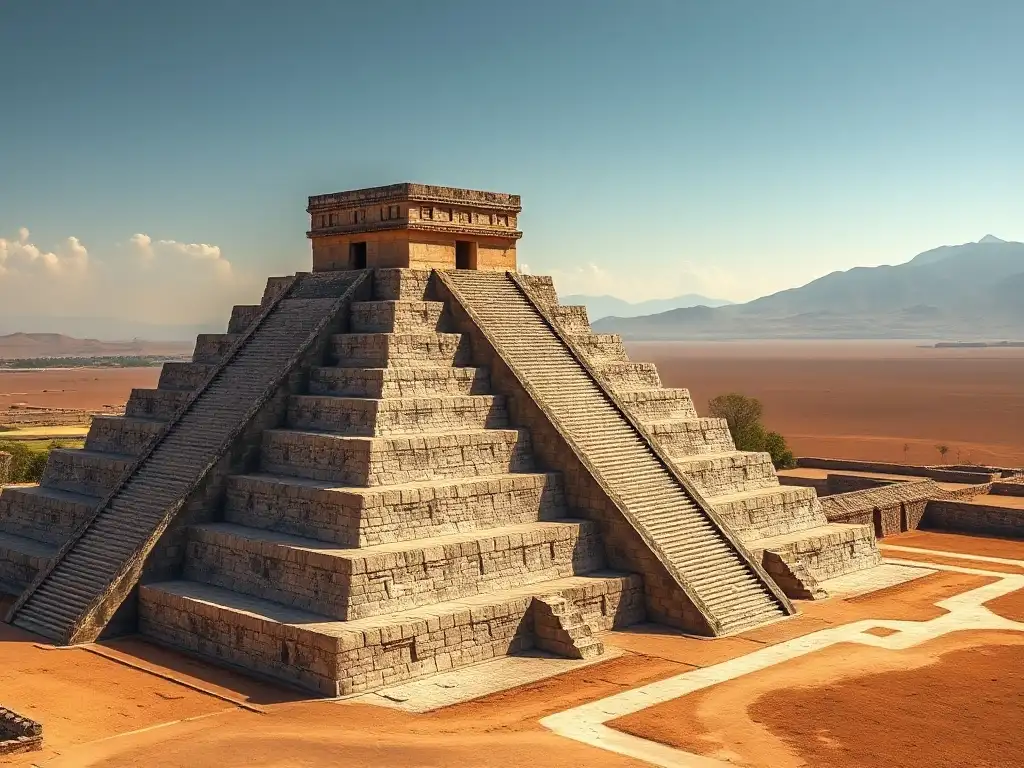
Step into a world lost to time, yet echoing with the whispers of a magnificent civilization. Journey with us as we delve into the mysteries of the Andes, uncovering the vibrant tapestry of cultures that flourished there. But first, let's confront a puzzle that has captivated scholars for centuries: the Tiahuanaco Akapana Pyramid meaning. Its colossal stones whisper tales of advanced engineering and a cosmology yet to be fully deciphered. Dare to unravel its secrets? Explore the enigma further and discover the hidden purpose of this awe-inspiring structure within the heart of the Tiahuanaco Civilization.
The Akapana Pyramid, a colossal structure dominating the ancient city of Tiahuanaco (also known as Tiwanaku) in Bolivia, stands as a testament to the ingenuity and advanced engineering of the Tiahuanaco civilization. This enigmatic monument, shrouded in mystery for centuries, continues to captivate archaeologists and historians alike.
Its imposing size and intricate design raise profound questions about its intended purpose, sparking debates about its role as a ceremonial center, an astronomical observatory, or perhaps a combination of both. This article delves into the architectural marvels of the Akapana Pyramid, exploring its construction, design, and the ongoing efforts to decipher its hidden meaning, ultimately aiming to understand its significance within the broader context of Tiahuanaco culture and the Andean worldview.
Unraveling the Akapana's secrets offers a crucial window into understanding the sophisticated societal structures, astronomical knowledge, and spiritual beliefs of this remarkable civilization. Understanding the Tiahuanaco Akapana Pyramid meaning is key to understanding the Tiahuanaco civilization itself.
The Architectural Brilliance of Akapana
The Akapana Pyramid is not merely a pile of stones; it's a meticulously planned and executed feat of engineering. Its stepped platform, rising to a considerable height, was constructed using massive blocks of andesite, a volcanic rock quarried from distant locations. The precision with which these stones were cut, transported, and fitted together is astonishing, showcasing a level of architectural sophistication rarely seen in other contemporary civilizations.
Evidence suggests the use of sophisticated tools and techniques, including ramps and possibly even levers, to manipulate these enormous blocks. The pyramid's internal structure is equally impressive, featuring a complex network of chambers, tunnels, and water channels. These features suggest a carefully planned and executed design, far beyond simple monument construction.
Archaeological evidence points to multiple phases of construction, suggesting the pyramid's evolution over time, reflecting changes in the Tiahuanaco culture and its beliefs. The sheer scale of the project speaks volumes about the organizational capabilities and manpower of the Tiahuanaco civilization, highlighting its advanced societal structure and collective effort.
Theories Surrounding Akapana's Purpose: Ceremonial Center or Astronomical Observatory?
Numerous theories attempt to explain the Akapana Pyramid's function. One prominent theory suggests it served as a significant ceremonial center. The presence of elaborate plazas, intricate carvings, and potential evidence of ritualistic activity lend credence to this interpretation. The pyramid's elevated position could have provided a commanding view of the surrounding landscape, making it an ideal location for public gatherings and religious ceremonies.
The discovery of various artifacts, including pottery and other ceremonial objects, further supports this hypothesis. However, other scholars propose a different interpretation, suggesting Akapana functioned as an astronomical observatory. The precise alignment of certain features of the pyramid with celestial bodies, combined with the Tiahuanaco's evident understanding of astronomy, supports this theory. Further research into the alignment of the structure with the solstices and equinoxes is currently underway, aiming to provide more conclusive evidence.
The Ongoing Search for Answers: Uncovering the Secrets of Akapana
Despite extensive research, many questions about the Akapana Pyramid remain unanswered. Ongoing archaeological excavations continue to reveal new insights into its construction and purpose. The analysis of the artifacts unearthed within and around the pyramid provides valuable clues about the Tiahuanaco civilization's daily life, religious beliefs, and social structures. Advances in technology, such as ground-penetrating radar and 3D modeling, are being utilized to create detailed maps of the pyramid's internal structure, revealing hidden chambers and passages. By combining traditional archaeological methods with cutting-edge technology, researchers hope to gain a deeper understanding of the Akapana Pyramid's true significance. The ongoing research promises to unveil further mysteries and potentially rewrite our understanding of this remarkable structure and the Tiahuanaco civilization. The quest to fully decode the Akapana Pyramid's meaning is a testament to humanity's enduring fascination with the past and our relentless pursuit of knowledge.
Akapanas Legacy: Influence on Later Andean Cultures
The Akapana Pyramid's influence extended far beyond the Tiahuanaco civilization's lifespan. Its architectural style and design elements are reflected in later Andean cultures, showcasing its enduring impact on the region's artistic and architectural traditions. The sophisticated engineering techniques employed in its construction were likely passed down through generations, influencing subsequent building projects throughout the Andes.
The pyramid’s symbolic significance also likely played a role in shaping the religious and cosmological beliefs of later Andean societies. Studying Akapana's legacy helps us understand the interconnectedness of Andean cultures and the continuous evolution of their artistic and architectural traditions. The pyramid stands as a powerful symbol of Andean ingenuity and cultural continuity.
- The Architectural Brilliance of Akapana
- Theories Surrounding Akapana's Purpose: Ceremonial Center or Astronomical Observatory?
- The Ongoing Search for Answers: Uncovering the Secrets of Akapana
- Akapanas Legacy: Influence on Later Andean Cultures
The Enigmatic Akapana Pyramid: An Introduction to Tiahuanaco's Masterpiece
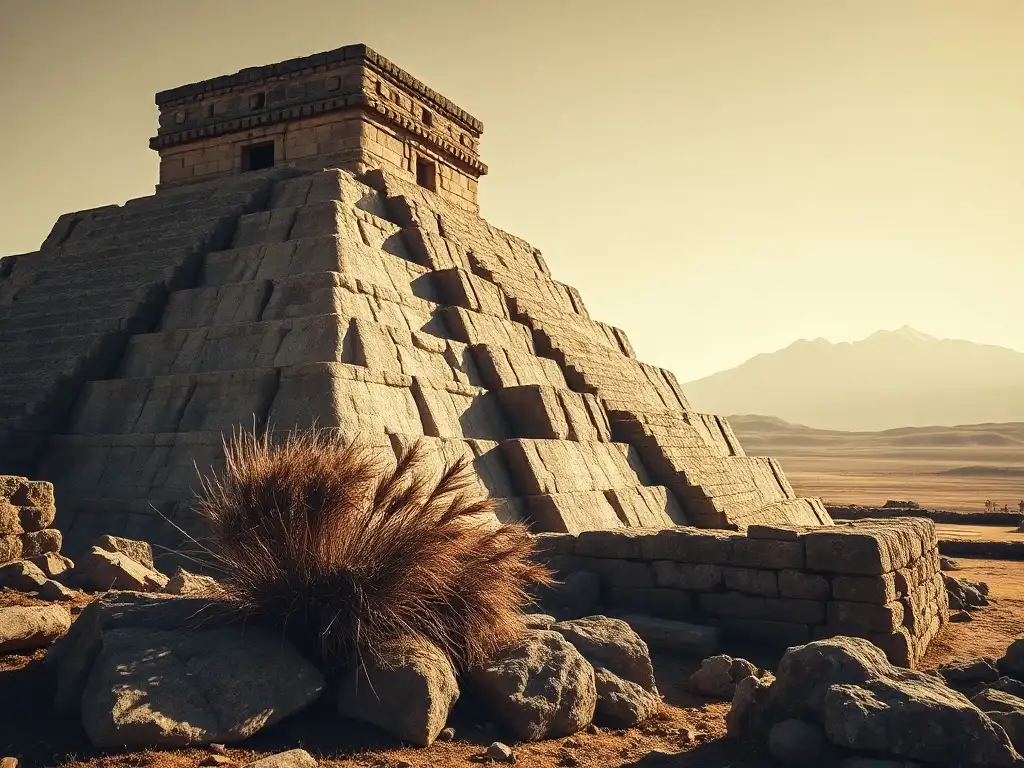
The Akapana Pyramid stands as a testament to the architectural prowess and sophisticated engineering of the Tiahuanaco civilization. This monumental structure, a complex of platforms and terraces, has captivated researchers and archaeologists for centuries, prompting countless theories about its purpose and significance. Its sheer scale and intricate design challenge our understanding of Andean construction techniques and societal organization during the pre-Columbian era.
Unraveling the mysteries of the Akapana Pyramid offers a unique window into the worldview and technological capabilities of the Tiahuanaco people, deepening our comprehension of their profound impact on the Andean cultural landscape. Understanding the Akapana Pyramid's meaning is key to understanding Tiahuanaco itself; its construction reflects a sophisticated understanding of astronomy, hydraulics, and social organization, all contributing to its enduring mystique and the enduring interest in the "Tiahuanaco Akapana Pyramid meaning".
Location and Context of the Akapana Pyramid in Tiahuanaco
The Akapana Pyramid is situated in the heart of the ancient city of Tiahuanaco, located on the shores of Lake Titicaca in present-day Bolivia. Its prominent position within the city's layout suggests a central role in the social, religious, and possibly political life of the Tiahuanaco people.
The pyramid's immediate surroundings include other significant structures, such as the Kalasasaya Temple and the Gate of the Sun, highlighting its integration within a larger, carefully planned urban complex. The precise relationship between the Akapana and these other structures remains a subject of ongoing research, with some suggesting a deliberate alignment reflecting astronomical observations or symbolic representations.
The proximity to Lake Titicaca, a crucial source of water and sustenance for the civilization, also adds another layer of complexity to the pyramid's context. The abundance of water channels and sophisticated water management systems associated with the Akapana further emphasizes the importance of water in the Tiahuanaco worldview and the pyramid's potential role in water-related rituals or ceremonies.
The Akapana Pyramid's Place Within Tiahuanaco City Planning
The Akapana Pyramid wasn't an isolated structure; it was deeply integrated into Tiahuanaco's urban design. Archaeological evidence points to a meticulously planned city layout, with buildings and structures arranged according to a sophisticated, possibly symbolic, pattern. The Akapana, with its imposing size and central location, likely served as a focal point for this urban organization.
Analysis of the city's streets, plazas, and other buildings suggests a hierarchical structure, with the Akapana potentially occupying the highest position in this hierarchy, reflecting its importance in the Tiahuanaco social structure. Further research is needed to fully understand the intricate relationship between the Akapana and the surrounding city, including the possible existence of subterranean structures or hidden passages connecting the pyramid to other significant buildings in Tiahuanaco. The precise nature of this "Tiahuanaco Akapana Pyramid meaning" within the urban context continues to be a focus of scholarly debate.
Initial Observations and Questions About the Akapana Pyramid
Initial observations of the Akapana Pyramid reveal a complex structure, far more intricate than a simple earthen mound. Its stepped platforms, intricate internal chambers, and elaborate water management systems suggest a sophisticated understanding of engineering and construction techniques. Many questions remain unanswered: What was the Akapana's primary function? Was it a temple, a ceremonial center, an astronomical observatory, a palace, or a combination of these?
The presence of numerous subterranean chambers, some filled with fill material, adds to the mystery. What purpose did these chambers serve? Were they storage areas, ritual spaces, or something else entirely?
The discovery of numerous artifacts, including pottery, tools, and other objects, within and around the pyramid provides valuable clues but also raises further questions about the pyramid's use and the rituals performed there. The sheer scale of the Akapana, requiring immense labor and resources, also raises questions about the social organization and political power of the Tiahuanaco civilization. The search for answers to these questions continues to drive research and exploration of this fascinating structure, constantly reshaping our understanding of the "Tiahuanaco Akapana Pyramid meaning".
Exploring the Akapana Pyramid’s Construction and Design
The Akapana Pyramid, a monumental structure in the ancient city of Tiahuanaco, Bolivia, stands as a testament to the sophisticated engineering and architectural prowess of the Tiahuanaco culture. Understanding its construction and design is crucial to deciphering its intended purpose and appreciating the technological advancements of this pre-Columbian civilization. The sheer scale of the pyramid, coupled with its intricate design, continues to fascinate archaeologists and historians alike, prompting ongoing research and debate regarding the Tiahuanaco Akapana Pyramid meaning.
Its construction represents a significant feat of engineering, requiring meticulous planning, organization, and a deep understanding of structural mechanics. The precision with which the stones were cut and fitted together, even without the use of advanced tools, is truly remarkable. This section delves into the specifics of its construction and design, exploring the materials used and the unique features that set it apart from other structures of its time.
Materials Used in the Akapana Pyramid's Construction
The construction of the Akapana Pyramid relied heavily on locally sourced materials, showcasing the Tiahuanaco people's ingenuity in utilizing readily available resources. The primary building material was andesite, a volcanic rock known for its durability and strength. Large blocks of andesite, some weighing several tons, were meticulously shaped and fitted together with minimal mortar, demonstrating an advanced understanding of stonework techniques.
Evidence suggests that the builders employed advanced quarrying techniques to extract these massive blocks efficiently. The precision of the cuts and the tight fit of the stones indicate a high level of skill and craftsmanship. In addition to andesite, other materials such as clay and possibly timber were likely used in internal structures and for filling spaces between the massive stone blocks, though the exact extent of their use remains a subject of ongoing research.
Further analysis of the materials may reveal additional clues about the pyramid's construction methods and the Tiahuanaco Akapana Pyramid meaning. The careful selection and precise use of materials underscore the sophisticated engineering behind this remarkable structure.
The Akapana Pyramid's Unique Architectural Features
The Akapana Pyramid boasts several unique architectural features that differentiate it from other structures in the Tiahuanaco complex and other contemporary Andean constructions. Its distinct terraced structure, for instance, is not simply a matter of aesthetics; it likely served a practical purpose, perhaps related to water management or ceremonial activities. The presence of internal chambers and channels further adds to its complexity.
These features suggest a multifaceted design, integrating both structural and symbolic elements. The precise alignment of the pyramid with the cardinal directions also hints at a sophisticated understanding of astronomy and cosmology, adding another layer to the Tiahuanaco Akapana Pyramid meaning. Unlike many other pyramids found throughout the Americas, Akapana shows evidence of significant modifications and additions throughout its history, indicating a long period of construction and adaptation.
This continuous evolution of the structure adds to its mystery, prompting deeper investigation into the various phases of its construction and the potential shifts in its intended purpose over time. The incorporation of water features, such as channels and reservoirs, also points to a sophisticated understanding of hydraulic engineering.
Analyzing the Akapana Pyramid's Terraced Structure
The Akapana Pyramid's terraced structure is one of its most striking features. This multi-level design, comprised of several platforms rising in a series of steps, is not just visually impressive but likely served important functional and symbolic roles. The terraces provided ample space for various activities, potentially including agricultural production, residential areas, or ceremonial spaces. The precise layout and dimensions of the terraces suggest a carefully planned design, possibly reflecting a complex social or cosmological system.
The terraces may have also played a role in water management, channeling rainfall and directing water flow within the pyramid complex. Archaeological evidence suggests the presence of channels and reservoirs that may have been integrated into the terraced design. The analysis of these features is crucial to understanding the Tiahuanaco Akapana Pyramid meaning, revealing insights into the daily life, religious practices, and technological advancements of the Tiahuanaco civilization.
The layered structure might also represent a symbolic representation of the cosmos, mirroring the tiered structure of Andean worldview. Further research, including detailed topographical surveys and analysis of soil samples, is needed to fully understand the role of the terraces in the overall function and meaning of the Akapana Pyramid. The meticulous arrangement of the terraces speaks volumes about the advanced planning and organizational capabilities of the builders.
The Significance of the Akapana's Orientation and Alignment
The Akapana pyramid's precise orientation and alignment are not accidental; they reflect a sophisticated understanding of astronomy and possibly a deep connection to the Andean cosmological worldview. While the exact methods used by the Tiahuanaco builders remain debated, archaeological evidence suggests a remarkable precision in their alignment with cardinal directions and celestial events. This deliberate alignment wasn't merely for aesthetic purposes; it likely played a crucial role in the pyramid's function, perhaps serving as a monumental calendar or a site for astronomical observations related to agricultural cycles or religious rituals.
The meticulous orientation suggests a profound understanding of solstices and equinoxes. Researchers have proposed that certain features of the Akapana, such as its platforms and internal chambers, were strategically placed to mark the sun's position on these significant days. This would have allowed the Tiahuanaco people to accurately track the passage of time and predict important seasonal changes, vital for their agricultural practices.
The alignment may have also been connected to other celestial bodies, potentially the moon or stars, further highlighting the advanced astronomical knowledge of the Tiahuanaco civilization. Further research is needed to fully decipher the intricacies of this alignment and its connection to the broader cosmological beliefs of the culture. The precision involved strongly suggests a highly organized society with a centralized authority capable of undertaking such a complex engineering feat.
The integration of astronomical knowledge into the very structure of the Akapana demonstrates the deep intertwining of cosmology, religion, and practical life in Tiahuanaco society. This careful planning and execution speaks volumes about their advanced understanding of both architecture and the cosmos.
Unraveling the Tiahuanaco Akapana Pyramid Meaning: Theories and Interpretations
The Tiahuanaco Akapana Pyramid, a colossal structure dominating the archaeological site of Tiahuanaco in Bolivia, remains a source of fascination and scholarly debate. Its imposing size and intricate design have fueled numerous interpretations regarding its purpose and significance within the Tiahuanaco civilization. Understanding the Akapana Pyramid meaning requires considering multiple perspectives, from its potential role as a religious center to its possible astronomical functions and its symbolic representation of power.
The lack of definitive written records from the Tiahuanaco people necessitates a multi-faceted approach, weaving together archaeological evidence, architectural analysis, and comparative studies with other Andean sites. This section delves into prominent theories surrounding the Akapana Pyramid's meaning, exploring the complex interplay of religious beliefs, astronomical observations, and political power within Tiahuanaco society.
The Akapana Pyramid as a Religious Center
The Akapana Pyramid's monumental scale and its location at the heart of Tiahuanaco strongly suggest a significant religious function. Evidence suggests the presence of elaborate ceremonial spaces within and around the pyramid. Excavations have uncovered numerous artifacts, including ceramics, textiles, and human remains, indicating ritualistic activities.
The intricate network of channels and water features integrated into the pyramid's design may have played a crucial role in sacred ceremonies, possibly symbolizing the life-giving properties of water. Some scholars propose that the Akapana Pyramid served as a central point for pilgrimage, attracting people from across the vast Tiahuanaco empire for religious festivals and rituals. The discovery of various religious iconography within the site further supports this theory.
The careful placement of specific artifacts within the structure hints at a complex cosmology and a structured religious hierarchy within the Tiahuanaco civilization. Further research into the chemical composition of the artifacts and the analysis of the human remains could provide additional insights into the religious practices associated with the Akapana Pyramid.
Astronomical Significance of the Akapana Pyramid
The precise alignment of the Akapana Pyramid with celestial events has led some researchers to believe that it served as an astronomical observatory. The pyramid's orientation, coupled with the placement of certain architectural features, suggests a sophisticated understanding of astronomy amongst the Tiahuanaco people. It's hypothesized that the intricate network of internal chambers and external platforms were used to track the movements of the sun, moon, and stars, possibly for agricultural purposes or to mark significant religious festivals. The precise correlation between the pyramid's layout and celestial cycles, however, remains a subject of ongoing investigation.
Further detailed analysis of the pyramid's architecture, combined with sophisticated astronomical modeling, is needed to definitively establish its astronomical significance. The potential connection between the Akapana Pyramid and the Tiahuanaco calendar system also requires further exploration. This could reveal a deeper understanding of how the Tiahuanaco people organized their lives around celestial events.
Beyond its religious and astronomical significance, the Akapana Pyramid likely served as a powerful symbol of the Tiahuanaco elite's authority and control. The sheer scale of the structure, the immense labor required for its construction, and its prominent position within the city would have served to impress and intimidate both subjects and potential rivals. The pyramid's construction demonstrates sophisticated engineering skills and organizational capacity, reflecting the centralized power of the Tiahuanaco state.
The presence of elite burials within the pyramid could further reinforce the interpretation of the Akapana Pyramid as a symbol of royal power. The elaborate decorations and the strategic placement of architectural elements could have served to visually reinforce the ruler's authority and legitimacy. The pyramid's construction itself may have been a carefully orchestrated display of power, meant to consolidate the ruler's control over resources and labor.
Further research into the social organization of Tiahuanaco and the distribution of wealth and power within the society could illuminate this aspect of the Akapana Pyramid's meaning. The use of specific building materials and the organization of the workforce also warrant further investigation.
The Role of Water Management in the Akapana Complex
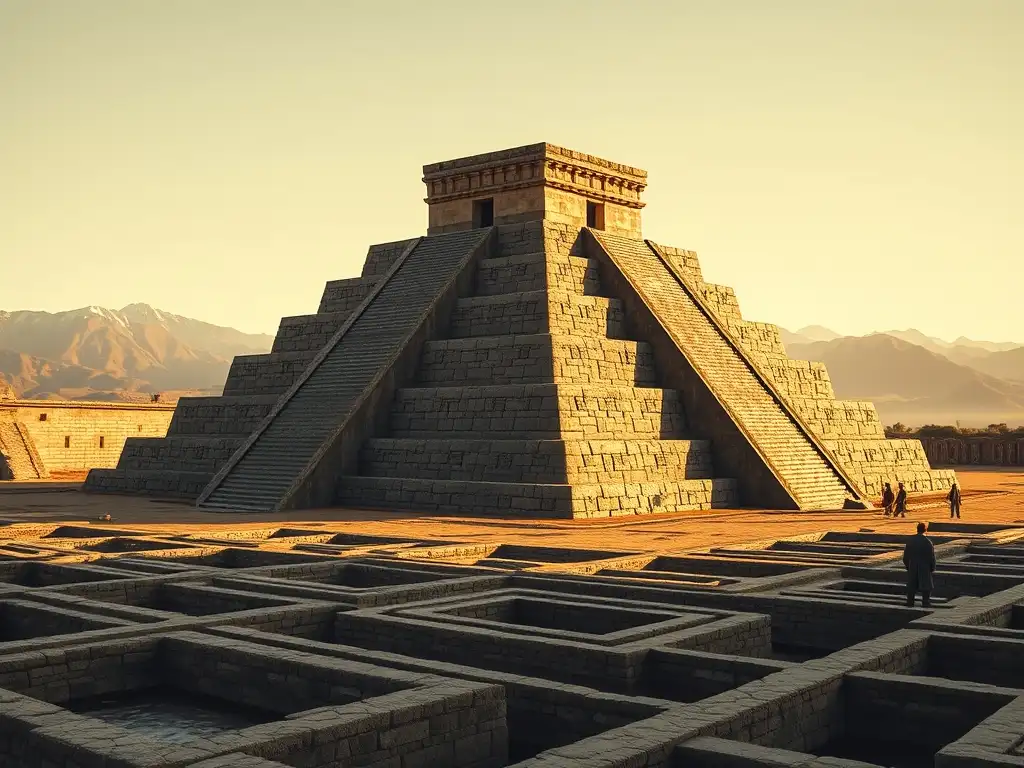
The Akapana pyramid's relationship with water is a crucial aspect of understanding its potential meaning and function within the Tiahuanaco complex. Archaeological evidence strongly suggests that water played a central, perhaps even ritualistic, role in the lives of the Tiahuanaco people. The intricate network of canals, channels, and reservoirs surrounding the Akapana wasn't simply a matter of practical irrigation; it was deeply integrated into the pyramid's design and likely held symbolic significance. Researchers have found evidence of sophisticated water management systems, including carefully engineered channels that directed water flow both into and around the structure.
These systems weren't haphazard; they were precisely planned and executed, demonstrating a remarkable understanding of hydraulic engineering for the time period. Some scholars propose that the carefully controlled water flow might have been used to create a visually stunning spectacle, perhaps involving fountains or carefully orchestrated overflows during religious ceremonies. The cyclical nature of water, its life-giving properties, and its association with fertility and rebirth in many ancient cultures make it highly plausible that the water management systems of the Akapana were inextricably linked to its ceremonial function. The precise details of these ceremonies remain a subject of ongoing research, but the importance of water in the Akapana's overall design is undeniable.
The integration of water into the architectural plan underscores the deep connection between the Tiahuanaco people, their environment, and their spiritual beliefs, adding another layer to the complex puzzle of the Akapana's meaning. Further investigation into the sediment layers within the canals and reservoirs might reveal more about the types of water used and the frequency of its manipulation. The sophisticated nature of this water management system speaks to the advanced engineering capabilities of the Tiahuanaco civilization and its profound impact on their understanding of the Akapana's function.
Alternative Theories on the Akapana's Purpose
While the ceremonial and water management interpretations are prevalent, alternative theories regarding the Akapana pyramid's purpose exist. Some researchers suggest that the Akapana may have served as a monumental platform for political displays, showcasing the power and authority of the Tiahuanaco elite. This theory points to the pyramid's imposing size and strategic location within the city as evidence of its use for public gatherings and demonstrations of power. The sheer scale of the structure would have certainly impressed visitors and reinforced the authority of the ruling class.
This interpretation, however, doesn't necessarily exclude the ceremonial or water management aspects; these elements could have been integrated into the broader context of political displays. Another less explored theory proposes that the Akapana might have been a sophisticated astronomical observatory, aligning with specific celestial events. While this theory requires further investigation and potentially advanced astronomical analysis to confirm, the precise arrangement of the structures within the complex could potentially offer clues regarding astronomical alignments. The possibility of a dual or even multi-faceted purpose should also be considered.
It's entirely possible that the Akapana served multiple functions simultaneously – a ceremonial center, a statement of political power, and perhaps even an astronomical observatory – fulfilling various needs within the Tiahuanaco society. The lack of conclusive evidence for any single theory underscores the complexity of interpreting ancient structures and the need for interdisciplinary approaches to fully understand the Akapana's significance. Further research, including more extensive archaeological excavations and advanced technological analysis, is crucial to refine our understanding of this enigmatic structure and its place within the broader context of Tiahuanaco culture.
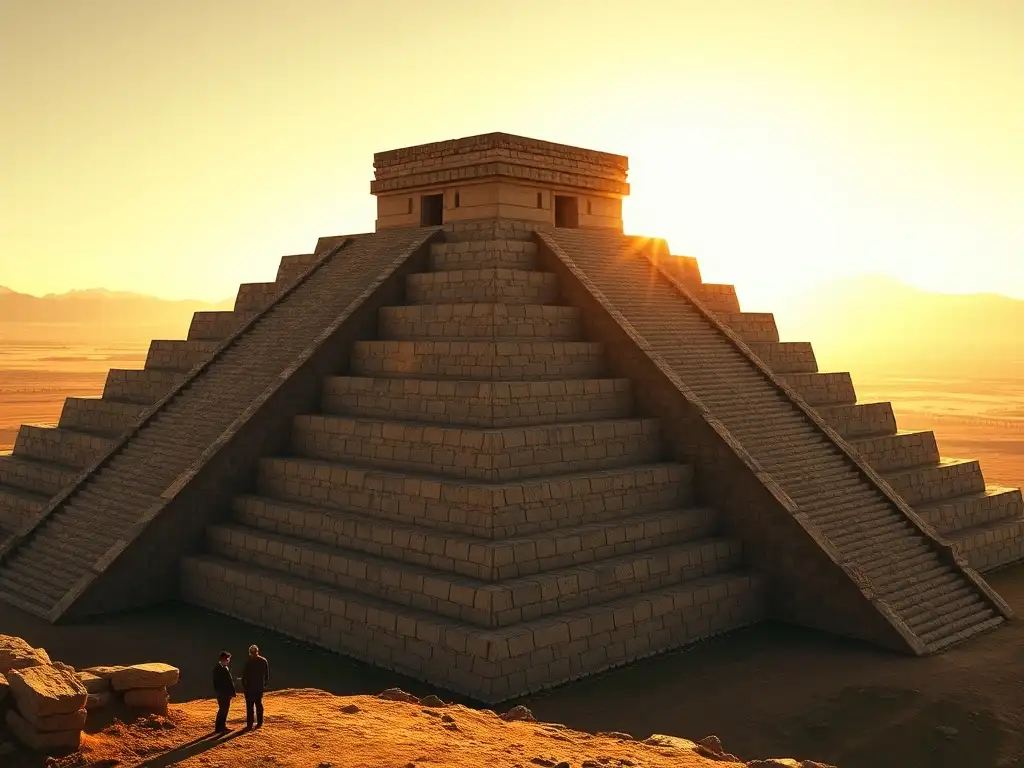
The Akapana Pyramid, a monumental structure at the heart of Tiahuanaco, wasn't merely a grand architectural feat; it was a powerful symbol reflecting the complex social structure of this sophisticated civilization. Its design, construction, and even its eventual abandonment offer valuable insights into the power dynamics, religious beliefs, and economic organization of Tiahuanaco society. Understanding the Akapana's meaning requires examining its role within the broader context of Tiahuanaco's social and political landscape.
The sheer scale of the pyramid suggests a highly centralized authority capable of mobilizing significant resources and manpower, indicating a stratified society with a clear hierarchy. The precise nature of this hierarchy, however, remains a subject of ongoing research and debate among archaeologists. Further investigation into the artisan workshops and residential areas surrounding the pyramid could shed more light on the social stratification within Tiahuanaco.
How the Akapana Pyramid Reflected Tiahuanaco Society
The Akapana Pyramid's design itself subtly, yet powerfully, reflects Tiahuanaco's social organization. Its terraced structure, with its intricate network of internal chambers and canals, might represent the different social strata within the society. The upper levels, perhaps more accessible to the elite, could have served as ceremonial spaces or residential quarters for the ruling class.
Lower levels, more complex to access, might have housed storage facilities, workshops, or living spaces for commoners. The elaborate water management system integrated into the pyramid’s design speaks volumes about the civilization's advanced engineering capabilities and its ability to manage resources efficiently. This suggests a sophisticated level of societal organization and planning, essential for the successful completion of such a massive undertaking.
The presence of sophisticated water management within the pyramid suggests a society deeply concerned with resource control and management, further reinforcing the idea of a centralized authority overseeing these crucial aspects of daily life. The distribution of artifacts found around the pyramid could provide additional clues regarding social hierarchy, although more detailed analysis is required to draw definitive conclusions.
Labor Organization and the Akapana Pyramid's Construction
Constructing the Akapana Pyramid necessitated a highly organized workforce. The sheer scale of the project—moving millions of stones, many weighing several tons—points towards a sophisticated system of labor organization. Evidence suggests that the construction involved specialized labor groups, with skilled artisans working alongside a larger workforce of laborers.
This division of labor implies a complex social structure with differentiated roles and responsibilities, far removed from a simple, egalitarian society. The precision in stone cutting and placement indicates a highly skilled workforce, possibly organized into guilds or specialized units. Further research into the tools and techniques used in the construction, along with analysis of skeletal remains, could provide further insights into the lives and social standing of the workers involved in this monumental project.
Was there a system of corvée labor, or were skilled workers compensated differently? These are some of the key questions that remain to be answered. The absence of clear evidence regarding worker compensation highlights the need for further research in this area.
The Akapana Pyramid as a Focal Point for Ritual and Ceremony
Beyond its potential social implications, the Akapana Pyramid served as a crucial center for ritual and ceremony in Tiahuanaco. Its elevated position, commanding views of the surrounding landscape, likely amplified its symbolic importance. The presence of multiple internal chambers and intricate water channels suggests the performance of complex religious rites involving water, a vital element in Andean cosmology.
The careful orientation of the pyramid towards celestial events, such as solstices and equinoxes, points towards a sophisticated understanding of astronomy and its incorporation into religious practices. The discovery of various artifacts within the pyramid, including ceremonial objects and human remains, further supports its use as a sacred site. The precise nature of these rituals and their significance within the Tiahuanaco worldview remains a subject of ongoing research, but the Akapana's design undeniably points towards its central role in the religious life of the city.
The integration of astronomy and water management into the pyramid’s design suggests a complex interplay between religious beliefs and practical concerns, reflecting a holistic approach to life characteristic of Andean cultures. Further analysis of the artifacts and the spatial layout of the chambers within the pyramid is needed to fully understand the nature of these rituals.
The Decline of the Akapana Pyramid and Tiahuanaco
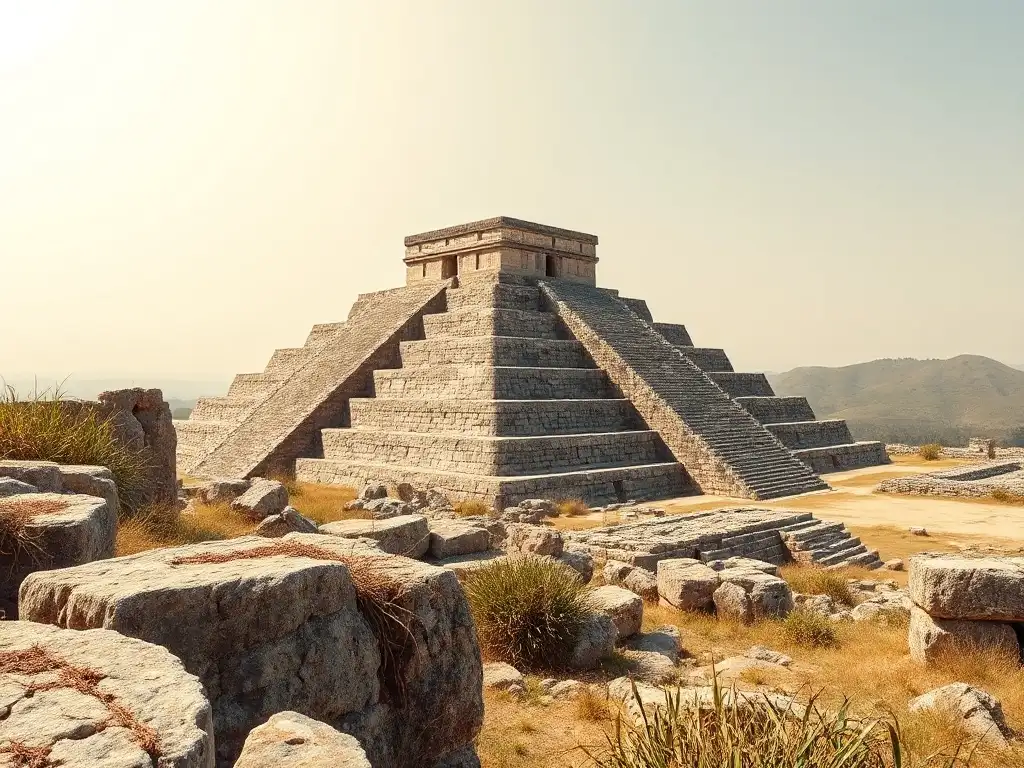
The Akapana pyramid, once a symbol of Tiahuanaco's power and sophistication, ultimately shared the fate of the city itself: a gradual decline and eventual abandonment. Pinpointing the exact timeline of this decline is challenging, hampered by the fragmentary nature of the archaeological record and ongoing debates among researchers. However, a confluence of factors likely contributed to the city's, and consequently the Akapana's, demise.
The process wasn't a sudden collapse but rather a slow, complex unraveling spanning centuries. Understanding this decline is crucial to grasping the full meaning and significance of the Akapana within the broader context of Tiahuanaco's history. The "Tiahuanaco Akapana Pyramid meaning" is intrinsically linked to understanding its eventual fall.
Factors Contributing to the Abandonment of the Akapana
Several interconnected factors likely contributed to the abandonment of the Akapana and the broader decline of Tiahuanaco. These include:
- Environmental Change: Evidence suggests significant climatic shifts, possibly including prolonged droughts, impacted the agricultural productivity of the region. This would have severely strained the city's food supply and destabilized its economic foundation. The reliance on sophisticated irrigation systems, while initially successful, may have become increasingly difficult to maintain under changing environmental conditions. This pressure likely cascaded, affecting the social and political structures that supported the Akapana's construction and maintenance.
- Political Instability: As agricultural yields decreased, competition for resources likely intensified, leading to internal conflicts and political instability. The centralized power structure that had overseen the Akapana's construction may have weakened, resulting in a loss of control and the inability to effectively manage the city's infrastructure. The very monumental nature of the Akapana might have become a burden, demanding resources better allocated elsewhere during a period of scarcity.
- External Pressures: While the exact nature and extent of external pressures remain debated, the possibility of warfare or migration pressures from neighboring groups cannot be discounted. Such conflicts could have further weakened Tiahuanaco's resources and contributed to its ultimate decline. The "Tiahuanaco Akapana Pyramid meaning" might also include an element of vulnerability – the very size and prominence of the structure could have made it a target.
- Shifting Religious Beliefs: The religious and ideological underpinnings of Tiahuanaco's society might have undergone transformations. A decline in the importance of the beliefs and practices associated with the Akapana could have led to a reduction in the resources dedicated to its upkeep and a symbolic devaluation of the structure itself.
The Akapana Pyramid’s Legacy and its Impact on Later Andean Cultures
Despite its eventual abandonment, the Akapana pyramid left a lasting legacy. Its architectural innovations, engineering prowess, and symbolic significance influenced subsequent Andean cultures. The sophisticated stonework techniques employed in its construction, for example, were likely passed down through generations of builders. The monumental scale of the Akapana and its complex internal layout may have served as an inspiration for later architectural projects. The "Tiahuanaco Akapana Pyramid meaning" extends beyond its immediate context; it resonates through centuries of Andean artistic and cultural expressions.
The city's decline wasn't a complete erasure. Many aspects of Tiahuanaco culture, including its artistic styles and religious beliefs, persisted in various forms in later Andean societies. The Akapana, even in ruins, served as a powerful reminder of a past era of grandeur and technological achievement. Its stones, reused in later constructions, physically embodied this enduring legacy. Analyzing these later uses provides valuable insights into how later cultures perceived and interacted with the ruins, further enriching our understanding of the "Tiahuanaco Akapana Pyramid meaning".
Current Research and Preservation Efforts at the Akapana Pyramid
Ongoing archaeological research at the Akapana pyramid continues to unveil new information about its construction, use, and ultimate decline. Modern techniques, such as ground-penetrating radar and 3D modeling, are providing increasingly detailed insights into the pyramid's internal structure and revealing previously unknown features. These findings contribute to a more nuanced understanding of the "Tiahuanaco Akapana Pyramid meaning," moving beyond simplistic interpretations.
Simultaneously, significant preservation efforts are underway to protect the Akapana from further deterioration. These efforts aim to stabilize the existing structures, mitigate the effects of erosion and weathering, and prevent looting and vandalism. The preservation of the Akapana is not merely about protecting a physical structure; it's about safeguarding a vital part of Andean cultural heritage and ensuring that future generations can learn from and appreciate this remarkable architectural achievement.
The ongoing work underscores the enduring fascination with the Akapana and the ongoing quest to fully decode its meaning. The continued research and preservation efforts ensure that the "Tiahuanaco Akapana Pyramid meaning" will continue to be explored and understood for years to come.
Conclusion: The Enduring Mystery of the Akapana Pyramid
The Akapana pyramid, a colossal structure at the heart of Tiahuanaco, continues to captivate archaeologists and historians alike. Its intricate design, sophisticated water management systems, and ambiguous purpose defy easy explanation, fueling ongoing debate about its true meaning and function within Tiahuanaco society. While we've made significant strides in understanding its construction and some of its potential uses, many questions remain unanswered.
The lack of definitive written records from the Tiahuanaco culture itself leaves much to interpretation, making the Akapana a testament to both human ingenuity and the enduring power of mystery. Further research, employing advanced technologies and interdisciplinary approaches, is crucial to unlocking the secrets still held within this remarkable architectural achievement. The search for the "Tiahuanaco Akapana Pyramid meaning" is far from over, and each new discovery only deepens the intrigue surrounding this enigmatic site.
Key Takeaways on the Tiahuanaco Akapana Pyramid Meaning and Significance
Several key interpretations emerge from the available evidence regarding the Akapana's significance. The pyramid's sophisticated water management system strongly suggests a ritualistic or ceremonial function, possibly related to water worship, a common theme in Andean cultures. The presence of numerous platforms and chambers could indicate a complex social hierarchy, with different areas serving distinct purposes within the religious or political structure of Tiahuanaco.
The precise "Tiahuanaco Akapana Pyramid meaning" remains elusive, but the pyramid's scale and complexity point to its central role within the city and its civilization's worldview. It was not merely a structure; it was a powerful symbol, reflecting the beliefs, values, and technological capabilities of the Tiahuanaco people. The sheer volume of earth moved to construct the pyramid underscores the immense manpower and organizational skill involved, highlighting the advanced societal structure of Tiahuanaco.
Reflecting on the Akapana’s Architectural Achievements
The Akapana pyramid represents a remarkable feat of pre-Columbian engineering. The precision of its construction, considering the available tools and techniques, is astounding. The intricate network of channels and reservoirs demonstrates a deep understanding of hydraulics and water management, far surpassing the capabilities often attributed to pre-industrial societies.
The use of massive stone blocks, meticulously fitted together without mortar, showcases a mastery of stonework that continues to impress modern engineers. Furthermore, the strategic placement of the Akapana within the Tiahuanaco city layout, its relationship to other structures, and its orientation to celestial bodies suggest a level of planning and sophistication that reflects a highly organized and technologically advanced culture. Analyzing the Akapana’s architectural achievements allows us to gain a deeper appreciation for the ingenuity and skill of the Tiahuanaco builders and the complexity of their society.
The Ongoing Importance of Studying the Akapana Pyramid
The continued study of the Akapana pyramid is essential for several reasons. First, it offers a unique window into the lives, beliefs, and technologies of the Tiahuanaco civilization, a culture that significantly impacted the Andean region.
Second, further research can refine our understanding of pre-Columbian architectural techniques and urban planning, challenging existing assumptions about the capabilities of ancient societies. Third, the Akapana serves as a powerful reminder of the importance of preserving cultural heritage sites and the need to protect them from deterioration and looting.
Finally, ongoing investigation into the "Tiahuanaco Akapana Pyramid meaning" and its context within the wider Andean world can contribute to a more complete understanding of the development and interactions of ancient Andean civilizations. By applying modern scientific methods and interdisciplinary approaches, we can unlock further secrets held within this magnificent structure, enriching our understanding of the past and fostering a deeper appreciation for the legacy of the Tiahuanaco people.
Frequently Asked Questions
What is the Akapana Pyramid?
The Akapana Pyramid is a massive, platform mound located in the ancient city of Tiahuanaco (also known as Tiwanaku) in Bolivia. It's a key structure in understanding Tiahuanaco's advanced civilization and sophisticated engineering.
What is the significance of the Akapana Pyramid's size and design?
Its immense size reflects the power and organization of the Tiahuanaco civilization. The complex internal channels and structures suggest a sophisticated understanding of water management and possibly ritualistic practices.
What is the meaning behind the name "Akapana"?
The exact meaning of "Akapana" remains debated among scholars. Some theories connect it to Aymara words related to stones or mountains, highlighting its monumental nature.
What is the Akapana Pyramid's supposed purpose?
While its precise purpose remains a mystery, theories suggest it served as a ceremonial center, a water management system, or a combination of both. Further research is needed to fully understand its function.
What makes the Akapana Pyramid significant in the context of Tiahuanaco and Andean civilizations?
The Akapana Pyramid stands as a testament to the advanced architectural and engineering skills of the Tiahuanaco people. It provides valuable insights into the religious beliefs, social structures, and technological capabilities of this influential Andean civilization.
Final Reflection: Unraveling Akapana's Legacy
The mysteries surrounding the Akapana Pyramid continue to resonate today, reminding us of the power of human ingenuity and the enduring allure of the unknown. Its sophisticated engineering and complex design challenge our assumptions about ancient civilizations and their capabilities, forcing us to reconsider our understanding of pre-Columbian societies and their advanced societal structures. The very existence of Akapana serves as a powerful testament to the ingenuity and ambition of the Tiahuanaco culture.
The Akapana's influence extends far beyond its physical presence; it continues to shape our understanding of Andean history and the development of complex societies in the region. Its enduring mystery fuels ongoing research and inspires new interpretations, constantly pushing the boundaries of our knowledge. The past is never dead. It's not even past.
– William Faulkner. This quote perfectly encapsulates the Akapana's ongoing relevance, as its secrets continue to unfold, enriching our understanding of the past and challenging our present perspectives.
Consider the Akapana's legacy. What does this monumental structure say about human potential, about the capacity for innovation and collaboration in the face of seemingly insurmountable challenges? Take a moment to reflect on the ingenuity of the builders, their vision, and the enduring power of their creation. Let the Akapana inspire you to explore the mysteries that surround you, to question assumptions, and to seek deeper understanding in the world around you. The journey of discovery, much like the exploration of Akapana itself, is a rewarding one.
**Unveil the Mysteries of the Akapana Pyramid! **
Thank you for exploring the wonders of Tiahuanaco with us! You've discovered the fascinating architecture and hidden purposes of the Akapana Pyramid, gaining a deeper understanding of Andean civilization. Now, let's put that knowledge to use!
Here's how you can continue your journey of discovery:
- **Deepen your understanding** by visiting local museums or historical sites showcasing Andean architecture and culture.
- **Connect with fellow enthusiasts** by sharing your insights on social media – tag us at @AndeanCivilizations!
- **Organize a discussion** with friends or a community group about the significance of ancient structures and their relevance to modern architecture.
What aspect of Tiahuanaco most captivates you, and how do you believe these ancient designs influence our understanding of architecture today?